Bioquímicos e reagentes
Os bioquímicos e reagentes são substâncias fundamentais para a pesquisa e desenvolvimento em campos como biotecnologia, biologia molecular, farmacologia e medicina. Esses produtos são essenciais para uma variedade de aplicações, incluindo a síntese de compostos, a análise de amostras biológicas, a pesquisa de processos metabólicos e a produção de medicamentos. Na CymitQuimica, oferecemos uma ampla seleção de bioquímicos e reagentes de alta qualidade e pureza, adequados para diversas necessidades científicas e industriais. Nosso catálogo inclui enzimas, anticorpos, ácidos nucleicos, aminoácidos e muitos outros produtos, todos projetados para apoiar pesquisadores e profissionais em seus projetos de pesquisa e desenvolvimento, garantindo resultados confiáveis e reproduzíveis.
Subcategorias de "Bioquímicos e reagentes"
- Biomoléculas(99.185 produtos)
- Por Alvo Biológico(99.150 produtos)
- Por uso/Efeitos Farmacológicos(6.789 produtos)
- Compostos relacionados à criopreservação e aos crioconservantes(21 produtos)
- Desinfetantes, aditivos para aquecimento de líquidos de banho e compostos relacionados(28 produtos)
- Hormónios(346 produtos)
- Biologia Vegetal(6.764 produtos)
- Metabólitos secundários(14.307 produtos)
Foram encontrados 130581 produtos de "Bioquímicos e reagentes"
Ordenar por
Pureza (%)
0
100
|
0
|
50
|
90
|
95
|
100
TH1834
CAS:<p>TH1834 is a peptide-based inhibitor of protein interactions. It binds to the receptor and prevents the activation of the receptor by its ligand, which blocks signal transduction. TH1834 is used as a research tool for studying ion channels and as an antibody probe for detecting and identifying proteins that bind to receptors.</p>Fórmula:C33H40N6O3Pureza:Min. 95%Peso molecular:568.7 g/molHIV1 antibody (HTLV3)
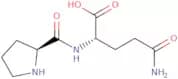
<p>HIV1 antibody (HTLV3) was raised in goat using human isolate, highly pure HIV1 as the immunogen.</p>Pro-Gln-OH
CAS:<p>Please enquire for more information about Pro-Gln-OH including the price, delivery time and more detailed product information at the technical inquiry form on this page</p>Fórmula:C10H17N3O4Pureza:Min. 95%Peso molecular:243.26 g/molIACS-8968 (R-enantiomer)
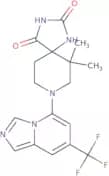
CAS:<p>IACS-8968 is a peptide that exhibits a high degree of specificity for the L-type voltage-gated calcium channels. It has been shown to inhibit these channels without affecting other ion channels, and it can also block the binding of an antibody to its antigen by competitive inhibition. IACS-8968 has a number of potential applications in life science research and cell biology. It may be used as a research tool to study protein interactions, receptor ligand binding, or pharmacology. The high purity of IACS-8968 makes it possible for researchers to work with milligram quantities.</p>Fórmula:C17H18F3N5O2Pureza:Min. 95%Peso molecular:381.35 g/molNCKIPSD antibody
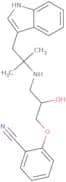
<p>NCKIPSD antibody was raised in rabbit using the middle region of NCKIPSD as the immunogen</p>Pureza:Min. 95%Bucindolol
CAS:<p>Bucindolol is a non-selective beta-blocker, which is a synthetic compound with affinity for beta-adrenergic receptors. These receptors are part of the autonomic nervous system and play a crucial role in cardiovascular function. Bucindolol acts by competitively antagonizing beta-1 and beta-2 adrenergic receptors, which results in decreased heart rate, myocardial contractility, and peripheral vascular resistance.</p>Fórmula:C22H25N3O2Pureza:Min. 95%Peso molecular:363.46 g/molNVP-BBD130
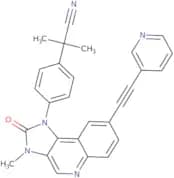
CAS:<p>NVP-BBD130 is an orally administered, small molecule inhibitor of the mammalian target of rapamycin (mTOR) kinase. It was designed to selectively inhibit mTORC1. NVP-BBD130 has been shown to be a potent inhibitor of melanoma tumor growth in mice and also inhibits the activation of phosphoinositide 3-kinase and Akt. This compound has been evaluated in a pharmacokinetic study as well as a mouse model for melanoma with promising results. In addition, NVP-BBD130 was shown to have an acceptable safety profile in healthy volunteers.</p>Fórmula:C28H21N5OPureza:Min. 95%Peso molecular:443.5 g/molc26:1 Sphingomyelin (d18:1/26:1(17Z))
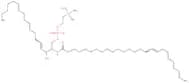
CAS:<p>C26:1 Sphingomyelin (d18:1/26:1(17Z)) is an analog of sphingomyelin found in urine that has been shown to have anticancer properties. It acts as an inhibitor of cyclin-dependent kinases, which are proteins involved in the regulation of cell division and proliferation. C26:1 Sphingomyelin induces apoptosis in cancer cells, leading to their death. Studies have shown that this compound inhibits the growth of human tumor cells, including those associated with breast and prostate cancer. In addition, it has been found to be a potent inhibitor of Chinese hamster ovary kinase, which is involved in the development and progression of cancer. C26:1 Sphingomyelin may hold promise as a potential therapeutic agent for the treatment of various types of cancer.</p>Fórmula:C49H97N2O6PPureza:Min. 95%Peso molecular:841.3 g/molLIT-001
CAS:<p>LIT-001 is a lithium-based experimental therapeutic agent, which is synthesized through advanced chemical processes involving lithium isotopes and organic ligands. Its mode of action involves the modulation of intracellular signaling pathways, particularly affecting the phosphoinositide cycle and glycogen synthase kinase-3 (GSK-3) inhibition. This modulation results in neuroprotective, mood-stabilizing, and anti-inflammatory effects.</p>Fórmula:C30H34F3N7O4SPureza:Min. 95%Peso molecular:645.7 g/molSSH3 antibody
<p>The SSH3 antibody is a highly specialized product in the field of Life Sciences. It is an amino-terminal activated antibody that is commonly used in research and diagnostic applications. This antibody specifically targets and binds to various proteins, such as annexin, chemokine, glucagon, and natriuretic peptides. The SSH3 antibody has been extensively tested and validated for its high specificity and sensitivity.</p>CXCR3 antagonist 6C
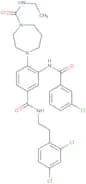
CAS:<p>CXCR3 antagonist 6C is a synthetic small molecule, which is developed through chemical synthesis techniques focusing on specificity and potency. This compound operates as an antagonist to the chemokine receptor CXCR3, effectively blocking its interaction with endogenous ligands. By hindering the receptor signaling pathway, it impedes the downstream cellular responses typically induced by chemokines, such as cellular migration and proliferation.</p>Fórmula:C30H32Cl3N5O3Pureza:Min. 95%Peso molecular:617 g/molKIAA1199 antibody
<p>KIAA1199 antibody was raised in Rabbit using Human KIAA1199 as the immunogen</p>Ethyl palmitate-d31
CAS:<p>Please enquire for more information about Ethyl palmitate-d31 including the price, delivery time and more detailed product information at the technical inquiry form on this page</p>Fórmula:C18H36O2Pureza:Min. 95%Peso molecular:315.7 g/molDuocarmycin tm
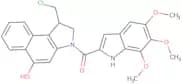
CAS:<p>Duocarmycin tm is a cytotoxic agent that inhibits the proliferation of tumor cells. It selectively binds to target tissue, where it blocks cell maturation and induces tumor vasculature collapse. This drug also exhibits significant cytotoxicity against cancer cells in cell culture and has been shown to be active against human ovarian carcinoma in mice. Duocarmycin tm has minimal toxicity and does not have any negative effects on the normal tissues in the body.</p>Fórmula:C25H23ClN2O5Pureza:Min. 95%Peso molecular:466.9 g/molThiorphan disulfide
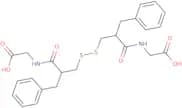
CAS:<p>Thiorphan disulfide is a compound known as an enkephalinase inhibitor, which is derived synthetically for research purposes. Its mode of action involves the inhibition of enkephalinase, an enzyme responsible for the degradation of enkephalins, which are endogenous peptides that modulate pain and emotion. By preventing the breakdown of these peptides, Thiorphan disulfide enhances their activity, resulting in increased analgesic effects.</p>Fórmula:C24H28N2O6S2Pureza:Min. 95%Peso molecular:504.6 g/mol(±)-Naproxen-d3
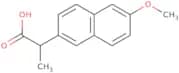
CAS:<p>Please enquire for more information about (±)-Naproxen-d3 including the price, delivery time and more detailed product information at the technical inquiry form on this page</p>Fórmula:C14H14O3Pureza:Min. 95%Peso molecular:233.28 g/molSMARCA3 antibody
<p>SMARCA3 antibody was raised in rabbit using the N terminal of SMARCA3 as the immunogen</p>Pureza:Min. 95%DDR1-IN-1 dihydrochloride
CAS:<p>Selective DDR1 inhibitor</p>Fórmula:C30H31F3N4O3·2HClPureza:Min. 95%Peso molecular:625.51 g/molFRETS-25His (1 umol) (1umol)
<p>FRETS-25His is a synthetic peptide that can be used as a research tool for studying receptor-ligand interactions. FRETS-25His binds to the extracellular loop of the alpha subunit of the nicotinic acetylcholine receptor and inhibits its activity. This peptide is useful for pharmacology studies, such as those investigating the effect of various drugs on the human body. FRETS-25His is synthesized with high purity and has a CAS number: 90415-01-3. FRETS-25His can be used in cell biology studies to study protein interactions, such as those between ion channels and ligands.</p>Pureza:Min. 95%ABAT antibody
<p>ABAT antibody was raised using the middle region of ABAT corresponding to a region with amino acids IIVEPIQSEGGDNHASDDFFRKLRDIARKHGCAFLVDEVQTGGGCTGKFW</p>CD94 antibody
<p>The CD94 antibody is a monoclonal antibody that is used in the field of life sciences. It specifically targets collagen, epidermal growth factor, and other growth factors. This antibody has shown promising results as a medicament for various conditions. It has been found to activate chemokine production and inhibit lipoprotein lipase activity. The CD94 antibody also interacts with TGF-beta and histidine receptors, leading to a wide range of therapeutic applications. Its effectiveness has been demonstrated in studies involving carbamazepine and ketamine treatments.</p>Tilivalline
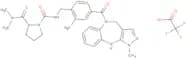
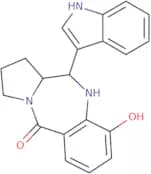
CAS:<p>Tilivalline is a compound that belongs to the class of 3-hydroxyanthranilic acid synthase inhibitors. It prevents the synthesis of 3-hydroxyanthranilic acid by binding to the enzyme and inhibiting its activity. The stereoselective inhibitory effect of tilivalline on bacterial cells has been demonstrated using mammalian cells in culture. Tilivalline also inhibits cellular respiration, resulting in inhibition of fatty acid synthesis and production of chloride ions, which can lead to cell death due to hypotonic shock. Tilivalline has shown chemical diversity, with a variety of hydroxy groups including one at the 3-position, which may confer additional activity against microbial pathogens.</p>Fórmula:C20H19N3O2Pureza:Min. 95%Peso molecular:333.4 g/molIpomeamarone
CAS:<p>Ipomeamarone is a phytotoxin, which is a naturally occurring toxic compound found in certain plant species. This compound is derived from the sweet potato, Ipomoea batatas, where it is produced in response to fungal infection. Ipomeamarone operates by interfering with key metabolic pathways in plants, leading to the disruption of normal cellular functions, particularly in relation to energy production and biosynthesis.</p>Fórmula:C15H22O3Pureza:Min. 95%Peso molecular:250.33 g/molSynaptobrevin 2 protein (His tag)
<p>1-89 amino acids: MRGSHHHHHH GMASMTGGQQ MGRDLYDDDD KDRWGSHMSA TAATAPPAAP AGEGGPPAPP PNLTSNRRLQ QTQAQVDEVV DIMRVNVDKV LERDQKLSEL DDRADALQAG ASQFETSAAKLKRKYW</p>Pureza:Min. 95%Caspase 3 Substrate 1m (Apopain), fluorogenic
CAS:<p>Please enquire for more information about Caspase 3 Substrate 1m (Apopain), fluorogenic including the price, delivery time and more detailed product information at the technical inquiry form on this page</p>Fórmula:C30H37N5O13Peso molecular:675.65 g/molGrundmanns ketone
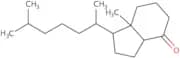
CAS:<p>Grundmanns ketone is a potent protein kinase inhibitor that has shown great promise in the treatment of cancer. It is an analog of a compound found in Chinese medicinal herbs and has been shown to induce apoptosis (cell death) in tumor cells. Grundmanns ketone inhibits kinases, which are enzymes that play a critical role in cell signaling pathways involved in cancer development and progression. This medicinal compound has been studied extensively for its anticancer properties and has shown promising results in preclinical studies. Grundmanns ketone can be detected in urine and may serve as a biomarker for cancer diagnosis and treatment monitoring. As an inhibitor of human cancer cell growth, this compound holds great potential as a therapeutic agent for the treatment of various types of cancers.</p>Fórmula:C18H32OPureza:Min. 95%Peso molecular:264.4 g/molCN128 hydrochloride
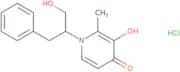
CAS:<p>Please enquire for more information about CN128 hydrochloride including the price, delivery time and more detailed product information at the technical inquiry form on this page</p>Fórmula:C15H18ClNO3Pureza:Min. 95%Peso molecular:295.76 g/molHistidine Decarboxylase antibody
<p>Histidine decarboxylase antibody was raised in rabbit using recombinant histidine decarboxylase produced in E. Coli as the immunogen.</p>Pureza:Min. 95%SU9516
CAS:<p>SU9516 is a tyrosine kinase inhibitor that blocks the epidermal growth factor receptor (EGFR) signaling pathway. It has been shown to inhibit the proliferation of human colon cancer cells and the progression of bowel disease in mice. SU9516 also inhibits a number of other cancers, such as leukemia, breast cancer, and prostate cancer. In addition, it has been shown to have antiviral effects against HIV-1 and herpes simplex virus infections. The mechanism of action for this drug may be due to its ability to inhibit EGFR signaling by binding to the active site of the enzyme tyrosine kinase. SU9516 is also an inhibitor that prevents inflammatory bowel disease in mice by blocking epidermal growth factor receptor (EGFR) signaling pathways. This drug has also been shown to be an effective chemotherapeutic agent for cancer cells resistant to chemotherapy drugs.</p>Fórmula:C13H11N3O2Pureza:Min. 95%Peso molecular:241.25 g/molOR2H2 antibody
<p>OR2H2 antibody was raised in rabbit using the C terminal of OR2H2 as the immunogen</p>Pureza:Min. 95%(-)-Slaframine
CAS:<p>(-)-Slaframine is a piperidine alkaloid, which is a natural compound derived primarily from the red clover plant, Trifolium pratense, affected by the fungus Rhizoctonia leguminicola. This compound is known for its bioactivity as a salivary gland stimulating agent, particularly in grazing livestock. Its mode of action involves binding to muscarinic acetylcholine receptors, leading to stimulation of the parasympathetic nervous system, which results in excessive salivation.</p>Fórmula:C10H18N2O2Pureza:Min. 95%Peso molecular:198.26 g/molCortisone 17-valerate
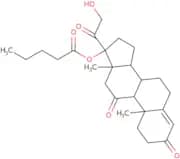
CAS:Produto Controlado<p>Please enquire for more information about Cortisone 17-valerate including the price, delivery time and more detailed product information at the technical inquiry form on this page</p>Fórmula:C26H36O6Pureza:Min. 95%Peso molecular:444.6 g/molNor-SCH-12679 Maleate
CAS:<p>Nor-SCH-12679 Maleate is a peptide that has been used extensively as a research tool and an activator of antibody production. Nor-SCH-12679 Maleate binds to the N-terminal region of the alpha subunit of voltage-gated calcium channels, thereby inhibiting channel activity. It is also an inhibitor of protein interactions and receptor binding. Nor-SCH-12679 Maleate has been shown to bind specifically to beta2 adrenergic receptors, which are expressed on smooth muscle cells and platelets.</p>Fórmula:C22H25NO6Pureza:Min. 95%Peso molecular:399.4 g/molFOXO3A antibody
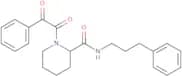
<p>FOXO3A antibody was raised in rabbit using the C terminal of FOXO3A as the immunogen</p>Pureza:Min. 95%1-(2-Oxo-2-phenylacetyl)-N-(3-phenylpropyl)piperidine-2-carboxamide
CAS:<p>1-(2-Oxo-2-phenylacetyl)-N-(3-phenylpropyl)piperidine-2-carboxamide is a highly reactive compound that has applications in the field of Life Sciences. It can be used for the synthesis of peptidoglycan, which is an essential component of bacterial cell walls. This compound is soluble in dimethyl sulfoxide and cellulose, making it versatile for various experimental setups. Additionally, 1-(2-Oxo-2-phenylacetyl)-N-(3-phenylpropyl)piperidine-2-carboxamide has been studied for its potential effects on creatine metabolism, fatty acid synthesis, and cholesterol metabolism. It has also shown interactions with other pharmaceuticals such as famotidine, blonanserin, dopamine receptors, and proton pump inhibitors like etoricoxib. Researchers have utilized this compound to investigate the role of calpain enzymes in cellular processes.</p>Fórmula:C23H26N2O3Pureza:Min. 95%Peso molecular:378.5 g/molATPIF1 antibody
<p>ATPIF1 antibody was raised using the N terminal of ATPIF1 corresponding to a region with amino acids GSIREAGGAFGKREQAEEERYFRAQSREQLAALKKHHEEEIVHHKKEIER</p>Pureza:Min. 95%HBsAg antibody
<p>HBsAg antibody is a monoclonal antibody that specifically targets the hepatitis B virus surface antigen (HBsAg). It is commonly used in the field of life sciences for research and diagnostic purposes. This antibody has been shown to have cytotoxic effects on HBsAg-activated cells, inhibiting their growth and proliferation. Additionally, the HBsAg antibody has been found to interact with various growth factors, such as epidermal growth factor, and signaling molecules like β-catenin. The binding of this antibody to HBsAg can lead to the inhibition of viral replication and the neutralization of virus particles. Its unique mechanism of action makes it a valuable tool in studying hepatitis B infection and developing potential therapeutic interventions.</p>ML-243
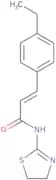
CAS:<p>ML-243 is a mouse monoclonal antibody that binds to cancer stem cells and inhibits the proliferation of the target cell. It has been shown to have anti-cancer activity in vitro and in vivo. ML-243 has been shown to be effective in treating various types of cancer, such as leukemias, lymphomas, and solid tumours. ML-243 kills target cells by complement-dependent cytotoxicity (CDC) and antibody dependent cell mediated cytotoxicity (ADCC). This drug also targets leukemia cells that have expressed CD38 or CD33 markers.</p>Fórmula:C14H16N2OSPureza:Min. 95%Peso molecular:260.35 g/molKaempferol-7-o-rhamnoside
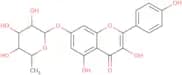
CAS:<p>Kaempferol-7-o-rhamnoside is a flavonoid glycoside, which is a type of phytochemical compound found in various plants. It is often isolated from natural sources such as fruits, vegetables, and medicinal herbs, particularly those belonging to the family Rosaceae. The compound is characterized by the presence of rhamnose sugar moiety attached to the kaempferol molecule at the 7-position.</p>Fórmula:C21H20O10Pureza:Min. 95%Peso molecular:432.38 g/molHalosulfuron
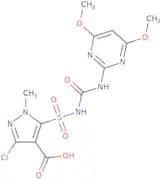
CAS:<p>Halosulfuron is a medicinal analog that has been shown to inhibit the growth of tumor and cancer cells by inducing apoptosis. It works by inhibiting kinases, which are enzymes that regulate various cellular processes including cell division and proliferation. Halosulfuron has been found in urine samples of patients with anticancer activity, indicating its potential as an inhibitor of human cancer. This compound also shows potent activity against Chinese hamster ovary cells and other cell lines, making it a promising candidate for the development of new cancer therapies. Additionally, Halosulfuron is known to be a potent protein kinase inhibitor that can be used in the treatment of various types of cancers.</p>Fórmula:C12H13ClN6O7SPureza:Min. 95%Peso molecular:420.79 g/molKRT8 antibody
<p>The KRT8 antibody is a growth factor that acts as a monoclonal antibody. It specifically targets and binds to keratin 8 (KRT8), which is a type II intermediate filament protein found in epithelial tissues. This antibody plays a crucial role in various biological processes, including cell structure and function.</p>Cxcr7 modulator 2
CAS:<p>Cxcr7 modulator 2 is a ligand that activates the Cxcr7 receptor. It has been used for research purposes in cell biology, ion channels, and protein interactions. This molecule is also an inhibitor of the Cxcr7 receptor.</p>Fórmula:C29H42N6O3Pureza:Min. 95%Peso molecular:522.68 g/molCarboxyamidotriazole
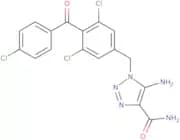
CAS:<p>Non-voltage dependent calcium channel; anti-tumour drug</p>Fórmula:C17H12Cl3N5O2Pureza:Min. 95%Peso molecular:424.67 g/molME2 antibody
<p>The ME2 antibody is a polyclonal antibody commonly used in Life Sciences research. It is specifically designed to target and detect amyloid plaque, which plays a crucial role in various neurodegenerative diseases. This antibody has been extensively tested and validated for its specificity and sensitivity.</p>Magnolioside
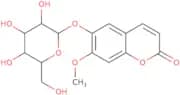
CAS:<p>Magnolioside is a bioactive compound that has been shown to have potent anti-inflammatory effects. It has been shown to inhibit the production of pro-inflammatory cytokines, such as tumor necrosis factor (TNF) and interleukin-1β (IL-1β), by inhibiting the activation of nuclear factor kappa B (NFκB). Magnolioside also inhibits the production of cyclooxygenase-2 (COX-2) and reduces the production of prostaglandins. This compound also has neuroprotective effects and was found to be effective against radiation-induced cognitive impairment in rats. Magnolioside is cytotoxic to cancer cells, including colorectal cancer cell lines, and may be a potential anticancer agent for colon cancer. The mechanism by which Magnolioside exerts its cytotoxic effect on cancer cells is not well understood; however, it may involve modulation of cellular signaling pathways or inhibition of</p>Fórmula:C16H18O9Pureza:Min. 95%Peso molecular:354.31 g/molWZB 117
CAS:<p>Inhibits GLUT1 transporter</p>Fórmula:C20H13FO6Pureza:Min. 95%Peso molecular:368.31 g/mol2-(3-Cyano-4-propoxyphenyl)-4-methylthiazole-5-carboxylic acid
CAS:<p>2-(3-Cyano-4-propoxyphenyl)-4-methylthiazole-5-carboxylic acid is a potent and selective inhibitor of the human erythrocyte type IIA phosphodiesterase (PDE2). This enzyme is responsible for the hydrolysis of cAMP, which results in vasodilation. 2-(3-Cyano-4-propoxyphenyl)-4-methylthiazole-5-carboxylic acid has been shown to inhibit PDE2 with an IC50 value of 0.6 μM, making it a valuable research tool for studies on cell biology, pharmacology, and receptor binding.</p>Fórmula:C15H14N2O3SPureza:Min. 95%Peso molecular:302.4 g/molMethamphetamine antibody
<p>The Methamphetamine antibody is a reactive antibody that is used in Life Sciences for various applications. It specifically targets methamphetamine, a potent stimulant drug. This antibody can be used in research and diagnostic settings to detect the presence of methamphetamine in human serum samples. It has high affinity and specificity for methamphetamine, making it an ideal tool for detecting and quantifying this drug. The Methamphetamine antibody is also capable of neutralizing the effects of methamphetamine by binding to it and preventing its interaction with cellular targets. This antibody can be conjugated with streptavidin or other molecules to facilitate detection or purification processes. Overall, the Methamphetamine antibody is a valuable tool for studying the effects of methamphetamine and developing peptide agents or therapeutic strategies to counteract its harmful effects.</p>Pureza:Min. 95%RhoH antibody
<p>The RhoH antibody is a therapeutically valuable hematopoietic agent. It belongs to the class of polyclonal antibodies that have the ability to inhibit cytokines. This antibody is widely used in life sciences research as a valuable protein reagent. Its high quality and effectiveness make it an essential tool for studying various biological processes and developing new therapeutic strategies. With its ability to target specific proteins, the RhoH antibody offers great potential for advancing our understanding of complex diseases and improving patient outcomes.</p>D-Glucopyranose 1,2,3,6-tetrabenzoate
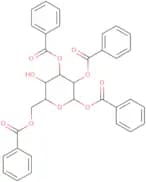
CAS:<p>Please enquire for more information about D-Glucopyranose 1,2,3,6-tetrabenzoate including the price, delivery time and more detailed product information at the technical inquiry form on this page</p>Fórmula:C34H28O10Pureza:Min. 95%Peso molecular:596.6 g/molLMAN2 antibody
<p>LMAN2 antibody was raised using the C terminal of LMAN2 corresponding to a region with amino acids LMVEHTPDEESIDWTKIEPSVNFLKSPKDNVDDPTGNFRSGPLTGWRVFL</p>Pureza:Min. 95%[2-methyl-4-[(Z)-[3-(2-methylphenyl)-4-oxo-2-propylimino-1,3-thiazolidin-5-ylidene]methyl]phenyl] acetate
CAS:<p>2-methyl-4-[(Z)-[3-(2-methylphenyl)-4-oxo-2-propylimino-1,3-thiazolidin-5-ylidene]methyl]phenyl] acetate is a research tool that is used as an activator or a ligand. It has been shown to bind to receptors such as ion channels and cell biology. This chemical has shown to inhibit the activity of an antibody in high purity. 2-methyl-4-[(Z)-[3-(2-methylphenyl)-4-oxo-2-propylimino-1,3-thiazolidin-5-ylidene]methyl]phenyl] acetate binds to cell surface receptor proteins and modulates their activity by changing the protein conformation.</p>Fórmula:C23H24N2O3SPureza:Min. 95%Peso molecular:408.5 g/molBromosporine
CAS:<p>Broad spectrum bromodomain inhibitor</p>Fórmula:C17H20N6O4SPureza:Min. 95%Peso molecular:404.44 g/molPPIF protein (His tag)
<p>30-207 amino acids: MGSSHHHHHH SSGLVPRGSH CSKGSGDPSS SSSSGNPLVY LDVDANGKPL GRVVLELKAD VVPKTAENFR ALCTGEKGFG YKGSTFHRVI PSFMCQAGDF TNHNGTGGKS IYGSRFPDEN FTLKHVGPGV LSMANAGPNT NGSQFFICTI KTDWLDGKHV VFGHVKEGMD VVKKIESFGS KSGRTSKKIV ITDCGQLS</p>3-Bromorifamycin S
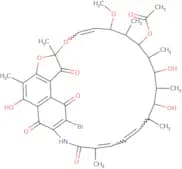
CAS:<p>3-Bromorifamycin S is a potent analog of rifamycin that has shown to be effective in inhibiting cancer cells. It induces apoptosis by targeting proteins involved in the cell cycle and DNA replication, leading to cell death. This compound has been studied extensively in Chinese hamster ovary cells and tumor cells, showing promising results as an anticancer agent. 3-Bromorifamycin S has also been found to be a kinase inhibitor, blocking the activity of kinases involved in cancer progression. Medicinal research on this compound has revealed its potential as a therapeutic option for various types of human cancers. Additionally, it can be detected in urine samples, making it a useful biomarker for monitoring treatment efficacy.</p>Fórmula:C37H44BrNO12Pureza:Min. 95%Peso molecular:774.65 g/molIRAK3 antibody
<p>IRAK3 antibody was raised using the C terminal of IRAK3 corresponding to a region with amino acids NTLESTQASLYFAEDPPTSLKSFRCPSPLFLENVPSIPVEDDESQNNNLL</p>Zamicastat
CAS:<p>Zamicastat is a drug that is used in the treatment of vascular dementia, including multi-infarct dementia and Alzheimer's disease. It has been shown to reduce systolic pressure and improve clinical response in patients with congestive heart failure. Zamicastat inhibits the production of dopamine β-hydroxylase, which is an enzyme that catalyzes the conversion of dopamine to norepinephrine. It also inhibits the production of chemoattractant protein, an inflammatory mediator. This drug is being investigated as a possible diagnostic agent for cardiac hypertrophy and sildenafil for the treatment of erectile dysfunction.</p>Fórmula:C21H21F2N3OSPureza:Min. 95%Peso molecular:401.5 g/molML298
CAS:<p>ML298 is a cell culture-based drug that has been shown to inhibit tumor growth in cancer cells by inducing autophagy. It also enhances the transcriptional regulation of genes involved in cell proliferation, such as epidermal growth factor and E2F1, which are important for cellular proliferation. ML298 also inhibits inflammatory diseases by inhibiting the production of cytokines and chemokines. ML298 is currently being tested in clinical trials for its potential use in treating breast cancer, cervical cancer, colorectal carcinoma, and other cancers.<br>ML298 is a monoclonal antibody with potent anti-tumor effects against various types of cancers. It binds to the epidermal growth factor receptor (EGFR) on cancer cells and blocks ligand binding to this receptor, which prevents activation of downstream signaling pathways. This leads to induction of autophagy (a process where cells degrade their own components) and inhibition of tumor growth by preventing proliferation and inducing apoptosis (</p>Fórmula:C22H23F3N4O2Pureza:Min. 95%Peso molecular:432.44 g/molINSL6
<p>Insulin-like 6 (INSL6) is a growth factor that belongs to the insulin family. The physiological function of INSL6 is unknown, but it has been found in spermatocytes and testicular cells. It has been shown to induce the production of creatine kinase and other peptide hormones in these cells. INSL6 also has been shown to have an anti-inflammatory effect on pro-inflammatory cytokines, which may be due to its ability to increase the permeability of the blood-brain barrier. This protein also has been found in various autoimmune diseases and cancerous tissues, including breast cancer and melanoma. Insulin-like 6 proteins are expressed in various cell types, including monocytes, T lymphocytes, fibroblasts, osteoblasts, erythrocytes, endometrial cells, and vascular endothelial cells.<br>INSL6 is involved with the synthesis of insulin-like growth factor 1 (IGF1), which plays a</p>Pureza:Min. 95%Tetranor-pgdm
CAS:<p>Tetranor-pgdm is a peptide that binds to the G protein-coupled chemokine receptor CXCR1, which may inhibit the binding of chemokines to CXCR1. Tetranor-pgdm has been shown to inhibit the activity of ion channels and ligand-gated ion channels, such as nicotinic acetylcholine receptors and voltage-gated potassium channels. Tetranor-pgdm is a potent inhibitor of the β2 subunit of the calcium channel, which is an important target for antihypertensive drugs. Tetranor-pgdm also inhibits the production of inflammatory cytokines in vitro and decreases blood pressure in vivo.</p>Fórmula:C16H24O7Pureza:Min. 95%Peso molecular:328.36 g/molP2Y14 antagonist prodrug 7J hydrochloride
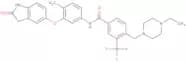
CAS:<p>7J is a prodrug that is converted to 7-deacetylgolvatinib in vivo. It is a potent antitumor agent that belongs to the class of pharmaceutical drugs. 7J has been shown to have potent antitumor activity against various types of cancer cells, including breast, prostate, lung, and bladder cancer cells. The mechanism of action for 7J appears to be related to its ability to inhibit tumor cell proliferation and induce apoptosis. This drug also inhibits the growth of bacteria by binding to bacterial DNA gyrase and topoisomerase IV enzymes. The mechanism of action for this drug is similar to other kinase inhibitors such as golvatinib or imatinib.</p>Fórmula:C33H31F3N2O3·HClPureza:Min. 95%Peso molecular:597.07 g/molEGR1 antibody
<p>The EGR1 antibody is a polyclonal antibody that is widely used in Life Sciences research. It specifically targets the early growth response protein 1 (EGR1), which plays a crucial role in various cellular processes such as growth, differentiation, and apoptosis. This antibody has been extensively validated for its specificity and sensitivity in detecting EGR1 expression in different tissues and cell types.</p>H-Val-Glu-OH
CAS:<p>Please enquire for more information about H-Val-Glu-OH including the price, delivery time and more detailed product information at the technical inquiry form on this page</p>Fórmula:C10H18N2O5Pureza:Min. 95%Peso molecular:246.26 g/molBay 41-4109
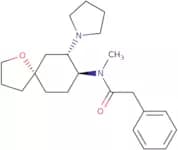
CAS:<p>Bay 41-4109 is a synthetic small molecule, which is a potent activator of soluble guanylate cyclase (sGC), derived from rational chemical design targeting specific signaling pathways. This compound primarily functions by binding to and stabilizing sGC in cells, enhancing the enzymatic conversion of GTP to cGMP, thereby modulating downstream signaling processes. Its mode of action facilitates the modulation of nitric oxide-mediated pathways, which are crucial in a variety of physiological processes.</p>Fórmula:C18H13ClF3N3O2Pureza:Min. 95%Peso molecular:395.76 g/molU-69593
CAS:<p>U-69593 is a synthetic compound that acts as a selective kappa-opioid receptor agonist. It is derived from chemical synthesis, specifically designed to interact with opioid receptors. U-69593 functions by binding to the kappa-opioid receptors in the central nervous system, modulating neurotransmitter release and altering pain perception without the typical mu-opioid receptor activity associated with conventional opioids.</p>Fórmula:C22H32N2O2Pureza:Min. 95%Peso molecular:356.5 g/molChlorhexidine-d8 hydrochloride
CAS:<p>Please enquire for more information about Chlorhexidine-d8 hydrochloride including the price, delivery time and more detailed product information at the technical inquiry form on this page</p>Fórmula:C22H32Cl4N10Pureza:Min. 95%Peso molecular:586.4 g/molDAZ4 antibody
<p>DAZ4 antibody was raised using the N terminal of DAZ4 corresponding to a region with amino acids MSAANPETPNSTISREASTQSSSAAASQGWVLPEGKIVPNTVFVGGIDAR</p>ML150
CAS:<p>ML150 is a chemical compound, which is a synthetic molecule developed through advanced organic synthesis. The product operates as an allosteric inhibitor of a specific enzyme, modulating its activity through non-competitive binding. This mechanism allows for a highly selective interaction with the enzyme, altering its conformation and thereby influencing its function in a controlled manner.</p>Fórmula:C17H17N9SPureza:Min. 95%Peso molecular:379.4 g/molFZD9 Blocking Peptide
<p>A synthetic peptide for use as a blocking control in assays to test for specificity of FZD9 antibody, catalog no. 70R-7131</p>Pureza:Min. 95%Malachite Green antibody
<p>The 6-Fluoro-3-indoxyl-beta-D-galactopyranoside is a powerful antituberculosis drug belonging to the class of rifamycins. It is highly effective in treating tuberculosis infections, thanks to its bactericidal activity. By binding to DNA-dependent RNA polymerase, this drug inhibits bacterial growth by preventing transcription and replication. Its potency has been demonstrated through various studies, including the use of a patch-clamp technique on human erythrocytes. Metabolized through several metabolic transformations, such as hydrolysis by esterases or glucuronidases, oxidation by cytochrome P450 enzymes, reduction by glutathione reductase, or conjugation with glucuronic acid, it specifically targets markers expressed at high levels in Mycobacterium tuberculosis strains. This compound also inhibits cell growth in culture and shows great promise in combating tuberculosis infections.</p>Pureza:Min. 95%CGP36742
CAS:<p>CGP36742 is a GABA_B receptor antagonist, which is a type of pharmacological agent that specifically inhibits the action of the gamma-aminobutyric acid subtype B (GABA_B) receptor in the central nervous system (CNS). This compound is derived through synthetic chemical processes designed to target and interact with GABA_B receptors, which are part of the G-protein coupled receptor family.</p>Fórmula:C7H18NO2PPureza:Min. 95%Peso molecular:179.2 g/mol





































![[2-methyl-4-[(Z)-[3-(2-methylphenyl)-4-oxo-2-propylimino-1,3-thiazolidin-5-ylidene]methyl]phenyl] …](/_next/image/?url=https%3A%2Fstatic.cymitquimica.com%2Fproducts%2F3D%2Fthumb-webp%2FDTD10905.webp&w=3840&q=75)