Bioquímicos e reagentes
Os bioquímicos e reagentes são substâncias fundamentais para a pesquisa e desenvolvimento em campos como biotecnologia, biologia molecular, farmacologia e medicina. Esses produtos são essenciais para uma variedade de aplicações, incluindo a síntese de compostos, a análise de amostras biológicas, a pesquisa de processos metabólicos e a produção de medicamentos. Na CymitQuimica, oferecemos uma ampla seleção de bioquímicos e reagentes de alta qualidade e pureza, adequados para diversas necessidades científicas e industriais. Nosso catálogo inclui enzimas, anticorpos, ácidos nucleicos, aminoácidos e muitos outros produtos, todos projetados para apoiar pesquisadores e profissionais em seus projetos de pesquisa e desenvolvimento, garantindo resultados confiáveis e reproduzíveis.
Subcategorias de "Bioquímicos e reagentes"
- Biomoléculas(99.127 produtos)
- Por Alvo Biológico(99.160 produtos)
- Por uso/Efeitos Farmacológicos(6.787 produtos)
- Compostos relacionados à criopreservação e aos crioconservantes(21 produtos)
- Desinfetantes, aditivos para aquecimento de líquidos de banho e compostos relacionados(28 produtos)
- Hormónios(346 produtos)
- Biologia Vegetal(6.742 produtos)
- Metabólitos secundários(14.222 produtos)
Foram encontrados 130581 produtos de "Bioquímicos e reagentes"
Ordenar por
Pureza (%)
0
100
|
0
|
50
|
90
|
95
|
100
Viral RNA Lysis Buffer
<p>Viral RNA Lysis Buffer is a reagent used for the preparation of viral RNA from cell culture, tissue, and blood samples. It contains a mixture of dodecyl trimethyl ammonium bromide (DTAB) and sodium deoxycholate (DOC), which are detergents that disrupt the lipid bilayer of cells. The virus lysis buffer also contains guanidine isothiocyanate (GTC), which aids in the solubilization of nucleic acids. The reagent is supplied as a powder in an inert container with a desiccant pouch to maintain stability and prevent contamination. Viral RNA Lysis Buffer can be reconstituted easily with water or other liquids, such as alcohol or buffer solutions, to form a solution that can be stored at room temperature for up to 3 months.</p>Pureza:Min. 95%CD11a antibody (Azide Free)
<p>CD11a antibody (Azide Free) was raised in rat using murine CD11a (LFA-1a) as the immunogen.</p>Pureza:Min. 95%Big-Endothelin-3 (Rat, 1-41 Amide)
<p>Big Endothelin-3 (Rat, 1-41 Amide) is a precursor molecule of the Endothelin-3 (ET-3) peptide, that belongs to the large family of endothelin peptides which activate the G-protein coupled receptors ETA and ETB. However ET-3 has lower affinity for the ETA receptors compared to Endothelin-1 (ET-1) and Endothelin-2 (ET-2), whereas all three endothelins have similar affinity for ETB receptors. As ETB receptors make up around 90% of the endothelin receptors found in the cerebral cortex in humans, ET-3 can be nicknamed the ‘brain endothelin’. Also through ET-3’s activation of ETB receptors, ET-3 is involved in the development of the enteric nervous system which controls within the gut, blood flow, secretion and intestinal motility. This product has disulfide bonds between Cys1-Cys15 and Cys3-Cys11 and is available as a 0.1mg vial.</p>Fórmula:C217H322N58O62S4Pureza:Min. 95%Peso molecular:4,863.5 g/molRTCD1 antibody
<p>RTCD1 antibody was raised using the N terminal of RTCD1 corresponding to a region with amino acids VQKIRAGRSTPGLRPQHLSGLEMIRDLCDGQLEGAEIGSTEITFTPEKIK</p>Soporidine
CAS:<p>Soporidine is an inhibitor of protein interactions, which is used in the study of receptor-ligand interactions. Soporidine has been shown to activate some receptors and inhibit others. It has also been shown to be a potent inhibitor of ion channels and may be useful as a research tool for studying ion channel function.</p>Fórmula:C27H30F3NO3Pureza:Min. 95%Peso molecular:473.5 g/molCORM-3
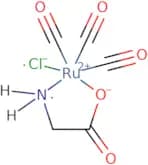
CAS:<p>Please enquire for more information about CORM-3 including the price, delivery time and more detailed product information at the technical inquiry form on this page</p>Fórmula:C5H7ClNO5RuPureza:Min. 95%Peso molecular:297.6 g/molGCOM1 antibody
<p>GCOM1 antibody was raised using the middle region of Gcom1 corresponding to a region with amino acids VAQVENQLLKMKVESSQEANAEVMREMTKKLYSQYEEKLQEEQRKHSAEK</p>Bch-research bc368502
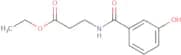
CAS:<p>Bch-research bc368502 is a peptide inhibitor of the protein interactions between C-terminal Src kinase (Csk) and Bruton's tyrosine kinase (Btk). It is a research tool for studying protein interactions, activator or ligand, receptor, ion channels, and antibody. Bch-research bc368502 is a high purity product with CAS No. 1292568-63-8.</p>Fórmula:C12H15NO4Pureza:Min. 95%Peso molecular:237.25 g/molAAL toxin TD2
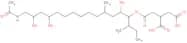
CAS:<p>Alternaria alternata produces a toxin called AAL toxin TD2. This toxin binds to the erythrocyte membrane, thereby inhibiting oxygen uptake.</p>Fórmula:C27H49NO10Pureza:Min. 95%Peso molecular:547.7 g/molElastin antibody
<p>The Elastin antibody is a neutralizing inhibitor that is widely used in Life Sciences research. It specifically targets protein kinases involved in the regulation of TGF-beta signaling pathway, P2X receptors, and collagen synthesis. This antibody has been shown to effectively block the activation of these proteins, preventing the downstream effects such as proton release, superoxide production, and chemokine secretion. Additionally, the Elastin antibody is commonly used for immunohistochemistry and immunofluorescence experiments to detect elastin expression in various tissues and cell types. It is a polyclonal antibody derived from animals and exhibits high specificity and sensitivity. Researchers often rely on this antibody to study the role of elastin in various biological processes and its potential as a therapeutic target for conditions related to mesenchymal stem cells dysfunction.</p>RNF139 antibody
<p>RNF139 antibody was raised using the N terminal of RNF139 corresponding to a region with amino acids SQRSLFKFYTYSSAFLLAATSVLVNYYASLHIDFYGAYNTSAFGIELLPR</p>Pureza:Min. 95%TGF b 1, human, recombinant
<p>TGF b 1 is a member of the transforming growth factor family and is a potent inhibitor of cell proliferation. Recombinant human TGF b 1 has been shown to inhibit the proliferation of various cell types in culture, including fibroblasts, endothelial cells, and smooth muscle cells. It also inhibits tumor growth in vivo. The binding site for TGF b 1 on target cells has been localized to the extracellular domain of type II receptor kinase, which is composed of three immunoglobulin-like domains. This protein can be used as an antibody or ligand to study protein interactions.</p>Pureza:>95% By Sds-Page.2-Dibromomethyl-benzonitrile
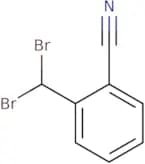
CAS:<p>Please enquire for more information about 2-Dibromomethyl-benzonitrile including the price, delivery time and more detailed product information at the technical inquiry form on this page</p>Fórmula:C8H5Br2NPureza:Min. 95%Peso molecular:274.94 g/molMouse anti Goat IgG (H + L) (HRP)
<p>Mouse anti-goat IgG (H + L) (HRP) was raised in mouse using goat IgG (H & L) as the immunogen.</p>Pureza:Min. 95%CD55 antibody (PE)
<p>CD55 antibody was raised in mouse using CD55 as the immunogen.</p>Pureza:Min. 95%BMP7 antibody
<p>BMP7 antibody was raised in rabbit using highly pure recombinant human BMP-7 as the immunogen.</p>Pureza:Min. 95%HA Peptide
<p>Haemagglutinin (HA) peptide YPYDVPDYA – HA Tag</p>Fórmula:C53H67N9O17Peso molecular:1,102.18 g/molTNFSF12 antibody
<p>TNFSF12 antibody is a highly specialized monoclonal antibody used in Life Sciences research. It specifically targets and binds to the TNFSF12 molecule, which is involved in various biological processes such as cell growth, differentiation, and immune response. This antibody has been extensively studied and shown to effectively block the activity of TNFSF12, thereby modulating its downstream effects.</p>Collagen Type IV antibody
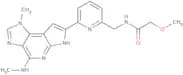
<p>The Collagen Type IV antibody is a powerful tool in the field of Life Sciences. Produced by hybridoma cells, this antibody specifically targets collagen, a vital component of connective tissues. It has been shown to have inhibitory effects on helicobacter growth and can be used to detect autoantibodies in various diseases. Additionally, the Collagen Type IV antibody can be utilized as a substrate for siRNA delivery or as an anti-connexin agent. With its high specificity and affinity, this monoclonal antibody is widely used in research laboratories for studying endothelial growth and the role of collagen in various biological processes.</p>2-Methoxy-N-((6-(1-methyl-4-(methylamino)-1,6-dihydroimiazo(4,5-D)pyrrolo(2,3-B)pyridin-7-yl)pyridin-2-yl)methyl)acetamide
CAS:<p>2-Methoxy-N-((6-(1-methyl-4-(methylamino)-1,6-dihydroimiazo(4,5-D)pyrrolo(2,3-B)pyridin-7-yl)pyridin-2-yl)methyl)acetamide is a Receptor Ligand that is used as a research tool. It binds to the ion channel and regulates the flow of ions through the channel. 2MMP has been shown to be an activator of the GABAA receptor and inhibits glutamate release from presynaptic neurons. 2MMP also binds to the NMDA receptor in a competitive manner and prevents activation by glutamate. The ligand has been shown to inhibit neuronal cell death induced by oxidative stress and induce apoptosis in cancer cells.</p>Fórmula:C19H21N7O2Pureza:Min. 95%Peso molecular:379.4 g/molCP-532623
CAS:<p>CP-532623 is a protein inhibitor that blocks the activity of the enzyme cholesterol ester transfer protein (CETP). CP-532623 is a member of the class of inhibitors that are soluble, bioconjugates. It has been shown to inhibit CETP in human cancer cell lines and clinical studies have shown that it lowers blood pressure in humans. CP-532623 is not absorbed when taken orally because it is solubilized and not lipid soluble. This drug has been shown to increase serum levels, which may be due to its inhibition of drug absorption.</p>Fórmula:C27H27F9N2O3Pureza:Min. 95%Peso molecular:598.5 g/molBIBP 3226
CAS:<p>BIBP 3226 is a drug that belongs to the class of beta-blockers. It is a potent and selective beta-adrenergic receptor antagonist that has been shown to have maximal response in the concentration range of 1 nM to 10 micromolar. The effects on blood pressure are dose dependent, with a maximal effect at doses greater than or equal to 0.1 mg/kg. BIBP 3226 has been found to inhibit insulin resistance and increase cardiac contractility in rats, and may also have an inhibitory effect on platelet aggregation. This drug exhibits pharmacokinetic properties that are independent of food intake and is metabolized by CYP3A4 in the liver.</p>Fórmula:C29H32F3N5O5Pureza:Min. 95%Peso molecular:587.6 g/molMKL1 antibody
<p>MKL1 antibody was raised in rabbit using the C terminal of MKL1 as the immunogen</p>Pureza:Min. 95%5α-Androstan-3α,17β-diol-17β-glucuronide
CAS:Produto Controlado<p>5α-Androstan-3α,17β-diol-17β-glucuronide is a metabolite of dihydrotestosterone, which is a type of androgenic steroid. It is primarily sourced from the metabolic pathways involving the action of enzyme systems on testosterone and its derivatives within the body. This compound is formed through the conjugation of 5α-androstanediol with glucuronic acid, a process mediated by the enzyme UDP-glucuronosyltransferase.</p>Fórmula:C25H40O8Pureza:Min. 95%Peso molecular:468.6 g/molCD45.1 antibody (Allophycocyanin-CY7)
<p>CD45.1 (Allophycocyanin-CY7) antibody was raised in mouse using CD45.1 as the immunogen.</p>Pureza:Min. 95%CD90.2 antibody (Allophycocyanin)
<p>CD90.2 antibody (Allophycocyanin) was raised in rat using CD90.2/`Thy-1.2 alloantigen as the immunogen.</p>Pureza:Min. 95%Triiodothyronine antibody
<p>Triiodothyronine antibody was raised in mouse using triiodothyronine-BSA as the immunogen.</p>Pureza:Min. 95%16:1 Aldehyde-d5
CAS:Produto Controlado<p>16:1 Aldehyde-d5 is a deuterated aldehyde, which is a type of organic compound where the hydrogen atoms have been replaced with deuterium, an isotope of hydrogen. This modification is typically synthesized through isotopic exchange reactions or by using deuterated precursors. The use of deuterium labels in such compounds provides unique insights due to the slight differences in nuclear properties compared to protium, which enables enhanced analytical capabilities.</p>Fórmula:C16H25OD5Pureza:Min. 95%Peso molecular:243.44 g/mol(Tyr5·12,Lys7)-Polyphemusin II
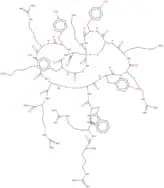
CAS:<p>T22 peptide, also known as [Tyr5,12,Lys7]-polyphemusin II peptide, is a short, positively charged peptide, analog of polyphemusin peptide which exerts a strong anti- HIV activity. Polyphemusins are known to inhibit the growth of gram-negative bacteria and some fungi such as Candida Albicans. T22 is a potent antagonist of CXCR4 (IC50 = 5.05 nM), a co-receptor used by HIV to penetrate cells.<br>It has been suggested that T22 exerts its effect against HIV-1 especially by blocking virus-cell fusion and that T22 might interact with HIV envelope protein (such as gp120 ) and T-cell surface protein. T22 antiviral activity has been shown on HIV-infected MT-4 cells with an IC50 of 0.008 µg/mL (2.6 nM). The cytotoxic concentration on HIV virus (CC50) of T22 is 54 µg/mL (17 mM).</p>Fórmula:C109H164N38O22S4Pureza:Min. 95%Peso molecular:2,486.98 g/molIsotretinoin
CAS:Produto Controlado<p>An endogenous retinoic acid receptor (RAR) agonist that upregulates forkhead box class O (FoxO) transcription factor. Suppresses activity and proliferation of sebaceous glands. Used for treating nodulocystic acne. Induces differentiation, neurite outgrowth and inhibits proliferation of neuroblastoma cells. A potential chemopreventive agent in non-small cell lung cancer, head and neck squamous cell carcinoma and neuroblastoma.</p>Fórmula:C20H28O2Pureza:Min. 95%Peso molecular:300.44 g/molEVX2 Blocking Peptide
<p>A synthetic peptide for use as a blocking control in assays to test for specificity of EVX2 antibody, catalog no. 70R-9601</p>Pureza:Min. 95%BMS 470539 Dihydrochloride
CAS:<p>BMS 470539 Dihydrochloride is a humanized anti-inflammatory monoclonal antibody that inhibits tumor necrosis factor-α (TNF-α) and interleukin-1β (IL-1β). This drug is used for the treatment of eye disorders, bowel disease, and other conditions. BMS 470539 Dihydrochloride binds to TNF receptors and blocks the interaction between TNF-α or IL-1β with their receptors, which prevents the production of inflammatory cytokines. This drug also has neuroprotective effects in animal studies. It is believed that this effect may be due to inhibition of microglial activation, which are cells in the central nervous system that release inflammatory cytokines. The molecule does not bind to macrophages or erythrocytes, so it does not have an effect on platelet aggregation or coagulation.</p>Fórmula:C32H43Cl2N5O4Pureza:Min. 95%Peso molecular:632.62 g/molYM 60828
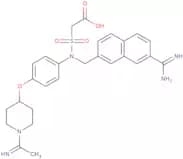
CAS:<p>Inhibits factor Xa; anti-thrombotic</p>Fórmula:C27H33Cl2N5O5SPureza:Min. 95%Peso molecular:610.55 g/molCXD101
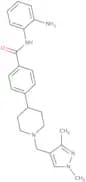
CAS:<p>CXD101 is a small molecule inhibitor of histone deacetylase (HDAC) enzymes. It is a potent, selective, and reversible inhibitor of HDACs 1, 2, and 3. CXD101 has been shown to induce cell death in solid tumours through the inhibition of HDACs. In vitro studies have shown that it inhibits the growth of cancer cells by inducing apoptosis and inhibiting the transcriptional activity of Hdac enzymes on histones. These findings indicate that CXD101 may be useful for the treatment of cancers. CXD101 has been well tolerated in clinical trials with no significant adverse effects reported.<br>CXD101 is an amide-linked prodrug which undergoes rapid acetylation by esterases in vivo to form its active metabolite, cixutumumab (CX1001). Acetylation occurs mainly in the liver, followed by rapid elimination from plasma with a half-life of</p>Fórmula:C24H29N5OPureza:Min. 95%Peso molecular:403.52 g/molEthyl 4-(1H-pyrrolo[2,3-b]pyridin-3-yl)piperidine-1-carboxylate
CAS:<p>Ethyl 4-(1H-pyrrolo[2,3-b]pyridin-3-yl)piperidine-1-carboxylate (EPPC) is a research tool that is an activator of the ligand receptor binding. EPPC binds to the receptor and activates it by opening ion channels in cells. It has been shown to bind to the NMDA receptor in neurons, leading to a decrease in calcium ion influx and an increase in potassium ion efflux. EPPC also binds to the GABA receptor and blocks chloride channel activity, which leads to neuronal hyperactivity. EPPC can be used as a pharmacological agent for studying protein interactions and peptide synthesis.</p>Fórmula:C15H19N3O2Pureza:Min. 95%Peso molecular:273.33 g/molUBE2C antibody
<p>UBE2C antibody was raised using the middle region of UBE2C corresponding to a region with amino acids QGNICLDILKEKWSALYDVRTILLSIQSLLGEPNIDSPLNTHAAELWKNP</p>Pureza:Min. 95%SNIPER(ABL)-033
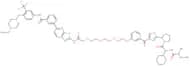
CAS:<p>SNIPER(ABL)-033 is an advanced biotechnological tool designed to facilitate targeted research interventions. It is sourced from a collaborative effort between molecular biology specialists and biochemical engineers, ensuring robustness in complex biological environments. The product operates via advanced Antibody-Based Ligand (ABL) technology, which allows for the precise targeting and modulation of specific cellular pathways. Its mode of action involves binding to distinct molecular markers, facilitating targeted interference or activation of biological processes with high specificity and minimized off-target effects.</p>Fórmula:C61H73F3N10O9S2Pureza:Min. 95%Peso molecular:1,211.4 g/molFBG2 antibody
<p>FBG2 antibody was raised in rabbit using residues 268-284 (SEAQPGQKHGQEEAAQS) of the human FBG2 protein as the immunogen.</p>Pureza:Min. 95%PE 154
CAS:<p>PE 154 is a nucleotide analog that inhibits the transcription-polymerase chain reaction. It is most commonly used in the detection of viruses because it inhibits viral growth by preventing RNA synthesis. PE 154 also has antireflection properties that allow for better light transmission, making it useful for optical devices. In addition to its antiviral activity, PE 154 has been shown to inhibit the replication of human herpes virus 6 and 7, as well as other viruses such as HIV-1, HIV-2, and cytomegalovirus.<br>br> <br>PE 154 binds to DNA and prevents the initiation of transcription by blocking polymerase binding sites on the DNA template strand. This leads to a decrease in gene expression and protein synthesis, which can lead to cell death. PE 154 also blocks reverse transcriptase activity by binding to primer binding sites on the single-stranded DNA template strand. This leads to an inhibition of RNA synthesis and subsequent protein synthesis.br>br><br>The drug</p>Fórmula:C35H35N5O4Pureza:Min. 95%Peso molecular:589.68 g/molUBE2T protein (His tag)
<p>1-197 amino acids: MQRASRLKRE LHMLATEPPP GITCWQDKDQ MDDLRAQILG GANTPYEKGV FKLEVIIPER YPFEPPQIRF LTPIYHPNID SAGRICLDVL KLPPKGAWRP SLNIATVLTS IQLLMSEPNP DDPLMADISS EFKYNKPAFL KNARQWTEKH ARQKQKADEE EMLDNLPEAG DSRVHNSTQK RKASQLVGIE KKFHPDVLEH HHHHH</p>Pureza:Min. 95%CD3e antibody (PE)
<p>CD3e antibody (PE) was raised in hamster using H-2Kb-specific mouse cytotoxic T lymphocyte as the immunogen.</p>Pureza:Min. 95%SLC25A12 antibody
<p>SLC25A12 antibody was raised using a synthetic peptide corresponding to a region with amino acids GLKPAGSEPTPKSRIADLPPANPDHIGGYRLATATFAGIENKFGLYLPKF</p>Pureza:Min. 95%RAP1GAP antibody
<p>RAP1GAP antibody was raised using the middle region of RAP1GAP corresponding to a region with amino acids IENIQEVQEKRESPPAGQKTPDSGHVSQEPKSENSSTQSSPEMPTTKNRA</p>Mavorixafor trihydrochloride
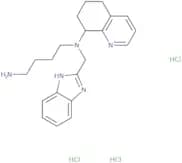
CAS:<p>Mavorixafor is an antagonist that binds to the chemokine receptor CXCR4. It is used as a research tool for studying CXCR4-mediated signaling and protein interactions. Mavorixafor also has pharmacological activity, which may be due to its ability to activate G protein-coupled receptors and ion channels. Mavorixafor trihydrochloride is a highly purified drug that is soluble in water. It has a molecular weight of 576.8 Da and the chemical formula CHClNOS. CAS No: 2309699-17-8</p>Fórmula:C21H30Cl3N5Pureza:Min. 95%Peso molecular:458.9 g/molAlbumin antibody
<p>Albumin antibody was raised using the middle region of ALB corresponding to a region with amino acids LSEKERQIKKQTALVELVKHKPKATKEQLKAVMDDFAAFVEKCCKADDKE</p>Pureza:Min. 95%Brobactam sodium
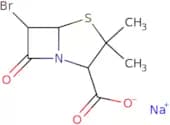
CAS:<p>Brobactam sodium is a β-lactamase inhibitor, which is a chemically synthesized compound with the primary function of inactivating β-lactamase enzymes produced by certain bacteria. These enzymes can degrade β-lactam antibiotics, such as penicillins and cephalosporins, rendering them ineffective. Brobactam sodium functions by forming a covalent bond with the active site of β-lactamase enzymes, thus inhibiting their activity and allowing the concomitantly administered β-lactam antibiotic to exert its bactericidal effect on the susceptible pathogens.</p>Fórmula:C8H9BrNNaO3SPureza:Min. 95%Peso molecular:302.12 g/molCAY10681
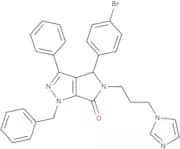
CAS:<p>CAY10681 is a senolytic agent that eliminates senescent cells in the lung. Senescent cells are cells that have stopped dividing and accumulate with age and during chronic inflammation. CAY10681 has been shown to reduce pulmonary fibrosis in mice and to inhibit the growth of atherosclerosis lesions in mouse models. The mechanism of action of CAY10681 is not yet known, but it seems to specifically target senescent cells without affecting normal cells. CAY10681 has also been shown to inhibit the production of gene products associated with senescence, such as IL-6, IL-8, and TNF-α.</p>Fórmula:C30H26BrN5OPureza:Min. 95%Peso molecular:552.5 g/molICEC0942 (CT7001)
CAS:<p>ICEC0942 is a protein kinase inhibitor that inhibits the activity of transcription factors. It has been shown to have anticancer effects in laboratory studies and in clinical trials on patients with cancer. ICEC0942 was found to be effective at a dose of 0.3 mg/kg, which is lower than the doses typically used for chemotherapy drugs. ICEC0942 also has a low toxicity profile and does not cause DNA damage or cellular dysregulation, which are common side effects of other cancer therapies.</p>Fórmula:C22H31ClN6OPureza:Min. 95%Peso molecular:430.97 g/molPSMD11 antibody
<p>PSMD11 antibody was raised in mouse using recombinant human PSMD11 (1-422aa) purified from E. coli as the immunogen.</p>CSF1 antibody
<p>CSF1 antibody was raised using a synthetic peptide corresponding to a region with amino acids MAPVAGLTWEDSEGTEGSSLLPGEQPLHTVDPGSAKQRPPRSTCQSFEPP</p>Pureza:Min. 95%CD122 antibody (Azide Free)
<p>CD122 antibody (Azide free) was raised in rat using rat myeloma YB2/0 transfected with truncated murine IL-2RB cDNA as the immunogen.</p>Pureza:Min. 95%INSR antibody
<p>The INSR antibody is a highly specialized monoclonal antibody used in Life Sciences research. It specifically targets the insulin receptor (INSR) protein, which plays a crucial role in cellular signaling and glucose metabolism. This antibody can be used to study various aspects of INSR function, including its interaction with other proteins such as telomerase, glucagon, β-catenin, and collagen.</p>TM5007
CAS:<p>TM5007 is a molecule that has been shown to have a predictive biomarker for cancer. The acyl chain of TM5007 has been shown to be an important determinant for the biological activity of this molecule. TM5007 is orally bioavailable and can be used as a structural analysis tool for predicting the efficacy of other molecules. TM5007 inhibits the growth factor-induced proliferation of cardiac cells, and also blocks cardiomyocyte hypertrophy in vitro. It has also been shown to inhibit serine protease activity in cell culture experiments, which may provide a mechanism for its anticancer effects.</p>Fórmula:C24H20N2O6S4Pureza:Min. 95%Peso molecular:560.7 g/molJE MCP1 antibody
<p>JE MCP1 antibody was raised in rabbit using highly pure recombinant JE(MCP-1) as the immunogen.</p>Pureza:Min. 95%Deferiprone-d3
CAS:Produto Controlado<p>Deferiprone-d3 is a specialized form of the chelating agent Deferiprone, which is a deuterium-labeled compound. This synthetic isotope is used in various scientific studies, particularly in the field of bioinorganic and medicinal chemistry. The incorporation of deuterium, a stable hydrogen isotope, provides distinct properties that can be exploited in mass spectrometry to investigate the pharmacokinetics and metabolic pathways of chelators.</p>Fórmula:C7H6D3NO2Pureza:Min. 95%Peso molecular:142.17 g/molACBI1
CAS:<p>ACBI1 is a transcriptional regulator that binds to the ternary complex formed by DNA, regulatory proteins and RNA polymerase. It is involved in the regulation of gene expression, with a particular focus on cancer. ACBI1 is a potent inhibitor of the ubiquitin-proteasome pathway, and has been shown to inhibit the degradation of bromodomain protein BRD4 in prostate cancer cells. The inhibition of BRD4 may be due to its ability to disrupt the interaction between BRD4 and acetylated histones, which are thought to regulate gene expression. ACBI1 has also been shown to inhibit subunits of the ubiquitin proteasome system, including UbcH5a and UbcH6.</p>Fórmula:C49H58FN9O7SPureza:Min. 95%Peso molecular:936.1 g/molAbcc2 antibody
<p>Abcc2 antibody was raised in rabbit using the middle region of Abcc2 as the immunogen</p>Pureza:Min. 95%Ml204 hydrochloride
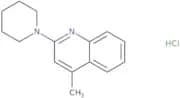
CAS:<p>ML204 hydrochloride is a selective TRPC4/5 ion channel inhibitor, which is a synthetic compound designed to modulate specific biological pathways. It is derived from a series of chemical modifications tailored to target the transient receptor potential canonical (TRPC) family of ion channels, particularly TRPC4 and 5.</p>Fórmula:C15H19ClN2Pureza:Min. 95%Peso molecular:262.78 g/molCD20 antibody (PE-CY7)
<p>CD20 antibody (PE) was raised in mouse using human CD20 as the immunogen.</p>Pureza:Min. 95%SAA4 antibody
<p>SAA4 antibody was raised using the middle region of SAA4 corresponding to a region with amino acids AAKLISRSRVYLQGLIDYYLFGNSSTVLEDSKSNEKAEEWGRSGKDPDRF</p>Pureza:Min. 95%[D-Pro2,D-Trp7,9]-Substance P (1ea)
<p>This product is a Substance P antagonist and is available in the Hydrochloride salt form. Substance P is a member of the tachykinin neuropeptide family which is produced in the central nervous system (CNS) and acts through its specific receptor neurokinin 1 receptor (NK-1R). NK-1R is present in neurons and on glial cell types. Substance P is involved in: pain perceptions as a neurotransmitter; gut motility; increased inflammation in the lungs, gastrointestinal tract and the skin and neuroinflammation. Interestingly the levels of Substance P are raised in inflammatory bowel diseases and through its involvement in cytokine release, it contributes to asthma pathology. These diverse selection of functions makes substance P a target for therapeutic research.</p>Fórmula:C74H106N20O13S•3HCI•6H2OPureza:Min. 95%Peso molecular:1,733.3 g/molFos, gst tagged human
CAS:<p>Fos, GST-tagged human, is a recombinant fusion protein, which is derived from human sources using molecular cloning techniques. This product contains the Fos proto-oncogene from Homo sapiens, fused to a Glutathione S-transferase (GST) tag, facilitating its purification and detection. The mode of action involves binding to the AP-1 transcription factor complex as a leucine zipper protein, playing a crucial role in mediating cellular signals that govern cell proliferation, differentiation, and survival.</p>Pureza:Min. 95%Diflapolin
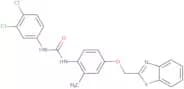
CAS:<p>Diflapolin is a synthetic pharmaceutical compound, which is a non-steroidal anti-inflammatory drug (NSAID) derived from laboratory-synthesized chemical precursors. Its mode of action involves the inhibition of specific enzymes, particularly cyclooxygenase (COX) enzymes, which play a crucial role in the biosynthesis of pro-inflammatory mediators like prostaglandins. By impeding these enzymes, Diflapolin effectively reduces inflammation, alleviates pain, and decreases fever.</p>Fórmula:C22H17Cl2N3O2SPureza:Min. 95%Peso molecular:458.4 g/molERCC5 antibody
<p>ERCC5 antibody was raised using the N terminal of ERCC5 corresponding to a region with amino acids NPQAIDIESEDFSSLPPEVKHEILTDMKEFTKRRRTLFEAMPEESDDFSQ</p>(+)-Kobusin
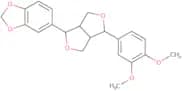
CAS:<p>Kobusin is a genus of antimicrobial agents that are activated by receptor binding. It has been shown to have genotoxic activity in the activity test, and it is also active against necrotic cell death. Kobusin has been shown to inhibit the growth of hepatitis C virus (HCV) in cell culture. Kobusin also possesses antinociceptive properties, which may be due to its ability to reduce inflammatory disease symptoms and suppress pain-causing substances that are released from nerve endings.</p>Fórmula:C21H22O6Pureza:Min. 95%Peso molecular:370.4 g/molKIAA1191 Blocking Peptide
<p>A synthetic peptide for use as a blocking control in assays to test for specificity of KIAA1191 antibody, catalog no. 70R-4315</p>Pureza:Min. 95%KRR1 antibody
<p>KRR1 antibody was raised using the C terminal of KRR1 corresponding to a region with amino acids KANQKKRQKMEAIKAKQAEAISKRQEERNKAFIPPKEKPIVKPKEASTET</p>OX03050
CAS:<p>OX03050 is a drug that inhibits the activity of the enzyme 3-hydroxy-3-methylglutaryl coenzyme A reductase (HMGCR) and the production of cholesterol. OX03050 has been shown to reduce blood cholesterol levels in humans by inhibiting HMGCR, which is the rate-limiting step in cholesterol biosynthesis. In vitro studies have shown that OX03050 interacts with human liver cells, but safety and efficacy have not yet been studied in humans. Clinical trials are currently underway for OX03050 as a treatment for heart disease.</p>Fórmula:C17H18O2Pureza:Min. 95%Peso molecular:254.32 g/molZNF12 antibody
<p>ZNF12 antibody was raised in rabbit using the N terminal of ZNF12 as the immunogen</p>Pureza:Min. 95%Isoquinolinecarboxamide
CAS:<p>Isoquinolinecarboxamide is a potent anticancer agent that inhibits the growth of cancer cells. It is an analog of indirubin, a Chinese herbal medicine used for the treatment of various diseases. Isoquinolinecarboxamide has been shown to induce apoptosis in tumor cells by inhibiting protein kinase activity and DNA replication. This inhibitor has also been found to have anti-inflammatory properties and can be used to treat inflammation-related disorders. Isoquinolinecarboxamide is excreted in urine and has been shown to be effective against a variety of human cancers. Its mechanism of action involves blocking the replication of cancer cells and inducing apoptosis, making it a promising candidate for future cancer therapies.</p>Fórmula:C40H44N4O4Pureza:Min. 95%Peso molecular:644.8 g/molGlucagon antibody
<p>The Glucagon antibody is a monoclonal antibody that has been developed for use in bioassays and immunoassays. It specifically targets the antigen binding domain of lipoprotein lipase, an enzyme involved in lipid metabolism. This monoclonal antibody is highly reactive and has been extensively studied in Life Sciences research.</p>CACNA1I antibody
<p>CACNA1I antibody was raised using the middle region of CACNA1I corresponding to a region with amino acids LRTDTGDTVPDRKNFDSLLWAIVTVFQILTQEDWNVVLYNGMASTSPWAS</p>N1-Hydroxy-N8-[4-[4-[(1-oxo-5-hexyn-1-yl)amino]benzoyl]phenyl]-octanediamide
CAS:<p>N1-Hydroxy-N8-[4-[4-[(1-oxo-5-hexyn-1-yl)amino]benzoyl]phenyl]-octanediamide is a molecule with chemical structure of a benzamide. It has been shown to have inhibitory properties against histone deacetylase (HDAC), an enzyme that regulates gene expression by removing acetyl groups from the lysine residues in histones. The compound was found to be an estrogen receptor modulator and inhibits the growth of cancer cells in culture. In rat cardiomyocytes, it increased contractility and inhibited calcium uptake. N1-Hydroxy-N8-[4-[4-[(1-oxo-5-hexyn-1-yl)amino]benzoyl]phenyl]-octanediamide binds to the protein target HDAC2, which is associated with breast cancer progression, highlighting its potential as a therapeutic drug for</p>Fórmula:C27H31N3O5Pureza:Min. 95%Peso molecular:477.6 g/molHAO1 antibody
<p>The HAO1 antibody is a nuclear autoantibody that belongs to the class of Monoclonal Antibodies. It specifically targets the octanoyltransferase and methyl transferase enzymes, which are involved in high-flux metabolic pathways. This antibody has been extensively studied as a biomarker for various diseases and conditions, including interleukin disorders and carnitine deficiencies. The HAO1 antibody is used in research and diagnostic assays to detect the presence of these enzymes and their inhibitors. Its high specificity and sensitivity make it an essential tool in the field of Life Sciences.</p>H3B 5942
CAS:<p>Covalent antagonist of estrogen receptor</p>Fórmula:C31H34N4O2Pureza:Min. 95%Peso molecular:494.63 g/molPROM2 antibody
<p>The PROM2 antibody is a highly specialized monoclonal antibody that targets the collagen protein. It has been extensively studied in the field of Life Sciences for its role in various biological processes. This antibody specifically recognizes and binds to PROM2, a protein that is involved in the regulation of alpha-fetoprotein, globulin, and albumin levels.</p>Relamorelin
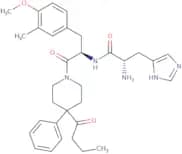
CAS:<p>Relamorelin is a peptide hormone that binds to the growth hormone-releasing factor receptor. It has been shown to activate this receptor and stimulate the release of growth hormone from the anterior pituitary gland. Relamorelin has been used as a research tool to study protein interactions, ligand binding, and inhibition of ion channels. It is also used in cell biology as an inhibitor of protein synthesis and DNA replication. Relamorelin is a potent inhibitor of ligand binding to the GABA type A receptor (CAS No. 661472-41-9).</p>Fórmula:C43H50N8O5SPureza:Min. 95%Peso molecular:791 g/molAlphos Pd G6 otf
CAS:<p>Alphos Pd G6 otf is a fumigant formulation that releases phosphine gas, sourced from metal phosphides such as aluminum or magnesium phosphide. When exposed to moisture, the product undergoes hydrolysis, liberating phosphine, a potent gaseous phosphine (PH₃) compound. This mode of action is based on phosphine’s ability to disrupt cellular respiration in pests, leading to their effective eradication.</p>Fórmula:C60H71F10O4PPdSPureza:Min. 95%Peso molecular:1,215.65 g/molLY-255283
CAS:<p>LY-255283 is a potent leukotriene B4 (LTB4) receptor antagonist, which is a synthetic compound developed for research purposes. The source of LY-255283 is a chemically synthesized molecule designed to interfere with the biological pathways mediated by leukotriene B4, a pro-inflammatory lipid mediator involved in various inflammatory responses.</p>Fórmula:C19H28N4O3Pureza:Min. 95%Peso molecular:360.45 g/mol




















![Ethyl 4-(1H-pyrrolo[2,3-b]pyridin-3-yl)piperidine-1-carboxylate](/_next/image/?url=https%3A%2Fstatic.cymitquimica.com%2Fproducts%2F3D%2Fthumb-webp%2FMZA09774.webp&w=3840&q=75)














![[D-Pro2,D-Trp7,9]-Substance P (1ea)](/_next/image/?url=https%3A%2Fstatic.cymitquimica.com%2Fproducts%2F3D%2Fthumb-webp%2FPSP-4113.webp&w=3840&q=75)






![N1-Hydroxy-N8-[4-[4-[(1-oxo-5-hexyn-1-yl)amino]benzoyl]phenyl]-octanediamide](/_next/image/?url=https%3A%2Fstatic.cymitquimica.com%2Fproducts%2F3D%2Fthumb-webp%2FFMB77288.webp&w=3840&q=75)