Bioquímicos e reagentes
Os bioquímicos e reagentes são substâncias fundamentais para a pesquisa e desenvolvimento em campos como biotecnologia, biologia molecular, farmacologia e medicina. Esses produtos são essenciais para uma variedade de aplicações, incluindo a síntese de compostos, a análise de amostras biológicas, a pesquisa de processos metabólicos e a produção de medicamentos. Na CymitQuimica, oferecemos uma ampla seleção de bioquímicos e reagentes de alta qualidade e pureza, adequados para diversas necessidades científicas e industriais. Nosso catálogo inclui enzimas, anticorpos, ácidos nucleicos, aminoácidos e muitos outros produtos, todos projetados para apoiar pesquisadores e profissionais em seus projetos de pesquisa e desenvolvimento, garantindo resultados confiáveis e reproduzíveis.
Subcategorias de "Bioquímicos e reagentes"
- Biomoléculas(99.104 produtos)
- Por Alvo Biológico(99.074 produtos)
- Por uso/Efeitos Farmacológicos(6.784 produtos)
- Compostos relacionados à criopreservação e aos crioconservantes(21 produtos)
- Desinfetantes, aditivos para aquecimento de líquidos de banho e compostos relacionados(28 produtos)
- Hormónios(346 produtos)
- Biologia Vegetal(6.693 produtos)
- Metabólitos secundários(14.218 produtos)
Foram encontrados 130576 produtos de "Bioquímicos e reagentes"
Ordenar por
Pureza (%)
0
100
|
0
|
50
|
90
|
95
|
100
MMP3 antibody
<p>MMP3 antibody was raised using a synthetic peptide corresponding to a region with amino acids AEDFPGIDSKIDAVFEEFGFFYFFTGSSQLEFDPNAKKVTHTLKSNSWLN</p>Pureza:Min. 95%6-[(2R)-4-[7-Chloro-4-(phenylmethyl)-1-phthalazinyl]-2-methyl-1-piperazinyl]-3-pyridinecarbonitrile
CAS:<p>6-[(2R)-4-[7-Chloro-4-(phenylmethyl)-1-phthalazinyl]-2-methyl-1-piperazinyl]-3-pyridinecarbonitrile is a ligand that binds to the GABA receptor and can be used as a research tool for studying the pharmacology of GABA receptors. It is also an inhibitor that has been shown to have high purity and a good solubility in water.</p>Fórmula:C26H23ClN6Pureza:Min. 95%Peso molecular:455 g/molp-((4-((1-Oxotetradecyl)amino)phenyl)methyl)-phosphonic acid
CAS:<p>P-((4-((1-Oxotetradecyl)amino)phenyl)methyl)-phosphonic acid is a synthetic compound, which is a specialized reagent used primarily in chemical research. It is derived from the modification of phosphonic acid with an aryl amide and a long-chain fatty acid substituent on the phenyl group. This structural configuration imparts the compound with unique physicochemical properties that make it suitable for various scientific studies.</p>Fórmula:C21H36NO4PPureza:Min. 95%Peso molecular:397.5 g/mol3-Phenyl-1H-quinazoline-2,4-dithione
CAS:<p>3-Phenyl-1H-quinazoline-2,4-dithione is a cyclic nucleotide phosphodiesterase inhibitor. It inhibits the activity of cyclic nucleotide phosphodiesterases, which are enzymes that break down cyclic nucleotides. Cyclic nucleotides are important in the regulation of cellular processes such as cell growth and differentiation, and 3-phenyl-1H-quinazoline-2,4-dithione has been shown to inhibit these processes. 3-Phenyl-1H-quinazoline-2,4-dithione is used clinically for the treatment of renal injury caused by ischemia reperfusion. It also has been shown to decrease blood pressure and improve blood flow in cases of hypertension. The drug has also been shown to have antiinflammatory properties and can be used for the treatment of inflammatory diseases such as rheumatoid arthritis or Crohn's disease.</p>Fórmula:C14H10N2S2Pureza:Min. 95%Peso molecular:270.4 g/molALF antibody
<p>The ALF antibody is a neutralizing antibody that targets interferon in Life Sciences. It is a biomolecule that specifically binds to galectin-3, a glycoprotein involved in various biological processes. This monoclonal antibody has been extensively studied and proven to be effective in blocking the activity of galectin-3, making it a valuable tool for research and therapeutic applications. Additionally, the ALF antibody has shown promising results as a potential treatment for multidrug-resistant infections and as a therapeutic agent for diseases involving myelin-associated glycoprotein. With its high specificity and affinity, this monoclonal antibody offers great potential for advancing scientific understanding and developing innovative therapies in the field of Life Sciences.</p>16-Phenoxy tetranor prostaglandin f2α methyl ester
CAS:<p>Please enquire for more information about 16-Phenoxy tetranor prostaglandin f2α methyl ester including the price, delivery time and more detailed product information at the technical inquiry form on this page</p>Fórmula:C23H32O6Pureza:Min. 95%Peso molecular:404.5 g/molTRAIL Receptor 3 antibody
<p>TRAIL receptor 3 antibody was raised in rabbit using N terminus of the mature human TRAIL-R3 protein as the immunogen.</p>Pureza:Min. 95%PRIM1 antibody
<p>PRIM1 antibody was raised using the N terminal of PRIM1 corresponding to a region with amino acids SQYYRWLNYGGVIKNYFQHREFSFTLKDDIYIRYQSFNNQSDLEKEMQKM</p>CS-003
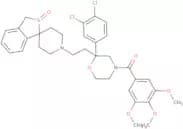
CAS:<p>CS-003 is a leukotriene receptor antagonist that inhibits the effects of leukotrienes on the airways and lungs. It is administered orally to reduce bronchoconstriction and other symptoms related to asthma, allergic rhinitis, and chronic obstructive pulmonary disease. CS-003 has been shown in clinical studies to be effective in inhibiting coughs induced by citric acid. The drug also exhibits a dose-dependent inhibitory effect on airway hyperresponsiveness. CS-003 is a recombinant human protein that binds to the neurokinin receptor 1 (NK1R) on nerve endings in the nose, reducing nasal congestion and other symptoms of allergic rhinitis such as sneezing and itchy nose.<br>CS-003 also blocks chloride channels on cells in the trachea, which may be involved in controlling inflammation following an allergen challenge.</p>Fórmula:C34H38Cl2N2O6SPureza:Min. 95%Peso molecular:673.6 g/molPDCD4 antibody
<p>The PDCD4 antibody is a highly reactive and potent monoclonal antibody that targets the growth factor PDCD4. It is derived from a transgenic cell line and has been extensively tested for its specificity and efficacy. This antibody has shown great potential in various life sciences applications, including cancer research and therapy.</p>Cathayanon H
CAS:<p>Cathayanon H is a research tool used in cell biology and pharmacology. It is an activator ligand that binds to the receptor and is used as a research tool. The antibody can be used for the detection of protein interactions, and it can also be used for the identification of ion channels. Cathayanon H can be used for the study of peptide synthesis, drug development, and membrane transport.</p>Fórmula:C25H28O6Pureza:Min. 95%Peso molecular:424.5 g/molCRNN protein (His tag)
<p>1-495 amino acids: MGSSHHHHHH SSGLVPRGSH MPQLLQNING IIEAFRRYAR TEGNCTALTR GELKRLLEQE FADVIVKPHD PATVDEVLRL LDEDHTGTVE FKEFLVLVFK VAQACFKTLS ESAEGACGSQ ESGSLHSGAS QELGEGQRSG TEVGRAGKGQ HYEGSSHRQS QQGSRGQNRP GVQTQGQATG SAWVSSYDRQ AESQSQERIS PQIQLSGQTE QTQKAGEGKR NQTTEMRPER QPQTREQDRA HQTGETVTGS GTQTQAGATQ TVEQDSSHQT GRTSKQTQEA TNDQNRGTET HGQGRSQTSQ AVTGGHAQIQ AGTHTQTPTQ TVEQDSSHQT GSTSTQTQES TNGQNRGTEI HGQGRSQTSQ AVTGGHTQIQ AGSHTETVEQ DRSQTVSHGG AREQGQTQTQ PGSGQRWMQV SNPEAGETVP GGQAQTGAST EPGRQEWSST HPRRCVTEGQ GDRQPTVVGE EWVDDHSRET VILRLDQGNL HTSVSSAQGQ DAAQSEEKRG ITARELYSYL RSTKP</p>Pureza:Min. 95%Wnt-C59
CAS:<p>Inhibitor of PORCN O-acyltransferase; inhibitor of WNT</p>Fórmula:C25H21N3OPureza:Area-% Min. 95 Area-%Cor e Forma:PowderPeso molecular:379.45 g/molARMCX3 antibody
<p>ARMCX3 antibody was raised using the middle region of ARMCX3 corresponding to a region with amino acids LFSAGNEETKLQVLKLLLNLAENPAMTRELLRAQVPSSLGSLFNKKENKE</p>Pureza:Min. 95%Actin antibody
<p>Actin antibody was raised in mouse using Actin isolated from chicken skeletal muscle cells as the immunogen.</p>Perindopril L-arginine
CAS:<p>Perindopril L-arginine is an angiotensin-converting enzyme (ACE) inhibitor, which is synthetically derived for pharmacological applications. Its mode of action involves the inhibition of the ACE, reducing the conversion of angiotensin I to angiotensin II, a potent vasoconstrictor. Consequently, this results in vasodilation, decreased blood pressure, and reduced cardiac workload. The addition of L-arginine aims to enhance endothelial function due to its role as a precursor to nitric oxide, a vasodilator that further complements the antihypertensive effects.</p>Fórmula:C25H46N6O7Pureza:Min. 95%Peso molecular:542.7 g/molPF-06869206
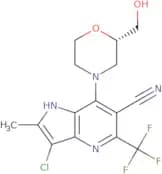
CAS:<p>PF-06869206 is a binder that binds to the parathyroid hormone receptor and inhibits its activity. It is used for the treatment of chronic kidney disease, where it reduces urinary flow rate and inhibits growth factor production, thereby reducing bone loss. PF-06869206 has been shown to lower blood calcium levels in wild-type mice with high-calcium diets, but does not affect the calcium levels of wild-type mice with low-calcium diets. This drug also inhibits parathyroid hormone secretion and decreases renal excretion of phosphate and chloride in vivo studies.<br>PF-06869206 is orally bioavailable and can be given both once or twice daily. In vivo studies have shown that this drug has nonselective binding properties as it binds to both active and inactive forms of the parathyroid hormone receptor.br></p>Fórmula:C15H14ClF3N4O2Pureza:Min. 95%Peso molecular:374.75 g/molSLC38A5 antibody
<p>SLC38A5 antibody was raised using the N terminal of SLC38A5 corresponding to a region with amino acids GIRAYEQLGQRAFGPAGKVVVATVICLHNVGAMSSYLFIIKSELPLVIGT</p>Pureza:Min. 95%Amperozide hydrochloride
CAS:<p>Amperozide hydrochloride is an amide drug that blocks the 5-HT2 receptors in the brain. It is used to treat Parkinson's disease, which results from dopamine deficiency. Amperozide hydrochloride has been shown to increase the concentration of cortisol and decrease locomotor activity in rats with 5-HT1A agonists. This drug also has a stimulatory effect on the central nervous system, which may be due to its ability to activate dopamine receptors. Amperozide hydrochloride is not effective against infectious diseases such as malaria and tuberculosis because it does not cross the blood-brain barrier.</p>Fórmula:C23H30ClF2N3OPureza:Min. 95%Peso molecular:438 g/molRabbit anti Goat IgG (H + L) (HRP)
<p>Rabbit anti Goat IgG (H + L) secondary antibody (HRP)</p>Pureza:Min. 95%BECN1 antibody
<p>The BECN1 antibody is a highly specific monoclonal antibody that targets the lectin activated form of BECN1. It is commonly used in life sciences research and assays to detect and quantify the expression of BECN1 protein. This antibody has been shown to have a high affinity for BECN1 and can effectively bind to its antigen in various biological samples, including human serum and tissues. The use of this antibody allows for accurate and reliable measurements of BECN1 levels, making it an essential tool for studying processes such as autophagy and cell death. Additionally, the BECN1 antibody has been successfully employed in experiments involving adeno-associated virus delivery systems and collagen assays. Its low density format ensures easy handling and storage, while maintaining its efficacy in detecting elastase protein activity. Trust the BECN1 antibody for precise and reproducible results in your research endeavors.</p>BRAF antibody
<p>The BRAF antibody is a monoclonal antibody used in Life Sciences research. It specifically targets the EGFR protein and has neutralizing properties. This antibody is commonly used for immunohistochemical detection and has been shown to inhibit cell proliferation. In vitro assays using this antibody have demonstrated its effectiveness in polymerase chain reactions (PCR). Unlike polyclonal antibodies, which recognize multiple epitopes on an antigen, the BRAF antibody specifically targets the BRAF protein. It has also been found to have antiangiogenic effects and can inhibit the activity of tyrosine kinase receptors. Researchers use this antibody to study various diseases, including lymphocytic choriomeningitis, and it shows potential as a therapeutic agent due to its ability to modulate chemokine signaling pathways.</p>Pureza:Min. 95%9-(3-Hydroxypropoxy)guanine
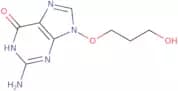
CAS:<p>9-(3-Hydroxypropoxy)guanine is an aldehyde oxidase inhibitor that blocks the production of formaldehyde, which is a reactive metabolite that can cause DNA damage. 9-(3-Hydroxypropoxy)guanine has been shown to inhibit the oxidation of purines in incubations with c1-6 alkyl. It also inhibits the oxidation of guanine and deoxyguanine mediated by aldehyde oxidase. This drug is a prodrug, which is converted to its active form in the cytosol by cytochrome p450 enzymes. The metabolic transformation of 9-(3-hydroxypropoxy)guanine into its active form occurs primarily in hepatocytes. 9-(3-Hydroxypropoxy)guanine has been shown to be effective against oxidative stress induced by homogenates and liver cells from humans, as well as cytosolic extracts from human hepatocytes.</p>Fórmula:C8H11N5O3Pureza:Min. 95%Peso molecular:225.2 g/molVh032 thiol
CAS:<p>Vh032 is a thiol-reactive, small molecule that is used as a research tool to study protein interactions. It has been shown to inhibit the activity of ion channels and can be used in pharmacological studies. Vh032 also binds to antibodies, peptides, and proteins.</p>Fórmula:C23H30N4O4S2Pureza:Min. 95%Peso molecular:490.6 g/molGDNF Human
<p>GDNF is a growth factor that was originally identified in the rat brain as a trophic factor for dopaminergic neurons. It has been found to be involved in the regulation of mood and to have acute-phase effects in animals. GDNF is also an antigen that stimulates antibody production and is used as a diagnostic marker for certain diseases. GDNF is a neurotrophic factor that affects neural progenitor cells, promoting their survival and differentiation into neurons. It has been found to have neurotrophic effects on striatal dopaminergic neurons, which may be responsible for its antidepressant effect. GDNF is a member of the family of neurotrophins, which includes nerve growth factor (NGF) and brain-derived neurotrophic factor (BDNF). The gene encoding GDNF contains two exons separated by an intron and encodes a protein with 209 amino acids.</p>Pureza:>95% By Sds-Page And Rp-Hplc.MEF2C antibody
<p>The MEF2C antibody is a cytotoxic monoclonal antibody that targets the MEF2C protein. It has been shown to have multidrug resistance and can inhibit the production of interleukin-6 and chemokines. This antibody specifically binds to the p38 mitogen-activated protein and glycoprotein receptors, leading to cell death in cancer cells. Additionally, it has been found to have an inhibitory effect on steroid and fibronectin synthesis, which are important for tumor growth and metastasis. The MEF2C antibody is widely used in life sciences research and shows promise as a potential therapeutic agent in cancer treatment, particularly in combination with other monoclonal antibodies like trastuzumab.</p>STAT6 antibody
<p>The STAT6 antibody is a highly specialized and potent cytotoxic agent that is used in various scientific research applications. This antibody specifically targets the STAT6 protein, which plays a crucial role in immune response and cellular signaling pathways. By binding to STAT6, this antibody effectively immobilizes the protein and prevents it from interacting with other molecules.</p>MK 0752
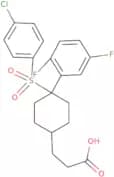
CAS:<p>γ-secretase inhibitor of Notch signalling pathway; anti-cancer agent</p>Fórmula:C21H21ClF2O4SPureza:Min. 95%Peso molecular:442.9 g/molrac-Cubebin
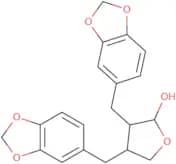
CAS:<p>Cubebin is a racemic mixture of two enantiomers, (-)-Cubebin and (+)-Cubebin. It is a potent activator of TRPV1 receptors and has been shown to inhibit the activity of the protein kinase C (PKC) in cells. Cubebin also binds to the beta-subunit of voltage-gated potassium channels, inhibiting its function as an inhibitor. Cubebin has been used as a research tool for studying protein interactions and as a pharmacological probe for understanding ion channel modulation.</p>Fórmula:C20H20O6Pureza:Min. 95%Peso molecular:356.4 g/molTMTC1 antibody
<p>TMTC1 antibody was raised using the middle region of TMTC1 corresponding to a region with amino acids LFFTKGNQLREQNLLDKAFESYRVAVQLNPDQAQAWMNMGGIQHIKGKYV</p>Pureza:Min. 95%IgG2b κ Isotype Control antibody (Biotin)
<p>Mouse monoclonal IgG2b Kappa Isotype Control antibody (Biotin)</p>Pureza:Min. 95%FANCA antibody
<p>FANCA antibody was raised using the N terminal of FANCA corresponding to a region with amino acids KLSLSKVIDCDSSEAYANHSSSFIGSALQDQASRLGVPVGILSAGMVASS</p>GSK180736A
CAS:<p>GSK180736A is a potent and selective small-molecule inhibitor of the serine/threonine kinase PKCδ with in vitro IC50 values of 0.5 nM. GSK180736A inhibits the phosphorylation of PKCδ substrates by PKCδ and prevents its nuclear translocation, leading to inhibition of cardiac hypertrophy and insulin resistance. The IC50 value for inhibition of PKCδ activity was determined to be 0.5 nM in an internalization assay using cells expressing GFP-tagged human PKCδ (hPKCδ). In addition, GSK180736A inhibits the phosphorylation of PKCα and ε at a concentration of 1 μM in an in vitro kinase assay. These results suggest that GSK180736A is a selective inhibitor for the kinase domain of PKCδ and other members of the PKC family</p>Fórmula:C19H16FN5O2Pureza:Min. 95%Peso molecular:365.36 g/molAnti PTHrP (15-34)-NH₂, humanSerum
<p>Anti PTHrP (15-34)-NH₂, humanSerum is a peptide that specifically binds to the receptor of parathyroid hormone related protein (PTHrP). It inhibits the activity of this receptor by binding to it and preventing PTHrP from binding. This peptide is used as a research tool to study the effects of PTHrP on cells in culture.</p>Pureza:Min. 95%(S)-1-Cyclohexyl-4-(4-(2-methoxyphenyl)piperazin-1-yl)-2-methyl-2-phenylbutan-1-one
CAS:<p>(S)-1-Cyclohexyl-4-(4-(2-methoxyphenyl)piperazin-1-yl)-2-methyl-2-phenylbutan-1-one is a selective serotonin reuptake inhibitor that has shown efficacy in animal models of depression. It acts by binding to the 5HT1A and 5HT2C receptors, which are located in the brain. This drug also blocks dopamine reuptake and increases the release of serotonin in the brain, leading to an antidepressant effect. (S)-1-Cyclohexyl-4-(4-(2-methoxyphenyl)piperazin-1-yl)-2-methyl-2-phenylbutan-1-one appears to have no adverse effects on the cardiovascular system.</p>Fórmula:C28H38N2O2Pureza:Min. 95%Peso molecular:434.6 g/molSMS antibody
<p>The SMS antibody is a powerful tool in the field of Life Sciences. This monoclonal antibody has been specifically designed to target and inhibit protease activity, making it an essential component in various research applications. The colloidal polyrotaxane structure of the SMS antibody ensures its stability and efficacy, allowing for accurate and reliable results.</p>Ampholak yjh 40
CAS:<p>Ampholak YJH 40 is an anticancer drug that has been developed in China. It works by inhibiting kinases, including cyclin-dependent kinases, which are involved in the regulation of cell growth and division. Ampholak YJH 40 has been shown to induce apoptosis (cell death) in cancer cells, making it a potential treatment for various types of tumors. This drug is an analog of other kinase inhibitors that have shown promising results in preclinical studies. Ampholak YJH 40 is derived from human urine and has been tested for its efficacy against a variety of cancer cell lines. It is hoped that this drug will offer new treatment options for patients with cancer.</p>Fórmula:C14H27NO4Pureza:Min. 95%Peso molecular:273.37 g/mol(R,R)-Sertraline
CAS:Produto Controlado<p>(R,R)-Sertraline is an enantiomer of the antidepressant drug Sertraline. It is a reactive compound that can form conjugates with nucleophiles and has been shown to be antiviral in vitro. (R,R)-Sertraline binds to the 5-hydroxytryptamine (5-HT) receptor sites, which are located on neurons and musculoskeletal cells. The virus has been shown to be able to bind to these receptors as well, which may lead to a decreased ability of the body's immune system to fight off viral infections. The thermodynamic properties of this drug have also been studied, showing that it has a higher affinity for the (S) form than the (R) form. This means that the drug will tend to convert from one enantiomeric form into another in vivo when given as a racemic mixture.</p>Fórmula:C17H17Cl2NPureza:Min. 95%Peso molecular:306.2 g/molKeratin K18 antibody
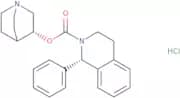
<p>Keratin K18 antibody was raised in mouse using Keratin K18 isolated from HeLa cells as the immunogen.</p>Solifenacin hydrochloride
CAS:<p>Muscarinic receptor antagonist</p>Fórmula:C23H27ClN2O2Pureza:Min. 95%Peso molecular:398.93 g/molIrestatin 9389
CAS:<p>Irestatin 9389 is a chaperone that interacts with cellular targets, such as the TNF-related apoptosis-inducing ligand (TRAIL) and TRAIL receptors. Irestatin 9389 has been shown to inhibit the growth of cancer cells in vitro by blocking signal pathways related to the growth factor TNF-α. The drug also has anti-inflammatory properties, which may be due to its ability to inhibit tumor necrosis factor alpha (TNF-α) and other inflammatory cytokines. Irestatin 9389 also blocks an endoplasmic reticulum stress response pathway, which is involved in the regulation of cell growth and death.</p>Fórmula:C16H13F3N4OS2Pureza:Min. 95%Peso molecular:398.4 g/molCPI 4203
CAS:<p>CPI 4203 is a Ligand that binds to Receptor. It activates the receptor and induces an effect in cells. This ligand can be used as a research tool in Cell Biology, Ion channels, Peptides, Antibody and inhibitor studies. CPI 4203 is also known to bind with different proteins and may be involved in Protein interactions.</p>Fórmula:C16H14N4OPureza:Min. 95%Peso molecular:278.31 g/molWARS2 antibody
<p>WARS2 antibody was raised using the middle region of WARS2 corresponding to a region with amino acids TTKQKHDGTVGLLTYPVLQAADILLYKSTHVPVGEDQVQHMELVQDLAQG</p>Neuropilin antibody
<p>Neuropilin antibody was raised using the N terminal of NETO2 corresponding to a region with amino acids ELSGADGIVRSSQVEQEEKTKPGQAVDCIWTIKATPKAKIYLRFLDYQME</p>Pureza:Min. 95%SLC25A16 antibody
<p>SLC25A16 antibody was raised using the N terminal of SLC25A16 corresponding to a region with amino acids KTTVAPLDRVKVLLQAHNHHYKHLGVFSALRAVPQKEGFLGLYKGNGAMM</p>EGFR antibody
<p>The EGFR antibody is a highly specialized antibody that targets the epidermal growth factor receptor (EGFR). It has been extensively studied and proven to be effective in various research fields. This antibody specifically binds to the nuclear region of cells and can be used for immunohistochemistry and immunofluorescence experiments. The EGFR antibody has been tested and validated for its specificity, ensuring accurate and reliable results.</p>FIDAS-3
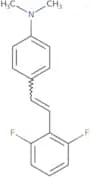
CAS:<p>FIDAS-3 is an anticancer drug that has been developed as a kinase inhibitor analog of artesunate. It has been shown to be effective in inducing apoptosis in human cancer cells. FIDAS-3 targets kinases that are involved in cell proliferation and survival, leading to the inhibition of tumor growth. This drug has been tested on Chinese hamster ovary cells and human lung cancer cells, showing potent antitumor activity. FIDAS-3 can be detected in urine after administration, making it a promising candidate for clinical trials. The combination of FIDAS-3 with chloroquine has also been shown to increase its anticancer effects by inhibiting autophagy. Overall, FIDAS-3 is a promising new drug for the treatment of cancer that shows great potential for further development.</p>Fórmula:C16H15F2NPureza:Min. 95%Peso molecular:259.29 g/molAM 114
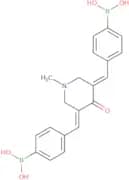
CAS:<p>AM 114 is a hydroxyl-containing compound that has been found to have antibacterial activity. The primary target of AM 114 is the informational molecule in bacteria, RNA polymerase. It binds to the catalytic site of RNA polymerase and inhibits bacterial growth. This binding leads to a decrease in bacterial cell size and a decrease in the production of proteins in the bacterial cells. AM 114 also inhibits penicillin-binding protein (PBP) from Staphylococcus aureus, which may be an additional mechanism for its antibacterial effects.</p>Fórmula:C20H21B2NO5Pureza:Min. 95%Peso molecular:377.01 g/molTunicamycin A1
CAS:<p>Tunicamycin A1 is an analog of a natural product isolated from Chinese medicinal herbs. It is known for its potent anticancer activity, acting as a kinase inhibitor that induces apoptosis in cancer cells. Tunicamycin A1 has been shown to inhibit the growth of tumors and has potential as a therapeutic agent for cancer treatment. This compound is extracted from urine and has been extensively studied for its medicinal properties. Tunicamycin A1 targets specific kinases and proteins involved in cancer cell growth, making it a promising candidate for the development of new anticancer drugs. Its potent inhibitors have shown great promise in preclinical studies as a potential treatment option for various types of cancers.</p>Fórmula:C37H60N4O16Pureza:Min. 95%Peso molecular:816.9 g/molGRL-0667
CAS:<p>GRL-0667 is a medicinal compound with potent anticancer properties. It has been shown to induce apoptosis, or programmed cell death, in various types of cancer cells. GRL-0667 is an analog of a known inhibitor of the kinase protein, which plays a critical role in regulating the cell cycle. This compound has been found to be highly effective in inhibiting the growth and proliferation of cancer cells in both Chinese hamster ovary cells and human tumor cell lines. GRL-0667 also shows promising results as a potential therapeutic agent for various types of cancer due to its ability to selectively target cancer cells while sparing normal cells. Its low toxicity profile makes it an attractive candidate for further development as an anticancer drug.</p>Fórmula:C26H28N2O3Pureza:Min. 95%Peso molecular:416.5 g/molBTN1A1 antibody
<p>The BTN1A1 antibody is a highly effective neutralizing agent that targets the c-myc antigen. This monoclonal antibody is widely used in Life Sciences research and has been proven to have significant therapeutic potential. It specifically binds to BTN1A1, a protein involved in the regulation of low-density lipoprotein (LDL) metabolism. By targeting this protein, the BTN1A1 antibody can effectively modulate LDL levels and potentially serve as a medicament for various cardiovascular disorders.</p>BAY-876
CAS:<p>BAY-876 is a small-molecule inhibitor, which is a synthesized compound with a specific mode of action targeting the glucose transporter 1 (GLUT1). GLUT1 is primarily responsible for glucose uptake across the plasma membranes of mammalian cells, a critical process for cellular metabolism and energy production. BAY-876 inhibits GLUT1 by binding to its active site, thus preventing glucose transport into cells. This inhibition disrupts the metabolic processes within cancer cells, as they heavily rely on glucose for growth and proliferation due to the Warburg effect.</p>Fórmula:C24H23NO3Pureza:Min. 95%Peso molecular:373.4 g/molPNR-7-02
CAS:<p>PNR-7-02 is a predictive biomarker for chemoresistance in cancer cells by measuring the frequency of mutations. It is a ternary complex that binds to DNA and inhibits its replication. PNR-7-02 has been shown to be an effective chemotherapeutic agent against skin cancer and malignant brain tumors. It binds to the polymerase, which prevents it from transcribing DNA, leading to cell death. This drug also inhibits the production of nucleotides and ATP, which may be due to its ability to bind with dna replication proteins. PNR-7-02 has been shown to inhibit cisplatin resistance in human ovarian cancer cells by preventing the formation of ternary complexes with cisplatin and DNA.</p>Fórmula:C24H16ClN3O2SPureza:Min. 95%Peso molecular:445.9 g/molDDR-TRK-1
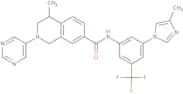
CAS:<p>DDR-TRK-1 is a pharmacological inhibitor. It is a small peptide with the amino acid sequence of CAAGRTCVARRRRGGGRC. DDR-TRK-1 binds to the receptor tyrosine kinase TrkA and blocks its activation by blocking phosphorylation of tyrosine residues. This inhibition can be used as a research tool for studying TrkA and other receptors for which it is an agonist or antagonist. DDR-TRK-1 can also inhibit the activity of ion channels, such as NMDA receptors, by binding to their ligands. In addition, this peptide has been shown to bind to antibodies against TrkA or its ligands, providing another means for detection and purification of these proteins in biological samples.</p>Fórmula:C26H23F3N6OPureza:Min. 95%Peso molecular:492.5 g/molRANTES antibody
<p>RANTES antibody was raised in rabbit using highly pure recombinant rat RANTES as the immunogen.</p>Pureza:Min. 95%TENOVIN-5
CAS:<p>TENOVIN-5 is a peptide inhibitor of the P2X7 receptor. It is a high purity, stable, and water insoluble compound that can be used as a research tool to study protein interactions, ligand binding and activation of the P2X7 receptor. TENOVIN-5 has been shown to bind to the extracellular domain of the P2X7 receptor and inhibit its function. TENOVIN-5 also activates the P2Y1 receptor in a dose-dependent manner.</p>Fórmula:C25H25N3O2SPureza:Min. 95%Peso molecular:431.6 g/molEtiproston
CAS:<p>Etiproston is a drug that binds to the receptor for the human growth hormone, which is called the growth hormone receptor. It has been used in humans to treat cardiovascular diseases and ophthalmic disorders. Etiproston binds to the receptor in the eye and prevents it from binding to another chemical. This stops the signal that tells cells to grow, thereby diminishing or slowing down cell growth. Etiproston can be used as a diluent in high concentrations to reconstitute drugs that are not available as a liquid form.</p>Fórmula:C24H32O7Pureza:Min. 95%Peso molecular:432.5 g/molChloramphenicol antibody
<p>The Chloramphenicol antibody is a highly specialized polyclonal antibody used in the field of Life Sciences. It is designed to specifically target and bind to chloramphenicol, a medicament commonly used as an anticoagulant in medical treatments. This antibody is capable of recognizing and binding to the molecule drug with high affinity and specificity.</p>Pureza:Min. 95%Ethynodiol-d6
CAS:Produto Controlado<p>Ethynodiol diacetate is a synthetic estrogen that belongs to the estradiol benzoate group. It is used as a progestin in combination with an estrogen for hormonal contraception, and as an antifungal agent in the treatment of vaginal candidiasis. Ethynodiol diacetate has been shown to have a genotoxic activity, which may be due to its ability to inhibit DNA synthesis and repair. It also inhibits protein synthesis in bacteria by binding to 16S ribosomal RNA.</p>Fórmula:C20H28O2Pureza:Min. 95%Peso molecular:300.4 g/molHOXA5 antibody
<p>HOXA5 antibody was raised in rabbit using the C terminal of HOXA5 as the immunogen</p>Pureza:Min. 95%H2AFY2 antibody
<p>H2AFY2 antibody was raised using the middle region of H2AFY2 corresponding to a region with amino acids PRIHPELLAKKRGTKGKSETILSPPPEKRGRKATSGKKGGKKSKAAKPRT</p>Kv3 modulator 3
CAS:<p>Kv3 modulator 3 is a chemical compound, which is a synthesized small molecule with the capability to modulate voltage-gated potassium channels (Kv3). This product is derived from advanced organic synthesis, utilizing specific functional group manipulations to achieve high affinity and selectivity for Kv3 channels. The mode of action of Kv3 modulator 3 involves binding to the Kv3 channel proteins, stabilizing their open state, and thereby influencing neuronal excitability and signaling properties.</p>Fórmula:C19H18N4O3Pureza:Min. 95%Peso molecular:350.4 g/molSOX13 antibody
<p>The SOX13 antibody is a vasoactive intestinal peptide (VIP) neutralizing monoclonal antibody. It is a low-molecular-weight antibody that has been shown to effectively neutralize VIP in human serum. This monoclonal antibody can also target autoantibodies and has neuroprotective properties. Studies have demonstrated that the SOX13 antibody can protect against neurodegenerative diseases and reduce inflammation. Additionally, it has been found to enhance the effects of ketamine and interferon therapy. The electrode immobilization technique can be used to deliver the SOX13 antibody directly to target cells for optimal therapeutic results. If you are looking for high-quality antibodies for life sciences research, the SOX13 antibody is an excellent choice.</p>rac Erythro-dihydro bupropion-d9
CAS:Produto Controlado<p>Rac Erythro-dihydro bupropion-d9 is a novel, potent inhibitor of the human dopamine transporter. Rac Erythro-dihydro bupropion-d9 is a racemic mixture with an enantiomeric ratio of 1:1. Rac Erythro-dihydro bupropion-d9 has been shown to inhibit the dopamine transporter and to be selective for the D2 receptor. Rac Erythro-dihydro bupropion-d9 may also be used as a research tool in cell biology, pharmacology, and cell biology.</p>Fórmula:C13H20ClNOPureza:Min. 95%Peso molecular:250.81 g/mol2-(2-Ethylaminobenzylsulfinyl)-5,6-dimethoxybenzimidazole
CAS:<p>2-(2-Ethylaminobenzylsulfinyl)-5,6-dimethoxybenzimidazole is a potent inhibitor of the human erythrocyte acetylcholinesterase (AChE) and butyrylcholinesterase (BChE). This inhibitor binds to the active site of both enzymes. The IC50 for AChE inhibition is about 5 nM and for BChE inhibition is about 1 μM. 2-(2-ethylaminobenzylsulfinyl)-5,6-dimethoxybenzimidazole has been shown to be an activator of protein interactions in a cell-free system. It also has been used as a ligand in receptor binding assays. In addition, this inhibitor can be used as a research tool to study ion channels and antibodies.</p>Fórmula:C18H21N3O3SPureza:Min. 95%Peso molecular:359.4 g/molα 1 Acid Glycoprotein protein
<p>Purified native Human Alpha 1 Acid Glycoprotein protein</p>Pureza:Min. 95%Normal Chicken Serum
<p>Normal Chicken Serum is a versatile biospecimen that can be used in various life science and veterinary applications. It contains a rich mixture of proteins, growth factors, and antibodies that are naturally present in chicken blood. This serum is commonly used as a control or reference sample in experiments involving liver microsomes, dopamine, TGF-beta, interleukin-6, teriparatide, epidermal growth factor, and other biomolecules.</p>Pureza:Min. 95%UBTD1 antibody
<p>UBTD1 antibody was raised in rabbit using the middle region of UBTD1 as the immunogen</p>Pureza:Min. 95%Tyr-Gly-Gly-Phe-Leu-Lys
CAS:Produto Controlado<p>Tyr-Gly-Gly-Phe-Leu-Lys is a synthetic peptide that has been shown to act as an activator of ion channels and as an inhibitor of protein interactions. It is also capable of binding to the receptor, ligand, or pharmacology. Tyr-Gly-Gly-Phe-Leu-Lys has been tested on a variety of cell types including rat primary neurons, CHO cells, COS cells, and human embryonic kidney (HEK) 293 cells. This peptide has shown the ability to inhibit the activity of ion channels such as voltage sensitive sodium channels and calcium channels in rat primary neurons. In CHO cells, Tyr-Gly-Gly-Phe-Leu-Lys was found to inhibit the binding of acetylcholine receptors to their ligands. In HEK 293 cells, this peptide inhibited the binding of dopamine D2 receptors with their ligands.</p>Fórmula:C34H49N7O8Pureza:Min. 95%Peso molecular:683.8 g/molCBB1007
CAS:<p>CBB1007 is a molecule that has been shown to inhibit the methylation and acetylation of lysine residues in proteins, which may be a potential biomarker for cancer. CBB1007 and its derivatives are being investigated as possible inhibitors of protein modification or as anticancer agents. In addition, CBB1007 has been shown to have anti-proliferative effects on cultured cells by inhibiting growth factor signaling pathways. This drug also inhibits tumor cell growth by inducing hypertrophy in the cells and up-regulating genes involved in cell cycle arrest.</p>Fórmula:C27H34N8O4Pureza:Min. 95%Peso molecular:534.6 g/mol3-o-(5-Deoxy-β-D-ribofuranosyl) capecitabine
CAS:<p>3-O-(5-Deoxy-beta-D-ribofuranosyl) capecitabine is a potent inhibitor of the kinase that is involved in cancer cell growth and proliferation. It has been shown to induce apoptosis in tumor cells by inhibiting protein synthesis and blocking the cell cycle. This analog of capecitabine has been tested on various human cancer cell lines and has demonstrated significant anti-tumor activity. 3-O-(5-Deoxy-beta-D-ribofuranosyl) capecitabine inhibits the activity of kinases that are essential for cancer cell survival, making it a promising candidate for cancer treatment. Additionally, this compound has been found in urine samples from patients undergoing chemotherapy with capecitabine, suggesting that it may be a useful biomarker for monitoring treatment efficacy.</p>Fórmula:C20H30FN3O9Pureza:Min. 95%Peso molecular:475.5 g/molAMG-511
CAS:<p>AMG-511 is a drug that inhibits the activity of growth factors, such as vascular endothelial growth factor (VEGF) and hepatocyte growth factor (HGF), which are important for the development of cancer. AMG-511 has been shown to inhibit endothelial cell proliferation in vitro and tumor growth in vivo. It also has anti-apoptotic effects in human cells. AMG-511 is a small molecule inhibitor that targets proteins involved in inflammation, including toll-like receptor 4.</p>Fórmula:C21H26FN9O3SPureza:Min. 95%Peso molecular:503.55 g/molFBXW8 antibody
<p>FBXW8 antibody was raised using the middle region of FBXW8 corresponding to a region with amino acids MNQKLWEVYSGHPVQHISFSSHSLITANVPYQTVMRNADLDSFTTHRRHR</p>


![6-[(2R)-4-[7-Chloro-4-(phenylmethyl)-1-phthalazinyl]-2-methyl-1-piperazinyl]-3-pyridinecarbonitrile](/_next/image/?url=https%3A%2Fstatic.cymitquimica.com%2Fproducts%2F3D%2Fthumb-webp%2FNLC57495.webp&w=3840&q=75)