Bioquímicos e reagentes
Os bioquímicos e reagentes são substâncias fundamentais para a pesquisa e desenvolvimento em campos como biotecnologia, biologia molecular, farmacologia e medicina. Esses produtos são essenciais para uma variedade de aplicações, incluindo a síntese de compostos, a análise de amostras biológicas, a pesquisa de processos metabólicos e a produção de medicamentos. Na CymitQuimica, oferecemos uma ampla seleção de bioquímicos e reagentes de alta qualidade e pureza, adequados para diversas necessidades científicas e industriais. Nosso catálogo inclui enzimas, anticorpos, ácidos nucleicos, aminoácidos e muitos outros produtos, todos projetados para apoiar pesquisadores e profissionais em seus projetos de pesquisa e desenvolvimento, garantindo resultados confiáveis e reproduzíveis.
Subcategorias de "Bioquímicos e reagentes"
- Biomoléculas(99.185 produtos)
- Por Alvo Biológico(99.150 produtos)
- Por uso/Efeitos Farmacológicos(6.789 produtos)
- Compostos relacionados à criopreservação e aos crioconservantes(21 produtos)
- Desinfetantes, aditivos para aquecimento de líquidos de banho e compostos relacionados(28 produtos)
- Hormónios(346 produtos)
- Biologia Vegetal(6.764 produtos)
- Metabólitos secundários(14.307 produtos)
Foram encontrados 130581 produtos de "Bioquímicos e reagentes"
Ordenar por
Pureza (%)
0
100
|
0
|
50
|
90
|
95
|
100
AH1 Sequence (6-14)
<p>The AH1 peptide is a H2-Ld-restricted epitope derived from the sequence of the gp70 envelope protein of the ecotropic mammalian C-type retrovirus, murine leukaemia virus (MuLV, emv-1).The envelope gene products of MuLV are expressed in a variety of tumour cells, including B16 melanoma, lymphomas and leukaemia's. AH1 peptide is a tumour-associated antigen and is highly expressed on CT26 and C51 tumour cells.</p>Cor e Forma:PowderPeso molecular:1,126.5 g/molGLP-1 (9-36) amide
CAS:<p>Natural cleavage product of GLP-1 which, unlike GLP-1, does not affect either insulin secretion or glucose homeostasis. GLP-1(9-36) has low affinity for, and acts as an antagonist to, the GLP-1 receptor.GLP-1 (9-36) does however display unique biological activities such as beneficial cardiovascular effects and reducing the production of reactive oxygen species (ROS). GLP-1 (9-36) also exerts important physiological effects on neuronal plasticity in the hippocampus, and inhibits chemokine-induced migration of human CD4-positive lymphocytes.GLP-1 (9-36) is formed from the breakdown of biologically active but highly unstable GLP-1 (7-36) amide by the ubiquitous serine protease, dipeptidyl peptidase-IV (DPP-IV).</p>Cor e Forma:PowderPeso molecular:3,087.6 g/molCysteine peptide
<p>Heptapeptide containing a cysteine residue whose thiol group makes it vulnerable to a range of oxidative modifications.</p>Cor e Forma:PowderPeso molecular:1,931.9 g/mol[Tyr0]-Apelin-13
<p>[Tyr0]-Apelin-13 is derived from the apelin peptide which acts as a ligand for the apelin receptor (APJ) G protein coupled receptor and is a substrate for angiotensin converting enzyme 2. Preprapelin, encoded for by APLN located on Xq25-26.1, is cleaved to form either apelin-36 or apelin-17, 12 and apelin-13. As a member of the adipokine hormone family, which are involved in processes such as vascular homeostasis and angiogenesis, apelin is secreted from adipose tissue.Apelin has been found to be expressed in the spinal cord and the human brain and when performing immunohistochemistry it was observed that Apelin-17 is significantly expressed in the human heart, brain, lungs and endothelial cells.Both apelin and the apelin receptor are widely distributed around the body thus apelin has been found to be associated with cardiovascular diseases, obesity, diabetes and cancer. Studies exploring myocardial infarction showed there to be greater apelin mRNA expression during human heart failure compared to in healthy tissue. Apelin protects against heart failure due to, the pyroglutamyl form of apelin, playing a role in decreasing infarct size of myocardial infarctions. Furthermore in rats with hypertension, the expression of apelin and APJ was decreased.</p>Peso molecular:1,712.9 g/molApolipoprotein A-I (APOA1)(86-101)
<p>Apolipoprotein A-I enables the efflux of fat molecules from within cells as high-density lipoprotein (HDL) particles for transport back into LDL particles or to the liver for excretion. HDLs are one of five major groups of lipoproteins.Increasing concentrations of HDL particles are strongly associated with decreasing accumulation of atherosclerosis within the walls of arteries. Apolipoprotein A-I is often used as a biomarker for prediction of cardiovascular diseases, such that low levels of APOA1 are associated with an increased risk of adverse events in patients with coronary artery disease. In such cases, APOA1 can be used as a biomarker to predict cardiovascular disease progression.</p>Peso molecular:1,930.9 g/molClick FBP
<p>Cell penetrating peptides (CPPs) provide a delivery method for molecules across the membrane in an efficient manner without compromising the cell. FBP forms a sheet structure when interacting with a membrane forming a transmembranous pore. FBP, also known as Pβ, is rapidly internalised and localises primarily to the nucleus.FBP is provided here with a N-terminal alkyne attachment. Two of the most regularly encountered functional groups for click chemistry are azides and alkynes, and the azide-alkyne cycloaddition has become the most popular click reaction. The use of click chemistry with alkyne-FBP allows a wide variety of applications particularly for conjugation, modification, and peptide design.</p>Cor e Forma:PowderPeso molecular:3,013.6 g/molGLP-1 (7-36) amide
CAS:<p>This is an incretin hormone that causes glucose dependent release of insulin by pancreatic beta cells. It is the cleavage product of GLP-1 (1-36) amide peptide. This peptide, human GLP-1 (7–36), shares the same sequence with preproglucagon (78-107), amide, human.</p>Fórmula:C149H226N40O45Cor e Forma:PowderPeso molecular:3,297.63 g/molRoflumilast - Bio-X ™
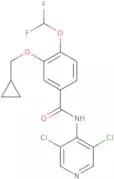
CAS:<p>Roflumilast is a selective phosphodiesterase-4 inhibitor that is used for the treatment of exacerbations in patients with chronic obstructive pulmonary disease (COPD). It is also used to treat plaque psoriasis. This drug has anti-inflammatory and immunomodulatory effects as it aids in increasing levels of cAMP.</p>Fórmula:C17H14Cl2F2N2O3Pureza:Min. 95%Cor e Forma:PowderPeso molecular:403.21 g/molFluorescein HLA-A*02:01 HBV core (18-27)
<p>HLA-A*02 is a class I major histocompatibility complex (MHC) allele which is part of the HLA-A group of human major histocompatibility complex (MHC) leukocyte antigens (HLA), found at the HLA-A locus. HLA-A is one of three major types of human MHC class I cell surface receptors. The receptor is a heterodimer, and is composed of a heavy alpha chain and smaller β chain. MHC Class I molecules such as HLA-A are part of a process that presents short polypeptides to the immune system. These polypeptides are typically 7-11 amino acids in length and originate from proteins being expressed by the cell. Cytotoxic T cells in the blood "read" the peptide presented by the complex and should only bind to non-self peptides. If binding occurs, a series of events is initiated culminating in cell death via apoptosis. This peptide corresponds to the Hepatitis B variant (HBV) core sequence which is presented on the MHC class I antigen HLA-A*02 and contains fluorescein, a widely used flourescent dye.</p>Peso molecular:1,537.6 g/molCRP antibody
<p>CRP antibody was raised in mouse using human CRP derived from pleural/ascetic fluid or plasma as the immunogen.</p>D-Pen(p-Me-Bzl)
<p>As a metabolite of penicillin and a di-methly analog of cysteine, D-Penicillamine (D-Pen) has properties as a heavy metal chelator. In particular, D-Pen forms complexes with thiol groups of copper ions and so can help regulate conditions such as Wilson’s disease, contributing to the renal excretion of copper. Studies have suggested that D-Pen could be used in the treatment of Alzheimer’s disease due to a reduced activity of copper and zinc superoxide dismutases in the blood of Alzheimer’s disease patients. It can further be used to treat copper and lead poisoning cases. Although D-Pen is clinically relevant, it is important to distinguish it from its enantiomer L-Pen which has been found to be toxic and can result in neuritis and marrow damage.</p>Fórmula:C13H19NO2SPureza:Min. 95%Peso molecular:253.2 g/molHistatin-5
<p>Histatins are histidine rich cationic peptides produced in salivary glands and released into the saliva. The main histatins that make up more than 80% of histatins in saliva are histatin 1, histatin 3 and histatin 5. There are two histatin genes, one which encodes histatin 1, and one that encodes histatin 3, all other histatins are derivatives of these two histatins. Histatin 3 is a precursor of histatin 5, each with distinct roles.Histatin 5 is considered an antimicrobial peptide (AMP) as it has antibacterial activity as has been shown against opportunist infections such as P. aeruginosa, E. coli, and S. aureus. Histatin 5 also has potent anticandidal activity for example against Candida and Leishmania, it is shown to be the strongest antifungal of the histatins. The antifungal activity functions by invasion of the microbe and entry to the mitochondria, histatin 5 then inhibits ATPase activity resulting in rapid depletion and ultimately bacterial cell death/apoptosis. As a salivary peptide, it inhibits Bacteroides gingivalis proteinase clostripain and protease activity microbe implicated in periodontal disease.</p>Cor e Forma:PowderPeso molecular:3,036.29 g/molacfTAT
<p>TAT contains a protein transduction domain which allows it to enter cells by crossing the cell membrane. The amino acid sequence of the protein transduction domain (PTD) and this property confers cell penetrating peptide properties on TAT and derivatives. TAT peptides have been widely used to deliver functional biomolecules into cells both in vitro and in vivo. The entire protein can be used but in practice it is more efficient to use truncated sequences containing only the basic residues required for transport. Through covalent attachment to TAT derived peptides, cargo molecules including proteins, nucleic acids, small molecules, oligonucleotides, enzymes, polymers, plasmid DNA and liposomes can be transported into cells with high efficiency.acfTAT is a fusion of the TAT PTD to a red fluorescent tag (TAMRA) at the carboxy terminal. This peptide is ideal for live cell localisation work using fluorescent microscopy as the TAT PTD can transduce small peptides into the cell efficiently without affecting the cell. Additionally, the fluorescent label is highly stable against photo bleaching and should be easily detectable under various excitation sources including mercury, arc, tungsten, and xenon lamps.</p>Peso molecular:2,095.2 g/molElastase antibody
<p>Elastase antibody was raised in mouse using purified human neutrophil elastase as the immunogen.</p>CART1 antibody
<p>CART1 antibody was raised in mouse using recombinant Human Cartilage Paired-Class Homeoprotein 1 (Cart1)</p>Biotin-aMp3
<p>Biotinylated aMp3 is a Mycobacterium avium subsp. Paratuberculosis (MAP) specific ligand. MAP can cause Johne disease (the wasting disease) in livestock. It is important therefore to detect the presence of MAP in animal milk and faeces.Biotinylated aMp3 can be used (along with aMptD peptides) to detect the viability of MAP cells in infected livestock through combined peptide-mediated magnetic separation phage display due to their high affinity for MAP. The addition of biotin to aMp3 asparagine residue, changes the orientation of aMp3 so that it can bind to the target bacteria with increased stability, thus achieving a high capture efficiency. A similar effect is observed on the addition of biotin to aMptD glycine residue.</p>Peso molecular:1,642.8 g/molSteroid Receptor Coactivator-1 (SRC-1) (686-700)
<p>There are three members of the p160 family of steroid receptor coactivators, SRC-1, SRC-2, and SRC-3. These steroid receptor coactivators control the functional output of numerous genetic programs and serve as pleiotropic rheostats for diverse physiological processes. Coactivator proteins interact with nuclear receptors in a ligand-dependent manner and augment transcription.</p>Peso molecular:1,770 g/molCarbimazole - Bio-X ™
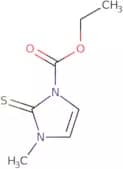
CAS:<p>Carbimazole is an imidazole antithyroid agent that is used to treat hyperthyroidism. It reduces the production of diiodotyrosine and thyroxine, as well as the uptake and concentration of inorganic iodine by the thyroid. Once it has been converted to methimazole, the thyroid peroxidase enzyme is inhibited from coupling and iodinating the tyrosine residues on thyroglobulin therefore lowering the production of the thyroid hormones T3 and T4.</p>Fórmula:C7H10N2O2SPureza:Min. 95%Cor e Forma:PowderPeso molecular:186.23 g/molH-GV^YDGEEHSV^-OH
<p>Peptide H-GV^YDGEEHSV^-OH is a Research Peptide with significant interest within the field academic and medical research. This peptide is available for purchase at Cymit Quimica in multiple sizes and with a specification of your choice.</p>Troponin I antibody (Skeletal Muscle)
<p>Troponin I antibody (skeletal Muscle) was raised in mouse using human skTnI as the immunogen.</p>PEN, Human
<p>Endogenous peptide GPR83 agonist derived from processing of precursor protein, proSAAS, a 26-kDa protein encoded by the PCSK1N gene (chromosomal localization Xp11.3 in humans). It is widely expressed in a number of species where it is involved in feeding, stress modulation and addiction and reward circuits.</p>Peso molecular:2,214.2 g/molProapoptotic Peptide KLA
<p>Proapoptotic peptide KLA is a cationic amphipathic peptide that disrupts the mitochondrial membrane. Proapoptotic peptide KLA cannot of its own accord cross eukaryotic cell membranes and is therefore not toxic to the latter. However, KLA has been fused to various protein transduction domains (PTDs) to study its effects in cells. With the fusion of PTDs such as penetratin, KLA becomes highly toxic to cancer cells, it disrupts the mitochondrial cell membrane releasing cytochrome C. This induces cytotoxicity and triggers apoptosis while not effecting normal cells. This selectivity makes KLA-fusion peptides an ideal candidate for further research into cancer treatments as it provides targeted delivery of a highly toxic peptide that only seems to effect cancerous cells. Proapoptotic peptide KLA is provided here to research grade quality, potential PTDs are also available in our catalogue.</p>Cor e Forma:PowderPeso molecular:1,522 g/molPD-1 (24-38)
<p>PD-1 (24-38) peptide is derived from the programmed cell death-1 (PD-1) which interacts with its ligand, PD-L1 to regulate immune homeostasis. PD-1 and its ligand PD-L1 are critical in regulating T cell activation, tolerance and immuno-pathology. PD-1 is an immune checkpoint and guards against autoimmunity through two mechanisms. First, it promotes apoptosis of antigen-specific T-cells in lymph nodes. Second, it reduces apoptosis in regulatory T cells.Several types of cancer cells overexpress PD-L1 in order to escape from the PD-1/PD-L1 immuno-surveillance mechanism. Consequently PD-1 inhibitors and PD-L1 inhibitors could be used as a therapeutic in the treatment of cancers.</p>Cor e Forma:PowderPeso molecular:1,773.8 g/molGlasstide
<p>A protein kinase G selective substrate for use in kinases assays, with a preference for PKG Ialpha over PKG II. PKG is a serine/threonine-specific protein kinase activated by cyclin guanosine monophosphate (cGMP). PKG is involved in several signalling pathways including: smooth muscle relaxation, platelet function, cell division, nucleic acid synthesis and sperm metabolism.</p>Pureza:Min. 95%Peso molecular:901.5 g/molGastrin Releasing Peptide, human
CAS:<p>Mammalian bombesin-like peptide neurotransmitter that is an agonist for the gastrin-releasing peptide receptor (GRPR). It exhibits physiological functions such as gastrin and somatostatin release and chemoattraction within the immune system.</p>Peso molecular:2,857.5 g/molFeprazone
CAS:<p>Anti-inflammatory; inducer of P450 II B family</p>Fórmula:C20H20N2O2Pureza:Min. 95%Cor e Forma:PowderPeso molecular:320.39 g/molCardiac Targeting Peptide CTP
<p>The pathology of coronary heart disease (CHD) and ischemia are linked to the health of endothelial cells in the heart.- However, providing molecular therapies specifically into myocardium remains elusive. The cardiac targeting peptide (CTP) was shown to specifically transduce cardiomyocytes as it is a cationic PTD.This peptide can be used as a conjugate to deliver molecules specifically to the heart. This can be a crucial tool for research into therapeutic drug delivery for ischemic attacks and infarctions. This peptide is research quality and therefore for research purposes only, and not for use in a therapeutic setting.</p>Cor e Forma:PowderPeso molecular:1,431.7 g/molH-LTIGEGQQHHLGGA^K^QA^GDV-OH
<p>Peptide H-LTIGEGQQHHLGGA^K^QA^GDV-OH is a Research Peptide with significant interest within the field academic and medical research. This peptide is available for purchase at Cymit Quimica in multiple sizes and with a specification of your choice.</p>Ubiquitin K63 Light
<p>This sequence corresponds to the peptide bond between mammalian Lys63- (K63) linked Ub proteins- where (GG) corresponds to the C-terminus of the side chain appended Ub.K63-linked chains are the second most abundant linkage types found in cells and are modified with Met1-linked chains in mixed or branched architectures. K63-linked chains have a variety of non-degradative roles including: roles in intracellular trafficking- kinase signalling- DNA damage response- inflammatory signalling and NF-KB activation, however they may also be involved in some proteasome dependent pathways.</p>Pureza:Min. 95%Peso molecular:2,243.2 g/molHPV E7 protein (49-57)
<p>Human Papillomavirus (HPV) E7 protein (49-57) immunogenic Human Cytotoxic T lymphocytes (CTL) epitope encoded by human papillomavirus 16 type E7 with very high affinity binding to defined HLA molecule. CEF control peptides are the gold standard for effectively stimulating adaptive immune cells in cytokine assays.</p>Cor e Forma:PowderPeso molecular:1,119.6 g/molSecretin (rat)
CAS:<p>Secretin is a gastrointestinal hormone secreted by S cells in the small intestine, targeting G-protein coupled secretin receptors in numerous cell types. Secretin is synthesised from the preprohormone pro-secretin and is involved in regulating gastric acid and bicarbonate ion secretion in the duodenum and regulating water homeostasis. During glucose intake, secretin stimulates the pancreas to release insulin.Secretin has clinical relevance as a method to detect gastrin-producing tumours. Administration of exogenous secretin to the duodenum for secretin stimulation test to occur. Secretin can also be used to detect pancreatic insufficiencies via s administration during endoscopic retrograde cholangiopancreatography (ERCP). This allows the detection of inflammatory and neoplastic conditions of the pancreas.Secretin plays a different role in the central nervous system, such that in secretin deficient mice, synaptic plasticity and hippocampal synaptic activity are altered. Thus, secretin can be categorised as a neuropeptide.</p>Fórmula:C129H216N42O42Peso molecular:3,027.36 g/molCoagulation factor XI (FA11) (274-284) Heavy
<p>Coagulation factor XI is an inactive protein precursor of the coagulation protease factor XIa, a major component of coagulation in the clotting cascade. Structurally factor XI is a disulfide dimer in which each subunit is made up of apple domains which are 90 or 91 amino acid repeats. At the C-terminus a catalytic domain is present. Within the blood it is found to be in complex with kininogen.Factor XI needs to be activated by either factor XIIa, α-thrombin, meizothrombin and factor XIa autoactivation through cleavage of factor XI Arg369-Ile370 bond. This produces active coagulation protease factor XIa, necessary for thrombin generation in the clotting cascade.The clotting cascade occurs in response to a vascular injury to reduce the amount of blood flow to the site of injury. It can be activated through the tissue factor pathway or the contact pathway.A deficiency in factor XI can contribute to bleeding disorders and can be the result of mutations on the FXI gene. Such mutations can include: Glu117Stop which results in the formation of a truncated protein and the missense mutation Phe283Leu effecting FXI dimer formation.</p>Pureza:Min. 95%Peso molecular:1,238.6 g/molAnti-2SC antibody
<p>Succination is a stable post-translational modification of cysteine residues, which modifies protein function or turnover in response to a changing intracellular redox environment. Succination occurs when the Krebs cycle intermediate, fumarate, reacts with cysteine yielding S-(2-succino)cysteine (2SC). A wide range of proteins are subject to succination, including enzymes, adipokines, cytoskeletal proteins and ER chaperones and succination has been shown to have roles in regulatory biology. An increase in succination of adipocyte proteins is seen in diabetes mellitus and results from nutrient excess derived mitochondrial stress. 2SC therefore serves as a biomarker of mitochondrial stress or dysfunction in chronic diseases, such as obesity, diabetes, and cancer.<br>1mg/ml TEA (Rb 6772)Host: Rabbit Polyclonal IgG<br>Used for: Rb 6772: IHC (1:400), <br>IHC image provided courtesy of Prof. Anthony Gill: Photomicrographs demonstrating positive cytoplasmic staining for 2SC in a fumarate hydratase deficient (HLRCC related) renal carcinoma. Antigen Retrieval on FFPE tissue: heat-induced epitope retrieval (HIER) for 30 min at 97°C in the manufacturer's alkaline retrieval solution ER2 (VBS part no: AR9640) on the Leica BondMax Autostainer. Anti-2SC antibody 6773.Please note image is from a previous batch.</p>Pureza:Min. 95%Cor e Forma:PowderComplement C4 protein
<p>Complement C4 (200 kDa) is composed of three polypeptide chains – α (93 kDa), β (78 kDa), and γ (33 kDa). During complement activation, C4 is cleaved by the serine protease C1s to C4a (9 kDa) and C4b (190 kDa). C4b is further cleaved by factor I to C4d (45 kDa) and C4c (140 kDa). The current protocol yields C4c, however intact C4 and/or C4b and C4d may be co-purified.</p>Pureza:≥95% By Sds-Page.Ara h 1 (555-577) peanut Allergen Heavy
<p>Ara h 1 is one of the three major allergenic proteins from peanut (Arachis hypogaea) which contains approximately 13 potential allergenic proteins.Ara h 1 is a member of the 7/8 S globulin (vicilin) family of seed storage proteins belonging to the cupin superfamily and is the most abundant allergen present in the peanut kernel. Ara h 1 plays an important role in the allergy sensitising procedure and can be recognised by 90% of patients with a peanut allergy.This peptide represents a tryptic peptide of Ara h 1. The valine residue at position 11 of this peptide is isotopically labelled with carbon-13 (5) and nitrogen-15 (1), giving this peptide a mass increase of 6 compared to the unlabelled peptide.</p>Pureza:Min. 95%Peso molecular:1,381.7 g/molBMAP-18 (truncated)
<p>BMAP-27 is a member of the cathelicidin family and is a potent inhibitor of microbial growth, however at higher concentrations it is also cytotoxic to mammalian cells. BMAP-18 has rapid bactericidal activity against Staphylococcus aureus, Streptococcus uberis, and Escherichia coli.BMAP-18 has low toxicity to mammalian cells, insect cells and the tsetse bacterial symbiont Sodalis glossinidius while retaining an ability to kill a variety of species and life cycle stages of pathogenic kinetoplastid parasites including African trypanosomes, fish trypanosomes and Leishmania parasites. BMAP-18 also has immunomodulatory activity.</p>Peso molecular:2,341.5 g/molUbiquitin (64-72) Heavy
<p>Ubiquitin (64-72) is derived from ubiquitin, a protein which is added through a catalytic process to target proteins to initiate processes such as protein degradation, DNA repair, protein kinase activation and vesicle trafficking.When ubiquitin is added to a target molecule, it is first activated by an ubiquitin-activating enzyme E1 resulting in the formation of the E1-Ub thioester. It is then received by the E2 ubiquitin conjugating enzyme and then transferred onto a lysine residue of the target protein by the E3 ubiquitin ligase.Ubiquitin plays a major role in protein degradation due to the formation of a polyubiquitin chain. This is produced when the lysine-48 residue on ubiquitin is itself ubiquitinated and sequentially followed by the further addition of ubiquitin molecules. The target protein which now contains the polyubiquitinated chain is recognised by the 26s proteasome and degraded.Alternatively monoubiquitination signals can initiate processes such as receptor internalisation and DNA repair. Specifically polyubiquitin chains on lysine 63 residues can regulate processes such as protein kinase activation and vesicle trafficking.The arginine residue at position 9 is isotopically labelled with carbon-13 (6) and nitrogen-15 (4).</p>Peso molecular:1,076.6 g/molCHKtide dual Heavy
<p>CHKtide is a synthetic peptide substrate for checkpoint kinase 1 and 2 (CHK1/CHK2) as well as salt-inducible kinase (SIKs), for use in kinase assays. CHKtide has been derived from CDC25C which is phosphorylated by CHK1/CHK2 in one of the DNA repair pathways. SIKs are serine/threonine kinases that are part of a complex network that regulate sodium homeostasis and blood pressure.The valine residue at position 4 has been isotopically labelled with carbon-13(5) and nitrogen-15(1) and the leucine residue at position 19 has been isotopically labelled with carbon-13(6) and nitrogen-15(1). This isotopic labelling gives this peptide a mass increase of 13 compared to the unlabelled peptide.</p>Pureza:Min. 95%Cor e Forma:PowderPeso molecular:2,712.5 g/molClick PTD-4
<p>PTD-4 cell penetrating peptide labelled at the N-terminus with an alkyne attachment for ease of reaction with an opposite Click reactive partner (azide).</p>Cor e Forma:PowderPeso molecular:1,698.1 g/molComplement C5Heavy
<p>Complement C5 is a fundamental factor of the complement system pathways and whose cleavage by C5 convertase produces the anaphylatoxins C5a and C5b. This cleavage occurs due to the C3b factor binding to the C3 convertases from all the complement pathways: the classical, lectin and alternative and generating the C5 convertases C4bC2aC3b and C3bBbC3b.Overall the main functions of the complement system are to mark cells for phagocytosis, the recruitment of inflammatory cells and the cell lysis of bacteria cell by the MAC. The anaphylatoxins C3a and C5a recruit neutrophils and causes the inflammatory response while the MAC produces pores in the bacterial membrane thus causing a Ca2+ influx into the cell and bacterial cell death.Complement C5 is vital for the assembly of the MAC as C5b, the product of C5, in complex with C6 can bind to target cells. C5bC6 can then form a complex with C7, C8 and C9 to create the MAC, also known as C5b-9. The complement system as a whole can be associated with the neurological diseases, bacterial meningitis, thrombotic disorders, neurological and autoimmune diseases.The leucine residue at position 4 of complement C5 is isotopically labelled with carbon-13 (6) and nitrogen-14 (1).</p>Pureza:Min. 95%Peso molecular:725.4 g/mol[Glp6,Pro9] Substance P (6-11)/Septide
<p>Tachykinins are important neuropeptides throughout the nervous system involved in various roles including smooth muscle activity. Substance P is the natural ligand for neurokinin 1 (NK1) tachykinin receptor. Septide was originally identified from the C-terminus substance P and found to be a selective agonist of NK1 tachykinin receptor. Septide is a potent agonist able to stimulate muscle contraction in various models but not all. However, septide consistently lacks a high affinity for the NK1 tachykinin receptor compared to substance P or other applicable agonists. A 'septide sensitive' receptor is speculated, or it could be a conformation of NK1 tachykinin receptor. Further work is required to establish septide function and role in the nervous system. Septide is provided here with an N-terminal pyroglutamic acid to aid this investigation as is standardly used within the literature.</p>Peso molecular:763.4 g/molOctreotide
CAS:<p>Octreotide is a synthetic somatostatin analogue used for the treatment of acromegaly and neuroendocrine tumours. In clinical settings, Octreotide is used for the treatment of vasoactive intestinal peptide-secreting tumours, growth hormone producing tumours, and pituitary tumours. Octreotide also displays efficacy in the treatment of cluster headaches, acute haemorrhage from liver cirrhosis, malignant bowel obstruction, and idiopathic intracranial hypertension. Octreotide exerts its organ protective effects through several mechanisms, including its ability to decrease the levels of endotoxin and the proinflammatory cytokines TNF-alpha and IL-1β, and by inhibiting hepatocellular apoptosis. Octreotide also exerts a protective effect in hepatic ischemia-reperfusion (HIR) injury, which often occurs after complex liver surgeries such as major resection or transplantation.</p>Peso molecular:1,018.4 g/molVEGFR2 antibody
<p>The VEGFR2 antibody is a highly effective monoclonal antibody used in Life Sciences research. It acts as an inhibitor, targeting the vascular endothelial growth factor receptor 2 (VEGFR2). This antibody has been extensively tested and validated for its specificity and reliability. It can be used in various applications, such as immunoassays, western blotting, and immunohistochemistry.</p>Pureza:Min. 95%SMAC/DIABLO -TAT (48-60)-[Lys]
<p>SMAC/DIABLO -TAT (48-60)-[Lys] is a pro-apoptotic peptide that is derived from the mitochondrial protein known either as Second Mitochondria-Derived Activator of Caspases (Smac) or Direct IAP Binding Protein with low isoelectric point, pI (DIABLO). During apoptosis the mitochondria has increased permeability to Smac/DIABLO, which causes the protein to diffuse into the cytosol. Here, Smac/DIABLO adheres to Inhibitors of apoptosis proteins (IAPs) and prevents them from binding to caspases, which in turn accentuates apoptosis.TAT (48-60) is present due to its properties as a cell penetrating cationic peptide (CPP). It derived from the N-terminus of the Tat protein, which is a trans-activator of the transcription protein present in the human immunodeficiency virus (HIV). As a CPP, TAT (48-60) is able facilitate the delivery of the Beclin scrambled protein across the plasma membrane.This peptide has an additional lysine attached to the C-terminus of the TAT (48-60) sequence.</p>Cor e Forma:PowderPeso molecular:2,650.6 g/molBiot-FKNIVTPRTPPPSQG-OH
<p>Peptide Biot-FKNIVTPRTPPPSQG-OH is a Research Peptide with significant interest within the field academic and medical research. This peptide is available for purchase at Cymit Quimica in multiple sizes and with a specification of your choice.</p>Tritrpticin
CAS:<p>An anti-microbial peptide (AMP) of the cathelicidin family, originally discovered in pig neutrophils. Tritrpticin has potent and broad anti-microbial activity against Gram-positive and Gram-negative bacteria, some fungi, and protozoa.Tritrpticin is thought to exist in a range of conformations in solution, and recognise its targets with high selectivity and efficiency whilst displaying low haemolytic activity. The peptides three sequential tryptophan residues flanked by two prolines and four arginines are important for the peptides interaction with membranes and for its mechanism of action. The presence of these three tryptophan and four arginines residues, also class Tritrpticin as a member of the Arg/Trp-rich family of AMPs.</p>Fórmula:C96H132N28O14Peso molecular:1,902.25 g/mol





![[Tyr0]-Apelin-13](/_next/image/?url=https%3A%2Fstatic.cymitquimica.com%2Fproducts%2F3D%2Fthumb-webp%2FCRB1001645.webp&w=3840&q=75)


































![[Glp6,Pro9] Substance P (6-11)/Septide](/_next/image/?url=https%3A%2Fstatic.cymitquimica.com%2Fproducts%2F3D%2Fthumb-webp%2FCRB1000628.webp&w=3840&q=75)



![SMAC/DIABLO -TAT (48-60)-[Lys]](/_next/image/?url=https%3A%2Fstatic.cymitquimica.com%2Fproducts%2F3D%2Fthumb-webp%2FCRB1000573.webp&w=3840&q=75)