Antibióticos
Os antibióticos são compostos projetados para destruir ou inibir o crescimento de vários microrganismos, desempenhando um papel crucial no tratamento de infecções e na prevenção da disseminação de doenças. Esta categoria oferece uma ampla variedade de ingredientes ativos especificamente para pesquisa no campo bioquímico. Esses compostos são ferramentas essenciais no estudo dos mecanismos bacterianos, padrões de resistência e no desenvolvimento de novos agentes terapêuticos. Os pesquisadores podem explorar uma grande variedade de antibióticos para entender seus efeitos, otimizar seu uso e desenvolver novos tratamentos para combater ameaças microbianas emergentes. A disponibilidade de um espectro tão amplo de antibióticos apoia a pesquisa avançada e a inovação em microbiologia e ciências farmacêuticas.
Subcategorias de "Antibióticos"
- Antibióticos macrolídeos(26 produtos)
- Antibióticos Esteróides(31 produtos)
- Antibióticos de tetraciclina(20 produtos)
- Antibióticos β-Lactâmicos(11 produtos)
Foram encontrados 4082 produtos de "Antibióticos"
Ordenar por
Pureza (%)
0
100
|
0
|
50
|
90
|
95
|
100
Lomefloxacin Hydrochloride (LMF), 98.5%
CAS:Fórmula:C17H20ClF2N3O3Pureza:min. 98.5%Cor e Forma:Off white to pale yellow, Crystalline powderPeso molecular:387.81Nalidixic Acid free acid extrapure, 99%
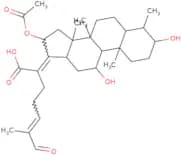
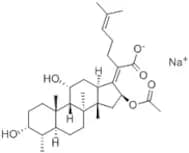
CAS:Fórmula:C12H12N2O3Pureza:min. 99%Cor e Forma:White to pale yellow, Crystalline powderPeso molecular:232.24Sodium Fucidate (Na-FC), 97.5%
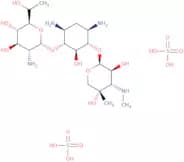
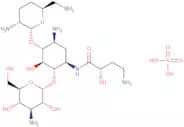
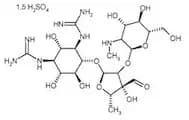
CAS:Fórmula:C31H47O6NaPureza:min. 97.5%Cor e Forma:White to off White, Crystalline powder, ClearPeso molecular:538.70Streptomycin Sulphate (STM)
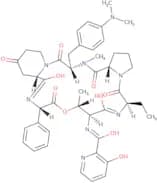
CAS:Fórmula:(C21H39N7O12)2·3H2SO4Cor e Forma:White to off - white, Crystalline powder, Clear, Pale yellowPeso molecular:1457.38Bacitracin (BCT) ex. Bacillus Licheniformis
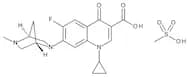
CAS:Fórmula:C66H103N17O16SCor e Forma:White to off - white, Powder, ClearPeso molecular:1422.72Danofloxacin Mesylate (DM), 98%
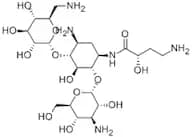
CAS:Fórmula:C20H24FN3O6SPureza:min. 98%Cor e Forma:White to pale yellow, Crystalline powderPeso molecular:453.48Amikacin (AMK) free base, 98%
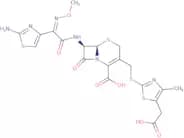
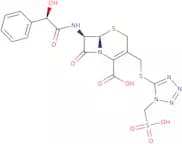
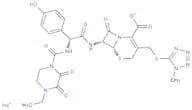
CAS:Fórmula:C22H43N5O13Pureza:min. 98%Cor e Forma:White to off-white, PowderPeso molecular:585.6Cefoperazone Sodium (CFZ, Cefaperazone Sodium)
CAS:Fórmula:C25H26N9NaO8S2Cor e Forma:White to slightly yellow, Powder, ClearPeso molecular:667.65Azaserine
CAS:<p>Azaserine (CI-337) is a tumor-inhibiting antibiotic isolated from a species of Streptomyces and functions as an inhibitor of glutamine amidotransferase.</p>Fórmula:C5H7N3O4Pureza:98% - 99.84%Cor e Forma:SolidPeso molecular:173.13Ionomycin calcium
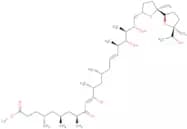
CAS:<p>Ionomycin calcium (SQ23377 calcium) is an effective and selective calcium ionophore, exhibiting high specificity for calcium ions. Cost-effective and quality-assured.</p>Fórmula:C41H70CaO9Pureza:98% - 98.11%Cor e Forma:SolidPeso molecular:747.07L-(+)-Ampicillin
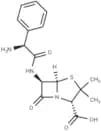
CAS:<p>L-(+)-Ampicillin is an isomer of Ampicillin. Ampicillin is a β-lactam antibiotic used for treating bacterial infections.</p>Fórmula:C16H19N3O4SPureza:98%Cor e Forma:SolidPeso molecular:349.40Actinomycin V
CAS:<p>An analogue of Actinomycin D and an antitumor agent. Due to lower hepatotoxicity, Actinomycin V is more often used than Actynomycin D in chemotherapy and shows great efficiency against human breast cancer cells.</p>Fórmula:C62H84N12O17Pureza:Min. 95%Cor e Forma:PowderPeso molecular:1,269.4 g/mol4-Epitetracycline hydrochloride
CAS:<p>Epitetracycline is an epimer of the antibiotic tetracycline . Epimers of tetracycline form without catalysis and are considered degradation products. Epitetracycline has decreased activity as an antibiotic or a Tet repressor effector but may have stronger toxic effects in animals.</p>Fórmula:C22H25ClN2O8Cor e Forma:SolidPeso molecular:480.90Desacetylcephalothin sodium
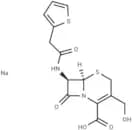
CAS:<p>Deacetylcephalothin Sodium Salt is an impurity in the synthesis of Cefalonium. It used as a long-acting intramammary cerate for the infusion of dairy cows.</p>Fórmula:C14H14N2NaO5S2Cor e Forma:SolidPeso molecular:377.38Sinafloxacin Mesylate
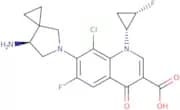
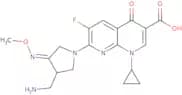
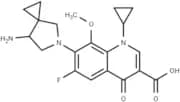
CAS:<p>Sinafloxacin Mesylate is a quinolone antibiotic potentially for the treatment of bacterial infections.</p>Fórmula:C20H22FN3O4Pureza:98%Cor e Forma:SolidPeso molecular:387.40Tebipenem
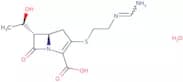
CAS:<p>Tebipenem is an orally available carbapenem antibiotic. It displays broad-spectrum activity against Gram-positive and -negative bacteria.</p>Fórmula:C16H21N3O4S2Pureza:98% - 99.77%Cor e Forma:SolidPeso molecular:383.49Ionomycin calcium
CAS:<p>Ionomycin calcium is a potent calcium ionophore, which is derived from natural sources such as certain Streptomyces species. Its primary mode of action involves facilitating the translocation of calcium ions (Ca^2+) across biological membranes, specifically transporting them from external environments or intracellular stores into the cytoplasm. This action significantly elevates intracellular calcium levels.</p>Fórmula:C41H70O9•CaPureza:Min. 95%Peso molecular:747.07 g/molLincomycin-B
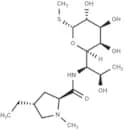
CAS:<p>Lincomycin-B is a lincosamide antibiotic isolated from the actinomycete Streptomyces lincolnensis.</p>Fórmula:C17H32N2O6SPureza:98%Cor e Forma:SolidPeso molecular:392.51Myriocin
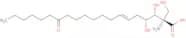
CAS:<p>Myriocin is a potent fungal metabolite that is an inhibitor of sphingolipid biosynthesis. It is originally sourced from the ascomycete fungus *Isaria* sinclairii. Myriocin functions by specifically inhibiting serine palmitoyltransferase, the key enzyme in the de novo sphingolipid biosynthesis pathway, effectively reducing the production of ceramides and sphingomyelins. This mechanism of action makes Myriocin a significant tool in the study of sphingolipid metabolism and signaling pathways.</p>Fórmula:C21H39NO6Pureza:Min. 95%Cor e Forma:PowderPeso molecular:401.54 g/molTauroxicum
CAS:<p>Tauroxicum (Taurox) is formulated by COBAT to reduce fatigue and improve quality of life.</p>Fórmula:C31H46N8O5Pureza:>99.99%Cor e Forma:SolidPeso molecular:610.76N4Py
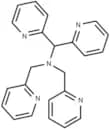
CAS:<p>N4Py is a good synthetic mimic of the Bleomycins (BLMs), which are a family of natural antibiotics used clinically in the treatment of certain cancers.</p>Fórmula:C23H21N5Pureza:98%Cor e Forma:SolidPeso molecular:367.45L-Azatyrosine
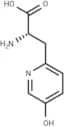
CAS:<p>L-Azatyrosine from Streptomyces chibaensis is an antitumor antibiotic reversing Ras-transformed cell behavior.</p>Fórmula:C8H10N2O3Cor e Forma:SolidPeso molecular:182.179(Z)-7-(((2R)-2-Carboxy-2-((4-oxopentan-2-yl)amino)ethyl)thio)-2-((S)-2,2-dimethylcyclopropanecarboxamido)hept-2-enoic Acid (>90%)
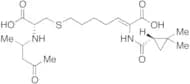
Produto Controlado<p>Applications (Z)-7-(((2R)-2-Carboxy-2-((4-oxopentan-2-yl)amino)ethyl)thio)-2-((S)-2,2-dimethylcyclopropanecarboxamido)hept-2-enoic Acid is an impurity of Cilastatin (C441100), prevents renal metabolism of penem and carbapenem antibiotics by specific and reversible dehydropeptidase I inhibition. Antibacterial adjunct.<br>References Finlay, K.R., et al.: Invest. Ophthalmol. Visual Sci., 24, 1147 (1983), Norrby, S.R., et al.: Antimicrob. Agents Chemother., 23, 300 (1983), Washburn, D.E., et al.: J. Antimicrob. Chemother., 12, 39 (1983),<br></p>Fórmula:C21H34N2O6SPureza:>90%Cor e Forma:NeatPeso molecular:442.57N-MOM-Cefditoren Pivoxil
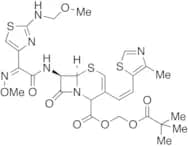
Produto Controlado<p>Applications N-MOM-Cefditoren Pivoxil is a derivative of Cefditoren Pivoxil (C242700), an antibacterial, third generation cephalosporin.<br>References Sakagami, K., et al.: J. Antibiot., 43, 1047 (1990), Felmingham, D., Drugs Exp. Clin. Res., 20, 127 (1994), Iwai, N., et al.: Jpn. J. Antibiot., 47, 181 (1994)<br></p>Fórmula:C27H32N6O8S3Cor e Forma:NeatPeso molecular:664.775-Hydroxyhexanoic Acid Sodium Salt
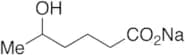
CAS:Produto Controlado<p>Stability Hygroscopic<br>Applications A new constituent of bacterial polyhydroxyalkanoic acids.<br>References Bollard, M., et al.: Toxicol. Appl. Pharmacol., 204, 135 (2005), Slupsky, C., et al.: Anal. Chem., 79, 6995 (2007),<br></p>Fórmula:C6H11NaO3Cor e Forma:NeatPeso molecular:154.14Methylthymol Blue Sodium Salt
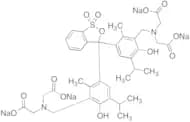
CAS:Produto Controlado<p>Applications Methylthymol Blue Sodium Salt is a thymol containing organic dye.<br></p>Fórmula:C37H40N2Na4O13SCor e Forma:NeatPeso molecular:844.74Furazabol (1mg/ml in Acetonitrile)
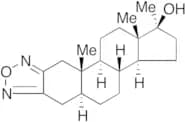
CAS:Produto ControladoFórmula:C20H30N2O2Cor e Forma:Single SolutionPeso molecular:330.46(S)-(-)-Ofloxacin-d3 (N-methyl-d3)
CAS:Produto Controlado<p>Applications (S)-(-)-Ofloxacin-d3 (N-methyl-d3) (CAS# 2208780-63-4) is a useful isotopically labeled research compound.<br></p>Fórmula:C18H17D3FN3O4Cor e Forma:NeatPeso molecular:364.392,3-Bis[(acetyloxy)methyl]-1-oxoquinoxalin-1-ium-4(1H)-olate
CAS:Produto Controlado<p>Applications 2,3-Bis[(acetyloxy)methyl]-1-oxoquinoxalin-1-ium-4(1H)-olate is an antibiotic.<br>References Marrero-Ponce, Yovani, et al.: Bioorg. & Med. Chem., 13(8), 2881-2899 (2005)<br></p>Fórmula:C14H14N2O6Cor e Forma:NeatPeso molecular:306.27D,L-Alanosine Sodium Salt
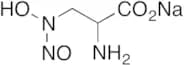
CAS:Produto Controlado<p>Stability Hygroscopic<br>Applications D,L-Alanosine is an antibiotic substance from the fermentation of Streptomyces alanosinicus. An experimental insect reproduction inhibitor.<br>References Gale, et al.: Biochem. Pharmacol., 17, 363 (1968); Kenaga, E.E.: J. Econ. Entomol., 62, 1006 (1969); Matsumoto, S., et al.: Agric. Biol. Chem., 48, 827 (1984)<br></p>Fórmula:C3H6N3NaO4Cor e Forma:NeatPeso molecular:171.09(17α)-Hydroxy-6α,17a-dimethyl-D-homoandrost-4-ene-3,17-dione 17-Acetate
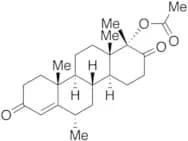
Produto Controlado<p>Applications (17α)-Hydroxy-6α,17a-dimethyl-D-homoandrost-4-ene-3,17-dione 17-Acetate is an impurity of Medroxyprogesterone 17-Acetate (M203560).<br></p>Fórmula:C24H34O4Cor e Forma:NeatPeso molecular:386.53A 54556A (~90%)
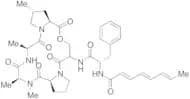
CAS:Produto ControladoFórmula:C38H50N6O8Pureza:~90%Cor e Forma:NeatPeso molecular:718.84Chlortetracycline
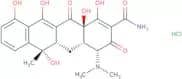
CAS:<p>Chlortetracycline is a tetracycline antibiotic, which is derived from the bacterium *Streptomyces aureofaciens*. It functions by inhibiting protein synthesis through binding to the 30S ribosomal subunit, thereby preventing the attachment of aminoacyl-tRNA to the mRNA-ribosome complex. This mechanism effectively impedes the growth and replication of both gram-positive and gram-negative bacteria.</p>Fórmula:C22H23ClN2O8Pureza:Min. 95%Peso molecular:478.88 g/mol3'-N-Desmethyl-3'-N-formyl azithromycin
CAS:<p>3'-N-Desmethyl-3'-N-formyl azithromycin is a semi-synthetic macrolide antibiotic, derived from the well-known azithromycin. It is created through structural modification, where the 3'-N-demethylated and 3'-N-formyl groups enhance its pharmacokinetic properties and potentially improve its antimicrobial efficacy.</p>Fórmula:C38H70N2O13Pureza:Min. 95%Peso molecular:762.97 g/molIclaprim
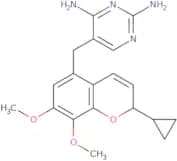
CAS:<p>Iclaprim is an antibiotic, which is a synthetic diaminopyrimidine antimicrobial agent with a specific mechanism of action. It works by selectively inhibiting bacterial dihydrofolate reductase, a crucial enzyme in the bacterial folate synthesis pathway. This inhibition prevents the production of tetrahydrofolate, ultimately disrupting DNA, RNA, and protein synthesis in susceptible bacterial cells.</p>Fórmula:C19H22N4O3Pureza:Min. 95%Peso molecular:354.4 g/molHerbimycin
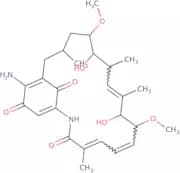
CAS:<p>Herbimycin is an antibiotic, which is a natural product derived from Streptomyces bacteria. It functions primarily as a tyrosine kinase inhibitor, disrupting cellular signaling pathways by binding to the ATP-binding site of kinases and inhibiting phosphorylation events. This mode of action makes it an effective tool for scientists studying signal transduction processes and oncogenic transformation.</p>Fórmula:C30H42N2O9Pureza:Min. 95%Peso molecular:574.66 g/mol4-Epitetracycline hydrochloride
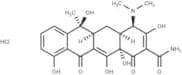
CAS:<p>4-Epitetracycline hydrochloride is a tetracycline antibiotic derivative, which is a secondary metabolite derived from bacterial sources, particularly Streptomyces species. It functions primarily by inhibiting protein synthesis in bacteria through binding to the 30S ribosomal subunit, preventing the attachment of aminoacyl-tRNA to the RNA-ribosome complex. This action hinders bacterial growth by interfering with vital processes necessary for bacterial survival and replication.</p>Fórmula:C22H25ClN2O8Pureza:Min. 95%Cor e Forma:PowderPeso molecular:480.9 g/molAphidicolin
CAS:<p>Aphidicolin is a tetracyclic diterpenoid that acts as a potent inhibitor of DNA polymerase. Derived from the fungus *Cephalosporium aphidicola*, it is primarily identified for its ability to impede DNA synthesis by targeting eukaryotic DNA polymerase α. This selective inhibition disrupts replication processes, making it a crucial tool for studying cell cycle dynamics.</p>Fórmula:C20H34O4Pureza:Min. 95%Peso molecular:338.48 g/mol(+)-Madindoline A
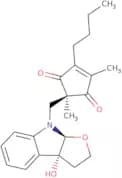
CAS:<p>(+)-Madindoline A is a chemical substance that inhibits the growth of cancer cells. It has been shown to inhibit colon cancer cell proliferation and induce apoptosis by inhibiting signal pathways and suppressing inflammatory responses. (+)-Madindoline A is an experimental model for the study of bowel disease and inflammatory diseases, as it can be used to treat both bowel disease and inflammatory diseases. It also has inhibitory effects on the production of proinflammatory cytokines in human protein cells and natural compounds in experimental models. (+)-Madindoline A is found in small amounts in food compositions such as apples, carrots, cauliflower, celery, cucumbers, garlic, leeks, lettuce, onions, peas, peppers, potatoes and tomatoes.</p>Fórmula:C22H27NO4Pureza:Min. 95%Peso molecular:369.45 g/molDicloxacillin sodium salt monohydrate
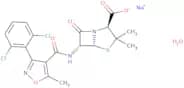
CAS:<p>Dicloxacillin sodium salt monohydrate is a beta-lactam antibiotic with action on bacterial cell wall synthesis and is used for treating infections caused by penicillinase-producing bacteria.</p>Fórmula:C19H16Cl2N3NaO5S·H2OPureza:Min. 95%Cor e Forma:White PowderPeso molecular:510.32 g/molPirlimycin HCl
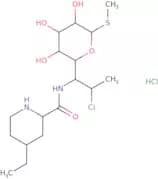
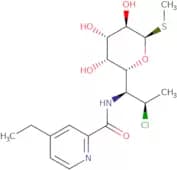
CAS:<p>Pirlimycin HCl is an antibacterial product, which is a semi-synthetic derivative of the natural antibiotic lincomycin produced by Streptomyces lincolnensis. Its mode of action involves the inhibition of bacterial protein synthesis by binding to the 50S ribosomal subunit, thereby preventing the elongation of peptide chains. This action is particularly effective against Gram-positive bacteria, including Staphylococcus and Streptococcus species.</p>Fórmula:C17H31ClN2O5S·HClPureza:Min. 95%Cor e Forma:White PowderPeso molecular:447.42 g/molHypothemycin
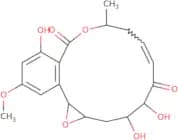
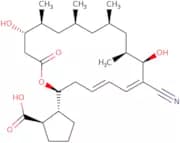
CAS:<p>Hypothemycin is a natural product that serves as a potent inhibitor of protein kinases. It is derived from the fungus Hypomyces subiculosus and belongs to the class of resorcylic acid lactones. Its mode of action involves binding covalently to the ATP-binding site of kinases, leading to the inhibition of their activity. This covalent modification is achieved through the formation of a Michael-type addition with a reactive ene-diene functionality within its structure. By targeting these critical enzymes, hypothemycin disrupts key signaling pathways that are essential for cell growth and proliferation.</p>Pureza:Min. 95%Piperacillin oxalylamide
CAS:<p>Piperacillin oxalylamide is an investigational antibiotic, which is a synthetic derivative of the widely used β-lactam antibiotic, piperacillin. Its development is rooted in the quest to combat β-lactamase-producing resistant bacterial strains, which are a growing threat in clinical settings. It operates by inhibiting bacterial cell wall synthesis, similar to other β-lactam antibiotics, but possesses a modified structure that enhances its resistance to enzymatic degradation by β-lactamases.</p>Fórmula:C23H29N5O8SPureza:Min. 95%Peso molecular:535.57 g/molL-Carnitine fumarate
CAS:<p>L-Carnitine fumarate is a compound that functions as a dietary supplement, which is synthesized by combining L-carnitine, an amino acid derivative naturally found in the body, with fumaric acid. This product is primarily sourced from fermentation or chemical synthesis processes to produce L-carnitine, which is then reacted with fumaric acid to form the fumarate salt. This combination enhances the stability and bioavailability of L-carnitine.</p>Fórmula:C7H15NO3·C4H4O4Pureza:Min. 95%Peso molecular:277.27 g/molSulfadiazine-d4
CAS:<p>Sulfadiazine-d4 is an isotopically labeled antibiotic, which is a derivative of sulfadiazine containing four deuterium atoms. This compound is synthesized using advanced chemical techniques to replace hydrogen atoms with deuterium in the molecular structure. The mechanism of action involves inhibition of bacterial dihydropteroate synthase, an enzyme critical in the folate synthesis pathway. By preventing the production of folic acid, sulfadiazine-d4 effectively halts bacterial growth and replication.</p>Fórmula:C10H6D4N4O2SPureza:Min. 95%Peso molecular:254.3 g/molCefquinome
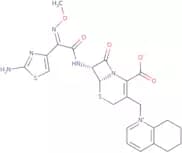
CAS:<p>Cefquinome is a broad-spectrum antibiotic, which is a fourth-generation cephalosporin. It is derived from the β-lactam class of antibiotics and is specifically designed for veterinary applications. Its mode of action involves the inhibition of bacterial cell wall synthesis, leading to cell lysis and death. This action is facilitated through the binding of cefquinome to penicillin-binding proteins, which undermines the structural integrity of bacterial cell walls, proving effective against both Gram-positive and Gram-negative bacteria.</p>Fórmula:C23H24N6O5S2Pureza:Min. 95%Peso molecular:528.61 g/molDoxycycline hydrochloride hemiethanolate hemihydrate, Antibiotic for Culture Media Use Only
CAS:<p>Doxycycline is an antibiotic that inhibits bacterial growth by inhibiting protein synthesis, respiratory chain, DNA gyrase, DNA topoisomerase IV. Doxycycline inhibits papaverine by blocking the expression of both cytochrome P450 and epoxide hydrolase. Doxycycline is commonly found in studies for bacterial infections, drug therapy, histopathological studies, cell culture and chemometric analysis.</p>Fórmula:C22H24N2O8·HClH2OC2H6OPureza:Min. 97.0 Area-%Peso molecular:512.90 g/molCefquinome sulfate
CAS:<p>Cefquinome sulfate is a cephalosporin antibiotic, which is a synthetic, broad-spectrum antimicrobial agent. It is derived from the beta-lactam family, specifically designed to combat Gram-positive and Gram-negative bacterial pathogens. The mode of action involves inhibiting bacterial cell wall synthesis. It achieves this by binding to penicillin-binding proteins (PBPs) within the bacterial cell wall, ultimately leading to cell lysis and death due to the interruption of necessary cell wall components.</p>Fórmula:C23H26N6O9S3Pureza:Min. 95%Cor e Forma:White To Light (Or Pale) Yellow To Beige To Light Brown SolidPeso molecular:626.69 g/molAlamethacin
CAS:<p>Alamethacin is a peptide antibiotic, which is derived from the soil fungus Trichoderma viride. This compound consists of a sequence of amino acids that form a helical structure, enabling its interaction with lipid membranes. Alamethacin functions by inserting itself into cellular membranes and forming voltage-dependent ion channels. As a result, it alters membrane permeability, causing ion imbalance and leading to cell death.</p>Fórmula:C92H150N22O25Pureza:Min. 95%Cor e Forma:SolidPeso molecular:1,964.31 g/molAscomycin
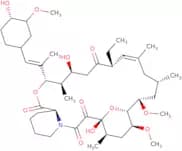
CAS:<p>Ascomycin is an immunosuppressant macrolide lactone, which is derived from the soil bacterium *Streptomyces hygroscopicus*. It functions primarily by inhibiting the T-cell activation pathway. The mechanism involves binding to the immunophilin FKBP-12, forming a complex that inhibits the calcium-dependent phosphatase, calcineurin. This inhibition prevents the dephosphorylation and subsequent translocation of nuclear factor of activated T cells (NFAT), which is crucial for the transcription of interleukin-2 and other cytokines. Consequently, this suppresses the activation and proliferation of T-cells, which are essential components of the adaptive immune response.</p>Fórmula:C43H69NO12Pureza:Min. 95%Peso molecular:792.01 g/molImipenem Monohydrate, Antibiotic for Culture Media Use Only
CAS:<p>Imipenem acts as an antimicrobial through inhibiting cell wall synthesis of various gram-positive and gram-negative bacteria. It remains very stable in the presence of beta-lactamase (both penicillinase andcephalosporinase) produced by some bacteria, and is a strong inhibitor of beta-lactamases from some gram-negative bacteria that are resistant to most beta-lactam antibiotics.</p>Fórmula:C12H19N3O5SPureza:Min. 98.0 Area-%Peso molecular:317.36 g/molBiotinamidocaproate tobramycin amide
CAS:<p>Biotinamidocaproate tobramycin amide is a chemical conjugate, serving as an innovative antimicrobial agent derived from the integration of biotin with tobramycin, an aminoglycoside antibiotic. This product embodies the amalgamation of tobramycin’s robust antibacterial properties with biotin’s ability to guide compounds specifically to targets through biotin-avidin interactions.</p>Fórmula:C34H62N8O12SPureza:Min. 95%Peso molecular:806.97 g/molent NAP 226-90
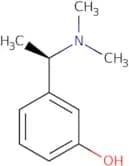
CAS:<p>ent NAP 226-90 is an organic compound functioning as an antibacterial agent, which is derived from a biologically active natural product. Its mode of action involves the inhibition of essential bacterial enzymes, leading to the disruption of cellular processes within susceptible microorganisms. This compound is particularly effective against a broad spectrum of gram-positive bacteria, making it valuable in medical microbiology research for understanding bacterial resistance mechanisms.</p>Fórmula:C10H15NOPureza:Min. 95%Peso molecular:165.23 g/molKasugamycin
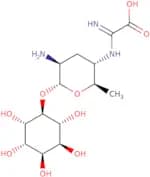
CAS:<p>Kasugamycin is an aminoglycoside antibiotic, which is derived from the actinomycete Streptomyces kasugaensis. Its mode of action involves the inhibition of protein synthesis by interfering with the function of the 30S ribosomal subunit, ultimately preventing the growth and proliferation of sensitive organisms. In agricultural contexts, Kasugamycin is primarily utilized to control bacterial and fungal diseases in a variety of crops, including rice and fruit trees. It is particularly effective against Xanthomonas oryzae, which causes bacterial leaf blight in rice, and other pathogenic organisms detrimental to plant health. The application of Kasugamycin has been an important tool for integrated pest management programs focusing on sustainable agricultural practices. As a compound with a specific mode of activity, it helps to reduce the environmental impact typically associated with broader-spectrum antibiotics, while offering target-specific disease control. Its careful application supports the minimization of resistance development, ensuring continued efficacy in protecting crop yields.</p>Fórmula:C14H25N3O9Pureza:Min. 95%Peso molecular:379.36 g/molKanamycin C
CAS:<p>Inhibitor of protein synthesis; aminoglycoside</p>Fórmula:C18H36N4O11Pureza:Min. 95%Peso molecular:484.5 g/molErythromycin F
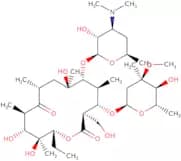
CAS:<p>Erythromycin F is an antibiotic, which is a naturally derived product obtained from the bacterium *Streptomyces erythreus*. It operates by inhibiting bacterial protein synthesis through binding to the 50S ribosomal subunit. This binding effectively blocks the translocation steps in protein elongation, thus preventing the growth and multiplication of susceptible bacteria.</p>Fórmula:C37H67NO14Pureza:Min. 95%Peso molecular:749.93 g/molTulathromycin B - 95%
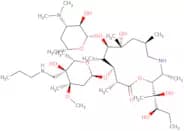
CAS:<p>Inhibitor of protein synthesis; macrolide class</p>Fórmula:C41H79N3O12Pureza:Min. 95%Peso molecular:806.08 g/molRifampicin, Antibiotic for Culture Media Use Only
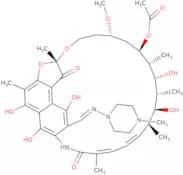
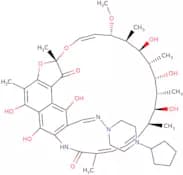
CAS:<p>Rifampicin is a drug that inhibits protein synthesis in bacteria and is used to treat tuberculosis. Rifampicin binds to the beta subunit of the bacterial RNA polymerase, inhibiting transcription and translation. It has been shown to inhibit the acetylcholine receptor function in rats, which may be related to its antituberculosis activity. Histopathological studies have shown that rifampicin inhibits the growth of human tumors in mice, including lung cancer, breast cancer, and leukemia. The drug is also being studied for its potential use in treating Alzheimer's disease. The pharmacokinetics and oral bioavailability of rifampicin have been studied and Rifampicin has been shown to be an effective anti-tuberculosis drug.</p>Fórmula:C43H58N4O12Pureza:Min. 90.0 Area-%Peso molecular:822.94 g/molRef: 3D-R-6000
1gA consultar1kgA consultar100gA consultar250gA consultar500gA consultar-Unit-ggA consultarBiotinyl tobramycin amide
CAS:<p>Biotinyl tobramycin amide is a biotinylated form of the antibiotic tobramycin, which is derived from the actinobacterium Streptomyces tenebrarius. It features a tobramycin core, a potent aminoglycoside antibiotic, chemically linked to biotin. This modification allows for the specific attachment to avidin or streptavidin-labeled probes due to the strong biotin-streptavidin interaction, facilitating various labeling and detection techniques in research.</p>Fórmula:C28H51N7O11SPureza:Min. 95%Peso molecular:693.81 g/molCyclosporin L
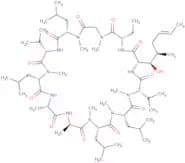
CAS:<p>Cyclosporin L is an immunosuppressive agent, which is a cyclic polypeptide derived from the soil fungus Tolypocladium inflatum. It primarily functions by inhibiting the activity of calcineurin, a key phosphatase involved in the activation of T-cells. This inhibition prevents the transcription of interleukin-2 and other cytokines critical for T-cell proliferation.</p>Fórmula:C61H109N11O12Pureza:90%MinPeso molecular:1,188.59 g/molDesmethyl doxorubicin oxalate
CAS:<p>Desmethyl doxorubicin oxalate is an anthracycline-type chemotherapeutic agent, which is derived from the naturally occurring antibiotic doxorubicin. This compound comprises a desmethylated form of doxorubicin combined with oxalate. Its mode of action involves intercalating DNA strands and inhibiting topoisomerase II, thereby disrupting DNA replication and transcription. This interference leads to the inhibition of cancer cell proliferation and induces apoptosis.</p>Fórmula:C26H27NO11Pureza:Min. 95%Peso molecular:529.49 g/molDeacetylanisomycin
CAS:<p>Deacetylanisomycin is a bacterial metabolite, which is derived from the soil bacterium Streptomyces griseolus. It acts as an inhibitor of protein synthesis by binding to the 60S ribosomal subunit, thus interfering with peptide bond formation during translation. This mode of action is key to its effectiveness in studying the mechanisms of protein synthesis interruption.</p>Fórmula:C12H17NO3Pureza:Min. 95%Cor e Forma:White To Off-White SolidPeso molecular:223.27 g/molSulfadiazine
CAS:<p>Sulfadiazine is a sulfonamide antibiotic with action on bacterial folate synthesis inhibition and is used for treating toxoplasmosis and urinary tract infections.</p>Fórmula:C10H10N4O2SPureza:Min. 95%Cor e Forma:PowderPeso molecular:250.28 g/molMitomycin D
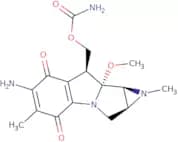
CAS:<p>Mitomycin D is an antibiotic and chemotherapeutic agent known for its ability to inhibit DNA synthesis, making it a potent antitumor agent. It is derived from the bacterium *Streptomyces caespitosus*. Mitomycin D functions as a DNA crosslinking agent by alkylating the DNA strands, which interferes with DNA replication and transcription. This mechanism leads to the cessation of cellular division and ultimately induces apoptosis in rapidly dividing cells.</p>Fórmula:C15H18N4O5Pureza:Min. 95%Peso molecular:334.33 g/molCeftaroline fosamil acetate
CAS:<p>Cephalosporin antibiotic active against gram-positive bacteria including MRSA</p>Fórmula:C24H25N8O10PS4Pureza:Min. 98 Area-%Peso molecular:744.74 g/molIonomycin
CAS:<p>Ionomycin is an ionophore compound with a mode of action that facilitates calcium ion transport across cell membranes. It is used in research to study calcium signaling and T-cell activation.</p>Fórmula:C41H72O9Pureza:Min. 98 Area-%Cor e Forma:PowderPeso molecular:709.01 g/molCamptothecin
CAS:<p>Camptothecin (CPT) belongs to the alkaloid group of natural products and is a specific DNA topoisomerase I (Topo I) inhibitor (IC50=679 nM) with specificity.</p>Fórmula:C20H16N2O4Pureza:99.52% - 99.88%Cor e Forma:Solid PowderPeso molecular:348.3526-Oxofusidic acid
CAS:<p>26-Oxofusidic acid is a derivative of fusidic acid, which is a potent antibacterial compound originally isolated from the fungus Fusidium coccineum. This compound exhibits a unique mode of action by inhibiting bacterial protein synthesis through interference with the elongation factor G (EF-G), a critical component in the translocation step of translation. By targeting this specific aspect of bacterial metabolism, 26-Oxofusidic acid effectively disrupts the growth of gram-positive bacteria, making it an invaluable tool in combating resistant bacterial strains.</p>Fórmula:C31H46O7Pureza:Min. 95%Peso molecular:530.69 g/molBleomycin HCl
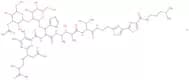
CAS:<p>Inducer of DNA strand breaks; glycopeptide antibiotic, anti-neoplastic</p>Fórmula:C50H71N16O21S2R•(HCl)xPureza:Min. 95%Cor e Forma:White To Off-White SolidPlazomicin sulfate
CAS:<p>An aminoglycoside antibiotic. Found applications in treatment of UTi's as it decreases the ability of bacteria to make protein.</p>Fórmula:C25H48N6O10·XH2SO4Pureza:Min. 85%Cor e Forma:PowderPeso molecular:592.69 g/molLoracarbef monohydrate
CAS:<p>Loracarbef monohydrate is a synthetic antibiotic, which is derived from carbacephem compounds with a mode of action that involves inhibiting bacterial cell wall synthesis. This is achieved by binding to penicillin-binding proteins, thereby blocking the cross-linking of peptidoglycan chains which are crucial for bacterial cell wall structural integrity.</p>Fórmula:C16H16ClN3O4·H2OPureza:Min. 95%Peso molecular:367.78 g/molLincomycin 2-palmitate hydrochloride
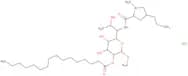
CAS:<p>Lincomycin 2-palmitate hydrochloride is a semi-synthetic antibiotic, derived from the natural antibiotic lincomycin through chemical modification. It is sourced from fermentative processes involving the bacterium *Streptomyces lincolnensis*. The compound exerts its action by inhibiting protein synthesis in susceptible bacteria. This occurs through its binding to the 50S subunit of the bacterial ribosome, thereby hindering peptide chain elongation and ultimately arresting bacterial growth.</p>Fórmula:C34H65ClN2O7SPureza:Min. 95%Peso molecular:681.41 g/molChaetoglobosin A - From chaetomium globosum
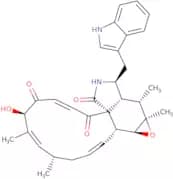
CAS:<p>Chaetoglobosin A is a mycotoxin, which is a secondary metabolite produced by the fungus Chaetomium globosum. This compound exhibits its mode of action by disrupting the cytoskeletal elements within cells, primarily affecting actin polymerization. This interference leads to alterations in cell morphology and can induce apoptosis in certain cell lines.</p>Fórmula:C32H36N2O5Pureza:Min. 95%Peso molecular:528.64 g/mol7-Descarbamoyl 17-amino geldanamycin
CAS:<p>7-Descarbamoyl 17-amino geldanamycin is a semi-synthetic derivative of the benzoquinone ansamycin antibiotic geldanamycin, which is naturally produced by the bacterium *Streptomyces hygroscopicus*. As an inhibitor of the Heat Shock Protein 90 (Hsp90), it targets this molecular chaperone crucial for the stability and function of numerous oncoproteins. By inhibiting Hsp90, 7-Descarbamoyl 17-amino geldanamycin disrupts protein folding processes, leading to the degradation of client proteins and subsequent disruption of cell signaling pathways involved in tumor growth and survival.</p>Fórmula:C27H38N2O7Pureza:Min. 95%Peso molecular:502.6 g/molOligomycin
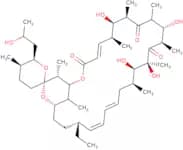
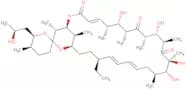
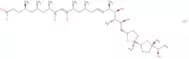
CAS:<p>Oligomycin is a macrolide antibiotic, which is derived from species of the bacterium Streptomyces. It acts as a potent inhibitor of the mitochondrial ATP synthase complex, specifically targeting the F₀ portion of the enzyme. This interference results in the blockage of proton translocation across the mitochondrial membrane, thereby preventing ATP synthesis. Due to this mode of action, Oligomycin is primarily utilized in biochemical research to study cellular respiration and energy metabolism. It serves as a valuable tool in elucidating the mechanisms of oxidative phosphorylation and the role of ATP in various cellular processes. In addition, its application extends to investigations on mitochondrial dysfunctions and the screening of mitochondrial-targeted drugs.</p>Fórmula:C45H74O11Pureza:Min. 95%Peso molecular:791.06 g/molCefodizime
CAS:<p>Cefodizime is a third-generation cephalosporin antibiotic, which is derived from the fungus Acremonium. It exerts its bactericidal effects by inhibiting bacterial cell wall synthesis. This action is achieved through binding to penicillin-binding proteins (PBPs), leading to the interruption of peptidoglycan cross-linking essential for the bacterial cell wall integrity. The breakdown of cell wall synthesis results in the lysis and death of the bacterial cell.</p>Pureza:Min. 95%Porfiromycin
CAS:<p>Porfiromycin is an antineoplastic antibiotic with action on DNA alkylation and cross-linking and is used for research on cancer treatment, particularly for hypoxic tumors.</p>Fórmula:C16H20N4O5Pureza:Min. 95 Area-%Cor e Forma:PowderPeso molecular:348.35 g/molGeneticin Disulfate (G418), Antibiotic for Culture Media Use Only
CAS:<p>Geneticin is very efficient against gram-negative bacteria, however it is not applied for treating infections due to high renal toxicity. Geneticin and its resistance genes found application in the selection of transgenic cell lines including yeasts such as P. pastoris and S. serevisiae, other eukaryotic cell lines such as CHO or HEK293, but also plant cells and bacterial cells.</p>Fórmula:C20H44N4O18S2Pureza:Min. 97.0 Area-%Peso molecular:692.71 g/molRef: 3D-G-2400
10gA consultar25gA consultar50gA consultar100gA consultar250gA consultar-Unit-ggA consultarCefonicid
CAS:<p>Cefonicid is a semisynthetic cephalosporin antibiotic, which is derived from the naturally occurring compound cephalosporin C, obtained from the mold *Cephalosporium acremonium*. Its mode of action involves inhibiting bacterial cell wall synthesis by binding to penicillin-binding proteins, leading to cell lysis and death, thereby exhibiting bactericidal activity.</p>Fórmula:C18H16N6O8S3Pureza:Min. 95%Peso molecular:540.55 g/molTridehydro pirlimycin
CAS:<p>Tridehydro pirlimycin is an antibiotic compound, which is a synthetic derivative with origins in the lincosamide family. It is characterized by its ability to inhibit bacterial protein synthesis by binding to the 50S ribosomal subunit, leading to a bacteriostatic effect. The compound is primarily developed for its use in veterinary medicine, particularly in the treatment and management of bacterial infections in animals.</p>Fórmula:C17H25ClN2O5SPureza:Min. 95%Peso molecular:404.91 g/molBorrelidin
CAS:<p>Borrelidin is a potent antibiotic of the polyketide class, which is isolated from various Streptomyces species. Its mode of action is characterized by its inhibition of threonyl-tRNA synthetase, effectively disrupting protein synthesis within bacteria. Additionally, Borrelidin is known for its unique anti-angiogenic properties, which result from the inhibition of endothelial cell proliferation, making it a compound of interest in cancer research.</p>Pureza:Min. 95%Virginiamycin - Complex of M1+S1
CAS:<p>Virginiamycin - Complex of M1+S1 is an antibiotic compound, which is derived from the actinobacterium Streptomyces virginiae. It functions through the inhibition of bacterial protein synthesis by binding to the 50S ribosomal subunit, thereby obstructing peptide bond formation and impeding microbial growth. The complex is composed of two major components: Virginiamycin M1 and Virginiamycin S1, which synergistically enhance antimicrobial efficacy.</p>Fórmula:C71H84N10O17Pureza:Min. 95%Peso molecular:1,349.48 g/molN-Biotinyl-12-aminododecanoyltobramycin amide
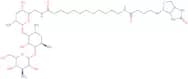
CAS:<p>N-Biotinyl-12-aminododecanoyltobramycin amide is a synthetic bioconjugate, which is derived from the aminoglycoside antibiotic tobramycin. This compound is chemically modified by the addition of a biotin moiety linked through a 12-aminododecanoyl spacer. The source of this product is rooted in the conjugation of biotin to tobramycin, allowing for targeted delivery and potential hybrid applications in both therapeutic and diagnostic fields.</p>Fórmula:C40H74N8O12SPureza:Min. 95%Peso molecular:891.13 g/molTigemonam
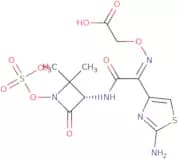
CAS:<p>Tigemonam is a synthetic beta-lactam antibiotic, which is derived from chemical synthesis processes. This compound operates by inhibiting bacterial cell wall synthesis, specifically targeting the penicillin-binding proteins (PBPs). The disruption of the cell wall synthesis ultimately leads to cell lysis and death of the bacteria, making it effective primarily against gram-negative bacterial infections.</p>Fórmula:C12H15N5O9S2Pureza:Min. 95%Peso molecular:437.41 g/mol2'-Deoxycoformycin
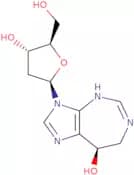
CAS:<p>2'-Deoxycoformycin is a potent adenosine deaminase inhibitor, which is derived from the fermentation of Streptomyces antibioticus, a species of actinomycete bacteria. This compound acts by specifically inhibiting the enzyme adenosine deaminase, leading to an accumulation of toxic deoxyadenosine triphosphate in lymphocytes. This buildup hinders DNA synthesis, effectively suppressing the proliferation of lymphoid cells.</p>Fórmula:C11H16N4O4Pureza:Min. 95%Peso molecular:268.27 g/molCeftarolin fosamil
CAS:<p>Ceftaroline fosamil is an advanced antibiotic, which is a cephalosporin derived from synthetic sources with a broad spectrum of activity. It is a prodrug that, once metabolized, becomes active in the body, binding to penicillin-binding proteins (PBPs) of bacteria. This binding inhibits the proteins responsible for cell wall synthesis, leading to bacterial cell lysis and death.</p>Fórmula:C22H21N8O8PS4Pureza:Min. 95%Peso molecular:684.69 g/mol25-Desacetyl rifapentin
CAS:<p>25-Desacetyl rifapentin is a derivative of rifapentin, an antibiotic belonging to the rifamycin class, sourced from the bacterial species *Amycolatopsis rifamycinica*. This compound functions by inhibiting bacterial DNA-dependent RNA polymerase, which is crucial for transcription in susceptible bacterial strains. By inhibiting this enzyme, 25-Desacetyl rifapentin effectively hampers RNA synthesis, ultimately leading to bacterial cell death.</p>Fórmula:C45H62N4O11Pureza:Min. 95%Cor e Forma:PowderPeso molecular:834.99 g/molSitafloxacin
CAS:<p>Sitafloxacin is an antibacterial agent belonging to the fluoroquinolone class of antibiotics, which is synthetically derived from chemical processes involving fluorinated quinolones. Its mode of action involves the inhibition of bacterial DNA gyrase and topoisomerase IV, enzymes crucial for bacterial DNA replication and transcription. By interfering with these enzymes, Sitafloxacin effectively hampers bacterial DNA synthesis, leading to the eventual demise of the bacterial cell.</p>Fórmula:C19H18ClF2N3O3Pureza:Min. 95%Cor e Forma:SolidPeso molecular:409.81 g/molOligomycin A
CAS:<p>Oligomycin A is a macrolide antibiotic, which is isolated from the Streptomyces species of bacteria. Its mode of action involves inhibiting ATP synthase by binding to the F_O subunit of the enzyme complex in the mitochondrial membrane. This binding effectively stops the flow of protons across the membrane, which is critical for ATP generation through oxidative phosphorylation.</p>Fórmula:C45H74O11Pureza:Min. 95%Cor e Forma:PowderPeso molecular:791.06 g/molThiamphenicol
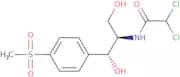
CAS:<p>Thiamphenicol is a semisynthetic derivative of chloramphenicol with action on bacterial protein synthesis inhibition and is used for treating bacterial infections, particularly in veterinary medicine.</p>Fórmula:C12H15Cl2NO5SPureza:Min. 98 Area-%Cor e Forma:PowderPeso molecular:356.22 g/molErythromycin B
CAS:<p>Erythromycin B is a semisynthetic macrolide antibiotic, which is derived from the actinomycete *Saccharopolyspora erythraea*. Its mode of action involves inhibiting bacterial protein synthesis by binding to the 50S ribosomal subunit. This interference with protein synthesis effectively hampers bacterial growth, making it a potent bacteriostatic agent.</p>Fórmula:C37H67NO12Pureza:90%NmrPeso molecular:717.93 g/molGemifioxacin
CAS:<p>Gemifloxacin is an antibacterial agent primarily classified as a fluoroquinolone antibiotic, which is a synthetic compound derived from chemical processes in pharmaceutical manufacturing. Its mechanism of action involves the inhibition of key bacterial enzymes, namely DNA gyrase and topoisomerase IV. These enzymes are crucial for bacterial DNA replication, transcription, repair, and recombination. By obstructing these enzymes, Gemifloxacin effectively inhibits bacterial cell division and growth, leading to the eradication of susceptible bacterial strains.</p>Fórmula:C18H20FN5O4Pureza:Min. 95%Peso molecular:389.38 g/molClindamycin B hydrochloride
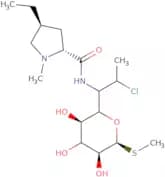
CAS:<p>Clindamycin B hydrochloride is a semi-synthetic antibiotic, which is derived from the parent compound, lincomycin, obtained from the bacterium *Streptomyces lincolnensis*. It exerts its antibacterial effects by binding to the 50S subunit of the bacterial ribosome, inhibiting protein synthesis by preventing peptide bond formation, which is essential for bacterial growth and survival.</p>Fórmula:C17H31ClN2O5S•HClPureza:Min. 95%Cor e Forma:White To Off-White SolidPeso molecular:447.42 g/molAminosidine
CAS:<p>Aminosidine is a nucleoside analogue that inhibits the HIV-1 reverse transcriptase and the integrase, which are enzymes involved in viral DNA synthesis. Aminosidine is active against Leishmania spp., but not against bacteria. Aminosidine has been shown to be effective in experimental models of human bowel disease and in patients with inflammatory bowel disease. It was also found to be active against wild-type strains of human immunodeficiency virus type 1, but not resistant mutants. The mechanism of action is the inhibition of cellular mitochondrial membrane potential.</p>Pureza:Min. 95%Vancomycin aglycon
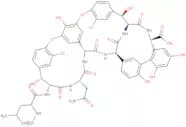
CAS:<p>Vancomycin aglycon is a glycopeptide antibiotic, which is a derivative of vancomycin. It is sourced from the fermentation products of certain Amycolatopsis species, a genus of actinobacteria. The mode of action of vancomycin aglycon involves the inhibition of bacterial cell wall synthesis. It specifically binds to the D-Ala-D-Ala terminus of nascent peptidoglycan chains, thereby preventing the cross-linking that is crucial for maintaining cell wall integrity.</p>Fórmula:C53H52Cl2N8O17Pureza:Min. 95%Peso molecular:1,143.93 g/molPristinamycin IA
CAS:<p>Pristinamycin IA is a streptogramin antibiotic, which is a natural product derived from the bacterium *Streptomyces pristinaespiralis*. It operates by inhibiting bacterial protein synthesis through the disruption of ribosomal function, specifically targeting the 50S ribosomal subunit. This mode of action is effective in halting bacterial growth, making it particularly significant in combating resistant strains.</p>Fórmula:C45H54N8O10Pureza:Min. 95%Peso molecular:866.96 g/molArbekacin sulfate
CAS:<p>Inhibitor of DNA replication; aminoglycoside class</p>Fórmula:C22H44N6O10·xH2SO4Pureza:Min. 95%Cor e Forma:White PowderPeso molecular:650.7 g/molPC 190723
CAS:<p>PC 190723 is a synthetic chemical compound, which is derived through targeted chemical synthesis processes involving precise organic reactions. Its mode of action involves disrupting cellular division by inhibiting specific protein functions essential for the mitotic process. This molecular interaction results in potent effects on cell division, making it a valuable tool for studying cellular mechanics and developing therapeutic strategies.</p>Fórmula:C14H8ClF2N3O2SPureza:Min. 95%Peso molecular:355.75 g/mol









![2,3-Bis[(acetyloxy)methyl]-1-oxoquinoxalin-1-ium-4(1H)-olate](/_next/image/?url=https%3A%2Fstatic.cymitquimica.com%2Fproducts%2FTR%2Fthumb-webp%2FB325620.webp&w=3840&q=75)