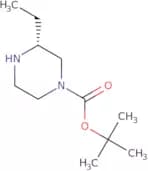
Heterociclos com Nitrogénio (N)
Nesta categoria, você encontrará uma grande variedade de heterociclos contendo nitrogênio. Heterociclos são cadeias de carbono que formam um ciclo em que pelo menos uma posição é ocupada por um heteroátomo, neste caso, o nitrogênio. Esses compostos são essenciais na síntese de produtos farmacêuticos, agroquímicos e corantes, oferecendo reatividade e estabilidade únicas. Na CymitQuimica, oferecemos uma seleção abrangente de heterociclos contendo nitrogênio de alta qualidade para apoiar suas pesquisas e aplicações industriais.
Subcategorias de "Heterociclos com Nitrogénio (N)"
- Azepano(434 produtos)
- Benzotriazóis(436 produtos)
- Diazepinas(331 produtos)
- Imidazóis(4.006 produtos)
- Imidazolinas(385 produtos)
- Isoxazol(1.077 produtos)
- Piperazinas(3.735 produtos)
- Piperidinas(8.394 produtos)
- Pirazinas(1.297 produtos)
- Pirazol(5.919 produtos)
- Pirazolidina(21 produtos)
- Pirazolina(142 produtos)
- Piridazina(856 produtos)
- Piridinas(21.910 produtos)
- Pirimidina(6.038 produtos)
- Pirróis(2.440 produtos)
- Pirrolidinas(5.814 produtos)
- Pirrolina(48 produtos)
- Pirrolo[1,2-b]piridazina(10 produtos)
- Tetrazola(510 produtos)
- Triazinas(462 produtos)
- Triazolas(1.679 produtos)
Exibir 14 mais subcategorias
Foram encontrados 17855 produtos de "Heterociclos com Nitrogénio (N)"
Ordenar por
Pureza (%)
0
100
|
0
|
50
|
90
|
95
|
100
2,5-Difluoropyridine
CAS:<p>2,5-Difluoropyridine is a ligand that is used in the synthesis of pharmaceuticals and other organic compounds. 2,5-Difluoropyridine is typically activated by a metal ion (e.g., palladium) to form an organometallic complex. The orientation of substituents on the difluoropyridine ring can affect its reactivity and selectivity. For example, chlorine atoms interact with the electrophilic carbon atom in the ring and orientations with electron withdrawing groups are more reactive than those with electron donating groups. 2,5-Difluoropyridine can be used as a cross-coupling reagent for Grignard reactions and nucleophilic substitution reactions. It also has been shown to inhibit human erythrocyte pyruvate kinase activity in vitro and may be useful for the treatment of diabetic complications such as neuropathy or retinopathy.</p>Fórmula:C5H3F2NPureza:Min. 95%Cor e Forma:Clear LiquidPeso molecular:115.08 g/mol6-Formylpyridine-3-carboxylic acid
CAS:<p>Please enquire for more information about 6-Formylpyridine-3-carboxylic acid including the price, delivery time and more detailed product information at the technical inquiry form on this page</p>Fórmula:C7H5NO3Pureza:Min. 95%Peso molecular:151.12 g/mol2-Bromo-6-chloropyridine
CAS:<p>2-Bromo-6-chloropyridine is a synthetic, nucleophilic bidentate ligand that is used in the synthesis of vismodegib. It inhibits the growth of cancer cells by inhibiting a pathway that regulates cell division and differentiation. 2-Bromo-6-chloropyridine can be used as a cross-coupling agent for the synthesis of other chemicals. This chemical has pharmacokinetic properties and pharmacokinetic properties and can inhibit chloride channels, which may have an inhibitory effect on cancer cells. 2-Bromo-6-chloropyridine is also an effective inhibitor of nucleophilic substitutions, which are involved in many biological processes, such as DNA replication and protein synthesis.</p>Fórmula:C5H3BrClNPureza:Min. 95%Peso molecular:192.44 g/mol3-Bromo-2-(bromomethyl)pyridine
CAS:<p>Please enquire for more information about 3-Bromo-2-(bromomethyl)pyridine including the price, delivery time and more detailed product information at the technical inquiry form on this page</p>Fórmula:C6H5Br2NPureza:Min. 95%Peso molecular:250.92 g/mol1-(2-Isopropoxybenzyl)piperazine
CAS:Produto Controlado<p>Please enquire for more information about 1-(2-Isopropoxybenzyl)piperazine including the price, delivery time and more detailed product information at the technical inquiry form on this page</p>Fórmula:C14H22N2OPureza:Min. 95%Peso molecular:234.34 g/mol1-(4-Ethoxyphenyl)piperazine
CAS:Produto Controlado<p>Please enquire for more information about 1-(4-Ethoxyphenyl)piperazine including the price, delivery time and more detailed product information at the technical inquiry form on this page</p>Fórmula:C12H18N2OPureza:Min. 95%Peso molecular:206.28 g/mol{2-[(4-Phenylpiperazin-1-yl)carbonyl]phenyl}amine
CAS:Produto Controlado<p>Please enquire for more information about {2-[(4-Phenylpiperazin-1-yl)carbonyl]phenyl}amine including the price, delivery time and more detailed product information at the technical inquiry form on this page</p>Fórmula:C17H19N3OPureza:Min. 95%Peso molecular:281.35 g/mol2,4,6-Trichloro-5-nitropyrimidine
CAS:<p>2,4,6-Trichloro-5-nitropyrimidine is a purine derivative that inhibits the cell proliferation of cancer cells. It has been shown to inhibit the activity of kinases and to induce apoptosis in human cancer cells in vitro. This drug also has antiproliferative potential against erythrocytes and is being investigated as a treatment for renal disease. 2,4,6-Trichloro-5-nitropyrimidine shows inhibitory effects on the phosphorylation of roscovitine by ATP and may be used to treat patients with glomerulonephritis. 2,4,6-Trichloro-5-nitropyrimidine can be synthesized from 2,4,6-trichloropyrimidinethiol and nitric acid according to the following equation: CClNO + HNO → CClNOH + NO 2 Cl + 3 HNO</p>Fórmula:C4Cl3N3O2Pureza:Min. 97 Area-%Peso molecular:228.42 g/mol5,7-Dichloro-8-hydroxyquinoline
CAS:<p>5,7-Dichloro-8-hydroxyquinoline (5,7-DC8HQ) is a mitochondrial drug that inhibits mitochondrial functions by binding to the ATP synthase. It has been shown to be effective against bacteria resistant to antimicrobial agents in vivo and also showed genotoxic activity in vitro. 5,7-DC8HQ binds to the magnesium site of the ATP synthase protein and prevents the formation of an intramolecular hydrogen bond, which leads to inhibition of ATP synthesis. This drug has also been shown to cause membrane potential depolarization in mitochondria.</p>Fórmula:C9H5Cl2NOPureza:Min. 98.5 Area-%Cor e Forma:White PowderPeso molecular:214.05 g/mol1-(2-Ethoxybenzyl)piperazine
CAS:Produto Controlado<p>Please enquire for more information about 1-(2-Ethoxybenzyl)piperazine including the price, delivery time and more detailed product information at the technical inquiry form on this page</p>Fórmula:C13H20N2OPureza:Min. 95%Peso molecular:220.31 g/mol2-[(4-Phenylpiperazin-1-yl)carbonyl]phenol
CAS:Produto Controlado<p>Please enquire for more information about 2-[(4-Phenylpiperazin-1-yl)carbonyl]phenol including the price, delivery time and more detailed product information at the technical inquiry form on this page</p>Fórmula:C17H18N2O2Pureza:Min. 95%Peso molecular:282.34 g/mol1-[4-(4-Methylpiperidin-1-yl)phenyl]methanamine
CAS:<p>Please enquire for more information about 1-[4-(4-Methylpiperidin-1-yl)phenyl]methanamine including the price, delivery time and more detailed product information at the technical inquiry form on this page</p>Fórmula:C13H20N2Pureza:Min. 95%Peso molecular:204.31 g/mol1-Piperidin-1-ylcyclopentanecarbonitrile
CAS:Produto Controlado<p>Please enquire for more information about 1-Piperidin-1-ylcyclopentanecarbonitrile including the price, delivery time and more detailed product information at the technical inquiry form on this page</p>Fórmula:C11H18N2Pureza:Min. 95%Peso molecular:178.27 g/moltert-Butyl 4-(2-methoxy-2-oxoethyl)piperazine-1-carboxylate
CAS:<p>Please enquire for more information about tert-Butyl 4-(2-methoxy-2-oxoethyl)piperazine-1-carboxylate including the price, delivery time and more detailed product information at the technical inquiry form on this page</p>Fórmula:C12H22N2O4Pureza:Min. 95%Peso molecular:258.31 g/mol5-Chloro-1H-imidazo[4,5-b]pyridin-2(3H)-one
CAS:<p>5-Chloro-1H-imidazo[4,5-b]pyridin-2(3H)-one is a chemical compound that is used in analytical chemistry as an insecticide. It has been shown to cause genotoxic activity in weevils exposed to light. The compound has also been shown to have long term efficacy in plants and toxicity studies on animals. 5-Chloro-1H-imidazo[4,5-b]pyridin-2(3H)-one is metabolized by detoxification enzymes and excreted through the urine.</p>Pureza:Min. 95%1-Isobutyrylpiperidin-4-one
CAS:Produto Controlado<p>Please enquire for more information about 1-Isobutyrylpiperidin-4-one including the price, delivery time and more detailed product information at the technical inquiry form on this page</p>Fórmula:C9H15NO2Pureza:Min. 95%Peso molecular:169.22 g/molBenzyl 4-aminopiperidine-1-carboxylate
CAS:<p>Please enquire for more information about Benzyl 4-aminopiperidine-1-carboxylate including the price, delivery time and more detailed product information at the technical inquiry form on this page</p>Fórmula:C13H18N2O2Pureza:Min. 95%Cor e Forma:PowderPeso molecular:234.29 g/mol4,4'-Dinitro-2,2'-bipyridine-N,N'-dioxide
CAS:<p>4,4'-Dinitro-2,2'-bipyridine-N,N'-dioxide is a high quality reagent that can be used for a variety of purposes including as a building block for the synthesis of complex compounds or as an intermediate in fine chemicals. The CAS number is 51595-55-2 and it has a molecular weight of 138.10 g/mol. This reagent can be used to synthesize useful scaffolds, useful building blocks, speciality chemicals and research chemicals. It also has versatile applications that allow it to react with other compounds to form different products.</p>Fórmula:C10H6N4O6Pureza:Min. 94.0 Area-%Peso molecular:278.18 g/molRef: 3D-W-202946
5gA consultar10gA consultar25gA consultar50gA consultar100gA consultar-Unit-ggA consultar1-(4-Methoxybenzyl)piperazine
CAS:Produto Controlado<p>1-(4-Methoxybenzyl)piperazine is a chemical compound that has been shown to have inhibitory activities against cancer cells. It also shows potential for the treatment of type 2 diabetes and Alzheimer's disease. The mechanism of action is not well understood, but it may be due to its ability to induce mitochondrial biogenesis and insulin sensitivity. 1-(4-Methoxybenzyl)piperazine has also been shown to improve memory in rats with spontaneous dementia, similar to the effects of donepezil (a drug used for Alzheimer's disease). 1-(4-Methoxybenzyl)piperazine can be taken orally or administered via injection.</p>Fórmula:C12H18N2OPureza:Min. 95%Peso molecular:206.28 g/molMethyl 2,4-dichloropyrimidine-6-carboxylate
CAS:<p>Please enquire for more information about Methyl 2,4-dichloropyrimidine-6-carboxylate including the price, delivery time and more detailed product information at the technical inquiry form on this page</p>Fórmula:C6H4Cl2N2O2Pureza:Min. 95%Cor e Forma:Off-White To Yellow SolidPeso molecular:207.01 g/mol4-Amino-1-Boc-piperidine-4-carboxamide
CAS:<p>Please enquire for more information about 4-Amino-1-Boc-piperidine-4-carboxamide including the price, delivery time and more detailed product information at the technical inquiry form on this page</p>Fórmula:C11H21N3O3Pureza:Min. 95%Peso molecular:243.3 g/mol4-Mercaptopyridine
CAS:<p>4-Mercaptopyridine is a molecule that has been shown to have an unusual hydrogen bonding interaction. It is a chemical compound that can be hydrolyzed by enzymes. The reaction of 4-mercaptopyridine with enzymes is dependent on the pH of the solution and temperature. The rate of hydrolysis is also affected by the presence of disulfide bonds in the molecule. This active form has been shown to have an enhancement effect on detection sensitivity, which makes it useful for detecting trace amounts of chemicals or metals in water samples. Hydrogen bonding interactions between 4-mercaptopyridine and other molecules are involved in various chemical reactions, such as oxidation, reduction, and elimination reactions.</p>Fórmula:C5H5NSPureza:Min. 95%Peso molecular:111.17 g/mol2-Chloro-4,6-dimethoxypyrimidine
CAS:<p>2-Chloro-4,6-dimethoxypyrimidine is a synthetic compound that is a triazolopyrimidine derivative. It has been shown to have significant antifungal activity against cryptococcus neoformans in toxicity studies. 2-Chloro-4,6-dimethoxypyrimidine is an amine that can be used as a fungicide or pesticide due to its toxicity and effectiveness against fungi. 2-Chloro-4,6-dimethoxypyrimidine has a molecular weight of 196 and contains three functional groups: chlorine, hydrogen chloride, and pyridinium. This compound also has the ability to form covalent bonds with organic molecules such as chloromethyl groups on proteins.</p>Fórmula:C6H7ClN2O2Pureza:Min. 95%Cor e Forma:Off-White To Yellow SolidPeso molecular:174.58 g/mol3-[4-(4-Methoxyphenyl)piperazin-1-yl]-3-oxopropanenitrile
CAS:Produto Controlado<p>Please enquire for more information about 3-[4-(4-Methoxyphenyl)piperazin-1-yl]-3-oxopropanenitrile including the price, delivery time and more detailed product information at the technical inquiry form on this page</p>Fórmula:C14H17N3O2Pureza:Min. 95%Peso molecular:259.3 g/molN-Methyl-2-[[3-[(1e)-2-(2-pyridinyl)ethenyl]-1-(tetrahydro-2H-pyran-2-yl)-1H-indazol-6-yl]thio]benzamide
CAS:<p>Please enquire for more information about N-Methyl-2-[[3-[(1e)-2-(2-pyridinyl)ethenyl]-1-(tetrahydro-2H-pyran-2-yl)-1H-indazol-6-yl]thio]benzamide including the price, delivery time and more detailed product information at the technical inquiry form on this page</p>Fórmula:C27H26N4O2SPureza:Min. 95%Peso molecular:470.59 g/molPyridine-3,4-dicarbonitrile
CAS:<p>Pyridine-3,4-dicarbonitrile (PDC) is a ligand that can be synthesized in the laboratory and is used to study the magnetic resonance spectroscopy of organic molecules. PDC binds to metal ions and forms coordination complexes. It has been shown that these complexes have synergistic effects with cancer drugs such as cisplatin and doxorubicin. This ligand also has been shown to bind to copper or iron ions and form stable coordination compounds. PDC can be used in organic solvents, which makes it an ideal candidate for use in organic synthesis.</p>Fórmula:C7H3N3Pureza:Min. 95%Peso molecular:129.12 g/molPyridine-sulfur trioxide complex
CAS:Produto Controlado<p>Pyridine-sulfur trioxide complex is a sodium salt of sulfuric acid and pyridine. It is an intramolecular hydrogen acceptor, which means that it can act as a hydrogen donor to other molecules. Pyridine-sulfur trioxide complex has been shown to be effective against HIV infection in vitro. The biological properties of this drug are due to its ability to inhibit the proliferation of cells. Pyridine-sulfur trioxide complex also has antiproliferation activity against a variety of cancers, including prostate, breast, lung, ovarian, and pancreatic cancers. Pyridine-sulfur trioxide complex inhibits fatty acid synthase enzymes and is used as an analytical method for measuring cholesterol levels in the blood.</p>Fórmula:C5H5N·SO3Pureza:Min. 95%Cor e Forma:Beige PowderPeso molecular:159.16 g/mol1-(3-Trifluoromethylphenyl)piperazine hydrochloride
CAS:Produto Controlado<p>1-(3-Trifluoromethylphenyl)piperazine hydrochloride (TFMPP) is a derivative of the piperazine class of drugs. It is structurally similar to other drugs in this class, such as bromopropane, which acts as an agonist of the 5-HT1 receptor. TFMPP has been shown to be an agonist at 5-HT1 receptors and dopamine receptors. It has also been shown to inhibit serotonin uptake and release, and inhibits choline acetyltransferase activity in brain tissue. TFMPP is not active on the 5-HT2 receptor, but does have some affinity for the 5-HT2A receptor. TFMPP has high affinity for the serotonergic system, with selective binding to serotonin transporter proteins in vitro. TFMPP may also have some effect on cholinergic systems through its inhibition of acetylcholinesterase activity.</p>Fórmula:C11H14ClF3N2Pureza:Min. 95%Cor e Forma:White PowderPeso molecular:266.69 g/mol4-Chloro-6-Fluoro-Pyrimidine
CAS:<p>Please enquire for more information about 4-Chloro-6-Fluoro-Pyrimidine including the price, delivery time and more detailed product information at the technical inquiry form on this page</p>Fórmula:C4H2ClFN2Pureza:Min. 95%Peso molecular:132.52 g/mol5-Bromopyridine-2-carbaldehyde
CAS:<p>5-Bromopyridine-2-carbaldehyde is a water soluble organic molecule that has been shown to inhibit the mitochondrial respiratory chain. It is a structural analog of the natural substrate for mitochondrial cytochrome c oxidase, 5-aminolevulinic acid. This compound has been shown to be selective against cancer cells and has anti-viral properties. The photophysical properties of 5-bromopyridine-2-carbaldehyde have been studied extensively. The fluorescence quantum yield of this molecule in aqueous solution is 0.06%.</p>Fórmula:C6H4BrNOPureza:Min. 95%Cor e Forma:White PowderPeso molecular:186.01 g/mol1'-Hydroxy bilastine
CAS:<p>Please enquire for more information about 1'-Hydroxy bilastine including the price, delivery time and more detailed product information at the technical inquiry form on this page</p>Fórmula:C28H37N3O4Pureza:Min. 95%Peso molecular:479.61 g/mol1-(3-Phenylpropyl)piperazine
CAS:Produto Controlado<p>1-(3-Phenylpropyl)piperazine (1PP) is a piperazine derivative that can be synthesized by the condensation of 3-phenylpropylamine and formaldehyde. 1PP has been shown to have neuroprotective effects in animal models of amyotrophic lateral sclerosis (ALS), brain injury, spinal cord injury, and traumatic brain injury. It has also been shown to act as a ligand for various receptors with therapeutic potential for cancer therapy. 1PP may be able to protect neurons from oxidative damage by scavenging reactive oxygen species. This drug has also been observed to inhibit the growth of cancer cells in vitro and in vivo.</p>Fórmula:C13H20N2Pureza:Min. 95%Peso molecular:204.31 g/molMethyl 4-piperazin-1-ylmethylbenzoate
CAS:Produto Controlado<p>Please enquire for more information about Methyl 4-piperazin-1-ylmethylbenzoate including the price, delivery time and more detailed product information at the technical inquiry form on this page</p>Fórmula:C13H18N2O2Pureza:Min. 95%Peso molecular:234.29 g/mol1-(2,5-Dichlorophenyl)piperazinedihydrochloride
CAS:Produto Controlado<p>Please enquire for more information about 1-(2,5-Dichlorophenyl)piperazinedihydrochloride including the price, delivery time and more detailed product information at the technical inquiry form on this page</p>Fórmula:C10H14Cl4N2Pureza:Min. 95%Peso molecular:304.04 g/mol5-[3-Methoxy-4-(4-methoxy-benzyloxy)-benzyl]-pyrimidine-2,4-diamine
CAS:<p>5-[3-Methoxy-4-(4-methoxy-benzyloxy)-benzyl]-pyrimidine-2,4-diamine is a monoclonal antibody that blocks the signal of CTLA-4, a receptor on T cells. It has been shown to be effective in inhibiting skin cancer and primary breast cancers. This drug also has immunomodulatory effects and can be used to treat autoimmune diseases. 5-[3-Methoxy-4-(4-methoxy-benzyloxy)-benzyl]-pyrimidine-2,4-diamine binds to ctla-4 with high affinity and specificity, preventing the interaction of ctla-4 with its ligands such as CD80 (B7.1) and CD86 (B7.2). This prevents the activation of T cells by antigen presenting cells and suppresses the immune response.</p>Fórmula:C20H22N4O3Pureza:Min. 95%Peso molecular:366.41 g/mol5-Oxo-1-(pyridin-3-ylmethyl)pyrrolidine-3-carboxylic acid
CAS:<p>Please enquire for more information about 5-Oxo-1-(pyridin-3-ylmethyl)pyrrolidine-3-carboxylic acid including the price, delivery time and more detailed product information at the technical inquiry form on this page</p>Fórmula:C11H12N2O3Pureza:Min. 95%Peso molecular:220.22 g/mol1,1'-Dimethyl-4,4'-bipyridinium dichloride hydrate
CAS:<p>1,1'-Dimethyl-4,4'-bipyridinium dichloride hydrate is a bipyridine with a divalent chloride. It has been shown to have synergic effects in the presence of dextran sulfate and paraquat. This compound has good photochemical properties, which are used for wastewater treatment and surface methodology. 1,1'-Dimethyl-4,4'-bipyridinium dichloride hydrate also has toxicological studies that show it does not cause any cellular toxicity or mitochondrial membrane potential changes. It also reduces potassium dichromate toxicity in glomerular filtration rate studies. This compound can be used as an analytical method for other bipyridines.</p>Fórmula:C12H14Cl2N2•(H2O)xPureza:Min. 95%Cor e Forma:PowderPeso molecular:257.16 g/mol2,4-Bis(octylthio)-6-(4-hydroxy-3,5-di-tert-butylanilino)-1,3,5-triazine
CAS:<p>2,4-Bis(octylthio)-6-(4-hydroxy-3,5-di-tert-butylanilino)-1,3,5-triazine is a triazine that has been synthesized by the reaction of glycol esters with hydrogenated hydrochloric acid. This compound is used as a polymerization initiator and is a liquid crystal composition stabiliser. It can be used in sample preparation to provide protection against water vapor and light emission. 2,4-Bis(octylthio)-6-(4-hydroxy-3,5-di-tert-butylanilino)-1,3,5-triazine has antioxidant properties and can be used for determining functional groups in organic compounds.</p>Fórmula:C33H56N4OS2Pureza:Min. 95%Cor e Forma:PowderPeso molecular:588.96 g/mol3-[(4-Aminopiperidin-1-yl)methyl]phenol
CAS:<p>Please enquire for more information about 3-[(4-Aminopiperidin-1-yl)methyl]phenol including the price, delivery time and more detailed product information at the technical inquiry form on this page</p>Fórmula:C12H18N2OPureza:Min. 95%Peso molecular:206.28 g/mol1-(3-Chlorophenyl)piperazine dihydrochloride
CAS:Produto Controlado<p>1-(3-Chlorophenyl)piperazine dihydrochloride is a serotonin antagonist that has been shown to cause an increase in cortisol levels. It is also a serotonergic agent, which may be related to its antidepressant activity. 1-(3-Chlorophenyl)piperazine dihydrochloride has been shown to have a matrix effect on the brain and can be used as a drug for treating primary pulmonary hypertension. It can also induce behavioral changes and stimulate ovarian activity. The compound 1-(3-Chlorophenyl)piperazine dihydrochloride is an antagonist of 5-HT2C receptors, and it has no affinity for the 5-HT2A receptor.</p>Fórmula:C10H15Cl3N2Pureza:Min. 95%Cor e Forma:White To Yellow Or Beige SolidPeso molecular:269.6 g/mol1-(4-Bromo-2,5-dimethoxybenzyl)piperazine
CAS:Produto Controlado<p>Please enquire for more information about 1-(4-Bromo-2,5-dimethoxybenzyl)piperazine including the price, delivery time and more detailed product information at the technical inquiry form on this page</p>Fórmula:C13H19BrN2O2Pureza:Min. 95%Peso molecular:315.21 g/molPyrazine
CAS:<p>Pyrazine is a model system that has been used to investigate the reaction mechanism of pyrazinoic acid, an antimicrobial agent. Pyrazine reacts with water to give pyrazinoic acid and hydrogen gas. Pyrazine is also used as an analytical method for determining the concentration of odorant binding compounds in air and as a model system to study the electrochemical properties of odorant binding. The compound is characterized by intermolecular hydrogen bonding and synchronous fluorescence. Pyrazine has been shown to have an adsorption peak at 1780 cm-1 and a Langmuir adsorption isotherm at 10-4 M.</p>Fórmula:C4H4N2Pureza:Min. 95%Peso molecular:80.09 g/molZofenoprilat-d5
CAS:Produto Controlado<p>Please enquire for more information about Zofenoprilat-d5 including the price, delivery time and more detailed product information at the technical inquiry form on this page</p>Fórmula:C15H14D5NO3S2Pureza:Min. 95%Peso molecular:330.48 g/mol1-Pyridin-3-ylmethyl-piperazine
CAS:Produto Controlado<p>1-Pyridin-3-ylmethyl-piperazine (1PMP) is a synthetic psychoactive substance that can be used as an antidepressant. It has been shown to increase the affinity of chloride ions for diborane, and it has also been shown to be an effective neuroprotective agent. 1PMP is a piperazine derivative, which is chemically similar to piperidine and morpholine. It can be synthesized by reacting borane with 3-chloropyridine. Further reactions with amines or alcohols yield the desired product.<br>The synthesis of 1PMP can also be achieved by reacting 3-chloropyridine with 2,2-dimethylpropanoyl chloride in the presence of triethylamine and tetrahydrofuran (THF). This reaction may occur in two different ways, yielding either the cis or trans isomers of 1PMP. The cis isomer has been found to have</p>Fórmula:C10H15N3Pureza:Min. 95%Peso molecular:177.25 g/mol1-(3-Bromobenzyl)piperazine
CAS:Produto Controlado<p>Please enquire for more information about 1-(3-Bromobenzyl)piperazine including the price, delivery time and more detailed product information at the technical inquiry form on this page</p>Fórmula:C11H15BrN2Pureza:Min. 95%Peso molecular:255.15 g/mol4-Benzyl-piperazine-1-carbonylchloride
CAS:Produto Controlado<p>Please enquire for more information about 4-Benzyl-piperazine-1-carbonylchloride including the price, delivery time and more detailed product information at the technical inquiry form on this page</p>Fórmula:C12H15ClN2OPureza:Min. 95%Peso molecular:238.71 g/mol2-Methyl-5-nitropyridin-3-amine
CAS:<p>2-Methyl-5-nitropyridin-3-amine is a heterocyclic compound that is synthesized by the cyclization of 2-methylpyridine with sodium nitrite. The reaction product is hydrolyzed to yield the desired compound, 5-nitropyridine. The synthesis of this compound can be used as a target for organic synthesis.</p>Fórmula:C6H7N3O2Pureza:Min. 95%Peso molecular:153.14 g/mol7-[(4Methoxyphenyl)methyl]-5-methyl-2H-pyrazolo[3,4-d]pyrimidine-4,6(5H,7H)-dione
CAS:Produto Controlado<p>Please enquire for more information about 7-[(4Methoxyphenyl)methyl]-5-methyl-2H-pyrazolo[3,4-d]pyrimidine-4,6(5H,7H)-dione including the price, delivery time and more detailed product information at the technical inquiry form on this page</p>Fórmula:C14H14N4O3Pureza:Min. 95%Peso molecular:286.29 g/mol2-Fluoropyrazine
CAS:<p>2-Fluoropyrazine is a heterocyclic compound that has been shown to be an efficient catalyst for the palladium-catalyzed cross-coupling reaction. It reacts with nucleophiles such as hydroxy group, chlorine atom, and hydroxyl group. The 2-fluoropyrazine catalyzes the formation of a carbon-nitrogen bond in a nucleophilic attack on an oxadiazole ring. 2-Fluoropyrazine has been found to inhibit the growth of cancer cells and infectious diseases by inhibiting the synthesis of RNA and protein. It also inhibits the replication of viruses by binding to their RNA polymerase.</p>Fórmula:C4H3FN2Pureza:Min. 95%Peso molecular:98.08 g/molN-Methylpiperidinyl-2-methyl benzilate
CAS:Produto Controlado<p>Please enquire for more information about N-Methylpiperidinyl-2-methyl benzilate including the price, delivery time and more detailed product information at the technical inquiry form on this page</p>Fórmula:C21H25NO3Pureza:Min. 95%Peso molecular:339.43 g/molN-Isopropyl carvedilol
CAS:<p>Please enquire for more information about N-Isopropyl carvedilol including the price, delivery time and more detailed product information at the technical inquiry form on this page</p>Fórmula:C27H32N2O4Pureza:Min. 95%Peso molecular:448.56 g/mol1-(2-Methoxylphenyl)-piperazine monohydrobromide
CAS:Produto Controlado<p>Please enquire for more information about 1-(2-Methoxylphenyl)-piperazine monohydrobromide including the price, delivery time and more detailed product information at the technical inquiry form on this page</p>Pureza:Min. 95%a,a-Dimethyl-1-piperidineacetonitrile
CAS:Produto Controlado<p>Dimethylcyanamide is an organic compound that can be synthesized from cyanide or cyanic acid. Dimethylcyanamide is a colorless liquid with a strong odor. It has been used in the past as a precursor to other compounds, but it has since been replaced by cheaper and more convenient methods. Dimethylcyanamide reacts with primary amines to form nitriles, which are useful intermediates in organic synthesis. In addition, the reaction of dimethylcyanamide with secondary amines leads to the formation of primary amines. The transamination of dimethylamine-N-oxide yields a-dimethylaminopropionitrile as an intermediate product. The elimination reaction mechanism for this process involves the conversion of ammonia into hydroxide ions and hydrogen gas. This reaction produces high yields for both products and does not require high temperatures or pressures.</p>Fórmula:C9H16N2Pureza:Min. 95%Peso molecular:152.24 g/mol2-Chloro-7H-pyrrolo[2,3-d]pyrimidin-4-amine
CAS:<p>Please enquire for more information about 2-Chloro-7H-pyrrolo[2,3-d]pyrimidin-4-amine including the price, delivery time and more detailed product information at the technical inquiry form on this page</p>Fórmula:C6H5ClN4Pureza:Min. 95%Peso molecular:168.58 g/molrac-cis-1-benzyl-2-methyl-4-(N-propananilido)piperidine
CAS:Produto Controlado<p>Racemic cis-1-benzyl-2-methyl-4-(N-propananilido)piperidine (SBP) is a synthetic opioid analgesic that has been shown to bind to the μ-opioid receptor. It is the racemic form of the more potent S(+)-isomer. SBP is metabolized in vivo by cytochrome P450 2C19 and cytochrome P450 3A5, and its metabolites can be detected in human liver. The metabolism of SBP also produces propanamide as an intermediate. Recreational use of SBP has been reported with adverse effects including nausea, vomiting, headache, and dizziness.</p>Fórmula:C22H28N2OPureza:Min. 95%Peso molecular:336.47 g/mol1,5-Dihydro-1-(2-methylpropyl)-4H-imidazo[4,5-c]quinolin-4-one
CAS:<p>Please enquire for more information about 1,5-Dihydro-1-(2-methylpropyl)-4H-imidazo[4,5-c]quinolin-4-one including the price, delivery time and more detailed product information at the technical inquiry form on this page</p>Fórmula:C14H15N3OPureza:Min. 95%Peso molecular:241.29 g/mol2-Chloropyridine
CAS:Produto Controlado<p>2-Chloropyridine is a molecule that reacts with hydrochloric acid to produce hydrogen chloride and 2-chloropyridine. The reaction mechanism involves a photoelectron and hydrogen bonding interactions. The chlorine atom in the original molecule will be replaced by a hydrogen atom, while the other chlorine atom becomes part of the product, hydrogen chloride. This reaction occurs in solution at room temperature.</p>Fórmula:C5H4ClNPureza:Min. 95%Cor e Forma:PowderPeso molecular:113.54 g/molHEPBS
CAS:<p>HEPBS, also known as N-(2-Hydroxyethyl)piperazine-N'-(4-butanesulfonic acid), is a zwitterionic chemical buffering agent with an optimal pH range of 7.6-9.0 and a pKa of 8.3.</p>Fórmula:C10H22N2O4SPureza:Min. 95%Cor e Forma:PowderPeso molecular:266.36 g/mol2,3-Dichloro-5-nitropyridine
CAS:<p>2,3-Dichloro-5-nitropyridine (2,3-DNP) is an antidiabetic drug that has been shown to improve insulin sensitivity in animals. It is a sample preparation reagent that can be used to validate the use of γ-aminobutyric acid (GABA) as a linker for the immobilization of proteins on solid supports. 2,3-DNP is also used as an adipose tissue marker to study obesity and insulin resistance. This drug has been shown to increase choline levels in the liver by inhibiting its export and increasing its synthesis by phosphorylation of serine hydroxymethyltransferase. 2,3-DNP also increases fatty acid synthesis by activating acetyl coenzyme A carboxylase and inhibiting carnitine palmitoyl transferase I. 2,3-DNP has also been shown to decrease food intake and body weight gain in db/db mice</p>Fórmula:C5H2Cl2N2O2Pureza:Min. 95%Cor e Forma:PowderPeso molecular:192.99 g/mol4-(Diphenylmethoxy)piperidinium chloride
CAS:<p>Please enquire for more information about 4-(Diphenylmethoxy)piperidinium chloride including the price, delivery time and more detailed product information at the technical inquiry form on this page</p>Pureza:Min. 95%2-(2-Dimethylamino)Ethyl) Pyridine
CAS:<p>2-(2-Dimethylamino)Ethyl) Pyridine is a chemical compound that contains oxygen atoms, hydroxo, and nitrogen atoms. It has a tetranuclear hexahydrate form and the molecular formula C5H7N3O2. 2-(2-Dimethylamino)Ethyl) Pyridine has been shown to have desilylation properties. 2-(2-Dimethylamino)Ethyl) Pyridine binds to group P2 of RNA and represses translation by preventing ribosomal binding to the mRNA strand. This drug is also an x-ray data collection agent in which it is used as a ligand in magnetic resonance imaging (MRI).</p>Fórmula:C9H14N2Pureza:Min. 95%Peso molecular:150.22 g/mol3-(4-Oxopiperidine-1-carbonyl)phenylboronic acid
CAS:Produto Controlado<p>Please enquire for more information about 3-(4-Oxopiperidine-1-carbonyl)phenylboronic acid including the price, delivery time and more detailed product information at the technical inquiry form on this page</p>Fórmula:C12H14BNO4Pureza:Min. 95%Peso molecular:247.05 g/mol3-Ethyl haloperidol decanoate
CAS:<p>Please enquire for more information about 3-Ethyl haloperidol decanoate including the price, delivery time and more detailed product information at the technical inquiry form on this page</p>Fórmula:C33H45ClFNO3Pureza:Min. 95%Peso molecular:558.17 g/mol1-(3,5-Dimethoxyphenyl)piperazine
CAS:Produto Controlado<p>1-(3,5-Dimethoxyphenyl)piperazine (1DMPP) is a phenylpiperazine derivative that has shown anticancer activity in vitro against human cancer cells. It is orally bioavailable and has been found to inhibit the growth of cancer cells in vivo. 1DMPP is metabolized by the liver into a number of metabolites that are excreted via the kidneys. The pharmacokinetic properties of 1DMPP have been studied in rats and mice, which revealed that it is well absorbed when administered orally and has a short terminal half-life. In vitro studies have demonstrated that 1DMPP inhibits cell growth through inhibition of protein synthesis and DNA replication.</p>Fórmula:C12H18N2O2Pureza:Min. 95%Peso molecular:222.28 g/molIndole
CAS:<p>Indole is a heterocyclic aromatic organic compound. It is a colorless solid that has a strong, unpleasant odor. Indole is classified as a nitrogenous base and is found in many natural products such as the amino acid tryptophan and the alkaloid caffeine. Indole can also be used as a building block for complex molecules, such as pharmaceuticals, herbicides, and pesticides. Indole is soluble in water, but insoluble in most organic solvents. It can be used to synthesize other compounds through reactions with other chemicals or by heating it with different reagents.</p>Fórmula:C8H7NPureza:Min. 98 Area-%Peso molecular:117.15 g/molRef: 3D-I-0800
1kgA consultar5kgA consultar10kgA consultar25kgA consultar2500gA consultar-Unit-kgkgA consultarCiprofloxacin piperazinyl-N4-sulfate
CAS:<p>Ciprofloxacin is a fluoroquinolone antibiotic with potent activity against many Gram-negative and Gram-positive bacteria. It is used in the treatment of urinary tract infections, respiratory tract infections, skin and soft tissue infections, bone and joint infections, and intra-abdominal infections. Ciprofloxacin piperazinyl-N4-sulfate has the potential to interact with other drugs. It binds to human serum albumin (HSA) and may be excreted into breast milk. The drug is well absorbed orally but has poor bioavailability due to rapid metabolism by the liver. Ciprofloxacin piperazinyl-N4-sulfate has been shown to have pharmacokinetic properties that are independent of dose or duration of administration.</p>Fórmula:C17H18FN3O6SPureza:Min. 95%Peso molecular:411.41 g/molHaloperidol nonanoate
CAS:Produto Controlado<p>Please enquire for more information about Haloperidol nonanoate including the price, delivery time and more detailed product information at the technical inquiry form on this page</p>Fórmula:C30H39ClFNO3Pureza:Min. 95%Peso molecular:516.09 g/molN-Benzoylpiperidone
CAS:Produto Controlado<p>N-Benzoylpiperidone is a synthetic piperidine derivative that is used in the synthesis of other organic compounds. It can be synthesized by reacting phenylacetaldehyde with chloroacetonitrile and hydroxybenzene. It can also be synthesized by reacting bromoacetonitrile with hydroxybenzene in the presence of sodium hydroxide. The compound has two stereoisomers, which are determined by the configuration at the nitrogen atom. The N-benzoyl group on one stereoisomer binds to the intramolecular hydrogen molecule, which signifies its structural analysis. These two isomers are distinguished by their hydroxy group, amide and alkylation properties. They react differently with rat liver microsomes due to different substrate concentration.</p>Fórmula:C12H13NO2Pureza:(%) Min. 95%Cor e Forma:PowderPeso molecular:203.23 g/mol5-Bromo-1-methyl-1H-1,2,3-triazole
CAS:<p>Please enquire for more information about 5-Bromo-1-methyl-1H-1,2,3-triazole including the price, delivery time and more detailed product information at the technical inquiry form on this page</p>Fórmula:C3H4BrN3Pureza:Min. 95%Peso molecular:162 g/mol1-(Pyridin-3-ylmethyl)piperazineHydrochloride
CAS:Produto Controlado<p>Please enquire for more information about 1-(Pyridin-3-ylmethyl)piperazineHydrochloride including the price, delivery time and more detailed product information at the technical inquiry form on this page</p>Fórmula:C10H16ClN3Pureza:Min. 95%Peso molecular:213.71 g/mol1-(4-Amino-6,7-dimethoxy-2-quinazolinyl)-4-[(tetrahydro-2-furanyl)carbonxyl]piperazine hydrochloride
CAS:<p>Terazosin HCL dehydrate is an inhibitor of alpha-1 adrenergic receptors. This results in vasodilation followed by a reduction in urethral resistance, venous return to the heart and peripheral vascular resistance. In particular Terazosin HCL hydrate’s ability to recover urine flow and alleviate symptoms in patients with benign prostatic hyperplasia is of benefit to the therapeutic and clinical industries.</p>Fórmula:C19H26ClN5O4Pureza:Min. 95%Peso molecular:423.89 g/mol1-Boc-4-formyl piperidine
CAS:<p>The functional theory of 1-Boc-4-formyl piperidine (1BP) is that it activates the serine protease, which in turn inhibits the acetylcholine release. It also affects the 5-ht4 receptor, which is an important regulator of neuronal function and amine release. 1BP has been shown to have potent inhibitory activity against reactive molecules, including those that are involved in carcinogenesis. It also has a high affinity for the 5-ht4 receptor and can be used as a 5-ht4 receptor agonist.</p>Fórmula:C11H19NO3Pureza:Min. 95%Cor e Forma:PowderPeso molecular:213.27 g/mol1-(4-Fluorophenyl)piperazine free base
CAS:Produto Controlado<p>Please enquire for more information about 1-(4-Fluorophenyl)piperazine free base including the price, delivery time and more detailed product information at the technical inquiry form on this page</p>Pureza:Min. 95%6-Methyl-2-pyridinemethanamine
CAS:<p>6-Methyl-2-pyridinemethanamine is an imine that is used in cancer therapy. It has been shown to have antitumor activity at nanomolar concentrations, which is a very low dose. 6-Methyl-2-pyridinemethanamine is not sensitive to the body's enzymes and does not show any signs of toxicity. This drug also has a pharmacokinetic profile that enhances the uptake of other drugs and can be used for the treatment of cancers that are resistant to chemotherapy. The mechanism of action of 6-methyl-2-pyridinemethanamine is constitutive activation, which means it binds to the constitutively active site on the protein target and inhibits its function.</p>Fórmula:C7H10N2Pureza:Min. 95%Peso molecular:122.17 g/mol2-Cyano-5-fluoropyridine
CAS:<p>2-Cyano-5-fluoropyridine is a potential antitubercular agent that has shown penetrability in the central nervous system and activity against Mycobacterium tuberculosis. It is orally active at low doses, and has been shown to be an effective inhibitor of mycobacterial growth and lipid synthesis. In addition, this compound also has antimycobacterial activity against M. avium complex and M. ulcerans, and is a potent inhibitor of β-amyloid aggregation.</p>Fórmula:C6H3FN2Pureza:Min. 95%Peso molecular:122.1 g/molMidazolamEPimpurityGmaleate
CAS:<p>Please enquire for more information about MidazolamEPimpurityGmaleate including the price, delivery time and more detailed product information at the technical inquiry form on this page</p>Fórmula:C18H14ClN3•C4H4O4Pureza:Min. 95%Peso molecular:423.85 g/mol1-(2-Chlorophenyl)-2-(2H-tetrazol-2-yl)ethanone
CAS:<p>Please enquire for more information about 1-(2-Chlorophenyl)-2-(2H-tetrazol-2-yl)ethanone including the price, delivery time and more detailed product information at the technical inquiry form on this page</p>Fórmula:C9H7ClN4OPureza:Min. 95%Peso molecular:222.63 g/mol3-Chloro-4-nitropyridine 1-oxide
CAS:<p>3-Chloro-4-nitropyridine 1-oxide is the condensation product of 2-chloro-3-nitropyridine and nitric acid. 3-Chloro-4-nitropyridine 1-oxide has an isomeric nature and can be purified by recrystallization from water. The compound has a molecular weight of 286.1 g/mol and a monoclinic crystal structure. It has two n-oxides, which are isomers of each other, with nmr spectra that differ by the shift in the chemical shifts of the protons on the aromatic ring. 3-Chloro-4-nitropyridine 1-oxide condenses with lanthanides to form lanthanide complexes, such as Eu(III)(3,5'-ClO 4 ) 2 . This compound is also used in the synthesis of phenoxathiine derivatives that have antihypertensive activity.</p>Fórmula:C5H3ClN2O3Pureza:Min. 95%Peso molecular:174.54 g/moltert-Butyl 4-(5-nitro-2-oxo-1,3-benzoxazol-3(2H)-yl)piperidine-1-carboxylate
CAS:Produto Controlado<p>Please enquire for more information about tert-Butyl 4-(5-nitro-2-oxo-1,3-benzoxazol-3(2H)-yl)piperidine-1-carboxylate including the price, delivery time and more detailed product information at the technical inquiry form on this page</p>Fórmula:C17H21N3O6Pureza:Min. 95%Peso molecular:363.37 g/mol4-[4-(3-Chlorophenyl)piperazin-1-yl]-4-oxobutanoic acid
CAS:Produto Controlado<p>Please enquire for more information about 4-[4-(3-Chlorophenyl)piperazin-1-yl]-4-oxobutanoic acid including the price, delivery time and more detailed product information at the technical inquiry form on this page</p>Fórmula:C14H17ClN2O3Pureza:Min. 95%Peso molecular:296.75 g/mol1-Piperonylpiperazine
CAS:Produto Controlado<p>1-Piperonylpiperazine is a drug that is used to treat symptoms of diabetic neuropathy. It is an inhibitor of mitochondrial ATPases and blocks the synthesis of nucleotides in the liver. It also inhibits uptake processes in the brain and spinal cord, which are related to locomotor activity. The uptake assays showed that 1-piperonylpiperazine has a high affinity for receptors in the human liver, which could be useful for future research on drugs targeting this organ. 1-Piperonylpiperazine has been shown to have strong effects on mitochondrial membrane potential and ATP levels in primary cells, as well as increasing uptake into human liver cells. This drug may be useful for treating symptoms of diabetic neuropathy.</p>Fórmula:C12H16N2O2Pureza:Min. 95%Cor e Forma:SolidPeso molecular:220.27 g/molMethyl 6-methyl-2-oxo-4-phenyl-1,2,3,4-tetrahydropyrimidine-5-carboxylate
CAS:<p>Please enquire for more information about Methyl 6-methyl-2-oxo-4-phenyl-1,2,3,4-tetrahydropyrimidine-5-carboxylate including the price, delivery time and more detailed product information at the technical inquiry form on this page</p>Fórmula:C13H14N2O3Pureza:Min. 95%Peso molecular:246.26 g/moltert-Butyl 4-chloro-5,6-dihydropyrido[3,4-d]pyrimidine-7(8H)-carboxylate
CAS:<p>Please enquire for more information about tert-Butyl 4-chloro-5,6-dihydropyrido[3,4-d]pyrimidine-7(8H)-carboxylate including the price, delivery time and more detailed product information at the technical inquiry form on this page</p>Fórmula:C12H16ClN3O2Pureza:Min. 95%Peso molecular:269.73 g/mol1-Methyl-4-phenylpiperidine-4-carbonitrile
CAS:Produto Controlado<p>Please enquire for more information about 1-Methyl-4-phenylpiperidine-4-carbonitrile including the price, delivery time and more detailed product information at the technical inquiry form on this page</p>Fórmula:C13H16N2Pureza:Min. 95%Peso molecular:200.28 g/mol1-(Benzyloxy)-6-oxo-1,6-dihydropyridine-2-carboxylic acid
CAS:<p>Please enquire for more information about 1-(Benzyloxy)-6-oxo-1,6-dihydropyridine-2-carboxylic acid including the price, delivery time and more detailed product information at the technical inquiry form on this page</p>Fórmula:C13H11NO4Pureza:Min. 95%Cor e Forma:PowderPeso molecular:245.23 g/mol5-Chloro-2-(ethylsulfonyl)pyrimidine-4-carboxylic acid
CAS:<p>Please enquire for more information about 5-Chloro-2-(ethylsulfonyl)pyrimidine-4-carboxylic acid including the price, delivery time and more detailed product information at the technical inquiry form on this page</p>Fórmula:C7H7ClN2O4SPureza:Min. 95%Peso molecular:250.66 g/mol2-Bromo-6-methoxypyridin-3-amine
CAS:<p>2-Bromo-6-methoxypyridin-3-amine is a perovskite that has been shown to have a high photoluminescence quantum yield and can be used in solar cells. This compound interacts with both the ligands and the acceptors, boosting the efficiency of these compounds. The 2-bromo-6 methoxypyridin-3 amine is a semiconductor with an electron affinity of 1.9 eV and a band gap of 1.6 eV. It has been shown to be efficient as a photoluminescent material in nanocrystals.</p>Fórmula:C6H7BrN2OPureza:Min. 95%Peso molecular:203.04 g/mol1-[(4-Chlorophenyl)phenylmethyl]piperazine
CAS:Produto Controlado<p>1-[(4-Chlorophenyl)phenylmethyl]piperazine is an analytical reagent that is used in the determination of meclozine, a drug used for the treatment of nausea and vomiting. 1-[(4-Chlorophenyl)phenylmethyl]piperazine is a nucleophile, which means that it can donate electrons to other molecules. It can be used as a catalyst to increase the rate of chemical reactions. 1-[(4-Chlorophenyl)phenylmethyl]piperazine may also be used in wastewater treatment because it has been shown to have phospholipidosis inhibiting properties. The levorotatory form (1R-enantiomer) of this compound has been shown to inhibit protein synthesis in vitro and is an amine oxidase inhibitor that binds to proteins with nitrogen atoms. This nucleophilic compound may also be converted into an n-oxide or dinucleotide phosphate by hydrochloric acid and</p>Fórmula:C17H19ClN2Pureza:Min. 95%Peso molecular:286.8 g/mol5-Cyanopyridine-2-carboxylic acid
CAS:<p>5-Cyanopyridine-2-carboxylic acid is a small molecule that has been found to have significant biological activity in a number of different areas, including neurotherapeutics. It is the result of a scalable synthesis and is soluble in water. The molecule has two chiral centers and can exist as four different stereoisomers (enantiomers). In vitro studies show that 5-cyanopyridine-2-carboxylic acid inhibits fatty acid uptake by blocking the proton pump, which transports lipids into cells. This compound also binds to the cytosolic protein pyrazine 2-carboxylic acid receptor 1 (PYZR1), which may provide an explanation for its effects on fatty acid uptake.</p>Fórmula:C7H4N2O2Pureza:Min. 95%Peso molecular:148.12 g/molNoratropine hydrochloride
CAS:<p>Please enquire for more information about Noratropine hydrochloride including the price, delivery time and more detailed product information at the technical inquiry form on this page</p>Fórmula:C16H21NO3•HClPureza:Min. 95%Peso molecular:311.8 g/mol3-Amino-5-bromopyridine
CAS:<p>3-Amino-5-bromopyridine (3ABP) is a linker for the synthesis of cisplatin. It has been shown to have strong bactericidal activity against Escherichia coli and Staphylococcus aureus. 3ABP is cytotoxic to both renal proximal tubule cells and ring-opening cells, which are found in the kidney. It is also an inhibitor of nicotinic acetylcholine receptors (nAChRs), which are proteins that control nerve cell communication. 3ABP's pharmacokinetic properties make it suitable as a linker for cisplatin, as it has good oral bioavailability, low systemic toxicity, and high tissue selectivity.</p>Fórmula:C5H5BrN2Pureza:Min. 98 Area-%Peso molecular:173.01 g/molPyrrolidine
CAS:<p>Pyrrolidine is a hypoglycemic agent that has been shown to have antibacterial efficacy against some gram-positive bacteria. It inhibits bacterial growth by binding to the enzyme ribonucleotide reductase, which is required for DNA synthesis. Pyrrolidine also has an antimicrobial effect on human cells and is a substrate for the enzyme IDO1, which may be responsible for many of its biological effects. Pyrrolidine binds to methanol solvent and has been shown to inhibit the activity of endometrial cells by reducing glucose uptake. The reaction with methanol solvent also causes pyrrolidine molecules to change conformation, making them more susceptible to inhibition by IDO1.</p>Fórmula:C4H9NPureza:Min. 95%Cor e Forma:Colorless Clear LiquidPeso molecular:71.12 g/moltert-Butyl 4-azidopiperidine-1-carboxylate
CAS:<p>Please enquire for more information about tert-Butyl 4-azidopiperidine-1-carboxylate including the price, delivery time and more detailed product information at the technical inquiry form on this page</p>Fórmula:C10H18N4O2Pureza:Min. 95%Peso molecular:226.28 g/mol4-(Piperazinomethyl)benzonitrile, hydrochloride
CAS:Produto Controlado<p>Please enquire for more information about 4-(Piperazinomethyl)benzonitrile, hydrochloride including the price, delivery time and more detailed product information at the technical inquiry form on this page</p>Fórmula:C12H16ClN3Pureza:Min. 95%Peso molecular:237.73 g/mol5-Fluoropyridine-2-boronic acid
CAS:<p>Please enquire for more information about 5-Fluoropyridine-2-boronic acid including the price, delivery time and more detailed product information at the technical inquiry form on this page</p>Fórmula:C5H5BFNO2Pureza:Min. 95%Peso molecular:140.91 g/mol2-Methoxypyrimidine-5-boronic acid
CAS:<p>Please enquire for more information about 2-Methoxypyrimidine-5-boronic acid including the price, delivery time and more detailed product information at the technical inquiry form on this page</p>Fórmula:C5H7BN2O3Pureza:Min. 95%Peso molecular:153.93 g/mol1-(2-Bromophenyl)piperazine
CAS:Produto Controlado<p>1-(2-Bromophenyl)piperazine is a drug that inhibits the activity of dehydrogenase, an enzyme that catalyzes the oxidation of NADH to NAD. It has been shown to inhibit other enzymes as well, such as those involved in the synthesis of amino acids and nucleic acids. 1-(2-Bromophenyl)piperazine has shown potential as a therapeutic agent for Parkinson's disease. This drug is being tested in clinical trials for its efficacy in treating a variety of diseases, including metabolic and cardiovascular disorders, hepatobiliary diseases, and neurodegenerative diseases.</p>Fórmula:C10H13BrN2Pureza:Min. 95%Peso molecular:241.13 g/mol5-Amino-1-methyl-4-nitroimidazole
CAS:<p>5-Amino-1-methyl-4-nitroimidazole is a chemical compound that belongs to the class of azides. It has a molecular weight of 122.13 and a melting point of 187°C. 5-Amino-1-methyl-4-nitroimidazole can be synthesized by amination reaction between methyl nitrite and ammonia in the presence of anhydrous ammonia, followed by filtration. The product is obtained as white crystalline powder with a molecular formula of C3H6N3O2 and a molecular weight of 122.13 g/mol. This compound has been used as an intermediate for the synthesis of other compounds, such as 2,5-diaminohexane hydrochloride ((C6H14N2)Cl). 5-Amino-1-methyl-4-nitroimidazole is also used in xerography, photography, and semiconduct</p>Fórmula:C4H6N4O2Pureza:Min. 95%Cor e Forma:PowderPeso molecular:142.12 g/mol1-Benzyl-3-carbethoxy-4-piperidone hydrochloride
CAS:<p>1-Benzyl-3-carbethoxy-4-piperidone hydrochloride is a carboxylic acid that is used as a waterproofing agent in cyclohexane. It is absorbed by the skin and other tissues, which may lead to adverse effects on the body. Exposure to this compound has been shown to result in irritation of the skin, eyes, and respiratory tract, as well as changes in heart rate and blood pressure.</p>Fórmula:C15H19NO3•HClPureza:Min. 95%Peso molecular:297.78 g/mol1-(2-Phenylethyl)piperidin-4-amine dihydrochloride
CAS:Produto Controlado<p>Please enquire for more information about 1-(2-Phenylethyl)piperidin-4-amine dihydrochloride including the price, delivery time and more detailed product information at the technical inquiry form on this page</p>Fórmula:C13H20N2Pureza:Min. 95%Peso molecular:204.31 g/mol2-Amino-4-chloro-3-nitropyridine
CAS:<p>2-Amino-4-chloro-3-nitropyridine is a potent inhibitory molecule that inhibits the activity of the enzyme acetylcholinesterase. It has been used in the treatment of chronic pain, and has been shown to be effective for inhibiting malonate esters and amino acid esters. This drug is an ethyl ester that can be synthesized from chlorobenzene and malonic acid by chlorinating it with chlorine gas. 2-Amino-4-chloro-3-nitropyridine has also been shown to have a high affinity for malonic acid diethyl esters.</p>Fórmula:C5H4ClN3O2Pureza:Min. 98 Area-%Cor e Forma:PowderPeso molecular:173.56 g/mol2-Chloropyridine-3,5-dicarbonitrile
CAS:<p>2-Chloropyridine-3,5-dicarbonitrile is a potential drug that can be used as an anionic linker in the synthesis of donepezil. Donepezil is a pharmacological agent that inhibits the enzyme acetylcholinesterase and may be effective in treating Alzheimer's disease. 2-Chloropyridine-3,5-dicarbonitrile has been shown to have good profile against cholinesterase inhibitors. It binds to the active site of acetylcholinesterase and inhibits its activity. This inhibition prevents the breakdown of acetylcholine, which is required for memory and cognitive function. 2-Chloropyridine-3,5-dicarbonitrile also has molecular modeling properties and has been studied at the μm range.</p>Fórmula:C7H2ClN3Pureza:Min. 95%Peso molecular:163.56 g/molN-Benzyl-4-carboethoxypiperidine
CAS:<p>N-Benzyl-4-carboethoxypiperidine (NBP) is a potential drug for the treatment of Alzheimer's disease. It is an acetylcholinesterase inhibitor that blocks the breakdown of acetylcholine, leading to increased levels of this neurotransmitter in the brain. NBP has been shown to inhibit butyrylcholinesterase, an enzyme responsible for breaking down acetylcholine. This inhibition leads to increased levels of acetylcholine in the brain and prevents the development of Alzheimer's disease. NBP has also been shown to have a low level of toxicity in mice and rats and does not inhibit other enzymes such as carboxypeptidases or aminopeptidases.</p>Fórmula:C15H21NO2Pureza:Min. 95%Cor e Forma:Clear LiquidPeso molecular:247.33 g/mol3-Bromo-4-oxo-piperidine-1-carboxylic acid ethyl ester
CAS:<p>3-Bromo-4-oxo-piperidine-1-carboxylic acid ethyl ester is a monoclinic crystal of the salt of 3-bromo-4-oxo-piperidine and 1,2-ethanediol. It is used as an intermediate in the synthesis of cisapride, a medication that regulates gastrointestinal motility. 3BOCEP has been shown to hydrolyze in the stomach with a rate constant of 2 x 10 M s. The bromination product is cisapride, which has been shown to regulate gastrointestinal motility by stimulating GI smooth muscle contractions.</p>Fórmula:C8H12BrNO3Pureza:Min. 95%Peso molecular:250.09 g/mol2-Methylfuro[3,2-c]pyridin-4(5H)-one
CAS:<p>Please enquire for more information about 2-Methylfuro[3,2-c]pyridin-4(5H)-one including the price, delivery time and more detailed product information at the technical inquiry form on this page</p>Fórmula:C8H7NO2Pureza:Min. 95%Peso molecular:149.15 g/mol1-(Pyridin-3-ylmethyl)piperazinetrihydrochloride
CAS:Produto Controlado<p>Please enquire for more information about 1-(Pyridin-3-ylmethyl)piperazinetrihydrochloride including the price, delivery time and more detailed product information at the technical inquiry form on this page</p>Fórmula:C10H18Cl3N3Pureza:Min. 95%Peso molecular:286.63 g/mol7-(Difluoromethyl)-5-methyl[1,2,4]triazolo[1,5-a]pyrimidine-2-carboxylic acid
CAS:<p>Please enquire for more information about 7-(Difluoromethyl)-5-methyl[1,2,4]triazolo[1,5-a]pyrimidine-2-carboxylic acid including the price, delivery time and more detailed product information at the technical inquiry form on this page</p>Fórmula:C8H6F2N4O2Pureza:Min. 95%Peso molecular:228.16 g/mol4-Bromo-7-methoxy-1H-pyrrolo[2,3-c]pyridine
CAS:<p>Please enquire for more information about 4-Bromo-7-methoxy-1H-pyrrolo[2,3-c]pyridine including the price, delivery time and more detailed product information at the technical inquiry form on this page</p>Pureza:Min. 95%a-Butylpiperonyl alcohol
CAS:Produto Controlado<p>a-Butylpiperonyl alcohol is a chiral molecule that is used in the synthesis of esters. It can be produced by microbial fermentation and low-temperature chemical reactions. This compound has been shown to inhibit the growth of Gram-positive bacteria, such as Staphylococcus aureus and Streptococcus pneumoniae. The biosynthetic pathway for a-butylpiperonyl alcohol is not yet well understood, but it has been hypothesized that this compound is synthesized from an intermediate, acetic acid. The enzyme responsible for this conversion is unknown, but it may be catalysed by an acylase or acetate kinase. A study on the genome sequence of Coelicolor revealed that this organism produces a-butylpiperonyl alcohol from the intermediate 3-hydroxypropanoic acid.</p>Fórmula:C12H16O3Pureza:Min. 95%Peso molecular:208.25 g/mol2,4-Dichloro-5-trifluoromethylpyrimidine
CAS:<p>2,4-Dichloro-5-trifluoromethylpyrimidine is a synthetic compound that can be used as an additive in plastics and cellulose. It is also used to produce 2,4-dichloro-5-(trifluoromethyl)pyrimidine, which has been shown to inhibit the growth of cancer cells. The methylating properties of 2,4-dichloro-5-(trifluoromethyl)pyrimidine have been shown to be useful for the production of amines. This chemical can also be used as a solvent due to its low boiling point.</p>Fórmula:C5HCl2F3N2Pureza:Min. 95%Cor e Forma:Clear Colourless To Pale Yellow To Brown LiquidPeso molecular:216.98 g/mol2-Methylthio-4-hydroxypyrimidine
CAS:<p>2-Methylthio-4-hydroxypyrimidine is a protonated thione that inhibits the growth of bacteria, including Streptococcus faecalis. It has been shown to have an inhibitory effect on UV absorption and halide ions, such as mercury chloride. 2-Methylthio-4-hydroxypyrimidine is an analog of pyrimidine nucleosides and has a constant and regiospecific synthesis. The compound has also demonstrated antibacterial activity against bacteria, such as Staphylococcus aureus, Enterobacter aerogenes, Pseudomonas aeruginosa, Proteus vulgaris, Salmonella typhimurium, Escherichia coli, and Shigella flexneri.</p>Fórmula:C5H6N2OSPureza:Min. 95%Peso molecular:142.18 g/molEthyl N-piperazinecartoxylate
CAS:<p>Ethyl N-piperazinecartoxylate is an organic compound that has been shown to inhibit the growth of Mycobacterium tuberculosis, Mycobacterium avium complex, and other mycobacteria. It is a potent anti-tuberculosis agent with a tuberculostatic activity against M. tuberculosis inactivated by ethyl nitrite. Ethyl N-piperazinecartoxylate inhibits the synthesis of DNA, RNA, and proteins by inhibiting the bacterial enzyme RNA polymerase. The antimycobacterial activity of this drug is also due to its ability to inhibit protein synthesis at the ribosome level. This drug has been shown to have antihypertensive activity as it blocks adrenergic receptors in blood vessels and thereby reduces blood pressure.</p>Fórmula:C7H14N2O2Pureza:Min. 95%Peso molecular:158.2 g/mol4-Piperazinylphenylboronic acid, pinacol ester
CAS:<p>Please enquire for more information about 4-Piperazinylphenylboronic acid, pinacol ester including the price, delivery time and more detailed product information at the technical inquiry form on this page</p>Fórmula:C16H25BN2O2Pureza:Min. 95%Cor e Forma:PowderPeso molecular:288.19 g/mol1-tert-Butyl 2-methyl 4-oxopiperidine-1,2-dicarboxylate
CAS:<p>Please enquire for more information about 1-tert-Butyl 2-methyl 4-oxopiperidine-1,2-dicarboxylate including the price, delivery time and more detailed product information at the technical inquiry form on this page</p>Pureza:Min. 95%2-Fluoro-4-(tributylstannyl)pyridine
CAS:Produto Controlado<p>Please enquire for more information about 2-Fluoro-4-(tributylstannyl)pyridine including the price, delivery time and more detailed product information at the technical inquiry form on this page</p>Fórmula:C17H30FNSnPureza:Min. 95%Peso molecular:386.14 g/mol3-Amino-5-fluoropyridine
CAS:<p>3-Amino-5-fluoropyridine is a chiral amino acid that can be synthesized from butyronitrile and fluorine in the presence of an organocatalyst. The synthesis can be carried out with either a biodegradable or non-biodegradable catalyst. 3-Amino-5-fluoropyridine can be used as a precursor to prepare medicines such as fluoroquinolones, which are antibiotics that inhibit bacterial growth by binding to DNA-dependent RNA polymerase and preventing transcription and replication. Fluoroquinolones are also potent anti-inflammatory agents and have been shown to reduce inflammation in animal models of asthma, arthritis, and colitis. 3-Amino-5-fluoropyridine can be synthesized from nitro compounds with aluminium mediated reactions. Nitro compounds are toxic substances that have been used in explosives or as herbicides.</p>Fórmula:C5H5FN2Pureza:Min. 95%Cor e Forma:Off-White PowderPeso molecular:112.11 g/moltert-Butyl 4-(6-aminopyridin-3-yl)piperazine-1-carboxylate
CAS:<p>tert-Butyl 4-(6-aminopyridin-3-yl)piperazine-1-carboxylate is an organic compound that can be synthesized by the reduction of 5-bromo-2-nitro pyridine with a palladium catalyst. It has been shown to inhibit the growth of cancer cells in vitro and in vivo, and is being investigated as a potential treatment for breast cancer.</p>Fórmula:C14H22N4O2Pureza:Min. 95%Peso molecular:278.35 g/molBis(ethylamino)-1,3,5-triazin-2-ol hydrochloride
CAS:<p>Please enquire for more information about Bis(ethylamino)-1,3,5-triazin-2-ol hydrochloride including the price, delivery time and more detailed product information at the technical inquiry form on this page</p>Fórmula:C7H13N5O•HClPureza:Min. 95%Peso molecular:219.67 g/mol5-Chloropyridine-2-boronicacid
CAS:<p>Please enquire for more information about 5-Chloropyridine-2-boronicacid including the price, delivery time and more detailed product information at the technical inquiry form on this page</p>Fórmula:C5H5BClNO2Pureza:Min. 95%Peso molecular:157.36 g/molFmoc-4-piperidone
CAS:Produto Controlado<p>Fmoc-4-piperidone is a chemical compound that is used in analytical chemistry. It has the properties of being non-toxic and soluble in organic solvents. Fmoc-4-piperidone can be used as a matrix for the analysis of proteins, peptides, and amino acids with mass spectrometry. The compound also has the capability to desorb and ionize compounds from surfaces using laser desorption/ionization mass spectrometry.</p>Fórmula:C20H19NO3Pureza:Min. 95%Peso molecular:321.37 g/mol3-Pyridazinemethanamine
CAS:<p>3-Pyridazinemethanamine is an amide that binds to the vasopressin V2 receptor. It is a selective agonist of the vasopressin V2 receptor and has a high affinity for this receptor. 3-Pyridazinemethanamine has been shown to be a functional antagonist at the vasopressin V1A receptors, which may be due to its chemical structure. 3-Pyridazinemethanamine is not metabolized by cytochrome P450 and does not inhibit other cytochrome P450 enzymes, making it an attractive drug candidate for use in humans.</p>Fórmula:C5H7N3Pureza:Min. 95%Peso molecular:109.13 g/mol2-Bromo-6-fluoropyridine
CAS:<p>2-Bromo-6-fluoropyridine is a versatile building block that can be used to create a range of compounds. It is a useful intermediate and can be applied in the synthesis of high quality reagents, speciality chemicals, and complex compounds. It has been used as a reaction component in the synthesis of 2-(2-bromoethoxy)pyridine and 2-bromopyridine. This compound has CAS No. 144100-07-2, which makes it an important research chemical.</p>Fórmula:C5H3BrFNPureza:Min. 95%Cor e Forma:PowderPeso molecular:174.943293-Amino-4-methoxypyridine
CAS:<p>3-Amino-4-methoxypyridine is a molecule that has been shown to have anesthetic activity. It has been shown to inhibit the uptake of glycogen by glioblastoma cells and decrease the rate of glycogen synthesis in these cells. 3-Amino-4-methoxypyridine also inhibits the production of ATP in cardiac muscle cells, which may be due to its ability to inhibit glycogen synthase kinase-3 (GSK3) and glycogen synthase. This drug also inhibits cancer cell growth by inhibiting protein synthesis, as well as inflammatory disease progression by inhibiting NFκB activation and cytokine production. 3-Amino-4-methoxypyridine can be synthesized from aminopyridines such as isonicotinic acid or nicotinic acid, which are oxidized with hydrogen peroxide and sodium nitrite in the presence of a base catalyst.</p>Fórmula:C6H8N2OPureza:Min. 95%Peso molecular:124.14 g/molPyridine-3-carboxaldehyde
CAS:<p>Pyridine-3-carboxaldehyde is a heterocyclic compound that is structurally related to nicotinic acid and picolinic acid. It has been shown to have anti-tumor activity, with hl-60 cells as the model system. Pyridine-3-carboxaldehyde has also been shown to be toxic to bacteria in biological studies. The chemical stability of this compound was studied by Langmuir adsorption isotherm and electrochemical impedance spectroscopy. It was found that pyridine-3-carboxaldehyde is stable at a pH range of 7 to 8 and at temperatures up to 60 degrees Celsius.</p>Fórmula:C6H5NOPureza:Min. 95%Cor e Forma:Clear LiquidPeso molecular:107.11 g/mol5-Chloro-4-methylpyrimidine
CAS:<p>Please enquire for more information about 5-Chloro-4-methylpyrimidine including the price, delivery time and more detailed product information at the technical inquiry form on this page</p>Fórmula:C5H5ClN2Pureza:Min. 95%Peso molecular:128.56 g/mol4-Methyl-2-piperidin-4-yl-1,3-benzoxazole
CAS:<p>Please enquire for more information about 4-Methyl-2-piperidin-4-yl-1,3-benzoxazole including the price, delivery time and more detailed product information at the technical inquiry form on this page</p>Fórmula:C13H16N2OPureza:Min. 95%Cor e Forma:PowderPeso molecular:216.28 g/mol7-Chlorothieno[3,2-B]Pyridine
CAS:<p>7-Chlorothieno[3,2-B]pyridine is a nucleophilic compound that is used as an inhibitor of the tyrosine kinase enzyme. It binds to the ATP binding site and blocks the enzymatic activity of the enzyme, preventing cell proliferation. 7-Chlorothieno[3,2-B]pyridine has been shown to inhibit growth in tumour cell lines and has been shown to be effective against tyrosine kinase receptor positive cancer cells. This drug also shows a cytotoxic activity against tumour cells in vivo, which may be due to its ability to inhibit factor receptor and receptor tyrosine.</p>Fórmula:C7H4ClNSPureza:Min. 95%Peso molecular:169.63 g/mol4-Anilino-1-benzylpiperidine
CAS:Produto Controlado<p>4-Anilino-1-benzylpiperidine is a synthetic opioid analgesic that is a prodrug of the active metabolite pethidine. It is an agonist at µ-opioid receptors and is used as an analgesic medication. 4-Anilino-1-benzylpiperidine has been shown to have a high affinity for the δ subtype of opioid receptor and also inhibits the reuptake of naloxone, which may be related to its antinociceptive effects. 4-Anilino-1-benzylpiperidine has been shown to be effective in humans when given in doses around 100mg. The drug binds to functional groups on proteins, such as serine hydroxyls and cysteine sulfhydryl groups, which may account for its efficacy in humans.</p>Fórmula:C18H22N2Pureza:Min. 95%Peso molecular:266.38 g/mol4-Bromomethyl-4'-methyl-2,2'-bipyridine
CAS:<p>Please enquire for more information about 4-Bromomethyl-4'-methyl-2,2'-bipyridine including the price, delivery time and more detailed product information at the technical inquiry form on this page</p>Fórmula:C12H11BrN2Pureza:Min. 91.0 Area-%Peso molecular:263.14 g/mol3-Aminopyridine-4-carboxaldehyde
CAS:<p>3-Aminopyridine-4-carboxaldehyde (3APCA) is an acridone that is a colorless, crystalline solid. It has a molecular formula of C8H6N2O2 and a molecular weight of 174.14 g/mol. 3APCA can be synthesized by heating 2-pyridinecarboxylic acid with chloroacetyl chloride in the presence of pyridine as a solvent. The compound can be detected by nmr spectra, which are efficient methods for characterization of this chemical. The spectrum shows peaks at δ 8.22 ppm (1H), 7.61 ppm (1H), 6.99 ppm (2H), 5.87 ppm (1H), 4.06 ppm (2H). 3APCA has been shown to react with alkyl bromides to form carboxylic acids, which are shown by the peaks at δ 8.22 ppm and</p>Fórmula:C6H6N2OPureza:Min. 95%Peso molecular:122.12 g/moltert-Butyl 4-{[(methylsulfonyl)oxy]methyl}piperidine-1-carboxylate
CAS:<p>Please enquire for more information about tert-Butyl 4-{[(methylsulfonyl)oxy]methyl}piperidine-1-carboxylate including the price, delivery time and more detailed product information at the technical inquiry form on this page</p>Fórmula:C12H23NO5SPureza:Min. 95%Peso molecular:293.38 g/mol5-Methylindole
CAS:<p>5-Methylindole is a chemical that has been used as a building block in the synthesis of many complex compounds. It has been found to be useful in research due to its versatility, and it can also be used as a reaction component in the synthesis of speciality chemicals. 5-Methylindole is an intermediate for other chemical compounds, and is an important solvent for some reactions. 5-Methylindole is also used as a reagent for the production of indole derivatives.</p>Fórmula:C9H9NPureza:Min. 99 Area-%Peso molecular:131.18 g/molRef: 3D-M-3914
1kgA consultar50gA consultar100gA consultar250gA consultar500gA consultar-Unit-ggA consultar2-Amino-4,6-dimethylpyrimidine
CAS:<p>2-Amino-4,6-dimethylpyrimidine is a molecule that contains a hydroxyl group, copper chloride, nitrogen atoms, sodium carbonate, and hydroxybenzoic acid. The antimicrobial properties of 2-amino-4,6-dimethylpyrimidine are due to the presence of the hydroxyl group and copper chloride in its structure. This compound has been shown to have bactericidal activity against Pseudomonas aeruginosa and other gram-negative bacteria. It also inhibits the growth of these bacteria by interfering with their ability to synthesize proteins. 2-Amino-4,6-dimethylpyrimidine is a molecule that has an octahedral coordination geometry and forms hydrogen bonds with water molecules. It binds to the surface of minerals such as calcite or quartz and can be used for gravimetric analysis.</p>Fórmula:C6H9N3Pureza:Min. 95%Peso molecular:123.16 g/mol1-(4-Chloro-3-Trifluoromethylphenyl)Piperazine
CAS:Produto Controlado<p>Please enquire for more information about 1-(4-Chloro-3-Trifluoromethylphenyl)Piperazine including the price, delivery time and more detailed product information at the technical inquiry form on this page</p>Fórmula:C11H12ClF3N2Pureza:Min. 95%Peso molecular:264.67 g/mol2-Iminopiperidine hydrochloride
CAS:<p>2-Iminopiperidine hydrochloride is an acetylcholine receptor agonist. It is used as a biochemical tool to study the function of acetylcholine receptors, which are important for the transmission of nerve impulses from the brain and spinal cord to other parts of the body. 2-Iminopiperidine hydrochloride has been shown to be effective in treating Alzheimer's disease, and may be a factor receptor for this disease. The compound has also been shown to have efficient methods of introducing into cells, such as hydrochloric acid and dimethyl formamide. 2-Iminopiperidine hydrochloride binds with phosphoinositides, which are important in intracellular signal transduction pathways. This compound is expressed at M1 receptors in various tissues, including the heart and gastrointestinal tract.</p>Fórmula:C5H11ClN2Pureza:Min. 95%Peso molecular:134.61 g/mol4-chloro-5-fluoropyrimidin-2-amine
CAS:<p>Please enquire for more information about 4-chloro-5-fluoropyrimidin-2-amine including the price, delivery time and more detailed product information at the technical inquiry form on this page</p>Fórmula:C4H3ClFN3Pureza:Min. 95%Peso molecular:147.54 g/molRopinirole methylene dimer
CAS:<p>Please enquire for more information about Ropinirole methylene dimer including the price, delivery time and more detailed product information at the technical inquiry form on this page</p>Fórmula:C33H48N4O2Pureza:Min. 95%Peso molecular:532.76 g/mol4-(Piperazinomethyl)benzoic acid, dihydrochloride
CAS:Produto Controlado<p>Please enquire for more information about 4-(Piperazinomethyl)benzoic acid, dihydrochloride including the price, delivery time and more detailed product information at the technical inquiry form on this page</p>Fórmula:C12H18Cl2N2O2Pureza:Min. 95%Peso molecular:293.19 g/mol(4-Benzylpiperazin-1-yl)piperidin-4-yl-methanone dihydrochloride
CAS:Produto Controlado<p>Please enquire for more information about (4-Benzylpiperazin-1-yl)piperidin-4-yl-methanone dihydrochloride including the price, delivery time and more detailed product information at the technical inquiry form on this page</p>Fórmula:C17H27Cl2N3OPureza:Min. 95%Peso molecular:360.32 g/molImidazo[1,2-a]pyridin-8-ylamine dihydrochloride
CAS:<p>Imidazo[1,2-a]pyridin-8-ylamine dihydrochloride is an arylation agent that reacts with nucleophiles to form an amide linkage. Imidazo[1,2-a]pyridin-8-ylamine dihydrochloride is used in the synthesis of carboxylic acid derivatives and other biomolecules. It can be used for selective functionalization of unsymmetrical carboxylic acids.</p>Fórmula:C7H7N3·2HClPureza:Min. 95%Peso molecular:206.07 g/mol2-Amino-6-hydroxy-8-mercaptopurine
CAS:<p>2-Amino-6-hydroxy-8-mercaptopurine is an antimicrobial agent that inhibits the growth of bacteria by binding to their ribosomes. It has been shown to have a cytotoxic effect in vivo on cancer cells and intestinal parasites, as well as a protective effect against infectious diseases. 2-Amino-6-hydroxy-8-mercaptopurine has also been shown to inhibit the synthesis of proteins in vitro, which may be due to its ability to bind to the ribosomal subunit and inhibit protein synthesis. 2-Amino-6-hydroxy-8-mercaptopurine inhibits bacterial growth by binding to DNA dependent RNA polymerase, thereby preventing transcription and replication. The high frequency of human activity has been shown using a patch clamp technique on human erythrocytes. This active form is metabolized through a number of metabolic transformations, including hydrolysis by esterases or gluc</p>Fórmula:C5H5N5OSPureza:Min. 95%Cor e Forma:PowderPeso molecular:183.19 g/mol1-[(2b,3a,5a,16b,17b)-17-Acetyloxy-3-hydroxy-2-(1-piperidinyl)androstan-16-yl]-1-methylpiperidinium bromide
CAS:<p>1-[(2b,3a,5a,16b,17b)-17-Acetyloxy-3-hydroxy-2-(1-piperidinyl)androstan-16-yl]-1-methylpiperidinium bromide is a drug that has been shown to have an inhibitory effect on the neuromuscular system. It is used in clinical doses as a muscle relaxant and anesthetic. The drug binds to the acetylcholine receptor at the neuromuscular junction and blocks nerve impulses by inhibiting acetylcholine release. 1-[(2b,3a,5a,16b,17b)-17-Acetyloxy-3-hydroxy-2-(1-piperidinyl)androstan-16-yl]-1-methylpiperidinium bromide has a long half life and accumulates in the body with repeated administration. This accumulation can lead to</p>Fórmula:C32H55BrN2O3Pureza:Min. 95%Peso molecular:595.69 g/mol1-[4-(Methylthio)benzyl]piperazine
CAS:Produto Controlado<p>1-[4-(Methylthio)benzyl]piperazine is an organic compound that is used as a corrosion inhibitor in the treatment of industrial wastewater. The reaction solution is typically a mixture of copper chloride, ethylene diamine, and potassium dichromate. This compound is also known as a bound form of methylthiobenzoic acid. 1-[4-(Methylthio)benzyl]piperazine binds to copper ions, preventing the formation of copper oxide and hydroxide. It also reacts with chromium ions to form a soluble product that can be easily removed from the water by filtration or sedimentation. The profile for this compound shows that it has low energy and does not react with sodium hydroxide or hydrochloric acid.</p>Fórmula:C12H18N2SPureza:Min. 95%Peso molecular:222.35 g/mol5-Aminoorotic acid
CAS:<p>5-Aminoorotic acid is an antimicrobial agent that has been shown to have anticancer activity. It has a nitrogen atom and two oxygen atoms in the molecule. The chemical structure of 5-aminoorotic acid can be determined using NMR spectroscopy and its biological properties are dependent on hydrogen bonding interactions with other molecules. 5-Aminoorotic acid is a chelate ring, which means it can bind to metal ions such as lanthanum (La3+). 5-Aminoorotic acid has been shown to inhibit the glycol oxidation reaction and may also be able to inhibit other enzymatic reactions. This drug is stable for use in model systems and may also be used for cancer treatment.</p>Fórmula:C5H5N3O4Pureza:Min. 95%Peso molecular:171.11 g/mol2-Amino-4-bromopyrimidine
CAS:<p>Please enquire for more information about 2-Amino-4-bromopyrimidine including the price, delivery time and more detailed product information at the technical inquiry form on this page</p>Fórmula:C4H4BrN3Pureza:Min. 95%Cor e Forma:White PowderPeso molecular:174 g/mol2-Chloro-6-cyanopyrazine
CAS:<p>2-Chloro-6-cyanopyrazine is a compound that has been shown to have antimycobacterial activity against Mycobacterium avium. It may also have tuberculostatic activity and be useful for the treatment of tuberculosis. 2-Chloro-6-cyanopyrazine inhibits bacterial growth by binding to DNA, RNA, and protein synthesis in mycobacteria. The antibacterial effect is due to its ability to inhibit amidation and alkylation reactions, as well as its nucleophilic properties. 2-Chloro-6-cyanopyrazine is an acidic compound with a pKa of 3.2, which makes it more soluble in water than hydrophobic compounds such as alkanoic acids.</p>Fórmula:C5H2ClN3Pureza:Min. 95%Peso molecular:139.54 g/molPyridinoline
CAS:<p>Please enquire for more information about Pyridinoline including the price, delivery time and more detailed product information at the technical inquiry form on this page</p>Fórmula:C18H28N4O8Pureza:Min. 95%Cor e Forma:PowderPeso molecular:428.44 g/mol1-Piperidinecarbonylchloride
CAS:<p>1-Piperidinecarbonylchloride is a molecule that has been shown to have anti-inflammatory and anti-cancer properties. It is an aliphatic hydrocarbon with a prenyl group that has been shown to bind to the chloride channel, which leads to increased chloride secretion in the small intestine and decreased chloride secretion in the colon. This may contribute to its therapeutic effects on inflammatory bowel disease. 1-Piperidinecarbonylchloride also inhibits fatty acid synthesis, which may be responsible for its therapeutic effects on metabolic disorders such as diabetes and obesity.</p>Fórmula:C6H10ClNOPureza:Min. 95%Cor e Forma:Clear LiquidPeso molecular:147.6 g/molγ-Oxo-3-pyridinebutyric acid
CAS:<p>Gamma-oxo-3-pyridinebutyric acid (GOBA) is a non-protein amino acid that has been shown to be involved in the development of cancer. GOBA was found to be present in urine samples from patients with liver cancer and breast cancer, as well as in healthy individuals. GOBA is also present in rat liver microsomes and human liver, where it is converted into gamma-aminobutyric acid (GABA). This conversion may be due to GOBA's hydroxy group that can be oxidized by cytochrome P450 enzymes. The biological activity of GOBA appears to depend on its carboxyl group, which can form a complex with molybdenum. This complex inhibits the activity of the protein polymerase chain reaction, leading to a decrease in transcriptional regulation. In animal experiments, GOBA has been shown to inhibit tumor growth and induce cell cycle arrest by inhibiting the expression of cyclin D1 at the</p>Fórmula:C9H9NO3Pureza:Min. 95%Cor e Forma:PowderPeso molecular:179.17 g/mol3-Aminopyridine
CAS:<p>3-Aminopyridine is a compound with the chemical formula C6H5N3. It is used in biological studies as a model for the hydrogen bond, and has been shown to be effective against some bacteria and fungi. 3-Aminopyridine may also have antimicrobial activity. The mechanism of action of 3-aminopyridine is not well understood, but it is thought that this compound might bind to the active site of an enzyme or receptor and deactivate it. 3-Aminopyridine has been found to inhibit dinucleotide phosphate (DNP) reductase, which may play a role in carcinogenesis. There are two nitrogen atoms in 3-aminopyridine, one in the amine group and one in the pyridine ring. The hydroxyl group on the molecule can form hydrogen bonds with other molecules such as hydrochloric acid or hydrogen tartrate, which may be why it reacts with these substances so easily.</p>Pureza:Min. 95%Peso molecular:94.11 g/mol2-Chloro-1-[4-(4-Fluorophenyl)-1-Piperazinyl]Ethanone
CAS:Produto Controlado<p>Please enquire for more information about 2-Chloro-1-[4-(4-Fluorophenyl)-1-Piperazinyl]Ethanone including the price, delivery time and more detailed product information at the technical inquiry form on this page</p>Fórmula:C12H14ClFN2OPureza:Min. 95%Peso molecular:256.7 g/mol5-Bromo-6-methylpyrimidine-2,4(1H,3H)-dione
CAS:<p>5-Bromo-6-methylpyrimidine-2,4(1H,3H)-dione is an immunosuppressive drug that belongs to the class of hydantoins. It can be used to treat a variety of diseases associated with immunodeficiency including AIDS. 5-Bromo-6-methylpyrimidine-2,4(1H,3H)-dione inhibits viral replication by alkylating nucleotides and DNA synthesis at the GTPase level. The amide group in the molecule is responsible for this property. Kinetics studies have shown that the rate of hydrolysis of 5-bromo-6-methylpyrimidine-2,4(1H,3H)-dione depends on the pH and temperature of solution.</p>Fórmula:C5H5BrN2O2Pureza:Min. 95%Peso molecular:205.01 g/mol1-(4-Fluorobenzoyl)piperidin-4-one
CAS:Produto Controlado<p>Please enquire for more information about 1-(4-Fluorobenzoyl)piperidin-4-one including the price, delivery time and more detailed product information at the technical inquiry form on this page</p>Fórmula:C12H12FNO2Pureza:Min. 95%Peso molecular:221.23 g/molBis(pyridine)iodonium tetrafluoroborate
CAS:<p>Bis(pyridine)iodonium tetrafluoroborate is a reagent that can be used to iodinate organic compounds. It is prepared by the reaction of pyridine with iodine and bromine in tetrafluoroboric acid. Bis(pyridine)iodonium tetrafluoroborate is an active compound that can be used for amino acid analysis, optical properties, and functional groups. This compound also can be used for magnetic resonance analysis, palladium-catalyzed coupling, and synthetic reactions. Bis(pyridine)iodonium tetrafluoroborate has been found to have radiation transport properties and a strong reactivity towards acids.</p>Fórmula:C10H10BF4IN2Pureza:Min. 95%Peso molecular:371.91 g/mol4-Chloro-2,3-dimethylpyridine N-oxide
CAS:<p>4-Chloro-2,3-dimethylpyridine N-oxide is a chemical compound that belongs to the class of medicines. It is used in the manufacture of hydrogen peroxide, which is an oxidizing agent and a bleaching agent. 4-Chloro-2,3-dimethylpyridine N-oxide has been used as a reagent for organic synthesis and as a catalyst in organic reactions. This compound also has the ability to inhibit proton pumps, which are membrane proteins that pump protons across biological membranes. The presence of sodium impurities can lead to scaling problems because it affects the solubility of 4-chloro-2,3-dimethylpyridine N-oxide. The exothermic reaction with chlorine leads to the formation of chloride, sulfoxide, and chloride ions. These products are more soluble than 4-chloro-2,3-dimethylpyridine N-oxide itself.</p>Fórmula:C7H8ClNOPureza:Min. 95%Cor e Forma:Off-White PowderPeso molecular:157.6 g/mol5,5-Dipropylpyrimidine-2,4,6(1H,3H,5H)-trione
CAS:Produto Controlado<p>5,5-Dipropylpyrimidine-2,4,6(1H,3H,5H)-trione is a molecule that is used as a food additive. It has been shown to inhibit the growth of cancer cells in heart tissue. The optimum concentration for this compound is 0.02% (w/v) and it has been found to be effective at concentrations up to 0.1%. The protonation of 5,5-dipropylpyrimidine-2,4,6(1H,3H,5H)-trione depends on its pH value and it can be protonated by potassium ions or sodium ions. The polycarboxylic acid form of 5,5-dipropylpyrimidine-2,4,6(1H,3H,5H)-trione is more stable than its free acid form. This molecule has also been shown to have properties similar to those of</p>Fórmula:C10H16N2O3Pureza:Min. 95%Peso molecular:212.25 g/mol4-(Pyrimidin-2-yl)benzaldehyde
CAS:<p>Please enquire for more information about 4-(Pyrimidin-2-yl)benzaldehyde including the price, delivery time and more detailed product information at the technical inquiry form on this page</p>Fórmula:C11H8N2OPureza:Min. 95%Cor e Forma:PowderPeso molecular:184.19 g/mol[3-(1-Piperidin-1-ylcyclohexyl)phenyl]amine hydrochloride
CAS:Produto Controlado<p>3-(1-Piperidin-1-ylcyclohexyl)phenyl]amine hydrochloride is a ligand that binds to the acetylcholine receptor. 3-(1-Piperidin-1-ylcyclohexyl)phenyl]amine hydrochloride is an active analogue and has a high binding affinity for the cholinergic receptor. It has been shown to have a kinetic effect on the excitatory system, enhancing excitatory effects of acetylcholine without affecting inhibitory effects. 3-(1-Piperidin-1-ylcyclohexyl)phenyl]amine hydrochloride also has an antagonistic effect on modifiers of acetylcholine activity such as amantadine, but enhances the effects of other drugs, such as clonidine.</p>Fórmula:C17H26N2Pureza:Min. 95%Peso molecular:258.4 g/mol4-Chloropyridine HCL
CAS:<p>4-Chloropyridine HCL is a regulatory chemical that can be used to inhibit the population growth of microbes. It functions as a biotransforming agent and is typically used in the production of other substances, such as pharmaceuticals and plastics. 4-Chloropyridine HCL is not readily biodegradable and has been shown to be toxic to ciliates, but it may still have some use in the treatment of certain bacterial infections. The compound's molecular descriptors include a constant value of -0.8, an isomer count of 1, and a molecular weight range between 112 and 142.</p>Fórmula:C5H4ClN·HClPureza:Min. 95%Peso molecular:150.01 g/molPiperidin-3-one hydrochloride
CAS:<p>Piperidin-3-one hydrochloride is an organic solvent that belongs to the group of benzyl compounds. It is a reagent for the synthesis of sulfides, which are used in the production of dyes, pharmaceuticals, and other products. Piperidin-3-one hydrochloride can be used as a constant in calculating the shift of tetrafluoroborate ions. This compound has been shown to be assembled into planar structures with six atoms per side. The resonance frequencies of this compound depend on the solvents and its aliphatic nature. Piperidin-3-one hydrochloride can be used to generate dimethyl sulfide by reacting with methanol or methyl chloride.</p>Fórmula:C5H10NOClPureza:Min. 95%Cor e Forma:White PowderPeso molecular:135.59 g/mol1-(2,3-Dimethylphenyl)-piperazine monohydrochloride
CAS:Produto Controlado<p>Piperazine monohydrochloride is a white crystalline powder that is soluble in water and ethanol. It has a molecular weight of 208.23 and a melting point of 117-119°C. Piperazine monohydrochloride exhibits anti-inflammatory properties, which may be due to its inhibition of prostaglandin synthesis.</p>Pureza:Min. 95%4-(Methylnitrosoamino)-1-(3-pyridinyl)-1-butanone
CAS:<p>4-(Methylnitrosoamino)-1-(3-pyridinyl)-1-butanone (NNK) is a carcinogenic chemical that has been identified in tobacco smoke. It induces squamous cell carcinomas in the respiratory tract of rodents and induces lung cancer in the offspring of pregnant rats exposed to NNK. This compound binds to double-stranded DNA, with high affinity for the minor groove, and inhibits DNA synthesis by binding to enzymes such as polymerase chain. In addition, it has been shown to cause transformation of epithelial cells into mesenchymal cells in vitro. 4-(Methylnitrosoamino)-1-(3-pyridinyl)-1-butanone binds to α7 nicotinic acetylcholine receptors and increases the response element activity.</p>Fórmula:C10H13N3O2Pureza:Min. 95%Cor e Forma:PowderPeso molecular:207.23 g/molThiocyanic acidpiperidine
CAS:Produto Controlado<p>Thiocyanic acidpiperidine is a substrate for film hydroxide solution. It reacts with hydrochloric acid to form hydrogen chloride and thiocyanate ion. Thiocyanic acidpiperidine is a reactive compound that can be used as a radiation-sensitive reagent in the synthesis of β-unsaturated ketones. The reaction is carried out in an immiscible solvent such as dichloromethane or chloroform and sodium hydroxide solution. This efficient method has been shown to be useful for the preparation of β-unsaturated ketones.</p>Fórmula:C6H12N2SPureza:Min. 95%Peso molecular:144.24 g/mol2-Mercapto-4,6-dimethoxypyrimidine
CAS:Produto Controlado<p>2-Mercapto-4,6-dimethoxypyrimidine is a chemical reagent that belongs to the group of dibenzalacetone. This compound has been shown to selectively methylate benzene, dihydric alcohols, and aromatic ethers. It can be used in the chemical industry as a reagent for the production of zirconium metal oxide. 2-Mercapto-4,6-dimethoxypyrimidine has also been found to be an effective catalyst for the synthesis of dodecylbenzene from dimethylbenzene and sodium dodecylbenzenesulfonate.</p>Fórmula:C6H8N2O2SPureza:Min. 95%Cor e Forma:PowderPeso molecular:172.21 g/molEthyl 6-methylpyridine-2-carboxylate
CAS:<p>Ethyl 6-methylpyridine-2-carboxylate is a pyridine derivative that has a nitrogen at the 6 position. It is an anionic compound, which is soluble in methanol and dichloromethane. The compound can be used to synthesize pharmaceuticals or as a precursor for polymers. It has been shown to inhibit the growth of tumor cells by binding to type 1 receptor sites on the surface of cancer cells. It also binds to quinine and enolate groups, which are found in many drugs. These binding sites may be exploited for drug design purposes.</p>Fórmula:C9H11NO2Pureza:Min. 95%Peso molecular:165.19 g/mol1-Benzyl-4-methylpiperidin-3-one
CAS:<p>Please enquire for more information about 1-Benzyl-4-methylpiperidin-3-one including the price, delivery time and more detailed product information at the technical inquiry form on this page</p>Fórmula:C13H17NOPureza:Min. 95%Peso molecular:203.28 g/mol1-(3-Chlorobenzyl)piperazine
CAS:Produto Controlado<p>1-(3-Chlorobenzyl)piperazine (1CBPZ) is a selective and reversible inhibitor of ns3 protease, which plays an important role in plant resistance. 1CBPZ was found to be effective in controlling the growth of certain bacteria. It also has been shown to be useful for the prevention of liver lesions caused by casein in rats. 1CBPZ has optical properties that are sensitive to boron nitride and can be used as a control analysis for experiments involving this material. This chemical has been shown to inhibit the reaction mechanism of ns3 protease and is being used as an experimental model for studying this enzyme. The detection time for 1CBPZ is 3 hours, which makes it more energy efficient than other compounds.</p>Fórmula:C11H15ClN2Pureza:Min. 95%Peso molecular:210.7 g/mol4-(2,4-Difluorobenzoyl)piperidine hydrochloride
CAS:<p>Iloperidone is a white to off-white crystalline powder that is soluble in water and alcohol. It is used as an antipsychotic drug and belongs to the class of benzamides. Iloperidone has been shown to be effective for schizophrenia, bipolar disorder, and major depressive disorder. The chemical name for iloperidone hydrochloride is 4-(2,4-Difluorobenzoyl)piperidine hydrochloride. This drug also has a high affinity for serotonin 5-HT2A receptors in the brain, which may contribute to its therapeutic effects.</p>Fórmula:C12H14ClF2NOPureza:Min. 95%Cor e Forma:PowderPeso molecular:261.7 g/molAcefylline piperazine
CAS:Produto Controlado<p>Acefylline piperazine is a hydrogen-bonded molecule with the chemical formula C8H14N4O. It is an occlusive profile that inhibits human serum lipoprotein lipase and cardiac lipases. Acefylline piperazine has been shown to inhibit fatty acid and eosinophil cationic protein production in vitro. This drug also possesses anti-inflammatory properties, which may be due to its ability to inhibit the enzyme activity of lipoprotein lipase, thereby reducing the levels of fatty acids present in tissues. Acefylline piperazine has a molecular weight of 168.2 daltons, which is consistent with most drugs that are administered intravenously as pharmaceutical dosages.</p>Fórmula:C9H10N4O4C4H10N2Pureza:Min. 95%Cor e Forma:PowderPeso molecular:281.27 g/mol2-Amino-6-chloropyrazine
CAS:<p>2-Amino-6-chloropyrazine (2ACP) is an inhibitor that binds to the active site on human protein kinase C (PKC). It has been shown to inhibit PKC by hydrogen bonding with the hydroxide ion, which blocks its catalytic activity. 2ACP has been studied for its potential use in treating cancer and for inhibiting amine oxidases, which are enzymes associated with inflammation and chronic obstructive pulmonary disease. The inhibition of these enzymes may help to reduce stenosis in the lungs or other organs. 2ACP also has been shown to have antimycobacterial activity against Mycobacterium tuberculosis, M. avium complex, and M. leprae by inhibiting DNA synthesis and RNA synthesis. 2ACP inhibits the kinase receptor on the cell membrane that phosphorylates a water molecule into a chlorine atom, which then reacts with hydrogen peroxide to form free radicals that can kill bacteria</p>Fórmula:C4H4ClN3Pureza:Min. 95%Peso molecular:129.55 g/mol3,6-Dihydro-4-(tributylstannyl)-1(2H)-pyridinecarboxylic acid t-butyl ester
CAS:Produto Controlado<p>Please enquire for more information about 3,6-Dihydro-4-(tributylstannyl)-1(2H)-pyridinecarboxylic acid t-butyl ester including the price, delivery time and more detailed product information at the technical inquiry form on this page</p>Fórmula:C22H43NO2SnPureza:Min. 95%Cor e Forma:PowderPeso molecular:472.29 g/mol3-Bromo-5-fluoropyridine
CAS:<p>3-Bromo-5-fluoropyridine is a synthetic dyestuff that is used in the production of dyes and pigments. It has an analogous structure to 3-amino-5-bromopyridine, which is used as a medicine for treating epilepsy. 3-Bromo-5-fluoropyridine reacts with acetoacetate or ethyl acetoacetate to form methylated products, such as 3-(4'-hydroxyphenyl)propionate. This compound can be synthesized by halogenation with bromine or chlorination followed by hydrolysis. The synthesis of 3-bromo-5-fluoropyridine from 3-amino-5-bromopyridine involves a series of reactions, including diazonium salt formation, followed by bromination and reduction to produce the desired product.</p>Fórmula:C5H3BrFNPureza:Min. 95%Cor e Forma:PowderPeso molecular:175.9 g/mol1-(2-Methoxyphenyl)piperazine
CAS:Produto Controlado<p>1-(2-Methoxyphenyl)piperazine is a drug that has been shown to have locomotor activity, antihypertensive activity, and inhibitory properties. It also acts as a matrix effect and receptor activity. 1-(2-Methoxyphenyl)piperazine has been shown to have inhibitory effects on 5-ht7 receptors, which are mainly found in the brain. This drug binds to the 5-ht2 receptor, which is a type of serotonin receptor in the brain. The binding of 1-(2-methoxyphenyl)piperazine to the 5-ht2 receptor inhibits the release of dopamine from neurons and leads to necrotic cell death. This drug can also be used as an analytical tool for measuring 5-ht1a receptors, which is a type of serotonin receptor found in the brain.</p>Fórmula:C11H16N2OPureza:Min. 95%Peso molecular:192.26 g/mol3-Fluoro-2-(tributylstannyl)pyridine
CAS:Produto Controlado<p>Please enquire for more information about 3-Fluoro-2-(tributylstannyl)pyridine including the price, delivery time and more detailed product information at the technical inquiry form on this page</p>Fórmula:C17H30FNSnPureza:Min. 95%Peso molecular:386.14 g/mol1-(2-Aminopyrimidin-5-yl)ethanone
CAS:<p>Please enquire for more information about 1-(2-Aminopyrimidin-5-yl)ethanone including the price, delivery time and more detailed product information at the technical inquiry form on this page</p>Fórmula:C6H7N3OPureza:Min. 95%Peso molecular:137.14 g/mol1-Butylpyridinium Chloride
CAS:<p>1-Butylpyridinium Chloride is an ionic liquid that is a colorless, water-soluble liquid. It has been reported to have detergent compositions and can be used as a solvent or cleaning agent. 1-Butylpyridinium chloride has been shown to have strong hydrogen bonding interactions with other molecules. It also exhibits electrochemical impedance spectroscopy, ft-ir spectroscopy, and thermal expansion properties.</p>Fórmula:C9H14ClNPureza:Min. 95%Peso molecular:171.67 g/mol1-(2-Methylbenzyl)piperazine
CAS:Produto Controlado<p>1-(2-Methylbenzyl)piperazine is a piperazine derivative that is used as a medicine. It has been shown to have an inhibitory effect on the reuptake of dopamine and noradrenaline, which are neurotransmitters that play an important role in the regulation of mood and behaviour. 1-(2-Methylbenzyl)piperazine has been shown to be effective in animal experiments. It was found to be toxic at high doses, but had low toxicity at low doses. It also showed no adverse effects on mating behaviour or fertility.</p>Fórmula:C12H18N2Pureza:Min. 95%Peso molecular:190.28 g/mol1-(Chloroacetyl)-4-(2-fluorophenyl)piperazine
CAS:Produto Controlado<p>Please enquire for more information about 1-(Chloroacetyl)-4-(2-fluorophenyl)piperazine including the price, delivery time and more detailed product information at the technical inquiry form on this page</p>Fórmula:C12H14ClFN2OPureza:Min. 95%Peso molecular:256.7 g/mol1-(4-Nitro-3-piperidin-1-ylphenyl)piperazine
CAS:<p>1-(4-Nitro-3-piperidin-1-ylphenyl)piperazine is a synthetic molecule that is used as a polymerization initiator. It can be used to prepare polymers with functional groups that contain nitro and piperidine groups. 1-(4-Nitro-3-piperidin-1-ylphenyl)piperazine reacts with monomers such as thiourea, which are then polymerized by the addition of other reagents such as solvents or catalysts. The most common use of 1-(4-Nitro-3-piperidin-1-ylphenyl)piperazine is in the synthesis of nalidixic acid, an antibiotic drug that inhibits bacterial growth by preventing DNA replication. This compound has been shown to be nonhazardous to humans and animals in bioassays, although it may cause toxic effects on the skin, eyes, and respiratory system when exposed</p>Fórmula:C15H22N4O2Pureza:Min. 95%Peso molecular:290.36 g/mol4-Bromo-pyridine-2-carboxylic acid
CAS:<p>4-Bromo-pyridine-2-carboxylic acid is a metabotropic glutamate receptor antagonist that inhibits the neurotransmitter glutamate. It has been shown to have antibacterial activity against Staphylococcus aureus and anti-inflammatory properties against the fungus Candida albicans. The drug is orally bioavailable, which means it can be taken by mouth, and has a pharmacokinetic profile that increases its bioavailability. This means that 4-Bromo-pyridine-2-carboxylic acid is an inhibitor of deoxycytidine kinase and may be used as an antifungal agent.</p>Fórmula:C6H4BrNO2Pureza:Min. 95%Cor e Forma:White To Light (Or Pale) Grey SolidPeso molecular:202.01 g/mol1-tert-butyl-4,4-Diphenyl-piperidine
CAS:<p>1-tert-butyl-4,4-Diphenyl-piperidine is a drug that binds to the dopamine D2 receptor. It inhibits locomotor activity in animals and has been shown to be neurotoxic in vivo. 1-tert-butyl-4,4-Diphenyl-piperidine has been shown to exhibit antioxidative properties, which may be due to its ability to scavenge reactive oxygen species (ROS) or inhibit lipid peroxidation. This drug also has antimuscarinic effects and is used as an antiparkinsonian agent. It is a competitive antagonist at the muscarinic M1 receptor and displays high affinity for the dopamine D2 receptor in vitro. Moreover, it increases striatal dopamine concentrations in vivo and exhibits antiparkinsonian effects when administered intraperitoneally to rats. Fatty acid metabolism is inhibited by this drug, which may lead to an increase in endogenous substances such as gamma-aminob</p>Fórmula:C21H27NPureza:Min. 95%Cor e Forma:PowderPeso molecular:293.45 g/mol1-(5-Chloro-2-methoxybenzyl)piperazine
CAS:Produto Controlado<p>Please enquire for more information about 1-(5-Chloro-2-methoxybenzyl)piperazine including the price, delivery time and more detailed product information at the technical inquiry form on this page</p>Fórmula:C12H17ClN2OPureza:Min. 95%Peso molecular:240.73 g/mol1-(4-Methoxyphenyl)-7-oxo-6-(4-(2-oxopiperidin-1-yl)phenyl)-4,5,6,7-tetrahydro-1H-pyrazolo[3,4-c]pyridine-3-carboxylic acid
CAS:<p>Apixaban is a novel, orally active, and selective factor Xa inhibitor. It is the first oral anticoagulant that has been developed to inhibit both free and clot-bound thrombin. Apixaban binds reversibly to the active site of factor Xa and inhibits factor Xa-mediated conversion of prothrombin to thrombin, resulting in an increased concentration of prothrombin in blood. Apixaban also inhibits the activity of thrombin-activated protein C (APC) that degrades fibrin clots by proteolytic cleavage of fibrinogen. This drug has a crystalline form with a particle size between 10 and 100 μm.</p>Fórmula:C25H24N4O5Pureza:Min. 95%Peso molecular:460.48 g/mol4-Fluoro-3-nitropyridine
CAS:<p>4-Fluoro-3-nitropyridine is a reactive chemical that can react with alcohols, amines, and amino acids. It has been shown to have absorption spectra in the ultraviolet region of the light spectrum. 4-Fluoro-3-nitropyridine is also a pyridine derivative.</p>Fórmula:C5H3FN2O2Pureza:Min. 95%Cor e Forma:Off-White PowderPeso molecular:142.09 g/mol2-Benzyl-piperazine
CAS:<p>2-Benzyl-piperazine is a pharmacological agent that has been shown to have anabolic effects in animals and humans. It is a crystalline solid with a molecular weight of 248.2 g/mol. 2-Benzyl-piperazine is used in the treatment of chronic renal failure, as well as the prevention of kidney stone formation in patients with recurrent calcium oxalate stones, or those who have experienced at least one episode of calcium oxalate stone formation. 2-Piperazine inhibits the activity of an enzyme called carbonic anhydrase, which is found in many tissues and facilitates reactions that produce bicarbonate ions from carbon dioxide and water molecules. The piperazine ring also has two methyl substituents, which can be modified to create bioisosteric analogues. These modifications may alter the properties of 2-benzyl-piperazine such as its solubility or metabolic stability. 2-Benzyl-piper</p>Fórmula:C11H16N2Pureza:Min. 95%Cor e Forma:PowderPeso molecular:176.26 g/mol(R)-(-)-a-[[(4-Ethyl-2,3-dioxo-1-piperazinyl)carbonyl]amino]benzeneacetic Acid
CAS:<p>(R)-(-)-a-[[(4-Ethyl-2,3-dioxo-1-piperazinyl)carbonyl]amino]benzeneacetic Acid is an inhibitor of the enzyme histamine N-methyltransferase (HNMT), which is responsible for the synthesis of histamine. The inhibition of HNMT leads to a decrease in histamine levels and therefore has been used as a treatment for chronic prostatitis, lacrimal gland, and energy efficiency. Histamine N-methyltransferase also participates in the regulation of apoptosis by methylating proapoptotic proteins like Bax, so inhibition can lead to an increase in apoptosis. This chemical is also able to bind with chloride ions and form diphenyl ethers through a reaction solution, which are known to have anticancer properties.</p>Fórmula:C15H17N3O5Pureza:Min. 98 Area-%Cor e Forma:PowderPeso molecular:319.31 g/mol1-(4-Methoxy-pyridin-2-yl)-ethanone
CAS:<p>Please enquire for more information about 1-(4-Methoxy-pyridin-2-yl)-ethanone including the price, delivery time and more detailed product information at the technical inquiry form on this page</p>Fórmula:C8H9NO2Pureza:Min. 95%Peso molecular:151.16 g/mol4-(Aminomethyl)pyridin-2-amine
CAS:<p>4-(Aminomethyl)pyridin-2-amine is a reversible inhibitor of the cytochrome P450 system, which is responsible for the metabolism of drugs. It inhibits the activity of cytochrome P450 enzymes and prevents the conversion of prodrugs to active metabolites. This drug has been shown to inhibit myocardial injury caused by ischemia-reperfusion or overload. 4-(Aminomethyl)pyridin-2-amine has also been shown to have inhibitory activities on myocardial cells in culture, as well as on cardiomyocytes in vivo. In addition, it appears that this drug may be useful for reversing cardiac hypertrophy and heart failure, which are associated with a number of diseases including hypertension and diabetes mellitus. The pharmacokinetic profile of 4-(aminomethyl)pyridin-2-amine has been studied in humans. The half-life is short (1</p>Fórmula:C6H9N3Pureza:Min. 95%Peso molecular:123.16 g/mol3-Vinylpyridine
CAS:<p>3-Vinylpyridine, also known as vinylpyridine, is a colorless, crystalline solid that forms hydroxide solutions. It has been shown to have antifungal activity in the presence of fatty acids and can be used for the treatment of urinary tract infections caused by Candida albicans. The chemical ionization technique was used to analyze 3-vinylpyridine in urine samples from nonsmokers and smokers. Long-term exposure to 3-vinylpyridine may lead to surface-enhanced Raman spectroscopy signals on the surface of metal oxides due to alkoxy radical formation. The crystallization process of 3-vinylpyridine can take place at a temperature range between 135°C and 150°C with an addition of polyethylene glycol or sulfuric acid. Reaction intermediates are formed during this process which are important for the formation of 3-vinylpyridinium ions.</p>Fórmula:C7H7NPureza:Min. 95%Peso molecular:105.14 g/mol1-(2-Chloropropanoyl)azepane
CAS:<p>Please enquire for more information about 1-(2-Chloropropanoyl)azepane including the price, delivery time and more detailed product information at the technical inquiry form on this page</p>Fórmula:C9H16ClNOPureza:Min. 95%Peso molecular:189.68 g/molN,N-Dimethyl-N-[4-(piperazin-1-ylmethyl)phenyl]amine
CAS:Produto Controlado<p>Please enquire for more information about N,N-Dimethyl-N-[4-(piperazin-1-ylmethyl)phenyl]amine including the price, delivery time and more detailed product information at the technical inquiry form on this page</p>Fórmula:C13H21N3Pureza:Min. 95%Peso molecular:219.33 g/mol2-Bromo-5,6-dihydro-8h-imidazo[1,2-a]pyrazine-7-carboxylic acid tert-butyl ester
CAS:<p>Please enquire for more information about 2-Bromo-5,6-dihydro-8h-imidazo[1,2-a]pyrazine-7-carboxylic acid tert-butyl ester including the price, delivery time and more detailed product information at the technical inquiry form on this page</p>Fórmula:C11H16BrN3O2Pureza:Min. 95%Peso molecular:302.17 g/mol2,5-Pyridinedicarboxylic acid
CAS:<p>2,5-Pyridinedicarboxylic acid is a white crystalline solid that is soluble in water and alcohol. It has been shown to be an effective catalyst for the oxidation of hydrocarbons. 2,5-Pyridinedicarboxylic acid also binds with metal hydroxides and forms hydrogen bonding interactions. This compound may be used as a catalyst in the production of nitric acid from ammonia, or in the manufacture of picolinic acid. 2,5-Pyridinedicarboxylic acid has a pK value of 7.4 and an optimum pH of 7. 2,5-Pyridinedicarboxylic acid can also react with sodium salts to form a n-oxide that coordinates with nitrogen atoms to give coordination geometry in which each atom is bonded to four other atoms (e.g., square planar). The molecular formula for this compound is C6H4N2O</p>Fórmula:C7H5NO4Pureza:Min. 95%Peso molecular:167.12 g/mol2-Fluoro-5-hydrazinylpyridine
CAS:<p>Please enquire for more information about 2-Fluoro-5-hydrazinylpyridine including the price, delivery time and more detailed product information at the technical inquiry form on this page</p>Fórmula:C5H6FN3Pureza:Min. 95%Peso molecular:127.12 g/mol2-Chloro-pyrazolo[1,5-a]pyridine
CAS:<p>Please enquire for more information about 2-Chloro-pyrazolo[1,5-a]pyridine including the price, delivery time and more detailed product information at the technical inquiry form on this page</p>Fórmula:C7H5ClN2Pureza:Min. 95%Peso molecular:152.58 g/mol2-Vinylpyridine, stabilized with TBC
CAS:<p>2-Vinylpyridine is a reactive, organic compound that can form hydrogen bonds with other molecules. It has been used in the synthesis of detergent compositions and as a reactant to produce polymers. 2-Vinylpyridine is also used in the treatment of autoimmune diseases, such as hepatitis C. 2-Vinylpyridine has been shown to bind to proteins by forming hydrogen bonds with amino acid residues that have an amine group or a hydroxyl group. The binding of 2-vinyl pyridine to these sites leads to conformational changes and enzyme inhibition. 2-Vinylpyridine can be synthesized from pyridine and hydrochloric acid in a two step process involving condensation followed by cyclization. 2-Vinylpyridine was first synthesized by Kolbe and Woodward in 1883 using x-ray crystallography, which involved exposing crystals of pyridine to x-rays, thereby providing structural</p>Fórmula:C7H7NPureza:Min. 95%Cor e Forma:Clear LiquidPeso molecular:105.14 g/molN-(4-Fluorophenyl)piperidin-4-amine
CAS:Produto Controlado<p>Fentanyl is a synthetic opioid that is similar to morphine. It has been used in human studies for its analgesic effects. Fentanyl has been shown to have a high potential for abuse and can cause life-threatening respiratory depression. It can be administered orally, intravenously, or by inhalation. The drug is metabolized by the liver into several inactive metabolites. Fentanyl is an analog of the natural opioid peptide endorphin and binds to δ-opioid receptors in the central nervous system, which are involved in the regulation of pain. This drug also has antinociceptive properties at low doses and δ-opioid agonist activity at higher doses.</p>Fórmula:C11H15FN2Pureza:Min. 95%Peso molecular:194.25 g/mol1-(2,4-Dichlorophenyl)piperazine
CAS:Produto Controlado<p>1-(2,4-Dichlorophenyl)piperazine is a reuptake inhibitor of the monoamine neurotransmitters serotonin, dopamine, and norepinephrine. It blocks the reuptake of these neurotransmitters by binding to their transporters in the presynaptic neuron. 1-(2,4-Dichlorophenyl)piperazine also has inhibitory activity against carboxamides and docking inhibitors. This drug can be used in treatment of depression and anxiety disorders.</p>Fórmula:C10H12Cl2N2Pureza:Min. 95%Peso molecular:231.12 g/mol2-Iodo-1H-imidazole
CAS:<p>2-Iodo-1H-imidazole is an asymmetric molecule that is synthesized by a Suzuki coupling reaction between malonic acid and tautomers of 2-iodo-1H-imidazole. This molecule inhibits the activity of inhibitor molecules, such as nitrogen atoms, which are used in pesticide production. It also has pesticidal activity and can be used to treat cancer or autoimmune diseases. 2-Iodo-1H-imidazole is metabolized through a number of metabolic transformations, including hydrolysis by esterases or glucuronidases, oxidation by cytochrome P450 enzymes, reduction by glutathione reductase, or conjugation with glucuronic acid.</p>Fórmula:C3H3IN2Pureza:Min. 95%Cor e Forma:White PowderPeso molecular:193.97 g/mol(R)-1-Boc-3-ethyl-piperazine
CAS:<p>Please enquire for more information about (R)-1-Boc-3-ethyl-piperazine including the price, delivery time and more detailed product information at the technical inquiry form on this page</p>Fórmula:C11H22N2O2Pureza:Min. 95%Peso molecular:214.3 g/mol


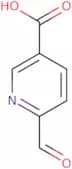
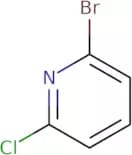


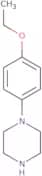
![{2-[(4-Phenylpiperazin-1-yl)carbonyl]phenyl}amine](/_next/image/?url=https%3A%2Fstatic.cymitquimica.com%2Fproducts%2F3D%2Fthumb-webp%2FFP122463.webp&w=3840&q=75)
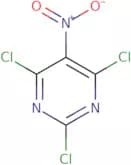

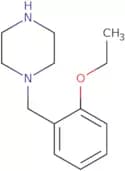
![2-[(4-Phenylpiperazin-1-yl)carbonyl]phenol](/_next/image/?url=https%3A%2Fstatic.cymitquimica.com%2Fproducts%2F3D%2Fthumb-webp%2FFP131062.webp&w=3840&q=75)
![1-[4-(4-Methylpiperidin-1-yl)phenyl]methanamine](/_next/image/?url=https%3A%2Fstatic.cymitquimica.com%2Fproducts%2F3D%2Fthumb-webp%2FFM117851.webp&w=3840&q=75)
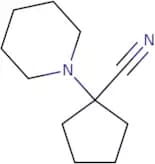
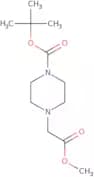
![5-Chloro-1H-imidazo[4,5-b]pyridin-2(3H)-one](/_next/image/?url=https%3A%2Fstatic.cymitquimica.com%2Fproducts%2F3D%2Fthumb-webp%2FFC142316.webp&w=3840&q=75)
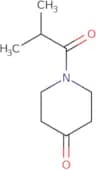
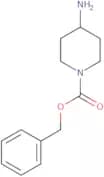

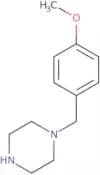
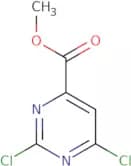
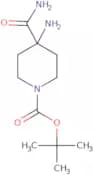
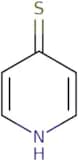

![3-[4-(4-Methoxyphenyl)piperazin-1-yl]-3-oxopropanenitrile](/_next/image/?url=https%3A%2Fstatic.cymitquimica.com%2Fproducts%2F3D%2Fthumb-webp%2FFM118645.webp&w=3840&q=75)
![N-Methyl-2-[[3-[(1e)-2-(2-pyridinyl)ethenyl]-1-(tetrahydro-2H-pyran-2-yl)-1H-indazol-6-yl]thio]ben…](/_next/image/?url=https%3A%2Fstatic.cymitquimica.com%2Fproducts%2F3D%2Fthumb-webp%2FFM151517.webp&w=3840&q=75)
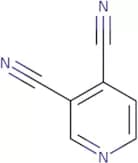
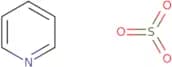

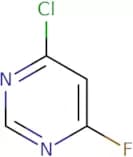
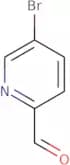
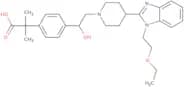

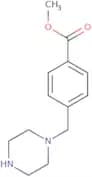
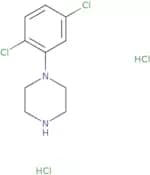
![5-[3-Methoxy-4-(4-methoxy-benzyloxy)-benzyl]-pyrimidine-2,4-diamine](/_next/image/?url=https%3A%2Fstatic.cymitquimica.com%2Fproducts%2F3D%2Fthumb-webp%2FFM31223.webp&w=3840&q=75)

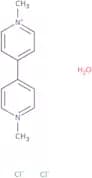

![3-[(4-Aminopiperidin-1-yl)methyl]phenol](/_next/image/?url=https%3A%2Fstatic.cymitquimica.com%2Fproducts%2F3D%2Fthumb-webp%2FFA116167.webp&w=3840&q=75)
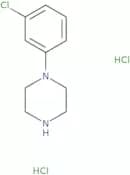

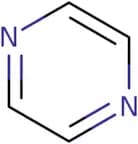



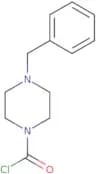
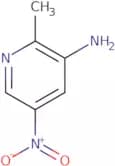
![7-[(4Methoxyphenyl)methyl]-5-methyl-2H-pyrazolo[3,4-d]pyrimidine-4,6(5H,7H)-dione](/_next/image/?url=https%3A%2Fstatic.cymitquimica.com%2Fproducts%2F3D%2Fthumb-webp%2FFM168534.webp&w=3840&q=75)
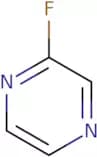
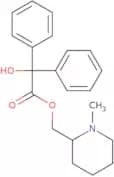

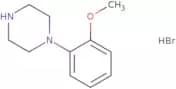
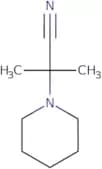
![2-Chloro-7H-pyrrolo[2,3-d]pyrimidin-4-amine](/_next/image/?url=https%3A%2Fstatic.cymitquimica.com%2Fproducts%2F3D%2Fthumb-webp%2FFC63357.webp&w=3840&q=75)
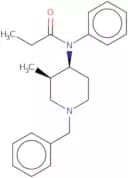
![1,5-Dihydro-1-(2-methylpropyl)-4H-imidazo[4,5-c]quinolin-4-one](/_next/image/?url=https%3A%2Fstatic.cymitquimica.com%2Fproducts%2F3D%2Fthumb-webp%2FFD183443.webp&w=3840&q=75)
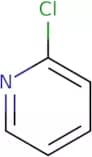
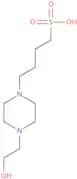
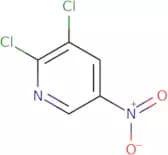
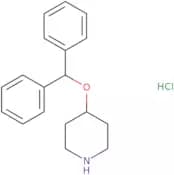
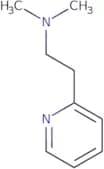
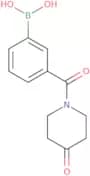

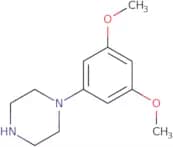



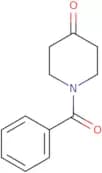
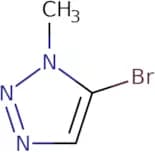
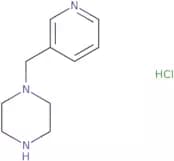
![1-(4-Amino-6,7-dimethoxy-2-quinazolinyl)-4-[(tetrahydro-2-furanyl)carbonxyl]piperazine hydrochlori…](/_next/image/?url=https%3A%2Fstatic.cymitquimica.com%2Fproducts%2F3D%2Fthumb-webp%2FFA28036.webp&w=3840&q=75)
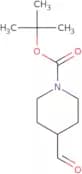
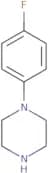
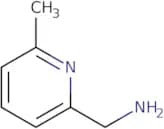
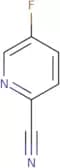


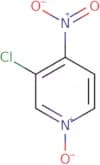
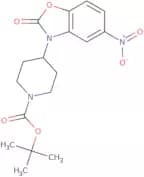
![4-[4-(3-Chlorophenyl)piperazin-1-yl]-4-oxobutanoic acid](/_next/image/?url=https%3A%2Fstatic.cymitquimica.com%2Fproducts%2F3D%2Fthumb-webp%2FFC124815.webp&w=3840&q=75)


![tert-Butyl 4-chloro-5,6-dihydropyrido[3,4-d]pyrimidine-7(8H)-carboxylate](/_next/image/?url=https%3A%2Fstatic.cymitquimica.com%2Fproducts%2F3D%2Fthumb-webp%2FFB144255.webp&w=3840&q=75)
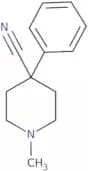


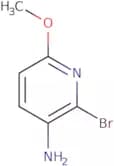
![1-[(4-Chlorophenyl)phenylmethyl]piperazine](/_next/image/?url=https%3A%2Fstatic.cymitquimica.com%2Fproducts%2F3D%2Fthumb-webp%2FFC20350.webp&w=3840&q=75)
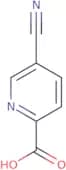

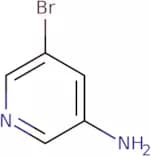
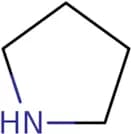
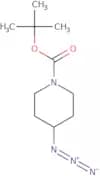
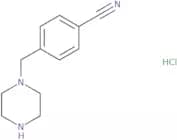
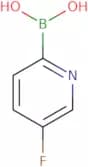
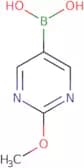
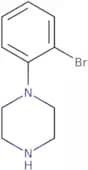
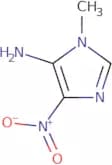
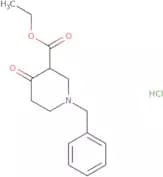
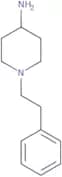
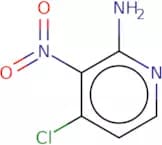
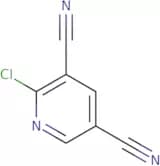

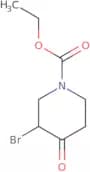
![2-Methylfuro[3,2-c]pyridin-4(5H)-one](/_next/image/?url=https%3A%2Fstatic.cymitquimica.com%2Fproducts%2F3D%2Fthumb-webp%2FFM128133.webp&w=3840&q=75)
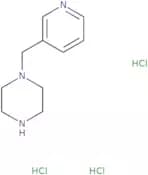
![7-(Difluoromethyl)-5-methyl[1,2,4]triazolo[1,5-a]pyrimidine-2-carboxylic acid](/_next/image/?url=https%3A%2Fstatic.cymitquimica.com%2Fproducts%2F3D%2Fthumb-webp%2FFD119953.webp&w=3840&q=75)
![4-Bromo-7-methoxy-1H-pyrrolo[2,3-c]pyridine](/_next/image/?url=https%3A%2Fstatic.cymitquimica.com%2Fproducts%2F3D%2Fthumb-webp%2FFB141995.webp&w=3840&q=75)
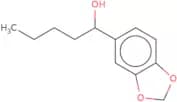
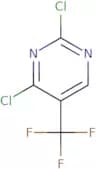
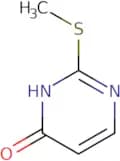
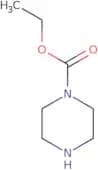

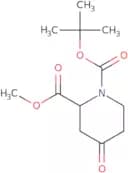
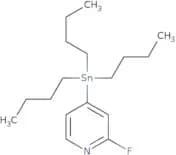
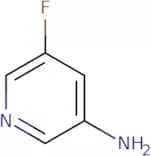
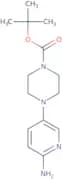

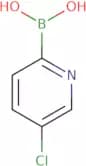

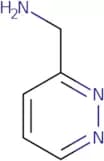
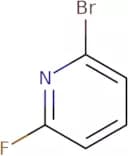
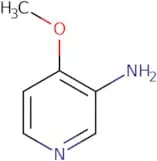
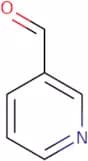

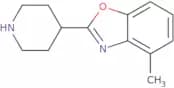
![7-Chlorothieno[3,2-B]Pyridine](/_next/image/?url=https%3A%2Fstatic.cymitquimica.com%2Fproducts%2F3D%2Fthumb-webp%2FFC53344.webp&w=3840&q=75)
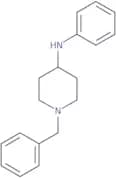

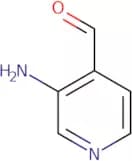
![tert-Butyl 4-{[(methylsulfonyl)oxy]methyl}piperidine-1-carboxylate](/_next/image/?url=https%3A%2Fstatic.cymitquimica.com%2Fproducts%2F3D%2Fthumb-webp%2FFB122853.webp&w=3840&q=75)

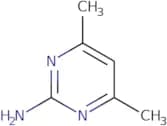

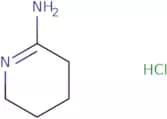
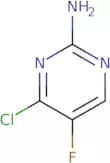

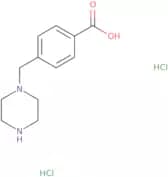
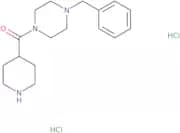
![Imidazo[1,2-a]pyridin-8-ylamine dihydrochloride](/_next/image/?url=https%3A%2Fstatic.cymitquimica.com%2Fproducts%2F3D%2Fthumb-webp%2FFI51744.webp&w=3840&q=75)
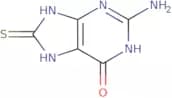
![1-[(2b,3a,5a,16b,17b)-17-Acetyloxy-3-hydroxy-2-(1-piperidinyl)androstan-16-yl]-1-methylpiperidiniu…](/_next/image/?url=https%3A%2Fstatic.cymitquimica.com%2Fproducts%2F3D%2Fthumb-webp%2FFA21131.webp&w=3840&q=75)
![1-[4-(Methylthio)benzyl]piperazine](/_next/image/?url=https%3A%2Fstatic.cymitquimica.com%2Fproducts%2F3D%2Fthumb-webp%2FFM113848.webp&w=3840&q=75)
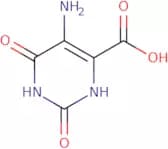
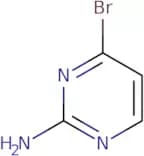
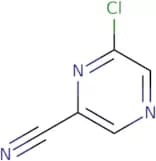


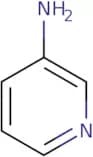
![2-Chloro-1-[4-(4-Fluorophenyl)-1-Piperazinyl]Ethanone](/_next/image/?url=https%3A%2Fstatic.cymitquimica.com%2Fproducts%2F3D%2Fthumb-webp%2FFC93551.webp&w=3840&q=75)
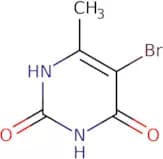

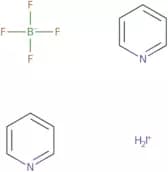

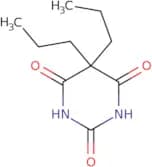
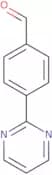
![[3-(1-Piperidin-1-ylcyclohexyl)phenyl]amine hydrochloride](/_next/image/?url=https%3A%2Fstatic.cymitquimica.com%2Fproducts%2F3D%2Fthumb-webp%2FFP120158.webp&w=3840&q=75)
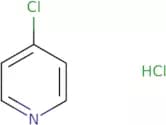
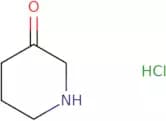
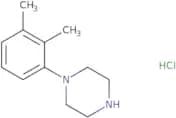
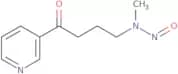
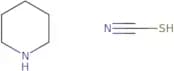
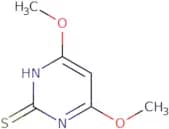
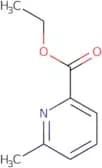
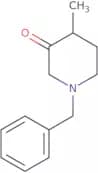
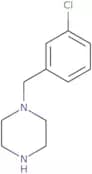


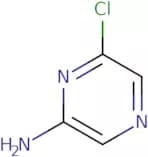
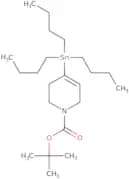
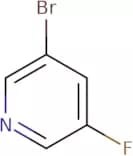
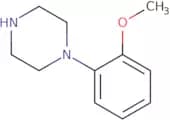
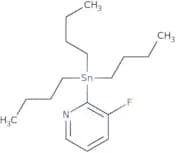
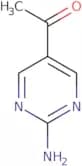

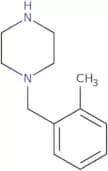

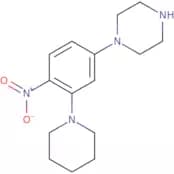
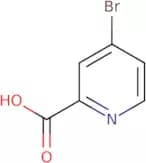
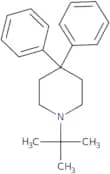
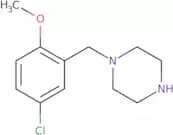
![1-(4-Methoxyphenyl)-7-oxo-6-(4-(2-oxopiperidin-1-yl)phenyl)-4,5,6,7-tetrahydro-1H-pyrazolo[3,4-c]p…](/_next/image/?url=https%3A%2Fstatic.cymitquimica.com%2Fproducts%2F3D%2Fthumb-webp%2FFM155764.webp&w=3840&q=75)
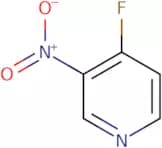
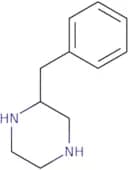
![(R)-(-)-a-[[(4-Ethyl-2,3-dioxo-1-piperazinyl)carbonyl]amino]benzeneacetic Acid](/_next/image/?url=https%3A%2Fstatic.cymitquimica.com%2Fproducts%2F3D%2Fthumb-webp%2FFE60111.webp&w=3840&q=75)
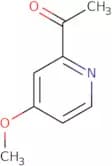

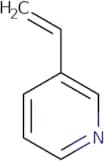
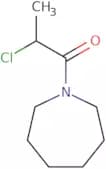
![N,N-Dimethyl-N-[4-(piperazin-1-ylmethyl)phenyl]amine](/_next/image/?url=https%3A%2Fstatic.cymitquimica.com%2Fproducts%2F3D%2Fthumb-webp%2FFD113841.webp&w=3840&q=75)
![2-Bromo-5,6-dihydro-8h-imidazo[1,2-a]pyrazine-7-carboxylic acid tert-butyl ester](/_next/image/?url=https%3A%2Fstatic.cymitquimica.com%2Fproducts%2F3D%2Fthumb-webp%2FFB163714.webp&w=3840&q=75)
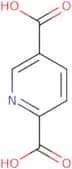
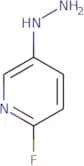
![2-Chloro-pyrazolo[1,5-a]pyridine](/_next/image/?url=https%3A%2Fstatic.cymitquimica.com%2Fproducts%2F3D%2Fthumb-webp%2FFC51462.webp&w=3840&q=75)