Building Blocks Hidrocarbonetos
Os building blocks hidrocarbonetos são compostos orgânicos constituídos exclusivamente por átomos de carbono e hidrogénio. Estas estruturas fundamentais servem de base para a síntese de uma grande variedade de moléculas complexas. Os building blocks hidrocarbonetos são utilizados no desenvolvimento de fármacos, polímeros e outros compostos orgânicos. Na CymitQuimica, oferecemos uma vasta gama de building blocks hidrocarbonetos de alta qualidade para facilitar os seus projetos de síntese e investigação.
Subcategorias de "Building Blocks Hidrocarbonetos"
Foram encontrados 5580 produtos de "Building Blocks Hidrocarbonetos"
Ordenar por
Pureza (%)
0
100
|
0
|
50
|
90
|
95
|
100
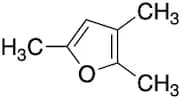
2,3,5-Trimethylfuran
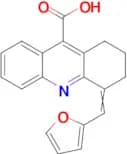
CAS:Produto Controlado<p>Applications 2,3,5-Trimethylfuran (cas# 10504-04-8) is a useful research chemical.<br> Not a dangerous good if item is equal to or less than 1g/ml and there is less than 100g/ml in the package<br></p>Fórmula:C7H10OCor e Forma:NeatPeso molecular:110.154-(Furan-2-ylmethylene)-1,2,3,4-tetrahydroacridine-9-carboxylic acid
CAS:Pureza:98%Peso molecular:305.3333-{[4-(diethylamino)phenyl]methylidene}-1H,2H,3H-cyclopenta[b]quinoline-9-carboxylic acid
CAS:Pureza:97%Peso molecular:372.468Ref: 10-F609320
1gA consultar2gA consultar5gA consultar100mgA consultar250mgA consultar500mgA consultar3-(3-Methoxyphenyl)-5-[(4-methoxyphenyl)methylidene]-2-sulfanylideneimidazolidin-4-one
CAS:Pureza:95%Peso molecular:340.43-(Furan-2-ylmethylene)-2,3-dihydro-1H-cyclopenta[b]quinoline-9-carboxylic acid
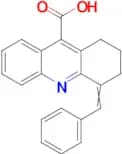
CAS:Pureza:98%Peso molecular:291.3064-(Phenylmethylidene)-1,2,3,4-tetrahydroacridine-9-carboxylic acid
CAS:Pureza:95%Peso molecular:315.3724-{[4-(dimethylamino)phenyl]methylidene}-1,2,3,4-tetrahydroacridine-9-carboxylic acid
CAS:Pureza:95%Peso molecular:358.4414-{[4-(diethylamino)phenyl]methylidene}-1,2,3,4-tetrahydroacridine-9-carboxylic acid
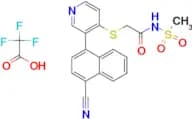
CAS:Pureza:95%Peso molecular:386.4952-((3-(4-Cyanonaphthalen-1-yl)pyridin-4-yl)thio)-N-(methylsulfonyl)acetamide 2,2,2-trifluoroacetate
Pureza:97%Peso molecular:511.491-Nitrobutane
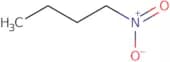
CAS:<p>1-Nitrobutane is an organic compound with the chemical formula CH3NO2. It is a colorless liquid that is soluble in water and insoluble in ether. 1-Nitrobutane can react with hydroxyl groups to form nitroalkanes and it has been used as a reaction product for kinetic measurements of hydroxyl group concentration. The reaction mechanism of 1-nitrobutane is not completely known, but it has been proposed that the hydroxyl group reacts with the nitro group by nucleophilic substitution. 1-Nitrobutane can be used as a reagent for chromatography because it absorbs ultraviolet radiation and emits photoelectrons, which can be detected by covid-19 detectors. 1-Nitrobutane also has been shown to have antiviral properties against pandemic influenza A virus (H1N1) in cultured cells and rat liver microsomes.</p>Fórmula:C4H9NO2Pureza:Min. 95%Cor e Forma:PowderPeso molecular:103.12 g/mol(S)-(+)-2-Amino-3-methylbutane
CAS:<p>(S)-(+)-2-Amino-3-methylbutane is a chiral, optically active pyruvate. It can be used as an optical reagent to determine the configuration of an amino acid in the presence of a hydrazone or amine. The 2-amino group is attached to the C1 carbon atom and the methyl group is attached to the C4 carbon atom. Hydrogenolysis of (S)-(+)-2-amino-3-methylbutane produces ethyl pyruvate and hydrogen gas.</p>Fórmula:C5H13NPureza:Min. 95%Cor e Forma:Clear LiquidPeso molecular:87.17 g/molTris(phenylthio)methane
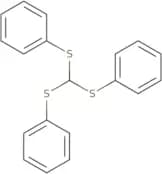
CAS:<p>Tris(phenylthio)methane is a formylating reagent that reacts with ethyl formate to produce the nitro compound. It is used in the preparation of β-amino acids and as an asymmetric synthesis catalyst. Tris(phenylthio)methane can be used as a polymerization initiator for metathesis reactions, such as the Suzuki reaction. It has been shown to be a good nucleophile and polymerizing agent when combined with hydrochloric acid or silver trifluoromethanesulfonate. Tris(phenylthio)methane may also react with chloride in the presence of base to produce phosphoric acid esters.</p>Fórmula:C19H16S3Pureza:Min. 95%Cor e Forma:Off-White PowderPeso molecular:340.53 g/mol2-Azido-ethanol
CAS:<p>2-Azido-ethanol is a chemical compound that is used to synthesize ethylene diamine. It can be produced by reacting ethanol with sodium azide in the presence of an acid catalyst. 2-Azido-ethanol is stable under most conditions and has minimal toxicity, which makes it an attractive option for ethylene diamine production. The compound reacts with a variety of substrates, including diazido, amide, and β-unsaturated ketone compounds. Magnetic resonance spectroscopy (MRS) studies have shown that 2-azido-ethanol binds to water molecules at the site of its β-unsaturated ketone group and creates a new carbon source. This product also exhibits ft-ir spectroscopy properties, which can be used to measure the transport properties and photoelectron emission from the π* orbitals of its carbon atoms.</p>Fórmula:C2H5N3OPureza:Min. 95%Cor e Forma:Colorless Slightly Yellow Clear LiquidPeso molecular:87.08 g/molEthyl propiolate
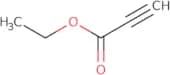
CAS:<p>Ethyl propiolate is a halide that is structurally related to the alkylating agent trifluoroacetic acid. Ethyl propiolate inhibits the activity of several enzymes including phosphofructokinase and pyruvate kinase, which are important for energy metabolism in cells. It also has been shown to have beneficial effects on autoimmune diseases such as lupus erythematosus. The mechanism of action of ethyl propiolate is due to its ability to react with activated oxygen and form an intramolecular hydrogen bond with carbon atoms in the substrate molecule. The reaction between ethyl propiolate and diethyl ketomalonate results in the formation of diethyl 2-propiolate, which can then be hydrolyzed by water into acetaldehyde and diethyl ketomalonate.</p>Fórmula:C5H6O2Pureza:Min. 98 Area-%Cor e Forma:Colorless Clear LiquidPeso molecular:98.1 g/molOctyl isocyanate
CAS:<p>Octyl isocyanate is a non-steroidal anti-inflammatory drug that belongs to the class of isocyanates. The biological activity of octyl isocyanate has been studied extensively, and it has been shown to inhibit the polymerase chain reaction (PCR). Octyl isocyanate also inhibits the growth of bacteria in vitro through metal chelation and polymyxin B., which are antibiotics that bind metal ions and disrupt bacterial cell membranes. Octyl isocyanate has been shown to be reactive in vivo, leading to autophagy and necrosis.</p>Fórmula:C9H17NOPureza:Min. 97 Area-%Cor e Forma:Clear LiquidPeso molecular:155.24 g/mol10-Amino-1-decanol
CAS:<p>10-Amino-1-decanol is a synthetic compound that has been shown to be neuroprotective and estrogenic. It also inhibits the growth of MCF-7 cells by interacting with the cell's signalling pathways. This molecule was synthesized by ozonides and contains ether linkages, which may be responsible for its inhibitory activity. The molecular modelling of this molecule shows that it contains an iron chelating group, which may be responsible for its ability to interact with other molecules containing iron. 10-Amino-1-decanol interacts with proteins in a similar way to tamoxifen, inhibiting their activity.</p>Fórmula:C10H23NOPureza:Min. 95%Cor e Forma:White PowderPeso molecular:173.3 g/mol(R)-(-)-1,3-Butanediol
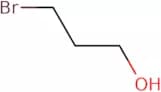
CAS:<p>(R)-(-)-1,3-Butanediol is a chiral compound that belongs to the group of organic compounds called diols. It is used in the fermentation of Candida parapsilosis and other yeast species to produce enantiomerically pure (S)-(-)-1,3-butanediol. The racemate can be converted into the two enantiomers by chemical means or by enzymatic resolution. The process for large-scale production is similar to that for ethanol fermentation, but with 2-propanol as substrate instead of glucose. The fermentor has been shown to be effective at producing large quantities of 1,3-butanediol in a short time period.</p>Fórmula:C4H10O2Pureza:Min. 98%Cor e Forma:Colorless Clear LiquidPeso molecular:90.12 g/mol3-Bromo-1-propanol
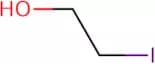
CAS:<p>3-Bromo-1-propanol is a chemical compound that contains a hydroxyl group and an asymmetric carbon atom. This molecule has been used as a model system to study the reaction mechanism of alcohol dehydrogenase, which is the enzyme responsible for the oxidation of ethanol. 3-Bromo-1-propanol has been shown to inhibit the growth of bacteria such as Staphylococcus aureus, which are resistant to penicillin. The pharmacokinetic properties of 3-bromo-1-propanol have been studied in dogs with congestive heart failure.</p>Fórmula:C3H7BrOPureza:Min. 97 Area-%Cor e Forma:Colorless Clear LiquidPeso molecular:138.99 g/mol2-Iodoethanol - stabilised with copper
CAS:<p>2-Iodoethanol is a chemical compound that has the chemical formula CH2CHIO2. It is used as a reagent in analytical chemistry, as well as in pharmaceutical preparations and polymerase chain reactions. The hydroxyl group on the ethoxy side of this molecule is important for its reactivity, with 2-iodoethanol having an electron affinity of 5.4 eV. This reactivity can also be seen when it is reacted with sodium carbonate to form sodium ethoxide, which has been shown to have anti-hyperproliferative properties. 2-Iodoethanol has been shown to be particularly effective against plant metabolites, such as 5-membered heteroaryl compounds.</p>Fórmula:C2H5IOPureza:Min. 98.5 Area-%Cor e Forma:PowderPeso molecular:171.96 g/molPivalonitrile
CAS:<p>Please enquire for more information about Pivalonitrile including the price, delivery time and more detailed product information at the technical inquiry form on this page</p>Fórmula:C5H9NPeso molecular:83.13 g/moltert-Butyl isocyanoacetate
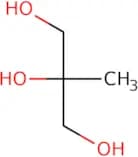
CAS:tert-Butyl isocyanoacetate is an organic compound that belongs to the diacid class of organic compounds. It reacts with water to produce the amide and squaramide. Tert-butyl isocyanoacetate has a high affinity for nitrogen atoms, and can be used in uv absorption spectroscopy. It also has a stepwise mechanism and can react with other chemicals to produce new substances. The compound has fluorescence properties and is used in optical devices such as lasers. Tert-butyl isocyanoacetate also has an ester hydrochloride form which is low potency but active methylene catalysed.Fórmula:C7H11NO2Pureza:Min. 95%Cor e Forma:Brown Clear LiquidPeso molecular:141.17 g/mol2-Methyl-1,2,3-propanetriol
CAS:<p>2-Methyl-1,2,3-propanetriol is a monomer that is used in the production of polymers. It has been shown to be an efficient cross-linking agent for metal surfaces and is used as a polymerization catalyst. 2-Methyl-1,2,3-propanetriol also plays a role in the synthesis of amino acids by acting as a substrate for kinesin and aliphatic hydrocarbon. It can be used as a feedstock for producing plastics with deionized water or aromatic hydrocarbons such as phenol. This chemical has been shown to be pluripotent in mammalian cells and can act as a cationic surfactant.</p>Fórmula:C4H10O3Pureza:Min. 95 Area-%Cor e Forma:Clear LiquidPeso molecular:106.12 g/molMethanesulfonamide
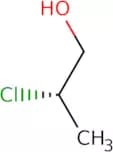
CAS:<p>Methanesulfonamide is a drug that is used to treat infectious diseases and in the treatment of HIV. It is a non-steroidal anti-inflammatory drug that inhibits prostaglandin synthesis by blocking the activity of cyclooxygenase (COX) enzymes, COX-1 and COX-2. Methanesulfonamide has been shown to have chemoprotective effects against HIV infection and may reduce the risk of opportunistic infections associated with AIDS. Methanesulfonamide may also inhibit the production of inflammatory cytokines such as tumor necrosis factor alpha (TNFα) and interleukin-1β (IL-1β).</p>Fórmula:CH5NO2SPureza:Min. 95%Cor e Forma:PowderPeso molecular:95.12 g/molChloro-1-propanol
CAS:<p>Chloro-1-propanol is a product that is used as an organic solvent and a reaction medium. It can be used in the synthesis of chlorinated compounds, such as epoxides, chloride gas, and oxetane. Chloro-1-propanol is not carcinogenic, although it does contain traces of impurities that are carcinogenic. Chloro-1-propanol has a high yield with relatively low cost and can be obtained by reacting chlorine with alcohols or phenols. This product is hydrophobic and reacts well with other molecules that are also hydrophobic. The reactivity of chloro-1-propanol increases when it reacts with chloride gas or hydrochloric acid to form divalent ions.</p>Fórmula:C3H7ClOPureza:Min. 95%Cor e Forma:Colorless Clear LiquidPeso molecular:94.54 g/molTrifluoromethanesulfonic anhydride
CAS:<p>Trifluoromethanesulfonic anhydride is more frequently known as triflic anhydride, since it derives from triflic acid. It is a versatile and strong electrophile used to insert the triflyl group (represented as Tf-) into chemical molecules (Ouyang, 2018). For example, trifluoromethane sulfonic anhydride interacts with some alkylsulfides to form stable salts that are used in the oxidation of alcohols. Moreover, trifluoromethane sulfonic anhydride has successfully shown high activity as a promoter in glycosylation reactions to obtain disaccharides (Tatai, 2007).</p>Fórmula:C2F6O5S2Pureza:Min. 95%Cor e Forma:Colorless Slightly Brown Clear LiquidPeso molecular:282.14 g/molSodium methanethiolate
CAS:<p>Methanethiol is a compound that occurs naturally in the environment. It is used as a fungicide, insecticide and herbicide. Methanethiol inhibits the growth of microorganisms by binding to metal ions on the surface of cells. This prevents DNA replication and protein synthesis, leading to cell death. Methanethiol also has anti-inflammatory properties which may be due to its ability to inhibit adenosine A1 receptor activity in humans.</p>Fórmula:CH3NaSPureza:Min. 95%Cor e Forma:White PowderPeso molecular:70.09 g/molBis(trifluoromethane)sulfonimide lithium salt
CAS:<p>Please enquire for more information about Bis(trifluoromethane)sulfonimide lithium salt including the price, delivery time and more detailed product information at the technical inquiry form on this page</p>Fórmula:C2F6LiNO4S2Peso molecular:287.09 g/molRef: 3D-Q-101273
1kgA consultar5kgA consultar250gA consultar500gA consultar2500gA consultar-Unit-kgkgA consultarHexacosanoic acid
CAS:<p>Hexacosanoic acid is a glycol ether that has been shown to have hypoglycemic activity in mice. It was also shown to increase the levels of fatty acids and decrease the levels of glycerides in rats, which may be due to its ability to inhibit the synthesis of phospholipids. Hexacosanoic acid has been used as an analytical reagent for the determination of p-hydroxybenzoic acid and uronic acid. The polymerization of hexacosanoic acid is catalyzed by a polymerase chain reaction (PCR), which can be used for diagnosis. This molecule has also been found to have anti-inflammatory properties and nitrate reductase activity.</p>Fórmula:C26H52O2Cor e Forma:White PowderPeso molecular:396.69 g/molDichloroacetic anhydride
CAS:<p>Please enquire for more information about Dichloroacetic anhydride including the price, delivery time and more detailed product information at the technical inquiry form on this page</p>Fórmula:C4H2Cl4O3Pureza:Min. 95%Cor e Forma:Solidified MassPeso molecular:239.9 g/mol6-Mercapto-1-hexanol
CAS:<p>6-Mercapto-1-hexanol is a redox active molecule that has been shown to be a potent inhibitor of human immunodeficiency virus type 1 reverse transcriptase. It has also been shown to inhibit the polymerase chain reaction and transfer reactions, including those mediated by DNA-dependent RNA polymerase. 6-Mercapto-1-hexanol can be detected with high sensitivity in human serum, which is its main application for the diagnosis of HIV infection. This compound reacts with molecular oxygen to form superoxide radicals, which are responsible for its redox potential. The rate constant for this reaction has been shown to be dependent on pH and temperature. 6-Mercapto-1-hexanol can also form stable complexes with proteins such as albumin or human immunoglobulin G (IgG). These complexes have been shown to exhibit electrochemical impedance spectroscopy activity at low concentrations and chemical stability in biological media.</p>Fórmula:C6H14OSPureza:Min. 96%Cor e Forma:Clear LiquidPeso molecular:134.24 g/molPotassium nonafluoro-1-butanesulfonate
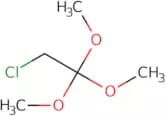
CAS:<p>Potassium nonafluoro-1-butanesulfonate (NBS) is a chemical compound that is used to remove trifluoroacetic acid from wastewater. It can also be used as an analytical reagent to measure cytosolic calcium concentrations in cells. In addition, NBS has been shown to have a high degree of chemical stability, but it may react with hydrogen fluoride and cause toxicity in humans. The pharmacokinetic properties of this drug are not well-known, but it has been shown to accumulate in the liver and fat tissues and pass into the maternal blood stream during pregnancy. NBS also inhibits the synthesis of p-hydroxybenzoic acid, which leads to hepatic steatosis in mice with diet-induced obesity. This drug also affects 3t3-l1 preadipocytes and human serum.</p>Fórmula:C4F9KO3SCor e Forma:PowderPeso molecular:338.19 g/mol2-Chloro-1,1,1-trimethoxyethane
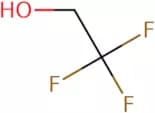
CAS:<p>2-Chloro-1,1,1-trimethoxyethane is a reagent that is used in the synthesis of recombinant proteins. It is also used to produce monoclonal antibodies. Fatty acids can be analyzed by using these reagents as they are soluble in this solvent. The structural analysis of fatty acids has been shown to have anticancer activity. 2-Chloro-1,1,1-trimethoxyethane reacts with glycosyl residues on lysine residues in proteins and produces an acid that causes the protein to unfold and denature. This reaction has been shown to have anticancer activity against cervical cancer cells in human liver cells.</p>Fórmula:C5H11ClO3Pureza:Min. 97.5%Cor e Forma:Colorless Clear LiquidPeso molecular:154.59 g/mol2,2,2-Trifluoroethanol
CAS:<p>2,2,2-Trifluoroethanol is a trifluoroacetic acid analogue that has been shown to be an effective antimicrobial agent. It binds to the active site of the enzyme enoyl reductase, inhibiting the synthesis of fatty acids and disrupting cell membrane function. 2,2,2-Trifluoroethanol has also been shown to have anti-inflammatory effects. The drug binds to human serum albumin and inhibits hydrogen peroxide release from neutrophils. This complexation with albumin prevents the release of hydroxyl radicals that are generated in response to oxidative stress. Intramolecular hydrogen bonding between 2,2,2-trifluoroethanol molecules may also contribute to its activity as a natural drug.</p>Fórmula:C2H3F3OPureza:Min. 95%Cor e Forma:Clear LiquidPeso molecular:100.04 g/mol1-Amino-1-cyclopropanecarboxylic acid
CAS:<p>1-Amino-1-cyclopropanecarboxylic acid (ACC) is a precursor of ethylene, which is a plant hormone that regulates many aspects of plant growth and development. ACC can be converted to ethylene by the enzyme ACC synthase. The conversion of ACC to ethylene is facilitated by the enzymes ACC oxidase and ACC deaminase. Ethylene has been shown to regulate the expression of genes involved in photosynthesis, protein synthesis, and other metabolic pathways. Ethylene also modulates physiological processes such as fruit ripening, leaf senescence, and stomatal closure. This molecule participates in a variety of biological reactions including receptor activity and protein degradation via ubiquitin ligases. It also regulates calcium levels in cells through its role in signal transduction pathways.</p>Fórmula:C4H7NO2Pureza:Min. 95%Cor e Forma:PowderPeso molecular:101.1 g/mol8-Chloro-1-octanol
CAS:<p>8-Chloro-1-octanol is an organic compound with a hydroxyl group at the 8th position of the octane ring. It has been shown to inhibit bacterial growth in vitro by binding to fatty acid biosynthesis enzymes and preventing the formation of fatty acids, which are vital for bacterial cell wall synthesis. The 8-chloro-1-octanol also inhibits the population growth of bacteria in corneal epithelium, leading to reduced biofilm formation. This compound has been shown to have regulatory effects on microbial populations. 8-Chloro-1-octanol is currently under study for its potential use as a topical antibacterial agent for treating corneal infections.</p>Fórmula:C8H17ClOPureza:Min. 95%Cor e Forma:Colorless Clear LiquidPeso molecular:164.67 g/mol11-Mercaptoundecanoic acid
CAS:<p>11-Mercaptoundecanoic acid (11MUA) is a fluorescence probe that reacts with the amide group of proteins. It has been used to study HIV-1 infection and the early stages of human immunodeficiency virus (HIV) replication. 11MUA can be detected by fluorescence spectrometry and gives a strong, selective signal in human serum. This compound is also used as a model system for studying protease activity and electrochemical impedance spectroscopy. 11MUA is stable in solution and can be detected at very low levels, making it an excellent probe for protein degradation studies. The reaction solution containing 11MUA can be prepared using trifluoroacetic acid (TFA), which facilitates the formation of esters from carboxylic acids, or by adding TFA to an acyl chloride derivative of 11-mercaptoundecanoic acid.</p>Fórmula:C11H22O2SPureza:Min. 95%Cor e Forma:White PowderPeso molecular:218.36 g/mol2-(4-Benzyloxyphenyl)ethanol
CAS:2-(4-Benzyloxyphenyl)ethanol is an organic compound that has a particle size of less than 10 μm and is soluble in water. It is used as a reaction system for the production of tannins, which are polyphenolic compounds that have antioxidant properties. 2-(4-Benzyloxyphenyl)ethanol also inhibits maltase activity and metal ion-induced allylic oxidation. This compound can be used to inhibit fatty acid synthesis, which is important for the prevention of atherosclerosis and other cardiovascular diseases.Fórmula:C15H16O2Pureza:Min. 95%Cor e Forma:PowderPeso molecular:228.29 g/mol1-Nonanol
CAS:<p>1-Nonanol is a colorless liquid with a pleasant odor. It can be synthesized from methyl pentanoate by the asymmetric addition of an inorganic acid to the ester hydrochloride. This process results in a mixture of 1-nonanol and its isomer 2-nonanol, which can be separated using an analytical method such as gas chromatography. 1-Nonanol has been shown to have high transport properties, making it useful for detergent compositions. It has also been shown to exhibit strong hydrogen bonding abilities that may contribute to its adsorption mechanism.</p>Fórmula:C9H20OPureza:Min. 95%Cor e Forma:Colorless Clear LiquidPeso molecular:144.25 g/mol3-Carboxypropanesulfonamide
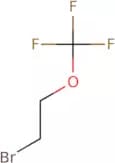
CAS:<p>3-Carboxypropanesulfonamide is a chemical compound that has been shown to have the ability to modulate cardiac cell function. This compound has been shown to be effective in a reaction monitoring technique, which monitors the functional groups and techniques of chemical reactions, in order to introduce this molecule into the cell membrane and alter its potential. 3-Carboxypropanesulfonamide is capable of changing the lipid composition of the membrane by introducing a linker group that can bind with other molecules such as cholesterol or phospholipids. This linker group alters the membrane potential of cells, leading to changes in ion flow and cellular response.</p>Fórmula:C4H9NO4SPureza:Min. 95%Cor e Forma:White PowderPeso molecular:167.18 g/mol1-Bromo-2-(trifluoromethoxy)ethane
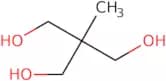
CAS:<p>1-Bromo-2-(trifluoromethoxy)ethane is a chemical compound with the formula CBrFO. It is a colorless liquid that reacts violently with water and alkali metals. 1-Bromo-2-(trifluoromethoxy)ethane has been used as a precursor to 2-chloroethyl peroxide, which can be used in organic synthesis as an oxidant or in solvents to produce chloroprene. The bromine atom in this molecule can be replaced by fluorine or chlorine atoms, forming 1-fluoro-2-(trifluoromethoxy)ethane and 1,1,1-trichloroethylene.</p>Fórmula:C3H4BrF3OPureza:Min. 95%Cor e Forma:PowderPeso molecular:192.96 g/mol1,1,1-Tris(hydroxymethyl)ethane
CAS:<p>1,1,1-Tris(hydroxymethyl)ethane is a liquid that can be used in the treatment of wastewater. It is a non-ionic surfactant that reacts with metal hydroxides to form insoluble salts. 1,1,1-Tris(hydroxymethyl)ethane has been shown to have a light emission property at room temperature and below. The structure of 1,1,1-Tris(hydroxymethyl)ethane has been determined using spectroscopic analysis and chemical synthesis. Hypoglycemic effects have been demonstrated in mice fed a high-fat diet supplemented with 1,1,1-Tris(hydroxymethyl)ethane as well as in rats fed an experimental diet containing this compound.</p>Fórmula:C5H12O3Pureza:Min. 95 Area-%Cor e Forma:White Off-White PowderPeso molecular:120.15 g/mol2-(2-Methoxyethoxy)ethanol
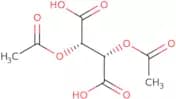
CAS:<p>2-(2-Methoxyethoxy)ethanol is a sodium salt that has a synergic effect with other solvents. It is used in the preparation of samples for analytical purposes and in the reaction solution of various glycol ethers. 2-(2-Methoxyethoxy)ethanol also has an effect on thermal expansion, which can be utilized to monitor this parameter during sample preparation. The presence of nitrogen atoms in its structure makes it possible to use it as a reagent for the synthesis of styryl dyes. 2-(2-Methoxyethoxy)ethanol is an antirheumatic drug that belongs to the class of glycol esters and benzalkonium chloride.</p>Fórmula:C5H12O3Pureza:Min. 95%Cor e Forma:Colorless Clear LiquidPeso molecular:120.15 g/mol(+)-Diacetyl-D-tartaric acid
CAS:<p>(+)-Diacetyl-D-tartaric acid is a chiral organic compound that is soluble in organic solvents. It can be used as a catalyst for the asymmetric synthesis of organic compounds and has been shown to cleave bonds with high stereoselectivity. (+)-Diacetyl-D-tartaric acid also exhibits mesomorphic properties, meaning it changes from liquid to solid and vice versa at certain temperatures. The optical activity of this compound can be seen by its magnetic resonance spectrum, which displays two peaks at different wavelengths. This molecule has been shown to have potential uses in microscopy, as well as for the preparation of monomers for magnetic materials.</p>Fórmula:C8H10O8Pureza:Min. 95%Cor e Forma:White PowderPeso molecular:234.16 g/molTricaine methanesulfonate
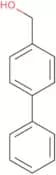
CAS:<p>Tricaine methanesulfonate is a chemical that belongs to the group of anesthetics. It is used as a general anesthetic and to induce surgical anesthesia. Tricaine methanesulfonate has been shown to be effective in the treatment of pain, inflammation, and neurological disorders. Tricaine methanesulfonate also has a long half-life and does not cause histamine release or cardiovascular effects.</p>Fórmula:C9H11NO2·CH4O3SPureza:Min. 98 Area-%Cor e Forma:White PowderPeso molecular:261.3 g/mol4-Biphenylmethanol
CAS:<p>4-Biphenylmethanol is a low potency naphthalene derivative that has been shown to be carcinogenic in animal studies. It is also an inhibitor of protein synthesis, which may play a role in its carcinogenic potential. 4-Biphenylmethanol has been shown to inhibit the growth of Salmonella typhimurium and Saccharomyces cerevisiae strain when used at concentrations of 50 μg/mL or higher. This compound can react with hydrochloric acid to form hydrogen bonding interactions, which may account for its observed antibacterial activity.</p>Fórmula:C13H12OPureza:Min. 95%Cor e Forma:PowderPeso molecular:184.23 g/mol12-Amino-1-dodecanol
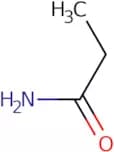
CAS:<p>12-Amino-1-dodecanol is a monolayer that has been synthesized by reacting dodecanol with phosphorus pentoxide in the presence of diacetate. 12-Amino-1-dodecanol is an amphiphilic molecule, which means it can form both hydrophobic and hydrophilic regions. This property allows it to form a monolayer on the surface of cells, such as the Caco2 cell line. The film is composed of fatty acids and contains functional groups that provide phosphatase activity and neutral pH. 12-Amino-1-dodecanol may be used for drug delivery, specifically for the treatment of intestinal disorders or cell monolayers.</p>Fórmula:C12H27NOPureza:Min. 95%Cor e Forma:PowderPeso molecular:201.35 g/molPropionamide
CAS:<p>Propionamide is an amide that inhibits bacterial growth by binding to the DNA-dependent RNA polymerase and preventing transcription. It is used in treatment trials for bacterial infections. Propionamide has been shown to inhibit the growth of bacteria in vitro and in vivo, as well as to have an inhibitory effect on experimental solubility data. The chemical properties of propionamide are consistent with a potential use as a drug for treating metabolic disorders, such as diabetes mellitus and obesity.</p>Fórmula:C3H7NOPureza:Min. 95%Cor e Forma:White PowderPeso molecular:73.09 g/mol1,1,1,3,3,3-Hexafluoro-2-propanol
CAS:<p>Hexafluoroisopropanol is a chemical compound that is used in the laboratory to study biological properties. It reacts with hydrogen fluoride, forming hydrogen hexafluoride gas and a fluorescent derivative. This reaction solution can be titrated using calorimetric techniques, which involves measuring the heat released by the reaction. Fluorescence probe studies can also be done to determine the conformational properties of hexafluoroisopropanol. Studying this molecule under different conditions can yield important thermodynamic data for its use in structural biology and fluorescence probe experiments.</p>Fórmula:C3H2F6OPureza:Min. 98.5%Cor e Forma:Clear LiquidPeso molecular:168.04 g/mol6-Bromo-1-hexanol
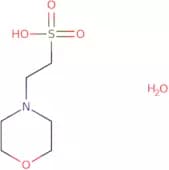
CAS:<p>6-Bromo-1-hexanol is an azobenzene polymer film that is used in the manufacture of a number of pharmaceuticals. The polymer has been shown to have a broad spectrum of activity against bacteria and fungi, including human maltase glucoamylase, which is found in the gut. The polymers are prepared by reacting sodium salts with maleate, hydroxyl group, and x-ray crystal structures. 6-Bromo-1-hexanol has been shown to have good optical properties and can be used as a sample preparation material for x-ray diffraction studies. It also has a high chloride ion content and acts as a halide donor in cell culture experiments. This polymer also fluoresces under UV light.!--</p>Fórmula:C6H13BrOPureza:Min. 97 Area-%Cor e Forma:Colorless Clear LiquidPeso molecular:181.07 g/molMES monohydrate
CAS:<p>MES buffer is a synthetic buffer commonly used in biological and biochemical experiments. It's known for its buffering capacity within the pH range of 5.5 to 6.7, making it suitable for various applications. It has good water solubility, chemical stability, and minimal interaction with metal ions, which is crucial for many biological systems.</p>Fórmula:C6H13NO4S·H2OCor e Forma:White Off-White PowderPeso molecular:213.25 g/mol3-(Cyclohexylamino)-1-propanesulfonic acid sodium salt
CAS:<p>CAS No. 105140-23-6 is a cyclic sulfonic acid that is used as a reagent, building block, and intermediate in the synthesis of organic compounds. It is soluble in water and has a high melting point, making it useful for research purposes. CAS No. 105140-23-6 is also an excellent scaffold for complex compounds with many functional groups, making it versatile for use in reactions and syntheses.</p>Fórmula:C9H18NO3SNaPeso molecular:243.3 g/mol4-Fluoro-1-butanol
CAS:<p>4-Fluoro-1-butanol is a gaseous protonated fluorine compound. The proton is transferred from the hydrogen to the fluorine, resulting in an intramolecular hydrogen bond. 4-Fluoro-1-butanol has been shown to undergo conformational changes due to the substituent effects of other atoms on its molecules. This molecule has been shown to be able to orient itself in different ways, depending on the experimental parameters and conditions that are used. 4-Fluoro-1-butanol has also been shown to have a strong hydrogen bond with other molecules such as water, which may be due to its ability to form a stable H···O hydrogen bond with a strong donor atom (fluorine).</p>Fórmula:C4H9FOPureza:Min. 95%Cor e Forma:Colourless To Yellow LiquidPeso molecular:92.11 g/mol1-Bromopentane
CAS:<p>1-Bromopentane is a colorless liquid that has an unpleasant odor. It is soluble in water and reacts with acids to form bromides. 1-Bromopentane has been used as an oxidation catalyst in the preparation of organic compounds under conditions of constant pressure and light exposure. It has also been used in the synthesis of polymers, such as poly(1-bromopentene). Its biological properties are not well known, but it has been shown to have CB2 receptor agonist activity and inhibitory effects on oxidative stress. The chemical kinetic data for 1-bromopentane are available at various temperatures and pressures. Chloride ions can act as catalysts for its decomposition reaction, which is a stepwise process involving the conversion of hydroxyl groups into chloride atoms. The reaction mechanism starts with the conversion of one bromine atom into a radical by abstraction of a hydrogen atom from the molecule followed by addition of another brom</p>Fórmula:C5H11BrPureza:Min. 98 Area-%Cor e Forma:Colorless Clear LiquidPeso molecular:151.04 g/mol2-Amino-1-methoxypropane
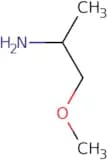
CAS:<p>2-Amino-1-methoxypropane (AMP) is a bifunctional amine that has been used as a diluent for lipase. It has been shown to have deprotective properties against metal surfaces and to be able to react with the nucleophilic group of an amine, which is useful in organic synthesis. The constant temperature of AMP, which is useful in organic synthesis, was obtained by recycling it through a constant temperature bath. This process also prevents the formation of unwanted products during the reaction.</p>Fórmula:C4H11NOPureza:Min. 95 Area-%Cor e Forma:Clear LiquidPeso molecular:89.14 g/mol11-Bromoundecanoic acid
CAS:<p>11-Bromoundecanoic acid is a heterobifunctional reagent that is used in the synthesis of phospholipids. This chemical reacts with an amide group on a phosphatidylcholine to introduce a bromine atom, which can be used as a fluorophore. The reaction is done in an organic solvent, such as dichloromethane, which facilitates the reaction by dissolving the reactants. The reaction can be monitored using fluorescence assay techniques and 11-bromoundecanoic acid is characterized by its constant ring-opening constant and fatty acid chain length.</p>Fórmula:C11H21BrO2Pureza:Min. 95%Cor e Forma:PowderPeso molecular:265.19 g/molTrimethyl orthovalerate
CAS:<p>Used for synthesis of dihydropyran-4-ones</p>Fórmula:C8H18O3Pureza:Min. 97 Area-%Cor e Forma:Colorless Clear LiquidPeso molecular:162.23 g/mol2-Methyl-3-biphenylmethanol
CAS:<p>2-Methyl-3-biphenylmethanol (2MBPM) is a low potency chemical that is used as a surrogate for 2,4,6-trinitrotoluene (TNT). It has been shown to bind to the same sites on the death protein as TNT and other nitroaromatic compounds. 2MBPM can be synthesized by coupling biphenyl with methylmagnesium bromide in the suzuki coupling reaction. 2MBPM inhibits the growth of cancer cells by inhibiting PD-L1 expression. This compound also has oxidative properties and can act as an oxidation catalyst.</p>Fórmula:C14H14OPureza:Min. 95%Cor e Forma:PowderPeso molecular:198.26 g/molCyclopentylmethanol
CAS:<p>Cyclopentylmethanol is a chemical compound with the molecular formula CH3OH. It is a colorless liquid that is soluble in water and has a distinctive, sweet odor. Cyclopentylmethanol is used as an intermediate in organic synthesis and as a solvent for nitrocellulose, cellulose acetate, cellulose nitrate, and similar materials. It reacts with chlorine at high temperatures to form chlorinated cyclopentylmethanols. This reaction can be used to synthesize hydroxyapatite (a mineral) from calcium phosphate (a mineral). Cyclopentylmethanol also reacts with nicotinic acetylcholine receptors in the brain, causing them to desensitize. Hydroxyapatite can also be synthesized by reacting cyclopentylmethanol with dinucleotide phosphate and hydroxyl group containing compounds such as esters or soluble guanylate cyclase enzymes. The reactions produce hydrogen</p>Fórmula:C6H12OPureza:Min. 95%Cor e Forma:Clear Colourless LiquidPeso molecular:100.16 g/mol1,2-Diiodoethane
CAS:<p>1,2-Diiodoethane is a useful building block that can be used as a reaction component in organic synthesis. It is also used as a reagent and can be used to produce high quality research chemicals. This chemical has many uses, including as a versatile building block or as an intermediate. 1,2-Diiodoethane is not found naturally in the environment and has been assigned CAS number 624-73-7.</p>Fórmula:C2H4I2Pureza:Min. 98.5 Area-%Peso molecular:281.86 g/mol1,8-Diazido-3,6-dioxaoctane
CAS:<p>1,8-Diazido-3,6-dioxaoctane is a synthetic molecule that is used in the synthesis of macrolactones, polymers, and biomolecules. It can be used as a bioconjugate to attach other functional groups to biomaterials and polymers, such as azido groups. This compound has high sensitivity and thermal stability with good solubility in organic solvents. 1,8-Diazido-3,6-dioxaoctane has been shown to be compatible with many functional groups and is an important monomer for use in cross-linked polymers.</p>Fórmula:C6H12N6O2Pureza:Min. 95%Cor e Forma:Colorless PowderPeso molecular:200.2 g/mol4D-Hydroxysphinganine
CAS:<p>Sphingolipid; cell membrane component; anti-inflammatory agent</p>Fórmula:C18H39NO3Pureza:Min. 97 Area-%Cor e Forma:White PowderPeso molecular:317.51 g/mol1,2,5,6-Diepoxycyclooctane
CAS:<p>1,2,5,6-Diepoxycyclooctane is a chemical compound that has been used as a crosslinking agent for the polymerization of epoxies. It is also used as a reactive intermediate in organic synthesis. 1,2,5,6-Diepoxycyclooctane can be prepared by reacting epichlorohydrin with ethylene oxide and then hydrogenation. This chemical compound is stable to ultraviolet light and does not react with cationic surfactants. 1,2,5,6-Diepoxycyclooctane can form monoadducts or diploid adducts when it reacts with chemicals such as dioxane and benzene. The nmr spectra of 1,2,5,6-diepoxycyclooctane show signals characteristic of epoxides.</p>Fórmula:C8H12O2Pureza:Min. 95%Cor e Forma:PowderPeso molecular:140.18 g/mol2-Methylamino-2-phenylbutanol hydrochloride
CAS:<p>2-Methylamino-2-phenylbutanol hydrochloride is a fine chemical that can be used in the production of research chemicals, pharmaceuticals, and other specialty chemicals. It is a versatile building block with many applications in organic synthesis. 2-Methylamino-2-phenylbutanol hydrochloride is an intermediate for the production of other useful compounds and has many reactions that are applicable to complex compounds. 2-Methylamino-2-phenylbutanol hydrochloride can also be used as a reagent and has high quality standards.</p>Fórmula:C11H17NO•HClPureza:(%) Min. 95%Cor e Forma:PowderPeso molecular:215.72 g/molLithium bis(trifluoromethanesulfonimide)
CAS:<p>Lithium bis(trifluoromethanesulfonimide) is a salt that is used in analytical chemistry as a reagent for the preparation of lithium salts. The sample should be dissolved in an organic solution and then reacted with lithium bis(trifluoromethanesulfonimide). Lithium bis(trifluoromethanesulfonimide) has been shown to have good transport properties, but the reaction mechanism is not well-understood. It has an activation energy of approximately 18 kcal/mol and can decompose at high temperatures. Lithium bis(trifluoromethanesulfonimide) can also react with strong acids or bases, so it is necessary to use an electrolyte when preparing the solution.</p>Fórmula:C2F6LiNO4S2Pureza:Min 98%Cor e Forma:White Off-White PowderPeso molecular:287.09 g/mol4-Amino-1-butanol
CAS:<p>4-Amino-1-butanol is a natural compound that is not toxic to humans. It is amide with a hydrophilic interaction chromatography property, and has been shown to have hemolytic activity against human erythrocytes. 4-Amino-1-butanol has been shown to be an inhibitor of the HIV virus, with minimal toxicity. It has also been shown to inhibit the replication of the wild type virus in cells in vitro and in vivo, which is due to its ability to bind with the enzyme ethylene diamine. The inhibition of this enzyme leads to a reduction in biological activity of amines.</p>Fórmula:C4H11NOPureza:Min. 95%Cor e Forma:Slightly Yellow Clear LiquidPeso molecular:89.14 g/molSodium pyruvate
CAS:<p>Pyruvate is an intermediary organic acid metabolite in glycolysis and the first of the Embden Meyerhoff pathways that can pass readily in or out of the cell. Thus, the addition of sodium pyruvate to tissue culture medium provides both an energy source and a carbon skeleton for anabolic processes. Furthermore, it assists with maintaining certain specialized cells, is useful when cloning, and may be necessary when the serum concentration is reduced in the medium.</p>Fórmula:C3H3NaO3Pureza:Min. 98.0 Area-%Peso molecular:110.05 g/molZ-1,4-diaminobutane·HCl
CAS:<p>Z-1,4-diaminobutane·HCl is a fine chemical that is a useful building block in research and manufacture of pharmaceuticals. It is also used as a reagent and speciality chemical in the production of other chemicals, such as dyes, rubber products, and pesticides. This compound has been shown to be an effective intermediate for the synthesis of complex organic compounds with versatile structures. Z-1,4-diaminobutane·HCl can be used as a scaffold for the construction of various types of molecules.</p>Fórmula:C12H18N2O2·HClPureza:Min. 95%Cor e Forma:White PowderPeso molecular:258.74 g/mol1,8-Octanediol
CAS:<p>1,8-Octanediol is a long-term efficacy drug that is used in the treatment of granulosa cell tumors. It has been shown to inhibit the proliferation of these cells by binding to them and inhibiting their metabolism. 1,8-Octanediol can be considered as an analog of progesterone and works by binding to progesterone receptors present in the tumor cells. This binding leads to a decrease in the production of estrogen and decreases the risk of cancer recurrence. 1,8-Octanediol has also been shown to increase body mass index (BMI) in women with polycystic ovary syndrome (PCOS). 1,8-Octanediol is soluble in water and has a phase transition temperature at around 37 degrees Celsius, which makes it biocompatible.</p>Fórmula:C8H18O2Pureza:Min. 98 Area-%Cor e Forma:White PowderPeso molecular:146.23 g/molImidazolyl-4-ethanol
CAS:<p>Imidazolyl-4-ethanol is a glycoside derivative that inhibits the synthesis of proteins, fats, and nucleic acids by inhibiting the enzyme phosphofructokinase. The compound has been shown to have anti-inflammatory properties that are similar to those of nonsteroidal antiinflammatory drugs. This drug also has a kinetic energy of -1.2 kcal/mol and it has a ph optimum of 7.5. Imidazolyl-4-ethanol has been shown to be useful in vitro for the synthesis of antibodies against monoclonal antibodies and for radiation protection. It can also be used as a radioactive tracer in vivo.</p>Fórmula:C5H8N2OPureza:Min. 90 Area-%Cor e Forma:PowderPeso molecular:112.13 g/mol6-Azido-hexan-1-ol
CAS:<p>6-Azido-hexan-1-ol is an organic compound with the chemical formula CH3CH2OCH2CH2N3. It is a colorless liquid that boils at 29°C and has a melting point of -60°C. 6-Azido-hexan-1-ol has been shown to be a reactive site in polymerization kinetics, with a kinetic rate constant of 2.0x10^5 M^(-1)s^(-1). This compound also exhibits high reactivity when used as a substrate for ring opening polymerization, which may be due to its hydroxy group and functional groups. 6-Azido-hexan-1-ol can be synthesized by reacting 4 vinylbenzyl alcohol with hydrazine hydrate in the presence of an acid catalyst, such as sulfuric acid or pyridine. The reaction can be monitored using matrix assisted laser desorption ionization time of flight (MALDI</p>Fórmula:C6H13N3OPureza:Min. 95%Cor e Forma:Clear LiquidPeso molecular:143.19 g/mol2-Methyl-1,3-propanediol
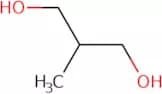
CAS:<p>2-Methyl-1,3-propanediol is a glycol ether that is used in sample preparation for chemical analysis. It is an antimicrobial agent that has been shown to be active against bacteria such as Escherichia coli and Staphylococcus aureus. 2-Methyl-1,3-propanediol has also been shown to have the ability to inhibit the growth of epidermal cells. This chemical has been shown to be effective in treating skin lesions caused by dermatophytes, fungi and bacterial infections. 2-Methyl-1,3-propanediol inhibits the synthesis of glycol esters, fatty acids and epidermal growth factor through competition with hydroxyl groups on cell membranes. It also chelates metal ions such as Cu2+, Zn2+, Cd2+ and Pb2+.</p>Fórmula:C4H10O2Pureza:Min. 95%Cor e Forma:Colorless PowderPeso molecular:90.12 g/molN-Succinimidyl myristate
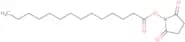
CAS:<p>N-Succinimidyl myristate is a long-chain fatty acid that contains a sulfur atom at its head. It is used in the production of diagnostic products and insulin analogs, as well as in the industrial production of organic solvents. N-Succinimidyl myristate reacts with serum albumin, forming an activated product that can be used in diagnostic tests. This reaction product is also used to bind proteins to fluorine atoms for use in industrial processes.</p>Fórmula:C18H31NO4Pureza:Min. 95%Cor e Forma:PowderPeso molecular:325.44 g/mol1,4-Diazabicyclo[3.2.2]nonane dihydrochloride
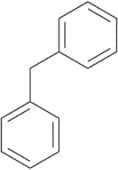
CAS:<p>1,4-Diazabicyclo[3.2.2]nonane dihydrochloride is a fine chemical that is used as an intermediate in the synthesis of other chemicals. It has been shown to be a versatile building block for research chemicals and as a reaction component in the synthesis of complex compounds. 1,4-Diazabicyclo[3.2.2]nonane dihydrochloride is also useful in the synthesis of pharmaceuticals and other speciality chemicals due to its high quality and ability to function as a reagent.<br>1,4-Diazabicyclo[3.2.2]nonane dihydrochloride has been shown to have anti-inflammatory properties by inhibiting prostaglandin synthesis and can be used for the treatment of asthma, arthritis, and other inflammatory conditions.</p>Fórmula:C7H14N2·2HClPureza:Min. 95%Cor e Forma:SolidPeso molecular:199.12 g/molDiphenylmethane
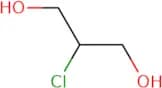
CAS:<p>Diphenylmethane is a chemical that has been used in the synthesis of pharmaceuticals and other organic compounds. It is also a useful reagent for the preparation of synthetic amines. Diphenylmethane can be used to synthesize drugs such as epidermal growth factor, which stimulates the growth and differentiation of keratinocytes. This chemical also has a number of potential therapeutic uses for metabolic disorders and infectious diseases, including hepatitis. The mechanism by which this compound reacts with nitrogen atoms is not fully understood, but it may involve the formation of diphenylmethanesulfinic acid.</p>Fórmula:C13H12Pureza:Min. 99 Area-%Cor e Forma:White PowderPeso molecular:168.23 g/mol2-Chloro-1,3-propanediol
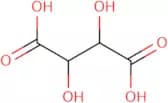
CAS:<p>2-Chloro-1,3-propanediol is a useful intermediate and building block in organic synthesis. It is also a reagent that can be used to synthesize other organic compounds. 2-Chloro-1,3-propanediol has been shown to be a versatile scaffold for the synthesis of many different types of organic molecules. It is also an important component of research chemicals and speciality chemicals. This chemical can be used as a high quality fine chemical or complex compound in the manufacture of other products.</p>Fórmula:C3H7ClO2Pureza:Min. 97 Area-%Cor e Forma:Colorless Clear LiquidPeso molecular:110.54 g/molDL-Tartaric acid
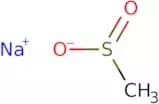
CAS:<p>DL-Tartaric acid is a calcium salt of tartaric acid. It is used as a standard in the analysis of total calcium and tartaric acid content in beverages, wines, foodstuffs, and pharmaceuticals. DL-Tartaric acid can be used to prepare standard solutions for the determination of benzalkonium chloride and other natural compounds by chromatographic methods. The rate constants for the reaction between DL-tartaric acid and calcium pantothenate have been determined by electrochemical impedance spectroscopy. The fluorescence intensity of chemiluminescent reactions with DL-tartaric acid has been found to be proportional to the concentration of tartrate ions in solution. X-ray diffraction data confirm that DL-tartaric acid is an orthorhombic crystal system with space group P2/c.</p>Fórmula:C4H6O6Cor e Forma:White PowderPeso molecular:150.09 g/molMethanesulfinic acid sodium salt
CAS:<p>Methanesulfinic acid sodium salt (MSAS) is a chemical compound that inhibits the growth of bacteria by inhibiting the synthesis of proteins. It is used as an antimicrobial agent in plant physiology and has been shown to be effective against infectious diseases including HIV infection. MSAS inhibits protein synthesis by binding to the hydroxyl group of a substrate molecule, which is required for amino acid formation. This inhibitory effect leads to a decrease in the production of proteins vital for cell division. Inhibiting protein synthesis also prevents the production of enzymes needed for metabolism, leading to metabolic disorders.</p>Fórmula:CH3O2S·NaPureza:Min. 95%Cor e Forma:PowderPeso molecular:102.09 g/mol1-Octanesulfonic acid sodium salt
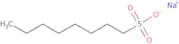
CAS:<p>1-Octanesulfonic acid sodium salt is a chemical compound that can be used to prepare surfactants. It has been shown to have a high optimum concentration for the formation of stable foam and is compatible with blood sampling, hydrophobic effect, and ester hydrochloride. 1-Octanesulfonic acid sodium salt has also been used as an analytical method for detecting sulfate ion in the presence of other ions on the basis of its reactivity with potassium permanganate. The detection limit is 0.1 ppm with a reaction solution containing 1% octanesulfonic acid sodium salt and 3% potassium permanganate. The chemical stability at pH 2 is higher than that at pH 7 because the sulfonate group acts as a buffer at low pH. 1-Octanesulfonic acid sodium salt can be quantified by means of fluorescence detector or electrochemical detector after it reacts with phenolphthalein in an acidic solution.</p>Fórmula:C8H18O3S•NaPureza:Min. 98%Cor e Forma:White PowderPeso molecular:217.28 g/mol(1-Methylpiperidin-4-yl)methanol
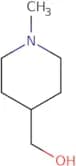
CAS:<p>(1-Methylpiperidin-4-yl)methanol is a potent inhibitor of the kinases vegfr-2 and vesicular glutamate transporter 2 (vglut2). It is also active against human tumor xenografts. The inhibitory activity was determined to be due to its ability to bind and covalently modify tyrosine residues in the kinase domain. The inhibitory potency of (1-Methylpiperidin-4-yl)methanol was found to be constant, regardless of oxygenation status. This suggests that the inhibition is not due to the binding of oxygenated metabolites. In vitro experiments showed that it inhibits cellular proliferation by blocking protein synthesis and arresting cells at G1 phase. This drug has potential as an antitumor agent because it inhibits tumor growth without affecting normal tissue or causing significant toxicity in animal models.</p>Fórmula:C7H15NOPureza:Min. 95%Cor e Forma:Colourless to yellow liquid.Peso molecular:129.2 g/mol2-Oxa-7-azaspiro[3.5]nonane hemioxalate
CAS:<p>2-Oxa-7-azaspiro[3.5]nonane hemioxalate is a fine chemical that is used as a building block in research and development of complex compounds, such as pharmaceuticals, agrochemicals, and polymers. It has been shown to be useful in the synthesis of heterocycles, such as pyrrolidines, piperazines, indoles, and benzoxazoles. 2-Oxa-7-azaspiro[3.5]nonane hemioxalate can serve as a versatile building block for the preparation of various scaffolds with different functionalities. 2-Oxa-7-azaspiro[3.5]nonane hemioxalate is a reagent that can be used for the preparation of other compounds and intermediates as well.</p>Fórmula:C7H13NOC2H2O4Pureza:Min. 95%Cor e Forma:Off-White Clear LiquidPeso molecular:172.2 g/mol2-Chloroethyl methyl sulfide
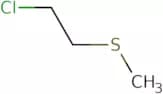
CAS:<p>2-Chloroethyl methyl sulfide (2CEMS) is a reactive compound that has been shown to enhance membrane interactions and fatty acid metabolism in experimental models. 2CEMS is a substrate molecule for the reaction mechanism of the enzyme phospholipase A2, which plays an important role in the production of arachidonic acid. 2CEMS has been shown to have cytotoxic effects on 3T3-L1 preadipocytes, with cell death occurring as a result of kinetic energy emissions. The halides in 2CEMS can coordinate with hematopoietic cells, leading to the inhibition of their proliferation and differentiation. 2CEMS is also able to bind with various metals such as copper and zinc, which may be useful for pharmaceutical drug applications.</p>Fórmula:C3H7ClSPureza:Min. 96 Area-%Cor e Forma:Colorless Yellow Clear LiquidPeso molecular:110.61 g/mol2,3-Butanedione monoxime
CAS:<p>2,3-Butanedione monoxime (BDM) is a metabolite of the glycol ether, 2,3-butanedione. It has been shown to have a beneficial effect on metabolic disorders in rats by modulating several enzyme activities. The optimum concentration of BDM is 2 mmol/L. This compound has also been shown to inhibit the oxidation of xanthine oxidase and the formation of hydroxyl radicals in vitro. BDM has also been found to have synchronous fluorescence with papillary muscles from guinea pigs and cytosolic ca2+ levels in rat liver cells. The structure analysis revealed that BDM binds to the active site of the x-ray crystal structures for mitochondrial cytochrome C oxidase and cardiac ATP synthase with an affinity similar to that of CoQ10. The Langmuir adsorption isotherm for BDM was calculated as 0.913 +/- 0.034 cm/g at 20 degrees Celsius,</p>Fórmula:C4H7O2NPureza:(%) Min. 99%Cor e Forma:White PowderPeso molecular:101.1 g/mol2-Chloroethyl isocyanate
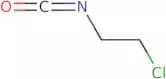
CAS:<p>Inhibitor of DNA repair mechanisms</p>Fórmula:C3H4ClNOPureza:Min. 98%Cor e Forma:Colorless Clear LiquidPeso molecular:105.52 g/molAgaric acid
CAS:<p>Agaric acid is a high-quality, versatile chemical that is used as an intermediate in many organic and biochemistry reactions. It is also used as a reagent for the isolation of metals such as silver and gold. As a complex compound, it has many uses, including being a useful building block in the synthesis of various drugs. Agaric acid can be used to produce other chemicals such as speciality chemicals or research chemicals</p>Fórmula:C22H40O7Peso molecular:416.56 g/molRef: 3D-A-3920
1gA consultar5gA consultar250mgA consultar500mgA consultar2500mgA consultar-Unit-ggA consultar1,3-Di-(2-pyrenyl)propane
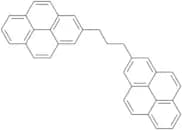
CAS:<p>1,3-Di-(2-pyrenyl)propane is a synthetic molecule that has been used as a model for the phosphatidylethanolamine (PE) component of bacterial membranes. 1,3-Di-(2-pyrenyl)propane has been shown to have a phase transition temperature of -7 degrees Celsius. It is hydrophobic and highly soluble in organic solvents like chloroform, ethanol, ether, and benzene. This molecule is kinetically inert and thermodynamically stable. The monomeric form of 1,3-Di-(2-pyrenyl)propane is not sensitive to ionizing radiation. However, in the bilayer form it is highly sensitive to radiation and can lead to the formation of double bonds that can break down into radicals.</p>Fórmula:C35H24Pureza:Min. 95%Cor e Forma:White PowderPeso molecular:444.57 g/molSodium pyruvate
CAS:<p>Pyruvate is an intermediary organic acid metabolite in glycolysis and the first of the Embden Meyerhoff pathways that can pass readily in or out of the cell. Thus, the addition of sodium pyruvate to tissue culture medium provides both an energy source and a carbon skeleton for anabolic processes. Furthermore, it assists with maintaining certain specialized cells, is useful when cloning, and may be necessary when the serum concentration is reduced in the medium.</p>Fórmula:C3H3O3NaPureza:Min. 95%Cor e Forma:Crystalline PowderPeso molecular:110.04 g/molDipropyl ether
CAS:<p>Dipropyl ether is a reagent that is used in organic synthesis as a reaction component or building block for the preparation of complex compounds. It is also known to be an intermediate in the production of propylene oxide, which is used in the production of polyurethane. Dipropyl ether has been shown to be useful as a research chemical and speciality chemical. This compound has CAS number 111-43-3 and can be prepared by reacting diethyl ether with propene, acetone, or chloroform.</p>Fórmula:C4H9NO2SPeso molecular:135.19 g/molPivaldehyde
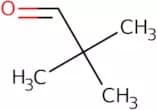
CAS:<p>Intermediate in organic syntheses; stereoselective synthesis</p>Fórmula:C5H10OPureza:Min. 95%Cor e Forma:Colorless Clear LiquidPeso molecular:86.13 g/mol



![3-{[4-(diethylamino)phenyl]methylidene}-1H,2H,3H-cyclopenta[b]quinoline-9-carboxylic acid](/_next/image/?url=https%3A%2Fstatic.cymitquimica.com%2Fproducts%2F10%2Fthumb-webp%2FF985970.webp&w=3840&q=75)
![7-Methyl-benzo[1,2-d;3,4-d']bisthiazol-2-ylamine](/_next/image/?url=https%3A%2Fstatic.cymitquimica.com%2Fproducts%2F10%2Fthumb-webp%2FF494531.webp&w=3840&q=75)

![3-(3-Methoxyphenyl)-5-[(4-methoxyphenyl)methylidene]-2-sulfanylideneimidazolidin-4-one](/_next/image/?url=https%3A%2Fstatic.cymitquimica.com%2Fproducts%2F10%2Fthumb-webp%2FF985982.webp&w=3840&q=75)
![3-(Furan-2-ylmethylene)-2,3-dihydro-1H-cyclopenta[b]quinoline-9-carboxylic acid](/_next/image/?url=https%3A%2Fstatic.cymitquimica.com%2Fproducts%2F10%2Fthumb-webp%2FF986034.webp&w=3840&q=75)
![4-{[4-(dimethylamino)phenyl]methylidene}-1,2,3,4-tetrahydroacridine-9-carboxylic acid](/_next/image/?url=https%3A%2Fstatic.cymitquimica.com%2Fproducts%2F10%2Fthumb-webp%2FF985969.webp&w=3840&q=75)
![4-{[4-(diethylamino)phenyl]methylidene}-1,2,3,4-tetrahydroacridine-9-carboxylic acid](/_next/image/?url=https%3A%2Fstatic.cymitquimica.com%2Fproducts%2F10%2Fthumb-webp%2FF985974.webp&w=3840&q=75)






































![1,4-Diazabicyclo[3.2.2]nonane dihydrochloride](/_next/image/?url=https%3A%2Fstatic.cymitquimica.com%2Fproducts%2F3D%2Fthumb-webp%2FFD07110.webp&w=3840&q=75)
![2-Oxa-7-azaspiro[3.5]nonane hemioxalate](/_next/image/?url=https%3A%2Fstatic.cymitquimica.com%2Fproducts%2F3D%2Fthumb-webp%2FFO29380.webp&w=3840&q=75)