Compostos alifáticos e derivados
Os compostos alifáticos e seus derivados são compostos orgânicos caracterizados por estruturas de cadeia reta ou ramificada, ao contrário das estruturas em anel encontradas nos compostos aromáticos. Esses compostos incluem alcanos, alcenos, alcinos e seus derivados funcionalizados, desempenhando um papel vital em vários processos químicos e aplicações industriais. Na CymitQuimica, oferecemos uma seleção diversificada de compostos alifáticos de alta pureza e seus derivados, meticulosamente selecionados e testados para atender aos rigorosos requisitos de pesquisa e necessidades industriais. Nosso catálogo abrange uma ampla gama de compostos, incluindo hidrocarbonetos, álcoois, aldeídos, cetonas e ácidos, cada um conhecido por sua reatividade e versatilidade na síntese orgânica, farmacêutica e ciência dos materiais. Ao fornecer compostos alifáticos e derivados de alta qualidade, apoiamos pesquisadores e profissionais na realização de transformações químicas precisas e eficientes, promovendo a inovação e os avanços em vários campos científicos e tecnológicos.
Foram encontrados 8718 produtos de "Compostos alifáticos e derivados"
Ordenar por
Pureza (%)
0
100
|
0
|
50
|
90
|
95
|
100
2,2-Paracyclophane
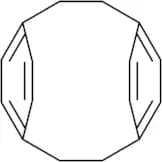
CAS:<p>2,2-Paracyclophane is a high-sensitivity c-reactive protein (hsCRP) that has been isolated from the fungus Cryptococcus neoformans. This compound has shown to have anti-cancer properties in animal studies. 2,2-Paracyclophane binds to fatty acids and is soluble in water, which may be due to its hydrogen bonding with the hydroxyl group at C1. The crystal structure of this compound reveals that it has a cyclohexane ring and two fatty acids. The thermal expansion coefficient of this molecule is also high, which suggests that it may be suitable for use as a solid lubricant.</p>Fórmula:C16H16Pureza:Min. 98.5 Area-%Cor e Forma:White PowderPeso molecular:208.3 g/molAdamantane
CAS:<p>Adamantane is a potent antiviral drug for the treatment of influenza. It is an oxidation catalyst that also has biological properties, such as a potent antitumor activity and potent antiviral resistance. Adamantane has been used to treat many human pathogens, including viruses, fungi and bacteria. Adamantane is a skeleton-like structure with four carbons and six hydrogen atoms that can be oxidized to adamantane oxide or reduced to adamantane alcohol. The adamantane molecule binds to the viral protein at a site called the toll-like receptor. This binding prevents viral replication by inhibiting mRNA synthesis in the virus.</p>Fórmula:C10H16Pureza:Min. 95%Cor e Forma:White Off-White PowderPeso molecular:136.23 g/molChloroiodomethane, stabilised with copper
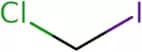
CAS:<p>Chloroiodomethane is a chemical that is used as an intermediate in the production of other chemicals. It is a colourless liquid with a strong odour. 3-Bromopropylamine hydrobromide reacts with chloroiodomethane to form 3-bromopropyl bromide, which can be reacted with hydrogen chloride to form the corresponding acid chloride. This reaction product can then be reacted with β-amino acids to form amides or esters. The reaction mechanism of this process involves nucleophilic substitution of chloroiodomethane by the amino group of the β-amino acid to produce an intermediate α,β-unsaturated carbonyl chloride, which undergoes elimination to give the final product. Chloroiodomethane also reacts rapidly with fatty acids and hydroxyl groups in biological systems, leading to inflammatory diseases such as HIV infection.</p>Fórmula:CH2ClIPureza:Min. 95%Cor e Forma:Colorless Clear LiquidPeso molecular:176.38 g/mol1,2-Bis(chlorodimethylsilyl)ethane
CAS:<p>1,2-Bis(chlorodimethylsilyl)ethane is a reactive chemical that is synthesized from hydroxychloroformates and hydrogen chloride. It reacts with silicon to form chlorosilanes, which are then used in the polymerization of siloxanes. 1,2-Bis(chlorodimethylsilyl)ethane has been shown to be an effective initiator for the polymerization of methyl methacrylate and ethylene glycol dimethacrylate. 1,2-Bis(chlorodimethylsilyl)ethane is also used as a hydroxyl group donor in organic reactions.</p>Fórmula:C6H16Cl2Si2Pureza:Min. 95 Area-%Cor e Forma:PowderPeso molecular:215.27 g/molChlorbutanol hemihydrate
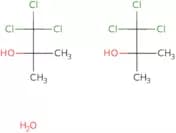
CAS:<p>Chlorbutanol hemihydrate is an antimicrobial agent that is used as an intra-articular injection, and has been shown to be effective against choline chloride. Chlorbutanol hemihydrate binds to the active substances and reacts with chlorine atom to form an active substance. The reaction rate of chlorbutanol hemihydrate with chlorine atoms is slow, so it can be administered intravenously or intramuscularly. Functional assays have shown that chlorbutanol hemihydrate can inhibit the growth of cancer cells in a dose-dependent manner. It also inhibits the production of oxytocin receptor in mice tissues. Chlorbutanol hemihydrate has been shown to be safe for humans when given at doses up to 10 times higher than the recommended dosage, but may cause allergic reactions in some people.</p>Fórmula:C4H7Cl3O•(H2O)0Pureza:Min. 95%Cor e Forma:White PowderPeso molecular:186.46 g/moltrans-1-Bromo-1-propene - stablised with Copper
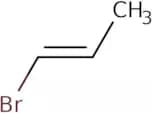
CAS:<p>Trans-1-bromo-1-propene is a compound that has been stabilized by copper. It is used in the synthesis of quinoline derivatives and alkanoic acids. Trans-1-bromo-1-propene is an antimicrobial agent, which kills bacteria by interfering with the fatty acid synthesis. This substance also has antioxidant properties.</p>Fórmula:C3H5BrPureza:95%NmrCor e Forma:Clear LiquidPeso molecular:120.98 g/molN,N-bis(Hydroxyethyl)-2-aminoethanesulfonic acid sodium salt
CAS:<p>N,N-bis(Hydroxyethyl)-2-aminoethanesulfonic acid sodium salt is a cross-linking agent for polymers. It has been shown to react with dimethylol propionic acid to form a hydroxyl group and a carboxylate. This reaction yields the product of bis(hydroxyethyl) aminosulfonic acid sodium salt. N,N-bis(Hydroxyethyl)-2-aminoethanesulfonic acid sodium salt can be used as a cross-linking agent in the manufacture of biodegradable polymers that are environmentally friendly and biocompatible. The viscosity of the reaction solution increases with an increase in temperature, which is due to the hydrophobic interaction between molecules.</p>Fórmula:C6H14NO5SNaPureza:Min. 95%Cor e Forma:PowderPeso molecular:235.23 g/molCyclobutanethiol
CAS:<p>Cyclobutanethiol is a 1-cyclopentene-1-carboxylic acid, which is a cyclic form of the alkylthio group. It is an organic solvent with a hydroxyl group at one end and an alkyl group at the other end. Cyclobutanethiol can be used as a sealant or as a solvent in organic chemistry. The compound has been shown to inhibit insulin resistance by binding to cb1 receptors on cells, thereby inhibiting the production of glucose. Cyclobutanethiol also absorbs ultraviolet light, so it can be used in photochemistry.</p>Fórmula:C4H8SPureza:90%Cor e Forma:Clear LiquidPeso molecular:88.17 g/mol9-Anthracenemethanol
CAS:<p>9-Anthracenemethanol is a carcinogenic, mutagenic, and teratogenic compound. It is metabolized by a number of enzymatic reactions, including oxidation by cytochrome P450 enzymes and reduction by glutathione reductase. The compound has been shown to be activated in acid conditions, with an activation energy of 10 kcal/mol. It also forms an acid when heated, which can cause damage to cells. 9-Anthracenemethanol has been shown to have photochemical properties that may be used for the production of dyes or pigments.</p>Fórmula:C15H12OPureza:Min. 95%Cor e Forma:Yellow PowderPeso molecular:208.26 g/molDiiodomethane
CAS:<p>Diiodomethane is a chemical compound with the molecular formula CHI. It is a colorless gas that can be obtained by reacting methyl ethyl and hydroxyl group in the presence of an oxidant such as boron nitride. Diiodomethane has been used as a substrate film for n-dimethyl formamide and reaction solution, which have been studied using spectroscopic data. The product of this reaction is water vapor that leaves the system due to its low boiling point. Reaction mechanism for this process is thought to be due to the kinetic energy of the particles that collide and produce diiodomethane molecules.</p>Fórmula:CH2I2Pureza:Min. 95%Cor e Forma:Yellow Clear LiquidPeso molecular:267.84 g/mol6-Chlorohexanol
CAS:<p>6-Chlorohexanol is a fatty alcohol with a hydroxyl group. It is soluble in water and has a phase transition temperature of -114°C. 6-Chlorohexanol can be synthesized by reacting 2,6-dichlorophenol with hydrochloric acid and sodium hydroxide in the presence of azobenzene. The reaction solution is then heated to about 300°C for 3 hours. 6-Chlorohexanol is used as a model system for studying the photochemical reactions of fatty acids. Hydroxy groups are susceptible to light exposure, which leads to the formation of carbonyl compounds such as malonic acid and chloride monomers.</p>Fórmula:C6H13ClOPureza:Min. 95%Cor e Forma:PowderPeso molecular:136.62 g/molIsostearic acid
CAS:<p>Please enquire for more information about Isostearic acid including the price, delivery time and more detailed product information at the technical inquiry form on this page</p>Fórmula:C18H36O2Peso molecular:284.48 g/mol1-Eicosene
CAS:Fórmula:C20H40Pureza:>97.0%(GC)Cor e Forma:White or Colorless to Almost white or Almost colorless powder to lump to clear liquidPeso molecular:280.544-Phenyl-3-butyn-2-one
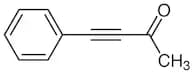
CAS:Fórmula:C10H8OPureza:>97.0%(GC)Cor e Forma:Colorless to Yellow to Green clear liquidPeso molecular:144.174,4'-Diethynylbiphenyl
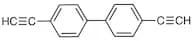
CAS:Fórmula:C16H10Pureza:>98.0%(GC)Cor e Forma:White to Light yellow to Light orange powder to crystalPeso molecular:202.26Methylcyclopentadiene Dimer (so called) (stabilized with TBC)
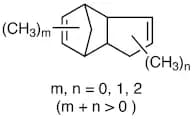
CAS:Cor e Forma:Colorless to Light yellow clear liquid1-(3-Dimethylaminopropyl)-3-ethylcarbodiimide
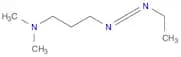
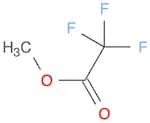
CAS:Fórmula:C8H17N3Pureza:98%Cor e Forma:LiquidPeso molecular:155.2407Acetic acid, trifluoro-, methyl ester
CAS:Fórmula:C3H3F3O2Pureza:98%Cor e Forma:LiquidPeso molecular:128.04992959999998Ref: IN-DA00I8AN
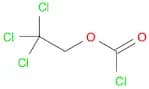
Produto descontinuadoCarbonochloridic acid, 2,2,2-trichloroethyl ester
CAS:Fórmula:C3H2Cl4O2Pureza:97%Cor e Forma:LiquidPeso molecular:211.85881H,1H,2H,2H-Nonafluorohexyl Methacrylate (stabilized with MEHQ)
CAS:Fórmula:C10H9F9O2Pureza:98%Cor e Forma:LiquidPeso molecular:332.1629