Building Blocks
Esta seção contém produtos fundamentais para a síntese de compostos orgânicos e biológicos. Building blocks são os materiais de partida essenciais usados para construir moléculas complexas através de várias reações químicas. Eles desempenham um papel crítico na descoberta de medicamentos, ciência dos materiais e pesquisa química. Na CymitQuimica, oferecemos uma ampla gama de building blocks de alta qualidade para apoiar suas pesquisas inovadoras e projetos industriais, garantindo que você tenha os componentes essenciais para uma síntese bem-sucedida.
Subcategorias de "Building Blocks"
- Ácidos Borónicos e Derivados de Ácido Borónico(5.756 produtos)
- Building Blocks Quirais(1.242 produtos)
- Building Blocks Hidrocarbonetos(6.093 produtos)
- Building Blocks orgânicos(60.519 produtos)
Foram encontrados 195533 produtos de "Building Blocks"
Ordenar por
Pureza (%)
0
100
|
0
|
50
|
90
|
95
|
100
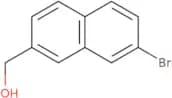
(7-Bromonaphthalen-2-yl)methanol
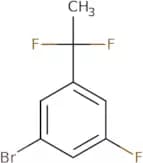
CAS:<p>Versatile small molecule scaffold</p>Fórmula:C11H9BrOPureza:Min. 95%Peso molecular:237.09 g/mol1-Bromo-3-(1,1-difluoroethyl)-5-fluorobenzene
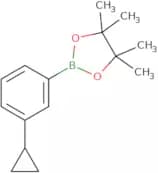
CAS:<p>Versatile small molecule scaffold</p>Fórmula:C8H6BrF3Pureza:Min. 95%Peso molecular:239.03 g/mol2-(3-Cyclopropylphenyl)-4,4,5,5-tetramethyl-1,3,2-dioxaborolane
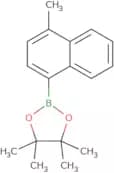
CAS:<p>Versatile small molecule scaffold</p>Fórmula:C15H21BO2Pureza:Min. 95%Peso molecular:244.14 g/mol4-Methylnaphthalene-1-boronic acid pinacol ester
CAS:<p>Versatile small molecule scaffold</p>Fórmula:C17H21BO2Pureza:Min. 95%Peso molecular:268.16 g/mol2-[2-Fluoro-3-(trifluoromethyl)phenyl]-4,4,5,5-tetramethyl-1,3,2-dioxaborolane
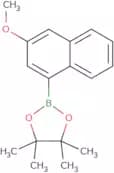
CAS:<p>Versatile small molecule scaffold</p>Fórmula:C13H15BF4O2Pureza:Min. 95%Peso molecular:290.06 g/mol2-(3-Methoxynaphthalen-1-yl)-4,4,5,5-tetramethyl-1,3,2-dioxaborolane
CAS:<p>Versatile small molecule scaffold</p>Fórmula:C17H21BO3Pureza:Min. 95%Peso molecular:284.2 g/mol2-[3-(Difluoromethyl)-5-fluorophenyl]-4,4,5,5-tetramethyl-1,3,2-dioxaborolane
CAS:<p>Versatile small molecule scaffold</p>Fórmula:C13H16BF3O2Pureza:Min. 95%Peso molecular:272.07 g/mol2-[3-(Difluoromethyl)phenyl]-4,4,5,5-tetramethyl-1,3,2-dioxaborolane
CAS:<p>Versatile small molecule scaffold</p>Fórmula:C13H17BF2O2Pureza:Min. 95%Peso molecular:254.08 g/mol3-(Trifluoromethyl)-5-fluorophenylboronic acid pinacol ester
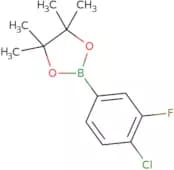
CAS:<p>Versatile small molecule scaffold</p>Fórmula:C13H15BF4O2Pureza:Min. 95%Peso molecular:290.06 g/mol2-(4-Chloro-3-fluorophenyl)-4,4,5,5-tetramethyl-1,3,2-dioxaborolane
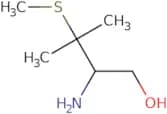
CAS:<p>Versatile small molecule scaffold</p>Fórmula:C12H15BClFO2Pureza:Min. 95%Peso molecular:256.51 g/mol(2S)-2-Amino-3-methyl-3-(methylsulfanyl)butan-1-ol
CAS:<p>Versatile small molecule scaffold</p>Fórmula:C6H15NOSPureza:Min. 95%Peso molecular:149.3 g/mol(6-Aminohexyl)(methyl)amine
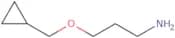
CAS:<p>Versatile small molecule scaffold</p>Fórmula:C7H18N2Pureza:Min. 95%Peso molecular:130.23 g/mol3-(Cyclopropylmethoxy)propan-1-amine
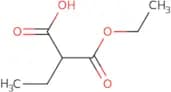
CAS:<p>Versatile small molecule scaffold</p>Fórmula:C7H15NOPureza:Min. 95%Peso molecular:129.2 g/mol2-(Ethoxycarbonyl)butanoic acid
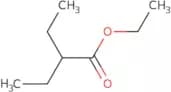
CAS:<p>2-(Ethoxycarbonyl)butanoic acid is a solvate of ethoxycarbonyl butanoic acid. It is a weak antibiotic that inhibits bacterial growth by binding to the 50S ribosomal subunit. This active form is metabolized through a number of metabolic transformations, including hydrolysis by esterases or glucuronidases, oxidation by cytochrome P450 enzymes, reduction by glutathione reductase, or conjugation with glucuronic acid. 2-(Ethoxycarbonyl)butanoic acid has been shown to be effective in the treatment of tuberculosis and other mycobacterial infections. It is also used as an antifungal agent against Candida albicans and Cryptococcus neoformans. 2-(Ethoxycarbonyl)butanoic acid binds to DNA-dependent RNA polymerase and prevents transcription and replication, which leads to cell death in susceptible bacteria.</p>Fórmula:C7H12O4Pureza:Min. 95%Peso molecular:160.17 g/molEthyl 2-Ethylbutyrate
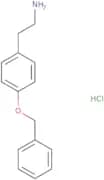
CAS:<p>Ethyl 2-ethylbutyrate is a fatty acid ester that is synthesized from butyric acid and ethanol. It has been shown to have anti-inflammatory properties, which may be due to its ability to suppress pro-inflammatory cytokines such as IL-6 and TNF-α. This compound also suppresses the production of IL-10, an anti-inflammatory cytokine. The activity index of this product is 1.5.</p>Fórmula:C8H16O2Pureza:Min. 95%Peso molecular:144.21 g/mol4-Benzyloxy-Phenethylamine hydrochloride
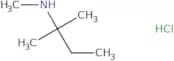
CAS:<p>Versatile small molecule scaffold</p>Fórmula:C15H18ClNOPureza:Min. 95%Peso molecular:263.77 g/molMethyl(2-methylbutan-2-yl)amine hydrochloride
CAS:<p>Versatile small molecule scaffold</p>Fórmula:C6H16ClNPureza:Min. 95%Peso molecular:137.65 g/mol2,2-Dimethylpent-4-enenitrile
CAS:<p>2,2-Dimethylpent-4-enenitrile is an organic compound that can be synthesized by the reaction of bromomethyl cyclopropane with a Grignard reagent. It is a useful synthetic intermediate for the synthesis of imines and carbonitriles. Grignard reagents are nucleophilic and react with alkenes to form addition products called imines. 2,2-Dimethylpent-4-enenitrile is a cyclic molecule that reacts with nucleophiles such as Grignard reagents in a nucleophilic substitution reaction. The addition product formed is known as an imine.</p>Fórmula:C7H11NPureza:Min. 95%Peso molecular:109.17 g/mol2,2-Dimethyl-3,4-dihydronaphthalen-1-one
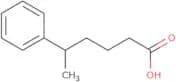
CAS:<p>Versatile small molecule scaffold</p>Fórmula:C12H14OPureza:Min. 95%Peso molecular:174.24 g/mol5-Phenylhexanoic acid
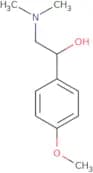
CAS:<p>5-Phenylhexanoic acid is an organic compound that belongs to the group of alcohols. It can be synthesised by a two-step process, which involves oxidation of benzylic alcohols and fission of the resulting aldehydes. The kinetic analysis of this reaction has shown that it proceeds with a rate law that follows first order kinetics. The analyses have also shown that 5-phenylhexanoic acid is oxidised in the presence of cobaltic perchlorate, which leads to the formation of cyanide as well as alkyl bromides and hydrocarbons.</p>Fórmula:C12H16O2Pureza:Min. 95%Peso molecular:192.25 g/mol2-(Dimethylamino)-1-(4-methoxyphenyl)ethanol
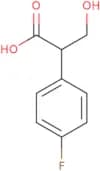
CAS:<p>Versatile small molecule scaffold</p>Fórmula:C11H17NO2Pureza:Min. 95%Peso molecular:195.26 g/mol2-(4-Fluorophenyl)-3-hydroxypropanoic acid
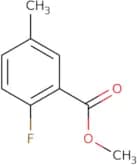
CAS:<p>Versatile small molecule scaffold</p>Fórmula:C9H9FO3Pureza:Min. 95%Peso molecular:184.16 g/molMethyl 2-Fluoro-5-methylbenzoate
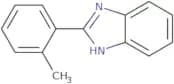
CAS:<p>Versatile small molecule scaffold</p>Fórmula:C9H9FO2Pureza:Min. 95%Peso molecular:168.17 g/mol2-(2-Methylphenyl)-1H-1,3-benzodiazole
CAS:<p>Versatile small molecule scaffold</p>Fórmula:C14H12N2Pureza:Min. 95%Peso molecular:208.26 g/mol2-Phenylglutaric anhydride
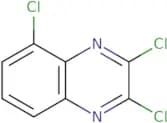
CAS:<p>2-Phenylglutaric anhydride is a chemical compound that is used in organic chemistry as a phase-transfer reagent, because of its ability to exchange between the organic and aqueous phases. It has been shown to be a useful modifier for preparative high performance liquid chromatography (prep HPLC) due to its low solubility in water and non-volatility. 2-Phenylglutaric anhydride can be used as a sample preparation technique for the separation of carboxylic acid derivatives by preparative HPLC. The use of this chemical has allowed for advances in the field of preparative chromatography, including the development of new strategies and techniques.<br>2-Phenylglutaric anhydride is also known to have thermodynamic properties that are favorable for column chromatography. This compound has been shown to be stable at higher temperatures, which allows for optimization of column packing materials with supercritical fluids.</p>Fórmula:C11H10O3Pureza:Min. 95%Peso molecular:190.19 g/mol2,3,5-Trichloroquinoxaline
CAS:<p>Versatile small molecule scaffold</p>Fórmula:C8H3Cl3N2Pureza:Min. 95%Peso molecular:233.5 g/mol3-Oxatricyclo[3.3.1.0,1,5]nonane-2,4-dione
CAS:<p>Versatile small molecule scaffold</p>Fórmula:C8H8O3Pureza:Min. 95%Peso molecular:152.15 g/molBicyclo[3.1.0]hexane-1,5-dicarboxylic acid
CAS:<p>Versatile small molecule scaffold</p>Fórmula:C8H10O4Pureza:Min. 95%Peso molecular:170.2 g/mol2-Amino-4-chloro-N-ethylbenzamide
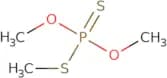
CAS:<p>Versatile small molecule scaffold</p>Fórmula:C9H11ClN2OPureza:Min. 95%Peso molecular:198.65 g/molDimethyl (methylsulfanyl)(sulfanylidene)phosphonite
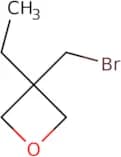
CAS:<p>Dimethyl (methylsulfanyl)(sulfanylidene)phosphonite is an organophosphorus insecticide. It inhibits the cytochrome P-450 enzymes, which are involved in the synthesis of various compounds. Dimethyl (methylsulfanyl)(sulfanylidene)phosphonite is a toxicant for animals and can cause lung toxicity. The toxicity of dimethyl (methylsulfanyl)(sulfanylidene)phosphonite depends on its impurities, such as 7-ethoxycoumarin. The metabolism of dimethyl (methylsulfanyl)(sulfanylidene)phosphonite in humans has been studied using liver microsomes from different species and tissues. One study found that cytochrome P-450 isoenzymes CYP2B1 and CYP2C11 were involved in the detoxification of this compound. Another study found that phosalone was an intermediate metabolite that was formed by</p>Fórmula:C3H9O2PS2Pureza:Min. 95%Peso molecular:172.2 g/mol3-(Bromomethyl)-3-ethyloxetane
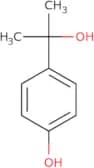
CAS:<p>3-(Bromomethyl)-3-ethyloxetane is a monomer that can be used to make copolymers. It has been shown to have good thermal stability and the ability to be polymerized with other oxetanes. 3-(Bromomethyl)-3-ethyloxetane has also been shown to form copolymers when mixed with other oxetanes. The type of copolymer formed depends on the combination of other oxetanes and their ratios. 3-(Bromomethyl)-3-ethyloxetane can be used for x-ray diffraction analysis, which can help determine the structure of the polymer and its properties.</p>Fórmula:C6H11BrOPureza:Min. 95%Peso molecular:179.05 g/mol4-(2-Hydroxypropan-2-yl)phenol
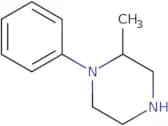
CAS:<p>4-(2-Hydroxypropan-2-yl)phenol is a petrochemical that is obtained from the hydrolysis of phenol. It can be used as a stabilizer for polymers and has been shown to selectively stabilize polystyrene and polypropylene. 4-(2-Hydroxypropan-2-yl)phenol also helps in the crystallization of intermediates, such as 2,4,6-trihydroxyphenylacetic acid, which are used in organic synthesis. The high yield of this chemical makes it an efficient and cost-effective process. 4-(2-Hydroxypropan-2-yl)phenol is also useful in the conversion of phenols into adducts with polymers, which can be used in plastics manufacturing.</p>Fórmula:C9H12O2Pureza:Min. 95%Peso molecular:152.19 g/mol2-Methyl-1-phenylpiperazine
CAS:<p>Versatile small molecule scaffold</p>Fórmula:C11H16N2Pureza:Min. 95%Peso molecular:176.26 g/mol4H-Pyrazolo[3,4-d]pyrimidin-4-one, 1,5-dihydro-3-methyl-
CAS:<p>Versatile small molecule scaffold</p>Fórmula:C6H6N4OPureza:Min. 95%Peso molecular:150.14 g/mol1-Methyl-1H,2H,3H-pyrazolo[3,4-b]pyridin-3-one
CAS:<p>Versatile small molecule scaffold</p>Fórmula:C7H7N3OPureza:Min. 95%Peso molecular:149.15 g/mol2-Chloro-7-methyl-1,3-benzothiazole
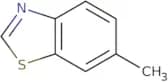
CAS:<p>Versatile small molecule scaffold</p>Fórmula:C8H6ClNSPureza:Min. 95%Peso molecular:183.66 g/mol6-Methyl-1,3-benzothiazole
CAS:<p>6-Methyl-1,3-benzothiazole is a chemical compound that belongs to the class of sulfur. It has been patented for use in the treatment of hepatitis C. 6-Methyl-1,3-benzothiazole is a substituent that can be found in pharmaceutical chemicals. The chemical formula for this compound is C6H4S.</p>Fórmula:C8H7NSPureza:Min. 95%Peso molecular:149.21 g/mol5-Methoxy-1,3-benzothiazole
CAS:<p>5-Methoxy-1,3-benzothiazole is a cyclic heterocycle that has an optical yield of 2.5%. It is soluble in nonpolar solvents and has a reactive nature. The compound can be used to create benzothiazoles, styryl dyes, and other heterocycles. 5-Methoxy-1,3-benzothiazole is also used as a reagent to make quinazolinones and nonionic surfactants. The compound's optical properties are affected by the methylene group, which can be substituted with other groups to alter the properties of the molecule.</p>Fórmula:C8H7NOSPureza:Min. 95%Peso molecular:165.21 g/mol2-Methyl-5-nitrobenzo[d]thiazole
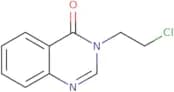
CAS:<p>Versatile small molecule scaffold</p>Fórmula:C8H6N2O2SPureza:Min. 95%Peso molecular:194.21 g/mol3-(2-Chloroethyl)-3,4-dihydroquinazolin-4-one
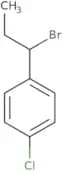
CAS:<p>Versatile small molecule scaffold</p>Fórmula:C10H9ClN2OPureza:Min. 95%Peso molecular:208.64 g/mol1-(1-Bromopropyl)-4-chlorobenzene
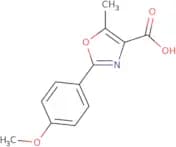
CAS:<p>Versatile small molecule scaffold</p>Fórmula:C9H10BrClPureza:Min. 95%Peso molecular:233.53 g/mol2-(4-Methoxyphenyl)-5-methyl-1,3-oxazole-4-carboxylic acid
CAS:<p>Versatile small molecule scaffold</p>Fórmula:C12H11NO4Pureza:Min. 95%Peso molecular:233.22 g/mol2-(4-Chlorophenyl)-5-methyl-1,3-oxazole-4-carboxylic acid
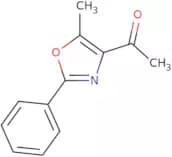
CAS:<p>Versatile small molecule scaffold</p>Fórmula:C11H8ClNO3Pureza:Min. 95%Peso molecular:237.64 g/mol1-(5-Methyl-2-phenyl-1,3-oxazol-4-yl)ethan-1-one
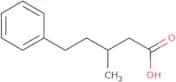
CAS:<p>Versatile small molecule scaffold</p>Fórmula:C12H11NO2Pureza:Min. 95%Peso molecular:201.22 g/mol3-Methyl-5-phenylpentanoic acid
CAS:<p>Versatile small molecule scaffold</p>Fórmula:C12H16O2Pureza:Min. 95%Peso molecular:192.25 g/mol[(2-Aminoethyl)sulfanyl]sulfonic acid
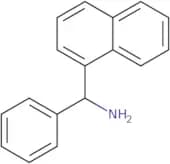
CAS:<p>[(2-Aminoethyl)sulfanyl]sulfonic acid is an inorganic compound and a corrosion inhibitor. It is the ammonium salt of sulfonic acid, with a pK of 3.75. The molecule has two nitrogen atoms and one sulfur atom, which are unreactive with other compounds and do not form bonds. It is soluble in water, alcohols, ethers, chloroform, and carbon tetrachloride. [(2-Aminoethyl)sulfanyl]sulfonic acid can be used as a corrosion inhibitor for metals such as iron or copper because it does not corrode the metal like some other substances containing sulfur or nitrogen would. This compound also has an acidic nature because it can act as a proton donor to cleave bonds that are second-order rate constants. [(2-Aminoethyl)sulfanyl]sulfonic acid also reacts with aziridine in simulated gas phase reactions to form sulf</p>Fórmula:C2H7NO3S2Pureza:Min. 95%Peso molecular:157.22 g/molα-(1-Naphthyl)benzylamine
CAS:<p>Versatile small molecule scaffold</p>Fórmula:C17H15NPureza:Min. 95%Peso molecular:233.31 g/mol2-[(2-Methoxyphenyl)amino]ethan-1-ol
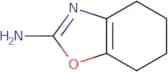
CAS:<p>Versatile small molecule scaffold</p>Fórmula:C9H13NO2Pureza:Min. 95%Peso molecular:167.2 g/mol4,5,6,7-Tetrahydro-1,3-benzoxazol-2-amine
CAS:<p>Versatile small molecule scaffold</p>Fórmula:C7H10N2OPureza:Min. 95%Peso molecular:138.17 g/mol8-Fluoro-2,3,4,9-tetrahydro-1H-carbazole
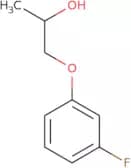
CAS:<p>Versatile small molecule scaffold</p>Fórmula:C12H12FNPureza:Min. 95%Peso molecular:189.23 g/mol1-(3-Fluorophenoxy)propan-2-ol
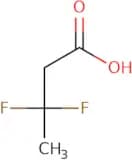
CAS:<p>Versatile small molecule scaffold</p>Fórmula:C9H11FO2Pureza:Min. 95%Peso molecular:170.18 g/mol3,3-Difluorobutanoic acid
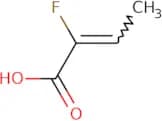
CAS:<p>Versatile small molecule scaffold</p>Fórmula:C4H6F2O2Pureza:Min. 95%Peso molecular:124.09 g/mol2-Fluorobut-2-enoic acid
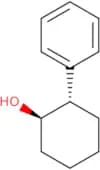
CAS:<p>Versatile small molecule scaffold</p>Fórmula:C4H5FO2Pureza:Min. 95%Peso molecular:104.08 g/moltrans-2-Phenyl-1-cyclohexanol
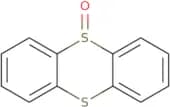
CAS:<p>Trans-2-phenyl-1-cyclohexanol is a hydroxylated cyclohexanol. It is used as a reagent in organic synthesis for the dehydration of alcohols and the acetylation of acyclic carboxylic acids. Trans-2-phenyl-1-cyclohexanol can be prepared from cyclopentene oxide and chloride by the following sequence: trans,trans,trans-2,4'-dichlorobenzophenone → trans,trans,trans-2,4'-dichlorocyclopentene → trans,trans,trans-2-(chloromethyl)cyclohexane → trans,trans,trans-2-(chloromethyl)cyclohexanol. This compound has been investigated as a model system in kinetic studies of transfer reactions such as hydrogen transfer reactions.</p>Fórmula:C6H5C6H10OHPureza:Min. 95%Peso molecular:176.25 g/molThianthrene 5-oxide
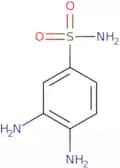
CAS:<p>Thianthrene 5-oxide is a molecule that has been synthesized by the reaction of hydrochloric acid and thioxanthone. The molecule contains five rings which are connected with intramolecular hydrogen bonds, forming a pseudoequatorial structure. Thianthrene 5-oxide contains two functional groups, the sulfinyl group and the hydroxyl group. These functional groups are nucleophilic and can react with electrophiles to form transfer reactions.</p>Fórmula:C12H8OS2Pureza:Min. 95%Cor e Forma:PowderPeso molecular:232.3 g/mol3,4-Diaminobenzenesulphonamide
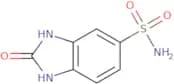
CAS:<p>3,4-Diaminobenzenesulphonamide is a chemical compound that is used as an intermediate in organic synthesis and non-apoptotic cell death. 3,4-Diaminobenzenesulphonamide reacts with iron chloride to form ferroptosis, an environmental pollutant. It can also be used for the treatment of various cancers. 3,4-Diaminobenzenesulphonamide binds to the iron in the cell and causes cell death by forming reactive oxygen species that induce ferroptosis. 3,4-Diaminobenzenesulphonamide is also a non-apoptotic cell death agent that inhibits mitochondrial membrane potential and leads to cellular necrosis.</p>Fórmula:C6H9N3O2S·2ClHPureza:Min. 95%Peso molecular:260.14 g/mol2-Oxo-2,3-dihydro-1H-1,3-benzodiazole-5-sulfonamide
CAS:<p>Versatile small molecule scaffold</p>Fórmula:C7H7N3O3SPureza:Min. 95%Peso molecular:213.22 g/mol(N-4,N-4,2-Trimethyl)-1,4-benzenediamine
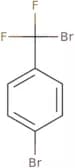
CAS:<p>Versatile small molecule scaffold</p>Fórmula:C9H14N2Pureza:Min. 95%Peso molecular:150.23 g/mol1-bromo-4-(bromodifluoromethyl)benzene
CAS:<p>Versatile small molecule scaffold</p>Fórmula:C7H4Br2F2Pureza:Min. 95%Peso molecular:285.91 g/mol1-(3-Fluoro-4-methoxyphenyl)propan-2-one
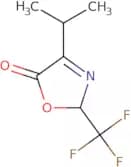
CAS:<p>Versatile small molecule scaffold</p>Fórmula:C10H11FO2Pureza:Min. 95%Peso molecular:182.19 g/mol4-(Propan-2-yl)-2-(trifluoromethyl)-2,5-dihydro-1,3-oxazol-5-one
CAS:<p>Versatile small molecule scaffold</p>Fórmula:C7H8F3NO2Pureza:Min. 95%Peso molecular:195.14 g/mol5-Oxo-1-[4-(trifluoromethyl)phenyl]-pyrrolidine-3-carboxylic acid
CAS:<p>Versatile small molecule scaffold</p>Fórmula:C12H10F3NO3Pureza:Min. 95%Peso molecular:273.21 g/molChloromethyl Methyl Sulfone
CAS:<p>Chloromethyl Methyl Sulfone is a nucleophilic acceptor for aldehydes and pyridinium compounds. It can be synthesized by the reaction of methyl sulfoxide and hydrochloric acid in the presence of triazole and hydroxide ion. Chloromethyl Methyl Sulfone is a crystalline solid that can be used to study the interaction of kinesin with methyl sulfones. This compound has been shown to have an inhibitory effect on cellular activity, which may be due to its ability to react with chloride ions, forming chloromethyl methyl sulfonium chloride.</p>Fórmula:C2H5ClO2SPureza:Min. 95%Peso molecular:128.58 g/mol2-[(4-Methylphenyl)amino]acetohydrazide
CAS:<p>2-[(4-Methylphenyl)amino]acetohydrazide is a crystalline solid that belongs to the group of hydrazides. It has an asymmetric, planar, two-dimensional crystal structure with dihedral angles of 1.2° and 2.6°. The compound contains a benzene ring and two hydrogen bonds.</p>Fórmula:C9H13N3OPureza:Min. 95%Peso molecular:179.22 g/mol5-Acetyl-2-chlorobenzene-1-sulfonamide
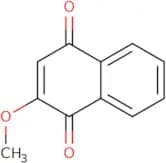
CAS:<p>Versatile small molecule scaffold</p>Fórmula:C8H8ClNO3SPureza:Min. 95%Peso molecular:233.67 g/mol2-Methoxy-1,4-naphthoquinone
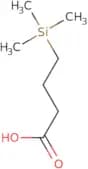
CAS:<p>2-Methoxy-1,4-naphthoquinone is a natural compound that has low potency and significant cytotoxicity. It inhibits the polymerase chain reaction (PCR) by inhibiting DNA synthesis in the bacteria. This compound also exhibits antiinflammatory activity which may be due to its ability to inhibit prostaglandin synthesis. 2-Methoxy-1,4-naphthoquinone has been shown to exhibit minimal toxicity in mice and humans. It is structurally similar to p-hydroxybenzoic acid, a common ingredient found in food and cosmetics. 2-Methoxy-1,4-naphthoquinone has been used for the treatment of infectious diseases such as oral pathogens and bacterial infections caused by Helicobacter pylori or c. glabrata.</p>Fórmula:C11H8O3Pureza:Min. 95%Peso molecular:188.18 g/mol4-(Trimethylsilyl)butanoic acid
CAS:<p>Versatile small molecule scaffold</p>Fórmula:C7H16O2SiPureza:Min. 95%Peso molecular:160.29 g/mol(Trimethylsilyl)acetic acid
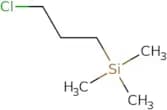
CAS:<p>(Trimethylsilyl)acetic acid is an organosilicon compound that has a hydroxyl group and three methyl groups. It is a metastable substance with a boiling point of about 130 degrees Celsius. (Trimethylsilyl)acetic acid can be synthesized by reacting bromoacetic acid with methyllithium or trimethylsilyl chloride. This compound has been shown to have kinetic properties such as molecular ions, kinetic energy, and inorganic acids. It also has functional groups that are able to interact with detergent compositions.</p>Fórmula:C5H12O2SiPureza:Min. 95%Peso molecular:132.23 g/mol(3-Chloropropyl)trimethylsilane
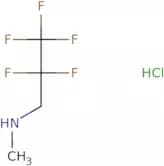
CAS:<p>3-Chloropropyltrimethylsilane is a diphenyl ether that inhibits the cross-linking of proteins and enzymes in infectious diseases. It has been shown to be an effective catalyst for oxidation reactions, such as the conversion of metal carbonyls to unsaturated alkyls. 3-Chloropropyltrimethylsilane has also been shown to inhibit cavities in glycol ethers and corrosion in hydrochloric acid solutions. This chemical has fluorescence properties. The structural formula is CHClSi(CH)CHCl, and it is a colorless liquid with a boiling point of -71°C.</p>Fórmula:C6H15ClSiPureza:Min. 95%Peso molecular:150.72 g/molMethyl(2,2,3,3,3-pentafluoropropyl)amine hydrochloride
CAS:<p>Versatile small molecule scaffold</p>Fórmula:C4H7ClF5NPureza:Min. 95%Peso molecular:199.55 g/mol3,3,3-Trifluoropropyl 4-methylbenzenesulfonate
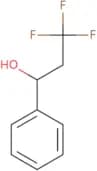
CAS:<p>Versatile small molecule scaffold</p>Fórmula:C10H11F3O3SPureza:Min. 95%Peso molecular:268.25 g/mol3,3,3-Trifluoro-1-phenylpropan-1-ol
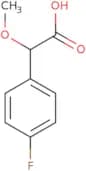
CAS:<p>Versatile small molecule scaffold</p>Fórmula:C9H9F3OPureza:Min. 95%Peso molecular:190.16 g/mol2-(4-Fluorophenyl)-2-methoxyacetic acid
CAS:<p>Versatile small molecule scaffold</p>Fórmula:C9H9FO3Pureza:Min. 95%Peso molecular:184.16 g/mol(5-Fluoro-2-methylphenyl)hydrazine
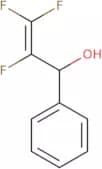
CAS:<p>Versatile small molecule scaffold</p>Fórmula:C7H9FN2Pureza:Min. 95%Peso molecular:140.16 g/mol2,3,3-Trifluoro-1-phenylprop-2-en-1-ol
CAS:<p>Versatile small molecule scaffold</p>Fórmula:C9H7F3OPureza:Min. 95%Peso molecular:188.15 g/mol2-(Propan-2-yl)butanedioic acid
CAS:<p>2-(Propan-2-yl)butanedioic acid is a depsipeptide with microbial activity. It inhibits bacterial growth by binding to the beta-subunit of ATP synthase in the microbial cell membrane, which prevents the synthesis of ATP and other metabolites required for cell division. 2-(Propan-2-yl)butanedioic acid has been shown to inhibit Salmonella typhimurium and Staphylococcus aureus in vitro and in vivo. The mechanism by which this drug inhibits bacterial growth is not yet fully understood, but it may be due to its ability to bind to fatty acids or hydrocarbons that are found on the surface of microorganisms.</p>Fórmula:C7H12O4Pureza:Min. 95%Peso molecular:160.17 g/molEthyl 5-chloropentanoate
CAS:<p>Ethyl 5-chloropentanoate belongs to the class of compounds called test compounds. It was synthesized for the purpose of studying the biological properties of histone lysine residues. The compound has shown a number of biological effects, including activation energy and quantum theory, at low concentrations in women. This chemical is a chloride ion donor and contains an ethyl group and a carbonyl group. It has been shown to be an effective activator of pentene isomers that are present in tissues in order to form reactive intermediates that can initiate reactions with other molecules, such as lysine residues on proteins.</p>Fórmula:C7H13ClO2Pureza:Min. 95%Peso molecular:164.63 g/mol1-(4-Methoxyphenyl)pyrrolidine-2,5-dione
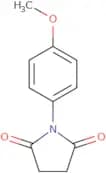
CAS:<p>1-(4-Methoxyphenyl)pyrrolidine-2,5-dione is a potent inhibitor of p2y receptors. It has been shown to inhibit the generation of monoclonal antibodies and cytosolic Ca2+ in T cells, which are both important for the activation of immune cells. 1-(4-Methoxyphenyl)pyrrolidine-2,5-dione also inhibits the polymerase chain reaction (PCR), which is a DNA replication technique used in molecular biology. The molecule interacts with hydrogen bond and gamma-aminobutyric acid (GABA), but does not interact with glutamate or carbaryl. This drug may be useful for the treatment of bladder cancer due to its potent inhibitory activity against p2y receptors.</p>Fórmula:C11H11NO3Pureza:Min. 95%Peso molecular:205.21 g/mol1-(Thiophen-2-yl)ethan-1-ol
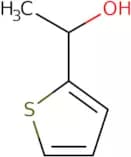
CAS:<p>1-(Thiophen-2-yl)ethan-1-ol is an enantiopure reactant that can be used to synthesize lipase substrates. The immobilized substrate is a polyvinyl polymer that has been functionalized with a primary alcohol and thiol groups. 1-(Thiophen-2-yl)ethan-1-ol is used in the synthesis of lipase substrates that are used to study the biotransformations of secondary alcohols. X-ray structures have been obtained for this compound, which contains a chiral center.</p>Fórmula:C6H8OSPureza:Min. 95%Peso molecular:128.19 g/mol4-Amino-N-methylphthalimide
CAS:<p>4-Amino-N-methylphthalimide (AMI) is a fluorescent dye that has been shown to be an effective proton sensor. It can be used as a transistor, and has the potential to be used in other applications such as photophysical studies, gas sensors, and quantum dots. 4-Amino-N-methylphthalimide has been shown to bind MgO with a binding constant of 9.3x10 M. It also has high kinetic data, which can be helpful for understanding the reaction mechanisms at work.</p>Fórmula:C9H8N2O2Pureza:Min. 95%Peso molecular:176.17 g/mol5,6,7,8-Tetrahydroquinazolin-2-amine
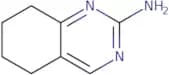
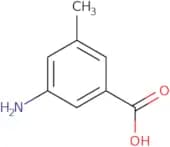
CAS:<p>5,6,7,8-Tetrahydroquinazolin-2-amine is a heterobicyclic drug that has antibacterial activity. It was synthesized in the multistep reaction of cyclic amines with 2-aminothiazole. This compound may be used as a diagnostic tool for serotonin because it activates 5-HT6 receptors and inhibits the binding of serotonin to its receptor. This drug also has an inhibitory effect on bacterial growth and is useful for treating bacterial infections. 5,6,7,8-Tetrahydroquinazolin-2-amine has antidepressive effects and may be used to treat depression by antagonizing the reuptake of serotonin at synapses in the brain and increasing synaptic concentrations of this neurotransmitter.</p>Fórmula:C8H11N3Pureza:Min. 95%Peso molecular:149.19 g/mol3-Amino-5-methylbenzoic acid
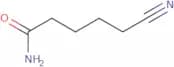
CAS:<p>3-Amino-5-methylbenzoic acid (3-AMBA) is a chemical compound that is used in the treatment of murine leukemia. It inhibits cell growth by binding to the DNA and inhibiting transcription and replication, as well as by inhibiting the biosynthesis of proteins and other cellular molecules. 3-AMBA has been shown to be active against Salmonella typhimurium, Staphylococcus aureus, Bacillus subtilis, Escherichia coli, Mycobacterium tuberculosis, and L1210 cells. This drug also has detoxification properties and can inhibit the production of cyclopentanoid compounds in plants.</p>Fórmula:C8H9NO2Pureza:Min. 95%Peso molecular:151.16 g/mol5-Cyanopentanamide
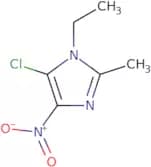
CAS:<p>5-Cyanopentanamide is a liquid phase catalyst that has been immobilized on Ru(III) oxide. 5-Cyanopentanamide shows good activity in the hydration of carbonyl compounds, such as triazolinones, to produce the corresponding amides. It also catalyzes the hydrogenation reaction of ammonium salts with adiponitrile and hydrogen. 5-Cyanopentanamide's biochemical properties are similar to those of other amides. The use of this immobilized catalyst allows for reactions to be carried out at lower temperatures and pressures than with traditional methods.</p>Fórmula:C6H10N2OPureza:Min. 95%Peso molecular:126.16 g/mol5-Chloro-1-ethyl-2-methyl-4-nitro-1H-imidazole
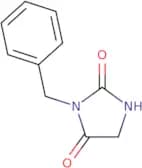
CAS:<p>Versatile small molecule scaffold</p>Fórmula:C6H8ClN3O2Pureza:Min. 95%Peso molecular:189.6 g/mol3-benzylimidazolidine-2,4-dione
CAS:<p>3-benzylimidazolidine-2,4-dione is a synthetic molecule that can be used to inhibit the growth of cancer cells. It is classified as an alkylating agent and is structurally related to glyoxal. 3-benzylimidazolidine-2,4-dione has shown cytotoxic effects in vitro by inhibiting DNA replication and protein synthesis in a variety of cancer cell lines. It also has the ability to cross the blood brain barrier and has been shown to be effective against human glioblastoma cells. This compound may be useful in the treatment of brain tumours due to its ability to inhibit protein synthesis and DNA replication.</p>Fórmula:C10H10N2O2Pureza:Min. 95%Peso molecular:190.2 g/mol3,6-Dinitrobenzene-1,2-dicarboxylic acid
CAS:<p>Versatile small molecule scaffold</p>Fórmula:C8H4N2O8Pureza:Min. 95%Peso molecular:256.13 g/molBicyclo[4.2.0]octa-1,3,5-trien-7-amine hydrochloride
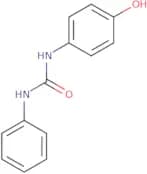
CAS:<p>Versatile small molecule scaffold</p>Fórmula:C8H10ClNPureza:Min. 95%Peso molecular:155.62 g/mol3-(4-Hydroxyphenyl)-1-phenylurea
CAS:<p>Versatile small molecule scaffold</p>Fórmula:C13H12N2O2Pureza:Min. 95%Peso molecular:228.25 g/mol2-(4-Pyridyl)-1,3-benzothiazole
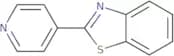
CAS:<p>2-(4-Pyridyl)-1,3-benzothiazole is a pancreatic carcinogen. It has been shown to be an important factor in the development of pancreatic cancer. 2-(4-Pyridyl)-1,3-benzothiazole is a ligand for the nuclear receptor PPARγ and can activate this receptor by binding to it. Activated PPARγ then regulates gene expression and protein synthesis, leading to tumorigenesis. In addition, 2-(4-Pyridyl)-1,3-benzothiazole has been shown to inhibit the activity of methionine synthase and increase the amount of homocysteine in cells. This inhibition ultimately leads to cell death by increasing reactive oxygen species that can cause DNA damage or inhibit protein synthesis.</p>Fórmula:C12H8N2SPureza:Min. 95%Peso molecular:212.27 g/molPyrrolidine-2-thione
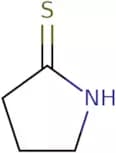
CAS:<p>Pyrrolidine-2-thione is a molecule that is an organic compound consisting of two pyrrole rings linked by a sulfur atom. It has a molecular weight of 176.13 and a monosodium salt with the chemical formula C6H8N2S. Pyrrolidine-2-thione is soluble in water, alcohol, and ether. This compound reacts with hydrochloric acid to form hydrogen fluoride and pyrrole monosulfonic acid, which exhibits anti-inflammatory properties. The particle size distribution of this compound has been found to be between 1 and 10 micrometers in diameter and it is highly soluble in polycarboxylic acids like oxalic acid or maleic acid. Pyrrolidine-2-thione also has high reactivity with aromatic hydrocarbons such as benzene, toluene, and xylene.</p>Fórmula:C4H7NSPureza:Min. 95%Peso molecular:101.17 g/molEthyl 3-hydroxy-3-phenylbutanoate
CAS:<p>Versatile small molecule scaffold</p>Fórmula:C12H16O3Pureza:Min. 95%Peso molecular:208.25 g/mol3-Ethoxy-2,2-dimethylcyclobutanone
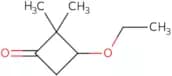
CAS:<p>3-Ethoxy-2,2-dimethylcyclobutanone is a cycloadduct that is produced by the reaction of an enol ether with dichloride. It is a nonpolar solvent used in chemistry and solvents. 3-Ethoxy-2,2-dimethylcyclobutanone is also an oxygenated compound and can be used as a nucleophile in reactions. The regioselectivity of 3-ethoxy-2,2-dimethylcyclobutanone depends on the type of reaction that it is involved in; however, it has been shown to preferentially form the cyclohexanone product in most cases.</p>Fórmula:C8H14O2Pureza:Min. 95%Peso molecular:142.2 g/mol3-Butoxy-2,2-dimethylcyclobutan-1-one
CAS:<p>Versatile small molecule scaffold</p>Fórmula:C10H18O2Pureza:Min. 95%Peso molecular:170.25 g/molSilane, isothiocyanatotrimethyl-
CAS:<p>Trifluoroacetic acid is a reactive compound that can be used to produce amines by activation with trimethylsilyl. It is also used in the synthesis of other compounds, such as silanes and thiocyanates. Trifluoroacetic acid has been shown to be an effective treatment for autoimmune diseases, such as inflammatory bowel disease, alopecia areata, and rheumatoid arthritis. It has also been shown to inhibit the production of pro-inflammatory cytokines in human monocytes. Trifluoroacetic acid has chemical stability in organic solvents and does not react with water or alcohols.</p>Fórmula:C4H9NSSiPureza:Min. 95%Peso molecular:131.27 g/mol(2R)-2-Amino-3-(prop-2-en-1-yldisulfanyl)propanoic acid
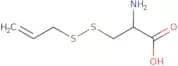
CAS:<p>(2R)-2-Amino-3-(prop-2-en-1-yldisulfanyl)propanoic acid is an anti-cancer drug that inhibits the enzyme activity of histone deacetylase (HDAC). This drug has been shown to induce apoptosis in colorectal adenocarcinoma cells by inhibiting HDAC. It also induces autophagy and apoptosis in cancer cell lines with different genetic backgrounds. The reaction solution for this compound is a mixture of water, methanol, and hydrochloric acid. The product is soluble in water and methanol, but not in hydrochloric acid.</p>Fórmula:C6H11NO2S2Pureza:Min. 95%Peso molecular:193.3 g/molBicyclo[2.2.2]octane-1,4-diamine dihydrochloride
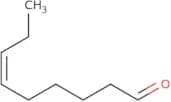
CAS:<p>Versatile small molecule scaffold</p>Fórmula:C8H16N2•(HCl)2Pureza:Min. 95%Peso molecular:213.15 g/molcis-6-Nonenal
CAS:<p>cis-6-Nonenal is a short-chain fatty acid that has been identified in cantaloupe. It is an ester compound and one of the many byproducts of lipid oxidation. cis-6-Nonenal has high values in basic structures, such as ethyl esters, caproic acid, and deionized water. cis-6-Nonenal has been found to have high levels of toxicity to plants when used as a test compound. It also exhibits strong inhibitory activity against dehydrogenase enzymes in rootstocks.</p>Fórmula:C9H16OPureza:Min. 95%Peso molecular:140.22 g/mol(4Z)-Non-4-enal
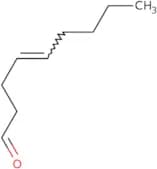
CAS:<p>Versatile small molecule scaffold</p>Fórmula:C9H16OPureza:Min. 95%Peso molecular:140.2 g/mol4,6-Dichloro-N-phenyl-1,3,5-triazin-2-amine
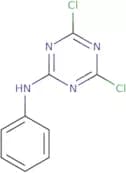
CAS:<p>4,6-Dichloro-N-phenyl-1,3,5-triazin-2-amine is a reactive and labile compound that has been shown to inhibit the nuclear factor kappa B (NF-κB). It is an analog of 2,4,6,-trichlorophenyl-1,3,5-triazine. 4,6-Dichloro-N-phenylsulfonyl triazin-2 amine is a chlorinated derivative of 4,6 dichloro triazin 2 amine. The chlorine atom in the molecule may be replaced with a cyanuric or chloride group. This chemical compound is used in dyestuffs and as a precursor for other chemicals. The effect varies depending on the dose administered.</p>Fórmula:C9H6Cl2N4Pureza:Min. 95%Peso molecular:241.08 g/mol2-(Trifluoromethyl)-6,9-dihydro-1H-purin-6-one
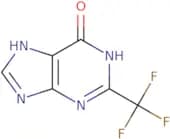
CAS:<p>Versatile small molecule scaffold</p>Fórmula:C6H3F3N4OPureza:Min. 95%Peso molecular:204.11 g/mol

![2-[2-Fluoro-3-(trifluoromethyl)phenyl]-4,4,5,5-tetramethyl-1,3,2-dioxaborolane](/_next/image/?url=https%3A%2Fstatic.cymitquimica.com%2Fproducts%2F3D%2Fthumb-webp%2FCAB52648.webp&w=3840&q=75)
![2-[3-(Difluoromethyl)-5-fluorophenyl]-4,4,5,5-tetramethyl-1,3,2-dioxaborolane](/_next/image/?url=https%3A%2Fstatic.cymitquimica.com%2Fproducts%2F3D%2Fthumb-webp%2FCAB52604.webp&w=3840&q=75)
![2-[3-(Difluoromethyl)phenyl]-4,4,5,5-tetramethyl-1,3,2-dioxaborolane](/_next/image/?url=https%3A%2Fstatic.cymitquimica.com%2Fproducts%2F3D%2Fthumb-webp%2FCAB52589.webp&w=3840&q=75)



![3-Oxatricyclo[3.3.1.0,1,5]nonane-2,4-dione](/_next/image/?url=https%3A%2Fstatic.cymitquimica.com%2Fproducts%2F3D%2Fthumb-webp%2FCAA95867.webp&w=3840&q=75)
![Bicyclo[3.1.0]hexane-1,5-dicarboxylic acid](/_next/image/?url=https%3A%2Fstatic.cymitquimica.com%2Fproducts%2F3D%2Fthumb-webp%2FCAA95866.webp&w=3840&q=75)

![4H-Pyrazolo[3,4-d]pyrimidin-4-one, 1,5-dihydro-3-methyl-](/_next/image/?url=https%3A%2Fstatic.cymitquimica.com%2Fproducts%2F3D%2Fthumb-webp%2FCAA94247.webp&w=3840&q=75)
![1-Methyl-1H,2H,3H-pyrazolo[3,4-b]pyridin-3-one](/_next/image/?url=https%3A%2Fstatic.cymitquimica.com%2Fproducts%2F3D%2Fthumb-webp%2FCAA94245.webp&w=3840&q=75)


![2-Methyl-5-nitrobenzo[d]thiazole](/_next/image/?url=https%3A%2Fstatic.cymitquimica.com%2Fproducts%2F3D%2Fthumb-webp%2FCAA94166.webp&w=3840&q=75)
![[(2-Aminoethyl)sulfanyl]sulfonic acid](/_next/image/?url=https%3A%2Fstatic.cymitquimica.com%2Fproducts%2F3D%2Fthumb-webp%2FCAA93753.webp&w=3840&q=75)
![2-[(2-Methoxyphenyl)amino]ethan-1-ol](/_next/image/?url=https%3A%2Fstatic.cymitquimica.com%2Fproducts%2F3D%2Fthumb-webp%2FCAA93375.webp&w=3840&q=75)



![5-Oxo-1-[4-(trifluoromethyl)phenyl]-pyrrolidine-3-carboxylic acid](/_next/image/?url=https%3A%2Fstatic.cymitquimica.com%2Fproducts%2F3D%2Fthumb-webp%2FCAA35727.webp&w=3840&q=75)

![2-[(4-Methylphenyl)amino]acetohydrazide](/_next/image/?url=https%3A%2Fstatic.cymitquimica.com%2Fproducts%2F3D%2Fthumb-webp%2FCAA35099.webp&w=3840&q=75)








![Bicyclo[4.2.0]octa-1,3,5-trien-7-amine hydrochloride](/_next/image/?url=https%3A%2Fstatic.cymitquimica.com%2Fproducts%2F3D%2Fthumb-webp%2FCAA29900.webp&w=3840&q=75)



![Bicyclo[2.2.2]octane-1,4-diamine dihydrochloride](/_next/image/?url=https%3A%2Fstatic.cymitquimica.com%2Fproducts%2F3D%2Fthumb-webp%2FCAA27793.webp&w=3840&q=75)