Building Blocks
Subcategorias de "Building Blocks"
- Ácidos Borónicos e Derivados de Ácido Borónico(5.784 produtos)
- Building Blocks Quirais(1.242 produtos)
- Building Blocks Hidrocarbonetos(6.105 produtos)
- Building Blocks orgânicos(61.061 produtos)
Foram encontrados 205399 produtos de "Building Blocks"
4-Hydroxy-2-thiophenecarboxylic acid
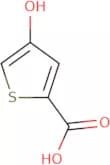
CAS:4-Hydroxy-2-thiophenecarboxylic acid is a chemical intermediate that can be used in the production of various other chemicals. The compound is a versatile building block for complex compounds and fine chemicals. CAS No. 40748-90-1.Fórmula:C5H4O3SPureza:Min. 95%Cor e Forma:PowderPeso molecular:144.15 g/mol2-Hydroxy-6-methoxybenzaldehyde
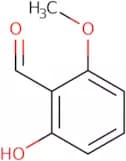
CAS:2-Hydroxy-6-methoxybenzaldehyde is a molecule that can form hydrogen bonds with other molecules. FT-IR spectroscopy has shown that this compound has a copper complex and an acidic proton, which may be due to intramolecular hydrogen bonding interactions. The compound also has been shown to have potent inhibitory activity against cellular growth and cancer cells in vitro. 2-Hydroxy-6-methoxybenzaldehyde is a metal chelator and can therefore bind to metals such as iron and copper. It is genotoxic, which means it damages DNA by causing DNA strand breaks or crosslinks, leading to cell death. This chemical may also cause genetic mutations through the formation of tautomers that make DNA replication difficult. Gel chromatography shows that 2HMB has a low molecular weight (MW) and high solubility.Fórmula:C8H8O3Pureza:Min. 95%Cor e Forma:PowderPeso molecular:152.15 g/mol3-Amino-1,1,1-trifluorobutan-2-one hydrochloride
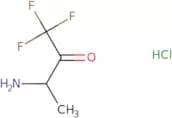
CAS:3-Amino-1,1,1-trifluorobutan-2-one hydrochloride is a fine chemical that is used as a versatile building block in organic synthesis. This compound has been shown to be an effective intermediate for the synthesis of complex compounds. 3-Amino-1,1,1-trifluorobutan-2-one hydrochloride is also useful as a reactant for research and speciality chemicals with high quality and purity.Fórmula:C4H7ClF3NOPureza:Min. 95%Peso molecular:177.55 g/mol5-Hydroxy-1-cyclooctene
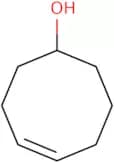
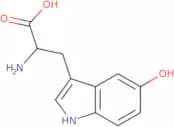
CAS:5-Hydroxy-1-cyclooctene is a monomer of polymers that can be used to introduce new properties to polymers. It is also an effective surface modifier, which can be used to modify the surface properties of polymeric materials. 5-Hydroxy-1-cyclooctene has been shown to bind to calcium ions and may have potential for use in active targeting and as a neutral pH probe. The polymer concentration influences the x-ray structure, which has been studied using x-ray diffraction methods. The absorption spectrum of 5-hydroxy-1-cyclooctene has been examined in vitro and it has been found that this molecule absorbs light in the visible region at wavelengths between 400 nm and 700 nm. It also emits luminescence with a maximum peak at 690 nm. The second order rate constant for the reaction with ruthenium complex is 2.2×10^8 M^(-1)s^(-1). ThisFórmula:C8H14OPureza:Min. 95%Cor e Forma:Clear LiquidPeso molecular:126.2 g/mol5-Hydroxy-L-tryptophan
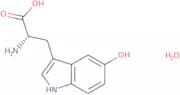
CAS:5-hydroxy-L-tryptophan (5HTP) is a naturally occurring amino acid that is an intermediate in the synthesis of the neurotransmitter serotonin. 5HTP appears to be able to increase levels of serotonin in the brain and may be used to treat mood disorders, including depression and anxiety. In clinical trials, 5HTP was found to be as effective as some antidepressant drugs for treating depression. Studies have shown that 5HTP increases locomotor activity and dopamine concentrations. It also increases physiological functions such as temperature regulation, heart rate, blood pressure, and respiration rate. The mechanism by which 5HTP achieves these effects is not yet fully understood but may involve its ability to bind to specific receptors on cells in different regions of the brain. 5HTP has been shown to inhibit polymerase chain reactions (PCR) in vitro by binding to DNA gyrase and topoisomerase IV enzyme activities. It also inhibits fatty acid oxidation in vitro by bindingFórmula:C11H12N2O3Pureza:Min. 95%Cor e Forma:PowderPeso molecular:220.22 g/mol3,3-Dibromoprop-2-enoic acid
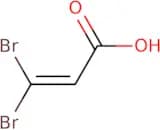
CAS:Versatile small molecule scaffoldFórmula:C3H2Br2O2Pureza:Min. 95%Peso molecular:229.85 g/mol4-Chlorosulfonylphenylacetic acid
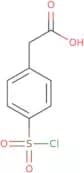
CAS:4-Chlorosulfonylphenylacetic acid is a synthetic chemical that inhibits the production of inflammatory mediators. It has been shown to inhibit LPS-induced macrophage activation and inhibitory activity in vitro. 4-Chlorosulfonylphenylacetic acid has been synthesized by the reaction of phenylacetic acid with chlorosulfonic acid. The synthesis of 4-chlorosulfonylphenylacetic acid is shown in Scheme 1 below.Fórmula:C8H7ClO4SPureza:Min. 95%Cor e Forma:White PowderPeso molecular:234.66 g/mol3,4,5-Trimethoxycinnamic acid
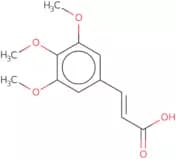
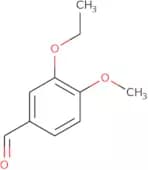
CAS:3,4,5-Trimethoxycinnamic acid (TMC) is a hydroxycinnamic acid that is an intermediate in the synthesis of protocatechuic acid. TMC has been found to have an inhibitory effect on the matrix metalloproteinase activity in the cerebellar granule cells and may be useful for treating allergic reactions. It also has anti-inflammatory properties and can be used as a replacement for sodium carbonate in certain industrial processes. TMC also has been shown to have GABA-ergic effects, increasing locomotor activity and reducing anxiety. TMC can also be used as a Chinese herb for the treatment of ganoderma lucidum.Fórmula:C12H14O5Pureza:Min. 98 Area-%Cor e Forma:PowderPeso molecular:238.24 g/mol3-Ethoxy-4-methoxybenzaldehyde
CAS:3-Ethoxy-4-methoxybenzaldehyde is a metabolite of the benzoquinone and 3-hydroxypropanoic acid pathway. It is an electron donor that serves as a substrate for fatty acid synthesis. This compound has been shown to have antiviral properties, as it inhibits the replication of influenza virus in vitro by interfering with viral RNA polymerase. It may also act as a regulatory molecule for uptake, although its precise role in this process is not yet known. 3-Ethoxy-4-methoxybenzaldehyde has been shown to be an optimal reactant with signal sequences from proteins, including biochemical pathways such as glycolysis and pentose phosphate shunt.Fórmula:C10H12O3Pureza:Min. 95%Cor e Forma:White PowderPeso molecular:180.2 g/molDL-5-Hydroxytryptophan
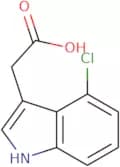
CAS:DL-5-Hydroxytryptophan (5-HTP) is a naturally occurring amino acid that is converted to serotonin in the brain. It is used to treat depression and anxiety, as well as other psychological disorders. 5-HTP has been shown to stimulate the production of serotonin, which may be due to its ability to activate 5-HT2 receptors. 5-HTP has also been shown to increase the activity of various enzymes, such as esterase and aminopeptidase, in human serum. 5-HTP has been shown to have no effects on carcinoid syndrome or 5-ht concentrations in blood plasma. However, it does have biochemical properties that are different from those of other amino acids and can be used as a fluorescent probe for biological research.Fórmula:C11H12N2O3Pureza:Min. 95%Cor e Forma:White PowderPeso molecular:220.22 g/mol4-Chloroindole-3-acetic acid
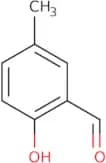
CAS:4-Chloroindole-3-acetic acid is a plant hormone that belongs to the group of auxins. It has been shown to stimulate root formation in plants by increasing the amount of auxin present in the plant's tissues. 4-Chloroindole-3-acetic acid is an intramolecular hydrogen donor and can form hydrogen bonds with other molecules. It also has a receptor binding site and cyclic peptide backbone, which allow it to act as a transcription factor or enzyme inhibitor. This molecule has been shown to be an optimum concentration for root formation in physiology experiments, and can be used as a model system for auxin research.Fórmula:C10H8ClNO2Pureza:Min. 95%Cor e Forma:Off-White PowderPeso molecular:209.63 g/mol2-Hydroxy-5-methylbenzaldehyde
CAS:2-Hydroxy-5-methylbenzaldehyde (2HMBA) is a biologically active molecule that has been shown to bind to human serum albumin. The binding constants for the two molecules are relatively low, with a Kd of approximately 2.6 x 10 M. The nitrogen atoms in the molecule form hydrogen bonds with the hydroxyl group on the ethylene diamine, which stabilizes it and prevents it from dissolving in water. This compound also has a cyclohexane ring and can be found in natural products such as erythronolide B, an antibiotic produced by Streptomyces erythreus. 2HMBA is stable when complexed with hydrochloric acid or potassium dichromate and can be used in structural analysis of other molecules.Fórmula:C8H8O2Pureza:Min. 95%Cor e Forma:Off-White PowderPeso molecular:136.15 g/mol5-Ethylindole
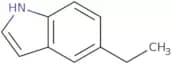
CAS:5-Ethylindole is a granulatimide that is synthesized by the cross-coupling of ethylene and copper chromite in the presence of solvents and magnesium. The chemical reactions are performed at temperatures between room temperature and 50°C, depending on the desired product. 5-Ethylindole is used as an intermediate for other chemicals such as pharmaceuticals, fungicides, dyes, and pesticides. It can be used to produce chloroethanol, which is used in the synthesis of numerous compounds including pharmaceuticals and plastics. Chromatographic techniques are often used to isolate 5-Ethylindole from mixtures with other chemicals.Fórmula:C10H11NPureza:Min. 95%Peso molecular:145.2 g/mol2-Chloro-4-fluorocinnamic acid
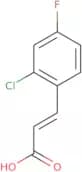
CAS:2-Chloro-4-fluorocinnamic acid is an organic compound that is a useful building block, reagent, and speciality chemical. It is a versatile intermediate for the production of other organic compounds. 2-Chloro-4-fluorocinnamic acid can be used as a reaction component or a scaffold in the synthesis of complex compounds. The synthesis of this product is also possible by coupling it with an appropriate amine, such as 4-(diethylamino)benzaldehyde.Fórmula:C9H6ClFO2Pureza:Min. 95%Cor e Forma:PowderPeso molecular:200.59 g/mol4-Hydroxybenzaldehyde
CAS:4-Hydroxybenzaldehyde is a phenolic compound that is produced in plants. 4-Hydoxybenzaldehyde is used as an extractant for sodium carbonate and hydroxyl group from acetate extract. The locomotor activity of animals was tested following administration of this substance, and it has been shown to have a high resistance against x-ray crystallography. The reaction mechanism for the formation of p-hydroxybenzoic acid from 4-hydroxybenzaldehyde has been proposed, which may be due to the oxidation of 4-hydroxybenzaldehyde by hydrogen peroxide. This reaction also induces apoptosis pathway in cells. Kinetic data for the reaction between 4-hydroxybenzaldehyde and hydrogen peroxide were obtained using UV spectroscopy.Fórmula:C7H6O2Pureza:Min. 95%Cor e Forma:White PowderPeso molecular:122.12 g/molN-Hydroxysuccinimide
CAS:An additive in carbodiimide peptide coupling
Fórmula:C4H5NO3Cor e Forma:White PowderPeso molecular:115.09 g/mol4-Hydroxypyridine
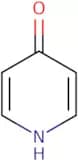
CAS:4-Hydroxypyridine is a nitrite ion that contains two nitrogen atoms. It is used to study microbial metabolism and the role of nitrogen in biological systems. 4-Hydroxypyridine can be synthesized from pyridinium, which can be prepared by treating aniline with nitrous acid. The synthesis of 4-hydroxypyridine has been investigated using a hydroxylation reaction catalyzed by palladium, followed by cyclization to form a cyclic peptide. This reaction has been shown to have significant cytotoxicity against HIV-infected cells, with light emission as a result of the reaction between the hydrogen atom on the pyridine ring and oxygen molecule.Fórmula:C5H5NOPureza:Min. 98 Area-%Cor e Forma:White PowderPeso molecular:95.1 g/mol2-(4'-Chlorobenzoyl)benzoic acid
CAS:2-(4'-Chlorobenzoyl)benzoic acid (2-CBA) is a sulfa drug that inhibits bacterial growth by blocking the synthesis of folic acid. It is also known to be luminescent and can be used in techniques such as luminescent probes. 2-CBA has antibacterial activity and can inhibit bacterial growth in a chromatographic method. 2-CBA is chemically stable and has been shown to have antibacterial properties against gram-positive bacteria, including Bacillus subtilis and Staphylococcus aureus. 2-CBA also has the ability to react with phthalazinone, an inhibitor of glutamine synthetase, which is involved in the production of ATP from ADP. This reaction results in the formation of an unstable intermediate which decomposes into CO2 and benzoic acid.
Fórmula:C14H9ClO3Pureza:Min. 95%Cor e Forma:White PowderPeso molecular:260.67 g/mol3-Hydroxypiperidine
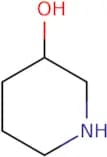
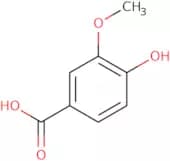
CAS:3-Hydroxypiperidine is a chemical compound that contains an asymmetric carbonyl group. It has been used in the synthesis of enantiopure pharmaceuticals, and is also a competitive inhibitor for some enzymes. 3-Hydroxypiperidine can be synthesized by hydrogenation reduction or hydroxylation of piperidine. This compound has been shown to have pharmacokinetic properties in rats and mice, as well as inhibitory effects on brain functions such as memory retention and learning. 3-Hydroxypiperidine has also been shown to induce apoptosis in breast cancer cells, which may be due to its ability to inhibit protein synthesis in these cells.Fórmula:C5H11NOPureza:Min. 95%Cor e Forma:White PowderPeso molecular:101.15 g/mol4-Hydroxy-3-methoxybenzoic acid
CAS:Flavoring agent; interacts with TPRV receptors and ASIC channels
Fórmula:C8H8O4Pureza:Min. 98 Area-%Cor e Forma:White Beige PowderPeso molecular:168.15 g/mol