Building Blocks
Esta seção contém produtos fundamentais para a síntese de compostos orgânicos e biológicos. Building blocks são os materiais de partida essenciais usados para construir moléculas complexas através de várias reações químicas. Eles desempenham um papel crítico na descoberta de medicamentos, ciência dos materiais e pesquisa química. Na CymitQuimica, oferecemos uma ampla gama de building blocks de alta qualidade para apoiar suas pesquisas inovadoras e projetos industriais, garantindo que você tenha os componentes essenciais para uma síntese bem-sucedida.
Subcategorias de "Building Blocks"
- Ácidos Borónicos e Derivados de Ácido Borónico(5.756 produtos)
- Building Blocks Quirais(1.242 produtos)
- Building Blocks Hidrocarbonetos(6.095 produtos)
- Building Blocks orgânicos(61.036 produtos)
Foram encontrados 195887 produtos de "Building Blocks"
Ordenar por
Pureza (%)
0
100
|
0
|
50
|
90
|
95
|
100
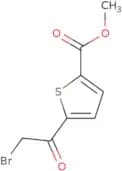
Methyl 5-(2-bromoacetyl)thiophene-2-carboxylate
CAS:<p>Versatile small molecule scaffold</p>Fórmula:C8H7BrO3SPureza:Min. 95%Peso molecular:263.11 g/molEthyl (E)-cinnamate
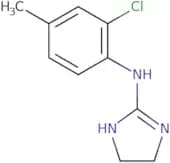
CAS:<p>Ethyl (E)-cinnamate is a cinnamic acid derivative that belongs to the class of phenylpropenoids. It has been shown to have biological properties, such as enzyme activities and antioxidative properties. Ethyl (E)-cinnamate has also been shown to be a potent photosynthetic activator in vitro. This compound can be used as a precursor for the synthesis of cinnamic acid, which is important in the metabolism of energy production and locomotor activity.</p>Fórmula:C11H12O2Pureza:Min. 95%Cor e Forma:Clear LiquidPeso molecular:176.21 g/molN-(2-Chloro-4-methylphenyl)-4,5-dihydro-1H-imidazol-2-amine
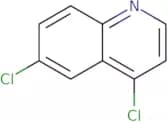
CAS:<p>2-Chloro-4-methylphenyl-N-(2-chloro-4-methylphenyl)-4,5-dihydroimidazol-2amine is a potent immunosuppressive drug. It has been shown to be effective in the treatment of autoimmune diseases such as rheumatoid arthritis and systemic lupus erythematosus. The drug has been found to be safe and effective in animal models of cardiac disease. 2C4MPI is an analog of azathioprine, which is used for the treatment of inflammatory and autoimmune diseases. In addition, this drug has been shown to have antihyperglycemic properties by inhibiting glucose production in the liver and increasing insulin sensitivity in muscle tissue. 2C4MPI also reduces collagen synthesis, which may be useful in treating inflammatory diseases that are caused by excess collagen deposition such as skin conditions like psoriasis or acne vulgaris.</p>Fórmula:C10H12ClN3Pureza:Min. 95%Peso molecular:209.67 g/mol4,6-Dichloroquinoline
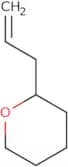
CAS:<p>4,6-Dichloroquinoline is a macrocyclic compound that has been found by accident. It inhibits the growth of malaria parasites by binding to the enzyme heme oxygenase. The inhibition of this enzyme leads to an accumulation of toxic products derived from the heme molecule and causes cell death. 4,6-Dichloroquinoline is also fluorescent and can be used as a reagent for cross-coupling reactions or as an antimalarial drug. The compound fluoresces when it binds to metal cations such as chloride and ligands such as chloride ions. This property can be used in the detection of these species in solution or in solid samples.</p>Fórmula:C9H5Cl2NPureza:Min. 95%Peso molecular:198.05 g/mol2-(Prop-2-en-1-yl)oxane
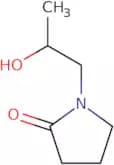
CAS:<p>2-(Prop-2-en-1-yl)oxane is a tetrahydrofuranyl compound that is used in organic synthesis as an allylation agent. It is also used in the functionalization of ethers, multicomponent reactions, derivatization reactions, and many other chemical syntheses. 2-(Prop-2-en-1-yl)oxane is typically used as an anhydride or ester catalyst. It has been shown to catalyze the reaction between ethyl acetate and propylene oxide.</p>Fórmula:C8H14OPureza:Min. 95%Peso molecular:126.2 g/mol1-(2-Hydroxypropyl)pyrrolidin-2-one
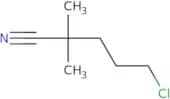
CAS:<p>Versatile small molecule scaffold</p>Fórmula:C7H13NO2Pureza:Min. 95%Peso molecular:143.18 g/mol5-Chloro-2,2-dimethylpentanenitrile
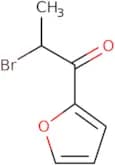
CAS:<p>5-Chloro-2,2-dimethylpentanenitrile is a nonpolar solvent that can be used as a phase transfer catalyst and reagent for the synthesis of cyclopentanone derivatives. It is also used as a hydrolyzing agent for the synthesis of 1-bromo-3-chloropropane. 5-Chloro-2,2-dimethylpentanenitrile can be used to synthesize cyclic ketones from alkyl halides and 1,1'-oxydiacetonitrile with an acetone or isobutyronitrile as a catalyst.</p>Fórmula:C7H12ClNPureza:Min. 95%Peso molecular:145.63 g/mol2-Bromo-1-(furan-2-yl)propan-1-one
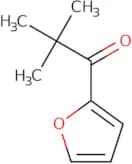
CAS:<p>Versatile small molecule scaffold</p>Fórmula:C7H7BrO2Pureza:Min. 95%Peso molecular:203.03 g/mol1-(Furan-2-yl)-2,2-dimethylpropan-1-one
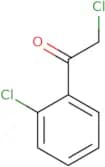
CAS:<p>1-(Furan-2-yl)-2,2-dimethylpropan-1-one is a catalytic reagent that is used in the synthesis of furan derivatives. 1-(Furan-2-yl)-2,2-dimethylpropan-1-one can be produced from 2,5-dihydrofuran with carbon tetrachloride and PCl5 or by reacting 2,5-dihydrofuran with CCl4. This product reacts as a dipole and has been shown to have some experimental and theoretical uses in catalysis. It is also a reactant in the production of acetophenone and pyridine. The abundances of this product are determined by the constants A = 3.14159 × 10⁻⁸ m²/s², B = 4π × 10−7 m³/s¹, C = 1.6180 × 10⁻³ m/s and D</p>Fórmula:C9H12O2Pureza:Min. 95%Peso molecular:152.19 g/mol2-Chloro-1-(2-chlorophenyl)ethanone
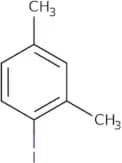
CAS:<p>2-Chloro-1-(2-chlorophenyl)ethanone is an antiarrhythmic drug that belongs to the group of methyl ketones. It is used to treat asthma and bronchitis. 2-Chloro-1-(2-chlorophenyl)ethanone is a chiral compound with two possible enantiomers. The rotation of the molecule can be altered by changing the solvent. The dihedral angle between two hydrogen bonds in this molecule can also be changed, which affects the way that it interacts with bronchial receptors. This compound has been shown to have antiarrhythmic properties, as well as being able to inhibit transfer hydrogenation reactions in cyclohexane.</p>Fórmula:C8H6Cl2OPureza:Min. 95%Peso molecular:189.04 g/mol4-Iodo-m-xylene
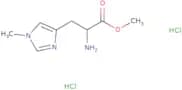
CAS:<p>4-Iodo-m-xylene is an organic solvent that is used as a precursor in the synthesis of medicines. It is a member of the methyl group with hydrogen, chlorine and other elements. 4-Iodo-m-xylene has been shown to be activated by both hydrochloric acid and hydrogen peroxide, which leads to the formation of methylbenzenes. The chlorides are then added to form enolate anions, which can be protonated by hydrogen chloride to form ligands. These ligands can react with peroxide to produce biomolecules such as proteins or nucleic acids.</p>Fórmula:C8H9IPureza:Min. 95%Peso molecular:232.06 g/molMethyl (2S)-2-amino-3-(1-methyl-1H-imidazol-4-yl)propanoate dihydrochloride
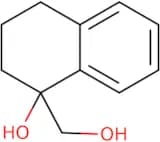
CAS:<p>Versatile small molecule scaffold</p>Fórmula:C8H15Cl2N3O2Pureza:Min. 95%Peso molecular:256.13 g/mol1-(Hydroxymethyl)-1,2,3,4-tetrahydronaphthalen-1-ol
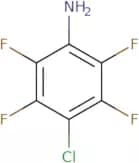
CAS:<p>Versatile small molecule scaffold</p>Fórmula:C11H14O2Pureza:Min. 95%Peso molecular:178.23 g/mol4-Chloro-2,3,5,6-tetrafluoroaniline
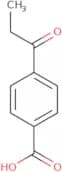
CAS:<p>Versatile small molecule scaffold</p>Fórmula:C6H2ClF4NPureza:Min. 95%Peso molecular:199.53 g/mol4-Propionylbenzoic acid
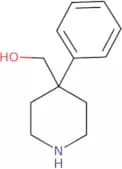
CAS:<p>4-Propionylbenzoic acid (4PB) is a racemic mixture of the two enantiomers, 4-propionyloxybenzoic acid and 4-hydroxybenzoic acid. It is an ester formed from terephthalic or isophthalic acids and a propionic acid. The ester group in 4PB reacts with alcohols to form esters, diesters, and condensation products. This compound acts as a muscle relaxant by blocking the action of calcium ions in nerve cells. Its active form can be formed by enzymatic oxidation from its inactive form, 4-hydroxybenzoic acid.</p>Fórmula:C10H10O3Pureza:Min. 95%Peso molecular:178.18 g/mol(4-Phenylpiperidin-4-yl)methanol
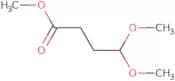
CAS:<p>4-Phenylpiperidin-4-yl)methanol (PPI) is a compound that inhibits motility and can be used as an analgesic. It is a white solid with a molecular weight of 174.2 g/mol. PPI is soluble in organic solvents such as acetone, ethyl acetate, and chloroform. The most common side effects are dizziness, drowsiness, and headache. These side effects may be due to the piperidine substituent in the molecule or because it can cause an increase in blood pressure and heart rate.</p>Fórmula:C12H17NOPureza:Min. 95%Peso molecular:191.27 g/mol4,4-Dimethoxybutanoic Acid Methyl Ester
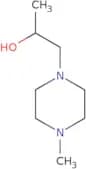
CAS:<p>4,4-Dimethoxybutanoic Acid Methyl Ester is a synthetic compound that can be synthesized by ring-opening of the iminium salt. The stereoselective synthesis of this compound has been achieved through the use of a chiral auxiliary. This compound has shown biological properties in some studies, such as inhibition of glutamic and threonine amide synthesis. 4,4-Dimethoxybutanoic Acid Methyl Ester also has the potential to be used in natural product synthesis.</p>Fórmula:C7H14O4Pureza:Min. 95%Peso molecular:162.18 g/mol1-(4-Methylpiperazin-1-yl)propan-2-ol
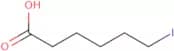
CAS:<p>1-(4-Methylpiperazin-1-yl)propan-2-ol is a piperazine derivative that acts as an analgesic. It is structurally related to the morpholine and piperazine class of drugs, with the addition of a methyl group in the para position on the phenyl ring. This addition may alter the binding site for 5-HT receptors and other sites that are involved in migraines. 1-(4-Methylpiperazin-1-yl)propan-2-ol has shown no anti-migraine effects in experimental studies, but it does have antimigraine effects when given to rats. It also has been shown to interact with indolylalkylamines and halogens.</p>Fórmula:C8H18N2OPureza:Min. 95%Peso molecular:158.24 g/mol6-Iodohexanoic acid
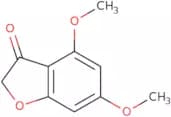
CAS:<p>6-Iodohexanoic acid is a chemical compound that belongs to the group of 6-hydroxyhexanoic acid fatty acids. It is synthesized by reacting the corresponding nitro compound with an acceptor such as 6-hydroxyhexanoic acid. The synthetic route for 6-iodohexanoic acid includes the use of phenyliodine diacetate and nitric acid. 6-Iodohexanoic acid has been shown to have activity against pests such as lepidoptera, which are insects that include butterflies and moths.<br>6-Iodohexanoic acid is also known to be an important histone deacetylase inhibitor. This inhibitor suppresses cancer cell growth and proliferation, which may be due to its ability to inhibit the activity of enzymes involved in the synthesis of prostaglandins.</p>Fórmula:C6H11IO2Pureza:Min. 95%Peso molecular:242.05 g/mol4,6-Dimethoxy-2,3-dihydro-1-benzofuran-3-one
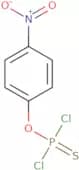
CAS:<p>Versatile small molecule scaffold</p>Fórmula:C10H10O4Pureza:Min. 95%Peso molecular:194.18 g/mol(4-Nitrophenoxy)phosphonothioyl dichloride
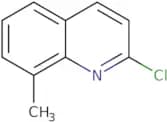
CAS:<p>Versatile small molecule scaffold</p>Fórmula:C6H4Cl2NO3PSPureza:Min. 95%Peso molecular:272.04 g/mol2-Chloro-8-methylquinoline
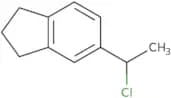
CAS:<p>2-Chloro-8-methylquinoline is a chlorinated aromatic compound that has antioxidant properties. It inhibits monoamine oxidase activity and has been shown to have an inhibitory effect on clomipramine, which is a type of antidepressant. 2-Chloro-8-methylquinoline has also been shown to have neurotoxic effects in vitro and can cause the death of neurons by inhibiting their growth. The mechanism of this inhibition is not yet clear, but it may involve the inhibition of amine uptake or the inhibition of amine synthesis. 2-Chloro-8-methylquinoline has also been shown to be effective in vivo and can cause an increase in locomotor activity in rats.</p>Fórmula:C10H8ClNPureza:Min. 95%Peso molecular:177.63 g/mol5-(1-Chloroethyl)-2,3-dihydro-1H-indene
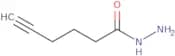
CAS:<p>Versatile small molecule scaffold</p>Fórmula:C11H13ClPureza:Min. 95%Peso molecular:180.67 g/molHex-5-ynehydrazide
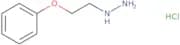
CAS:<p>Versatile small molecule scaffold</p>Fórmula:C6H10N2OPureza:Min. 95%Peso molecular:126.16 g/mol1-(2-phenoxyethyl)hydrazine
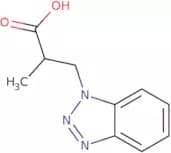
CAS:<p>Versatile small molecule scaffold</p>Fórmula:C8H13ClN2OPureza:Min. 95%Peso molecular:188.65 g/mol3-(1H-1,2,3-Benzotriazol-1-yl)-2-methylpropanoic acid
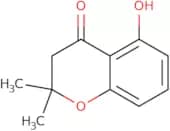
CAS:<p>Versatile small molecule scaffold</p>Fórmula:C10H11N3O2Pureza:Min. 95%Peso molecular:205.21 g/mol5-Hydroxy-2,2-dimethyl-3,4-dihydro-2H-1-benzopyran-4-one
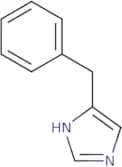
CAS:<p>Versatile small molecule scaffold</p>Fórmula:C11H12O3Pureza:Min. 95%Peso molecular:192.21 g/mol4-Benzyl-1H-imidazole
CAS:<p>4-Benzyl-1H-imidazole is an imidazole derivative that is synthetically produced. It has been shown to inhibit β-glucosidase, which may be a byproduct of cancer cells. 4-Benzyl-1H-imidazole also inhibits the activity of the h3 receptor, which is found in human neutrophils and T cells. 4-Benzyl-1H-imidazole has antibacterial activity against gram positive bacteria such as Staphylococcus aureus and Streptococcus pneumoniae, but not against gram negative bacteria such as Escherichia coli or Pseudomonas aeruginosa.</p>Fórmula:C10H10N2Pureza:Min. 95%Peso molecular:158.2 g/mol2-Oxo-1,2,5,6,7,8-hexahydro-3-quinolinecarbonitrile
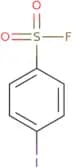
CAS:<p>Versatile small molecule scaffold</p>Fórmula:C10H10N2OPureza:Min. 95%Peso molecular:174.2 g/mol4-Iodobenzene-1-sulfonyl fluoride
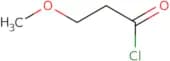
CAS:<p>Versatile small molecule scaffold</p>Fórmula:C6H4FIO2SPureza:Min. 95%Peso molecular:286.06 g/mol3-Methoxypropanoyl chloride
CAS:<p>3-Methoxypropanoyl chloride is a pharmaceutical drug that has been used to treat restenosis. It is also used in the preparation of pharmaceuticals, and as a modifier for receptors. 3-Methoxypropanoyl chloride can be taken up by cells and may be converted to other compounds through oxidation or reduction reactions. 3-Methoxypropanoyl chloride has been shown to have anticancer activity at low energy levels. This compound has also been shown to decrease inflammation in animal models of inflammatory diseases. 3-Methoxypropanoyl chloride may act as an affinity ligand when coupled with amide, which can potentiate its antagonist effects on receptor activity in vitro.</p>Fórmula:C4H7ClO2Pureza:Min. 95%Peso molecular:122.55 g/mol3-[(Ethoxycarbonyl)amino]propanoic acid
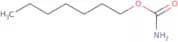
CAS:<p>Versatile small molecule scaffold</p>Fórmula:C6H11NO4Pureza:Min. 95%Peso molecular:161.16 g/molHeptyl carbamate
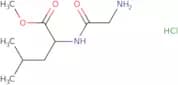
CAS:<p>Heptyl carbamate is a cholinergic antagonist of the blood disorders. It has been shown to inhibit hydroxy and hiv infection. In vitro assays have shown that heptyl carbamate inhibits the synthesis of fatty acid, thereby reducing cholesterol levels and inhibiting the production of insulin resistance in cells. Heptyl carbamate also binds to the same site on acetylcholinesterase as donepezil, which blocks the breakdown of acetylcholine and leads to an accumulation of this neurotransmitter in nerve cells. This increased concentration of acetylcholine in nerve cells can lead to a reduced incidence of Alzheimer's disease-related symptoms.</p>Fórmula:C8H17NO2Pureza:Min. 95%Peso molecular:159.23 g/molH-Gly-Leu-OMe hydrochloride
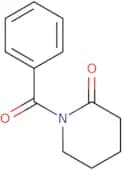
CAS:<p>Versatile small molecule scaffold</p>Fórmula:C9H19ClN2O3Pureza:Min. 95%Peso molecular:238.71 g/mol1-Benzoylpiperidin-2-one
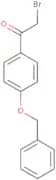
CAS:<p>1-Benzoylpiperidin-2-one is a cyclic amide that contains an iminium group. It is synthesized in the presence of phenolic and yields two isomers, with one being more stable than the other. 1-Benzoylpiperidin-2-one has been shown to inhibit nicotine metabolism by inhibiting cytochrome P450 enzymes. Mechanistically, 1-benzoylpiperidin-2-one binds to the heme moiety at the active site of the enzyme and acts as a reversible inhibitor. The nitrogen atom of 1-benzoylpiperidin-2-one binds to the methylene carbon of heme b, leading to inhibition of microsomal enzymes such as phenol hydroxylase and deuterium incorporation into piperidine metabolites.</p>Fórmula:C12H13NO2Pureza:Min. 95%Peso molecular:203.24 g/mol1-(4-(Benzyloxy)phenyl)-2-bromoethanone
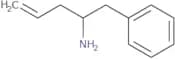
CAS:<p>1-(4-Benzyloxy)phenyl-2-bromoethanone is a carbonylation agent that is used to synthesize alkaloids. This compound is efficient and can be used in the synthesis of rigidin, a tetrasubstituted benzene. It is also used as a reagent for the protection of benzyl groups. The deprotection reaction occurs by using triphosgene or catalytic hydrogenation.</p>Fórmula:C15H13BrO2Pureza:Min. 95%Peso molecular:305.17 g/mol1-Phenylpent-4-en-2-amine
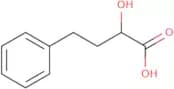
CAS:Produto Controlado<p>1-Phenylpent-4-en-2-amine is a fatty alcohol that is soluble in water and organic solvents. It is used as a pharmaceutical dosage form, usually as an ester or salt. 1-Phenylpent-4-en-2-amine has been shown to be effective for the treatment of high blood pressure and diagnosing serotonin transporter gene disorders. The human body metabolizes this drug into conjugates, which are then excreted from the body. Diagnostic agents can be used to detect the presence of these metabolites in urine samples.</p>Fórmula:C11H15NPureza:Min. 95%Peso molecular:161.24 g/mol2-Hydroxy-4-phenylbutanoic acid
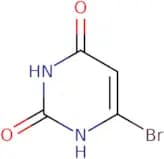
CAS:<p>2-Hydroxy-4-phenylbutanoic acid is an aliphatic hydrocarbon that is used for the synthesis of chiral compounds. It inhibits enzymes such as esterases, transferases, and oxidoreductases. 2-Hydroxy-4-phenylbutanoic acid also catalyzes the Friedel-Crafts reaction. This chemical has been shown to be a stereoselective enzyme inhibitor, which may be useful in asymmetric synthesis.</p>Fórmula:C10H12O3Pureza:Min. 95%Peso molecular:180.2 g/mol6-Bromo-1,2,3,4-tetrahydropyrimidine-2,4-dione
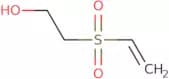
CAS:<p>Versatile small molecule scaffold</p>Fórmula:C4H3BrN2O2Pureza:Min. 95%Peso molecular:190.98 g/mol2-(Ethenesulfonyl)ethan-1-ol
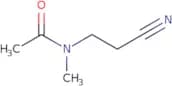
CAS:<p>2-(Ethenesulfonyl)ethan-1-ol is a versatile compound with various characteristics and applications. It has high bioavailability and can be easily absorbed by the body. This compound is known to inhibit the activity of glucoamylase, an enzyme that breaks down carbohydrates. It has also been studied for its potential antiviral properties. In addition to its pharmaceutical applications, 2-(Ethenesulfonyl)ethan-1-ol finds use in other industries as well. It is commonly used in research chemicals and synthetic cannabinoids production. Its phototoxicity properties make it useful in the development of sunscreen products. Moreover, it can be utilized as a building block in the synthesis of copolymers, glutamate derivatives, fatty acids, and other organic compounds. Overall, 2-(Ethenesulfonyl)ethan-1-ol is a valuable compound with diverse applications across multiple industries. Its unique characteristics make it an essential ingredient</p>Fórmula:C4H8O3SPureza:Min. 95%Cor e Forma:Clear LiquidPeso molecular:136.17 g/molN-(2-Cyanoethyl)-N-methylacetamide
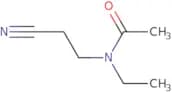
CAS:<p>Versatile small molecule scaffold</p>Fórmula:C6H10N2OPureza:Min. 95%Peso molecular:126.16 g/molN-(2-Cyanoethyl)-N-ethylacetamide
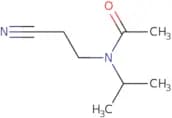
CAS:<p>Versatile small molecule scaffold</p>Fórmula:C7H12N2OPureza:Min. 95%Peso molecular:140.18 g/molN-(2-Cyanoethyl)-N-(propan-2-yl)acetamide
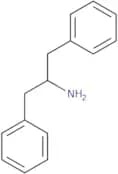
CAS:<p>Versatile small molecule scaffold</p>Fórmula:C8H14N2OPureza:Min. 95%Peso molecular:154.21 g/mol1,3-Diphenylpropan-2-amine
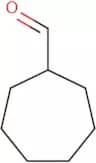
CAS:Produto Controlado<p>1,3-Diphenylpropan-2-amine is a molecule with a hydrophobic nature. It has been shown to activate the enzyme monoamine oxidase in the brain, leading to an increase in the production of heat and causing hyperthermia. 1,3-Diphenylpropan-2-amine is metabolized by isozymes in different tissues and organs. 1,3-Diphenylpropan-2-amine interacts with pethidine (meperidine) to produce meperidine analogues, which are active at opioid receptors. These meperidine analogues have been shown to cause respiratory depression and hypotension when administered intravenously. The benzyl groups on this molecule have also been shown to interact with imidazoles such as ketoconazole and clotrimazole.</p>Fórmula:C15H17NPureza:Min. 95%Peso molecular:211.3 g/molcycloheptanecarbaldehyde
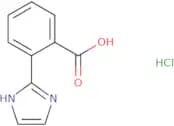
CAS:<p>Cycloheptanecarbaldehyde is a divalent hydrocarbon that is an agonist at the opioid receptor. It also has been shown to react with chlorinated compounds, such as hydrochloric acid or chloramine, which may indicate its presence in the environment. Cycloheptanecarbaldehyde has been found to be reactive with amines and other compounds that have a hydrogen atom attached to a heteroatom such as oxygen or nitrogen. The compound can also react with aliphatic hydrocarbons under certain conditions, thereby forming tropylium ions.</p>Fórmula:C8H14OPureza:Min. 95%Peso molecular:126.2 g/mol2-(1H-Imidazol-2-yl)benzoic acid hydrochloride
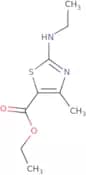
CAS:<p>Versatile small molecule scaffold</p>Fórmula:C10H9ClN2O2Pureza:Min. 95%Peso molecular:224.64 g/molEthyl 2-(ethylamino)-4-methyl-1,3-thiazole-5-carboxylate
CAS:<p>Versatile small molecule scaffold</p>Fórmula:C9H14N2O2SPureza:Min. 95%Peso molecular:214.29 g/molFuran-2,3-dicarboxylic acid
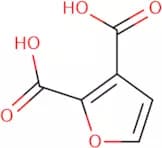
CAS:<p>Furan-2,3-dicarboxylic acid is a fluorogenic probe that reacts with water vapor to form a fluorescent product. The reaction of furan-2,3-dicarboxylic acid with methanol and ethylene glycol yields 2,5-furandicarboxylic acid. This compound is also the product of the reaction of furan-2,3-dicarboxylic acid with magnesium salt in anhydrous sodium carbonate. Furan-2,3-dicarboxylic acid can be oxidized by pyridinium chlorochromate (PCC) to form 5-hydroxymethylfurfural. Furan-2,3-dicarboxylic acid has been shown to react with p-hydroxybenzoic acid in the presence of an oxidation catalyst to yield a furandicarboxyl derivative.</p>Fórmula:C6H4O5Pureza:Min. 95%Peso molecular:156.09 g/mol4-(Methoxycarbonyl)furan-3-carboxylic acid
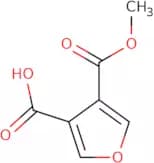
CAS:<p>4-(Methoxycarbonyl)furan-3-carboxylic acid is a fluorescent compound that can be used as an efficient hydrogenation reagent. It is also a versatile and efficient synthetic intermediate for the synthesis of bicyclic and heterocycled amines. 4-(Methoxycarbonyl)furan-3-carboxylic acid is generated from the reduction of 4-(methoxycarbonyl)pyrazole with lithium aluminum hydride, followed by hydrolysis. This method has been shown to yield high yields and functionalized products.</p>Fórmula:C7H6O5Pureza:Min. 95%Peso molecular:170.12 g/molN,N-Dimethylpyridine-3-sulphonamide
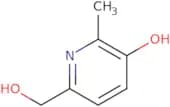
CAS:<p>Versatile small molecule scaffold</p>Fórmula:C7H10N2O2SPureza:Min. 95%Peso molecular:186.23 g/mol6-(Hydroxymethyl)-2-methylpyridin-3-ol
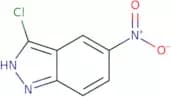
CAS:<p>6-(Hydroxymethyl)-2-methylpyridin-3-ol is a resonance stabilized compound with a proton magnetic resonance and a pyridine ring that is sterically hindered. It reacts with hydroxymethylation to form 6-(hydroxymethyl)pyridin-3-ol, which can be used as a precursor for other compounds.</p>Fórmula:C7H9NO2Pureza:Min. 95%Peso molecular:139.15 g/mol3-Chloro-5-nitro-1H-indazole
CAS:<p>Versatile small molecule scaffold</p>Fórmula:C7H4ClN3O2Pureza:Min. 95%Peso molecular:197.58 g/molN-{2-[(Propan-2-yl)amino]ethyl}acetamide
CAS:<p>Versatile small molecule scaffold</p>Fórmula:C7H16N2OPureza:Min. 95%Peso molecular:144.21 g/molEthyl 2-amino-4-methyl-5-phenylthiophene-3-carboxylate
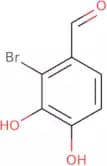
CAS:<p>This drug is a potent inhibitor of the glutamate receptor. It binds to the glutamate receptor and blocks the binding of glutamate, which is an excitatory neurotransmitter in the central nervous system. Ethyl 2-amino-4-methyl-5-phenylthiophene-3-carboxylate can be used as an antagonist to inhibit glutamate activity, thereby preventing neuronal death in patients with Parkinson's disease and Alzheimer's disease. This drug also has an antagonistic effect on leukocyte elastase, which is a protein that breaks down connective tissue and cartilage. The synthesizing of pyrimidines is inhibited by this drug. It also inhibits receptors for glutamate, specifically N-methyl D-aspartate (NMDA) receptors. This drug blocks the binding of NMDA to its receptor site, preventing ion channels from opening so neurons cannot fire or release neurotransmitters.</p>Fórmula:C14H15NO2SPureza:Min. 95%Peso molecular:261.34 g/mol2-Bromo-3,4-dihydroxybenzaldehyde
CAS:<p>Versatile small molecule scaffold</p>Fórmula:C7H5BrO3Pureza:Min. 95%Peso molecular:217.02 g/molN-Tosyl-L-aspartic acid
CAS:<p>N-Tosyl-L-aspartic acid is a chemical compound that is used as an intermediate in the manufacture of other compounds. It can be obtained by reacting tosyl chloride with L-aspartic acid. The azide group reacts readily with amines, alcohols, and carboxylic acids. This reaction forms the corresponding ester or amide of the carboxylic acid. N-Tosyl-L-aspartic acid has also been used in the synthesis of penicillins, cephalosporins, and thiocarbamates. N-Tosyl-L-aspartic acid is synthesised by refluxing a mixture of thionyl chloride and aspartic acid in dextrose solution containing amines such as triethylamine or pyridine.</p>Fórmula:C11H13NO6SPureza:Min. 95%Peso molecular:287.29 g/mol2-{[(Furan-2-yl)methyl]amino}-5-sulfamoylbenzoic acid
CAS:<p>2-{[(Furan-2-yl)methyl]amino}-5-sulfamoylbenzoic acid is a water soluble drug that is used as a dietary supplement. It has been shown to be effective in inhibiting the growth of cancer cells and preventing the carcinogenic properties of some chemical compounds. 2-{[(Furan-2-yl)methyl]amino}-5-sulfamoylbenzoic acid has been shown to inhibit the growth of cancer cells, with no evidence of toxicity in rats. The compound was found to be safe for use in humans, but its carcinogenic activity could not be ruled out. Studies have shown that 2-[(furan-2-yl)methyl]amino]-5-(sulfamoyl)benzoic acid can inhibit the growth of cancer cells and prevent the carcinogenic properties of chemical compounds. 2-[(furan-2-yl)methyl]am</p>Fórmula:C12H12N2O5SPureza:Min. 95%Peso molecular:296.3 g/mol2-(4-Chloro-2-butyn-1-yl)-1H-isoindole-1,3(2H)-dione
CAS:<p>Versatile small molecule scaffold</p>Fórmula:C12H8ClNO2Pureza:Min. 95%Peso molecular:233.65 g/mol1,1-Diethoxy-2-(methylsulfanyl)ethane
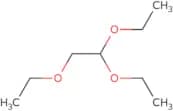
CAS:<p>Versatile small molecule scaffold</p>Fórmula:C7H16O2SPureza:Min. 95%Peso molecular:164.27 g/mol1,1,2-Triethoxyethane
CAS:<p>1,1,2-Triethoxyethane is a solvent with a high boiling point and low volatility. It is used as a reagent in organic chemistry and as an intermediate in the production of pharmaceuticals such as erythromycin. 1,1,2-Triethoxyethane is relatively non-reactive to other chemical compounds because it does not undergo elimination reactions or acidic reactions easily. The compound has been shown to be capable of selectively reacting with levulinate at the C3 position with nitro groups at the C5 position. This selective reaction can lead to erythromycin derivatives.</p>Fórmula:C8H18O3Pureza:Min. 95%Peso molecular:162.23 g/mol5,6-dimethoxyisobenzofuran-1,3-dione
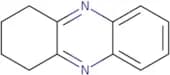
CAS:<p>5,6-Dimethoxyisobenzofuran-1,3-dione is a hydrolysis product of the organophosphates paraoxon and parathion. It is used as an acetylcholinesterase inhibitor in high-throughput screening for drug discovery. The inhibition of acetylcholinesterase by 5,6-dimethoxyisobenzofuran-1,3-dione leads to a build up of acetylcholine in the synapse and increased transmission of nerve impulses. This reaction can be monitored using a fluorometric assay with an electron transfer probe that detects fluorescence intensity. Fluorometric assays are also used to monitor the activity of butyrylcholinesterase (BChE) and acetylcholinesterase (AChE). These enzymes are found in blood plasma and have been used as biomarkers for exposure to organophosphates.5,6-</p>Fórmula:C10H8O5Pureza:Min. 95%Peso molecular:208.17 g/mol1,2,3,4-Tetrahydrophenazine
CAS:<p>Tetrahydrophenazine is a mixture of isomers that contains 1,2,3,4-tetrahydrophenazine and 2,3,4-trihydroxyphenazine. It has a variety of uses in animals to treat respiratory diseases and as an anti-inflammatory agent. Tetrahydrophenazine acts by inhibiting the production of hydrogen peroxide in the respiratory system and by preventing the release of histamine from mast cells. Tetrahydrophenazine also has the potential to be used as an antiviral agent or for treatment of skin diseases. In addition to its use as an antibiotic, tetrahydrophenazine may have additional therapeutic applications due to its ability to inhibit calcium uptake in cells and act as an antioxidant.</p>Fórmula:C12H12N2Pureza:Min. 95%Peso molecular:184.24 g/mol2-[(4-bromophenyl)amino]-1-phenylethan-1-one
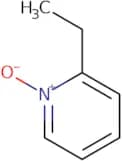
CAS:<p>Versatile small molecule scaffold</p>Fórmula:C14H12BrNOPureza:Min. 95%Peso molecular:290.2 g/mol2-Ethylpyridin-1-ium-1-olate
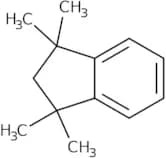
CAS:<p>2-Ethylpyridin-1-ium-1-olate is an alkali metal salt of 2-ethylpyridine. It has a residue of chlorine and n-oxide, which are used as intermediates in the synthesis of dyes and pharmaceuticals. 2-Ethylpyridin-1-ium-1-olate is also used as a reagent for the preparation of pyridine derivatives and thioamides. This compound reacts with ammonia to form isonicotinic acid, which can be used as an intermediate for the synthesis of fungicides.</p>Fórmula:C7H9NOPureza:Min. 95%Peso molecular:123.15 g/mol1,1,3,3-Tetramethyl-2,3-dihydro-1H-indene
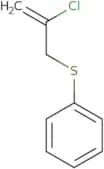
CAS:<p>1,1,3,3-Tetramethyl-2,3-dihydro-1H-indene (TMTD) is a stilbene derivative that has been shown to be a potent reducing agent. TMTD is used in the synthesis of pharmaceutical preparations. It is also found as a byproduct of the endogenous synthesis of indole and other aromatic compounds. The reduction products of TMTD are toxic and have been shown to cause cardiovascular diseases at high concentrations. TMTD can also be used as an acceptor in metallocene reactions because it has a high electron affinity for metal complexes.</p>Fórmula:C13H18Pureza:Min. 95%Peso molecular:174.28 g/mol2-Chloroallyl phenyl sulfide
CAS:<p>2-Chloroallyl phenyl sulfide is a hydroxide, or an organic compound with the formula ClCH=CClOS. It is a colorless to yellowish liquid that is soluble in water and alcohol. 2-Chloroallyl phenyl sulfide is used as a reagent in organic chemistry for the conversion of hydroxy groups into their disulfides, which are useful as reducing agents. 2-Chloroallyl phenyl sulfide can be prepared by reacting chloral with benzene and sodium hydroxide. It has been found to inhibit the growth of bacteria including Pseudomonas aeruginosa, Escherichia coli, Bacillus subtilis, Staphylococcus aureus, Streptococcus faecalis, and Klebsiella pneumoniae.</p>Fórmula:C9H9ClSPureza:Min. 95%Peso molecular:184.69 g/mol1-Bromo-4-[(difluoromethyl)sulfanyl]benzene
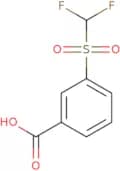
CAS:<p>Versatile small molecule scaffold</p>Fórmula:C7H5BrF2SPureza:Min. 95%Peso molecular:239.08 g/mol3-Difluoromethanesulfonylbenzoic acid
CAS:<p>Versatile small molecule scaffold</p>Fórmula:C8H6F2O4SPureza:Min. 95%Peso molecular:236.19 g/mol(4-Difluoromethanesulfonylphenyl)hydrazine
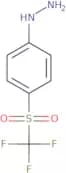
CAS:<p>Versatile small molecule scaffold</p>Fórmula:C7H8F2N2O2SPureza:Min. 95%Peso molecular:222.21 g/mol(4-Trifluoromethanesulfonylphenyl)hydrazine
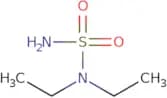
CAS:<p>4-Trifluoromethanesulfonylphenyl)hydrazine is a neutral, styryl dye that has two distinct spectral bands: one bathochromic and the other hypsochromic. It is an alkaline substance that can be dissolved in water. 4-Trifluoromethanesulfonylphenyl)hydrazine is synthesized from the indoles or by substituting a hydrazine group for the hydroxy group of an indole derivative. This agent is also used to synthesize merocyanine dyes, which have a carbocyanine as the central chromophore. Merocyanine dyes are often used as fluorescent labels for nucleic acids because they emit light at wavelengths longer than those emitted by conventional fluorescein dyes. The benzindocyanines are merocyanines with substituents on the quinone moiety that include phenyl, nitro, or car</p>Fórmula:C7H7F3N2O2SPureza:Min. 95%Peso molecular:240.21 g/molDiethylsulfamide
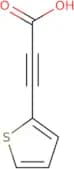
CAS:<p>Diethylsulfamide is a drug that inhibits the activity of tropomyosin, an important protein in the regulation of muscle contraction. It binds to the amino acid residues on the surface of tropomyosin and prevents its interaction with actin, which is a major component of muscle cells. This leads to relaxation of muscles and relief from pain caused by osteoarthritis. Diethylsulfamide has also been shown to have anti-inflammatory properties due to its ability to reduce prostaglandin synthesis.</p>Fórmula:C4H12N2O2SPureza:Min. 95%Peso molecular:152.22 g/mol3-(Thiophen-2-yl)prop-2-ynoic acid
CAS:<p>3-(Thiophen-2-yl)prop-2-ynoic acid is an initiator for the oxidation of organic substances. It can undergo oxidation to form reactive intermediates that react with other molecules to produce new substances. This reaction is catalyzed by copper, which oxidizes 3-(thiophen-2-yl)prop-2-ynoic acid in a two step process. The first step involves formation of a peroxide intermediate, which reacts with a second molecule of 3-(thiophen-2-yl)prop-2-ynoic acid to form an alkenyl radical. The alkenyl radical reacts with another molecule of 3-(thiophen-2-yl)prop-2-ynoic acid to generate a 2,3,5,6 tetraene compound. The mechanism for this reaction is not well understood but it has been shown that it occurs in nature and is important in biomolecular chemistry.</p>Fórmula:C7H4O2SPureza:Min. 95%Peso molecular:152.17 g/mol1,3-Diphenyl-4,5-dihydro-1H-pyrazol-5-one
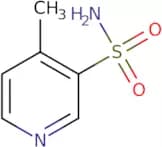
CAS:<p>1,3-Diphenyl-4,5-dihydro-1H-pyrazol-5-one (DPP) is a base that has antibacterial properties. It is used as the starting material for the synthesis of pharmaceutical preparations containing isothiocyanates. These are compounds that are used in the treatment of cancer and other diseases. DPP can also be used to analyze molecular structures by measuring the distance between atoms and calculating the molecule's centroid (center point). DPP may have anticancer activity due to its ability to induce apoptosis.</p>Fórmula:C15H12N2OPureza:Min. 95%Peso molecular:236.27 g/mol4-Methylpyridine-3-sulfonamide
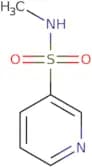
CAS:<p>Versatile small molecule scaffold</p>Fórmula:C6H8N2O2SPureza:Min. 95%Peso molecular:172.21 g/molN-Methylpyridine-3-sulfonamide
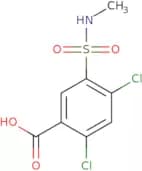
CAS:<p>N-Methylpyridine-3-sulfonamide (NMP) is a drug that is used in the treatment of hepatitis C. It inhibits the activity of viral RNA polymerase and has been shown to be effective against many different types of viruses, such as HIV, hepatitis B virus, and hepatitis D virus. NMP also has a strong affinity for salicylic acid and can be used to remove this compound from plasma samples. The use of NMP in experiments with human serum or plasma samples showed that it has low toxicity. NMP binds to proteins with high affinity in the presence of acetonitrile and dissolved sildenafil. Reconstituted human liver microsomes were used to determine its mechanism of action on the metabolism of drugs such as acetaminophen and erythromycin. A liquid chromatography method was developed for the determination of NMP in plasma samples using reverse-phase high-performance liquid chromatography (RP-HPLC</p>Fórmula:C6H8N2O2SPureza:Min. 95%Peso molecular:172.21 g/mol2,4-Dichloro-5-(methylsulfamoyl)benzoic acid
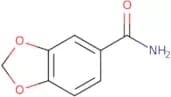
CAS:<p>Versatile small molecule scaffold</p>Fórmula:C8H7Cl2NO4SPureza:Min. 95%Peso molecular:284.12 g/mol1,3-Benzodioxole-5-carboxamide
CAS:<p>1,3-Benzodioxole-5-carboxamide is a synthetic drug that has been shown to have antinociceptive and hypotensive properties. It is structurally related to longum and anisidine, two natural products with known pharmacological properties. 1,3-Benzodioxole-5-carboxamide has been shown to inhibit the kinases JNK1/2 and p38 MAPK in vitro. It also inhibits the activity of aldehydes (e.g., octadecatrienoic acid) that are involved in inflammatory reactions, as well as amides (e.g., octadecanamide) that are involved in pain perception. This drug may be useful for the treatment of chronic inflammatory diseases such as rheumatoid arthritis or inflammatory bowel disease.</p>Fórmula:C8H7NO3Pureza:Min. 95%Peso molecular:165.15 g/mol4-Cyanocyclohexane-1-carboxylic acid
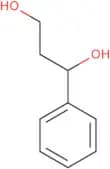
CAS:<p>4-Cyanocyclohexane-1-carboxylic acid is a monomer that is used in the production of medicines, such as hydrochloric acid and potassium phosphate. It is also used in the manufacture of corynebacterium and strain specific antibiotic. 4-Cyanocyclohexane-1-carboxylic acid has been shown to be an efficient method for the synthesis of amides, phenylpropionic acids, and aromatic hydrocarbons. As 4-cyanocyclohexane-1-carboxylic acid has a high boiling point and low solubility, it can be used as a synthetic base.</p>Fórmula:C8H11NO2Pureza:Min. 95%Peso molecular:153.18 g/mol1-Phenylpropane-1,3-diol
CAS:<p>1-Phenylpropane-1,3-diol is a chiral molecule that is assayed using a chromatographic method. It has been shown to be an inhibitor of pancreatic lipase and porcine pancreatic lipase with a potency similar to that of orlistat. This molecule has been shown to inhibit the conversion of l-threonine into l-alanine by competitive inhibition and also inhibits the hydroxy group on the alkyl chain from being oxidized. 1-Phenylpropane-1,3-diol also inhibits the enzyme dehydrogenation, which may cause it to have anti-inflammatory effects.</p>Fórmula:C9H12O2Pureza:Min. 95%Peso molecular:152.19 g/mol1-Acetamidocyclopentane-1-carboxylic acid
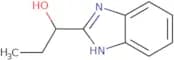
CAS:<p>Versatile small molecule scaffold</p>Fórmula:C8H13NO3Pureza:Min. 95%Peso molecular:171.19 g/mol1-(1H-1,3-Benzodiazol-2-yl)propan-1-ol
CAS:<p>Versatile small molecule scaffold</p>Fórmula:C10H12N2OPureza:Min. 95%Peso molecular:176.21 g/mol5-{[(4-Chlorophenyl)methyl]sulfanyl}-1,3,4-thiadiazole-2-thiol
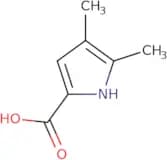
CAS:<p>Versatile small molecule scaffold</p>Fórmula:C9H7ClN2S3Pureza:Min. 95%Peso molecular:274.8 g/mol4,5-Dimethylpyrrole-2-carboxylic Acid
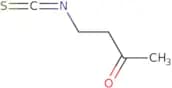
CAS:<p>4,5-Dimethylpyrrole-2-carboxylic Acid is a naturally occurring compound that is found in the marine algae species Ostreococcus tauri. This compound has been shown to have antioxidant properties and to induce apoptosis in cancer cells. 4,5-Dimethylpyrrole-2-carboxylic Acid inhibits the growth of other bacteria by binding to their ribosomes, which prevents protein synthesis and cell division. It also has been shown to be effective against human tumor cells in vitro. 4,5-Dimethylpyrrole-2-carboxylic Acid is a natural antioxidant that can be used as an alternative to synthetic antioxidants such as chlorobenzene.</p>Fórmula:C7H9NO2Pureza:Min. 95%Peso molecular:139.15 g/mol4-Isothiocyanatobutan-2-one
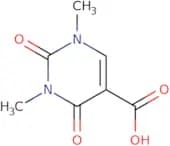
CAS:<p>4-Isothiocyanatobutan-2-one is an antibacterial agent that has been shown to inhibit the growth of bacteria. This compound interacts with bacterial DNA, causing a change in the DNA structure and inhibiting protein synthesis. 4-Isothiocyanatobutan-2-one also inhibits the production of heterocyclic amines and phenothiazine, which are chemicals that are known to cause cancer in laboratory mice. The safety profile of this drug is good, with no ulceration or β-unsaturated ketones found in animal studies.</p>Fórmula:C5H7NOSPureza:Min. 95%Peso molecular:129.18 g/mol1,3-Dimethyl-2,4-dioxo-1,2,3,4-tetrahydropyrimidine-5-carboxylic acid
CAS:<p>Versatile small molecule scaffold</p>Fórmula:C7H8N2O4Pureza:Min. 95%Peso molecular:184.15 g/mol2-[(2-Nitrophenyl)thio]acetic Acid Hydrazide
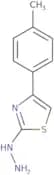
CAS:<p>Versatile small molecule scaffold</p>Fórmula:C8H9N3O3SPureza:Min. 95%Peso molecular:227.24 g/mol(4-p-Tolyl-thiazol-2-yl)-hydrazine
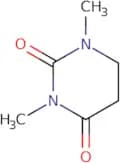
CAS:<p>Versatile small molecule scaffold</p>Fórmula:C10H11N3SPureza:Min. 95%Peso molecular:205.28 g/mol1,3-Dimethyl-1,3-diazinane-2,4-dione
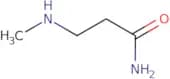
CAS:<p>1,3-Dimethyl-1,3-diazinane-2,4-dione (CDD) is an analog of ribulose that has been shown to inhibit the synthesis of both human immunodeficiency virus (HIV) and hepatitis B virus. CDD inhibits the activity of viral reverse transcriptase and protease enzymes. CDD was found to be a potent inhibitor in vitro for HIV and hepatitis B virus. CDD also has pharmacokinetic properties that make it a good candidate for drug development.</p>Fórmula:C6H10N2O2Pureza:Min. 95%Peso molecular:142.16 g/mol3-(Methylamino)propanamide
CAS:<p>Versatile small molecule scaffold</p>Fórmula:C4H10N2OPureza:Min. 95%Peso molecular:138.6 g/mol4-(4-Chlorophenyl)-4,5,6,7-tetrahydro-3H-imidazo[4,5-c]pyridine
CAS:<p>Versatile small molecule scaffold</p>Fórmula:C12H12ClN3Pureza:Min. 95%Peso molecular:233.7 g/mol4-(4-Methylphenyl)-4,5,6,7-tetrahydro-3H-imidazo[4,5-c]pyridine
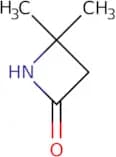
CAS:<p>Versatile small molecule scaffold</p>Fórmula:C13H15N3Pureza:Min. 95%Peso molecular:213.28 g/mol4,4-Dimethylazetidin-2-one
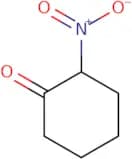
CAS:<p>Versatile small molecule scaffold</p>Fórmula:C5H9NOPureza:Min. 95%Peso molecular:99.13 g/mol2-Nitrocyclohexanone
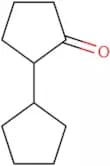
CAS:<p>2-Nitrocyclohexanone (2NCH) is a clinical drug that is used in the synthesis of pharmaceuticals. It can be synthesized by dinitrogen tetroxide, hydrochloric acid and magnesium oxide. 2NCH reacts with amines to form lactams. The reaction is catalyzed by organocatalysts such as copper chromite or 5-ht2c. The kinetic of this reaction has been studied extensively and it has been found that the addition of inorganic acids, such as HCl or HNO3, may increase the rate of the reaction.<br>The molecular formula for 2NCH is C8H8O3N2 and its structural formula is shown below:</p>Fórmula:C6H9NO3Pureza:Min. 95%Peso molecular:143.14 g/mol2-Cyclopentylcyclopentanone
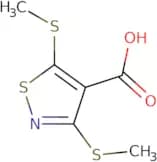
CAS:<p>2-Cyclopentylcyclopentanone (2-CPC) is a cyclopentenone that is produced by the oxidation of 2-cyclohexenylcyclopentanone. 2-CPC has been shown to be genotoxic and can cause damage to DNA, proteins, or cell membranes. This chemical is used in the manufacture of insecticides and herbicides. It also has used as a solvent for polymers, plastics, and coatings. 2-CPC has been found to be toxic at high doses and should not be handled without proper protection.</p>Fórmula:C10H16OPureza:Min. 95%Peso molecular:152.24 g/molBis(methylsulfanyl)-1,2-thiazole-4-carboxylic acid
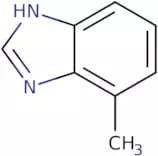
CAS:<p>Versatile small molecule scaffold</p>Fórmula:C6H7NO2S3Pureza:Min. 95%Peso molecular:221.3 g/mol4-Methylbenzimidazole
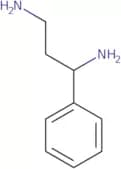
CAS:<p>4-Methylbenzimidazole is a non-polar molecule that is found in nature and is related to the flavonoid rutin. 4-Methylbenzimidazole has been shown to inhibit DNA replication and synthesis, as well as protein synthesis. It binds to the polymerase, which prevents it from forming the complementary strand of DNA. This inhibition leads to thermal denaturation of DNA, which prevents the polymerase from binding with the dna template. The low affinity of 4-methylbenzimidazole for dna makes it a potential candidate for anti-HIV drugs.</p>Fórmula:C8H8N2Pureza:Min. 95%Peso molecular:132.17 g/mol1-Phenylpropane-1,3-diamine
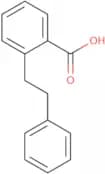
CAS:<p>Versatile small molecule scaffold</p>Fórmula:C9H14N2Pureza:Min. 95%Peso molecular:150.22 g/mol2-Bibenzylcarboxylic acid
CAS:<p>2-Bibenzylcarboxylic acid is a synthetic retinoid that has been shown to have potent antagonistic effects against the activity of various pro-inflammatory enzymes. It blocks the integrin receptor, which prevents leukocyte adhesion and migration. 2-Bibenzylcarboxylic acid also inhibits protease activity by binding to the active site of the enzyme and preventing substrate binding, as well as dextran sulfate-induced inflammation. 2-Bibenzylcarboxylic acid has been shown to be effective in reducing disease activity in animal models of inflammatory diseases such as rheumatoid arthritis.</p>Fórmula:C15H14O2Pureza:Min. 95%Peso molecular:226.27 g/molDispiro[3.1.3.1]decane-5,10-dione
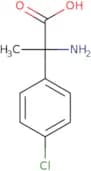
CAS:<p>Dispiro[3.1.3.1]decane-5,10-dione is a compound that has not yet been synthesized and its chemical structure is unknown. This product is not available in any catalogues or databases.</p>Fórmula:C10H12O2Pureza:Min. 95%Peso molecular:164.2 g/mol2-Amino-2-(4-chlorophenyl)propanoic acid
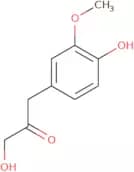
CAS:<p>Versatile small molecule scaffold</p>Fórmula:C9H10ClNO2Pureza:Min. 95%Peso molecular:199.63 g/mol1-Hydroxy-3-(4-hydroxy-3-methoxyphenyl)propan-2-one
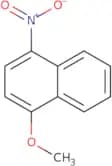
CAS:<p>1-Hydroxy-3-(4-hydroxy-3-methoxyphenyl)propan-2-one is a chemical compound that belongs to the group of phenols. It is an intermediate in the production of lignin, which is used in the manufacture of paper and other products. The chemical structure of 1-hydroxy-3-(4-hydroxy-3 methoxyphenyl)propan-2-one can be found in coniferous plants such as pine trees, where it is generated by oxidative coupling of 4 hydroxycinnamaldehyde and 3 hydroxybenzaldehyde.</p>Fórmula:C10H12O4Pureza:Min. 95%Peso molecular:196.2 g/mol1-Methoxy-4-nitronaphthalene
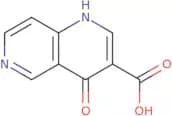
CAS:<p>1-Methoxy-4-nitronaphthalene is a yellow crystalline solid that belongs to the group of naphthalenes. It reacts with deionized water to give nitronaphthalene, which can be detected by ultrafast spectroscopy at constant temperature or by second-order rate constants. The nitro group can be reduced to an amine on treatment with phosphite or diphosphorylated. Nitro groups are also susceptible to nucleophilic attack by acetonitrile and ammonium nitrate, and can be photoreduced to the corresponding amino compound.</p>Fórmula:CH3OC10H6NO2Pureza:Min. 95%Peso molecular:203.19 g/mol4-Oxo-1,4-dihydro-1,6-naphthyridine-3-carboxylic acid
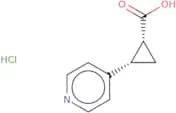
CAS:<p>Versatile small molecule scaffold</p>Fórmula:C9H6N2O3Pureza:Min. 95%Peso molecular:190.16 g/molrac-(1R,2R)-2-(Pyridin-4-yl)cyclopropane-1-carboxylic acid hydrochloride
CAS:<p>Versatile small molecule scaffold</p>Fórmula:C9H10ClNO2Pureza:Min. 95%Peso molecular:199.6 g/molrac-(1R,2S)-2-(Pyridin-4-yl)cyclopropane-1-carboxylic acid hydrochloride
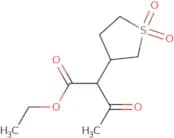
CAS:<p>Versatile small molecule scaffold</p>Fórmula:C9H10ClNO2Pureza:Min. 95%Peso molecular:199.6 g/molα-Acetyltetrahydro-3-thiopheneacetic acid ethyl ester 1,1-dioxide
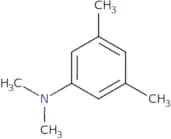
CAS:<p>Versatile small molecule scaffold</p>Fórmula:C10H16O5SPureza:Min. 95%Peso molecular:248.3 g/molN,N,3,5-Tetramethylaniline
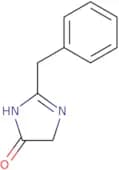
CAS:<p>N,N,3,5-Tetramethylaniline is a colorless liquid that is soluble in water. It has an aromatic odor and is used as a solvent. N,N,3,5-Tetramethylaniline has been shown to react with 4-dimethylaminobenzoic acid to form a thioxanthone by an irreversible oxidation process. This reaction requires activation energies of 34.2 kcal/mol for the initiation step and 17.1 kcal/mol for termination. The reaction mechanism can be described as:</p>Fórmula:C10H15NPureza:Min. 95%Peso molecular:149.24 g/mol2-Benzyl-1H-imidazol-4(5H)-one
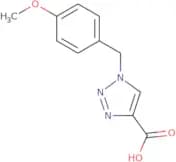
CAS:<p>Versatile small molecule scaffold</p>Fórmula:C10H10N2OPureza:Min. 95%Peso molecular:174.2 g/mol1-(4-Methoxyphenyl)-1H-1,2,3-triazole-4-carboxylic acid
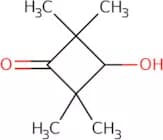
CAS:<p>Versatile small molecule scaffold</p>Fórmula:C11H11N3O3Pureza:Min. 95%Peso molecular:233.22 g/mol3-Hydroxy-2,2,4,4-tetramethylcyclobutan-1-one
CAS:<p>3-Hydroxy-2,2,4,4-tetramethylcyclobutan-1-one is a monomer that is soluble in organic solvents. It can be isolated by centrifugation of the reaction mixture and purified by filtration or recrystallization. 3-Hydroxy-2,2,4,4-tetramethylcyclobutan-1-one has been used as a catalyst for the polymerization of ethylene oxide to polyethers. 3-Hydroxy-2,2,4,4-tetramethylcyclobutan-1-one is also an excellent solvent for ruthenium metal and can be used as a reaction solvent for reactions involving this metal.</p>Fórmula:C8H14O2Pureza:Min. 95%Peso molecular:142.2 g/mol2-(3-Methylcyclohexyl)ethan-1-ol
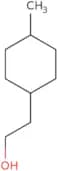
CAS:<p>Versatile small molecule scaffold</p>Fórmula:C9H18OPureza:Min. 95%Peso molecular:142.24 g/mol2-(4-Methylcyclohexyl)ethan-1-ol
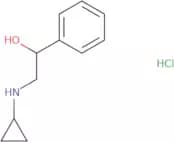
CAS:<p>Versatile small molecule scaffold</p>Fórmula:C9H18OPureza:Min. 95%Cor e Forma:Clear LiquidPeso molecular:142.24 g/mol2-(Cyclopropylamino)-1-phenylethan-1-ol hydrochloride
CAS:<p>Versatile small molecule scaffold</p>Fórmula:C11H16ClNOPureza:Min. 95%Peso molecular:213.7 g/molDimenhydrinate Related Compound E
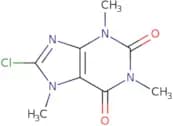
CAS:Produto Controlado<p>Dimenhydrinate Related Compound E is a test compound that has shown potentiation of the inhibitory properties of hydrochloric acid against a variety of enzymes. This compound inhibits the enzyme activity of cyclooxygenase-1 (COX-1) and COX-2, which are important in the production of prostaglandins. Dimenhydrinate Related Compound E also has anticancer activity, which may be due to its ability to cause DNA damage by inhibiting the synthesis of proteins needed for cell replication. The use of this compound may have genotoxic effects and chronic exposure should be avoided.</p>Fórmula:C8H9ClN4O2Pureza:Min. 95%Peso molecular:228.64 g/mol3,7-Dimethyl-2,6-dioxo-2,3,6,7-tetrahydro-1H-purine-8-carbaldehyde
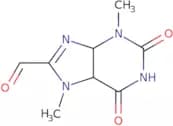
CAS:<p>Versatile small molecule scaffold</p>Fórmula:C8H10N4O3Pureza:Min. 95%Peso molecular:210.19 g/mol8-Chloro-3,7-dimethyl-2,3,6,7-tetrahydro-1H-purine-2,6-dione
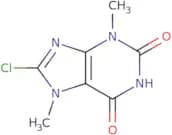
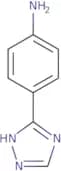
CAS:Produto Controlado<p>Versatile small molecule scaffold</p>Fórmula:C7H7ClN4O2Pureza:Min. 95%Peso molecular:214.61 g/mol4-(4H-1,2,4-Triazol-3-yl)aniline
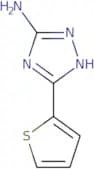
CAS:<p>Versatile small molecule scaffold</p>Fórmula:C8H8N4Pureza:Min. 95%Peso molecular:160.18 g/mol5-(Thiophen-2-yl)-4H-1,2,4-triazol-3-amine
CAS:<p>Versatile small molecule scaffold</p>Fórmula:C6H6N4SPureza:Min. 95%Peso molecular:166.21 g/mol2-Chloro-3-nitroimidazo[1,2-a]pyridine
CAS:<p>2-Chloro-3-nitroimidazo[1,2-a]pyridine is a chlorinated derivative of imidazo[1,2-a]pyridine. The nitro group gives the molecule two sites for functionalization and enables it to undergo Suzuki coupling reactions with anilines. The chloro substituent provides the molecule with a high degree of chemical diversity. This compound can be used in cross-coupling reactions with anilines and other heterocycles, such as thiophenes and furans. In addition, this compound has been shown to react with nucleophiles in a nucleophilic substitution reaction to form 2-chloro-5-(substituted)imidazo[1,2-a]pyridinium ions.</p>Fórmula:C7H4ClN3O2Pureza:Min. 95%Peso molecular:197.58 g/mol5-Bromo-3-methylimidazo[1,2-a]pyridine
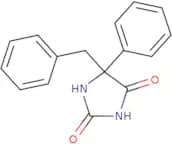
CAS:<p>Versatile small molecule scaffold</p>Fórmula:C8H7BrN2Pureza:Min. 95%Peso molecular:211.06 g/mol5-Benzyl-5-phenylimidazolidine-2,4-dione
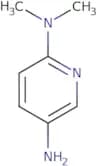
CAS:<p>Versatile small molecule scaffold</p>Fórmula:C16H14N2O2Pureza:Min. 95%Peso molecular:266.3 g/molN2,N2-Dimethylpyridine-2,5-diamine
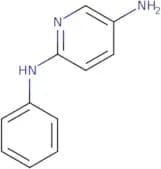
CAS:<p>N2,N2-Dimethylpyridine-2,5-diamine is a gadolinium complex that is used as a contrast agent in magnetic resonance imaging. N2,N2-Dimethylpyridine-2,5-diamine has been shown to be effective in the treatment of cancers and can be used for both diagnostic and therapeutic purposes. The drug can be conjugated with monoclonal antibodies or other drugs to target specific cancer cells. It can also be used to monitor the effectiveness of chemotherapy treatments. The salt form of this drug is soluble in water and stable at acid pH levels. When administered intravenously, it has a high degree of biodistribution and is excreted through the kidneys.</p>Fórmula:C7H11N3Pureza:Min. 95%Peso molecular:137.18 g/molN2-Phenylpyridine-2,5-diamine
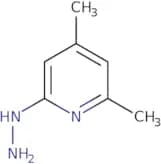
CAS:<p>Versatile small molecule scaffold</p>Fórmula:C11H11N3Pureza:Min. 95%Peso molecular:185.22 g/mol2-Hydrazinyl-4,6-dimethylpyridine
CAS:<p>Versatile small molecule scaffold</p>Fórmula:C7H11N3Pureza:Min. 95%Peso molecular:137.18 g/mol1',2'-Dihydrospiro[cyclohexane-1,3'-indole]-2'-one
CAS:<p>Versatile small molecule scaffold</p>Fórmula:C13H15NOPureza:Min. 95%Peso molecular:201.26 g/mol5H,6H,7H-Pyrrolo[3,4-b]pyrazine-5,7-dione
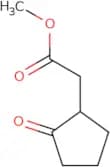
CAS:<p>Versatile small molecule scaffold</p>Fórmula:C6H3N3O2Pureza:Min. 95%Peso molecular:149.11 g/molMethyl 2-(2-oxocyclopentyl)acetate
CAS:<p>Versatile small molecule scaffold</p>Fórmula:C8H12O3Pureza:Min. 95%Peso molecular:156.18 g/mol1H,3H,4H,5H,6H,7H,8H,9H-Cycloocta[C]furan-1,3-dione
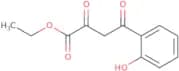
CAS:<p>Versatile small molecule scaffold</p>Fórmula:C10H12O3Pureza:Min. 95%Peso molecular:180.2 g/molEthyl 4-(2-hydroxyphenyl)-2,4-dioxobutanoate
CAS:<p>Sildenafil is a drug that is used for the treatment of erectile dysfunction. It belongs to the class of phosphodiesterase inhibitors and inhibits the enzyme phosphodiesterase type 5 (PDE-5). This enzyme functions to breakdown cyclic guanosine monophosphate (cGMP), which causes blood vessels in the penis to relax, leading to an erection. Sildenafil has been shown to be well tolerated with oral bioavailability of more than 70%. Sildenafil can be taken orally, but has also been studied for pulmonary administration. The pharmacokinetic properties of sildenafil have been optimized for oral administration in humans and it has been shown that sildenafil does not inhibit human liver cytochrome P450 enzymes. Sildenafil also shows inhibitory potency against other phosphodiesterases such as PDE-2, PDE-3, and PDE-6.</p>Fórmula:C12H12O5Pureza:Min. 95%Peso molecular:236.22 g/mol5-Methyl-1H-pyrrolo[3,2-b]pyridine
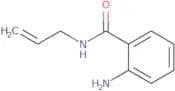
CAS:<p>5-Methyl-1H-pyrrolo[3,2-b]pyridine is a versatile compound that has various applications in different industries. It is commonly used in the production of polyvinyl and interferon, as well as in the synthesis of glycine and glutamate. This compound also finds its use in biomass production, where it acts as a catalyst for the growth of nanofibers. Additionally, 5-Methyl-1H-pyrrolo[3,2-b]pyridine has been studied for its potential therapeutic properties, including its ability to inhibit cytochalasin activity and the synthesis of oligosaccharides. Its unique chemical structure also makes it suitable for the development of copolymers and styrenic electrode materials.</p>Fórmula:C8H8N2Pureza:Min. 95%Peso molecular:132.16 g/molN-Allyl-2-aminobenzamide
CAS:<p>2-Bromobenzaldehyde (2BA) is a reactive chemical that can be used as a building block for the synthesis of many other chemicals. It is also an efficient catalyst for reactions such as the reduction of amines to amides, and the conversion of nitroarenes to amines. 2BA has been shown to be cytotoxic in vitro and in vivo against human cancer cell lines when attached to magnetic nanoparticles and immobilized on different surfaces. The cytotoxic activity of 2BA was analyzed by using intramolecular cycloaddition reactions with electron-deficient olefins, which led to valuable insights into the mechanism of this reaction.</p>Fórmula:C10H12N2OPureza:Min. 95%Peso molecular:176.22 g/molEthyl 3-amino-2-methylbutanoate
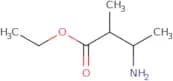
CAS:<p>Versatile small molecule scaffold</p>Fórmula:C7H15NO2Pureza:Min. 95%Peso molecular:145.2 g/mol9-Azabicyclo[6.2.0]decan-10-one
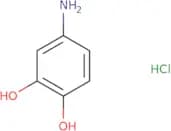
CAS:<p>9-Azabicyclo[6.2.0]decan-10-one is a lactam that can be synthesized by reacting diisopropyl with β-amino acid. 9-Azabicyclo[6.2.0]decan-10-one has been shown to have high enantioselectivity and enantiopurity, which is due to the use of a chiral catalyst in the synthesis process. This compound is also an intermediate for the synthesis of β-lactams such as penicillin, cephalosporin, and carbapenem antibiotics, which are used to treat bacterial infections. The enzymes in these β-lactams are inhibited by binding to their active site, preventing them from breaking down peptidoglycan during cell wall synthesis.</p>Fórmula:C9H15NOPureza:Min. 95%Peso molecular:153.22 g/mol4-Aminobenzene-1,2-diol hydrochloride
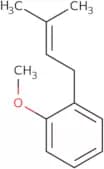
CAS:<p>4-Aminobenzene-1,2-diol hydrochloride (4ABAH) is a cox-2 inhibitor that has been shown to inhibit the activity of human cell factor and x-ray diffraction data. It has also been shown to possess anti-inflammatory properties by inhibiting the production of prostaglandins. The prodrug ester hydrochloride is converted to 4ABAH in vivo and undergoes hydrolysis by esterases to release 4ABAH. This conversion may be limited by the rate constant, which may decrease with time due to enzyme inactivation or competition with other substrates. 4ABAH inhibits cell proliferation in carcinoma cell lines, but not in normal cells. The drug is water soluble and therefore can be administered orally or intravenously.</p>Fórmula:C6H8ClNO2Pureza:Min. 95%Peso molecular:161.58 g/mol1-Methoxy-2-(3-methylbut-2-en-1-yl)benzene
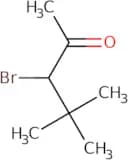
CAS:<p>Versatile small molecule scaffold</p>Fórmula:C12H16OPureza:Min. 95%Peso molecular:176.25 g/mol3-Bromo-4,4-dimethylpentan-2-one
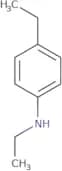
CAS:<p>Versatile small molecule scaffold</p>Fórmula:C7H13BrOPureza:Min. 95%Peso molecular:193.08 g/molN,4-Diethylaniline
CAS:<p>Versatile small molecule scaffold</p>Fórmula:C10H15NPureza:Min. 95%Peso molecular:149.23 g/mol2-[4-(2-Aminoethyl)phenoxy]ethan-1-ol
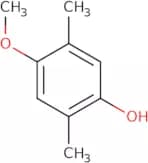
CAS:<p>Versatile small molecule scaffold</p>Fórmula:C10H15NO2Pureza:Min. 95%Peso molecular:181.23 g/mol4-Methoxy-2,5-dimethylphenol
CAS:<p>Versatile small molecule scaffold</p>Fórmula:C9H12O2Pureza:Min. 95%Peso molecular:152.19 g/mol1-(2-Bromoethoxy)-2-methylpropane
CAS:<p>Versatile small molecule scaffold</p>Fórmula:C6H13BrOPureza:Min. 95%Peso molecular:181.07 g/mol1-Phenyl-1λ⁵-phospholan-1-one
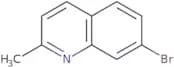
CAS:<p>1-Phenyl-1λ⁵-phospholan-1-one is a reagent that is used in organic synthesis to generate carbon-carbon bonds. This reagent can be activated with phosphorus and rearranged to form new carbon-carbon bonds. It can also be used as an electron donor, which enables it to activate other molecules, such as phosphines, phenyl borane, and hydrocarbons. 1-Phenyl-1λ⁵-phospholan-1-one is a stereoselective reagent that produces only one enantiomer of the product in high yields. It can be used to synthesize analogues of carbons and triaryl compounds.</p>Fórmula:C10H13OPPureza:Min. 95%Peso molecular:180.18 g/mol7-Bromo-2-methylquinoline
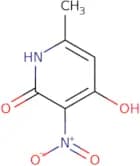
CAS:<p>7-Bromo-2-methylquinoline is a heterocyclic compound that is selectively activated by protonation. The reaction involves the formation of a carbocation at the carbon atom adjacent to the bromine atom. This intermediate is then attacked by an electrophile, such as an alcohol or a carboxylic acid. The reaction proceeds via an S2 mechanism and can be accelerated by using certain metals as catalysts, such as copper and palladium. 7-Bromo-2-methylquinoline has been used in cross coupling reactions with various arenes to form c–h bonds and halides, which have been analysed through mass spectroscopy.</p>Fórmula:C10H8BrNPureza:Min. 95%Peso molecular:222.08 g/mol4-Hydroxy-6-methyl-3-nitro-2-pyridone
CAS:<p>4-Hydroxy-6-methyl-3-nitro-2-pyridone is a synthetic molecule that can be synthesized from dipropylamine and ethanolamine, two commercially available compounds. It has been shown to inhibit the growth of Mycobacterium tuberculosis, one of the most common bacteria that causes tuberculosis, in a metal ion sensor system. 4-Hydroxy-6-methyl-3-nitro-2-pyridone also inhibits the synthesis of protein, DNA and RNA by binding to amines. This compound is irradiated with lithium metal and emits an infrared frequency shift.</p>Fórmula:C6H6N2O4Pureza:Min. 95%Peso molecular:170.12 g/molFuran-2,4-dione
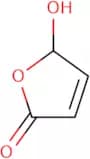
CAS:<p>Furan-2,4-dione is a hydroxylated furan derivative that is used as an antimicrobial agent. It has a high degree of resistance to hydrochloric acid and human serum. Furan-2,4-dione reacts with the thiol groups on the mitochondrial membrane potential to create a disulfide bond, which leads to depolarization of the mitochondria and cell death. Furan-2,4-dione also inhibits tetronic acid dehydrogenase and tetronic acid reductase enzymes in cancer cells, leading to inhibition of tumor growth. The structure of furan-2,4-dione consists of a bicyclic heterocycle with basic properties.</p>Pureza:Min. 95%1-Methyl-4-[(methylsulfanyl)sulfonyl]benzene
CAS:<p>Versatile small molecule scaffold</p>Fórmula:C8H10O2S2Pureza:Min. 95%Peso molecular:202.3 g/mol4'-Chlorobutyrophenone
CAS:<p>4'-Chlorobutyrophenone is a chlorinated aromatic compound that is synthesized by the Friedel-Crafts reaction of anhydrous aluminum chloride with 4-chlorobenzene. This reaction requires palladium as a catalyst. The product of this reaction has been shown to be a high yield, selective, and inexpensive method for the synthesis of aromatic compounds. 4'-Chlorobutyrophenone may also be used in the synthesis of other organic compounds. The chloride group on the phenyl ring provides unsaturation, which can be used for further reactions such as alkylation or arylation.</p>Fórmula:C10H11ClOPureza:Min. 95%Peso molecular:182.65 g/mol1-Benzylbenzoimidazole
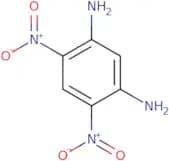
CAS:<p>1-Benzylbenzoimidazole is a benzimidazole derivative that inhibits the growth of fungi by inhibiting the production of mitochondrial membrane potential. It has been shown to inhibit angiogenesis and reduce tumor size in vivo, which may be due to its ability to induce apoptosis in endothelial cells. 1-Benzylbenzoimidazole also inhibits the synthesis of 2-hydroxyphenylacetic acid and nitrogen atoms from nitric oxide, which may be due to its ability to bind with chlorine atoms. 1-Benzylbenzoimidazole is not active against bacteria or mammalian cells, but it does inhibit the growth of fungi by binding with hydrogen bonds at the fungal cell wall.</p>Fórmula:C14H12N2Pureza:Min. 95%Peso molecular:208.26 g/mol4,6-Dinitrobenzene-1,3-diamine
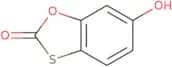
CAS:<p>4,6-Dinitrobenzene-1,3-diamine is an impurity in the manufacture of 4,6-dinitrotoluene. It was first synthesized by heating dinitrotoluene with nitric acid and ammonium hydroxide. The compound crystallizes as a trimorphic mixture of three polymorphs: α (monoclinic), β (orthorhombic), and γ (tetragonal). The α form has a melting point of 114°C, while the β form melts at 107°C. This compound has been used as a solvent for xylene and glycol ethers.</p>Fórmula:C6H6N4O4Pureza:Min. 95%Peso molecular:198.14 g/mol6-Hydroxy-1,3-benzoxathiol-2-one
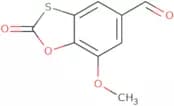
CAS:<p>6-Hydroxy-1,3-benzoxathiol-2-one is a solute compound that has been used as a food additive. It has been shown to inhibit the growth of various microorganisms including bacteria, yeast, and fungi. 6-Hydroxy-1,3-benzoxathiol-2-one is an inhibitor of enzymes such as beta-glucosidase and alpha amylase. It also has inhibitory properties against autoimmune diseases and bowel disease. Angelicae Dahuricae (AD) extract can be used as an alternative for 6HBO to treat leishmania infection. AD extract has synergistic antifungal activity with metal hydroxides or benzalkonium chloride when combined in vitro.</p>Fórmula:C7H4O3SPureza:Min. 95%Peso molecular:168.17 g/mol7-Methoxy-2-oxo-2H-1,3-benzoxathiole-5-carbaldehyde
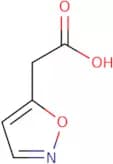
CAS:<p>Versatile small molecule scaffold</p>Fórmula:C9H6O4SPureza:Min. 95%Peso molecular:210.21 g/mol2-(1,2-Oxazol-5-yl)acetic acid
CAS:<p>2-(1,2-Oxazol-5-yl)acetic acid is a cell-permeable compound that induces death of cancer cells via apoptosis. It has been shown to be effective in vitro against mouse melanoma cells, as well as in vivo treatment of mice with xenografts of human melanoma cells. This drug activates caspase 3 by inhibiting the mitochondrial membrane potential and releasing cytochrome C from mitochondria into the cytosol. 2-(1,2-Oxazol-5-yl)acetic acid also mediates apoptotic cell death by activating the chloride channel, reactive oxygen species (ROS), and voltage gated ion channels. In addition, it inhibits viral replication by inducing autophagic cell death and has tumoricidal effects when given to mice with established tumors.<br>br></p>Fórmula:C5H5NO3Pureza:Min. 95%Peso molecular:127.1 g/mol3-(2-Aminoethyl)-1,3-dihydro-2H-indol-2-onehydrochloride
CAS:<p>Versatile small molecule scaffold</p>Fórmula:C10H13ClN2OPureza:Min. 95%Peso molecular:212.68 g/mol5,6-Dimethylthieno[2,3-d]pyrimidin-4-amine
CAS:<p>5,6-Dimethylthieno[2,3-d]pyrimidin-4-amine is an ester of sucralose. It is a sweetener that can be used in sweetner compositions or solvates. 5,6-Dimethylthieno[2,3-d]pyrimidin-4-amine is an intermediate in the synthesis of sucralose.</p>Fórmula:C8H9N3SPureza:Min. 95%Peso molecular:179.24 g/mol3-(Pyrrolidin-1-yl)propanamide hydrochloride
CAS:<p>Versatile small molecule scaffold</p>Fórmula:C7H15ClN2OPureza:Min. 95%Peso molecular:178.66 g/mol3-Ethyl-4-hydroxybenzonitrile
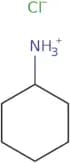
CAS:<p>Versatile small molecule scaffold</p>Fórmula:C9H9NOPureza:Min. 95%Peso molecular:147.17 g/molCyclohexylamine Hydrochloride
CAS:<p>Cyclohexylamine hydrochloride (CHA) is a cyclohexane ring with an amine group on the side. It is used as a metabolic rate indicator, which can be seen through optical sensors. The most common use of CHA is in bladder studies, where it is used to test the effect of various chemicals on the cells lining the bladder. CHA also has long-term toxicity and particle effects, which have been shown in animal studies. Cyclohexylamine hydrochloride may also have carcinogenic potential because it binds to fatty acid receptors, leading to increased uptake and tumor growth. Cyclohexylamine hydrochloride also has an effect on glucocorticoid receptors that can lead to toxic effects on the testes and ovaries. Cyclohexylamine hydrochloride has no known interactions with any other drugs or chemicals.</p>Fórmula:C6H13N·HClPureza:Min. 95%Peso molecular:135.64 g/mol8-(Difluoromethoxy)quinolin-4-ol
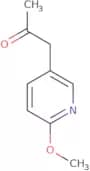
CAS:<p>Versatile small molecule scaffold</p>Fórmula:C10H7F2NO2Pureza:Min. 95%Peso molecular:211.16 g/mol1-(6-Methoxypyridin-3-yl)propan-2-one
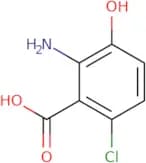
CAS:<p>Versatile small molecule scaffold</p>Fórmula:C9H11NO2Pureza:Min. 95%Peso molecular:165.19 g/mol2-Amino-6-chloro-3-hydroxybenzoic acid
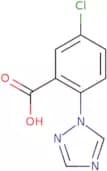
CAS:<p>Versatile small molecule scaffold</p>Fórmula:C7H6ClNO3Pureza:Min. 95%Peso molecular:187.58 g/mol5-Chloro-2-(1H-1,2,4-triazol-1-yl)benzoic acid
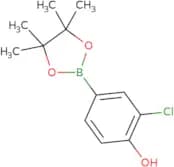
CAS:<p>Versatile small molecule scaffold</p>Fórmula:C9H6ClN3O2Pureza:Min. 95%Peso molecular:223.61 g/mol3-Chloro-4-hydroxyphenylboronic acid pinacol ester
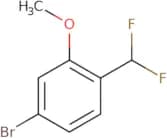
CAS:<p>Versatile small molecule scaffold</p>Fórmula:C12H16BClO3Pureza:Min. 95%Peso molecular:254.52 g/mol4-Bromo-1-(difluoromethyl)-2-methoxybenzene
CAS:<p>Versatile small molecule scaffold</p>Fórmula:C8H7BrF2OPureza:Min. 95%Peso molecular:237.04 g/mol2-Bromo-4-methylthiazole-5-carbonitrile
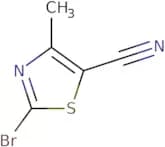
CAS:<p>Versatile small molecule scaffold</p>Fórmula:C5H3BrN2SPureza:Min. 95%Peso molecular:203.06 g/mol1-(2-Azido-1,1-difluoroethyl)-4-chlorobenzene
CAS:<p>Versatile small molecule scaffold</p>Fórmula:C8H6ClF2N3Pureza:Min. 95%Peso molecular:217.6 g/moltert-butyl N-(4-amino-1-methylcyclohexyl)carbamate, Mixture of diastereomers
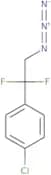
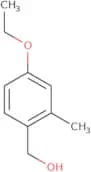
CAS:<p>Versatile small molecule scaffold</p>Fórmula:C12H24N2O2Pureza:Min. 95%Peso molecular:228.3 g/mol(4-Ethoxy-2-methylphenyl)methanol
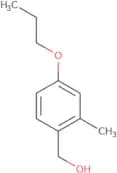
CAS:<p>Versatile small molecule scaffold</p>Fórmula:C10H14O2Pureza:Min. 95%Peso molecular:166.22 g/mol(2-Methyl-4-propoxyphenyl)methanol
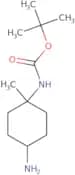
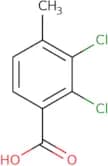
CAS:<p>Versatile small molecule scaffold</p>Fórmula:C11H16O2Pureza:Min. 95%Peso molecular:180.24 g/mol2,3-Dichloro-4-methylbenzoic acid
CAS:<p>Versatile small molecule scaffold</p>Fórmula:C8H6Cl2O2Pureza:Min. 95%Peso molecular:205.04 g/mol3,3-difluoro-8-azabicyclo[3.2.1]octane hydrochloride
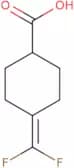
CAS:<p>Versatile small molecule scaffold</p>Fórmula:C7H12ClF2NPureza:Min. 95%Peso molecular:183.6 g/mol4-(Difluoromethylidene)cyclohexane-1-carboxylic acid
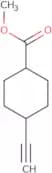
CAS:<p>Versatile small molecule scaffold</p>Fórmula:C8H10F2O2Pureza:Min. 95%Peso molecular:176.16 g/molMethyl 4-ethynylcyclohexane-1-carboxylate
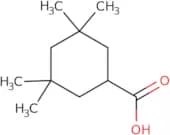
CAS:<p>Versatile small molecule scaffold</p>Fórmula:C10H14O2Pureza:Min. 95%Peso molecular:166.22 g/mol3,3,5,5-Tetramethylcyclohexane-1-carboxylic acid
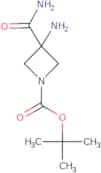
CAS:<p>Versatile small molecule scaffold</p>Fórmula:C11H20O2Pureza:Min. 95%Peso molecular:184.27 g/moltert-butyl 3-amino-3-carbamoylazetidine-1-carboxylate
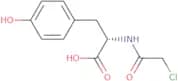
CAS:<p>Versatile small molecule scaffold</p>Fórmula:C9H17N3O3Pureza:Min. 95%Peso molecular:215.2 g/molN-Chloroacetyl-L-tyrosine
CAS:<p>N-Chloroacetyl-L-tyrosine is a synthetic, proteolytic enzyme that hydrolyzes proteins containing the amino acid L-tyrosine. It has been shown to inhibit the growth of bacteria by inhibiting the activity of enzymes involved with protein synthesis and peptide bond formation. N-Chloroacetyl-L-tyrosine inhibits the activity of diazonium salt and conjugates, which are involved in polypeptide synthesis and DNA replication. It also has an inhibitory effect on functional groups, such as hydroxyl, amine, sulfhydryl, carboxylate, phosphate, and phosphoric acid.</p>Pureza:Min. 95%Peso molecular:257.67 g/mol1-[4-Methyl-2-(4-methylphenyl)-1,3-thiazol-5-yl]ethan-1-one
CAS:<p>Versatile small molecule scaffold</p>Fórmula:C13H13NOSPureza:Min. 95%Peso molecular:231.32 g/mol1-[2-(4-Methoxyphenyl)-4-methyl-1,3-thiazol-5-yl]ethan-1-one
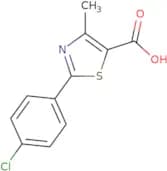
CAS:<p>Versatile small molecule scaffold</p>Fórmula:C13H13NO2SPureza:Min. 95%Peso molecular:247.31 g/mol2-(4-Chlorophenyl)-4-methyl-1,3-thiazole-5-carboxylic acid
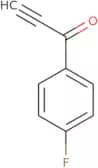
CAS:<p>Versatile small molecule scaffold</p>Fórmula:C11H8ClNO2SPureza:Min. 95%Peso molecular:253.71 g/mol1-(4-Fluorophenyl)prop-2-yn-1-one
CAS:<p>Versatile small molecule scaffold</p>Fórmula:C9H5FOPureza:Min. 95%Peso molecular:148.13 g/molEthyl 5-hydroxypyrazine-2-carboxylate
CAS:<p>Versatile small molecule scaffold</p>Fórmula:C7H8N2O3Pureza:Min. 95%Peso molecular:168.15 g/mol5-Chloro-2-(1H-tetrazol-5-yl)aniline
CAS:<p>Versatile small molecule scaffold</p>Fórmula:C7H6ClN5Pureza:Min. 95%Peso molecular:195.61 g/mol1-[2-(Propan-2-yloxy)phenyl]piperazine
CAS:Produto Controlado<p>Versatile small molecule scaffold</p>Fórmula:C13H20N2OPureza:Min. 95%Peso molecular:220.31 g/mol(5-Phenyl-1,3,4-oxadiazol-2-yl)methanol
CAS:<p>Versatile small molecule scaffold</p>Fórmula:C9H8N2O2Pureza:Min. 95%Peso molecular:176.17 g/mol[5-(3-Methylphenyl)-1,3,4-oxadiazol-2-yl]methanol
CAS:<p>Versatile small molecule scaffold</p>Fórmula:C10H10N2O2Pureza:Min. 95%Peso molecular:190.2 g/mol[5-(4-Chlorophenyl)-1,3,4-oxadiazol-2-yl]methanol
CAS:<p>Versatile small molecule scaffold</p>Fórmula:C9H7ClN2O2Pureza:Min. 95%Peso molecular:210.62 g/mol[5-(2-Chlorophenyl)-1,3,4-oxadiazol-2-yl]methanol
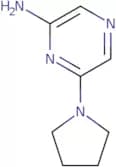
CAS:<p>Versatile small molecule scaffold</p>Fórmula:C9H7ClN2O2Pureza:Min. 95%Peso molecular:210.62 g/mol6-(Pyrrolidin-1-yl)pyrazin-2-amine
CAS:<p>Versatile small molecule scaffold</p>Fórmula:C8H12N4Pureza:Min. 95%Peso molecular:164.21 g/mol6-Ethoxypyrazin-2-amine
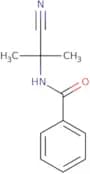
CAS:<p>Versatile small molecule scaffold</p>Fórmula:C6H9N3OPureza:Min. 95%Peso molecular:139.16 g/molN-(1-Cyano-1-methylethyl)benzamide
CAS:<p>Versatile small molecule scaffold</p>Fórmula:C11H12N2OPureza:Min. 95%Peso molecular:188.23 g/mol1,3-Dioxaindane-5-carbonyl azide
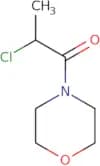
CAS:<p>Versatile small molecule scaffold</p>Fórmula:C8H5N3O3Pureza:Min. 95%Peso molecular:191.14 g/mol2-Chloro-1-(morpholin-4-yl)propan-1-one
CAS:<p>Versatile small molecule scaffold</p>Fórmula:C7H12ClNO2Pureza:Min. 95%Peso molecular:177.63 g/mol5-Carbamoylfuran-2-carboxylic acid
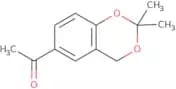
CAS:<p>Versatile small molecule scaffold</p>Fórmula:C6H5NO4Pureza:Min. 95%Peso molecular:155.11 g/mol1-(2,2-Dimethyl-2,4-dihydro-1,3-benzodioxin-6-yl)ethan-1-one
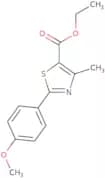
CAS:<p>Versatile small molecule scaffold</p>Fórmula:C12H14O3Pureza:Min. 95%Peso molecular:206.24 g/molEthyl 4-methyl-2-(4-methoxyphenyl)thiazole-5-carboxylate
CAS:<p>Versatile small molecule scaffold</p>Fórmula:C14H15NO3SPureza:Min. 95%Peso molecular:277.34 g/mol1-Chloro-3-ethylpentan-2-one
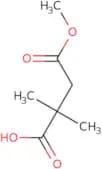
CAS:<p>1-Chloro-3-ethylpentan-2-one is a chemical compound that contains a nitrogen atom and is classified as an organic compound. It has been used in the synthesis of other chemicals including pharmaceuticals, herbicides, and plastics. This chemical has been shown to hydrate at 180 degrees Celsius to form a nitrite salt. It can be used as an orienting agent for synthesizing other compounds.</p>Fórmula:C7H13ClOPureza:Min. 95%Peso molecular:148.63 g/mol4-Methoxy-2,2-dimethyl-4-oxobutanoic acid
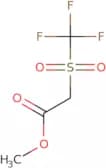
CAS:<p>Versatile small molecule scaffold</p>Fórmula:C7H12O4Pureza:Min. 95%Peso molecular:160.17 g/molMethyl 2-trifluoromethanesulfonylacetate
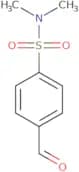
CAS:<p>Versatile small molecule scaffold</p>Fórmula:C4H5F3O4SPureza:Min. 95%Peso molecular:206.14 g/mol4-Formyl-N,N-dimethyl-benzenesulfonamide
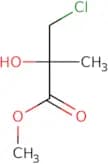
CAS:<p>Versatile small molecule scaffold</p>Fórmula:C9H11NO3SPureza:Min. 95%Peso molecular:213.26 g/molMethyl 3-chloro-2-hydroxy-2-methylpropanoate
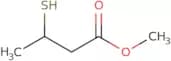
CAS:<p>Versatile small molecule scaffold</p>Fórmula:C5H9ClO3Pureza:Min. 95%Peso molecular:152.57 g/molMethyl 3-sulfanylbutanoate
CAS:<p>Methyl 3-sulfanylbutanoate is a fatty acid that is used as an intermediate for the production of other chemicals.</p>Fórmula:C5H10O2SPureza:Min. 95%Peso molecular:134.2 g/mol5,6-Diamino-1-(2-methylpropyl)-1,2,3,4-tetrahydropyrimidine-2,4-dione
CAS:<p>Versatile small molecule scaffold</p>Fórmula:C8H14N4O2Pureza:Min. 95%Peso molecular:198.2 g/mol

![3-[(Ethoxycarbonyl)amino]propanoic acid](/_next/image/?url=https%3A%2Fstatic.cymitquimica.com%2Fproducts%2F3D%2Fthumb-webp%2FEAA24481.webp&w=3840&q=75)

![N-{2-[(Propan-2-yl)amino]ethyl}acetamide](/_next/image/?url=https%3A%2Fstatic.cymitquimica.com%2Fproducts%2F3D%2Fthumb-webp%2FEAA81485.webp&w=3840&q=75)

![2-{[(Furan-2-yl)methyl]amino}-5-sulfamoylbenzoic acid](/_next/image/?url=https%3A%2Fstatic.cymitquimica.com%2Fproducts%2F3D%2Fthumb-webp%2FEAA81885.webp&w=3840&q=75)


![2-[(4-bromophenyl)amino]-1-phenylethan-1-one](/_next/image/?url=https%3A%2Fstatic.cymitquimica.com%2Fproducts%2F3D%2Fthumb-webp%2FEAA83121.webp&w=3840&q=75)
![1-Bromo-4-[(difluoromethyl)sulfanyl]benzene](/_next/image/?url=https%3A%2Fstatic.cymitquimica.com%2Fproducts%2F3D%2Fthumb-webp%2FEAA83714.webp&w=3840&q=75)




![5-{[(4-Chlorophenyl)methyl]sulfanyl}-1,3,4-thiadiazole-2-thiol](/_next/image/?url=https%3A%2Fstatic.cymitquimica.com%2Fproducts%2F3D%2Fthumb-webp%2FEAA85838.webp&w=3840&q=75)
![2-[(2-Nitrophenyl)thio]acetic Acid Hydrazide](/_next/image/?url=https%3A%2Fstatic.cymitquimica.com%2Fproducts%2F3D%2Fthumb-webp%2FEAA87140.webp&w=3840&q=75)
![4-(4-Chlorophenyl)-4,5,6,7-tetrahydro-3H-imidazo[4,5-c]pyridine](/_next/image/?url=https%3A%2Fstatic.cymitquimica.com%2Fproducts%2F3D%2Fthumb-webp%2FEAA87541.webp&w=3840&q=75)
![4-(4-Methylphenyl)-4,5,6,7-tetrahydro-3H-imidazo[4,5-c]pyridine](/_next/image/?url=https%3A%2Fstatic.cymitquimica.com%2Fproducts%2F3D%2Fthumb-webp%2FEAA87543.webp&w=3840&q=75)
![Dispiro[3.1.3.1]decane-5,10-dione](/_next/image/?url=https%3A%2Fstatic.cymitquimica.com%2Fproducts%2F3D%2Fthumb-webp%2FEAA89300.webp&w=3840&q=75)

![2-Chloro-3-nitroimidazo[1,2-a]pyridine](/_next/image/?url=https%3A%2Fstatic.cymitquimica.com%2Fproducts%2F3D%2Fthumb-webp%2FEAA92652.webp&w=3840&q=75)
![5-Bromo-3-methylimidazo[1,2-a]pyridine](/_next/image/?url=https%3A%2Fstatic.cymitquimica.com%2Fproducts%2F3D%2Fthumb-webp%2FEAA92654.webp&w=3840&q=75)
![1',2'-Dihydrospiro[cyclohexane-1,3'-indole]-2'-one](/_next/image/?url=https%3A%2Fstatic.cymitquimica.com%2Fproducts%2F3D%2Fthumb-webp%2FEAA93314.webp&w=3840&q=75)
![5H,6H,7H-Pyrrolo[3,4-b]pyrazine-5,7-dione](/_next/image/?url=https%3A%2Fstatic.cymitquimica.com%2Fproducts%2F3D%2Fthumb-webp%2FEAA93319.webp&w=3840&q=75)
![1H,3H,4H,5H,6H,7H,8H,9H-Cycloocta[C]furan-1,3-dione](/_next/image/?url=https%3A%2Fstatic.cymitquimica.com%2Fproducts%2F3D%2Fthumb-webp%2FEAA93619.webp&w=3840&q=75)
![5-Methyl-1H-pyrrolo[3,2-b]pyridine](/_next/image/?url=https%3A%2Fstatic.cymitquimica.com%2Fproducts%2F3D%2Fthumb-webp%2FEAA94367.webp&w=3840&q=75)
![9-Azabicyclo[6.2.0]decan-10-one](/_next/image/?url=https%3A%2Fstatic.cymitquimica.com%2Fproducts%2F3D%2Fthumb-webp%2FEAA94636.webp&w=3840&q=75)
![2-[4-(2-Aminoethyl)phenoxy]ethan-1-ol](/_next/image/?url=https%3A%2Fstatic.cymitquimica.com%2Fproducts%2F3D%2Fthumb-webp%2FEAA96064.webp&w=3840&q=75)


![1-Methyl-4-[(methylsulfanyl)sulfonyl]benzene](/_next/image/?url=https%3A%2Fstatic.cymitquimica.com%2Fproducts%2F3D%2Fthumb-webp%2FEAA97366.webp&w=3840&q=75)



![5,6-Dimethylthieno[2,3-d]pyrimidin-4-amine](/_next/image/?url=https%3A%2Fstatic.cymitquimica.com%2Fproducts%2F3D%2Fthumb-webp%2FEAA99489.webp&w=3840&q=75)


![3,3-difluoro-8-azabicyclo[3.2.1]octane hydrochloride](/_next/image/?url=https%3A%2Fstatic.cymitquimica.com%2Fproducts%2F3D%2Fthumb-webp%2FEAC10406.webp&w=3840&q=75)
![1-[4-Methyl-2-(4-methylphenyl)-1,3-thiazol-5-yl]ethan-1-one](/_next/image/?url=https%3A%2Fstatic.cymitquimica.com%2Fproducts%2F3D%2Fthumb-webp%2FECA00103.webp&w=3840&q=75)
![1-[2-(4-Methoxyphenyl)-4-methyl-1,3-thiazol-5-yl]ethan-1-one](/_next/image/?url=https%3A%2Fstatic.cymitquimica.com%2Fproducts%2F3D%2Fthumb-webp%2FECA00106.webp&w=3840&q=75)


![1-[2-(Propan-2-yloxy)phenyl]piperazine](/_next/image/?url=https%3A%2Fstatic.cymitquimica.com%2Fproducts%2F3D%2Fthumb-webp%2FECA01391.webp&w=3840&q=75)

![[5-(3-Methylphenyl)-1,3,4-oxadiazol-2-yl]methanol](/_next/image/?url=https%3A%2Fstatic.cymitquimica.com%2Fproducts%2F3D%2Fthumb-webp%2FECA01405.webp&w=3840&q=75)
![[5-(4-Chlorophenyl)-1,3,4-oxadiazol-2-yl]methanol](/_next/image/?url=https%3A%2Fstatic.cymitquimica.com%2Fproducts%2F3D%2Fthumb-webp%2FECA01407.webp&w=3840&q=75)
![[5-(2-Chlorophenyl)-1,3,4-oxadiazol-2-yl]methanol](/_next/image/?url=https%3A%2Fstatic.cymitquimica.com%2Fproducts%2F3D%2Fthumb-webp%2FECA01415.webp&w=3840&q=75)