Building Blocks
Esta seção contém produtos fundamentais para a síntese de compostos orgânicos e biológicos. Building blocks são os materiais de partida essenciais usados para construir moléculas complexas através de várias reações químicas. Eles desempenham um papel crítico na descoberta de medicamentos, ciência dos materiais e pesquisa química. Na CymitQuimica, oferecemos uma ampla gama de building blocks de alta qualidade para apoiar suas pesquisas inovadoras e projetos industriais, garantindo que você tenha os componentes essenciais para uma síntese bem-sucedida.
Subcategorias de "Building Blocks"
- Ácidos Borónicos e Derivados de Ácido Borónico(5.756 produtos)
- Building Blocks Quirais(1.242 produtos)
- Building Blocks Hidrocarbonetos(6.095 produtos)
- Building Blocks orgânicos(61.037 produtos)
Foram encontrados 196139 produtos de "Building Blocks"
Ordenar por
Pureza (%)
0
100
|
0
|
50
|
90
|
95
|
100
2-(4-Carboxy-phenyl)-pyrrolidine-1-carboxylic acid tert-butyl ester
CAS:<p>Versatile small molecule scaffold</p>Fórmula:C16H21NO4Pureza:Min. 95%Peso molecular:291.34 g/mol4-(4-Methylpiperazin-1-yl)-2-(trifluoromethyl)aniline
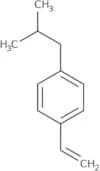
CAS:<p>Versatile small molecule scaffold</p>Fórmula:C12H16N3F3Pureza:Min. 95%Peso molecular:259.27 g/molp-Isobutylstyrene-d7
CAS:<p>p-Isobutylstyrene-d7 is a solid catalyst that can be used in the synthesis of organic compounds. It has been shown to have good activity for the transfer of acid chloride groups to aromatic ring systems and for the synthesis of thiadiazoles. p-Isobutylstyrene-d7 has been shown to be an excellent catalyst for the conversion of hydrochloric acid into hydrogen chloride, which can then be recycled. The toxicity studies on this compound have shown that it is not toxic to bacterial strains, which may make it a good candidate for use as a catalyst in bioremediation or a growth substrate. This catalyst has also been shown to have photocatalytic activity and may be used in the purification of water contaminated with heavy metals.</p>Fórmula:C12H9D7Pureza:Min. 95%Peso molecular:167.3 g/mol(2S)-3-(3,4-dihydroxyphenyl)-2-{[(9H-fluoren-9-ylmethoxy)carbonyl]amino}propanoic acid
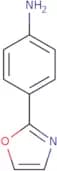
CAS:<p>3,4-Dihydroxyphenylalanine (3,4-DOPA) is a non-protein amino acid that is an intermediate in the synthesis of dopamine and norepinephrine. 3,4-DOPA is metabolized by the enzyme dopa decarboxylase to dopamine and then by catechol-O-methyl transferase to norepinephrine. 3,4-DOPA has antioxidant properties and has been shown to have anticancer effects in animals. It also has been shown to interact with other biomolecules such as proteins and nucleic acids. 3,4-DOPA binds strongly to metal ions through its carboxylic acid group and can chelate metals such as copper or iron. This property may be used for coatings on metal surfaces or for interacting with other molecules.br>br> 3,4-Dopa contains a chiral center due to the presence of two stereogenic carbons on the phen</p>Fórmula:C24H21NO6Pureza:Min. 95%Peso molecular:419.4 g/mol4-(Oxazol-2-yl)aniline
CAS:<p>Versatile small molecule scaffold</p>Fórmula:C9H8N2OPureza:Min. 95%Peso molecular:160.17 g/mol3,3,5-Trimethylcyclohexanone
CAS:<p>3,3,5-Trimethylcyclohexanone is an intermediate in the synthesis of polymers and polyesters. This compound is a reactive hydrogenation product which can be used to produce polymers with desired properties. The unsaturated side chain of 3,3,5-trimethylcyclohexanone reacts with borohydride to form a ketal. After being converted to the corresponding acid chloride, the 3,3,5-trimethylcyclohexanone can be used for the synthesis of polyesters. This compound has also been shown to be an effective catalyst for producing β-unsaturated ketones from aldehydes and dienes.</p>Fórmula:C9H16OPureza:Min. 95%Cor e Forma:Clear LiquidPeso molecular:140.23 g/molCyanidin 3-O-rutinoside
CAS:<p>Please enquire for more information about Cyanidin 3-O-rutinoside including the price, delivery time and more detailed product information at the technical inquiry form on this page</p>Fórmula:C27H31O15Pureza:Min. 95%Peso molecular:595.53 g/molCoproporphyrin III
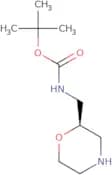
CAS:<p>Please enquire for more information about Coproporphyrin III including the price, delivery time and more detailed product information at the technical inquiry form on this page</p>Fórmula:C36H38N4O8Pureza:Min. 95%Peso molecular:654.71 g/mol(R)-2-(N-Boc-aminomethyl)morpholine
CAS:<p>Versatile small molecule scaffold</p>Fórmula:C10H20N2O3Pureza:Min. 95%Peso molecular:216.28 g/mol(e)-(2-(1-(tert-butoxycarbonyl)piperidin-4-yl)vinyl)boronic acid pinacol ester
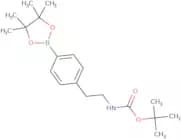
CAS:<p>Versatile small molecule scaffold</p>Fórmula:C18H32BNO4Pureza:Min. 95%Peso molecular:337.27 g/moltert-butyl 4-(4,4,5,5-tetramethyl-1,3,2-dioxaborolan-2-yl)phenethylcarbamate
CAS:<p>Versatile small molecule scaffold</p>Fórmula:C19H30BNO4Pureza:Min. 95%Peso molecular:347.26 g/mol(3R)-3-Methylpyrrolidine hydrochloride
CAS:<p>Versatile small molecule scaffold</p>Fórmula:C5H11N•HClPureza:Min. 95%Peso molecular:121.5 g/mol4-Chloro-N-[2-(1,2-dihydro-2-oxo-4-quinolinyl)ethyl]benzamide
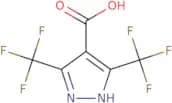
CAS:<p>Please enquire for more information about 4-Chloro-N-[2-(1,2-dihydro-2-oxo-4-quinolinyl)ethyl]benzamide including the price, delivery time and more detailed product information at the technical inquiry form on this page</p>Fórmula:C18H15ClN2O2Pureza:Min. 95%Peso molecular:326.78 g/mol3,5-Bis(trifluoromethyl)-1H-pyrazole-4-carboxylic acid
CAS:<p>3,5-Bis(trifluoromethyl)-1H-pyrazole-4-carboxylic acid is a chiral compound that has been shown to be an active building block for coordination frameworks. It is prepared from the reaction of 3,5-bis(trifluoromethyl)-1H-pyrazole with a carboxylic acid and can be used in the synthesis of metalloporphyrins. 3,5-Bis(trifluoromethyl)-1H-pyrazole-4-carboxylic acid has been shown to form stable coordination complexes with ligands such as bidentate or tridentate phosphoramidites and dimethylammonium chloride. This compound undergoes thermal treatment during the preparation process and reacts with various solvents and reagents.</p>Fórmula:C6H2F6N2O2Pureza:Min. 95%Peso molecular:248.08 g/mol4-bromo-1H-imidazole-2-carbaldehyde
CAS:<p>Versatile small molecule scaffold</p>Fórmula:C4H3BrN2OPureza:Min. 95%Peso molecular:175 g/mol1H-[1,2,3]Triazolo[4,5-d]pyrimidin-5-amine
CAS:<p>1H-[1,2,3]Triazolo[4,5-d]pyrimidin-5-amine is a nitro compound that binds to the receptor binding sites of certain inflammatory bowel disease and cancer cells. It also inhibits the production of adenosine in these cells. 1H-[1,2,3]Triazolo[4,5-d]pyrimidin-5-amine has been shown to be effective against bowel disease and cancer by inhibiting cyclic AMP (cAMP) degradation. This drug has also been shown to be an irreversible inhibitor of ischemia reperfusion injury in animal models. 1H-[1,2,3]Triazolo[4,5-d]pyrimidin-5-amine is a nitro compound that binds to the receptor binding sites of certain inflammatory bowel disease and cancer cells. It also inhibits the production of adenosine in these cells. 1H</p>Fórmula:C4H4N6Pureza:Min. 95%Peso molecular:136.12 g/molN-Ethylcyclobutanamine hydrochloride
CAS:<p>Versatile small molecule scaffold</p>Fórmula:C6H13NPureza:Min. 95%Peso molecular:99.17 g/mol(αR)-α-(2-Chlorophenyl)-2H-tetrazole-2-ethanol
CAS:<p>Please enquire for more information about (αR)-α-(2-Chlorophenyl)-2H-tetrazole-2-ethanol including the price, delivery time and more detailed product information at the technical inquiry form on this page</p>Fórmula:C9H9ClN4OPureza:Min. 95%Peso molecular:224.65 g/mol5-Bromo-1-methyl-3H-1,3-benzodiazol-2-one
CAS:<p>Versatile small molecule scaffold</p>Fórmula:C8H7BrN2OPureza:Min. 95%Peso molecular:227.06 g/mol(4-(tert-Butoxy)phenyl)methanamine
CAS:<p>(4-(tert-Butoxy)phenyl)methanamine (BPMT) is a ligand that binds to the alpha-2 receptor and acts as an antagonist. This compound has been shown to be a molecular target for positron emission tomography imaging, which is used in the diagnosis of tumours. BPMT is also used in the treatment of neuropeptide-associated disorders such as Parkinson's disease. The chiral nature of this compound makes it useful for the production of radiopharmaceuticals and other diagnostic agents with different physical properties.</p>Fórmula:C11H17NOPureza:Min. 95%Peso molecular:179.26 g/mol3-Methoxy-benzenesulfonic acid
CAS:<p>Versatile small molecule scaffold</p>Fórmula:C7H8O4SPureza:Min. 95%Peso molecular:188.2 g/mol2-Methoxy-benzenesulfonic acid
CAS:<p>2-Methoxy-benzenesulfonic acid is a synthetic chemical compound that is used in the production of polymers and other ester compounds. It can be produced by reacting benzenesulfonyl chloride with methanol in the presence of a strong acid catalyst. 2-Methoxy-benzenesulfonic acid reacts with radiation to produce reactive oxygen species that are capable of damaging cellular structures. The molecule contains an intramolecular hydrogen bond, which stabilizes the structure and helps to form hydrogen bonds with other molecules. 2-Methoxy-benzenesulfonic acid also has a hydroxyl group, which allows it to function as an acidic compound that can react with water and cause inflammation. This functional group also makes it soluble in water, allowing it to penetrate tissue structures.</p>Fórmula:C7H8O4SPureza:Min. 95%Peso molecular:188.2 g/molD-Carnosine trifluoroacetate
CAS:<p>Please enquire for more information about D-Carnosine trifluoroacetate including the price, delivery time and more detailed product information at the technical inquiry form on this page</p>Fórmula:C9H14N4O3•(C2HF3O2)xPureza:Min. 95%3-(Prop-2-en-1-ylsulfanyl)prop-1-ene
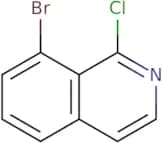
CAS:<p>Please enquire for more information about 3-(Prop-2-en-1-ylsulfanyl)prop-1-ene including the price, delivery time and more detailed product information at the technical inquiry form on this page</p>Fórmula:C6H10SPureza:Min. 95%Peso molecular:114.21 g/mol8-Bromo-1-chloroisoquinoline
CAS:<p>Versatile small molecule scaffold</p>Fórmula:C9H5BrClNPureza:Min. 95%Peso molecular:242.5 g/molBenzyl N,N,N',N'-Tetraisopropylphosphorodiamidite
CAS:<p>Benzyl N,N,N',N'-tetraisopropylphosphorodiamidite is a reagent that reacts with hydroxybenzyl amine to form an ester. This product is used for the synthesis of phosphoramidites and benzyl esters. It is also used as a catalyst for the synthesis of diesters.</p>Fórmula:C19H35N2OPPureza:Min. 95%Peso molecular:338.48 g/molN-[2-[(2S)-2-Cyano-4,4-difluoro-1-pyrrolidinyl]-2-oxoethyl]-6-[methyl[3-(1-piperazinyl)propyl]amino]-4-quinolinecarboxamide trifluor oacetate
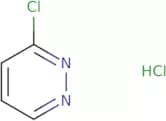
CAS:<p>Please enquire for more information about N-[2-[(2S)-2-Cyano-4,4-difluoro-1-pyrrolidinyl]-2-oxoethyl]-6-[methyl[3-(1-piperazinyl)propyl]amino]-4-quinolinecarboxamide trifluor oacetate including the price, delivery time and more detailed product information at the technical inquiry form on this page</p>Fórmula:C25H31F2N7O2•(C2HF3O2)xPureza:Min. 95%Peso molecular:499.56 g/mol6-Chloro-pyridazine hydrochloride
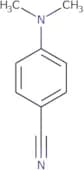
CAS:<p>Please enquire for more information about 6-Chloro-pyridazine hydrochloride including the price, delivery time and more detailed product information at the technical inquiry form on this page</p>Fórmula:C4H3ClN2·HClPureza:Min. 95%Peso molecular:150.99 g/mol1-Cyano-4-(dimethylamino)benzene
CAS:<p>1-Cyano-4-(dimethylamino)benzene is a molecule that has been shown to inhibit the growth of hamster v79 cells. It also inhibits the synthesis of DNA and RNA. The binding constants for this molecule have been determined to be 1.0 x 10^9 M^-1, with an n-octanol/water partition coefficient (log P) of 5.5. This molecule is soluble in nonpolar solvents and may be used as a model system for hydrogen bonding interactions or reaction mechanisms in organic chemistry. This compound contains a deuterium isotope and can be used to study the effects of hydrogen bonding on reactions in organic chemistry at high temperatures, with the use of preparative hplc.</p>Fórmula:C9H10N2Pureza:Min. 95%Cor e Forma:Beige PowderPeso molecular:146.19 g/mol3-Hydroxynaphthalene-2-carboxaldehyde
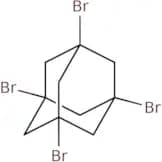
CAS:<p>3-Hydroxynaphthalene-2-carboxaldehyde is a primary amino acid that can exist in two forms, the imine and the enamine tautomers. The proton on carbon 2 is acidic, which allows for hydrogen bonding with other molecules. The 3-hydroxynaphthalene-2-carboxaldehyde has a viscosity of 1mm2/s and a fluorescence emission maximum at about 275nm. It also has optical properties that are similar to naphthalene.</p>Fórmula:C11H8O2Pureza:Min. 95%Peso molecular:172.18 g/mol1,3,5,7-Tetrabromoadamantane
CAS:<p>1,3,5,7-Tetrabromoadamantane is a molecule that has been synthesized and introduced as a mediator to introduce oxidants. The introduction of the oxidant is mediated by 1,3,5,7-tetrabromoadamantane. This molecule has been shown to be synthesized in two steps from hexamethylenetetramine (HMT) and iodomethane. The synthesis of this molecule can also be achieved by reacting synthons such as tetraphenylmethane with hydrochloric acid. 1,3,5,7-Tetrabromoadamantane is an equivalence mediator because it can mediate a redox reaction in which the oxidizing agent is reduced and the reducing agent is oxidized.</p>Fórmula:C10H12Br4Pureza:Min. 95%Peso molecular:451.82 g/mol1-(4-(4,4,5,5-Tetramethyl-1,3,2-dioxaborolan-2-yl)phenyl)cyclopropanecarbonitrile
CAS:<p>Versatile small molecule scaffold</p>Fórmula:C16H20BNO2Pureza:Min. 95%Peso molecular:269.15 g/mol1-Methanesulfonyl-1H-pyrazol-4-amine
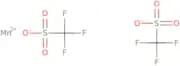
CAS:<p>Versatile small molecule scaffold</p>Fórmula:C4H7N3O2SPureza:Min. 95%Peso molecular:161.19 g/molManganese bis(trifluoromethanesulfonate)
CAS:<p>Manganese bis(trifluoromethanesulfonate) is a chemical compound that is soluble in acetone, ether, and anhydrous acetonitrile. It has been recrystallized from an ethanol-ether mixture and purified by filtration. The solubility of this chemical in acetone, ether, and anhydrous acetonitrile makes it useful for the preparation of manganese complexes with various ligands. Manganese bis(trifluoromethanesulfonate) is used as a catalyst in the epoxidation of olefins.</p>Fórmula:C2F6MnO6S2Pureza:Min. 95%Peso molecular:353.08 g/moltert-Butyl 4-[(piperazin-1-yl)methyl]piperidine-1-carboxylate
CAS:<p>Versatile small molecule scaffold</p>Fórmula:C15H29N3O2Pureza:Min. 95%Peso molecular:283.41 g/mol2,4-Dichloropyrido [2,3-D] pyrimidine
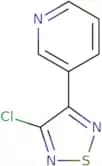
CAS:<p>2,4-Dichloropyrido [2,3-D] pyrimidine is a regioselective chlorination agent that can be used for the synthesis of various organic compounds. It is often used in cross-coupling reactions to form carbon-carbon bonds. 2,4-Dichloropyrido [2,3-D] pyrimidine has been shown to give high yields and is selective for disubstituted or monosubstituted substrates. This compound is also useful for the functionalization of C-H bonds via palladium-catalyzed coupling reactions.</p>Fórmula:C7H3Cl2N3Pureza:Min. 95%Cor e Forma:White PowderPeso molecular:200.02 g/mol3-Chloro-4-(pyridin-3-yl)-1,2,5-thiadiazole
CAS:<p>Versatile small molecule scaffold</p>Fórmula:C7H4ClN3SPureza:Min. 95%Peso molecular:197.64 g/mol1-(2,4-Difluoro-6-hydroxyphenyl)ethan-1-one
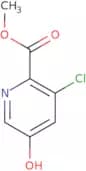
CAS:<p>Versatile small molecule scaffold</p>Fórmula:C8H6F2O2Pureza:Min. 95%Peso molecular:172.13 g/molMethyl 3-chloro-5-hydroxypyridine-2-carboxylate
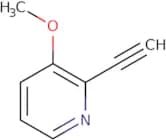
CAS:<p>Versatile small molecule scaffold</p>Fórmula:C7H6NO3ClPureza:Min. 95%Peso molecular:187.58 g/mol2-Ethynyl-3-methoxypyridine
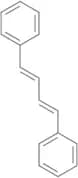
CAS:<p>2-Ethynyl-3-methoxypyridine is a chiral, alkynyl compound that can be synthesized from the reaction of acetone and ethyne. This compound is axially chiral and has two rotational isomers, which are optically active. The synthesis of this compound was first reported in 1952 by cyclizing 2-ethynylpyridine with methoxyacetophenone in the presence of acetic acid. The photochemical reactions of this compound have been studied extensively and it has shown to be a useful substrate for pyridines.</p>Fórmula:C8H7NOPureza:Min. 95%Peso molecular:133.14 g/moltrans,trans-1,4-Diphenyl-1,3-butadiene
CAS:<p>Used in the preparation of metal-diene reagents (e.g. for carbocyclization)</p>Fórmula:C16H14Pureza:Min. 95%Peso molecular:206.28 g/mol2,2',4,4'-tetrahydroxybenzophenone
CAS:<p>2,2',4,4'-tetrahydroxybenzophenone is a hydroxylated benzophenone that has immunomodulatory effects. It binds to the receptor in the immune system and can cause an increase in cytokine production. 2,2',4,4'-tetrahydroxybenzophenone is cytotoxic and has significant toxicity in vitro. The molecule has been shown to disrupt mitochondrial membrane potential. This may be due to its ability to form hydrogen bonds with molecules on the mitochondrial membrane. 2,2',4,4'-tetrahydroxybenzophenone also modulates transcriptional regulation of genes involved in cell proliferation and apoptosis. The drug is detectable at low levels by mass spectrometry and is not known to have any toxicological effects.END>></p>Fórmula:C13H10O5Pureza:Min. 95%Cor e Forma:Green PowderPeso molecular:246.22 g/molTriglycol dichloride
CAS:<p>Triglycol dichloride is a synthetic, water-soluble solid that is prepared by the reaction of 3-chloroperoxybenzoic acid with a hydroxide solution. It has been used in a variety of applications such as the preparation of hemicyanine, the synthesis of polymers, and the degradation of chlorinated hydrocarbons. Triglycol dichloride also has synergistic effects with other photocatalysts, increasing their activity and reducing their cost. Triglycol dichloride can be used to synthesize polymer films or coatings that are biodegradable, have low environmental impact, and are structurally stable. This compound is also unaffected by water or neutral pH and can be used in the production of semiconductors.</p>Fórmula:C6H12Cl2O2Pureza:Min. 95%Cor e Forma:Clear LiquidPeso molecular:187.06 g/mol7-Bromo-1-methylnaphthalene
CAS:<p>7-Bromo-1-methylnaphthalene is a fluorescent dye that can be used to measure the concentration of DNA, RNA, and proteins. This compound is an intercalator, which means that it can bind to double stranded DNA or RNA near the center of the molecule where there is a space for binding. It has been used in the study of the thymic gland because it binds to DNA and RNA in cells from this organ. 7-Bromo-1-methylnaphthalene has also been used as a skeleton for organic compounds, such as dimethylammonium. The bromine atom in this compound can be replaced with other atoms like iodine or chlorine to make different colored dyes.</p>Fórmula:C11H9BrPureza:Min. 95%Peso molecular:221.09 g/mol3-[5-(Aminomethyl)-1-oxo-2,3-dihydro-1H-isoindol-2-yl]piperidine-2,6-dione hydrochloride
CAS:<p>Versatile small molecule scaffold</p>Fórmula:C14H16ClN3O3Pureza:Min. 95%Peso molecular:309.75 g/molBMS-986165
CAS:Produto Controlado<p>BMS-986165 is a P-glycoprotein (P-gp) inhibitor that has been shown to reduce the absorption of ciclosporin, tacrolimus, and everolimus in vitro. BMS-986165 has an activity index of 100% and inhibits the inflammatory response by inhibiting the production of cytokines. It has been found to be effective for treating bowel diseases, such as ulcerative colitis and Crohn's disease. The drug also may be used for the treatment of autoimmune diseases, such as psoriasis or rheumatoid arthritis. BMS-986165 is administered orally and is rapidly absorbed. It is metabolized by CYP3A4 and excreted in urine as metabolites. END>> END>></p>Fórmula:C20H19D3N8O3Pureza:Min. 95%Peso molecular:425.46 g/mol4-Bromopyridine-2,3-diamine
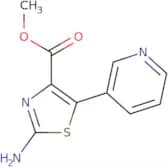
CAS:<p>Versatile small molecule scaffold</p>Fórmula:C5H6N3BrPureza:Min. 95%Peso molecular:188.02 g/molMethyl 2-amino-5-pyridin-3-yl-1,3-thiazole-4-carboxylate
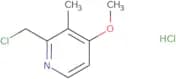
CAS:<p>Versatile small molecule scaffold</p>Fórmula:C10H9N3O2SPureza:Min. 95%Peso molecular:235.26 g/mol2-(Chloromethyl)-4-methoxy-3-methylpyridine hydrochloride
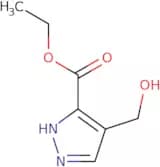
CAS:<p>2-(Chloromethyl)-4-methoxy-3-methylpyridine hydrochloride is a lead compound that belongs to the family of pyridine derivatives. It has been shown to be a potent inhibitor of bacterial RNA synthesis, with an IC50 value of 1.2 μM for Escherichia coli and 8 μM for Bacillus subtilis. 2-(Chloromethyl)-4-methoxy-3-methylpyridine hydrochloride also inhibits the growth of Gram negative bacteria such as Pseudomonas aeruginosa and Enterobacter cloacae. The compound binds to the nucleophilic site on ribosomes, which prevents the formation of peptide bonds between amino acids in protein synthesis. This leads to cell death by inhibiting protein synthesis, leading to cell division.</p>Fórmula:C8H11Cl2NOPureza:Min. 95%Peso molecular:208.08 g/molEthyl 4-(hydroxymethyl)-1H-pyrazole-3-carboxylate
CAS:<p>Versatile small molecule scaffold</p>Fórmula:C7H10N2O3Pureza:Min. 95%Peso molecular:170.17 g/mol


![(2S)-3-(3,4-dihydroxyphenyl)-2-{[(9H-fluoren-9-ylmethoxy)carbonyl]amino}propanoic acid](/_next/image/?url=https%3A%2Fstatic.cymitquimica.com%2Fproducts%2F3D%2Fthumb-webp%2FMFA01893.webp&w=3840&q=75)




![4-Chloro-N-[2-(1,2-dihydro-2-oxo-4-quinolinyl)ethyl]benzamide](/_next/image/?url=https%3A%2Fstatic.cymitquimica.com%2Fproducts%2F3D%2Fthumb-webp%2FFC184071.webp&w=3840&q=75)

![1H-[1,2,3]Triazolo[4,5-d]pyrimidin-5-amine](/_next/image/?url=https%3A%2Fstatic.cymitquimica.com%2Fproducts%2F3D%2Fthumb-webp%2FKAA17984.webp&w=3840&q=75)




![N-[2-[(2S)-2-Cyano-4,4-difluoro-1-pyrrolidinyl]-2-oxoethyl]-6-[methyl[3-(1-piperazinyl)propyl]amin…](/_next/image/?url=https%3A%2Fstatic.cymitquimica.com%2Fproducts%2F3D%2Fthumb-webp%2FFC184139.webp&w=3840&q=75)



![tert-Butyl 4-[(piperazin-1-yl)methyl]piperidine-1-carboxylate](/_next/image/?url=https%3A%2Fstatic.cymitquimica.com%2Fproducts%2F3D%2Fthumb-webp%2FGQA72248.webp&w=3840&q=75)
![2,4-Dichloropyrido [2,3-D] pyrimidine](/_next/image/?url=https%3A%2Fstatic.cymitquimica.com%2Fproducts%2F3D%2Fthumb-webp%2FFD31600.webp&w=3840&q=75)




![3-[5-(Aminomethyl)-1-oxo-2,3-dihydro-1H-isoindol-2-yl]piperidine-2,6-dione hydrochloride](/_next/image/?url=https%3A%2Fstatic.cymitquimica.com%2Fproducts%2F3D%2Fthumb-webp%2FIWB26469.webp&w=3840&q=75)