Building Blocks
Subcategorias de "Building Blocks"
- Ácidos Borónicos e Derivados de Ácido Borónico(5.774 produtos)
- Building Blocks Quirais(1.237 produtos)
- Building Blocks Hidrocarbonetos(6.098 produtos)
- Building Blocks orgânicos(60.970 produtos)
Foram encontrados 205135 produtos de "Building Blocks"
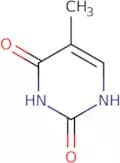
Thymine
CAS:Pyrimidine nucleobase; component of nucleic acids
Fórmula:C5H6N2O2Pureza:Min. 99 Area-%Cor e Forma:White PowderPeso molecular:126.11 g/molRef: 3D-FT06260
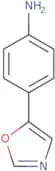
Produto descontinuado4-(1,3-Oxazol-5-yl)aniline
CAS:Versatile small molecule scaffold
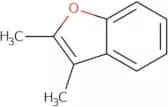
Fórmula:C9H8N2OPureza:Min. 95%Peso molecular:160.17 g/mol2,3-Dimethylbenzofuran
CAS:2,3-Dimethylbenzofuran (2,3-DBF) is a specific interaction that is an inorganic chemical. It has shown genotoxic effects, such as DNA damage and chromosomal aberrations, in hl-60 cells. 2,3-DBF can be acetylated by the activity of acetyltransferases to form 2,3-dimethylbenzoic acid (DMBA). DMBA is oxidized by cytochrome P450 enzymes to form DMBA quinone. DMBA quinone reacts with deuterium isotope to form an ionizable compound which can then be hydrolyzed into benzoic acid and methyl alcohol. The oxidation products of 2,3-DBF have been studied using analytical methods such as gas chromatography and mass spectrometry. These analyses showed the presence of acidic hydrolysis products and ionizable compounds.
Fórmula:C10H10OPureza:Min. 98 Area-%Cor e Forma:Clear LiquidPeso molecular:146.19 g/mol1,2,4,5-Tetrabromobenzene
CAS:1,2,4,5-Tetrabromobenzene is a brominated organic compound that forms a palladium complex. It has been studied by chemical ionization with an atmospheric pressure photoionization detector (APPI) and molecular modeling. The debromination reaction of 1,2,4,5-tetrabromobenzene was observed to take place in the liquid phase at room temperature. The detection limit for this reaction was found to be between 0.1 and 5 ppm. The most common form of 1,2,4,5-tetrabromobenzene is the monoclinic polymorph; however it can also exist as a trigonal system or as a hexagonal system when heated above its phase transition temperature. This compound is soluble in water and mercury chloride solutions but insoluble in ethers or chloroform.
Fórmula:C6H2Br4Pureza:Min. 95%Cor e Forma:White PowderPeso molecular:393.7 g/molRef: 3D-FT12104
Produto descontinuado5-Bromo-1H-pyrrolo[2,3-b]pyridine-2-carboxylic acid
CAS:5-Bromo-1H-pyrrolo[2,3-b]pyridine-2-carboxylic acid is a chemical compound with the molecular formula C6H4BrNO2. It is used as a reaction component and reagent in organic synthesis. This compound has been shown to have high quality and can be used for research purposes. 5-Bromo-1H-pyrrolo[2,3-b]pyridine-2-carboxylic acid is a versatile building block that can be used as an intermediate or building block in the synthesis of complex compounds. This compound is also a fine chemical that can be used in the production of pharmaceuticals and other commercial products.
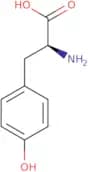
Fórmula:C8H5BrN2O2Pureza:Min. 95%Peso molecular:241.04 g/molL-Tyrosine - non-animal origin
CAS:Amino acid; precursor to neurotransmitters, hormones, pigments, natural phenols
Fórmula:C9H11NO3Cor e Forma:White Off-White PowderPeso molecular:181.19 g/molRef: 3D-FT158659
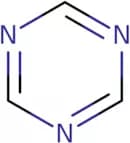
Produto descontinuado1,3,5-Triazine
CAS:1,3,5-Triazine is a nitrogen-containing heterocyclic compound that is used as a precursor for the synthesis of other compounds. It has been shown to inhibit the polymerase chain reaction and to bind to the enzyme DNA polymerase. This binding prevents the formation of an enzyme-substrate complex required for DNA replication. 1,3,5-Triazine also inhibits oxidative injury in experimental models and inhibits cellular physiology by decreasing the production of growth factor-β1. 1,3,5-Triazine has been shown to be a natural compound with inhibitory properties against growth factors and cell proliferation. This chemical also exhibits antioxidant effects by scavenging reactive oxygen species or inhibiting lipid peroxidation.END>
Fórmula:C3H3N3Pureza:Min. 95%Cor e Forma:White PowderPeso molecular:81.08 g/molRef: 3D-FT15903
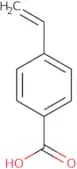
Produto descontinuado4-Vinylbenzoic acid
CAS:4-Vinylbenzoic acid is a water-insoluble polymer that has been shown to have bacteriostatic and fungistatic properties. 4-Vinylbenzoic acid inhibits bacterial growth by binding to the enzyme diphenolase, which is involved in the synthesis of cell wall precursors. This polymer also binds to cationic surfactants and is soluble in organic solvents such as ethanol and acetone. The mechanism of inhibition of fungal growth is not known, but it may be due to hydrogen bonding interactions with the cell membrane.
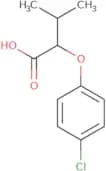
4-Vinylbenzoic acid has been shown to be effective against human serum, although it does not inhibit bacterial growth in this medium.Fórmula:C9H8O2Pureza:Min. 95%Cor e Forma:White PowderPeso molecular:148.16 g/mol2-(4-Chlorophenoxy)-3-methylbutanoic acid
CAS:Versatile small molecule scaffold
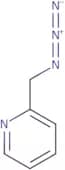
Fórmula:C11H13ClO3Pureza:Min. 95%Cor e Forma:PowderPeso molecular:228.67 g/mol2-(Azidomethyl)pyridine
CAS:2-(Azidomethyl)pyridine (2-AP) is an organopalladium complex with a molecular weight of 206.2 g/mol. It has been used in magnetic resonance spectroscopy and has been shown to bind to all-trans retinoic acid, which is an active metabolite of vitamin A. 2-AP has also been shown to inhibit the growth of cancer cells by binding to the glycan on cell surfaces. The copper complex has been shown to have anti-inflammatory properties and can inhibit the activity of enzymes such as cyclooxygenase and lipoxygenase, which are involved in inflammatory responses. 2-AP is a second-order rate constant for the exothermic reaction between hydrogen peroxide and azide ion, which produces nitrous oxide ((NO)) and water molecules.
Fórmula:C6H6N4Pureza:Min. 95%Cor e Forma:Brown PowderPeso molecular:134.14 g/molRef: 3D-FA121941
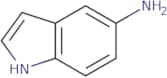
Produto descontinuado5-Aminoindole
CAS:5-Aminoindole is a hydrogen bond acid. It has been shown to have an optimum concentration of 0.1 mM in the presence of 0.2 mM potassium chloride and 2 mM magnesium chloride, which is similar to the pH range for biological systems. 5-Aminoindole also acts as a competitive inhibitor of quinoline derivatives, such as chloroquine and hydroxychloroquine, which are used in the treatment of malaria and rheumatoid arthritis. The compound has been shown to be active against primary cells grown in culture, including mouse erythrocytes and human hepatocytes. When used with agarose gel electrophoresis or electrochemical impedance spectroscopy, 5-aminoindole shows excellent selectivity for kinases over other enzymes. 5-Aminoindole is not reactive under physiological conditions because it does not have any redox potentials that can be measured by Langmuir adsorption isother
Fórmula:C8H8N2Pureza:Min. 97%Cor e Forma:Brown PowderPeso molecular:132.16 g/molRef: 3D-FA03582
Produto descontinuadoAdenine
CAS:Purine nucleobase; component of nucleic acids and coenzymes
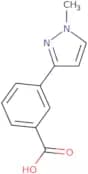
Fórmula:C5H5N5Pureza:Min. 98 Area-%Cor e Forma:White PowderPeso molecular:135.13 g/mol3-(1-Methyl-1H-pyrazol-3-yl)benzoic acid
CAS:3-(1-Methyl-1H-pyrazol-3-yl)benzoic acid is a chemical compound with the molecular formula C5H5NO2. It is a research chemical that has not yet been fully characterized and its potential uses have not yet been determined. 3-(1-Methyl-1H-pyrazol-3-yl)benzoic acid is used as an intermediate in the synthesis of other compounds, including pharmaceuticals and pesticides. This compound has the potential to be used as a building block for complex compounds, or as a reagent in various reactions.
Fórmula:C11H10N2O2Pureza:Min. 95%Cor e Forma:PowderPeso molecular:202.21 g/molRef: 3D-GLB35285
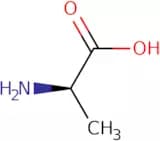
Produto descontinuadoD-Alanine
CAS:D-Alanine is a small-molecule drug that inhibits the hepatitis B virus. It has been shown to decrease the levels of HBV-DNA in chronic hepatitis patients. D-Alanine may be effective for reducing hepatic steatosis and improving liver function, which may be due to its ability to reduce the expression of δ receptors. D-Alanine can inhibit viral replication by interfering with the polymerase chain reaction and inhibiting human serum albumin from binding to HBV-DNA. D-alanine also has an antioxidant effect and can scavenge anion radicals.
Fórmula:C3H7NO2Pureza:Min. 98 Area-%Cor e Forma:White PowderPeso molecular:89.09 g/molRef: 3D-FA00678
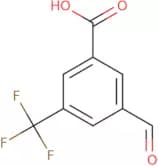
Produto descontinuado3-formyl-5-(trifluoromethyl)benzoic acid
CAS:3-formyl-5-(trifluoromethyl)benzoic acid is a reagent, complex compound with CAS No. 604001-03-8. It is a useful intermediate, fine chemical and speciality chemical that can be used as a reaction component in organic synthesis. 3-Formyl-5-(trifluoromethyl)benzoic acid also has versatile uses as a building block in the synthesis of other complex compounds, such as pharmaceuticals and pesticides.
Fórmula:C9H5F3O3Pureza:Min. 95%Cor e Forma:PowderPeso molecular:218.1 g/molRef: 3D-EZA00103
Produto descontinuado1-[3-(2,2,2-Trifluoroethoxy)propyl]piperazine
CAS:Versatile small molecule scaffold
Fórmula:C9H17F3N2OPureza:Min. 90%Cor e Forma:Clear LiquidPeso molecular:226.24 g/molRef: 3D-IYB42034
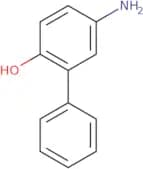
Produto descontinuado4-Amino-2-phenylphenol
CAS:Versatile small molecule scaffold
Fórmula:C12H11NOPureza:Min. 95%Cor e Forma:PowderPeso molecular:185.22 g/molRef: 3D-UAA43442
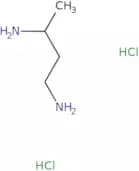
Produto descontinuadoButane-1,3-diamine dihydrochloride
CAS:Butane-1,3-diamine dihydrochloride is a potent cytotoxic agent that inhibits the synthesis of fatty acids and histidine. This compound inhibits squamous cell carcinoma cells by decreasing the cytosolic Ca2+ concentration, mitochondrial membrane potential, and cellular ATP levels. It also inhibits the growth of cancer cells by binding to lysine residues on cell membranes. Butane-1,3-diamine dihydrochloride has been synthesized in an asymmetric synthesis to produce a molecule with nitrogen atoms at opposite ends of the molecule. The decarboxylation of this molecule produces butane-1,3-diaminium ion.
Fórmula:C4H14Cl2N2Pureza:Min. 95%Cor e Forma:PowderPeso molecular:161.07 g/molN-[3-(2-Oxopyrrolidin-1-yl)propyl]acetamide
CAS:N-[3-(2-Oxopyrrolidin-1-yl)propyl]acetamide is a chemotherapeutic treatment that has been shown to be effective against infant cancer. It is a selective inhibitor of the enzyme adenosine kinase, which is involved in the regulation of cell proliferation and differentiation. N-[3-(2-Oxopyrrolidin-1-yl)propyl]acetamide has also been shown to have antiarrhythmic properties, which may be due to its ability to inhibit atrial natriuretic peptide and potassium currents. This drug has been shown to produce metabolic profiles that are similar to those observed in chronic kidney disease patients with diabetes mellitus. N-[3-(2-Oxopyrrolidin-1-yl)propyl]acetamide also shows diagnostic potential for the diagnosis of atrial arrhythmias, as it can identify patients with atrial fibrillation or atrial flutter
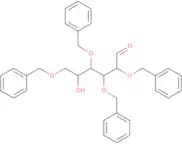
Fórmula:C9H16N2O2Pureza:Min. 95%Cor e Forma:Clear LiquidPeso molecular:184.24 g/mol2,3,4,6-Tetra-O-benzyl-D-galactopyranose
CAS:2,3,4,6-Tetra-O-benzyl-D-galactopyranose is an isomeric sugar that is found in a variety of natural and synthetic carbohydrates. It has been shown to inhibit glycosidase enzymes such as aminoglycoside N-acetyltransferases and α-glycosidases. The stereoselective properties of 2,3,4,6-Tetra-O-benzyl-D-galactopyranose make it a good candidate for the treatment of drug resistant bacteria. This compound has been shown to have inhibitory activity against the hydrolase family of enzymes that includes proteases, lipases, and phospholipases.
Fórmula:C34H36O6Pureza:Min. 95%Cor e Forma:PowderPeso molecular:540.6 g/mol6-Azaindole
CAS:6-Azaindole is a fine chemical that can be used as a reagent, building block, and intermediate. It is a versatile compound that has been shown to have high quality and complex chemistry. 6-Azaindole is an important reaction component in the synthesis of other compounds with pharmaceutical applications such as amide synthons, amino acid esters, and pharmaceutical intermediates. 6-Azaindole can also be used as a scaffold for the preparation of indoles. CAS No: 271-29-4
Fórmula:C7H6N2Peso molecular:118.14 g/molDL-Asparagine monohydrate
CAS:DL-Asparagine monohydrate is a white crystalline powder that is soluble in water. It has been used as a building block for the synthesis of various compounds and as a reaction component in chemical research.
Fórmula:C4H10N2O4Peso molecular:150.14 g/molRef: 3D-A-9020
Produto descontinuado2-Methoxy-1-((2-(trimethylsilyl)ethoxy)methyl)-1H-imidazole-5-carbaldehyde
Please enquire for more information about 2-Methoxy-1-((2-(trimethylsilyl)ethoxy)methyl)-1H-imidazole-5-carbaldehyde including the price, delivery time and more detailed product information at the technical inquiry form on this page
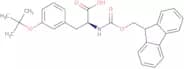
Fórmula:C11H20N2O3SiPureza:Min. 95%Cor e Forma:PowderPeso molecular:256.37 g/molFmoc-L-m-Tyrosine(tBu)-OH
CAS:Fmoc-L-m-Tyrosine is a reagent that is used in organic synthesis. It is a complex compound that can be synthesized from m-tyrosine and t-butyl bromoacetate. Fmoc-L-m-Tyrosine is also a useful intermediate for the preparation of other compounds, such as pharmaceuticals and agrochemicals. It has been shown to be a fine chemical that has a wide range of applications in the field of biotechnology and pharmaceuticals. Fmoc-L-m Tyrosine is also a versatile building block with many possible reactions, making it an excellent candidate for research chemicals, including speciality chemicals. The CAS number for this compound is 204384-71-4 and it's molecular weight is 262.3 g/mol.br>
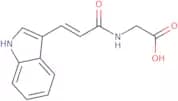
Fórmula:C28H29NO5Pureza:Min. 97 Area-%Cor e Forma:Off-White PowderPeso molecular:459.53 g/molIndole-3-acryloylglycine
CAS:Indole-3-acryloylglycine is a metabolite of tryptophan, which is an essential amino acid for humans. It has been shown to be a potential biomarker for inflammatory bowel disease (IBD). Indole-3-acryloylglycine can be detected in urine samples and can be used as a diagnostic tool to identify IBD patients. This method has also been validated using chromatographic and mass spectrometry methods. Dietary intake of 3-hydroxyanthranilic acid or kynurenine may affect the concentration of indole-3-acryloylglycine in the body.
Fórmula:C13H12N2O3Pureza:Min. 98 Area-%Cor e Forma:White Off-White PowderPeso molecular:244.25 g/molRef: 3D-FI172364
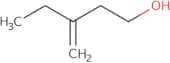
Produto descontinuado3-Buten-3-ethyl-1-ol
CAS:3-Buten-3-ethyl-1-ol is a versatile building block that can be used as a reagent for chemical synthesis. It is a complex compound that can be used as a reaction component or intermediate in organic synthesis. 3-Buten-3-ethyl-1-ol has been shown to have antiinflammatory properties, which may be due to the inhibition of prostaglandin synthesis.
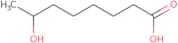
Fórmula:C6H12OPureza:Min. 95%Cor e Forma:Clear LiquidPeso molecular:100.16 g/mol7-Hydroxyoctanoic acid
CAS:7-Hydroxyloctanoic acid is a fatty acid that is naturally present in the human body. It is also found in dairy products and some vegetables. 7-Hydroxyoctanoic acid can be converted to isocaproic acid by the enzyme 3-hydroxyacyl coenzyme A dehydrogenase (HAD). HAD deficiency can lead to the accumulation of 7-hydroxyloctanoic acid, which may cause symptoms such as fatigue, dizziness, and mental confusion. The conversion of 7-hydroxyloctanoic acid to isocaproic acid is important for the production of energy from fats, so an HAD deficiency can lead to low levels of energy production.
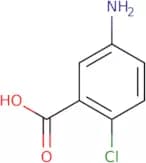
Fórmula:C8H16O3Pureza:Min. 95%Cor e Forma:Clear LiquidPeso molecular:160.21 g/mol5-Amino-2-chlorobenzoic acid
CAS:5-Amino-2-chlorobenzoic acid is a carboxylate that has antiproliferative effects. It is synthesized through the reaction of morpholine and malonic acid. 5-Amino-2-chlorobenzoic acid has been shown to have an optimal reaction with UV light, which may be due to its structure activity relationship with other carboxylates. It also has a high affinity for metal ions such as magnesium and chloride, which are thought to be important in cancer cell proliferation. 5-Amino-2-chlorobenzoic acid can be used in analytical methods because it is soluble in water and can be obtained through gravimetric analysis.
Fórmula:C7H6ClNO2Cor e Forma:PowderPeso molecular:171.58 g/molRef: 3D-FA36935
Produto descontinuado2,4-Diiodo-6-{[methyl(1-methylpiperidin-4-yl)amino]methyl}phenol oxalate
CAS:2,4-Diiodo-6-[(methyl(1-methylpiperidin-4-yl)amino]methyl}phenol oxalate is a high quality chemical reagent. It is a useful intermediate for the preparation of complex compounds and has been used as a fine chemical. 2,4-Diiodo-6-[(methyl(1-methylpiperidin-4-yl)amino]methyl}phenol oxalate can be used as a building block for the synthesis of speciality chemicals. This compound can also be used as a reaction component in the synthesis of versatile chemicals.
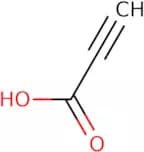
Fórmula:C14H20I2N2O•C2H2O4Pureza:Min. 95%Cor e Forma:PowderPeso molecular:574.16 g/molPropiolic acid
CAS:Propiolic acid is a glucuronide conjugate that has been shown to inhibit the JAK1 protein. It is an organic compound with a hydroxyl group at the C-3 position and a trifluoroacetate ester at the C-4 position. Propiolic acid has been shown to be effective in treating autoimmune diseases in CD-1 mice. It is also used as an environmental agent for wastewater treatment, which can remove nitrogen from water by converting it into nitrate. The intramolecular hydrogen bond between carbonyl oxygen and hydroxyl oxygen has been shown to be responsible for its high solubility properties. This property is utilized in detergent compositions, where propiolic acid is added to break down fatty acids into their constituent parts of glycerol and fatty acids.
Fórmula:C3H2O2Pureza:Min. 95%Cor e Forma:Colorless Clear LiquidPeso molecular:70.05 g/molRef: 3D-FP07024
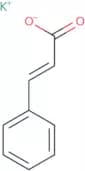
Produto descontinuadoPotassium cinnamate
CAS:Potassium cinnamate is a white crystalline solid that is soluble in water, ethanol and acetone. It has been shown to be effective for wastewater treatment and can be used as a reducing agent. Potassium cinnamate has been shown to have high values of hydroxide solution, which are often used in the manufacturing of polymers. Potassium cinnamate also exhibits enzyme activities, such as being able to catalyze the oxidation of propionate. This product has been shown to have anti-oxidant properties and can be used for radiation protection. The polymerization of potassium cinnamate leads to polymaleic acid, which is used in the production of plastics.
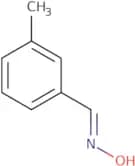
Fórmula:C9H7KO2Pureza:Min. 98 Area-%Cor e Forma:White PowderPeso molecular:186.25 g/mol3-Methylbenzaldehyde oxime
CAS:3-Methylbenzaldehyde oxime is a fine chemical that can be used as a versatile building block. It has the CAS No. 41977-54-2 and is also known as benzoic acid, 3-methyl-, oxime. 3-Methylbenzaldehyde oxime is a complex compound that can be used in research chemicals and reagents. The chemical has been found to have high quality and is useful for making speciality chemicals and useful intermediates. The compound is also a reaction component for use in synthesis of other compounds. 3-Methylbenzaldehyde oxime can be used as a scaffold for drug design and development.
Fórmula:C8H9NOPureza:Min. 95%Cor e Forma:Off-White PowderPeso molecular:135.16 g/molRef: 3D-FM69804
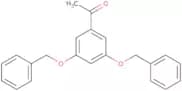
Produto descontinuado3',5'-Dibenzyloxyacetophenone
CAS:3',5'-Dibenzyloxyacetophenone is a synthetic intermediate that can be used in the synthesis of 3-hydroxy-2-phenylpropionic acid. It can also be used to synthesize carbonyl reduction products, such as 3,5-dibenzyloxybenzoic acid and 2,3-dibenzyloxybenzoic acid. The carbonyl reduction reaction mechanism involves the addition of ethylene to the carbonyl group (C=O) and hydrogenation of the double bond between carbon atoms 1 and 2. This process may result in a mixture of products that are degradable or non-degradable and contain impurities.
Fórmula:C22H20O3Pureza:Min. 95%Cor e Forma:Beige PowderPeso molecular:332.39 g/molRef: 3D-FD21560
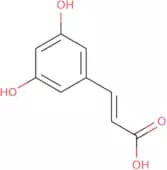
Produto descontinuado3,5-Dihydroxycinnamic acid
CAS:3,5-Dihydroxycinnamic acid is a metabolite of the amino acid tyrosine and an intermediate in the biosynthesis of phenylalanine. It has been shown to have anti-inflammatory properties that may be due to its ability to inhibit prostaglandin synthesis. 3,5-Dihydroxycinnamic acid has also been identified as a carcinogen and is associated with an increased risk of cancer in women. 3,5-Dihydroxycinnamic acid is found in urine samples at concentrations between 2 and 10 µmol/L.
Fórmula:C9H8O4Pureza:Min. 98 Area-%Cor e Forma:PowderPeso molecular:180.16 g/molRef: 3D-FD67031
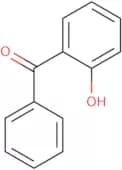
Produto descontinuado2-Hydroxybenzophenone
CAS:2-Hydroxybenzophenone is a phenolic compound that has been used as an intermediate in the production of other organic compounds. It is also used to study the reaction mechanism of 2-hydroxylation reactions and protonation reactions. Protonation of 2-hydroxybenzophenone with calcium stearate yields calcium 2,2'-dihydroxybenzoate, which is then hydrolyzed to release hydrogen gas. The hydroxyl group on the benzene ring coordinates with the phosphate group on phosphite to form a hydrogen bond. This process can be catalyzed by sodium carbonate. The uv absorption spectra show two maxima at 254 and 280 nm due to the presence of both hydroxyl groups and carbonyl groups.
Fórmula:C13H10O2Pureza:Min. 98 Area-%Cor e Forma:PowderPeso molecular:198.22 g/molRef: 3D-FH70191
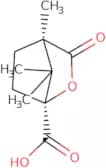
Produto descontinuado(1S)-(-)-Camphanic acid
CAS:A chiral auxiliary for the separation of racemates
Fórmula:C10H14O4Pureza:Min. 95%Cor e Forma:White PowderPeso molecular:198.22 g/molRef: 3D-FC46445
Produto descontinuado5,6-Dichlorovanillic acid
CAS:5,6-Dichlorovanillic acid is a high quality, versatile molecule that can be used as a reagent in organic synthesis or as a building block for the synthesis of complex compounds. It has many useful properties, such as being a fine chemical and research chemicals. 5,6-Dichlorovanillic acid is also a speciality chemical with versatile uses in building blocks or reaction components.
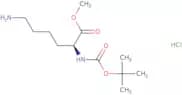
Fórmula:C8H6Cl2O4Pureza:Min. 95%Cor e Forma:PowderPeso molecular:237.04 g/molBoc-Lys-OMe HCl
CAS:Boc-Lys-OMe HCl is an ester hydrochloride of N-Boc-Lysine. It is a macrocyclic compound that has been used in the laboratory as an acidifying agent to convert sodium borohydride to methyl ester hydrochloride. Boc-Lys-OMe HCl is also used in the synthesis of macrocyclic compounds, such as n-boc-l-lysine and other polyamino compounds.
Fórmula:C12H24N2O4·HClPureza:Min. 95%Cor e Forma:White PowderPeso molecular:296.79 g/molRef: 3D-FB36993
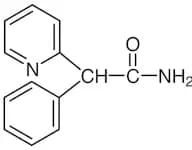
Produto descontinuado2-Phenyl-2-(2-pyridyl)acetamide
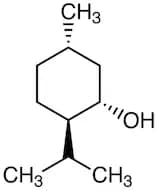
CAS:Fórmula:C13H12N2OPureza:>98.0%(T)(HPLC)Cor e Forma:White to Almost white powder to crystalPeso molecular:212.25(+)-Menthol
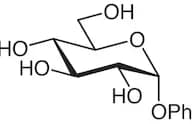
CAS:Fórmula:C10H20OPureza:>99.0%(GC)Cor e Forma:White or Colorless powder to lump to clear liquidPeso molecular:156.27Phenyl α-D-Glucopyranoside
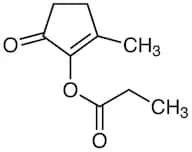
CAS:Fórmula:C12H16O6Pureza:>97.0%(GC)Cor e Forma:White to Light yellow powder to crystalPeso molecular:256.252-Methyl-5-oxo-1-cyclopentenyl Propionate
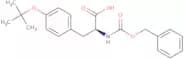
CAS:Fórmula:C9H12O3Pureza:>98.0%(GC)Cor e Forma:White to Light yellow powder to lumpPeso molecular:168.19Z-O-tert-Butyl-L-tyrosine
CAS:Z-O-tert-Butyl-L-tyrosine is a fine chemical that is soluble in water and has a wide range of uses. It is a versatile scaffold for the synthesis of complex compounds, and can be used as a building block or reaction component in research chemicals. Z-O-tert-Butyl-L-tyrosine is an important reagent for organic synthesis, especially when combined with other chemicals. This chemical can also be used as a speciality chemical to produce high quality products.
Fórmula:C21H25NO5Pureza:Min. 95%Cor e Forma:White PowderPeso molecular:371.43 g/molRef: 3D-FB49847
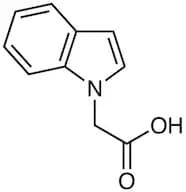
Produto descontinuado(1-Indolyl)acetic Acid
CAS:Fórmula:C10H9NO2Pureza:>97.0%(T)Cor e Forma:Light yellow to Yellow to Orange powder to crystalPeso molecular:175.19(4-Fluorophenyl)urea
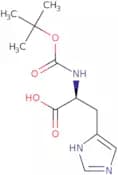
CAS:Fórmula:C7H7FN2OPureza:>97.0%(HPLC)(N)Cor e Forma:White to Almost white powder to crystalPeso molecular:154.14Boc-L-Histidine
CAS:Boc-L-histidine is a histidine derivative with a boronic acid group that can be used to synthesize imines. It is an organic solvent and can be used in magnetic resonance spectroscopy. Boc-L-histidine has been shown to inhibit the tyrosine activity of tyrosinase, which is involved in melanin synthesis. This compound also inhibits cancer cells by inhibiting the cellular process of protein synthesis and, as such, may be useful for the treatment of cancers.
Fórmula:C11H17N3O4Pureza:Min. 98 Area-%Cor e Forma:White PowderPeso molecular:255.27 g/molRef: 3D-FB36891
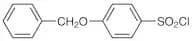
Produto descontinuado4-(Benzyloxy)benzenesulfonyl Chloride
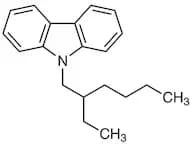
CAS:Fórmula:C13H11ClO3SPureza:>98.0%(T)Cor e Forma:White to Light yellow powder to crystalPeso molecular:282.749-(2-Ethylhexyl)carbazole
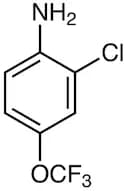
CAS:Fórmula:C20H25NPureza:>97.0%(GC)Cor e Forma:Light yellow to Yellow to Orange clear liquidPeso molecular:279.432-Chloro-4-(trifluoromethoxy)aniline
CAS:Fórmula:C7H5ClF3NOPureza:>97.0%(GC)(T)Cor e Forma:Colorless to Light yellow to Light orange clear liquidPeso molecular:211.572-Mesitylethanol
CAS:Fórmula:C11H16OPureza:>98.0%(GC)Cor e Forma:White to Almost white powder to crystalPeso molecular:164.25


![5-Bromo-1H-pyrrolo[2,3-b]pyridine-2-carboxylic acid](/_next/image/?url=https%3A%2Fstatic.cymitquimica.com%2Fproducts%2F3D%2Fthumb-webp%2FXYB17520.webp&w=3840&q=75)

![1-[3-(2,2,2-Trifluoroethoxy)propyl]piperazine](/_next/image/?url=https%3A%2Fstatic.cymitquimica.com%2Fproducts%2F3D%2Fthumb-webp%2FIYB42034.webp&w=3840&q=75)
![N-[3-(2-Oxopyrrolidin-1-yl)propyl]acetamide](/_next/image/?url=https%3A%2Fstatic.cymitquimica.com%2Fproducts%2F3D%2Fthumb-webp%2FGEA69236.webp&w=3840&q=75)


![2,4-Diiodo-6-{[methyl(1-methylpiperidin-4-yl)amino]methyl}phenol oxalate](/_next/image/?url=https%3A%2Fstatic.cymitquimica.com%2Fproducts%2F3D%2Fthumb-webp%2FFD181210.webp&w=3840&q=75)