Álcoois
Os álcoois são uma ampla gama de moléculas orgânicas derivadas de hidrocarbonetos que contêm um ou mais grupos hidroxila (grupo OH). Estes compostos são essenciais em várias reações químicas e são amplamente utilizados em laboratórios para síntese, como solventes e em química analítica. Na CymitQuimica, oferecemos álcoois de alta qualidade preparados para uso laboratorial, apoiando suas pesquisas e aplicações industriais com produtos confiáveis e eficazes. Nossa seleção garante que você tenha os álcoois adequados para suas necessidades específicas, seja para trabalhos de laboratório de rotina ou para projetos de pesquisa especializados.
Subcategorias de "Álcoois"
Foram encontrados 5814 produtos de "Álcoois"
Ordenar por
Pureza (%)
0
100
|
0
|
50
|
90
|
95
|
100
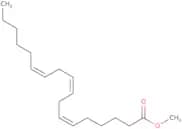
Methyl γ-linolenate
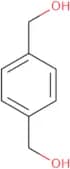
CAS:Methyl gamma-linolenate is a fatty acid that is derived from linoleic acid. It has shown to have anti-inflammatory effects and inhibit the growth of prostate cancer cells in vitro. Methyl gamma-linolenate also inhibits caspase-9, an enzyme that plays a key role in the apoptosis pathway. Methyl gamma-linolenate has been shown to regulate the production of amp-activated protein kinase (AMPK), which is a cellular regulator that controls glucose and lipid metabolism, insulin signaling, and inflammation. This activity may be due to its ability to bind to the regulatory domain of AMPK.Pureza:Min. 95%p-Xylene-α,α'-diol
CAS:<p>p-Xylene-α,α'-diol is a water-soluble polymer that can be prepared by the reaction of ethylene diamine with sodium citrate. The resulting product has a low molecular weight and high viscosity. The polymer is insoluble in water at pH values higher than 9.5 and soluble in acidic solutions. p-Xylene-α,α'-diol has been shown to exhibit good chemical stability and thermal expansion properties when exposed to temperatures of up to 300 °C. The polymer is soluble in organic solvents such as benzene, chloroform, acetone, ether, and carbon tetrachloride. The polymer has been shown to have transport properties for some drugs, such as ketoprofen and ibuprofen, with good kinetic data at various concentrations.</p>Fórmula:C8H10O2Pureza:Min. 98 Area-%Cor e Forma:White PowderPeso molecular:138.16 g/mol9,11b-Epoxidetriamcinolone
CAS:<p>Please enquire for more information about 9,11b-Epoxidetriamcinolone including the price, delivery time and more detailed product information at the technical inquiry form on this page</p>Fórmula:C21H26O6Pureza:Min. 95%Peso molecular:374.43 g/mol4-Fluoro-3-nitrobenzyl alcohol
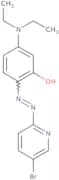
CAS:<p>4-Fluoro-3-nitrobenzyl alcohol (4FNA) is a potent, orally bioavailable, and selective inhibitor of the tyrosine kinase AXL. 4FNA binds to the ATP binding site on AXL and blocks phosphorylation of its tyrosine kinase domain. This binding leads to a conformational change in the AXL protein that prevents it from interacting with downstream signaling molecules, inhibiting T cell activation.</p>Fórmula:C7H6FNO3Pureza:Min. 95%Peso molecular:171.13 g/mol2-(5-Bromo-2-pyridylazo)-5-(diethylamino)phenol
CAS:<p>2-(5-Bromo-2-pyridylazo)-5-(diethylamino)phenol is a chemical that is used for the detection of hydrochloric acid in water vapor. It reacts with zirconium oxide, which generates a red fluorescing complex. The reaction can be detected by using a fluorescence spectrometer with a test sample. 2-(5-Bromo-2-pyridylazo)-5-(diethylamino)phenol is also used to detect the presence of nitrogen atoms and sodium citrate in samples by reacting with them. This chemical reacts with an acid complex to form stable complexes. The analytical method is based on measuring the redox potential of this reaction. The flow system of this technique allows for dehydration of dehydroascorbic acid (DHA).</p>Fórmula:C15H17BrN4OPureza:Min. 95%Cor e Forma:PowderPeso molecular:349.23 g/mol(S)-1-Phenyl-2-propanol
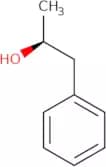
CAS:(S)-1-Phenyl-2-propanol is a chiral, enantiopure alcohol that is used as a substrate for the preparation of various drugs. It can be prepared by the reduction of (R)-1-phenyl-2-propanol with sodium borohydride. To obtain the desired product, high substrate concentrations are required. Molecular modeling and bioreactor studies have shown that this process can also be carried out in cells. Subtilis sps. were found to be suitable for this process due to their ability to synthesize (S)-1-phenyl-2-propanol from 6-phosphate and l-tert-leucine in a stepwise manner. The use of subtilis sps. may reduce the cost and time needed for production of (S)-1-phenyl-2-propanol because it does not require expensive starting materials or purification steps.END>>Fórmula:C9H12OPureza:Min. 95%Cor e Forma:Clear LiquidPeso molecular:136.19 g/mol4-Bromobenzene-1,2-diol
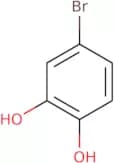
CAS:<p>4-Bromobenzene-1,2-diol is a reactive substance that has been shown to have receptor binding and reaction intermediates. It has been shown to inhibit the formation of reactive oxygen species in rat liver microsomes. The formation rate of 4-bromobenzene-1,2-diol is increased by carbon source such as bromobenzene. This substance has also been shown to be an inhibitor of the reaction mechanism. 4-Bromobenzene-1,2-diol is used as a reactant in organic synthesis reactions and can be found in dry weight measurements.</p>Fórmula:C6H5BrO2Pureza:Min. 95%Peso molecular:189.01 g/molOctreotide trifluoroacetate salt (Dimer, Parallel) (
<p>Please enquire for more information about Octreotide trifluoroacetate salt (Dimer, Parallel) ( including the price, delivery time and more detailed product information at the technical inquiry form on this page</p>Fórmula:C98H132N20O20S4Pureza:Min. 95%Peso molecular:2,038.48 g/molN-Methyl-N-boc-aminopropan-3-ol
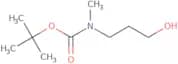
CAS:N-Methyl-N-boc-aminopropan-3-ol is a fine chemical with CAS No. 98642-44-5 that is used in the synthesis of complex compounds, as a reagent for research chemicals, and as a speciality chemical. It is also used in the synthesis of versatile building blocks, reaction components and scaffolds. N-Methyl-N-boc-aminopropan-3-ol has a high quality and can be used as a versatile intermediate or a useful scaffold.Fórmula:C9H19NO3Pureza:Min. 95%Cor e Forma:Colourless To Pale Yellow LiquidPeso molecular:189.25 g/mol5-Iodo-2-methoxybenzyl alcohol
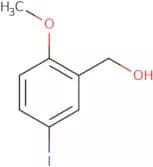
CAS:5-Iodo-2-methoxybenzyl alcohol (5IMB) is a conjugate that inhibits tubulin polymerization and mitochondrial membrane integrity. It has significant inhibitory effects on colchicine-induced apoptosis in colon cancer cells, inducing apoptotic cell death by the activation of caspase 3 and annexin. 5IMB also has an inhibitory effect on mitochondria, leading to mitochondrial membrane depolarization and apoptotic cell death. This conjugate also induces the death of human cancer cells, specifically mcf-7, which are involved in tumour growth and metastasis. The mechanism of action for 5IMB is through its ability to induce mitochondrial membrane depolarization, leading to apoptotic cell death.Fórmula:C8H9O2IPureza:Min. 95%Peso molecular:264.06 g/mol8-Quinolinesulfonyl chloride
CAS:8-Quinolinesulfonyl chloride (8QSC) is a quinoline derivative that has been shown to have anticancer activity. 8QSC binds to the receptor site of cells and inhibits the production of amines, which are important for cell growth and proliferation. It also binds to hydrogen bonds, which may be involved in the cytotoxicity observed in pancreatic cancer cells. 8QSC shows significant cytotoxicity against Panc-1 cells, but not against NIH 3T3 cells. This may be due to its ability to form supramolecular aggregates with copper ions and quinoline derivatives.Pureza:Min. 95%6-Bromonaphthalen-1-ol
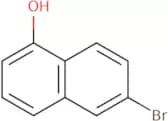
CAS:<p>6-Bromonaphthalen-1-ol is a compound that has shown antimicrobial and antifungal activity. It is the most potent of the naphthoxazines tested to date, with an MIC of 0.04 µg/ml against Escherichia coli. 6-Bromonaphthalen-1-ol was synthesized by reacting 1,2,4-trihydroxybenzene with bromine gas in the presence of mercuric chloride catalyst. The compound was hydrolyzed for elemental analysis and found to be C7H4BrO. Elemental analysis yielded a weight percentage of 71% carbon, 13% hydrogen, 3% bromine, and 12% oxygen. The x-ray diffraction pattern showed peaks at 2θ values of 22.3° (100), 26.5° (101), 33.7° (102), 40° (104), 44° (105) and 62°</p>Fórmula:C10H7BrOPureza:Min. 95%Peso molecular:223.07 g/mol(S)-(-)-3-Chloro-1-phenyl-1-propanol
CAS:<p>(S)-(-)-3-Chloro-1-phenyl-1-propanol is an efficient method for the synthesis of chiral propiophenone. It is synthesized by reacting a mixture of borane and tetrahydrofuran with (S)-(-)-3-chloro-1-phenylpropanol. This reaction produces the desired compound in good yield and high diastereoselectivity. The synthesis of this compound has been shown to be useful for the production of antidepressant drugs, such as κ-opioid receptor ligands, which are used to treat depression, anxiety, and chronic pain.</p>Fórmula:C9H11ClOPureza:Min. 95%Peso molecular:170.64 g/mol2-O-Benzyl-3-O-allyl-sn-glycerol
CAS:<p>Please enquire for more information about 2-O-Benzyl-3-O-allyl-sn-glycerol including the price, delivery time and more detailed product information at the technical inquiry form on this page</p>Fórmula:C13H18O3Pureza:Min. 95%Peso molecular:222.28 g/mol1-O-Octadecyl-2-O-benzyl-sn-glycerol
CAS:1-O-Octadecyl-2-O-benzyl-sn-glycerol (ODBG) is a novel antiviral drug that is being developed for the treatment of HIV. ODBG inhibits HIV by binding to the virus and preventing it from entering cells, which prevents the virus from replicating. ODBG has been shown to be effective against other viruses as well, such as herpes simplex virus and respiratory syncytial virus. ODBG is a lipid molecule that can cross cell membranes and has been shown to have low toxicity in animal studies. This drug also has potential to be used as an oral medication for patients with HIV.Fórmula:C28H50O3Pureza:Min. 95%Peso molecular:434.69 g/mol(Ala6,D-Trp8,L-alaninol15)-Galanin (1-15)
CAS:Please enquire for more information about (Ala6,D-Trp8,L-alaninol15)-Galanin (1-15) including the price, delivery time and more detailed product information at the technical inquiry form on this pageFórmula:C81H114N20O18Pureza:Min. 95%Peso molecular:1,655.9 g/molQuinoline-4-carboxylic acid
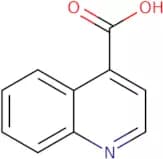
CAS:<p>Quinoline-4-carboxylic acid is a natural compound that is derived from the amino acid tryptophan. It has been shown to have antiinflammatory activity and to be an inhibitor of prostaglandin synthesis. Quinoline-4-carboxylic acid inhibits the growth of carcinoma cells in culture by inducing apoptosis, which is mediated by inhibition of protein synthesis. Quinoline-4-carboxylic acid also has pharmacokinetic properties, including a low volume of distribution, low clearance rate and high bioavailability.</p>Fórmula:C10H7NO2Pureza:Min. 97 Area-%Peso molecular:173.17 g/mol2,2'-Biquinoline
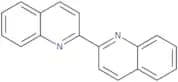
CAS:<p>2,2'-Biquinoline is a coordination compound that has been used as an analytical reagent in the determination of copper and nitrogen. It has been shown to be stable in a variety of matrices, including human serum and copper chloride. 2,2'-Biquinoline is also used as an antimicrobial agent against Gram-positive bacteria, including Staphylococcus aureus. The redox potentials of this compound are dependent on the number of nitrogen atoms present.</p>Fórmula:C18H12N2Pureza:Min. 95%Peso molecular:256.3 g/molDiphenolic acid
CAS:Diphenolic acid is a reactive compound that is used as a solid catalyst. It has a hydroxyl group and a fatty acid, which makes it soluble in organic solvents. The methyl ethyl ester of diphenolic acid can be obtained from the reaction of diphenolic acid with methanol, ethanol or ethylene glycol. Diphenolic acid can also be obtained by reacting dibenzalacetone with an alcohol. Diphenolic acid has been used to synthesize monoclonal antibodies and linear calibration curves for electrochemical impedance spectroscopy. The hydroxyl group on diphenolic acid allows it to undergo reactions that are not possible for other compounds such as phenols, leading to its use in surface methodology and flow systems.Fórmula:C17H18O4Cor e Forma:White PowderPeso molecular:286.32 g/mol(R)-(+)-1,2,4-Butanetriol
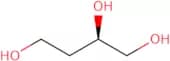
CAS:Produto Controlado(R)-(+)-1,2,4-Butanetriol is a molecule that has been shown to have cancer-fighting properties. It is used in clinical trials to treat cancer by inhibiting the growth of cells. This drug binds to the site on the protein that is responsible for cell division and prevents the formation of new cells, thereby preventing tumor growth. The mechanism of action for this drug is not yet fully understood but it may be due to its ability to inhibit calcium channels or interfere with protein synthesis. (R)-(+)-1,2,4-Butanetriol has also been shown in laboratory studies to bind with human immunodeficiency virus (HIV) and prevent it from attaching to CD4 T-cells. This drug has been tested in humans as an anti-HIV treatment and showed promising results in a questionnaire study.Fórmula:C4H10O3Pureza:Min. 95%Peso molecular:106.12 g/molrac-1-anthracen-2-yl-ethanol
CAS:<p>Rac-1-anthracen-2-yl-ethanol is an apolar, injecting alcohol. It has two isomers. Rac-1-anthracen-2-yl-ethanol has a selectivity profile that is different from other compounds in its class, and it outperforms amine solvents in the separation of similar compounds. This compound's selectivity profile is due to interactions with the solvent and stationary phase that are unique to this compound. Rac-1-anthracen-2-yl-ethanol also has a low nature and low toxicity profile.</p>Fórmula:C16H14OPureza:Min. 95%Peso molecular:222.28 g/molStigmast-7-enol
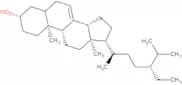
CAS:Produto ControladoStigmast-7-enol is a naturally occurring compound found in plants such as Oroxylum indicum and Carthamus tinctorius. It was first isolated from the plant Stigmasta crispa. The chemical composition of stigmast-7-enol includes a hydroxyl group, a carboxylic acid group, and an ester bond. It has been shown to have hypoglycemic effects in animal models. This compound is stable at acidic pH levels, but is unstable at physiological pH levels. Stigmast-7-enol also binds to the mitochondrial membrane potential and inhibits the synthesis of p-hydroxybenzoic acid in cells.Fórmula:C29H50OPureza:Min. 95%Peso molecular:414.71 g/mol2-(2,4-Difluorophenyl)-1-(1H-1,2,4-triazol-1-yl)-3-(4H-1,2,4-triazol-4-yl)propan-2-ol
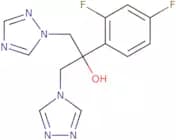
CAS:<p>Please enquire for more information about 2-(2,4-Difluorophenyl)-1-(1H-1,2,4-triazol-1-yl)-3-(4H-1,2,4-triazol-4-yl)propan-2-ol including the price, delivery time and more detailed product information at the technical inquiry form on this page</p>Fórmula:C13H12F2N6OPureza:Min. 95%Peso molecular:306.27 g/mol3,3-Dimethyl-1,2-butanediol
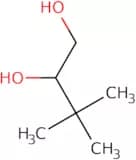
CAS:<p>3,3-Dimethyl-1,2-butanediol is a dioxolane with a constant boiling point of 110°C. This compound is synthesized from the reaction between acetone and formaldehyde, which produces a dioxolane ring. The reaction products can be profiled using gas chromatography to determine the ratio of each product. 3,3-Dimethyl-1,2-butanediol has been shown to have enantiomeric purity of greater than 99%. It has also been used as a chiral building block for the synthesis of carbohydrates with stereospecificity. 3,3-Dimethyl-1,2-butanediol's enzyme catalysis is used in the production of polyesters and polyurethanes.</p>Fórmula:C6H14O2Pureza:Min. 90.0 Area-%Cor e Forma:PowderPeso molecular:118.17 g/molZ-D-Alaninol
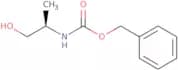
CAS:<p>Please enquire for more information about Z-D-Alaninol including the price, delivery time and more detailed product information at the technical inquiry form on this page</p>Fórmula:C11H15NO3Pureza:Min. 95%Peso molecular:209.24 g/mol1-O-Octadecyl-rac-glycerol
CAS:<p>1-O-Octadecyl-rac-glycerol is a fatty acid that has been shown to have antiinflammatory properties. It is also known as 1,1'-dioctadecyl-rac-glycerol, or DOG. 1-O-Octadecyl-rac-glycerol has been shown to inhibit the production of inflammatory mediators such as prostaglandin E2 and monocyte chemotactic protein 1 (MCP1) in vitro and in vivo. It has also been shown to stimulate the production of colony stimulating factor (CSF), which stimulates the growth and differentiation of stem cells into macrophages, neutrophils, dendritic cells, erythrocytes, and lymphocytes. These cells are needed for wound healing and repair.</p>Fórmula:C21H44O3Pureza:Min. 95%Peso molecular:344.57 g/molCinnamyl alcohol
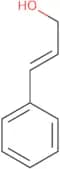
CAS:Cinnamyl alcohol is a substance that belongs to the group of organic compounds called alcohols. It has been shown to be an inhibitor of enzymes such as alcohol dehydrogenase and lignin peroxidase, which are involved in the production of lignin. Cinnamyl alcohol also inhibits the synthesis of proteins, nucleic acids, and other cellular components. Cinnamyl alcohol has significant cytotoxicity against tumor cells, with biochemical properties that make it a good candidate for cancer treatment.Fórmula:C9H10OPureza:Min. 98 Area-%Cor e Forma:White PowderPeso molecular:134.18 g/mol(R)-(+)-3-Chloro-1-phenyl-1-propanol
CAS:(R)-(+)-3-Chloro-1-phenyl-1-propanol is a substrate for the lactamase of bacteria. The immobilized lipase catalyzes the hydrolysis reaction in which the lactam ring is broken, yielding a propiophenone intermediate. This intermediate can be converted to (S)-(+)-3-chloro-1-phenylpropanol by treatment with an alcohol oxidase or by hydrolysis with hydrogen peroxide. The product has been shown to have antidepressant activity and may modulate the dry weight of bacteria. In vivo studies show that this compound has a high concentration in rats and mice, but it is not active in humans.Fórmula:C9H11ClOPureza:Min. 95%Cor e Forma:White To Yellow SolidPeso molecular:170.64 g/molTetrahydropyran-2-methanol
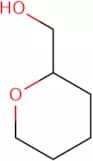
CAS:<p>Tetrahydropyran-2-methanol is a hydrogenated, hydrated, triflic acid derivative that belongs to the group of organic compounds known as ethers. The presence of a hydroxyl group on one end and a chloride group on the other end provides tetrahydropyran-2-methanol with two reactive sites for reactions with metals. It has been shown to react with metal surfaces in order to form an adduct under acidic conditions that can be used as an ion exchange resin. Tetrahydropyran-2-methanol also reacts rapidly with hydrochloric acid to form tetrahydrothiophene and methanol. This reaction time can be sped up by heating the liquid at atmospheric pressure or by adding sulfuric acid. Tetrahydropyran-2-methanol is also capable of reacting with water in order to produce hydrogen gas and alcohol.</p>Fórmula:C6H12O2Pureza:Min. 98%Peso molecular:116.16 g/mol(D-Thr6,D-Trp8·9,L-alaninol15)-Galanin (1-15)
CAS:Please enquire for more information about (D-Thr6,D-Trp8·9,L-alaninol15)-Galanin (1-15) including the price, delivery time and more detailed product information at the technical inquiry form on this pageFórmula:C84H117N21O18Pureza:Min. 95%Peso molecular:1,708.96 g/molGarcinol
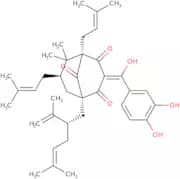
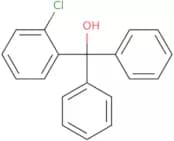
CAS:Polyisoprenylated benzophenone from Garcinia indica; HAT inhibitorFórmula:C38H50O6Pureza:Min. 97 Area-%Cor e Forma:Yellow PowderPeso molecular:602.8 g/mol(2-Chlorophenyl)diphenylmethanol
CAS:<p>2-Chlorophenyl)diphenylmethanol is an antifungal drug that blocks the function of a calcium ionophore in fungal cells. It has been shown to be effective against a variety of filamentous fungi, including Aspergillus fumigatus, Candida albicans, and Trichosporon cutaneum. This drug is used as a topical antifungal agent for treatment of skin infections caused by these fungi. 2-Chlorophenyl)diphenylmethanol has been shown to have anti-inflammatory properties in animal models of kidney fibrosis and cell binding. Clinical data suggests that it can be used for the prevention or treatment of stem cell transplantation complications such as graft versus host disease and leukemia.</p>Fórmula:C19H15ClOPureza:Min. 95%Cor e Forma:PowderPeso molecular:294.77 g/mol2-Bromo-6-methylpyridin-3-ol
CAS:<p>2-Bromo-6-methylpyridin-3-ol is a heterocyclic organic compound. It is a pyridine ring with two methyl groups attached to the ring at positions 2 and 6. The bromine atom is at position 3. This is an important intermediate in the Suzuki coupling reaction, which uses it as a starting material for the synthesis of many other compounds. The dieckmann condensation reaction produces this compound from 2,6-dichloropyridine and other reagents. Fluorescent when exposed to UV light, this compound has been used as a probe for chloride ions in solution using mass spectroscopy. This substance also yields dieckmann condensation products with alkynes and chlorine or bromine. 2-Bromo-6-methylpyridin-3-ol can be produced by treating pyridine with methylacrylate in the presence of catalysts such as copper(II)</p>Fórmula:C6H6BrNOPureza:Min. 95%Peso molecular:188.02 g/mol6-Bromoisoquinoline
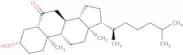
CAS:<p>6-Bromoisoquinoline is a tetradentate ligand that can be used as a molecular model to study the binding of metal ions and organic molecules. 6-Bromoisoquinoline has been shown to bind covalently and noncovalently with phosphate groups on the surface of Caco-2 cells and to induce surface-enhanced Raman spectroscopy. This ligand has a high nucleophilicity and reacts readily with chloride, which is an acidic functional group. The reaction products are hydrochloric acid, trifluoroacetic acid, or both. 6-Bromoisoquinoline can also act as an allosteric modulator in some enzymes, such as phosphofructokinase in glycolysis.</p>Fórmula:C9H6BrNPureza:Min. 95%Peso molecular:208.05 g/mol6-Keto cholestanol
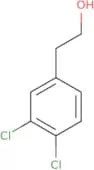
CAS:Produto Controlado6-Keto cholestanol is a chemical compound that is structurally similar to cholesterol. It has a phase transition temperature of -65°C, and the hydroxyl group on the side chain can be replaced with other functional groups to alter its properties. 6-Keto cholestanol has been shown to induce autophagy in cells by binding to mitochondria and increasing mitochondrial membrane potential. This compound also increases the level of fatty acid oxidation and decreases levels of glycerolipids in the cell, which may be due to its ability to bind fatty acids. 6-Keto cholestanol binds to the styryl dye, benzalkonium chloride, and inhibits its fluorescence emission. This compound also binds to adenine nucleotide, which may lead to decreased ATP production in cells.Fórmula:C27H46O2Pureza:Min. 95%Peso molecular:402.65 g/mol2-(3,4-Dichlorophenyl)ethanol
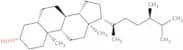
CAS:<p>2-(3,4-Dichlorophenyl)ethanol is a high quality reagent for the synthesis of complex compounds, useful as an intermediate in organic synthesis and as a building block for speciality chemicals. This chemical is also used as a research chemical in the synthesis of versatile building blocks. It can be used as a reaction component in various reactions such as Suzuki coupling, Negishi coupling, Heck reaction, and Sonogashira coupling.</p>Fórmula:C8H8Cl2OPureza:Min. 95%Peso molecular:191.05 g/molCampestanol
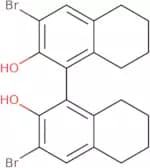
CAS:Produto Controlado<p>Please enquire for more information about Campestanol including the price, delivery time and more detailed product information at the technical inquiry form on this page</p>Fórmula:C28H50OPureza:Min. 95%Peso molecular:402.7 g/mol(S)-3,3'-Dibromo-5,5',6,6',7,7',8,8'-octahydro-1,1'-binaphthalene-2,2'-diol
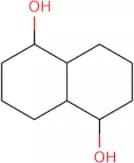
CAS:<p>(S)-3,3'-Dibromo-5,5',6,6',7,7',8,8'-octahydro-1,1'-binaphthalene-2,2'-diol is a synthetic compound that has been prepared by a Diels-Alder reaction. It is used as an asymmetric synthesis catalyst for the production of optically active compounds. The ligands are catalysts for the reaction and can be easily replaced with different ligands to produce different products. This compound has been researched for its potential use in the production of pharmaceuticals and other chemicals.</p>Fórmula:C20H20Br2O2Pureza:Min. 95%Cor e Forma:White To Yellow SolidPeso molecular:452.18 g/mol1,5-Decalindiol
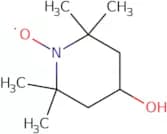
CAS:<p>1,5-Decalindiol is a cyclic alicyclic compound that can be synthesized by the Diels-Alder reaction between 1,5-hexadiene and maleic anhydride. It contains two stereoisomers with different reactivity. One isomer reacts more rapidly than the other one. The termination of 1,5-decalindiol is calcitriol, which can be synthesized by reacting 1,5-decalindiol with naphthalene. The sequence of reactions for the synthesis of 1,5-decalindiol are analyzed in detail. Methoxy groups on the a ring play an important role in the reaction rate of this molecule.<br>1,5-Decalindiol also has an interaction with acetonitrile and a reaction product with dihydroxynaphthalenes.</p>Fórmula:C10H18O2Pureza:Min. 95%Cor e Forma:PowderPeso molecular:170.25 g/mol2,2,6,6-Tetramethyl-4-piperidinol 1-oxyl, free radical
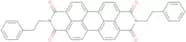
CAS:2,2,6,6-Tetramethyl-4-piperidinol 1-oxyl (TEMPO) is a reactive oxygen species that belongs to the group of nitroxide radicals. It can be used as a radical scavenger and has been shown to inhibit the production of pro-apoptotic proteins in human macrophages. TEMPO has also been shown to bind to DNA and prevent the binding of HIV viral protein gp120. TEMPO can be used as an inhibitor for glycol ethers in laboratory experiments. The most common use is as a water vapor scavenger during polymerization reactions in organic chemistry.Fórmula:C9H18NO2Pureza:Min. 98 Area-%Cor e Forma:Orange SolidPeso molecular:172.24 g/mol2,9-Bis(2-Phenylethyl)anthra(2,1,9-def:6,5,10-d'e'f')diisoquinoline-1,3,8,10(2H,9H)-tetrone
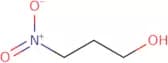
CAS:2,9-Bis(2-phenylethyl)anthraquinone (BPAQ) is a synthetic compound that is used as an fluorescent probe to study biological processes. BPAQ binds to peptides and inhibits their binding to the surface of cells. This property has been used in diagnostic tests for stenosis, infantum, and other conditions. BPAQ has also been shown to inhibit HIV-1 replication in human cells by binding to the HIV-1 envelope protein gp120 and blocking its interaction with CD4 receptors on host cells. The discovery of the antiviral activity of BPAQ was based on its ability to inhibit leishmania growth in animals.Fórmula:C40H26N2O4Pureza:Min. 95%Cor e Forma:PowderPeso molecular:598.65 g/mol3-Nitropropanol
CAS:<p>3-Nitropropanol is an inhibitor of the enzyme nitrite reductase, which is involved in the conversion of nitrite to nitric oxide. 3-Nitropropanol is a dietary supplement that has been shown to have a significant inhibitory effect on the growth of cancer cells and microbial metabolism. Nitrite levels were found to be reduced by 25% in mice treated with this substance. The analytical method for measuring 3-nitropropanol was developed using a type strain and fatty acid standards.</p>Fórmula:C3H7NO3Pureza:Min. 95%Peso molecular:105.09 g/mol7,9-Dimethoxycarbonyl-2-ethoxycarbonyl-1H-pyrrolo-[2,3-f]quinoline-4,5-dione
CAS:7,9-Dimethoxycarbonyl-2-ethoxycarbonyl-1H-pyrrolo-[2,3-f]quinoline-4,5-dione is a chemical compound that is used as an intermediate for research chemicals. It has a CAS number of 80721-47-7 and is classified as a fine chemical with the Chemical Abstracts Service (CAS) classification code of 3272. This compound is a versatile building block that can be used in the synthesis of other compounds. 7,9-Dimethoxycarbonyl-2-ethoxycarbonyl-1H-pyrrolo-[2,3f]quinoline 4,5dione can be used to produce high quality products.Fórmula:C18H14N2O8Pureza:Min. 95%Cor e Forma:Orange PowderPeso molecular:386.31 g/mol([ring-D5]Phe3)-Octreotide acetate salt
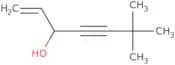
CAS:Produto ControladoPlease enquire for more information about ([ring-D5]Phe3)-Octreotide acetate salt including the price, delivery time and more detailed product information at the technical inquiry form on this pageFórmula:C49H61D5N10O10S2Pureza:Min. 95%Peso molecular:1,024.27 g/mol6,6-Dimethyl-1-heptene-4-yn-3-ol
CAS:<p>6,6-Dimethyl-1-heptene-4-yn-3-ol is a chlorinating agent that is used in the production of epidermophyton. It also has antifungal properties and can be used as an antimycotic. 6,6-Dimethyl-1-heptene-4-yn-3-ol can be added to hydrochloric acid or magnesium chloride to form an acetylide. This agent has been shown to have selective chlorination activity at temperatures below 10°C. It is also capable of minimizing organometallic chloride catalysts and has been shown to reduce microsporum gypseum and microsporum titinium at pH 2.5.</p>Fórmula:C9H14OPureza:Min. 95%Cor e Forma:Colourless To Yellow LiquidPeso molecular:138.21 g/mol2-[2-[2-(2-Azidoethoxy)ethoxy]ethoxy]ethanol
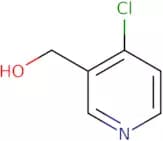
CAS:<p>2-[2-[2-(2-Azidoethoxy)ethoxy]ethoxy]ethanol is a PEG polymer categorised as monofunctional (OH-PEG-X). Used as a linker, 2-[2-[2-(2-azidoethoxy)ethoxy]ethoxy]ethanol is used to attached PEG to proteins, peptides, oligonucleotides, nanoparticles and small molecules via pegylation, a bioconjugation technique.</p>Fórmula:C8H17N3O4Pureza:Min. 95%Cor e Forma:Colorless PowderPeso molecular:219.24 g/mol2-Chloro-5-pyridylcarbinol
CAS:2-Chloro-5-pyridylcarbinol is an alkene that features a five-membered ring. It is a conformationally rigid molecule, which means it has no rotational or vibrational barriers. The molecule can be classified as a tricyclic heterocycle because the carbon atoms are arranged in three rings. The analogues of this compound feature six-membered carbocycles and intramolecular cycloadditions. 2-Chloro-5-pyridylcarbinol also constitutes one of the azomethine adducts of nicotine, which is a type of tricyclic heterocycle.Fórmula:C6H6ClNOPureza:Min. 95%Peso molecular:143.57 g/molCalcipotriol monohydrate
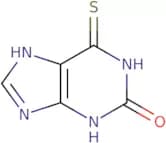
CAS:<p>Calcipotriol is a synthetic vitamin D3 analog that has been shown to be effective in the treatment of bone cancer. It has a film-forming property and is used in pharmaceutical preparations as well as for wastewater treatment. Calcipotriol monohydrate is made by reacting calcipotriol with hydrochloric acid, which produces an ester bond between the hydroxyl group and the carboxylic acid group. The reaction also produces water, methanol, and methyl ethyl ether. Studies have shown that calcipotriol monohydrate has a chemical stability of over 30 days at room temperature, indicating it can be stored for long periods without degradation.</p>Fórmula:C27H40O3·H2OPureza:(%) Min. 96%Cor e Forma:PowderPeso molecular:430.62 g/mol6-Mercapto-9H-purin-2-ol
CAS:6-Mercapto-9H-purin-2-ol (6MP) is a purine nucleoside that is used as an antimicrobial agent. It inhibits the enzyme adenosine deaminase, which converts adenosine to inosine, and therefore prevents the production of purines. 6MP has been shown to be effective against inflammatory bowel disease and bowel disease in animal models. At high concentrations, it has been shown to inhibit subcutaneous tumors in mice. 6MP also inhibits the metabolism of certain drugs such as rifampicin and phenytoin, thereby increasing their plasma concentration. 6MP has been shown to be effective against resistant mutants for some bacteria such as Salmonella enterica serovar Typhimurium and Escherichia coli through inhibition of beta-lactamases. The mechanism of action for 6MP is similar to that of β-lactams antibiotics, which are inhibitors of bacterial cell wall synthesisFórmula:C5H4N4OSPureza:Min. 95%Cor e Forma:Off-White PowderPeso molecular:168.18 g/molCloprostenol sodium
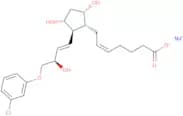
CAS:Cloprostenol sodium is a prostaglandin analogue that is used in veterinary medicine. It is administered intravenously to induce ovulation, improve estrus and fertility, or control luteal function in cows. Cloprostenol sodium has been shown to have a positive effect on the ovulatory process by stimulating the release of endogenous progesterone and estradiol benzoate from the follicle cells. This drug also increases luteal activity by increasing the production of progesterone and inhibiting its metabolism. Cloprostenol sodium has been shown to be effective in inducing ovulation in pregnant women who do not respond to clomiphene citrate (CC) alone. Cloprostenol sodium can also be used for induction of labour in pregnant women with an uncomplicated pregnancy at term, where it is given intravenously or intramuscularly, but intravaginally or orally are not recommended.Fórmula:C22H28ClNaO6Pureza:Min. 95%Cor e Forma:White PowderPeso molecular:446.9 g/mol4-Pentyn-1-ol
CAS:4-Pentyn-1-ol is a molecule with the chemical formula of C10H18O. It has intramolecular hydrogen, hydroxyl group and methyl ketones. 4-Pentyn-1-ol is used as a solvent and in perfumery. This compound can be synthesized by hydrochloric acid, hydrogen bond and proton. The FTIR spectroscopy of 4-pentyn-1-ol shows that it has a broad absorption band at 3300 cm−1 and a sharp peak at 1750 cm−1 which are assigned to the O–H stretching vibrations in the hydroxyl group. The IR spectrum also indicates that this compound has an intramolecular hydrogen bond. 4 pentyn - 1 - olFórmula:C5H8OPureza:Min. 95%Peso molecular:84.12 g/mol4-[(4-Nitrophenyl)-azo]-phenol
CAS:<p>4-[(4-Nitrophenyl)-azo]-phenol is a molecular compound that has a nitro group, an azo group, and a phenolic hydroxyl group. It's also known as nitrophenyl diazonium salt. 4-[(4-Nitrophenyl)-azo]-phenol is used in the synthesis of other compounds such as dyes and pharmaceuticals. The magnetic resonance spectroscopy and optical microscope techniques were used to study the chemical structure of 4-[(4-Nitrophenyl)-azo]-phenol. The titration method was used to determine the purity of this compound. 4-[(4-Nitrophenyl)-azo]-phenol has been shown to have mesomorphic properties, which are exhibited by its ability to be either solid or liquid at room temperature (25°C). This property may be due to its functional groups that stabilize it in both states.</p>Pureza:Min. 95%Bis[α,α-bis(trifluoromethyl)benzenemethanolato]diphenylsulfur
CAS:A dehydration agent. Also called Martin Sulfurane Dehydrating agentFórmula:C30H20F12O2SPureza:Min. 95%Peso molecular:672.53 g/mol5-Bromo-2-fluorophenol
CAS:5-Bromo-2-fluorophenol is an organic solvent that is used in hydrotalcite to extract biphenyl. 5-Bromo-2-fluorophenol has been shown to have a high affinity for the cavity of hydrotalcite, which is a desorption technique. It can also be used to extract supramolecular systems and biomolecules, such as proteins and nucleic acids. The nature of 5-bromo-2-fluorophenol is an aromatic compound with a density of 1.40 g/mL at 20°C and a boiling point of 221°C. 5-Bromo-2-fluorophenol can be eluted using isopropyl alcohol or ethyl acetate, and the transfer rate depends on the nature of the solvent used in elution.Fórmula:C6H4BrFOPureza:Min. 95%Cor e Forma:PowderPeso molecular:191 g/mol2-Chloromethyl-3,5-dimethylpyridin-4-ol
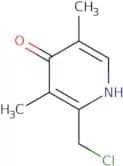
CAS:Please enquire for more information about 2-Chloromethyl-3,5-dimethylpyridin-4-ol including the price, delivery time and more detailed product information at the technical inquiry form on this pageFórmula:C8H10ClNOPureza:Min. 95%Peso molecular:171.62 g/mol1-O-Hexadecyl-sn-glycerol
CAS:1-O-Hexadecyl-sn-glycerol is a glycol ether that is used as a surfactant and emulsifier in cosmetic products. It has been shown to have minimal toxicity, and to not be carcinogenic or teratogenic. 1-O-Hexadecyl-sn-glycerol has been shown to increase the stability of proteins in rat liver microsomes, and it also prevents the hydrolysis of carbohydrates. The surface glycoprotein adsorbed by 1-O-Hexadecyl-sn-glycerol may play an important role in the binding of monoclonal antibodies. This compound affects cellular calcium levels, with high concentrations resulting in increased cytosolic calcium concentrations. Zirconium oxide can replace calcium ions in 1-O-Hexadecyl-sn-glycerol for this purpose, although this substitution reduces enzyme activity.Fórmula:C19H40O3Pureza:Min. 95%Peso molecular:316.52 g/mol(1R,3S)-3-Aminocyclopentanol hydrochloride
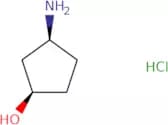
CAS:Intermediate in the synthesis of bictegravirFórmula:C5H12ClNOPureza:Min. 95%Peso molecular:137.61 g/mol3,4-Dichlorothiophenol
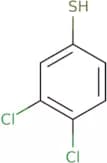
CAS:3,4-Dichlorothiophenol is a chemical compound that belongs to the group of reactive compounds. It can be used as a chemical intermediate for the synthesis of other organic compounds. 3,4-Dichlorothiophenol is an inhibitor of methylating enzymes such as glyoxalase I and II and glyceraldehyde-3-phosphate dehydrogenase. This inhibition leads to the accumulation of methylglyoxal and 3-deoxyglucosone in cells, which are potent inhibitors of protein glycosylation. 3,4-Dichlorothiophenol also inhibits nucleophilic attack on DNA by epoxide hydrolases such as epoxide hydrolase 1 and 2. This inhibition results in the accumulation of reactive metabolites that are covalently adducted with DNA bases.Fórmula:C6H4Cl2SPureza:Min. 95%Peso molecular:179.07 g/molBisphenol A glycerolate dimethacrylate
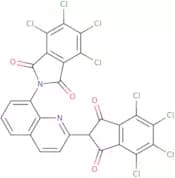
CAS:Bisphenol A glycerolate dimethacrylate is a synthetic polymer that has been used in various applications, including dental sealants and composites. It is a white or yellowish viscous liquid that is soluble in water and alcohol. Bisphenol A glycerolate dimethacrylate is used as a sealant due to its high viscosity. The molecular weight of this compound ranges from 2000 to 6000 Da. It also has an epoxy group that can form hydrogen bonds with other molecules. The major application for bisphenol A glycerolate dimethacrylate is in the dental industry as it provides an excellent sealant due to its high viscosity. This material is also used in composites due to its ability to form hydrogen bonding interactions with the polymer matrix. Bisphenol A glycerolate dimethacrylate is also known for its hemolytic activity and sugar transport properties, which are important for lactic acidFórmula:C29H36O8Pureza:Min. 95%Cor e Forma:Clear LiquidPeso molecular:512.59 g/molPigment Yellow 138;3,4,5,6-Tetrachloro-N-[2-(4,5,6,7-tetrachloro-2,3-dihydro-1,3-dioxo-1H-inden-2-yl)-8-Quinolyl]phthalimide
CAS:<p>Pigment Yellow 138 is a polycarboxylic acid with the chemical formula C8H6Cl4O2. Pigment Yellow 138 has a molecular weight of 434.07 and can be used as a yellow pigment in paint, plastics, and textiles. Pigment Yellow 138 has an acidic pH and can be prepared by reacting phthalic anhydride with sodium hydroxide in aqueous solution to produce the sodium salt of pigment yellow 138. Pigment Yellow 138 is also soluble in hydroxide solutions, which makes it an excellent cross-linking agent for polymers. The color of pigments depends on the size of their particles; pigments with larger particle sizes are more opaque than those with smaller particle sizes.</p>Fórmula:C26H6Cl8N2O4Pureza:Strengh Min 95%.Peso molecular:693.96 g/mol2-Propyl-1-heptanol
CAS:<p>2-Propyl-1-heptanol (2PH) is a phenolic compound that has been used as a sealant for wounds. 2PH forms a chemical bond with chloride ions, which is the reaction mechanism for its effectiveness. 2PH has been shown to be effective in human data, but the carcinogenic potential of this chemical is unknown. This chemical may also have pharmaceutical uses, such as being an ingredient in pharmaceutical preparations. 2PH is toxic to cells and can cause cell death by interfering with fatty acid and protein synthesis. The toxicity of 2PH varies depending on the type of cell it comes into contact with and other factors, such as its concentration or duration of exposure.</p>Fórmula:C10H22OPureza:Min. 95%Cor e Forma:Clear Colourless LiquidPeso molecular:158.28 g/mol17β-Estradiol-d2
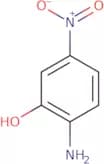
CAS:Produto Controlado<p>17-Estradiol-3,17-diol (17-E2) is the most potent estrogen found in humans. It has been shown to be able to stimulate the growth of breast cancer cells and is a known carcinogen in animals. 17-E2 is metabolized by cytochrome P450 enzymes into catechol estrogens, which are reactive and can bind to DNA. These metabolites can cause mutations that lead to cancer. Analysis of human breast tissue has revealed that 17-E2 is synthesized from estradiol by aromatase and then converted into catechol estrogens by 17β-hydroxysteroid dehydrogenase type 1. 17-E2 also binds to estrogen receptors, which may be linked with the development of certain cancers. The presence of 17-E2 in the environment has been linked with an increased risk for cancer in humans, as it can enter the body through water or food contaminated with waste products.</p>Fórmula:C18H22D2O2Pureza:Min. 95%Cor e Forma:PowderPeso molecular:274.39 g/mol5-Nitro-2-aminophenol
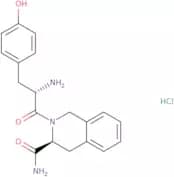
CAS:5-Nitro-2-aminophenol is an aminophenol that has been shown to be a carcinogen in animal studies. It can cause allergic reactions and has been shown to have oxidative DNA damage, which can lead to cancer. 5-Nitro-2-aminophenol is used as a chemical intermediate in the preparation of other chemicals and pharmaceuticals. This chemical has been studied extensively for its analytical properties and is used as a reagent in chromatography. The coordination geometry of 5-nitro-2-aminophenol is octahedral, with nitro groups occupying one axial site each. The toxicity of this compound in animals has been studied extensively, including carcinogenic potential and mutagenicity studies, and it has been shown to inhibit the growth of cultured cells at high concentrations.Fórmula:C6H6N2O3Pureza:Min. 95%Peso molecular:154.12 g/molH-Tyr-L-1,2,3,4-tetrahydroisoquinoline-3-carboxamide·HCl
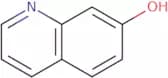
CAS:H-Tyr-L-1,2,3,4-tetrahydroisoquinoline-3-carboxamide·HCl is a monoclinic crystalline compound. It has a molecular weight of 607.14 and contains the dipeptide Tyr-Lys in its structure. H-Tyr-L-1,2,3,4-tetrahydroisoquinoline-3-carboxamide·HCl crystallizes in the P21/c space group and has an asymmetric unit cell with dimensions a=8.851 Å, b=7.965 Å and c=5.98 Å. This compound has been shown to have antibacterial properties against methicillin resistant Staphylococcus aureus (MRSA) isolates and Clostridium perfringens strains by inhibiting bacterial protein synthesis through inhibition of peptidyl transferase activity.Fórmula:C19H21N3O3·HClPureza:Min. 95%Peso molecular:375.85 g/mol7-Hydroxyquinoline
CAS:7-Hydroxyquinoline is a molecule that has been extensively studied in the context of transfer reactions. It is a sodium salt that contains an intermolecular hydrogen bond and an intramolecular hydrogen bond. The proton of 7-hydroxyquinoline can be transferred to the nitrogen atom of a protonated amine, forming an acid complex. This reaction mechanism is kinetically controlled and stabilizes the tautomers of 7-hydoxyquinoline. The hydroxyl group on the quinoline ring can form hydrogen bonds with various groups on other molecules, such as n-dimethyl formamide or deuterium isotope.Fórmula:C9H7NOPureza:Min. 95%Cor e Forma:Brown PowderPeso molecular:145.16 g/mol7-Chloro-4-piperazinylquinoline
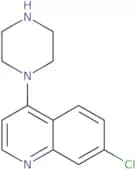
CAS:<p>7-Chloro-4-piperazinylquinoline is a quinoline derivative that belongs to the group of organic solvents. It has anticancer activity and is used as a medicine. 7-Chloro-4-piperazinylquinoline is used as an intermediate in the preparation of sorafenib, which is a potent inhibitor of the protein tyrosine kinase. Sorafenib inhibits cancer cell proliferation and tumor growth by blocking the activity of tyrosine kinases, which are necessary for cellular proliferation and survival. It also inhibits phospholipase A2, which leads to cell death by apoptosis.</p>Fórmula:C13H14ClN3Pureza:Min. 95%Peso molecular:247.72 g/mol5-Bromo-3-fluorophenol
CAS:5-Bromo-3-fluorophenol is a chemical compound that is modified by hydrogen bonding. It displays anti-cancer activity against various human cancer cells, including breast and prostate cancer cells. 5-Bromo-3-fluorophenol also inhibits nicotinic acetylcholine receptors and the enzyme acetylcholinesterase, which are important for the function of the nervous system. This drug has been shown to interact with acetylcholine receptor sites on the surface of tumor cells, which may lead to apoptosis. The pharmacophore for 5-bromo-3-fluorophenol is a phenolic OH group linked to an aromatic ring with two nitro groups.Fórmula:C6H4BrFOPureza:Min. 95%Cor e Forma:PowderPeso molecular:191 g/molGlycerol formal
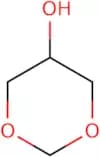
CAS:Glycerol formal is a glycol ether that contains two hydroxyl groups. It is a non-polymeric pharmacological agent with inhibitory properties against group P2 bacteria. The reaction mechanism of glycerol formal is the same as that of other glycol ethers and it is an antimicrobial agent. Glycerol formal has been shown to be effective against Escherichia coli, Staphylococcus aureus, and Salmonella typhi. This compound has also been used in injection solutions and as a solvent for fatty acids.Fórmula:C4H8O3Pureza:Min. 95%Cor e Forma:Clear LiquidPeso molecular:104.1 g/mol2-Bromo-1-indanol
CAS:2-Bromo-1-indanol is an industrial solvent used in the production of dyes, pigments, perfumes, pharmaceuticals, and other organic compounds. It is a chiral compound with two stereoisomers (R and S) that have different properties. The R isomer has a hydroxyl group on the 2 position of the indane ring, while the S isomer does not. The industrial process involves recycling of 2-bromo-1-indanol from the reaction mixture. This process can be monitored using mass spectrometric detection for bromine and hydrogen ions released during hydrolysis. 2-Bromo-1-indanol can be used to synthesize methoxybenzaldehyde with high regioselectivity, which can then be used to make some drugs such as amphetamine and methamphetamine.Fórmula:C9H9BrOPureza:Min. 95%Cor e Forma:PowderPeso molecular:213.07 g/molMethallyl alcohol
CAS:<p>Methallyl alcohol is a reactive hydroxide solution that is used as an intermediate in the industrial synthesis of polycarboxylic acids, glycol ethers, and other compounds. It reacts with hydrogen chloride to form methallyl chloride, which can be used to produce polymers. Methallyl alcohol can also be used as a reagent for the synthesis of various esters, amides, and other organic compounds. The enzyme inhibitors it produces inhibit reactions involving fatty acid and aliphatic hydrocarbon oxidation. Methallyl alcohol is produced by the reaction of methanol with allyl chloride. This reaction occurs in vivo under acidic conditions.</p>Fórmula:C4H8OPureza:Min. 98 Area-%Cor e Forma:Colorless Clear LiquidPeso molecular:72.11 g/mol1,1,2,2-Tetrahydroperfluoro dodecanol
CAS:1,1,2,2-Tetrahydroperfluoro dodecanol (1HFPD) is a chemical substance used in analytical chemistry as an internal standard for gas chromatography. It is also used to prepare samples for analysis by particle-induced X-ray emission. 1HFPD has been shown to have a high uptake in preschool children and can be detected in human serum at levels of 0.5 micrograms per milliliter. The use of 1HFPD has been linked to adverse health effects such as kidney and liver damage.Fórmula:C12H5F21OPureza:Min. 95%Peso molecular:564.13 g/molN-Boc-3-Azetidinol
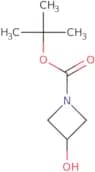
CAS:This linker is chemically stable and not cleavable under standard intracellular or extracellular conditions. N-Boc-3-Azetidinol is also a versatile organic intermediate used primarily in the pharmaceutical industry for synthesizing a wide range of drugs, including antibacterials, immunosuppressants, and cancer therapies.Fórmula:C8H15NO3Pureza:Min. 95%Peso molecular:173.21 g/mol5β-Pregnan-3β,17α,21-triol-20-one
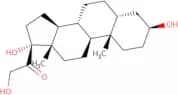
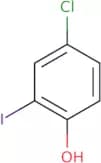
CAS:Produto Controlado5-b-Pregnan-3-b,17-a-,21-triol-20-one is a high quality chemical that can be used as a reagent, building block or scaffold for complex molecules. It has a CAS number of 601-03-6. This compound is useful in the synthesis of fine chemicals and speciality chemicals. It is also a versatile building block for reactions involving other organic compounds. 5-b-Pregnan-3-b,17-a-,21-triol 20 one is a useful intermediate in the production of research chemicals and pharmaceuticals.Fórmula:C21H34O4Pureza:Min. 95%Cor e Forma:PowderPeso molecular:350.49 g/mol4-Chloro-2-iodo-phenol
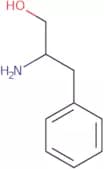
CAS:Please enquire for more information about 4-Chloro-2-iodo-phenol including the price, delivery time and more detailed product information at the technical inquiry form on this pageFórmula:C6H4ClIOPureza:Min. 95%Peso molecular:254.45 g/molDL-Phenylalaninol
CAS:DL-Phenylalaninol is a chemical compound with the molecular formula CHNO. It is a white to pale yellow solid that is soluble in water and methanol, but not in diethyl ether. DL-Phenylalaninol has been synthesized by reacting cycloleucine with l-phenylalaninol. The reaction solution was heated at a temperature of 140°C for six hours, which yielded DL-Phenylalaninol as a hydroxy methyl compound. The synthesis of DL-Phenylalaninol was achieved through an asymmetric synthesis with sodium dodecyl sulfate surfactant. A detection sensitivity of 1 ppm and an enhancement at 260 nm were observed when analyzing the product by high performance liquid chromatography (HPLC).Fórmula:C9H13NOPureza:Min. 95%Peso molecular:151.21 g/mol4-Chlorophenethyl alcohol
CAS:4-Chlorophenethyl alcohol is a synthetic, primary alcohol. It can be synthesized by reacting 2,4-dichlorobenzoic acid with a Grignard reagent. The reaction produces 4-chlorophenethyl alcohol, which is insoluble in water and reacts with chloride to form chloroform. This procedure can be used to produce other chlorinated alcohols. 4-Chlorophenethyl alcohol has been shown to have acute toxicities that are similar to those of trifluoroacetic acid and it is believed that the toxicity is due to its ability to react with proteins and nucleic acids.Fórmula:C8H9ClOPureza:Min. 95%Cor e Forma:PowderPeso molecular:156.61 g/molDodecylbenzenesulfonic acid, 70% in isopropanol
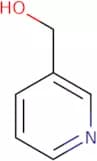
CAS:Dodecylbenzenesulfonic acid is a sulfonic acid that is used in the production of polyaniline. It is also used as an organic reagent that can be applied in organic synthesis, including polymerization and electrochemical studies. Dodecylbenzenesulfonic acid has been shown to react with sodium salts to form dodecyl benzene, which can be observed by synchronous fluorescence spectroscopy. This chemical has a phase transition temperature of -9°C and a boiling point of 176°C. Dodecylbenzenesulfonic acid is soluble in water vapor, but insoluble in ethanol or acetone.Fórmula:C18H30O3SPureza:Min. 95%Cor e Forma:Clear LiquidPeso molecular:326.5 g/mol3-Pyridinemethanol
CAS:3-Pyridinemethanol is a chemical compound that is soluble in water. It has a molecular weight of 92.07 grams per mole, and the chemical formula CH3CH2NH. 3-Pyridinemethanol is used as a reagent for the synthesis of organic compounds, such as chlorides, esters, amides, nitriles, and thioamides. 3-Pyridinemethanol reacts with chloride to form an intermediate which reacts with water to produce hydrochloric acid and ammonium chloride. This reaction also produces heat, which can be used to generate energy or power other reactions. br> br> A nanotube was synthesized from 3-pyridinemethanol by using a template made from nickel atoms arranged in a hexagonal pattern on the surface of an indium tin oxide (ITO) glass substrate. The nanotubes are about 5 nm in diameter and can be upFórmula:C6H7NOPureza:Min. 95%Peso molecular:109.13 g/mol1-O-Octadecyl-sn-glycerol
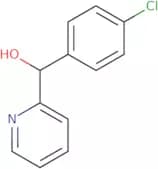
CAS:1-O-Octadecyl-sn-glycerol (1ODG) is a dietary lipid that is absorbed by the gastrointestinal tract and transported to the liver. It is used in cell culture as a substitute for lipids that are not available or cannot be used for experiments. 1ODG is also found in human lung and colon tissues, where it may act as a growth factor. 1ODG has been shown to inhibit herpes simplex virus type I (HSV-1) replication in cultured cells by increasing intracellular calcium levels and inhibiting viral DNA synthesis. It can also increase fatty acid synthesis and induce cellular proliferation of tissue culture cells, such as lung fibroblasts.Fórmula:C21H44O3Pureza:Min. 95%Peso molecular:344.57 g/mol4-Chlorophenyl-2-pyridinylmethanol
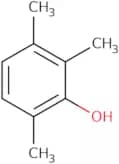
CAS:<p>Please enquire for more information about 4-Chlorophenyl-2-pyridinylmethanol including the price, delivery time and more detailed product information at the technical inquiry form on this page</p>Fórmula:C12H10ClNOPureza:Min. 95%Peso molecular:219.67 g/mol2,3,6-Trimethylphenol
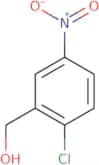
CAS:<p>2,3,6-Trimethylphenol is an industrial chemical that is produced by the acylation of 2,6-dimethylaniline with formaldehyde. The optimal reaction conditions for this process are at a temperature of 100°C and a pressure of 10 bar. This chemical has been shown to be an effective catalyst for the chlorination of hydrocarbons. Trimethylphenol is also used as a reagent in the preparation of other chemicals and is found in many products due to its low energy requirements. The logistic regression model has been used to assess the relationship between population growth and industrial preparation. It has been shown that there is a positive correlation between these two variables. 2,3,6-Trimethylphenol can also be found in polluted environments where it reacts with chloride ions to produce hydrogen chloride gas or methyl chloride gas. Redox potential values have been measured for this compound and it was found that the reduction potential is -0.07</p>Fórmula:C9H12OPureza:Min. 95%Peso molecular:136.19 g/mol2-Chloro-5-nitrobenzyl alcohol
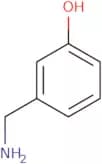
CAS:2-Chloro-5-nitrobenzyl alcohol is a vibrational spectroscopy technique that can be used to study the interactions between molecules. The technique can be used to measure the population of molecules in a system and to determine the thermodynamic properties of systems. It has been shown that 2-chloro-5-nitrobenzyl alcohol is an inhibitor for macrocyclic compounds with electron withdrawing groups, such as carbonyl groups. This molecule has been studied using statistical strategies, which have been shown to be effective in predicting the binding affinity of 2-chloro-5-nitrobenzyl alcohol and other inhibitors for macrocyclic compounds.Fórmula:C7H6ClNO3Pureza:Min. 95%Cor e Forma:PowderPeso molecular:187.58 g/mol3-(Aminomethyl)phenol
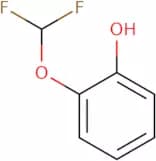
CAS:3-(Aminomethyl)phenol is a potent inhibitor of growth factor receptor kinase (GRK) and protein kinase C. It has been shown to have inhibitory effects on cellular proliferation in mammalian cells and is being investigated as an adjuvant therapy for cancer treatment. 3-(Aminomethyl)phenol has also been shown to inhibit the enzyme cyclooxygenase-2, which is involved in the synthesis of prostaglandins. DISCUSSION: The carbonyl group of 3-(aminomethyl)phenol makes it a potent inhibitor of GRKs and protein kinases C. Kinases are enzymes that catalyze the addition of phosphate groups onto proteins, which affects their activity. As such, 3-(aminomethyl)phenol inhibits the activity of GRKs and protein kinases C by binding to the ATP-binding site, preventing ATP from binding and phosphorylating the enzyme's target proteinsFórmula:C7H9NOPureza:Min. 95%Peso molecular:123.15 g/mol2-(Difluoromethoxy)Phenol
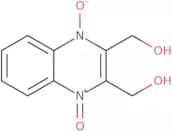
CAS:2-(Difluoromethoxy)Phenol is a purine derivative and pyrimidine derivative. It has been shown to inhibit the growth of cancer cells in vitro and in vivo. 2-(Difluoromethoxy)phenol inhibits multidrug resistance by inhibiting the transport of drugs into cells and thereby preventing their accumulation. As a result, it suppresses inflammatory diseases and autoimmune diseases. The hydroxyl group in this compound can be replaced with fluorine or nitro groups to generate new derivatives with different properties. Piperidine can also be added to this molecule to create an analogue that is more potent than 2-(difluoromethoxy)phenol and has a longer duration of action.Fórmula:C7H6F2O2Pureza:Min. 95%Peso molecular:160.12 g/mol(1,4-Dioxidoquinoxaline-2,3-diyl)dimethanol
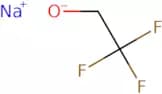
CAS:Polymyxin B is a cationic peptide antibiotic that is effective in the treatment of infectious diseases. It has been shown to inhibit growth of Gram-negative bacteria by binding to the outer membrane and disrupting osmotic balance. Polymyxin B has been shown to be toxic to liver cells, but it can be used as an antimicrobial agent in combination with ethylene diamine and clastogenic agents such as hydrochloric acid and hydrogen peroxide. This drug also has genotoxic effects. Polymyxin B has high resistance to hydrolysis by hydroxyl group-containing enzymes, making it a broad-spectrum antimicrobial agent that is active against Gram-positive bacteria, Gram-negative bacteria, and mycobacteria.Fórmula:C10H10N2O4Pureza:Min. 95%Cor e Forma:PowderPeso molecular:222.2 g/molSodium 2,2,2-trifluoroethanolate
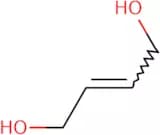
CAS:Sodium 2,2,2-trifluoroethanolate is a fluorinated alcohol. It is used as an animal health drug and has been shown to have a significant inhibitory effect on the growth of bacteria. The reaction intermediate for this compound is trifluoroacetic acid, which can be formed from sodium and hydrogen fluoride in the presence of ethylene glycol. This molecule also reacts with nitrosyl chloride to form a nitrogen-containing product. Sodium 2,2,2-trifluoroethanolate has been shown to be active against both Gram-positive and Gram-negative bacteria. The FTIR spectra for this compound shows that it has two sets of absorption bands at 3,200 cm−1 (due to C–H stretching) and 3,000 cm−1 (due to C=C stretching).Fórmula:C2H2F3NaOPureza:Min. 95%Cor e Forma:PowderPeso molecular:122.02 g/molcis,trans-2-Buten-1,4-diol
CAS:<p>Product FB158451, cis, trans-2-Buten-1,4-diol, is a versatile chemical compound with the CAS number 110-64-5. It is used a key building block in various chemical synthesis processes, making it an essential component for researchers and industrial applications. Its versatile nature allows it to be employed in the production of polymers, resins, and specialty chemicals, making it a valuable asset for a wide range of applications.</p>Fórmula:C4H8O2Pureza:Min. 95%Cor e Forma:Clear LiquidPeso molecular:88.11 g/mol6-Chloro-1,7-naphthyridin-4-ol
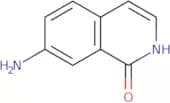
CAS:<p>Please enquire for more information about 6-Chloro-1,7-naphthyridin-4-ol including the price, delivery time and more detailed product information at the technical inquiry form on this page</p>Pureza:Min. 95%7-Amino-1(2h)-isoquinolinone
CAS:<p>Please enquire for more information about 7-Amino-1(2h)-isoquinolinone including the price, delivery time and more detailed product information at the technical inquiry form on this page</p>Fórmula:C9H8N2OPureza:Min. 95%Peso molecular:160.17 g/molAndrostanolone acetate
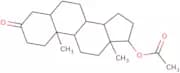
CAS:Produto Controlado<p>Androstanolone acetate is a synthetic androgen that has been shown to stimulate the production of testosterone in the testes. Androstanolone acetate has been shown to be effective in treating symptoms of male hypogonadism, as well as erectile dysfunction. The drug also has an antigenic effect, which stimulates the production of antibodies against it. Androstanolone acetate binds to cell specific antigens and stimulates cell proliferation. It has been used in cancer prevention studies, where it was found that it could suppress estrogen-induced endometrial cancer in animals. In addition, Androstanolone acetate is capable of stimulating light emission when incubated with cells and can be detected using chromatographic methods.</p>Fórmula:C21H32O3Pureza:Min. 95%Cor e Forma:PowderPeso molecular:332.48 g/molLinoleic acid - powder
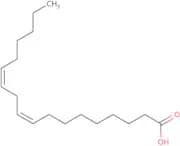
CAS:<p>Linoleic acid is a polyunsaturated fatty acid that is an important component of cell membranes. It has been shown to inhibit oxidative injury and improve mitochondrial functions. Linoleic acid also has a role in energy metabolism, as it is the precursor for biosynthesis of eicosanoids and arachidonic acid. The physiological effects of linoleic acid have been studied using a model system consisting of isolated rat adipose tissue and mitochondria. This model system has been used to investigate the inhibitory properties of linoleic acid on caproic acid-induced lipid peroxidation. Linoleic acid has also been shown to have anion radical scavenging activity when in the presence of iron. This compound can be analyzed using gas chromatography-mass spectrometry (GC-MS) based on its chemical composition, which consists mainly of linear 18-carbon chains with two double bonds at positions 9 and 12.</p>Fórmula:C18H32O2Pureza:Min. 95%Cor e Forma:PowderPeso molecular:280.45 g/molCyclopent-2-en-1-ol
CAS:Cyclopent-2-en-1-ol is a reactive monomer that can react with chloride and hydroxyl groups. It can also undergo reaction with sodium carbonate to form a cyclic ester. Cyclopent-2-en-1-ol can be converted to an epoxide by the use of acid catalyst. This compound also has the ability to polymerize, forming polymers that are used in rayon production.Fórmula:C5H8OPureza:Min. 95%Cor e Forma:Clear LiquidPeso molecular:84.12 g/mol1,6-Hexanediol
CAS:<p>1,6-Hexanediol is a diol that can be used as a control agent for radiation-sensitive polymeric matrices. It has been shown to bind to the hydroxyl groups of polymers and form hydrogen bonds with other molecules. 1,6-Hexanediol also reacts with trifluoroacetic acid in an electrochemical impedance spectroscopy study to produce low energy electrons. The kinetic data show that the optimum concentration of 1,6-hexanediol is between 0.1 and 0.2 M and the activation energies are in the range of 4.0 - 7.0 kcal/mol.</p>Fórmula:C6H14O2Pureza:Min. 95%Cor e Forma:PowderPeso molecular:118.17 g/mol6-Aminoquinoline
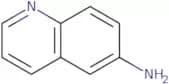
CAS:<p>6-Aminoquinoline is a chemical compound that is used as an intermediate in the synthesis of other compounds. It has been found to be effective in inhibiting the growth of human cancer cells and cell lines by binding to amines, which are important for cell proliferation. 6-Aminoquinoline also inhibits epidermal growth factor (EGF) and its receptor, which may be due to its ability to inhibit the transfer of phosphate groups from ATP to EGF. 6-Nitroquinoline, which is derived from 6-aminoquinoline, has been shown to have antiinflammatory activity.</p>Fórmula:C9H8N2Pureza:Min. 95%Cor e Forma:Yellow PowderPeso molecular:144.17 g/mol6,7-Dihydro-5H-quinolin-8-one
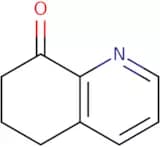
CAS:<p>6,7-Dihydro-5H-quinolin-8-one is a quinoline derivative that can be used to treat cancer. It is an inhibitor of topoisomerase II, which is an enzyme that catalyzes the formation of single stranded breaks in DNA and then reseals them. The inhibition of topoisomerase II leads to the accumulation of single strand breaks, which causes cell death. 6,7-Dihydro-5H-quinolin-8-one has been shown to have inhibitory activity against cancer cells in laboratory tests and also inhibits the growth of breast cancer cells in mice. This compound also has a number of other biological effects including being a ligand for some receptors and amine oxidases as well as having antihistamine properties.</p>Fórmula:C9H9NOPureza:Min. 95%Cor e Forma:White PowderPeso molecular:147.17 g/mol3-Chloro-2-nitrobenzyl alcohol
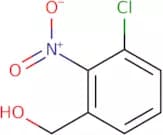
CAS:3-Chloro-2-nitrobenzyl alcohol is a chemical compound that has a molecular formula of C6H5ClNO2. This substance was synthesized by the reaction of 3-chloro-2-nitrobenzyl chloride with sodium hydroxide in methanol. The optimized geometry and vibrational frequencies were calculated using density functional theory (DFT) and theory of Raman scattering. The IR spectra were measured with Fourier transform infrared (FTIR) spectroscopy, which showed that the compound has a strong absorption in the region from 2,600 to 2,800 cm−1.Fórmula:C7H6ClNO3Pureza:Min. 95%Cor e Forma:PowderPeso molecular:187.58 g/mol1,2-Distearoyl-sn-glycero-3-phosphoethanolamine-N-[amino(polyethylene glycol) 2000] (ammonium salt)
CAS:1,2-Distearoyl-sn-glycero-3-phosphoethanolamine-N-[amino(polyethylene glycol) 2000] (ammonium salt) is a PEG compound with two different functional groups (also known as heterobifunctional). Unlike homobifunctional PEG compounds (same functional group on both ends), this type of compounds are more versatile as have two different anchor points. 1,2-Distearoyl-sn-glycero-3-phosphoethanolamine-N-[amino(polyethylene glycol) 2000] (ammonium salt) is used as a linker and spacer to add a PEG moiety, via pegylation (a bioconjugation technique) to proteins, peptides, oligonucleotides, small molecules and nanoparticles.Fórmula:(C2H4O)nC44H87N2O10P•H3NPureza:Min. 95%Cor e Forma:White Powder3-Bromobenzyl alcohol
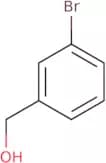
CAS:3-Bromobenzyl alcohol (3BA) is a potent inhibitor of farnesyl diphosphate synthase, which is an enzyme that catalyzes the conversion of dimethylallyl diphosphate and 5,6,7,8-tetrahydrofolic acid to farnesyl diphosphate. It has been shown to be effective in the treatment of cancer. 3BA blocks the synthesis of farnesyl diphosphate and protein geranylgeranylation. It also inhibits tumor growth by inducing apoptosis. The efficacy of 3BA is limited by its toxicity at high concentrations. 3BA has also been found to inhibit nitrous oxide production in mice and rats.Fórmula:C7H7BrOPureza:Min. 95%Cor e Forma:PowderPeso molecular:187.03 g/molConjugated linoleic acid - liquid
CAS:<p>Conjugated linoleic acid (CLA) is a fatty acid found in beef and dairy products. It is a conjugated form of linoleic acid, which means it has two or more double bonds in its chemical structure. CLA may help to regulate energy metabolism by inhibiting the activity of enzymes involved in fat and carbohydrate metabolism. CLA has also been shown to have inhibitory properties against polymerase chain reaction (PCR), an enzyme that copies DNA during cell division. CLA has also been shown to reduce the symptoms of bowel disease, including reducing inflammation and improving insulin sensitivity. CLA may suppress body weight gain and fat accumulation in humans, as well as reduce the development of type 2 diabetes mellitus. In addition, CLA may be effective against infectious diseases such as tuberculosis and HIV/AIDS because it can lower levels of pro-inflammatory cytokines like tumor necrosis factor-α (TNF-α)</p>Fórmula:C18H32O2Pureza:Min. 95%Cor e Forma:Slightly Yellow Clear LiquidPeso molecular:280.45 g/mol














![7,9-Dimethoxycarbonyl-2-ethoxycarbonyl-1H-pyrrolo-[2,3-f]quinoline-4,5-dione](/_next/image/?url=https%3A%2Fstatic.cymitquimica.com%2Fproducts%2F3D%2Fthumb-webp%2FFD22201.webp&w=3840&q=75)
![([ring-D5]Phe3)-Octreotide acetate salt](/_next/image/?url=https%3A%2Fstatic.cymitquimica.com%2Fproducts%2F3D%2Fthumb-webp%2FFR110015.webp&w=3840&q=75)
![2-[2-[2-(2-Azidoethoxy)ethoxy]ethoxy]ethanol](/_next/image/?url=https%3A%2Fstatic.cymitquimica.com%2Fproducts%2F3D%2Fthumb-webp%2FFA09300.webp&w=3840&q=75)


![4-[(4-Nitrophenyl)-azo]-phenol](/_next/image/?url=https%3A%2Fstatic.cymitquimica.com%2Fproducts%2F3D%2Fthumb-webp%2FFN31052.webp&w=3840&q=75)
![Bis[α,α-bis(trifluoromethyl)benzenemethanolato]diphenylsulfur](/_next/image/?url=https%3A%2Fstatic.cymitquimica.com%2Fproducts%2F3D%2Fthumb-webp%2FFB98713.webp&w=3840&q=75)














![1,2-Distearoyl-sn-glycero-3-phosphoethanolamine-N-[amino(polyethylene glycol) 2000] (ammonium salt)](/_next/image/?url=https%3A%2Fstatic.cymitquimica.com%2Fproducts%2F3D%2Fthumb-webp%2FFD157101.webp&w=3840&q=75)