


Álcoois
Os álcoois são uma ampla gama de moléculas orgânicas derivadas de hidrocarbonetos que contêm um ou mais grupos hidroxila (grupo OH). Estes compostos são essenciais em várias reações químicas e são amplamente utilizados em laboratórios para síntese, como solventes e em química analítica. Na CymitQuimica, oferecemos álcoois de alta qualidade preparados para uso laboratorial, apoiando suas pesquisas e aplicações industriais com produtos confiáveis e eficazes. Nossa seleção garante que você tenha os álcoois adequados para suas necessidades específicas, seja para trabalhos de laboratório de rotina ou para projetos de pesquisa especializados.
Subcategorias de "Álcoois"
Foram encontrados 5814 produtos de "Álcoois"
Ordenar por
Pureza (%)
0
100
|
0
|
50
|
90
|
95
|
100
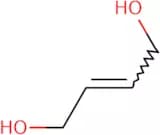
cis,trans-2-Buten-1,4-diol
CAS:<p>Product FB158451, cis, trans-2-Buten-1,4-diol, is a versatile chemical compound with the CAS number 110-64-5. It is used a key building block in various chemical synthesis processes, making it an essential component for researchers and industrial applications. Its versatile nature allows it to be employed in the production of polymers, resins, and specialty chemicals, making it a valuable asset for a wide range of applications.</p>Fórmula:C4H8O2Pureza:Min. 95%Cor e Forma:Clear LiquidPeso molecular:88.11 g/mol(-)-Corey lactone diol
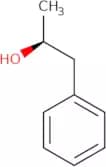
CAS:<p>(-)-Corey lactone diol is a synthetic compound that is soluble in organic solvents. It is used for the synthesis of carbocyclic nucleosides, which are analogs of pyrimidine nucleosides. (-)-Corey lactone diol has been shown to inhibit cholesterol synthesis and the synthesis of alkene. (-)-Corey lactone diol also shows anti-inflammatory properties, which may be due to its inhibition of prostaglandin synthesis.</p>Fórmula:C8H12O4Pureza:Min. 95%Peso molecular:172.18 g/mol(S)-1-Phenyl-2-propanol
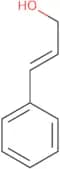
CAS:(S)-1-Phenyl-2-propanol is a chiral, enantiopure alcohol that is used as a substrate for the preparation of various drugs. It can be prepared by the reduction of (R)-1-phenyl-2-propanol with sodium borohydride. To obtain the desired product, high substrate concentrations are required. Molecular modeling and bioreactor studies have shown that this process can also be carried out in cells. Subtilis sps. were found to be suitable for this process due to their ability to synthesize (S)-1-phenyl-2-propanol from 6-phosphate and l-tert-leucine in a stepwise manner. The use of subtilis sps. may reduce the cost and time needed for production of (S)-1-phenyl-2-propanol because it does not require expensive starting materials or purification steps.END>>Fórmula:C9H12OPureza:Min. 95%Cor e Forma:Clear LiquidPeso molecular:136.19 g/molCinnamyl alcohol
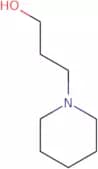
CAS:Cinnamyl alcohol is a substance that belongs to the group of organic compounds called alcohols. It has been shown to be an inhibitor of enzymes such as alcohol dehydrogenase and lignin peroxidase, which are involved in the production of lignin. Cinnamyl alcohol also inhibits the synthesis of proteins, nucleic acids, and other cellular components. Cinnamyl alcohol has significant cytotoxicity against tumor cells, with biochemical properties that make it a good candidate for cancer treatment.Fórmula:C9H10OPureza:Min. 98 Area-%Cor e Forma:White PowderPeso molecular:134.18 g/mol3-Piperidin-1-ylpropan-1-ol
CAS:3-Piperidin-1-ylpropan-1-ol is a substance that is structurally related to biperiden and has affinity for the H3 receptor. It has been shown to have a high affinity for the H3 receptor, which is found in high concentration in the rat brain. 3-Piperidin-1-ylpropan-1-ol has been shown to have antagonistic activity against neuropathic pain in rats, by inhibiting the release of norepinephrine from nerve endings. This substance also has antihistaminic properties, which may be due to its ability to inhibit histamine release. 3-Piperidin-1-ylpropan-1-ol is an enantiomer of piperidine, with a slightly higher affinity for the H3 receptor than its mirror image. The racemic mixture isomeric form (i.e., both enantiomers) inhibits the H3 receptor with an equal potency,Fórmula:C8H17NOPureza:Min. 95%Cor e Forma:Colorless Clear LiquidPeso molecular:143.23 g/mol2-Chloro-5-pyridylcarbinol
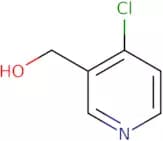
CAS:2-Chloro-5-pyridylcarbinol is an alkene that features a five-membered ring. It is a conformationally rigid molecule, which means it has no rotational or vibrational barriers. The molecule can be classified as a tricyclic heterocycle because the carbon atoms are arranged in three rings. The analogues of this compound feature six-membered carbocycles and intramolecular cycloadditions. 2-Chloro-5-pyridylcarbinol also constitutes one of the azomethine adducts of nicotine, which is a type of tricyclic heterocycle.Fórmula:C6H6ClNOPureza:Min. 95%Peso molecular:143.57 g/mol5α-Pregnan-3β,17α-diol-20-one
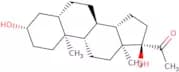
CAS:Produto Controlado5alpha-Pregnan-3beta,17alpha-diol-20-one is a versatile building block that can be used in the synthesis of a wide range of chemical compounds. It has CAS number 570-54-7 and is useful as a reagent in organic chemistry. This compound is also an intermediate for the synthesis of other chemicals, such as steroids and hormones. 5alpha-Pregnan-3beta,17alpha-diol-20-one can be used to produce high quality products with diverse biological activities and molecular structures. The compound is also useful in the production of pharmaceuticals, pesticides, and herbicides.Fórmula:C21H34O3Pureza:Min. 95%Cor e Forma:PowderPeso molecular:334.49 g/mol(S)-3,3'-Dibromo-5,5',6,6',7,7',8,8'-octahydro-1,1'-binaphthalene-2,2'-diol
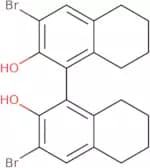
CAS:<p>(S)-3,3'-Dibromo-5,5',6,6',7,7',8,8'-octahydro-1,1'-binaphthalene-2,2'-diol is a synthetic compound that has been prepared by a Diels-Alder reaction. It is used as an asymmetric synthesis catalyst for the production of optically active compounds. The ligands are catalysts for the reaction and can be easily replaced with different ligands to produce different products. This compound has been researched for its potential use in the production of pharmaceuticals and other chemicals.</p>Fórmula:C20H20Br2O2Pureza:Min. 95%Cor e Forma:White To Yellow SolidPeso molecular:452.18 g/mol1H-Pyrazol-4-ylmethanol
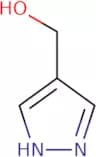
CAS:1H-Pyrazol-4-ylmethanol is a dehydrogenase inhibitor that binds to the heme group of the enzyme and inhibits oxidative metabolism. It has been shown to be an effective inhibitor of human liver alcohol dehydrogenase (ADH) and also reduces the absorption rate constant of pyrazole derivatives. The catalytic mechanism is not yet known, but it has been found to inhibit other enzymes with a similar catalytic mechanism. Techniques such as kinetic studies and model systems have been used to study this enzyme's catalytic mechanism.Fórmula:C4H6N2OPureza:Min. 95%Peso molecular:98.1 g/mol20b-Dihydro pregnenolone
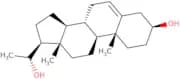
CAS:Produto Controlado<p>Pregnenolone is a steroid hormone that is synthesized from cholesterol and secreted into the blood. It can be converted to other steroids such as progesterone, testosterone, and estradiol. Pregnenolone sulfate (PS) is a metabolite of pregnenolone that is produced by the enzyme steroid sulfatase. PS is an endogenous steroid hormone that has been shown to have potentiating effects on memory. This drug also inhibits the activity of sulfatase enzymes, which are responsible for breaking down steroids in the body.</p>Fórmula:C21H34O2Pureza:Min. 95%Cor e Forma:PowderPeso molecular:318.49 g/mol(3R,5S)-5-(Hydroxymethyl)pyrrolidin-3-ol hydrochloride
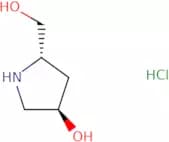
CAS:Please enquire for more information about (3R,5S)-5-(Hydroxymethyl)pyrrolidin-3-ol hydrochloride including the price, delivery time and more detailed product information at the technical inquiry form on this pagePureza:Min. 95%7-Fluoro-2-methylquinoline
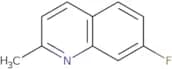
CAS:<p>7-Fluoro-2-methylquinoline is a multistep synthetic compound that belongs to the family of quinoxalines. It has been shown to have potent antibacterial activity against a wide range of bacteria, including methicillin-resistant Staphylococcus aureus (MRSA) and Mycobacterium tuberculosis. 7-Fluoro-2-methylquinoline was developed as an analog of the natural product quinoxaline. The key step in its synthesis is the reaction between an aldehyde and hydroxyalkylating reagent in the presence of iron catalyst. This process results in the formation of functional groups such as hydroxyls, alkoxy, or halogens.</p>Fórmula:C10H8FNPureza:Min. 95%Cor e Forma:White PowderPeso molecular:161.18 g/mol12-Fluorododecan-1-ol
CAS:12-Fluorododecan-1-ol is a volatile chemical compound that is found in the exoskeleton of termites. It has been shown to be a major component of the termiticide, FluoroCitrate. 12-fluorododecan-1-ol can be used to control the growth of insect populations by interfering with their ability to synthesize fatty acids and alcohols. It also has an effect on protein synthesis and inhibits the activity of citrate synthase, which is an enzyme involved in glycolate metabolism. This compound is also toxic to some species of insects such as Rhinotermitidae. 12-fluorododecan-1-ol can be used as a marker for Reticulitermes flavipes (a type of wood eating cockroach) and it can be used to distinguish between different species or strains of termites.Fórmula:C12H25FOPureza:Min. 95%Cor e Forma:Clear LiquidPeso molecular:204.32 g/mol3,4-Diethoxybenzylalcohol
CAS:<p>3,4-Diethoxybenzylalcohol is a metabolite produced by the fungus Ustilago maydis. It has been shown to have pleiotropic effects on the metabolism of the organism. 3,4-Diethoxybenzylalcohol is involved in lignin biosynthesis and bond cleavage reactions. In addition to functioning as an intermediate in the pentose phosphate pathway, it is involved in the nature of the basidiomycete cell wall and also plays a role in carbon source utilization.</p>Fórmula:C11H16O3Pureza:Min. 95%Cor e Forma:PowderPeso molecular:196.24 g/mol4-(2-Oxiranylmethoxy)benzeneethanol
CAS:Please enquire for more information about 4-(2-Oxiranylmethoxy)benzeneethanol including the price, delivery time and more detailed product information at the technical inquiry form on this pageFórmula:C11H14O3Pureza:Min. 95%Peso molecular:194.23 g/mol2,6-Difluoro-4-methoxyphenol
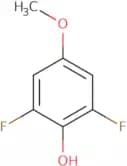
CAS:<p>Please enquire for more information about 2,6-Difluoro-4-methoxyphenol including the price, delivery time and more detailed product information at the technical inquiry form on this page</p>Fórmula:C7H6F2O2Pureza:Min. 95%Cor e Forma:PowderPeso molecular:160.12 g/molTriglycerol monolaurate
CAS:<p>Triglycerol monolaurate (GLA) is a fatty acid that can be synthesized by reacting glycerol with lauric acid. It has been shown to have antimicrobial properties, inhibiting the growth of fungi such as flavus and staphylococcus. GLA also inhibits the production of lipase and protease, enzymes that are required for the digestion of dietary fats. GLA has been used in infant formulas to inhibit the growth of bacteria, such as p. aeruginosa, which may cause infantile diarrhea. Triglycerol monolaurate is also used as dietary supplement to treat eczema due to its inhibitory effect on inflammatory cytokines such as tumor necrosis factor-α (TNF-α).</p>Fórmula:C21H42O8Pureza:Min. 95%Peso molecular:422.55 g/mol4-Methylaminophenol sulfate
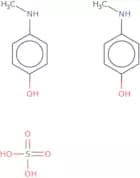
CAS:4-Methylaminophenol sulfate is an enzyme substrate that is used in the analytical method for determining the concentration of potassium dichromate. It is prepared by reacting 4-methylaminophenol with sulfuric acid, and its optimum concentration is 0.2 mM. The linear calibration curve was obtained at a pH range of 2 to 5.4 and a temperature range of 25 to 37°C. The analytical method can be applied to human serum samples and has been shown to be applicable for studies on autoimmune diseases and anthelmintics.Fórmula:C7H9NO•(H2O4S)0Pureza:Min. 95%Cor e Forma:White PowderPeso molecular:344.39 g/mol5-glutinen-3-ol
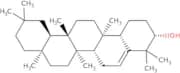
CAS:Produto Controlado<p>5-Glutinen-3-ol is an antiinflammatory compound that belongs to the group of bioactive phenolic compounds. It has significant cytotoxicity and can be used in cancer therapy. 5-Glutinen-3-ol has been shown to inhibit the proliferation of cervical cancer cells by inducing apoptosis through a mechanism involving the activation of gamma-aminobutyric acid (GABA) receptors. This compound also inhibits oxidative stress induced by reactive oxygen species and protects cells from DNA damage, which may protect against cancer. 5-Glutinen-3-ol also has antioxidant properties, which can help prevent or alleviate metabolic disorders such as diabetes mellitus and atherosclerosis.</p>Fórmula:C30H50OPureza:Min. 95%Peso molecular:426.72 g/mol(8E,10E)-Dodeca-8,10-dien-1-ol
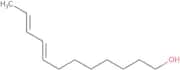
CAS:<p>Codlemone is a pheromone that is secreted by the female codling moth (Cydia pomonella) to attract males for mating. This compound has been shown to have pesticidal activity against various insect species, including codling moths, fruit flies, and aphids. Codlemone is an odorant that binds to olfactory receptors in insects and mammals. It has been shown to bind to the OR1 receptor in mammalian cells and may be involved in physiological functions such as reproduction, stress response, and sexual behavior. The biosynthesis of codlemone starts with the conversion of fatty acid into fatty acid esters by means of transfer reactions with alcohols or alkyl halides. These esters are then converted into dienols by the action of aldehyde oxidase. The dienols are then converted into the final product by means of a palladium-catalyzed coupling reaction with acetaldehyde.</p>Fórmula:C12H22OPureza:90%MinCor e Forma:Clear LiquidPeso molecular:182.3 g/mol(S)-(-)-6,7-Dimethoxy-1,2,3,4-tetrahydroisoquinoline-3-carboxylic acid hydrochloride
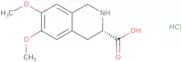
CAS:(S)-(-)-6,7-Dimethoxy-1,2,3,4-tetrahydroisoquinoline-3-carboxylic acid hydrochloride is a synthetic chiral compound that is used to study the role of glyoxylate in biochemical reactions. This drug is an enolate and alkylating agent that can react with nucleophiles such as amines and thiols. It has been shown to be effective against perchlorates by hydrolyzing them into chlorine and oxygen gas. This drug has also been shown to inhibit the growth of Rhodobacter sphaeroides by inhibiting glyoxylate metabolism.Fórmula:C12H15NO4·HClPureza:Min. 95%Cor e Forma:White PowderPeso molecular:273.71 g/mol(4S)-3,4-Dihydro-2-(3-methoxypropyl)-2H-thieno[3,2-e]-1,2-thiazin-4-ol 1,1-dioxide
CAS:<p>Please enquire for more information about (4S)-3,4-Dihydro-2-(3-methoxypropyl)-2H-thieno[3,2-e]-1,2-thiazin-4-ol 1,1-dioxide including the price, delivery time and more detailed product information at the technical inquiry form on this page</p>Fórmula:C10H15NO4S2Pureza:Min. 95%Peso molecular:277.36 g/mol1-Oleoyl-2-docosahexaenoyl phosphatidylcholine
CAS:1-Oleoyl-2-docosahexaenoyl phosphatidylcholine is a fatty acid derived from the biogenesis of phosphatidylcholine, which is an important component of all cell membranes.Fórmula:C48H82NO8PPureza:Min. 95%Peso molecular:832.14 g/molLinolenic acid - 85%
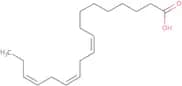
CAS:Linolenic acid is a polyunsaturated fatty acid that is found in plants, animals, and human cells. Linolenic acid has been shown to suppress the growth of cancer cells by inhibiting the production of linoleic acid, which can stimulate the growth of cancer cells. Linolenic acid has also been shown to cause skin reactions such as erythema and pruritus when applied topically or taken orally. Linolenic acid may be used for the treatment of ovarian follicles. In addition, linolenic acid has been shown to have an allergic response in humans when it is injected into the vein. It is important to note that linolenic acid can inhibit T-cell proliferation and cytokine production in a dose-dependent manner. Furthermore, linolenic acid inhibits lipopolysaccharide-induced acute lung injury in mice by reducing inflammatory cell infiltration and neutrophil activation.Fórmula:C18H30O2Pureza:Min. 95%Peso molecular:278.43 g/mol10-Fluorodecan-1-Ol
CAS:Please enquire for more information about 10-Fluorodecan-1-Ol including the price, delivery time and more detailed product information at the technical inquiry form on this pageFórmula:C10H21FOPureza:Min. 95%Peso molecular:176.27 g/mol7-[(2S,3R)-3-Amino-2-methyl-azetidin-1-yl]-1-(2,4-difluorophenyl)-6-fluoro-4-oxo-quinoline-3-carboxylic acid
CAS:7-[(2S,3R)-3-Amino-2-methyl-azetidin-1-yl]-1-(2,4-difluorophenyl)-6-fluoro-4-oxo-quinoline-3-carboxylic acid (ABT) is a drug that binds to bacterial enzymes and inhibits their ability to synthesize proteins. ABT is a conjugate of fluoroquinolone and an amino acid. As the drug is degradable by hydrolysis, it has been shown to be less toxic in Sprague Dawley rats than other fluoroquinolones. This drug has been used in diagnostic tests as a ligand for affinity ligands, but has not been approved for human use. The drug also possesses functional groups that are important for binding to reconstituted enzymes.br>br>ABT's ester linkages are degradable by hydrolysis and can beFórmula:C20H16F3N3O3Pureza:Min. 95%Peso molecular:403.35 g/mol5-Amino-4-methyl-4H-1,2,4-triazole-3-thiol
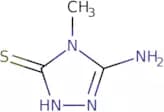
CAS:Please enquire for more information about 5-Amino-4-methyl-4H-1,2,4-triazole-3-thiol including the price, delivery time and more detailed product information at the technical inquiry form on this pageFórmula:C3H6N4SPureza:Min. 95%Peso molecular:130.17 g/mol2-[(Ethylamino)methyl]-4-aminophenol dihydrochloride
CAS:Please enquire for more information about 2-[(Ethylamino)methyl]-4-aminophenol dihydrochloride including the price, delivery time and more detailed product information at the technical inquiry form on this pageFórmula:C9H14N2O•(HCl)2Pureza:Min. 95%Cor e Forma:PowderPeso molecular:239.14 g/mol5,5'-(1-Methylethylidene)-bis-[1,1'-(bisphenyl)-2-ol]
CAS:5,5'-(1-Methylethylidene)-bis-[1,1'-(bisphenyl)-2-ol] (BPE) is an organic compound that is used in coatings. BPE has a high thermal expansion coefficient and can be used as a plasticizer to make polymers more flexible. BPE hydrolyzes under acidic conditions to produce mercaptoacetic acid, which is corrosive and toxic. It also reacts with proteins, like albumin, at pH 7.4. In wastewater treatment systems, BPE can react with chlorine at a rate of 3% per day to form chlorobenzene, which is known to cause cancer in humans. The use of BPE in the bioreactor process leads to the release of reactive functional groups that are not easily degraded by microbes. In addition, it has been shown that this chemical binds to nuclear hormone receptors and has estrogenic effects on animals.Fórmula:C27H24O2Pureza:Min. 98 Area-%Cor e Forma:PowderPeso molecular:380.48 g/mol20a-Dihydro pregnenolone 3-sulfate sodium salt
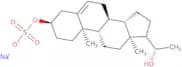
CAS:<p>Please enquire for more information about 20a-Dihydro pregnenolone 3-sulfate sodium salt including the price, delivery time and more detailed product information at the technical inquiry form on this page</p>Fórmula:C21H33NaO5SPureza:Min. 95%Peso molecular:420.54 g/mol2-Hydroxyamino-3-methyl-3H-imidazo[4,5-f]quinoline
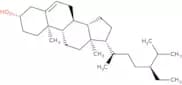
CAS:2-Hydroxyamino-3-methyl-3H-imidazo[4,5-f]quinoline (2HAIQ) is a reactive compound that binds to DNA. It has been shown to be a potent inhibitor of the enzyme cytosolic protein kinase C, which plays an important role in regulating cellular metabolism. 2HAIQ also inhibits the activity of enzymes such as hydroxylases and polymerases. The binding of 2HAIQ to DNA is thought to inhibit transcription by preventing RNA polymerase from transcribing DNA. 2HAIQ may also inhibit replication by binding to the dinucleotide phosphate molecule, which is essential for DNA synthesis.Fórmula:C11H10N4OPureza:Min. 95%Peso molecular:214.22 g/mol(3b,24S)-Stigmast-5-En-3-Ol
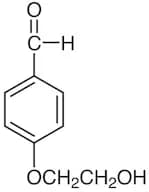
CAS:Produto Controlado(3b,24S)-Stigmast-5-En-3-Ol is a natural compound that belongs to the group of beta-sitosterols. It is used in cosmetics, as well as in water vapor treatments for skin tumors. This compound has antiinflammatory activity and cholesterol lowering effects. It also has a protective effect on the liver against hepatotoxicity induced by p-hydroxybenzoic acid and other compounds. (3b,24S)-Stigmast-5-En-3-Ol can be found in wastewater treatment plants where it binds with heavy metals such as lead and zinc. The toxicity of this compound has been studied extensively and it is not toxic to cells at concentrations below 1mM.Fórmula:C29H50OPureza:Min. 95%Cor e Forma:PowderPeso molecular:414.71 g/mol4-(2-Hydroxyethoxy)benzaldehyde
CAS:Fórmula:C9H10O3Pureza:>98.0%(GC)Cor e Forma:White to Light yellow to Light orange powder to crystalPeso molecular:166.182,2-Dimethyl-1-propanol
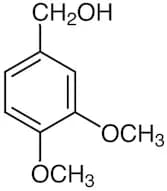
CAS:Fórmula:C5H12OPureza:>98.0%(GC)Cor e Forma:White to Almost white powder to lumpPeso molecular:88.15Veratryl Alcohol
CAS:Fórmula:C9H12O3Pureza:>98.0%(GC)Cor e Forma:Colorless to Light yellow clear liquidPeso molecular:168.194-Amino-2-methyl-1-butanol
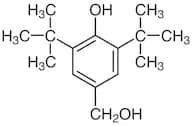
CAS:Fórmula:C5H13NOPureza:>98.0%(GC)(T)Cor e Forma:Colorless to Almost colorless clear liquidPeso molecular:103.172,6-Di-tert-butyl-4-hydroxymethylphenol
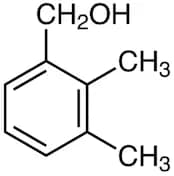
CAS:Fórmula:C15H24O2Pureza:>97.0%(GC)Cor e Forma:White to Yellow to Orange powder to crystalPeso molecular:236.362,3-Dimethylbenzyl Alcohol
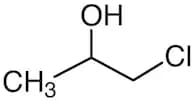
CAS:Fórmula:C9H12OPureza:>98.0%(GC)Cor e Forma:White to Orange to Green powder to crystalPeso molecular:136.191-Chloro-2-propanol (contains ca. 25% 2-Chloro-1-propanol)
CAS:Fórmula:C3H7ClOPureza:>70.0%(GC)Cor e Forma:Colorless to Light yellow clear liquidPeso molecular:94.54Ref: IN-DA0034YV
Produto descontinuadoRef: IN-DA00BY8O
Produto descontinuadoRef: IN-DA00342I
Produto descontinuadoRef: IN-DA001YD6
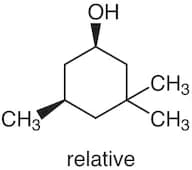
Produto descontinuadocis-3,3,5-Trimethylcyclohexanol
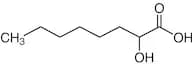
CAS:Fórmula:C9H18OPureza:>96.0%(GC)Cor e Forma:White or Colorless to Almost white or Almost colorless powder to lump to clear liquidPeso molecular:142.242-Hydroxy-n-octanoic Acid
CAS:Fórmula:C8H16O3Pureza:>98.0%(T)Cor e Forma:White to Almost white powder to crystalPeso molecular:160.21cis-2-Nonen-1-ol
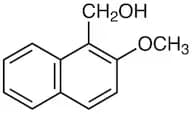
CAS:Fórmula:C9H18OPureza:>95.0%(GC)Cor e Forma:Colorless to Light yellow clear liquidPeso molecular:142.242-Methoxy-1-naphthalenemethanol
CAS:Fórmula:C12H12O2Pureza:>98.0%(GC)Cor e Forma:White to Light yellow to Dark green powder to crystalPeso molecular:188.232-Ethyl-2-adamantanol
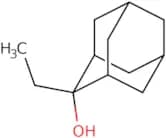
CAS:<p>2-Ethyl-2-adamantanol is a polymerization inhibitor that can be used to prevent the formation of polymers. 2-Ethyl-2-adamantanol inhibits the reaction by reacting with chloride, preventing the formation of a covalent bond. This inhibition is reversible and does not affect other reactions. The use of 2-ethyl-2-adamantanol as an inhibitor has been shown to increase the reaction yield when using bromoethane as a feedstock. It also increases the selectivity for ethyl groups in this process, making it an excellent choice for synthesizing lanthanides.</p>Fórmula:C12H20OPureza:Min. 95%Cor e Forma:PowderPeso molecular:180.29 g/molRef: 3D-FE03871
Produto descontinuado2-Phenyl-4-quinolinecarboxylic acid
CAS:<p>2-Phenyl-4-quinolinecarboxylic acid is a nonsteroidal anti-inflammatory drug that is commonly used to treat bronchoconstrictor response and inflammatory bowel disease. It is also an antimicrobial agent, which can be used to treat infectious diseases. The compound was found to have structural similarity to other nonsteroidal anti-inflammatory drugs, such as ibuprofen and naproxen. 2-Phenyl-4-quinolinecarboxylic acid has shown the ability to inhibit leukemia inhibitory factor (LIF) production by lymphocytes, which may have a role in the development of leukemia. This drug also possesses antioxidative properties and has been shown to have high values in group P2 polymerase chain reactions.</p>Fórmula:C16H11NO2Pureza:Min. 98.5%Cor e Forma:PowderPeso molecular:249.26 g/molRef: 3D-FP44219
Produto descontinuadoArotinolol hydrochloride
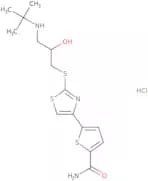
CAS:<p>Arotinolol hydrochloride is a beta-blocker that, in contrast to propranolol, has a higher selectivity for the β1 receptor. It is used to treat hypertension and angina pectoris. Arotinolol hydrochloride lowers blood pressure by inhibiting the activity of α-adrenergic receptors, which are found in the heart and vascular smooth muscle. This inhibition reduces the release of norepinephrine and causes vasodilation. Arotinolol hydrochloride also has a positive effect on cardiac function as it decreases myocardial oxygen demand and increases coronary flow. Arotinolol hydrochloride has been shown to lower systolic pressure in anesthetized dogs with an intravenous dose of sodium citrate. The drug also lowers diastolic pressure in conscious dogs at doses of 0.5 mg/kg (0.2 mg/lb) or greater when given intravenously or subcutaneously.</p>Fórmula:C15H22ClN3O2S3Pureza:Min. 98%Cor e Forma:PowderPeso molecular:408 g/molRef: 3D-FA146940
Produto descontinuado4-Chloro-3-nitrobenzyl alcohol
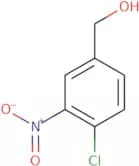
CAS:<p>4-Chloro-3-nitrobenzyl alcohol is a synthetic chemical that reacts with hydrochloric acid to form 4-chloro-3-nitrobenzyl chloride and hydrogen. It can be used in the preparation of other chemicals, such as divinylbenzene and chloride. This compound is insoluble in water and soluble in organic solvents, such as acetone and ether. 4-Chloro-3-nitrobenzyl alcohol has two stereoisomers, one of which is more reactive than the other.</p>Fórmula:C7H6ClNO3Pureza:Min. 95%Peso molecular:187.58 g/molPhosphoenolpyruvate monosodium salt hydrate
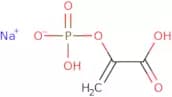
CAS:<p>PEP is a "high-energy phosphate" compound playing a vital role in enzymatic phosphate-transfer reactions involved in ATP synthesis. It is used in conjunction with pyruvate kinase as a phosphorylating agent for ATP generation. Substrate for phosphoenolpyruvate carboxylase. Reagent for determination of glycerol.</p>Fórmula:C3H4NaO6P·xH2OPureza:Min. 95%Cor e Forma:PowderPeso molecular:190.02 g/molRef: 3D-FP29995
Produto descontinuadoPhenol red
CAS:<p>Phenol red is a pH indicator that finds broad applications from chemistry to microbiology. Colour varies from yellow at pH<6.8 (lmax 443nm) through to light red/pink at 6.8<pH<8.2 (lmax 570 nm) to vivid purple/red at pH>8.2. It is widely used in cell culture to monitor pH and for colorimetric titration. For example, phenol red can be used to quantify Br- content in sea or fresh water. It is added to VTM as pH indicator, at the concentration of 10mg/ml, maintaining a pink colour at neutral pH.</p>Fórmula:C19H14O5SCor e Forma:PowderPeso molecular:354.38 g/mol3-Hydroxy-4-iodobenzyl alcohol
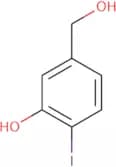
CAS:<p>3-Hydroxy-4-iodobenzyl alcohol is a nucleophile that can be used as an affinity label for proteins and nucleic acids. 3-Hydoxy-4-iodobenzyl alcohol is capable of disrupting the linker between two molecules, which allows for analysis of protein/nucleic acid interactions. 3-Hydroxy-4-iodobenzyl alcohol can be used to label molecules, but it is not covalently bound to them. It has been shown to show tumor growth inhibition in glioma cells, which may be due to its ability to disrupt factor 1, a transcription factor that regulates cell proliferation and differentiation.</p>Fórmula:C7H7IO2Pureza:Min. 95%Cor e Forma:PowderPeso molecular:250.03 g/molRef: 3D-FH67677
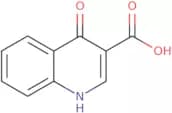
Produto descontinuado4-Oxo-1,4-dihydroquinoline-3-carboxylic acid
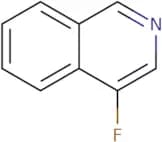
CAS:<p>4-Oxo-1,4-dihydroquinoline-3-carboxylic acid is a synthetic compound that belongs to the class of quinoline derivatives. It has been shown to inhibit HIV infection in vitro by binding to the receptor CD4 on the surface of T cells. 4-Oxo-1,4-dihydroquinoline-3-carboxylic acid has also been shown to be cytotoxic against cancer cells and other human cell lines. Powders of 4-oxo-1,4-dihydroquinoline 3 carboxylic acid have been synthesized by reacting ethyl esters with diphenyl ether in the presence of radiation or ndimethylformamide. This compound was also used as a molecular model for designing new drugs.</p>Fórmula:C10H7NO3Pureza:Min. 98 Area-%Cor e Forma:Off-White PowderPeso molecular:189.17 g/mol4-Fluoroisoquinoline
CAS:<p>4-Fluoroisoquinoline is a synthetic compound that can be produced by the reduction of an acetonitrile-chlorinated isoquinoline compound. It is also possible to produce 4-fluoroisoquinoline by the reaction of chlorinating agents with an aldehyde, followed by the addition of phosphorus oxychloride and fluorine. The reductive sulfonation of 4-fluoroisoquinoline can be achieved by reacting it with sulfur trioxide, which is in turn generated from phosphorous oxychloride and sulfur dioxide. This process produces the desired product in good yields.</p>Fórmula:C9H6FNPureza:Min. 95%Cor e Forma:Brown PowderPeso molecular:147.15 g/molRef: 3D-FF66744
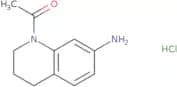
Produto descontinuado1-Acetyl-1,2,3,4-tetrahydroquinolin-7-amine hydrochloride
CAS:<p>1-Acetyl-1,2,3,4-tetrahydroquinolin-7-amine hydrochloride is a versatile building block that can be used in the synthesis of complex compounds with high quality and as a speciality chemical. This compound is useful as a reagent and reaction component in organic synthesis. It has been shown to be useful in the synthesis of new scaffolds for drug discovery.</p>Fórmula:C11H14N2O·HClPureza:Min. 95%Cor e Forma:Off-White PowderPeso molecular:226.7 g/molRef: 3D-FA133104
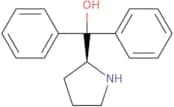
Produto descontinuado(S)-(-)-Diphenyl-2-pyrrolidinemethanol
CAS:Produto Controlado<p>(S)-(-)-Diphenyl-2-pyrrolidinemethanol is a chiral compound that contains a chelate ring. It can be synthesized by the asymmetric synthesis of propargylamine, which is then converted to an amide chloride. The ester hydrochloride can be obtained from the esterification of propargylamine with epoxides, followed by hydrolysis. The stereoselective reaction of (S)-(-)-Diphenyl-2-pyrrolidinemethanol with primary amines at temperatures below -10°C produces secondary amines. This compound has been used in crystallography and in the reaction of β-unsaturated ketones with amines.</p>Fórmula:C17H19NOPureza:Min. 95%Cor e Forma:White To Off-White SolidPeso molecular:253.34 g/molRef: 3D-FD50586
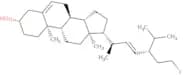
Produto descontinuado(3β,22E)-29-Fluorostigmasta-5,22-dien-3-ol
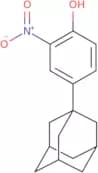
CAS:Produto Controlado<p>3β,22E)-29-Fluorostigmasta-5,22-dien-3-ol is a plant growth regulator that belongs to the group of fatty alcohols. It is found in the horticultural and tissue culture industries and is used as an additive in bioassays. 3β,22E)-29-Fluorostigmasta-5,22-dien-3-ol enhances the growth rate of nematodes and has been shown to be a potent inhibitor of benzoate degradation. This compound also has hormone effects that are similar to those of furostanols or steroids.</p>Fórmula:C29H47FOPureza:Min. 95%Peso molecular:430.68 g/mol4-(1-Adamantyl)-2-nitrophenol
CAS:<p>4-(1-Adamantyl)-2-nitrophenol is a versatile building block that can be used to construct complex compounds. It is a research chemical that can be used as a reagent, as well as in the synthesis of pharmaceuticals and other chemicals. 4-(1-Adamantyl)-2-nitrophenol is soluble in water and ethanol, and has an odorless and colorless appearance. This chemical can be found under the CAS number 32599-84-1.</p>Fórmula:C16H19NO3Pureza:Min. 95%Peso molecular:273.33 g/molRef: 3D-FA67024
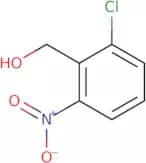
Produto descontinuado2-Chloro-6-nitrobenzyl alcohol
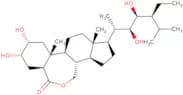
CAS:<p>2-Chloro-6-nitrobenzyl alcohol is a versatile building block that is used as a reactant in chemical synthesis. It is used to synthesize other compounds, such as pharmaceuticals and pesticides. This compound can also be used as an intermediate or scaffold in the synthesis of more complex compounds. 2-Chloro-6-nitrobenzyl alcohol has been shown to have a high quality and is useful for research purposes. It can be used in the production of fine chemicals, useful building blocks, and reagents.</p>Fórmula:C7H6ClNO3Pureza:Min. 95%Cor e Forma:PowderPeso molecular:187.58 g/mol(22S,23S)-28-Homo brassinolide
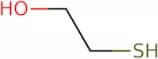
CAS:<p>(22S,23S)-28-Homo brassinolide is a synthetic brassinosteroid that has been shown to have growth-promoting activity in the plant. It is synthesized by the reaction of tetroxide and 28-homobrassinolide. The structure of (22S,23S)-28-Homo brassinolide is stereoselective, with an R configuration at C2 and a S configuration at C3. The hydrogen atoms at C2 and C3 are involved in hydrogen bonds with other molecules. (22S,23S)-28-Homo brassinolide exhibits a conformation that differs from 24-epibrassinolide because it does not contain an intramolecular hydrogen bond between the two rings. This synthetic brassinosteroid also has anti-inflammatory effects due to its ability to inhibit prostaglandins.</p>Fórmula:C29H50O6Cor e Forma:PowderPeso molecular:494.7 g/mol2-Mercaptoethanol
CAS:<p>2-Mercaptoethanol, also known as β-mercaptoethanol or β-ME, is a disulfide reducing agent used in the reduction of disulfide bridges in proteins. β-ME is conveniently inexpensive, water-soluble and must be used in excess in order to drive the reduction to completion.</p>Fórmula:C2H6SOPureza:Min. 98 Area-%Cor e Forma:Clear LiquidPeso molecular:78.13 g/molRef: 3D-FM46173
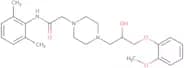
Produto descontinuadoRanolazine
CAS:<p>Anti-anginal; anti-arrhythmic; anti-ischemic; pFOX inhibitor</p>Fórmula:C24H33N3O4Pureza:Min. 95%Cor e Forma:White SolidPeso molecular:427.54 g/molSodium O-ethyl isopropylphosphonothiolate
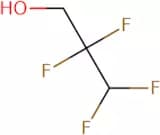
CAS:Produto Controlado<p>Please enquire for more information about Sodium O-ethyl isopropylphosphonothiolate including the price, delivery time and more detailed product information at the technical inquiry form on this page</p>Fórmula:C5H12O2PS·NaPureza:Min. 95%2,2,3,3-Tetrafluoro-1-propanol
CAS:<p>2,2,3,3-Tetrafluoro-1-propanol is a solvent that has been used in the manufacture of polymers. It can be distilled from sodium trifluoroacetate at high pressure and temperature to give a constant boiling point. 2,2,3,3-Tetrafluoro-1-propanol is transported by gas or liquid diffusion. The kinetic energy of the molecules increases with increasing temperature and pressure; however, it does not have an appreciable chemical reaction with oxygen or ozone. This chemical has been used as a photoinitiator to polymerize cationic monomers such as trifluoroacetic acid and acrylamide. 2,2,3,3-Tetrafluoro-1-propanol has also been shown to react with water vapor to form hydrogen fluoride and hydrofluoric acid.</p>Fórmula:C3H4F4OPureza:Min. 98 Area-%Cor e Forma:Clear LiquidPeso molecular:132.06 g/mol8-Methoxycarbonyloctanol
CAS:<p>8-Methoxycarbonyloctanol (8MCO) is a fatty acid molecule that has been shown to have significant inhibitory activities against Streptococcus pneumoniae in human serum. 8MCO is a synthetic molecule that can be synthesized from galactose and chloride. It has been found to have a molecular weight of 190.08 g/mol, melting point of -2°C, and boiling point of 217°C at 1 mmHg. 8MCO is soluble in water, methanol, and ethanol. This molecule can be used as an analytical tool for the detection of fatty acids by gas chromatography-mass spectrometry (GC-MS). It also exhibits enzymatic activity when incorporated into enzyme preparations such as esterases and lipases. 8MCO contains functional groups such as carbonyl (-CO), hydroxyl (-OH), carboxylic acid (-COOH), ether (-O-) and alcohol (-</p>Fórmula:C10H20O3Pureza:Min. 95%Cor e Forma:Clear LiquidPeso molecular:188.26 g/molRef: 3D-FM25290
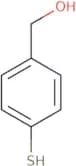
Produto descontinuado4-Mercaptobenzyl alcohol, 90%
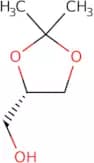
CAS:<p>4-Mercaptobenzyl alcohol (MBBA) is a bifunctional molecule that can act as an electron donor and electron acceptor. It has been shown to have proapoptotic activity, which may be due to its ability to interact with cellular components and induce DNA damage. MBBA has also been shown to inhibit the growth of bacteria by attacking their cell walls and inhibiting their ability to synthesize proteins. The antibacterial activity of MBBA was found to be enhanced on metal surfaces, such as aluminum and copper, which are commonly used in cancer therapy equipment or for antimicrobial resistance. MBBA also has diagnostic properties, which can be used for the detection of cancer cells or bacterial infections.<br>MBBA is absorbed into cells through the carboxylate groups on the surface of the cell membrane. Electrons are then transferred from the molecule to the cell's electron transport chain, thereby increasing ATP production and inducing apoptosis in cancer cells.</p>Fórmula:C7H8OSPureza:Min. 90%Cor e Forma:Off-White PowderPeso molecular:140.2 g/mol1,2-O-Isopropylidene-sn-glycerol
CAS:<p>1,2-O-Isopropylidene-sn-glycerol (1,2-OIPG) is a synthetic molecule. It is synthesized from potassium thioacetate and chloride in an organic solvent with hexadecyl methanesulfonate as the catalyst. The product is obtained by intramolecular hydrogenation of the glyceride to produce 1,2-OIPG. This compound has been used as a strategy to generate hydrogen bonds in asymmetric synthesis, for example in the formation of d-mannitol with activated hydrogen bonds. The compound also has potential applications in the production of fatty acids.</p>Fórmula:C6H12O3Pureza:Min. 98 Area-%Cor e Forma:Colorless Clear LiquidPeso molecular:132.15 g/mol2-Mesitylethanol
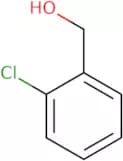
CAS:Fórmula:C11H16OPureza:>98.0%(GC)Cor e Forma:White to Almost white powder to crystalPeso molecular:164.252-Chlorobenzyl alcohol
CAS:<p>2-Chlorobenzyl alcohol is a chemical compound that is used to synthesize other compounds. It is produced by the reaction of ethyl formate and hydrogen chloride in a reaction vessel. It reacts with benzoates to produce 2-chlorobenzoates, which are used as intermediates in the synthesis of pharmaceuticals. Hydroxyl groups can react with hydrogen fluoride to produce hydrofluoric acid, which is used as an industrial solvent. 2-Chlorobenzyl alcohol also reacts with hydroxide ions to produce ethylene glycol, which is used in making polyester fibers and plastics. This chemical compound has structural studies that show it has a proton and two hydroxyl groups that can react with hydrogen bond. Hydrogen bonds are important for the stability of DNA structures. The molecular structures of velvetleaf plants contain 2-chlorobenzyl alcohol, which may be due to its role in transferring oxygen from leaves to roots for respiration during</p>Fórmula:C7H7ClOPureza:Min. 95%Cor e Forma:PowderPeso molecular:142.58 g/molRef: 3D-FC46928
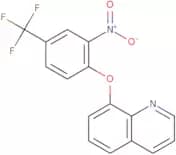
Produto descontinuado2-Nitro-1-(8-quinolyloxy)-4-(trifluoromethyl)benzene
CAS:<p>Please enquire for more information about 2-Nitro-1-(8-quinolyloxy)-4-(trifluoromethyl)benzene including the price, delivery time and more detailed product information at the technical inquiry form on this page</p>Fórmula:C16H9F3N2O3Pureza:Min. 95%Cor e Forma:PowderPeso molecular:334.25 g/molRef: 3D-FN169698
Produto descontinuado2-Diethylamino)ethanol hydrochloride
CAS:Produto Controlado<p>2-Diethylamino)ethanol hydrochloride is a chemical compound that is used in analytical chemistry as a stationary phase for thin layer chromatography. Sephadex G-100 was developed by Pharmacia & Upjohn Company and marketed in the 1970s. It has been shown to be useful in plasma mass spectrometry experiments, which measure the molecular weight of proteins and other compounds. The solubility of 2-diethylamino)ethanol hydrochloride has been studied using experimental solubility data, electrochemical impedance spectroscopy, and amines. The reaction mechanism of 2-diethylamino)ethanol hydrochloride is not well understood but it appears to involve potassium dichromate, hydrochloric acid, fluoroacetic acid, benzalkonium chloride and other chemicals.</p>Fórmula:C6H16ClNOPureza:Min. 95%Peso molecular:153.65 g/molRef: 3D-FD21828
Produto descontinuado(2-Iodophenyl)(2,3,6,7-tetrahydro-1H,5H-benzo[ij]quinolizin-9-yl)methanone
<p>2-Iodophenyl)(2,3,6,7-tetrahydro-1H,5H-benzo[ij]quinolizin-9-yl)methanone is a high quality reagent that can be used as a useful intermediate and building block in the synthesis of complex compounds.</p>Fórmula:C19H18INOPureza:Min. 95 Area-%Peso molecular:403.26 g/mol





![(4S)-3,4-Dihydro-2-(3-methoxypropyl)-2H-thieno[3,2-e]-1,2-thiazin-4-ol 1,1-dioxide](/_next/image/?url=https%3A%2Fstatic.cymitquimica.com%2Fproducts%2F3D%2Fthumb-webp%2FFD21960.webp&w=3840&q=75)


![7-[(2S,3R)-3-Amino-2-methyl-azetidin-1-yl]-1-(2,4-difluorophenyl)-6-fluoro-4-oxo-quinoline-3-carbo…](/_next/image/?url=https%3A%2Fstatic.cymitquimica.com%2Fproducts%2F3D%2Fthumb-webp%2FFA30404.webp&w=3840&q=75)
![2-[(Ethylamino)methyl]-4-aminophenol dihydrochloride](/_next/image/?url=https%3A%2Fstatic.cymitquimica.com%2Fproducts%2F3D%2Fthumb-webp%2FFE23131.webp&w=3840&q=75)
![5,5'-(1-Methylethylidene)-bis-[1,1'-(bisphenyl)-2-ol]](/_next/image/?url=https%3A%2Fstatic.cymitquimica.com%2Fproducts%2F3D%2Fthumb-webp%2FFM29711.webp&w=3840&q=75)
![2-Hydroxyamino-3-methyl-3H-imidazo[4,5-f]quinoline](/_next/image/?url=https%3A%2Fstatic.cymitquimica.com%2Fproducts%2F3D%2Fthumb-webp%2FFH24305.webp&w=3840&q=75)


















![(2-Iodophenyl)(2,3,6,7-tetrahydro-1H,5H-benzo[ij]quinolizin-9-yl)methanone](/_next/image/?url=https%3A%2Fstatic.cymitquimica.com%2Fproducts%2F3D%2Fthumb-webp%2FI-7660.webp&w=3840&q=75)