Álcoois
Subcategorias de "Álcoois"
Foram encontrados 5818 produtos de "Álcoois"
(E)-5-(3-Hydroxyprop-1-en-1-yl)benzene-1,3-diol
(E)-5-(3-Hydroxyprop-1-en-1-yl)benzene-1,3-diol is a high quality reagent that has been used as an intermediate to synthesize other chemical compounds. It is one of the most useful scaffolds for complex compound synthesis, and a versatile building block for the production of research chemicals and speciality chemicals. The chemical can be used in reactions as a reaction component to prepare fine chemicals or useful intermediates. CAS No. is 7058-25-0.Fórmula:C9H10O3Pureza:Min. 95%Cor e Forma:PowderPeso molecular:166.17 g/mol2-Amino-4,5-dimethylphenol
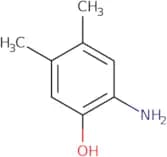
CAS:2-Amino-4,5-dimethylphenol is a compound that exhibits anticancer activity. It is an arylimine that has been shown to inhibit the proliferation of cancer cells in vitro and in vivo. The mechanism of action is not fully understood, but it is believed that 2-amino-4,5-dimethylphenol may act as a nucleophile in reverse Michael addition reactions with electrophiles. This compound also has been shown to be potent against some cancer cell lines and to induce apoptosis through caspase activation. 2-Amino-4,5-dimethylphenol interacts with aminophenols in vitro, forming supramolecular complexes that are cytotoxic to cancer cells.
Fórmula:C8H11NOPureza:Min. 95%Cor e Forma:Brown SolidPeso molecular:137.18 g/mol2-(2,4-Dichlorophenyl)ethanol
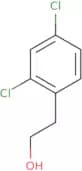
CAS:2-(2,4-Dichlorophenyl)ethanol is an organic compound that can be synthesized by reacting 2,4-dichlorobenzoic acid with trifluoroacetic acid in the presence of a base. The reaction scheme is:Fórmula:C8H8Cl2OPureza:Min. 95%Peso molecular:191.05 g/mol1-Isoquinolin-1-ylmethanamine dihydrochloride
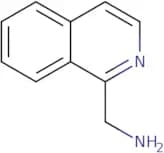
CAS:1-Isoquinolin-1-ylmethanamine dihydrochloride is a versatile building block that can be used for the synthesis of a wide variety of compounds. It is a reagent and speciality chemical, as well as an intermediate or reaction component in the production of pharmaceuticals, agrochemicals, plastics, dyes and other chemicals. 1-Isoquinolin-1-ylmethanamine dihydrochloride has been shown to have high purity and quality.Fórmula:C10H10N2·2HClPureza:Min. 95%Cor e Forma:Light Blue SolidPeso molecular:231.12 g/molO-Aminophenol sulfate
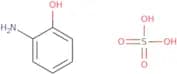
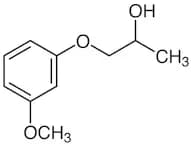
CAS:O-Aminophenol sulfate is a reagent that is used in research and synthesis of complex compounds. It has a variety of applications, such as use as a building block for speciality chemicals, as a reaction component in reactions, and to prepare fine chemicals. O-Aminophenol sulfate is soluble in water and can be used as an intermediate for other products.Fórmula:C12H16N2O6SPureza:Min. 95 Area-%Cor e Forma:PowderPeso molecular:316.33 g/mol1-(3-Methoxyphenoxy)-2-propanol
CAS:Fórmula:C10H14O3Pureza:>90.0%(GC)Cor e Forma:Colorless to Light yellow to Light orange clear liquidPeso molecular:182.222-Pyrimidinol
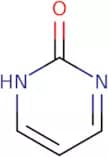
CAS:2-Pyrimidinol is a sodium salt that is used as an antimicrobial agent. It has significant cytotoxicity against skin cancer cells and is also used to treat HIV infection. 2-Pyrimidinol inhibits the activity of inhibitor molecules, which are small molecules that inhibit the activity of important enzymes in cells. This inhibition results in increased production of ATP, which leads to cell death. 2-Pyrimidinol also binds to dna duplexes and prevents them from being opened by helicase, thus inhibiting cellular replication. The molecular structure of 2-pyrimidinol was determined using X-ray crystallography and molecular docking analysis. This compound has been shown to have a potential use in treating metabolic disorders due to its ability to inhibit glycolysis, or the breakdown of glucose, through competitive inhibition with phosphofructokinase (PFK).
Fórmula:C4H4N2OPureza:(%) Min. 98%Cor e Forma:PowderPeso molecular:96.09 g/molPiperonyl alcohol
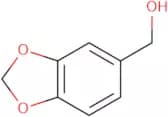
CAS:Produto ControladoPiperonyl alcohol is an enzyme inhibitor that blocks the oxidation of piperonal, a chemical found in many plants and fruits. It has been used as a pharmaceutical preparation to treat skin conditions such as acne and psoriasis. Piperonyl alcohol can be used in food composition as a preservative and antioxidant. This compound is also used in the production of polymers for paints, plastics, and rubber. Piperonyl alcohol inhibits melanogenesis by inhibiting tyrosinase activity and interrupting the synthesis of melanin. The use of this compound to inhibit melanin synthesis has been approved for cosmetic use in Europe. Piperonyl alcohol was first synthesized by Ludwig Knorr in 1885 from piperonal, an aromatic organic compound found in many plants and fruits. The reaction solution obtained from the hydrolysis of piperonyl acetate with hydrochloric acid is reacted with cationic polymerization using sodium carbonate (NaCO) as a catalyst to produceFórmula:C8H8O3Pureza:Min. 95%Cor e Forma:PowderPeso molecular:152.15 g/mol1-Oleoyl-rac-glycerol - 50%
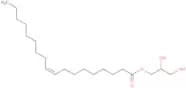
CAS:1-Oleoyl-rac-glycerol is a lipid that has been used in experimental studies to replace the use of animal-derived lipids for pharmaceutical applications. It can be synthesized by combining oleic acid with glycerol. 1-Oleoyl-rac-glycerol is soluble in water and has been shown to have a Langmuir adsorption isotherm, which means it can be used as a monoolein substitute. The basic protein in 1-Oleoyl-rac-glycerol has been determined using XRD data and found to be chitosan polymer. The experimental model for 1-Oleoyl-rac-glycerol was tested on rats and found not to cause toxicity, making it an ideal biocompatible polymer that can be used as an alternative to chitosan polymer.
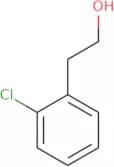
Fórmula:C21H40O4Pureza:Min. 95%Cor e Forma:Slightly Yellow Clear LiquidPeso molecular:356.54 g/mol2-(2-Chlorophenyl)ethanol
CAS:2-(2-Chlorophenyl)ethanol is a chemical used to synthesize aldehydes and fatty acids. It is also used to validate the purity of products, such as bulk drugs. 2-(2-Chlorophenyl)ethanol can be found in solvents, impurities, and chlorobenzene. It is not recommended for use at temperatures above 50°C or below -10°C. This chemical should not be left in contact with plastic or rubber tubing for extended periods of time because it may cause discoloration or cracking. 2-(2-Chlorophenyl)ethanol is not radioactive, but it may become so after irradiation.
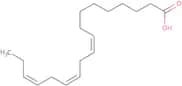
2-(2-Chlorophenyl)ethanol can be found in solvents, impurities, and chlorobenzene. It is not recommended for use at temperatures above 50°C or below -10°C. This chemical should not be left in contact with plastic orFórmula:C8H9ClOPureza:Min. 95%Peso molecular:156.61 g/molLinolenic acid, 98.5%
CAS:Linolenic acid is a polyunsaturated fatty acid that is an essential component of human nutrition. Linolenic acid has apoptosis-inducing properties and has been shown to induce the mitochondrial membrane potential in neuronal cells and induce neuronal death by decreasing the levels of pge2. Linolenic acid also participates in energy metabolism, as it can be converted into arachidonic acid, which is a precursor for prostaglandins. Linolenic acid has been shown to have physiological effects on humans, such as improving eye disorders and congestive heart failure. It does not seem to be linked with any toxicity or adverse effects.Fórmula:C18H30O2Pureza:Min. 95%Cor e Forma:Colorless Clear LiquidPeso molecular:278.43 g/mol4-Chlorophenol
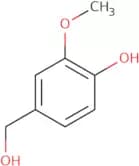
CAS:4-Chlorophenol is a chemical compound that is found as a byproduct in the manufacturing process of phenol and acetone. It has been found to be stable in the presence of nitrogen atoms, which are present in wastewater treatment plants. The optimum concentration for 4-chlorophenol is 0.2 ppm, but it can be reduced to 0.1 ppm with the addition of malonic acid or surfactant sodium dodecyl sulfate. The reaction mechanism for 4-chlorophenol is an oxidation-reduction reaction with oxygen nucleophiles as electron acceptors and surface methodology through electrochemical impedance spectroscopy.Fórmula:C6H5ClOPureza:Min. 98%Cor e Forma:Clear LiquidPeso molecular:128.56 g/molVanillyl alcohol
CAS:Vanillyl alcohol is a vanillin derivative that exhibits strong antibacterial activity. It can be used in the food industry as a natural preservative, and it has synergic effects with eugenol. Vanillyl alcohol shows antimicrobial properties against Gram-positive and Gram-negative bacteria, including Staphylococcus aureus, Pseudomonas aeruginosa, Escherichia coli, and Enterococcus faecalis. Vanillyl alcohol exhibits synergic effects with eugenol. In vivo models show that vanillyl alcohol is not toxic to humans, but it may be toxic to wild-type strains of bacteria.Fórmula:C8H10O3Pureza:Min. 98 Area-%Cor e Forma:White PowderPeso molecular:154.16 g/mol2-(Dimethylamino)phenol
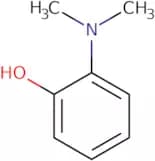
CAS:2-(Dimethylamino)phenol (DMP) is a neutral organic compound that is used as an analytical reagent. It reacts with hydrochloric acid to form phenols, which are then analyzed by fluorescence probe. DMP can also be used in the synthesis of aminophenols, which are used in the manufacture of dyes, pharmaceuticals, and other chemical products. It has been shown to inhibit mitochondrial functions and fatty acid synthesis. DMP binds to receptors on the surface of cells and can block the binding of drugs that target these receptors. DMP may also act as a hydrogen bond donor or acceptor depending on its environment.
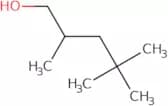
Fórmula:C8H11NOPureza:Min. 95 Area-%Cor e Forma:White PowderPeso molecular:137.18 g/mol2,4,4-Trimethylpentan-1-ol
CAS:2,4,4-Trimethylpentan-1-ol (TMP) is a chemical compound with the molecular formula CH3(CH2)3COH. It is a colorless liquid that is soluble in most organic solvents, but insoluble in water. TMP has been shown to be carcinogenic to mice and rats when it was inhaled or injected. The carcinogenic effects of TMP are due to its ability to cause bond cleavage reactions on DNA molecules and activate oxygen radicals. TMP has also been shown to have therapeutic properties as an additive for magnetic resonance imaging (MRI). When used as an MRI contrast agent, TMP helps improve the visualization of cancerous tissue by changing the relaxation time of water protons in the tissue.Fórmula:C8H18OPureza:Min. 95%Cor e Forma:Colorless Clear LiquidPeso molecular:130.23 g/mol4-[(5-Bromo-2-chlorophenyl)methyl]phenol
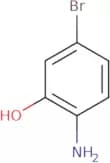
CAS:Intermediate in the synthesis of empagliflozinFórmula:C13H10BrClOPureza:Min. 95%Cor e Forma:PowderPeso molecular:297.57 g/mol2-Amino-5-bromophenol
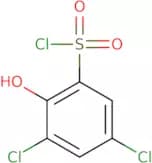
CAS:2-Amino-5-bromophenol is a chemical that is used as a substrate in the study of intracellular Ca2+ levels. 2-Amino-5-bromophenol can also be used to study the activity of microperoxidases, enzymes that are involved in the metabolism of hydrogen peroxide and organic hydroperoxides. 2-Amino-5-bromophenol has been shown to have anticancer activity against MCF7 cells, an estrogen receptor positive cell line. The anticancer activity may be due to the inhibition of protein synthesis by 2-amino-5-bromophenol binding to DNA. This binding prevents transcription and translation of genes that code for proteins involved in cancer cell proliferation and survival.Fórmula:C6H6BrNOPureza:Min. 95%Cor e Forma:Off-White To Brown SolidPeso molecular:188.02 g/mol2,4-Dichlorophenol-6-sulphonyl chloride
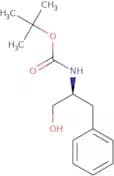
CAS:2,4-Dichlorophenol-6-sulphonyl chloride (2,4-DCP) is a molecule that has been shown to have antibacterial activity against Gram-positive and Gram-negative bacteria. It inhibits the growth of bacteria by binding to the cell wall and inhibiting enzyme activity. 2,4-DCP also has hemolytic activity in vitro. The mechanism of this effect is not well understood but may involve an interaction with membrane lipids or proteins in red blood cells. In addition, 2,4-DCP has been shown to inhibit the growth of staphylococcus and other bacterial strains in vitro. The inhibition of bacterial growth by 2,4-DCP is reversible with exposure to hydrated conditions.Fórmula:C6H3Cl3O3SPureza:Min. 95%Peso molecular:261.51 g/molN-Boc-L-phenylalaninol
CAS:N-Boc-L-phenylalaninol is a monomer that has been shown to inhibit the activity of proteinases. It binds to the active site of the enzymes and inhibits their catalytic activity, thereby preventing them from cleaving peptide bonds. N-Boc-L-phenylalaninol also has hydroxyl groups that can be used for further derivatization to produce derivatives with different functional groups, such as sulfonic acids or isosteres. The carbonyl group in this compound can be used for conjugation reactions with other molecules, such as proteins or nucleic acids.
Fórmula:C14H21NO3Pureza:Min. 95%Cor e Forma:White PowderPeso molecular:251.32 g/mol2-Boc-6-hydroxy-1,2,3,4-tetrahydroisoquinoline-1-carboxylic acid
CAS:2-Boc-6-hydroxy-1,2,3,4-tetrahydroisoquinoline-1-carboxylic acid is a useful scaffold with a high quality. It can be used as a building block in the synthesis of complex compounds and fine chemicals. 2-Boc-6-hydroxy-1,2,3,4-tetrahydroisoquinoline-1-carboxylic acid is also a useful intermediate and reagent in organic synthesis. This compound has CAS number 362492-00-0.
Fórmula:C15H19NO5Pureza:Min. 95%Cor e Forma:PowderPeso molecular:293.32 g/mol



![4-[(5-Bromo-2-chlorophenyl)methyl]phenol](/_next/image/?url=https%3A%2Fstatic.cymitquimica.com%2Fproducts%2F3D%2Fthumb-webp%2FFB76123.webp&w=3840&q=75)