Álcoois
Subcategorias de "Álcoois"
Foram encontrados 5818 produtos de "Álcoois"
14-Azido-3,6,9,12-tetraoxatetradecanol
CAS:Please enquire for more information about 14-Azido-3,6,9,12-tetraoxatetradecanol including the price, delivery time and more detailed product information at the technical inquiry form on this pageFórmula:C10H21N3O5Pureza:Min. 95%Peso molecular:263.29 g/mol3,4-Dichlorothiophenol
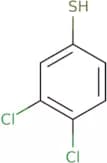
CAS:3,4-Dichlorothiophenol is a chemical compound that belongs to the group of reactive compounds. It can be used as a chemical intermediate for the synthesis of other organic compounds. 3,4-Dichlorothiophenol is an inhibitor of methylating enzymes such as glyoxalase I and II and glyceraldehyde-3-phosphate dehydrogenase. This inhibition leads to the accumulation of methylglyoxal and 3-deoxyglucosone in cells, which are potent inhibitors of protein glycosylation. 3,4-Dichlorothiophenol also inhibits nucleophilic attack on DNA by epoxide hydrolases such as epoxide hydrolase 1 and 2. This inhibition results in the accumulation of reactive metabolites that are covalently adducted with DNA bases.Fórmula:C6H4Cl2SPureza:Min. 95%Peso molecular:179.07 g/mol4-Aminophenethyl alcohol
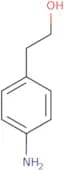
CAS:4-Aminophenethyl alcohol is a monosubstituted, basic compound that is used in the laboratory as a cell culture medium supplement to promote growth of fibroblasts. This compound has been shown to stimulate human intestinal cells and human peripheral blood mononuclear cells. 4-Aminophenethyl alcohol acts as a hydroxyl group donor, which may be due to its ability to form hydrogen ions when reacted with sodium hydroxide solution. The reaction of this compound with diazonium salt produces an intermediate, which can be hydrolyzed by the addition of sodium hydroxide solution. The resultant chloride ion reacts with the aminophenethyldihydroxylamine (APDA) moiety to produce APDCl. This product has been shown to increase the population growth rate of fibroblasts in culture by causing DNA synthesis and protein synthesis. Linear regression analysis revealed that there was no statistically significant difference between the control and experimental groups for either DNAFórmula:C8H11NOPureza:Min. 95%Peso molecular:137.18 g/mol4-Chloro-6-methoxyquinoline
CAS:4-Chloro-6-methoxyquinoline is an inhibitor of bacterial DNA gyrase. It has antibacterial activity against Gram-positive and Gram-negative bacteria, including Staphylococcus aureus, Enterococcus faecalis, and Pseudomonas aeruginosa. 4-Chloro-6-methoxyquinoline is a synthetic compound that was reinvestigated for its antibacterial activity. It has been shown to be effective in the treatment of Staphylococcal infections. The mechanism of action may involve inhibition of topoisomerase II or interference with the synthesis of DNA by binding to the enzyme bacterial DNA gyrase. Quinidine and cinchonidine are quinine derivatives that have been found to inhibit bacterial DNA gyrase. These compounds are found in the bark of Cinchona species, which includes Cinchona ledgeriana, Cinchona officinalis, and Cinchona succirubFórmula:C10H8ClNOPureza:Min. 95%Peso molecular:193.63 g/mol6,6-Dimethyl-1-heptene-4-yn-3-ol
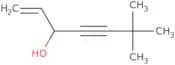
CAS:6,6-Dimethyl-1-heptene-4-yn-3-ol is a chlorinating agent that is used in the production of epidermophyton. It also has antifungal properties and can be used as an antimycotic. 6,6-Dimethyl-1-heptene-4-yn-3-ol can be added to hydrochloric acid or magnesium chloride to form an acetylide. This agent has been shown to have selective chlorination activity at temperatures below 10°C. It is also capable of minimizing organometallic chloride catalysts and has been shown to reduce microsporum gypseum and microsporum titinium at pH 2.5.Fórmula:C9H14OPureza:Min. 95%Cor e Forma:Colourless To Yellow LiquidPeso molecular:138.21 g/molcis-4-Cyclopentene-1,3-diol
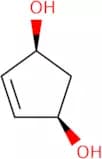
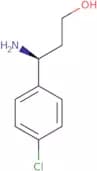
CAS:cis-4-Cyclopentene-1,3-diol is a useful chemical intermediate that can be converted to diacetate, acetylation, or chloroacetate. It has a reactive functional group that can be used for synthesizing polymers and other compounds. cis-4-Cyclopentene-1,3-diol is also an excellent substrate for lipase reactions and it reacts with hydrogen fluoride to give desired products. This section has conformational properties that make it suitable for hydrogen bonding and can act as a ligand in coordination chemistry. cis-4-Cyclopentene-1,3-diol is also able to undergo substitution at the carbonyl carbon atom by various reagents such as fluorine.Fórmula:C5H8O2Pureza:Min. 95%Cor e Forma:PowderPeso molecular:100.12 g/mol(S)-3-Amino-3-(4-chlorophenyl)-propan-1-ol
CAS:Please enquire for more information about (S)-3-Amino-3-(4-chlorophenyl)-propan-1-ol including the price, delivery time and more detailed product information at the technical inquiry form on this page
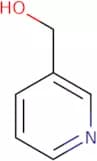
Fórmula:C9H12ClNOPureza:Min. 95%Peso molecular:185.65 g/mol3-Pyridinemethanol
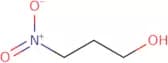
CAS:3-Pyridinemethanol is a chemical compound that is soluble in water. It has a molecular weight of 92.07 grams per mole, and the chemical formula CH3CH2NH. 3-Pyridinemethanol is used as a reagent for the synthesis of organic compounds, such as chlorides, esters, amides, nitriles, and thioamides. 3-Pyridinemethanol reacts with chloride to form an intermediate which reacts with water to produce hydrochloric acid and ammonium chloride. This reaction also produces heat, which can be used to generate energy or power other reactions. br> br> A nanotube was synthesized from 3-pyridinemethanol by using a template made from nickel atoms arranged in a hexagonal pattern on the surface of an indium tin oxide (ITO) glass substrate. The nanotubes are about 5 nm in diameter and can be upFórmula:C6H7NOPureza:Min. 95%Peso molecular:109.13 g/mol3-Nitropropanol
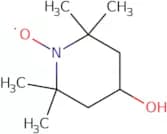
CAS:3-Nitropropanol is an inhibitor of the enzyme nitrite reductase, which is involved in the conversion of nitrite to nitric oxide. 3-Nitropropanol is a dietary supplement that has been shown to have a significant inhibitory effect on the growth of cancer cells and microbial metabolism. Nitrite levels were found to be reduced by 25% in mice treated with this substance. The analytical method for measuring 3-nitropropanol was developed using a type strain and fatty acid standards.Fórmula:C3H7NO3Pureza:Min. 95%Peso molecular:105.09 g/mol2,2,6,6-Tetramethyl-4-piperidinol 1-oxyl, free radical
CAS:2,2,6,6-Tetramethyl-4-piperidinol 1-oxyl (TEMPO) is a reactive oxygen species that belongs to the group of nitroxide radicals. It can be used as a radical scavenger and has been shown to inhibit the production of pro-apoptotic proteins in human macrophages. TEMPO has also been shown to bind to DNA and prevent the binding of HIV viral protein gp120. TEMPO can be used as an inhibitor for glycol ethers in laboratory experiments. The most common use is as a water vapor scavenger during polymerization reactions in organic chemistry.Fórmula:C9H18NO2Pureza:Min. 98 Area-%Cor e Forma:Orange SolidPeso molecular:172.24 g/molBis[α,α-bis(trifluoromethyl)benzenemethanolato]diphenylsulfur
CAS:A dehydration agent. Also called Martin Sulfurane Dehydrating agentFórmula:C30H20F12O2SPureza:Min. 95%Peso molecular:672.53 g/mol6-Keto cholestanol
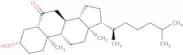
CAS:Produto Controlado6-Keto cholestanol is a chemical compound that is structurally similar to cholesterol. It has a phase transition temperature of -65°C, and the hydroxyl group on the side chain can be replaced with other functional groups to alter its properties. 6-Keto cholestanol has been shown to induce autophagy in cells by binding to mitochondria and increasing mitochondrial membrane potential. This compound also increases the level of fatty acid oxidation and decreases levels of glycerolipids in the cell, which may be due to its ability to bind fatty acids. 6-Keto cholestanol binds to the styryl dye, benzalkonium chloride, and inhibits its fluorescence emission. This compound also binds to adenine nucleotide, which may lead to decreased ATP production in cells.Fórmula:C27H46O2Pureza:Min. 95%Peso molecular:402.65 g/molGlycerol tristearate
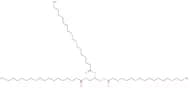
CAS:Glycerol tristearate is a triglyceride, which is derived from the esterification of glycerol with stearic acid, a saturated fatty acid. This compound is typically sourced from natural fats and oils through a process involving the hydrogenation of vegetable oils, which facilitates its pure and controlled production.The mode of action of glycerol tristearate involves its function as an effective emulsifier. It stabilizes mixtures of water and oil by reducing interfacial tension, thus enabling the formation of stable emulsions. Its solid form at room temperature also contributes to its ability to enhance texture and stability in various formulations.Glycerol tristearate is widely used in diverse applications including the food industry, where it acts as a texturizer and stabilizer in products like margarine, chocolate, and confectionery. Additionally, it plays a significant role in the cosmetics and personal care sectors, where it improves the texture and stability of creams and lotions. Its properties make it a valuable ingredient for controlling crystallization and improving consistency across multiple industry settings.
Fórmula:C57H110O6Pureza:Min. 95%Peso molecular:891.48 g/mol2-Bromo-6-methylpyridin-3-ol
CAS:2-Bromo-6-methylpyridin-3-ol is a heterocyclic organic compound. It is a pyridine ring with two methyl groups attached to the ring at positions 2 and 6. The bromine atom is at position 3. This is an important intermediate in the Suzuki coupling reaction, which uses it as a starting material for the synthesis of many other compounds. The dieckmann condensation reaction produces this compound from 2,6-dichloropyridine and other reagents. Fluorescent when exposed to UV light, this compound has been used as a probe for chloride ions in solution using mass spectroscopy. This substance also yields dieckmann condensation products with alkynes and chlorine or bromine. 2-Bromo-6-methylpyridin-3-ol can be produced by treating pyridine with methylacrylate in the presence of catalysts such as copper(II)Fórmula:C6H6BrNOPureza:Min. 95%Peso molecular:188.02 g/mol6-Mercapto-9H-purin-2-ol
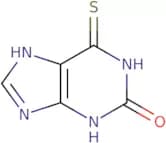
CAS:6-Mercapto-9H-purin-2-ol (6MP) is a purine nucleoside that is used as an antimicrobial agent. It inhibits the enzyme adenosine deaminase, which converts adenosine to inosine, and therefore prevents the production of purines. 6MP has been shown to be effective against inflammatory bowel disease and bowel disease in animal models. At high concentrations, it has been shown to inhibit subcutaneous tumors in mice. 6MP also inhibits the metabolism of certain drugs such as rifampicin and phenytoin, thereby increasing their plasma concentration. 6MP has been shown to be effective against resistant mutants for some bacteria such as Salmonella enterica serovar Typhimurium and Escherichia coli through inhibition of beta-lactamases. The mechanism of action for 6MP is similar to that of β-lactams antibiotics, which are inhibitors of bacterial cell wall synthesisFórmula:C5H4N4OSPureza:Min. 95%Cor e Forma:Off-White PowderPeso molecular:168.18 g/molGarcinol
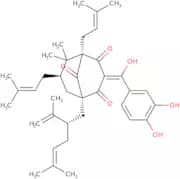
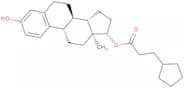
CAS:Polyisoprenylated benzophenone from Garcinia indica; HAT inhibitorFórmula:C38H50O6Pureza:Min. 97 Area-%Cor e Forma:Yellow PowderPeso molecular:602.8 g/molEstradiol cypionate
CAS:Estradiol cypionate is a synthetic form of estrogen. It is used as a contraceptive and to treat certain types of breast cancer. Estradiol cypionate is administered by intramuscular injection, and has been shown to be effective in inhibiting ovulation, ovarian activity, and follicular growth. Estradiol cypionate is metabolized in the liver to estradiol benzoate and estrone, which have similar effects on the body. The pharmacokinetics of estradiol cypionate are complex because it binds to sex hormone-binding globulin (SHBG) in the blood serum. This binding reduces the availability of free estradiol for receptor binding, which may result in decreased effectiveness with long-term use.Fórmula:C26H36O3Pureza:Min. 95%Cor e Forma:White PowderPeso molecular:396.56 g/mol1,2-Distearoyl-sn-glycero-3-phosphoethanolamine-N-[amino(polyethylene glycol) 2000] (ammonium salt)
CAS:1,2-Distearoyl-sn-glycero-3-phosphoethanolamine-N-[amino(polyethylene glycol) 2000] (ammonium salt) is a PEG compound with two different functional groups (also known as heterobifunctional). Unlike homobifunctional PEG compounds (same functional group on both ends), this type of compounds are more versatile as have two different anchor points. 1,2-Distearoyl-sn-glycero-3-phosphoethanolamine-N-[amino(polyethylene glycol) 2000] (ammonium salt) is used as a linker and spacer to add a PEG moiety, via pegylation (a bioconjugation technique) to proteins, peptides, oligonucleotides, small molecules and nanoparticles.Fórmula:(C2H4O)nC44H87N2O10P•H3NPureza:Min. 95%Cor e Forma:White Powder1-O-Octadecyl-2-O-benzyl-sn-glycerol
CAS:1-O-Octadecyl-2-O-benzyl-sn-glycerol (ODBG) is a novel antiviral drug that is being developed for the treatment of HIV. ODBG inhibits HIV by binding to the virus and preventing it from entering cells, which prevents the virus from replicating. ODBG has been shown to be effective against other viruses as well, such as herpes simplex virus and respiratory syncytial virus. ODBG is a lipid molecule that can cross cell membranes and has been shown to have low toxicity in animal studies. This drug also has potential to be used as an oral medication for patients with HIV.Fórmula:C28H50O3Pureza:Min. 95%Peso molecular:434.69 g/molrac-1-anthracen-2-yl-ethanol
CAS:Rac-1-anthracen-2-yl-ethanol is an apolar, injecting alcohol. It has two isomers. Rac-1-anthracen-2-yl-ethanol has a selectivity profile that is different from other compounds in its class, and it outperforms amine solvents in the separation of similar compounds. This compound's selectivity profile is due to interactions with the solvent and stationary phase that are unique to this compound. Rac-1-anthracen-2-yl-ethanol also has a low nature and low toxicity profile.
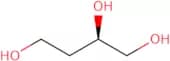
Fórmula:C16H14OPureza:Min. 95%Peso molecular:222.28 g/mol(R)-(+)-1,2,4-Butanetriol
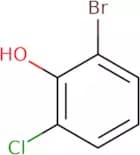
CAS:Produto Controlado(R)-(+)-1,2,4-Butanetriol is a molecule that has been shown to have cancer-fighting properties. It is used in clinical trials to treat cancer by inhibiting the growth of cells. This drug binds to the site on the protein that is responsible for cell division and prevents the formation of new cells, thereby preventing tumor growth. The mechanism of action for this drug is not yet fully understood but it may be due to its ability to inhibit calcium channels or interfere with protein synthesis. (R)-(+)-1,2,4-Butanetriol has also been shown in laboratory studies to bind with human immunodeficiency virus (HIV) and prevent it from attaching to CD4 T-cells. This drug has been tested in humans as an anti-HIV treatment and showed promising results in a questionnaire study.Fórmula:C4H10O3Pureza:Min. 95%Peso molecular:106.12 g/mol2-Bromo-6-chlorophenol
CAS:2-Bromo-6-chlorophenol is a reactive, thiourea-containing compound that undergoes catalytic reactions. 2-Bromo-6-chlorophenol reacts with sulfate in water to form chlorine radicals, which react with other organic compounds to produce chlorinated organic compounds. This reaction can be used for the oxidation of phenols and alcohols to yield chlorinated products. The yields of this process depend on the concentration of acetonitrile used in the reaction. Acetonitrile is also required for the conversion of dichlorinated benzenes to brominated products.Fórmula:C6H4BrClOPureza:Min. 95%Peso molecular:207.45 g/mol4-Pentyn-1-ol
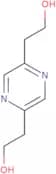
CAS:4-Pentyn-1-ol is a molecule with the chemical formula of C10H18O. It has intramolecular hydrogen, hydroxyl group and methyl ketones. 4-Pentyn-1-ol is used as a solvent and in perfumery. This compound can be synthesized by hydrochloric acid, hydrogen bond and proton. The FTIR spectroscopy of 4-pentyn-1-ol shows that it has a broad absorption band at 3300 cm−1 and a sharp peak at 1750 cm−1 which are assigned to the O–H stretching vibrations in the hydroxyl group. The IR spectrum also indicates that this compound has an intramolecular hydrogen bond. 4 pentyn - 1 - olFórmula:C5H8OPureza:Min. 95%Peso molecular:84.12 g/mol2,5-Pyrazinediethanol
CAS:2,5-Pyrazinediethanol is a neutral compound that hydrolyzes in water to form the acidic 2,5-diketopiperazine. It also reacts with sodium hydroxide to form the alkaline 2,5-diketopiperazine. The chemical structure of this compound is similar to that of clavulanic acid, which is a drug used in combination with amoxicillin (a penicillin antibiotic) for the treatment of bacterial infections. 2,5-Pyrazinediethanol has been shown to have antibacterial properties against Escherichia coli and Bacillus subtilis. However, it is less active than clavulanic acid against Staphylococcus aureus or Clostridium perfringens.
Fórmula:C8H12N2O2Pureza:(%) Min. 97%Cor e Forma:PowderPeso molecular:168.19 g/mol2-O-Benzyl-3-O-allyl-sn-glycerol
CAS:Please enquire for more information about 2-O-Benzyl-3-O-allyl-sn-glycerol including the price, delivery time and more detailed product information at the technical inquiry form on this pageFórmula:C13H18O3Pureza:Min. 95%Peso molecular:222.28 g/mol4-[(4-Nitrophenyl)-azo]-phenol
CAS:4-[(4-Nitrophenyl)-azo]-phenol is a molecular compound that has a nitro group, an azo group, and a phenolic hydroxyl group. It's also known as nitrophenyl diazonium salt. 4-[(4-Nitrophenyl)-azo]-phenol is used in the synthesis of other compounds such as dyes and pharmaceuticals. The magnetic resonance spectroscopy and optical microscope techniques were used to study the chemical structure of 4-[(4-Nitrophenyl)-azo]-phenol. The titration method was used to determine the purity of this compound. 4-[(4-Nitrophenyl)-azo]-phenol has been shown to have mesomorphic properties, which are exhibited by its ability to be either solid or liquid at room temperature (25°C). This property may be due to its functional groups that stabilize it in both states.
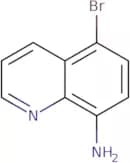
Pureza:Min. 95%5-Bromoquinolin-8-amine
CAS:5-Bromoquinolin-8-amine is a topoisomerase inhibitor that can be used as an antitumor agent. It has been shown to inhibit the growth of tumor cell lines and suppress the growth of colon carcinoma cells in rats and human colon carcinomas in mice. 5-Bromoquinolin-8-amine interacts with DNA, specifically inhibiting the formation of supercoiled DNA. This interaction may lead to the inhibition of tumor cell growth. 5-Bromoquinolin-8-amine also inhibits protein synthesis by interacting with proteins at the ribosomal level, leading to inhibited cell growth.Fórmula:C9H7BrN2Pureza:Min. 95%Peso molecular:223.07 g/mol1,2-Hexadecanediol
CAS:1,2-Hexadecanediol is a compound that reacts with diphenyl ether and organic solvents at a temperature of 100 degrees Celsius. The reaction time is 5 hours. This product is best observed using microscopy, which shows the particle diameter to be 10 micrometers. 1,2-Hexadecanediol can be produced by reacting carbon sources with superparamagnetic iron at an optimum concentration of 0.5 Molar (M). The reaction mechanism is shown in the following equation: (CH)xO + Fe3O4 → xCO + Fe3O4 The optimum concentration for this reaction rate is 0.5 Molar (M), while the growth rate is 0.1 M/s. 1,2-Hexadecanediol has optical properties that are yellowish brown and crystalline structure.Fórmula:C16H34O2Pureza:Min. 95%Peso molecular:258.44 g/mol(S)-(-)-3-Chloro-1-phenyl-1-propanol
CAS:(S)-(-)-3-Chloro-1-phenyl-1-propanol is an efficient method for the synthesis of chiral propiophenone. It is synthesized by reacting a mixture of borane and tetrahydrofuran with (S)-(-)-3-chloro-1-phenylpropanol. This reaction produces the desired compound in good yield and high diastereoselectivity. The synthesis of this compound has been shown to be useful for the production of antidepressant drugs, such as κ-opioid receptor ligands, which are used to treat depression, anxiety, and chronic pain.
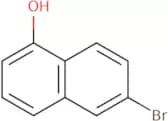
Fórmula:C9H11ClOPureza:Min. 95%Peso molecular:170.64 g/mol6-Bromonaphthalen-1-ol
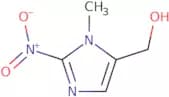
CAS:6-Bromonaphthalen-1-ol is a compound that has shown antimicrobial and antifungal activity. It is the most potent of the naphthoxazines tested to date, with an MIC of 0.04 µg/ml against Escherichia coli. 6-Bromonaphthalen-1-ol was synthesized by reacting 1,2,4-trihydroxybenzene with bromine gas in the presence of mercuric chloride catalyst. The compound was hydrolyzed for elemental analysis and found to be C7H4BrO. Elemental analysis yielded a weight percentage of 71% carbon, 13% hydrogen, 3% bromine, and 12% oxygen. The x-ray diffraction pattern showed peaks at 2θ values of 22.3° (100), 26.5° (101), 33.7° (102), 40° (104), 44° (105) and 62°Fórmula:C10H7BrOPureza:Min. 95%Peso molecular:223.07 g/mol(3-Methyl-2-nitro-3H-imidazol-4-yl)methanol
CAS:3-Methyl-2-nitro-3H-imidazol-4-yl)methanol is a fluorescent probe that can be used to detect hypoxic tumor cells. It has been shown to selectively react with the methylethyl group in Trichomonas vaginalis. 3-Methyl-2-nitro-3H-imidazol-4-yl)methanol is bioreductive and can be activated by nitro groups in proteins, which are found in the active site of enzymes such as bacterial dna gyrase. This probe has been shown to bind to the sn38 position of bacterial DNA, but not mammalian DNA.Fórmula:C5H7N3O3Pureza:Min. 95%Peso molecular:157.13 g/mol1-Oleoyl-3-palmitoyl-rac-glycero-2-phosphoethanolamine
CAS:Please enquire for more information about 1-Oleoyl-3-palmitoyl-rac-glycero-2-phosphoethanolamine including the price, delivery time and more detailed product information at the technical inquiry form on this page
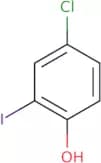
Fórmula:C39H76NO8PPureza:Min. 95%Peso molecular:718 g/mol4-Chloro-2-iodo-phenol
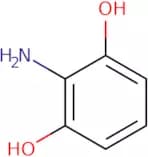
CAS:Please enquire for more information about 4-Chloro-2-iodo-phenol including the price, delivery time and more detailed product information at the technical inquiry form on this pageFórmula:C6H4ClIOPureza:Min. 95%Peso molecular:254.45 g/mol2-Aminoresorcinol
CAS:2-Aminoresorcinol is a synthetic chemical compound that inhibits the reaction of amines with chlorine atoms. It is used as an intermediate in the production of resorcinol and 2-aminophenol. The reaction mechanism involves the formation of a chloramine (chlorine atom attached to an amine) which, in turn, reacts with malonic acid to produce an intermediate that undergoes intramolecular hydrogen transfer. This reaction results in the formation of a chloroform molecule. A second step involves hydroxylation by hydrochloric acid, which leads to the formation of chloral hydrate. In this way, 2-aminoresorcinol can be used for the synthesis of both resorcinol and 2-aminophenol. 2-Aminoresorcinol is also known for its inhibitory effects on certain reactions involving amines and sulfur compounds such as thiourea and carbonyl compounds such as malonic acid.
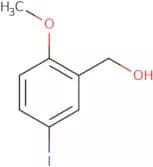
Fórmula:C6H7NO2Pureza:Min. 95%Cor e Forma:White To Dark Brown SolidPeso molecular:125.13 g/mol5-Iodo-2-methoxybenzyl alcohol
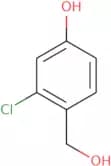
CAS:5-Iodo-2-methoxybenzyl alcohol (5IMB) is a conjugate that inhibits tubulin polymerization and mitochondrial membrane integrity. It has significant inhibitory effects on colchicine-induced apoptosis in colon cancer cells, inducing apoptotic cell death by the activation of caspase 3 and annexin. 5IMB also has an inhibitory effect on mitochondria, leading to mitochondrial membrane depolarization and apoptotic cell death. This conjugate also induces the death of human cancer cells, specifically mcf-7, which are involved in tumour growth and metastasis. The mechanism of action for 5IMB is through its ability to induce mitochondrial membrane depolarization, leading to apoptotic cell death.Fórmula:C8H9O2IPureza:Min. 95%Peso molecular:264.06 g/mol2-Chloro-4-Hydroxybenzyl alcohol
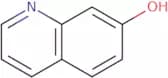
CAS:2-Chloro-4-hydroxybenzyl alcohol is an organic compound that has been shown to be soluble in aqueous alkali metal solutions, but insoluble in water. It is also insoluble in polymer solvents such as acetone and ethyl ether. 2-Chloro-4-hydroxybenzyl alcohol is a sugar alcohol with 3 hydroxyl groups. The molecule has a molecular weight of 150.17 g/mol, melting point of -123°C (-198°F), boiling point of 179°C (354°F), and refractive index of 1.5774 at 20°C (68°F). This chemical can be used in the synthesis of polyhydric alcohols such as glycerol or hexanol. 2-Chloro-4-hydroxybenzyl alcohol is not soluble in hydrochloric acid, benzene or chloroform, and does not react to form any esFórmula:C7H7ClO2Pureza:Min. 95%Peso molecular:158.58 g/mol7-Hydroxyquinoline
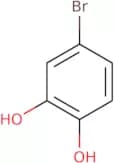
CAS:7-Hydroxyquinoline is a molecule that has been extensively studied in the context of transfer reactions. It is a sodium salt that contains an intermolecular hydrogen bond and an intramolecular hydrogen bond. The proton of 7-hydroxyquinoline can be transferred to the nitrogen atom of a protonated amine, forming an acid complex. This reaction mechanism is kinetically controlled and stabilizes the tautomers of 7-hydoxyquinoline. The hydroxyl group on the quinoline ring can form hydrogen bonds with various groups on other molecules, such as n-dimethyl formamide or deuterium isotope.Fórmula:C9H7NOPureza:Min. 95%Cor e Forma:Brown PowderPeso molecular:145.16 g/mol4-Bromobenzene-1,2-diol
CAS:4-Bromobenzene-1,2-diol is a reactive substance that has been shown to have receptor binding and reaction intermediates. It has been shown to inhibit the formation of reactive oxygen species in rat liver microsomes. The formation rate of 4-bromobenzene-1,2-diol is increased by carbon source such as bromobenzene. This substance has also been shown to be an inhibitor of the reaction mechanism. 4-Bromobenzene-1,2-diol is used as a reactant in organic synthesis reactions and can be found in dry weight measurements.
Fórmula:C6H5BrO2Pureza:Min. 95%Peso molecular:189.01 g/mol9,11b-Epoxidetriamcinolone
CAS:Please enquire for more information about 9,11b-Epoxidetriamcinolone including the price, delivery time and more detailed product information at the technical inquiry form on this page
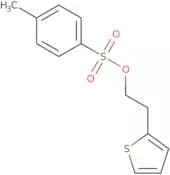
Fórmula:C21H26O6Pureza:Min. 95%Peso molecular:374.43 g/mol2-Thiopheneethanol tosylate
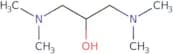
CAS:2-Thiopheneethanol tosylate (2TEtOS) is an antitubercular agent that belongs to the class of thiopheneethanol esters. It is a potent inhibitor of Mycobacterium tuberculosis and other bacteria by blocking the transfer reactions that are required for bacterial growth. The molecular structure of 2TEtOS consists of a thiophene ring with an allyl group attached to it and a chiral sulfur atom in the center. This molecule can be derivatized with various ligands, which enables the control experiments to be performed. 2TEtOS has been shown to have redox potentials and diffraction properties that are similar to those of borohydride reduction agents, suggesting that 2TEtOS may also act as a reducing agent.Fórmula:C13H14O3S2Pureza:Min. 95%Peso molecular:282.38 g/mol1,3-Bis(Dimethylamino)-2-Propanol
CAS:1,3-Bis(dimethylamino)-2-propanol is a polymeric compound that is soluble in water and organic solvents. It has been shown to have a viscosity of less than 2.0 centipoise (cP) at 20°C and pH 8.5. This compound also has a high solubility in buffers, carboxylates, and chloride ions. 1,3-Bis(dimethylamino)-2-propanol has been used as an additive for silicone surfactants and in the production of tetranuclear gold nanoparticles for use in chemiluminescence applications.Fórmula:C7H18N2OPureza:Min. 95%Peso molecular:146.23 g/mol(aR)-a-[[[2-(4-Aminophenyl)ethyl]amino]methyl]-benzenemethanol
CAS:Please enquire for more information about (aR)-a-[[[2-(4-Aminophenyl)ethyl]amino]methyl]-benzenemethanol including the price, delivery time and more detailed product information at the technical inquiry form on this pageFórmula:C16H20N2OPureza:Min. 95%Cor e Forma:PowderPeso molecular:256.34 g/mol2,4-Dibromobenzyl alcohol
CAS:2,4-Dibromobenzyl alcohol is a selective inhibitor of sglt2, which is an enzyme that inactivates the incretin hormones glucagon-like peptide-1 (GLP-1) and glucose-dependent insulinotropic polypeptide (GIP). It has been shown to have a strong inhibitory effect on the activity of sglt2 in vitro. This inhibition leads to increased levels of GLP-1 and GIP, which may help improve glycemic control. 2,4-Dibromobenzyl alcohol has been shown to reduce blood glucose levels in diabetic mice to the same degree as tofogliflozin, which is marketed for diabetes treatment.
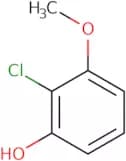
Fórmula:C7H6Br2OPureza:Min. 95%Peso molecular:265.93 g/mol2-Chloro-3-methoxyphenol
CAS:Please enquire for more information about 2-Chloro-3-methoxyphenol including the price, delivery time and more detailed product information at the technical inquiry form on this pageFórmula:C7H7ClO2Pureza:Min. 95%Peso molecular:158.58 g/mol4-Fluoro-2-methoxyphenol
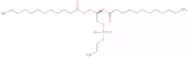
CAS:4-Fluoro-2-methoxyphenol is a fluorinating agent that is used in the manufacture of pharmaceuticals, plastics and pesticides. It has been shown to induce apoptosis in cultured cells by upregulating reactive oxygen species (ROS) and increasing mitochondrial membrane permeability, as well as inhibiting cellular physiology. 4-Fluoro-2-methoxyphenol also inhibits the production of ATP and may be toxic to cells by interfering with dinucleotide phosphate.Fórmula:C7H7FO2Pureza:Min. 95%Cor e Forma:Clear LiquidPeso molecular:142.13 g/mol1,2-Dilauroyl-sn-glycero-3-phosphoethanolamine
CAS:1,2-Dilauroyl-sn-glycero-3-phosphoethanolamine (DLPE) is a lipid molecule that can induce phase transition in aqueous solutions. DLPE is an active ingredient in nonsteroidal anti-inflammatory drugs and has been shown to inhibit the activity of enzymes such as cyclooxygenase and lipoxygenase. DLPE also inhibits the growth of infectious organisms such as Escherichia coli and HIV by inhibiting receptor activity. DLPE binds to receptors on the surface of cells, which prevents these cells from releasing inflammatory cytokines.Fórmula:C29H58NO8PPureza:Min. 95%Cor e Forma:PowderPeso molecular:579.75 g/mol(3,5-Diiodo-Tyr1,D-Ala2,N-Me-Phe4,glycinol5)-Enkephalin acetate salt
CAS:Produto ControladoPlease enquire for more information about (3,5-Diiodo-Tyr1,D-Ala2,N-Me-Phe4,glycinol5)-Enkephalin acetate salt including the price, delivery time and more detailed product information at the technical inquiry form on this pageFórmula:C26H33I2N5O6Pureza:Min. 95%Peso molecular:765.38 g/molDimethyl benzyl carbinol acetate
CAS:Dimethyl benzyl carbinol acetate is a polymer that forms a film on the skin and prevents water loss. It has been shown to have enzyme-inhibiting properties, which may be due to its ability to prevent geranyl production. Dimethyl benzyl carbinol acetate has also been used as a sealant in microcapsules, which are then broken down by enzymes in order to release the contents of the capsule. Dimethyl benzyl carbinol acetate can also be used as an antimicrobial agent, where it inhibits bacterial cell growth by interfering with fatty acid synthesis.
Pureza:Min. 95%1,1,2,2-Tetrahydroperfluoro dodecanol
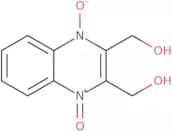
CAS:1,1,2,2-Tetrahydroperfluoro dodecanol (1HFPD) is a chemical substance used in analytical chemistry as an internal standard for gas chromatography. It is also used to prepare samples for analysis by particle-induced X-ray emission. 1HFPD has been shown to have a high uptake in preschool children and can be detected in human serum at levels of 0.5 micrograms per milliliter. The use of 1HFPD has been linked to adverse health effects such as kidney and liver damage.Fórmula:C12H5F21OPureza:Min. 95%Peso molecular:564.13 g/mol(1,4-Dioxidoquinoxaline-2,3-diyl)dimethanol
CAS:Polymyxin B is a cationic peptide antibiotic that is effective in the treatment of infectious diseases. It has been shown to inhibit growth of Gram-negative bacteria by binding to the outer membrane and disrupting osmotic balance. Polymyxin B has been shown to be toxic to liver cells, but it can be used as an antimicrobial agent in combination with ethylene diamine and clastogenic agents such as hydrochloric acid and hydrogen peroxide. This drug also has genotoxic effects. Polymyxin B has high resistance to hydrolysis by hydroxyl group-containing enzymes, making it a broad-spectrum antimicrobial agent that is active against Gram-positive bacteria, Gram-negative bacteria, and mycobacteria.Fórmula:C10H10N2O4Pureza:Min. 95%Cor e Forma:PowderPeso molecular:222.2 g/mol



![Bis[α,α-bis(trifluoromethyl)benzenemethanolato]diphenylsulfur](/_next/image/?url=https%3A%2Fstatic.cymitquimica.com%2Fproducts%2F3D%2Fthumb-webp%2FFB98713.webp&w=3840&q=75)

![1,2-Distearoyl-sn-glycero-3-phosphoethanolamine-N-[amino(polyethylene glycol) 2000] (ammonium salt)](/_next/image/?url=https%3A%2Fstatic.cymitquimica.com%2Fproducts%2F3D%2Fthumb-webp%2FFD157101.webp&w=3840&q=75)




![4-[(4-Nitrophenyl)-azo]-phenol](/_next/image/?url=https%3A%2Fstatic.cymitquimica.com%2Fproducts%2F3D%2Fthumb-webp%2FFN31052.webp&w=3840&q=75)




![(aR)-a-[[[2-(4-Aminophenyl)ethyl]amino]methyl]-benzenemethanol](/_next/image/?url=https%3A%2Fstatic.cymitquimica.com%2Fproducts%2F3D%2Fthumb-webp%2FFA75045.webp&w=3840&q=75)