Álcoois
Subcategorias de "Álcoois"
Foram encontrados 5813 produtos de "Álcoois"
1,2-O-Dioctadecyl-rac-glycerol
CAS:1,2-O-Dioctadecyl-rac-glycerol is a lipid that belongs to the class of synthetic lipids. It has been used as a model system for studying the interactions between phosphatidylcholine (PC) and other lipids. The systematic study of the morphology of 1,2-O-dioctadecyl-rac-glycerol in various solvents revealed that it is an amphiphile with an elongated shape. This molecule interacts with PC membranes in a specific manner, which can be detected using optical measurements. The transition from the solid to liquid state causes 1,2-O-dioctadecyl-rac-glycerol to change its shape from a rod to an ellipsoid. This property can be used as a diagnostic tool for identifying transitions in nanomaterials.Fórmula:C39H80O3Pureza:Min. 95%Peso molecular:597.05 g/mol3-Phenyl-1,2,4-oxadiazol-5-ol
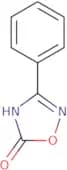
CAS:3-Phenyl-1,2,4-oxadiazol-5-ol is a thione that has been shown to be conjugated with DNA and RNA. It is also able to form complexes with metal ions. This compound is spectroscopically active and can be used for the evaluation of biomolecules in vitro. 3-Phenyl-1,2,4-oxadiazol-5-ol can be used as an alternative to ethidium bromide for the detection of nucleic acids in agarose gel electrophoresis. It has been shown to inhibit protein synthesis in bacteria by binding to ribosomes and inhibiting protein synthesis.
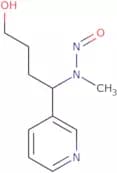
Fórmula:C8H6N2O2Pureza:Min. 95%Peso molecular:162.15 g/mol4-(N-Methyl-N-nitrosamino)-4-(3-pyridyl)butane-1-ol
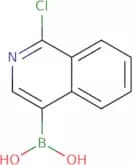
CAS:4-(N-Methyl-N-nitrosamino)-4-(3-pyridyl)butane-1-ol is a chemical that can be found in tobacco smoke. It has been shown that chronic exposure to 4-(N-methyl-N-nitrosamino)-4-(3-pyridyl)butane-1-ol causes cancer in rodents, as evidenced by increased rates of tumorigenesis. This chemical also has the ability to inhibit butyric acid formation, which may reduce the risk of colon cancer. The carcinogenic effect of this chemical is due to its ability to react with DNA and form adducts that cause methylation at C8 position on guanine nucleotide (G). These adducts lead to mutations, which can lead to cancer.Fórmula:C10H15N3O2Pureza:Min. 95%Peso molecular:209.25 g/mol(1-Chloroisoquinolin-4-yl)boronic acid
CAS:Please enquire for more information about (1-Chloroisoquinolin-4-yl)boronic acid including the price, delivery time and more detailed product information at the technical inquiry form on this pageFórmula:C9H7BClNO2Pureza:Min. 95%Peso molecular:207.42 g/mol2,2-Dimethyl-1-propanol
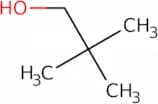
CAS:2,2-Dimethyl-1-propanol (DMPA) is an inorganic acid that can be used as a coagulant for wastewater treatment. It has been shown to be effective in removing malonic acid from water at pH 4.0 and below. The reaction mechanism of DMPA is not fully understood, but it is thought to involve the formation of a hydroxyl group on the methyl group of DMPA, which then reacts with the acid and releases hydrogen ions. The hydrogen ions react with sodium carbonate to form sodium bicarbonate and release water vapor. This process continues until all the DMPA has reacted or until there is no more acid present. Asymmetric synthesis of DMPA is possible using neopentyl alcohol and fatty acids as starting materials.
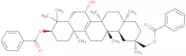
Fórmula:C5H12OPureza:Min. 95%Cor e Forma:White Clear LiquidPeso molecular:88.15 g/mol3,29-Dibenzoyl rarounitriol
CAS:Produto Controlado3,29-Dibenzoyl rarounitriol (3,29-DBR) is a quercetin glycoside that has been shown to be an effective inhibitor of the H1 receptor. It prevents the binding of histamine to the H1 receptor on cells, preventing the release of inflammatory compounds such as lysosomal enzymes and prostaglandins. 3,29-DBR has been shown to be a potent inhibitor of terfenadine in both rats and humans. It has also been shown to inhibit other drugs metabolized by cytochrome P450 2D6. In a pharmacokinetic study in rats, 3,29-DBR was found to have a half-life of 5 hours and peak plasma concentrations at 1 hour following oral administration. Pharmacokinetic parameters are dose dependent with Cmax values ranging from 0.5 µg/mL for low doses to 14 µg/mL for high doses.
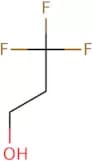
Pureza:Min. 95%3,3,3-Trifluoro-1-propanol
CAS:3,3,3-Trifluoro-1-propanol is a chemical that is used in pharmaceutical dosage formulations. It has a relatively low toxicity and is not readily absorbed through the skin. 3,3,3-Trifluoro-1-propanol has been shown to be an effective inhibitor of fatty acid oxidation and protein synthesis. The structure of this compound consists of three carbon atoms connected by single bonds to one hydrogen atom each and one fluorine atom. This molecule also contains a hydroxyl group at one end and two nitrogen atoms at the other end. These nitrogen atoms are stabilized by intramolecular hydrogen bonds with the hydrogen atoms on the hydroxyl group. 3,3,3-Trifluoro-1-propanol can be used as a cationic polymerization catalyst for perfluoroalkyls and aromatic hydrocarbons.
Fórmula:C3H5F3OPureza:Min. 95%Peso molecular:114.07 g/mol5-Nitrosoquinolin-8-ol
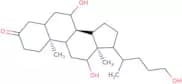
CAS:5-Nitrosoquinolin-8-ol is a chemical inhibitor that can be used in the study of enzyme function. It reacts with the active site of the enzymes and prevents them from carrying out their normal functions. 5-Nitrosoquinolin-8-ol has been shown to inhibit the growth of cancer cells and to have antiinflammatory properties. 5-Nitrosoquinolin-8-ol has been shown to bind to sephadex G-100 and potassium dichromate, which are both types of ion exchangers. The redox potential for this compound is -0.84 V. This means it will not react easily with other compounds, which makes it a good candidate for use as an inhibitor in biochemical studies. The nitrogen atoms in this compound are reactive, which means they can form covalent bonds with other molecules in a reaction called nitrosation. Structural biology is a branch of science that deals with studying the three dimensional structure of biological macFórmula:C9H6N2O2Pureza:Min. 95%Cor e Forma:Yellow To Green SolidPeso molecular:174.16 g/mol3-Keto petromyzonol
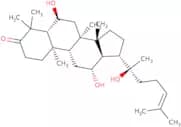
CAS:Produto Controlado3-Keto petromyzonol is a natural product that is biosynthesized in the liver from taurocholic acid. It has been shown to inhibit the synthesis of estradiol and progesterone in both rat and human tissue. 3-Keto petromyzonol has also been shown to have anti-obesity effects in mice, with decreased hepatic steatosis, as well as beneficial effects on insulin resistance and genes expression. The structural elucidation of 3-keto petromyzonol was accomplished by NMR spectroscopy, which revealed its disulfate structure. This chemical compound can be synthesized from methyl 2-(2′-chloroacetyl)malonate or from 1,4-dibromobutane. 3-Keto petromyzonol has been shown to inhibit ATP binding cassette transporter (ABC) proteins that are involved in cholesterol transport across the membrane. It may also act as a pheromoneFórmula:C24H40O4Pureza:Min. 95%Peso molecular:392.57 g/mol3-Deoxy-3-oxo-20(S)-protopanaxatriol
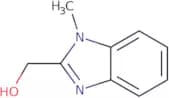
CAS:Produto Controlado3-Deoxy-3-oxo-20(S)-protopanaxatriol is a compound that has been shown to have cardioprotective effects in vitro. This compound inhibits the production of malondialdehyde (MDA), an end product of lipid peroxidation, and increases the glutathione content of rat heart tissue. 3-Deoxy-3-oxo-20(S)-protopanaxatriol also protects against ischemic injury by lowering creatine kinase levels and preserving the myocardium during reperfusion. It has been shown to inhibit oxidative stress and reduce tissue damage in rats with induced myocardial infarction. 3-Deoxy-3-oxo-20(S)-protopanaxatriol is orally active, but must be injected for pharmacological studies due to its high molecular weight. This molecule has also been shown to have antioxidant properties in vitro, which may be due to its ability toFórmula:C30H50O4Pureza:Min. 95%Peso molecular:474.72 g/mol(1-Methyl-1H-benzimidazol-2-yl)methanol
CAS:Produto Controlado1-Methyl-1H-benzimidazol-2-yl)methanol is a mononuclear, ligand anion with a sulfate group. The compound has a molecular weight of 180.07 and its chemical formula is C6H5NOSO3S. It is soluble in water and alcohols, but insoluble in ethers and chloroform. 1-Methyl-1H-benzimidazol-2-yl)methanol reacts with oxygen to form the corresponding peroxide, which has a boiling point of 228°C at 760 mm Hg pressure. This compound also reacts with nitric acid to form the corresponding nitrate salt, which can be precipitated by adding sodium chloride or ammonium chloride.Fórmula:C9H10N2OPureza:Min. 95%Peso molecular:162.19 g/mol5alpha-Androst-16-en-3alpha-ol
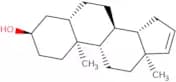
CAS:Produto Controlado5alpha-Androst-16-en-3alpha-ol is a pheromone that is produced by the human body. It has been shown to be a potent inducer of transcriptional activation in mammalian cells. 5alpha-Androst-16-en-3alpha-ol also has biological properties that are similar to those of androstenol, another pheromone produced by the human body. 5alpha-Androstenol binds to the androgen receptor, which then regulates gene transcription and protein synthesis in target cells. This process can lead to changes in cell metabolism, proliferation, or apoptosis. It has been shown that 5alpha-androstenol can increase testosterone levels in humans as well as other primates such as rhesus monkeys. The odorant binding site of 5alpha-androstenol is unknown; however, it may be able to bind with odorant receptors through hydrophobic interactions.
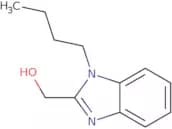
Fórmula:C19H30OPureza:Min. 98 Area-%Cor e Forma:White PowderPeso molecular:274.44 g/mol(1-Butyl-1H-benzimidazol-2-yl)methanol
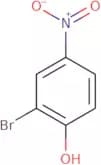
CAS:Produto ControladoPlease enquire for more information about (1-Butyl-1H-benzimidazol-2-yl)methanol including the price, delivery time and more detailed product information at the technical inquiry form on this pageFórmula:C12H16N2OPureza:Min. 95%Peso molecular:204.27 g/mol2-Bromo-4-nitrophenol
CAS:2-Bromo-4-nitrophenol is a byproduct of the reaction between hydrogen peroxide and sodium bromate. It can be detected in the presence of hydrochloric acid, which reacts with 2-bromo-4-nitrophenol to form an orange color that can be detected spectrophotometrically. 2-Bromo-4-nitrophenol has been shown to inhibit the growth of various strains of bacteria, including Escherichia coli, Bacillus subtilis, and Pseudomonas aeruginosa. This compound binds to flavin adenine dinucleotide (FAD) as well as other nucleophilic cofactors such as thioredoxin reductase. The binding affinity is increased when carbon sources are present. This property makes it a useful inhibitor for catalytic reduction reactions in biotechnology and synthetic chemistry applications.br>br> 2B4NP is a byFórmula:C6H4BrNO3Pureza:Min. 95%Cor e Forma:PowderPeso molecular:218 g/mol1-Tetratriacontanol
CAS:1-Tetratriacontanol is a natural compound that is found in plants, such as Momilactone. It has been shown to have inhibitory properties on chemical interactions, which may be due to its enhancement of acetate extract. 1-Tetratriacontanol has also been shown to have potent inhibitory activity against human serum and fetal bovine cells. It has a diameter of approximately 1 nm and is composed of fatty acids and phosphatidylcholine. This compound has not yet been studied for its physiological effects.Fórmula:C34H70OPureza:Min. 95%Peso molecular:494.92 g/mol2-Methyl-2-propanethiol
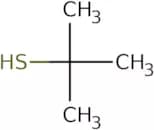
CAS:2-Methyl-2-propanethiol is an electron acceptor and a reagent that can be used for the synthesis of organic compounds. It is soluble in polar solvents, but insoluble in nonpolar solvents. 2-Methyl-2-propanethiol has been shown to react with thiols at concentrations below its optimum concentration. The reaction mechanism is believed to involve adsorption and intramolecular hydrogen transfer. The adsorption process occurs on the surface of the substrate and the intramolecular hydrogen transfer occurs through an intermolecular hydrogen bond with the substrate's hydroxyl group or disulfide bond. When 2-methyl-2-propanethiol reacts with a thiol, it forms a mercaptan group called p2 that contains two substituents, one on each carbon atom. This reaction produces a disulfide bond as well as an electrochemical detector signal known as "activated."Fórmula:C4H10SPureza:Min. 98%Cor e Forma:Clear LiquidPeso molecular:90.19 g/molPotassium trimethylsilanolate
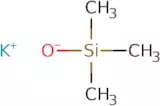
CAS:Potassium trimethylsilanolate is a chemical substance that has inhibitory properties. It is a trifluoroacetic acid derivative that inhibits the activity of certain enzymes, such as proteases and lipases. The compound's inhibitory properties are due to its ability to bind to cytochrome cb2 receptors by means of hydrogen bonding. The binding of potassium trimethylsilanolate to the receptor prevents the activation of apoptosis proteins and protein synthesis in cells. This substance also has an inhibitory effect on water vapor, inhibiting the formation of water molecules from hydrogen atoms and oxygen atoms. Potassium trimethylsilanolate can be used as an anti-cancer agent by preventing cell division in tumor cells and preventing cancer metastasis through inhibition of protease activity.Fórmula:C3H9KOSiPureza:Min. 95%Peso molecular:128.29 g/molβ-γ Hexenol
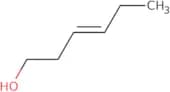
CAS:b-Gamma hexenol is a chemical compound that belongs to the group of odorants. It is a volatile compound that has been identified as an important component in the fragrance of many flowers, such as roses and lavender. b-Gamma hexenol has been found to have significant binding affinity for proteins and enzymes, which may be due to its ability to form soluble complexes at the interface between organic phases and aqueous solutions. b-Gamma hexenol is used in vitro assays as a pharmacological agent that blocks acetylcholine release from nerve endings, thereby reducing pain sensation. In addition, it is also used as an anion radical scavenger due to its high resistance against acid hydrolysis. !--Fórmula:C6H12OPureza:Min. 95%Cor e Forma:Clear LiquidPeso molecular:100.16 g/mol(2-Chloro-4-nitrophenyl)methanol
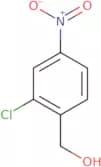
CAS:Please enquire for more information about (2-Chloro-4-nitrophenyl)methanol including the price, delivery time and more detailed product information at the technical inquiry form on this pageFórmula:C7H6ClNO3Pureza:Min. 95%Cor e Forma:PowderPeso molecular:187.58 g/mol3,4-Dimethoxythiophenol
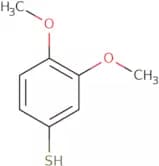
CAS:3,4-Dimethoxythiophenol is a chemical compound that is used as a fluorescence probe to study biological functions in cells. It reacts with hydroxyl groups and other reactive sites on proteins, including sulfhydryl groups, thiols, and amines. 3,4-Dimethoxythiophenol has been shown to inhibit the viability of cancer cells (e.g., prostate cancer cells) by interfering with the function of dehydrogenase enzymes. 3,4-Dimethoxythiophenol also inhibits growth of microglia (cells that protect neurons) in vitro. This inhibition is due to the production of reactive oxygen species by the microglial cells. The chemical structure of this compound includes a hydroxyl group and two methoxy groups.Fórmula:C8H10O2SPureza:Min. 95%Cor e Forma:Clear LiquidPeso molecular:170.23 g/mol