Álcoois
Os álcoois são uma ampla gama de moléculas orgânicas derivadas de hidrocarbonetos que contêm um ou mais grupos hidroxila (grupo OH). Estes compostos são essenciais em várias reações químicas e são amplamente utilizados em laboratórios para síntese, como solventes e em química analítica. Na CymitQuimica, oferecemos álcoois de alta qualidade preparados para uso laboratorial, apoiando suas pesquisas e aplicações industriais com produtos confiáveis e eficazes. Nossa seleção garante que você tenha os álcoois adequados para suas necessidades específicas, seja para trabalhos de laboratório de rotina ou para projetos de pesquisa especializados.
Subcategorias de "Álcoois"
Foram encontrados 5814 produtos de "Álcoois"
Ordenar por
Pureza (%)
0
100
|
0
|
50
|
90
|
95
|
100
1-O-Octadecyl-rac-glycerol
CAS:<p>1-O-Octadecyl-rac-glycerol is a fatty acid that has been shown to have antiinflammatory properties. It is also known as 1,1'-dioctadecyl-rac-glycerol, or DOG. 1-O-Octadecyl-rac-glycerol has been shown to inhibit the production of inflammatory mediators such as prostaglandin E2 and monocyte chemotactic protein 1 (MCP1) in vitro and in vivo. It has also been shown to stimulate the production of colony stimulating factor (CSF), which stimulates the growth and differentiation of stem cells into macrophages, neutrophils, dendritic cells, erythrocytes, and lymphocytes. These cells are needed for wound healing and repair.</p>Fórmula:C21H44O3Pureza:Min. 95%Peso molecular:344.57 g/molPhenyl ethyl alcohol
CAS:Produto Controlado<p>Phenyl ethyl alcohol is a chemical compound that is used as an antiseptic. It is also known for its ability to reduce the surface tension of water, which makes it useful for cleaning and degreasing. Phenyl ethyl alcohol has been shown to be up-regulated in genes that are responsible for transcriptional regulation, as well as in genes that encode proteins involved in cellular metabolism. This compound has been used as a model system to study hydrogen bonds and biological samples. The structural biology of phenyl ethyl alcohol has been studied using detergent compositions and fatty acid models.</p>Fórmula:C8H10OPureza:Min. 80%Cor e Forma:Clear LiquidPeso molecular:122.16 g/mol8-Benzyloxy-5-((R)-2-bromo-1-hydroxyethyl)-1H-quinolinone
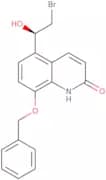
CAS:<p>8-Benzyloxy-5-((R)-2-bromo-1-hydroxyethyl)-1H-quinolinone is a potassium channel blocker. It binds to the central cavity of the channel pore and blocks potassium ion flux, inhibiting the function of potassium channels. 8-Benzyloxy-5-(2-(R)-bromo-1,3-dihydroxypropyl)quinolinone has been shown to inhibit voltage gated channels in a number of different tissues, including cardiomyocytes from rat hearts.</p>Fórmula:C18H16BrNO3Pureza:Min. 95%Peso molecular:374.23 g/mol1-[(3,3-Diphenylpropyl)methylamino]-2-methyl-2-propanol
CAS:1-[(3,3-Diphenylpropyl)methylamino]-2-methyl-2-propanol is an epoxy that can be synthesized from benzene and lercanidipine. It has been used in the production of cinnamic acid and other molecules. This molecule can be prepared by reacting cinnamic acid with chloromethyl methyl ether in a ring-opening reaction. The chloride ion is utilized as a nucleophile to react with the amide nitrogen atom of the cinnamic acid molecule to form the amide bond. The large-scale production of 1-[(3,3-diphenylpropyl)methylamino]-2-methyl-2-propanol utilizes refluxing to remove water and other byproducts that are formed during the process.Fórmula:C20H27NOPureza:Min. 95%Peso molecular:297.43 g/mol1,2-Dilauroyl-sn-glycero-3-phosphoethanolamine
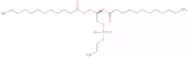
CAS:<p>1,2-Dilauroyl-sn-glycero-3-phosphoethanolamine (DLPE) is a lipid molecule that can induce phase transition in aqueous solutions. DLPE is an active ingredient in nonsteroidal anti-inflammatory drugs and has been shown to inhibit the activity of enzymes such as cyclooxygenase and lipoxygenase. DLPE also inhibits the growth of infectious organisms such as Escherichia coli and HIV by inhibiting receptor activity. DLPE binds to receptors on the surface of cells, which prevents these cells from releasing inflammatory cytokines.</p>Fórmula:C29H58NO8PPureza:Min. 95%Cor e Forma:PowderPeso molecular:579.75 g/molUbiquinol
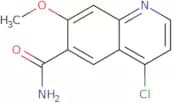
CAS:<p>Fully reduced form of coenzyme Q10</p>Fórmula:C59H92O4Pureza:Min. 95%Cor e Forma:White Yellow PowderPeso molecular:865.36 g/mol4-Chloro-7-methoxyquinoline-6-carboxamide
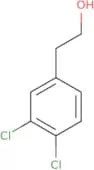
CAS:<p>Intermediate in the synthesis of lenvatinib</p>Fórmula:C11H9ClN2O2Pureza:Min. 95%Peso molecular:236.65 g/mol2-(3,4-Dichlorophenyl)ethanol
CAS:<p>2-(3,4-Dichlorophenyl)ethanol is a high quality reagent for the synthesis of complex compounds, useful as an intermediate in organic synthesis and as a building block for speciality chemicals. This chemical is also used as a research chemical in the synthesis of versatile building blocks. It can be used as a reaction component in various reactions such as Suzuki coupling, Negishi coupling, Heck reaction, and Sonogashira coupling.</p>Fórmula:C8H8Cl2OPureza:Min. 95%Peso molecular:191.05 g/molCalcipotriol monohydrate
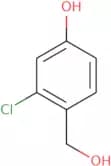
CAS:<p>Calcipotriol is a synthetic vitamin D3 analog that has been shown to be effective in the treatment of bone cancer. It has a film-forming property and is used in pharmaceutical preparations as well as for wastewater treatment. Calcipotriol monohydrate is made by reacting calcipotriol with hydrochloric acid, which produces an ester bond between the hydroxyl group and the carboxylic acid group. The reaction also produces water, methanol, and methyl ethyl ether. Studies have shown that calcipotriol monohydrate has a chemical stability of over 30 days at room temperature, indicating it can be stored for long periods without degradation.</p>Fórmula:C27H40O3·H2OPureza:(%) Min. 96%Cor e Forma:PowderPeso molecular:430.62 g/mol2-Chloro-4-Hydroxybenzyl alcohol
CAS:2-Chloro-4-hydroxybenzyl alcohol is an organic compound that has been shown to be soluble in aqueous alkali metal solutions, but insoluble in water. It is also insoluble in polymer solvents such as acetone and ethyl ether. 2-Chloro-4-hydroxybenzyl alcohol is a sugar alcohol with 3 hydroxyl groups. The molecule has a molecular weight of 150.17 g/mol, melting point of -123°C (-198°F), boiling point of 179°C (354°F), and refractive index of 1.5774 at 20°C (68°F). This chemical can be used in the synthesis of polyhydric alcohols such as glycerol or hexanol. 2-Chloro-4-hydroxybenzyl alcohol is not soluble in hydrochloric acid, benzene or chloroform, and does not react to form any esFórmula:C7H7ClO2Pureza:Min. 95%Peso molecular:158.58 g/mol1H-Pyrazol-4-ylmethanol
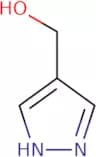
CAS:1H-Pyrazol-4-ylmethanol is a dehydrogenase inhibitor that binds to the heme group of the enzyme and inhibits oxidative metabolism. It has been shown to be an effective inhibitor of human liver alcohol dehydrogenase (ADH) and also reduces the absorption rate constant of pyrazole derivatives. The catalytic mechanism is not yet known, but it has been found to inhibit other enzymes with a similar catalytic mechanism. Techniques such as kinetic studies and model systems have been used to study this enzyme's catalytic mechanism.Fórmula:C4H6N2OPureza:Min. 95%Peso molecular:98.1 g/mol3-Bromophenol
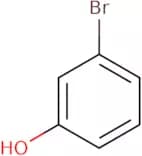
CAS:3-Bromophenol is an organic compound that is a bromophenol. It is used as a fluorometric probe in wastewater treatment and as a tracer for metabolic pathways in the proximal tubules of the kidney. 3-Bromophenol has a molecular weight of 184.16 g/mol and has been shown to be metabolized by bacteria into 2,4-dihydroxyphenylacetic acid (2,4-DPA). 3-Bromophenol can also be synthesized from 2,4-dihydroxyphenylacetic acid using sodium hydroxide solution and carbon source in a synthetic process. This synthetic process can be carried out at room temperature and atmospheric pressure.Fórmula:C6H5BrOPureza:Min. 98 Area-%Cor e Forma:Clear LiquidPeso molecular:173.01 g/mol2-Aminoresorcinol
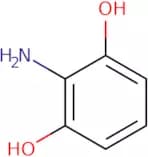
CAS:<p>2-Aminoresorcinol is a synthetic chemical compound that inhibits the reaction of amines with chlorine atoms. It is used as an intermediate in the production of resorcinol and 2-aminophenol. The reaction mechanism involves the formation of a chloramine (chlorine atom attached to an amine) which, in turn, reacts with malonic acid to produce an intermediate that undergoes intramolecular hydrogen transfer. This reaction results in the formation of a chloroform molecule. A second step involves hydroxylation by hydrochloric acid, which leads to the formation of chloral hydrate. In this way, 2-aminoresorcinol can be used for the synthesis of both resorcinol and 2-aminophenol. 2-Aminoresorcinol is also known for its inhibitory effects on certain reactions involving amines and sulfur compounds such as thiourea and carbonyl compounds such as malonic acid.</p>Fórmula:C6H7NO2Pureza:Min. 95%Cor e Forma:White To Dark Brown SolidPeso molecular:125.13 g/molCloprostenol sodium
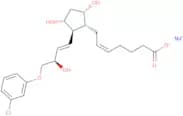
CAS:Cloprostenol sodium is a prostaglandin analogue that is used in veterinary medicine. It is administered intravenously to induce ovulation, improve estrus and fertility, or control luteal function in cows. Cloprostenol sodium has been shown to have a positive effect on the ovulatory process by stimulating the release of endogenous progesterone and estradiol benzoate from the follicle cells. This drug also increases luteal activity by increasing the production of progesterone and inhibiting its metabolism. Cloprostenol sodium has been shown to be effective in inducing ovulation in pregnant women who do not respond to clomiphene citrate (CC) alone. Cloprostenol sodium can also be used for induction of labour in pregnant women with an uncomplicated pregnancy at term, where it is given intravenously or intramuscularly, but intravaginally or orally are not recommended.Fórmula:C22H28ClNaO6Pureza:Min. 95%Cor e Forma:White PowderPeso molecular:446.9 g/molEthynylestradiol
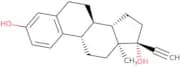
CAS:<p>Ethynylestradiol is a synthetic estrogen that is used in hormone replacement therapy. It belongs to the group of estrogens and has been shown to be a potent inhibitor of ovarian activity. Ethinyl estradiol is metabolized through catechol-O-methyltransferase (COMT) and sulfotransferases, which leads to an increased rate constant for its clearance from plasma. The drug also has interactions with other drugs, such as protease inhibitors, which may lead to disease activity or toxicity in the liver. Ethynylestradiol binds specifically to bcl-2 protein, which may be related to its anti-inflammatory properties.</p>Fórmula:C20H24O2Pureza:Min. 95%Cor e Forma:PowderPeso molecular:296.4 g/mol4-Bromo-3,5-dimethylbenzyl alcohol
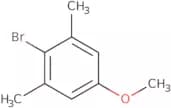
CAS:<p>4-Bromo-3,5-dimethylbenzyl alcohol is a potent anticancer agent that is synthesized from bromoarenes. It has been shown to be effective against cancer cells in the presence of activated carbon, aluminum chloride, and organotellurium. 4-Bromo-3,5-dimethylbenzyl alcohol reacts with peptide hormones and other hormones at the cellular level by inhibiting DNA synthesis. This inhibition prevents the production of proteins that are vital for cell division. The reaction rate is rapid in solvents such as acetonitrile.>>END>></p>Fórmula:C9H11BrOPureza:Min. 95%Cor e Forma:PowderPeso molecular:215.09 g/mol6-Aminoquinoline
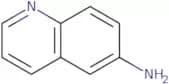
CAS:<p>6-Aminoquinoline is a chemical compound that is used as an intermediate in the synthesis of other compounds. It has been found to be effective in inhibiting the growth of human cancer cells and cell lines by binding to amines, which are important for cell proliferation. 6-Aminoquinoline also inhibits epidermal growth factor (EGF) and its receptor, which may be due to its ability to inhibit the transfer of phosphate groups from ATP to EGF. 6-Nitroquinoline, which is derived from 6-aminoquinoline, has been shown to have antiinflammatory activity.</p>Fórmula:C9H8N2Pureza:Min. 95%Cor e Forma:Yellow PowderPeso molecular:144.17 g/molDimethyl benzyl carbinol acetate
CAS:<p>Dimethyl benzyl carbinol acetate is a polymer that forms a film on the skin and prevents water loss. It has been shown to have enzyme-inhibiting properties, which may be due to its ability to prevent geranyl production. Dimethyl benzyl carbinol acetate has also been used as a sealant in microcapsules, which are then broken down by enzymes in order to release the contents of the capsule. Dimethyl benzyl carbinol acetate can also be used as an antimicrobial agent, where it inhibits bacterial cell growth by interfering with fatty acid synthesis.</p>Pureza:Min. 95%Bemotrizinol
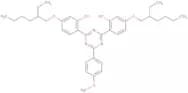
CAS:<p>Bemotrizinol is a chemical compound that belongs to the group of organometallic compounds. It has been shown to be an effective photostabilizer for polymers, as well as an antioxidant for skin cells and tissues. This compound has been shown to have synergistic effects with malonic acid, which is also used in sunscreen products. Bemotrizinol has been shown to be carcinogenic in animal studies, but not in humans.</p>Fórmula:C38H49N3O5Pureza:Min. 95%Cor e Forma:PowderPeso molecular:627.81 g/mol5α-Pregnan-3β,17α-diol-20-one
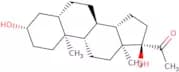
CAS:Produto Controlado5alpha-Pregnan-3beta,17alpha-diol-20-one is a versatile building block that can be used in the synthesis of a wide range of chemical compounds. It has CAS number 570-54-7 and is useful as a reagent in organic chemistry. This compound is also an intermediate for the synthesis of other chemicals, such as steroids and hormones. 5alpha-Pregnan-3beta,17alpha-diol-20-one can be used to produce high quality products with diverse biological activities and molecular structures. The compound is also useful in the production of pharmaceuticals, pesticides, and herbicides.Fórmula:C21H34O3Pureza:Min. 95%Cor e Forma:PowderPeso molecular:334.49 g/mol



![1-[(3,3-Diphenylpropyl)methylamino]-2-methyl-2-propanol](/_next/image/?url=https%3A%2Fstatic.cymitquimica.com%2Fproducts%2F3D%2Fthumb-webp%2FFD22513.webp&w=3840&q=75)