Ciano-, Nitrilo-
Foram encontrados 9675 produtos de "Ciano-, Nitrilo-"
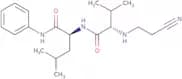
N-2-Cyanoethyl-Val-Leu-anilide
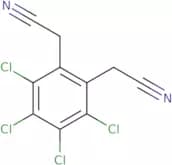
CAS:Please enquire for more information about N-2-Cyanoethyl-Val-Leu-anilide including the price, delivery time and more detailed product information at the technical inquiry form on this pageFórmula:C20H30N4O2Pureza:Min. 95%Peso molecular:358.48 g/mol2,2'-(Perchloro-1,2-phenylene)diacetonitrile
CAS:Please enquire for more information about 2,2'-(Perchloro-1,2-phenylene)diacetonitrile including the price, delivery time and more detailed product information at the technical inquiry form on this page
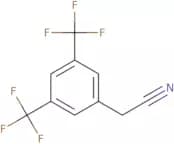
Fórmula:C10H4Cl4N2Pureza:Min. 95%Peso molecular:293.96 g/mol3,5-Bis(trifluoromethyl)phenylacetonitrile
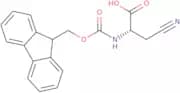
CAS:3,5-Bis(trifluoromethyl)phenylacetonitrile (3,5-BTFAPN) is a compound that has anticancer activity. It can be used to treat cancer by inhibiting the growth of cancer cells. 3,5-BTFAPN has been shown to be effective against some human cancer cell lines in vitro and in vivo. The drug was found to have cytotoxic effects by inducing apoptosis through changes in mitochondrial membrane potential and cytochrome c release. 3,5-BTFAPN also binds to DNA and forms adducts with guanine residues, which may explain its anticancer activity.Fórmula:C10H5F6NPureza:Min. 98 Area-%Cor e Forma:Colorless Yellow Clear LiquidPeso molecular:253.14 g/molFmoc-b-cyano-L-alanine
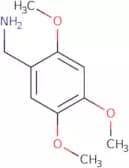
CAS:Please enquire for more information about Fmoc-b-cyano-L-alanine including the price, delivery time and more detailed product information at the technical inquiry form on this pageFórmula:C19H16N2O4Pureza:Min. 95%Peso molecular:336.34 g/mol2,4,5-Trimethoxybenzylamine
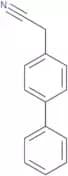
CAS:2,4,5-Trimethoxybenzylamine is a synthetic compound that can be used as a precursor to the synthesis of other chemicals. It is prepared by reacting phenol with deuterium gas in a process called amination. This reaction is followed by reductive quaternization with cyanide. 2,4,5-Trimethoxybenzylamine is often used as an intermediate for the synthesis of drugs such as tamoxifen and clonidine.Fórmula:C10H15NO3Pureza:Min. 95%Cor e Forma:PowderPeso molecular:197.23 g/mol4-Biphenylacetonitrile
CAS:Biphenylacetonitrile is an organic compound that belongs to the group of reactive functional groups and is used as a reagent in organic synthesis. It has been shown to inhibit the growth of cancer cells, likely due to its ability to react with sulfamates. Biphenylacetonitrile inhibits the production of the inflammatory mediator nitric oxide by reacting with trifluoroacetic acid, which may be useful for treating inflammatory diseases such as endometriosis. This drug also has an inhibitory effect on fatty acid metabolism and can thus be used for treating diabetes patients.
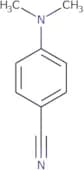
Fórmula:C14H11NPureza:Min. 95%Peso molecular:193.24 g/mol1-Cyano-4-(dimethylamino)benzene
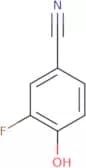
CAS:1-Cyano-4-(dimethylamino)benzene is a molecule that has been shown to inhibit the growth of hamster v79 cells. It also inhibits the synthesis of DNA and RNA. The binding constants for this molecule have been determined to be 1.0 x 10^9 M^-1, with an n-octanol/water partition coefficient (log P) of 5.5. This molecule is soluble in nonpolar solvents and may be used as a model system for hydrogen bonding interactions or reaction mechanisms in organic chemistry. This compound contains a deuterium isotope and can be used to study the effects of hydrogen bonding on reactions in organic chemistry at high temperatures, with the use of preparative hplc.Fórmula:C9H10N2Pureza:Min. 95%Cor e Forma:Beige PowderPeso molecular:146.19 g/mol3-Fluoro-4-hydroxybenzonitrile
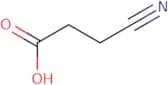
CAS:3-Fluoro-4-hydroxybenzonitrile is a compound with an acidic ph and a strain that is dispersive, desorptive, and polyacrylamide gel. It is a colorless liquid at room temperature. 3-Fluoro-4-hydroxybenzonitrile has been shown to react with dodecyl inorganic base and hydrochloric acid to produce 3-fluoroaniline. The localization of the reaction yield is on hydrotalcite activated by fluorine. This chemical has been shown to react at temperatures between 0°C and 140°C.Fórmula:C7H4FNOPureza:Min. 95%Cor e Forma:White PowderPeso molecular:137.11 g/mol3-Cyanopropanoic acid
CAS:3-Cyanopropanoic acid is a reactive compound that forms a complex with palladium. It is produced by the reaction of acrylonitrile and chloride in the presence of a base such as sodium hydroxide. The reaction mechanism is shown below:Fórmula:C4H5NO2Pureza:Min. 95%Cor e Forma:PowderPeso molecular:99.09 g/molIsocyanomethyl resin (200-400 mesh)
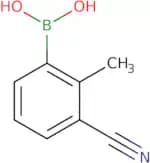
Please enquire for more information about Isocyanomethyl resin (200-400 mesh) including the price, delivery time and more detailed product information at the technical inquiry form on this pagePureza:Min. 95%Cor e Forma:Powder3-Cyano-2-methylphenylboronic acid
CAS:3-Cyano-2-methylphenylboronic acid is a high quality compound that can be used as a reagent, intermediate, or building block in the synthesis of complex compounds. This chemical is also useful as a speciality chemical and research chemical. 3-Cyano-2-methylphenylboronic acid has versatile uses in organic synthesis due to its versatility in reactions and building blocks.
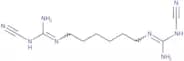
Fórmula:C8H8BNO2Pureza:Min. 95%Cor e Forma:PowderPeso molecular:160.97 g/mol1,6-Bis(cyano-guanidino)hexane
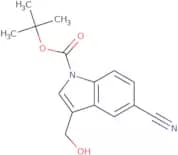
CAS:1,6-Bis(cyano-guanidino)hexane is a bactericidal agent that can be used to remove bacteria from water. The compound has been shown to have a bactericidal activity against Gram-positive and Gram-negative bacteria in concentrations of 100 mg/L and 200 mg/L, respectively. 1,6-Bis(cyano-guanidino)hexane has also been shown to be effective against industrial strains of Bacillus subtilis and Pseudomonas aeruginosa in concentrations of 200 mg/L. This compound is soluble in organic solvents but insoluble in deionized water. It has a viscosity of 30000 cP at 20°C and an anion charge of -1.Fórmula:C10H18N8Pureza:Min. 95%Cor e Forma:PowderPeso molecular:250.3 g/mol1-Boc-5-Cyano-3-hydroxymethylindole
CAS:Please enquire for more information about 1-Boc-5-Cyano-3-hydroxymethylindole including the price, delivery time and more detailed product information at the technical inquiry form on this page
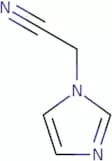
Fórmula:C15H16N2O3Pureza:Min. 95%Peso molecular:272.3 g/molImidazol-1-ylacetonitrile
CAS:Imidazol-1-ylacetonitrile is a synthetic compound that belongs to the class of ethyl methanesulfonates. It has been shown to be an effective antifungal drug against Candida spp. and Aspergillus spp., with a minimum inhibitory concentration (MIC) of 0.5 μM in vitro. Imidazol-1-ylacetonitrile has also been shown to have anti-inflammatory properties and was able to reduce bone resorption in mice, as well as inhibit the production of osteoclasts in vitro by inhibiting the activity of cathepsin K, which is an enzyme involved in bone resorption. This compound may be used for the treatment of metabolic disorders such as diabetes mellitus type 2 and hyperglycemia, since it inhibits glucose uptake by decreasing the expression of GLUT4 at the cell membrane level.
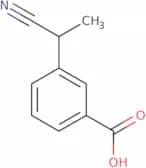
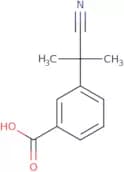
Fórmula:C5H5N3Pureza:Min. 95%Peso molecular:107.11 g/mol3-(2-Cyanopropan-2-yl)benzoic acid
CAS:Please enquire for more information about 3-(2-Cyanopropan-2-yl)benzoic acid including the price, delivery time and more detailed product information at the technical inquiry form on this page
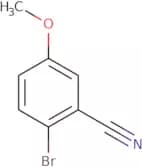
Fórmula:C11H11NO2Pureza:Min. 95%Peso molecular:189.21 g/mol4-Bromo-3-cyanoanisole
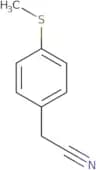
CAS:4-Bromo-3-cyanoanisole is a potent inhibitor of the tyrosine kinase receptor. The functional theory behind this drug's mechanism of action is that it binds to the ATP binding site of the receptor and blocks ATP from binding, preventing downstream signaling. 4-Bromo-3-cyanoanisole has been shown to be an effective inhibitor of cancer cell proliferation. This drug has also been shown to inhibit microtubule assembly and disrupt cellular function by inhibiting protein synthesis.Fórmula:C8H6BrNOPureza:Min. 95%Cor e Forma:PowderPeso molecular:212.04 g/molp-(Methylthio)phenylacetonitrile
CAS:p-(Methylthio)phenylacetonitrile (p-MTPA) is a synthetic analgesic that belongs to the group of benzyl derivatives. It has analgesic, antiinflammatory and antipyretic properties. p-MTPA is used in organic synthesis as a hydrolysis reagent for benzyl halides. The drug has been shown to be an inhibitor of cyclooxygenase-2 (COX-2) and exerts its effects by decreasing prostaglandin production. P-MTPA is also decarboxylated to produce benzoic acid and phenylacetic acid, which have acidic properties.Fórmula:C9H9NSPureza:Min. 95%Peso molecular:163.24 g/mol[4-(1-Cyano-1-methylethyl)phenyl]boronic acid
CAS:Please enquire for more information about [4-(1-Cyano-1-methylethyl)phenyl]boronic acid including the price, delivery time and more detailed product information at the technical inquiry form on this pageFórmula:C10H12BNO2Pureza:Min. 95%Peso molecular:189.02 g/molAngiotensin I-Converting Enzyme (ACE) Inactivator Cyanoac-Phe-Phe-OH
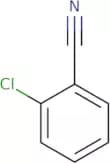
CAS:Cyanoac-Phe-Phe-OH is a hydrolytic enzyme that irreversibly inactivates the ACE enzyme. It acts as an inhibitor of angiotensin-converting enzyme and inhibits the conversion of angiotensin I to angiotensin II, which is involved in blood pressure regulation. Cyanoac-Phe-Phe-OH has been shown to be more potent than captopril, another ACE inhibitor. It also has a longer half life and greater selectivity for ACE over other serine proteases.Fórmula:C21H21N3O4Pureza:Min. 95%Peso molecular:379.41 g/mol2-Chlorobenzonitrile
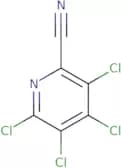
CAS:2-Chlorobenzonitrile is a white solid that is soluble in organic solvents. It is an aryl halide and has a chemical structure of C6ClCN. 2-Chlorobenzonitrile is used as a raw material for the production of dyes and pharmaceuticals. This compound reacts with hydrochloric acid to form 4-chlorobenzonitrile, which can be used in the synthesis of other chemicals. 2-Chlorobenzonitrile can also react with n-dimethyl formamide in an optimal reaction solution to form 4-chlorobenzonitrile. The FTIR spectroscopy on this compound shows that it has a chloride group at 795 cm−1. The optimum reaction temperature for this compound is between 100 and 120 °C, but it will react with inorganic acids such as sulfuric acid or phosphoric acid at higher temperatures. Synthesis of this compound can be done by reactingFórmula:C7H4ClNPureza:Min. 95%Cor e Forma:White PowderPeso molecular:137.57 g/mol2-Cyano-3,4,5,6-tetrachloropyridine
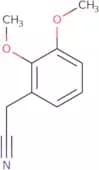
CAS:2-Cyano-3,4,5,6-tetrachloropyridine is a genotoxic compound that is used for the preparation of picolinic acid. It has been shown to induce DNA damage and cytotoxicity in vitro. The reaction products of this compound have also been found to be genotoxic in vitro and in vivo. This chemical has been shown to inhibit the growth of cells in culture as well as cause cell death by releasing hydrogen chloride gas. 2-Cyano-3,4,5,6-tetrachloropyridine is a potent mutagen and carcinogen that can be activated by fluorine or chlorine compounds. This chemical can also form chlorinated derivatives with chlorine. 2-Cyano-3,4,5,6-tetrachloropyridine reacts with phosphorus pentachloride to produce hydrogen chloride gas and other reaction products such as chloride (Cl) or sublimed (PFórmula:C6Cl4N2Pureza:Min. 95%Peso molecular:241.89 g/mol2,3-(Dimethoxyphenyl)acetonitrile
CAS:2,3-(Dimethoxyphenyl)acetonitrile is a chemical intermediate that is used in the synthesis of pharmaceuticals and specialty chemicals. It can be used as a reaction component and reagent for the synthesis of other chemicals. This compound has a high quality and is also a versatile building block for complex compounds. 2,3-(Dimethoxyphenyl)acetonitrile has been shown to be useful in the production of fine chemicals such as pharmaceuticals, agrochemicals, and dyes. The CAS number for this compound is 4468-57-9.Fórmula:C10H11NO2Pureza:Min. 95%Peso molecular:177.2 g/mol2-[4-(2-Cyanoethylthio)methyl]thiazolyl guanidine
CAS:2-[4-(2-Cyanoethylthio)methyl]thiazolyl guanidine (HCTZ) is a histamine H2 receptor antagonist that belongs to the class of synthetic compounds. It is an effective anti-histamine and has been shown to inhibit acid secretion in the stomach in response to histamine. HCTZ also inhibits the release of gastric acid by blocking the action of histamine on the H2 receptor of parietal cells, which are located in the lining of the stomach. This drug is also used for treating reflux esophagitis and gastroesophageal reflux disease. Other uses include as a proton pump inhibitor for treatment of peptic ulcers, and as an adjunct therapy for ulcerative colitis. The following product details are about a company that sells organic food products:Fórmula:C8H11N5S2Pureza:Min. 98 Area-%Cor e Forma:White PowderPeso molecular:241.34 g/molN-Allyl-n-(2-chloro-5-cyanophenyl)acetamide
CAS:N-Allyl-n-(2-chloro-5-cyanophenyl)acetamide is a fine chemical that is used as a building block in the synthesis of other compounds. It is also used in research and as a reagent or speciality chemical. N-Allyl-n-(2-chloro-5-cyanophenyl)acetamide has been shown to be an excellent intermediate for complex organic reactions, such as coupling reactions with amines, alcohols, and thiols. In addition, this compound can be used to form new scaffolds for biological studies.
Fórmula:C12H11ClN2OPureza:Min. 95%Cor e Forma:PowderPeso molecular:234.68 g/mol3'-[2- Cyanoethyl N, N- bis(1- methylethyl) phosphoramidite]-5'- O- [bis(4- methoxyphenyl) phenylmethyl] - 2'- O- methyl- N- [2- [4- (1- methylethyl) phenoxy] acetyl] -guanosine
CAS:Please enquire for more information about 3'-[2- Cyanoethyl N, N- bis(1- methylethyl) phosphoramidite]-5'- O- [bis(4- methoxyphenyl) phenylmethyl] - 2'- O- methyl- N- [2- [4- (1- methylethyl) phenoxy] acetyl] -guanosine including the price, delivery time and more detailed product information at the technical inquiry form on this pageFórmula:C52H62N7O10PPureza:Min. 95%Peso molecular:976.06 g/molPhycocyanobilin
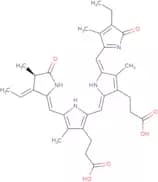
CAS:Phycocyanobilin is a chromophore found in blue-green algae and cyanobacteria. It is a component of the holoprotein phycocyanin and aids in the harvesting of light energy. This biliverdin derivative is converted to phycocyanorubin by biliverdin reductase in mammalian cells. The addition of phycocyanobilin to human cells leads to potent inhibition of NADPH oxidase. It also binds to human serum albumin (HSA). Structurally, Phycocyanin shares many similarities to bilirubin and biliverdin.
Fórmula:C33H38N4O6Pureza:Min. 95 Area-%Cor e Forma:Blue PowderPeso molecular:586.68 g/mol2,6-Dimethoxy-4-hydroxybenzylamine
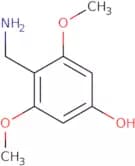
CAS:2,6-Dimethoxy-4-hydroxybenzylamine is a fine chemical that is used as a versatile building block for the synthesis of complex compounds. It is also used as a reagent and reaction component in various chemical reactions. CAS No. 130632-98-3.Fórmula:C9H13NO3Pureza:Min. 95%Cor e Forma:Yellow PowderPeso molecular:183.2 g/mol2-Fluoro-5-(trifluoromethyl)benzonitrile
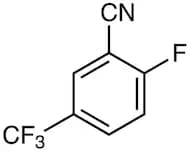
CAS:Fórmula:C8H3F4NPureza:>98.0%(GC)Cor e Forma:Colorless to Almost colorless clear liquidPeso molecular:189.114-(Trifluoromethoxy)benzonitrile
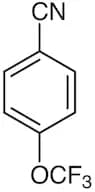
CAS:Fórmula:C8H4F3NOPureza:>98.0%(GC)Cor e Forma:Colorless to Almost colorless clear liquidPeso molecular:187.121-Pentyl isocyanate, 97%
CAS:This Thermo Scientific Chemicals brand product was originally part of the Alfa Aesar product portfolio. Some documentation and label information may refer to the legacy brand. The original Alfa Aesar product / item code or SKU reference has not changed as a part of the brand transition to Thermo Scientific Chemicals.
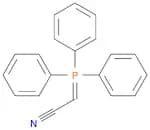
Fórmula:C6H11NOPureza:97%Cor e Forma:Liquid, Clear colorlessPeso molecular:113.162-(Triphenylphosphoranylidene)acetonitrile
CAS:Fórmula:C20H16NPPureza:98%Cor e Forma:SolidPeso molecular:301.32152,4,5-Trifluorobenzonitrile
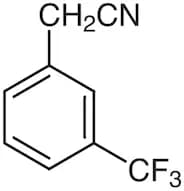
CAS:Fórmula:C7H2F3NPureza:>98.0%(GC)Cor e Forma:Colorless to Light yellow to Light orange clear liquidPeso molecular:157.103-(Trifluoromethyl)phenylacetonitrile
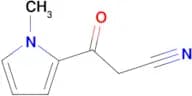
CAS:Fórmula:C9H6F3NPureza:>98.0%(GC)Cor e Forma:Colorless to Almost colorless clear liquidPeso molecular:185.153-(1-methyl-1H-pyrrol-2-yl)-3-oxopropanenitrile
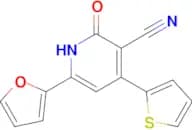
CAS:Pureza:95.0%Cor e Forma:SolidPeso molecular:148.16499328613286-(Furan-2-yl)-2-oxo-4-(thiophen-2-yl)-1,2-dihydropyridine-3-carbonitrile
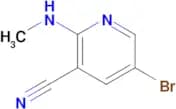
CAS:Pureza:95.0%Peso molecular:268.29000854492195-Bromo-2-(methylamino)nicotinonitrile
CAS:Pureza:95.0%Cor e Forma:SolidPeso molecular:212.0500030517578Ref: 10-F300776
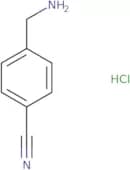
Produto descontinuado4-Cyanobenzylamine HCl
CAS:4-Cyanobenzylamine HCl is a degradable polymer that has been shown to inhibit colonic adenocarcinoma in mice. This compound was synthesized by the reaction of 4-cyanobenzylamine with 3-mercaptopropionic acid and was characterized using IR, 1H NMR, and 13C NMR spectroscopy. It also showed an inhibitory effect on the proliferation of human colon cancer cells. The polymer was found to gel when mixed with different concentrations of acrylamide and methylene bisacrylamide. Gelation occurred at a lower concentration of acrylamide than the amount used in previous studies. This may be due to its functional groups and morphology, which could have contributed to the inhibition of cell growth.
Fórmula:C8H8N2·HClPureza:Min. 95%Cor e Forma:PowderPeso molecular:168.62 g/molRef: 3D-FC29527
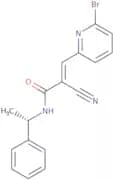
Produto descontinuado(S,E)-3-(6-Bromopyridin-2-yl)-2-cyano-N-(1-phenylethyl)acrylamide
CAS:(S,E)-3-(6-Bromopyridin-2-yl)-2-cyano-N-(1-phenylethyl)acrylamide (MBI-23) is a potential antineoplastic agent that has been shown to induce regression of bladder cancer in mice. MBI-23 induces apoptosis by inhibiting the proliferation of cancer cells and inducing differentiation of cancer stem cells. It is also shown to inhibit tumor growth and progression in glioma and prostate cancer models. MBI-23 binds to the KDR receptor subtype, which is activated by organic acids and inhibited by inorganic compounds. This binding leads to constitutive activation of the KDR receptor, thereby inducing apoptosis. The tautomers and stereoisomers of MBI-23 have not been fully elucidated yet.Fórmula:C17H14ON3BrPureza:Min. 98 Area-%Cor e Forma:White PowderPeso molecular:356.22 g/mol4-Hydroxyphenylacetonitrile
CAS:4-Hydroxyphenylacetonitrile (HPA) is a chemical compound that belongs to the group of nitriles. It is a precursor to the pigment sinalbin, which is found in corynebacterium and related bacteria. HPA has been shown to have an apoptotic effect on human cells, which may be due to its ability to inhibit protein synthesis and induce DNA fragmentation. The synthetic pathway for HPA starts with the conversion of L-phenylalanine into 4-hydroxyphenylpyruvic acid by a wild-type strain or bacterial strain. The 4-hydroxyphenylpyruvic acid is then converted into 4-hydroxybenzaldehyde through polymerase chain reactions or expression plasmids in corynebacterium glutamicum. This molecule can then be transformed into HPA by hydrolysis with hydrochloric acid or enzymatic activity. HPA has also been shown to stimulate
Fórmula:C8H7NOPureza:Min. 95%Cor e Forma:PowderPeso molecular:133.15 g/molRef: 3D-FH24478
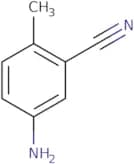
Produto descontinuado4-Amino-2-cyanotoluene
CAS:4-Amino-2-cyanotoluene is a quinazoline compound that inhibits the synthesis of thymine, which is necessary for DNA replication. This compound binds to the enzyme thymidylate synthetase, thereby inhibiting the synthesis of thymine. The inhibitory effect has been shown in a study using calf thymus DNA. 4-Amino-2-cyanotoluene also inhibits the synthesis of other nucleic acids such as adenine and guanine.
Fórmula:C8H8N2Pureza:Min. 95%Cor e Forma:PowderPeso molecular:132.16 g/molRef: 3D-FA55035
Produto descontinuado4-Aminophenylacetonitrile
CAS:4-Aminophenylacetonitrile is a molecule that is structurally similar to nitrobenzene. 4-Aminophenylacetonitrile has been shown to be an efficient method for inhibiting faecalis growth and secretory phospholipase A2 (sPLA2) activity in vitro. It also inhibits the population growth of E. coli in vivo, which can be attributed to its ability to inhibit the enzyme catalysed by hydrogen bond formation.
Fórmula:C8H8N2Pureza:Min. 95%Cor e Forma:PowderPeso molecular:132.16 g/molRef: 3D-FA67924
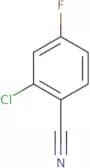
Produto descontinuado2-Chloro-4-fluorobenzonitrile
CAS:2-Chloro-4-fluorobenzonitrile is a drug that has been shown to have antitumor effects by binding to the CB2 receptor. It inhibits hydrogenation reduction of the molecule, which may be due to its ability to react with both functional groups. 2-Chloro-4-fluorobenzonitrile has also been shown to inhibit progesterone receptor, which may lead to an increase in progesterone levels and a decrease in estrogen levels. The pharmacokinetic properties of this compound are not yet known.
Fórmula:C7H3ClFNPureza:Min. 95%Cor e Forma:White PowderPeso molecular:155.56 g/molRef: 3D-FC35486
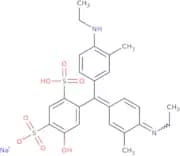
Produto descontinuadoXylene cyanol
CAS:Xylene cyanol is a chemical compound that belongs to the group of phenols. It has been shown to be active in vitro against human skin cancer cells, and induces cell lysis. Xylene cyanol has also been found to bind to the BCR-ABL kinase domain, which is an enzyme that plays a crucial role in the development of leukemia and other autoimmune diseases. Xylene cyanol binds to dna binding domains on the protein surface and forms an adduct with bcr-abl kinase, which inhibits its activity. This inhibition prevents activation of this enzyme and leads to cell death by preventing DNA synthesis.
Fórmula:C25H27N2O7S2•NaPureza:Min. 90%Cor e Forma:PowderPeso molecular:554.61 g/mol4-Cyanobenzamide
CAS:4-Cyanobenzamide is a naphthalene derivative that is both reactive and intramolecular. It has been shown to react with the amino group of peptides, forming a ruthenium complex. The functional groups are acceptors and donors that can be used in assays for the detection of anions or cations. 4-Cyanobenzamide reacts with water to release hydrogen gas, which can be used to measure its hydration ability. This compound has been synthesized using solid-phase synthesis and it has amide bonds that vibrate at a specific frequency.
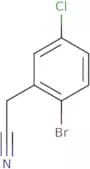
Fórmula:C8H6N2OPureza:Min. 95%Cor e Forma:PowderPeso molecular:146.15 g/mol2-Bromo-5-chlorophenylacetonitrile
CAS:2-Bromo-5-chlorophenylacetonitrile is an organic compound that is used as a reagent and building block in the synthesis of other chemicals. It is a colourless liquid that can be used to synthesize complex compounds. 2-Bromo-5-chlorophenylacetonitrile has been shown to be useful in the synthesis of pharmaceuticals, pesticides, and herbicides. This chemical can be used as a versatile intermediate or building block for the production of high quality research chemicals and specialty chemicals. 2-Bromo-5-chlorophenylacetonitrile is not on the list of chemical substances classified as hazardous according to EU regulation (EINECS) No. 231-1003.
Fórmula:C8H5BrClNPureza:Min. 95%Cor e Forma:PowderPeso molecular:230.49 g/molRef: 3D-FB66910
Produto descontinuado2-Cyanocinnamic acid
CAS:2-Cyanocinnamic acid is a fatty acid that has been shown to inhibit the synthesis of proteins. It binds to cytochrome c oxidase, inhibiting mitochondrial respiration and electron transport, leading to decreased ATP production. 2-Cyanocinnamic acid is not easily transported out of mitochondria, which leads to its accumulation in the mitochondrial matrix. This accumulation causes synergistic inhibition with glutamate, leading to a decrease in ATP production and an increase in intracellular levels of reactive oxygen species (ROS). The use of 2-cyanoacrylic acid as a mitochondrial transport inhibitor has been proposed for the treatment of obesity and diabetes.
2-Cyanocinnamic acid also inhibits fatty acid uptake by binding to the protein translocase at the outer membrane of cells. This binding prevents monomers from entering the cell, where they are broken down by beta oxidation and converted into acetyl-CoA, which can be used for energy production or stored as triglycerFórmula:C10H7NO2Pureza:Min. 95%Peso molecular:173.17 g/molRef: 3D-FC66231
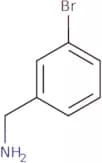
Produto descontinuado3-Bromobenzylamine
CAS:3-Bromobenzylamine is a chemical compound that belongs to the class of amines. It is used as an intermediate in organic synthesis, and its derivative 3-bromobenzylamine hydrochloride is used in pharmaceuticals as a heart stimulant. 3-Bromobenzylamine can be synthesized by reacting an amine with phosgene and then brominating it. This chemical has been shown to have inhibitory activity against cancer cells and can be used for the treatment of cancer. 3-Bromobenzylamine has also been shown to inhibit the growth of bacteria, fungi, and viruses in vitro. 3-Bromobenzylamine may also be useful for treating psoriasis due to its ability to inhibit prostaglandin synthesis.
Fórmula:C7H8BrNPureza:Min. 95%Cor e Forma:Colorless PowderPeso molecular:186.04 g/molRef: 3D-FB10708
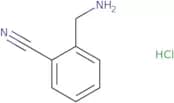
Produto descontinuado2-Cyanobenzylamine hydrochloride
CAS:2-Cyanobenzylamine hydrochloride is a chemical building block and intermediate that can be used in the synthesis of many different compounds. It is also a useful reagent for reactions involving nitro compounds. 2-Cyanobenzylamine hydrochloride is a fine chemical that is registered with the Chemical Abstract Service (CAS No. 1134529-25-1). It has been identified as a versatile building block and useful intermediate in the synthesis of pharmaceuticals, agrochemicals, and other organic chemicals.
Fórmula:C8H8N2·HClPureza:Min. 95%Cor e Forma:White/Off-White SolidPeso molecular:168.62 g/mol2-Nitrobenzylamine hydrochloride
CAS:2-Nitrobenzylamine hydrochloride is a compound that has been shown to have cancer-fighting properties. It inhibits the synthesis of proteins necessary for the proliferation of cancer cells, but it does not affect the synthesis of proteins in healthy cells. This drug is used to diagnose and treat certain types of cancers, such as lymphoma and leukemia. 2-Nitrobenzylamine hydrochloride can be modified by genetic engineering techniques to specifically target cancer cells, which may help with the treatment of other types of diseases in the future. It is believed that this drug will be useful for treating cancers that are resistant to chemotherapy or radiation therapy, as well as those that are caused by mutations in DNA.
Fórmula:C7H9ClN2O2Pureza:Min. 95%Cor e Forma:PowderPeso molecular:188.61 g/molRef: 3D-FN69987
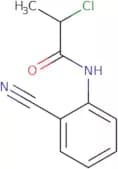
Produto descontinuadoN-(2-Cyanophenyl)-2-chloropropanamide
CAS:Please enquire for more information about N-(2-Cyanophenyl)-2-chloropropanamide including the price, delivery time and more detailed product information at the technical inquiry form on this page
Pureza:Min. 95%Ref: 3D-FC169928
Produto descontinuado2,4,6-Trimethylbenzonitrile
CAS:2,4,6-Trimethylbenzonitrile (TMBN) is a reactive unsaturated ketone that reacts with phosphorus pentachloride to form the corresponding chloroform. It is used in nucleophilic substitution reactions and can be hydrolyzed by hydrochloric acid to form an n-oxide. The reaction mechanism of TMBN with phosphorus pentachloride has been studied using molecular modeling and NMR spectroscopy. TMBN can be converted into an oxide, which can react with hydrogen chloride to form the corresponding chloroform. Reaction products include the 2,4,6-trichlorobenzonitrile (TCBN), which is a carcinogen.
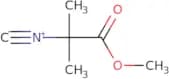
Fórmula:C10H11NPureza:Min. 95%Cor e Forma:PowderPeso molecular:145.2 g/molMethyl-2-isocyanoisobutyrate
CAS:Please enquire for more information about Methyl-2-isocyanoisobutyrate including the price, delivery time and more detailed product information at the technical inquiry form on this page
Fórmula:C9H9NO2Pureza:Min. 95%Peso molecular:127.14 g/mol3-Cyanoethylbenzoic acid
CAS:3-Cyanoethylbenzoic acid is an anthropogenic compound that is produced by the Friedel-Crafts reaction between benzoyl chloride and acrylonitrile in the presence of a base. 3-Cyanoethylbenzoic acid is used as a solvent for chromatographic methods, such as gradient elution, ion exchange, and reversed phase. 3-Cyanoethylbenzoic acid has been used to determine the optical purity of benzoate salts and amides. This compound can be taken orally in solid oral dosage form or enterically in liquid oral dosage form. 3-Cyanoethylbenzoic acid interacts with other drugs that are metabolized by CYP3A4, such as erythromycin, to produce an active metabolite (N-desmethyldesipramide).
Fórmula:C10H9NO2Pureza:Min. 95%Cor e Forma:PowderPeso molecular:175.18 g/molRef: 3D-FC05759
Produto descontinuadoEthyl 2,3-dicyanopropionate
CAS:Ethyl 2,3-dicyanopropionate is a white crystalline solid that is soluble in organic solvents. It has the molecular formula CHClNOS and the molecular weight of 138.1 g/mol. This compound has a melting point of 92 °C and can be purchased as a mixture of cis and trans isomers. The cis form melts at 93 °C and the trans form melts at 88 °C. Ethyl 2,3-dicyanopropionate is synthesized from chlorobenzene by dehydrating it with hydrochloric acid in an organic solvent. It can also be prepared by reacting ethyl cyanoacetate with ammonia in an inert atmosphere. Impurities may include chloride, sulfoxide, or imine.
Fórmula:C7H8N2O2Pureza:Min. 95%Peso molecular:152.15 g/mol


![[4-(1-Cyano-1-methylethyl)phenyl]boronic acid](/_next/image/?url=https%3A%2Fstatic.cymitquimica.com%2Fproducts%2F3D%2Fthumb-webp%2FFC121870.webp&w=3840&q=75)

![2-[4-(2-Cyanoethylthio)methyl]thiazolyl guanidine](/_next/image/?url=https%3A%2Fstatic.cymitquimica.com%2Fproducts%2F3D%2Fthumb-webp%2FFC21486.webp&w=3840&q=75)

![3'-[2- Cyanoethyl N, N- bis(1- methylethyl) phosphoramidite]-5'- O- [bis(4- methoxyphenyl) phenylm…](/_next/image/?url=https%3A%2Fstatic.cymitquimica.com%2Fproducts%2F3D%2Fthumb-webp%2FFC165570.webp&w=3840&q=75)







![3-[(4-methylpiperidin-1-yl)methyl]benzonitrile](/_next/image/?url=https%3A%2Fstatic.cymitquimica.com%2Fproducts%2F10%2Fthumb-webp%2FF542431.webp&w=3840&q=75)
![3-Iodoimidazo[1,2-a]pyridine-6-carbonitrile](/_next/image/?url=https%3A%2Fstatic.cymitquimica.com%2Fproducts%2F10%2Fthumb-webp%2FF457188.webp&w=3840&q=75)
![2-[4-(Trifluoromethoxy)phenoxy]isonicotinonitrile](/_next/image/?url=https%3A%2Fstatic.cymitquimica.com%2Fproducts%2F10%2Fthumb-webp%2FF403465.webp&w=3840&q=75)
![Bicyclo[4.2.0]octa-1,3,5-triene-7-carbonitrile](/_next/image/?url=https%3A%2Fstatic.cymitquimica.com%2Fproducts%2F10%2Fthumb-webp%2FF069104.webp&w=3840&q=75)
![(imidazo[1,2-a]pyridin-6-ylmethylene)malononitrile](/_next/image/?url=https%3A%2Fstatic.cymitquimica.com%2Fproducts%2F10%2Fthumb-webp%2FF518021.webp&w=3840&q=75)