Éteres
Os éteres são compostos orgânicos que contêm um grupo funcional éter, caracterizado por um átomo de oxigênio ligado a dois radicais hidrocarbonetos. Esses compostos são valiosos na síntese e servem como solventes em várias reações químicas. Na CymitQuimica, oferecemos uma seleção de éteres de alta qualidade para apoiar suas aplicações de pesquisa e industriais, garantindo resultados confiáveis e eficazes. Nossa gama de éteres atende a diversos requisitos laboratoriais, desde experimentos de rotina até pesquisas avançadas.
Foram encontrados 40902 produtos de "Éteres"
Ordenar por
Pureza (%)
0
100
|
0
|
50
|
90
|
95
|
100
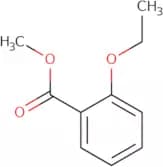
Methyl 2-ethoxybenzoate
CAS:<p>Methyl 2-ethoxybenzoate is a zwitterion that can be used as a chromatographic technique for the separation of mixtures. It has been shown to have an important role in signal pathways and mass spectrometric techniques. Methyl 2-ethoxybenzoate also has the ability to form imines, which are compounds formed from the reaction between a primary amine and an aldehyde or ketone. These compounds are found in plants, such as cryptochlorogenic acid and phenetole, which are known to have anti-inflammatory properties. The isomeric forms of methyl 2-ethoxybenzoate include aziridine and biphenyl, which have been shown to have anti-inflammatory activities.</p>Fórmula:C10H12O3Pureza:Min. 95%Cor e Forma:Clear LiquidPeso molecular:180.2 g/mol2,3,3',4'-Tetramethoxybenzophenone
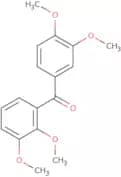
CAS:<p>2,3,3',4'-Tetramethoxybenzophenone is a fine chemical that is used as a versatile building block in the synthesis of various organic compounds. It is used as an intermediate to synthesize other chemicals and research chemicals. 2,3,3',4'-Tetramethoxybenzophenone has a CAS number of 50625-53-1 and can be found in the following chemical names: 2,2-Dimethoxy-2-phenylacetophenone; 2-(2'-Methoxyphenyl)-2-(methoxymethyl) acetophenone; 2,2'-(Phenylenediisopropylidene)bis(p-methoxyphenol); 1-[(2'-Methoxyphenyl)methyl]-1,2-diphenylethane. The compound is soluble in organic solvents but insoluble in water. This fine chemical</p>Fórmula:C17H18O5Pureza:Min. 95%Cor e Forma:PowderPeso molecular:302.32 g/molMethyl 3,5-dibromo-2-methoxybenzoate
CAS:<p>Methyl 3,5-dibromo-2-methoxybenzoate is a fine chemical that is useful as a scaffold for the preparation of a variety of compounds. It is also used as an intermediate in the synthesis of pharmaceuticals and research chemicals. Methyl 3,5-dibromo-2-methoxybenzoate can be used as a reaction component to generate complex compounds with high purity and quality. This compound has been classified as a speciality chemical and may be reclassified due to its usefulness in research.</p>Fórmula:C9H8Br2O3Pureza:Min. 95%Peso molecular:323.97 g/mol3'-(Trimethoxyphenyl)acetone
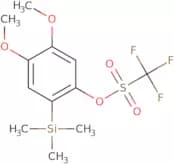
<p>3'-(Trimethoxyphenyl)acetone is a reagent and useful scaffold for the synthesis of complex compounds. It is also used as a reaction component in the preparation of valuable research chemicals, specialty chemicals, and fine chemicals. 3'-(Trimethoxyphenyl)acetone has been shown to be an effective building block for synthesizing complex compounds, such as heterocycles. This chemical has a CAS number of 689-52-3.</p>Pureza:Min. 95%4,5-Dimethoxy-2-(trimethylsilyl)phenyl trifluoromethanesulfonate
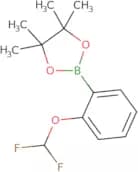
CAS:<p>4,5-Dimethoxy-2-(trimethylsilyl)phenyl trifluoromethanesulfonate is a reagent for the synthesis of propiolates. It is prepared by reacting methyl propiolate with tetrachloride, hexachloroethane, or tetrabromide in acetonitrile. The reactants are heated to reflux under argon and then cooled to room temperature. This product is an ionic liquid that can be used as a solvent. 4,5-Dimethoxy-2-(trimethylsilyl)phenyl trifluoromethanesulfonate is a zwitterion and reacts with amines to form quaternary ammonium salts. It can also be used for the synthesis of unactivated transition metal complexes by reacting it with palladium and amines.</p>Fórmula:C12H17F3O5SSiPureza:Min. 95%Cor e Forma:Colorless PowderPeso molecular:358.41 g/mol2-Difluoromethoxyphenylboronic acid pinacol ester
CAS:<p>2-Difluoromethoxyphenylboronic acid pinacol ester is a high quality reagent that can be used as a useful intermediate, fine chemical, or speciality chemical in reactions. This compound is an important building block for synthesizing other chemicals and can also be used to make novel compounds with pharmaceutical properties. 2-Difluoromethoxyphenylboronic acid pinacol ester is versatile and can be used in many different reactions. It has been reported to react with various other molecules to form new scaffolds and building blocks for use in organic synthesis.</p>Fórmula:C13H17BF2O3Pureza:Min. 95%Cor e Forma:PowderPeso molecular:270.08 g/mol4-Methoxy-3,5-dimethyl-pyridin-2-yl)methyl acetate
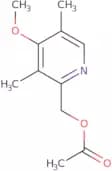
CAS:4-Methoxy-3,5-dimethyl-pyridin-2-yl)methyl acetate is a chemical intermediate that is used in the manufacture of pharmaceuticals and other fine chemicals. It has been found to be a useful scaffold for the synthesis of other compounds. This compound may also be used as a building block or reaction component in research. 4-Methoxy-3,5-dimethyl-pyridin-2-yl)methyl acetate has a CAS number of 91219-90-8 and can be purchased from suppliers such as TCI America.Fórmula:C11H15NO3Pureza:Min. 95%Cor e Forma:White PowderPeso molecular:209.24 g/mol2,5-Difluoroanisole
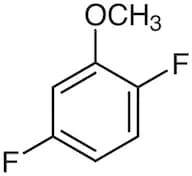
CAS:Fórmula:C7H6F2OPureza:>98.0%(GC)Cor e Forma:Colorless to Almost colorless clear liquidPeso molecular:144.125-Methoxy-3-(1,2,5,6-tetrahydro-4-pyridinyl)-1H-indole hemisuccinate
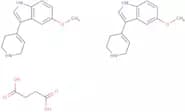
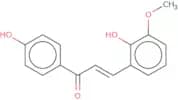
CAS:<p>5-Methoxy-3-(1,2,5,6-tetrahydro-4-pyridinyl)-1H-indole hemisuccinate is a serotonin receptor agonist that has been shown to stimulate the 5HT1A receptor. It stimulates insulin secretion and glucose uptake in rats and inhibits feeding behavior in mice. It has also been shown to have antihypertensive effects on rats by blocking the 5HT2 receptors. In addition, it stimulates regeneration of injured nerve cells. This drug has potential uses as a treatment for neurological diseases such as Parkinson's disease and depression.</p>Fórmula:C14H16N2O•(C4H6O4)0Pureza:Min. 95%Cor e Forma:Yellow solid.Peso molecular:287.33 g/mol2',4-Dihydroxy-3-methoxychalcone
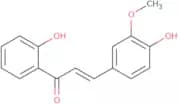
CAS:<p>2',4-Dihydroxy-3-methoxychalcone is a chalcone that has been shown to have reactive properties. The compound was found to be cytotoxic to cancer cells in the presence of neutrophils, and it has been shown to inhibit the growth of t47d cells in culture. There is also evidence that 2',4-Dihydroxy-3-methoxychalcone may help regulate the microflora in the gut, which may help prevent obesity and diabetes. In epidemiological studies, 2',4-Dihydroxy-3-methoxychalcone was found to be protective against cancer, but more research is required.</p>Fórmula:C16H14O4Pureza:Min. 95%Cor e Forma:PowderPeso molecular:270.28 g/molPoly[2-methoxy-5-(2-ethylhexyloxy)-1,4-phenylenevinylene] - M.W. average 10,000-100,000
CAS:<p>Poly[2-methoxy-5-(2-ethylhexyloxy)-1,4-phenylenevinylene] (MEH-PPV) is a polymer that has been extensively studied in the past. It has an average molecular weight of 10,000 to 100,000 and exhibits semiconducting properties. MEH-PPV can be synthesized by chemical sulfonation of MEH-PPV with sulfuric acid followed by addition of potassium hydroxide. This process yields a polymer that is soluble in organic solvents. The degree of sulfonation can be controlled by adjusting the ratio of sulfuric acid to MEH-PPV. MEH-PPV can also be synthesized from vinyl alcohol and vinylene monomers by free radical polymerization or copolymerization reactions. In this process, vinyl alcohol and vinylene are copolymerized to form polymers with alternating ethylene glycol and phenylethynyl moieties.</p>Fórmula:(C17H24O2)nPureza:Min. 95%Cor e Forma:Red Powder1-Cyclopropyl-6,7-difluoro-1,4-dihydro-8-methoxy-4-oxo-3-quinolinecarboxylic acid
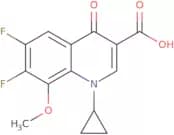
CAS:<p>Moxifloxacin is an analog of the antibiotic quinolone. It is a prodrug that is hydrolyzed in vivo to its active form, moxifloxacin. Moxifloxacin has been shown to be effective against a variety of bacteria, including methicillin-resistant Staphylococcus aureus (MRSA), Mycobacterium tuberculosis and Mycobacterium avium complex. The reaction yield for the synthesis of moxifloxacin is very high, with an industrial production capacity in excess of 500 tons per year. Impurities are not usually found in the final product due to the use of methyl alcohol as a solvent during the reaction process. The drug has discoloring properties and deuterium atoms are often substituted for hydrogen atoms on the molecule to make it more stable. Deuterium atoms can be easily identified by mass spectrometry analysis. Moxifloxac</p>Fórmula:C14H11F2NO4Pureza:Min. 95%Cor e Forma:PowderPeso molecular:295.24 g/mol7-Carbethoxyamino-4-methylcoumarin
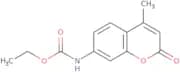
CAS:<p>7-Carbethoxyamido-4-methylcoumarin is a aminocoumarin that exhibits anticancer activity. It is able to inhibit the activity of DPP-IV, an enzyme that degrades insulin in the body.<br>7-Carbethoxyamido-4-methylcoumarin has been shown to inhibit cancer cells and lung cancer cell lines, as well as breast cancer cells and cells with diabetes. This compound has also been shown to have anticancer activity in vivo in rats.</p>Fórmula:C13H13NO4Pureza:Min. 90%Cor e Forma:PowderPeso molecular:247.25 g/molHexadecyltrimethoxysilane
CAS:<p>Hexadecyltrimethoxysilane is a volatile organic compound that has high values in the water vapor range. It is soluble in water and organic solvents, and can be used as a surface treatment agent for hydrophobic surfaces. Hexadecyltrimethoxysilane has been shown to have antimicrobial effects against bacteria such as Staphylococcus aureus and Escherichia coli by disrupting the cell membrane. Hexadecyltrimethoxysilane also inhibits the growth of microorganisms by preventing the synthesis of proteins essential for cellular processes. The transport rate of hexadecyltrimethoxysilane is relatively slow, with an optimum concentration of about 1%. This compound does not react with sodium citrate and has chemical stability.</p>Fórmula:C19H42O3SiPureza:Min. 95%Cor e Forma:Clear LiquidPeso molecular:346.62 g/mol5-Methoxy-1-methyl-1H-indole-3-carbaldehyde
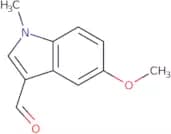
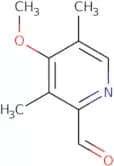
CAS:<p>5-Methoxy-1-methyl-1H-indole-3-carbaldehyde is a synthetic compound that has been shown to inhibit the growth of human tumour cells in vitro. This compound is a regioisomeric mixture of two enantiomers, with the (S) isomer being the more potent inhibitor. The (R) isomer was found to be less active against human tumour cells and may have an antimicrobial activity. 5-Methoxy-1-methyl-1H-indole-3-carbaldehyde has been shown to be bioreductive towards electron donors such as NADPH and glutathione. It also inhibits dt diaphorase and aerobic metabolism in human tumour cells.</p>Fórmula:C11H11NO2Pureza:Min. 95%Cor e Forma:Off-White PowderPeso molecular:189.21 g/mol4-Methoxy-3,5-dimethyl-2-pyridinecarboxaldehyde
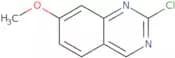
CAS:4-Methoxy-3,5-dimethyl-2-pyridinecarboxaldehyde is a trifunctional molecule that has been shown to suppress the growth of cancer cells in mice. This compound is an inhibitor of acid synthesis and has also been shown to be an antirheumatic drug. 4-Methoxy-3,5-dimethyl-2-pyridinecarboxaldehyde inhibits the activity of three enzymes: synthetase, an enzyme that synthesizes fatty acids; 3-ketoacyl CoA synthase, which synthesizes ketones; and enoyl CoA reductase, which produces fatty acids. The long term efficacy of this molecule has not yet been studied in humans.Fórmula:C9H11NO2Pureza:Min. 95%Cor e Forma:Colourless LiquidPeso molecular:165.19 g/mol2-Chloro-7-methoxyquinazoline
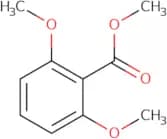
CAS:2-Chloro-7-methoxyquinazoline is a useful chemical that is used in the production of other compounds. It can be used as a building block for the synthesis of various organic compounds, such as pharmaceuticals and pesticides. This compound has been shown to have useful properties, such as high purity and low cost.Fórmula:C9H7ClN2OPureza:Min. 95%Cor e Forma:Yellow PowderPeso molecular:194.62 g/molMethyl 2,6-dimethoxybenzoate
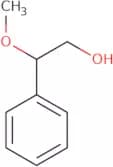
CAS:<p>Methyl 2,6-dimethoxybenzoate is a synthetic compound with a crystalline structure. It has been used as an antidepressant agent in clinical studies. Methyl 2,6-dimethoxybenzoate binds to the serotonin transporter and inhibits serotonin uptake. This molecule can also inhibit the reuptake of dopamine and norepinephrine by binding to their respective transporters. The compound has been shown to be effective in the treatment of depressive disorders in mice; however, it is not yet approved for use in humans.<br>Methyl 2,6-dimethoxybenzoate is a stereoselective biphenyl that can be oriented so that its methyl group is oriented towards two hydrogen atoms on the opposite side of the plane of symmetry. This asymmetric orientation allows methyl 2,6-dimethoxybenzoate to show different properties depending on which side of the molecule interacts with other molecules. For example, when methyl 2,6-dimeth</p>Fórmula:C10H12O4Pureza:Min. 95%Peso molecular:196.2 g/mol2-Methoxy-2-phenylethanol
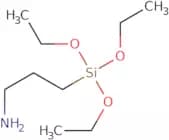
CAS:<p>2-Methoxy-2-phenylethanol is a molecule that has been found to be a good catalyst for the ring-opening of epoxides. It is also used as a solid catalyst in kinetic studies and as an additive in organic syntheses. 2-Methoxy-2-phenylethanol is soluble in water and reacts with fatty acids to form acetylated products. This molecule has been shown to have an inhibitory effect on human liver alcohol dehydrogenase, which may be due to it's ability to bind to the enzyme's active site.</p>Fórmula:C9H12O2Pureza:Min. 95%Cor e Forma:Colorless Clear LiquidPeso molecular:152.19 g/mol3-Aminopropyltriethoxysilane
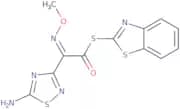
CAS:<p>3-Aminopropyltriethoxysilane is a liquid that has a phase transition temperature of -88.3°C. It is soluble in water at 1 g/L and in ethanol at 0.1 g/L. 3-Aminopropyltriethoxysilane has been shown to inhibit the production of prostaglandin E2 and leukotrienes by inhibiting cyclooxygenase activity in red blood cells, which may be due to its ability to chelate metal ions such as iron or copper. 3-Aminopropyltriethoxysilane also inhibits the production of prostaglandin E2 and leukotrienes by inhibiting cyclooxygenase activity in red blood cells, which may be due to its ability to chelate metal ions such as iron or copper. The compound also inhibits the production of prostaglandin E2 and leukotrienes by inhibiting</p>Fórmula:C9H23NO3SiPureza:Min. 97 Area-%Cor e Forma:Colorless Clear LiquidPeso molecular:221.37 g/molS-2-Benzothiazolyl (Z)-2-(5-amino-1,2,4-thiadiazol-3-yl)-2-methoxyiminothioacetate
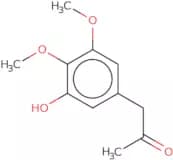
CAS:S-2-Benzothiazolyl (Z)-2-(5-amino-1,2,4-thiadiazol-3-yl)-2-methoxyiminothioacetate is an experimental drug that has been studied in research, solvents and clinical data. It has a strong ability to disrupt the physiology of cells by inhibiting reactions that require S-adenosylmethionine. The reaction time is approximately 10 seconds, and human patients have been used for clinical development and translational research. This reducer is also able to produce high yield with a synthesis time of only 1 hour.Fórmula:C12H9N5O2S3Pureza:Min. 95%Cor e Forma:White PowderPeso molecular:351.43 g/mol(3,4-Dimethoxy-5-hydroxyphenyl)acetone
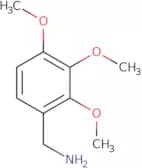
CAS:<p>(3,4-Dimethoxy-5-hydroxyphenyl)acetone is a fine chemical that belongs to the class of compounds known as reagents. It has been used in research and development as a building block or intermediate for the synthesis of other chemicals. It is also used as a versatile building block in complex organic syntheses, such as pharmaceuticals. The chemical is soluble in organic solvents and reacts with many other chemicals, making it useful for synthetic chemistry. This compound has been shown to be high quality and can be used to synthesize other chemicals with diverse properties.</p>Fórmula:C11H14O4Pureza:Min. 95%Peso molecular:210.23 g/mol2,3,4-Trimethoxybenzylamine
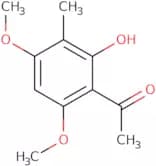
CAS:<p>2,3,4-Trimethoxybenzylamine is a versatile chemical that can be used as a building block for complex compounds. It has been shown to react with methanol and ammonia to produce 2,3,4-trimethoxyaniline. This chemical can also be used as a reagent or speciality chemical in research and synthesis.</p>Fórmula:C10H15NO3Pureza:Min. 95%Peso molecular:197.23 g/mol4',6'-Dimethoxy-2'-hydroxy-3-methylacetophenone
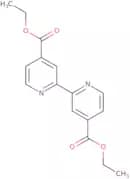
CAS:<p>4,6-Dimethoxy-2-hydroxy-3-methylacetophenone belongs to the group of natural products. It is a phenolic compound that has been isolated from the leaves of plants in the genus Eucalyptus. 4,6-Dimethoxy-2-hydroxy-3-methylacetophenone has shown cytotoxic activity against cancer cells in an animal bioassay and inhibits tumor growth by inhibiting protein synthesis. This compound also exhibits chemosystematic properties and may be useful for research on natural products.</p>Fórmula:C11H14O4Pureza:Min. 95%Cor e Forma:White PowderPeso molecular:210.23 g/mol4,4'-Bis(ethoxycarbonyl)-2,2'-bipyridine
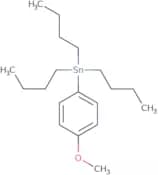
CAS:4,4'-Bis(ethoxycarbonyl)-2,2'-bipyridine (BEBCP) is a dithiolate chromophore. BEBCP has a redox potential of 1.3 volts and the electronic interaction of the carbonyl groups with the electron cloud of the bipyridine nucleus is responsible for this property. The photochemical properties of BEBCP can be systematically studied by using electrochemical data such as voltammetry and cyclic voltammetry. These methods are useful in determining the nature and constant of BEBCP as well as its interaction with ligands.Fórmula:C16H16N2O4Pureza:Min. 95%Cor e Forma:PowderPeso molecular:300.31 g/molTributyl-(4-methoxy-phenyl)-stannane
CAS:Produto Controlado<p>Tributyl-(4-methoxy-phenyl)-stannane is a nucleophilic compound that can be used to synthesize 5-HT1A receptor agonists. It has been shown to have biochemical, positron and chloride properties. This chemical is synthesised by introducing a sulfur atom into the molecule. The sulfur atom reacts with the chlorine atom in chlorobenzene to form the sulfonation bond. This reaction is efficient and can be used as a method for cleaving bonds and cross-coupling carbon atoms.</p>Fórmula:C19H34OSnPureza:Min. 95%Cor e Forma:PowderPeso molecular:397.18 g/mol3,3-Diethoxypropionitrile
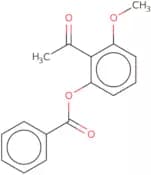
CAS:<p>3,3-Diethoxypropionitrile (3,3-DEP) is a synthetic compound that has been shown to have high specificity for terminal alkynes. It is activated by hydrochloric acid and reacts with terminal alkynes in a reaction mechanism that starts with the formation of an acetaldehyde intermediate. The reaction system is catalyzed by an acidic catalyst, such as HCl or HBr. 3,3-DEP can be used in the synthesis of a number of pharmaceuticals, including bosutinib. This drug inhibits the growth of cells that are resistant to other treatments, such as c1-c3.</p>Fórmula:C7H13NO2Pureza:Min. 97%Cor e Forma:Clear LiquidPeso molecular:143.18 g/mol2'-Benzoyloxy-6'-methoxyacetophenone
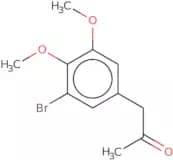
CAS:<p>2'-Benzoyloxy-6'-methoxyacetophenone is a fine chemical that is a useful building block for the synthesis of other chemicals. It has been used as a reagent and in the preparation of speciality chemicals, such as pyrazoles, pyridones, and carbamates. 2'-Benzoyloxy-6'-methoxyacetophenone is also an intermediate for the synthesis of complex compounds or scaffolds for use in drug design.</p>Fórmula:C16H14O4Pureza:Min. 95%Peso molecular:270.28 g/mol(3-Bromo-4,5-dimethoxyphenyl)acetone
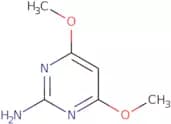
CAS:(3-Bromo-4,5-dimethoxyphenyl)acetone is a reagent that is used as an intermediate in the synthesis of a variety of compounds. It also has potential use as a building block for the synthesis of a wide range of complex compounds. (3-Bromo-4,5-dimethoxyphenyl)acetone can be used as a building block for chemical reactions and research chemicals. This compound has been shown to have versatile applications and is useful in the synthesis of fine chemicals, speciality chemicals, and research chemicals.Fórmula:C11H13BrO3Pureza:Min. 95%Peso molecular:273.12 g/mol4,6-Dimethoxypyrimidin-2-amine
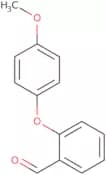
CAS:<p>4,6-Dimethoxypyrimidin-2-amine is a pyrimidine compound with the molecular formula C5H4N4O2. It can be prepared from the reaction of 2,4,6-trichloropyrimidine with formaldehyde and sodium cyanide in an organic solution. The properties of 4,6-Dimethoxypyrimidin-2-amine were studied on bacterial strain and human urine samples. This molecule is soluble in water and reacts with carboxylic acid to form a hydrogen bond. The nitrogen atoms show some reactivity towards copper chloride and hydrogen chloride.</p>Fórmula:C6H9N3O2Pureza:Min. 95%Cor e Forma:White PowderPeso molecular:155.15 g/mol2-(4-Methoxyphenoxy)benzaldehyde
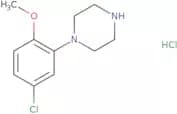
CAS:<p>2-(4-Methoxyphenoxy)benzaldehyde is a fine chemical that is used as a versatile building block in the synthesis of complex compounds and research chemicals. 2-(4-Methoxyphenoxy)benzaldehyde is also a reagent that can be used to synthesize speciality chemicals, useful building blocks, and reaction components. This chemical may be used as an intermediate for the synthesis of high-quality pharmaceuticals or other useful scaffolds. It has CAS number 19434-36-7.</p>Fórmula:C14H12O3Pureza:Min. 95%Cor e Forma:White To Brown SolidPeso molecular:228.24 g/mol1-(5-Chloro-2-methoxyphenyl)piperazine HCl
CAS:Produto Controlado1-(5-Chloro-2-methoxyphenyl)piperazine HCl is a fine chemical that belongs to the group of research chemicals. It is used as a reagent, speciality chemical and intermediate in organic synthesis. 1-(5-Chloro-2-methoxyphenyl)piperazine HCl is an effective building block for complex compounds, which can be used in reactions involving acetals, amides, nitriles, sulfones, sulfonamides and imines. This compound also has versatile building blocks and is a useful scaffold in organic synthesis.Fórmula:C11H16Cl2N2OPureza:Min. 95%Cor e Forma:Off-White PowderPeso molecular:263.16 g/mol[3-Methyl-4-(2,2,2-trifluoro-ethoxy)-pyridin-2-yl]-methanol
CAS:[3-Methyl-4-(2,2,2-trifluoro-ethoxy)-pyridin-2-yl]-methanol is a synthetic organic compound that is used in the synthesis of other organic compounds. It can be purified by filtration or gasification and recrystallization.Pureza:Min. 95%Cor e Forma:PowderTris(2-methoxyphenyl)bismuth dichloride
CAS:<p>Tris(2-methoxyphenyl)bismuth dichloride is a coordination compound with the chemical formula BiCl(OMeCH). It crystallizes in the triclinic crystal system and its molecular structure is trigonal. Tris(2-methoxyphenyl)bismuth dichloride has been characterized by X-ray and infrared spectroscopy, as well as by analysis of the axial, apical, and trigonal coordinates. The compound has been shown to form perchlorate and diperchlorate salts. The presence of bismuth atoms in this molecule produces a bright yellow color.</p>Fórmula:C21H21BiCl2O3Pureza:Min. 95%Cor e Forma:Off-White PowderPeso molecular:601.28 g/mol1-(3-(Trifluoromethoxy)phenyl)hydrazine hydrochloride
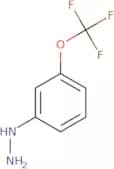
CAS:<p>1-(3-(Trifluoromethoxy)phenyl)hydrazine hydrochloride is a reagent that can be used as a reaction component in organic synthesis. It is also a useful scaffold for the preparation of high-quality research chemicals and other versatile building blocks. 1-(3-(Trifluoromethoxy)phenyl)hydrazine hydrochloride is an intermediate in the synthesis of complex compounds, such as fine chemicals.</p>Fórmula:C7H7F3N2OPureza:Min. 95%Peso molecular:192.14 g/mol3-Methacryloxypropyltrimethoxysilane
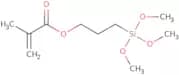
CAS:3-Methacryloxypropyltrimethoxysilane is a silane that has been modified with an acrylic group. It is used as an additive for the production of coatings, adhesives, and sealants. 3-Methacryloxypropyltrimethoxysilane is resistant to hydrochloric acid and other chemicals. It is also stable in water and light exposure. This product has shown to have high adsorption properties, which may be due to its hydroxyl groups. 3-Methacryloxypropyltrimethoxysilane has also been shown to have coupling properties that are advantageous for use with polymers and plastics.Fórmula:C10H20O5SiPureza:Min. 95%Cor e Forma:Colorless Clear LiquidPeso molecular:248.35 g/mol5-Methoxydurmillone
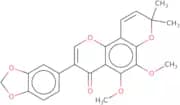
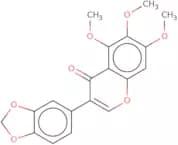
CAS:<p>5-Methoxydurmillone is a rotenoid that is found in many plants, including the seeds of the plant Ferruginea. 5-Methoxydurmillone has been shown to have anti-inflammatory properties and can be used to treat inflammatory diseases such as arthritis. It also inhibits the production of superoxide radicals and nitric oxide, which are important mediators of inflammation. 5-Methoxydurmillone has been shown to inhibit protein synthesis in bacteria, but not mammalian cells.</p>Fórmula:C23H20O7Pureza:Min. 95%Peso molecular:408.4 g/mol1,1,3,3-Tetramethoxypropane
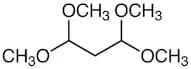
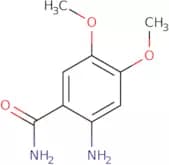
CAS:Fórmula:C7H16O4Pureza:>98.0%(GC)Cor e Forma:Colorless to Light yellow clear liquidPeso molecular:164.202-Amino-4,5-dimethoxybenzamide
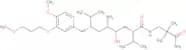
CAS:<p>2-Amino-4,5-dimethoxybenzamide is an anticancer agent that inhibits the epidermal growth factor receptor tyrosine kinase. It binds to the linker region of the epidermal growth factor receptor and prevents autophosphorylation. 2-Amino-4,5-dimethoxybenzamide has shown in vitro cytotoxic activity against testicular cancer cells and acute lymphoblastic leukemia cells. 2-Amino-4,5-dimethoxybenzamide is a synthetic compound that has been shown to have bioisosteric properties with other growth factors such as epidermal growth factor.</p>Fórmula:C9H12N2O3Pureza:Min. 95%Cor e Forma:PowderPeso molecular:196.2 g/mol5-Amino-N-(3-amino-2,2-dimethyl-3-oxopropyl)-4-hydroxy-2-isopropyl-7-[4-methoxy-3-(3-methoxypropoxy)benzyl]-8-methylnonanamide fumar ate
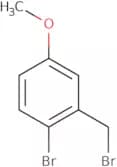
CAS:<p>5-Amino-N-(3-amino-2,2-dimethyl-3-oxopropyl)-4-hydroxy-2-isopropyl-7-[4-methoxy-3-(3-methoxypropoxy)benzyl]-8-methylnonanamide fumar ate is a drug that inhibits the activity of angiotensin II, which is a hormone produced by the body. It is used as monotherapy for treatment of hypertension. 5AMINO has been shown to be effective in lowering blood pressure when administered alone and has been shown to be well tolerated. For this drug, the most frequently reported adverse reactions are nausea and dizziness. This drug should not be taken with other antihypertensive drugs or nonsteroidal antiinflammatory drugs such as ibuprofen (Motrin®). In addition, patients with diabetes should monitor their blood sugar levels carefully while taking this medication.</p>Fórmula:C30H53N3O6Pureza:Min. 95%Cor e Forma:PowderPeso molecular:551.76 g/mol2-Bromo-5-methoxybenzyl bromide
CAS:<p>2-Bromo-5-methoxybenzyl bromide is a ligand in organic chemistry. It is used as a reaction partner for the synthesis of heterocycles, such as 2-pyridone, which are biologically relevant. This ligand can be prepared by refluxing anhydrous potassium carbonate with chloroform and phenol. Macrocyclic compounds can be synthesized from this product through the Witting reaction. The efficiency of this method makes it suitable for use in biological studies.</p>Fórmula:C8H8Br2OPureza:Min. 95%Cor e Forma:White PowderPeso molecular:279.96 g/mol4-[2-(3,4-Dimethoxyphenyl)-1,2-dibromoethyl]-1,2-dimethoxybenzene
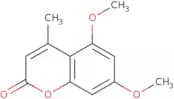
CAS:<p>4-[2-(3,4-Dimethoxyphenyl)-1,2-dibromoethyl]-1,2-dimethoxybenzene is a high quality chemical that is an intermediate for the synthesis of other compounds. It has been used as a reagent in the synthesis of complex compounds and has been shown to be useful for the production of fine chemicals. This compound can also be used as a scaffold or building block in organic chemistry. The versatility of 4-[2-(3,4-Dimethoxyphenyl)-1,2-dibromoethyl]-1,2-dimethoxybenzene makes it an important reaction component in organic chemistry and research chemicals.</p>Fórmula:C18H20Br2O4Pureza:Min. 95%Peso molecular:460.16 g/mol4-Methyl-5,7-dimethoxycoumarin
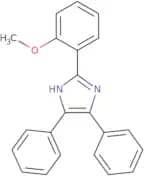
CAS:<p>4-Methyl-5,7-dimethoxycoumarin is a coumarin derivative that has been synthesized from acetonitrile and aluminium. It is used as an antiplatelet drug in the treatment of cardiovascular diseases such as unstable angina, myocardial infarction, and transient ischemic attack. 4-Methyl-5,7-dimethoxycoumarin reversibly inhibits platelet aggregation by blocking the platelet receptor P2Y12 on the surface of platelets. This drug also has antioxidant effects and can be used to identify markers associated with cardiovascular disease.</p>Fórmula:C12H12O4Pureza:Min. 95%Peso molecular:220.22 g/mol2-(2-Methoxyphenyl)-4,5-diphenylimidazole
CAS:2-(2-Methoxyphenyl)-4,5-diphenylimidazole is a molecule with a dihedral angle of -115.1° and an asymmetric synthesis. It has antimicrobial activity against Escherichia coli, Staphylococcus aureus, and Bacillus subtilis. This compound also inhibits the synthesis of thromboxane A2 by blocking the 5-azaindole binding site on platelets and prolongs bleeding time in rats. 2-(2-Methoxyphenyl)-4,5-diphenylimidazole has been shown to be an antiplatelet drug that blocks the binding site of rilmenidine and imidazoline on platelets and reduces platelet aggregation. It also binds to the pyrazole ring of tautomers as well as hydrogen bonds to carbonyl groups on phenyl groups.Fórmula:C22H18N2OPureza:Min. 95%Cor e Forma:PowderPeso molecular:326.39 g/mol5,7-Dimethoxyindole
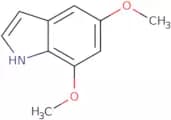
CAS:<p>5,7-Dimethoxyindole is a potent inhibitor of the enzyme oxidase. 5,7-Dimethoxyindole has been shown to inhibit the growth of a number of fungi, including Phytophthora infestans and Cryptococcus neoformans. The molecular modeling studies have shown that this molecule can form an H-bond with the acceptor in the active site of the enzyme and prevent access by substrate. This inhibition has been shown to be competitive with respect to ferrous ions and noncompetitive with respect to other cofactors. 5,7-Dimethoxyindole also inhibits integrase enzymes, which are involved in DNA integration during viral replication. 5,7-Dimethoxyindole was found to bind to a pharmacophore model for integrase inhibitors and formylation reactions. This compound is also magnetic due to its high electron density at the methoxy group.</p>Fórmula:C10H11NO2Pureza:Min. 95%Cor e Forma:PowderPeso molecular:177.2 g/mol2-Ethoxy-4-methoxycinnamic acid
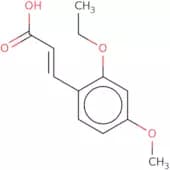
CAS:<p>2-Ethoxy-4-methoxycinnamic acid is a synthetic chemical with the CAS number 1372859-34-1. It is a versatile building block that can be used for the synthesis of many complex compounds. 2-Ethoxy-4-methoxycinnamic acid is one of a number of scaffolds that are useful for creating fine chemicals and research chemicals. This compound is also an intermediate in many reactions and can be used as a reagent to produce other substances.</p>Fórmula:C12H14O4Pureza:Min. 95%Peso molecular:222.24 g/mol2-Bromo-3-methoxypyrazine
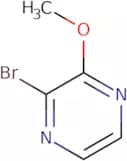
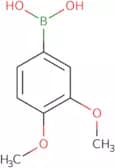
CAS:2-Bromo-3-methoxypyrazine is a chemical compound that is used as a precursor in the biosynthesis of geosmin. Geosmin, also known as 2-methylisoborneol or 2-MIB, is a volatile organic compound which has a musty or earthy smell. It is produced by some species of bacteria, including Myxobacterium and Chondromyces crocatus. It can be found in soil and water samples from areas with high levels of organic matter. 2-Bromo-3-methoxypyrazine was first isolated from cultures of M. crocatus in 1950. It can be synthesized from 3,4,5-trimethoxybenzaldehyde via bromination followed by reduction with sodium hydrosulfide. This process creates an intermediate called 2-(2'-bromoethyl)pyrazine, which undergoes methylation to create 2Fórmula:C5H5BrN2OPureza:Min. 95%Cor e Forma:White Off-White PowderPeso molecular:189.01 g/mol3,4-Dimethoxyphenylboronic acid
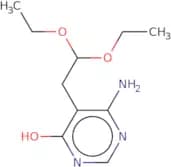
CAS:<p>3,4-Dimethoxyphenylboronic acid is a boronate ester that has been shown to be an effective coupling partner for the Suzuki reaction. It has also been used in cancer therapy and as a photochemical probe for the study of biological properties. 3,4-Dimethoxyphenylboronic acid has been shown to demethylate DNA and inhibit methionine aminopeptidase activity. It also cross-couples with halides, such as chlorides or iodides, and activates tertiary alcohols. 3,4-Dimethoxyphenylboronic acid is soluble in organic solvents and can be used in supramolecular chemistry.</p>Fórmula:C8H11BO4Pureza:Min. 95%Cor e Forma:White PowderPeso molecular:181.98 g/mol6-Amino-5(2,2-diethoxyethyl)-4-hydroxy pyrimidine
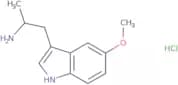
CAS:<p>6-Amino-5(2,2-diethoxyethyl)-4-hydroxy pyrimidine is a reagent that is used in the synthesis of various chemical substances. It is a versatile building block and can be used as an intermediate for the production of fine chemicals. 6-Amino-5(2,2-diethoxyethyl)-4-hydroxy pyrimidine has been shown to have high reactivity and selectivity, making it a useful scaffold for organic synthesis. This compound can be used as an intermediate for the production of complex compounds such as pharmaceuticals, agrochemicals, or perfumes. 6-Amino-5(2,2-diethoxyethyl)-4-hydroxy pyrimidine is also known to be useful in research fields such as biology and medicine.</p>Fórmula:C10H17N3O3Pureza:Min. 95%Cor e Forma:White PowderPeso molecular:227.26 g/mol5-Methoxy-3(2-aminopropyl)indole hydrochloride
CAS:Produto Controlado5-Methoxy-3(2-aminopropyl)indole hydrochloride is a useful reagent for the synthesis of complex compounds and a versatile building block for the preparation of speciality chemicals. It is used in the production of fine chemicals, such as reagents and intermediates. This compound also has potential use as a research chemical or as a reaction component in organic syntheses.Fórmula:C12H16N2O·HClPureza:Min. 95%Peso molecular:240.73 g/mol6-Methoxy-1-methyl-1H-indole-3-carbaldehyde
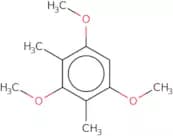
CAS:6-Methoxy-1-methyl-1H-indole-3-carbaldehyde is a high quality chemical that is used as a reagent, complex compound, useful intermediate, and speciality chemical. It is a fine chemical that has been shown to be useful as a building block in the synthesis of many other compounds. 6-Methoxy-1-methyl-1H-indole-3-carbaldehyde is also versatile and can be used in reactions involving nucleophilic substitution, reductive amination, and oxidative coupling.Fórmula:C11H11NO2Pureza:Min. 95%Cor e Forma:White PowderPeso molecular:189.21 g/mol2,4,6-Trimethoxy-m-xylene
CAS:<p>2,4,6-Trimethoxy-m-xylene is a methylated aromatic hydrocarbon that can be found in coal tar and oil. It is a stable compound that can be protonated by superacids such as arenium ion (H2SO4). The protonation of 2,4,6-trimethoxy-m-xylene leads to the formation of carbocations, which are electron deficient species. This radical cation has a resonance structure with three double bonds between carbon atoms. The resonance structure of the radical cation is stabilized by hyperconjugative interactions between the electron pair on oxygen and the empty p orbital on carbon.</p>Fórmula:C11H16O3Pureza:Min. 95%Peso molecular:196.24 g/mol1-Fluoro-3,5-dimethoxybenzene
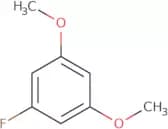
CAS:1-Fluoro-3,5-dimethoxybenzene has been shown to be a ferroelectric material with a dielectric constant of approximately 3000. It is soluble in organic solvents and can be isolated as an oil or solid. The crystalline form of 1-fluoro-3,5-dimethoxybenzene is obtained by sublimation at −20 °C. The compound has a molecular weight of 204.17 and melting point of 155 °C. This compound is used as a starting material for the synthesis of fluorotriphenylmethane analogs that are potential CB2 receptor agonists and other organic compounds, including tetrahydrocannabinol (THC) and its analogues. 1-Fluoro-3,5-dimethoxybenzene also reacts with chloride to form difluorobenzene (DFB). DFB's ability to bind aluminium ions allows it to catalyFórmula:C8H9FO2Pureza:Min. 98 Area-%Cor e Forma:Clear LiquidPeso molecular:156.15 g/mol2-Amino-6-methoxybenzoic acid
CAS:2-Amino-6-methoxybenzoic acid is a monosubstituted amide, which is synthesized by the hydrolysis of 2-amino-5-methylbenzoic acid with hydrochloric acid in the presence of diacetate. This compound is formed as part of the biosynthesis of aminophenols and heterocycles. It can be used to adsorb metal ions and organic compounds, such as chloride and butyllithium. 2-Amino-6-methoxybenzoic acid is also found in aeruginosa infections due to its ability to inhibit bacterial growth by inhibiting protein synthesis. The synthesis of this compound requires shikimate pathway enzymes.Fórmula:C8H9NO3Pureza:Min. 95%Cor e Forma:PowderPeso molecular:167.16 g/mol3-(Difluoromethoxy)benzyl amine
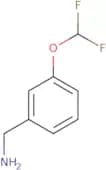
CAS:<p>3-(Difluoromethoxy)benzyl amine is a high-quality reagent that is used as an intermediate in the synthesis of complex compounds. 3-(Difluoromethoxy)benzyl amine is also a useful building block for the synthesis of speciality chemicals and research chemicals. This compound can be used as a versatile building block, which can be used to synthesize different functional groups. 3-(Difluoromethoxy)benzyl amine is soluble in many organic solvents and has a boiling point of 193 °C.</p>Fórmula:C8H9F2NOPureza:Min. 95%Peso molecular:173.16 g/mol4,4',4''-Trimethoxytrityl chloride
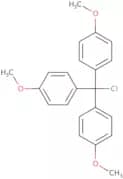
CAS:<p>4,4',4''-Trimethoxytrityl chloride is a carbonyl compound that reacts with alkenyloxy groups to form alkaloids. It also reacts with halogen atoms to form halogenated products. 4,4',4''-Trimethoxytrityl chloride is used in the synthesis of ecteinascidins and acyl group compounds. This chemical can be used in the synthesis of alkaloids and alkenyloxy compounds. It has a reactive carbon atom that can be substituted by other organic groups.</p>Fórmula:C22H21ClO3Pureza:Min. 95%Cor e Forma:Off-White PowderPeso molecular:368.85 g/mol5-Methoxy-2-nitrophenylamine
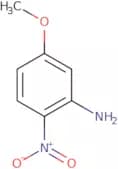
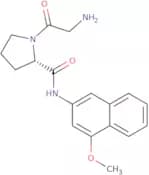
CAS:<p>5-Methoxy-2-nitrophenylamine (5MN) is a synthetic compound. It has been shown to produce an inhibitory effect on Alzheimer's disease and Leishmania infantum by inhibiting the formation of amyloid beta (Aβ) and leishmanicidal alpha-ketoglutarate, respectively. 5MN has also been observed to stabilize supramolecular structures in magnetic resonance spectroscopy experiments. This chemical is synthesized from 4-amino-3-nitrophenol and methylamine by reacting them in the presence of sodium hydroxide and sulfuric acid under refluxing conditions. The reaction products are analyzed using FTIR spectroscopy, as shown below:</p>Fórmula:C7H8N2O3Pureza:Min. 95%Cor e Forma:PowderPeso molecular:168.15 g/molGly-pro-4-methoxy-β-naphthylamide
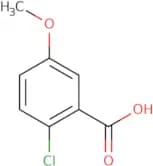
CAS:Gly-pro-4-methoxy-beta-naphthylamide is a synthetic substrate that is used to measure the activity of human plasma phosphatases. Gly-pro-4-methoxy-beta-naphthylamide is synthesized in an organic solvent and then reacted with diazonium salt to form a glycosylated aminophosphonic acid. The product is purified by chromatography and identified by mass spectrometry. Gly-pro-4-methoxy beta naphthylamide has been shown to inhibit the growth of cancer cells in vitro, as well as having antiinflammatory properties. This drug also has been shown to be effective in treating patients with severe hyperbilirubinemia who are undergoing hematopoietic stem cell transplantation.Fórmula:C18H21N3O3Pureza:Min. 95%Peso molecular:327.38 g/mol2-Chloro-5-methoxybenzoic acid
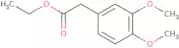
CAS:<p>2-Chloro-5-methoxybenzoic acid (2CMB) is a copper chelator that has been shown to have antagonistic properties against microglia cells. 2CMB is synthesized from 2,5-dichlorobenzoic acid and methoxylamine. It has been shown to inhibit the synthesis of inflammatory mediators in rat spinal cord microglia cells by inhibiting the activity of polyphosphoric acid, anions and additives. 2CMB also has a high affinity for chloride ions and can be used as a tracer to measure chloride profiles. 2CMB reacts with copper ions at a slow rate and can be used as an indicator for the presence of microglia cells.</p>Fórmula:C8H7ClO3Pureza:Min. 95%Peso molecular:186.59 g/molEthyl 2-(3,4-dimethoxyphenyl)acetate - 90%
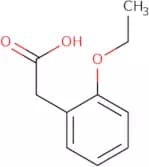
CAS:<p>Ethyl 2-(3,4-dimethoxyphenyl)acetate is a synthetic molecule that has been observed in the gas phase. It has been shown to have antibacterial activity and significant antifungal activity. Ethyl 2-(3,4-dimethoxyphenyl)acetate was also found to be resistant to amines, which are organic compounds that can be found in many types of bacteria. The antibacterial properties of ethyl 2-(3,4-dimethoxyphenyl)acetate may be due to its ability to cleave bonds with chloride ions and its conformational studies.</p>Fórmula:C12H16O4Pureza:Min. 95%Cor e Forma:PowderPeso molecular:224.25 g/mol2-Ethoxyphenylacetic acid
CAS:<p>2-Ethoxyphenylacetic acid (2EPA) is a drug that has been used in the treatment of cancer. It is a hydrophobic molecule that can inhibit the activity of various enzymes, such as sildenafil and triazolone. 2EPA has shown to be an antagonist at the active site of quinazolinone, which is a molecule involved in erectile dysfunction. The physicochemical properties of 2EPA have been studied using molecular dynamics simulations and quantum mechanical computations. This drug is able to form hydrophobic interactions with the active site of quinazolinone, which may account for its antagonistic activity.</p>Fórmula:C10H12O3Pureza:90%Cor e Forma:PowderPeso molecular:180.2 g/mol2-Iodo-N-(4-methoxyphenyl)-N-methylbenzamide
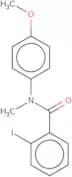
CAS:2-Iodo-N-(4-methoxyphenyl)-N-methylbenzamide is a versatile building block that can be used in research and as a reagent. It is a high quality chemical and useful as a building block or intermediate for the synthesis of more complex compounds. This chemical is also a useful scaffold for the synthesis of more complex molecules.Fórmula:C15H14INO2Pureza:Min. 95%Peso molecular:367.18 g/molOctadecyl Vinyl Ether
CAS:Fórmula:C20H40OPureza:>85.0%(GC)Cor e Forma:White to Almost white powder to lumpPeso molecular:296.545,6-Dimethoxypyridin-3-amine
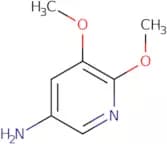
CAS:5,6-Dimethoxypyridin-3-amine is an organic compound with the formula CHN. It is a versatile building block in organic chemistry. 5,6-Dimethoxypyridin-3-amine can be used as a reagent in the synthesis of other compounds or as a reactant to form new compounds. 5,6-Dimethoxypyridin-3-amine is soluble in organic solvents and reacts with most common electrophiles to give substituted products. 5,6-Dimethoxypyridin-3-amine has been found to be useful as an intermediate in the synthesis of a variety of natural products and pharmaceuticals.Fórmula:C7H10N2O2Pureza:Min. 95%Cor e Forma:Purple PowderPeso molecular:154.17 g/mol2-(2-Methoxyphenoxy)Benzoic Acid
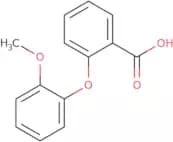
CAS:<p>2-(2-Methoxyphenoxy)benzoic acid is an organic compound that can be synthesized in the laboratory. It has been shown to dimerize spontaneously in aqueous solutions with the release of hydrogen peroxide and oxygen. The mechanism is thought to involve oxidative dimerization, which may lead to carboxylate bond cleavage, intramolecular radical formation, or mechanistically radical attack. This process also results in the formation of a 2-methoxyphenoxy radical.</p>Fórmula:C14H12O4Pureza:Min. 95%Cor e Forma:PowderPeso molecular:244.24 g/mol1,1,2,2,3,3-Hexafluoro-1-(trifluoromethoxy)-3-[(1,2,2-trifluorovinyl)oxy]propane
CAS:Fórmula:C6F12O2Pureza:>97.0%(GC)Cor e Forma:Colorless to Almost colorless clear liquidPeso molecular:332.04Hoechst 33342
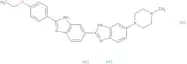
CAS:<p>2'-(4-Ethoxyphenyl)-5-(4-methyl-1-piperazinyl)-2,5'-bi-1H-benzimidazole trihydrochloride (EPMB) is a DNA binding agent that is used in tumor detection and research into apoptosis. It has been shown to inhibit the activity of p-glycoprotein, which is an efflux pump protein, and Bcl-2 protein. EPMB has also been shown to cause apoptosis in human squamous cell carcinoma cells in a concentration dependent manner. This compound has shown potential as a treatment for cancer because it inhibits the ability of cancer cells to proliferate by binding to the NMDA receptor.</p>Fórmula:C27H28N6O·3HCl·xH2OPureza:Min. 95%Cor e Forma:Yellow PowderPeso molecular:561.93 g/mol2-Chloro-3,4-dimethoxy-6-nitrobenzaldehyde
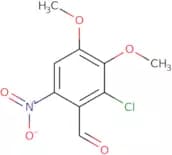
CAS:2-Chloro-3,4-dimethoxy-6-nitrobenzaldehyde is a fine chemical with a CAS number of 82330-54-9. It is a versatile building block that can be used as a reagent or intermediate for the production of other chemicals. This product has been shown to have many different reactions. It is useful in the synthesis of complex compounds and offers high quality and purity.Fórmula:C9H8ClNO5Pureza:Min. 95%Cor e Forma:PowderPeso molecular:245.62 g/mol3'-(Tetrafluoroethoxy)-β-methyl-β-nitrostyrene
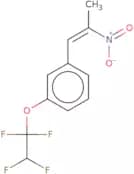
CAS:3'-(Tetrafluoroethoxy)-beta-methyl-beta-nitrostyrene is a versatile building block that can be used as a reaction component for the synthesis of more complex compounds. This compound is also known to have speciality chemical and research chemical properties. 3'-(Tetrafluoroethoxy)-beta-methyl-beta-nitrostyrene has been shown to be an effective reagent for the synthesis of high quality complex compounds.Fórmula:C11H9F4NO3Pureza:Min. 95%Peso molecular:279.19 g/mol5-Methoxymethylacicerone
CAS:<p>5-Methoxymethylacicerone (5MMA) is an organic compound that is used in the production of polymers. It has a viscosity of approximately 12,000 cP and can be used as a thermoplastic at temperatures up to 400°C. 5MMA is also used as a viscosite component in automotive fluids and as an optical component in customized items. It is soluble in natural gas and forms a hydrophilic film on water surfaces, causing eutrophication. 5MMA can be found in natural products such as Griffonia simplicifolia.</p>Fórmula:C19H16O7Pureza:Min. 95%Peso molecular:356.33 g/mol4,4'-Bis(methoxycarbonyl)-2,2'-bipyridine
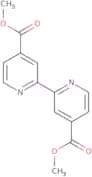
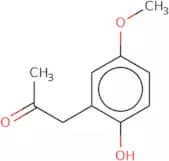
CAS:<p>4,4'-Bis(methoxycarbonyl)-2,2'-bipyridine is a ligand that can be used in cross-coupling reactions. It has been shown to bind to metal ions and form complexes with the ligands. 4,4'-Bis(methoxycarbonyl)-2,2'-bipyridine has a constant value for maximizing the yield of the reaction and is luminescent. This product also has photophysical properties that allow it to be utilized in voltammetry studies. The transfer of this product can be optimized by using chromophores or catalysis. 4,4'-Bis(methoxycarbonyl)-2,2'-bipyridine provides a means for cross-coupling reactions using electrochemical studies and dichroism.</p>Fórmula:C14H12N2O4Pureza:Min. 95%Cor e Forma:PowderPeso molecular:272.26 g/mol(2-Hydroxy-5-methoxyphenyl)acetone
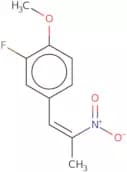
CAS:<p>(2-Hydroxy-5-methoxyphenyl)acetone is a fine chemical that belongs to the group of complex compounds. It can be used as an intermediate for research chemicals, as well as a useful scaffold or building block. This compound can be converted into other useful compounds through reactions with alcohols, amines, or ketones. (2-Hydroxy-5-methoxyphenyl)acetone is also used in the synthesis of speciality chemicals and reaction components for pharmaceuticals.</p>Fórmula:C10H12O3Pureza:Min. 95%Peso molecular:180.2 g/mol1-(3-Fluoro-4-methoxyphenyl)-2-nitropropene
CAS:<p>1-(3-Fluoro-4-methoxyphenyl)-2-nitropropene is a chemical compound with the molecular formula CHNO. It is a high quality reagent that is useful for preparing complex compounds, scaffolds and building blocks for use in research and development. 1-(3-Fluoro-4-methoxyphenyl)-2-nitropropene is a fine chemical that can be used as a versatile building block in reactions.</p>Fórmula:C10H10FNO3Pureza:Min. 95%Peso molecular:211.19 g/mol5-Ethoxy-2(5H)-furanone
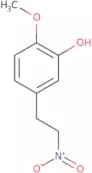
CAS:<p>5-Ethoxy-2(5H)-furanone is an oxidation product of 5-ethoxy-2(5H)-furanone. It has an isomeric, stereospecific, regiospecifically, and a tautomeric relationship with furfural. 5-Ethoxy-2(5H)-furanone can be produced by the oxidation of furfural with boron trifluoride etherate in the presence of iodosobenzene. The reaction mechanism involves the addition of hydrogen peroxide to the boron trifluoride etherate to form hydroperoxydiborane. This compound then reacts with iodosobenzene to produce 5-ethoxy-2(5H)-furanone and 2,5-dihydroxybenzaldehyde. The reaction produces a mixture of diastereomers that contain different numbers of carbon atoms due to the regiospecific</p>Fórmula:C6H8O3Pureza:Min. 95%Cor e Forma:PowderPeso molecular:128.13 g/mol1-(3-Hydroxy-4-methoxyphenyl)-2-nitroethane
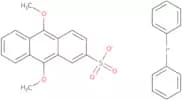
CAS:1-(3-Hydroxy-4-methoxyphenyl)-2-nitroethane is a chemical intermediate that can be used in the synthesis of other compounds. It is a fine chemical with many potential uses, as well as being a versatile building block for organic synthesis. As an example, 1-(3-Hydroxy-4-methoxyphenyl)-2-nitroethane can be used to synthesize the drug erythromycin. This chemical has been shown to have antihistamine and antiinflammatory properties.Fórmula:C9H11NO4Pureza:Min. 95%Peso molecular:197.19 g/molDiphenyliodanium 9,10-dimethoxyanthracene-2-sulfonate
CAS:Diphenyliodanium 9,10-dimethoxyanthracene-2-sulfonate is an organic compound that belongs to the class of vinyl ethers. It can be used as a photosensitive material in photolithography. The mechanism of the photoinduced crosslinking reaction has been studied by mechanistic study and shown to proceed through a Friedel-Crafts type reaction followed by a transfer mechanism. This compound can also be prepared by irradiating an ammonium formate solution with ultraviolet light. Diphenyliodanium 9,10-dimethoxyanthracene-2-sulfonate is soluble in hydroxide solution and reacts with uv irradiation to produce radicals at the carbonyl group.Fórmula:C28H23IO5SPureza:Min. 95%Peso molecular:598.45 g/mol4',2-Dihydroxy-3-methoxychalcone
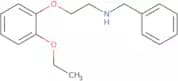
CAS:<p>4,2-Dihydroxy-3-methoxychalcone is a fine chemical that is useful in the synthesis of various pharmaceuticals and other chemicals. It is a versatile building block that can be used as a reaction component or intermediate in the synthesis of complex compounds. 4,2-Dihydroxy-3-methoxychalcone has been shown to be a high quality reagent for use in the synthesis of speciality chemicals and research chemicals. This compound is also useful as a scaffold for the development of new drugs.</p>Fórmula:C16H14O4Pureza:Min. 95%Peso molecular:270.28 g/molN-Benzyl-N-(2-ethoxyphenoxy)ethylamine
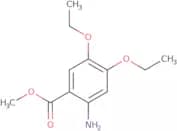
CAS:<p>N-Benzyl-N-(2-ethoxyphenoxy)ethylamine is a fine chemical that belongs to the category of building blocks and research chemicals. It is a versatile intermediate that can be used in the synthesis of a wide range of compounds. This compound has been shown to be useful as a reaction component and scaffold for the construction of complex organic molecules. It has also been used as an intermediate in the synthesis of high quality speciality chemicals.</p>Fórmula:C17H21NO2Pureza:Min. 95%Cor e Forma:PowderPeso molecular:271.35 g/mol2-Amino-4,5-diethoxy-benzoic acid methyl ester
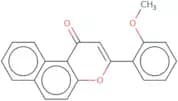
CAS:<p>2-Amino-4,5-diethoxy-benzoic acid methyl ester is a fine chemical that is used as a building block in the synthesis of complex compounds. It is a versatile building block with many possible reactions and can be used as a reagent or speciality chemical. 2-Amino-4,5-diethoxy-benzoic acid methyl ester can be used in the synthesis of diverse scaffolds for use in research chemicals, pharmaceuticals and agrochemicals.</p>Fórmula:C12H17NO4Pureza:Min. 95%Peso molecular:239.27 g/molbeta-2'-Methoxynaphthoflavone
CAS:<p>beta-2'-Methoxynaphthoflavone is a fine chemical that is useful as a scaffold for complex compounds, as a building block for speciality chemicals, and as an intermediate in the synthesis of research chemicals. It can be used in pharmaceuticals, agrochemicals, and other industries. beta-2'-Methoxynaphthoflavone has been found to be a versatile building block with high quality that can be used to synthesize a variety of compounds. This compound also has the ability to react with other chemicals such as ammonia or amines.</p>Fórmula:C20H14O3Pureza:Min. 95%Peso molecular:302.32 g/molMethyl tetrahydro-2,5-dimethoxy-2-furancarboxylate
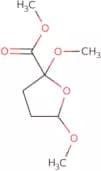
CAS:Methyl tetrahydro-2,5-dimethoxy-2-furancarboxylate is a sterically bulky molecule with a nitrogen atom in the ortho position. It has been used for the synthesis of various heterocyclic compounds. The steric bulk of methyl tetrahydro-2,5-dimethoxy-2-furancarboxylate prevents it from being substituted easily. This can be demonstrated by the refluxing of methyl tetrahydro-2,5-dimethoxy-2-furancarboxylate in benzene. The steric bulk also causes electron density to be distributed around methyl tetrahydro-2,5-dimethoxy-2-furancarboxylate, which creates a conjugated system.Fórmula:C8H14O5Pureza:Min. 95%Cor e Forma:Colourless To Pale Yellow Clear LiquidPeso molecular:190.19 g/mol3-Methoxyphenylmethylcarbinol
CAS:3-Methoxyphenylmethylcarbinol is a hydrogen tartrate that can be used as an intermediate in the Friedel-Crafts reaction. It is also an imine, which is formed when a nitrogen atom of an amine reacts with a carbon atom of formaldehyde. 3-Methoxyphenylmethylcarbinol has been shown to have stereoselective properties in the Friedel-Crafts reaction, which means that only one product is produced from two reactants. In this case, the hydrogen tartrate and phosphorus oxychloride are reacted to produce oxone and chloride compounds. The selectivity of 3-methoxyphenylmethylcarbinol can be increased by adding triphosgene or dimethylamine to the reaction mixture. This compound dissociates easily into its component parts and can be regenerated by adding ethyl formate or ferrocene.Fórmula:C9H12O2Pureza:Min. 95%Cor e Forma:PowderPeso molecular:152.19 g/molMethyl 4-methoxy-2-indolecarboxylate
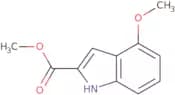
CAS:<p>Methyl 4-methoxy-2-indolecarboxylate is a natural product that has been shown to have cytotoxic and anticancer activity. It was first isolated from the leaves of Picrasma excelsa, which is a plant native to Southeast Asia. Methyl 4-methoxy-2-indolecarboxylate has been found to be effective against breast cancer cell lines and human cancer cells in culture. The anticancer effects may be due to its ability to inhibit protein synthesis by inhibiting the ribosome. This compound also inhibits dehydrocrenatine, which is a precursor of the hormone crenatine, thus leading to decreased production of this hormone.</p>Fórmula:C11H11NO3Pureza:Min. 95%Cor e Forma:PowderPeso molecular:205.21 g/molEthyl 3,3-diethoxypropionate
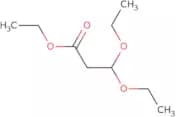
CAS:<p>Ethyl 3,3-diethoxypropionate is an organic compound that is synthesized from the reaction of diethyl malonate and chloroacetic acid in the presence of a base catalyst. This product has been shown to be an effective inhibitor of mitochondrial cytochrome c oxidase in vitro studies. Ethyl 3,3-diethoxypropionate also has been found to inhibit quinoline derivatives, such as erythromycin and tetracycline, which are involved in bacterial DNA synthesis. Furthermore, this product inhibits β-unsaturated aldehydes and allylation.</p>Fórmula:C9H18O4Pureza:Min. 95%Cor e Forma:Colorless Clear LiquidPeso molecular:190.24 g/mol2-Chloro-3,4-dimethoxybenzylamine HCl
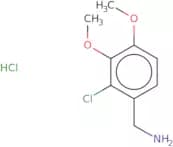
CAS:<p>2-Chloro-3,4-dimethoxybenzylamine HCl is a fine chemical that can be used as a building block to synthesize new compounds. It is also a useful intermediate in the production of pharmaceuticals and other organic chemicals. 2-Chloro-3,4-dimethoxybenzylamine HCl has been used as a reaction component for the synthesis of various complex compounds. This compound has been shown to have high purity and quality.</p>Fórmula:C9H12ClNO2·HClPureza:Min. 95%Peso molecular:238.11 g/mol6-Hydroxy-7-methoxy-3,4-dihydroquinazolin-4-one
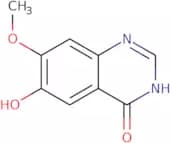
CAS:6-Hydroxy-7-methoxy-3,4-dihydroquinazolin-4-one is an amination of chloropropane and morpholinyl with 3-chloro-4-fluoroaniline. It cyclizes to form a quinazolinone. This compound was synthesized in order to produce a cytotoxic agent for cancer treatment.Fórmula:C9H8N2O3Pureza:Min. 95%Cor e Forma:PowderPeso molecular:192.17 g/mol4-Methoxydiphenyliodonium chloride
CAS:<p>4-Methoxydiphenyliodonium chloride is a versatile building block with many uses in research and industry. It is used as a reagent to synthesize organic compounds, as well as a speciality chemical and an intermediate. 4-Methoxydiphenyliodonium chloride has been shown to be useful in the synthesis of complex compounds, such as pharmaceuticals, agrochemicals, and pesticides. This compound can also be used in the preparation of high quality products, such as fine chemicals.</p>Fórmula:C13H12IO·ClPureza:Min. 95%Peso molecular:346.59 g/mol6-Methoxybenzothiazole-2-carboxylic acid
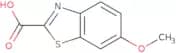
CAS:<p>6-Methoxybenzothiazole-2-carboxylic acid is a synthetic sulfur compound that is used in the synthesis of benzothiazines. It is also an intermediate in the biosynthesis of thiocyanate, a natural product that has been shown to have anti-inflammatory properties. 6-Methoxybenzothiazole-2-carboxylic acid has been shown to be highly efficient as a luciferin, and can be used in the production of bioluminescence. 6-Methoxybenzothiazole-2-carboxylic acid belongs to the family of benzothiazines, which are benzoquinones with two fused rings. Benzothiazines are found in marine natural products such as luciferins and some other nature products.</p>Fórmula:C9H7NO3SPureza:Min. 95%Cor e Forma:PowderPeso molecular:209.22 g/mol2-Bromo-5-methoxybenzoic acid methyl ester
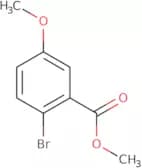
CAS:<p>2-Bromo-5-methoxybenzoic acid methyl ester is an antibiotic with a broad spectrum of activity against bacteria, including Staphylococcus aureus and Pseudomonas aeruginosa. 2-Bromo-5-methoxybenzoic acid methyl ester is an inhibitor of the enzyme benzohydrazide, which is involved in the production of prostaglandins. This drug also has antioxidant activity and can inhibit the growth of Escherichia coli and Cereus. 2-Bromo-5-methoxybenzoic acid methyl ester has analgesic properties and was shown to have analgesic activities in animal tests.</p>Fórmula:C9H9BrO3Pureza:Min. 95%Cor e Forma:Clear LiquidPeso molecular:245.07 g/mol4-(2-Methoxyphenoxy)benzoic acid
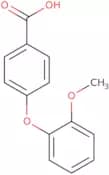
CAS:<p>4-(2-Methoxyphenoxy)benzoic acid is a white crystalline solid with a melting point of 50°C. It is soluble in water, ethanol, ether, and chloroform. 4-(2-Methoxyphenoxy)benzoic acid has been used as a starting material for the synthesis of pharmaceuticals such as carbamazepine (Tegretol). The compound has two methoxy groups on the phenyl ring that are susceptible to nucleophilic attack by strong bases. This reaction occurs at room temperature and can be reversed by heating the solution to 150°C. The compound also undergoes polycondensation reactions when heated in the presence of an oxidizing agent.</p>Fórmula:C14H12O4Pureza:Min. 95%Cor e Forma:White PowderPeso molecular:244.24 g/mol3-[2-(1,3-Dioxolan-2-yl)ethyl]-7,8-dimethoxy-1,3,4,5-tetrahydro-2H-3-benzazepin-2-one
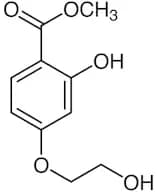
CAS:<p>Please enquire for more information about 3-[2-(1,3-Dioxolan-2-yl)ethyl]-7,8-dimethoxy-1,3,4,5-tetrahydro-2H-3-benzazepin-2-one including the price, delivery time and more detailed product information at the technical inquiry form on this page</p>Fórmula:C17H23NO5Pureza:Min. 95%Cor e Forma:PowderPeso molecular:321.37 g/molMethyl 4-(2-Hydroxyethoxy)salicylate
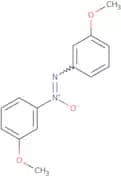
Fórmula:C10H12O5Pureza:>98.0%(GC)Cor e Forma:White to Light yellow to Light orange powder to crystalPeso molecular:212.203,3'-Dimethoxyazoxybenzene
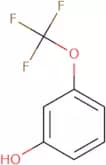
CAS:<p>3,3'-Dimethoxyazoxybenzene is a nitroarene that has electron-donating properties. It reacts with primary amines to form azoxy groups in the presence of alkoxide. 3,3'-Dimethoxyazoxybenzene can be used for the synthesis of nitrophenyl and aniline derivatives by reaction with nitroarenes, alcohols, or amines. It can also serve as a photoreduced molecule in mechanistic studies.</p>Fórmula:C14H14N2O3Pureza:Min. 95%Peso molecular:258.27 g/mol3-(Trifluoromethoxy)phenol
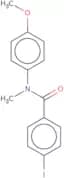
CAS:<p>3-(Trifluoromethoxy)phenol is a drug that has been shown to function as an amide and a biomolecular. It has also been used in the development of drugs for depression, but it is not known whether it is effective in humans. 3-(Trifluoromethoxy)phenol binds to the cation channel of the NMDA receptor, which may be related to its antidepressant properties. The compound has been shown to have a radiotracer effect on positron emission tomography (PET). 3-(Trifluoromethoxy)phenol yields positrons when it undergoes deamination. This reaction is catalyzed by enzymes such as acetylcholine esterase, choline oxidase, and monoamine oxidases.</p>Fórmula:C7H5F3O2Pureza:Min. 95%Cor e Forma:Clear LiquidPeso molecular:178.11 g/mol4-Iodo-N-(4-methoxyphenyl)-N-methylbenzamide
CAS:<p>4-Iodo-N-(4-methoxyphenyl)-N-methylbenzamide is a useful scaffold that can be used in the synthesis of complex compounds. It is also a versatile building block and has been found to be useful as an intermediate and building block. 4-Iodo-N-(4-methoxyphenyl)-N-methylbenzamide is a fine chemical with CAS No. 320734-40-5. This reagent is high quality, research chemicals, and can be used in the synthesis of speciality chemicals.</p>Fórmula:C15H14INO2Pureza:Min. 95%Peso molecular:367.18 g/mol3-(Ethoxycarbonylamino)phenothiazine
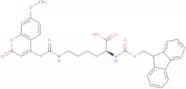
CAS:3-(Ethoxycarbonylamino)phenothiazine is a chemical compound that belongs to the group of speciality chemicals. It is an intermediate for the synthesis of other compounds and can be used in the production of fine chemicals, reagents, and complex compounds. 3-(Ethoxycarbonylamino)phenothiazine has been shown to have a high reactivity and is useful as a building block in organic chemistry. This product also has versatile uses in research, which includes drug discovery and development.Pureza:Min. 95%N-α-Fmoc-Nε-7-methoxycoumarin-4-acetyl-L-lysine
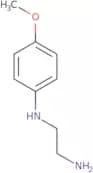
CAS:N-alpha-Fmoc-Nepsilon-7-methoxycoumarin-4-acetyl-L-lysine is a fluorogenic molecule that is synthesized by the solid phase method. It is an analog of lysine, which is a bioactive amino acid. This compound binds to copper and exhibits fluorescence emission at 585 nm when excited at 488 nm. N-alpha-Fmoc-Nepsilon-7-methoxycoumarin-4-acetyl-L-lysine can be used as a substrate for bone growth in vitro and in vivo. It can also be used as a labeling reagent for bone tissue, such as bone sections or cells. It has been shown to produce osteogenic activity in vitro and in vivo.Fórmula:C33H32N2O8Pureza:Min. 97 Area-%Cor e Forma:PowderPeso molecular:584.62 g/molN-(4-Methoxyphenyl)ethane-1,2-diamine
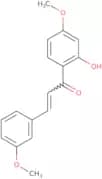
CAS:<p>N-(4-Methoxyphenyl)ethane-1,2-diamine is a synthetic compound that has been shown to inhibit the activity of cathepsins. It can be used in the treatment of diseases caused by these enzymes, such as osteoarthritis and Alzheimer's disease. N-(4-Methoxyphenyl)ethane-1,2-diamine has a pharmacokinetic profile that is favorable for oral administration. The drug is absorbed from the gastrointestinal tract readily and undergoes extensive metabolism in the liver. This process leads to the formation of active metabolites which are excreted in urine or bile. N-(4-Methoxyphenyl)ethane-1,2-diamine also inhibits nitroalkanes with activated aromatic rings, such as 4-nitrobenzaldehyde and 2,4,6-trinitrobenzene.</p>Fórmula:C9H14N2OPureza:Min. 95%Cor e Forma:Slightly Yellow PowderPeso molecular:166.22 g/mol3,4'-Dimethoxy-2'-hydroxychalcone
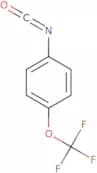
CAS:<p>3,4'-Dimethoxy-2'-hydroxychalcone is a reaction component and useful scaffold for the synthesis of complex compounds. This chemical is an intermediate in the synthesis of various pharmaceuticals, such as anti-tuberculosis drugs, cancer chemotherapeutics and antibiotics. 3,4'-Dimethoxy-2'-hydroxychalcone has been shown to be a versatile building block that can be used to synthesize both natural products and pharmaceuticals. This compound also has a wide range of applications in the production of fine chemicals.</p>Fórmula:C17H16O4Pureza:Min. 95%Peso molecular:284.31 g/mol4-(Trifluoromethoxy)phenyl isocyanate
CAS:<p>4-(Trifluoromethoxy)phenyl isocyanate (4-TFPC) is a potent antagonist of the platelet P2Y12 receptor. It inhibits platelet aggregation and adhesion, as well as prevents the formation of blood clots. 4-TFPC has a low molecular weight and can be administered orally. It also has been shown to increase insulin sensitivity and reduce blood glucose levels in mice with type 2 diabetes. This antiplatelet agent binds to receptors on the surface of platelets, preventing activation. 4-TFPC is also an inhibitor of protein kinase C and phosphodiesterases, which are enzymes that regulate cell signalling pathways. In vitro studies have shown that 4-TFPC inhibits cycloheptyl (CPH)-induced aggregation in human platelets in a dose-dependent manner with an IC50 value of 0.5 μM.END></p>Fórmula:C8H4F3NO2Pureza:Min. 95%Cor e Forma:Colorless Clear LiquidPeso molecular:203.12 g/mol



![Poly[2-methoxy-5-(2-ethylhexyloxy)-1,4-phenylenevinylene] - M.W. average 10,000-100,000](/_next/image/?url=https%3A%2Fstatic.cymitquimica.com%2Fproducts%2F3D%2Fthumb-webp%2FFP165854.webp&w=3840&q=75)


![[3-Methyl-4-(2,2,2-trifluoro-ethoxy)-pyridin-2-yl]-methanol](/_next/image/?url=https%3A%2Fstatic.cymitquimica.com%2Fproducts%2F3D%2Fthumb-webp%2FFM38829.webp&w=3840&q=75)

![4-[2-(3,4-Dimethoxyphenyl)-1,2-dibromoethyl]-1,2-dimethoxybenzene](/_next/image/?url=https%3A%2Fstatic.cymitquimica.com%2Fproducts%2F3D%2Fthumb-webp%2FFD66282.webp&w=3840&q=75)



![1,1,2,2,3,3-Hexafluoro-1-(trifluoromethoxy)-3-[(1,2,2-trifluorovinyl)oxy]propane](/_next/image/?url=https%3A%2Fstatic.cymitquimica.com%2Fproducts%2F3B%2Fthumb-webp%2FH1610.webp&w=3840&q=75)



![3-[2-(1,3-Dioxolan-2-yl)ethyl]-7,8-dimethoxy-1,3,4,5-tetrahydro-2H-3-benzazepin-2-one](/_next/image/?url=https%3A%2Fstatic.cymitquimica.com%2Fproducts%2F3D%2Fthumb-webp%2FFD149999.webp&w=3840&q=75)