Amidas
As amidas são uma ampla gama de compostos químicos que contêm pelo menos um anel heterocíclico, que possui átomos de pelo menos dois elementos diferentes na estrutura do anel, e pelo menos um grupo amida (-CONH2). Esses compostos são cruciais na síntese de produtos farmacêuticos, polímeros e agroquímicos. As amidas exibem propriedades e reatividade únicas, tornando-as intermediários valiosos na síntese orgânica. Na CymitQuimica, oferecemos uma seleção abrangente de amidas de alta qualidade para apoiar suas necessidades de pesquisa e industriais.
Foram encontrados 16485 produtos de "Amidas"
Ordenar por
Pureza (%)
0
100
|
0
|
50
|
90
|
95
|
100
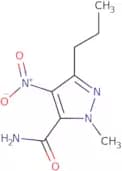
1-Methyl-4-nitro-3-propylpyrazole-5-carboxamide
CAS:1-Methyl-4-nitro-3-propylpyrazole-5-carboxamide is an impurity of sildenafil, which is used as a treatment for erectile dysfunction. It has been found in the environment due to its widespread use and it can be detected using chromatographic methods. 1-Methyl-4-nitro-3-propylpyrazole-5-carboxamide binds to thiol groups and may cause male infertility in animals. The detection time for this compound ranges from 2 hours to 24 hours, depending on the detection method. This impurity also has fluorescence properties that can be detected with UV light.Fórmula:C8H12N4O3Pureza:Min. 96 Area-%Cor e Forma:PowderPeso molecular:212.21 g/molN-(2-Indol-3-ylethyl)(2-nitrophenyl)formamide
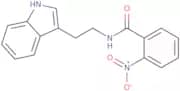
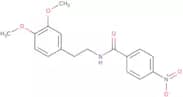
CAS:Please enquire for more information about N-(2-Indol-3-ylethyl)(2-nitrophenyl)formamide including the price, delivery time and more detailed product information at the technical inquiry form on this pageFórmula:C17H15N3O3Pureza:Min. 95%Cor e Forma:PowderPeso molecular:309.32 g/molN-(2-(3,4-dimethoxyphenyl)ethyl)(4-nitrophenyl)formamide
CAS:Produto ControladoPlease enquire for more information about N-(2-(3,4-dimethoxyphenyl)ethyl)(4-nitrophenyl)formamide including the price, delivery time and more detailed product information at the technical inquiry form on this pagePureza:Min. 95%(2-Aminophenyl)-N-((((4-methoxyphenyl)amino)thioxomethyl)amino)formamide
CAS:Please enquire for more information about (2-Aminophenyl)-N-((((4-methoxyphenyl)amino)thioxomethyl)amino)formamide including the price, delivery time and more detailed product information at the technical inquiry form on this pageFórmula:C15H16N4O2SPureza:Min. 95%Cor e Forma:PowderPeso molecular:316.38 g/molD-Valine amide hydrochloride
CAS:<p>Please enquire for more information about D-Valine amide hydrochloride including the price, delivery time and more detailed product information at the technical inquiry form on this page</p>Fórmula:C5H12N2O•HClPureza:Min. 95%Cor e Forma:PowderPeso molecular:152.62 g/mol4-[2-[(3-Ethyl-4-methyl-2-oxo-3-pyrrolin-1-yl)carboxamido]ethyl]benzenesulfonamide
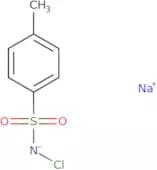
CAS:<p>Metformin is an antidiabetic drug that is used to treat type 2 diabetes. It works by increasing insulin sensitivity and decreasing glucose production in the liver. Metformin does not cause low blood sugar in people with diabetes, but it can lower blood sugar in those without the condition. Metformin is available as metformin hydrochloride and has a molecular weight of 314.5 g/mol. Metformin is excreted primarily through the kidneys, with less than 10% of a dose being excreted unchanged in the urine. Excipients include acetonitrile, which is used as an organic solvent for liquid drug products; impurities may be present due to incomplete synthesis or purification processes; and animal studies are performed to assess safety and efficacy of drugs that may have adverse effects on humans.<br>Metformin has been shown to decrease blood sugar levels in animals through its antidiabetic potential, but there are no studies showing its effect on humans with type</p>Fórmula:C16H21N3O4SPureza:Min. 95%Cor e Forma:White PowderPeso molecular:351.42 g/molN-Chloro-4-toluenesulfonamide sodium
CAS:N-Chloro-4-toluenesulfonamide sodium (NCTS) is a disinfectant that is used to treat wastewater and as a preservative for water. It has been shown to be effective against bacteria, fungi, and viruses. NCTS is an antimicrobial agent that reacts with the matrix in which it is applied to form chloramines-T (NHClO). The chloramines-T inhibits the activity of enzymes such as those involved in DNA synthesis and protein synthesis. This reaction also generates an electric current due to the redox potentials of the reactants. The presence of aziridines in NCTS leads to crosslinking between proteins, which enhances its effectiveness as a disinfectant. NCTS has been shown to have no adverse effects on human erythrocytes or DNA when used at concentrations up to 100 µg/mL.Fórmula:C7H8ClNO2S•NaPureza:Min. 95%Cor e Forma:PowderPeso molecular:228.65 g/mol1-(Aminomethyl)cyclopropanecarboxamide hydrochloride
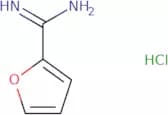
CAS:1-(Aminomethyl)cyclopropanecarboxamide hydrochloride is a versatile building block that can be used in the synthesis of complex compounds. It has been shown to be an excellent reagent for the synthesis of novel pharmaceuticals and speciality chemicals. This compound is also a useful intermediate for the preparation of high-quality products and can be used as a reaction component or scaffold in synthesis.Fórmula:C5H10N2O·HClPureza:Min. 95%Cor e Forma:White PowderPeso molecular:150.61 g/molFuran-2-carboximidamide hydrochloride
CAS:Please enquire for more information about Furan-2-carboximidamide hydrochloride including the price, delivery time and more detailed product information at the technical inquiry form on this pageFórmula:C5H6N2O•HClPureza:Min. 95%Peso molecular:146.57 g/molN-(4-Acetylphenyl)-2-chloropropanamide
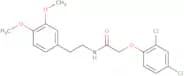
CAS:<p>Please enquire for more information about N-(4-Acetylphenyl)-2-chloropropanamide including the price, delivery time and more detailed product information at the technical inquiry form on this page</p>Fórmula:C11H12ClNO2Pureza:Min. 95%Peso molecular:225.67 g/mol2-(2,4-dichlorophenoxy)-N-(2-(3,4-dimethoxyphenyl)ethyl)ethanamide
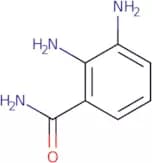
CAS:Please enquire for more information about 2-(2,4-dichlorophenoxy)-N-(2-(3,4-dimethoxyphenyl)ethyl)ethanamide including the price, delivery time and more detailed product information at the technical inquiry form on this pagePureza:Min. 95%2,3-Diaminobenzamide
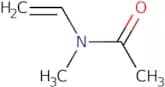
CAS:<p>2,3-Diaminobenzamide is a synthetic aromatic compound that is used as a radiation stabilizer. It is also an effective antimicrobial agent with reactive properties against bacteria and fungi. 2,3-Diaminobenzamide has been shown to have anti-cancer properties and can be used to treat inflammatory diseases such as rheumatoid arthritis or ulcerative colitis. The intramolecular hydrogen bond between the amide group and the benzene ring in 2,3-diaminobenzamide contributes to its stability and biological activity.</p>Fórmula:C7H9N3OPureza:Min. 95%Cor e Forma:PowderPeso molecular:151.17 g/molN-Methyl-N-vinylacetamide
CAS:N-Methyl-N-vinylacetamide is a colorless liquid with a boiling point of 105.6°C. It is produced by the reaction of acetamide and vinyl chloride in the presence of hydrochloric acid, glycol ether, and methyl ethyl ketone. The viscosity of this compound is low, which makes it an ideal solvent for paints and coatings. N-Methyl-N-vinylacetamide also has genetic damaging effects and can cause mutations in bacteria that are exposed to this compound in high concentrations. This product has an unusual chemical structure due to its hydrogen bonding interactions.br>br> br>br> Hydrogen bonds are weak intermolecular forces between polar molecules, such as water or alcohols, that are formed by the attraction between a partially positive hydrogen atom on one molecule and the negative end of another nearby molecule. Hydrogen bonds stabilize certain molecular structures because they provide partial shielding from electrostatic interactions withFórmula:C5H9NOPureza:Min. 97.5%Cor e Forma:Clear LiquidPeso molecular:99.13 g/molPhenylmethanesulfonamide
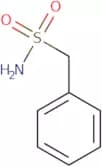
CAS:Phenylmethanesulfonamide is a chemical compound that has been shown to inhibit the proliferation of cancer cells in vitro. This drug has also been shown to be effective in reducing inflammatory diseases, such as arthritis and asthma, which may be due to its ability to inhibit prostaglandin synthesis. Phenylmethanesulfonamide has shown anti-inflammatory properties, which may be due to its inhibition of prostaglandin synthesis.Fórmula:C7H9NO2SPureza:Min. 95%Cor e Forma:PowderPeso molecular:171.22 g/mol3-(Bromomethyl)benzamide
CAS:<p>3-(Bromomethyl)benzamide is a versatile building block that can be used in the synthesis of a variety of complex compounds. It is also useful as a research chemical and as a reagent. 3-(Bromomethyl)benzamide can be used to produce useful intermediates and reaction components. This compound has been shown to be useful as scaffolds for synthetic organic chemistry.</p>Fórmula:C8H8BrNOPureza:Min. 95%Cor e Forma:PowderPeso molecular:214.06 g/mol4-Chloro-3-nitrophenylacetamide
CAS:<p>4-Chloro-3-nitrophenylacetamide is a chemical compound that can be used as a reagent, useful scaffold for research, and a high quality research chemical. CAS No. 5540-60-3, this versatile building block is useful for the synthesis of complex compounds and fine chemicals.</p>Fórmula:C8H7ClN2O3Pureza:Min. 98 Area-%Cor e Forma:PowderPeso molecular:214.61 g/molN-((1-(2-(tert-Butylamino)-2-oxoethyl)piperidin-4-yl)methyl)-3-chloro-5-fluorobenzamide
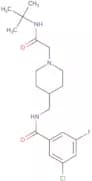
CAS:<p>N-((1-(2-(tert-Butylamino)-2-oxoethyl)piperidin-4-yl)methyl)-3-chloro-5-fluorobenzamide is a novel antiarrhythmic drug that inhibits the activation of cardiac cells. It was shown to inhibit proliferation and migration of human leukemia cells in vitro and to inhibit tumor growth in vivo. N-(1-(2-(tert-Butylamino)-2-oxoethyl)piperidin-4-yl)methyl)-3-chloro-5-fluorobenzamide has been shown to have cardioprotective effects in Sprague Dawley rats, reducing the incidence of ventricular tachycardia and fibrillation. The clinical studies conducted so far have not revealed any adverse effects on the heart or other organs.</p>Fórmula:C19H27ClFN3O2Pureza:Min. 95%Cor e Forma:White SolidPeso molecular:383.89 g/mol2-Chloro-N-(2-ethyl-6-methylphenyl)propanamide
CAS:Please enquire for more information about 2-Chloro-N-(2-ethyl-6-methylphenyl)propanamide including the price, delivery time and more detailed product information at the technical inquiry form on this pageFórmula:C12H16ClNOPureza:Min. 95%Peso molecular:225.71 g/molN-[2-(p-Cinnamylamino)ethyl]-5-isoquinolone sulfonamide
CAS:N-[2-(p-Cinnamylamino)ethyl]-5-isoquinolone sulfonamide is a high quality chemical that can be used as a reagent, complex compound, and useful intermediate. N-[2-(p-Cinnamylamino)ethyl]-5-isoquinolone sulfonamide is a fine chemical that is useful in the production of speciality chemicals. It can be used as a versatile building block and reaction component to produce various compounds.Fórmula:C20H21N3O2SPureza:Min. 95%Cor e Forma:SolidPeso molecular:367.47 g/mol(2-Chlorophenyl)-N-[4-(trifluoromethyl)phenyl]carboxamide
CAS:<p>This is a high quality reagent, complex compound, useful intermediate, and fine chemical. It is also a useful scaffold and can be used as a reaction component in the synthesis of speciality chemicals. The CAS number for this compound is 3873-79-8. <br>[[Category:Chemical Compounds]]</p>Fórmula:C14H9ClF3NOPureza:Min. 95%Peso molecular:299.68 g/mol2-Bromo-N,N-diethylacetamide
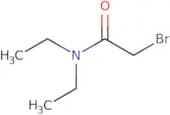
CAS:2-Bromo-N,N-diethylacetamide is a chemical compound that is used as an amide. It has been shown to have anti-inflammatory properties and can be used for the treatment of inflammatory lesions. This drug also has been shown to inhibit the production of 3-bromopropylamine hydrobromide in laboratory animals. 2-Bromo-N,N-diethylacetamide binds to cellular proteins such as mt2 receptors and can be used for the treatment of nervous system diseases such as depression. The titration calorimetry shows that 2-Bromo-N,N-diethylacetamide is a good candidate for use in biomolecular applications due to its low toxicity and high thermal stability.Fórmula:C6H12BrNOPureza:Min. 95%Cor e Forma:LiquidPeso molecular:194.07 g/mol2-Nitrilo-3-(2-thienyl)prop-2-enamide
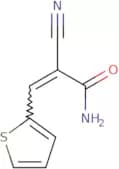
CAS:This compound is a recyclable, multicomponent, element analysis, element, diversity and catalyzed reaction that yields high purity products with high yields. The catalyst is reusable and the NMR data are reproducible.Fórmula:C8H6N2OSPureza:Min. 95%Cor e Forma:PowderPeso molecular:178.21 g/molPolyamide
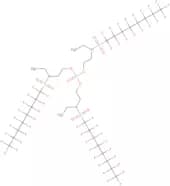
CAS:<p>Polyamide is a synthetic polymer that contains amide bonds. It is characterized by high water vapor permeability, low water solubility, and good chemical stability. Polyamide has been shown to have growth factor-β1 activity in vitro and in vivo for the treatment of tubulointerstitial injury. Polyamide is also used as a template for the synthesis of DNA. It has been shown to have antioxidant properties and inhibit prostate cancer cells. The polyamide chain can be analyzed using monoclonal antibodies and structural analysis methods such as nuclear magnetic resonance spectroscopy, infrared spectroscopy, x-ray diffraction, or electron microscopy.</p>Pureza:Min. 95%Cor e Forma:PowderTris[N-Ethyl-1,1,2,2,3,3,4,4,5,5,6,6,7,7,8,8,8-heptadecafluoro-N-(2-hydroxyethyl)-1-Octanesulfonamide] phosphate
CAS:Produto ControladoTris[N-ethyl-1,1,2,2,3,3,4,4,5,5,6,6,7,7,8,8-heptadecafluoro-N-(2-hydroxyethyl)-1-octanesulfonamide] phosphate is a sulfonate that has been mixed with other chemicals. It is used as a chemical substance for the production of other substances. Tris[N-ethyl-1,1,2,2,3]3,[4],4,[5],5,[6],6-[7],7,[8],8-[heptadecafluoro-N-(2-hydroxyethyl)-1-octanesulfonamide] phosphate has not been classified by the International Agency for Research on Cancer (IARC).Fórmula:C36H27F51N3O10PS3Pureza:Min. 95%Peso molecular:1,757.7 g/mol4-N-Octyloxybenzamide
CAS:<p>4-N-Octyloxybenzamide is a fine chemical that can be used as a building block in organic synthesis, or as a reagent in research. It is available at high quality and has been shown to be versatile. The compound can also be used as an intermediate in the synthesis of other compounds and is useful for the production of pharmaceuticals, pesticides, and herbicides. 4-N-Octyloxybenzamide has CAS number 203243-94-1.</p>Fórmula:C15H23NO2Pureza:Min. 95%Cor e Forma:PowderPeso molecular:249.35 g/mol(8β)-N-[3-(Dimethylamino)propyl]-N-[(ethylamino)carbonyl] -6-(2-propen-1-yl)-ergoline-8-carboxamide
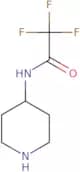
CAS:<p>Agonist of D2 dopamine receptors</p>Fórmula:C26H37N5O2Pureza:Min. 95%Cor e Forma:PowderPeso molecular:451.6 g/mol2,2,2-Trifluoro-N-(4-piperidinyl)acetamide
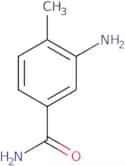
CAS:2,2,2-Trifluoro-N-(4-piperidinyl)acetamide (TFAPA) is a nucleic acid analog that binds to the target nucleic acid. TFAPA is a morpholino compound with an amide linkage between the morpholine ring and the acetic acid group. TFAPA is a sequence-specific DNA analog that inhibits protein synthesis by binding to the target nucleic acid. TFAPA can also be used as a probe for the detection of abnormal sequences in RNA.Fórmula:C7H11F3N2OPureza:Min. 95%Cor e Forma:White PowderPeso molecular:196.17 g/mol3-Amino-4-methylbenzamide
CAS:<p>3-Amino-4-methylbenzamide is an interchemical that can be utilized to synthesize naphthol. 3-Amino-4-methylbenzamide is an amide that has been shown to have a molecular modeling structure of a conformation. The interaction of 3-amino-4-methylbenzamide with the P38 kinase enzyme has been shown to inhibit the activity of this enzyme, which may lead to its use as a drug for the treatment of inflammation.</p>Fórmula:C8H10N2OPureza:Min. 95%Cor e Forma:PowderPeso molecular:150.18 g/molPigment YellOw 5;2-[(2-NitrOphenyl)azO]-3-OxO-N-phenylbutanamide
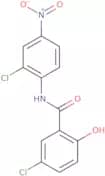
CAS:Please enquire for more information about Pigment YellOw 5;2-[(2-NitrOphenyl)azO]-3-OxO-N-phenylbutanamide including the price, delivery time and more detailed product information at the technical inquiry form on this pagePureza:Min. 95%Niclosamide
CAS:<p>Chemically a chlorinated salicylanilide, niclosamide is clinically used as an anthelmintic agent. The action of niclosamide has been proven to proceed by inhibiting the STAT3 signaling pathway. Recently, niclosamide, has been considered as an antiproliferative agent in cancer treatment, e.g. melanoma and colorectal cancer. In 2021, niclosamide has been tested for the treatment of COVID-19 patients.</p>Fórmula:C13H8Cl2N2O4Pureza:Min. 98 Area-%Cor e Forma:Off-White PowderPeso molecular:327.12 g/mol2-Cyanobenzamide
CAS:<p>2-Cyanobenzamide is a corrosion inhibitor that is used in the electrochemical industry to protect metals from corrosion. It has been shown to be suitable for use as a corrosion inhibitor in salt water and other corrosive environments. 2-Cyanobenzamide has been shown to have light sensitive properties, which is why it should not be exposed to direct light or stored in dark containers. It also inhibits enzymes that are involved in the production of reactive oxygen species (ROS) such as superoxide anion and hydrogen peroxide. The reaction of 2-cyanobenzamide with aluminium, sodium sulfide, and polymeric matrices has also been studied extensively.<br>2-Cyanobenzamide can be synthesized by reacting benzoyl chloride with ammonia and cyanogen bromide. This reaction produces a mixture of mono-, di-, tri-, and tetramers of 2-cyanobenzamide. These products can then be separated using analytical methods such as</p>Fórmula:C8H6N2OPureza:Min. 95%Peso molecular:146.15 g/mol3-Nitro-4-methoxybenzamide
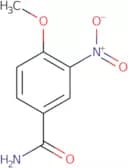
CAS:3-Nitro-4-methoxybenzamide is a versatile building block that belongs to the group of fine chemicals. It is a reagent that is used in the synthesis of complex compounds. 3-Nitro-4-methoxybenzamide has been shown to be an effective intermediate for the synthesis of pharmaceuticals, such as antibiotics and immunosuppressants. This compound also has high quality and can be used as a scaffold for other chemical syntheses.Fórmula:C8H8N2O4Pureza:Min. 95%Cor e Forma:PowderPeso molecular:196.16 g/molPicotamide
CAS:Picotamide is a drug that belongs to the class of drugs that inhibit platelet aggregation. This drug is used in the treatment of coronary artery disease and other cardiovascular diseases. Picotamide has been shown to have pharmacological effects on the heart, such as lowering blood pressure and reducing heart rate. It also has a covalent linkage with proteins, which may be due to its ability to activate receptors for biological properties like cell proliferation or differentiation. Picotamide has been shown to prevent infectious diseases, such as septicemia, by inhibiting bacterial growth. The chemical stability of picotamide makes it an attractive candidate for use in gene therapy because it can be stored at room temperature without losing its activity.Fórmula:C21H20N4O3Pureza:Min. 95%Cor e Forma:PowderPeso molecular:376.41 g/molN,N-Dimethylsulfamide
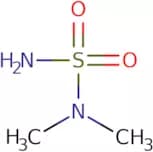
CAS:<p>N,N-Dimethylsulfamide (DMS) is a chemical compound with a molecular formula of CH3SO2NH2 that is used as an industrial solvent. It is an environmental biocide that can be used to treat wastewater and as a sample preparation agent, such as for chemical ionization in gas chromatography. DMS has been shown to have biological properties that are active against mammalian cells, but not against bacteria. This property may be due to the presence of nitrogen atoms in the molecule's structure that are capable of forming coordination complexes with metals such as copper and iron.</p>Fórmula:C2H8N2O2SPureza:Min. 98 Area-%Cor e Forma:White Off-White PowderPeso molecular:124.16 g/mol2-Amino-3-chlorobenzamide
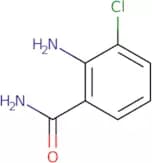
CAS:This compound is a benzamide derivative that is oxidized by nature. It has been shown to undergo ring-opening in the presence of reducing agents, such as sodium borohydride, and yields 2-amino-4-chlorobenzaldehyde. This reaction system uses an efficient catalyst such as manganese dioxide to help speed up the rate of this reaction. The product of this reaction is then converted into a variety of isatins depending on the conditions used.Fórmula:C7H7ClN2OPureza:Min. 95%Cor e Forma:Off-White PowderPeso molecular:170.6 g/mol5-Iodosalicylamide
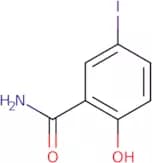
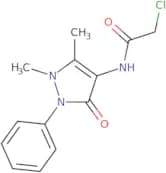
CAS:<p>5-Iodosalicylamide is a chemical building block. 5-Iodosalicylamide can be reacted with appropriately functionalised aromatic compounds to afford the corresponding anilides, which have been shown to exhibit anti-fungal and bactericidal properties.</p>Fórmula:C7H6INO2Pureza:Min. 95%Cor e Forma:PowderPeso molecular:263.03 g/mol2-Chloro-N-(1,5-dimethyl-3-oxo-2-phenyl-2,3-dihydro-1H-pyrazol-4-yl)acetamide
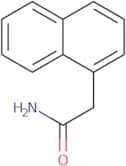
CAS:2-Chloro-N-(1,5-dimethyl-3-oxo-2-phenyl-2,3-dihydro-1H-pyrazol-4-yl)acetamide (CPA) is a chemical compound that belongs to the class of phenyl pyrazoles. It has a thermal stability and is soluble in organic solvents. CPA crystallizes in the monoclinic system with the space group P21/c, with the following unit cell parameters: a = 8.943(4) Å, b = 7.878(3) Å, c = 17.834(6) Å, α = 90°, β = 112° and γ = 90°. In this crystal structure, there are two molecules of chloride per molecule of CPA. The crystal x ray diffraction pattern showed that this compound forms dimers in solution at room temperature and can be dissolvedFórmula:C13H14ClN3O2Pureza:Min. 95%Peso molecular:279.72 g/mol1-Naphthaleneacetamide
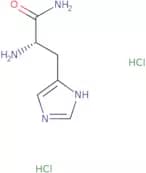
CAS:<p>1-Naphthaleneacetamide is a plant growth regulator that belongs to the class of compounds known as auxins. It inhibits the production of chlorophyll and reduces photosynthetic activity in plants, thereby causing a decrease in chlorophyll content. 1-Naphthaleneacetamide has been shown to have genotoxic effects on human cells in tissue culture. This agent also has an effect on DNA damage and repair and can be used as an analytical method for determining the presence of surfactant sodium dodecyl (SDS) in urine samples by fluorescence spectrometry.</p>Fórmula:C12H11NOPureza:Min. 98 Area-%Cor e Forma:PowderPeso molecular:185.22 g/molL-Histidine amide dihydrochloride
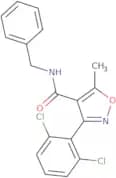
CAS:Please enquire for more information about L-Histidine amide dihydrochloride including the price, delivery time and more detailed product information at the technical inquiry form on this pageFórmula:C6H10N4O•(HCl)2Pureza:Min. 95%Cor e Forma:PowderPeso molecular:227.09 g/mol(3-(2,6-dichlorophenyl)-5-methylisoxazol-4-yl)-N-benzylformamide
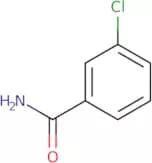
CAS:Please enquire for more information about (3-(2,6-dichlorophenyl)-5-methylisoxazol-4-yl)-N-benzylformamide including the price, delivery time and more detailed product information at the technical inquiry form on this pagePureza:Min. 95%3-Chlorobenzamide
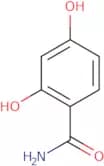
CAS:<p>3-Chlorobenzamide is an analytical reagent that is used for the separation and purification of organic compounds. It has been shown to be a catalyst for the reaction system in the dehydration of amides, amido, and halides. 3-Chlorobenzamide has also been suggested as a possible environmental pollutant due to its catalytic properties and ability to react with monoxide. The correlations between 3-chlorobenzamide concentrations in air and soil have also been studied extensively.</p>Fórmula:C7H6ClNOPureza:Min. 95%Cor e Forma:PowderPeso molecular:155.58 g/mol2-Hydroxysalicylamide
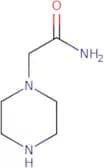
CAS:<p>2-Hydroxysalicylamide is a low-energy, small molecule that has shown to be an effective inhibitor of serine proteases. It binds to the active site of the protease, blocking catalysis and inhibiting the growth of cancer cells. 2-Hydroxysalicylamide has been shown to inhibit the transcriptional regulation of pro-inflammatory genes in a patterning assay and it inhibits tumor growth in a pain model. This drug also suppresses the expression of suppressor genes and can be used as an analgesic without causing side effects.<br>2-Hydroxysalicylamide is also a polarizer for tissues, meaning that it preferentially accumulates in tissues with high water content such as breast tissue. This property has been shown to be useful for imaging cancerous tumors.</p>Fórmula:C7H7NO3Pureza:Min. 95%Cor e Forma:PowderPeso molecular:153.14 g/mol2-Piperazin-1-ylacetamide
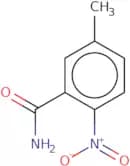
CAS:2-Piperazin-1-ylacetamide hydrochloride is a drug that binds to the protein PCSK9, which transports cholesterol into cells. It blocks the transport of cholesterol and therefore lowers the level of cholesterol in blood. 2-Piperazin-1-ylacetamide hydrochloride is used for the treatment of bowel disease, atrial fibrillation (a type of irregular heartbeat), congestive heart failure, and as an anti-viral agent. This drug has been shown to reduce levels of LDL cholesterol by up to 60%. 2-Piperazin-1-ylacetamide hydrochloride has also been shown to be effective against cancers such as prostate cancer and inflammatory bowel disease.Fórmula:C6H13N3OPureza:Min. 95%Peso molecular:143.19 g/mol5-Methyl-2-nitrobenzamide
CAS:5-Methyl-2-nitrobenzamide is a compound that has antiproliferative activity and is used as an anticancer drug. This drug inhibits the polymerization of the protein tubulin in cancer cells, thereby inhibiting cell division. It also inhibits the growth of certain tumor cell lines in vitro. 5-Methyl-2-nitrobenzamide was found to inhibit the proliferation of human ovarian carcinoma cells by binding to DNA, preventing transcription and replication of genetic information. In addition, this agent binds to tubulin and prevents its polymerization, leading to inhibition of cell division.Fórmula:C8H8N2O3Pureza:Min. 95%Cor e Forma:PowderPeso molecular:180.16 g/molCecropin A (1-7)-Melittin A (2-9) amide trifluoroacetate salt
CAS:Cecropin A (1-7)-Melittin A (2-9) amide trifluoroacetate salt is a cecropin-melittin hybrid peptide that has been immobilized on cellulose nanofibers for use as an antimicrobial. It has been shown to have strong antimicrobial activity against bacillus subtilis, and the immobilization process ensures that the peptide is not released from the surface of the material. The process of coating with nanopaper and then applying the peptides provides a stable surface with high antimicrobial activity. The synthetic peptides are synthesized by solid phase synthesis using Fmoc chemistry and purified by preparative HPLC.Fórmula:C89H152N22O15Pureza:Min. 95%Cor e Forma:PowderPeso molecular:1,770.3 g/mol2-Phenoxyacetamide
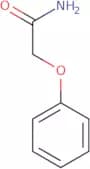
CAS:2-Phenoxyacetamide is an acylating agent that reacts with a hydroxyl group by substitution to form an ester or amide. It is used in clinical studies to combat insulin resistance and metabolic disorders, such as cancer, inflammatory bowel disease, and diabetes. 2-Phenoxyacetamide has been shown to be effective against a number of bacterial species, including Pseudomonas aeruginosa and Cryptococcus neoformans. The drug also inhibits the production of monoamine neurotransmitters in the brain and has been shown to have anti-inflammatory properties.Fórmula:C8H9NO2Pureza:Min. 95%Cor e Forma:PowderPeso molecular:151.16 g/molN-(4-(((2-Indol-3-ylethyl)amino)sulfonyl)phenyl)ethanamide
CAS:<p>Please enquire for more information about N-(4-(((2-Indol-3-ylethyl)amino)sulfonyl)phenyl)ethanamide including the price, delivery time and more detailed product information at the technical inquiry form on this page</p>Fórmula:C18H19N3O3SPureza:Min. 95%Cor e Forma:PowderPeso molecular:357.43 g/molRetinamide
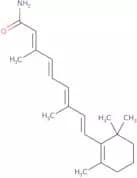
CAS:<p>Retinamide is a synthetic retinoid that is used for the treatment of skin cancer. It has been shown to induce apoptosis by activation of the c-jun N-terminal kinase (JNK) and p38 pathways, as well as by suppression of signaling through the phosphatidylinositol 3-kinase (PI3K)/Akt pathway. Retinamide also inhibits proliferation of HL60 cells and induces mitochondrial membrane depolarization in colon carcinoma cells. This drug has been shown to be a potent inhibitor of squamous cell carcinoma growth in vitro and in vivo, especially when combined with other chemotherapeutic agents. Retinamide has also been found to be effective against group P2 carcinomas, which are characterized by mutations in the BRAF gene.<br>Retinamide is metabolized by cytochrome P450 enzymes, leading to reactive metabolites that may cause toxic effects on cells. These metabolites can bind to DNA and cause strand breaks</p>Fórmula:C20H29NOPureza:Min. 95%Cor e Forma:PowderPeso molecular:299.45 g/mol2-Amino-4-chlorobenzamide
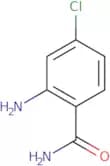
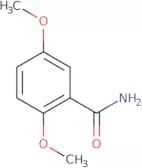
CAS:<p>2-Amino-4-chlorobenzamide is a chemical compound that has been shown to be an effective oxidant in biological systems. It is an oxidative condensation product of 4-chloro-2-nitrobenzoic acid and ammonium chloride, which is formed by the reaction of these two compounds at room temperature. The nature of the functional group on 2-amino-4-chlorobenzamide allows it to be used as a transition state analogue for the study of reactions involving amines and nitrates. This compound can also be used in experiments with isatins, due to its ability to react with ammonia hydroxide to form 2-amino-4,6 dichlorobenzamide.</p>Fórmula:C7H7ClN2OPureza:Min. 95%Cor e Forma:PowderPeso molecular:170.6 g/mol2,5-Dimethoxybenzamide
CAS:<p>2,5-Dimethoxybenzamide is a potent inhibitor of the enzyme DECATENASE. This enzyme plays an important role in the biosynthesis of the aromatic amino acids phenylalanine and tyrosine. 2,5-Dimethoxybenzamide has been shown to have anticancer activity in vitro and in vivo. Remoxipride is a synthetic drug that competitively inhibits the action of benzodiazepines on GABA receptors by binding to them with high affinity. It was developed as an antipsychotic agent but was never marketed for this indication due to its adverse effects on motor coordination. Remoxipride has also been shown to have estrogenic activity, which may be due to its ability to bind with high affinity and inhibit the enzyme aromatase, which converts testosterone into estradiol.</p>Fórmula:C9H11NO3Pureza:Min. 95%Cor e Forma:PowderPeso molecular:181.19 g/mol1H-Imidazole-4,5-dicarboxamide
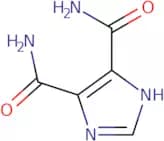
CAS:<p>1H-Imidazole-4,5-dicarboxamide is a detergent composition that contains antimicrobial agents. It has been shown to inhibit the growth of resistant mutants in vitro and is active against a broad spectrum of bacteria. Hydrogen bonding interactions between 1H-imidazole-4,5-dicarboxamide and the amide group on the cell membrane surface are thought to be responsible for its activity. This compound also inhibits nuclear DNA synthesis by binding to the enzyme topoisomerase II, which is necessary for DNA replication. The molecular weight of 1H-imidazole-4,5-dicarboxamide makes it useful as an analytical reagent in gas chromatography.</p>Fórmula:C5H6N4O2Pureza:Min. 95%Cor e Forma:PowderPeso molecular:154.13 g/mol2,3,5-Trichloro-N-(3,5-dichloro-2-hydroxyphenyl)-6-hydroxybenzamide
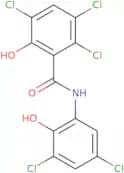
CAS:Oxyclozanide is an antimicrobial agent that inhibits the enzyme activity of chitin synthase in the nematode, which is necessary for the production of chitin. This inhibition leads to disruption of the nematode's cell membrane and death. Oxyclozanide has been shown to be effective against resistant mutants, as well as synergistic with other antimicrobial agents. It is also a specific antidote for oxyclozanide poisoning.Fórmula:C13H6Cl5NO3Pureza:Min. 95%Cor e Forma:PowderPeso molecular:401.46 g/mol3,4-Dichlorobenzamide
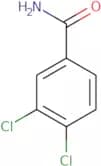
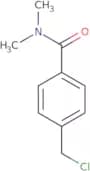
CAS:<p>3,4-Dichlorobenzamide is a synthetic opioid analgesic that binds to the μ-opioid receptor. It has a side-effect profile that is similar to other opioids, with an addiction risk and potential for abuse. 3,4-Dichlorobenzamide has been used in the synthesis of new drugs, such as phenazepam (a benzodiazepine) and etizolam (a thienodiazepine). This drug is chiral and can be synthesized in two stereoisomeric forms: 3-(+)-chloro-N-(2-chlorophenyl)benzamide and 3-(−)-chloro-N-(2-chlorophenyl)benzamide. The former form is marketed under the trade name Analgin, while the latter form is marketed under the trade name Etilex. The (+) form of this drug has a higher affinity for μ receptors than the (−) form.</p>Fórmula:C7H5Cl2NOPureza:Min. 95%Peso molecular:190.03 g/mol4-(Chloromethyl)-N,N-dimethylbenzamide
CAS:<p>4-(Chloromethyl)-N,N-dimethylbenzamide is a versatile building block that can be used in the synthesis of various complex compounds. It is a versatile intermediate and can be used in reactions as a reagent or building block. 4-(Chloromethyl)-N,N-dimethylbenzamide is also a high-quality chemical with a CAS number of 121083-51-0. The compound has many applications, including being useful as a reaction component or scaffold for research chemicals and speciality chemicals.</p>Fórmula:C10H12ClNOPureza:Min. 95%Cor e Forma:PowderPeso molecular:197.66 g/molN-[2-(1,3-Dimethylbutyl)phenyl]-5-fluoro-1,3-dimethyl-1H-pyrazole-4-carboxamide
CAS:Produto Controlado<p>N-[2-(1,3-Dimethylbutyl)phenyl]-5-fluoro-1,3-dimethyl-1H-pyrazole-4-carboxamide is an herbicide that belongs to the group of fatty acid amides. It is a selective postemergence herbicide that inhibits the germination and growth of plants by inhibiting the synthesis of fatty acids. Unlike other chemical pesticides, it has no effect on animals or humans and it is not toxic to plants. The selectivity of N-[2-(1,3-Dimethylbutyl)phenyl]-5-fluoro-1,3-dimethyl-1H-pyrazole-4-carboxamide makes it a good candidate for use in combination preparations with other chemicals.</p>Pureza:Min. 95%Acetazolamide
CAS:Produto Controlado<p>Inhibits carbonic anhydrase; diuretic</p>Fórmula:C4H6N4O3S2Pureza:98.00 To 102.00%Cor e Forma:White PowderPeso molecular:222.25 g/mol2-Cyano-N-[2-(3,4-dimethoxyphenyl)ethyl]acetamide
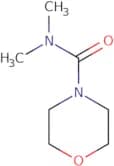
CAS:<p>Please enquire for more information about 2-Cyano-N-[2-(3,4-dimethoxyphenyl)ethyl]acetamide including the price, delivery time and more detailed product information at the technical inquiry form on this page</p>Fórmula:C13H16N2O3Pureza:Min. 95%Peso molecular:248.28 g/molN,N-Dimethylmorpholine-4-carboxamide
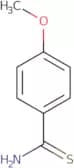
CAS:<p>Dimethylmorpholine-4-carboxamide (DMMC) is an unsymmetrical, synthetic carbamate that has antiviral properties. The antiviral properties of DMMC are due to its ability to inhibit the synthesis of viral proteins by binding to a site on the enzyme RNA polymerase and blocking the formation of a functional enzyme. This agent also has been shown to inhibit the production of nitric oxide in k562 cells. DMMC is marketed for use as an insecticide, but it has not been approved for this use. In crystallography studies, DMMC was found to have high yield and low melting point.</p>Fórmula:C7H14N2O2Pureza:Min. 95%Cor e Forma:Colorless PowderPeso molecular:158.2 g/mol4-Methoxybenzenecarbothioamide
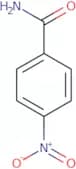
CAS:4-Methoxybenzenecarbothioamide is a urea nitrogen analogue that inhibits the synthesis of urea and other nitrogenous compounds. It is an inhibitor of the enzyme pyruvic transaminase, which converts pyruvate to alanine. The drug is also an inhibitor of the enzyme lactam synthetase, which catalyzes the formation of lactams from amino acids. This activity results in decreased production of cancer cells and renal toxicity. 4-Methoxybenzenecarbothioamide has been shown to have anticancer activity in vitro against a number of human cancer cell lines, including A549 lung carcinoma cells and MCF-7 breast cancer cells.Fórmula:C8H9NOSPureza:Min. 98 Area-%Cor e Forma:Off-White Yellow PowderPeso molecular:167.23 g/mol4-Nitrobenzamide
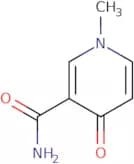
CAS:<p>4-Nitrobenzamide is a chemical substance that belongs to the class of nitrobenzamides. It is used as an intermediate in the synthesis of other substances, such as pharmaceuticals, herbicides, and pesticides. 4-Nitrobenzamide was first synthesized in 1894 by hydrogenating nitrobenzoic acid with hydrogen chloride in the presence of phosphorus pentachloride. The reaction vessel for this process should be made of glass or porcelain due to the corrosive nature of hydrogen chloride gas. The kinetics for this reaction were studied using concentration-response curves on rats and mice at different concentrations. Acute toxicities observed include respiratory distress and death in rats and convulsions and death in mice.<br>4-Nitrobenzamide is also toxic to bacteria, which can be seen by its effect on Staphylococcus aureus (strain ATCC 25923). This strain had a 50% survival rate after exposure</p>Fórmula:C7H6N2O3Pureza:Min 98%Cor e Forma:Yellow PowderPeso molecular:166.13 g/molN-Methyl-4-pyridone-3-carboxamide
CAS:<p>N-Methyl-4-pyridone-3-carboxamide is a nonnutritive sweetener that has been shown to have no effect on peroxisome proliferation. It also had no effect on the levels of fatty acids in rat cardiomyocytes and did not affect uv absorption. N-Methyl-4-pyridone-3-carboxamide binds to the receptor α subunit of the taste receptor and inhibits adenosine uptake, which may be responsible for its effects on depression. This compound also alters energy metabolism by inhibiting mitochondrial ATP production and glycolysis.</p>Fórmula:C7H8N2O2Pureza:(%) Min. 95%Cor e Forma:PowderPeso molecular:152.15 g/mol2-Iodoacetamide
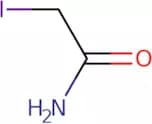
CAS:2-Iodoacetamide is a synthetic retinoid that binds to the DNA of cells, altering transcription. It also has been found to be effective in treating bowel disease and has been shown to have dna binding activity. The compound was synthesized by attaching iodine molecules to acetamide. 2-Iodoacetamide targets the protein thiols on the surface of cells, which are responsible for oxidation and damage due to reactive oxygen species (ROS). This compound is metabolized by alcohol dehydrogenase and can be used as a biological sample or natural compound.Fórmula:C2H4INOPureza:Min. 95%Cor e Forma:SolidPeso molecular:184.96 g/molN-(5-Bromoacetamidylpentyl) acrylamide
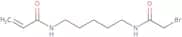
CAS:<p>N-(5-Bromoacetamidylpentyl) acrylamide is employed in the synthesis of substrates used for nucleotide sequence determination, covalently linked to polymer coatings such as poly(N-(5-azidoacetamidylpentyl)acrylamide-co-acrylamide) (PAZAM). Polynucleotide-binding substrates find application as molecular arrays and flow cells.</p>Fórmula:C10H17BrN2O2Pureza:Min. 95%Cor e Forma:PowderPeso molecular:277.16 g/mol2-Cyanoacetamide
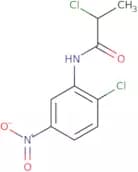
CAS:<p>2-Cyanoacetamide is an organic compound that is used in pharmaceutical preparations. It reacts with malonic acid to form a dioxime, which is a precursor of various drugs. The optimum concentration for the reaction to occur is at 10% (w/v). The reaction mechanism has not been fully elucidated and it involves the transfer of nitrogen from an amide group to a carbonyl group. 2-Cyanoacetamide has shown anti-angiogenic effects in mice by inhibiting the expression of Mcl-1 protein, which is involved in the regulation of apoptosis and inflammation. This drug also has biological functions as a precursor for dopamine, which helps regulate motor and cognitive functions.</p>Fórmula:C3H4N2OPureza:Min. 98%Cor e Forma:White Off-White PowderPeso molecular:84.08 g/mol2-Chloro-N-(2-chloro-5-nitrophenyl)propanamide
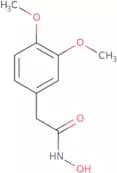
CAS:Please enquire for more information about 2-Chloro-N-(2-chloro-5-nitrophenyl)propanamide including the price, delivery time and more detailed product information at the technical inquiry form on this pageFórmula:C9H8Cl2N2O3Pureza:Min. 95%Peso molecular:263.08 g/mol2-(3,4-Dimethoxyphenyl)-N-hydroxyacetamide
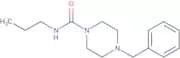
CAS:<p>2-(3,4-Dimethoxyphenyl)-N-hydroxyacetamide is a versatile building block that can be used in the production of a wide range of research chemicals. It is also useful as a reagent or speciality chemical for the preparation of pharmaceuticals, agrochemicals and other industrial chemicals. 2-(3,4-Dimethoxyphenyl)-N-hydroxyacetamide is an intermediate that can be used to synthesize complex compounds such as benzodiazepines. This compound has been shown to have high quality and can be used as a reaction component in organic synthesis.<br>2-(3,4-Dimethoxyphenyl)-N-hydroxyacetamide has CAS number 33793-80-5 and its molecular weight is 237.27 g/mol.</p>Fórmula:C10H13NO4Pureza:Min. 95%Cor e Forma:PowderPeso molecular:211.21 g/mol(4-Benzylpiperazinyl)-N-propylformamide
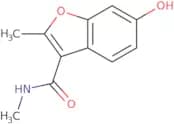
CAS:Produto Controlado<p>Please enquire for more information about (4-Benzylpiperazinyl)-N-propylformamide including the price, delivery time and more detailed product information at the technical inquiry form on this page</p>Fórmula:C15H23N3OPureza:Min. 95%Cor e Forma:PowderPeso molecular:261.36 g/mol6-Hydroxy-N,2-dimethylbenzofuran-3-carboxamide
CAS:6-Hydroxy-N,2-dimethylbenzofuran-3-carboxamide is a fine chemical which is used as a building block in the synthesis of complex compounds. It can be used as a reactant in various reactions, such as Friedel-Crafts reactions and cycloadditions. This compound has been shown to be a useful intermediate for the synthesis of various heterocyclic compounds and scaffolds for drug development. 6-Hydroxy-N,2-dimethylbenzofuran-3-carboxamide has CAS number 638217-08-0 and is readily available in high quality.Fórmula:C11H11NO3Pureza:Min. 95%Cor e Forma:PowderPeso molecular:205.21 g/molN-[(4-Amino-2-methylpyrimidin-5-yl)methyl]formamide
CAS:<p>N-[(4-Amino-2-methylpyrimidin-5-yl)methyl]formamide (NAMPT) is a triazolo compound that inhibits the ATP binding cassette transporter and blocks the uptake of uridine and pyrimidine compounds. It also inhibits inorganic pyrophosphatase, which is an enzyme that catalyzes the hydrolysis of pyrophosphate to inorganic phosphate. NAMPT has been shown to be a substrate for hypochlorous acid production in neutrophils, suggesting it may play a role in the regulation of oxidative stress. Chemical biology studies have demonstrated that NAMPT plays a physiological function as an intermediate in vitamin B1 biosynthesis.</p>Fórmula:C7H10N4OPureza:Min. 95%Cor e Forma:PowderPeso molecular:166.18 g/mol2N-Boc-2',2''-triaminotriethylamine-bis(chloroacetamide)
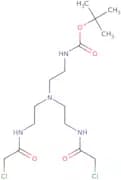
CAS:<p>2N-Boc-2',2''-triaminotriethylamine-bis(chloroacetamide) is a fine chemical and reagent for the synthesis of pharmaceuticals. It is also a useful building block for the synthesis of complex compounds. This product can be used as a reaction component in organic chemistry, or it can be used as a reagent in research or development laboratories.</p>Fórmula:C15H28Cl2N4O4Pureza:Min. 95%Peso molecular:399.31 g/mol4-Methyl-3-nitrobenzamide
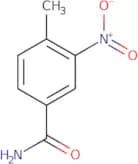
CAS:<p>4-Methyl-3-nitrobenzamide is a nitrile that can be synthesized by the reaction of potassium hydroxide and 3-nitrobenzamide. It has been shown to react with dichloroethane to form 4-methyl-3-nitrobenzoic acid. The optimum temperature for this reaction is 120°C, which leads to a high yield of 4-methyl-3-nitrobenzamide. This product is also available in an isotopic form at high purity.</p>Fórmula:C8H8N2O3Pureza:Min. 95%Cor e Forma:PowderPeso molecular:180.16 g/mol2-Indol-3-yl-2-oxo-N-(3-(1,1,2,2-tetrafluoroethoxy)phenyl)ethanamide
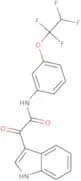
CAS:Please enquire for more information about 2-Indol-3-yl-2-oxo-N-(3-(1,1,2,2-tetrafluoroethoxy)phenyl)ethanamide including the price, delivery time and more detailed product information at the technical inquiry form on this pageFórmula:C18H12F4N2O3Pureza:Min. 95%Cor e Forma:PowderPeso molecular:380.29 g/molQuinfamide
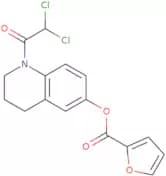
CAS:Quinfamide is a polyunsaturated compound that contains a cevimeline hydrochloride molecule. It is used to treat bowel disease, usually in combination with other drugs. Quinfamide has been shown to have specific treatment effects on the symptoms of inflammatory bowel disease (IBD) when given at doses of 400-800 mg per day for up to 12 weeks. This drug can also be used as an analog for 5-membered heteroaryl compounds, such as benzalkonium chloride, which are also used to treat bowel disease. Quinfamide has been shown to have anti-inflammatory properties and may work by inhibiting fatty acid synthesis or by reducing the number of neutrophils in the gut.Fórmula:C16H13Cl2NO4Pureza:Min. 95%Cor e Forma:White PowderPeso molecular:354.18 g/molN-Phenylhydrazinecarbothioamide
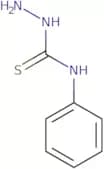
CAS:<p>N-Phenylhydrazinecarbothioamide is a chemical compound that is used in wastewater treatment. It is an organic molecule that is composed of hydrophobic and hydrophilic parts. The hydrophobic part, which contains the phenyl group, binds to the hydrophobic region of the cell membrane and causes the cell to lyse. The hydrophilic part has an affinity for water and can be used as an electrode material in electrochemical impedance spectroscopy. N-Phenylhydrazinecarbothioamide also has been shown to have antibacterial properties against human pathogens, including Mycobacterium tuberculosis, Clostridium perfringens, and Escherichia coli O157:H7. The compound has been shown to inhibit cervical cancer cells by inhibiting protein synthesis through inhibition of ribosomal activity and fragmentation assay analysis showed that N-phenylhydrazinecarbothioamide binds to copper ions at a coordination geometry of</p>Fórmula:C7H9N3SPureza:Min. 95%Cor e Forma:SolidPeso molecular:167.23 g/mol2-Chloro-N-(3-chloro-4-methylphenyl)propanamide
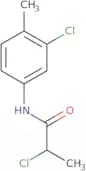
CAS:Please enquire for more information about 2-Chloro-N-(3-chloro-4-methylphenyl)propanamide including the price, delivery time and more detailed product information at the technical inquiry form on this pageFórmula:C10H11Cl2NOPureza:Min. 95%Peso molecular:232.11 g/molTolbutamide
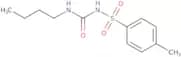
CAS:Tolbutamide is a drug that is used to treat diabetes mellitus type 2. It is an inhibitor of the enzyme glucokinase and thus blocks the phosphorylation of glucose, which prevents its utilization by cells. This results in a decrease of blood glucose levels, which can be useful in the treatment of diabetes mellitus type 2. Tolbutamide has shown potent apoptosis-inducing effects on human breast cancer cells and endothelial cells. These effects are thought to be due to inhibition of protein kinase C (PKC) activity by tolbutamide. Additionally, this drug inhibits insulin secretion from pancreatic beta cells and induces cytochrome P450 enzymes, which may lead to increased metabolism of other drugs.Fórmula:C12H18N2O3SPureza:Min. 95%Peso molecular:270.35 g/mol(+/-)-tert-Butylsulphonamide
CAS:(+/-)-tert-Butylsulphonamide is a synthetic molecule that is a functional group with two aryl halides. It has been shown to inhibit the mitochondrial protein synthesis by preventing the nitrosylation of tyrosine residues in proteins. This inhibition prevents the production of growth factors and other bioactive molecules, leading to an increase in the cell's sensitivity to genotoxic agents. (+/-)-tert-Butylsulphonamide has also been shown to inhibit viral replication and infectivity by targeting viral RNA polymerase, which is responsible for viral transcription. The chloride anion present in (+/-)-tert-butylsulphonamide may have an inhibitory effect on viruses with a low pH environment, such as naphthalene or carbonic acid; however, it does not affect viruses with a neutral pH.END>Fórmula:C4H11NO2SPureza:Min. 95%Cor e Forma:White PowderPeso molecular:137.2 g/molBrinzolamide
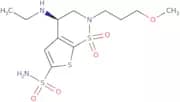
CAS:Inhibitor of carbonic anhydraseFórmula:C12H21N3O5S3Pureza:Min. 98 Area-%Cor e Forma:PowderPeso molecular:383.51 g/molCyclotheonamide A
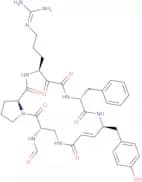
CAS:Cyclotheonamide A is a cyclopeptide, which is a type of secondary metabolite composed of non-standard amino acids arranged in a cyclic structure. It is naturally sourced from marine sponges, particularly Theonella sp., which are known for their rich and diverse repertoire of bioactive compounds. Cyclotheonamide A functions through the inhibition of serine proteases, a class of enzymes that play a significant role in numerous biological processes, including digestion, immune response, and blood coagulation.Fórmula:C36H45N9O8Pureza:Min. 95%Peso molecular:731.8 g/molN,O-Bis(trimethylsilyl) acetamide
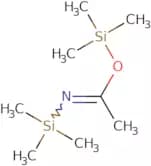
CAS:<p>N,O-Bis(trimethylsilyl) acetamide is a protein that is used as a reagent for the detection of integrin receptors. It can be used to identify human immunoglobulin and human serum proteins. This compound has been shown to be pluripotent in cells, which means that it can differentiate into any type of cell. N,O-Bis(trimethylsilyl) acetamide has been shown to have surfactant properties and can be used as an alternative in toxicity studies. This compound has been shown to be toxic to bowel disease cells when tested with a dose of 3mg/mL. The disulfide bond within this molecule may be important for its biological activity. Synchronous fluorescence spectroscopy and plasma mass spectrometry are two methods that have been used to study the structure of this molecule. Electrochemical impedance spectroscopy is another method that has been used in the structural analysis of this molecule.</p>Fórmula:C8H21NOSi2Pureza:Min. 95 Area-%Cor e Forma:Colorless Yellow Clear LiquidPeso molecular:203.43 g/molXipamide
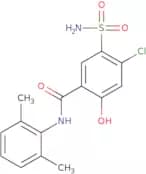
CAS:Produto ControladoXipamide is a dpp-iv inhibitor that functions by blocking the enzyme dipeptidyl peptidase IV (dpp-iv). Xipamide inhibits the production of proinflammatory cytokines such as tumor necrosis factor alpha (TNF-α) and interleukin 1 beta (IL-1β) in vitro. It is also effective against infectious diseases, including bacterial infections, respiratory tract infections, and skin infections. Xipamide has been shown to be safe for use in geriatric patients with congestive heart failure. The optimum concentration for xipamide is 0.4 μM. Xipamide has been used to study biological processes such as signal transduction, cell proliferation, and apoptosis in vitro. Optical sensor technology has been applied to examine the stability of this drug in human serum and its potential interactions with surfactant sodium dodecyl sulfate (SDS).Fórmula:C15H15ClN2O4SPureza:Min. 95%Cor e Forma:White PowderPeso molecular:354.81 g/molN-(4-(4-bromophenyl)-2,5-thiazolyl)hexanamide
CAS:Please enquire for more information about N-(4-(4-bromophenyl)-2,5-thiazolyl)hexanamide including the price, delivery time and more detailed product information at the technical inquiry form on this pagePureza:Min. 95%Tiaramide hydrochloride
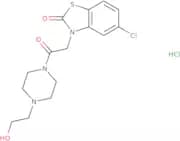
CAS:Tiaramide hydrochloride is a nonsteroidal anti-inflammatory drug that inhibits the production of prostaglandins. It has been shown to have an anti-inflammatory activity in bowel disease and inflammatory bowel disease, which may be due to its ability to inhibit the production of prostaglandin synthesis. Tiaramide hydrochloride is also a coumarin derivative that can form an n-oxide on exposure to air or light. It has been used in tissue culture experiments as a nanoparticulate composition, where it was found to have a dose-dependent effect on cell viability and proliferation. Tiaramide hydrochloride has been used in sample preparation for human serum and rat liver microsomes, where it showed a hydroxyl group that binds with fatty acids.Fórmula:C15H18ClN3O3S·HClPureza:Min. 95%Cor e Forma:PowderPeso molecular:392.3 g/molPhthalimidoyl-N-(methyltosyl)hexanamide
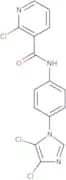
Phthalimidoyl-N-(methyltosyl)hexanamide is a fine chemical that can be used as a versatile building block and reaction component. It is an intermediate in the production of a variety of products, including pharmaceuticals and pesticides. Phthalimidoyl-N-(methyltosyl)hexanamide is also used as a reagent for the preparation of other compounds. This compound has high purity and quality, making it suitable for research purposes. The CAS number for this compound is 183828-04-7.Fórmula:C21H22N2O5SPeso molecular:414.48 g/molN-(4-(4,5-dichloroimidazolyl)phenyl)(2-chloro(3-pyridyl))formamide
CAS:Please enquire for more information about N-(4-(4,5-dichloroimidazolyl)phenyl)(2-chloro(3-pyridyl))formamide including the price, delivery time and more detailed product information at the technical inquiry form on this pagePureza:Min. 95%2,2,2-Trifluoro-n-phenylacetamide
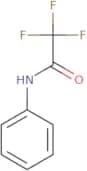
CAS:2,2,2-Trifluoro-n-phenylacetamide is a functionalized trifluoroacetic acid. It is inactive and can be used for diagnostic purposes. 2,2,2-Trifluoro-n-phenylacetamide reacts with amines to form the corresponding deuterium isotope labeled amine. The heterocyclic amines that are formed react with diazonium salt to produce an enolate anion that reacts with chloride to form the corresponding carboxylic acid derivative. The proton of the carboxylic acid leaves as a protonated ammonium ion, which is stable in alkaline solutions. Amides have a negative charge on the nitrogen atom due to its electron withdrawing properties.Fórmula:C8H6F3NOPureza:Min. 95%Cor e Forma:PowderPeso molecular:189.13 g/mol3-Cyanobenzamide
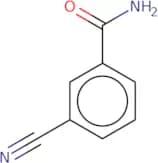
CAS:3-Cyanobenzamide is an organic compound with the formula CHC(N)NH. It is a white crystalline solid that can be obtained by reacting benzamide with cyanoacetylene. There are three possible isomers of 3-cyanobenzamide: 3-cyano-1-(substituted phenyl)benzamide, 3-cyano-2-(substituted phenyl)benzamide, and 3-cyano-3-(substituted phenyl)benzamide. The optimal reaction conditions for the synthesis of 3-cyanobenzamide are in the presence of hydrogen bonding, such as n-hexane, amide, and phase equilibrium. Studies have determined that 3-cyanobenzamide has the potential to cause cancer or liver toxicity in humans. In addition, this chemical has been shown to be an effective inhibitor of alpha glucosidase enzymes in vitro and in vivo.Fórmula:C8H6N2OPureza:Min. 90%Peso molecular:146.15 g/mol(S,E)-3-(6-Bromopyridin-2-yl)-2-cyano-N-(1-phenylethyl)acrylamide
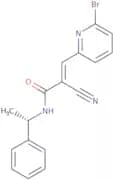
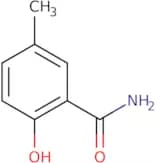
CAS:(S,E)-3-(6-Bromopyridin-2-yl)-2-cyano-N-(1-phenylethyl)acrylamide (MBI-23) is a potential antineoplastic agent that has been shown to induce regression of bladder cancer in mice. MBI-23 induces apoptosis by inhibiting the proliferation of cancer cells and inducing differentiation of cancer stem cells. It is also shown to inhibit tumor growth and progression in glioma and prostate cancer models. MBI-23 binds to the KDR receptor subtype, which is activated by organic acids and inhibited by inorganic compounds. This binding leads to constitutive activation of the KDR receptor, thereby inducing apoptosis. The tautomers and stereoisomers of MBI-23 have not been fully elucidated yet.Fórmula:C17H14ON3BrPureza:Min. 98 Area-%Cor e Forma:White PowderPeso molecular:356.22 g/mol2-Hydroxy-5-methylbenzamide
CAS:Labetalol is a β-blocker that is used to treat high blood pressure. Labetalol hydrochloride, the active form of labetalol, is a white, crystalline compound with a melting point of 200 °C. It is soluble in water and has an acidic pH of 2. Labetalol hydrochloride is synthesized by reacting methylbenzene with labetalol, which forms intermediates such as methyl 4-hydroxylbenzoate and methyl 3-hydroxylbenzoate in the process. The intermediates are then recrystallized to form the final product. Labetalol hydrochloride undergoes thermal analysis using thermogravimetry, calorimetry, and residue analysis to determine its purity. This product also undergoes carbonaceous and oxidative analysis by GC-MS for quality control purposes.Fórmula:C8H9NO2Pureza:Min. 95%Cor e Forma:PowderPeso molecular:151.16 g/molThioacetamide
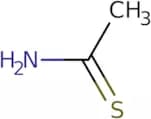
CAS:Produto Controlado<p>Thioacetamide is a chemical compound that has been used as a model system to study apoptosis. It is also known to cause injury and biochemical changes in cells. Thioacetamide is metabolized by cytochrome P450 enzymes and conjugated with glucuronic acid, which prevents it from binding to DNA or protein. The oxidation of thioacetamide by cytochrome P450 enzymes leads to the formation of reactive oxygen species that may cause DNA damage. Apoptosis induced by thioacetamide has been shown to be mediated through the mitochondrial pathway, which involves the release of cytochrome C, activation of caspase-9, and cleavage of poly (ADP-ribose) polymerase (PARP). Thioacetamide also inhibits sorbitol dehydrogenase activity, which leads to an accumulation of sorbitol in cells. This accumulation can activate transcriptional factors such as nuclear factor kappa B (NF-κB), leading to</p>Fórmula:C2H5NSPureza:Min. 98 Area-%Cor e Forma:PowderPeso molecular:75.13 g/mol2,6-Dimethoxy-3-nitrobenzamide
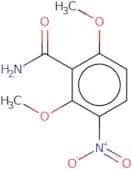
CAS:<p>2,6-Dimethoxy-3-nitrobenzamide is a fine chemical that is used as an intermediate in the synthesis of other compounds. This material can be used to make pharmaceuticals and research chemicals, such as antibiotics and pesticides. 2,6-Dimethoxy-3-nitrobenzamide is a versatile building block that can be used for the production of many different compounds. It has a CAS number of 55776-15-3 and has been assigned the Chemical Abstracts Service (CAS) registry number of 71887-92-8.</p>Fórmula:C9H10N2O5Pureza:Min. 90%Cor e Forma:PowderPeso molecular:226.19 g/molN-(4-(4,5-dichloroimidazolyl)phenyl)(2-(4-chlorophenoxy)(3-pyridyl))formamide
CAS:<p>Please enquire for more information about N-(4-(4,5-dichloroimidazolyl)phenyl)(2-(4-chlorophenoxy)(3-pyridyl))formamide including the price, delivery time and more detailed product information at the technical inquiry form on this page</p>Pureza:Min. 95%(2-Aminophenyl)-N-((3,4-dimethoxyphenyl)methyl)formamide
CAS:Please enquire for more information about (2-Aminophenyl)-N-((3,4-dimethoxyphenyl)methyl)formamide including the price, delivery time and more detailed product information at the technical inquiry form on this pageFórmula:C16H18N2O3Pureza:Min. 95%Cor e Forma:PowderPeso molecular:286.33 g/mol1,1,2,2,3,3,4,4,5,5,6,6,7,7,8,8,8-Heptadecafluoro-N-methyloctane-1-sulfonamide
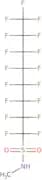
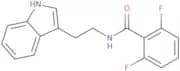
CAS:Produto Controlado<p>1,1,2,2,3,3,4,4,5,5,6,6,7,7,8,8-heptadecafluoro-N-methyloctane-1-sulfonamide is a perfluorinated sulfonate that is used as a surfactant in wastewater treatment and to package food. This compound is not water soluble and requires an organic solvent to dissolve it. It has been shown that the use of 1HFAFMS can reduce the amount of phosphates in packaging materials by up to 50%. 1HFAFMS also has been found to be safe for humans and does not accumulate in the environment. It does not bioaccumulate and is rapidly excreted through urine.</p>Fórmula:C9H4F17NO2SPureza:Min. 95%Cor e Forma:PowderPeso molecular:513.17 g/mol(2,6-difluorophenyl)-N-(2-indol-3-ylethyl)formamide
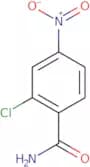
CAS:Please enquire for more information about (2,6-difluorophenyl)-N-(2-indol-3-ylethyl)formamide including the price, delivery time and more detailed product information at the technical inquiry form on this pagePureza:Min. 95%2-Chloro-4-nitro benzamide
CAS:<p>2-Chloro-4-nitrobenzamide is a drug that belongs to the sulfa drugs. It has been shown to be effective in treating autoimmune diseases, particularly bowel disease and inflammatory bowel disease. 2-Chloro-4-nitrobenzamide inhibits the synthesis of fatty acids by blocking the enzyme acetyl CoA carboxylase, which is involved in the formation of long chain fatty acids. This drug also has immunosuppressive activities, which may be due to its ability to block T cell proliferation. 2-Chloro-4-nitrobenzamide is used as a chemical intermediate for antibiotics such as maduramicin ammonium and salinomycin sodium. It is also used as a dietary supplement or pharmaceutical dosage form for cardiac glycoside drugs such as digoxin.</p>Fórmula:C7H5ClN2O3Pureza:Min. 95%Cor e Forma:PowderPeso molecular:200.58 g/mol3-Oxo-2-phenyl butanamide
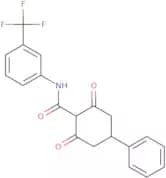
CAS:Produto Controlado3-Oxo-2-phenyl butanamide is an amphetamine that has been shown to be a potential marker for wastewater. 3-Oxo-2-phenyl butanamide is one of the many intermediates in the synthesis of amphetamine from phenylacetone and can be found in wastewater as an impurity. This compound has also been used as a marker for wastewater treatment malfunctioning. 3-Oxo-2-phenyl butanamide is excreted into the environment through urine, and its presence can be measured in water samples by gas chromatography/mass spectrometry or liquid chromatography/mass spectrometry.Fórmula:C10H11NO2Pureza:Min. 95%Cor e Forma:PowderPeso molecular:177.2 g/mol(2,6-dioxo-4-phenylcyclohexyl)-N-(3-(trifluoromethyl)phenyl)formamide
CAS:<p>Please enquire for more information about (2,6-dioxo-4-phenylcyclohexyl)-N-(3-(trifluoromethyl)phenyl)formamide including the price, delivery time and more detailed product information at the technical inquiry form on this page</p>Pureza:Min. 95%4-Hydroxyphenylacetamide
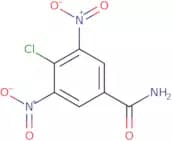
CAS:<p>4-Hydroxyphenylacetamide is a natural product that has been shown to have antibiotic properties. It inhibits the growth of bacteria by inhibiting the synthesis of p-hydroxybenzoic acid, which is an essential precursor for the biosynthesis of aromatic amino acids and other important compounds. 4-Hydroxyphenylacetamide also inhibits dopamine oxidation, which may lead to its anti-infective properties. The biological properties of 4-hydroxyphenylacetamide have been studied using electrochemical impedance spectroscopy (EIS) on bacterial strains and in vitro studies on P. aeruginosa. This compound is not metabolized by microorganisms and does not mineralize or react with oxygen at physiological pH levels. It can be used as a pharmaceutical dosage form for treatment of infectious diseases.</p>Fórmula:C8H9NO2Pureza:Min. 95%Cor e Forma:White PowderPeso molecular:151.16 g/mol4-Chloro-3,5-dinitrobenzamide
CAS:<p>4-Chloro-3,5-dinitrobenzamide is a bifunctional molecule that contains a chlorine atom. It has been found to react with dipolar solutes as well as vicinal dioxan arylation. The nucleophilic amide group is also labile and can be hydrolyzed by strong acids or bases. The electron lone pair of the chlorine atom in 4-chloro-3,5-dinitrobenzamide can be used for electrophilic substitution reactions with aromatic rings or amines. This molecule has been found to undergo an arylation reaction with imidazole in the presence of dioxan solvent at room temperature.</p>Fórmula:C7H4ClN3O5Pureza:Min. 95%Peso molecular:245.58 g/mol



![4-[2-[(3-Ethyl-4-methyl-2-oxo-3-pyrrolin-1-yl)carboxamido]ethyl]benzenesulfonamide](/_next/image/?url=https%3A%2Fstatic.cymitquimica.com%2Fproducts%2F3D%2Fthumb-webp%2FFE23124.webp&w=3840&q=75)





![N-[2-(p-Cinnamylamino)ethyl]-5-isoquinolone sulfonamide](/_next/image/?url=https%3A%2Fstatic.cymitquimica.com%2Fproducts%2F3D%2Fthumb-webp%2FFC20451.webp&w=3840&q=75)
![(2-Chlorophenyl)-N-[4-(trifluoromethyl)phenyl]carboxamide](/_next/image/?url=https%3A%2Fstatic.cymitquimica.com%2Fproducts%2F3D%2Fthumb-webp%2FFC145671.webp&w=3840&q=75)


![(8β)-N-[3-(Dimethylamino)propyl]-N-[(ethylamino)carbonyl] -6-(2-propen-1-yl)-ergoline-8-carboxamide](/_next/image/?url=https%3A%2Fstatic.cymitquimica.com%2Fproducts%2F3D%2Fthumb-webp%2FFD19622.webp&w=3840&q=75)
![Pigment YellOw 5;2-[(2-NitrOphenyl)azO]-3-OxO-N-phenylbutanamide](/_next/image/?url=https%3A%2Fstatic.cymitquimica.com%2Fproducts%2F3D%2Fthumb-webp%2FFP40385.webp&w=3840&q=75)



![N-[2-(1,3-Dimethylbutyl)phenyl]-5-fluoro-1,3-dimethyl-1H-pyrazole-4-carboxamide](/_next/image/?url=https%3A%2Fstatic.cymitquimica.com%2Fproducts%2F3D%2Fthumb-webp%2FFD156991.webp&w=3840&q=75)

![2-Cyano-N-[2-(3,4-dimethoxyphenyl)ethyl]acetamide](/_next/image/?url=https%3A%2Fstatic.cymitquimica.com%2Fproducts%2F3D%2Fthumb-webp%2FFC131318.webp&w=3840&q=75)

![N-[(4-Amino-2-methylpyrimidin-5-yl)methyl]formamide](/_next/image/?url=https%3A%2Fstatic.cymitquimica.com%2Fproducts%2F3D%2Fthumb-webp%2FFA31702.webp&w=3840&q=75)