Ácidos carboxílicos
Foram encontrados 12457 produtos de "Ácidos carboxílicos"
Ruthenium(III) nitrosyl nitrate, soluble in 10% dilute nitric acid
CAS:Please enquire for more information about Ruthenium(III) nitrosyl nitrate, soluble in 10% dilute nitric acid including the price, delivery time and more detailed product information at the technical inquiry form on this page
Fórmula:RuN4O10Pureza:Min. 95%Cor e Forma:Clear LiquidPeso molecular:317.09 g/molRef: 3D-FR57258
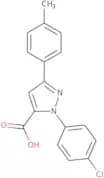
Produto descontinuado1-(4-Chlorophenyl)-3-(4-methylphenyl)-1H-pyrazole-5-carboxylic acid
CAS:Produto ControladoPlease enquire for more information about 1-(4-Chlorophenyl)-3-(4-methylphenyl)-1H-pyrazole-5-carboxylic acid including the price, delivery time and more detailed product information at the technical inquiry form on this pageFórmula:C17H13ClN2O2Pureza:Min. 95%Peso molecular:312.75 g/molRef: 3D-FC57113
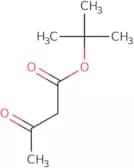
Produto descontinuadotert-Butyl acetoacetate
CAS:tert-Butyl acetoacetate is an organic molecule that contains nitrogen atoms. The structure of tert-butyl acetoacetate can be described as a planar molecule with two hydrogen atoms and two carbon atoms. One of the hydrogen atoms is bonded to the carbon atom in the middle, and the other hydrogen atom is bonded to one of the carbons on the outside. The compound has a coordination geometry with a sodium ion in its center, and it can also exist as an anion or as a cation. Tert-butyl acetoacetate was synthesized by reacting sodium carbonate with tert-butyl alcohol. This reaction is exothermic and produces tert-butyl acetoacetate along with water and sodium hydroxide. In addition, tert-butyl acetoacetate is toxicologically studied, which has shown that it does not have any carcinogenic effects or adverse effects on reproduction in rats at doses up to 2000 mg/kg/day
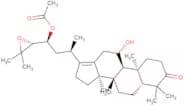
Fórmula:C8H14O3Pureza:Min. 95%Peso molecular:158.19 g/molAlisol B 23-acetate
CAS:Alisol B is a natural compound that has been shown to have significant cytotoxicity in vitro. Alisol B also inhibits the mitochondrial membrane potential, which is vital for cell survival. Alisol B is found to be active against several human cancer cell lines, including leukemia and breast cancer cells. It has also been shown to inhibit autophagy, the process by which cells degrade their own components and organelles in response to starvation or other stresses. This inhibition of autophagy leads to increased cell death. The anti-cancer effects of Alisol B are mediated through a number of different mechanisms, including the inhibition of protein synthesis and the induction of apoptosis. Alisol B has also been shown to have hepatoprotective properties in animal models.
Fórmula:C32H50O5Pureza:Min. 95%Peso molecular:514.74 g/moltert-Butyl 4-hydroxy-1-oxa-9-azaspiro[5.5]undecane-9-carboxylate
CAS:Please enquire for more information about tert-Butyl 4-hydroxy-1-oxa-9-azaspiro[5.5]undecane-9-carboxylate including the price, delivery time and more detailed product information at the technical inquiry form on this page
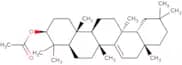
Fórmula:C14H25NO4Pureza:Min. 95%Peso molecular:271.35 g/molTaraxeryl acetate
CAS:Produto ControladoTaraxeryl acetate is a fatty acid that is found in the extract of Curcuma aromatica (turmeric). It has been shown to inhibit cervical cancer cells in tissue culture. Taraxeryl acetate inhibits the growth of Streptococcus faecalis by binding to its ribosomal RNA and inhibiting protein synthesis. Toxicological studies on rats have shown that this compound does not have any harmful effects on physiological functions. This molecule has also been shown to be an inhibitor for protocatechuic acid, which is a chemical structure involved in the cycle analysis of curcuminoids. In addition, taraxeryl acetate has been used as an active ingredient in Chinese medicine preparations for the treatment of symptoms related to herpes simplex virus infections.
Pureza:Min. 95%Ref: 3D-FT74120
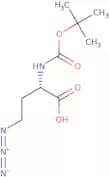
Produto descontinuadoN-alpha-Boc-Ngamma-Azido-L-2,4-diaminobutyric acid cyclohexylamine salt
CAS:Please enquire for more information about N-alpha-Boc-Ngamma-Azido-L-2,4-diaminobutyric acid cyclohexylamine salt including the price, delivery time and more detailed product information at the technical inquiry form on this page
Fórmula:C9H16N4O4·C6H13NPureza:Min. 95%Peso molecular:343.42 g/molRef: 3D-FB57246
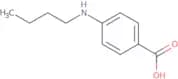
Produto descontinuado4-(Butylamino)benzoic acid
CAS:4-(Butylamino)benzoic acid is a non-steroidal anti-inflammatory drug (NSAID) that has been used to treat pain. It is a prodrug, which is metabolized in the liver to 4-(butylamino)-phenylacetic acid, its active form. The 4-(butylamino)benzoic acid molecule has a hydrophobic effect and binds to chloride ions. This binding inhibits the production of prostaglandins, which are mediators of pain. 4-(Butylamino)benzoic acid also reduces the activity of plasma cells that produce antibodies and increases the activity of lymphocytes and platelets, leading to an increase in immunoglobulin levels.
Fórmula:C11H15NO2Pureza:Min. 95%Cor e Forma:PowderPeso molecular:193.24 g/molRef: 3D-FB133577
Produto descontinuado5-Hexynoic acid
CAS:5-Hexynoic acid is a chemical compound that has been shown to have anticancer properties. The mechanism of action is not fully understood, but it may be due to its ability to inhibit an enzyme called irreversible acetylcholinesterase, which is involved in the production of several pro-inflammatory mediators. 5-Hexynoic acid has also been shown to inhibit the growth of prostate cancer cells and can be used as a therapeutic agent for prostate cancer. It is synthesized by plants and some microorganisms, although it is not found in humans. 5-Hexynoic acid can be produced from conjugates with glutamic acid or oxalyl chloride in an acidic environment.
Fórmula:C6H8O2Pureza:Min. 95%Cor e Forma:Clear LiquidPeso molecular:112.13 g/molRef: 3D-FH61672
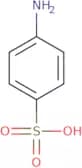
Produto descontinuado4-Aminobenzenesulfonic acid
CAS:4-Aminobenzenesulfonic acid is a sulfonic acid that is used in wastewater treatment. It has been shown to be an excellent water permeability agent and can be used as an additive to the process of making sulfonated polymers for use in water filtration. 4-Aminobenzenesulfonic acid has been shown to have enzyme inhibitory effects on metal hydroxide-dependent enzymes, such as sulphanilic and sulfanilic acid. This compound also has been investigated as a potential therapeutic agent for the treatment of cancer, with some success. It has been shown to stimulate the production of picolinic acid, which is an intermediate in the kynurenine pathway leading to production of nicotinamide adenine dinucleotide (NAD+). In humans, 4-aminobenzenesulfonic acid can bind toll-like receptors (TLRs) and activate TLR4 signaling pathways.
Fórmula:C6H7NO3SPureza:Min. 95%Peso molecular:173.19 g/molRef: 3D-FA139881
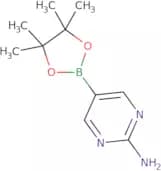
Produto descontinuado2-Aminopyrimidine-5-boronic acid pinacol ester
CAS:2-Aminopyrimidine-5-boronic acid pinacol ester is a boronic acid derivative that has been shown to inhibit the activity of protein kinase C. This compound is also an effective linker for cross-coupling reactions and has a low reactivity with nucleophiles, which makes it safer than other boronic acids. 2-Aminopyrimidine-5-boronic acid pinacol ester has been shown to be potent against cancer cells in vitro and in vivo and synthetic cells. 2-Aminopyrimidine-5-boronic acid pinacol ester inhibits the growth of cancer cells by binding to the ATP site on protein kinase C, thereby inhibiting its function.
Fórmula:C10H16BN3O2Pureza:Min. 95 Area-%Cor e Forma:PowderPeso molecular:221.06 g/molRef: 3D-FA33574
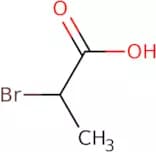
Produto descontinuado2-Bromopropionic acid
CAS:2-Bromopropionic acid is a tetroxide used in organic synthesis. It is an intermediate in the synthesis of 2,4-dibromopropionamide and 2,4-dibromo-3-methylpentanoic acid. The reaction mechanism of this process starts with the formation of a bromine atom from bromine monoxide and hydrogen peroxide. This bromine atom reacts with the carbon to form an alkyl radical that reacts with another molecule of bromine monoxide to form an alkyl radical that is stabilized by two atoms of hydrogen (i.e., CBr). The alkyl radical then undergoes a nucleophilic attack on iodobenzene to form an iodoalkane intermediate. This intermediate reacts with acetic acid to form the desired product, acetyl chloride. This reaction also produces iodoacetic acid as a byproduct.
Fórmula:C3H5BrO2Pureza:Min. 95%Peso molecular:152.97 g/molRef: 3D-FB53769
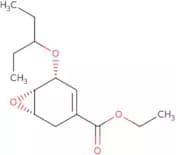
Produto descontinuadoEthyl (3R,4S,5S)-4,5-epoxy-3-(1-ethylpropoxy)cyclohex-1-ene-1-carboxylate
CAS:Please enquire for more information about Ethyl (3R,4S,5S)-4,5-epoxy-3-(1-ethylpropoxy)cyclohex-1-ene-1-carboxylate including the price, delivery time and more detailed product information at the technical inquiry form on this page
Fórmula:C14H22O4Pureza:Min. 95%Peso molecular:254.32 g/molRef: 3D-FE22924
Produto descontinuado3-Thienylmalonic acid
CAS:3-Thienylmalonic acid is a template molecule that is used in kinetic studies of receptor binding reactions. It is a white solid with a molecular weight of 170.07 g/mol and an empirical formula of CHOS. 3-Thienylmalonic acid has been shown to be effective for corrosion inhibition, as it reacts with chloride ions to form a complex that does not allow the metal surface to corrode. This process can be done in a pH range from 1 to 14 and the reaction solution is colorless, odorless, and stable at room temperature. 3-Thienylmalonic acid also has photocatalytic activity, which allows it to degrade organic molecules such as malonic acid or human serum proteins. The compound can also be used as an electrochemical impedance spectroscopy (EIS) probe for wastewater treatment or chloride solutions.
Pureza:Min. 95%Ref: 3D-FT03095
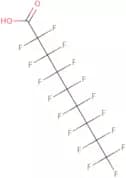
Produto descontinuadoHeptadecafluorononanoic acid
CAS:Heptadecafluorononanoic acid is a long-chain fatty acid that has been used as a building block in the synthesis of polymers. It has been shown to have an effect on locomotor activity and thermal expansion in human serum, as well as on maternal blood. Heptadecafluorononanoic acid has also been found to be effective for the treatment of hepatic steatosis and may have long-term efficacy. This compound is also able to bind with receptors, which can contribute to its biological properties. Heptadecafluorononanoic acid has been shown to inhibit geriatric patients' reaction solution. The analytical method for heptadecafluorononanoic acid consists of gas chromatography with flame ionization detection (GC-FID).
Fórmula:C9HF17O2Pureza:Min. 95%Cor e Forma:PowderPeso molecular:464.08 g/molRef: 3D-FH60471
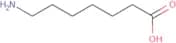
Produto descontinuado7-Aminoheptanoic acid
CAS:7-Aminoheptanoic acid is a fatty acid that contains a hydroxyl group on the seventh carbon of its chain. This compound has been shown to bind to and activate the receptor GPR120. It is also used in the synthesis of pharmaceuticals, such as anti-inflammatory agents, and in analytical methods for detecting peptides. 7-Aminoheptanoic acid can be synthesized by reacting hydrochloric acid with an amine or amide, followed by reaction with an ester hydrochloride. The compound can be purified using preparative high performance liquid chromatography (HPLC).
Fórmula:C7H15NO2Pureza:Min. 95%Peso molecular:145.2 g/molRef: 3D-FA30974
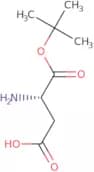
Produto descontinuadoL-Aspartic acid alpha-tert-butyl ester
CAS:L-Aspartic acid alpha-tert-butyl ester is a synthetic amino acid that can be used as a substrate for the synthesis of L-cysteine in the presence of selenomethionine. This compound is an auxotroph and cannot be synthesized by the body, so it must be obtained through diet or supplementation. It has been shown to have anti-cancer properties, which may be due to its role in regulating cell proliferation, apoptosis, and angiogenesis. L-Aspartic acid alpha-tert-butyl ester may also inhibit colon cancer cells by preventing them from recycling proteins. This compound was shown to inhibit HCT116 human colon cancer cells in both experimentally and computationally studies. Additionally, this molecule was seen to induce tumor regression in mice with colitis by inhibiting eukaryotic protein synthesis. This inhibition was found to be mediated through a trifluoromethyl group on the molecule's
Fórmula:C8H15NO4Pureza:Min. 95%Cor e Forma:PowderPeso molecular:189.21 g/molRef: 3D-FA47669
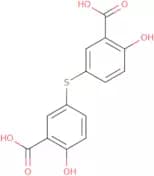
Produto descontinuado5,5'-Thiodisalicylic Acid
CAS:5,5'-Thiodisalicylic Acid is a reactive functional group with a silver ion. This compound has a hydrochloric acid and hydroxy group that react to form a hydroxyl group with the proton. It also has a nitrogen atom, which can be found in the reactive acidic hydroxyl group of 5,5'-thiodisalicylic acid. The fatty acids are viscosity and carbonyl groups. 5,5'-Thiodisalicylic Acid is an organic compound that reacts with chloride to form patterns.
Pureza:Min. 95%Ref: 3D-FT62679
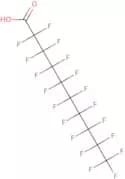
Produto descontinuadoNonadecafluorodecanoic acid
CAS:Nonadecafluorodecanoic acid (NDFA) is a fatty acid that has been shown to be an effective solvent for wastewater treatment. This product has been found to have a matrix effect on mouse tumor cells, as well as enzyme activities in vitro. NDFA has also been shown to have acute toxicities in mice and genotoxic activity in vitro. NDFA is not carcinogenic and does not react with DNA, but does cause mutagenic effects such as single-stranded breaks, double-stranded breaks, or cross-linkages between DNA strands. The molecular weight of NDFA is 216 g/mol and the melting point is -52°C. It can be detected by electrochemical detector at concentrations of 0.1 ppm and by optical sensor at concentrations of 1 ppm. The analytical method used for NDFA quantification is gas chromatography/mass spectrometry (GC/MS).
Fórmula:C10HF19O2Pureza:Min. 95%Cor e Forma:PowderPeso molecular:514.08 g/molRef: 3D-FN60474
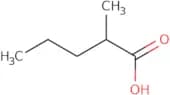
Produto descontinuado2-Methyl pentanoic acid
CAS:2-Methyl pentanoic acid is a coordination complex that is synthesized by the condensation of propionyl chloride and 2-methylpentanoyl chloride. It has been shown to have anticancer activity against human cervical cancer cells, inhibiting the growth of cells in culture. The mechanism of action may be due to its ability to inhibit the production of mitochondrial proteins, leading to cell death. 2-Methyl pentanoic acid also has a strong affinity for fatty acids and can be used as an inhibitor of fatty acid synthase, which is an enzyme that catalyzes the synthesis of long chain fatty acids in mitochondria. 2-Methyl pentanoic acid can also be used as a treatment for seizures caused by divalproex sodium and isovaleric acid. It inhibits the production of 3-hydroxyisovaleric acid, which is responsible for these seizures, through competitive inhibition with valine at the 3 position on the enzyme's active site.
Fórmula:C6H12O2Pureza:Min. 95%Cor e Forma:Clear LiquidPeso molecular:116.16 g/molRef: 3D-FM01022
Produto descontinuado


![tert-Butyl 4-hydroxy-1-oxa-9-azaspiro[5.5]undecane-9-carboxylate](/_next/image/?url=https%3A%2Fstatic.cymitquimica.com%2Fproducts%2F3D%2Fthumb-webp%2FFB125443.webp&w=3840&q=75)