Aldeídos
Os aldeídos são compostos orgânicos que contêm um grupo carbonila (C=O) ligado a pelo menos um átomo de hidrogênio. Esses compostos versáteis são fundamentais em várias reações químicas, incluindo oxidação, redução e adição nucleofílica. Os aldeídos são building blocks essenciais na síntese de produtos farmacêuticos, fragrâncias e polímeros. Na CymitQuimica, oferecemos uma ampla seleção de aldeídos de alta qualidade para apoiar suas aplicações de pesquisa e industriais.
Foram encontrados 8573 produtos de "Aldeídos"
Ordenar por
Pureza (%)
0
100
|
0
|
50
|
90
|
95
|
100
4-Fluoro-2-(trifluoromethyl)benzaldehyde
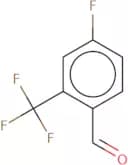
CAS:<p>4-Fluoro-2-(trifluoromethyl)benzaldehyde is a chemical compound that can be used as a reagent in the formylation reaction. This product is soluble in ether, chloroform and benzene. The crystallographic data of this product are available and show that it has an isotropic crystal structure with a monoclinic unit cell. The molecular weight of this product is 150.38 g/mol and the molecular formula is C8H6F3O. The wavelength at which maximum absorption occurs for this product is 266 nm.</p>Fórmula:C8H4F4OPureza:Min. 95%Cor e Forma:Clear LiquidPeso molecular:192.11 g/mol3-Iodo-4-hydroxybenzaldehyde
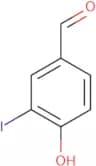
CAS:<p>3-Iodo-4-hydroxybenzaldehyde (3IB) is an amide that is found in plant tissue. It has been shown to have a number of biological activities, including hypoiodous acid production, chromatographic activity, and ether extract activity. 3IB can be synthesized from benzofuran derivatives or by treating the corresponding nitrobenzene with hydrochloric acid. Bioassays using thyroid enzyme have shown that 3IB may inhibit the synthesis of daunorubicin, a potent antitumour drug. Molecular modelling studies suggest that 3IB binds to ATP synthase by forming hydrogen bonds with the amino acids Gly and His in the active site.</p>Fórmula:C7H5IO2Pureza:90%Cor e Forma:PowderPeso molecular:248.02 g/mol3-Fluoro-2-methoxybenzaldehyde
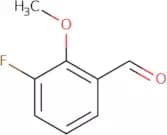
CAS:<p>3-Fluoro-2-methoxybenzaldehyde is a synthetic chemical that has been used as a precursor in the synthesis of pharmaceuticals and other organic compounds. 3-Fluoro-2-methoxybenzaldehyde can be prepared through the lithiation, chloromethylation, or trimethylation of 3-fluoroacetophenone. The compound can be oxidized to 3,4-dihydrobenzofuran with peroxide at low temperature. This conversion can be achieved using a variety of reagents, such as boron tribromide or boron trichloride.</p>Fórmula:C8H7FO2Pureza:Min. 95%Cor e Forma:Colorless PowderPeso molecular:154.14 g/mol3-Benzyloxybenzaldehyde
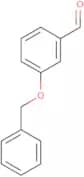
CAS:<p>3-Benzyloxybenzaldehyde (3BOBA) is a hydrochloride salt of 3-benzyloxybenzaldehyde. 3BOBA has shown anti-inflammatory activity in hl-60 cells and prostate cancer cells through inhibition of the activation of nuclear factor kappa B. This inhibition was found to be due to the apoptosis protein, survivin, which was downregulated by 3BOBA treatment. The analogs of 3BOBA are known as curcumin analogs, and have shown anticancer properties in clinical trials.</p>Fórmula:C14H12O2Pureza:Min. 95%Cor e Forma:PowderPeso molecular:212.24 g/mol4-(Hydroxymethyl)benzaldehyde
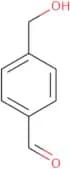
CAS:<p>4-(Hydroxymethyl)benzaldehyde is a molecule that can be used as an immunosuppressant. The molecule has been shown to inhibit the activity of tyrosinase, which is an enzyme that catalyzes the oxidation of L-tyrosine to produce melanin. 4-(Hydroxymethyl)benzaldehyde has also been shown to have chemosensory properties, which may allow it to be used in chemical sensors. It has not yet been determined if this molecule is able to inhibit the production of melanin in humans or other mammals.</p>Fórmula:C8H8O2Pureza:Min. 95%Cor e Forma:PowderPeso molecular:136.15 g/mol3,4-Dichlorobenzaldehyde oxime
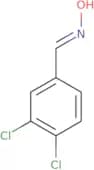
CAS:<p>3,4-Dichlorobenzaldehyde oxime is a natural carotenoid that has been shown to have antibacterial activity. 3,4-Dichlorobenzaldehyde oxime is produced by the reaction of malonate and aldehyde in an incubated system. This compound has been shown to be active against Gram-positive bacteria such as staphylococcus and aldoximes and Gram-negative bacteria such as E. coli, Salmonella typhimurium, and Shigella flexneri. 3,4-Dichlorobenzaldehyde oxime inhibits bacterial growth by binding to the 50S ribosomal subunit of the bacterial cell membrane. This binding prevents protein synthesis, leading to cell death. The biosynthesis of 3,4-dichlorobenzaldehyde oxime involves the conversion of abscisic acid (ABA) into ABA quinone through oxidation by an enzyme called ABA oxidase</p>Fórmula:C7H5Cl2NOPureza:Min. 95%Cor e Forma:PowderPeso molecular:190.03 g/mol4-Ethoxy-3-methoxybenzaldehyde
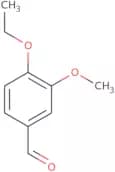
CAS:<p>4-Ethoxy-3-methoxybenzaldehyde is an organic compound that can be found in plants, such as in the leaves of the nutmeg plant. It is a cleavage product of 4-hydroxycoumarin. 4-Ethoxy-3-methoxybenzaldehyde is a dicarboxylic acid by substructure and it has been shown to be an intermediate in the synthesis of ethylene acetal and hydrogen peroxide. It is also postulated to react with chloride to form 4-chloroacetophenone and chloride ions, which are then reacted with hydrogen peroxide to form hydrochloric acid. The acute toxicity of this compound has not been determined but it may cause toxic effects on extracellular cells, such as radical species. The toxicities of 4-ethoxy-3-methoxybenzaldehyde have been observed in biphenyl which causes skin irritation, liver toxicity, kidney damage, and respiratory irritation</p>Fórmula:C10H12O3Pureza:Min. 95%Cor e Forma:PowderPeso molecular:180.2 g/moltrans-2-Heptenal
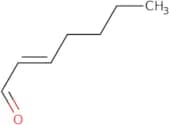
CAS:<p>2-Heptenal is a fatty acid that is found in small quantities in the human body. It has been shown to inhibit the activity of lipases and esterases, which are enzymes that break down fats. 2-Heptenal can be used as an analog for fatty acids and as a sample preparation agent when preparing fatty acids for analysis. 2-Heptenal has been shown to exhibit degenerative disease properties, such as Alzheimer's disease. Researchers have used 2-heptenal as a model system to study the aggregation process of amyloid proteins, which may lead to the development of drugs for treatment of these diseases.</p>Fórmula:C7H12OPureza:Min. 95.0 Area-%Cor e Forma:Colorless Slightly Yellow Clear LiquidPeso molecular:112.17 g/mol4-Hydroxy-3-nitrobenzaldehyde
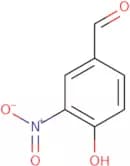
CAS:<p>4-Hydroxy-3-nitrobenzaldehyde (4NBA) is a chemical compound that belongs to the class of aromatic compounds. It is an intermediate in the synthesis of various pharmaceuticals, including benzocaine and nitroglycerin, and has been researched for its potential use in cancer diagnosis. 4NBA has shown optical properties that allow it to be used as a model system for studying the interactions between water and benzyl groups. It also possesses anti-inflammatory properties due to its ability to inhibit the production of inflammatory cytokines such as IL-1β, IL-6, and TNFα.</p>Fórmula:C7H5NO4Pureza:Min. 95%Cor e Forma:PowderPeso molecular:167.12 g/mol2-Fluoro-6-methoxybenzaldehyde
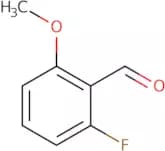
CAS:<p>2-Fluoro-6-methoxybenzaldehyde is a quinone that is used as an intermediate in the synthesis of other organic compounds. It has been shown to be a competitive inhibitor of malonate-induced fibrillation in heart muscle and also slows the reaction time. The pharmacokinetic properties of 2-fluoro-6-methoxybenzaldehyde have been evaluated in dogs, rats, and rabbits. In all three species, 2-fluoro-6-methoxybenzaldehyde showed no significant accumulation in any tissue after intravenous injection and was rapidly excreted unchanged in urine. 2-Fluoro-6-methoxybenzaldehyde may have some potential as an antihypertensive agent due to its ability to reduce blood pressure in rabbits.</p>Fórmula:C8H7FO2Pureza:Min. 95%Cor e Forma:PowderPeso molecular:154.14 g/molTerephthaldicarboxaldehyde
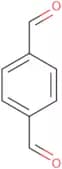
CAS:<p>Terephthaldicarboxaldehyde is a white crystalline solid that has been shown to be soluble in hydrogen fluoride, water vapor, and sodium salts. It is also insoluble in water. Langmuir adsorption isotherm experiments have shown that the solubility of terephthaldicarboxaldehyde increases with increasing concentration of chitosan polymer. Terephthaldicarboxaldehyde has been used as an analytical method for p-hydroxybenzoic acid (PHBA) and terephthalic acid (TPA). It can also be used as a fluorescent probe to detect the presence of these compounds in aqueous solutions.</p>Fórmula:C8H6O2Pureza:Min. 95%Cor e Forma:PowderPeso molecular:134.13 g/mol3,5-Dichlorobenzaldehyde
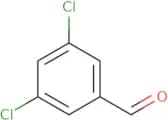
CAS:<p>3,5-Dichlorobenzaldehyde is an organic compound with the formula CHClO. It is a colorless liquid that smells like freshly cut grass. 3,5-Dichlorobenzaldehyde is used in organic synthesis as an electrophile for the preparation of substituted benzoquinones and other heterocycles. It is also used to prepare aromatic amines via aldol condensation with ketones. In addition, it can be used to generate azides from nitroarenes or nitroalkanes in the presence of sodium azide or potassium azide. Finally, it can be used to synthesize molybdenum compounds such as molybdic acid and ammonium molybdate.</p>Fórmula:C7H4Cl2OPureza:Min. 95%Cor e Forma:PowderPeso molecular:175.01 g/mol2-Chloro-6-fluorobenzaldehyde oxime
CAS:<p>2-Chloro-6-fluorobenzaldehyde oxime is the chemical compound with the formula ClCH=C(O)N(OH)Cl. It is a white solid that is soluble in water and ethanol. 2-Chloro-6-fluorobenzaldehyde oxime is used as a versatile building block in organic synthesis, for example as a reagent for the preparation of amides, esters, and nitriles. It is also useful as a reagent for the conversion of ketones to nitriles.</p>Fórmula:C7H5ClFNOPureza:Min. 95%Peso molecular:173.57 g/molo-Anisaldehyde
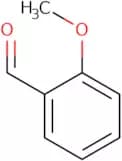
CAS:o-Anisaldehyde is a chemical compound that has the molecular formula CH3CHO. It is an aromatic compound that contains a hydroxyl group (-OH) bonded to a benzene ring. o-Anisaldehyde is soluble in water and reacts with copper chloride to form copper (II) o-anisate, which can be used as a reagent for oxidation reactions. It also forms coordination compounds with metal ions like zinc and iron. The crystal structure of o-anisaldehyde has been determined by x-ray crystallography and shows that it contains two asymmetric carbon atoms, which are oriented in opposite directions. This molecule can be synthesized from phenol or catechol by heating them with an acidified solution of sodium nitrite in ethanol. The reaction mechanism of this process involves the formation of an oxime intermediate followed by hydrolysis. The kinetics data of this reaction have been obtained using titration calorimetry and kinetic energy measurements show that the reactionFórmula:C8H8O2Pureza:Min. 95%Cor e Forma:PowderPeso molecular:136.15 g/mol2,4-Difluorobenzaldehyde
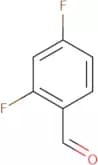
CAS:<p>2,4-Difluorobenzaldehyde is a glycosidic bond compound that is chiral. It has been shown to be able to inhibit human immunodeficiency virus (HIV) infection and inflammatory bowel disease. 2,4-Difluorobenzaldehyde is also an inhibitor of cholesterol ester transfer protein that can lead to autoimmune diseases. This compound has been shown to have receptor activity and is synthesized by the reaction of 2,4-dichlorobenzaldehyde with dimethyl acetal in refluxing ethanol. The synthesis method for this compound involves synchronous fluorescence and radiations. 2,4-Difluorobenzaldehyde has been found to have anti-inflammatory properties due to its ability to inhibit chronic pulmonary inflammation in rats.</p>Fórmula:C7H4F2OPureza:Min. 95%Cor e Forma:Clear LiquidPeso molecular:142.1 g/mol2-Hydroxy-4-morpholinobenzaldehyde
CAS:<p>Please enquire for more information about 2-Hydroxy-4-morpholinobenzaldehyde including the price, delivery time and more detailed product information at the technical inquiry form on this page</p>Fórmula:C11H13NO3Pureza:Min. 95%Peso molecular:207.23 g/mol3-Methoxy-4-methylbenzaldehyde
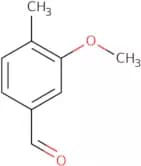
CAS:<p>3-Methoxy-4-methylbenzaldehyde is a chemical compound that belongs to the class of phenylpropanoids. It has been shown to have a variety of uses, including as a drug substance and in natural products. 3-Methoxy-4-methylbenzaldehyde can be used for labeling, mass spectrometric detection, physicochemical techniques, and chromatographic science. The compound can be detected using electron ionization, mass spectrometric detection, or chromatographic science. Isomers of this compound are often difficult to identify due to the presence of other similar compounds.</p>Fórmula:C9H10O2Pureza:Min. 95%Cor e Forma:PowderPeso molecular:150.17 g/molo-Nitrocinnamaldehyde
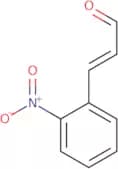
CAS:o-Nitrocinnamaldehyde is an aldehyde that belongs to the group of β-unsaturated aldehydes. It has been shown to inhibit cancer cell growth in vitro and in vivo. o-Nitrocinnamaldehyde inhibits xanthine oxidase by preventing the oxidation of hypoxanthine to xanthine and xanthine to uric acid. This prevents the formation of superoxide radicals, which are known carcinogens. The compound also inhibits aldehyde dehydrogenase, which prevents the oxidation of nitro compounds that have been generated by nitrosation reactions. These reactions are catalyzed by nitric oxide synthases (NOS) and convert nitrate into nitrite and then into reactive nitrogen species such as peroxynitrites. o-Nitrocinnamaldehyde also inhibits uv absorption, which may be due to its ability to form supramolecular aggregates with other organic molecules or metal ions.Fórmula:C9H7NO3Pureza:Min. 95%Peso molecular:177.16 g/mol4-(Trifluoromethylthio)benzaldehyde
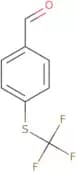
CAS:4-(Trifluoromethylthio)benzaldehyde is a magnetic, stereogenic, mononuclear compound with a thermodynamic stability that has been improved by advances in the field of thermodynamics. The compound can also be synthesized using an asymmetric synthesis and is tetrasubstituted with antiferromagnetic coupling. 4-(Trifluoromethylthio)benzaldehyde has many functions, including being able to control the oxidation-reduction potentials of lanthanide ions and ferromagnetic materials. It also has a calorimetry effect on the adsorption of water vapor onto hydrophobic surfaces.Fórmula:C8H5F3OSPureza:Min. 95%Cor e Forma:PowderPeso molecular:206.19 g/mol5-(4-Chlorophenyl)-2-furaldehyde
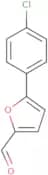
CAS:<p>5-(4-Chlorophenyl)-2-furaldehyde (5-CPFA) is an antitubercular drug that inhibits the growth of tuberculosis bacteria by disrupting the synthesis of DNA. It is a functional theory that 5-CPFA inhibits the bacterial enzyme, chalcone hydroxylase, which is involved in the conversion of chalcones to flavones. This inhibition prevents the formation of reactive oxygen species and leads to cell death. The mechanism of action for 5-CPFA has been shown to be due to its ability to form covalent bonds with metal ions such as copper, zinc, and iron. When exposed to ultraviolet radiation, this compound reacts with these metal ions and causes bond cleavage in DNA strands. The resulting damage in DNA strands leads to cell death within hours.</p>Fórmula:C11H7ClO2Pureza:Min. 95%Cor e Forma:PowderPeso molecular:206.62 g/mol4-Fluoro-1H-indole-3-carbaldehyde
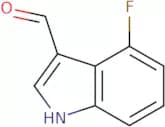
CAS:<p>4-Fluoro-1H-indole-3-carbaldehyde is a chemical compound that can be used as a reagent, reaction component, or building block in the synthesis of more complex compounds. This chemical is also known as CAS No. 23073-31-6 and has high quality and purity. 4-Fluoro-1H-indole-3-carbaldehyde is useful for research purposes and can be used as a speciality chemical or a fine chemical.</p>Fórmula:C9H6FNOPureza:Min. 95%Cor e Forma:Yellow To Brown SolidPeso molecular:163.15 g/mol6-Bromoveratraldehyde
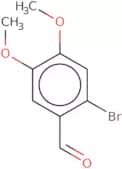
CAS:6-Bromoveratraldehyde (6BrA) is a synthetic compound that has been shown to be an effective agent for inducing apoptosis in leukemia cells. It is an efficient method for synthesizing the compound and has been used as a model study for biphenyl and naphthalene. 6BrA induces cell death by topoisomerase-mediated DNA cleavage, which results in chromosomal fragmentation and high levels of reactive oxygen species in the cell.Fórmula:C9H9BrO3Pureza:Min. 95%Cor e Forma:White PowderPeso molecular:245.07 g/mol3,4-Dihydroxy-5-nitrobenzaldehyde
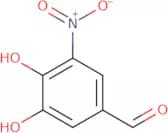
CAS:<p>3,4-Dihydroxy-5-nitrobenzaldehyde is a chemical substance that is used in an analytical method to measure the level of methoxy groups in chronic kidney disease. The methanol solvent and hydrochloric acid are used to dissolve the sample, which is then titrated with trifluoroacetic acid. The chloride ion reacts with the methylene group from the 3,4-dihydroxy-5-nitrobenzaldehyde molecule to form a new compound that can be detected by ultraviolet light at 254 nm. The active methylene group is quantified by measuring its absorbance at this wavelength and comparing it with a calibration curve using known concentrations of sodium salts. This test has been shown to be more sensitive than other chromatographic methods for detecting methoxy groups in chronic kidney disease.</p>Fórmula:C7H5NO5Pureza:Min. 95%Cor e Forma:Yellow PowderPeso molecular:183.12 g/mol4-Benzyloxy-3,5-dimethylbenzaldehyde
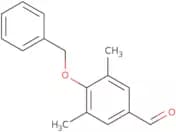
CAS:<p>4-Benzyloxy-3,5-dimethylbenzaldehyde is a potent anticancer drug that inhibits cell proliferation and induces apoptosis. It has been shown to inhibit the growth of prostate cancer cells and human erythroleukemia cells. This compound also has antibacterial activity against gram-positive bacteria such as methicillin-resistant Staphylococcus aureus (MRSA) and Mycobacterium tuberculosis. 4-Benzyloxy-3,5-dimethylbenzaldehyde binds to the flavone binding site on the enzyme DNA gyrase and topoisomerase IV in both bacterial and mammalian cells. This binding leads to inhibition of DNA synthesis by preventing the formation of an enzyme complex with DNA polymerase. A study has shown that apigenin, one of the flavone derivatives found in this compound, enhances the antitumor activity of cisplatin by inhibiting DNA repair mechanisms in human cancer cells.</p>Fórmula:C16H16O2Pureza:90%Cor e Forma:PowderPeso molecular:240.3 g/mol5-Cyanoindole-3-carboxaldehyde
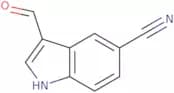
CAS:<p>5-Cyanoindole-3-carboxaldehyde is an aldehyde that is used in synthesis of β-unsaturated aldehydes. It is prepared by the reaction of 3-cyanoindole with formaldehyde. 5-Cyanoindole-3-carboxaldehyde has antibacterial activity against gram positive and gram negative bacteria. It also has a high yield and can be purified by filtration or by condensation with chlorobenzene. 5-Cyanoindole-3-carboxaldehyde can be activated by irradiation, which makes it useful for the production of pharmaceuticals.</p>Fórmula:C10H6N2OPureza:Min. 95%Peso molecular:170.17 g/mol2-Chloro-4-hydroxybenzaldehyde
CAS:2-Chloro-4-hydroxybenzaldehyde is a potent competitive inhibitor of serine proteases, including thrombin. It also has an anticoagulant effect and can be used as an anti-cancer agent. 2-Chloro-4-hydroxybenzaldehyde has been shown to have a strong affinity for the progesterone receptor, which is a protein that regulates the activity of progesterone in cells. 2-Chloro-4-hydroxybenzaldehyde also binds to the formyl group of phenols and quinones, which leads to its use as an antioxidant in various applications. This compound is found in environmental pollution, where it can chelate metal ions such as chloride and lead.Fórmula:C7H5ClO2Pureza:Min. 95%Cor e Forma:PowderPeso molecular:156.57 g/mol2-(3-Chlorophenyl)thiazole-4-carbaldehyde
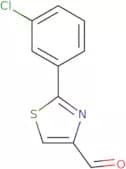
CAS:<p>Please enquire for more information about 2-(3-Chlorophenyl)thiazole-4-carbaldehyde including the price, delivery time and more detailed product information at the technical inquiry form on this page</p>Fórmula:C10H6ClNOSPureza:Min. 95%Cor e Forma:PowderPeso molecular:223.68 g/mol2-Naphthaldehyde oxime
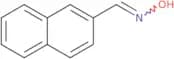
CAS:<p>2-Naphthaldehyde oxime is a reactive aldoxime that can be used as an oxidant in organic chemistry. It is able to increase the rate of hydrolysis by acid catalysts, and has been shown to cause biomolecular damage due to its ability to react with functional groups such as amines and alcohols. 2-Naphthaldehyde oxime reacts with silicon, styrene, and polystyrene. The reaction produces carbon dioxide, hydrogen, and water. This product also has the capability of solvating organic compounds through the use of water molecules. Hypervalent oxidation reactions may occur with 2-naphthaldehyde oxime due to its ability to form multiple bonds with oxygen atoms.</p>Fórmula:C11H9NOPureza:Min. 95%Cor e Forma:PowderPeso molecular:171.2 g/mol2-Nitroterephthalaldehyde
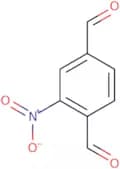
CAS:<p>2-Nitroterephthalaldehyde is a chiral molecule that can be used in the supramolecular synthesis of macrocycles. This molecule has been shown to catalyze the formation of imines, which are important for the synthesis of macrocycles. The kinetic and thermodynamic properties of 2-Nitroterephthalaldehyde have been studied and found to be favorable for this type of reaction.</p>Fórmula:C8H5NO4Pureza:Min. 95%Cor e Forma:PowderPeso molecular:179.13 g/mol4-Fluoro-3-hydroxybenzaldehyde
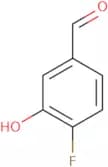
CAS:<p>4-Fluoro-3-hydroxybenzaldehyde is a fluorescent chemical that belongs to the group of alcohols. It has been shown to have the following properties: an excitation wavelength of 285 nm, a fluorescence wavelength of 350 nm, and a quantum yield of 0.004%. The solvent effect on 4-fluoro-3-hydroxybenzaldehyde's fluorescence intensity is approximately linear with concentration, but the fluorescence profile is dependent on the polarity of the solvent. The phenyl group of 4-fluoro-3-hydroxybenzaldehyde causes it to be more polarizable than other molecules in its class. The kinetic rate constants for 4-fluoro-3-hydoxybenzaldehyde were found by measuring the decay rates of its fluorescence emission as a function of time.</p>Fórmula:C7H5FO2Pureza:Min. 95%Cor e Forma:PowderPeso molecular:140.11 g/mol4-Nitrocinnamaldehyde
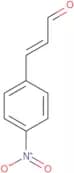
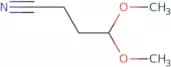
CAS:<p>4-Nitrocinnamaldehyde is a diazonium salt that is used as an efficient method for the synthesis of nitro compounds. Nitro compounds are used in the production of explosives, insecticides, and herbicides. 4-Nitrocinnamaldehyde reacts with hydrochloric acid to produce trifluoroacetic acid, which is then reacted with an organic compound to produce a nitro compound. This reaction has been shown to be irreversible and not sensitive to functional groups. 4-Nitrocinnamaldehyde binds to the enzyme cytochrome P450 reductase, inhibiting its function. The binding of 4-nitrocinnamaldehyde to enzymes such as pyruvate kinase and acetylcholinesterase has also been observed in binding experiments.</p>Fórmula:C9H7NO3Pureza:Min. 95%Cor e Forma:PowderPeso molecular:177.16 g/mol3-Cyanopropionaldehydedimethylacetal
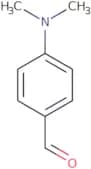
CAS:3-Cyanopropionaldehydedimethylacetal (3CPDMA) is a reactive compound that inhibits the proliferation of muscle cells. It has been shown to inhibit the synthesis of 3-hydroxy-3-methylglutaryl coenzyme A, which is required for the production of cholesterol and fatty acids. This inhibition leads to a decrease in the growth of cells and their ability to divide. 3CPDMA has also been shown to have an inhibitory effect on picolinic acid, which is involved in the activation of receptors that induce cellular proliferation. The inhibition of this receptor may be due to its ability to compete with other ligands for binding sites on the receptor. It has been shown that 3CPDMA acts as an antagonist against acarids, which are mites that feed on skin cells. This property may be due to its antagonistic effects on amino acid composition, which may affect calcium uptake by cells or cell membrane permeability.Fórmula:C6H11NO2Pureza:Min. 95%Cor e Forma:PowderPeso molecular:129.16 g/mol4-(Dimethylamino)benzaldehyde
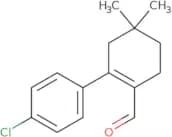
CAS:4-(Dimethylamino)benzaldehyde (4DMAB) is an analytical reagent used to identify sulfa drugs. It has been shown to react with sulfonamides by the formation of a complex ion, which can be detected by analytical methods such as electrochemical impedance spectroscopy or ultraviolet spectroscopy. 4DMAB has also been studied for its anticarcinoid properties. The carcinoid syndrome is characterized by a tumor that releases serotonin and other substances into the bloodstream, causing severe diarrhea, flushing, and bronchial spasms. Studies have shown that 4DMAB inhibits the release of serotonin in this condition. As a result, it may be effective against carcinoid syndrome.Fórmula:C9H11NOPureza:Min. 95%Cor e Forma:White Slightly Yellow PowderPeso molecular:149.19 g/mol2-(4-Chlorophenyl)-4,4-dimethyl-1-cyclohexene-1-carboxaldehyde
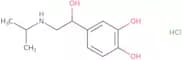
CAS:2-(4-Chlorophenyl)-4,4-dimethyl-1-cyclohexene-1-carboxaldehyde is a high quality reagent that can be used as a useful intermediate in the production of complex compounds. It is also a fine chemical with CAS No. 1228837-05-5 and is useful scaffold for the production of speciality chemicals. This compound has been identified as a useful building block with versatile uses in research and development, such as reaction components in organic synthesis.Fórmula:C15H17ClOPureza:Min. 95%Cor e Forma:Clear LiquidPeso molecular:248.75 g/molIsoprenaline HCl
CAS:<p>Isoprenaline is a hormone that belongs to the category of catecholamines. It is a naturally occurring compound and has been used in medicine as an injectable medication for over 50 years. Isoprenaline is used primarily to treat bronchial asthma, but it also may be used to treat cardiac arrest and heart failure. The drug works by binding to the beta-adrenergic receptors in the lungs, heart, and fat cells. This binding stimulates the production of cyclic adenosine monophosphate (cAMP) in these tissues, which relaxes smooth muscle cells and increases their rate of metabolism. As a result, airways open up due to decreased constriction and increased bronchial secretions are cleared away. The drug also has been shown to have beneficial effects on adipose tissue and structural heart disease.</p>Fórmula:C11H17NO3·HClPureza:Min. 95%Cor e Forma:White PowderPeso molecular:247.72 g/mol2,5-Dimethylbenzaldehyde
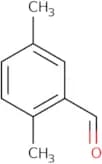
CAS:<p>2,5-Dimethylbenzaldehyde is a chemical that is used in the synthesis of various compounds. It has been shown to have anticancer and energy metabolism properties. 2,5-Dimethylbenzaldehyde can be used as an energy source in the mitochondria. This compound also prevents the formation of fatty acids by inhibiting the conversion of acetyl-CoA into malonyl-CoA. The phase transition temperature for 2,5-dimethylbenzaldehyde is approximately −20 °C. The reaction mechanism for this compound is not well understood, but it has been shown to react with piperonal to form 3,4-dimethylbenzyl alcohol and methyl ethyl ether, which are both carcinogenic compounds. Chemical ionization mass spectrometry experiments have shown that protonated 2,5-dimethylbenzaldehyde reacts with methane gas to form methyl ethane and hydrogen gas. Thermodynamic data suggest that 2,5-dimethyl</p>Fórmula:C9H10OPureza:Min. 98.0 Area-%Cor e Forma:Slightly Yellow Clear LiquidPeso molecular:134.18 g/mol3-Bromo-5-chloro-2-hydroxybenzaldehyde
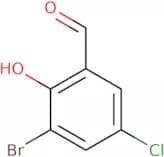
CAS:<p>3-Bromo-5-chloro-2-hydroxybenzaldehyde is a molecule that contains nitrogen atoms. It has coordination geometry and a chelate ring. 3-Bromo-5-chloro-2-hydroxybenzaldehyde also has electrochemical properties, which can be studied by cyclic voltammetry. This molecule is a copper complex that exhibits fluorescence properties and dihedral angles. The magnetic resonance spectrum of 3-bromo-5-chloro-2 hydroxybenzaldehyde displays hydrogen bonding interactions and an imine nitrogen. 3BChBrOH also absorbs light at wavelengths of 280 nm (max) and 240 nm (min).</p>Fórmula:C7H4BrClO2Pureza:Min. 95%Cor e Forma:PowderPeso molecular:235.46 g/mol4-Isopropoxybenzaldehyde
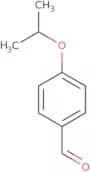
CAS:<p>4-Isopropoxybenzaldehyde is a synthetic compound that belongs to the group of lipopolysaccharides. It is a photophysical and voltammetric study of wastewater, which was found to be an effective halide scavenger. 4-Isopropoxybenzaldehyde has been shown to have high antibacterial activity against methicillin-resistant Staphylococcus aureus (MRSA) and Mycobacterium tuberculosis. This compound also has acute toxicities when administered to animals. The toxicity may be due to its ability to inhibit protein synthesis as well as other cellular processes.</p>Fórmula:C10H12O2Pureza:Min. 95%Peso molecular:164.2 g/molL-Noradrenaline bitartrate monohydrate
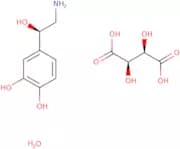
CAS:<p>L-Noradrenaline is the major precursor of norepinephrine, a neurotransmitter that regulates blood pressure and heart rate. L-Noradrenaline bitartrate monohydrate is a potent vasopressor drug that has been shown to increase blood pressure. The effects in animals are biphasic, with an initial pressor phase followed by a second phase with vasodilator effects. L-Noradrenaline bitartrate monohydrate has been shown to stimulate transcription of proteins, such as model protein and dopamine receptor D1 (D1R). This stimulation has been shown to be mediated through the activation of protein kinase C (PKC) and Ca2+/calmodulin-dependent protein kinase II (CaMKII). It has also been shown to have antioxidant effects in the presence of hydroxyl radicals. L-Noradrenaline bitartrate monohydrate can cause symptoms such as nausea, vomiting, and diarrhea in humans at high doses.</p>Fórmula:C12H19NO10Pureza:Min. 98 Area-%Cor e Forma:PowderPeso molecular:337.28 g/mol4-(N,N-Diethylamino)salicylaldehyde
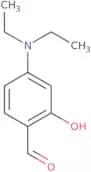
CAS:<p>4-(N,N-Diethylamino)salicylaldehyde is a coumarin derivative that has been shown to be a fluorescent probe for proton transfer. It emits light at around 400 nm when the probe is excited by light of wavelength greater than 300 nm. The emission spectrum changes from green to red as the pH increases. 4-(N,N-Diethylamino)salicylaldehyde also exhibits fluorescence enhancement in the presence of metal ions such as Fe3+, Cu2+, or Cr3+. This compound can be used as a fluorescent probe for hydrogen bonding interactions and metal hydroxides.</p>Fórmula:C11H15NO2Pureza:Min. 95%Cor e Forma:PowderPeso molecular:193.24 g/mol4-Ethoxy-3-hydroxybenzaldehyde
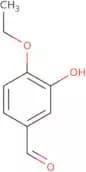
CAS:<p>4-Ethoxy-3-hydroxybenzaldehyde (4EHB) is a thioacetal that has been shown to be an effective precursor for the synthesis of many other molecules, such as combretastatin a-4. It is prepared by reaction of ethylmagnesium bromide and acetone. 4EHB has been shown to have antifungal properties in vitro, and can be used in the treatment of cancer cells. This compound is volatile and can be easily detected with headspace techniques. The functional group of this molecule is an alcohol group, which is found on the ring structure. Spectroscopic analysis shows that it has a carbonyl group with an OH group attached to it.</p>Fórmula:C9H10O3Pureza:Min. 95%Cor e Forma:Colorless PowderPeso molecular:166.17 g/mol4-Bromo-3-fluorobenzaldehyde
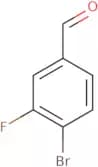
CAS:4-Bromo-3-fluorobenzaldehyde is a drug substance that can be used in cancer therapy. It is a cross-linking agent that can form covalent bonds with DNA and proteins, which inhibits the ability of cells to replicate. 4-Bromo-3-fluorobenzaldehyde has been shown to have cytotoxic activity against human cancer cells in culture. This compound is synthesized by an unsymmetrical nitroaldol reaction, followed by Suzuki coupling with 3-(4′-methoxyphenyl) propanone. The structural formula for this product is C9H5BrFO2.Fórmula:C7H4BrFOPureza:Min. 95%Peso molecular:203.01 g/molBenzaldehyde dimethyl acetal
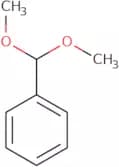
CAS:<p>Vegetable, nutty and floral flavour/fragrance</p>Fórmula:C9H12O2Pureza:Min. 95%Cor e Forma:Clear LiquidPeso molecular:152.19 g/mol3-Bromo-4,5-dimethoxybenzaldehyde
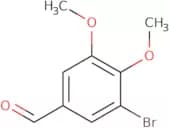
CAS:<p>3-Bromo-4,5-dimethoxybenzaldehyde is a molecule that is acidic in nature. It inhibits phosphatases and has shown cytotoxic activity against cancer cells in vitro. This compound also has antibacterial properties and can be used to treat bacterial infections. 3-Bromo-4,5-dimethoxybenzaldehyde is also a synthetic compound that can be found in the bisbenzylisoquinoline alkaloids family. It has been shown to have anti-tumor activity as well as an interaction with aldehydes and chalcones, which may lead to anti-inflammatory effects.</p>Fórmula:C9H9BrO3Pureza:Min. 95%Cor e Forma:PowderPeso molecular:245.07 g/mol(E)-2-Octenal
CAS:<p>(E)-2-Octenal is a reactive compound that is produced by the degradation of unsaturated fatty acids. It has been shown to have antioxidant properties, which may be due to its ability to inhibit the activity of lipoxygenase and cyclooxygenase enzymes. (E)-2-Octenal also inhibits bacterial growth through genotoxic effects, such as DNA damage and mutations. The chemical ionization mass spectrometry method has been used for identification and quantification of (E)-2-octenal in a variety of natural products, including ethyl decanoate, caproic acid, and galacturonic acid.</p>Fórmula:C8H14OPureza:Min. 95 Area-%Cor e Forma:Clear LiquidPeso molecular:126.2 g/mol3,4-Dimethoxybenzaldehyde
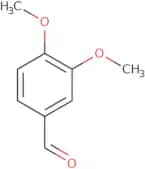
CAS:<p>3,4-Dimethoxybenzaldehyde is a crystalline cellulose that has been shown to have anthelmintic properties. 3,4-Dimethoxybenzaldehyde reduces the redox potential of the parasite and inhibits the oxidative metabolism of p-hydroxybenzoic acid (pHBA). It also inhibits the biosynthesis of dihydroconiferyl alcohol and usnic acid, which are building blocks for bacterial cell walls. The reaction mechanism is thought to be due to a hydrogen atom transfer from 3,4-dimethoxybenzaldehyde to the p-hydroxybenzoic acid molecule. The product of this reaction is an aromatic ring with a hydroxyl group on carbon 2 and an ether oxygens on carbons 3 and 4. This aromatic ring will then react with another molecule of 3,4-dimethoxybenzaldehyde to produce a new molecule with two hydroxyl groups on carbons 2 and 5. This will</p>Fórmula:C9H10O3Pureza:Min. 95%Cor e Forma:PowderPeso molecular:166.17 g/mol2-Hydroxy-4-methoxybenzaldehyde
CAS:2-Hydroxy-4-methoxybenzaldehyde is an organic chemical that is used as a versatile building block for complex compounds, research chemicals, and reagents. It is also used as a speciality chemical and as a useful intermediate in the synthesis of other chemicals. 2-Hydroxy-4-methoxybenzaldehyde has CAS No. 673-22-3 and can be used to make many different types of compounds. This compound is a useful scaffold for the synthesis of diverse compounds with biological activity such as pharmaceuticals, agrochemicals, dyes, perfumes, fragrances, flavors and fragrances.Fórmula:C8H8O3Pureza:Min. 99.0 Area-%Peso molecular:152.15 g/mol3-Hydroxybenzaldehyde
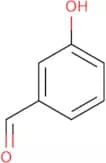
CAS:<p>3-Hydroxybenzaldehyde (3HBA) is an organic molecule that belongs to the group of substituted benzaldehydes. It has been shown to induce muscle cell proliferation in vitro and in vivo, as well as increased levels of activated caspase-3 in vitro. 3HBA also has a high resistance to hydrochloric acid, hydrogen bond, and chemical structures. It also shows properties of intramolecular hydrogen bonding and aldehyde groups. 3HBA has been shown to be active against malonic acid-induced pulmonary edema in rats, which may be due to its ability to inhibit the release of erythrocytes from the bone marrow into the circulation.</p>Fórmula:C7H6O2Pureza:Min. 96 Area-%Cor e Forma:Off-White PowderPeso molecular:122.12 g/mol(3E)-4-(1,3-Benzodioxol-4-yl)-3-butenoic acid
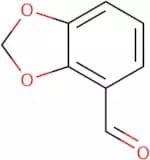
CAS:2,3-Methylenedioxybenzaldehyde is an organic compound that has been used as a chemical ionization reagent in the development of chemosensors. The formyl group in this molecule reacts with chloride to produce the corresponding formate salt, which can be detected by gas chromatography. This compound has also been shown to inhibit bacterial growth in vitro and may have potential applications as a drug substance. 2,3-Methylenedioxybenzaldehyde is an isomer of 2,4-methylenedioxybenzaldehyde, which has been shown to inhibit bacterial growth via hydrogen bonding with amines and electron deficient molecules such as chlorides. 2,3-Methylenedioxybenzaldehyde can be used for chromatographic science and the detection of drugs in urine samples.Fórmula:C11H10O4Pureza:Min. 95%Cor e Forma:PowderPeso molecular:206.19 g/mol2-Phenoxybenzaldehyde
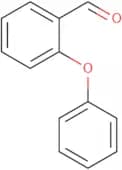
CAS:<p>2-Phenoxybenzaldehyde is an organic compound that belongs to the heterocyclic aldehyde family. It is a white solid with a strong, pleasant odor. 2-Phenoxybenzaldehyde is used as an intermediate in organic synthesis, and has been shown to inhibit the receptor activity of human leukocyte antigen (HLA) class II molecules. The reaction mechanism for this inhibition is not known. The reaction of 2-phenoxybenzaldehyde with hydrochloric acid produces phenylhydroxylamine, which can be oxidized by inorganic acids to form phenyloxalic acid. This compound also inhibits the production of inflammatory cytokines such as TNFα and IL-1β in vitro and in vivo.</p>Fórmula:C13H10O2Pureza:Min. 95%Cor e Forma:Clear LiquidPeso molecular:198.22 g/mol