Padrões Farmacêuticas
Subcategorias de "Padrões Farmacêuticas"
- APIs para pesquisa e impurezas(276.375 produtos)
- Activadores e Inibidores de Enzimas(2.829 produtos)
- Nitrosaminas(2.627 produtos)
- Compostos e metabolitos farmacêuticos e veterinários(2.900 produtos)
- Toxicologia(13.531 produtos)
Foram encontrados 7963 produtos de "Padrões Farmacêuticas"
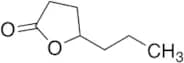
γ-Heptalactone
CAS:Produto ControladoApplications ��-Heptanolactone, �� 98.0% (cas# 105-21-5) is a useful research chemical.
Fórmula:C7H12O2Cor e Forma:NeatPeso molecular:128.171-Amino-2-naphthol Hydrochloride
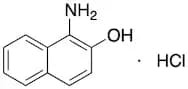
CAS:Produto ControladoApplications 1-Amino-2-naphthol Hydrochloride can be used as novel yellow pigment for making color filter.
References Kaichi, H., et.al.: Jpn. Kokai Tokkyo Koho JP 2018123190 A, 14, (2018);Fórmula:C10H9NO·HClCor e Forma:NeatPeso molecular:195.641-Nitronaphthalene
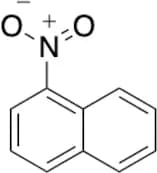
CAS:Produto ControladoApplications 1-Nitronaphthalene as a nitroaromatic compound is studied for mutagenicity, as nitroaromatics are used in everyday products from polmers, dyes to drugs.
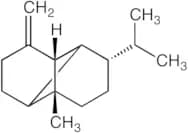
References Tawari, N., et al.: Int J Pharm Pharm Sci., 6, 149-157 (2014)Fórmula:C10H7NO2Cor e Forma:NeatPeso molecular:173.17(-)-β-Copaene
CAS:Produto ControladoApplications (-)-β-Copaene is a natural product, present in very small quantities in numerous plants and trees. It is used in the investigations of acid catalyzed, photochemical and thermally induced rearrangements of Germacrene D (G367765).
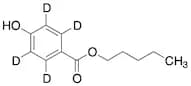
References Bulow, N., Konig, A.: Phytochemistry, 55, 141 (2000);Fórmula:C15H24Cor e Forma:NeatPeso molecular:204.351n-Pentyl 4-Hydroxybenzoate-2,3,5,6-d4
CAS:Produto ControladoApplications n-Pentyl 4-Hydroxybenzoate-2,3,5,6-d4 (CAS# 1219798-66-9) is a useful isotopically labeled research compound.
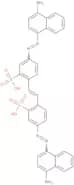
Fórmula:C12H12D4O3Cor e Forma:NeatPeso molecular:212.284,4'-Bis(4-amino-1-naphthylazo)-2,2'-stilbenedisulfonic acid - 70%
CAS:4,4'-Bis(4-amino-1-naphthylazo)-2,2'-stilbenedisulfonic acid - 70% (DABS) is a chemical compound that has been used in biochemical research. It is an azo dye and was originally synthesized by reacting 1-naphthol with 4-aminodiphenylamine. The color of DABS varies according to the pH. It can be obtained as either a red or blue compound at pH > 7 and as a yellow compound at pH 7. DABS interacts with human recombinant proteins, such as collagen and endoplasmic reticulum, and is capable of binding to the surface of cells. This dye also shows biological properties that are similar to those of phenothiazines when it is used in biochemical experiments involving recombinant human proteins.Fórmula:C34H26N6O6S2Pureza:Min. 95%Cor e Forma:Purple PowderPeso molecular:678.74 g/mol17α-Estradiol 17-valerate
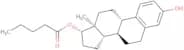
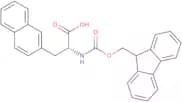
CAS:Please enquire for more information about 17α-Estradiol 17-valerate including the price, delivery time and more detailed product information at the technical inquiry form on this pageFórmula:C23H32O3Pureza:Min. 95%Cor e Forma:PowderPeso molecular:356.5 g/molFmoc-3-(2-naphthyl)-D-alanine
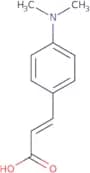
CAS:Fmoc-3-(2-naphthyl)-D-alanine is a fluorescent pressor agent that can be used in supramolecular chemistry. It has an anion form and a cation form, which are both present in the filtrate. The chemical will also form micelles when mixed with water. Fmoc-3-(2-naphthyl)-D-alanine is acetylated and can be used to study the nature of agarose. Fmoc-3-(2-naphthyl)-D-alanine can be used to measure the concentration of sorbitol in chromatography. This chemical has been shown to bind to DNA under microscopy, making it useful for fluorescence microscopy studies.Fórmula:C28H23NO4Pureza:Min. 95%Cor e Forma:PowderPeso molecular:437.49 g/mol4-Dimethylaminocinnamic acid
CAS:4-Dimethylaminocinnamic acid (DMA) is a natural organic compound found in plants and animals. This compound has been studied for its potential use as a drug, but it is not currently used in medicine. 4-Dimethylaminocinnamic acid can inhibit the activity of certain enzymes by binding to them, including the enzyme polymerase chain that synthesizes DNA. It also can bind to other proteins, such as carbonyl groups and cinnamic acid derivatives, which are found in human liver cells. 4-Dimethylaminocinnamic acid can form hydrogen bonds with other molecules due to its hydroxyl group and carboxylic acid group. It also has a high viscosity due to its long hydrocarbon chain.
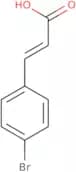
Fórmula:C11H13NO2Pureza:Min. 95%Cor e Forma:PowderPeso molecular:191.23 g/mol4-Bromocinnamic acid
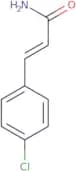
CAS:4-Bromocinnamic acid is a plant metabolite that is found in the leaves of plants belonging to the family Capparaceae. It can be extracted from these leaves using methanol as a solvent and then purified by column chromatography. 4-Bromocinnamic acid has been shown to have antitumor properties and has been studied in a model system for prostate cancer cells. This molecule also has the ability to hydrogen bond with other molecules, including dopamine, which is important for its anti-cancer activity.Fórmula:C9H7BrO2Pureza:Min. 95%Cor e Forma:PowderPeso molecular:227.05 g/mol4-Chlorocinnamide
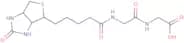
CAS:4-Chlorocinnamide is an organochlorine compound that has been found to have antibacterial properties. It inhibits the shikimate pathway in bacteria, which is essential for bacterial growth. This molecule has been shown to bind with the cation channel of the nerve cells in the trigeminal nerve and inhibit their function. The inhibition of this channel leads to reduced sensitivity to pain. 4-Chlorocinnamide is also a precursor in the synthesis of stilbene derivatives, which are used as anticancer drugs.Fórmula:C9H8ClNOPureza:Min. 95%Cor e Forma:PowderPeso molecular:181.62 g/molBiotinyl-Gly-Gly-OH
CAS:Please enquire for more information about Biotinyl-Gly-Gly-OH including the price, delivery time and more detailed product information at the technical inquiry form on this page
Fórmula:C14H22N4O5SPureza:Min. 95%Peso molecular:358.41 g/molN-[2-(p-Cinnamylamino)ethyl]-5-isoquinolone sulfonamide
CAS:N-[2-(p-Cinnamylamino)ethyl]-5-isoquinolone sulfonamide is a high quality chemical that can be used as a reagent, complex compound, and useful intermediate. N-[2-(p-Cinnamylamino)ethyl]-5-isoquinolone sulfonamide is a fine chemical that is useful in the production of speciality chemicals. It can be used as a versatile building block and reaction component to produce various compounds.Fórmula:C20H21N3O2SPureza:Min. 95%Cor e Forma:SolidPeso molecular:367.47 g/molNaloxone hydrochloride dihydrate
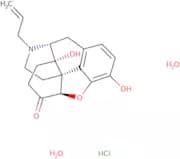
CAS:Produto ControladoNaloxone hydrochloride dihydrate is a drug that blocks the effects of opioids. It is administered by injection and has a short half-life. Naloxone hydrochloride dihydrate binds to opioid receptors in the central nervous system, which prevents binding by other opioids. This results in an increased metabolic rate, which can be used as a marker for effectiveness of treatment. Naloxone hydrochloride dihydrate has been shown to have an inhibitory effect on monoamine neurotransmitters, including dopamine, serotonin and norepinephrine. The use of this drug should be limited to outpatients because it produces less physical dependence than other opioids. Naloxone hydrochloride dihydrate can also be used as a sample preparation agent for urine samples or as an effective dose for pharmaceutical preparations.END>Fórmula:C19H26NO6ClPureza:98 To 100%Cor e Forma:White Off-White PowderPeso molecular:399.87 g/mol3-Chloro-4-methoxybenzoic acid methyl ester
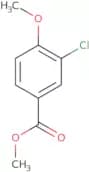
CAS:3-Chloro-4-methoxybenzoic acid methyl ester is a potent antiproliferative agent that inhibits the growth of cancer cells and bacteria. It is an amide, which has been synthesized by equilibration between two equivalents of 3-chlorobenzoic acid and methylamine. The copulatory proton profile for this compound has been determined using liquid chromatography with mass spectrometry detection (LCMS). This compound is also a weak inhibitor of tyrosine kinases, but is more potent as an inhibitor of protein kinase C. Sorafenib and dasatinib are examples of compounds that have been shown to be linked to this drug. 3-Chloro-4-methoxybenzoic acid methyl ester can induce the production of TNF-α in thp-1 cells at micromolar concentrations.Fórmula:C9H9ClO3Pureza:Min. 95%Cor e Forma:PowderPeso molecular:200.62 g/mol3-Amino-6-nitropyridine
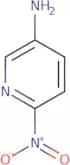
CAS:3-Amino-6-nitropyridine is a nitropyridine and a coupler. It is used as a reagent to synthesize hydroxylamine, aralkyl, and cycloalkyl intermediates. 3-Amino-6-nitropyridine can also be used as an intermediate in the synthesis of medicines such as copper.Fórmula:C5H5N3O2Pureza:Min. 98 Area-%Cor e Forma:PowderPeso molecular:139.11 g/mol3,4-(Methylenedioxy)-6-nitrocinnamic acid
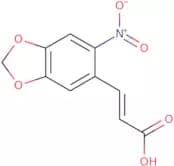
CAS:3,4-(Methylenedioxy)-6-nitrocinnamic acid is a cytotoxic molecule that inhibits the growth of cells by interfering with the synthesis of proteins. It binds to DNA and prevents the transcription process from occurring. This molecule has been shown to inhibit endoplasmic reticulum and Golgi apparatus functions in plant cells. 3,4-(Methylenedioxy)-6-nitrocinnamic acid has also been used as a polymerization agent for polyacrylamide gels. A number of modifications have been made to this molecule in order to increase its effectiveness, such as methyl esterification and mutagenesis. This compound has also been shown to enhance Taxol's anti-cancer effects on cell cultures.Fórmula:C10H7NO6Pureza:Min. 90%Cor e Forma:White PowderPeso molecular:237.17 g/mol4-Phenylbenzoic acid methyl ester
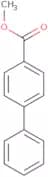
CAS:4-Phenylbenzoic acid methyl ester is a bifunctional molecule that has been shown to be an effective antibacterial agent. It contains two oxadiazole moieties, which are structurally similar to sulfonamides and can form a stable amide bond with an amino group. The pharmacophore of 4-phenylbenzoic acid methyl ester is a four-member ring with two nitrogens and two carbons. This compound has been shown to have antibacterial properties by cleaving the magnesium bond in the enzyme methionine synthase, which catalyzes the formation of methionine from homocysteine and ATP. 4-Phenylbenzoic acid methyl ester is also able to cleave bonds in nonpolar solvents such as benzene, chloroform, and dichloromethane.Fórmula:C14H12O2Pureza:Min. 95%Cor e Forma:PowderPeso molecular:212.24 g/molFmoc-L-aspartic acid beta-2-phenylisopropyl ester
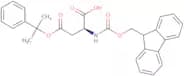
CAS:Fmoc-L-aspartic acid beta-2-phenylisopropyl ester is a macrocyclic amino acid with conformational and anti-inflammatory properties. It has been shown to inhibit the proliferation of cancer cells in vitro, as well as the osteolytic, lymphoproliferative, and inflammatory activities in vivo. Fmoc-L-aspartic acid beta-2-phenylisopropyl ester also has antiarrhythmic effects on cardiac tissue that are caused by its ability to bind to chloride channels. This compound also inhibits the production of inflammatory cytokines such as tumor necrosis factor alpha (TNFα) and interleukin 6 (IL6).
Fórmula:C28H27NO6Pureza:Min. 95%Cor e Forma:PowderPeso molecular:473.52 g/molL-Methionine-S-methyl sulfonium chloride
CAS:Methionine-S-methyl sulfonium chloride is a methionine analog that is used as a dietary supplement. It has been shown to inhibit the synthesis of prostaglandins in animals, which may be due to its inhibition of arachidonic acid release. Methionine-S-methyl sulfonium chloride also inhibits UVB-induced erythema and uvb-induced reactions in animals. This drug is metabolized by the enzyme methionine adenosyltransferase, which converts it into S-adenosylmethionine (SAM). SAM is a methyl donor for DNA methylation and other methylation reactions. Methionine-S-methyl sulfonium chloride may have a physiological effect on plants through its effects on their metabolism, especially with respect to their growth rate and nutrient uptake.Fórmula:C6H14ClNO2SPureza:Min. 95 Area-%Cor e Forma:White PowderPeso molecular:199.7 g/mol3'-Fluoro-4'-methoxy-beta-methyl-beta-nitrostyrene
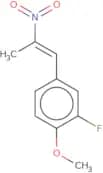
CAS:3'-Fluoro-4'-methoxy-beta-methyl-beta-nitrostyrene is a reactive building block that can be used in the synthesis of many different compounds. It is a fine chemical and a reagent which is useful in organic chemistry. 3'-Fluoro-4'-methoxy-beta-methyl-beta-nitrostyrene is used as a reaction component for the synthesis of many different compounds, including pharmaceuticals, agrochemicals, and other specialty chemicals. It has CAS number 1023717-11-4 and can be used as an intermediate compound or building block for the production of complex compounds.Fórmula:C10H10FNO3Pureza:Min. 95%Cor e Forma:PowderPeso molecular:211.19 g/molEstradiol 17-valerate
CAS:Estradiol is a form of the hormone estrogen that has been modified to be more lipophilic. It is used in combination with other drugs to treat menopausal symptoms and as an adjuvant for the treatment of breast cancer in women. Estradiol 17-valerate is also used in the treatment of schizophrenia, although not as often as estradiol valerate, because it has a shorter duration of action. The mechanism of action is thought to be due to its ability to increase the concentration of dopamine at nerve terminals by blocking reuptake or inhibiting its metabolism. This may result in relief from distal tubule dysfunction and an improvement in urinary tract symptoms associated with benign prostatic hypertrophy. There are many other possible mechanisms of action including the prevention of bone loss, increased bone age, and increased NMDA receptor binding potentials.Fórmula:C23H32O3Pureza:Min. 95%Cor e Forma:PowderPeso molecular:356.5 g/mol5-Bromo-2-methoxycinnamic acid
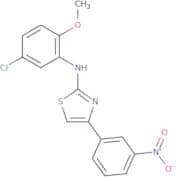
CAS:5-Bromo-2-methoxycinnamic acid is a fine chemical that is used as a scaffold, versatile building block, and useful intermediate. It has been shown to be a useful reaction component in the preparation of complex compounds. 5-Bromo-2-methoxycinnamic acid can also be used as a speciality chemical or reagent. This compound has high quality and is an important research chemical.Fórmula:C10H9BrO3Pureza:Min. 95%Cor e Forma:PowderPeso molecular:257.08 g/mol(5-Chloro-2-methoxyphenyl)(4-(3-nitrophenyl)(2,5-thiazolyl))amine
CAS:Please enquire for more information about (5-Chloro-2-methoxyphenyl)(4-(3-nitrophenyl)(2,5-thiazolyl))amine including the price, delivery time and more detailed product information at the technical inquiry form on this page
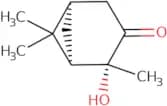
Pureza:Min. 95%(+)-(1R,2R,5R)-2-Hydroxy-3-pinanone
CAS:(+)-(1R,2R,5R)-2-Hydroxy-3-pinanone is an organic compound that can be prepared by a kinetic resolution of the racemic mixture of (+)-(1S,2S,5S)-2-hydroxy-3-pinanone. This reaction is performed in two steps: first the racemic mixture is converted to the corresponding chiral acetylacetonate by reaction with acetic anhydride followed by hydrolysis with sodium hydroxide. The pentane reacts with the ring opening of the acetylacetonate to give (+)-(1R,2R,5R)-2-hydroxypinanone and its enantiomer. The nature of this preparative method means that it is not possible to recover (+)-(1R,2R,5R)-2-hydroxypinanone from the reaction products.Fórmula:C10H16O2Pureza:Min. 95%Cor e Forma:PowderPeso molecular:168.23 g/mol4'-Ethylacetophenone
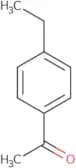
CAS:4'-Ethylacetophenone is an organic compound with the chemical formula C8H10O. It is a colorless liquid that has a spicy odor. This substance can be found in friedel-crafts reactions of capsicum annuum, as well as being one of the reaction products from surinamensis. It can be identified by FT-IR spectroscopy and shows an odorant receptor activity. 4'-Ethylacetophenone is used in the production of ethyl formate, which is used as a solvent and a chemical intermediate in the synthesis of other compounds. The kinetic data for this substance are available, and it has been shown to have functional groups such as chloride and magnetic resonance spectroscopy. 4'-Ethylacetophenone is expressed in Xenopus oocytes.END>Fórmula:C10H12OPureza:Min. 95%Cor e Forma:PowderPeso molecular:148.2 g/molFmoc-3,5-diiodo-D-tyrosine
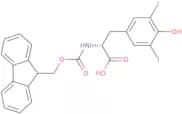
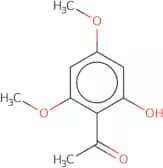
CAS:Please enquire for more information about Fmoc-3,5-diiodo-D-tyrosine including the price, delivery time and more detailed product information at the technical inquiry form on this pageFórmula:C24H19I2NO5Pureza:Min. 95%Cor e Forma:PowderPeso molecular:655.22 g/mol2-Hydroxy-4,6-dimethoxyacetophenone
CAS:2-Hydroxy-4,6-dimethoxyacetophenone is a natural compound that has been shown to have significant cytotoxicity in vitro against human colon cancer cells. This compound may be used as an alternative treatment for bowel disease and other conditions by blocking the apoptosis pathway. 2-Hydroxy-4,6-dimethoxyacetophenone binds to DNA, preventing DNA from polymerizing into chromatin and halting the cell cycle. It also inhibits the production of xanthoxylin, which is involved in the formation of cell nuclei. The mechanism of action for this drug is similar to that of chemical pesticides and radiation treatment.Fórmula:C10H12O4Pureza:Min. 95%Cor e Forma:PowderPeso molecular:196.2 g/mol5-Chloro-2-methoxyacetophenone
CAS:5-Chloro-2-methoxyacetophenone is a byproduct of the synthesis of 2-hydroxybenzofuran. It is also used in the synthesis of tetracyclic benzopyrans, which are known to be potent analgesics and have been found to have anti-inflammatory properties. 5-Chloro-2-methoxyacetophenone can be obtained by decarbonylation (loss of carbon) or elimination reactions.
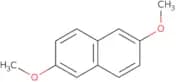
Fórmula:C9H9ClO2Pureza:Min. 95%Cor e Forma:Clear LiquidPeso molecular:184.62 g/mol2,6-Dimethoxynaphthalene
CAS:2,6-Dimethoxynaphthalene is a skeleton that belongs to the naphthalene class of compounds. It is a white crystalline solid that is soluble in organic solvents. This compound has been used as an intermediate for the synthesis of dyes and pharmaceuticals, but it is most commonly used as a precursor to reactive carboxylic acid derivatives. The sulfonation of 2,6-dimethoxynaphthalene with SO3 leads to the formation of ethyl diazoacetate and subsequent acylation reactions can be used to produce esters. The reaction mechanism for these reactions involves proton transport from the sulfur atom to the oxygen atom on ethyl diazoacetate. Supramolecular chemistry studies have shown that this reaction also takes place at low temperatures without the need for an acid catalyst.Fórmula:C12H12O2Pureza:Min. 98 Area-%Peso molecular:188.22 g/molCholesterol 3-sulfate sodium
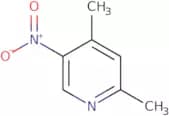
CAS:Cholesterol 3-sulfate sodium salt is a fine chemical that is used as a versatile building block and reagent. It is a useful intermediate that can be used in the synthesis of complex compounds, speciality chemicals, and reaction components. Cholesterol 3-sulfate sodium salt can be used to synthesize cholesterol derivatives. This compound has been shown to have high reactivity with nucleophiles and can be used as a building block for other organic compounds. The CAS number for Cholesterol 3-sulfate sodium salt is 2864-50-8.Fórmula:C27H45NaO4SPureza:Min. 95%Cor e Forma:White PowderPeso molecular:488.7 g/mol2,4-Dimethyl-5-nitropyridine
CAS:2,4-Dimethyl-5-nitropyridine is a hydroxyurea analog that inhibits the synthesis of ribonucleotides by competitively binding to the enzyme ribonucleotide reductase. This inhibition leads to the accumulation of diphosphate and deoxyribonucleotides, which are necessary for DNA synthesis. 2,4-Dimethyl-5-nitropyridine was found to be more potent than hydroxyurea as an inhibitor of cellular growth in vitro and cancer cell lines in vivo. The potency of 2,4-dimethyl-5-nitropyridine can be attributed to its ability to bind very tightly with ribonucleotide reductase and form a stable complex.
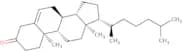
Fórmula:C7H8N2O2Pureza:Min. 95%Cor e Forma:Yellow Clear LiquidPeso molecular:152.15 g/mol3-Keto cholesterol
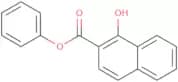
CAS:Produto Controlado3-Keto cholesterol is a substance that is naturally found in the body. It is an intermediate in the production of bile acids and cholesterol, which are necessary for digestion. 3-Keto cholesterol is also involved in the synthesis of other substances, including vitamin D and steroid hormones. 3-Keto cholesterol has been shown to play a role in the prevention of coronary heart disease, as it has antioxidant properties and can prevent oxidation of low-density lipoprotein (LDL). 3-Keto cholesterol can also inhibit viral life by blocking toll-like receptor 4 (TLR4) signaling pathways. This prevents inflammatory responses caused by TLR4 activation, which may be related to atherosclerosis.Fórmula:C27H44OPureza:Min. 95%Cor e Forma:White PowderPeso molecular:384.64 g/molPhenyl 1-hydroxy-2-naphthoate
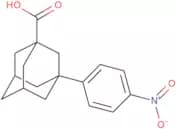
CAS:Phenyl 1-Hydroxy-2-naphthoate is a protonated molecule that contains an intramolecular hydrogen bond. The dipole moment of this molecule is 1.54 D, which is the product of the charge on the proton and the distance between it and the oxygen atom. The chloride ion forms a hydrogen bond with the hydroxyl group of the phenyl ring, which stabilizes its structure. This compound has a molecular weight of 192.1 g/mol and is soluble in water, hydrochloric acid, and solvents such as acetone or acetonitrile. Phenyl 1-Hydroxy-2-naphthoate has been shown to be an acceptor for chlorine at room temperature.Fórmula:C17H12O3Pureza:Min. 95%Cor e Forma:PowderPeso molecular:264.28 g/mol3-(4-Nitrophenyl)-1-adamantanecarboxylic acid
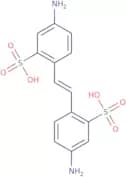
CAS:3-(4-Nitrophenyl)-1-adamantanecarboxylic acid is a high quality, versatile building block compound that has been used as a reagent and as a useful intermediate. This product is commercially available and can be used in the synthesis of complex compounds with many different applications, such as pharmaceuticals, pesticides, dyes, and photographic chemicals. It is also a useful scaffold for the production of speciality chemicals and research chemicals. 3-(4-Nitrophenyl)-1-adamantanecarboxylic acid has been used in reactions involving electron transfer, nucleophilic substitution, and condensation reactions.Fórmula:C17H19NO4Pureza:Min. 95%Peso molecular:301.34 g/mol4,4'-Diaminostilbene-2,2'-disulfonic acid
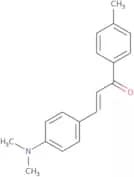
CAS:4,4'-Diaminostilbene-2,2'-disulfonic acid (DAIDS) is a fluorescent dye that can be used to measure the activity of mitochondrial enzymes. It is a substrate for polymerase chain reaction and can be used as a cell viability assay. DAIDS has been shown to cause mitochondrial membrane depolarization and cytosolic calcium release in prostate cancer cells. This compound also inhibits the proliferation of human liver cells and has been proposed as a potential analytical method for wastewater samples. The anhydrous sodium form of DAIDS has been shown to increase the rate of metabolism by up to 30% in rats with body mass index greater than 25 kg/m^2.Fórmula:C14H14N2O6S2Pureza:Min. 95%Cor e Forma:SolidPeso molecular:370.4 g/mol4-Dimethylamino-4'-methylchalcone
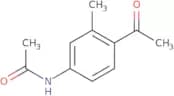
CAS:4-Dimethylamino-4'-methylchalcone is a versatile building block that can be used in synthesis of fine chemicals, research chemicals, and reagents. It can also be used as a speciality chemical or useful intermediate for the preparation of other compounds. 4-Dimethylamino-4'-methylchalcone has been shown to react with many different functional groups and is useful as a scaffold for the synthesis of complex molecules. It has been shown to have high quality, making it an excellent choice for use in reactions.Fórmula:C18H19NOPureza:Min. 95%Cor e Forma:PowderPeso molecular:265.35 g/mol4'-Acetamido-2'-methylacetophenone
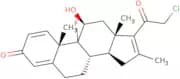
CAS:4'-Acetamido-2'-methylacetophenone is a chemical compound that has been found to be useful in the synthesis of other compounds. It is an intermediate for the production of aniline and phenacetin, which are both reactive compounds. This product can also be used as a reagent for the synthesis of other chemicals and pharmaceuticals. CAS No. 34956-31-5Fórmula:C11H13NO2Pureza:Min. 95%Cor e Forma:PowderPeso molecular:191.23 g/molClobetasol Propionate - Impurity B
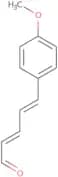
CAS:Produto Controlado(11β)-21-Chloro-9-fluoro-11-hydroxy-16-methylpregna-1,4,16-triene-3,20-dione is a chemical compound that can be used as a building block in the synthesis of other chemicals. It is structurally related to progesterone and has been found to have antiandrogenic properties. This product can also be used as a reagent or speciality chemical in research. It is high quality and versatile. (11β)-21-Chloro-9-fluoro-11-hydroxy-16-methylpregna 1,4,16 triene 3,20 dione has been shown to have an effect on the body's reproductive system by binding to the androgen receptor.Fórmula:C22H26ClFO3Pureza:Min. 95%Cor e Forma:PowderPeso molecular:392.89 g/mol4-Methoxycinnamylidene acetaldehyde
CAS:4-Methoxycinnamylidene acetaldehyde is a versatile building block with a CAS number of 27394-81-6. It is used in the research and production of fine chemicals, pharmaceuticals, and high quality reagents. 4-Methoxycinnamylidene acetaldehyde can be used as a useful scaffold for the synthesis of complex compounds. This building block is also a useful intermediate in organic chemistry reactions.
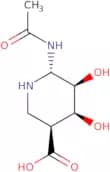
Fórmula:C12H12O2Pureza:Min. 95%Cor e Forma:PowderPeso molecular:188.22 g/molSiastatin B
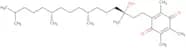
CAS:Inhibitor of viral, bacterial and animal sialidaseFórmula:C8H14N2O5Pureza:Min. 98 Area-%Cor e Forma:White PowderPeso molecular:218.19 g/molD-α-Tocopherolquinone
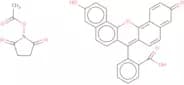
CAS:D-a-Tocopherolquinone is a useful building block for the synthesis of complex compounds. It can also be used as a reagent, speciality chemical, or high quality research chemical. D-a-Tocopherolquinone has been used in the synthesis of versatile building blocks, reaction components, and scaffolds.Fórmula:C29H50O3Pureza:Min. 97 Area-%Cor e Forma:Clear LiquidPeso molecular:446.71 g/mol5-(6)-Carboxynaphthofluoroscein N-succinimidyl ester
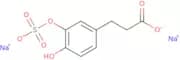
CAS:5-(6)-Carboxynaphthofluoroscein N-succinimidyl ester is a versatile building block for the synthesis of complex compounds. It is used as a reagent or speciality chemical that is useful in research and development. 5-(6)-Carboxynaphthofluoroscein N-succinimidyl ester has CAS No. 150347-58-3, which is an intermediate in the synthesis of other pharmaceuticals with potential clinical use. The compound has been used to develop new drugs, such as those for the treatment of cancer, cardiovascular disease, and diabetes.Fórmula:C33H19NO9Pureza:Min. 90 Area-%Cor e Forma:PowderPeso molecular:573.51 g/molDihydro caffeic acid 3-O-sulfate sodium salt
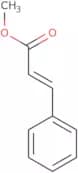
CAS:Dihydro caffeic acid 3-O-sulfate sodium salt is a flavonol that is found in plants. It has been shown to have antioxidant properties and may be effective in the treatment of diseases associated with oxidative stress, such as diabetes mellitus and cancer. Dihydrocaffeic acid 3-O-sulfate sodium salt has also been shown to inhibit the growth of bacteria by modulating the production of nitric oxide. This agent has been quantified in human urine, which provides evidence for its potential use as a biomarker for disease risk due to its association with phenolic metabolites.Fórmula:C9H8Na2O7SPureza:Min. 95%Cor e Forma:White Off-White PowderPeso molecular:306.2 g/molMethyl cinnamate
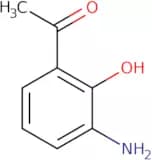
CAS:Methyl cinnamate is a plant-derived compound that has been shown to have antimicrobial activity against Candida glabrata. This compound inhibits the polymerase chain reaction by binding to the DNA monomer and blocking its synthesis. Methyl cinnamate also synergizes with eugenol, which is a natural product found in cloves, nutmeg, and cinnamon. The mechanism of this synergy has not yet been identified. Methyl cinnamate has been shown to inhibit 3T3-L1 preadipocytes proliferation by downregulating the expression of PPARγ, which is a transcription factor that regulates adipogenesis.Fórmula:C10H10O2Pureza:Min. 95%Cor e Forma:Solidified MassPeso molecular:162.19 g/mol3'-Amino-2'-hydroxyacetophenone
CAS:3'-Amino-2'-hydroxyacetophenone is a synthetic compound that reacts with salicylaldehyde and hydrochloric acid to form an aromatic hydrocarbon. The reaction vessel used is made of glass and contains potassium dichromate, copper complex, and nitro. This product can be produced in acidic conditions with the addition of phosphotungstic acid and chloride. 3'-Amino-2'-hydroxyacetophenone can also be produced by reacting mercuric chloride, which is an oxidizing agent, with an aromatic hydrocarbon. This product has a rotator.
Fórmula:C8H9NO2Pureza:Min. 95%Cor e Forma:PowderPeso molecular:151.16 g/molPhytosterols
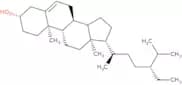
CAS:Produto ControladoPhytosterols are a group of plant-derived sterols that have been shown to have cholesterol-lowering activity in humans. The cholesterol-lowering effect is due to the ability of phytosterols to bind with cholesterol receptors and inhibit the absorption of dietary cholesterol. Phytosterols are absorbed from the small intestine into the blood, where they are converted into bile acids and eliminated in stool. Phytosterols also have anti-inflammatory properties, which is thought to be due to their ability to inhibit prostaglandin synthesis. Phytosterols may also protect against atherosclerosis by inhibiting LDL oxidation and reducing inflammatory cell recruitment. The following products are designed for use as pharmaceuticals:
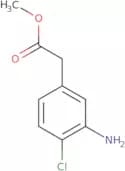
Fórmula:C29H50OPureza:Min. 95 Area-%Cor e Forma:White PowderPeso molecular:414.713-Amino-4-chlorophenylacetic acid methyl ester
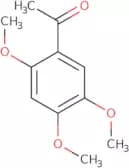
CAS:3-Amino-4-chlorophenylacetic acid methyl ester is a fine chemical that is useful as a building block in the synthesis of complex compounds. It has been used as a reagent and speciality chemical, which can be used for research purposes. CAS No. 59833-69-1Fórmula:C9H10ClNO2Pureza:Min. 95%Peso molecular:199.63 g/mol2,4,5-Trimethoxyacetophenone
CAS:2,4,5-Trimethoxyacetophenone (2,4,5-TMA) is a phenolic compound that exists as a colorless liquid. It has been shown to interact with the carboxyl group of the amino acid lysine in proteins and sterically hinder the formation of peptide bonds. 2,4,5-TMA also inhibits the production of leukocytes and causes leukemia cells to undergo apoptosis. The molecular weight of 2,4,5-TMA is 236.2 g/mol and it has a melting point of 45°C. The chemical structure is C9H10O3 and its homologues are 2-hydroxyacetophenone and 3-hydroxyacetophenone. Isolated yield was found to be 83%. The nmr spectra for 2,4,5-TMA are: δ=7.31 ppm (1H), δ=6.87 ppm (1Fórmula:C11H14O4Pureza:Min. 95%Cor e Forma:White PowderPeso molecular:210.23 g/mol2-Naphthylhydrazine
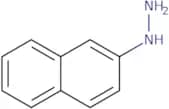
CAS:2-Naphthylhydrazine is a synthetic chemical that has an affinity for substrate binding sites. It is used as an inhibitor of monoamine oxidase (MAO) and can be used to study the function of MAO. 2-Naphthylhydrazine binds to the enzyme MAO, preventing it from breaking down amines, an important class of neurotransmitters. 2-Naphthylhydrazine also inhibits the activity of cytochrome P450 reductase, which is involved in drug metabolism. This chemical can be used in the synthesis of indocyanine green and methylbenzene. The reactivity of hydrazines with carbonyl groups in amines and anhydrous sodium phosphate leads to bond cleavage and release of ammonia gas.
Fórmula:C10H10N2Pureza:Min. 95%Cor e Forma:PowderPeso molecular:158.20 g/mol



![N-[2-(p-Cinnamylamino)ethyl]-5-isoquinolone sulfonamide](/_next/image/?url=https%3A%2Fstatic.cymitquimica.com%2Fproducts%2F3D%2Fthumb-webp%2FFC20451.webp&w=3840&q=75)