Padrões Farmacêuticas
Subcategorias de "Padrões Farmacêuticas"
- APIs para pesquisa e impurezas(276.268 produtos)
- Activadores e Inibidores de Enzimas(2.829 produtos)
- Nitrosaminas(2.621 produtos)
- Compostos e metabolitos farmacêuticos e veterinários(2.902 produtos)
- Toxicologia(13.550 produtos)
Foram encontrados 7951 produtos de "Padrões Farmacêuticas"
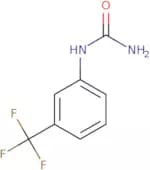
3-(Trifluoromethyl)Phenylurea
CAS:3-(Trifluoromethyl)phenylurea is a chemotherapeutic agent that is used to treat leukemia and other cancers. It has been shown to be effective in the regression of tumors in mice, when given at a concentration of 1-2 mg/kg. 3-(Trifluoromethyl)phenylurea inhibits cell growth by binding to DNA and inhibiting RNA synthesis. The optimal concentrations for 3-(trifluoromethyl)phenylurea are determined using an equation that includes coefficients obtained from stepwise regression analysis. The coefficient values are also optimized using topological descriptors and genetic algorithms.
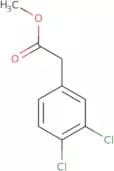
Fórmula:C8H7F3N2OPureza:Min. 95%Peso molecular:204.15 g/mol(3,4-Dichlorophenyl)acetic acid methyl ester
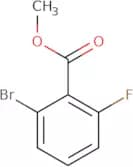
CAS:(3,4-Dichlorophenyl)acetic acid methyl ester is a versatile building block and reagent that can be used in the synthesis of complex compounds. It is also a useful intermediate and reaction component for the synthesis of high-quality chemical products. This compound has been shown to be useful in the production of speciality chemicals, including research chemicals and fine chemicals.Fórmula:C9H8Cl2O2Pureza:Min. 95%Cor e Forma:PowderPeso molecular:219.06 g/mol2-Bromo-6-fluorobenzoic acid methyl ester
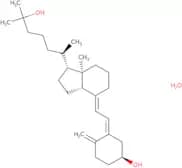
CAS:2-Bromo-6-fluorobenzoic acid methyl ester is a fine chemical that belongs to the family of brominated compounds. It is a useful building block in the synthesis of diverse organic molecules, as well as a reagent for research and speciality chemicals. 2-Bromo-6-fluorobenzoic acid methyl ester is used as a versatile building block in the synthesis of complex compounds, as well as an intermediate or scaffold in organic chemistry. This product can be used to synthesize many diverse products while maintaining high quality and purity.Fórmula:C8H6BrFO2Pureza:Min. 95%Cor e Forma:PowderPeso molecular:233.03 g/mol25-Hydroxyvitamin D3 monohydrate
CAS:25-Hydroxyvitamin D3 monohydrate is a vitamin D analog that has been shown to reduce elevated levels of parathyroid hormone and improve bone mineral density. It is used for the treatment of chronic kidney disease, hyperparathyroidism, and osteoporosis. 25-Hydroxyvitamin D3 monohydrate has been found to be effective in the treatment of these conditions because it increases the body's production of calcitriol, the active form of vitamin D. Calcitriol promotes calcium absorption in the gut and reduces renal excretion of calcium by inhibiting parathyroid hormone synthesis. This drug also inhibits pro-inflammatory cytokines such as IL-1β, IL-6, and TNF-α.Fórmula:C27H44O2·H2OPureza:Min. 97 Area-%Cor e Forma:White PowderPeso molecular:418.65 g/molethyl 2-cyano-3-(4-nitrophenyl)prop-2-enoate
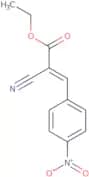
CAS:Ethyl 2-cyano-3-(4-nitrophenyl)prop-2-enoate is a functionalized molecule that contains a dipole. It has high selectivity for 1,3-dipolar cycloadditions because the electron density of the methylene group is greater than that of the aldehyde group. The mechanistic theory for this reaction is that the electron density on the methylene group in ethyl 2-cyano-3-(4-nitrophenyl)prop-2-enoate will cause it to become more reactive than the aldehyde group. The dipoles in this molecule are oriented such that they can react with each other to form an intermediate and then an adduct. This isomerization occurs through either dipolarophilic or electrocyclic mechanisms.Pureza:Min. 95%6-Hydroxy-2,3,4-trimethoxyacetophenone
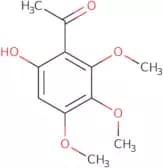
CAS:6-Hydroxy-2,3,4-trimethoxyacetophenone (6HTMA) is a natural product that has been shown to have potent inhibitory activities against PC12 cells. This compound also possesses neuroprotective and antioxidative properties. 6HTMA was able to inhibit acetylation of proteins, which may be responsible for its neuroprotective activity. Furthermore, 6HTMA has been shown to possess anti-oxidant and anti-tuberculous activities.Fórmula:C11H14O5Pureza:Min. 95%Cor e Forma:PowderPeso molecular:226.23 g/mol5-Hydroxy-1,4-naphthalenedione
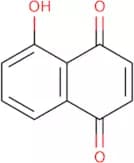
CAS:Blocks RNA polymerases I, II, and III; inhibits PPlasesFórmula:C10H6O3Pureza:Min. 98 Area-%Cor e Forma:PowderPeso molecular:174.15 g/molL-Adrenaline
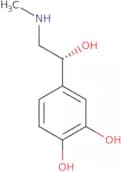
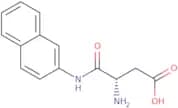
CAS:Produto ControladoL-Adrenaline is a hormone that belongs to the group of nonsteroidal anti-inflammatory drugs. It is used in combination therapy for the treatment of asthma, chronic obstructive pulmonary disease and other respiratory diseases. L-Adrenaline has also been shown to increase blood pressure and heart rate. L-Adrenaline may interact with other medication such as cardiac glycosides and calcium channel blockers, so it is important to consult with a doctor before taking this drug. L-Adrenaline is a potent vasoconstrictor that can cause primary pulmonary hypertension, which can lead to heart failure. The epinephrine in this drug binds to receptors on cells in the lungs, increasing bronchial secretions, which reduces the symptoms of anaphylaxis.Fórmula:C9H13NO3Pureza:Min. 95%Cor e Forma:PowderPeso molecular:183.2 g/molL-Aspartic acid β-naphthylamide
CAS:L-Aspartic acid beta-naphthylamide is a dietary amino acid that is metabolized to oxaloacetate in the liver. This metabolite is then converted to aspartate and glutamate, which are both important for brain functions. L-Aspartic acid beta-naphthylamide has been shown to have regulatory effects on peptide hormones, such as inhibiting the synthesis of angiotensin II and vasopressin in rats. L-Aspartic acid beta-naphthylamide also has anti-cancer properties, which may be due to its ability to inhibit the growth of cancer cells by hydrolyzing proteins and enzymes involved in fatty acid synthesis.Fórmula:C14H14N2O3Pureza:Min. 95%Peso molecular:258.27 g/mol2-Amino-5-iodobenzoic acid methyl ester
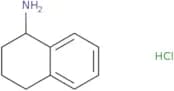
CAS:2-Amino-5-iodobenzoic acid methyl ester (2AIBA) is a molecule that can be used as an activatable probe for imaging cancer. It has a profile suitable for radionuclide therapy and is also senescent. 2AIBA binds to DNA and inhibits the synthesis of proteins, leading to cell death. 2AIBA has potent inhibitory activity against murine melanoma cells and synergistic effects when combined with acridone. The section of tumour cells was shown to be reduced by 42% in mice when treated with 2AIBA, acridone, and radiation compared to mice treated with radiation alone.Fórmula:C8H8INO2Pureza:Min. 95%Cor e Forma:PowderPeso molecular:277.06 g/mol1,2,3,4-Tetrahydro-1-naphthylamine hydrochloride
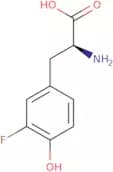
CAS:1,2,3,4-Tetrahydro-1-naphthylamine hydrochloride is a high quality reagent that can be used as an intermediate in the synthesis of various organic compounds. It has been shown to be a useful building block for the synthesis of complex compounds and speciality chemicals. Tetrahydro-1-naphthylamine hydrochloride is also a versatile building block for reactions involving amines or other nucleophiles. Tetrahydro-1-naphthylamine hydrochloride is an interesting scaffold for research chemicals due to its ability to react with various functional groups.Fórmula:C10H13N•HClPureza:Min. 95%Cor e Forma:PowderPeso molecular:183.68 g/mol3-Fluoro-L-tyrosine
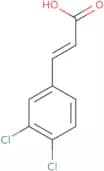
CAS:3-Fluoro-L-tyrosine is a hydroxylated amino acid that is used as a pharmacological agent. 3-Fluoro-L-tyrosine has been shown to be a substrate for the enzyme tyrosinase, which catalyzes the conversion of L-tyrosine into 3,4 dihydroxyphenylalanine (DOPA). 3-Fluoro-L-tyrosine also reacts with bacterial enzymes and may have antibacterial properties.Fórmula:C9H10FNO3Pureza:Min. 95%Cor e Forma:PowderPeso molecular:199.18 g/mol3,4-Dichlorocinnamic acid
CAS:3,4-Dichlorocinnamic acid is a pentane that has a molecular weight of 144.2 g/mol and melting point of -12 °C. It is soluble in organic solvents such as ethanol and acetone, but insoluble in water. 3,4-Dichlorocinnamic acid is an intermediate in the synthesis of cinnamates from phenylacetic acid and chloroform via methyl esterification with methanol followed by alkylation with chlorine. The reaction rate for this conversion is slow, making it difficult to produce at commercial scale. 3,4-Dichlorocinnamic acid can be obtained by irradiation of 3-chloro-1,2-propanediol with ultraviolet light or by heating hydrotalcite at high temperatures. Hydrotalcite is heated to 600°C where it reacts with air to form 3,4-dichlorocinnamic acid and
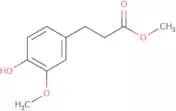
Fórmula:C9H6Cl2O2Pureza:Min. 95%Cor e Forma:PowderPeso molecular:217.05 g/molβ-(4-Hydroxy-3-methoxyphenyl)propionic acid methyl ester
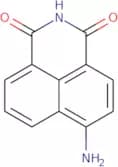
CAS:β-(4-Hydroxy-3-methoxyphenyl)propionic acid methyl ester is a fine chemical used as a building block in the synthesis of pharmaceuticals, agrochemicals, and other chemicals. It is also used as a reagent for the detection of alkaloids and for the preparation of valuable speciality chemicals. β-(4-Hydroxy-3-methoxyphenyl)propionic acid methyl ester is an intermediate in organic reactions or can be used to synthesize complex compounds such as antibiotics. It is also an important scaffold that can be modified to produce new drugs with different properties.Fórmula:C11H14O4Pureza:Min. 95%Cor e Forma:Clear LiquidPeso molecular:210.23 g/mol4-Amino-1,8-naphthalimide
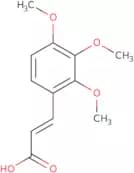
CAS:4-Amino-1,8-naphthalimide is a fluorescent derivative that is used as a probe to detect hydrogen bonds in molecular models. It can be used to study the interactions of molecules with hydrogen bonding partners. 4-Amino-1,8-naphthalimide has been shown to have broad spectrum antimicrobial activity against Gram-positive and Gram-negative bacteria. This compound also enhances the fluorescence of certain compounds by forming an intermolecular hydrogen bond.Fórmula:C12H8N2O2Pureza:Min. 95%Cor e Forma:Orange PowderPeso molecular:212.2 g/moltrans-2,3,4-Trimethoxycinnamic acid
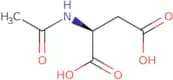
CAS:Trans-2,3,4-trimethoxycinnamic acid is a bioactive chemical that has been shown to have significant antioxidant activity. This compound is a hydrogen peroxide scavenger and can be used in devices to remove hydrogen peroxide from water. Trans-2,3,4-trimethoxycinnamic acid has also been shown to inhibit the production of campesterol and paromomycin in bacteria. Furfural is an inhibitor of trans-2,3,4-trimethoxycinnamic acid and its oxidation products. Trans-2,3,4-trimethoxycinnamic acid can be oxidised by furfural to produce glycerin and formic acid. It also inhibits the formation rate of amides from cinnamyl alcohol.Fórmula:C12H14O5Pureza:Min. 98 Area-%Cor e Forma:PowderPeso molecular:238.24 g/molN-Acetyl-L-aspartic acid
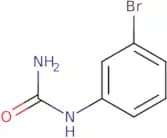
CAS:N-Acetyl-L-aspartic acid is a molecule that has been shown to be a potential biomarker for neuronal death, with activity index levels inversely correlating with the number of granule neurons. The chemical stability of N-acetyl-L-aspartic acid was tested using various in vitro methods and found to be stable at a wide range of pHs and temperatures. This compound has also been shown to have a role in brain function, axonal growth, and metabolic disorders. This compound is found naturally in vivo in humans.Fórmula:C6H9NO5Cor e Forma:White PowderPeso molecular:175.14 g/mol3-Bromophenylurea
CAS:3-Bromophenylurea is an organic compound that has been synthesized for use as a catalyst in the production of silver ions. The product can be used in scalable synthesis and amines are the nucleophilic component. 3-Bromophenylurea is an advance in the field of bioassay and has been shown to be efficient when used at an optimum concentration. 3-Bromophenylurea is a substructural analogue to urea, which can be prepared from inexpensive materials and reused many times.
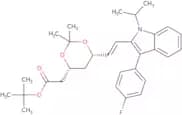
Pureza:Min. 95%(3R,5S)-Fluvastatin-3,5-acetonide tert-butyl ester
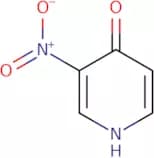
CAS:Fluvastatin-3,5-acetonide tert-butyl ester is a chemical compound that is used as a reaction component in the synthesis of other compounds. It can be used as a reagent or as a useful scaffold for research. Fluvastatin-3,5-acetonide tert-butyl ester is high quality and has versatile applications.Fórmula:C31H38FNO4Pureza:Min. 98 Area-%Cor e Forma:White to pale yellow solid.Peso molecular:507.64 g/mol4-Hydroxy-3-nitropyridine
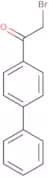
CAS:4-Hydroxy-3-nitropyridine is an organic chemical compound with the molecular formula CHNO. It has a structure that is composed of a nitro group bonded to a pyridine ring. 4-Hydroxy-3-nitropyridine can be found in wastewater and as a byproduct of the production of dyes, drugs, and explosives. It has been shown to react with primary amines to form nitrosamines. In its tautomeric form, 4-hydroxy-3-nitropyridine is more reactive and will react with chloride ions to form hydroxylamine. This reaction is used commercially for the synthesis of hydrazine and other products.Fórmula:C5H4N2O3Pureza:Min. 95%Cor e Forma:PowderPeso molecular:140.1 g/mol2-Bromo-4'-phenylacetophenone
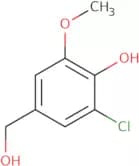
CAS:2-Bromo-4'-phenylacetophenone is a methanol solvent that is used as an intermediate in the synthesis of phenacyl. It is also used as a reagent for the titration of fatty acids and for the determination of terminal alkynes. 2-Bromo-4'-phenylacetophenone has been shown to have antibacterial activity against Mycobacterium tuberculosis, which may be due to its ability to inhibit protein biosynthesis. This compound can also be used as an analytical tool for determining the mass of organic acids. The solubility properties of 2-bromo-4'-phenylacetophenone are similar to those of ethyl acetate and ethanol, making it useful as a solvent in analytical methods.Fórmula:C14H11BrOPureza:Min. 95%Cor e Forma:PowderPeso molecular:275.14 g/mol5-Chlorovanillyl alcohol
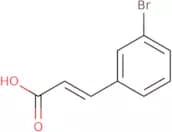
CAS:5-Chlorovanillyl alcohol is a useful building block. It is a fine chemical that can be used as a research chemical, reagent, or speciality chemical. This compound is versatile and can be used as a reaction component or scaffold for complex compounds. 5-Chlorovanillyl alcohol has CAS number 20624-92-4.Fórmula:C8H9ClO3Pureza:Min. 95%Cor e Forma:PowderPeso molecular:188.61 g/mol3-Bromocinnamic acid
CAS:3-Bromocinnamic acid is a long-term treatment that inhibits the adenosine receptor, which is an important component of the central nervous system. It has been shown to have biological properties such as cell growth inhibition, depressant effect, and inhibitory effects on HIV replication. 3-Bromocinnamic acid also inhibits the action of sodium salts in vitro and in vivo, suggesting that this drug may be useful for the treatment of epilepsy. 3-Bromocinnamic acid can be used to study the mechanisms by which sirt1 inhibitors act as anticancer drugs. In addition, 3-bromocinnamic acid has been shown to have therapeutic potential for treating Alzheimer's disease and Parkinson's disease.Fórmula:C9H7BrO2Pureza:Min. 95%Cor e Forma:PowderPeso molecular:227.05 g/molα-Pinene
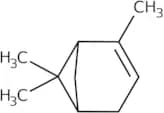
CAS:Alpha-pinene is a monoterpene that reacts with ozone to form acid. It is also a skin irritant and has been shown to cause cancer in animals. Alpha-pinene can be used as a chemical pesticide and is an important precursor for the synthesis of polymers, such as polyethylene, polypropylene, and polystyrene. The alpha-pinene molecule has been studied in relation to its transport properties through the lungs, due to its high vapor pressure and tendency to form particles. This molecule is an active compound that binds to DNA-dependent RNA polymerase, thereby preventing transcription and replication. Alpha-pinene has also been found to have biological properties related to gene expression regulation, cell signaling pathways, neuronal death, and apoptosis.
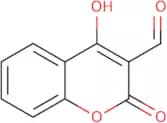
Fórmula:C10H16Pureza:Min. 95%Cor e Forma:Clear LiquidPeso molecular:136.23 g/mol4-Hydroxy-3-formylcoumarin
CAS:4-Hydroxy-3-formylcoumarin is a coumarin derivative that has been shown to have antitumor activity in vivo against the L1210 murine leukemia. It has also been shown to be effective against the tetranuclear form of the cancer cells. 4-Hydroxy-3-formylcoumarin is also an important molecule for testing, as it is able to inhibit the growth of other types of tumor cells. This molecule has been found to be stable at neutral pH and in anhydrous sodium chloride solution. 4-Hydroxy-3-formylcoumarin can exist as two tautomeric forms: the erythro and threo isomers. The erythro form is more stable, with a higher activation energy than the threo form, which makes it more reactive for biological purposes.Fórmula:C10H6O4Pureza:Min. 95%Cor e Forma:PowderPeso molecular:190.15 g/mol6(R)-[2-(8(S)-Hydroxy]-2(S),6(R)-dimethyl-1,2,6,7,8,8a(R)-hexahydro-1(S)-naphthyl]ethyl-4(R)-hydroxy-3,4,5,6-tetrahydro-2H-pyran-2-o ne
CAS:6(R)-[2-(8(S)-Hydroxy]-2(S),6(R)-dimethyl-1,2,6,7,8,8a(R)-hexahydro-1(S)-naphthyl]ethyl-4(R)-hydroxy-3,4,5,6-tetrahydro-2H-pyran-2-o ne is a useful scaffold that can be used as a building block for the synthesis of numerous chemical compounds. It is a versatile intermediate used in the synthesis of research chemicals and speciality chemicals. This compound has been shown to have high purity. The CAS number for this compound is 79952-42-4.Fórmula:C19H28O4Pureza:Min. 95%Cor e Forma:White PowderPeso molecular:320.42 g/mol3-Methoxy-4-nitroacetophenone
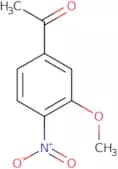
CAS:3-Methoxy-4-nitroacetophenone is an enamine that can be used in the synthesis of a variety of organic compounds. It is a good reducing agent and can be used to synthesize nitrophenols and nitrosamines. Catalytic hydrogenation, transfer hydrogenation, and reductive condensation reactions all use 3-methoxy-4-nitroacetophenone as a starting material. It has been shown to react with a range of alcohols to form acetals, which are stable compounds with a protective group on the alcohol. Cyclization reactions using 3-methoxy-4-nitroacetophenone have also been reported. This compound has been crystallized in pure form.Fórmula:C9H9NO4Pureza:Min. 95%Cor e Forma:PowderPeso molecular:195.17 g/mol3'-Chloropropiophenone
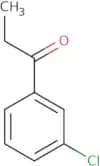
CAS:3'-Chloropropiophenone is a reagent that is used in the synthesis of maleates. It can be synthesized by reacting hydrochloric acid with 3-chloropropiophenone under conditions where the temperature is kept below 30°C, and the reaction time is limited to five hours. The functional theory behind this reaction involves thionyl chloride as an electrophile that reacts with 3-chloropropiophenone to produce a chloroformate. The chloroformate then reacts with magnesium metal to yield magnesium chloride and 3'-chloropropiophenone. This compound has been shown to have vibrational frequencies of 207, 233, and 240 cm-1. 3'-Chloropropiophenone has also been shown to react with acetonitrile or methylene chloride to form chlorides or isopropyl chloride.Fórmula:C9H9ClOPureza:Min. 97.5 Area-%Cor e Forma:PowderPeso molecular:168.62 g/molDitridecyl 3,3'-thiodipropionate
CAS:An antioxidant; decomposes polymer peroxide to inert substanceFórmula:C32H62O4SCor e Forma:Colorless Yellow Clear LiquidPeso molecular:542.9 g/molVinpocetin
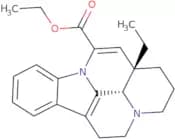
CAS:Sodium channel blockerFórmula:C22H26N2O2Pureza:Min. 95%Cor e Forma:White PowderPeso molecular:350.45 g/mol(1R)-Chrysanthemolactone
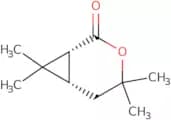
CAS:(1R)-Chrysanthemolactone is a saponin that has been shown to exhibit an inhibitory effect on α-pinene metabolism in humans. This compound also has a protective effect against metabolic disorders and proton radiation. (1R)-Chrysanthemolactone has been shown to have insecticidal properties, although it is not effective against mosquitoes. This compound has been shown to have synergistic effects with piperonyl butoxide and electrothermal vaporization in the treatment of d-xylose-induced colitis in animals. It also inhibits the growth of some strains of bacteria by inhibiting protein synthesis, including Mycobacterium tuberculosis and Mycobacterium avium.Fórmula:C10H16O2Pureza:Min. 95%Peso molecular:168.23 g/mol(+)-Biotin-(PEO)4-amine
CAS:Nucleophilic biotinylation reagent. Attaches cell surface glycosides to ELISA-type surfaces, mediated by a hydrophilic spacer/linker.Fórmula:C18H34N4O5SPureza:Min. 95%Cor e Forma:White PowderPeso molecular:418.55 g/molWST-1
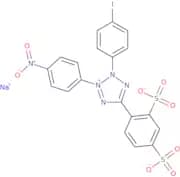
CAS:WST-1 is a water soluble cell permeable dye. Upon NADH-dependent enzymatic cleavage by cellular mitochondrial dehydrogenases, formazan is released, which can be quantified by colorimetric detection at 450 nm.
Fórmula:C19H11IN5NaO8S2Pureza:Min. 95 Area-%Cor e Forma:PowderPeso molecular:651.35 g/mol3-Hydroxy-2,4-dimethoxyacetophenone
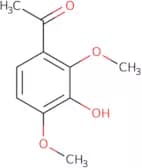
CAS:3-Hydroxy-2,4-dimethoxyacetophenone is an alkoxide that reacts with a variety of substances. It has been used to synthesize polymers, and has been detected in the gas phase by electron spin resonance spectroscopy. 3-Hydroxy-2,4-dimethoxyacetophenone is also a microbial metabolite that can be quantified by coulometric analysis. It has been found in microorganisms such as Escherichia coli and Pseudomonas aeruginosa, which suggests it may have anti-microbial activity.Fórmula:C10H12O4Pureza:Min. 95%Cor e Forma:PowderPeso molecular:196.2 g/mol2-Benzyloxyacetophenone
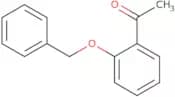
CAS:2-Benzyloxyacetophenone is an efficient method for the synthesis of sodium hydrogen, alcohol group, and dietary proton. This compound has been shown to have inhibitory activity against Hl-60 cells, and it inhibits mitochondrial membrane potential in these cells. 2-Benzyloxyacetophenone also inhibits camp levels in Hl-60 cells. It has also been shown to have anticancer activity in vitro and in vivo. This compound is a β-unsaturated ketone that is derived from chalcones, which are known to be anticancer compounds.
Fórmula:C15H14O2Pureza:Min. 95%Cor e Forma:PowderPeso molecular:226.27 g/molcis-4-Chloro-3-nitrocinnamic acid
Cis-4-Chloro-3-nitrocinnamic acid is an aromatic organic compound with potential utility in biochemical research and synthesis. This compound is typically derived from synthetic chemical processes involving chlorination and nitration reactions on cinnamic acid derivatives. Its molecular structure, characterized by both chloro and nitro functional groups, allows it to interact in unique ways with various biochemical pathways and molecular frameworks.
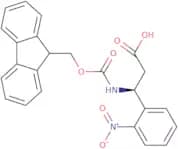
Fórmula:C9H6ClNO4Pureza:Min. 95%Cor e Forma:White PowderPeso molecular:227.6 g/molFmoc-(S)-3-amino-3-(2-nitrophenyl)propionic acid
CAS:Please enquire for more information about Fmoc-(S)-3-amino-3-(2-nitrophenyl)propionic acid including the price, delivery time and more detailed product information at the technical inquiry form on this pageFórmula:C24H20N2O6Pureza:Min. 95%Cor e Forma:White PowderPeso molecular:432.43 g/molN-[3,5-Bis(trifluoroMethyl)phenyl]-N'-[(9R)-6'-Methoxy-9-cinchonanyl]thiourea
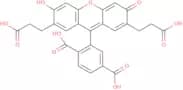
CAS:Please enquire for more information about N-[3,5-Bis(trifluoroMethyl)phenyl]-N'-[(9R)-6'-Methoxy-9-cinchonanyl]thiourea including the price, delivery time and more detailed product information at the technical inquiry form on this pageFórmula:C29H28F6N4OSPureza:Min. 95%Cor e Forma:PowderPeso molecular:594.62 g/mol2',7'-Bis(2-carboxyethyl)-5(6)-carboxyfluorescein
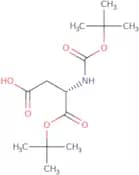
CAS:2',7'-Bis(2-carboxyethyl)-5(6)-carboxyfluorescein (BCECF) is a fluorescent probe that is used to measure the intracellular concentration of Ca2+. BCECF binds to Ca2+ and transfers its energy to a fluorophore. This process results in an increase in fluorescence intensity proportional to the amount of Ca2+ present. The BCECF dye can be used for detecting mitochondrial membrane potential, as well as monitoring changes in cellular metabolism. It has been shown to be effective in mesenchymal cells, blood sampling, and internalization assays.Fórmula:C27H20O11Pureza:Min. 90 Area-%Cor e Forma:PowderPeso molecular:520.44 g/molN-tert-Boc-L-aspartic acid tert-butyl ester
CAS:N-tert-Boc-L-aspartic acid tert-butyl ester is a chemical compound that is synthesized in the laboratory. It has been shown to have an insulinotropic effect on plasma samples and may be used in the treatment of cancer. The ring opening of N-tert-Boc-L-aspartic acid tert-butyl ester yields L-aspartic acid, which can be used for the synthesis of collagen or glycopeptide. This chemical is also found to stimulate T cells and has been shown to inhibit proliferation of cancer cells in vitro.Fórmula:C13H23NO6Pureza:Min. 95%Cor e Forma:White PowderPeso molecular:289.32 g/mol(2-[Biotinamido]ethylamido)-3,3'-dithiodipropionic acid N-hydroxysuccinimide ester
CAS:Biotinamido-3,3'-dithiodipropionic acid N-hydroxysuccinimide ester is a biotinylated derivative of the lectin from Streptomyces griseus. It has been shown to bind to the mycolic acid on the surface of mycobacteria and activate inflammatory cells. The lectin has also been used as a vaccine adjuvant for tuberculosis and other bacterial infections. Biotinamido-3,3'-dithiodipropionic acid N-hydroxysuccinimide ester activates Toll-like receptor 4 (TLR4) and induces secretion of tumor necrosis factor alpha (TNF-α). TLR4 is a cell surface receptor that recognizes various microbial products, such as lipopolysaccharides (LPS), peptidoglycan, and unmethylated CpG DNA.Fórmula:C22H33N5S3O7Pureza:Min. 95%Cor e Forma:PowderPeso molecular:575.72 g/mol3-Bromocinnamic acid methyl ester
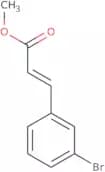
CAS:3-Bromocinnamic acid methyl ester is a chemical compound that belongs to the group of useful scaffolds. It is a versatile building block and can be used as an intermediate in the synthesis of complex compounds. 3-Bromocinnamic acid methyl ester has been found to be a useful research chemical, reaction component, and speciality chemical. This chemical can be used in the production of fine chemicals and other products. 3-Bromocinnamic acid methyl ester is also useful as a reagent for organic reactions.Fórmula:C10H9BrO2Pureza:Min. 95%Cor e Forma:PowderPeso molecular:241.08 g/mol2-Amino-5-bromothiazole-4-carboxylic acid methyl ester
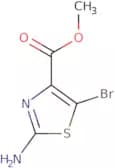
CAS:2-Amino-5-bromothiazole-4-carboxylic acid methyl ester is a reagent that can be used as a building block for the synthesis of complex compounds. It is also an intermediate in the synthesis of other chemical compounds with therapeutic potential. 2-Amino-5-bromothiazole-4-carboxylic acid methyl ester is a fine chemical, which is useful for research purposes. The CAS number for this product is 850429-60-6.Fórmula:C5H5BrN2O2SPureza:Min. 95%Cor e Forma:PowderPeso molecular:237.08 g/mol3,5-Dimethoxycinnamic acid
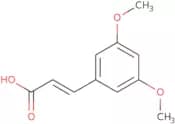
CAS:3,5-Dimethoxycinnamic acid is a compound that belongs to the class of cinnamic acid derivatives. It is a synthetic substance obtained by demethylation of 3,5-dimethoxybenzoic acid. This substance has been shown to have an antifungal activity in vitro against filamentous fungi and many other microorganisms. The antimicrobial effect can be explained by the presence of functional groups such as hydroxyl and methoxyl on the aromatic ring. Hydroxide solution can be used as an analytical reagent for determining the formation rate of this compound.Fórmula:C11H12O4Pureza:Min. 95%Cor e Forma:PowderPeso molecular:208.21 g/mol6-Fluorovitamin D3
CAS:6-Fluorovitamin D3 is a synthetic analog of vitamin D3, which is a modified form of the naturally occurring hormone known as cholecalciferol. This molecule is typically derived through chemical synthesis, incorporating a fluorine atom at a specific position on the vitamin D3 structure. The introduction of the fluorine atom is designed to enhance the stability of the compound and potentially alter its biological activity.Fórmula:C27H43FOPureza:Min. 95%Peso molecular:402.63 g/molCholesterol linoleate
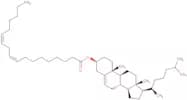
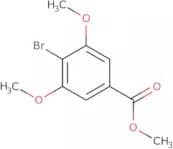
CAS:Produto ControladoCholesterol linoleate is a model system that is used to study the role of cholesterol in atherosclerosis. It consists of a cholesterol-based polymer and linoleic acid, which are chemically similar to the natural lipids found in human cells. In vitro studies have shown that this model system has an inhibitory effect on ATP binding cassette transporter A1 (ABCA1) and ABCG1. These proteins transport cholesterol from cellular membranes to other parts of the cell, where they are degraded by enzymes called lysosomes. Cholesterol linoleate also inhibits basic protein, an enzyme that breaks down cholesteryl, leading to reduced levels of cholesteryl esters in the atheromatous lesions. This model system has been shown to reduce disease activity in animals with atherosclerotic lesions.Fórmula:C45H76O2Cor e Forma:White PowderPeso molecular:649.08 g/mol4-Bromo-3,5-dimethoxybenzoic acid methyl ester
CAS:4-Bromo-3,5-dimethoxybenzoic acid methyl ester is a crystalline solid that can be obtained from the reaction of 4-bromo-3,5-dimethoxybenzoic acid and methyl iodide. It has been shown to undergo an intramolecular cyclization when irradiated with ultraviolet light. This transformation is characterized by an increase in the length of the C=C bond and the appearance of a new C=O bond. The skeleton of 4-bromo-3,5-dimethoxybenzoic acid methyl ester consists of four five membered rings and two six membered rings. The molecule interacts with ligands such as styrene, mesitylene, vinylated benzyl halides, or halides.Fórmula:C10H11BrO4Pureza:Min. 95%Cor e Forma:PowderPeso molecular:275.1 g/molSiastatin B
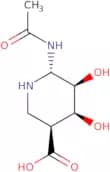
CAS:Inhibitor of viral, bacterial and animal sialidaseFórmula:C8H14N2O5Pureza:Min. 98 Area-%Cor e Forma:White PowderPeso molecular:218.19 g/mol4'-tert-Butyl-2',6'-dimethyl-3',5'-dinitroacetophenone
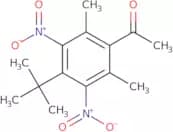
CAS:4'-tert-Butyl-2',6'-dimethyl-3',5'-dinitroacetophenone is a ketone that is used in the synthesis of new chemical substances. It has been shown to have toxicological properties and can be used for the treatment of bacterial infections. 4'-tert-Butyl-2',6'-dimethyl-3',5'-dinitroacetophenone has been shown to produce a high degree of solubility in water, which is an advantageous property for wastewater treatment because it allows for easy removal of this compound from contaminated water.Fórmula:C14H18N2O5Pureza:Min. 95%Cor e Forma:PowderPeso molecular:294.3 g/molEosin Y disodium salt
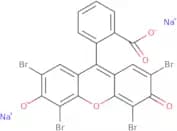
CAS:Eosin Y, a red xanthene dye, has been noted to reduce the affinity of Mg2+-ATPase for ATP and increase the enzyme affinity for Mg2+ at concentrations of 10-50 μM. At higher concentrations near 100 μM the affinity for Mg2+-ATPase for the ion-activator has been shown to be reduced. This compound has also been reported to be a photosensitizer that works as a molecular photoelectrode via catalyzation of the visible-light-driven electron-transfer reaction. Eosin Y has been used to stain structures such as muscle, cytoplasm, and collagen. This agent also enhances fluorescent quenching abilities by forming a complex with polyvinulpyrrolidone.
Fórmula:C20H6Br4Na2O5Pureza:Min. 95%Cor e Forma:Brown PowderPeso molecular:691.85 g/mol


![6(R)-[2-(8(S)-Hydroxy]-2(S),6(R)-dimethyl-1,2,6,7,8,8a(R)-hexahydro-1(S)-naphthyl]ethyl-4(R)-hydro…](/_next/image/?url=https%3A%2Fstatic.cymitquimica.com%2Fproducts%2F3D%2Fthumb-webp%2FFH24175.webp&w=3840&q=75)


![N-[3,5-Bis(trifluoroMethyl)phenyl]-N'-[(9R)-6'-Methoxy-9-cinchonanyl]thiourea](/_next/image/?url=https%3A%2Fstatic.cymitquimica.com%2Fproducts%2F3D%2Fthumb-webp%2FFB100790.webp&w=3840&q=75)
![(2-[Biotinamido]ethylamido)-3,3'-dithiodipropionic acid N-hydroxysuccinimide ester](/_next/image/?url=https%3A%2Fstatic.cymitquimica.com%2Fproducts%2F3D%2Fthumb-webp%2FFB52737.webp&w=3840&q=75)