Padrões Farmacêuticas
Os padrões farmacêuticos são um conjunto abrangente de materiais de referência essenciais para garantir a segurança, eficácia e qualidade dos produtos farmacêuticos. Esta categoria inclui padrões para ingredientes farmacêuticos ativos (APIs), que são os componentes principais responsáveis pelos efeitos terapêuticos. Além disso, abrange compostos e metabólitos relevantes tanto para a indústria farmacêutica quanto veterinária, fornecendo referências para a medição e análise precisa dessas substâncias. Padrões de controle de nitrosaminas são cruciais para detectar e mitigar nitrosaminas potencialmente prejudiciais em formulações de medicamentos. Padrões de toxicologia ajudam a avaliar a segurança e os potenciais efeitos adversos de compostos farmacêuticos. Além disso, padrões de ativadores e inibidores de enzimas são vitais para pesquisa e desenvolvimento, permitindo estudos precisos de vias bioquímicas e mecanismos de ação de medicamentos. Esses padrões farmacêuticos são ferramentas indispensáveis para conformidade regulatória, controle de qualidade e pesquisa, garantindo que os produtos farmacêuticos atendam a rigorosos critérios de segurança e eficácia.
Subcategorias de "Padrões Farmacêuticas"
- APIs para pesquisa e impurezas(273.766 produtos)
- Activadores e Inibidores de Enzimas(2.827 produtos)
- Nitrosaminas(2.605 produtos)
- Compostos e metabolitos farmacêuticos e veterinários(2.608 produtos)
- Toxicologia(13.652 produtos)
Foram encontrados 7836 produtos de "Padrões Farmacêuticas"
Ordenar por
Pureza (%)
0
100
|
0
|
50
|
90
|
95
|
100
5-Chlorosalicylic acid
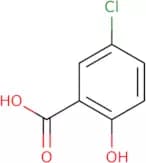
CAS:<p>5-Chlorosalicylic acid is an inhibitor of the enzyme carbonic anhydrase. It is used for the treatment of gout, rheumatoid arthritis, and osteoarthritis. This compound has been shown to be a genotoxic agent, which may result in mutagenic or carcinogenic effects. 5-Chlorosalicylic acid inhibits the growth of probiotic bacteria. It also has anti-inflammatory properties and can be used as a proton donor in organic synthesis reactions.<br>5-Chlorosalicylic acid is a metabolite of acetylsalicylic acid (ASA) that forms when ASA undergoes oxidative deamination in the liver. 5-Chlorosalicylic acid is also formed during metabolism of nonsteroidal anti-inflammatory drugs (NSAIDs).</p>Fórmula:C7H5ClO3Pureza:Min. 95%Cor e Forma:White Off-White PowderPeso molecular:172.57 g/mol(R)-(-)-3,3′-Bis(triphenylsilyl)-1,1′-binaphthyl-2,2′-diyl hydrogenphosphate
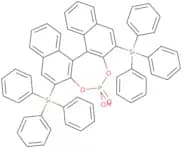
CAS:<p>(R)-(-)-3,3′-Bis(triphenylsilyl)-1,1′-binaphthyl-2,2′-diyl hydrogenphosphate is a fine chemical that is a useful reagent and building block. It can be used as an intermediate in the synthesis of complex compounds. This chemical has a CAS number of 791616-55-2 and is classified as a speciality chemical. (R)-(-)-3,3′-Bis(triphenylsilyl)-1,1′-binaphthyl-2,2′-diyl hydrogenphosphate is also a versatile building block for the synthesis of reaction components with high quality.</p>Fórmula:C56H41O4PSi2Pureza:Min. 94.5 Area-%Cor e Forma:PowderPeso molecular:865.07 g/mol5-Methoxysalicylic acid sodium
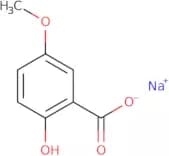
CAS:<p>5-Methoxysalicylic acid sodium (MSAS) is a drug that is used to treat intestinal ulcers. It is also used to reduce the viscosity of blood and as an adjuvant in the treatment of rheumatoid arthritis. The bioavailability of MSAS is increased when it is administered with cefmetazole, which enhances the absorption of this drug in the small intestine. MSAS has a hypoglycemic effect and can be used to treat high blood sugar levels. This drug binds to muscle cells and prevents their contraction, which can lead to relief from muscle pain or spasms. MSAS may also have a pharmacological effect on ligation, which occurs when tissue is cut off from its blood supply.</p>Fórmula:C8H7O4·NaPureza:Min. 95%Cor e Forma:PowderPeso molecular:190.13 g/molL-Methionine [R]-sulfoximine
CAS:<p>L-Methionine [R]-sulfoximine is a molecule that has been isolated from the environment. It is an electron-deconvolution and paramagnetic resonance study of the molecule. The spectrum was obtained in the frequency range from 10 to 500 MHz, with a resolution of 0.03 ppm, and a sensitivity of 20 μT. L-Methionine [R]-sulfoximine is an imine nitrogen that can be coordinated by metal ions to form an iminium ion. This compound has two enantiomers, which are both shown in this study. L-Methionine [R]-sulfoximine is a synthetase that catalyzes the formation of the methylamino group and its amino nitrogen.</p>Fórmula:C5H12N2O3SPureza:Min. 95%Cor e Forma:White to pale yellow solid.Peso molecular:180.23 g/mol4-Chloro-3-nitroacetophenone
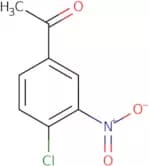
CAS:<p>4-Chloro-3-nitroacetophenone is a phenothiazine drug that is used in the treatment of lung conditions. It binds to the active site of human cytochrome P450, which is an enzyme that metabolizes many drugs and other foreign substances. 4-Chloro-3-nitroacetophenone inhibits the reaction by binding to the chloride ion and preventing it from leaving the enzyme's active site, which is necessary for its function. The drug has been shown to have a high affinity for protozoan tetrahymena, an organism that has been widely used as a model system in biochemistry research. 4-Chloro-3-nitroacetophenone also inhibits biochemical reactions involving nucleophilic substrates such as quinoline derivatives. The reaction rate of these substrates is decreased by this drug due to its ability to compete with water molecules for the nucleophilic reaction intermediate.</p>Fórmula:C8H6ClNO3Pureza:Min. 95%Cor e Forma:PowderPeso molecular:199.59 g/mol2-Hydroxy-5-nitrophenylacetic acid
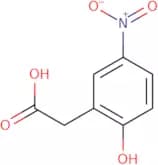
CAS:<p>2-Hydroxy-5-nitrophenylacetic acid is a versatile building block that can be used as a reagent, speciality chemical, or research chemical. It has been synthesized and characterized from the nitrobenzene derivative 2-hydroxyacetophenone. The compound has been shown to inhibit the growth of bacteria by binding to bacterial DNA gyrase and topoisomerase IV. This inhibits bacterial growth by preventing DNA replication and transcription. As an intermediate, 2-hydroxy-5-nitrophenylacetic acid is useful in organic synthesis as a reaction component or scaffold.</p>Fórmula:C8H7NO5Pureza:Min. 95%Cor e Forma:PowderPeso molecular:197.14 g/molO-Benzyl-L-threonine
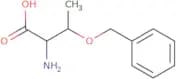
CAS:<p>O-Benzyl-L-threonine is a polymer that can be used to treat inflammatory diseases. It is an ionic polymer that reacts with calcium carbonate and forms nanosized architectures. O-Benzyl-L-threonine has been shown to cause the disassembly of inflammatory cells and induce cell death through necrosis factor. This polymer has been shown to have an optimal reaction when combined with a target cell in the presence of calcium carbonate. The phenolic group on the threonine molecule is responsible for this reaction's success.</p>Fórmula:C11H15NO3Pureza:Min. 95%Cor e Forma:White To Off-White SolidPeso molecular:209.24 g/molL-Asparagine monohydrate
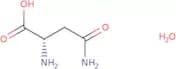
CAS:<p>L-Asparagine monohydrate (LAM) is a water-soluble amino acid that is used in the treatment of metabolic disorders such as diabetes. LAM has been shown to be effective in cell culture and tissue culture experiments, where it was found to increase the production of growth factors, such as insulin and keratinocyte growth factor. This amino acid also has a high degree of kinetic stability and can be used for magnetic resonance spectroscopy studies. LAM is soluble in water, but not in organic solvents. It forms hydrogen bonds with other molecules and is able to form dehydrated crystals. The experimental solubility data for LAM can be found in table 1 below.</p>Fórmula:C4H10N2O4Pureza:(Titration) Min. 99%Cor e Forma:White Clear LiquidPeso molecular:150.13 g/mol(6S)-5,6,7,8-Tetrahydro-6-[propyl[2-(2-thienyl)ethyl]amino]-1-naphthalenol
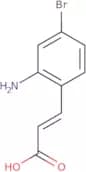
CAS:Produto Controlado<p>(6S)-5,6,7,8-Tetrahydro-6-[propyl[2-(2-thienyl)ethyl]amino]-1-naphthalenol is a potent and selective dopamine receptor agonist. It acts by binding to the dopamine receptors in the brain. This binding stimulates the release of dopamine and prevents it from being reabsorbed into the neurons, which in turn increases levels of extracellular dopamine in the synapse. (6S)-5,6,7,8-Tetrahydro-6-[propyl[2-(2-thienyl)ethyl]amino]-1-naphthalenol has been shown to have antidepressant effects in animal models of depression. It also has a long half life and can be administered as a transdermal patch for prolonged relief from depression symptoms.</p>Fórmula:C19H25NOSPureza:Min. 95%Cor e Forma:White Off-White PowderPeso molecular:315.47 g/mol2-Amino-4-bromocinnamic acid
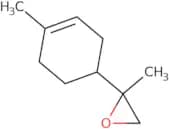
CAS:<p>2-Amino-4-bromocinnamic acid is a fine chemical with a CAS number of 914636-63-8. It is used in the synthesis of complex compounds and useful building blocks, as well as in research. This compound has been shown to be an intermediate for the preparation of derivatives with potential pharmaceutical applications, such as antihistamines, antipsychotics, and antibiotics. 2-Amino-4-bromocinnamic acid is also an important reagent for organic syntheses.</p>Fórmula:C9H8BrNO2Pureza:Min. 98 Area-%Cor e Forma:PowderPeso molecular:242.07 g/mol(4R,8RS)-Limonene-8,9-epoxide
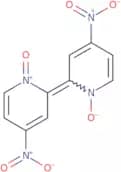
CAS:<p>The compound (4R, 8RS)-limonene-8,9-epoxide is an epoxide of the monoterpene limonene. It has been shown to be an effective insecticide that attacks the cycle at the abietane stage. It can also be used as a precursor for other chemicals such as neoabietic acid. The biosynthesis of this compound is unknown, but it is thought to be generated by a cytochrome P450 monooxygenase and may involve the epoxidation of dendroctonus or cytochromes. This compound is not found in plants and is only found in insects, where it functions as an insecticide.</p>Fórmula:C10H16OPureza:Min. 95%Cor e Forma:Colorless Clear LiquidPeso molecular:152.23 g/mol4,4'-Dinitro-2,2'-bipyridine-N,N'-dioxide - crude
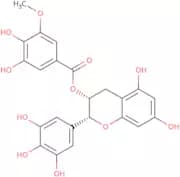
CAS:<p>4,4'-Dinitro-2,2'-bipyridine-N,N'-dioxide is a fine chemical with a high quality. It is a versatile building block with a wide range of applications in research and as a reagent. The compound is used in the synthesis of organic compounds and many other products. This product can be used as an intermediate for the production of more complex compounds or scaffolds. 4,4'-Dinitro-2,2'-bipyridine-N,N'-dioxide has been shown to be useful in the synthesis of pharmaceuticals and agrochemicals.</p>Fórmula:C10H6N4O6Pureza:Min. 95%Cor e Forma:Yellow PowderPeso molecular:278.18 g/mol(-)-EGCG-3''-O-ME
CAS:<p>(-)-EGCG-3''-O-ME is a methylated derivative of epigallocatechin (EGCg) that has been shown to have hepatoprotective properties. (-)-EGCG-3''-O-ME inhibits the growth of bacterial cells by binding to the proton pump in the bacterial cell membrane and preventing the transport of protons across the membrane, which leads to an accumulation of hydrogen ions inside the bacterial cell. (-)-EGGCg also inhibits alcohol-induced liver injury and is an antioxidant. (-)-EGGCg has been shown to have anti-obesity effects on mice fed a high fat diet, as well as lowering blood pressure in rats. (-)-EGCg can be detected by analytical methods such as gas chromatography or high performance liquid chromatography (HPLC).</p>Fórmula:C23H20O11Pureza:Min. 90 Area-%Cor e Forma:Brown PowderPeso molecular:472.4 g/molEthyl 2,4,6-trimethoxycinnamate
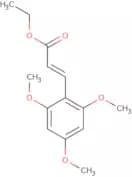
CAS:<p>Ethyl 2,4,6-trimethoxycinnamate is a fine chemical that is a useful scaffold for the synthesis of other compounds. It is used as a versatile building block in the synthesis of research chemicals and as an intermediate in the production of speciality chemicals. This compound has been shown to be highly reactive. Ethyl 2,4,6-trimethoxycinnamate can be used as an effective reagent or reaction component in organic chemistry.</p>Fórmula:C14H18O5Pureza:90%Cor e Forma:PowderPeso molecular:266.29 g/molFmoc-3-(1-naphthyl)-L-alanine
CAS:<p>Fmoc-3-(1-naphthyl)-L-alanine is a versatile building block that can be used in the synthesis of complex compounds. It has been shown to be a useful intermediate in the synthesis of a range of biologically active compounds, including research chemicals and reagents. It is also a useful scaffold for the preparation of complex chemical structures. Fmoc-3-(1-naphthyl)-L-alanine is available as an off-white solid with a purity of 99%.</p>Fórmula:C28H23NO4Pureza:Min. 98.0 Area-%Cor e Forma:White PowderPeso molecular:437.49 g/mol2,3-Dichlorocinnamic acid
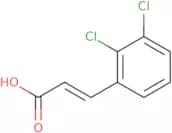
CAS:<p>2,3-Dichlorocinnamic acid is an organic compound that can be synthesized in a multistep process involving the reaction of pyridine with sulfuryl chloride. This reaction forms 2,3-dichloropropiophenone and 2,3-dichloroacetophenone. The latter compound is converted to the desired product by reacting it with thionyl chloride. The final step involves hydrolysis of the ester group to form 2,3-dichlorocinnamic acid.<br>2,3-Dichlorocinnamic acid can also be synthesized from phenylpropiolic acid and chlorosulfuric acid or from methyl propiolate and chlorosulfuric acid. <br>2,3-Dichlorocinnamic acid is a white crystalline solid that melts at 155°C and boils at 287°C. It is soluble in water and has a low yield due to</p>Fórmula:C9H6Cl2O2Pureza:Min. 95%Peso molecular:217.05 g/mol(R)-Apomorphine hydrochloride hemihydrate
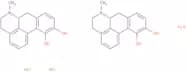
CAS:<p>Apomorphine hydrochloride is the salt form of apomorphine, a morphine derivative D2 dopamine agonist. The high selectivity for D2, D3, D4 and D5 receptors makes apomorphine hydrochloride a possible drug candidate and it is in clinical trials for diagnosis and treatment of Parkinsons disease. Moreover, apomorphine and apomorphine hydrochloride have been investigated in diverse studies for treating movement disorders.</p>Fórmula:C17H17NO2•HCl•(H2O)0Pureza:Min. 95%Cor e Forma:White PowderPeso molecular:312.79 g/molrac 4-Hydroxy-9-cis-retinoic acid
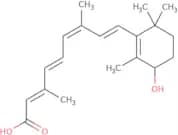
CAS:<p>9-cis-Retinoic acid is a retinoid that is found in the human body. It can be extracted from the cells of animals or plants and purified by using an organic solvent, such as hexane. 9-cis-Retinoic acid can also be synthesized by using a validated hplc method. Analysts use this compound to measure conjugate acids, hydroxy acids, and other compounds related to endogenous metabolism. It is often used as a buffering agent for specific applications.</p>Fórmula:C20H28O3Pureza:Min. 95%Peso molecular:316.43 g/molN-Methyl-L-tyrosine - Combretum collinum
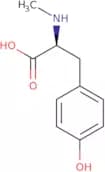
CAS:<p>N-Methyl-L-tyrosine is a molecule that has been studied as a potential treatment for Parkinson's disease. It is chemically related to the amino acid tyrosine and also shares some of its biological properties. N-Methyl-L-tyrosine inhibits the uptake of dopamine by dopamine transporters in cells, which reduces the symptoms of Parkinson's disease. The alkynyl group present in this molecule helps to improve the drug's binding affinity with proctolin, which is a substrate for proton pump inhibitors, and can be used to treat gastrointestinal problems. The clinical use of N-Methyl-L-tyrosine is limited due to its low oral bioavailability; however, it may be effective when administered intravenously or intramuscularly.</p>Fórmula:C10H13NO3Pureza:Min. 95%Cor e Forma:White PowderPeso molecular:195.22 g/molDisodium methylenebisnaphthalenesulfonate
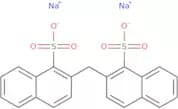
CAS:<p>Disodium methylenebisnaphthalenesulfonate is an organic compound that belongs to the group of bisnaphthyl-sulfones. It is a white solid with a melting point of 236°C. Disodium methylenebisnaphthalenesulfonate is used as a reagent in organic synthesis and as a building block for other compounds. The compound has been shown to be useful in the synthesis of 2-amino-5-methyl-1,3,4-thiadiazole derivatives, which are important building blocks for pharmaceuticals. Disodium methylenebisnaphthalenesulfonate can also be used as a scaffold for complex compounds with new or unknown structures.</p>Fórmula:C21H16O6S2·2NaPureza:Min. 95%Cor e Forma:Beige To Brown SolidPeso molecular:474.46 g/molGeranyl linalool
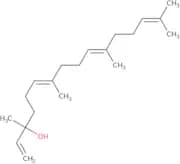
CAS:<p>Geranyl linalool is a monoterpene that is found in plants. It has been shown to have significant cytotoxicity against some cancer cell lines and may be useful in the treatment of cancer. Geranyl linalool also displays antibacterial, antifungal, and antiviral properties. Geranyl linalool is soluble in organic solvents such as methanol and ethanol, but insoluble in water. The chemical ionization mass spectrum of geranyl linalool has been observed to produce water-vapor ions at m/z 94 and 95 with a retention time of 12.5 minutes. The molecular weight of geranyl linalool is 152 g/mol and it has a ph optimum between 5-8.</p>Fórmula:C20H34OPureza:Min. 95%Cor e Forma:Clear LiquidPeso molecular:290.48 g/mol2,4-Dinitrophenyl butyrate
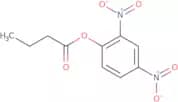
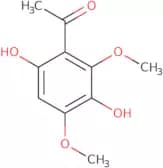
CAS:<p>2,4-Dinitrophenyl butyrate is a plant-derived compound that belongs to the group of fatty acids. It has shown radical scavenging activity in a homogeneous assay and has been found to be a strong inhibitor of pancreatic lipase. 2,4-Dinitrophenyl butyrate has also been used as a marker for proteolytic enzymes and has been shown to have inhibitory effects on pancreatic lipase. This compound is not only useful for studying enzyme inhibition, but it can also be used as an ingredient in food products.</p>Fórmula:C10H10N2O6Pureza:Min. 98 Area-%Cor e Forma:PowderPeso molecular:254.2 g/mol3,6-Dihydroxy-2,4-dimethoxyacetophenone
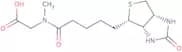
CAS:<p>3,6-Dihydroxy-2,4-dimethoxyacetophenone is an aromatic compound that has a molecular structure with hydrogen-bonded groups. It also contains both acetoxy and intramolecular substituents. 3,6-Dihydroxy-2,4-dimethoxyacetophenone is used in research as a starting material for the synthesis of other compounds. It is also used to study the dihedral angles in molecules due to the presence of two asymmetric carbon atoms.</p>Fórmula:C10H12O5Pureza:Min. 95%Cor e Forma:PowderPeso molecular:212.2 g/mol(+)-Biotin-sarcosine
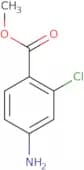
CAS:<p>Please enquire for more information about (+)-Biotin-sarcosine including the price, delivery time and more detailed product information at the technical inquiry form on this page</p>Fórmula:C13H21N3SO4Pureza:Min. 95%Peso molecular:315.39 g/mol4-Amino-2-chlorobenzoic acid methyl ester
CAS:<p>4-Amino-2-chlorobenzoic acid methyl ester (4ACBME) is a chemical compound that has been used in the treatment of autoimmune diseases. It acts as an immunoreceptor and regulatory molecule by binding to specific receptors on the surface of lymphocytes, which are cells that play a central role in the immune system. 4ACBME also inhibits the production of inflammatory molecules, such as TNF-α, IL-1β, IL-6 and IL-8. The regression of tissue inflammation was observed in animal models after 4ACBME treatment. This compound has been shown to have no genotoxic impurities in vitro studies and its molecular descriptors are consistent with those found for other immunoreceptors.</p>Fórmula:C8H8ClNO2Pureza:Min. 95%Cor e Forma:White PowderPeso molecular:185.61 g/mol6-Amino-3-methyl-4-(4-nitrophenyl)-4H-pyrano[3,2-d]pyrazole-5-carbonitrile
CAS:<p>6-amino-3-methyl-4-(4-nitrophenyl)-4H-pyrano[3,2-d]pyrazole-5-carbonitrile is a compound that has been shown to have correlations with energies and regression. It also has a linear regression, polarities, photophysical properties, and dipole. The fluorescence and excited state of this compound are singlet and hydrogen bonding interactions with solvents.</p>Fórmula:C14H11N5O3Pureza:Min. 95%Cor e Forma:PowderPeso molecular:297.27 g/mol21-(Fluoro-18F)-17-Hydroxypregna-1,4-Diene-3,11,20-Trione
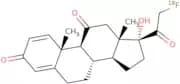
Produto Controlado<p>F-18-fluorohydroxypregna-1,4-diene-3,11,20-trione (FHP) is a positron emission tomography (PET) radiopharmaceutical that binds to estrogen receptors. It is used in the diagnosis of cancer and other diseases. FHP is synthesized by reduction of its carbonyl group with sodium borohydride and then converted to the desired radiolabeled form. The synthesis of FHP can be accomplished in a variety of ways, depending on the desired radionuclide and labeling technique. One such method uses an unlabeled precursor estrone or 17β-estradiol as the starting material. This precursor undergoes enzymatic conversion by testosterone 17β hydroxylase to yield FHP.</p>Fórmula:C21H25FO4Pureza:Min. 95%Peso molecular:360.42 g/molTestosterone enanthate
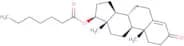
CAS:Produto Controlado<p>Testosterone enanthate is a long-acting ester of the natural hormone testosterone. It is used to treat male hypogonadism, as well as for female infertility. Testosterone enanthate has been found to be effective in maintaining physiological levels of testosterone in the blood and in increasing follicular growth, body mass index, and bone density. The pharmacokinetic properties of testosterone enanthate are similar to other long-acting esters of testosterone, such as testosterone cypionate and testosterone propionate. These agents are absorbed slowly from the injection site into the bloodstream, with a prolonged duration of action that can last for weeks or months. Sodium citrate is commonly used with these agents to help prevent blood clots from forming at the injection site.</p>Fórmula:C26H40O3Pureza:Min. 95%Cor e Forma:PowderPeso molecular:400.59 g/molHomatropine methyl bromide
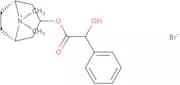
CAS:<p>Homatropine methyl bromide is a drug that belongs to the class of anticholinergic drugs. It is used as a pharmaceutical preparation and is used in the treatment of glaucoma, diagnosis of myasthenia gravis, and as an antidote for organophosphate poisoning. Homatropine methyl bromide can be used to control diastolic pressure. This drug binds to acetylcholine receptors and increases the time needed for hydrochloric acid to break down propranolol hydrochloride. The binding constants for this drug are high, which means it has a strong affinity for acetylcholine receptors. Homatropine methyl bromide is chemically stable and does not react with fatty acids or other chemicals.</p>Fórmula:C17H24NO3·BrPureza:Min. 95%Peso molecular:370.28 g/mol3-Chloro-L-tyrosine
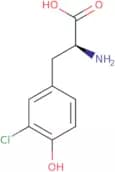
CAS:<p>3-Chloro-L-tyrosine (3CT) is a reactive, nitrogen containing molecule that has been used as a model system to study oxidative injury in the heart. The molecule reacts with the air and oxygen in the environment, producing reactive oxygen species (ROS) that can cause oxidative injury. 3CT has been shown to inhibit ATP binding cassette transporter A1 (ABCA1), which is involved in cholesterol efflux from macrophages. 3CT also promotes the release of eosinophil peroxidase from eosinophils and induces tumor necrosis factor alpha (TNF-α). The analytical method for 3CT includes liquid chromatography-mass spectrometry/mass spectrometry (LC-MS/MS).</p>Fórmula:C9H10NO3ClPureza:Min. 95%Cor e Forma:PowderPeso molecular:215.63 g/mol4-(N,N-Diethylamino)cinnamic acid
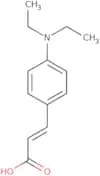
CAS:<p>4-(N,N-Diethylamino)cinnamic acid is a dye-sensitized solar cell sensitizer that has been synthesized from thiophene and acrylic acid. This compound is efficient in dye-sensitized solar cells and can be used to produce solar cells with an efficiency of over 10%.</p>Fórmula:C13H17NO2Pureza:Min. 95%Cor e Forma:PowderPeso molecular:219.28 g/molAdouetine Y
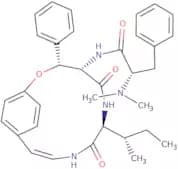
CAS:<p>Adouetine Y is a synthetic biochemical compound, designed as a highly specific inhibitor for targeted cellular processes. It is derived through advanced chemical synthesis techniques aimed at achieving optimal molecular precision. The mode of action of Adouetine Y involves binding to specific protein targets within the cell, modulating their activity and thereby influencing biochemical pathways critical to cellular function.</p>Fórmula:C34H40N4O4Pureza:Min. 95%Peso molecular:568.71 g/mol4-Hydroxy atorvastatin lactone
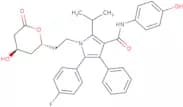
CAS:<p>4-Hydroxy atorvastatin lactone is a prodrug that can be hydrolyzed to the active form, atorvastatin. It is an inhibitor of HMG-CoA reductase and has been shown to significantly lower cholesterol levels in humans. 4-Hydroxy atorvastatin lactone has been shown to have no significant drug interactions with other drugs metabolized by cytochrome P450 3A5 (CYP3A5). A pharmacokinetic study of healthy Chinese subjects showed that plasma concentrations of 4-hydroxy atorvastatin lactone increased with increasing doses. Linear ranges were observed for human liver validation studies. Pharmacokinetic parameters were determined using chromatographic science, including linearity, limit of detection, limit of quantification, and specificity. The validation study was completed using electrospray ionization mass spectrometry.</p>Fórmula:C33H33FN2O5Pureza:Min. 95%Cor e Forma:PowderPeso molecular:556.62 g/mol2-(2-Nitrophenoxy)acetic acid
CAS:<p>2-(2-Nitrophenoxy)acetic acid (NPAA) is a molecule that has been found in plants of the genus Balanites. It has been shown to be an intramolecular hydrogen bond acceptor, which may contribute to its chemical structure and stability. NPAA has also been shown to have a constant pKa value of 4.7, which means it is slightly acidic. NPAA is used as an industrial process sample preparation agent and can be synthesized by reacting phenol with nitric acid.</p>Fórmula:C8H7NO5Peso molecular:197.14 g/mol3,5-Diaminosalicylic acid
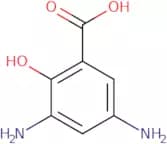
CAS:<p>3,5-Diaminosalicylic acid is a potent antibacterial agent that inhibits the synthesis of bacterial cell walls by inhibiting the enzyme transpeptidase. It is also used as a preservative and stabilizer in pharmaceutical formulations. 3,5-Diaminosalicylic acid has been shown to be active against cochliobolus at an optimum concentration of 2%. The solute is stable in water or dilute acids and alkalis. However, it can be hydrolyzed by strong bases such as sodium hydroxide and potassium hydroxide. Impurities such as nitro groups can be removed by washing with water or ethanol. The drug substance should be analyzed using high performance liquid chromatography (HPLC) methods to ensure stability and purity. 3,5-Diaminosalicylic acid forms crystalline needles that are colorless to white in solution. They will dissolve when heated but form precipitates when cooled. The crystals are</p>Fórmula:C7H8N2O3Pureza:Min. 95%Cor e Forma:Brown PowderPeso molecular:168.15 g/mol2-(2,2-dimethylpropanoyl)-3-(3-nitrophenyl)prop-2-enenitrile
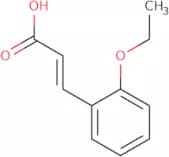
CAS:<p>Please enquire for more information about 2-(2,2-dimethylpropanoyl)-3-(3-nitrophenyl)prop-2-enenitrile including the price, delivery time and more detailed product information at the technical inquiry form on this page</p>Pureza:Min. 95%2-Ethoxycinnamic acid
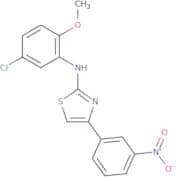
CAS:<p>2-Ethoxycinnamic acid is a metastable molecule that has been obtained by an asymmetric synthesis. It is unreactive, and its reaction products are polyvalent. 2-Ethoxycinnamic acid can be analyzed using analytical methods such as flow system, functional theory, and gas chromatography. 2-Ethoxycinnamic acid has been used in the preparation of cinnamates, which are used in perfumes and flavors. Polymorphs of this molecule have also been observed in crystalline form. There are two different forms of the molecule: α-form and β-form. The α-form is more stable than the β-form because it has a hydrogen bond with the methyl group on the left side of the molecule.</p>Fórmula:C11H12O3Pureza:Min. 95%Cor e Forma:PowderPeso molecular:192.21 g/mol(5-Chloro-2-methoxyphenyl)(4-(3-nitrophenyl)(2,5-thiazolyl))amine
CAS:<p>Please enquire for more information about (5-Chloro-2-methoxyphenyl)(4-(3-nitrophenyl)(2,5-thiazolyl))amine including the price, delivery time and more detailed product information at the technical inquiry form on this page</p>Pureza:Min. 95%5-Hydroxyaloin a 6'-o-acetate
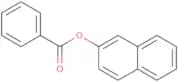
CAS:<p>5-Hydroxyaloin A 6'-O-acetate is a naturally occurring polysubstituted anthraquinone glycoside, which is derived primarily from Aloe species. It is synthesized through biosynthetic pathways in the Aloe vera plant, where anthraquinones are acetylated to enhance their biological activity. This compound is known for its potential bioactive properties, including anti-inflammatory and antioxidant activities, which are attributed to its ability to modulate various biochemical pathways.</p>Fórmula:C23H24O11Pureza:Min. 95%Peso molecular:476.43 g/mol2-Naphthyl Benzoate
CAS:<p>2-Naphthyl benzoate is a compound that has been used as a fluorescence probe for the chromatographic determination of cardiac glycosides. It is also an acid conjugate of 2-naphthyl benzoate. The method includes the use of potassium dichromate and other reagents in vitro to determine the presence of cardiac glycosides by measuring fluorescence intensity. The reagents are mixed together, then incubated at 37°C for 5 minutes, followed by addition of the sample. Fluorescence is measured using a spectrophotometer at an excitation wavelength of 340 nm and emission wavelength of 460 nm. A constant that is specific to each cardiac glycoside is used to calculate the amount present in mg/L or µg/mL after 20 minutes. The nucleophilic nature of 2-naphthyl benzoate allows it to react with dipole-dipole interactions with electron deficient heterocyclic rings,</p>Fórmula:C17H12O2Pureza:Min. 95%Cor e Forma:PowderPeso molecular:248.28 g/mol4-Acetoxycinnamic acid
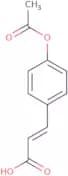
CAS:<p>4-Acetoxycinnamic acid is a staphylococcal bactericide that inhibits bacterial growth and is active against many gram-positive bacteria, including Staphylococcus aureus. It is also active against many gram-negative bacteria, such as Escherichia coli and Pseudomonas aeruginosa. 4-Acetoxycinnamic acid has been shown to inhibit the growth of Staphylococcus aureus in an in vitro experiment by interfering with membrane permeability and inhibiting lipid synthesis. 4-Acetoxycinnamic acid has been shown to have antimicrobial activity against gram-positive and gram-negative bacteria, including methicillin resistant S. aureus (MRSA).</p>Fórmula:C11H10O4Pureza:Min. 97 Area-%Cor e Forma:PowderPeso molecular:206.19 g/mol4'-Chloro-2'-hydroxyacetophenone
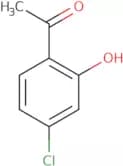
CAS:<p>4'-Chloro-2'-hydroxyacetophenone is a hydrazone compound that has been shown to have an inhibitory effect on the growth of cancer cells. The crystal structure was determined using X-ray diffraction data and the parameters were refined using a program called WITWIG. Hydrazones are classified as orthorhombic with space group Pbcn. The compound has been shown to be magnetic and it is soluble in organic solvents. 4'-Chloro-2'-hydroxyacetophenone has a molecular weight of 206.079 g/mol, which indicates that it is an organic molecule. It also contains a hydroxyl group and two chlorine atoms, one of which is attached to the acetophenone nucleus. This molecule can coordinate with metal ions to form complexes, such as mononuclear complexes, or polynuclear complexes with more than one metal ion.</p>Fórmula:C8H7ClO2Pureza:Min. 95%Cor e Forma:Clear LiquidPeso molecular:170.59 g/mol2'-Hydroxy-2,4,4',6'-tetramethoxychalcone
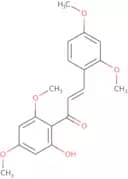
CAS:<p>2'-Hydroxy-2,4,4',6'-tetramethoxychalcone (HTMC) is a bioactive substance that has been shown to have anticancer properties. HTMC has been shown to have allopathic effects in a statistically significant manner and has been used in traditional herbal medicine for centuries. The mechanisms of action are not well understood but may be due to its ability to inhibit the activity of arjunic acid and flavonoids. HTMC is found in plants such as tropical trees and herbs from India, including Acacia catechu and Tinospora cordifolia. It also has pharmacological properties, which may be due to its derivates that are isolated from these plants. HTMC shows no adverse effects on humans when taken orally at doses up to 1 g/day for 28 days.</p>Fórmula:C19H20O6Pureza:Min. 95%Cor e Forma:PowderPeso molecular:344.36 g/mol1-(2-Thiazolylazo)-2-naphthol
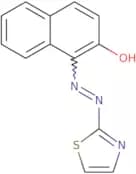
CAS:<p>1-(2-Thiazolylazo)-2-naphthol is a fluorescent dye that is used in analytical chemistry, cell culture, and flow cytometry. It has been shown to be useful for the detection of cancer cells. The fluorescence of 1-(2-Thiazolylazo)-2-naphthol can also be used to measure the levels of high-sensitivity c-reactive protein (hsCRP) in serum or plasma. This dye has a strong absorption band at 460 nm, which is attributed to its aromatic heterocyclic ring. Hydrogen bonding interactions are the driving force behind this dye's fluorescence.</p>Fórmula:C13H9N3OSPureza:Min. 98%Cor e Forma:PowderPeso molecular:255.3 g/mol4-Nitrocinnamyl alcohol
CAS:<p>4-Nitrocinnamyl alcohol is an antiarrhythmic agent that is structurally related to the nitro group. It is produced by a synthetic process, and it has been shown to be mediated by piperidine. This compound is prepared by catalytic chlorinating of primary alcohols in the presence of hydrotalcite or catalysis with tosylates.</p>Fórmula:C9H9NO3Pureza:Min. 95%Cor e Forma:PowderPeso molecular:179.17 g/molOctakis(trimethylsiloxy)silsesquioxane
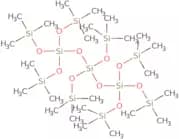
CAS:<p>Octakis(trimethylsiloxy)silsesquioxane is a cross-linking agent that forms covalent bonds with ethylene diamine and aluminium ions. It has been shown to be active against bacterial species such as Staphylococcus aureus, Pseudomonas aeruginosa, and Escherichia coli. Octakis(trimethylsiloxy)silsesquioxane binds to the calcium carbonate of the cell wall, forming a complex that prevents the bacteria from adhering to surfaces. The fluidity of octakis(trimethylsiloxy)silsesquioxane particles allows them to penetrate the cell membrane and inhibit protein synthesis by binding to ribosomes. Octakis(trimethylsiloxy)silsesquioxane can also be used as an encapsulation agent for drugs in order to prevent their degradation by enzymes in the gastrointestinal tract.</p>Fórmula:C24H72O20Si16Pureza:Min. 95%Cor e Forma:Clear LiquidPeso molecular:1,130.18 g/molRivastigmine tartrate
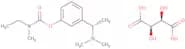
CAS:Produto Controlado<p>Acetylcholinesterase and butyrylcholinesterase inhibitor</p>Fórmula:C18H28N2O8Pureza:Min. 95%Cor e Forma:White PowderPeso molecular:400.42 g/mol2-Fluoro-1-naphthalenecarboxaldehyde
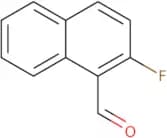
CAS:<p>2-Fluoro-1-naphthalenecarboxaldehyde is a high quality, complex compound that can be used as a versatile building block in the synthesis of many different compounds. As a reagent, it is used for the conversion of alcohols to ketones, esters to acid chlorides and amides to nitriles. It is also an intermediate in the synthesis of other chemicals such as 2-fluoronaphthalene, 2-(2-fluoroethyl)naphthalene, 1H-indole-2-carboxylic acid, and 3-(2-fluoropropyl)benzothiazole.</p>Fórmula:C11H7FOPureza:Min. 95%Cor e Forma:PowderPeso molecular:174.17 g/mol(S)-2-Amino-3-(3,4-dihydroxyphenyl)-2-methylpropionic acid sesquihydrate
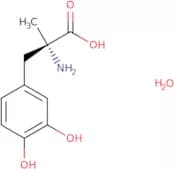
CAS:<p>(S)-2-Amino-3-(3,4-dihydroxyphenyl)-2-methylpropionic acid sesquihydrate is a synthetic drug that is used for the treatment of metabolic disorders such as diabetes mellitus. It has been shown in animal studies to increase locomotor activity and decrease bowel disease. It also has an effect on α7 nicotinic acetylcholine receptors and 2 adrenergic receptors.</p>Fórmula:C10H13NO4•(H2O)1Pureza:Min 98%Cor e Forma:PowderPeso molecular:238.24 g/mol2,6-Dimethoxynaphthalene
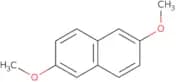
CAS:<p>2,6-Dimethoxynaphthalene is a skeleton that belongs to the naphthalene class of compounds. It is a white crystalline solid that is soluble in organic solvents. This compound has been used as an intermediate for the synthesis of dyes and pharmaceuticals, but it is most commonly used as a precursor to reactive carboxylic acid derivatives. The sulfonation of 2,6-dimethoxynaphthalene with SO3 leads to the formation of ethyl diazoacetate and subsequent acylation reactions can be used to produce esters. The reaction mechanism for these reactions involves proton transport from the sulfur atom to the oxygen atom on ethyl diazoacetate. Supramolecular chemistry studies have shown that this reaction also takes place at low temperatures without the need for an acid catalyst.</p>Fórmula:C12H12O2Pureza:Min. 98 Area-%Peso molecular:188.22 g/mol

![L-Methionine [R]-sulfoximine](/_next/image/?url=https%3A%2Fstatic.cymitquimica.com%2Fproducts%2F3D%2Fthumb-webp%2FFM25157.webp&w=3840&q=75)
![(6S)-5,6,7,8-Tetrahydro-6-[propyl[2-(2-thienyl)ethyl]amino]-1-naphthalenol](/_next/image/?url=https%3A%2Fstatic.cymitquimica.com%2Fproducts%2F3D%2Fthumb-webp%2FFT76640.webp&w=3840&q=75)

![6-Amino-3-methyl-4-(4-nitrophenyl)-4H-pyrano[3,2-d]pyrazole-5-carbonitrile](/_next/image/?url=https%3A%2Fstatic.cymitquimica.com%2Fproducts%2F3D%2Fthumb-webp%2FFA169805.webp&w=3840&q=75)