Glicociência
A glicociência é o estudo dos carboidratos e seus derivados, bem como das interações e funções biológicas em que participam. Este campo de pesquisa é crucial para compreender uma ampla variedade de processos biológicos, incluindo o reconhecimento celular, a sinalização, a resposta imune e o desenvolvimento de doenças. A glicociência tem aplicações importantes na biotecnologia, na medicina e no desenvolvimento de novos medicamentos e terapias. Na CymitQuimica, oferecemos uma ampla seleção de produtos de alta qualidade e pureza para pesquisa em glicociência. Nosso catálogo inclui monossacarídeos, oligossacarídeos, polissacarídeos, glicoconjugados e reagentes específicos, projetados para apoiar os pesquisadores em seus estudos sobre a estrutura, função e aplicações dos carboidratos em sistemas biológicos. Esses recursos são destinados a facilitar descobertas científicas e aplicações práticas em diversas áreas das biociências e da medicina.
Subcategorias de "Glicociência"
- Amino açúcares(108 produtos)
- Anticorpos Glico-Relacionados(282 produtos)
- Glicolípidos(46 produtos)
- Glicosaminoglicanos (GAGs)(55 produtos)
- Glicosídeos(419 produtos)
- Monossacáridos(6.624 produtos)
- Oligossacarídeos(3.682 produtos)
- Polissacáridos(503 produtos)
Foram encontrados 11046 produtos de "Glicociência"
Ordenar por
Pureza (%)
0
100
|
0
|
50
|
90
|
95
|
100
1-Acetyl-2-deoxy-3,5-di-O-benzoylribofuranose
CAS:<p>1-Acetyl-2-deoxy-3,5-di-O-benzoylribofuranose is a fluorinated carbohydrate that is synthesized by click chemistry with acetic anhydride and 3,5-di-O-benzoylribofuranose. It is a complex carbohydrate with a high purity. This product can be custom synthesized to meet the specific requirements of customers.</p>Fórmula:C21H20O7Pureza:Min. 95%Peso molecular:384.38 g/molCimifugin 4'-O-b-D-glucopyranoside
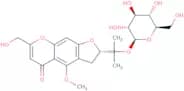
CAS:Cimifugin 4'-O-b-D-glucopyranoside is a complex carbohydrate that has been modified with methylamine and fluorine. It is a custom synthesis of cimifugin, which is an oligosaccharide found in the roots of the Chinese medicinal plant Cimicifuga. Cimifugin 4'-O-b-D-glucopyranoside has been modified to increase its solubility and stability. The modification also increases its bioavailability, which may be due to the ability of methylamine to chelate heavy metals or the fluoroalkylation of cimifugin, making it more lipophilic. Cimifugin 4'-O-b-D-glucopyranoside has been shown to have antiinflammatory effects, as well as hepatoprotective properties.Pureza:Min. 95%2-Formylphenyl 2-acetamido-2-deoxy-b-D-glucopyranoside
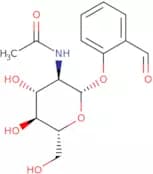
CAS:<p>2-Formylphenyl 2-acetamido-2-deoxy-b-D-glucopyranoside is a custom synthesis that is modified with a fluorination. It is an oligosaccharide that contains a methylation and glycosylation. This product is an Oligosaccharide, which is a complex carbohydrate. The synthesis of this product is high purity and has been synthesized by the methylation and glycosylation of monosaccharides. This compound has been synthesized from high purity chemicals, including saccharides, such as glucose or fructose. The compound's CAS number is 15430-78-1.</p>Fórmula:C15H19NO7Pureza:Min. 95%Peso molecular:325.31 g/molMannioside A
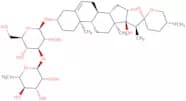
CAS:<p>Mannioside A is a postulated antigen that may be found in the Dracaena genus of plants. This compound has been shown to have an affinity for membranes, which could possibly be used as a strategy for vaccines and other pharmaceutical products. Mannioside A also has hemolytic activity, which may be useful in developing new treatments for autoimmune disorders such as multiple sclerosis.</p>Pureza:Min. 95%1,2,4,6-Tetra-O-acetyl-3-O-propargyl-D-glucopyranose
<p>1,2,4,6-Tetra-O-acetyl-3-O-propargyl-D-glucopyranose is a custom synthesis of a monosaccharide. The 1,2,4,6-tetra acetyl group and the 3-O propargyl group are introduced to the D glucose ring by modifications. This modification increases the stability of the molecule and protects it from hydrolysis. The glycosylation is performed with an oligosaccharide to form a complex carbohydrate.</p>Pureza:Min. 95%O-(2-Acetamido-2-deoxy-3,4,6-tri-O-acetyl-D-glucopyranosylidene)amino N-(4-nitrophenyl)carbamate
CAS:O-(2-Acetamido-2-deoxy-3,4,6-tri-O-acetyl-D-glucopyranosylidene)amino N-(4-nitrophenyl)carbamate is a synthetic compound that has been modified with fluorine. The compound is an example of a glycosylation reaction, which is the process of joining two sugars to form a complex carbohydrate. It has been modified with Methylation and Click modification. O-(2-Acetamido-2-deoxy-3,4,6-tri-O-acetyl)-D glucopyranosylidene)amino N-(4 nitrophenyl)carbamate also has a saccharide component and is classified as Polysaccharide. This compound can be custom synthesized for customers who need high purity or oligosaccharides.Fórmula:C21H24N4O12Pureza:Min. 95%Peso molecular:524.44 g/molD-Ribose-2,3,4,5-13C4
CAS:<p>D-Ribose-2,3,4,5-13C4 is a complex carbohydrate with saccharide units. It is synthesized by the chemical modification of D-ribose. This product can be used to modify or methylate glucose and other carbohydrates. It has been shown to inhibit the formation of amyloid plaques in Alzheimer's disease, which may be due to its ability to reduce nitric oxide and reactive oxygen species levels. The purity of this product is at least 98%.</p>Fórmula:C5H10O5Pureza:Min. 95%Peso molecular:154.1 g/molMonofucosyl-para-lacto-N-hexaose II
CAS:<p>Monofucosyl-para-lacto-N-hexaose II is a carbohydrate that belongs to the group of modified carbohydrates. This molecule is a monosaccharide with a chemical modification that has not been reported before. The modification is methylation of the hydroxyl group at position C1 and glycosylation of the hydroxyl groups at positions C2 and C3. Monofucosyl-para-lacto-N-hexaose II has shown high purity and can be custom synthesized to meet your needs. It can also be used for click chemistry, which allows for chemists to create new molecules by adding different functional groups to existing molecules.</p>Fórmula:C46H78N2O35Pureza:Min. 95%Peso molecular:1,219.1 g/molLacto-N-neotetraose-GEL
Lacto-N-neotetraose-GEL is a glycosylation product that is used in the synthesis of complex carbohydrates. It is a methylated, fluorinated, and saccharide-modified oligosaccharide. This product can be custom synthesized in high purity with a CAS number and has a very low endotoxin level. Lacto-N-neotetraose-GEL has been shown to have many uses including as an adjuvant for vaccines and monoclonal antibody production. It has also been shown to suppress inflammation and increase the efficacy of cancer treatments.Pureza:Min. 95%GM1-Lysoganglioside sodium
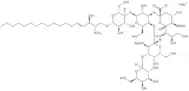
CAS:GM1-Lysoganglioside (sodium salt) has the core tetrasaccharide structure (Galβ1,3GalNAcβ1,4Galβ1,4Glc) with sialic acid linked α2,3 to the inner galactose residue and sphingosine linked β to position 1 on the reducing terminal glucose residue (Ledeen, 2009). GM1 lysoganglioside has been shown that it is capable of binding amyloid-β proteins and can act as a seed for amyloid fibril formation, in early stages of Alzheimerâs disease (Chiricozzi, 2020).Fórmula:C55H97N3O30·xNaPureza:Min. 95%Cor e Forma:White PowderPeso molecular:1,280.36 g/mol3,4-Dideoxyglucosone-3-ene
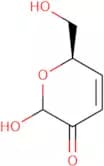
CAS:<p>3,4-di-deoxyglucosone-3-ene is a bioreactive glucose degradation product which can be formed during heat sterilisation of glucose containing peritoneal dialysis solutions. Chemically, 3,4-Dideoxyglucosone-3-ene is an α,β-unsaturated carbonyl compound which increases its reactivity with cellular sulfhydryl, amino groups, proteins, and DNA. 3,4-Dideoxyglucosone-3-ene induces apoptosis in neutrophils, renal cells and peripheral blood mononuclear cells. Such induction leads to impaired peritoneal antibacterial defence.</p>Fórmula:C6H8O4Pureza:Min. 95 Area-%Cor e Forma:Colorless PowderPeso molecular:144.13 g/molTri-O-acetyl-b-D-GlcNAc-Fmoc Asn tert-Butyl Ester
<p>Tri-O-acetyl-b-D-GlcNAc-Fmoc Asn tert-Butyl Ester is a synthetic, high purity, custom synthesis, and glycosylation agent. It is a fluorinated, methylated, and modified monosaccharide. Tri-O-acetyl-b-D-GlcNAc-Fmoc Asn tert-Butyl Ester is used in the synthesis of oligosaccharides and complex carbohydrates. CAS number: 203883–42–7</p>Fórmula:C34H45N3O13Pureza:Min. 95%Peso molecular:703.73 g/molDecyl 4-O-b-D-lactopyranosyl-b-D-lactopyranoside
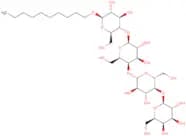
CAS:Decyl 4-O-b-D-lactopyranosyl-b-D-lactopyranoside is a high purity, custom synthesis, glycosylated oligosaccharide. It has been modified with Click chemistry to incorporate a fluorine atom on the sugar ring. This complex carbohydrate has a CAS No. of 1858224-00-6 and is synthesized by methylation and fluorination reactions. Decyl 4-O-b-D-lactopyranosyl-b-D-lactopyranoside can be used in biomedical research as a model for glycans and glycolipids, as well as in industrial applications such as food production.Fórmula:C34H62O21Pureza:Min. 95%Peso molecular:806.84 g/molMinoxidil D-glucuronide
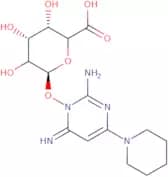
CAS:Minoxidil D-glucuronide is a modification of minoxidil, which is an antihypertensive drug. It has been shown to have stronger activity than minoxidil in the treatment of hypertension. Minoxidil D-glucuronide is a complex carbohydrate that has been synthesized from minoxidil and glucuronic acid. It is a white powder with high purity, and it can be used for glycosylation reactions.Fórmula:C15H23N5O7Pureza:Min. 95%Peso molecular:385.37 g/molDesmethyl ranolazine b-D-glucuronide
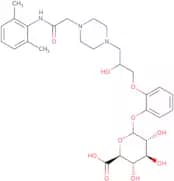
CAS:Desmethyl ranolazine b-D-glucuronide is a complex carbohydrate that is a modification of the sugar, glycosylation and carbohydrate. It is a fluorinated synthetic compound that has been modified with methyl groups, click chemistry and glycosylation. Desmethyl ranolazine b-D-glucuronide is soluble in water and methanol, and insoluble in ethanol. The CAS number for this compound is 172300-93-5.Fórmula:C29H39N3O10Pureza:Min. 95%Peso molecular:589.65 g/molGal[2346Ac]b(1-3)GalN3[46Bzd]-b-MP
<p>Gal[2346Ac]b(1-3)GalN3[46Bzd]-b-MP is a modified oligosaccharide with a carbohydrate backbone of 3 mannose and 1 galactose residues. The saccharide is synthesized from the monosaccharides methylated, glycosylated, and then fluorinated. Gal[2346Ac]b(1-3)GalN3[46Bzd]-b-MP has a CAS number of 71769-77-5.</p>Fórmula:C34H39N3O15Pureza:Min. 95%Peso molecular:729.68 g/mol3,6-Di-O-benzyl-D-glucal
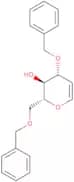
CAS:3,6-Di-O-benzyl-D-glucal is a substrate for the enzyme fatty acid hydroxylase. This enzyme catalyzes the hydroxylation of fatty acids to produce hydroxy fatty acids and 3,6-di-O-benzyl-D-glucal. The stereoselective nature of this enzyme has been shown using microscopy to examine the reaction time in both monolayers and bilayers. The kinetics of this reaction have also been analyzed by kinetic analysis. It is thought that this reaction takes place in the cytosol, although it may also occur in mitochondria or chloroplasts.Fórmula:C20H22O4Pureza:Min. 95%Peso molecular:326.39 g/mol1,2,3,4,6-Penta-O-acetyl-a-D-thiogalactopyranose
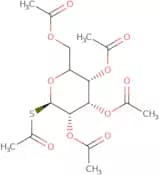
CAS:<p>1,2,3,4,6-Penta-O-acetyl-a-D-thiogalactopyranose is a fluorinated saccharide that can be used as a research tool. It has been modified with methylation and glycosylation. This product is purified and custom synthesized to meet customer specifications.</p>Fórmula:C16H22O10SPureza:Min. 95%Peso molecular:406.41 g/molDihydrozeatin-9-glucoside
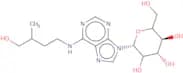
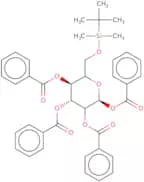
CAS:<p>Dihydrozeatin-9-glucoside is a conjugate of the natural product dihydrozeatin and glucose. The glucoside has been found to inhibit the growth of plants, which may be due to its ability to bind to polyclonal antibodies. Dihydrozeatin-9-glucoside is also an immunogen that has been shown to produce monoclonal antibodies in tissue culture. It has been used for immunoaffinity chromatography and as a biochemical marker for plant tissue cultures. Dihydrozeatin-9-glucoside binds to wheat leaf cells and inhibits their growth, making it a potential tool for the study of plant cell death.</p>Fórmula:C16H25N5O6Pureza:Min. 95 Area-%Cor e Forma:White PowderPeso molecular:383.4 g/mol1,2,3,4-Tetra-O-benzoyl-6-O-tert-butyldimethylsilyl-b-D-galactopyranose
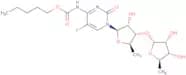
<p>Tetra-O-benzoyl-6-O-tert-butyldimethylsilyl-b-D-galactopyranose is a tetrasaccharide that has been modified with the fluoride ion. This compound is synthesized from 1,2,3,4-tetraacetyl bromoacetone and 2,3,4,6-tetraacetyl bromoethanol by an acetalization reaction followed by a silylation reaction. Tetra-O-benzoyl-6-O-tert butyldimethylsilyl b D galactopyranose may be used in glycosylation reactions. The product is soluble in water or ethanol and can be stored for up to 2 weeks at 4°C.</p>Fórmula:C40H42O10SiPureza:Min. 95%Peso molecular:710.86 g/mol3'-(5'-Deoxy-a-D-ribofuranoyl capecitabine
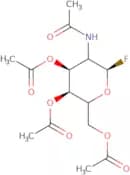
CAS:3'-(5'-Deoxy-a-D-ribofuranoyl capecitabine is a modified form of the anticancer drug capecitabine, which is used in the treatment of breast cancer and metastatic colorectal cancer. 3'-(5'-Deoxy-a-D-ribofuranoyl capecitabine is synthesized by modification of the sugar moiety with a fluorinated methyl group, followed by glycosylation with a saccharide. The fluorination increases the lipophilicity and enhances the solubility of this compound, while retaining its cytotoxic activity. It has been shown to have an IC50 value of 0.1 μM against human colon carcinoma cells.Fórmula:C20H30FN3O9Pureza:Min. 95%Peso molecular:475.47 g/mol2-Acetamido-3,4,6-tri-O-acetyl-2-deoxy-a-D-glucopyranosyl fluoride
2-Acetamido-3,4,6-tri-O-acetyl-2-deoxy-a-D-glucopyranosyl fluoride (ATAG) is a modified oligosaccharide that belongs to the category of complex carbohydrates. ATAG is synthesized by custom synthesis and has a high purity. This compound has been shown to have antiinflammatory properties, which may be due to its inhibition of prostaglandin synthesis.Pureza:Min. 95%2-Acetamido-6-O-(a-2-N-acetylneuraminyl)-2-deoxy-a-D-galactopyranose-sp-biotin
<p>2-Acetamido-6-O-(a-2-N-acetylneuraminyl)-2-deoxy-a-D-galactopyranose (Neu5Ac) is a methylated saccharide that is synthesized by the enzyme glycosylase. The acetamido group on the sugar reacts with the amino group at position 6 of the sugar to form a Schiff base, which then undergoes an elimination reaction to generate 2,6-dideoxygalactose. This product can be modified using click chemistry or other modification techniques such as Glycosylation, High purity, Carbohydrate, sugar, Synthetic, Fluorination and more.</p>Pureza:Min. 95%Cor e Forma:Solid6'-Sialyllactose-PAA-biotin
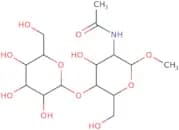
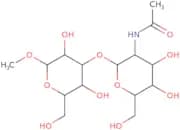
<p>6'-Sialyllactose-PAA-biotin is a high purity, custom synthesis, and synthetic oligosaccharide with a molecular weight of 792.04 Da. It is a glycosylated saccharide that has been modified with fluorination, glycosylation, methylation and click modification.</p>Pureza:Min. 95 Area-%Cor e Forma:PowderMethyl 3-O-(2-acetamido-2-deoxy-a-D-galactopyranosyl)-a-D-galactopyranoside
CAS:<p>Methyl 3-O-(2-acetamido-2-deoxy-a-D-galactopyranosyl)-a-D-galactopyranoside is a synthetic carbohydrate. It is a biochemically active compound that can be used as an intermediate in the synthesis of oligosaccharides and monosaccharides, as well as other natural products. Methyl 3-O-(2-acetamido-2-deoxy-a-D-galactopyranosyl)-a-D-galactopyranoside has been studied for its potential use in cancer treatments, antiaging, and diabetes treatments.</p>Fórmula:C15H27NO11Pureza:Min. 95%Cor e Forma:PowderPeso molecular:397.38 g/molD-Arabino-5-hexulosonic acid
CAS:<p>D-Arabino-5-hexulosonic acid is an intermediate in the pentose phosphate pathway. It is a component of the hexuronate, which is an important precursor for galactitol, 6-phosphate, and acid dehydrogenase. D-Arabino-5-hexulosonic acid is also an important intermediate in the glycolytic pathway for ATP production. The gene product has been shown to be involved in aerobic glycolysis, which is utilized by Staphylococcus aureus to produce energy from glucose fermentation. D-Arabino-5-hexulosonic acid plays a role in ion exchange and mitochondrial metabolism as well.</p>Fórmula:C6H10O7Pureza:Min. 95%Peso molecular:194.14 g/molAllyl 2,3-di-O-benzyl-b-D-glucopyranoside
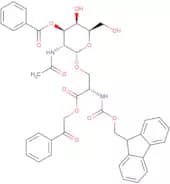
CAS:Allyl 2,3-di-O-benzyl-b-D-glucopyranoside is a compound with a molecular weight of 276.2 g/mol and an empirical formula of C12H22O10. It has a white crystalline appearance with a melting point of 220°C. Allyl 2,3-di-O-benzyl-b-D-glucopyranoside is soluble in water and methanol but not in ethanol. It can be used as an additive for plastics and rubber to improve conductivity or as a plasticizer for cellulose acetate.Fórmula:C23H28O6Pureza:Min. 95%Peso molecular:400.46 g/mol2-Acetamido-3-O-benzoyl-2-deoxy-a-D-galactopyranosyl Fmoc serine phenacyl ester
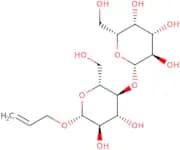
CAS:<p>2-Acetamido-3-O-benzoyl-2-deoxy-a-D-galactopyranosyl Fmoc serine phenacyl ester is a complex carbohydrate. It is an oligosaccharide with a molecular weight of 902 Da that is synthesized from 2,4,6,-trihydroxybenzoic acid and 2,3,4,6,-tetraacetylphenylserine. The carbohydrate has been modified by methylation, glycosylation and fluorination. The synthesis of this compound has been carried out using the click chemistry reaction. This product has a purity of 99+% and can be used in the modification of other carbohydrates.</p>Fórmula:C41H40N2O12Pureza:Min. 95%Peso molecular:752.78 g/molAllyl β-D-lactose
CAS:Allyl β-D-lactose is a disaccharide with an aliphatic alkene functional handle. This can be used as a functionalised monomer in the synthesis of glycopolymers.Fórmula:C15H26O11Pureza:Min. 95 Area-%Cor e Forma:PowderPeso molecular:382.36 g/mol2-C-Methyl-D-mannopyranose
CAS:2-C-Methyl-D-mannopyranose is a low molecular weight sugar that is found in the cell walls of bacteria and some plants. It has been shown to have an immunostimulating effect when administered to mice with murine sarcoma. 2-C-Methyl-D-mannopyranose has also been shown to be cytotoxic against murine leukemia cells. This compound has a glycosidic structure and can be hydrolyzed by acid or alkali to form mannose. 2-C-Methyl-D-mannopyranose can be synthesized using ion exchange chromatography, which separates compounds according to their molecular weight. The molecular weights of this compound range from low to high, with a monomeric unit of 160 Da. The nmr spectra of this compound show peaks at 1.5 ppm corresponding to the C=O stretching vibration and at 7 ppm corresponding to the C=N stretchingFórmula:C7H14O6Pureza:Min. 95%Peso molecular:194.18 g/molD(+)-Lactose monohydrate
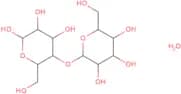
CAS:<p>D(+)-Lactose monohydrate is a crystalline, water-soluble sugar that is used as a pharmaceutical excipient. It is the most soluble of the lactose forms and has an optimum concentration of 1.0%. D(+)-Lactose monohydrate can be used in solid dosage forms such as tablets, capsules, or powders. It is also used in liquid dosage forms such as suspensions, syrups, or elixirs. D(+)-Lactose monohydrate has been shown to have anti-carcinogenic effects and may inhibit growth factor activity. It is not known to be an allergen or cause any infectious diseases.</p>Fórmula:C12H24O12Pureza:Min. 95%Peso molecular:360.31 g/molα-D-Galactose
CAS:α-D-Galactose is a monosaccharide that is found in the human serum. It is a potent inducer of liver lesions and mitochondrial membrane potential, which may be due to its ability to stimulate the synthesis of proinflammatory cytokines. α-D-Galactose also has anti-inflammatory properties, as well as structural analysis properties that can be used for diagnosis. α-D-Galactose has been used as a model system for studying oligosaccharides, which are carbohydrates with more than one sugar unit. α-D-Galactose binds to sephadex g-100 by hydrogen bonds and can be detected by laser ablation mass spectrometry.Fórmula:C6H12O6Pureza:Min. 95%Peso molecular:180.16 g/mol2,3,4-Tri-O-acetyl-b-D-ribopyranosyl azide
CAS:<p>2,3,4-Tri-O-acetyl-b-D-ribopyranosyl azide is a high purity chemical with custom synthesis. It has been shown to have a fluorination and glycosylation reaction. This chemical also has methylation and modification properties that may be useful for the synthesis of oligosaccharides and monosaccharides. 2,3,4-Tri-O-acetyl-b-D-ribopyranosyl azide may be used as an intermediate for saccharide or complex carbohydrate synthesis.</p>Fórmula:C11H15N3O7Pureza:Min. 95%Peso molecular:301.26 g/mol5-Deoxy-D-arabinose
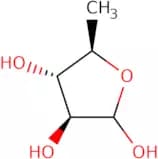
CAS:<p>5-Deoxy-D-arabinose is a phenylhydrazone compound that is soluble in water and alcohol. It has a molecular weight of 176.20, and its chemical formula is C6H8N2O3. The substance has been shown to be an inhibitor of the bacterial enzyme d-threose synthase, which catalyzes the formation of d-threose from D-ribose 5-phosphate and glycerone phosphate. This substance also inhibits fungal pteridine reductase; however, it does not inhibit mammalian pteridine reductase. 5-Deoxy-D-arabinose has analogues that are biologically active.</p>Fórmula:C5H10O4Pureza:Min. 95%Peso molecular:134.13 g/molDifucosyl-para-lacto-N-hexaose III
Difucosyl-para-lacto-N-hexaose III is a custom synthesis. It is an oligosaccharide that belongs to the class of polysaccharides. It has a molecular weight of 1,000 Da and contains two monosaccharides: difucose and para-lactohexose. This product can be modified with fluorination or click chemistry. Difucosyl-para-lacto-N-hexaose III has a purity of > 98% and CAS No., which is 93794-37-5.Pureza:Min. 95%rac-Hesperetin-d3 3’-O-bea-D-glucuronide
<p>Hesperetin-3-O-beta-D-glucuronide is a synthetic derivative of hesperidin that can be used as a metabolite marker for the assessment of drug metabolism in humans. Hesperetin-3-O-beta-D-glucuronide is an oligosaccharide that contains three sugar units: D-galactopyranosyl, D-glucopyranosyl, and D-(+)-lactose. This compound has been shown to inhibit the activity of alpha amylase and alpha glucosidase.</p>Fórmula:C22H19D3O12Pureza:Min. 95%Peso molecular:481.42 g/mol1,2:5,6-Di-O-isopropylidene-3-O-methyl-a-D-glucofuranose
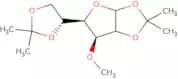
CAS:<p>1,2:5,6-Di-O-isopropylidene-3-O-methyl-a-D-glucofuranose is a glycosylation agent that belongs to the group of complex carbohydrates. It is a synthetic compound that can be modified with methyl groups, fluorine atoms, or click modification. 1,2:5,6-Di-O-isopropylidene-3-O-methyl-a-D-glucofuranose is used as a monosaccharide for the synthesis of oligosaccharides and polysaccharides. This compound has high purity and can be custom synthesized to meet customer specifications.</p>Fórmula:C13H22O6Pureza:Min. 95%Peso molecular:274.31 g/mol4,5-O-Isopropylidene-b-D-fructopyranose
CAS:<p>4,5-O-Isopropylidene-b-D-fructopyranose is a fluorinated monosaccharide that is synthesized by the glycosylation of an aldonic acid with an appropriate sugar. It is soluble in water and many organic solvents. 4,5-O-Isopropylidene-b-D-fructopyranose can be used to synthesize a variety of oligosaccharides and polysaccharides. This product has been modified with methyl groups at various positions on the sugar ring. The chemical name for this product is 4,5-O-[2-(1,1,3,3,-tetramethylbutyl)phenoxy]isopropylidene b-[2-(2,2,6,6,-tetramethylpiperidiniumoxy)ethoxy] D-[beta]-D -fructopyran</p>Fórmula:C9H16O6Pureza:Min. 95%Peso molecular:220.22 g/mol2,3,4,6 -Tetra-O-benzyl-D-glucitol
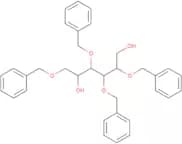
CAS:<p>2,3,4,6 -Tetra-O-benzyl-D-glucitol is an atypical compound with a spectrum of activities. It has been shown to inhibit the synthesis of alditols and aldosides in vitro, and it also inhibits miglustat which is the first drug for Gaucher's disease approved by the FDA. 2,3,4,6 -Tetra-O-benzyl-D-glucitol is synthetically produced from D-glucose and benzyl chloride. The compound crystallizes as a chiral form that can exist as either (S) or (R) conformation. The (S) form has been observed to be more active than the (R) form against showdomycin and cyclic peptidase A.</p>Fórmula:C34H38O6Pureza:Min. 95%Cor e Forma:liquid.Peso molecular:542.66 g/mol4'-O-(b-D-2'',3'',4'',6''-Tetra-O-acetyl-glucopyranosyl)-4-nitrophloretin
CAS:<p>4'-O-(b-D-2'',3'',4'',6''-Tetra-O-acetyl-glucopyranosyl)-4-nitrophloretin is a modified carbohydrate that contains glucose, glucuronic acid, and nitrobenzene. It is a synthetic compound with a high purity and custom synthesis. The 4'-O-(b-D-2'',3'',4'',6''-Tetra-O-acetyl-glucopyranosyl)-4-nitrophloretin has been methylated, glycosylated, and click modified for research purposes.</p>Fórmula:C29H31NO15Pureza:Min. 95%Peso molecular:633.55 g/molMannostatin A hydrochloride
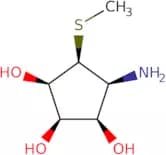
CAS:<p>Mannostatin A is a prodrug that is activated in the body by cleavage of the ester linkage. It has been shown to be a specific inhibitor of feedback inhibition of protein synthesis and cleavage at the carboxyl-terminal end. Mannostatin A has also been shown to inhibit, selectively, the synthesis of proteins in bacteria. In addition, it is possible that this drug may be converted into an inactive form by conjugation with glucuronic acid or by oxidation.</p>Fórmula:C6H14ClNO3SPureza:Min. 95%Peso molecular:215.7 g/molD-Glucitol-2-13C
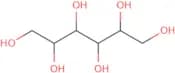
CAS:<p>D-Glucitol-2-13C is a stable isotope-labeled analog of mannitol, which is a sugar alcohol used as an osmotic diuretic. It has been shown to have anticancer properties by inducing apoptosis in cancer cells. D-Glucitol-2-13C has been used as a metabolic tracer in studies investigating tumor metabolism and the effects of kinase inhibitors on cancer cell proliferation. This compound can be detected using luciferase-based assays and has potential as a diagnostic tool for cancer detection. Additionally, D-Glucitol-2-13C has been found in Chinese urine samples and may have a role in protein metabolism. Overall, this compound shows promise as an important tool in cancer research and diagnosis.</p>Fórmula:C6H14O6Pureza:Min. 95%Peso molecular:182.17 g/mol2-Hydroxyimipramine b-D-glucuronide
CAS:<p>2-Hydroxyimipramine b-D-glucuronide is a custom synthesis, modification, and fluorination of the drug 2-hydroxyimipramine. The methyl group from the molecule is replaced with a fluoro group. This modification leads to a new compound with improved pharmacokinetic properties. The new compound also has glycosylation sites on the sugar ring that are not present in the parent drug. This modification may lead to an increase in the therapeutic efficacy of 2-hydroxyimipramine b-D-glucuronide as it interacts with other drugs and increases their bioavailability.</p>Fórmula:C25H32N2O7Pureza:Min. 95%Cor e Forma:SolidPeso molecular:472.54 g/molscyllo-Inosamine hydrochloride
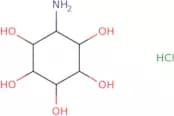
CAS:Scyllo-inosamine is a synthetic compound that is used as an oxime for the treatment of ascites tumors. It is synthesized from benzyl cyanide and cyclohexane. The benzyl groups are removed by catalytic hydrogenation, and the resulting product is hydrolyzed to scyllo-inosamine. Scyllo-inosamine has been shown to have a stereogenic center at C3, which allows it to act as an aminocyclitol, with the nitrogen atom acting as a nucleophile in the ring opening reaction. Scyllo-inosamine has been shown to be active against a number of tumor cells in culture and has been investigated as chemotherapeutic agent for cancer treatment.Fórmula:C6H13NO4·HClPureza:Min. 95%Peso molecular:199.63 g/mol1,6, 2,3-Dianhydro-β-D-talopyranose
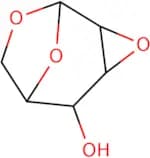
CAS:1,6, 2,3-Dianhydro-beta-D-talopyranose is a fluorinated sugar that is an intermediate in the synthesis of complex carbohydrates. It has been used as a monosaccharide building block and can also be used to synthesize oligosaccharides and polysaccharides. 1,6, 2,3-Dianhydro-beta-D-talopyranose can be modified with methylation or click chemistry to alter its properties. This product is a carbohydrate that has been modified for research purposes.Fórmula:C6H8O4Pureza:Min. 95%Peso molecular:144.12 g/molEthyl 3,6-di-O-benzyl-2-deoxy-2-phtalimido-b-D-thioglucopyranose
<p>Ethyl 3,6-di-O-benzyl-2-deoxy-2-phtalimido-b-D-thioglucopyranose is a modification of the sugar thioglucose. It is an oligosaccharide that is a complex carbohydrate. This compound is synthesized using custom synthesis methods, and it has purity levels of >98%. Ethyl 3,6-di-O-benzyl-2-deoxy-2-phtalimido-b -D -thioglucopyranose has CAS number 78664–01–1. It can be found in the monosaccharide group, methylation group (methyl ethers), glycosylation group (glycosides), and polysaccharide group. The chemical formula for this compound is C11H21O8N3S.</p>Pureza:Min. 95%3,5-Di-O-Benzyl-1,2-O-isopropylidene-a-D-ribofuranose
CAS:3,5-Di-O-Benzyl-1,2-O-isopropylidene-a-D-ribofuranose is a modification of a sugar that has been synthesized and modified to increase its stability. It has been synthesized by methylation, glycosylation, and polysaccharide synthesis.br>br> 3,5-Di-O-Benzyl-1,2-O-isopropylidene -a -D -ribofuranose is a monosaccharide with the chemical formula C6H12O6. It is also known as ribose or deoxyribose. This compound is found in many biological systems including DNA and RNA. Ribose can be found naturally in such things as fruit juices and honey. 3,5 Di--O--Benzyl--1,2--O--isopropylidene -a -D -ribofuranose is anFórmula:C22H26O5Pureza:Min. 95%Peso molecular:370.44 g/mol4'-Hydroxy atomoxetine b-D-glucuronide
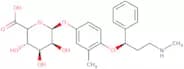
CAS:<p>4'-Hydroxy atomoxetine b-D-glucuronide is a synthetic compound that has been modified for use in the synthesis of saccharides and oligosaccharides. The modification is a high-yielding, efficient, and economical method for the preparation of complex carbohydrates. This compound is an intermediate in the synthesis of glycosylations. It can be used for the click modification of proteins or polysaccharides.br>br><br>4'-Hydroxy atomoxetine b-D-glucuronide is an intermediate in the synthesis of glycosylations. It can be used for the click modification of proteins or polysaccharides. Click chemistry is a form of chemical reaction used to modify molecules by attaching them to other molecules with similar reactive groups, such as hydroxyl groups, through a process called "click" chemistry. The term was coined by K. Barry Sharpless at Stanford University in 2000 after he demonstrated that certain metal</p>Fórmula:C23H29NO8Pureza:Min. 95%Peso molecular:447.49 g/mol2-(D-Arabino-tetrahydroxybutyl)-4(R)-1,3-thiazolidine-4-carboxylic acid
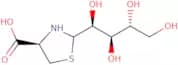
CAS:<p>2-(D-Arabino-tetrahydroxybutyl)-4(R)-1,3-thiazolidine-4-carboxylic acid is a synthetic monosaccharide that can be used to synthesize oligosaccharides and polysaccharides. It has been shown to be able to undergo glycosylation, methylation, and click modification reactions. This product is most commonly used in the preparation of complex carbohydrates for research or industrial purposes. 2-(D-Arabino-tetrahydroxybutyl)-4(R)-1,3-thiazolidine-4-carboxylic acid is soluble in water and has a CAS number of 110270-13-8.</p>Fórmula:C8H15NO6SPureza:Min. 95%Peso molecular:253.27 g/molGalantamine-O-D-glucuronide
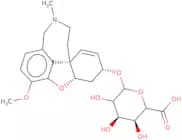
Produto Controlado<p>Galantamine-O-D-glucuronide is a glycosylation product of galantamine. It is synthesized by the glycosylation of galantamine with D-glucuronic acid. This product has custom synthesis, methylation, and click modification. Galantamine-O-D-glucuronide is produced in high purity and has a CAS number. It is a complex carbohydrate with a high molecular weight that can be modified to produce desired properties.</p>Fórmula:C23H29NO9Pureza:Min. 95%Cor e Forma:White Off-White PowderPeso molecular:463.48 g/mol2-Deoxy-2-fluoro-L-[UL-13C]fucose
CAS:<p>2-Deoxy-2-fluoro-L-[UL-13C]fucose is a modified sugar molecule used in various scientific applications, particularly in glycobiology and drug development. It's used to study fucose-containing glycans, enzyme interactions, metabolic pathways, and glycoengineering. For instance, it can be incorporated into proteins to investigate the effects of fucose modifications on their function or used to develop drugs targeting fucose-metabolizing enzymes</p>Fórmula:C6H12O5Pureza:Min. 95%Peso molecular:164.16 g/molGalβ(1-3)[neu5acα(2-6)]GalNAc-α-PNP
CAS:<p>Galβ(1-3)[neu5acα(2-6)]GalNAc-α-PNP is a complex carbohydrate that has been synthesized. It is a modification of the natural monosaccharide galactose by the addition of an alpha-N-acetylneuraminic acid residue. This product is highly pure and can be custom synthesized to customer specifications. Galβ(1-3)[neu5acα(2-6)]GalNAc-α-PNP has been fluorinated and methylated and has glycosylation and click chemistry modifications.</p>Fórmula:C31H45N3O21Pureza:Min. 95%Peso molecular:795.7 g/molMethyl 3,6-di-O-(a-D-mannopyranosyl)-a-D-mannopyranoside
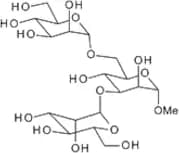
CAS:Used for structural and conformational studies and as enzyme substratesFórmula:C19H34O16Pureza:Min. 95%Cor e Forma:PowderPeso molecular:518.46 g/mol2-Acetamido-4-O-(2,3,4,6-tetra-O-acetyl-b-D-galactopyranosyl)-1,6-di-O-benzyl-2-deoxy-a-D-glucopyranoside
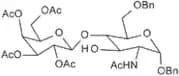
CAS:<p>The glycoconjugate is a glycosylation of an oligosaccharide with a monosaccharide. It is synthesized by the reaction of an activated saccharide with an alcohol or amine, and is modified by methylation, click modification, fluorination or acetylation. The glycoconjugate has been shown to be used as a potential treatment for cancer.</p>Fórmula:C36H45NO15Pureza:Min. 95%Peso molecular:731.74 g/molGalb1-3Galb1-4GlcNAcb1-3Galb1-4Glc
CAS:<p>Galb1-3Galb1-4GlcNAcb1-3Galb1-4Glc is a complex carbohydrate that is synthesized from Galb1-4GlcNAcb1-3Galb1-4Glc and 3,6-anhydro-L-galactose. It has been modified with fluorination to prevent degradation. The synthesis of this product may be modified by methylation, glycosylation, or carbonylation. Galb1-3Galb1-4GlcNAcb1-3Galb1-4Glc has CAS No. 443660-52-4 and a purity of 96%. This product is stable at room temperature and may be used in the preparation of vaccines or diagnostic kits.</p>Fórmula:C32H55NO26Pureza:Min. 95%Peso molecular:869.77 g/molHydroxyterbinafine b-D-glucuronide
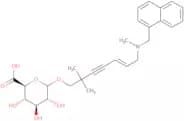
CAS:<p>Hydroxyterbinafine b-D-glucuronide is a synthetic monosaccharide that has been modified by the addition of a fluorine atom. Hydroxyterbinafine b-D-glucuronide is an oligosaccharide or polysaccharide, which is composed of at least two saccharides. It is obtained from the hydrolysis of methylated hydroxyterbinafine. This compound has been shown to have antiviral, antifungal and anticancer activities.</p>Fórmula:C27H33NO7Pureza:Min. 95%Peso molecular:483.57 g/mol1,3,4,6-Tetra-O-acetyl-N-(4-methoxybenzylidene)-b-D-glucosamine
CAS:<p>1,3,4,6-Tetra-O-acetyl-N-(4-methoxybenzylidene)-b-D-glucosamine is a high purity custom synthesis sugar that has been fluorinated and glycosylated. It is synthesized from the methylation of 4-(1,3,4,6-tetra-O-acetyl)-N-(4-hydroxybenzylidene)-b-D-glucosamine and can be used for the modification of saccharides or oligosaccharides. This compound has CAS No. 7597-81-1 and is known as a carbohydrate.</p>Fórmula:C22H27NO10Pureza:Min. 95%Peso molecular:465.45 g/mol3-O-Methyl-4-O-(3-O-methyl-a-D-mannopyranosyl)-D-mannopyranose
<p>3-O-Methyl-4-O-(3-O-methyl-a-D-mannopyranosyl)-D-mannopyranose is a synthetic sugar that can be modified to synthesize various oligosaccharides, polysaccharides, and complex carbohydrates. This fluorinated sugar has been modified with methyl groups at the 3' and 4' positions. It can be used for fluoroamination of glycosylation, Click chemistry, or other modifications. 3OM4OM3OM is soluble in water and glycerol, making it ideal for use in biological experiments. The chemical name for this compound is O-(3′,4′-dimethoxytrityl)-β--D--mannopyranosyl) -α--D--mannopyranoside and its CAS Registry Number is 836896-81-1.</p>Pureza:Min. 95%2-Hydroxyestradiol-2-O-b-D-glucuronide
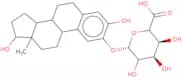
CAS:2-Hydroxyestradiol-2-O-b-D-glucuronide is a modified oligosaccharide that has been synthesized by custom synthesis. It can be used in the modification of other carbohydrates, and as a monosaccharide or methylated glycosylated saccharide. 2-Hydroxyestradiol-2-O-b-D-glucuronide is also an effective inhibitor for bacterial growth, which may be due to its ability to inhibit the synthesis of cellular constituents such as lipids and proteins.Fórmula:C24H32O9Pureza:Min. 95%Peso molecular:464.51 g/molD-Galactosamine-6-O-sulphate
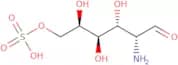
CAS:<p>D-Galactosamine-6-O-sulphate is a synthetic, fluorinated carbohydrate that has been modified by the Click reaction. It is used as a methylating agent and can be used in the synthesis of polysaccharides and oligosaccharides. This compound is also used to modify saccharides, glycosylations, and other carbohydrates. D-Galactosamine-6-O-sulphate is water soluble and can be used for custom synthesis. It can also be modified with other reagents for various purposes.</p>Fórmula:C6H13NO8SPureza:Min. 95%Peso molecular:259.23 g/mol4-Methoxyphenyl 3,4-O-isopropylidene-b-D-galactopyranoside
CAS:4-Methoxyphenyl 3,4-O-isopropylidene-b-D-galactopyranoside is a synthetic, conjugated prodrug that is metabolized to its active form by esterases. It has been shown to inhibit the h2 receptor and coagulation in vitro. 4-Methoxyphenyl 3,4-O-isopropylidene-b-D-galactopyranoside has also been shown to be a diagnostic marker for lymphocytic leukemia cells.Fórmula:C16H22O7Pureza:Min. 95%Peso molecular:326.34 g/mol3-Deoxy-2-keto-D-galactonate lithium salt
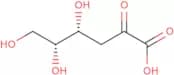
CAS:<p>3-Deoxy-2-keto-D-galactonate lithium salt is an enzyme inhibitor that belongs to the group of galacturonosyltransferases. It is a competitive inhibitor that binds to the enzyme active site and inhibits the transfer of galacturonic acid from UDP-galactose to various acceptor molecules, including oligosaccharides, polysaccharides, glycoproteins, and glycolipids. 3-Deoxy-2-keto-D-galactonate lithium salt has been shown to inhibit wild type strains of Escherichia coli and Saccharomyces cerevisiae. This compound also inhibits acid analysis enzymes such as catalase and triosephosphate isomerase in Escherichia coli. 3DGLS also inhibits protein synthesis by inhibiting the activity of enzymes such as ribonucleotide reductase and xanthine oxidase in Escherichia coli. The</p>Fórmula:C6H10O6·xLiPureza:Min. 95%(1R,3S,4R,8S)-3-Acetoxy-1-acetoxymethyl-8-benzloxy-2,6-dioxabicyclo[3,2,1]octane
CAS:(1R,3S,4R,8S)-3-Acetoxy-1-acetoxymethyl-8-benzloxy-2,6-dioxabicyclo[3,2,1]octane is a modification of a complex carbohydrate. It is synthesized by the methylation and glycosylation of the monosaccharide (1R,3S,4R,8S)-3-acetoxy-1-acetoxymethylcyclohexanecarboxylic acid. This product has a CAS number of 229469-37-8 and is available in high purity with 98% to 99% purity. This product can be used as an ingredient in pharmaceuticals or other chemical products.Fórmula:C18H22O7Pureza:Min. 95%Peso molecular:350.36 g/mol5-Deoxy-L-lyxono-1,4-lactone
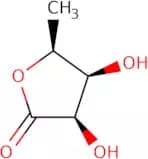
CAS:<p>5-Deoxy-L-lyxono-1,4-lactone is a crystalline solid that belongs to the class of hydroxamic acids. This compound has been shown to react with hydroxylamine in an aldonic reaction and to inhibit the enzyme xanthin oxidase. The monoclinic crystal structure of 5-Deoxy-L-lyxono-1,4-lactone was determined by XRD analysis. This compound is synthesized from glyoxylate and malonitrile in an efficient manner. It also inhibits glucose oxidation and can be used as an additive for food products.</p>Fórmula:C5H8O4Pureza:Min. 95%Peso molecular:132.12 g/mol5-(S-2-Phenyl-pyrrolidine)-1-yl-5-deoxy-1,2-isopropylidene-a-D-xylofuranose
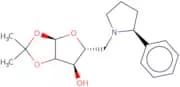
CAS:<p>The compound is a custom synthesis of 5-(S-2-Phenyl-pyrrolidine)-1-yl-5-deoxy-1,2-isopropylidene-a-D-xylofuranose. The compound is modified with fluorination, methylation, and monosaccharide. The compound has been synthesized using click chemistry for the modification of oligosaccharides and saccharides. The CAS No. for this compound is 1014404-87-5. This carbohydrate is a complex carbohydrate that has the ability to modify glycosylation and sugar structures in cells.</p>Fórmula:C18H25NO4Pureza:Min. 95%Peso molecular:319.4 g/mol1,2,3,4-Tetra-O-acetyl-a-D-glucuronide methyl ester
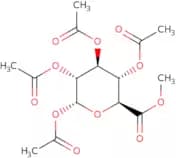
CAS:1,2,3,4-Tetra-O-acetyl-a-D-glucuronide methyl ester is a synthetic molecule that has been modified with the click chemistry technique. This product is a white solid that can be used to modify saccharides and polysaccharides. It can also be used in the synthesis of oligosaccharides or glycosylation reactions. This product is useful for modifying sugars with custom modifications and fluorination. 1,2,3,4-Tetra-O-acetyl-a-D-glucuronide methyl ester has CAS number 5432-32-6 and can be synthesized from glyceraldehyde and acetone.Fórmula:C15H20O11Pureza:Min. 95%Peso molecular:376.31 g/mol2,3,4,6-Tetra-O-acetyl-a-D-galactopyranose
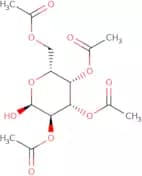
CAS:<p>2,3,4,6-Tetra-O-acetyl-a-D-galactopyranose (2,3,4,6-TA) is a sugar that has four acetyl groups and two galactose molecules. This compound is used as a substrate in glycosylation reactions and can be modified with fluorination or methylation. 2,3,4,6-TA is also a synthetic carbohydrate that can be used for the synthesis of oligosaccharides and monosaccharides. This compound is CAS No. 22554-70-7.</p>Fórmula:C14H20O10Pureza:Min. 95%Peso molecular:348.3 g/molMethyl 2,3-anhydro-b-D-ribopyranoside
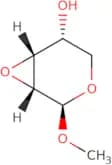
CAS:<p>Methyl 2,3-anhydro-b-D-ribopyranoside is a custom synthesis chemical with CAS No. 3150-13-8. This product is an oligosaccharide that is a polysaccharide and saccharide. It has fluorination and modification properties. This product is high purity and can be modified to suit the needs of customers. Methyl 2,3-anhydro-b-D-ribopyranoside is a monosaccharide sugar with a carbonyl group on the second carbon atom of the chain.</p>Fórmula:C6H10O4Pureza:Min. 95%Peso molecular:146.1 g/mol2,5-Anhydro-D-mannofuranose oxime
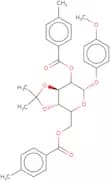
CAS:<p>2,5-Anhydro-D-mannofuranose oxime is a glycosylation inhibitor that prevents the formation of glycosidic bonds. It is used in the synthesis of complex carbohydrates, such as polysaccharides and oligosaccharides. This compound can be fluorinated or methylated to produce 2,5-anhydro-D-mannofuranose oxime derivatives that are useful for click chemistry. 2,5-Anhydro-D-mannofuranose oxime has been shown to inhibit the enzymatic conversion of mannitol to mannose and fructose by blocking the enzyme alpha mannosidase. The high purity of this compound makes it suitable for use in a variety of reactions, including glycobiology studies and carbohydrate modifications.</p>Fórmula:C6H11NO5Pureza:Min. 95%Peso molecular:177.16 g/mol4-Methoxyphenyl 3,4-O-isopropylidene-2,6-di-O-toluoyl-b-D-galactopyranoside
4-Methoxyphenyl 3,4-O-isopropylidene-2,6-di-O-toluoyl-b-D-galactopyranoside is a custom synthesis that is a complex carbohydrate. It is an oligosaccharide that has been modified with methylation and glycosylation. It also has been fluorinated and has undergone a click modification reaction. This product is of high purity and has been synthesized from saccharides and sugars.Fórmula:C32H34O9Pureza:Min. 95%Peso molecular:562.62 g/molN-{[4-(Hydroxyamino)phenyl]sulfonyl}-N-[2-(2-naphthyloxy)ethyl]-b-D-glucopyranosylamine
CAS:N-{[4-(Hydroxyamino)phenyl]sulfonyl}-N-[2-(2-naphthyloxy)ethyl]-b-D-glucopyranosylamine is a small molecule that inhibits the activity of oncoproteins by binding to lysine residues. It has been shown to inhibit the growth of tumor cells in vitro and in vivo, suggesting that it may be useful for anti-cancer therapy. The binding of this compound to lysine residues is specific and does not interfere with protein synthesis or other cellular processes.Fórmula:C24H28N2O9SPureza:Min. 95%Peso molecular:520.55 g/molMethyl 3-amino-3,6-dideoxy-a-L-taloside
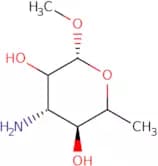
<p>Methyl 3-amino-3,6-dideoxy-a-L-taloside is a custom synthesis of a monosaccharide. It is modified with fluorine and methyl groups and may be used in click chemistry. The CAS number for this compound is 103614-34-8. Methyl 3-amino-3,6-dideoxy-a-L-taloside is an oligosaccharide that can be glycosylated or complexed with sugar. This compound has properties of a carbohydrate and can be classified as a saccharide or polysaccharide.</p>Fórmula:C7H15NO4Pureza:Min. 95%Peso molecular:177.2 g/molα-D-Glucosamine 1-phosphate
CAS:<p>α-D-Glucosamine 1-phosphate is a methylated and glycosylated carbohydrate that is synthesized from glucose. It can be used as a building block for the synthesis of polysaccharides, such as chitin and cellulose. α-D-Glucosamine 1-phosphate can also be modified by fluorination to produce an active form with potent anticancer activity.</p>Fórmula:C6H14NO8PPureza:Min. 95%Peso molecular:259.15 g/molPenta-O-acetyl-D-fructose diethyldithioacetal
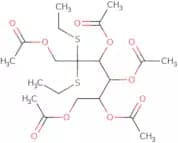
Penta-O-acetyl-D-fructose diethyldithioacetal is a synthetic carbohydrate with a modified sugar. It has been used in the synthesis of oligosaccharides and saccharides, as well as for glycosylation reactions. Penta-O-acetyl-D-fructose diethyldithioacetal is soluble in organic solvents and can be used to synthesize sugars that are difficult to obtain through natural sources.Fórmula:C20H32O10S2Pureza:Min. 95%Peso molecular:496.59 g/mol3,5-O-Benzylidene-L-lyxono-1,4-lactone
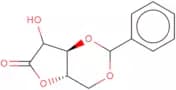
3,5-O-Benzylidene-L-lyxono-1,4-lactone is a custom synthesis that has been modified with fluorination, methylation and monosaccharide. This product is also synthesized from a saccharide and may be modified with glycosylation. These modifications will create an oligosaccharide or complex carbohydrate. 3,5-O-Benzylidene-L-lyxono-1,4-lactone can be found in the CAS registry number 177538-08-3.Fórmula:C11H10O5Pureza:Min. 95%Peso molecular:222.2 g/molCladinose
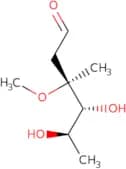
CAS:<p>Cladinose is a natural compound that has been shown to have potent inhibitory properties against microorganisms, such as bacteria and fungi. Cladinose has been shown to inhibit the growth of bacteria by reacting with the ribosomes of cells in the bacterial cytoplasm. It inhibits bacterial protein synthesis by binding to the ribosomal RNA and blocking access to the mRNA template. Cladinose also inhibits fungal growth by inhibiting ergosterol biosynthesis, which prevents fungal cell membrane formation. Cladinose has been shown to have antiinflammatory activity in mice with induced inflammation. This is due to its ability to bind to cyclooxygenase-2 (COX-2) and prevent its activation, thereby preventing prostaglandin synthesis.</p>Fórmula:C8H16O4Pureza:Min. 95%Peso molecular:176.21 g/mol4-O-(b-D-Galactopyranosyl)-D-glucosamine
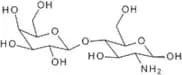
CAS:<p>4-O-(b-D-Galactopyranosyl)-D-glucosamine is a sugar that is found in the human body. It has been shown to have anti-cancer properties and is being studied as a potential therapeutic agent for squamous cell carcinoma. Basic structural analysis of 4-O-(b-D-Galactopyranosyl)-D-glucosamine has been performed on methyl glycosides, oligosaccharides, and bovine serum albumin. The sugar can be used to inhibit transcriptional regulation through its interactions with DNA. 4-O-(b-D-Galactopyranosyl)-D-glucosamine has also been found to inhibit the activities of enzymes involved in methyl glycoside synthesis, which may be related to its effects on cancer cells.</p>Fórmula:C12H23NO10Pureza:Min. 95%Cor e Forma:White PowderPeso molecular:341.31 g/mol1,2,3,4-Tetra-O-benzyl-L-rhamnopyranoside
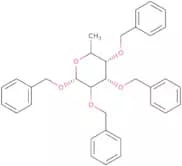
CAS:<p>Tetra-O-benzyl-L-rhamnopyranoside is a modification of L-rhamnopyranoside, an oligosaccharide with the formula CHO. It is a complex carbohydrate that can be synthesized from monosaccharides and polysaccharides. Tetra-O-benzyl-L-rhamnopyranoside is a high purity, custom synthesis, and synthetic product. The product is soluble in water and has a sweet taste. Tetra-O-benzyl-L-rhamnopyranoside is used in the synthesis of saccharides, glycosylation, methylation, fluorination, and click chemistry reactions.</p>Fórmula:C34H36O5Pureza:Min. 95%Peso molecular:524.65 g/molPropylthiouracil N-b-D-glucuronide
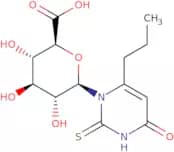
CAS:<p>Propylthiouracil N-b-D-glucuronide is a glycosylation product of propylthiouracil, which is the active form of this drug. It has been shown to inhibit thyroid hormone synthesis by binding to the enzyme thyroid peroxidase. Propylthiouracil N-b-D-glucuronide is used in the treatment of thyrotoxicosis, and can also be used as an antithyroid agent for hyperthyroidism. It is chemically synthesized from propylthiouracil with a glycosyl group added at the C3 position on the thiourea ring by glycosyltransferases. This compound has also been fluorinated and polysaccharided, modified and saccharided, oligosaccharided or sugar, synthetic or monosaccharide, custom synthesis or high purity.</p>Fórmula:C13H18N2O7SPureza:Min. 95%Peso molecular:346.36 g/molrac cis-Moxifloxacin acyl-b-D-glucuronide
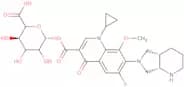
CAS:<p>Moxifloxacin is a fluoroquinolone antibiotic that inhibits bacterial DNA gyrase and topoisomerase IV, which are enzymes that maintain the integrity of bacterial DNA. Moxifloxacin forms an acyl-b-D-glucuronide metabolite (rac) which has a lower risk of drug resistance than moxifloxacin itself. Rac-moxifloxacin acyl-b-D-glucuronide also has a higher affinity for bacterial 16S ribosomal RNA, leading to better inhibition of protein synthesis and cell death. This drug is synthesized by modification of sugar moieties on the racemic compound with glycals to form oligosaccharides and polysaccharides. It is then methylated with a methyl group from S-adenosyl methionine (SAM). The resulting product is purified by crystallization or column chromatography to remove impurities. Rac cis</p>Fórmula:C27H32FN3O10Pureza:Min. 95%Cor e Forma:SolidPeso molecular:577.56 g/molMethyl a-N-acetyllactosamine
CAS:<p>Methyl a-N-acetyllactosamine is a custom synthesis of Methyl a-N-acetylgalactosamine. This compound has been modified by fluorination, methylation, and click modification to yield the desired product. The monosaccharide structure was synthesized from the corresponding glycosyl halide and protected amino acid. The glycosylation reaction between this monosaccharide and the oligosaccharide containing an unprotected hydroxyl group yields the desired product. The purity of this compound is greater than 99%.</p>Fórmula:C15H27NO11Pureza:Min. 95%Peso molecular:397.38 g/molMethylglycol chitosan
CAS:<p>Methylglycol chitosan is a cationic surfactant that has been shown to have the ability to bind with zirconium oxide and polymannuronic acid. It is used in the treatment of infectious diseases, autoimmune diseases, and histological analysis. Methylglycol chitosan has been shown to inhibit the toll-like receptor 4 (TLR4) from binding with lipopolysaccharides and other molecules that are implicated in autoimmune diseases. This binding also prevents TLR4 from activating other cells involved in inflammatory responses. The surface of methylglycol chitosan particles also have a patterning effect on bacteria by preventing them from adhering to the surface of the particle, reducing their virulence.</p>Pureza:Min. 95%2,3:5,6-Di-O-isopropylidene-L-gulofuranose
CAS:<p>2,3:5,6-Di-O-isopropylidene-L-gulofuranose is a stable sugar that has been shown to undergo interconversion with aluminium oxide. The reaction rate of this conversion is influenced by the presence of pyridine and other aldehydes or ketones. This transformation can be used in the preparation of 2,3:5,6-Di-O-isopropylidene-D-gulofuranose (2,3:5,6 DPG) from 2,3:5,6 DiO-(1'-methylpyrrolidinium)propane.</p>Pureza:Min. 95%Benzyl 2,4-di-O-benzoyl-D-xylopyranoside
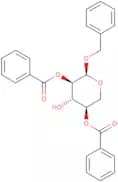
CAS:Benzyl 2,4-di-O-benzoyl-D-xylopyranoside is a glycosylated benzyl alcohol derivative. It has been shown to have high purity, high yield and good stability in the presence of base. This product is available for custom synthesis, which can be tailored to your desired specifications.Fórmula:C26H24O7Pureza:Min. 95%Peso molecular:448.46 g/molPhenyl 4,6-diazido-2,3-di-O-benzyl-4,6-dideoxy-b-D-thioglucopyranoside
CAS:Phenyl 4,6-diazido-2,3-di-O-benzyl-4,6-dideoxy-b-D-thioglucopyranoside (PDB) is a modification of the Oligosaccharide. It is synthesized using Custom synthesis and has high purity. PDB is a complex carbohydrate that has a CAS No. 688744-55-0 and belongs to the Monosaccharides and Polysaccharides group. This carbohydrate can be methylated or glycosylated and has Fluorination activity.Fórmula:C26H32N6O3SPureza:Min. 95%Peso molecular:508.64 g/mol1,2-O-Di-O-acetyl-5-O-benzoyl-3-O-methyl-D-ribofuranose
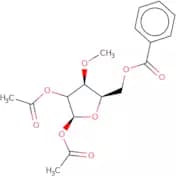
CAS:<p>1,2-O-Di-O-acetyl-5-O-benzoyl-3-O-methyl -D-ribofuranose is a custom synthesis of a fluorinated sugar. It has been modified through fluorination at the C5 position and methylation at the O1 and O2 positions. This product can be used in the synthesis of oligosaccharides and saccharides that are glycosylated with sugars.</p>Fórmula:C17H20O8Pureza:Min. 95%Peso molecular:352.34 g/mol3-Azido-2,3-dideoxy-D-ribose
CAS:<p>3-Azido-2,3-dideoxy-D-ribose is a boron trifluoride etherate that has significant activity against the anomers of d-mannitol. It can be used as a stereoselective synthesis of the triflate on the corresponding anomer. Triflate is prepared by reaction with trifluoromethanesulfonic acid chloride and then reacted with sodium azide in ethanol to yield 3-azido-2,3-dideoxy-D-ribose. The product can be purified by recrystallization from acetic acid and water or by extraction with chloroform. This compound is also extracted from boric acid and dioxane using aqueous sodium hydroxide solution.</p>Pureza:Min. 95%2-Acetamido-1,6-di-O-benzyl-3-O-(2,3,4-tri-O-benzyl-a-L-fucopyranosyl)-4-O-[2-O-(2,3,4-tri-O-benzyl-a-L-fucopyranosyl)-3,4,6-tri-O-b enzyl-b-D-galactopyranosyl]-2-deoxy-D-glucopyranoside
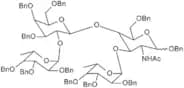
CAS:<p>The chemical compound 2-Acetamido-1,6-di-O-benzyl-3-O-(2,3,4-tri-O-benzyl-aL-fucopyranosyl)-4-O-[2-O-(2,3,4 -tri-O benzyl aL fucopyranosyl) 3,4,6 tri O benzyl bD galactopyranosyl]-2 deoxy D glucopyranoside has the CAS number 6092097. This is a synthetic monosaccharide that is not found in nature. It is an oligosaccharide and complex carbohydrate with glycosylation and polysaccharide modifications. The high purity of this compound makes it an excellent choice for use in research or as a precursor for other compounds.</p>Fórmula:C103H111NO19Pureza:Min. 95%Peso molecular:1,667.03 g/mol1,3,4,5,6-Penta-O-acetyl-2-keto-D-fructose
CAS:1,3,4,5,6-Penta-O-acetyl-2-keto-D-fructose is a custom synthesis of monosaccharide. It has been modified by fluorination and methylation. The CAS number for 1,3,4,5,6-Penta-O-acetyl-2-keto-D-fructose is 494828–55–6. This product is a saccharide that is a sugar with a complex carbohydrate structure.Fórmula:C16H22O11Pureza:Min. 95%Peso molecular:390.34 g/mol3-Amino-3-deoxy-b-D-fructofuranose
CAS:<p>3-Amino-3-deoxy-b-D-fructofuranose is a custom synthesis, Modification, Fluorination, Methylation, Monosaccharide, Synthetic, Click modification, Oligosaccharide, saccharide, Polysaccharide, Glycosylation, sugar. 3-Amino-3-deoxy-b-D-fructofuranose is a high purity with a purity of at least 98%.</p>Fórmula:C6H13NO5Pureza:Min. 95%Peso molecular:179.17 g/molXyloglucan
CAS:Xyloglucans are members of a group of polysaccharides typically refered to as hemicelluloses. Hemicelluloses are plant cell wall polysaccharides that are not solubilized by water but are solubilized by aqueous alkali (e.g. 1 and 4M KOH). Other hemicellulosic polysaccharides include xylan, glucuronoxylan, arabinoxylan, mannan, glucomannan and galactoglucomannan. Hemicelluloses have a backbone of 1,4-linked β-D-pyranosyl residues in which O4 is in the equatorial orientation (e.g. Glc, Man, and Xyl). Xyloglucan is the predominant hemicellulose in the primary walls of dicots and non-graminaceous monocots and may account for up to 20% of the dry weight of the primary wall. Xyloglucan has a backbone composed of 1,4-linked β-D-Glcp residues. Up to 75% of these residues are substituted at O6 with mono-, di-, or triglycosyl side chains.Pureza:(Dry Basis) Min. 95%Cor e Forma:PowderTri-Lewis x-APE, HSA conjugate
<p>Tri-Lewis x-APE, HSA conjugate is a high purity, custom synthesized tri-Lewis x oligosaccharide with a Click modification. This product is used in the synthesis of glycosylated proteins and polysaccharides. It has been shown to have high purity and can be used for complex carbohydrate synthesis.</p>Pureza:Min. 95%β-D-Ribopyranosyl amine
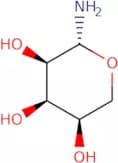
CAS:b-D-Ribopyranosyl amine is a type of indoline that is derived from d-lyxose. It can be used to synthesize a variety of functionalized amines and derivatives. The stereospecificity of acetylated b-D-ribopyranosyl amine has been studied by spectroscopic methods. It has also been shown to have the ability to inhibit tyramine synthesis, which can lead to the development of Parkinson's disease.Fórmula:C5H11NO4Pureza:Min. 95%Cor e Forma:PowderPeso molecular:149.15 g/mol2'-Fucosyllactose-APD-BSA
2'-Fucosyllactose-APD-BSA is a high purity, custom synthesis, glycosylation, polysaccharide that is Click modified and methylated. 2'-Fucosyllactose-APD-BSA is a complex carbohydrate with a CAS number of 6440-85-3. This product is synthesized from the monosaccharide 2'-fucosyllactose and the oligosaccharide, APD. It has been shown to inhibit bacterial growth and supports the immune system by promoting antibody production after antigen stimulation. The fucose sugars on this product are linked to the phosphate backbone through an amide bond. This product can be used in glycoprotein research, molecular biology work, or as an adjuvant for vaccine formulation.Pureza:Min. 95%Cor e Forma:White PowderOlmesartan acid O-b-D-glucuronide
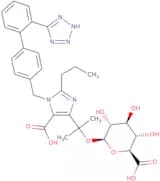
CAS:<p>Olmesartan acid O-b-D-glucuronide is a synthetic, high purity, and custom synthesis oligosaccharide. It can be fluorinated in the presence of a base to give a fluorinated compound with the following CAS number: 369395-57-3. Olmesartan acid O-b-D-glucuronide is an oligosaccharide that has been modified by click chemistry. This modification results in a polysaccharide that contains saccharides connected through ether linkages. The saccharides are made up of monosaccharides and disaccharides, which are all sugars.</p>Fórmula:C30H34N6O9Pureza:Min. 95%Peso molecular:622.63 g/molBenzyl 2-acetamido-3,6-di-O-benzyl-2-deoxy-b-D-glucopyranoside
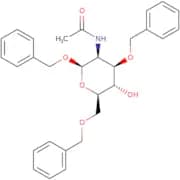
CAS:<p>Benzyl 2-acetamido-3,6-di-O-benzyl-2-deoxy-b-D-glucopyranoside is a glycosylation reagent that has been modified with the Click reaction. This product is a white powder that is soluble in water. It has a molecular weight of 637.3 and an assay of 99% by HPLC.</p>Pureza:Min. 95%5-O-tert-Butyldimethylsilyl-2,3-O-isopropylidene-D-ribono-1,4-lactone
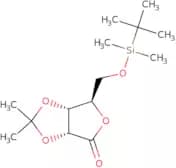
CAS:<p>5-O-tert-Butyldimethylsilyl-2,3-O-isopropylidene-D-ribono-1,4-lactone is a synthetic sugar. It is an intermediate used in the synthesis of oligosaccharides and saccharides. 5-O-tert-Butyldimethylsilyl-2,3-O-isopropylidene lactone is also used for click chemistry modifications for complex carbohydrates. The chemical compound is soluble in water and has high purity. This product does not contain any other substances that may be harmful to humans or the environment.</p>Fórmula:C14H26O5SiPureza:Min. 95%Peso molecular:302.44 g/mol1,2,3-Tri-O-benzyl-4,6-O-benzylidene-b-D-galactopyranose
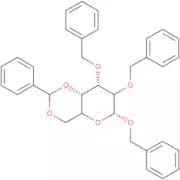
CAS:<p>1,2,3-Tri-O-benzyl-4,6-O-benzylidene-b-D-galactopyranose is a saccharide that is used as a building block for the synthesis of oligosaccharides and polysaccharides. It has been modified with fluorination, methylation, and click chemistry. 1,2,3-Tri-O-benzyl-4,6-O-benzylidene-b-D-galactopyranose is CAS No. 57783–80–9. This product can be custom synthesized to meet your needs.</p>Fórmula:C34H34O6Pureza:Min. 95%Peso molecular:538.63 g/mol6-a-D-Glucopyranosylmaltotriose tetradecaacetate
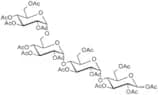
CAS:<p>6-a-D-Glucopyranosylmaltotriose tetradecaacetate is a synthetic carbohydrate that is used as a building block for the synthesis of complex carbohydrates. It is synthesized from maltotriose by glycosylation with 6-a-D-glucopyranose and subsequent enzymatic hydrolysis. 6-a-D-Glucopyranosylmaltotriose tetradecaacetate has been shown to be resistant to modification of its methyl groups, which makes it an ideal candidate for custom synthesis. This compound has been shown to be stable under physiological conditions, which makes it ideal for use in biomedical applications.<br>6-a-D-Glucopyranosylmaltotriose tetradecaacetate can be used in the synthesis of oligosaccharides or polysaccharides due to its high purity, which is comparable to that of dext</p>Fórmula:C52H70O35Pureza:Min. 95%Peso molecular:1,255.09 g/mol1,2-Dipalmitoyl-sn-glycero-3-phospho-(1'-myoinositol-4'-phosphate)
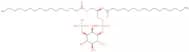
CAS:<p>1,2-Dipalmitoyl-sn-glycero-3-phospho-(1'-myoinositol-4'-phosphate) is a lipid kinase that has been shown to be localized in the cytoplasm. This enzyme is activated by receptor activity and autophagy, and plays a role in protein transport. It also activates phosphatase activity which regulates the actin cytoskeleton, and can be regulated by insulin-stimulated glucose levels. 1,2-Dipalmitoyl-sn-glycero-3-phospho-(1'-myoinositol-4'-phosphate) has been shown to have a regulatory function in epidermal growth factor (EGF)-induced cell proliferation. The physiological function of this enzyme is not yet known.</p>Fórmula:C41H80O16P2Pureza:Min. 95%Peso molecular:891.01 g/mol






![Gal[2346Ac]b(1-3)GalN3[46Bzd]-b-MP](/_next/image/?url=https%3A%2Fstatic.cymitquimica.com%2Fproducts%2F3D%2Fthumb-webp%2FOG60597.webp&w=3840&q=75)










![2-Deoxy-2-fluoro-L-[UL-13C]fucose](/_next/image/?url=https%3A%2Fstatic.cymitquimica.com%2Fproducts%2F3D%2Fthumb-webp%2FMD45885.webp&w=3840&q=75)
![Galβ(1-3)[neu5acα(2-6)]GalNAc-α-PNP](/_next/image/?url=https%3A%2Fstatic.cymitquimica.com%2Fproducts%2F3D%2Fthumb-webp%2FRCC82290.webp&w=3840&q=75)



![(1R,3S,4R,8S)-3-Acetoxy-1-acetoxymethyl-8-benzloxy-2,6-dioxabicyclo[3,2,1]octane](/_next/image/?url=https%3A%2Fstatic.cymitquimica.com%2Fproducts%2F3D%2Fthumb-webp%2FMA10599.webp&w=3840&q=75)

![N-{[4-(Hydroxyamino)phenyl]sulfonyl}-N-[2-(2-naphthyloxy)ethyl]-b-D-glucopyranosylamine](/_next/image/?url=https%3A%2Fstatic.cymitquimica.com%2Fproducts%2F3D%2Fthumb-webp%2FMN176336.webp&w=3840&q=75)