Glicociência
A glicociência é o estudo dos carboidratos e seus derivados, bem como das interações e funções biológicas em que participam. Este campo de pesquisa é crucial para compreender uma ampla variedade de processos biológicos, incluindo o reconhecimento celular, a sinalização, a resposta imune e o desenvolvimento de doenças. A glicociência tem aplicações importantes na biotecnologia, na medicina e no desenvolvimento de novos medicamentos e terapias. Na CymitQuimica, oferecemos uma ampla seleção de produtos de alta qualidade e pureza para pesquisa em glicociência. Nosso catálogo inclui monossacarídeos, oligossacarídeos, polissacarídeos, glicoconjugados e reagentes específicos, projetados para apoiar os pesquisadores em seus estudos sobre a estrutura, função e aplicações dos carboidratos em sistemas biológicos. Esses recursos são destinados a facilitar descobertas científicas e aplicações práticas em diversas áreas das biociências e da medicina.
Subcategorias de "Glicociência"
- Amino açúcares(108 produtos)
- Anticorpos Glico-Relacionados(282 produtos)
- Glicolípidos(46 produtos)
- Glicosaminoglicanos (GAGs)(55 produtos)
- Glicosídeos(419 produtos)
- Monossacáridos(6.624 produtos)
- Oligossacarídeos(3.682 produtos)
- Polissacáridos(503 produtos)
Foram encontrados 11046 produtos de "Glicociência"
Ordenar por
Pureza (%)
0
100
|
0
|
50
|
90
|
95
|
100
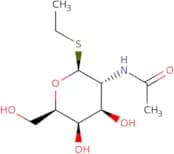
Ethyl 2-acetamido-2-deoxy-b-D-thiogalactopyranoside
CAS:<p>Ethyl 2-acetamido-2-deoxy-b-D-thiogalactopyranoside is a custom synthesis of an oligosaccharide, polysaccharide that is modified with methylation and glycosylation. The modification of the saccharide is done by click chemistry and it has been fluorinated. This product is a complex carbohydrate that can be used as a sugar or in pharmaceuticals. It is synthesized to have high purity and it can be used in processes such as glycosylation, carbamoylation, or fluorination.</p>Fórmula:C10H19NO5SPureza:Min. 95%Peso molecular:265.33 g/molFluconazole D-glucuronide
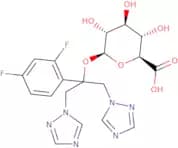
CAS:<p>Fluconazole D-glucuronide is a synthetic, fluorinated sugar that has been modified with a glycosylation. It is synthesized by reacting fluconazole with the sugar glucuronic acid in the presence of an enzyme called glycosyltransferase. Fluconazole D-glucuronide is a custom synthesis, and it can be used as a pharmaceutical intermediate to produce other compounds. Fluconazole D-glucuronide is also used as an analytical standard for quantifying fluconazole in biological samples.</p>Pureza:Min. 95%2,3,4-Tri-O-benzoyl-a-L-fucopyranosyl trichloroacetimidate
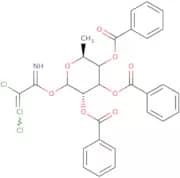
CAS:This compound is a custom synthesis that has been modified by fluorination and methylation. It has the structure of an oligosaccharide, with a saccharide at its core, and is composed of a glycosylated sugar. The saccharide consists of an acetimidate moiety attached to a benzoyl group. This compound can be used as part of a modification process for the production of polysaccharides or complex carbohydrates in order to create more efficient products.Fórmula:C29H24Cl3NO8Pureza:Min. 95%Peso molecular:620.86 g/molEthynyl estradiol 17-b-D-glucuronide
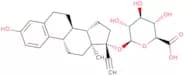
CAS:<p>Ethynyl estradiol 17-b-D-glucuronide is a custom synthesized compound. It is a complex carbohydrate that contains oligosaccharides and polysaccharides. The saccharide component of this compound is methylated, glycosylated, or carbamoylated. The synthesis of ethynyl estradiol 17-b-D-glucuronide was achieved by click chemistry and fluorination. This newly synthesized drug has been shown to have high purity and fluoroquinolone resistance.</p>Fórmula:C26H32O8Pureza:Min. 95%Peso molecular:472.53 g/molMethyl (methyl 3-deoxy-D-arabino-hept-2-ulopyranosid)onate-7-phosphate
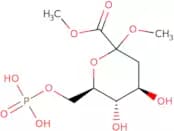
CAS:<p>Methyl (methyl 3-deoxy-D-arabino-hept-2-ulopyranosid)onate-7-phosphate is a Glycosylation, Oligosaccharide, sugar, Synthetic, Fluorination, Custom synthesis, Methylation, Monosaccharide, Polysaccharide, saccharide with CAS No. 91382-80-8. It is typically used as a modifier of complex carbohydrate. This product has high purity and can be modified.</p>Fórmula:C9H17O10PPureza:Min. 95%Peso molecular:316.2 g/molLumefantrine glucuronide - (mixture of diasteromers)
<p>Lumefantrine glucuronide is a sugar molecule that is glycosylated. It is the active form of lumefantrine and has been shown to be effective against malaria. Lumefantrine glucuronide binds to the parasite's RBCs, inhibiting the conversion of glucose into glycogen, thus preventing the production of ATP. Lumefantrine glucuronide is synthesized by attaching a sugar molecule to an amino acid backbone through an amide bond. The sugar molecule in this case is known as Glucuronic acid and it can be methylated or fluorinated. Lumefantrine glucuronide is also modified with Click chemistry, which involves attaching a reactive group to a chemical species that reacts with other chemical species at a distance. This modification allows for the attachment of polymers such as saccharides or oligosaccharides onto lumefantrine glucuronide.</p>Fórmula:C36H40Cl3NO7Pureza:Min. 95%Peso molecular:705.06 g/mol2-Deoxy-2-N-(2'-thioacetyl)-D-glucosamine
CAS:2-Deoxy-2-N-(2'-thioacetyl)-D-glucosamine is a synthetic sugar that is custom synthesized. It is a monosaccharide with a high purity and can be used as an oligosaccharide or complex carbohydrate. This compound has been fluorinated and has been modified with Click chemistry to produce the desired glycosylation, methylation, and saccharide modification. 2-Deoxy-2-N-(2'-thioacetyl)-D-glucosamine can be used in the synthesis of glycoproteins, glycolipids, polysaccharides, and other carbohydrates.Fórmula:C8H15NO6SPureza:Min. 95%Peso molecular:253.27 g/molQuinovic acid 3-O-(3',4'-O-isopropylidene)-b-D-fucopyranoside
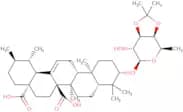
CAS:Quinovic acid 3-O-(3',4'-O-isopropylidene)-b-D-fucopyranoside is a monocyclic aromatic hydrocarbon that belongs to the class of phthalic acids. It is a white or light yellow crystalline solid that has been used as an absorber for rubber, polyester, and other organic solvents. This compound has been shown to be carcinogenic in animal studies with leukemia cells in mice and rats. Quinovic acid 3-O-(3',4'-O-isopropylidene)-b-D-fucopyranoside also induces bone resorption in animals.Pureza:Min. 95%Fructose-L-tryptophan
CAS:<p>Please enquire for more information about Fructose-L-tryptophan including the price, delivery time and more detailed product information at the technical inquiry form on this page</p>Fórmula:C17H22N2O7Pureza:Min. 95%Peso molecular:366.37 g/molAmyl 2-acetamido-2-deoxy-b-D-glucopyranoside
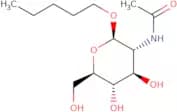
CAS:<p>Amyl 2-acetamido-2-deoxy-b-D-glucopyranoside is a chemical compound that is used as an additive for industrial purposes. It is soluble in n-butanol, ethylene glycol, ferrocene, and methanol. The molecular weight of this chemical compound is 542.07 g/mol.</p>Fórmula:C13H25NO6Pureza:Min. 95%Peso molecular:291.34 g/mol2-Methylphenyl 2-acetamido-3,4,6-tri-O-acetyl-2-deoxy-b-D-glucopyranoside
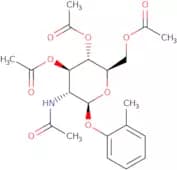
CAS:2-Methylphenyl 2-acetamido-3,4,6-tri-O-acetyl-2-deoxy-b-D-glucopyranoside is a high purity custom synthesis that has undergone a click modification (a reaction in which an azide group is transferred from an alkyne group to an electron rich atom such as nitrogen). The product has been fluorinated and modified with the addition of a saccharide group. This complex carbohydrate can be used in the synthesis of oligosaccharides or polysaccharides. It is also used as a sugar substitute.Fórmula:C21H27NO9Pureza:Min. 95%Peso molecular:437.44 g/molMethyl 2,3,6-tri-O-benzyl-b-D-glucopyranoside
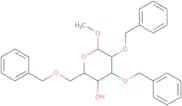
CAS:Methyl 2,3,6-tri-O-benzyl-b-D-glucopyranoside is a glycoconjugate that is a synthetically modified glycosylated sugar. It is used to modify proteins by covalently attaching the sugar to an amino acid residue. Methyl 2,3,6-tri-O-benzyl-b-D-glucopyranoside has been shown to be useful for click chemistry reactions and can be used in the synthesis of polysaccharides and oligosaccharides. This compound can also be used as a substitute for glucose in the synthesis of saccharides or sugars. Methyl 2,3,6-tri-O-benzyl-b-D-glucopyranoside is insoluble in water and has a CAS number of 19488494.Fórmula:C28H32O6Pureza:Min. 95%Peso molecular:464.55 g/molO-(Methyl b-D-glucopyranosyluronate)-(1,3)-2-deoxy-2-trichloroacetamido-D-galactopyranose
<p>Methyl b-D-glucopyranosyluronate- (1,3)-2-deoxy-2-trichloroacetamido-D-galactopyranose is a fluorinated sugar that is synthesized from the glycosylation of methyl 2,3,4,6-tetrafluoro-b-D-(1,3) glucopyranoside with trichloroacetyl D-(1,3) galactopyranose. This compound is soluble in water and has a CAS number of 1058858. This product can be used as a reagent for glycosylation reactions such as Click chemistry and Methylation. It also has applications in carbohydrate modification and high purity custom synthesis.</p>Pureza:Min. 95%1,2-O-Isopropylidene-5-O-p-toluenesulfonyl-a-D-xylofuranose
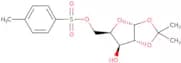
CAS:1,2-O-Isopropylidene-5-O-p-toluenesulfonyl-a-D-xylofuranose is a carbohydrate that belongs to the group of oligosaccharides. It is a synthetic saccharide that can be used in the production of various glycosylated and methylated compounds. This compound can be custom synthesized to order, with high purity and low price. The synthesis of 1,2-O-Isopropylidene-5-O-p-toluenesulfonyl-a-D -xylofuranose is accomplished through a click modification reaction between 1,2:5,6:7,8:9,10:11:12:13:14:15:16:17-(1H,6H)-heptaoxacyclooctadecane and pyridine.Fórmula:C15H20O7SPureza:Min. 95%Peso molecular:344.39 g/molBenzyl 2-acetamido-2-deoxy-4,6-O-benzylidene-3-O-(2,3,4,6-tetra-O-acetyl-b-D-galactopyranosyl)-a-D-galactopyranoside
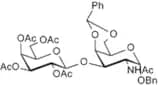
CAS:<p>Benzyl 2-acetamido-2-deoxy-4,6-O-benzylidene-3-O-(2,3,4,6-tetra-O-acetyl-b-D-galactopyranosyl)-a-D galactopyranoside is a complex carbohydrate with a CAS number of 8632784. It is an oligosaccharide that is modified with methylation and glycosylation. This molecule has a molecular weight of 907.19 and the purity level is high at 99%. This product can be used for fluoroquinolone resistance research or as an intermediate for other chemical modifications.</p>Fórmula:C36H43NO15Pureza:Min. 95%Peso molecular:729.72 g/mol3,5-Di-O-benzyl-2-deoxy-2-fluoro-D-ribono-1,4-lactone
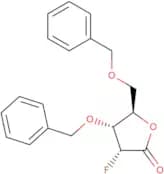
CAS:<p>Synthetic building block</p>Fórmula:C19H19FO4Pureza:Min. 95%Cor e Forma:PowderPeso molecular:330.35 g/molGemfibrozil b-D-glucuronide-D6
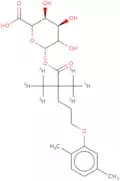
Produto ControladoGemfibrozil b-D-glucuronide-D6 is a methylated, saccharide, Polysaccharide. It is a custom synthesis of the synthetic and fluorinated gemfibrozil b-D-glucuronide. The product is purified by HPLC to >98% purity and supplied as a white powder.Fórmula:C21H24D6O9Pureza:Min. 95%Cor e Forma:White to off-white solid.Peso molecular:432.49 g/mol1-Deoxy-L-erythrulose
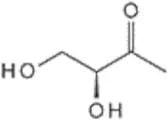
CAS:1-Deoxy-L-erythrulose is an electron acceptor that is a non-essential cofactor for the enzyme reductoisomerase. It binds to the active site of the enzyme and stabilizes its conformation, which leads to the formation of a dianion. 1-Deoxy-L-erythrulose also acts as an activator for phosphite, which is a transition state analog. This activation leads to the formation of ATP and NADPH as products.Fórmula:C4H8O3Pureza:Min. 95%Peso molecular:104.1 g/mol2,3,4-Tri-O-acetyl-α-L-fucopyranosyl bromide
CAS:2,3,4-Tri-O-acetyl-alpha-L-fucopyranosyl bromide is a methylated alpha-L-fucopyranosyl bromide that is used as a glycosylation reagent for the synthesis of complex carbohydrates. It is also used in Click chemistry and has been shown to be an effective and selective glycosylation agent. 2,3,4-Tri-O-acetyl-alpha-L-fucopyranosyl bromide is available at high purity and can be custom synthesized to your specifications. This compound has CAS number 16741-27-8 and is listed on the FDA Inactive Ingredient Database (IID).Fórmula:C12H17BrO7Peso molecular:353.16 g/molRef: 3D-T-5921
1gA consultar5gA consultar250mgA consultar500mgA consultar2500mgA consultar-Unit-ggA consultar3,4-Dideoxyglucosone-3-ene
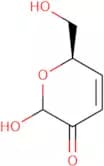
CAS:<p>3,4-di-deoxyglucosone-3-ene is a bioreactive glucose degradation product which can be formed during heat sterilisation of glucose containing peritoneal dialysis solutions. Chemically, 3,4-Dideoxyglucosone-3-ene is an α,β-unsaturated carbonyl compound which increases its reactivity with cellular sulfhydryl, amino groups, proteins, and DNA. 3,4-Dideoxyglucosone-3-ene induces apoptosis in neutrophils, renal cells and peripheral blood mononuclear cells. Such induction leads to impaired peritoneal antibacterial defence.</p>Fórmula:C6H8O4Pureza:Min. 95 Area-%Cor e Forma:Colorless PowderPeso molecular:144.13 g/mol8-Methoxycarbonyloctyl 2-deoxy-2-phthalimido-b-D-glucopyranoside
CAS:8-Methoxycarbonyloctyl 2-deoxy-2-phthalimido-b-D-glucopyranoside is a glycoconjugate that is used as an anti-tumor agent. It is a synthetic glycosaminoglycan with a polysaccharide backbone and fluorinated saccharide branches. The monosaccharides are linked by methylene bridges, and the oligosaccharides are modified with methoxycarbonyl groups. This compound has been shown to have activity against tumor cells in vitro and in vivo, and it may be useful for the treatment of cancer. 8-Methoxycarbonyloctyl 2-deoxy-2-phthalimido-b-D-glucopyranoside can be synthesized on request.Fórmula:C24H33NO9Pureza:Min. 95%Peso molecular:479.52 g/molEthyl 4-O-allyl-3,6-di-O-benzyl-2-O-levulinoyl-b-D-thioglucopyranoside
Ethyl 4-O-allyl-3,6-di-O-benzyl-2-O-levulinoyl-b-D-thioglucopyranoside is a carbonylated sugar. It is used as an intermediate in the synthesis of glycosides and saccharides. This chemical can be custom synthesized to meet your requirements. Ethyl 4-O-allyl-3,6-di-O-benzyl 2,5,6 trideoxygalactoside can be methylated, glycosylated, or fluorinated to produce different derivatives.Pureza:Min. 95%Benzyl 2-acetamido-3-O-(2,3,4-tri-O-benzyl-a-L-fucopyranosyl)-4,6-O-benzylidene-2-deoxy-a-D-glucopyranoside
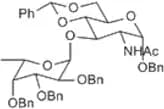
CAS:<p>Benzyl 2-acetamido-3-O-(2,3,4-tri-O-benzyl-a-L-fucopyranosyl)-4,6-O-benzylidene-2-deoxy-a-D-glucopyranoside is a high purity custom synthesis sugar. This compound has been synthesized by Click modification of the amino acid glycoside and fluorination of the sugar. It is an Oligosaccharide with a saccharide chain composed of Monosaccharides and Carbohydrates. The CAS number for this compound is 196941 – 73 – 8.</p>Fórmula:C49H53NO10Pureza:Min. 95%Peso molecular:815.95 g/molPhenyl 4,6-O-benzylidene-b-D-thiogalactopyranoside
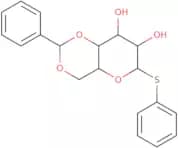
CAS:<p>Phenyl 4,6-O-benzylidene-b-D-thiogalactopyranoside is a synthetic monosaccharide that is custom synthesized. It has a CAS number of 138922-03-9 and can be used in the modification of complex carbohydrates, saccharides, oligosaccharides, and polysaccharides. It is also used for methylation and fluorination. Phenyl 4,6-O-benzylidene-b-D-thiogalactopyranoside has a molecular weight of 270.27 g/mol and a melting point of 221 degrees Celsius.</p>Fórmula:C19H20O5SPureza:Min. 95%Cor e Forma:PowderPeso molecular:360.42 g/mol3,4,6-Tri-O-acetyl-2-azido-2-deoxy-a-D-glucopyranosyl fluoride
3,4,6-Tri-O-acetyl-2-azido-2-deoxy-a-D-glucopyranosyl fluoride is a custom synthesis that can be synthesized with a range of modifications. It is an azide glycosylation product that has been modified with fluorination and methylation. This compound is high purity and can be used in the synthesis of oligosaccharides or saccharides.Pureza:Min. 95%Allyl 2-acetamido-4,6,-O-benzylidene-2-deoxy-a-D-glucopyranoside
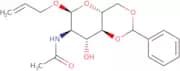
CAS:<p>Allyl 2-acetamido-4,6,-O-benzylidene-2-deoxy-a-D-glucopyranoside is a sugar that is used as a custom synthesis or modification. It is also called allyl 2-(1,3-dioxo-1,3,4,-thiadiazolidinium)acetamido 4,6,-O-(benzylidene)-2 deoxy erythro -a D glucopyranoside. Allyl 2 acetamido 4,6,-O -benzylidene -2 deoxy erythro -a D glucopyranoside is used in the glycosylation of proteins and oligosaccharides and in the synthesis of saccharides. This compound has been shown to be useful in identifying glycosaminoglycan chains in complex carbohydrates.</p>Fórmula:C18H23NO6Pureza:Min. 95%Peso molecular:349.39 g/molN-(1-Deoxy-D-fructos-1-yl)-L-serine
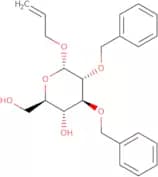
CAS:<p>The N-glycation of proteins is a process that occurs when protein reacts with glucose, which is called glycation. This process can lead to the formation of reactive oxygen species and subsequent oxidative stress. The oxidation of proteins can also lead to the formation of advanced glycation end products (AGEs), which are associated with complications such as diabetes, atherosclerosis, and cataracts. This product is an example of a protein that has undergone glycation. It has been shown to react with glucose in an enzymatic reaction and form glucose-derivatives called fructosamines, which are used for monitoring the level of glycation in humans. Fructosamines have been correlated with basic treatments such as medications or insulin therapy.</p>Fórmula:C9H17NO8Pureza:Min. 95%Peso molecular:267.23 g/molAllyl 2,3-di-O-benzyl-a-D-glucopyranoside
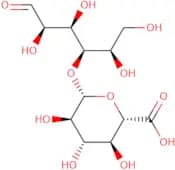
CAS:Allyl 2,3-di-O-benzyl-a-D-glucopyranoside is a plant growth regulator that stimulates callus formation. It belongs to the group of auxins and has been shown to promote callus growth in Arabidopsis thaliana cultivars, such as glaberrima and kinetin. This compound has also been shown to stimulate the formation of calli from coconut explants.Fórmula:C23H28O6Pureza:Min. 95%Peso molecular:400.46 g/molD-[1-13C]Galacturonic acid potassium salt
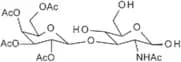
<p>D-[1-13C]Galacturonic acid potassium salt is a sugar that is synthesized by the reaction of galactose with carbon dioxide. This sugar has been custom synthesized and is used in glycosylation reactions. Other modifications to this sugar include methylation and click modification, which can be done to make the sugar more reactive. D-[1-13C]Galacturonic acid potassium salt is a high purity product with a CAS number.</p>Pureza:Min. 95%N-Acetyl-4-O-[3,4,6-tri-O-acetyl-2-(acetylamino)-2-deoxy-β-D-glucopyranosyl]-α-muramic acid-1,6-diacetate
CAS:<p>2-Acetamido-4-O-(2-acetamido-2-deoxy-3,4,6-tri-O-acetyl-b-D-glucopyranosyl)-1,6-di-O-[N-(acetylamino)glycoloyl]-D--muramic acid is a synthetic sugar that is used in biotechnology and pharmaceuticals. It is synthesized by the glycosylation of 2,3,4,6 - triacetyl b - D - glucopyranoside with 1,6 di - O - N - acetyl - D - muramic acid. 2 Acetamido 4 O (2 acetamido 2 deoxy 3 4 6 tri O acetyl b D glucopyranoside) 1 6 di O N acetyl D muramic acid has been shown to inhibit bacterial growth through methylation and modification of bacterial enzymes.</p>Fórmula:C29H42N2O18Pureza:Min. 95%Peso molecular:706.66 g/molMaltotriose
CAS:<p>Shortest chain oligosaccharide that can be classified as a maltodextrin. A component of liquid glucose (a commercial sweetener composed of glucose, maltose, maltotriose and maltotetrose).</p>Fórmula:C18H32O16Pureza:Min. 90.0 Area-%Peso molecular:504.45 g/molRef: 3D-M-0955
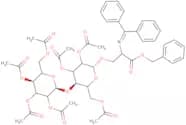
10gA consultar25gA consultar50gA consultar100gA consultar250gA consultar-Unit-ggA consultarN-Diphenylmethylene-O-(2,3,6,2',3',4',6'-hepta-O-acetyl-b-D-lactosyl)-L-serine, benzyl ester
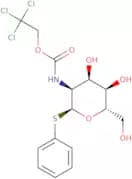
CAS:<p>N-Diphenylmethylene-O-(2,3,6,2',3',4',6'-hepta-O-acetyl-b-D-lactosyl)-L-serine, benzyl ester is a complex carbohydrate that is used for the modification of saccharides. This compound has been synthesized using Click chemistry and NMR spectroscopy. It has a CAS number of 337903-59-0 and is an off white solid with a melting point of 155°C to 158°C.</p>Fórmula:C49H55NO20Pureza:Min. 95%Peso molecular:977.96 g/molPhenyl 2-Deoxy-1-thio-2-(2,2,2-trichloroethoxyformamido)-b-D-galactopyranoside
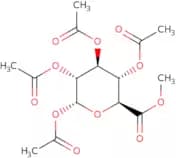
CAS:<p>Phenyl 2-Deoxy-1-thio-2-(2,2,2-trichloroethoxyformamido)-b-D-galactopyranoside is a pyrimidine compound that has been shown to be active against chronic diarrhea and bowel disease. It has been shown to work in cells and animal models of cancer. The mechanism for this activity is unknown. Phenyl 2-Deoxy-1-thio-2-(2,2,2-trichloroethoxyformamido)-b-D-galactopyranoside can induce an immune response against the bacterial antigen by acting as a vaccine adjuvant. This drug also has been shown to have biochemical abnormalities in patients with inflammatory bowel disease.</p>Fórmula:C15H18Cl3NO6SPureza:Min. 95%Peso molecular:446.73 g/mol1,2,3,4-Tetra-O-isobutyryl-b-D-glucuronide methyl ester
CAS:<p>1,2,3,4-Tetra-O-isobutyryl-b-D-glucuronide methyl ester is a custom synthesis that is used to modify oligosaccharides and polysaccharides. It is a high purity product with a purity of >99%. This product has been fluorinated and modified to create a complex carbohydrate. 1,2,3,4-Tetra-O-isobutyryl-b-D-glucuronide methyl ester is an example of a sugar that has been synthesized in the lab.</p>Fórmula:C23H36O11Pureza:Min. 95%Cor e Forma:White PowderPeso molecular:488.53 g/mol1,2-Dideoxy-2-fluoronojirimycin
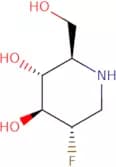
CAS:<p>1,2-Dideoxy-2-fluoronojirimycin is a synthetic alkenyl compound that inhibits the HIV-1 virus by competitively inhibiting the enzyme reverse transcriptase. It has been shown to inhibit the synthesis of viral DNA and RNA. 1,2-Dideoxy-2-fluoronojirimycin is an aralkyl compound with a hydroxyl group at position 1 and a fluorine atom at position 2. It also has sulfinyl groups in positions 3 and 4. The natural product is synthesised from glucose via glycosidase inhibition. This compound has shown potent antiviral activity against HIV-1 strains with high levels of resistance to other compounds such as AZT.</p>Fórmula:C6H12NO3FPureza:Min. 95%Peso molecular:165.16 g/mol(-)-Lyoniresinol 9'-O-glucoside
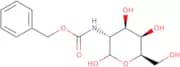
CAS:<p>This chemical is a custom synthesis of (-)-Lyoniresinol 9'-O-glucoside. The chemical is a modification of (-)-Lyoniresinol 9'-O-glucoside and fluorinated at the C2 position. It is also methylated on the C3 position. The chemical is synthesized by click chemistry, which involves the use of copper(II) ions as catalysts to generate covalent bonds between two molecules. This chemical has been shown to be an oligosaccharide with saccharide chains that are linked together by glycosylation. There are six sugar residues in this compound: glucose, galactose, rhamnose, xylose, glucuronic acid, and mannitol. This compound has CAS number 143236-02-6 and molecular weight of 881.5 g/mol (CAS No.).</p>Fórmula:C28H38O13Pureza:Min. 95%Peso molecular:582.59 g/mol2-(Benzyloxycarbonylamino)-2-deoxy-D-galactose
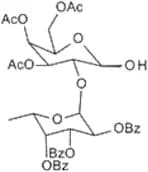
CAS:2-(Benzyloxycarbonylamino)-2-deoxy-D-galactose is a synthetic, fluorinated carbohydrate. It is a monosaccharide with the chemical formula C6H11NO5 and is soluble in water. The glycosylation of 2-(benzyloxycarbonylamino)-2-deoxy-D-galactose has been shown to be more stable than that of other sugars, such as glucose or maltose. This modification can be accomplished by a click reaction. 2-(Benzyloxycarbonylamino)-2-deoxy-D-galactose can be used to modify proteins, such as antibodies and enzymes, by glycosylating amino acid residues on the protein surface.Fórmula:C14H19NO7Pureza:Min. 95%Peso molecular:313.3 g/mol3,4,6-Tri-O-acetyl-2-O-(2,3,4-tri-O-benzoyl-a-L-fucopyranosyl)-D-galactopyranose
<p>3,4,6-Tri-O-acetyl-2-O-(2,3,4-tri-O-benzoyl-a-L-fucopyranosyl)-D-galactopyranose (TFP) is a fluorinated carbohydrate synthesized by the reaction of 3,4,6 trihydroxyacetophenone with 2,3,4 trihydroxypentanediol and acetyl chloride. TFP is a complex carbohydrate that can be used to modify proteins and glycoproteins. The methylation of TFP has been shown to decrease the binding affinity between lectins and glycoproteins.</p>Fórmula:C39H40O16Pureza:Min. 95%Peso molecular:764.73 g/molBlood Group A type I linear trisaccharide
CAS:<p>GalNAca1-3Galb1-3GlcNAc</p>Fórmula:C22H38N2O16Pureza:Min. 95%Peso molecular:586.54 g/molN'-Nitrosonornicotine-N-b-D-glucuronide - Mixture Of Diastereomers
CAS:N'-Nitrosonornicotine-N-b-D-glucuronide is a complex carbohydrate that has been modified with fluorination. It is synthesized from N'-nitrosonornicotine, which is a natural product found in tobacco. This synthetic molecule can be used to modify glycosylations and methylations as well as other modifications. The carbonyl group at the C3 position of the glucuronic acid moiety has been modified with an N-nitrosamine functional group. This modification makes it possible for this molecule to be used as a substrate for glycosylation reactions, such as the addition of oligosaccharides or monosaccharides to the sugar moiety. This synthesis is custom and can be ordered in high purity.Fórmula:C15H19N3O7Pureza:Min. 95%Peso molecular:353.33 g/molMinoxidil D-glucuronide
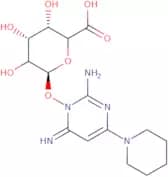
CAS:Minoxidil D-glucuronide is a modification of minoxidil, which is an antihypertensive drug. It has been shown to have stronger activity than minoxidil in the treatment of hypertension. Minoxidil D-glucuronide is a complex carbohydrate that has been synthesized from minoxidil and glucuronic acid. It is a white powder with high purity, and it can be used for glycosylation reactions.Fórmula:C15H23N5O7Pureza:Min. 95%Peso molecular:385.37 g/mol2,3,6,2',3',4',6'-Hepta-O-benzoyl-D-lactose
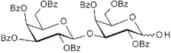
CAS:2,3,6,2',3',4',6'-Hepta-O-benzoyl-D-lactose is a custom synthesis that can be modified in a variety of ways. It has a high degree of fluorination and methylation to provide protection against degradation by enzymes. The monosaccharide units are synthesized and then assembled into oligosaccharides with glycosylations. Modifications can include glycosylation at any position on the molecule as well as the addition of complex carbohydrates. 2,3,6,2',3',4',6'-Hepta-O-benzoyl-D-lactose is an example of a polysaccharide consisting of glucose units with other hexoses such as galactose or mannose.Fórmula:C61H50O18Pureza:Min. 95%Peso molecular:1,071.04 g/mol2,3,6,2',3',4',6'-Hepta-O-acetyl-a-D-lactosyl fluoride
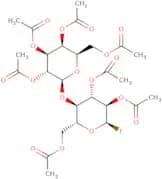
CAS:2,3,6,2',3',4',6'-Hepta-O-acetyl-a-D-lactosyl fluoride (HAP) is a synthetic compound that has been modified with fluorine and methyl groups. It is a monosaccharide with a glycosylation pattern that includes a terminal glucose unit. HAP has been shown to be an effective carbohydrate in the synthesis of complex carbohydrate structures.Fórmula:C26H35FO17Pureza:Min. 95%Peso molecular:638.54 g/mol2-Acetamido-4-O-(2-acetamido-2-deoxy-b-D-glucopyranosyl)-2-deoxy-D-muramic acid
CAS:2-Acetamido-4-O-(2-acetamido-2-deoxy-b-D-glucopyranosyl)-2-deoxy-D-muramic acid is a synthetic, monosaccharide that is used in the synthesis of complex carbohydrates. 2AA2DMUA has been modified with methylation, glycosylation, and fluorination. This product has a CAS No. 41137-10-4 and can be custom synthesized for your needs.Fórmula:C19H32N2O13Pureza:Min. 95%Peso molecular:496.46 g/molMethyl 2,3,4-tri-O-benzyl-b-L-thiofucopyranoside
CAS:<p>Methyl 2,3,4-tri-O-benzyl-b-L-thiofucopyranoside is a glycosyl acceptor that can be used in the synthesis of oligosaccharides. It is also an intermediate for the production of antifungal drugs such as fluconazole.</p>Fórmula:C28H32O4SPureza:Min. 95%Peso molecular:464.62 g/mol2-Acetamido-6-O-(2-acetamido-2-deoxy-b-D-glucopyranosyl)-3-O-(b-D-galactopyranosyl)-2-deoxy-a-D-galactopyranose
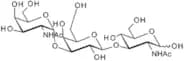
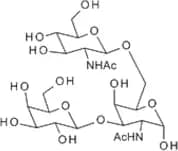
CAS:2-Acetamido-6-O-(2-acetamido-2-deoxy-β-D-glucopyranosyl)-3-O-(β-D-galactopyranosyl)-2,6-dideoxy--a,D--galactopyranose is a trisaccharide that is anomeric with n acetylglucosamine and a residue.Fórmula:C22H38N2O16Pureza:Min. 95%Peso molecular:586.54 g/mol6'-Sialyllactose-PAA-biotin
<p>6'-Sialyllactose-PAA-biotin is a high purity, custom synthesis, and synthetic oligosaccharide with a molecular weight of 792.04 Da. It is a glycosylated saccharide that has been modified with fluorination, glycosylation, methylation and click modification.</p>Pureza:Min. 95 Area-%Cor e Forma:Powderβ-L-Fucopyranosyl phosphate
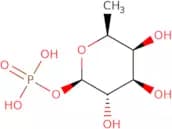
CAS:<p>b-L-Fucopyranosyl phosphate is a glycosylphosphate that is expressed on the cell surface of many organisms and is an analog of the natural sugar. It has been shown to be a competitive inhibitor, uncompetitive inhibitor, or stereoselective of glycoconjugates. b-L-Fucopyranosyl phosphate binds to the lectin receptor by binding at the monosaccharide in the terminal position, which prevents the attachment of glycoconjugates to this receptor. This binding decreases cellular adhesion and causes cells to become less adherent to other cells or surfaces. The ph optimum for b-L-fucopyranosyl phosphate is 7.5 and it can be used in vitro as a preparative hplc column eluent for lectins.</p>Fórmula:C6H13O8PPureza:Min. 95%Cor e Forma:PowderPeso molecular:244.14 g/molD-Galactosamine-2-N-sulfate sodium
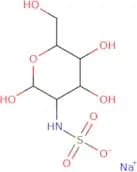
CAS:D-Galactosamine-2-N-sulfate sodium is a chemical compound with potential applications in cancer treatment. It has been shown to enhance the cytotoxic effects of certain drugs, such as Tolvaptan and Luliconazole, in human cancer cells. Additionally, D-Galactosamine-2-N-sulfate sodium has been reported to inhibit kinase activity in Staphylococcus aureus and induce apoptosis in cancer cells. This compound may also have potential as an inhibitor of betamethasone-induced apoptosis and as an analog of cytisine and gossypol. Further research is needed to fully understand the potential therapeutic benefits of D-Galactosamine-2-N-sulfate sodium for cancer treatment.Fórmula:C6H12NNaO8SPureza:Min. 95%Peso molecular:281.22 g/molThioglucosides
<p>Thioglucosides are a type of sugar that is modified with a thiol group at the C-3 position. A thioglucose can be synthesized by methylation, click modification, and fluorination. Thioglucoses have been used in the past for the production of oligosaccharides and polysaccharides, as well as in complex carbohydrate research. They are also used in the production of high purity monosaccharide sugars. This product is available for custom synthesis to meet your needs.</p>Pureza:Min. 95%Phenyl 3,4,6-tris-o-(phenylmethyl)-1-thio-B-D-glucopyranoside
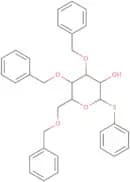
CAS:<p>Please enquire for more information about Phenyl 3,4,6-tris-o-(phenylmethyl)-1-thio-B-D-glucopyranoside including the price, delivery time and more detailed product information at the technical inquiry form on this page</p>Fórmula:C33H34O5SPureza:Min. 95%Peso molecular:542.7 g/molD-Allose-1,2,3,4,5,6-13C6
CAS:<p>D-Allose is a sugar that is modified with a fluorine atom at position 6. This modification can be used to trace the origin of D-allose in complex carbohydrates such as glycogen and glycosylated proteins. The addition of a 13C6 atom allows for the identification of this sugar through mass spectrometry and nuclear magnetic resonance (NMR) analysis.</p>Fórmula:C6H12O6Pureza:Min. 95%Cor e Forma:White PowderPeso molecular:186.06 g/mol2,3,4,6 -Tetra-O-benzyl-D-glucitol
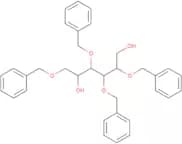
CAS:<p>2,3,4,6 -Tetra-O-benzyl-D-glucitol is an atypical compound with a spectrum of activities. It has been shown to inhibit the synthesis of alditols and aldosides in vitro, and it also inhibits miglustat which is the first drug for Gaucher's disease approved by the FDA. 2,3,4,6 -Tetra-O-benzyl-D-glucitol is synthetically produced from D-glucose and benzyl chloride. The compound crystallizes as a chiral form that can exist as either (S) or (R) conformation. The (S) form has been observed to be more active than the (R) form against showdomycin and cyclic peptidase A.</p>Fórmula:C34H38O6Pureza:Min. 95%Cor e Forma:liquid.Peso molecular:542.66 g/mol2-Acetamido-1,2-dideoxynojirimycin hydrochloride
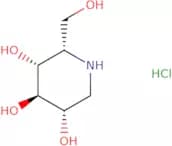
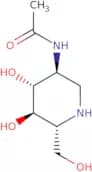
CAS:<p>2-Acetamido-1,2-dideoxynojirimycin hydrochloride is used in the treatment of human ovarian carcinoma. It has been shown to inhibit glycosidase enzymes with binding constants in the micromolar range. 2-Acetamido-1,2-dideoxynojirimycin hydrochloride has been shown to be a potential inhibitor of mammalian cell transport involving complex oligosaccharides. This drug also inhibits the enzymatic degradation of glycoproteins and other proteins by glycosidases. 2-Acetamido-1,2-dideoxynojirimycin hydrochloride is a synthetic analog of nijirimycin, which is a naturally occurring antibiotic obtained from cultures of Streptomyces nijirimensis. The clinical significance of this drug is that it can be used as an antiangiogenic agent and chemo sensitizing</p>Fórmula:C8H16N2O4·HClPureza:(%) Min. 97%Cor e Forma:White PowderPeso molecular:204.22 g/molHeparin derived dp22 saccharide ammonium salt
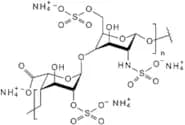
Heparin derived dp22 saccharide ammonium salt is a complex carbohydrate that is synthesized with the click chemistry. It is a high purity, fluorinated compound. This modified heparin has an average molecular weight of approximately 5,400 Da and contains an average of 15 saccharide units. Heparin derived dp22 saccharide ammonium salt has been modified by methylation and glycosylation to produce a heparin-like compound that can be used as a drug delivery system for anticancer drugs.Pureza:Min. 95%Cor e Forma:White to off-white solid.Peso molecular:~6300 (Average)scyllo-Inosamine hydrochloride
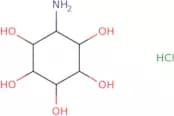
CAS:Scyllo-inosamine is a synthetic compound that is used as an oxime for the treatment of ascites tumors. It is synthesized from benzyl cyanide and cyclohexane. The benzyl groups are removed by catalytic hydrogenation, and the resulting product is hydrolyzed to scyllo-inosamine. Scyllo-inosamine has been shown to have a stereogenic center at C3, which allows it to act as an aminocyclitol, with the nitrogen atom acting as a nucleophile in the ring opening reaction. Scyllo-inosamine has been shown to be active against a number of tumor cells in culture and has been investigated as chemotherapeutic agent for cancer treatment.Fórmula:C6H13NO4·HClPureza:Min. 95%Peso molecular:199.63 g/molMan-3b N-Glycan
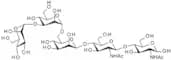
CAS:<p>Man-3b N-Glycan is a glycan with a mannose backbone and an N-acetylglucosamine branch. This glycan can be customized to the user’s specification, including the desired sugar sequence and the length of the oligosaccharide. Man-3b N-Glycans are synthesized by modification of commercially available saccharides or by custom synthesis.</p>Fórmula:C34H58N2O26Pureza:Min. 95%Peso molecular:910.82 g/mol4-Methoxyphenyl 2,3,6-tri-O-benzyl-4-O-(2,6-di-O-benzyl-b-D-galactopyranosyl)-b-D-glucopyranoside
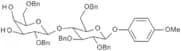
CAS:4-Methoxyphenyl 2,3,6-tri-O-benzyl-4-O-(2,6-di-O-benzyl-b-D-galactopyranosyl)-b-D-glucopyranoside is a custom synthesis that belongs to the class of complex carbohydrate. It has been modified by methylation and glycosylation. This product is a fluorinated saccharide and has been synthesized using click chemistry. The purity of this product is high.Fórmula:C54H58O12Pureza:Min. 95%Peso molecular:899.03 g/molBlood Group B pentasaccharide type II
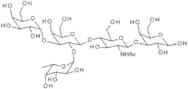
<p>Gala1-3(Fuca1-2)Galb1-4GlcNAcb1-3Gal (B antigen pentasaccharide Type II)</p>Fórmula:C32H55NO25Pureza:Min. 95%Peso molecular:853.79 g/molPomolic acid 28-O-b-D-glucopyranosyl ester
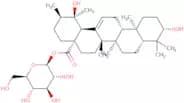
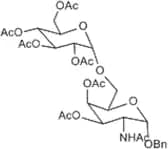
CAS:<p>Pomolic acid is a saponin isolated from the ethanol extract of Astragalus membranaceus. Pomolic acid has a nitrite reductase inhibitory effect and inhibits cell proliferation in certain cells, such as those found in the pancreas. The chemical structure of pomolic acid and its derivatives are similar to those of steroid glycosides and steroid alkaloids. It also has the ability to disrupt DNA replication and reduce insulin resistance. The use of pomolic acid in Chinese medicine formulas is reported to be effective for treating diabetes mellitus type 2, hyperlipidemia, and obesity.</p>Pureza:Min. 95%Benzyl 2-acetamido-3,4-di-O-acetyl-6-O-(2,3,4,6-tetra-O-acetyl-a-D-glucopyranosyl)-2-deoxy-a-D-galactopyranoside
<p>Benzyl 2-acetamido-3,4-di-O-acetyl-6-O-(2,3,4,6-tetra-O-acetyl-aDglucopyranosyl)-2deoxy-. D.galactopyranoside (BzAGDP) is a complex carbohydrate that belongs to the group of oligosaccharides. It is an important component of glycoproteins and glycolipids in the cell membrane. BzAGDP has been synthesized by custom synthesis and has high purity with a CAS number of 80612-95-5. The chemical name for BzAGDP is benzyl 2 acetamido 3,4 di O acetyl 6 O (2,3 4 6 tetra O acetyl a D glucopyranosyl) 2 deoxy-. D galactopyranoside. The molecular formula is C21H32O7 and the molecular weight</p>Fórmula:C33H43NO17Pureza:Min. 95%Peso molecular:725.69 g/molMethyl a-D-mannofuranoside
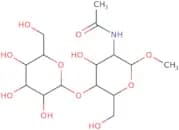
CAS:<p>Methyl a-D-mannofuranoside is a synthetic sugar that has been modified by the addition of fluorine at C-1 and methylation at C-2. This modification provides the compound with desired physical properties, such as increased stability and solubility. Methyl a-D-mannofuranoside can be used in the synthesis of oligosaccharides, which are complex carbohydrates consisting of three to ten monosaccharides linked together by glycosidic bonds. It is also used for click chemistry modifications.</p>Fórmula:C7H14O6Pureza:Min. 95%Peso molecular:194.18 g/molL-[2-13C]Xylose
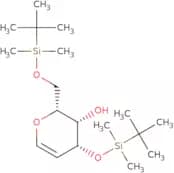
CAS:<p>Please enquire for more information about L-[2-13C]Xylose including the price, delivery time and more detailed product information at the technical inquiry form on this page</p>Fórmula:C5H10O5Pureza:Min. 95%Peso molecular:151.12 g/mol3,6-Di-O-tert-butyldimethylsilyl-D-galactal
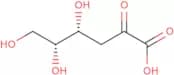
CAS:<p>3,6-Di-O-tert-butyldimethylsilyl-D-galactal is a sugar that has been modified with fluorination. This sugar can be used as an intermediate for the synthesis of complex carbohydrate or glycosylation. 3,6-Di-O-tert-butyldimethylsilyl-D-galactal can also be used in Click chemistry to modify proteins and polysaccharides. This product is offered at high purity and custom synthesis.</p>Pureza:Min. 95%3-Deoxy-2-keto-D-galactonate lithium salt
CAS:<p>3-Deoxy-2-keto-D-galactonate lithium salt is an enzyme inhibitor that belongs to the group of galacturonosyltransferases. It is a competitive inhibitor that binds to the enzyme active site and inhibits the transfer of galacturonic acid from UDP-galactose to various acceptor molecules, including oligosaccharides, polysaccharides, glycoproteins, and glycolipids. 3-Deoxy-2-keto-D-galactonate lithium salt has been shown to inhibit wild type strains of Escherichia coli and Saccharomyces cerevisiae. This compound also inhibits acid analysis enzymes such as catalase and triosephosphate isomerase in Escherichia coli. 3DGLS also inhibits protein synthesis by inhibiting the activity of enzymes such as ribonucleotide reductase and xanthine oxidase in Escherichia coli. The</p>Fórmula:C6H10O6·xLiPureza:Min. 95%1,2,3,4-Tetra-O-acetyl-a-D-glucuronide methyl ester
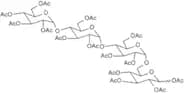
CAS:1,2,3,4-Tetra-O-acetyl-a-D-glucuronide methyl ester is a synthetic molecule that has been modified with the click chemistry technique. This product is a white solid that can be used to modify saccharides and polysaccharides. It can also be used in the synthesis of oligosaccharides or glycosylation reactions. This product is useful for modifying sugars with custom modifications and fluorination. 1,2,3,4-Tetra-O-acetyl-a-D-glucuronide methyl ester has CAS number 5432-32-6 and can be synthesized from glyceraldehyde and acetone.Fórmula:C15H20O11Pureza:Min. 95%Peso molecular:376.31 g/mol6-O-(a-D-Maltotriosyl)-D-glucopyranose tetradecaacetate
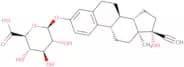
6-O-(a-D-Maltotriosyl)-D-glucopyranose tetradecaacetate is a carbohydrate that belongs to the class of saccharides. It is synthesized from D-glucose by glycosylation and methylation. 6-O-(a-D-Maltotriosyl)-D-glucopyranose tetradecaacetate is a complex carbohydrate with a high purity and custom synthesis. It can be used in click chemistry, due to its reactive group on the C6 position.Fórmula:C52H70O35Pureza:Min. 95%Peso molecular:1,255.09 g/molEthynyl estradiol 3-b-D-glucuronide
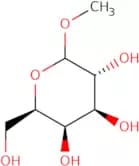
CAS:<p>Ethynyl estradiol 3-b-D-glucuronide is a synthetic derivative of the endogenous estrogen, 17β-estradiol. It is a glycosylated, complex carbohydrate with a methylation and fluorination modification. Ethynyl estradiol 3-b-D-glucuronide is synthesized by reacting ethynyl estradiol with β-D-glucuronic acid to form an ester linkage between the sugar and steroid molecules. This process also produces an Oligosaccharide as well as Monosaccharides. The synthesis of this compound can be customized for specific needs and is available in high purity.</p>Fórmula:C26H32O8Pureza:Min. 95%Cor e Forma:PowderPeso molecular:472.53 g/molMethyl D-galactopyranoside
CAS:Methyl D-galactopyranoside is a lectin that binds to galactose residues in the glycosidic linkage of oligosaccharides. Methyl D-galactopyranoside is used in functional theory to determine the number of lysine residues on the dodecyl chain. This lectin has been shown to bind to anomeric linkages, which are different types of sugar molecules that have a carbon atom at the same position. The binding of this lectin to oligosaccharides can be detected by matrix-assisted laser desorption ionization mass spectrometry (MALDI MS). Methyl D-galactopyranoside has also been shown to have high salt and carbohydrate binding properties, as well as binding with galactose, trimethyl, and hydroxymethyl groups.Fórmula:C7H14O6Pureza:Min. 95%Cor e Forma:PowderPeso molecular:194.18 g/mol2,3,6-Trimethyl-gamma-cyclodextrin
CAS:<p>This gamma-cyclodextrin (γ-CD) derivative is a modified cyclic oligosaccharide composed of eight glucose units, featuring a larger cavity size than α- and β-cyclodextrins. This structural characteristic allows γ-CDs to form inclusion complexes with a wider range of guest molecules, making it particularly versatile in various industries. In the food sector, it is used as a carrier and stabilizer for flavors, fat-soluble vitamins, and polyunsaturated fatty acids, protecting volatile compounds from evaporation. In pharmaceuticals, it enhances the solubility and bioavailability of poorly water-soluble drugs and, thanks to its larger ring size, allows for the encapsulation of larger molecules or even entire drug molecules. γ-CDs and derivatives are also used for environmental remediation and, in analytical chemistry, for the extraction and concentration of target substances.</p>Fórmula:C72H128O40Pureza:Min. 95%Cor e Forma:PowderPeso molecular:1,633.8 g/molMethyl 3-amino-3,6-dideoxy-a-L-taloside
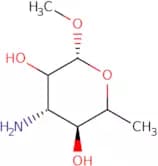
<p>Methyl 3-amino-3,6-dideoxy-a-L-taloside is a custom synthesis of a monosaccharide. It is modified with fluorine and methyl groups and may be used in click chemistry. The CAS number for this compound is 103614-34-8. Methyl 3-amino-3,6-dideoxy-a-L-taloside is an oligosaccharide that can be glycosylated or complexed with sugar. This compound has properties of a carbohydrate and can be classified as a saccharide or polysaccharide.</p>Fórmula:C7H15NO4Pureza:Min. 95%Peso molecular:177.2 g/molForosamine
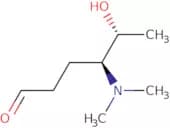
CAS:<p>Forosamine is a spinosyn analog that has been shown to be an effective control agent against bacterial strains. It is a β-amino acid and has a chemical structure similar to the natural spinosyns. Forosamine has been shown to have a broad spectrum of activity against animal health-related bacteria, including those resistant to other antibiotics. Forosamine’s mode of action is not well understood, but it may involve the inhibition of protein synthesis. Forosamine's molecular modeling suggests that the molecule contains a hydroxyl group, which may be responsible for its antibacterial activity.</p>Pureza:Min. 95%3-O-Toluoyl decitabine
CAS:<p>3-O-Toluoyl decitabine is a synthetic, high purity drug that is custom synthesized to order. The synthesis of 3-O-Toluoyl decitabine involves the modification of sugar molecules with fluorination, glycosylation, and methylation. This compound has CAS No. 183016-21-9 and is used in the treatment of cancer by inhibiting ribonucleic acid (RNA) synthesis. 3-O-Toluoyl decitabine inhibits RNA polymerase II and III, which are enzymes that catalyze the transcription of DNA into RNA. It also inhibits protein kinase C, which leads to cell death and tumor shrinkage.</p>Fórmula:C16H18N4O5Pureza:Min. 95%Peso molecular:346.34 g/molR-Phenyleprine-3-D-glucuronide
<p>R-Phenyleprine-3-D-glucuronide is a synthetic compound that is used for the modification of saccharides. It has fluoro groups and has been shown to be active in glycosylation reactions. R-Phenyleprine-3-D-glucuronide can also be used as a methylating agent, or as an intermediate in the synthesis of oligosaccharides and monosaccharides. The molecular weight of this compound is 594.</p>Pureza:Min. 95%b-L-Xylose-1-phosphate
<p>b-L-Xylose-1-phosphate is a methylated, fluorinated, and custom synthesized monosaccharide that can be modified to produce an oligosaccharide or polysaccharide. This monomer is a sugar that is found in complex carbohydrates and has a purity of greater than 99%. It can be used for the synthesis of saccharides or as a fluorination agent.</p>Pureza:Min. 95%a1,2-Mannobiose-BSA
<p>a1,2-Mannobiose-BSA is a glycosylation that can be used for the synthesis of complex carbohydrate. It is methylated and click modified with fluorine, which renders it resistant to proteolytic degradation. This product is also available in various purities and modifications.</p>Pureza:Min. 95%Hyaluronate fluorescein - Molecular Weight - 2500kDa
<p>Hyaluronate fluorescein is a polymer of hyaluronic acid that has been modified with fluorescein. It is synthesized by the methylation and saccharide coupling of an oligosaccharide, followed by Click modification and the addition of a fluorescent dye. Hyaluronate fluorescein has a molecular weight of 2500kDa. It is highly purified and can be custom-synthesized to suit specific needs.</p>Pureza:Min. 95%Cor e Forma:PowderNA2FB N-Glycan
CAS:<p>NA2FB N-Glycan is a custom synthesis that is prepared on a glycosylation scale. The monosaccharide units are linked by alpha-1,6 or alpha-1,3 glycosidic bonds to form a linear chain. The saccharides are attached to each other via the formation of beta-1,4 glycosidic bonds. NA2FB N-Glycan has a high purity and modification. It is available in various forms such as oligosaccharide, polysaccharide, saccharide and carbohydrate. This product can be used for research purposes or as raw material in the production of medicine.</p>Fórmula:C76H127N5O55Pureza:Min. 95%Peso molecular:1,990.82 g/molMethyl N-trifluoroacetyldaunosaminide
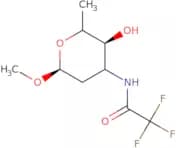
CAS:<p>Methyl N-trifluoroacetyldaunosaminide is a naturally occurring amino sugar that has been shown to have biological relevance. It has been shown to inhibit the activity of bacterial enzymes, such as daunosamine reductase and daunosamine kinase, which are involved in the biosynthesis of anthracyclines in bacteria. The structural analogues of methyl N-trifluoroacetyldaunosaminide have been shown to be effective against a range of Gram-positive and Gram-negative bacteria including Staphylococcus aureus, Mycobacterium tuberculosis, Mycobacterium avium complex and Pseudomonas aeruginosa.</p>Fórmula:C9H14F3NO4Pureza:Min. 95%Peso molecular:257.21 g/molEthyl 6-azido-2,3,4-tri-O-benzyl-6-deoxy-a-D-thiomannopyranoside
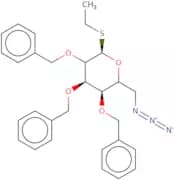
<p>Ethyl 6-azido-2,3,4-tri-O-benzyl-6-deoxy-.D.thiomannopyranoside is a custom synthesis that can be modified to meet your specific needs. It is an oligosaccharide and polysaccharide with a saccharide content of more than 60%. The molecular weight of this compound is about 760 Daltons. Ethyl 6-azido-2,3,4-tri-O-benzyl-.D.thiomannopyranoside is in high purity and has been synthesized using fluorination, complex carbohydrate, and monosaccharides.</p>Fórmula:C29H33N3O4SPureza:Min. 95%Peso molecular:519.66 g/molCladinose
CAS:<p>Cladinose is a natural compound that has been shown to have potent inhibitory properties against microorganisms, such as bacteria and fungi. Cladinose has been shown to inhibit the growth of bacteria by reacting with the ribosomes of cells in the bacterial cytoplasm. It inhibits bacterial protein synthesis by binding to the ribosomal RNA and blocking access to the mRNA template. Cladinose also inhibits fungal growth by inhibiting ergosterol biosynthesis, which prevents fungal cell membrane formation. Cladinose has been shown to have antiinflammatory activity in mice with induced inflammation. This is due to its ability to bind to cyclooxygenase-2 (COX-2) and prevent its activation, thereby preventing prostaglandin synthesis.</p>Fórmula:C8H16O4Pureza:Min. 95%Peso molecular:176.21 g/molHyaluronate fluorescein - Molecular Weight - 1000kDa
<p>Hyaluronate fluorescein is a synthetic glycosaminoglycan. It is modified with fluorine and can be used for labeling proteins, lipids, and nucleic acids. This product has a molecular weight of about 1000kDa.</p>Pureza:Min. 95%1,4,6-Tri-O-acetyl-2,3-O-isopropylidene-a-D-mannopyranose
<p>1,4,6-Tri-O-acetyl-2,3-O-isopropylidene-a-D-mannopyranose is an oligosaccharide that is modified with a methyl group on the C1 atom of the glucose molecule. This modification is used to produce saccharides for use in glycoproteins and glycolipids. 1,4,6-Tri-O-acetyl-2,3-O-isopropylidene-a-D-mannopyranose has a CAS number of 378539–92–8.</p>Pureza:Min. 95%Cor e Forma:Solid.1,3,6-Tri-O-benzoyl-2-deoxy-a-D-glucopyranoside
<p>1,3,6-Tri-O-benzoyl-2-deoxy-a-D-glucopyranoside is a glycosylation molecule that is synthesized by the addition of a benzoyl group to the C1 position of glucose. This product is an example of an oligosaccharide with a triester linkage. The synthesis of this product involves methylation and fluorination reactions. 1,3,6-Tri-O-benzoyl-2-deoxy-a-D-glucopyranoside is stable in acidic environments and can be custom synthesized at high purity level.</p>Fórmula:C27H30O5Pureza:Min. 95%Peso molecular:434.52 g/molCellobiuronic acid
CAS:<p>Cellobiuronic acid is a polysaccharide that contains glucose and uronic acids. It is found in the cell walls of gram-positive bacteria, where it may play an important role in maintaining the structural integrity of the cell wall. Cellobiuronic acid has been shown to be a potent antigen for pneumococcus. Cellobiuronic acid has also been shown to be conjugated with proteins and used as a vaccine adjuvant for inducing antibody responses against pneumococcal antigens. Cellobiuronic acid is synthesized from glucose by bacterial cells, which use it as a carbon source. The biosynthesis of cellobiuronic acid is poorly understood because it does not occur in mammalian cells.</p>Fórmula:C12H20O12Pureza:Min. 95%Peso molecular:356.28 g/mol2-Acetamido-3-O-(2,3,4,6-tetra-O-acetyl-b-D-galactopyranosyl)-2-deoxy-D-glucopyranose
CAS:<p>2-Acetamido-3-O-(2,3,4,6-tetra-O-acetyl-b-D-galactopyranosyl)-2-deoxy-D-glucopyranose is a custom synthesis of an oligosaccharide. It is fluorinated at the 2 position and methylated on the 3 position. This glycosylation product has been shown to be resistant to degradation by enzymes that hydrolyze glycosidic bonds.</p>Fórmula:C22H33NO15Pureza:Min. 95%Peso molecular:551.5 g/molMethyl a-N-acetyllactosamine
CAS:<p>Methyl a-N-acetyllactosamine is a custom synthesis of Methyl a-N-acetylgalactosamine. This compound has been modified by fluorination, methylation, and click modification to yield the desired product. The monosaccharide structure was synthesized from the corresponding glycosyl halide and protected amino acid. The glycosylation reaction between this monosaccharide and the oligosaccharide containing an unprotected hydroxyl group yields the desired product. The purity of this compound is greater than 99%.</p>Fórmula:C15H27NO11Pureza:Min. 95%Peso molecular:397.38 g/mol2-Deoxy-3,4:5,6-di-O-isopropylidene-D-arabino-hexose propane-1,3-diyl dithioacetal
CAS:<p>The antibiotic 2-deoxy-3,4:5,6-di-O-isopropylidene-D-arabino-hexose propane-1,3-diyl dithioacetal is a shikimate analog that inhibits the shikimate pathway. It prevents the synthesis of aromatic compounds and other nitrogenous substances by inhibiting the enzyme chorismate synthase. Chorismate synthase catalyzes the conversion of 3,4:5,6-di-O-isopropylidene D-arabino hexose to chorismic acid which is then converted to shikimic acid. The antibiotic binds covalently to an active site cysteine residue on the enzyme and inhibits its activity. This inhibition blocks the production of aromatic amino acids and other nitrogenous substances required for protein synthesis in bacteria.</p>Fórmula:C15H26O4S2Pureza:Min. 95%Peso molecular:334.5 g/mol1,6-Anhydro-2,4-di-O-p-toluenesulfonyl-β-D-glucopyranose
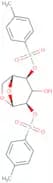
CAS:<p>1,6-Anhydro-2,4-di-O-p-toluenesulfonyl-b-D-glucopyranose is a fluorinated sugar that is synthesized by the reaction of 1,6 anhydro-2,4 di O p toluenesulfonyl b D glucopyranose and osmium tetroxide. The synthesis of this compound involves the use of high purity reagents and solvents. This product can be custom synthesized to order with a minimum quantity of 500 grams.</p>Fórmula:C20H22O9S2Pureza:Min. 95%Peso molecular:470.52 g/molTetrasaccharide dp4
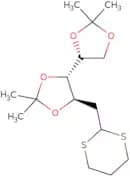
<p>Tetrasaccharide dp4 is a custom synthesis that is modified with fluorination, methylation, and click modification of the monosaccharides. It can be used for the synthesis of oligosaccharides and saccharides. Tetrasaccharide dp4 is a glycosylated carbohydrate that belongs to the group of polysaccharides. This product has CAS number 87392-00-6.</p>Fórmula:C24H62N10O38S6Pureza:Min. 95%Peso molecular:1,291.19 g/mol3-Deoxy-D-[UL-13C6]fructose
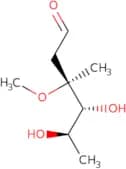
3-Deoxy-D-[UL-13C6]fructose is a high purity, custom synthesis, modification, and fluorination of a methylated oligosaccharide. It is a synthetic molecule that can be used to study the methylation of complex carbohydrates. 3-Deoxy-D-[UL-13C6]fructose can be used as an intermediate in the synthesis of other sugar molecules. The structure is shown below:Pureza:Min. 95%1-Deoxy-L-idonojirimycin hydrochloride
CAS:<p>1-Deoxy-L-idonojirimycin hydrochloride is a chaperone that is structurally related to the natural substrate, L-idonojirimycin. It has been found to interact with recombinant human Hsp70 and Hsp90. 1-Deoxy-L-idonojirimycin hydrochloride enhances the kinetic and thermodynamic parameters of these chaperones in vitro. The structural analysis of this compound revealed that it binds to both Hsp70 and Hsp90, which may be due to its ability to mimic the natural substrate's binding site on these chaperones.</p>Fórmula:C6H14ClNO4Pureza:Min. 95%Peso molecular:199.63 g/molHybrid N-Glycan
CAS:<p>Hybrid N-glycans are glycan structures that contain both a high mannose and complex type oligosaccharide. Hybrid N-glycans are expressed on the surface of mammalian cells, and they can be found in human serum. Hybrid N-glycans have been shown to activate caspase 3 and induce apoptosis in some mouse models. They also have biological functions such as growth factor binding or antibody binding. Hybrid N-glycans may be involved in the activation of the immune system or in the development of cancerous tumors.</p>Fórmula:C62H104N4O46Pureza:Min. 95%Cor e Forma:PowderPeso molecular:1,641.49 g/mol3-Deoxy-3,3-difluoro-1,2:5,6-di-O-isopropylidene-a-D-glucofuranose
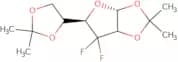
<p>3-Deoxy-3,3-difluoro-1,2:5,6-di-O-isopropylidene-a-D-glucofuranose is a sugar. It is a glycosylation product of the natural amino acid lysine with glucose. This modification increases the solubility and stability of lysine in biological systems. 3DG can be methylated to form 3DG monomethyl ether and 3DG dimethyl ether. Both these derivatives are also used as a fluorescent probe for detecting saccharides at low concentrations. 3DG can be fluorinated to form 3DG difluoromethyl ether, which has been shown to have anti-inflammatory properties. These properties may be due to its ability to inhibit prostaglandin synthesis by inhibiting prostaglandin synthase activity.</p>Fórmula:C12H18F2O5Pureza:Min. 95%Peso molecular:280.27 g/molDipalmitin
CAS:<p>Dipalmitin is a chemical substance that belongs to the group of fatty acid esters. It has been shown to inhibit the activity of a number of enzymes, including proteases and lipases. Dipalmitin also inhibits the production of diacylglycerol and glycerides in cells, which are necessary for cellular growth. The exact mechanism by which dipalmitin inhibits these enzymes is unknown, but it has been hypothesized that it may function as a competitive inhibitor or an allosteric inhibitor. Dipalmitin also has been shown to have antiviral properties against HIV infection in model systems. The antiviral activity has been attributed to its ability to inhibit viral protein synthesis and block the assembly of viral particles at the cell membrane.</p>Fórmula:C35H68O5Pureza:Min. 95%Peso molecular:568.91 g/molBenzyl 2-acetamido-3,6-di-O-benzoyl-2-deoxy-a-D-glucopyranoside
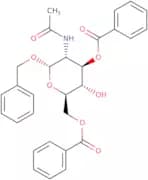
CAS:<p>A 2-acetamido-3,6-di-O-benzoyl-2-deoxy-a-D-glucopyranoside is a custom synthesis of a complex carbohydrate that has been modified with methylation and glycosylation. It is an Oligosaccharide with Polysaccharide and Modification. The CAS number for this compound is 82827-77-8 and has a purity of 99%. This compound has been fluorinated and synthesized.</p>Fórmula:C29H29NO8Pureza:Min. 95%Peso molecular:519.54 g/mol7-Xylosyl-10-deacetyltaxol
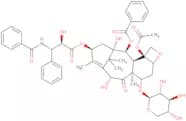
CAS:<p>7-Xylosyl-10-deacetyltaxol is a plant chemical that is found in the needles of the Taxus cuspidata tree. This compound has been shown to inhibit prostate cancer cells and has been clinically used as an adjuvant agent for cancer treatment. 7-Xylosyl-10-deacetyltaxol binds to prostate cancer cells and inhibits their growth, which may be due to its ability to inhibit cell cycle progression at the G2/M phase transition. It also has a strong inhibitory effect on test samples from human prostate cancer cells. In addition, it inhibits enzyme activities that are involved in the biosynthesis of membrane lipids, such as phospholipase A2, arachidonate 12-lipoxygenase, and cyclooxygenase 2. 7-Xylosyl-10-deacetyltaxol also inhibits enzyme activities in cell culture that are involved in the synthesis of carbon</p>Fórmula:C50H57NO17Pureza:Min. 95%Peso molecular:943.98 g/mol1,4-β-D-Glucosyl-D-mannobiose
CAS:<p>1,4-β-D-Glucosyl-D-mannobiose is a specialized carbohydrate substrate, which is derived from complex polysaccharides typically found in plant cell walls. It acts as a substrate for endo-1,4-β-mannanase, an enzyme that cleaves specific glycosidic bonds within mannans. This substrate facilitates the investigation of enzymatic activity by allowing the measurement of endo-1,4-β-mannanase efficiency and specificity under controlled conditions.In biochemical enzyme assays, 1,4-β-D-Glucosyl-D-mannobiose serves as a critical component for quantifying mannanase activity. It enables researchers to study the enzyme's role in various biological processes, including polysaccharide degradation. Additionally, this product is invaluable in in vitro diagnostic analyses where precise enzyme activity assessment is crucial for understanding pathological states or the functionality of industrial enzyme preparations. Its applications extend to biotechnology research, where it aids in the formulation of enzyme-based solutions and optimization of enzymatic reactions in diverse biological and industrial contexts.</p>Fórmula:C18H32O16Pureza:Min. 95%Peso molecular:504.4 g/mol2,3,4,6-Tetra-O-benzyl-a-D-glucopyranose
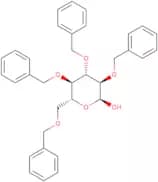
CAS:2,3,4,6-Tetra-O-benzyl-a-D-glucopyranose is a synthetic derivative of galactose that can be used as a sugar donor in the synthesis of various types of glycosides. It is activated with phosphorus oxychloride and aluminium chloride to yield the corresponding anhydride. The hydroxy group on 2,3,4,6-tetra-O-benzyl-a-D-glucopyranose may be converted to an alkene by condensation with naphthalene or another electrophile. The stereoselective introduction of the hydroxy group using this method provides a valuable tool for chemists who are interested in synthesizing chiral molecules.Fórmula:C34H36O6Pureza:Min. 95%Cor e Forma:White crystals.Peso molecular:540.65 g/mol






![D-[1-13C]Galacturonic acid potassium salt](/_next/image/?url=https%3A%2Fstatic.cymitquimica.com%2Fproducts%2F3D%2Fthumb-webp%2FMG28931.webp&w=3840&q=75)
![N-Acetyl-4-O-[3,4,6-tri-O-acetyl-2-(acetylamino)-2-deoxy-β-D-glucopyranosyl]-α-muramic acid-1,6-di…](/_next/image/?url=https%3A%2Fstatic.cymitquimica.com%2Fproducts%2F3D%2Fthumb-webp%2FOA05067.webp&w=3840&q=75)








![L-[2-13C]Xylose](/_next/image/?url=https%3A%2Fstatic.cymitquimica.com%2Fproducts%2F3D%2Fthumb-webp%2FDUA50663.webp&w=3840&q=75)



![3-Deoxy-D-[UL-13C6]fructose](/_next/image/?url=https%3A%2Fstatic.cymitquimica.com%2Fproducts%2F3D%2Fthumb-webp%2FMD14754.webp&w=3840&q=75)