Glicociência
A glicociência é o estudo dos carboidratos e seus derivados, bem como das interações e funções biológicas em que participam. Este campo de pesquisa é crucial para compreender uma ampla variedade de processos biológicos, incluindo o reconhecimento celular, a sinalização, a resposta imune e o desenvolvimento de doenças. A glicociência tem aplicações importantes na biotecnologia, na medicina e no desenvolvimento de novos medicamentos e terapias. Na CymitQuimica, oferecemos uma ampla seleção de produtos de alta qualidade e pureza para pesquisa em glicociência. Nosso catálogo inclui monossacarídeos, oligossacarídeos, polissacarídeos, glicoconjugados e reagentes específicos, projetados para apoiar os pesquisadores em seus estudos sobre a estrutura, função e aplicações dos carboidratos em sistemas biológicos. Esses recursos são destinados a facilitar descobertas científicas e aplicações práticas em diversas áreas das biociências e da medicina.
Subcategorias de "Glicociência"
- Amino açúcares(108 produtos)
- Anticorpos Glico-Relacionados(282 produtos)
- Glicolípidos(46 produtos)
- Glicosaminoglicanos (GAGs)(55 produtos)
- Glicosídeos(419 produtos)
- Monossacáridos(6.624 produtos)
- Oligossacarídeos(3.682 produtos)
- Polissacáridos(503 produtos)
Foram encontrados 11046 produtos de "Glicociência"
Ordenar por
Pureza (%)
0
100
|
0
|
50
|
90
|
95
|
100
Mono-(6-(diethylenetriamine)-6-deoxy)-β-Cyclodextrin
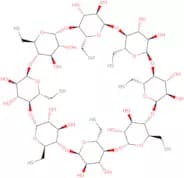
CAS:<p>Please enquire for more information about Mono-(6-(diethylenetriamine)-6-deoxy)-β-Cyclodextrin including the price, delivery time and more detailed product information at the technical inquiry form on this page</p>Fórmula:C46H81N3O34Pureza:Min. 95%Peso molecular:1,220.1 g/mol6-deoxy-6-mercapto-gamma-cyclodextrin,octakis
CAS:<p>6-Deoxy-6-mercapto-gamma-cyclodextrin, octakis (Methyl 6DG) is a novel and unique sugar with two methyl groups on the C6 hydroxyl position. It has been synthesized from glucose by a click modification reaction and can be used as an alternative to 6DG for the production of oligosaccharides and polysaccharides. The high purity of Methyl 6DG makes it suitable for use in analytical research, such as fluorescence resonance energy transfer measurements.</p>Fórmula:C48H80O32S8Pureza:Min. 95%Peso molecular:1,425.66 g/molAtorvastatin acyl-b-D-glucuronide
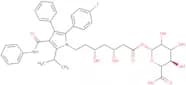
CAS:<p>Atorvastatin acyl-b-D-glucuronide is a synthetic compound that has been modified with fluorine and methyl groups. It is a glycosylated molecule with a carbohydrate moiety. It has been shown to be active against Saccharide-producing bacteria, such as the genus Clostridium, which are responsible for the production of polysaccharides and glycans.</p>Fórmula:C39H45FN2O11Pureza:90%MinPeso molecular:736.8 g/molMefenamic acid-acyl-b-D-glucuronide
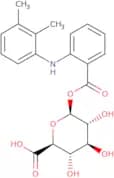
CAS:<p>Mefenamic acid-acyl-b-D-glucuronide is a synthetic drug that binds to albumin and human serum albumin. It has been shown to irreversibly inhibit human UDP-glucuronosyltransferase, an enzyme in the human liver that catalyzes the addition of glucuronic acid to drugs and other xenobiotics. Mefenamic acid-acyl-b-D-glucuronide has also been shown to inhibit the activity of a wide range of enzymes in humans, including isoenzyme UGT1A6, which is found in the liver and kidney. This drug has been studied as a potential treatment for pain and inflammation in humans.</p>Fórmula:C21H23NO8Pureza:Min. 95%Cor e Forma:White To Off-White SolidPeso molecular:417.41 g/mol2,3,4,6-Tetra-O-benzyl-5-thio-D-glucono-1,5-lactone
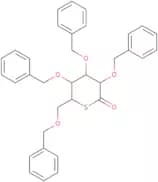
CAS:<p>2,3,4,6-Tetra-O-benzyl-5-thio-D-glucono-1,5-lactone is a complex carbohydrate that can be modified with methylation and glycosylation. It is a saccharide that can be modified by fluorination and click modification. This compound is synthesized by the polymerization of allose in the presence of an enzyme to produce 2,3,4,6-tetra-O-(benzyloxymethyl)-5-thio--D--glucono--1,5--lactone.</p>Fórmula:C34H34O5SPureza:Min. 95%Peso molecular:554.7 g/mol2,3,4,6-Tetra-O-benzyl-D-galactono-1,5-lactone
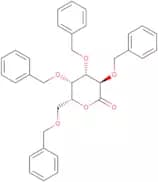
CAS:2,3,4,6-Tetra-O-benzyl-D-galactono-1,5-lactone is an aldehyde that has been synthesized from tert-butyl bromoacetate and ethynyl acetate in the presence of cesium carbonate. It is an exocyclic aldehyde that forms a cyclic ester with glycine. The synthetic pathway was stereoselective because the exocyclic double bond was only formed on one face of the molecule. This product can be used as an intermediate for the synthesis of glycine analogues and glycines.Fórmula:C34H34O6Pureza:Min. 95%Peso molecular:538.63 g/mola-D-Glucose
CAS:<p>Glucose is a monosaccharide that is an important source of energy for the human body. It is a simple sugar found in many carbohydrates and is the main form of fuel used by the brain. Glucose is also used as a chemical building block for polysaccharides such as glycogen, cellulose, and chitin. The hypoglycemic effect of glucose can be observed when blood glucose levels are below 70 mg/dL. This effect can be due to its ability to increase the production of insulin or decrease the rate of gluconeogenesis in liver cells. It also has been shown to have an inhibitory effect on some viruses and bacteria, which may be due to its ability to inhibit transcription activators or polymerase chain reactions.</p>Fórmula:C6H12O6Pureza:Min. 96 Area-%Cor e Forma:White PowderPeso molecular:180.16 g/mol1,4:3,6-Dianhydro-L-iditol
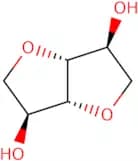
CAS:<p>1,4:3,6-Dianhydro-L-iditol is a synthetic compound that is used in pharmaceutical preparations and tissue culture. It has been shown to inhibit the growth of bacteria such as Staphylococcus aureus and Mycobacterium tuberculosis in vitro assays. The synthesis of 1,4:3,6-dianhydro-L-iditol involves intramolecular hydrogenation of fatty acids with alkanoic acids and the use of solid catalysts.</p>Fórmula:C6H10O4Pureza:Min. 95%Peso molecular:146.14 g/molMethyl b-D-fructofuranoside
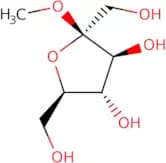
CAS:<p>Methyl b-D-fructofuranoside is a chemical compound that is used in the production of esters and fatty acids. Methyl b-D-fructofuranoside is produced by a dehydration reaction between two molecules of acetone. The product of this reaction, methyl b-D-fructopyranoside, can be broken down into two molecules of acetone and one molecule each of methyl alcohol and carbon dioxide. This process is called alkylation. Furanocoumarin derivatives are often found in plants such as asperulosidic acid and quinquefasciatus. These compounds are found in many species of plant, but they are most concentrated in the roots of these plants because they are more metabolically active there than other parts of the plant. Environmental pollution can lead to high concentrations of furanocoumarins in plants, which can have toxic effects on organisms that come into contact with them.</p>Fórmula:C7H14O6Pureza:Min. 98 Area-%Cor e Forma:Clear LiquidPeso molecular:194.18 g/mol1,2,3,4,6-Penta-O-acetyl-D-galactopyranose
CAS:1,2,3,4,6-Penta-O-acetyl-D-galactopyranose is an analog of the natural pentoses that binds to the mitochondrial membrane and inhibits the production of pro-inflammatory cytokines. This drug has been shown to inhibit the binding of lysophosphatidic acid (LPA) to its receptor by substituting for LPA in this binding site. 1,2,3,4,6-Penta-O-acetyl-D-galactopyranose also inhibits the expression of proinflammatory cytokines such as interleukin 6 (IL6) and IL1β in a dose dependent manner. This drug is also capable of inhibiting phosphotungstic acid from binding to a monolayer surface and can be used as a glycopolymer for cell culture. It has been shown that 1,2,3,4,6-Penta-O-acetylFórmula:C16H22O11Pureza:Min. 95%Cor e Forma:PowderPeso molecular:390.34 g/molN-Acetylmuramic acid 6-phosphate
CAS:N-Acetylmuramic acid 6-phosphate is a molecule that belongs to the class of compounds known as nucleotide phosphates. It is an intermediate in the biosynthesis of peptidoglycan, which is a major component of bacterial cell walls. N-Acetylmuramic acid 6-phosphate is synthesized from ATP and N-acetylmuramic acid by hydrolysis. The reaction mechanism for this transformation involves an imine intermediate, which can be formed through the action of two molecules of ATP and one molecule of N-acetylmuramic acid. This reaction is catalyzed by an enzyme called heterocyst. The enzyme kinetics for this transformation are influenced by many factors, including temperature, pH, and substrate concentration.Fórmula:C11H20NO11PPureza:Min. 95%Peso molecular:373.25 g/molPolysorbate 60
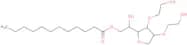
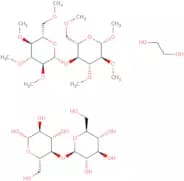
CAS:<p>Polysorbate 60 is a polyoxyethylene-polyoxypropylene block copolymer that is composed of two different saturated fatty acid chains. It has been used as a surfactant and stabilizer in the manufacture of pharmaceuticals, foods, cosmetics, and other products. Polysorbate 60 has been shown to inhibit the growth of epidermal cells by binding to epidermal growth factor (EGF) receptors on the cell surface. The effects of polysorbate 60 are also mediated through hydrogen bonding with the EGF receptor. The pharmacokinetic properties of polysorbate 60 have been studied in vitro using human serum. This polymer is used as an excipient in solid dispersions for oral administration and can be administered intravenously or subcutaneously. Polysorbate 60 is chemically stable at acidic pH levels and hydrochloric acid does not affect its structure. Polysorbate 60 also has protease activity against trypsin at high temperatures,</p>Fórmula:C64H126O26Pureza:Min. 95%Cor e Forma:Light (Or Pale) Yellow To Yellow Solid Or Liquid (May Vary)Peso molecular:1,311.67 g/molMethyl 2-hydroxyethyl cellulose
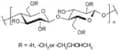
CAS:Produto Controlado<p>Methyl 2-hydroxyethyl cellulose (MEC) is a synthetic substance that is used as a thickening and emulsifying agent in many products, including foods, pharmaceuticals, and cosmetics. MEC has been shown to inhibit the activity of certain enzymes, such as amylase, lipase, and protease. In addition to these properties, MEC is also known for its high degree of thermal stability and light resistance. This product can be used in a wide range of applications due to its versatility and low cost.</p>Fórmula:C34H66O24Pureza:Min. 95%Cor e Forma:White/Off-White SolidPeso molecular:858.87 g/mol2-Acetamido-1,3,6-tri-O-acetyl-2,4-dideoxy-4-fluoro-D-glucopyranose
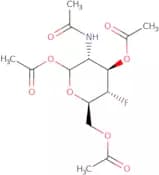
CAS:<p>2-Acetamido-1,3,6-tri-O-acetyl-2,4-dideoxy-4-fluoro-D-glucopyranose is a high purity synthetic glycosylate with a custom synthesis. It is an oligosaccharide that has been modified for fluorination and methylation. This product is used as an intermediate in the production of complex carbohydrates.</p>Fórmula:C14H20FNO8Pureza:Min. 95%Cor e Forma:PowderPeso molecular:349.31 g/molGlycosylceramide - from plant origin
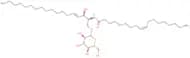
CAS:<p>Glucosylceramide (Glc-Cer) is the common precursor in the biosynthesis of most glycosphingolipids, with exception of some Gal-Cer derivatives, such as, GM4. Glucosylceramide consists of a glucosyl moiety which is β-O-glycosydically linked to ceramide, which itself, consists of the long-chain aminoalcohol sphingosine and a fatty acid. Glucosylceramide (also called glucocerebroside) is synthesised enzymatically, by the glucosylceramide synthase-catalysed with the addition of a glucose residue to ceramide. Glucosylceramide is involved in the regulation of various cellular events and also serves as a main constituent in liposome formulations.</p>Fórmula:C40H75NO9Pureza:Min. 95%Peso molecular:714.02 g/molMycophenolic acid acyl-b-D-glucoside
CAS:<p>Metabolite of Mycophenolic acid</p>Fórmula:C23H30O11Pureza:Min. 95%Peso molecular:482.48 g/molBacillithiol trifluoroacetic acid salt
CAS:<p>Bacillithiol (BSH) is a low molecular weight thiol molecule produced in Bacilli, which is also found in Firmicutes bacteria. It plays an important role in maintaining the balance of reactive oxygen species within cells and detoxifying certain harmful compounds. It is the α-anomeric glycoside of L-cysteinyl-D-glucosamine with L-malic acid and it seems to have antioxidant properties. Bacillithiol plays an important role in bacterial redox homeostasis and plays an important role in the detoxification of electrophiles as it is a cofactor for FosB (thiol transferase). <br>This is the salt form (trifluoroacetic acid salt, TFA) of Bacillithiol.</p>Fórmula:C13H22N2O10S·CF3CO2HPureza:Min. 95 Area-%Cor e Forma:Colorless Clear LiquidPeso molecular:512.41 g/mol2-Deoxy-2-fluoro-D-fucose
<p>2-Deoxy-2-fluoro-D-fucose is a custom synthesis, which is a complex carbohydrate. It has CAS No. and polysaccharide modification and can be methylated, glycosylated, or fluorinated. The molecular weight of this product is high purity and it can be used as a sugar or carbohydrate. Click modification is possible with 2-deoxy-2 fluoro-D-fucose.</p>Fórmula:C6H11FO4Pureza:Min. 95%Cor e Forma:PowderPeso molecular:166.15 g/molD-Maltose monohydrate
CAS:Please enquire for more information about D-Maltose monohydrate including the price, delivery time and more detailed product information at the technical inquiry form on this pageFórmula:C12H24O12Pureza:Min. 98 Area-%Cor e Forma:White PowderPeso molecular:360.31 g/molβ-1,3-Glucan
CAS:β-1,3-Glucan is a bioactive polysaccharide, which is located predominantly in the cell walls of yeast, fungi, and certain cereals. This compound is characterized by its unique branched structure, which is crucial for its biological function. The mode of action of β-1,3-Glucan involves the binding to specific receptors on immune cells, such as dectin-1, which triggers a cascade of immune responses. This interaction enhances the activity of macrophages, neutrophils, and natural killer cells, thus bolstering the body's innate immune defenses.The uses and applications of β-1,3-Glucan are broad, primarily focused on immunological research and potential therapeutic strategies. It is extensively utilized in studies examining its effects as an immunomodulator, leveraging its ability to potentiate immune system function and examining its role in adjunctive cancer therapies, where it may enhance the efficacy of certain treatments. Additionally, β-1,3-Glucan is investigated for its potential benefits in reducing infection rates and improving recovery times in clinical settings. Moreover, its applications in dietary supplements and functional foods continue to be a subject of scientific inquiry, aiming to harness its health-promoting properties within nutrition science.Pureza:Min. 95%Cor e Forma:Powder1-Oxododecyl β-D-glucopyranoside
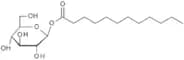
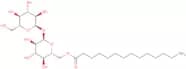
CAS:<p>1-Oxododecyl β-D-glucopyranoside is a synthetic compound that is used as an intermediate in the synthesis of oligosaccharides, monosaccharides, saccharides, and other carbohydrates. It has a purity of >98% and can be custom synthesized to meet your specifications. 1-Oxododecyl β-D-glucopyranoside is also available for purchase with fluorination, glycosylation, and methylation modifications. The CAS number for this product is 64395-92-2.</p>Fórmula:C18H34O7Pureza:Min. 95 Area-%Cor e Forma:PowderPeso molecular:362.46 g/molD-Fructose-1,6-diphosphate trisodium
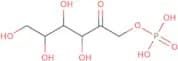
CAS:<p>D-Fructose-1,6-diphosphate trisodium salt (D-FDP) is an ATP precursor that is used to study the effects of D-FDP on energy metabolism in rat cardiomyocytes. The results from this study showed that D-FDP increased ATP levels and inhibited the accumulation of intracellular lactate. This compound also inhibits ventricular myocardial hypertrophy induced by pressure overload in animal experiments. In addition, D-FDP has been shown to inhibit the polymerase chain reaction (PCR) process and to be active at a concentration of 25 mM.</p>Fórmula:C6H14O12P2•Na3Pureza:Min. 99 Area-%Cor e Forma:PowderPeso molecular:409.09 g/molBenzyl 2,3-O-isopropylidene-α-D-mannofuranoside
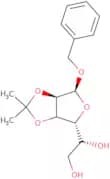
CAS:<p>Benzyl 2,3-O-isopropylidene-a-D-mannofuranoside is a fluorinated monosaccharide that is synthesized using glycosylation and polysaccharide modification. This product has a CAS number of 20689-03-6 and can be used for complex carbohydrate synthesis. It has been shown to have high purity.</p>Fórmula:C16H22O6Pureza:Min. 95%Cor e Forma:PowderPeso molecular:310.34 g/molCellulose acetate - MW 30,000
CAS:<p>Cellulose acetate fiber is one of the earliest synthetic fibers and is based on cotton or tree pulp cellulose. Cellulose acetate is used as a film base in photography, as a component in some coatings, and as a frame material for eyeglasses. It is also used as a synthetic fiber in the manufacture of cigarette filters and playing cards. In photographic film, cellulose acetate replaced nitrate film in the 1950s, being far less flammable and cheaper to produce but in recent years has been rendered obsolete by the advent of digital cameras.</p>Cor e Forma:Powder2-Acetamido-3-O-(2-acetamido-2-deoxy-b-D-glucopyranosyl)-2-deoxy-D-galactopyranose
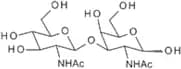
CAS:<p>2-Acetamido-3-O-(2-acetamido-2-deoxy-b-D-glucopyranosyl)-2-deoxy-D-galactopyranose is a methylated, saccharide, Polysaccharide. It is a custom synthesis of a carbohydrate sugar. It is fluorinated to increase its bioavailability. 2 Acetamido 3 O 2 acetamido 2 deoxy b D glucopyranosyl 2 deoxy D galactopyranose has CAS No. 95673 98 6 and the molecular weight is 524.87 g/mol. It has a purity of >99% and comes in powder form.</p>Fórmula:C16H28N2O11Pureza:Min. 95%Cor e Forma:White PowderPeso molecular:424.4 g/molMethyl 5-acetamido-4,7,8,9-tetra-O-acetyl-2,6-anhydro-3,5-dideoxy-D-glycero-D-galacto-non-2-enonate
CAS:<p>Methyl 5-acetamido-4,7,8,9-tetra-O-acetyl-2,6-anhydro-3,5-dideoxy-D-glycero-D-galacto-non-2-enonate is a synthetic oligosaccharide that is used in the synthesis of glycosides. The carbohydrate has been modified to include fluorination and glycosylation. This product can be custom synthesized to meet your specifications.</p>Fórmula:C20H27NO12Pureza:Min. 95%Cor e Forma:White To Off-White SolidPeso molecular:473.43 g/mol1,2,3-Tri-O-methyl-D-glucopyranoside
CAS:<p>1,2,3-Tri-O-methyl-D-glucopyranoside is a custom synthesis and modification of the natural product 1,2,3-tri-O-methyl-D-mannopyranoside. The compound was synthesized by fluorination of the 3' hydroxyl group followed by methylation of the 2', 3' hydroxyl groups to form a triol. This sugar was then glycosylated with D-glucose to produce an oligosaccharide. 1,2,3 - Tri -O - methyl - D - glucopyranoside is a natural product that can be found in plants such as barley and wheat. It has been shown to have antiinflammatory properties.</p>Fórmula:C9H18O6Pureza:Min. 95%Peso molecular:222.24 g/molGlobotriose-sp-biotin
Globotriose-sp-biotin is a custom synthesis that contains a fluorinated, methylated, and modified monosaccharide. It is a synthetic oligosaccharide with glycosylation at the reducing end. Globotriose-sp-biotin can be used in the modification of polysaccharides and complex carbohydrates to improve their bioactivity. This product has a CAS number of 127798-73-5 and is listed as an Oligosaccharide under Glycosylations in the Carbohydrate section.Pureza:Min. 95%Cor e Forma:PowderTrehalose 6-octanoate
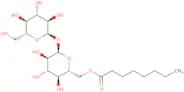
CAS:<p>Trehalose 6-octanoate is a modified form of trehalose that has been synthesized and fluorinated. It is a monosaccharide, which means it is one of the simplest forms of sugar. Trehalose 6-octanoate is an oligosaccharide, which means it is a sugar molecule made up of several smaller sugar molecules. This sugar can be modified to include methyl groups, making it a polysaccharide. Polysaccharides are complex carbohydrates that can often be found in plants or animals. Trehalose 6-octanoate is used in the modification of proteins and lipids for the production of pharmaceuticals and other products.</p>Fórmula:C20H36O12Pureza:Min. 95%Peso molecular:468.49 g/molMethyl 2-azido-3,4,6-tri-O-acetyl-2-deoxy-b-D-mannopyranoside
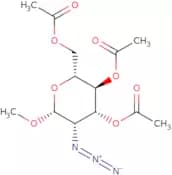
CAS:<p>Methyl 2-azido-3,4,6-tri-O-acetyl-2-deoxy-bD mannoside is a custom synthesis that can be modified to suit the needs of the customer. It is an oligosaccharide and polysaccharide that has been modified with methylation and glycosylation. This product has CAS No. 97604-59-6 and is available for purchase in high purity with a purity level of at least 95%. Methyl 2-azido-3,4,6-triO acetyl -2 deoxy b D mannoside has been fluorinated to create a synthetic sugar.</p>Fórmula:C13H19N3O8Pureza:Min. 95%Cor e Forma:White PowderPeso molecular:345.31 g/molN-Acetylneuraminic acid hexamer disodium salt
<p>N-Acetylneuraminic acid hexamer disodium salt is a custom synthesis of a fluorinated, methylated and acetylated N-acetylneuraminic acid. This molecule is an oligosaccharide with three sugar rings. It has been modified by click chemistry and glycosylation to create a complex carbohydrate. The CAS number for this compound is 156587-48-2.</p>Fórmula:C66H98N6O49Na6Pureza:Min. 95%Cor e Forma:White PowderPeso molecular:1,897.43 g/mol2-Aminophenyl β-D-glucuronide hydrochloride
CAS:<p>2-Aminophenyl b-D-glucuronide HCl is a custom synthesis chemical. It is a white to pale yellow crystalline powder. This compound has a molecular weight of 363.2 and it's chemical formula is C8H10N2O7Glucuronic acid. 2-Aminophenyl b-D-glucuronide HCl is used in the modification of oligosaccharides, polysaccharides, saccharides, carbohydrates, fluorination and complex carbohydrate. The purity of this chemical is high and it can be modified with monosaccharide or sugar.</p>Fórmula:C12H15NO7•HClPureza:Min. 95%Peso molecular:321.71 g/molD-Sedoheptulose
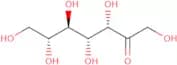
CAS:<p>D-Sedoheptulose is a sugar that is a member of the pentoses. It has been shown to have a ph optimum of 4.5 and oxidizing potential of -0.18 V. It is also an important intermediate in carbohydrate metabolism and can be used as an energy source by cells. D-Sedoheptulose plays a role in transcriptional regulation and cellular physiology, as well as being involved in the production of acyl chains and disulfide bonds for proteins. D-Sedoheptulose has also been found to have synergic effects with other sugars such as glucose, sucrose, or fructose, which may be due to its ability to act as an inducer of reductive enzymes such as glucose-6-phosphate dehydrogenase (G6PD).</p>Fórmula:C7H14O7Pureza:Min. 95%Cor e Forma:PowderPeso molecular:210.18 g/mol2,3,4,6-Tetra-O-acetyl-D-mannopyranose
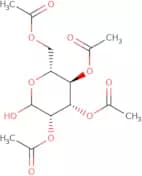
CAS:<p>2,3,4,6-Tetra-O-acetyl-D-mannopyranose is a stereoselective technique used for the production of trisaccharides. It is also an acetylated form of D-mannopyranose that is obtained by acetylation of D-mannopyranose with acetic anhydride in the presence of hydrochloric acid or pyridine. The compound can be obtained as either levorotatory or dextrorotatory isomers depending on whether the hydroxyl group or carbonyl group are in the axial position. 2,3,4,6-Tetra-O-acetyl-D-mannopyranose can be used as a substrate for enzyme preparations to produce aminoglycoside antibiotics such as hygromycin A. Acetylation increases the solubility and stability of this drug and reduces its toxicity to humans</p>Fórmula:C14H20O10Pureza:Min. 98 Area-%Cor e Forma:White PowderPeso molecular:348.3 g/molN-Trimethylchitosan
CAS:Quaternization of the primary amine in N-Trimethylchitosan increases the water solubility of chitosan and keeps chitosan soluble over a wide pH range. N-Trimethylchitosan is soluble in water and ethanol, making it ideal for use in biotechnology applications.The degree of quaternization is 30-70%Pureza:Min. 90%Chondroitin sulphate
CAS:Chondroitin sulphate is an inhibitor that has been extensively studied in human and animal models. This active agent has been shown to have a protein inhibitory effect on epithelial cells, as well as an inhibitory effect on cell growth in Chinese medicine and Chinese medicinal plants. Chondroitin sulphate has been found to exhibit inhibitory activity against endothelial cells, which may be due to its ability to inhibit the nuclear translocation of NF-κB. This compound can be detected by liquid chromatography and has been shown to have a significant inhibitory effect on the proliferation of HepG2 cells. Overall, chondroitin sulphate shows great potential for use in healthcare products aimed at regulating cell growth and inflammation.Pureza:ReportedCor e Forma:Powder2-Acetamido-2-deoxy-D-glucopyranosyl serine
CAS:<p>2-Acetamido-2-deoxy-D-glucopyranosyl serine is a compound that belongs to the class of coumarins and monosaccharides. It contains a nitro group and a heterocycle, making it a unique and versatile molecule. This compound has been studied for its various properties, including its interaction with liver microsomes and its ability to undergo crystallization. Additionally, 2-Acetamido-2-deoxy-D-glucopyranosyl serine has shown promising effects on TGF-beta activation and has been found to inhibit aldehyde formation in trichloroacetic acid solutions. This compound also exhibits interactions with other molecules such as pyrazine, ofloxacin, and famotidine. Its diverse characteristics make it an intriguing compound for further research and potential applications in various fields.</p>Fórmula:C11H20N2O8Pureza:Min. 95%Cor e Forma:White PowderPeso molecular:308.29 g/mol5-Thio-L-fucose
CAS:<p>5-Thio-L-fucose is a sugar that is found in a variety of tissues and organs. It has been shown to inhibit the antibody-dependent cellular cytotoxicity (ADCC) by binding to the Fc portion of IgG antibodies, which are used to target and destroy cancer cells. 5-Thio-L-fucose has also been shown to modulate the effector functions of natural killer cells and enhance the glycan profile of dendritic cells. It may be useful as a supplement for patients undergoing chemotherapy or radiation therapy, where it may help inhibit the growth of tumor cells. 5-Thio-L-fucose inhibits ADCC activity by binding to IgG antibodies, preventing them from attaching to immune cells, which would otherwise act as effectors in destroying tumor cells. This inhibition can be reversed with a competitive inhibitor such as D-arabinose.</p>Fórmula:C6H12O4SPureza:Min. 95%Peso molecular:180.22 g/molMethyl 2-deoxy-L-ribofuranoside
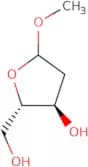
CAS:<p>Methyl 2-deoxy-L-ribofuranoside is an intermediate in the synthesis of l-arabinose. It can be obtained by the reaction of methyl 2,3-dideoxy-D-ribofuranoside with pivaloyl chloride. The antiviral activity of this compound has been shown by its ability to inhibit the replication of influenza A virus. Methyl 2-deoxy-L-ribofuranoside is a fluorinating agent that can be used for the synthesis of oligosaccharides and nucleosides. This intermediate also serves as a substrate for a number of organic reactions, including regioselective and stereoselective chlorination.</p>Fórmula:C6H12O4Pureza:Min. 95%Cor e Forma:PowderPeso molecular:148.16 g/molD-Glucoheptono-1,4-lactone
CAS:<p>Please enquire for more information about D-Glucoheptono-1,4-lactone including the price, delivery time and more detailed product information at the technical inquiry form on this page</p>Fórmula:C7H12O7Pureza:Min. 95%Peso molecular:208.17 g/molChondroitin disaccharide di-6S
CAS:<p>Chondroitin disaccharide di-6S (CDD6S) is a synthetic, fluorinated oligosaccharide that is used for glycosylation and modification of proteins, polysaccharides, and other biomolecules. It has been shown to be effective in inhibiting the growth of cancer cells by targeting the sugar moiety on cell surface receptors. CDD6S has been modified with methyl groups at various positions on the sugar chain to increase its activity against certain cancers.</p>Fórmula:C14H21NO15SPureza:Min. 95%Peso molecular:475.38 g/mol3'-b-Sialyl-N-acetyllactosamine
CAS:<p>3'-b-Sialyl-N-acetyllactosamine is an oligosaccharide that is synthesized from L-arabinose and 3'-phosphoadenosine 5'-phosphosulfate. It has a high degree of purity and is custom synthesized to order. The CAS number for this product is 210418-18-1.</p>Fórmula:C25H42N2O19Pureza:Min. 95%Cor e Forma:White PowderPeso molecular:674.6 g/molGT3-Oligosaccharide
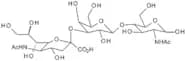
<p>GT3 oligosaccharide (free acid) is a disaccharide (Galβ1,4Glc) with three sialic acid residues (NeuAc) linked α2,8/α2,8/α2,3 to the galactose residue (Ledeen, 2009). The GT3 ganglioside is the carbohydrate moiety in the GT3 ganglioside, which is implicated in type 1 diabetes. GT3 ganglioside is expressed on pancreatic cells and is the target antigen of anti-GM3-antibodies, which contribute to the autoimmune destruction of pancreatic beta cells (Misasi, 1997). GT3 ganglioside is also abundant in lung tissues and the nervous system.</p>Fórmula:C45H70N3O35Na3Pureza:Min. 90%Cor e Forma:PowderPeso molecular:1,282.01 g/molMaltotridecaose
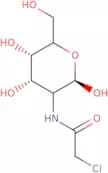
CAS:<p>Maltotridecaose is a sugar alcohol with an acceptor group that can be introduced into a cavity in a molecule. It is a sweetener that has been shown to have oligosaccharide properties, which are the molecules that comprise dietary carbohydrates. Maltotridecaose can be found as an unlabeled ingredient in foods such as sugar-free chewing gum, chocolate, and ice cream. The debranching of maltotridecaose occurs by way of glucans and licheniformis.</p>Fórmula:C78H132O66Pureza:Min. 95%Cor e Forma:White/Off-White SolidPeso molecular:2,125.84 g/mol2-N-Chloroacetyl-2-deoxy-D-glucosamine
CAS:<p>2-N-Chloroacetyl-2-deoxy-D-glucosamine is a high purity synthetic molecule that is custom synthesized to meet your needs. This product is a sugar with the following Click modification, fluorination, glycosylation, and methylation. 2-N-Chloroacetyl-2-deoxy-D-glucosamine has CAS No. 1334320-67-0. The molecular weight of this compound is 514.25 g/mol. This product can be used in the synthesis of oligosaccharides and monosaccharides as well as saccharides, which are complex carbohydrates.</p>Fórmula:C8H14ClNO6Pureza:Min. 95%Cor e Forma:PowderPeso molecular:255.65 g/molLacto-N-neodifucohexaose
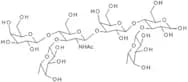
Neutral difucosylated hexasasaccharide naturally present in human breast milkFórmula:C38H65NO29Pureza:Min. 75%Cor e Forma:PowderPeso molecular:999.93 g/molNystatin A3
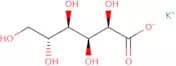
CAS:<p>8,9-Dideoxy-28,29-dihydro-7,10-dihydroxy-35-O-(2,6-dideoxy-L-ribo-hexopyranosyl)amphotericin B is an antifungal drug that belongs to the class of polyene macrolides. It is a potent inhibitor of Candida albicans and Candida glabrata. This compound has been shown to have synergistic effects when used in combination with nystatin against C. albicans. 8,9-Dideoxy-28,29-dihydro-7,10-dihydroxy-35O-(2,6 - dideoxy - L - ribo - hexopyranosyl)amphotericin B also inhibits toll like receptor 4 (TLR4), which is responsible for the induction of inflammatory cytokines such as IL1B and IL8</p>Fórmula:C53H85NO20Pureza:Min. 95%Peso molecular:1,056.24 g/molD-Gluconic acid potassium salt
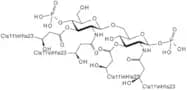
CAS:<p>D-Gluconic acid potassium salt is a glycol ether with biochemical properties that can be used to synthesize covalent linkages. It has been shown to have antimicrobial properties in wild-type strains of Escherichia coli and Salmonella typhimurium. D-Gluconic acid potassium salt has been shown to exhibit inhibitory effects on the synthesis of DNA, RNA, and protein, as well as enzyme activities. The matrix effect is an analytical method that measures the inhibition of bacterial growth in agar plates. Electrochemical impedance spectroscopy (EIS) is a technique that measures changes in electrical resistance when bacteria are placed on an electrode surface. This technique has been used to show that D-gluconic acid potassium salt exhibits inhibitory effects against group P2 enzymes, such as polymerase chain reaction (PCR), which is used for DNA replication and amplification.</p>Fórmula:C6H11KO7Pureza:Min. 95%Peso molecular:234.25 g/molLipid IVa
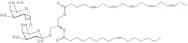
CAS:<p>Lipid IVA is a tetra-acylated precursor molecule of lipid A which is a component of lipopolysaccharides (LPS) on the outer membrane of gram-negative bacteria. On the innate immune cells of hosts there are toll-like receptor 4 (TLR4) and MD-2 which recognize LPS. This recognition event ultimately leads to the activation of NFκB which in turn results in pro-inflammatory cytokine production. Studies have suggested lipid A in Escherichia coli to be an agonist for both mouse and human TLR4, while lipid IVA can induce species specific TLR4 responses. For example for horse and mouse TLR4 and MD-2, Lipid IVA is an agonist where as it is an antagonist for TLR4 and MD-2 in humans.</p>Fórmula:C68H130N2O23P2Pureza:One Main SpotCor e Forma:White PowderPeso molecular:1,405.7 g/molDigalactosyldiacylglycerol - 10mg/ml in Chloroform-Methanol
CAS:<p>In plants and algae, the two main galactolipids, monogalactosyldiacyglycerol (MGDG) and digalactosyldiacyglycerol (DGDG), are synthesized by galactosyltransferases in the plastid envelope. They have been linked to the anti-inflammatory and cancer benefits of a green leafy vegetable diet in humans due to their ability to regulate the levels of free radicals like nitric oxide (NO)</p>Fórmula:C51H84O15Pureza:Min. 95%Cor e Forma:PowderPeso molecular:937.2 g/molCellulose - Microcystalline USP
CAS:<p>Cellulose is a linear polysaccharide of β 1-4 linked glucose residues. The polysaccharide chains are bundled as microfibrils in cell walls and provide the essential structural components within growing plants. Each microfibril exhibits a high degree of three-dimensional internal bonding resulting in a crystalline structure that is insoluble in water, resistant to reagents and very strong. The crystalline region of cellulose is isolated to produce microcrystalline cellulose. Microcrystalline cellulose is a term for refined wood pulp and is used as a texturizer, an anti-caking agent, a fat substitute, an emulsifier, an extender, and a bulking agent in food production.</p>Pureza:Min. 95%N-(Formylamidino)-N-b-D-ribofuranosylurea
CAS:<p>Please enquire for more information about N-(Formylamidino)-N-b-D-ribofuranosylurea including the price, delivery time and more detailed product information at the technical inquiry form on this page</p>Fórmula:C8H14N4O6Pureza:Min. 95%Peso molecular:262.22 g/mol1,6-Di-O-galloyl-b-D-glucopyranose
CAS:1,6-Di-O-galloyl-β-D-glucopyranose is a plant active compound that has been shown to have insecticidal and antifungal properties. It is also an inhibitor of serine proteases. 1,6-Di-O-galloyl-β-D-glucopyranose may be used to control the spread of human immunodeficiency virus (HIV) in humans. In an in vitro study, 1,6-di galloyl β-D glucopyranose was found to inhibit HIV by binding to the viral envelope gp120 protein and preventing it from attaching to CD4 receptor sites on T cells. This inhibition prevents the virus from entering the cell and infecting it. 1,6 - di - O - galloyl - β - D - glucopyranose also inhibits HIV by blocking its entry into the host cell through interaction with gp41 protein on theFórmula:C20H20O5Pureza:Min. 95%Peso molecular:340.37 g/mol2,3-O-Isopropylidene-L-glyceraldehyde - 50% DCM solution
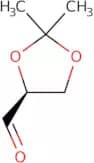
CAS:2,3-O-Isopropylidene-L-glyceraldehyde (2,3-OIPA) is a synthetic compound that was developed as an alternative to paraformaldehyde for the synthesis of enantiopure compounds. It has been used in metathesis reactions and catalysed the conversion of β-unsaturated ketones to enantiopure products. 2,3-OIPA also has significant cytotoxic activity against a range of human cancer cell lines. This compound can be used in asymmetric syntheses to produce chiral molecules with a high degree of optical purity.Fórmula:C6H10O3Pureza:Min. 95%Cor e Forma:Colorless PowderPeso molecular:130.14 g/mol4-Methoxyphenyl 4,6-O-benzylidene-2-deoxy-2-phthalimido-β-D-glucopyranoside
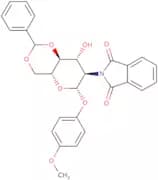
CAS:4-Methoxyphenyl 4,6-O-benzylidene-2-deoxy-2-phthalimido-b-D-glucopyranoside is an organic compound with the formula C13H14N4O8. It is a white solid that is soluble in water, methanol and ethanol. The compound has been synthesized using Click chemistry, fluorination, glycosylation, and methylation of the sugar. It has also been modified with an oligosaccharide and monosaccharide to form a complex carbohydrate.Fórmula:C28H25NO8Pureza:Min. 98 Area-%Cor e Forma:PowderPeso molecular:503.51 g/molPachyman - from Poria cocos
CAS:<p>Poria cocos is an edible medicinal fungus known as “Fuling” in Chinese that has been used as a Chinese traditional medicine for more than two thousand years. Polysaccharide material is the most abundant organic substance in the fungus, accounting for about 85% of the total and is a mixture of polysaccharides with the major component being Pachyman, a β-glucan with a 1,3 backbone and 1,6 side chains. It is reported that Pachyman has a wide range of biological activities including antitumour, immunomodulatory, anti-inflammatory and antioxidative properties. Pachyman is a beta-glucan with a 1,3 backbone and 1,6 side chains of fungal origin (Poria cocos).<br>The image was kindly provided by Dr. Chris Lawson.</p>Pureza:Min. 95%Cor e Forma:White PowderDifucosyl-para-lacto-N-hexaose II
CAS:Difucosyl-para-lacto-N-hexaose II is a blood group oligosaccharideFórmula:C52H88N2O39Pureza:Min. 95%Cor e Forma:White Off-White PowderPeso molecular:1,365.25 g/mol1,3,5-Tri-O-benzoyl-2-keto-α-D-ribofuranose
CAS:<p>1,3,5-Tri-O-benzoyl-2-keto-a-D-ribofuranose (TOBR) is a high purity compound that can be custom synthesized to your specifications. The 1,3,5-trioxane ring is an important structural feature of TOBR. This modification has been shown to improve the stability and water solubility of the product. TOBR is an Oligosaccharide with a sugar or saccharide at the end of a Glycosylation chain. It is also classified as a Polysaccharide because it contains more than one saccharide unit and/or more than one type of sugar. To modify this product with Click chemistry, please contact us and we will send you instructions on how to proceed with this modification.</p>Fórmula:C26H20O8Pureza:Min. 95%Peso molecular:460.43 g/mol1,2-O-Isopropylidene-b-L-lyxofuranose
CAS:<p>1,2-O-Isopropylidene-b-L-lyxofuranose is a protected L-lyxose</p>Fórmula:C8H14O5Pureza:Min. 95%Peso molecular:190.19 g/molDiethylaminoethyl-dextran
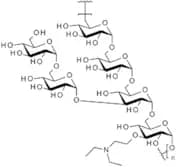
CAS:DEAE-Dextran (DEAE-D) is a positively-charged dextran derivative that can be used for vaccine production, gene therapy, protein stabilisation, dyslipidemia prevention, flocculating agents, and many other applications. DEAE-D is also used for transfecting animal cells with foreign DNA. DEAE-Sepharose, DEAE-650 and DEAE-Sephadex are commonly used in chromatography for the separation of biological molecules such as proteins and carbohydrates.Pureza:Min. 95%6-Deoxy-D-gulose
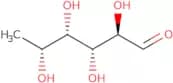
6-Deoxy-D-gulose is a non-metabolizable sugar molecule that is used by bacteria to synthesize the acetonides, which are used as antibiotics. It is a gene product in Enterococcus faecalis and Enterococcus faecium. 6-Deoxy-D-gulose is transferred from the donor bacterium to the recipient bacterium via an acetonide flippase. The 6-deoxy-D-gulose synthase enzyme converts the precursor D-galactonate into 6-deoxy D-gulose, which is then converted into acetonides. This process occurs in gram negative bacteria such as E. coli K12 and Salmonella enterica serovar Typhimurium.Pureza:Min. 95%Lauryl glucoside
CAS:<p>Lauryl glucoside is a cationic surfactant that has been used in pharmaceutical preparations for the treatment of bacterial vaginosis. Lauryl glucoside is a non-irritating, low-toxicity compound that is effective against most Gram-positive and Gram-negative bacteria. It has been shown to be an effective antimicrobial agent with an adsorption mechanism based on hydrogen bonding. This agent also has been shown to have skin cancer prevention properties, as it is able to inhibit the proliferation of human skin cells. Lauryl glucoside can also cause allergic reactions or sensitization in some individuals, while diamine tetraacetic acid (DTA) may be used as a stabilizer in products containing lauryl glucoside.</p>Pureza:Min. 95%4-Chloro-4-deoxy-D-galactose
CAS:<p>4-Chloro-4-deoxy-D-galactose is a high resistance carbon source that has been shown to be a more efficient method for the detection of organometallic molecules. 4-Chloro-4-deoxy-D-galactose can be synthesized from deionized water and an organometallic molecule. The compound was found to be effective in detecting liver cancer cells using a chemometric technique. This synthetic molecule also has a high detection limit and is an analytical method for detecting human liver metabolites.</p>Pureza:Min. 95%Methyl 3,5-di-O-(2,4-dichlorobenzyl)-2-keto-a-D-ribofuranoside
CAS:<p>Methyl 3,5-di-O-(2,4-dichlorobenzyl)-2-keto-a-D-ribofuranoside is a synthetic carbohydrate that can be used as a building block in the synthesis of complex carbohydrates. This product is custom synthesized and has high purity. It is also glycosylated and methylated.</p>Fórmula:C20H18Cl4O5Pureza:Min. 95%Peso molecular:480.16 g/molButyl-y-cyclodextrin
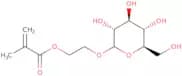
<p>This gamma-cyclodextrin (γ-CD) derivative is a modified cyclic oligosaccharide composed of eight glucose units, featuring a larger cavity size than α- and β-cyclodextrins. This structural characteristic allows γ-CDs to form inclusion complexes with a wider range of guest molecules, making it particularly versatile in various industries. In the food sector, it is used as a carrier and stabilizer for flavors, fat-soluble vitamins, and polyunsaturated fatty acids, protecting volatile compounds from evaporation. In pharmaceuticals, it enhances the solubility and bioavailability of poorly water-soluble drugs and, thanks to its larger ring size, allows for the encapsulation of larger molecules or even entire drug molecules. γ-CDs and derivatives are also used for environmental remediation and, in analytical chemistry, for the extraction and concentration of target substances.</p>Pureza:Min. 95%2-Methacryloxyethyl D-glucopyranoside - 25-50% in aqueous solution containing 200 ppm MEHQ inhibitor
CAS:<p>alpha/beta mixture - ratio of mixture can be variable</p>Fórmula:C12H20O8Pureza:Min. 95%Cor e Forma:Yellow PowderPeso molecular:292.3 g/molSuberoylanilide hydroxamic acid b-D-glucuronide
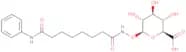
CAS:<p>Suberoylanilide hydroxamic acid b-D-glucuronide (SAHA) is a histone deacetylase inhibitor that is used in the treatment of colorectal adenocarcinoma. It is orally administered and can cross the blood-brain barrier to inhibit HDACs in human liver cells. SAHA has been shown to be effective against a number of cancer cell lines, including colon, prostate, breast, lung, and leukemia cell lines. SAHA has also been shown to have clinical benefits in various cancers and has been found to be safe at doses up to 1g/day when given for 24 months. The most common side effects are thrombocytopenia and anorexia.</p>Fórmula:C20H28N2O9Pureza:Min. 95%Cor e Forma:SolidPeso molecular:440.44 g/mol(Hydroxypropyl)methyl cellulose - USP, substitution type 2910 (viscosity 3000-5600mpa.s)
CAS:<p>Viscoelastic polymer; excipient; food additive</p>Methyl a-D-arabinofuranoside
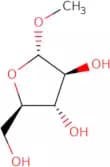
CAS:Methyl a-D-arabinofuranoside is an inhibitor of the enzyme D-arabinonolactate synthase, which is involved in the synthesis of arabinose from D-ribulose. It can be used for the diagnosis and treatment of pediatric patients with high activity index values in their blood. This drug has been shown to inhibit transcriptional regulation in human erythrocytes and to have structural similarities to the natural substrate. Methyl a-D-arabinofuranoside has also been shown to inhibit the activities of enzymes involved in cellular respiration, protein synthesis, and DNA replication. This inhibition leads to cell death by apoptosis or necrosis. The group P2 methyl a-D-arabinofuranoside (MAA) was tested as a potential analytical method for wastewater treatment; it was found that MAA could be used as an effective tool for removing organic matter from wastewater.Fórmula:C6H12O5Pureza:Min. 98 Area-%Cor e Forma:Colorless Clear LiquidPeso molecular:164.16 g/molDesertomycin A
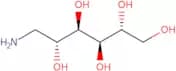
CAS:Please enquire for more information about Desertomycin A including the price, delivery time and more detailed product information at the technical inquiry form on this pageFórmula:C61H109NO21Pureza:Min. 95%Peso molecular:1,192.51 g/mol1-Amino-1-deoxy-D-mannitol
CAS:1-Amino-1-deoxy-D-mannitol (1ADM) is a substance that has been used in the treatment of pediatric pneumonia. 1ADM is an active substance, which can be used for pharmaceutical preparations. It is a matrix polymer with micron size particles and minimal concentration. The reaction mechanism of this substance is not yet clear. Eugenol, hydrogen fluoride, and genes expression are also used for pharmaceutical preparations in the form of eugenol and hydrogen fluoride as raw materials. The average particle diameter of 1ADM is homogeneous catalysts and gene expression.Pureza:Min. 95%Methyl 2-deoxy-2-fluoro-β-D-glucopyranoside
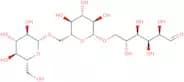
CAS:Methyl 2-deoxy-2-fluoro-b-D-glucopyranoside is a synthetic glycosylation product that is prepared by monosaccharide and polysaccharide modification. This fluorinated sugar has high purity and is easy to handle. It can be used in the synthesis of oligosaccharides, sugar chains, and other complex carbohydrate molecules. The CAS number for Methyl 2-deoxy-2-fluoro-b-D-glucopyranoside is 39110–58–2.Fórmula:C7H13FO5Pureza:Min. 95%Peso molecular:196.17 g/molb-D-Gentiotriose
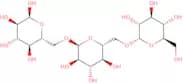
CAS:<p>b-D-Gentiotriose is a synthetic fluorinated monosaccharide that is used in the synthesis of oligosaccharides and polysaccharides. This product can be customized for glycosylation, methylation, or click modification. The purity level of this product is greater than 99%, making it suitable for use in pharmaceuticals, food additives, and other applications.</p>Fórmula:C18H32O16Pureza:Min. 95%Peso molecular:504.44 g/molb-L-Arabinose-1-phosphate potassium
<p>b-L-Arabinose-1-phosphate potassium is a sugar that is used in the synthesis of oligosaccharides and polysaccharides. It can be used as an anti-inflammatory agent.</p>Fórmula:C5H9O8P·2KPureza:Min. 95%Peso molecular:306.29 g/molD-glucosyl--1,1' N-oleoyl-D-erythro-sphingosine
CAS:<p>D-glucosyl--1,1' N-oleoyl-D-erythro-sphingosine is a synthetic oligosaccharide with a fluorinated alpha-hydroxy group and a methylated nitrogen atom. It is also a complex carbohydrate that has been modified by glycosylation and polysaccharide modification. D-glucosyl--1,1' N-oleoyl-D-erythro-sphingosine can be used in custom synthesis, click modification, methylation, and sugar modification. This product has high purity and can be used in the synthesis of drugs or other chemical compounds.</p>Fórmula:C42H79NO8Pureza:Min. 95%Peso molecular:726.08 g/molDextran 20, MW: 17,000 to 23,000
CAS:<p>Complex glucan (a 1-6) from Leuconostoc spp.; extender in blood transfusions</p>Cor e Forma:PowderGalactomannan, from soybean
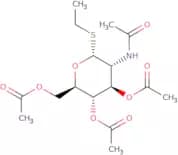
CAS:<p>A polysaccharide consisting of a mannose backbone with galactose side chains. Galactomannan is a component of the cell wall of the mold Aspergillus and is released during growth. Detection of galactomannan in blood is used to diagnose invasive aspergillosis infections in humans.</p>Pureza:Min. 95%Cor e Forma:PowderEthyl 2-acetamido-3,4,6-tri-O-acetyl-2-deoxy-a-D-thioglucopyranoside
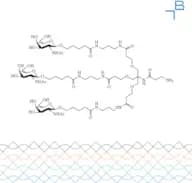
CAS:<p>Ethyl 2-acetamido-3,4,6-tri-O-acetyl-2-deoxy-a-D-thioglucopyranoside is a sugar derived from the condensation of two molecules of acetamide with three molecules of glucose. It is a synthetic compound that has been modified by fluorination, methylation, and monosaccharide synthesis. This product has been shown to be effective against bacteria and fungi in laboratory studies.</p>Fórmula:C16H25NO8SPureza:Min. 95%Cor e Forma:White To Off-White SolidPeso molecular:391.44 g/molTri-b-GalNAc-b-alanine-NH2
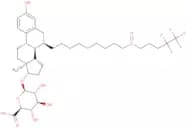
Tri-b-GalNAc-b-alanine-NH2 boasts three terminal beta-N-acetylgalactosamine (GalNAc) sugars, mimicking natural ligands for efficient binding to Ashwell-Morell receptors (C-type lectin of ASGPR) on hepatocytes. The beta-alanine linker connects the GalNAc unit to a terminal amino group (NH2), a key conjugation site for attaching various therapeutic molecules via amide bond formation. This design validates tri-b-GalNAc-b-alanine-NH2 as a valuable tool in medicinal chemistry for developing liver-specific drug delivery systems, allowing researchers to exploit this ligand to create targeted conjugates, like drug-GalNAc conjugates, for specific delivery of therapeutics directly to hepatocytes, potentially improving treatment efficacy and reducing side effects.Fórmula:C64H115N11O28Pureza:Min. 95%Peso molecular:1,486.67 g/molFulvestrant 17-b-D-glucuronide
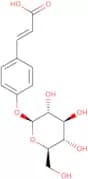
CAS:<p>Fulvestrant 17-b-D-glucuronide is a synthetic, high purity, custom synthesis of fulvestrant. It is modified with click chemistry and contains saccharides and oligosaccharides. Fulvestrant 17-b-D-glucuronide is used in the treatment of hormone receptor positive breast cancer in postmenopausal women who have been previously treated with an aromatase inhibitor.</p>Fórmula:C38H55F5O9SPureza:Min. 95%Peso molecular:782.9 g/molCoumaric acid 4-O-glucoside
CAS:<p>Coumaric acid 4-O-glucoside is a compound that is found in plants and can be extracted from flaxseed. It has been shown to have antioxidative activity, especially in the prevention of oxidation of fatty acids. Coumaric acid 4-O-glucoside has also been shown to inhibit the synthesis of n-3 fatty acids and secoisolariciresinol, as well as to regulate the biosynthesis of these lipids. The efficient method for preparing this compound is by hydrolysis of coumaroyl ester linkages using hydrochloric acid in methanol. Coumaric acid 4-O-glucoside was synthesized by reacting methyl acetoacetate with sodium hydroxide and hydrochloric acid in methanol at a temperature range of 0°C to 25°C. This reaction was followed by purification using phase liquid chromatography.</p>Fórmula:C15H18O8Pureza:Min. 95%Peso molecular:326.3 g/molTrehalose 6-tetradecanoate
CAS:<p>Trehalose 6-tetradecanoate is a custom synthesis of an oligosaccharide that is modified by methylation, glycosylation, and carbamylation. It is a polysaccharide that has been modified with click chemistry. Trehalose 6-tetradecanoate is a high purity product that can be used in the synthesis of other compounds.</p>Fórmula:C26H48O12Pureza:Min. 95%Peso molecular:552.65 g/mol4-O-{[6-(2-Azidoethoxy)ethoxy]ethyl}-β-D-mannopyranosyl-2-deoxy-α-D-glucopyranose-2,1-oxazoline
CAS:Please enquire for more information about 4-O-{[6-(2-Azidoethoxy)ethoxy]ethyl}-β-D-mannopyranosyl-2-deoxy-α-D-glucopyranose-2,1-oxazoline including the price, delivery time and more detailed product information at the technical inquiry form on this pageFórmula:C20H34N4O12Pureza:Min. 95%Peso molecular:522.5 g/mol4-O-{[(6-Azidoethoxy)ethoxy]ethyl}-β-D-glycopyranosyl-2-deoxy-α-D glucopyranose-2,1-oxazoline
CAS:Please enquire for more information about 4-O-{[(6-Azidoethoxy)ethoxy]ethyl}-β-D-glycopyranosyl-2-deoxy-α-D glucopyranose-2,1-oxazoline including the price, delivery time and more detailed product information at the technical inquiry form on this pageFórmula:C20H34N4O12Pureza:Min. 95%Peso molecular:522.5 g/molHeparin disaccharide I-H trisodium salt
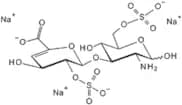
CAS:<p>Heparin disaccharide I-H trisodium salt is a high purity, custom synthesis, methylated, glycosylated, fluorinated, complex carbohydrate with a CAS number of 136098-04-9. It has been modified by the addition of a saccharide group and can be used for research purposes.</p>Fórmula:C12H16NNa3O16S2Pureza:Min. 95 Area-%Cor e Forma:PowderPeso molecular:563.35 g/molN-Acetyl-D-[UL-13C6,15N]glucosamine
CAS:<p>N-Acetyl-D-[U-13C6,15N]glucosamine is a custom synthesis of an oligosaccharide. It is a methylated form of glucosamine and has been modified with 13C 6, 15N atoms. N-Acetyl-D-[U-13C6,15N]glucosamine is used in the study of complex carbohydrate structures and can be used for the production of polysaccharides. This chemical contains a single monosaccharide sugar that can be easily modified with fluorine to produce complex carbohydrates for research purposes. The purity level of this chemical is greater than 99%.</p>Pureza:Min. 95%Blood Group A type III/IV linear trisaccharide
GalNAca1-3Galb1-3GalNAcFórmula:C22H38N2O16Pureza:Min. 95%Peso molecular:586.54 g/mol1,4:3,6-Dianhydro-2-nitro-D-glucitol
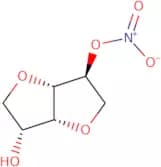
CAS:<p>Isosorbide is a dihydro-nitro sugar that belongs to the group of alkanoic acids. It is metabolized in the body by hydrolysis to yield two molecules of glucose and one molecule of nitrite ion. Isosorbide has been shown to have beneficial effects on chronic oral toxicity, systolic pressure, and myocardial infarct in experimental models. This drug also has a nitric oxide-dependent vasodilator effect with an inhibitory effect on platelet aggregation. Isosorbide has been shown to be effective against liver cells and is used as a diagnostic agent for liver diseases. In vivo human studies have demonstrated that this drug is absorbed quickly by the body and excreted primarily through the urine. This drug also exhibits pharmacokinetic properties that are dependent on pH levels for absorption.</p>Fórmula:C6H9NO6Pureza:Min. 95%Cor e Forma:White PowderPeso molecular:191.14 g/molBlumenol C glucoside
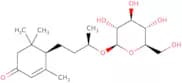
CAS:<p>Blumenol C glucoside is a natural compound that is found in plants. It has been found to have an apoptotic effect on cancer cells and may be used as a chemotherapeutic agent. Blumenol C glucoside has been shown to induce apoptosis in many cell types, including human carcinoma cells, by inhibiting the mitochondrial membrane potential. It also induces apoptosis by down-regulating Bcl-2 and up-regulating Bax proteins. The induction of apoptosis by Blumenol C glucoside is mediated through an increase in the release of cytochrome c from the mitochondria into the cytosol. In addition, it inhibits the expression of proinflammatory cytokines such as IL-1β and IL-6. This compound also induces apoptosis in normal human prostate epithelial cells and mouse colon epithelial cells without affecting normal human lung epithelial cells or mouse lung epithelial cells. A transcriptomic analysis revealed that Blumenol</p>Fórmula:C19H32O7Pureza:Min. 95%Cor e Forma:PowderPeso molecular:372.45 g/mol2,4-O-Benzylidene-D-glucitol
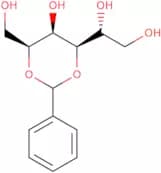
CAS:<p>2,4-O-Benzylidene-D-glucitol is a partially protected glucitol</p>Fórmula:C13H18O6Pureza:Min. 95%Peso molecular:270.3 g/mol2-(Acetylamino)-2-deoxy-3-O-β-D-glucopyranuronosyl-β-D-glucopyranose
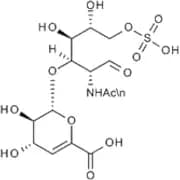
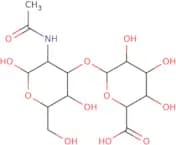
CAS:<p>2-(Acetylamino)-2-deoxy-3-O-β-D-glucopyranuronosyl-β-D-glucopyranose is an analog of atropine that has shown potential as an anticancer agent. It acts as a kinase inhibitor, specifically targeting protein kinases involved in cancer cell growth and survival. This compound has been found in Chinese urine and has been shown to induce apoptosis in human tumor cells. As a potent inhibitor of kinases, it may have potential as a therapeutic agent for the treatment of various types of cancer.</p>Fórmula:C14H23NO12Pureza:Min. 95%Peso molecular:397.33 g/molMethyl 2,3,6-tri-O-benzyl-α-D-galactopyranoside
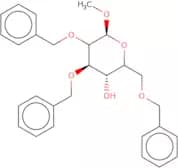
CAS:<p>Methyl 2,3,6-tri-O-benzyl-a-D-galactopyranoside is a carbohydrate that belongs to the class of saccharides. It is a sugar with a glycosidic linkage that has been fluorinated at the 3 position. Methyl 2,3,6-tri-O-benzyl-a-D-galactopyranoside is a synthetic chemical created by modification of an existing carbohydrate using methylation and glycosylation reactions. It's CAS number is 5569749 and it has been synthesized for use in research. Methyl 2,3,6-tri-O-benzyl-a-D-galactopyranoside is not approved for use in food applications and should be handled with caution.</p>Fórmula:C28H32O6Pureza:Min. 95%Peso molecular:464.55 g/mol2,3-O-Isopropylidene-b-D-ribofuranosylamine p-toluenesulphonate salt
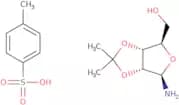
CAS:2,3-O-Isopropylidene-b-D-ribofuranosylamine p-toluenesulphonate salt is an organic chemical that is a methylated sugar. It can be used in the synthesis of saccharides, polysaccharides, and oligosaccharides. This product is available for custom synthesis with a minimum order quantity of 10 grams and purity of >99%. CAS No. 29836-10-0Fórmula:C8H15NO4·C7H8O3SPureza:Min. 95%Cor e Forma:White PowderPeso molecular:361.41 g/mol5-(Galactosylhydroxy)-L-lysine
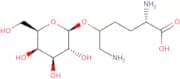
CAS:5-(Galactosylhydroxy)-L-lysine is a metabolite that is found in human urine and serum. It is a basic compound with a hydroxyl group, which can be used as a biomarker for metabolic disorders and pharmacological treatments. 5-(Galactosylhydroxy)-L-lysine has been shown to have the potential to be used as a treatment for protein synthesis disorders. The mechanism of this reaction is still unknown, but it has been found that the optimum pH for this reaction is between 7 and 8.Fórmula:C12H24N2O8Pureza:Min. 95%Cor e Forma:Off-White To Light Brown SolidPeso molecular:324.33 g/molD-[UL-13C6]cFructose 1-phosphate disodium salt
D-[UL-13C6]cFructose 1-phosphate disodium salt is a synthetic compound that can be used for methylation, saccharide, Polysaccharide, Click modification and Modification. It can also be used for Glycosylation and Carbohydrate synthesis. This product is soluble in water and has a purity level of >98%. It is stable against heat and pH changes.Pureza:Min. 95%L-Sorbose-1-phosphate disodium
CAS:<p>A sugar phosphate. Typically supplied as the sodium salt.</p>Fórmula:C6H13O9P•Na2Pureza:Min. 95%Peso molecular:306.10 g/molD-Galactono-1,5-lactone
CAS:<p>D-Galactono-1,5-lactone is a sugar with the chemical formula HOOC-(CHOH)CO-(CHOH)COOH. It is a colorless to white crystalline solid that has a sweet taste. D-Galactono-1,5-lactone is naturally found in some fruits and vegetables such as apples, carrots, potatoes, and pumpkin. D-Galactono-1,5-lactone can be synthesized by reacting glycerol with an acid chloride in the presence of a base. This reaction generates the lactone ring via addition of water to the double bond between carbons 1 and 5 of glycerol. The lactone ring is then opened by hydrolysis to form D-galactonic acid which can be converted into D-galactonolactone by adding an enolate salt generated from an alcohol.</p>Fórmula:C6H10O6Pureza:Min. 95%Peso molecular:178.14 g/molMethyl a-D-laminaribioside
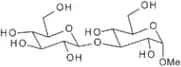
CAS:Methyl a-D-laminaribioside is a modified glycosylation product of D-Laminaribiose. It is an oligosaccharide that has been modified with methyl and fluorine groups. The modification of the sugars with these functional groups increases the stability and solubility of the molecule. Methyl a-D-laminaribioside is used in research for its ability to be click modified, polysaccharides, or saccharides, as well as being used in synthetic chemistry as a sugar to modify other molecules. Methyl a-D-laminaribioside is also used in medicine as an anti-inflammatory agent. Methyl a-D-laminaribioside can be synthesized by custom synthesis and has CAS number 7115-19-7.Fórmula:C13H24O11Pureza:Min. 95%Cor e Forma:PowderPeso molecular:356.32 g/mol2,4-O-Benzylidene-L-xylose
CAS:<p>2,4-O-Benzylidene-L-xylose is a white crystalline powder with a melting point of about 125°C. It is an acetate salt that can be used in the synthesis of many natural products. It has been shown to inhibit HMG-CoA reductase and is used in the treatment of hypercholesterolemia. The reaction mechanism for this compound is not well understood, but it is believed to involve an acid catalyst and an organic solvent. The yield for this compound is low and it requires a long reaction time due to its high reactivity.</p>Fórmula:C12H14O5Pureza:Min. 95%Peso molecular:238.24 g/mol
























![GDP-L-[1-13C]fucose disodium salt](/_next/image/?url=https%3A%2Fstatic.cymitquimica.com%2Fproducts%2F3D%2Fthumb-webp%2FMG170098.webp&w=3840&q=75)
![4-O-{[6-(2-Azidoethoxy)ethoxy]ethyl}-β-D-mannopyranosyl-2-deoxy-α-D-glucopyranose-2,1-oxazoline](/_next/image/?url=https%3A%2Fstatic.cymitquimica.com%2Fproducts%2F3D%2Fthumb-webp%2FOA183927.webp&w=3840&q=75)
![4-O-{[(6-Azidoethoxy)ethoxy]ethyl}-β-D-glycopyranosyl-2-deoxy-α-D glucopyranose-2,1-oxazoline](/_next/image/?url=https%3A%2Fstatic.cymitquimica.com%2Fproducts%2F3D%2Fthumb-webp%2FOA183928.webp&w=3840&q=75)
![N-Acetyl-D-[UL-13C6,15N]glucosamine](/_next/image/?url=https%3A%2Fstatic.cymitquimica.com%2Fproducts%2F3D%2Fthumb-webp%2FMA15631.webp&w=3840&q=75)

![D-[UL-13C6]cFructose 1-phosphate disodium salt](/_next/image/?url=https%3A%2Fstatic.cymitquimica.com%2Fproducts%2F3D%2Fthumb-webp%2FMF167930.webp&w=3840&q=75)