Glicociência
A glicociência é o estudo dos carboidratos e seus derivados, bem como das interações e funções biológicas em que participam. Este campo de pesquisa é crucial para compreender uma ampla variedade de processos biológicos, incluindo o reconhecimento celular, a sinalização, a resposta imune e o desenvolvimento de doenças. A glicociência tem aplicações importantes na biotecnologia, na medicina e no desenvolvimento de novos medicamentos e terapias. Na CymitQuimica, oferecemos uma ampla seleção de produtos de alta qualidade e pureza para pesquisa em glicociência. Nosso catálogo inclui monossacarídeos, oligossacarídeos, polissacarídeos, glicoconjugados e reagentes específicos, projetados para apoiar os pesquisadores em seus estudos sobre a estrutura, função e aplicações dos carboidratos em sistemas biológicos. Esses recursos são destinados a facilitar descobertas científicas e aplicações práticas em diversas áreas das biociências e da medicina.
Subcategorias de "Glicociência"
- Amino açúcares(108 produtos)
- Anticorpos Glico-Relacionados(282 produtos)
- Glicolípidos(46 produtos)
- Glicosaminoglicanos (GAGs)(55 produtos)
- Glicosídeos(419 produtos)
- Monossacáridos(6.624 produtos)
- Oligossacarídeos(3.682 produtos)
- Polissacáridos(503 produtos)
Foram encontrados 11046 produtos de "Glicociência"
Ordenar por
Pureza (%)
0
100
|
0
|
50
|
90
|
95
|
100
(5S, 8R, 9S) -8- [(4R) - 2, 2- Dimethyl- 1, 3- dioxolan- 4- yl] - 9- azido- 2, 2- dimethyl- 1, 3, 7- trioxaspiro[4.4] nonan- 6- one
This is a custom synthesis of an oligosaccharide. The chemical name is (5S, 8R, 9S) -8- [(4R) - 2, 2- Dimethyl- 1, 3- dioxolan- 4- yl] - 9- azido- 2, 2- dimethyl- 1, 3, 7- trioxaspiro[4.4] nonan- 6- one. It has CAS No., which is 567606-39-2 and Polysaccharide as its Modification. This product can be found in the Carbohydrate section under Sugar and Glycosylation sections under Methylation and Click modification respectively. It's purity level is high and it can be synthesized with fluorination for your desired needs.Pureza:Min. 95%1,2:5,6-Di-O-isopropylidene-a-D-allofuranose
CAS:Synthetic building blockFórmula:C12H20O6Pureza:Min. 95%Cor e Forma:White PowderPeso molecular:260.28 g/molL-Talitol
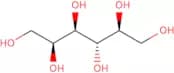
CAS:L-Talitol is a naturally occurring sugar alcohol that is found in the human body and in many vegetables, fruits, and grains. It has been shown to be a potent inhibitor of the bacterium Klebsiella aerogenes. L-talitol has been used as a model system to study the effect of matrix on the growth of cells. It has also been shown to have chronic pulmonary effects and to be effective for treating selenium deficiency. L-talitol can inhibit b-raf by binding to the hydroxyl group on its kinase domain and inhibiting downstream signaling pathways. This inhibition leads to reduced levels of transcriptional regulation in cells, which may be due to decreased protein synthesis or increased degradation of mRNA. L-Talitol also inhibits d-talitol dehydrogenase, which results in an increase in d-talitol concentrations in cells.Fórmula:C6H14O6Pureza:Min. 95%Cor e Forma:PowderPeso molecular:182.17 g/mol2,3,4-Tri-O-benzyl-D-glucopyranose
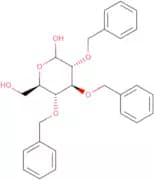
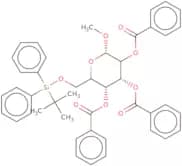
CAS:2,3,4-Tri-O-benzyl-D-glucopyranose is a thioglucoside that can be synthesized from D-glucose and benzyl bromide. This compound is a protonated nucleophile with a hydroxyl group that can interact with the sulfur of a thiol or disulfide group. The interaction between 2,3,4-tri-O-benzyl-D-glucopyranose and S. aureus has been shown to be dependent on the concentration of 2,3,4 tri O benzyl glucopyranose. The reaction between this compound and oligosaccharides led to the formation of dioxane ring structures that were hydrophobic.Fórmula:C27H30O6Pureza:Min. 95%Cor e Forma:PowderPeso molecular:450.52 g/molMethyl 2,3,4-tri-O-benzoyl-6-O-tert-butyldiphenylsilyl-a-D-mannopyranoside
Methyl 2,3,4-tri-O-benzoyl-6-O-tert-butyldiphenylsilyl-a-D-mannopyranoside (MTBDPS) is a synthetic glycoside that is modified by fluorination, methylation and silylation. It is used as a monosaccharide or polysaccharide in the synthesis of complex carbohydrates. The product has a CAS number and can be custom synthesized to customer specifications. MTBDPS is available in high purity and can be used for click modification.Fórmula:C44H44O9SiPureza:Min. 95%Peso molecular:744.92 g/molN-Acetyl-glucosaminyl thiazoline
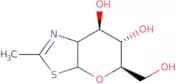
CAS:<p>Inhibitor of O-GlcNAcase</p>Fórmula:C8H13NO4SPureza:Min. 97 Area-%Cor e Forma:White PowderPeso molecular:219.26 g/molMethyl-2,3,4-tri-O-benzoyl-6-deoxy-alpha-D-glucopyranoside
CAS:<p>Methyl-2,3,4-tri-O-benzoyl-6-deoxy-alpha-D-glucopyranoside is a modification of the sugar molecule. It is a monosaccharide that has been modified with methylation and fluorination. This product can be used in the synthesis of saccharides, polysaccharides, oligosaccharides and complex carbohydrates. Methyl 2,3,4-tri-O-benzoyl 6 deoxy alpha D -glucopyranoside is one of many compounds that can be used to synthesize glycosylations.</p>Fórmula:C28H26O8Pureza:Min. 95%Peso molecular:490.5 g/molAlginic acid
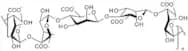
CAS:<p>A linear polyuronide obtained from the brown seaweeds (e.g. Laminaria hyperborea, Fucus vesiculosus, Ascophyllum nodosum). In the free acid form, the chemical structure consists of protonated blocks of (1,4) linked-β-D-polymannuronic acid (poly M), (1,4) linked-α-L-polyguluronic acid (poly G) and alternating blocks of the two uronic acids (poly MG).</p>Cor e Forma:PowderL-Fucose - non animal origin
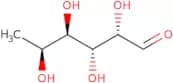
CAS:<p>L-Fucose is an aldohexose that is used as the building block for various glycoproteins and glycolipids. It is found in human serum and human pathogens. L-Fucose can be isolated from the hybridoma cell line by apical chromatography. The analytical method of L-fucose includes body formation, oligosaccharides, and glycan titration calorimetry. Structural analysis of L-fucose includes glycosylation, sugar analysis, and carbohydrate analysis. Fucose can also be used to produce oligosaccharides through enzymatic reactions with other sugars including glucose and galactose. This reaction produces a linkage between fucose and other sugars that are called glycosidic bonds.</p>Fórmula:C6H12O5Pureza:Min. 98 Area-%Cor e Forma:PowderPeso molecular:164.16 g/molGDP-D-mannose disodium salt
CAS:GDP-D-mannose is a natural mannosyl donor and substrate for mannosyltransferases that catalyses mannosylation, for instance during the synthesis of the trimannoside core of complex, high-mannose or hybrid N-glycans. GDP-D-mannose is widely used in (chemo)enzymatic synthesis of oligosaccharides and its biosynthesis occurs from glucose-6-phosphate over several steps. GDP-D-mannose consists of a D-mannose unit, α-glycosydically linked to the nucleotide guanosine diphosphate (GDP). Examples of this important reaction would be the transfer of mannosyl moieties onto the dolichol-P-P-GlcNAc2 precursor of N-glycans in the endoplasmatic reticulum, with release of GDP, or the mannosylation reactions during GPI-anchor (bio)synthesis. GDP-D-mannose has also been used for the in vitro synthesis of b-mannan oligosaccharides.Fórmula:C16H23N5O16P2Na2Pureza:Min. 90 Area-%Cor e Forma:White PowderPeso molecular:649.3 g/molD-Glucuronic acid
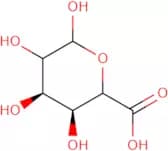
CAS:<p>D-Glucuronic acid (GlcA) is D-glucose with position six oxidised to a carboxyl group (Collins, 2006). It is a common component of a number of gums and mucilages structurally related to pectins, where it is can be present as a terminal non reducing end residue (Renard, 1999). Glucuronic acid is also found in bacterial polysaccharides, such as, xanthan gum produced by Xanthomonas campestris (Faria, 2011), and in glycosaminoglycans, such as, heparan sulfate (Casale, 2020).</p>Fórmula:C6H10O7Pureza:Min. 98%Cor e Forma:White Off-White PowderPeso molecular:194.14 g/mol1,2:3,4:5,6-Tri-O-isopropylidene-D-glycero-L-gulo-heptitol
<p>1,2:3,4:5,6-Tri-O-isopropylidene-D-glycero-L-gulo-heptitol is a fluorinated monosaccharide that is synthesized from D-glucose. It is used as an experimental carbohydrate for glycosylation and modification reactions with other compounds. 1,2:3,4:5,6-Tri-O-isopropylidene-D-glycero-L-gulo-heptitol has a CAS number of 152400–59–1.</p>Pureza:Min. 95%(1S) -1- [(2S, 3R) - N-Butyl-3- hydroxy- 1- azetidinyl] -1, 2- ethanediol
<p>(1S) -1- [(2S, 3R) - N-Butyl-3- hydroxy- 1- azetidinyl] -1, 2- ethanediol is a synthetic carbamate which is a modification of the sugar D-glucose. It has been fluorinated at the C4 position and glycosylated at the C2 position. This compound is also methylated at the C3 position. (1S) -1- [(2S, 3R) - N-Butyl-3- hydroxy- 1- azetidinyl] -1, 2- ethanediol has CAS number 7145636 and has been custom synthesized to be high purity and with custom synthesis modifications.</p>Pureza:Min. 95%4- C- Methyl- 2, 3- O-isopropylidene -4-O-tert-butyldimethylsilyl-D- lyxono-1,5- lactone
4- C- Methyl- 2, 3- O-isopropylidene -4-O-tert-butyldimethylsilyl-D- lyxono-1,5- lactone is a Fluorinated Monosaccharide. It is a Synthetic Monosaccharide. It is an Oligosaccharide. It is a complex carbohydrate. It has been Custom synthesized. It has been Glycosylated and Polysaccharided. It has been Click modified and Methylated. This compound's CAS number is A8BX04A9R1Z6. This compound's sugar type is Carbohydrate. This compound has been Modified for High purity purposes.Pureza:Min. 95%N-Acetylallolactosamine
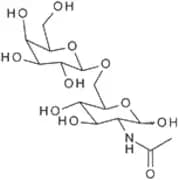
CAS:<p>N-Acetylallolactosamine is a lectin that has been shown to have an acceptor for the oligosaccharide, n-acetylllactosamine. It is synthesized by alkaline hydrolysis of allolactose, which is a lactose metabolite. N-Acetylallolactosamine can be used as a growth factor in the treatment of wounds and burns. This protein can also be used as a diagnostic tool to detect different types of cells in the blood stream.</p>Fórmula:C14H25NO11Pureza:Min. 95%Cor e Forma:PowderPeso molecular:383.35 g/mol(2R, 3R, 4R) -2- (Hydroxymethyl) - 2- methyl- 3, 4- pyrrolidinediol
CAS:<p>(2R, 3R, 4R) -2- (Hydroxymethyl) - 2- methyl- 3, 4- pyrrolidinediol is a modification of oligosaccharides. It is synthesized from monosaccharides or disaccharides and can be modified with fluorine or methyl groups. This product has the highest purity available on the market and can be used in a variety of applications such as glycosylation, polysaccharide synthesis, sugar fluorination, saccharide click modification and more.</p>Fórmula:C6H13NO3Pureza:Min. 95%Peso molecular:147.17 g/mol2-Acetamido-4,6-O-benzylidene-2-deoxy-D-glucopyranose
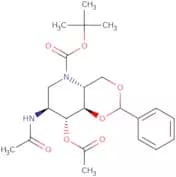
CAS:2-Acetamido-4,6-O-benzylidene-2-deoxy-D-glucopyranose is an ether of d-glucosamine. It is formed by the reaction of benzyl alcohol and acetamidine with sodium methoxide in the presence of a catalyst. The stereoselectivity of this reaction can be tuned by using different alkali metals as catalysts. The nature and reactivity of the metal cation determines whether 2-acetamido-4,6-O-benzylidene-2,3,5,6,-tetraacetate or 2,3,5,6,-tetraacetate will be produced.Fórmula:C15H19NO6Pureza:Min. 95%Cor e Forma:White PowderPeso molecular:309.31 g/mol2-Acetamido-3-O-acetyl-4,6-benzylidene-N-Boc-1,2,5-trideoxy-1,5-imino-D-glucitol
CAS:2-Acetamido-3-O-acetyl-4,6-benzylidene-N-Boc-1,2,5-trideoxy-1,5-imino-D-glucitol is a carbohydrate that is synthesized by a click modification of 4,6 benzylidene N Boc glucitol. The synthesis of this compound was accomplished by the use of a two step process to convert the starting material into 2 acetamido 3 O acetyl 4,6 benzylidene 1,2 5 trideoxy 1 5 imino D glucitol. The first step involved the conversion of 4 6 benzylidene 1 2 5 trideoxy 1 5 imino D glucitol to 2 acetamido 3 O acetyl 4 6 benzylidene 1 2 5 trideoxy 1 5 imino D glucitol. In the second step, this compound was converted to 2 acetamido 3 O acetylFórmula:C22H30N2O7Pureza:Min. 95%Peso molecular:434.48 g/mol1,2:5,6-Di-O-isopropylidene-a-L-glucofuranose
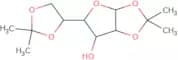
CAS:<p>1,2:5,6-Di-O-isopropylidene-a-L-glucofuranose is a monosaccharide that is a component of the fatty acid biosynthesis pathway. It has been shown to be important in clinical relevance, because it can inhibit viral replication by binding to the virus as a nucleophile and attacking the glycosidic bond. This monosaccharide also inhibits the growth of liver cells by binding to a receptor on the cell surface. 1,2:5,6-Di-O-isopropylidene-a-L-glucofuranose binds specifically to nucleophilic sites on proteins and has been shown to have antiinflammatory properties through its inhibition of prostaglandin synthesis.</p>Fórmula:C12H20O6Pureza:Min. 95%Cor e Forma:White PowderPeso molecular:260.28 g/molG1F Glycan, 2-AB labelled
<p>G1F Glycan, 2-AB labelled is a complex carbohydrate that is modified by the addition of fluorine and saccharide. It can be custom synthesized to order with a purity of >98% and is available from Sigma-Aldrich.</p>Pureza:Min. 95%α-D-Mannose-1-phosphate sodium
CAS:<p>α-D-Mannose-1-phosphate sodium is a synthetically made mannose phosphate. This compound is used in the synthesis of oligosaccharides and glycoproteins.</p>Fórmula:C6H11Na2O9PPureza:Min. 98 Area-%Cor e Forma:White PowderPeso molecular:304.1 g/molMonoacetone-L-glucose
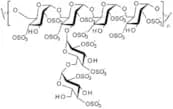
CAS:Monoacetone-L-glucose is a white crystalline powder that is soluble in water. It is an acetone derivative of D-Glucose.Fórmula:C9H16O6Pureza:Min. 95%Peso molecular:220.22 g/mol1,4-b-D-Xylotetraose decasulfate sodium salt
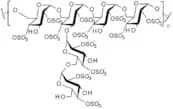
1,4-b-D-Xylotetraose decasulfate sodium salt is a highly purified and custom synthesized carbohydrate. It is used as a reagent in biochemical research. 1,4-b-D-Xylotetraose decasulfate sodium salt can be modified with various reagents to produce desired properties for use in various applications. Modifications can include methylation, saccharide, Polysaccharide, Click modification, or Modification. Carbohydrate modifications can include Oligosaccharide or Custom synthesis. Fluorination of 1,4-b-D-Xylotetraose decasulfate sodium salt is an available modification that produces the product with high purity and reduced viscosity. 1,4-b-D-Xylotetraose decasulfate sodium salt has a CAS number of 52878-68-9 and is available for custom synthesis atPureza:Min. 95%Trehalose-6-vanadate
Trehalose-6-vanadate is a complex carbohydrate that has been modified by the addition of a fluorine atom to the sugar. It is synthesized from the sugar trehalose and vanadium pentoxide in a one-step reaction. Trehalose-6-vanadate can be used as a methylation reagent for saccharides, polysaccharides, oligosaccharides, and other carbohydrates. It can also be used in click chemistry, modification of proteins with carbohydrates, glycosylation reactions, and as a synthetic sugar. Trehalose-6-vanadate is highly pure and stable in solution.Pureza:Min. 95%Arabinonic acid potassium salt
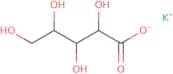
CAS:Arabinonic acid potassium salt is a fluorinated monosaccharide that is used as a building block for the synthesis of oligosaccharides and polysaccharides. Arabinonic acid potassium salt is chemically synthesized by the glycosylation of 2-deoxy-D-ribose with arabinonitrile followed by hydrolysis to form arabinonic acid. This chemical can also be modified with methyl groups, nitro groups, or other functional groups. It has CAS number 36232-89-0 and molecular weight of 176.17 g/mol. Arabinonic acid potassium salt is a high purity product with 98% minimum purity and no detectable impurities.Fórmula:C5H9KO6Pureza:Min. 95%Cor e Forma:PowderPeso molecular:204.22 g/mol2-Deoxy-3,4-O-benzylidene-D-ribono-1,5-lactone
<p>2-Deoxy-3,4-O-benzylidene-D-ribono-1,5-lactone is a custom synthesis that has a complex carbohydrate structure. It is an Oligosaccharide with CAS No. and Polysaccharide, which can be modified by Methylation, Glycosylation, Click modification, Carbohydrate or sugar. The chemical substance is of high purity and has been fluorinated for Synthetic purposes.</p>Pureza:Min. 95%Dextran sulfate sodium salt - MW 9,000-11,000 - from Leuconostoc spp
CAS:Dextran sulphate is a dextran derivative whose ulcer (colitis) -causing properties were first reported in hamsters and extrapolated a few years later to mice and rats. The exact mechanisms through which dextran sulphate induces intestinal inflammation are unclear but may be the result of direct damage of the monolayer of epithelial cells in the colon, leading to the crossing of intestinal contents (for e.g. commensal bacteria and their products) into underlying tissue and therefore induction of inflammation. The dextran sulphate sodium induced ulceration model in laboratory animals has some advantages, when compared to other animal models of colitis, due to its simplicity and similarities to human inflammatory bowel disease.Pureza:Min. 95%Cor e Forma:PowderD-myo-Inositol-2,5,6-triphosphate sodium salt
D-myo-Inositol-2,5,6-triphosphate sodium salt is a glycosylation agent that is used to modify the surface of proteins and polysaccharides. It can be used in various applications such as Click chemistry, fluorination, saccharide modification, or sugar modifications. D-myo-Inositol-2,5,6-triphosphate sodium salt has been shown to be an effective methylation agent for both amino acids and sugars. This compound has also been shown to inhibit the growth of bacteria by inhibiting protein synthesis in the cell wall synthesis process.Fórmula:C6H12O15P3·xNaPureza:Min. 95%Peso molecular:417.07 g/mol3-O-Benzyl-1,2-O-isopropylidene-a-D-xylofuranose
3-O-Benzyl-1,2-O-isopropylidene-a-D-xylofuranose is a monosaccharide that is synthesized by methylation of the corresponding aldose. It has been used in the synthesis of oligosaccharides and polysaccharides. 3-O-Benzyl-1,2-O-isopropylidene-a-D-xylofuranose has also been shown to be useful in the fluorination of saccharide chains.Pureza:Min. 95%4-Deoxy-D-glucose
CAS:<p>4-Deoxy-D-glucose is a neutral, odorless chemical that is used in the synthesis of glycosides. It has a hydroxy group and a methyl group attached to the 4th carbon atom. The hydroxy group on the 4th carbon atom can act as a nucleophile and react with electrophilic groups such as ketones or alcohols. This reaction mechanism leads to the formation of sugar products called methyl glycosides. There are many side effects associated with this chemical, including allergic reactions, which can be due to its structural similarity to glucose. The optimum pH for this chemical is 7.4, which makes it an acid-stable molecule. 4-Deoxy-D-glucose is found in nature and is biosynthesized by plants and animals in order to produce blood group antigens (ABO system). It also plays an important role in the ternary complex that regulates cell division in bacteria.</p>Fórmula:C6H12O5Pureza:Min. 98 Area-%Cor e Forma:PowderPeso molecular:164.16 g/mol6-O-Sulfated Lewis A
6-O-sulfated Lewis A is a high purity oligosaccharide with a custom synthesis and click modification. This product has been shown to be useful in glycosylation, methylation, and saccharide modification. It is a versatile carbohydrate that can be used in the synthesis of complex carbohydrates. 6-O-Sulfated Lewis A has CAS number 70520-34-5 and an Oligo/Mono Saccharide content of >95%.Fórmula:C20H35NO18SPureza:Min. 95%Cor e Forma:PowderPeso molecular:609.55 g/molUDP-6-deoxy-6-fluoro-D-galactose
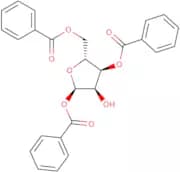
CAS:UDP-6-deoxy-6-fluoro-D-galactose is an intermediate in the biosynthesis of galactooligosaccharides. It can be used as a substrate for glycosyltransferases and glycosidases to produce oligosaccharides, which are important components of glycoconjugates. UDP-6-deoxy-6-fluoro-D-galactose has been shown to be an acceptor for acetylation by trifluoroacetate and trifluoride. Kinetic studies show that UDP-6-deoxy-6-fluoro Dgalactose binds to α1 acid glycoprotein, which may be a drug target.Fórmula:C15H23FN2O16P2Pureza:Min. 95%Peso molecular:568.29 g/mol1,3,5-Tri-O-benzoyl-a-D-ribofuranose
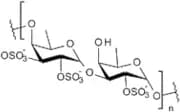
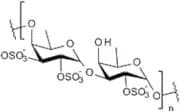
CAS:<p>1,3,5-Tri-O-benzoyl-a-D-ribofuranose is a modified carbohydrate. It is synthesized by the methylation of 1,3,5-tri-O-benzoyl-a-D-arabinopyranose followed by glycosylation with 3,6-dideoxyhexose. This compound has been used as a substrate in enzymatic studies to investigate the modification of carbohydrates by glycosylation and methylation and can be used for the synthesis of other saccharides.</p>Fórmula:C26H22O8Pureza:Min. 95%Cor e Forma:White PowderPeso molecular:462.45 g/moli-Carradecaitoldecasulfate decasodium salt
i-carrageenan-derived decasaccharide alcohol decasulfate +(3-6 anhydrogalactose)Fórmula:C60H84O72S10Na10Pureza:Min. 95%Peso molecular:2,507.82 g/molMethyl 3,5-O-isopropylidene-b-D-xylofuranoside
<p>Methyl 3,5-O-isopropylidene-b-D-xylofuranoside is a methylated saccharide. It is an intermediate in the synthesis of glycosides and can be used for modifying proteins and polysaccharides. This compound is also useful for investigating carbohydrate metabolism and for determining the structure of complex carbohydrates.</p>Pureza:Min. 95%1-Azido-2,4-O-benzylidene-butane-2,3,4-triol
<p>1-Azido-2,4-O-benzylidene-butane-2,3,4-triol is a synthetic compound that can be used as a methylating agent or to modify saccharides. It is also able to modify polysaccharides and oligosaccharides. 1-Azido-2,4-O-benzylidene-butane-2,3,4-triol is an excellent substrate for glycosylation reactions. This product has been custom synthesized and is of high purity. In addition to the synthesis of carbohydrates and sugars, 1-Azido-2,4-O-benzylidene butane 2,3,4 triol can also be fluorinated.</p>Pureza:Min. 95%1-Deoxy-L-sorbito
<p>1-Deoxy-L-sorbito is a Glycosylation, complex carbohydrate, Methylation, Click modification, Polysaccharide, Fluorination, saccharide, Modification, sugar, Oligosaccharide. It is a custom synthesis and it is available in high purity.</p>Pureza:Min. 95%k-Carratetraitol disulfate disodium salt
k-carrageenan derived tetrasaccharide alcohol disulfate+(3-6 anhydrogalactose)Fórmula:C24H38O25S2Na2Pureza:Min. 95%Peso molecular:836.66 g/molHyaluronic sodium - Average MW 0.2-0.5 million Daltons
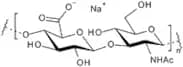
CAS:The sodium salt of hyaluronic acid is a glycosaminoglycan found in many organs, where it functions as a joint lubricant and shock absorber. It is obtained principally from synovial fluid, vitreous humor of the eye, umbilical tissue and cocks comb. The chemical structure of hyaluronic is a disaccharide repeat of β-(1,3) glucuronic acid and β-(1,4) N-acetyl glucosamine.Fórmula:(C14H20NO11Na)nPureza:Min. 95%Cor e Forma:Powder2,3,5,6-Tetra-O-acetyl-D-galactono-1,4-lactone
CAS:2,3,5,6-Tetra-O-acetyl-D-galactono-1,4-lactone is a morpholidate that can be synthesized from l-fucose and phosphates. This chemical has been shown to have anti-inflammatory properties due to its ability to inhibit prostaglandin synthesis. The compound also inhibits the production of diphosphorylated guanosine (GDP) from guanosine monophosphate (GMP), which may be important in the regulation of cellular growth. 2,3,5,6-Tetra-O-acetyl-D-galactono-1,4-lactone has also been shown to inhibit the conversion of GMP into GTP by binding to the enzyme GMP synthase.Fórmula:C14H18O10Pureza:Min. 95%Peso molecular:346.29 g/mol2,3,4,6,1',3',4',6'-Octa-O-benzoyl-D-sucrose
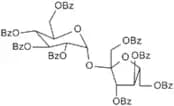
CAS:<p>Sucrose octabenzoate is a practically colorless, odorless, transparent, glass-like material which is compatible with a number of synthetic resins, such as polyvinyl chloride, vinyl chloride-vinyl acetate copolymer, polyvinyl acetate and cellulose acetate. Sucrose octabenzoate improves the hardness and gloss of these products and has also been found to be useful as a component of inks, adhesives, coatings and plastic objects.</p>Fórmula:C68H54O19Pureza:Min. 95%Cor e Forma:White/Off-White SolidPeso molecular:1,175.14 g/mol(1S) -1- [(2S, 3R) - 3-Hydroxy- 1- (phenylmethyl) - 2- azetidinyl] -1, 2- Ethanediol
(1S) -1- [(2S, 3R) - 3-Hydroxy- 1- (phenylmethyl) - 2- azetidinyl] -1, 2- Ethanediol is a custom synthesis that is a glycosylated, fluorinated and methylated sugar. It is an oligosaccharide with four monosaccharides and one disaccharide repeating unit. This molecule has been modified with Click chemistry and the use of polysaccharides. The CAS number for this compound is 1009076-81-2 and it can be purchased in high purity.Pureza:Min. 95%7, 8, 9, 10- Tetradeoxy- 1, 2:5, 6- O-isopropylidene-L- glycero- a- D- gluco- decofuranose
7, 8, 9, 10-Tetradeoxy-1,2:5,6-O-isopropylidene-L-glycero-a-D-gluco--decofuranose is a custom synthesis of a monosaccharide that can be modified with fluorination or methylation. It is synthesized by the click modification of an oligosaccharide and saccharide. This compound has CAS No. 156637-10-3 and is classified as a polysaccharide. 7,8,9,10 Tetradeoxy 1,2:5,6 O Isopropylidene L Glycero A D Glucodecofuranose is a carbohydrate that has glycosylation and sugar modifications.Pureza:Min. 95%1,2-Diacetate 3,4-di-O-methyl-D-xylopyranose
CAS:<p>Please enquire for more information about 1,2-Diacetate 3,4-di-O-methyl-D-xylopyranose including the price, delivery time and more detailed product information at the technical inquiry form on this page</p>Fórmula:C11H18O7Pureza:Min. 95%Peso molecular:262.26 g/mol2,3-O-Isopropylidene)- L- ribonic acid γ-lactone
2,3-O-Isopropylidene)- L- ribonic acid gamma-lactone is a carbohydrate that has been modified with fluorination. This product can be used in the synthesis of oligosaccharides and monosaccharides. The custom synthesis of this product is available on request. This product has been shown to be high purity and methylated. It has also been glycosylated and click modified.Pureza:Min. 95%Man-7 Glycan, 2-AB labelled
Man-7 Glycan is a synthetic, 2-AB labelled fluorinated monosaccharide. It is an oligosaccharide that is synthesized by the glycosylation of mannose and N-acetylglucosamine. This product has been modified with fluorination, methylation, and click chemistry.Pureza:Min. 95%4-O-Acetyl-N-acetyl-neuraminic acid
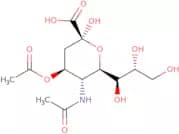
CAS:<p>4-O-Acetyl-N-acetyl-neuraminic acid is a derivative of sialic acid, which is an important component of the human cell membrane. It has been found to have inhibitory properties against influenza virus and other viruses. 4-O-Acetyl-N-acetyl-neuraminic acid inhibits viral activity by irreversible inhibition of the α subunit on the surface glycoprotein, preventing it from binding to host cells. This compound has been shown to be effective against hepatitis B virus and galleria mellonella (a type of wax moth). 4-O-Acetylneuraminic acid has also been shown to be effective in inhibiting the replication of Influenza A virus strains that are resistant to neuraminidase inhibitors such as zanamivir and oseltamivir.</p>Fórmula:C13H21NO10Pureza:Min. 95 Area-%Cor e Forma:PowderPeso molecular:351.31 g/mol2-Acetamido-1,3,4,6-tetra-O-acetyl-2-deoxy-b-D-glucopyranose
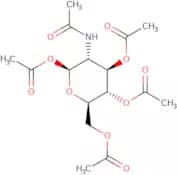
CAS:<p>Promotes hyaluronic acid production; synthetic building block</p>Fórmula:C16H23NO10Pureza:Min. 98 Area-%Cor e Forma:PowderPeso molecular:389.36 g/molscyllo-Inosamine
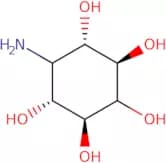
CAS:<p>Scyllo-inosamine is a redox potential that belongs to the class of antimicrobial agents. It is derived from the amino acid inosine, which is found in RNA and DNA. Scyllo-inosamine has been shown to inhibit bacterial growth by inhibiting protein synthesis. It also acts as an aminotransferase inhibitor, which may be used for the treatment of certain human pathogens. Scyllo-inosamine has been shown to have beneficial effects on the regulation of benzyl groups and hydroxyl group reactions. It has also been shown to inhibit polymerase chain reaction activity and titration calorimetry activity.</p>Fórmula:C6H13NO5Pureza:Min. 95%Cor e Forma:PowderPeso molecular:179.17 g/mol2,3,5-Tri-O-benzyl-D-lyxofuranose
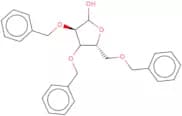
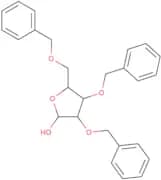
CAS:2,3,5-Tri-O-benzyl-D-lyxofuranose is a custom organic synthesis. The product is an Oligosaccharide and Polysaccharide that belongs to the carbohydrate family. It can be used for methylation reactions and click chemistry modifications with other molecules. This product has been found to have high purity, and it can be used in various applications such as Fluorination, complex carbohydrate, and Modification. 2,3,5-Tri-O-benzyl-D-lyxofuranose is a monosaccharide sugar that has a molecular weight of 327.24 g/mol and a melting point of 155°C.Fórmula:C26H28O5Pureza:Min. 95%Cor e Forma:Yellow PowderPeso molecular:420.5 g/molPhenyl 2,3,4-tri-O-acetyl-b-D-thioglucuronide methyl ester
CAS:<p>Phenyl 2,3,4-tri-O-acetyl-b-D-thioglucuronide methyl ester is a custom synthesis. It is a complex carbohydrate with an Oligosaccharide and Polysaccharide structure. The modification of saccharides with Methylation, Glycosylation, or Carbohydrate changes the chemical properties of this compound. Phenyl 2,3,4-tri-O-acetyl-b-D-thioglucuronide methyl ester has a CAS No. 62812-42-2 and is also known as sugar. This compound is fluorinated at the phenolic hydroxyl group to produce a stable molecule with high purity.</p>Pureza:Min. 95%(2S,3S,4S)-N-Ethyl-2-hydroxymethyl-3,4-pyrrolidinediol
<p>(2S,3S,4S)-N-Ethyl-2-hydroxymethyl-3,4-pyrrolidinediol is a synthetic sugar that is commonly used in the synthesis of polysaccharides. It can also be used as a reagent for methylation and glycosylation reactions. This compound is available as a pure white powder with a melting point of 130°C to 135°C. (2S,3S,4S)-N-Ethyl-2-hydroxymethyl-3,4-pyrrolidinediol has been shown to be reactive with saccharide and polysaccharide substrates. Click modification can be performed on this product to make it reactive with other molecules or compounds. The purity of this compound exceeds 99%.</p>Pureza:Min. 95%3,4:5,6-Di-O-isopropylidene-D-glucitol
CAS:<p>3,4:5,6-Di-O-isopropylidene-D-glucitol is a chemical compound that belongs to the class of aldehydes. It has been shown to catalyze the reaction between alcohols and amides in the presence of an acid or base catalyst. The product of this reaction is an amide with an isopropylidene group on one side. 3,4:5,6-Di-O-isopropylidene-D-glucitol also has two chiral centers and can be used to synthesize stereoselective aldoses, such as D-(+)-gluconic acid and L-(+)-gluconolactone.</p>Fórmula:C12H22O6Pureza:Min. 98 Area-%Cor e Forma:PowderPeso molecular:262.3 g/molGangliosides
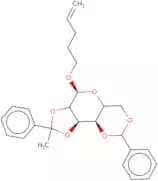
<p>Sialic acid-containing glycosphingolipids-important component of neuronal cells</p>Pureza:Min. 95 Area-%Cor e Forma:Powder4-Pentenyl 4,6-O-benzylidene-2,3-phenylethylidene-α-D-mannopyranoside
<p>4-Pentenyl 4,6-O-benzylidene-2,3-phenylethylidene-a-D-mannopyranoside is a modification of the natural oligosaccharide, mannose. The complex carbohydrate is synthesized using a custom synthesis and has a high purity that meets the CAS No. requirements. This molecule has been fluorinated and saccharides have been methylated and glycosylated.</p>Fórmula:C26H30O6Pureza:Min. 95%Peso molecular:438.51 g/mol2-Acetamido-2-deoxy-L-mannopyranose
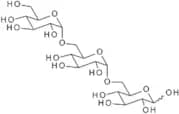
CAS:2-Acetamido-2-deoxy-L-mannopyranose is a sugar that is synthesized by the enzyme arabinofuranosidase. This enzyme catalyzes the hydrolysis of arabinose to form 2-acetamido-2-deoxy-l-mannopyranose. The enzyme has been shown to be thermostable and can be used as an acceptor for other enzymes, such as glycosyltransferases and glucosidases. The biosynthesis of 2-acetamido-2-deoxymannopyranose starts with l -arabinose, which is converted into d -arabinose by the action of aldaribinofuranosidase, followed by conversion into 2 acetamido--2 deoxymannopyranose by the action of arabinofuranosidase. Mutations in these enzymes have been found to affect the stereospecificFórmula:C8H15NO6Pureza:Min. 95%Cor e Forma:PowderPeso molecular:221.2 g/molIsomaltotriose
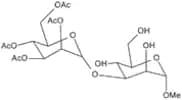
CAS:<p>Produced from high maltose syrup by treatment with transglucosidase</p>Fórmula:C18H32O16Pureza:Min. 97 Area-%Cor e Forma:White Off-White PowderPeso molecular:504.44 g/molMethyl 3-O-(2,3,4,6-tetra-O-acetyl-a-D-mannopyranosyl)-a-D-mannopyranoside
CAS:Methyl 3-O-(2,3,4,6-tetra-O-acetyl-a-D-mannopyranosyl)-a-D-mannopyranoside is a synthetic glycosylation product of methyl 3,4,6-triacetate and a mannose. It is an Oligosaccharide with the molecular formula (C12H25O14)n. Methyl 3-O-(2,3,4,6-tetra-O-acetyl-a-D-mannopyranosyl)-a-D -mannopyranoside is a white crystalline powder that can be used in the synthesis of complex carbohydrates. It has been shown to react with fluorine to produce a monofluorinated product and methylated products. This compound can be custom synthesized and modified for specific applications. Methyl 3 - O - ( 2 , 3 , 4 , 6 -Fórmula:C21H32O15Pureza:Min. 95%Peso molecular:524.47 g/mol2,3-O-Isopropylidene-hamamelono-1,4-lactone
<p>2,3-O-Isopropylidene-hamamelono-1,4-lactone is an Oligosaccharide with a Glycosylation that is Synthetic and Fluorinated. It has a Custom synthesis and Methylation. This product is Monosaccharide and Polysaccharide. It has a Click modification, a complex carbohydrate, and is High purity. The CAS number for this product is 62968-07-1.</p>Pureza:Min. 95%N-Methyl-L-glucosamine
CAS:N-Methyl-L-glucosamine is a monosaccharide that is used as a building block for glycosaminoglycans. It can be synthesized by the enzyme glucoamylase from glucose and UDP-N-acetylglucosamine, or supplied exogenously as a dietary supplement. N-Methyl-L-glucosamine is stable in the presence of light and resistant to microbial degradation. This agent has been shown to be effective in inhibiting skin cancer in mice when combined with other agents such as hydroquinone, retinoic acid, and tretinoin. N-Methyl-L-glucosamine has been shown to have antiangiogenic properties on tubule cells, which may be due to its ability to inhibit the production of vascular endothelial growth factor (VEGF) in these cells.Fórmula:C7H15NO5Pureza:Min. 95%Peso molecular:193.2 g/molA2F N-Glycan
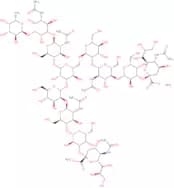
CAS:<p>A2F N-Glycan is an oligosaccharide that is found in the human body. It is a glycan that has been shown to be involved in a number of biological processes, including effector functions, site specific recognition, diagnosis, and biopharmaceutical production. A2F N-glycan has also been shown to have potential as a biomarker for autoimmune diseases and cancer. The A2F N-glycan profile may differ between patients with different cancers or autoimmune disorders. This difference in the A2F N-glycan profile may contribute to the development of personalized medicine by helping to diagnose these conditions and predict their prognosis.</p>Fórmula:C90H148N6O66Pureza:Min. 90 Area-%Cor e Forma:PowderPeso molecular:2,370.14 g/molMethyl 2,4-di-O-methyl-α-D-galactopyranoside
CAS:Methyl 2,4-di-O-methyl-α-D-galactopyranoside is a synthetic saccharide that has been modified with methyl groups at the C2 and C4 positions.Fórmula:C9H18O6Pureza:Min. 95%Cor e Forma:PowderPeso molecular:222.24 g/molD-Glucuronic acid, sodium salt monohydrate
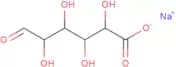
CAS:<p>Chiral D-Glucuronic acid is the most basic building bloc of hyaluronic acid and chondroitin sulfate and precursor of Vitamin C, the chief detoxifying agent in both plants and animals. Humectant in skin care products.</p>Fórmula:C6H11NaO8Peso molecular:234.14 g/mol4-Methoxyphenyl 2-deoxy-4,6-O-(4-methoxybenzylidene)-2-phthalimido-β-D-glucopyranoside
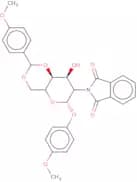
4-Methoxyphenyl 2-deoxy-4,6-O-(4-methoxybenzylidene)-2-phthalimido-b-D-glucopyranoside is a complex carbohydrate that has been modified with methylation and glycosylation. This product can be used for custom synthesis and is a high purity product. It is soluble in water. The CAS number for this compound is 57810-97-0. The molecular weight of this product is 576. The chemical formula for this compound is C24H28N2O8F3O7, which corresponds to an empirical formula of C24H28N2O8F3O7.Fórmula:C29H27NO9Pureza:Min. 95%Peso molecular:533.53 g/mol(2, 4- Anhydro- 6- deoxy- L- mannonoyl)-glycine methyl ester
<p>This is a custom synthesized product. It has been modified to include a methyl group at the 2,4-positions on the anhydro-6-deoxy-L-mannopyranose molecule. This modification is done using Click chemistry and the product contains a high level of purity. The modification can be used to create saccharides with high carbohydrate content and polysaccharides with different degrees of polymerization.</p>Pureza:Min. 95%2-Deoxy-D-ribose
CAS:<p>Used in synthetic organic chemistry and natural product synthesis. Induces apoptosis by inhibiting the synthesis and increasing the efflux of glutathione. It is used for synthesis of optically active dipyrrolyl alkanols from pyrroles on the surface of montmorillonite KSF clay.</p>Fórmula:C5H10O4Pureza:Min. 98 Area-%Cor e Forma:White PowderPeso molecular:134.13 g/molD-Glucose 6-phosphate, monosodium salt
CAS:<p>D-Glucose 6-phosphate, monosodium salt is a natural compound found in honeybush (Cyclopia species) and other plants. The compound is also found in the human body as a result of its synthesis from glucose. D-Glucose 6-phosphate, monosodium salt is an inhibitor of NADPH cytochrome P450 reductase, which is an enzyme that converts NADPH to NADP+. This inhibition prevents the formation of nadph and causes an accumulation of reduced nicotinamide adenine dinucleotide (NADH), which leads to the inhibition of cell growth. D-Glucose 6-phosphate, monosodium salt has been shown to inhibit cancer cells and bacterial growth. It does this by inhibiting enzymes such as cytosolic phosphoglycerate kinase and phosphofructokinase.</p>Fórmula:C6H12O9PNaPureza:Min. 98.0 Area-%Peso molecular:282.12 g/molN-(2,4-Dinitrophenyl-deoxynojirimycin
<p>N-2,4-Dinitrophenyl-deoxynojirimycin (DNPDNJ) is a methylated derivative of deoxynojirimycin. It is an inhibitor of glycosylation that can be used to study the structure and function of carbohydrates. DNPDNJ is a synthetic saccharide that can be custom synthesized. Click modification and modification with Oligosaccharides are common modifications for DNPDNJ. DNPDNJ is available in high purity and has been fluorinated for use in fluorescence studies.</p>Pureza:Min. 95%Dideoxyrhamnojirimycin
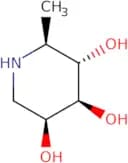
CAS:<p>Dideoxyrhamnojirimycin is a synthetic drug that has been modified to have the same structure as natural dideoxyribonucleosides. It is used in the treatment of myelodysplastic syndrome and thalassemia major. Dideoxyrhamnojirimycin inhibits DNA synthesis by blocking the incorporation of deoxyribonucleotides into DNA, which prevents cell division and stops the spread of cancer cells. Dideoxyrhamnojirimycin also has anti-inflammatory effects by inhibiting prostaglandin synthesis.</p>Pureza:Min. 95%1,2,3,4-Tetra-O-acetyl-β-D-mannopyranose
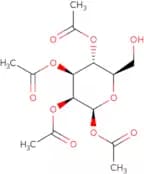
CAS:1,2,3,4-Tetra-O-acetyl-β-D-mannopyranose is a fluorinated monosaccharide that has been synthesized. It is a complex carbohydrate with the molecular formula C12H24O8 and a molecular weight of 256.24 g/mol. 1,2,3,4-Tetra-O-acetyl-β-D-mannopyranose has been modified with glycosylation and polysaccharides to create a click modification. It can be used in custom synthesis and provides high purity.Fórmula:C14H20O10Pureza:Min. 95%Cor e Forma:White Off-White PowderPeso molecular:348.3 g/molα-D-Galactose 1-phosphate, dipotassium salt pentahydrate
CAS:Alpha-D-galactose 1-phosphate, dipotassium salt pentahydrate is a carbon source that can be used in biochemical and chemical ionization methods. It has been shown to inhibit the growth of lung fibroblasts. This compound is an inhibitor of glycolysis and inhibits the biosynthesis of galactose residues. Alpha-D-galactose 1-phosphate, dipotassium salt pentahydrate also inhibits the formation of glycogen and glucose from galactose residues as well as inhibiting the activity of enzymes involved in galactose metabolism. The inhibition of these enzymes leads to decreased galactose levels in diabetic patients.Fórmula:C6H21K2O14PPeso molecular:426.40 g/mol2,3,5-Tri-O-benzyl-L-lyxofuranose
CAS:<p>2,3,5-Tri-O-benzyl-L-lyxofuranose is an acetal that is prepared by hydrolysis of 2,3,5-tri-O-benzylglycol with sodium methoxide in methanol. It can be made from the dimethyl acetal by displacement with sulphonate. The aldehyde group can be converted to an acetal by reaction with ethylene glycol and hydrochloric acid. The displacement of the aldehyde group with methoxide produces the acetal. Dimethyl acetals are also displaced by methyl iodide to produce aldehydes. Acetals are readily hydrolysed and acidic hydrolysis produces the corresponding alcohols.</p>Fórmula:C26H28O5Pureza:Min. 95%Peso molecular:420.5 g/mol2-Deoxy-D-ribose 5-phosphate sodium salt
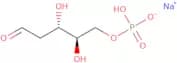
CAS:<p>2-Deoxy-D-ribose 5-phosphate sodium salt is a mutant of ribose 5-phosphate. It is an intermediate in the pentose phosphate pathway, which generates ribose 5-phosphate and NADPH. The 2nd step of this pathway is catalyzed by deacetylase, which converts acetaldehyde to acetyl CoA. 2-deoxy-D-ribose 5-phosphate sodium salt is also an oxidant that can react with hydrogen peroxide to form hydroxyl radicals. This intermediate has been shown to inhibit the growth of E. coli by causing mutations in the DNA and protein synthesis machinery, as well as by catalase activation.</p>Fórmula:C5H11O7P·xNaPureza:Min. 95%Cor e Forma:PowderPeso molecular:214.11 g/mol5-O-Acetyl-1,2-O-isopropylidene-a-D-xylofuranose
CAS:5-O-Acetyl-1,2-O-isopropylidene a-D-xylofuranose is a fluorinated carbohydrate that is synthesized from acetylene gas and the sugar 1,2-O-isopropylidene. It is a complex carbohydrate that can be used as an additive in the food industry. 5-O Acetyl 1,2-O isopropylidene a D xylofuranose has been shown to act as an inhibitor of bacterial growth. It also has the ability to inhibit methylation and glycosylation reactions by competitively binding to the enzyme UDP-Nacetylglucosamine pyrophosphorylase. 5 O Acetyl 1,2 - O isopropylidene a D xylofuranose can be custom synthesized with high purity and it can be modified with methylation or glycosylation.Fórmula:C10H16O6Pureza:Min. 95%Cor e Forma:White to off-white solid.Peso molecular:232.23 g/molFucoidan, ecklonia
CAS:<p>A fucan sulphate found in brown marine algae (Phaeophyta-typically Fucus vesiculotus, Ecklonia (illustrated), Alaria and Cladosiphon) and has been shown to have anticoagulant activity. The main constituents are α-1,4 and α-1,2 linked L-fucose sulphates although galactose also occurs and there are many variations of the basic structure found in different species of Phaeophyta.<br>The fucose content of this fucan is approx. 19.0% and it also contains galactose (approx. 12.0%), uronic acid (approx. 25.5%) and sulfate (approx. 19.1%).<br>The image was kindly provided by Prof Mike Guiry from Cork who runs ‘The Seaweed Site’.</p>Pureza:Min. 95%Cor e Forma:White Powder1-Chloro-2-deoxy-3,5-di-O-(p-chlorobenzoyl)-L-ribofuranose
1-Chloro-2-deoxy-3,5-di-O-(p-chlorobenzoyl)-L-ribofuranose is a fluorinated sugar that is synthesized by the glycosylation of 1,2:3,4:6-dianhydrohexitol (1) with chloroacetone followed by selective protection of the anomeric position. The compound can be used to study the effects of fluorination on carbohydrate chemistry and biology. 1,2:3,4:6-Dianhydrohexitol (1) was first prepared by methylation of 5-(p-chlorobenzoyl)-L-ribofuranose (2). The 2'-position was then protected as a trityl ether in order to prevent further glycosylation. The final product was obtained after removal of the protecting group from the anomeric position.Pureza:Min. 95%D-Glucose 6-phosphate, barium salt
CAS:D-Glucose 6-phosphate is a high purity, custom synthesis sugar. It is a synthetic glycoside that is used in the production of fluorinated saccharides and oligosaccharides. D-Glucose 6-phosphate can be modified with methyl groups, fluorine atoms, and/or glycosylation. This compound has been shown to have properties as an antiviral agent against herpes simplex virus type 1 (HSV1) and cytomegalovirus (CMV).Fórmula:C6H11BaO9PPeso molecular:395.46 g/molRef: 3D-G-3300
25gA consultar50gA consultar100gA consultar250gA consultar500gA consultar-Unit-ggA consultarLactose 6'-sulfate
CAS:<p>Lactose 6'-sulfate is a custom synthesis of a complex carbohydrate and an oligosaccharide. It is modified by methylation and glycosylation, which can be altered to create other saccharides such as galactose. Lactose 6'-sulfate has been fluorinated in the alpha position and contains a sulfate group that is attached with a click chemistry reaction. Lactose 6'-sulfate has CAS number 1015758-24-3 and is high purity.</p>Fórmula:C12H22O14SPureza:Min. 95%Cor e Forma:PowderPeso molecular:422.36 g/molFucoidan, fucus vesiculosus
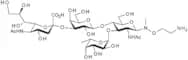
CAS:A fucan sulphate found in brown marine algae (Phaeophyta-typically fucus vesiculosus (illustrated), Ascophyllum nodosum, Alaria and Macrocystis pyrifyra and has been shown to have anticoagulant activity. The main constituents are α-1,4 and α-1,2 linked L-fucose sulphates although galactose also occurs and there are many variations of the basic structure found in different species of Phaeophyta. The image was kindly provided by Prof Mike Guiry from Cork who runs ‘The Seaweed Site’.Pureza:Min. 95%Cor e Forma:White Powder3'-Sialyl Lewis X 1-N-methyl-N-hydroxyethylamine
<p>3'-Sialyl Lewis X 1-N-methyl-N-hydroxyethylamine is a custom synthesis of a monosaccharide that contains an N-hydroxymethyl group. The fluorination and methylation reactions are examples of modifications that can be done to this molecule. This monosaccharide can be modified by the click chemistry reaction, which involves the use of azide and alkyne reagents. 3'-Sialyl Lewis X 1-N-methyl-N-hydroxyethylamine is used in glycosylation with complex carbohydrates such as polysaccharides and saccharides, which are large sugars or sugar chains.</p>Fórmula:C34H60N4O23Pureza:Min. 95%Cor e Forma:PowderPeso molecular:892.85 g/mol(1S) -1- [(2S, 3S,4R) -N-Benzyl-4-hydroxymethyl-3- hydroxy- 1- azetidinyl] -1, 2- ethanediol
<p>The synthesis of 1,2-ethanediol is accomplished by the reaction of benzaldehyde with ethanol. This product is a synthetic sugar that is used in the modification of polysaccharides and glycosylation. The molecular weight of this product ranges from 200 to 400 Daltons. It has a CAS number of 730-25-6.</p>Pureza:Min. 95%(5S)-3-Benzyloxycarbonylamino-5-(hydroxymethyl)-2(5H)-furanone
(5S)-3-Benzyloxycarbonylamino-5-(hydroxymethyl)-2(5H)-furanone, also known as (5S)-3-benzyloxycarbonylamino-5-(hydroxymethyl)furan-2(5H)one or 5′,6′-dihydroxy-3′,4′,5′-trimethoxyacetophenone is a modification of the carbohydrate with an Oligosaccharide. This modification is a custom synthesis that has been synthesized and provided in high purity and CAS number. It is a monosaccharide that can be methylated or glycosylated and has many different uses including in polysaccharides such as sugar. The fluorination of this saccharide provides it with an extra protection against degradation.Pureza:Min. 95%UDP-6-amino-6-deoxy-D-glucose
CAS:<p>UDP-6-Amino-6-deoxyglucose is a fluorinated monosaccharide that can be used as a glycosylation or polysaccharide modification reagent. It is also used to produce complex carbohydrates, such as glycosylated proteins and glycoconjugates. The synthesis of this product involves the use of Click chemistry, which allows for the selective attachment of any molecule with an amine group. This product has been shown to have high purity and is ideal for use in pharmaceuticals, agrochemicals, food additives, and other applications.</p>Pureza:Min. 95%a-D-Glucose-1,6-diphosphate tetra(cyclohexylammonium) salt hydrate
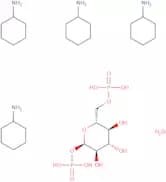
CAS:<p>a-D-Glucose-1,6-diphosphate tetra(cyclohexylammonium) salt hydrate is a synthetic sugar that can be used as a building block for polymer synthesis. It is an oligosaccharide that is synthesized by the click reaction of methylated glucose and cyclohexane diamine. This compound has been shown to be effective in the synthesis of polysaccharides and glycoproteins.</p>Fórmula:C6H14O12P2·4C6H13N·H2OPureza:Min. 95%Cor e Forma:PowderPeso molecular:754.83 g/mola-D-Glucose-1-phosphate disodium salt hydrate
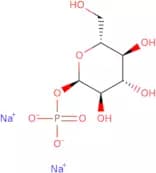
CAS:<p>a-D-Glucose-1-phosphate disodium salt hydrate (aGPD) is a bacterial strain that has been shown to produce fatty acids from glucose. The production of fatty acids has been shown to be dependent on transfer reactions involving tagatose, which is an intermediate product of the process optimization of aGPD. The final product of these reactions is lactic acid, which is formed in an acidic environment. This bacterial strain has also been used as a model system for studying kidney bean phosphatase and photosynthetic activity in monoclonal antibody production.</p>Fórmula:C6H11O9P·2Na·xH2OPureza:Min. 97%Cor e Forma:White PowderPeso molecular:304.1 g/mol1,5-α-L-Arabinotriose
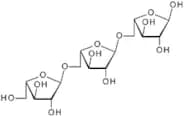
CAS:1,5-α-L-Arabinotriose is a sugar that is found in the cell walls of plants. It is a trisaccharide composed of three L-arabinose units linked by α-(1→5) bonds. 1,5-α-L-Arabinotriose has been shown to be adsorbed on cellulose acetate and can be used to measure the molecular weight of the adsorbate. This sugar also undergoes optical rotations when it interacts with some dyes such as germanium tetrachloride. 1,5-α-L-Arabinotriose has many uses including: as a solute in chloride ion chromatography; as an absorbent in filtration experiments; and as a parameter for calculating thermodynamics for reactions involving hydrogen transfer.Fórmula:C15H26O13Pureza:Min. 95 Area-%Cor e Forma:Clear LiquidPeso molecular:414.36 g/molMethyl β-D-maltopyranoside
CAS:Methyl β-D-maltopyranoside is a disaccharide that is an aglycon of maltosides. It has been shown to bind to the active site of alpha-d-glucopyranosidases, which are enzymes that hydrolyze alpha-d-glucopyranosides. Methyl β-D-maltopyranoside has also been shown to interact with dihedral angles and hydroxyl groups in the enzyme binding region, which may be due to conformational changes in the enzyme's active site. The kinetic constants for methyl β-D-maltopyranoside have been calculated by using an algorithm.Fórmula:C13H24O11Pureza:(%) Min. 98%Cor e Forma:PowderPeso molecular:356.32 g/molN-[2-(4'-Methylphenylacetonitrile)]-2,3,4,6-tetra-O-pivaloyl-D-glucopyranoside
CAS:<p>Ramipril is a drug used for the treatment of high blood pressure and congestive heart failure. It belongs to the group of ACE inhibitors, which inhibit the enzyme angiotensin-converting enzyme (ACE). Ramipril is not active in its prodrug form, but is converted in vivo to enalaprilat, its active metabolite. This conversion takes place mainly in the liver. Enalaprilat prevents the conversion of angiotensin I to angiotensin II, reducing vasoconstriction. Ramipril also improves mental function by enhancing memory and cognition and may have an effect on improving learning ability. The effective dose for ramipril is 5-20 mg/kg per day, with captopril being an alternative medication that has similar effects.</p>Fórmula:C35H52N2O9Pureza:Min. 95%Peso molecular:644.8 g/mol2-Azido-2-deoxy-3,4:5,6-Di-O-isopropylidene-L-idonic acid methyl ester
Custom synthesis, Modification, Fluorination, Methylation, Monosaccharide, Synthetic, Click modification, Oligosaccharide, saccharide, CAS No., Polysaccharide, Glycosylation, sugar, CarbohydratePureza:Min. 95%Mono(6-mercapto-6-deoxy)-β-cyclodextrin
CAS:<p>This beta-cyclodextrin (β-CD) derivative is a functionalized cyclic oligosaccharide composed of seven glucose units, characterized by a hydrophilic exterior and a lipophilic cavity (bigger than α-CD and smaller than γ-CDs), which allows it to encapsulate various guest molecules. This structural feature facilitates its use in multiple applications, including pharmaceuticals, food enhancement, and cosmetics. In the pharmaceutical industry, it enhances the solubility and stability of poorly water-soluble drugs, improving their bioavailability and efficacy while also masking unpleasant tastes. The food sector utilizes it as a stabilizer for flavors, colors, and nutrients, extending shelf life by protecting sensitive ingredients from degradation. In cosmetics, it serves as a complexing agent for fragrances and active components, ensuring their stability and controlled release. Its use expands to many other fields, including nanotechnology for drug delivery systems, environmental remediation for extracting organic pollutants, textiles for slow-release fragrances, and analytical chemistry for chiral separation.</p>Fórmula:C42H70O34SPureza:Min. 95%Cor e Forma:PowderPeso molecular:1,151.05 g/mol2,6-Di-tert-butyldimethylsilyl-γ-cyclodextrin
This gamma-cyclodextrin (γ-CD) derivative is a modified cyclic oligosaccharide composed of eight glucose units, featuring a larger cavity size than α- and β-cyclodextrins. This structural characteristic allows γ-CDs to form inclusion complexes with a wider range of guest molecules, making it particularly versatile in various industries. In the food sector, it is used as a carrier and stabilizer for flavors, fat-soluble vitamins, and polyunsaturated fatty acids, protecting volatile compounds from evaporation. In pharmaceuticals, it enhances the solubility and bioavailability of poorly water-soluble drugs and, thanks to its larger ring size, allows for the encapsulation of larger molecules or even entire drug molecules. γ-CDs and derivatives are also used for environmental remediation and, in analytical chemistry, for the extraction and concentration of target substances.Fórmula:C144H304O40Si16Pureza:Min. 95%Peso molecular:3,125.3 g/mol(2S, 3S, 4R) -2- [(1S) - 1, 2- Dihydroxyethyl] - 4- (hydroxymethyl) - 3, 4- pyrrolidinediol
2-Keto-3-deoxy-4-O-(1,2-dihydroxyethyl)-D-glycero-D-galactonate is a synthetic intermediate for the production of (2S, 3S, 4R) -2-[(1S)-1,2-dihydroxyethyl]-4-[(hydroxymethyl)]--3,4-pyrrolidinediol. This compound is a carbohydrate with the molecular formula C8H13NO5 and a molecular weight of 201.23 g/mol. The chemical name for 2-keto-3-deoxy--4O-(1,2 dihydroxyethyl)-D glycero D galactonate is 2-[(1R)-1,2 dihydroxyethyl]-3,4 dihydroxypyrrolidine dicarboxylate; its CAS number is 73006–37–0. It has a sugarPureza:Min. 95%Glucomannan oligosaccharides - from Konjac MW <10KDa
<p>Glucomannan oligosaccharides are modified polysaccharides of plant origin. They are not digested in the small intestine and are instead fermented by the large intestine to produce short-chain fatty acids. This is a novel approach to weight control. The modified monosaccharide backbone provides for a more complex carbohydrate than found in other dietary fibers, and this complex carbohydrate is resistant to digestion by mammalian enzymes. Glucomannan oligosaccharides can be used as a replacement for high-calorie sweeteners in many food applications and as a bulk laxative.</p>Pureza:Min. 95%Cor e Forma:Powder4-O-Allyl-3,6-di-O-tert-butyldimethylsilyl-D-glucal
<p>4-O-Allyl-3,6-di-O-tert-butyldimethylsilyl-D-glucal is a custom synthesis of an oligosaccharide. It has been modified with fluorination, methylation, and click chemistry. 4-O-Allyl-3,6-di-O-tert-butyldimethylsilyl-D-glucal has been shown to be a high purity product that can be used in glycosylation reactions. This compound is very reactive and can be used in the synthesis of complex carbohydrates such as saccharides and polysaccharides.</p>Pureza:Min. 95%3,5-Dideoxy-3,5-imino-1,2-O-isopropylidene-N-butyl-6-O-tert.butyldimethylsilyl-b-L-galactofuranose
3,5-Dideoxy-3,5-imino-1,2-O-isopropylidene-N-butyl-6-O-tert.butyldimethylsilyl-b-L-galactofuranose is a synthetic sugar that can be used as an intermediate for the synthesis of glycosides. This compound has been fluorinated with trifluoromethanesulfonic acid to increase its stability and resistance to hydrolysis. The carbonyl group of the 3,5 position has been converted into an isopropylidene group by reacting with tert.butyldimethylsilyl chloride (TBSCl) in order to increase the reactivity of this functional group. This sugar can be modified at any position on its carbohydrate chain in order to produce desired products. It can also be methylated or acetylated at any position on the carbohydrate chain using reagents such asPureza:Min. 95%Methyl 2,3,4-tri-O-benzyl-6-O-triisopropylsilyl-a-D-mannopyranoside
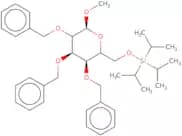
CAS:<p>Methyl 2,3,4-tri-O-benzyl-6-O-triisopropylsilyl-a-D-mannopyranoside is a glycosylation agent that can be used in the synthesis of oligosaccharides and polysaccharides. The compound is fluorinated at the C2 position and methylated at the C3 position. The final product is a white solid with a purity level of >99%. The molecular formula is CHO and the molecular weight is 522.9 g/mol.<br>Methyl 2,3,4-tri-O-benzyl-6-O-(1,1'-biphenyl)-aD manno pyranoside can be synthesized through click chemistry by reacting an alkyne (1) with trimethylsilylacetylene (2). This reaction yields an α,β unsaturated carbonyl (3), which undergoes pall</p>Fórmula:C37H52O6SiPureza:Min. 95%Peso molecular:620.91 g/mol2,3,4,6-Tetra-O-acetyl-β-D-glucopyranosyl azide
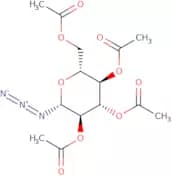
CAS:<p>2,3,4,6-Tetra-O-acetyl-β-D-glucopyranosyl azide is a chemical compound that has been synthesized and studied by X-ray crystallography. It is an azide derivative of β-D-glucopyranosyl acetate. The structure of this compound was solved using x-ray crystallographic techniques.</p>Fórmula:C14H19N3O9Pureza:Min. 95%Cor e Forma:White PowderPeso molecular:373.32 g/molL-Iduronic acid sodium salt
CAS:<p>L-iduronic acid (IdoA) (Collins, 2006) is the major uronic acid component of the glycosaminoglycans dermatan sulfate, chondroitin sulfate and heparin. Iduronic acid is also present in heparan sulfate, although in a minor amount relative to glucuronic acid. Glycosaminoglycans represent a physiologically important group of molecules involved in a variety of biological functions, such as, cell proliferation, cell-to-cell communication, wound healing, coagulation, morphogenesis, and pathogenesis. Glycosaminoglycans present an intriguing target for the design of new approaches for diagnostic and therapeutic agents against various infectious diseases (Kamhi, 2013).</p>Fórmula:C6H9NaO7Pureza:Min. 95%Cor e Forma:Slightly Yellow PowderPeso molecular:216.12 g/molDextran sulfate sodium, MW 20,000
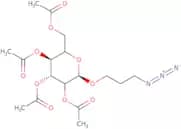
CAS:<p>Sodium carboxymethyl dextran (CM-dextran) is a white, odourless and tasteless powder, which is freely soluble in water or electrolyte solutions. The product has a pronounced polyanionic character, due to the high degree of carboxyl substitution. Applications that have been described for CM-dextran include carriers of paramagnetic contrast agents, preparation of conjugates of pharmacologically active compounds and CM-dextrans in biosensors. A number of other uses in cosmetics, agriculture, foods, paints and textiles have been the subject of patent applications.</p>Cor e Forma:Powder3-Azidopropyl 2,3,4,6-tetra-O-acetyl-b-D-galactopyranoside
CAS:<p>3-Azidopropyl 2,3,4,6-tetra-O-acetyl-b-D-galactopyranoside is a Custom synthesis of the monosaccharide galactose. It is modified with fluorine at the 3 and 4 positions on the carbon chain and also has an acetyl group at the 6 position. 3-Azidopropyl 2,3,4,6-tetra-O-acetyl-b-D-galactopyranoside is synthesized from the sugar glucose by methylation of the hydroxyl groups on C1 and C2. The chemical formula for this compound is C8H14N2O5. This molecule has a molecular weight of 204.22 g/mol and its CAS number is 819053-49-1.</p>Fórmula:C17H25N3O10Pureza:Min. 95%Cor e Forma:Colorless PowderPeso molecular:431.39 g/mol
![(5S, 8R, 9S) -8- [(4R) - 2, 2- Dimethyl- 1, 3- dioxolan- 4- yl] - 9- azido- 2, 2- dimethyl- 1, 3, …](/_next/image/?url=https%3A%2Fstatic.cymitquimica.com%2Fproducts%2F3D%2Fthumb-webp%2FMD170673.webp&w=3840&q=75)





![(1S) -1- [(2S, 3R) - N-Butyl-3- hydroxy- 1- azetidinyl] -1, 2- ethanediol](/_next/image/?url=https%3A%2Fstatic.cymitquimica.com%2Fproducts%2F3D%2Fthumb-webp%2FMB163416.webp&w=3840&q=75)





![(1S) -1- [(2S, 3R) - 3-Hydroxy- 1- (phenylmethyl) - 2- azetidinyl] -1, 2- Ethanediol](/_next/image/?url=https%3A%2Fstatic.cymitquimica.com%2Fproducts%2F3D%2Fthumb-webp%2FMH163419.webp&w=3840&q=75)













![(1S) -1- [(2S, 3S,4R) -N-Benzyl-4-hydroxymethyl-3- hydroxy- 1- azetidinyl] -1, 2- ethanediol](/_next/image/?url=https%3A%2Fstatic.cymitquimica.com%2Fproducts%2F3D%2Fthumb-webp%2FMB163383.webp&w=3840&q=75)



![N-[2-(4'-Methylphenylacetonitrile)]-2,3,4,6-tetra-O-pivaloyl-D-glucopyranoside](/_next/image/?url=https%3A%2Fstatic.cymitquimica.com%2Fproducts%2F3D%2Fthumb-webp%2FMM08499.webp&w=3840&q=75)

![(2S, 3S, 4R) -2- [(1S) - 1, 2- Dihydroxyethyl] - 4- (hydroxymethyl) - 3, 4- pyrrolidinediol](/_next/image/?url=https%3A%2Fstatic.cymitquimica.com%2Fproducts%2F3D%2Fthumb-webp%2FMD163541.webp&w=3840&q=75)