Glicociência
Subcategorias de "Glicociência"
- Amino açúcares(108 produtos)
- Anticorpos Glico-Relacionados(283 produtos)
- Glicolípidos(46 produtos)
- Glicosaminoglicanos (GAGs)(55 produtos)
- Glicosídeos(419 produtos)
- Monossacáridos(6.617 produtos)
- Oligossacarídeos(3.718 produtos)
- Polissacáridos(505 produtos)
Foram encontrados 11021 produtos de "Glicociência"
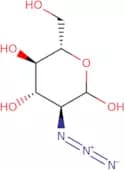
2-Azido-2-deoxy-L-glucopyranose
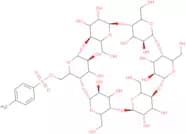
2-Azido-2-deoxy-L-glucopyranose is a Custom synthesis, modification and fluorination of methylated glucopyranosides. This compound has been shown to be effective in the synthesis of mono-, oligo-, and polysaccharides. 2-Azido-2-deoxy-L-glucopyranose is used for the preparation of glycosylation reagents. It can also be used to modify saccharide chains with azide or alkyne functionalities. 2-Azido-2-deoxy-L-glucopyranose is an important building block for the synthesis of complex carbohydrates, such as polysaccharides, glycosylation reagents, and click chemistry compounds.Fórmula:C6H11N3O5Pureza:Min. 95%Cor e Forma:White to off-white solid.Peso molecular:205.17 g/molMono-6-O-(p-toluenesulfonyl)-a-cyclodextrin
CAS:Alpha-cyclodextrin (α-CD) derivative with a hydrophilic exterior and lipophilic cavity (smaller than β-CDs and γ-CDs) to allocate certain guest molecules. This structural characteristic enables applications in molecular encapsulation, solubility enhancement, and stabilization across multiple industries. In pharmaceuticals, it serves as a drug delivery vehicle, enhancing the bioavailability and stability of active ingredients. The food industry utilizes it as a stabilizer for flavors, colors, and nutrients, as well as a functional ingredient for its effects on lipid metabolism. In cosmetics, it acts as a complex agent for fragrances and active components. Its applications extend to analytical chemistry for chiral separation and to materials science for developing smart materials and nanosystems.Fórmula:C43H66O32SPureza:Min. 95%Cor e Forma:White PowderPeso molecular:1,127.03 g/molb-L-Arabinopyranose
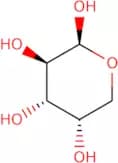
CAS:b-L-Arabinopyranose is a monosaccharide that is found in exudates, melibiose, and radiation hydrolysate. It has been shown to be hydrolyzed by intestinal enzymes and to have an optimum pH of 5.5. b-L-Arabinopyranose also has a high degree of polymerization (DP) and can form five-membered rings with galactans as well as terminal residues that are resistant to hydrolysis by carbon tetrachloride.Fórmula:C5H10O5Pureza:Min. 95%Peso molecular:150.1 g/molCyanomethyl 2,3-O-isopropylidene-5-O-trityl-D-ribofuranoside
Cyanomethyl 2,3-O-isopropylidene-5-O-trityl-D-ribofuranoside is a carbohydrate that is used as a building block for the synthesis of oligosaccharides and polysaccharides. It is synthesized from D-ribose and methyl 2,3-O-(1,2,4)triazole by the reaction of the glycosyl donor 2,3,5-triacetoxybenzaldehyde with methyl iodide followed by reaction with sodium methoxide. This product has not been tested for microbial contamination or endotoxins.Fórmula:C29H29NO5Pureza:Min. 95%Peso molecular:471.54 g/molPectic acid
CAS:Pectic acid is non water-soluble β (1,4)-linked polygalacturonic acid. In its gel form, is water-soluble, transparent and gelatinous, and exists in ripe fruit and some vegetables. It is a product of pectin degradation in plants, and is produced via the interaction between pectinase and pectin (the latter being common in the wine-making industry).Pureza:Min. 95%Cor e Forma:PowderDextran sulfate sodium, MW 20,000
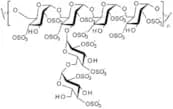
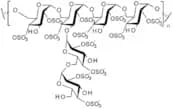
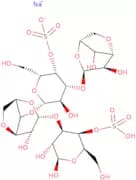
CAS:Sodium carboxymethyl dextran (CM-dextran) is a white, odourless and tasteless powder, which is freely soluble in water or electrolyte solutions. The product has a pronounced polyanionic character, due to the high degree of carboxyl substitution. Applications that have been described for CM-dextran include carriers of paramagnetic contrast agents, preparation of conjugates of pharmacologically active compounds and CM-dextrans in biosensors. A number of other uses in cosmetics, agriculture, foods, paints and textiles have been the subject of patent applications.Cor e Forma:PowderDextran sulfate sodium, MW 100,000
CAS:Dextran sulphate is a dextran derivative whose ulcer (colitis) -causing properties were first reported in hamsters and extrapolated a few years later to mice and rats. The exact mechanisms through which dextran sulphate induces intestinal inflammation are unclear but may be the result of direct damage of the monolayer of epithelial cells in the colon, leading to the crossing of intestinal contents (for e.g. commensal bacteria and their products) into underlying tissue and therefore induction of inflammation. The dextran sulphate sodium induced ulceration model in laboratory animals has some advantages, when compared to other animal models of colitis, due to its simplicity and similarities to human inflammatory bowel disease.Cor e Forma:Powder6- Azido- 6- deoxy- 1, 2:3, 5- bis- isopropylidene-D- glycero- L- gulo- heptitol
CAS:6-Azido-6-deoxy-1,2:3,5-bisisopropylidene-D-glycero-L-guloheptitol is a synthetic monosaccharide that can be used for the synthesis of oligosaccharides and complex carbohydrates. It is prepared by the fluorination of 6,6'-azido-1,2:3,5 bisisopropylidene D-glycero L guloheptitol. The chemical name of 6,6'-azido 1,2:3,5 bisisopropylidene D glycero L guloheptitol is 2-(6'-Amino)-2-(6'-deoxy)-1-(isopropylidene)ethanol. This compound has been shown to react with carbonyl groups in sugar molecules to form new compounds called glycosides. 6,6'-Amino 1,
Fórmula:C13H23N3O6Pureza:Min. 95%Peso molecular:317.34 g/molCellobionic acid ammonium salt
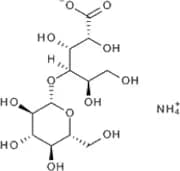
CAS:Cellobionic acid is produced by oxidative enzymes working on cellulose. These compounds have found application in cosmetic antiaging formulations, moisturizers, and peels, and in treatment products to improve hyperpigmentation and acne. The bionic acids such as cellobionic acid offer the benefits of α-hydroxyacids without irritation. They also provide additional antioxidant/chelation, barrier strengthening, and moisturizing effects.
Fórmula:C12H25NO12Pureza:Min. 95%Cor e Forma:Off-White PowderPeso molecular:375.33 g/mol1,5-α-L-Arabinotriose
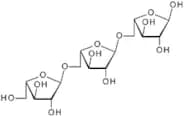
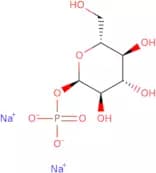
CAS:1,5-α-L-Arabinotriose is a sugar that is found in the cell walls of plants. It is a trisaccharide composed of three L-arabinose units linked by α-(1→5) bonds. 1,5-α-L-Arabinotriose has been shown to be adsorbed on cellulose acetate and can be used to measure the molecular weight of the adsorbate. This sugar also undergoes optical rotations when it interacts with some dyes such as germanium tetrachloride. 1,5-α-L-Arabinotriose has many uses including: as a solute in chloride ion chromatography; as an absorbent in filtration experiments; and as a parameter for calculating thermodynamics for reactions involving hydrogen transfer.Fórmula:C15H26O13Pureza:Min. 95 Area-%Cor e Forma:Clear LiquidPeso molecular:414.36 g/mola-D-Glucose-1-phosphate disodium salt hydrate
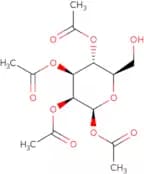
CAS:a-D-Glucose-1-phosphate disodium salt hydrate (aGPD) is a bacterial strain that has been shown to produce fatty acids from glucose. The production of fatty acids has been shown to be dependent on transfer reactions involving tagatose, which is an intermediate product of the process optimization of aGPD. The final product of these reactions is lactic acid, which is formed in an acidic environment. This bacterial strain has also been used as a model system for studying kidney bean phosphatase and photosynthetic activity in monoclonal antibody production.Fórmula:C6H11O9P·2Na·xH2OPureza:Min. 97%Cor e Forma:White PowderPeso molecular:304.1 g/mol1,2,3,4-Tetra-O-acetyl-β-D-mannopyranose
CAS:1,2,3,4-Tetra-O-acetyl-β-D-mannopyranose is a fluorinated monosaccharide that has been synthesized. It is a complex carbohydrate with the molecular formula C12H24O8 and a molecular weight of 256.24 g/mol. 1,2,3,4-Tetra-O-acetyl-β-D-mannopyranose has been modified with glycosylation and polysaccharides to create a click modification. It can be used in custom synthesis and provides high purity.Fórmula:C14H20O10Pureza:Min. 95%Cor e Forma:White Off-White PowderPeso molecular:348.3 g/mol2,3,4-Tri-O-acetyl-6-deoxy-6,6-difluoro-a-D-mannopyranosyl-1-bis[2-(acetylthio)ethyl]phosphate
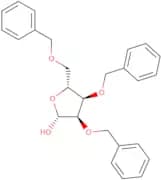
CAS:Fucosylation inhibitorFórmula:C20H29F2O13PS2Peso molecular:610.54 g/mol2,3,5-Tri-O-benzyl-b-D-ribofuranose
CAS:2,3,5-Tri-O-benzyl-b-D-ribofuranose is a synthetic monosaccharide that is used in the synthesis of complex carbohydrates such as glycosylation and polysaccharides. One use for this chemical is to modify the sugar moiety with methyl groups, yielding 2,3,5-tri-O-methyl b-D-ribofuranose. This modification helps prevent the sugar from being metabolized by enzymes in the body. The chemical can also be fluorinated to yield 2,3,5-trifluoro b-D-ribofuranose.
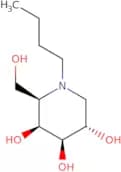
Fórmula:C26H28O5Pureza:Min. 95%Cor e Forma:White PowderPeso molecular:420.5 g/molN-Butyldeoxygalactonojirimycin
CAS:Competitive inhibitor of glucosylceramidase (GlcCer), which catalyses the first step in glycosphingolipid (GSL) synthesis. This compound is a promising candidate for substrate reduction therapy in Sandhoff disease, where it decreases the rate of GSL biosynthesis and counterbalances the impaired rate of ganglioside catabolism.
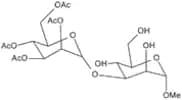
Fórmula:C10H21NO4Pureza:Min. 95%Cor e Forma:PowderPeso molecular:219.28 g/molMethyl 3-O-(2,3,4,6-tetra-O-acetyl-a-D-mannopyranosyl)-a-D-mannopyranoside
CAS:Methyl 3-O-(2,3,4,6-tetra-O-acetyl-a-D-mannopyranosyl)-a-D-mannopyranoside is a synthetic glycosylation product of methyl 3,4,6-triacetate and a mannose. It is an Oligosaccharide with the molecular formula (C12H25O14)n. Methyl 3-O-(2,3,4,6-tetra-O-acetyl-a-D-mannopyranosyl)-a-D -mannopyranoside is a white crystalline powder that can be used in the synthesis of complex carbohydrates. It has been shown to react with fluorine to produce a monofluorinated product and methylated products. This compound can be custom synthesized and modified for specific applications. Methyl 3 - O - ( 2 , 3 , 4 , 6 -Fórmula:C21H32O15Pureza:Min. 95%Peso molecular:524.47 g/mol(2S,3S,4S)-N-Ethyl-2-hydroxymethyl-3,4-pyrrolidinediol
(2S,3S,4S)-N-Ethyl-2-hydroxymethyl-3,4-pyrrolidinediol is a synthetic sugar that is commonly used in the synthesis of polysaccharides. It can also be used as a reagent for methylation and glycosylation reactions. This compound is available as a pure white powder with a melting point of 130°C to 135°C. (2S,3S,4S)-N-Ethyl-2-hydroxymethyl-3,4-pyrrolidinediol has been shown to be reactive with saccharide and polysaccharide substrates. Click modification can be performed on this product to make it reactive with other molecules or compounds. The purity of this compound exceeds 99%.Pureza:Min. 95%Croscarmellose sodium
CAS:Superdisintegrant used in pharmaceutical formulationsCor e Forma:White PowderPeso molecular:982.44(1S) -1- [(2S, 3R) - 3-Hydroxy- 1- (phenylmethyl) - 2- azetidinyl] -1, 2- Ethanediol
(1S) -1- [(2S, 3R) - 3-Hydroxy- 1- (phenylmethyl) - 2- azetidinyl] -1, 2- Ethanediol is a custom synthesis that is a glycosylated, fluorinated and methylated sugar. It is an oligosaccharide with four monosaccharides and one disaccharide repeating unit. This molecule has been modified with Click chemistry and the use of polysaccharides. The CAS number for this compound is 1009076-81-2 and it can be purchased in high purity.Pureza:Min. 95%4-O-(β-D-Galactopyranosyl)-D-galactopyranose
CAS:Used as enzyme substrates, analytical standards and for in vitro diagnosticsFórmula:C12H22O11Pureza:Min. 95%Cor e Forma:White Off-White PowderPeso molecular:342.29 g/mol6-O-Sulfated Lewis A
6-O-sulfated Lewis A is a high purity oligosaccharide with a custom synthesis and click modification. This product has been shown to be useful in glycosylation, methylation, and saccharide modification. It is a versatile carbohydrate that can be used in the synthesis of complex carbohydrates. 6-O-Sulfated Lewis A has CAS number 70520-34-5 and an Oligo/Mono Saccharide content of >95%.Fórmula:C20H35NO18SPureza:Min. 95%Cor e Forma:PowderPeso molecular:609.55 g/mol4-Deoxy-D-glucose
CAS:4-Deoxy-D-glucose is a neutral, odorless chemical that is used in the synthesis of glycosides. It has a hydroxy group and a methyl group attached to the 4th carbon atom. The hydroxy group on the 4th carbon atom can act as a nucleophile and react with electrophilic groups such as ketones or alcohols. This reaction mechanism leads to the formation of sugar products called methyl glycosides. There are many side effects associated with this chemical, including allergic reactions, which can be due to its structural similarity to glucose. The optimum pH for this chemical is 7.4, which makes it an acid-stable molecule. 4-Deoxy-D-glucose is found in nature and is biosynthesized by plants and animals in order to produce blood group antigens (ABO system). It also plays an important role in the ternary complex that regulates cell division in bacteria.Fórmula:C6H12O5Pureza:Min. 98 Area-%Cor e Forma:PowderPeso molecular:164.16 g/mol3-O-Benzyl-1,2-O-isopropylidene-a-D-xylofuranose
3-O-Benzyl-1,2-O-isopropylidene-a-D-xylofuranose is a monosaccharide that is synthesized by methylation of the corresponding aldose. It has been used in the synthesis of oligosaccharides and polysaccharides. 3-O-Benzyl-1,2-O-isopropylidene-a-D-xylofuranose has also been shown to be useful in the fluorination of saccharide chains.Pureza:Min. 95%1-D-3-Deoxy-myo-inositol
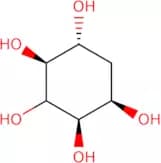
CAS:Myoinositol is a cyclitol and a member of the group of hexahydroxycyclohexanes. It is found in many plants and animals, especially in brain tissue, and plays an important role as a component of cell membranes. Myoinositol has been shown to inhibit cellular glycosidases, which are enzymes that break down complex sugars. In addition, myoinositol has been shown to have anti-cancer properties. Myoinositol is used as an analytical reagent in phase chromatography to separate molecules based on their hydrophobicities. 1-D-3-Deoxy-myo-inositol also has corrosion inhibition properties and can be used as a pesticide or agrochemical.Fórmula:C6H12O5Pureza:Min. 95 Area-%Cor e Forma:White PowderPeso molecular:164.16 g/mol1,2,3,4,6-Penta-O-galloyl-β-D-glucopyranose
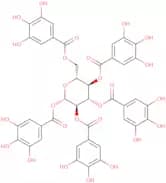
CAS:A gallotannin found in plants, with various biological activities. Its anti-cancer effect has been demonstrated in several cancer cell lines, mediated by inhibition of DNA replication, proliferation and angiogenesis. Elicits anti-inflammatory, antioxidative and anti-diabetic effects. Recently, it has been identified as an inhibitor of c-Myc in hepatocellular carcinoma and multiple myeloma cells.Fórmula:C41H32O26Pureza:Min. 96 Area-%Cor e Forma:PowderPeso molecular:940.68 g/molIsorhamnetin 3-O-galactoside
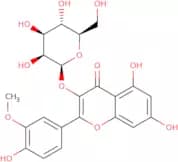
CAS:Isorhamnetin 3-O-galactoside is a flavonoid derivative that is found in plant tissue. It has antioxidant properties and has been shown to inhibit leucaena seed germination, growth, and the production of reactive oxygen species (ROS). Isorhamnetin 3-O-galactoside can be extracted from fruit by using an aqueous solution of potassium hydroxide. It is also used as a dietary supplement for its potent inhibitory activity on ROS. Isorhamnetin 3-O-galactoside is found in plants with other flavonoids such as quercetin and kaempferol. The chemical structure of this compound consists of a hydroxyl group at the C3 position and an O-glycosidic linkage to galactose at the C2 position. This compound can be detected by mass spectrometric methods such as electron ionization or electrospray ionization because it
Fórmula:C22H22O12Pureza:Min. 95%Peso molecular:478.4 g/mol3-(2,3,5-Tri-O-benzyl-1-b-D-ribofuranosyl)benzamide
CAS:3-(2,3,5-Tri-O-benzyl-1-b-D-ribofuranosyl)benzamide is a sugar derivative with the chemical formula C14H19N5O6. This compound belongs to the group of saccharides and is a synthetic glycoside. 3-(2,3,5-Tri-O-benzyl-1-b-D-ribofuranosyl)benzamide is used in the synthesis of oligosaccharides and polysaccharides for use in medical applications. It can be custom synthesized and has a purity level of >99%.Fórmula:C33H33NO5Pureza:Min. 95%Peso molecular:523.62 g/mol(1S) -1- [(2S, 3R) - N-Butyl-3- hydroxy- 1- azetidinyl] -1, 2- ethanediol
(1S) -1- [(2S, 3R) - N-Butyl-3- hydroxy- 1- azetidinyl] -1, 2- ethanediol is a synthetic carbamate which is a modification of the sugar D-glucose. It has been fluorinated at the C4 position and glycosylated at the C2 position. This compound is also methylated at the C3 position. (1S) -1- [(2S, 3R) - N-Butyl-3- hydroxy- 1- azetidinyl] -1, 2- ethanediol has CAS number 7145636 and has been custom synthesized to be high purity and with custom synthesis modifications.
Pureza:Min. 95%Suberoylanilide-D5 hydroxamic acid b-D-glucuronide
Produto ControladoSuberoylanilide-D5 hydroxamic acid b-D-glucuronide is a modification of sucrose. It is a complex carbohydrate that has been modified with an Oligosaccharide and Carbohydrate. This compound is synthesized with Custom synthesis, Synthetic, High purity, CAS No., Monosaccharide, Methylation, Glycosylation, Polysaccharide, sugar and Fluorination. Suberoylanilide-D5 hydroxamic acid b-D-glucuronide is a fluorinated saccharide that can be used as a sugar for glycosylation or methylation.Fórmula:C20H23N2O9D5Pureza:Min. 95%Cor e Forma:White to off-white solid.Peso molecular:445.47 g/mol1,6-Anhydro-2,3,4-tri-O-benzyl-b-D-glucopyranose
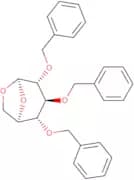
CAS:1,6-Anhydro-2,3,4-tri-O-benzyl-b-D-glucopyranose is a polymer that can be synthesized by copolymerizing the monomer with other reagents. The acetal linkage between the two glucose units allows for a cyclic structure, and this compound is soluble in water and methanol. 1,6-Anhydro-2,3,4-tri-O-benzyl-b-D-glucopyranose has been used to synthesize a variety of polymers such as polyacetals and polyesters.Fórmula:C27H28O5Pureza:Min. 95%Cor e Forma:White PowderPeso molecular:432.51 g/mol1,3,4,6-Tetra-O-acetyl-b-D-glucosamine HCl
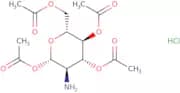
CAS:1,3,4,6-Tetra-O-acetyl-b-D-glucosamine HCl is a compound that can be used in the production of bacterial cellulose. It is a white powder with a molecular weight of 536.2. 1,3,4,6-Tetra-O-acetyl-b-D-glucosamine HCl has been shown to be effective in the cultivation of microorganisms such as bacteria and fungi. This product is also an additive for deionized water and deionized sucrose solutions. Tetraacetylated glucosamine hydrochloride is used to produce bacterial cellulose through the action of cellulase enzymes on sucrose solutions containing NaOH. In addition, this product has been shown to inhibit the proliferation of fibroblasts and epithelial cells when cultured in vitro.Fórmula:C14H21NO9·HClPureza:Min. 95.0 Area-%Cor e Forma:PowderPeso molecular:383.78 g/mol2,3,4-Tri-O-benzyl-D-glucopyranose
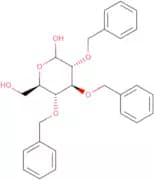
CAS:2,3,4-Tri-O-benzyl-D-glucopyranose is a thioglucoside that can be synthesized from D-glucose and benzyl bromide. This compound is a protonated nucleophile with a hydroxyl group that can interact with the sulfur of a thiol or disulfide group. The interaction between 2,3,4-tri-O-benzyl-D-glucopyranose and S. aureus has been shown to be dependent on the concentration of 2,3,4 tri O benzyl glucopyranose. The reaction between this compound and oligosaccharides led to the formation of dioxane ring structures that were hydrophobic.Fórmula:C27H30O6Pureza:Min. 95%Cor e Forma:PowderPeso molecular:450.52 g/mol1,2:5,6-Di-O-isopropylidene-a-D-allofuranose
CAS:Synthetic building blockFórmula:C12H20O6Pureza:Min. 95%Cor e Forma:White PowderPeso molecular:260.28 g/mol6-Amino-6-deoxy-D-lactose
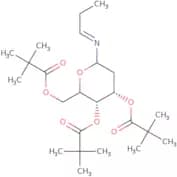
6-Amino-6-deoxy-D-lactose is a high purity, custom synthesis sugar that has been fluorinated and glycosylated. It can be used in the synthesis of oligosaccharides, monosaccharides, saccharides or complex carbohydrates. 6-Amino-6-deoxy-D-lactose can be found under CAS No. 5892-84-7.Pureza:Min. 95%N-(Propylidenimino)-2-deoxy-3,4,6-tri-O-pivaloyl-D-glucopyranoside
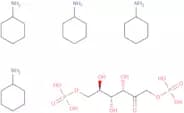
CAS:N-(Propylidenimino)-2-deoxy-3,4,6-tri-O-pivaloyl-D-glucopyranoside is a custom synthesis that is modified with fluorine and methyl groups. It has been shown to be an effective inhibitor of glycosylation in the synthesis of oligosaccharides and polysaccharides. N-(Propylidenimino)-2-deoxy-3,4,6-tri-O-pivaloyl-D-glucopyranoside also has the ability to prevent glycosylation by binding to carbohydrate substrates.Fórmula:C24H41NO7Pureza:Min. 95%Peso molecular:455.58 g/molD-Fructose-1,6-diphosphate tetra(cyclohexylammonium) salt
CAS:D-Fructose-1,6-diphosphate tetra(cyclohexylammonium) salt is a white to off-white crystalline powder. It is soluble in water and ethanol and insoluble in ether, chloroform, and benzene. D-Fructose-1,6-diphosphate tetra(cyclohexylammonium) salt is used as a raw material for the production of mono and oligosaccharides by click chemistry or glycosylation. The chemical formula for this substance is CHNO4.H2O4C8H11N.Fórmula:C6H14O12P2·4C6H13NPureza:Min. 95%Peso molecular:736.81 g/mol(3r,4s)-3,4-Bis-benzyloxymethyl-oxetane-2-one 2-hydrate
A custom synthesis of (3r,4s)-3,4-Bis-benzyloxymethyl-oxetane-2-one 2-hydrate is a modification of a complex carbohydrate. This compound is synthesized from an oligosaccharide and has the molecular formula C14H15O2. The molecular weight for this compound is 256.24 g/mol. This compound is soluble in water and has a melting point of 80°C. It can be used as a sugar or a polysaccharide in glycosylation reactions. This compound also has fluorination and saccharide functionalities that can be used in methylation reactions to produce methylated sugars or monosaccharides.Pureza:Min. 95%2-Chloro-2-deoxy-D-mannitol
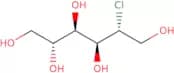
CAS:2-Chloro-2-deoxy-D-mannitol is a synthetic sugar that is used in the synthesis of oligosaccharides and complex carbohydrates. It is also used to fluorinate saccharides. 2-Chloro-2-deoxy-D-mannitol can be modified with methyl groups, which allows for the synthesis of monosaccharides and polysaccharides. This product has a CAS number of 127530-02-3 and is soluble in water. It has a melting point of 220°C, boiling point of 390°C, density of 1.8 g/mL at 20°C, and refractive index (n20 D) of 1.54792 at 20°C.Fórmula:C6H13ClO5Pureza:Min. 95%Peso molecular:200.62 g/mol2,6-Anhydro-D-glycero-D-ido-heptonamide
CAS:2,6-Anhydro-D-glycero-D-ido-heptonamide is a fluorinated carbohydrate that can be synthesized by the reaction of 2,6-anhydro-D-glycero-D-heptonic acid with N,N'-dicyclohexylcarbodiimide and ethyl bromoacetate. This compound is then modified with a methyl group at the C2 position or an acetyl group at the C3 position. The resulting product can be used in a wide variety of applications including biopharmaceuticals, diagnostic reagents, and inorganic chemicals.Pureza:Min. 95%2,3:4,6-Di-O-isopropylidene-2-keto-L-gulonic acid
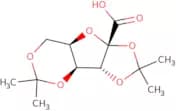
CAS:2,3:4,6-Di-O-isopropylidene-2-keto-L-gulonic acid is a mediator that is used in the synthesis of epoxides. It is obtained by the reaction of hydrogen peroxide with 2,3:4,6-di-o-isopropylidene-2-keto-l-gulonic acid monohydrate. This product can be used as an intermediate in organic synthesis to produce chiral epoxides. The stereochemistry of the epoxides depends on the chirality of the substrate and the stereoselectivity for this process is high. The epoxides are then recycled and reused to make more 2,3:4,6--di--isopropylidene--2--keto--l--gulonic acid monohydrate.Pureza:Min. 95%2-Acetamido-2,6-dideoxy-D-galactose
CAS:2-Acetamido-2,6-dideoxy-D-galactose (2ADG) is a structural analogue of the natural monosaccharide 2,6-dideoxy-D-galactose. It has been shown to have an antimicrobial effect against aerobacter aerogenes in vitro. 2ADG is metabolized by glycosidases and methyl glycosides to form 1,4-anhydro-2,3,4,6 tetraacetamido-2,4,6 dideoxy D galactose. This compound inhibits the growth of bacterial strains that are resistant to polymyxin b., such as Pseudomonas aeruginosa. The inhibition of these bacteria is due to the inhibition of the synthesis of their outer membrane lipopolysaccharides by 2ADG. The antibacterial activity is also attributed to its ability to inhibit the metabolism of glycan molecules in some bacteria
Fórmula:C8H15NO5Pureza:Min. 95%Cor e Forma:White PowderPeso molecular:205.21 g/mol3,6-Dideoxy-3,6-imino-4,5-O-isopropylidene-D-mannitol
3,6-Dideoxy-3,6-imino-4,5-O-isopropylidene-D-mannitol is a complex carbohydrate that is a sugar. It is an oligosaccharide and has CAS No. 123725-27-8. 3,6-Dideoxy-3,6-imino-4,5-O-isopropylidene D mannitol is a saccharide and it can be modified with methylation or glycosylation. 3,6-Dideoxy D mannitol can be fluorinated in the presence of elemental fluorine to produce 3,6 difluoro 2,5 dihydroxyhexanoic acid. 3,6 Dideoxy D mannitol is synthesized from 2 acetylacetone and tetrachloroethanol as starting materials.Pureza:Min. 95%3-O-Methanesulfonyl-D-glucopyranose
CAS:3-O-Methanesulfonyl-D-glucopyranose is a high purity, custom synthesis sugar that can be modified with fluorination, glycosylation, methylation and modification. It is also synthesized from glycoaldehyde and methanesulfonic acid in the presence of sodium hydroxide and sodium acetate. 3-O-Methanesulfonyl-D-glucopyranose can be used to synthesize saccharides and oligosaccharides. This compound is soluble in water and has a boiling point of 218°C at 760 mmHg. It is slightly soluble in methanol, ethanol and acetone. 3-O-Methanesulfonyl-D-glucopyranose has a CAS number of 40631-95-6.Fórmula:C7H14O8SPureza:Min. 95%Cor e Forma:PowderPeso molecular:258.25 g/molNGA2F Glycan, 2-AB labelled
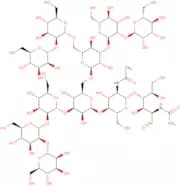
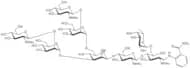
NGA2F Glycan is a complex carbohydrate that is synthesized by the enzymatic transfer of an N-acetylgalactosamine (GalNAc) residue to a serine or threonine residue on protein. It is modified with methylation, Click modification, and fluorination. NGA2F Glycan has two binding sites for 2-AB labelled monosaccharides. The glycosylation site is located at the non-reducing end of the molecule, while the oligosaccharide site is located at the reducing end of the molecule.
Pureza:Min. 95%Neocarratetraose 4¹, 4³-disulfate disodium salt
CAS:Neocarratetraose 4,4-disulfate disodium salt is a synthetic, fluorinated carbohydrate that is synthesized from neopentyl glycol and 1,2-dichloroethane. It has been used as a substrate for the glycosylation of saccharides. Neocarratetraose 4,4-disulfate disodium salt is a white to off-white powder with a molecular weight of 538.Fórmula:C24H36Na2O25S2Pureza:(%) Min. 95%Cor e Forma:White Off-White PowderPeso molecular:834.64 g/molMonosialyl, monofucosyl-(1-3)-lacto-N-hexaose
Monosialyl, monofucosyl-(1-3)-lacto-N-hexaose is a high purity oligosaccharide that is custom synthesized for use in glycosylation studies. It can be modified with methylation, fluorination, or Click chemistry to create a variety of sugar derivatives. Monosialyl, monofucosyl-(1-3)-lacto-N-hexaose has been shown to have complex carbohydrate properties and can be used as an α1→6 glycosidic linker in the synthesis of polysaccharides.Pureza:Min. 95%2-C-Azidomethyl-2,3-di-O-benzhydryloxybis(trimethylsilyloxy)silyl-1-O-tert-butyldimethylsilyl-D-erythritol
2-C-Azidomethyl-2,3-di-O-benzhydryloxybis(trimethylsilyloxy)silyl-1-O-tert-butyldimethylsilyl-D-erythritol is a synthetic compound that can be used as a methylating agent and sugar donor in the glycosylation of oligosaccharides. This compound has been shown to methylate saccharides with high purity and can be used for the preparation of complex carbohydrates.Pureza:Min. 95%2,5-Anhydro-1-O-trityl-D-mannitol
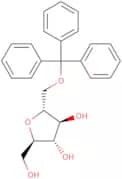
CAS:2,5-Anhydro-1-O-trityl-D-mannitol is a complex carbohydrate with the molecular formula C6H14O6 that has been modified for use in glycosylation reactions. It is a type of sugar that can be modified to create desired properties and can be used as an alternative to other sugars such as glucose. 2,5-Anhydro-1-O-trityl-D-mannitol can be used in the synthesis of oligosaccharides and monosaccharides. This product is available in high purity and has a CAS number of 68774-48-1.
Fórmula:C25H26O5Pureza:Min. 95%Peso molecular:406.48 g/mol1,2,4,6-Tetra-O-acetyl-β-D-glucopyranose
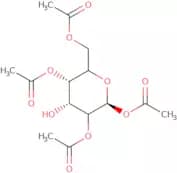
CAS:1,2,4,6-Tetra-O-acetyl-b-D-glucopyranose is a synthetic sugar that can be used in the synthesis of oligosaccharides and polysaccharides. It is a high purity product with a purity of >99% by weight. This product is also available as a custom synthesis.Fórmula:C14H20O10Pureza:Min. 95%Cor e Forma:White PowderPeso molecular:348.3 g/mol1-Methyl-2,3-O-isopropylidene-1,4-dideoxy-1,4-imino-1-N-dehydro-D-ribitol
CAS:1-Methyl-2,3-O-isopropylidene-1,4-dideoxy-1,4-imino-1-N-dehydroDribitol (LMDDR) is an oligosaccharide that can be synthesized by the modification of dideoxyribitol. LMDDR is a complex carbohydrate with a sugar chain and has a CAS number of 909703-52-2. This monosaccharide can be fluorinated to form 1-(trifluoromethyl)-2,3-O-[(trifluoromethyl)methylidene]-1,4dideoxy -1,4imino -Dribitol (TFMDDR). TFMDDR has been shown to have higher purity and better stability than LMDDR.Fórmula:C9H15NO3Pureza:Min. 95%Peso molecular:185.22 g/mol6-Deoxy-L-tallitol
6-Deoxy-L-tallitol is a sugar that is synthesized from the natural sugar, L-taloheptulose. This product is custom synthesized and can be modified to suit the needs of the customer. It can be fluorinated, glycosylated, or methylated as required. 6-Deoxy-L-tallitol can be used in a variety of applications such as pharmaceuticals, agrochemicals, and food products. This product has a CAS number, Oligosaccharide, Monosaccharide, saccharide Carbohydrate, complex carbohydrate.Pureza:Min. 95%Methyl 3-O-(2-acetamido-2-deoxy-b-D-glucopyranosyl)-b-D-galactopyranoside
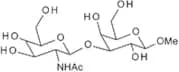
CAS:Substrate for b-6-GlcNAc-transferaseFórmula:C15H27NO11Pureza:Min. 97 Area-%Cor e Forma:White PowderPeso molecular:397.38 g/molGalacturonan DP5 sodium salt
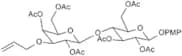
Sodium Pentagalacturonate, (β-1,4 sodium Pentagalacturonate) is derived from pectin or pectic acid, by enzymatic or partial acid hydrolysis (Combo, 2012). It is used inâ¯galacturonic acidâ¯metabolism research as a substrate to identify, differentiate, and characterize endo- and exopolygalacturonase(s), and gluconase(s) (Jayani, 2005). The addition of very short fragments of homogalacturonan, tri-galacturonate, tetra-galacturonate, and penta-galacturonate oligosaccharides, restore development in dark-grown, de-etiolated seedling mutants, suggesting that they are unable to generate de-methylesterified pectin fragments. A model of spatiotemporally separated photoreceptive and signal-responsive cell types has been proposed, that contains overlapping subsets of the regulatory network of light-dependent seedling development (Sinclair, 2017).Pureza:(Hpaec-Pad) Min. 65%Cor e Forma:Powder4-Methoxyphenyl 2,3,6-tri-O-acetyl-4-O-(2,4,6-tri-O-acetyl-3-O-allyl-β-D-galactopyranosyl)-β-D-glucopyranoside
4-Methoxyphenyl 2,3,6-tri-O-acetyl-4-O-(2,4,6-tri-O-acetyl-3-O-allyl bDgalactopyranosyl)-bDglucopyranoside is a modification of an oligosaccharide. It is a high purity and custom synthesis. This product can be found under CAS No. 807827-28-0.Fórmula:C34H44O18Pureza:Min. 95%Peso molecular:740.7 g/molHyaluronic acid sodium salt - Extra low molecular weight 8,000-15,000
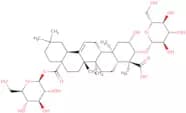
CAS:Gycosaminoglycan in many organs; joint lubricant and shock absorberFórmula:(C14H20NO11Na)nPureza:Min. 91 Area-%Cor e Forma:PowderMedicagenic acid 3,28-di-O-glucoside
CAS:Medicagenic acid 3,28-di-O-glucoside is a synthetic compound that is the product of a custom synthesis. It is a sugar with 1,2-linked glucose units. Medicagenic acid 3,28-di-O-glucoside is an intermediate in the synthesis of glycoconjugates. Medicagenic acid 3,28-di-O-glucoside can be modified to produce saccharides with various properties and functions. This compound has been modified by fluorination, methylation and click chemistry to produce medicagenic acid 3,28-di-O-[(2-(4′-[N′-(3′,5′'-dimethoxytrityl)-3H]thiophenyl)carbonyl]-6′-(4′-[N′-(3',5'-dimethoxytrityl)-3H]thiophenyl)methyl] glucopyranoside.Fórmula:C42H66O16Pureza:Min. 95%Peso molecular:826.96 g/mol1,4-β-D-Mannopentaose
CAS:Isolated from ivory-nut mannan hydrolysates
Fórmula:C30O26H52Pureza:Min. 95%Cor e Forma:PowderPeso molecular:828.72 g/mol1,4-β-D-Xylohexaose
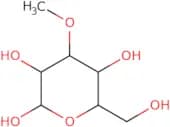
CAS:1,4-beta-D-xylohexaose is a sugar that belongs to the group of xylooligosaccharides. It is an enzymatic inactivator that binds to the enzyme hydrolase family. Xylooligosaccharides are found in plant cell walls, where they can be used as a carbon source by termites. 1,4-beta-D-xylohexaose has been shown to be most active against neutral ph, but it is not active against acidic ph. The enzyme hydrolase family is inhibited by binding with 1,4-beta-D-xylohexaose and this prevents hydrolysis of carbohydrates, which includes glycosidic bonds.br>br> 1,4-beta-D-xylohexaose has also been shown to be beneficial for sustainable agriculture practices as it inhibits enzymes that break down xylooligosaccharidesFórmula:C30H50O25Pureza:Min. 95%Cor e Forma:PowderPeso molecular:810.7 g/mol3-O-Methyl-α-D-glucopyranose
CAS:3-O-Methyl-α-D-glucopyranose is a synthetic, fluorinated monosaccharide. This compound is a custom synthesis, and it can be used as an intermediate in glycosylation reactions. 3-O-Methyl-α-D-glucopyranose is typically used for the modification of polysaccharides by methylation or fluorination. It also has potential applications in the production of high purity sugar compounds.Fórmula:C7H14O6Pureza:Min. 95%Peso molecular:194.18 g/molMethyl 2,3,4-tri-O-methyl-β-D-galactopyranoside
CAS:A methyl protected galactosideFórmula:C10H20O6Pureza:Min. 95%Cor e Forma:PowderPeso molecular:236.26 g/molMaltodextrin oligosaccharides - DP10 to DP40
Produced from starch; white hygroscopic spray-dried powder; easily digestibleCor e Forma:PowderMethyl 4,6-O-benzylidene-2-deoxy-a-D-allopyranoside
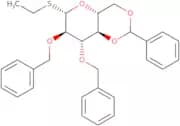
Methyl 4,6-O-benzylidene-2-deoxy-a-D-allopyranoside is an oligosaccharide that has a complex carbohydrate structure with a fluorination modification. It is synthesized by the methylation of 4,6-O-benzylidene-2,3,4,6 tetra deoxy aldopyranose and the glycosylation with methylated glucose. Methyl 4,6-O-benzylidene-2-deoxy-a -D allopyranoside is used in research to study the synthesis of saccharides and glycoconjugates. Its CAS number is 6891–51–8. This product is available for custom synthesis.Fórmula:C14H18O5Pureza:Min. 95%Peso molecular:266.29 g/molEthyl 2,3-di-O-benzyl-4,6-O-benzylidene-b-D-thioglucopyranoside
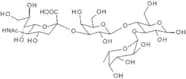
CAS:Ethyl 2,3-di-O-benzyl-4,6-O-benzylidene-b-D-thioglucopyranoside is a glycosylated monosaccharide. It is synthesized by the reaction of 1,2,3,4,6-pentaacetyl bromohexose with benzaldehyde and thioglycolic acid. The product is purified by recrystallization. This compound has a CAS number of 141263-01-6 and can be custom synthesized to meet your needs.Fórmula:C29H32O5SPureza:Min. 95%Cor e Forma:PowderPeso molecular:492.63 g/mol3-O-(a-L-Fucopyranosyl)-4-O-(3-sialyl-b-D-galactopyranosyl)-D-glucose
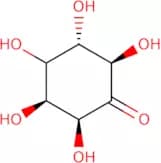
3-O-(a-L-Fucopyranosyl)-4-O-(3-sialyl-b-D-galactopyranosyl)-D-glucose is a modification of the complex carbohydrate, oligosaccharide, monosaccharide, and polysaccharide. It is synthesized by methylation of glucose and glycosylation with sialic acid. The product has a CAS number and a high purity level. This product is an example of a synthetic oligosaccharide that has been fluorinated. The product can be used as an additive or preservative in food products.Fórmula:C29H49NO23Pureza:Min. 95%Peso molecular:779.71 g/mol1L-Epi-2-inosose
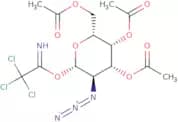
CAS:1-L-Epi-2-inosose is a natural compound that has been found to have broad-spectrum antimicrobial activity. This substance is a product of the hemocyte's enzymatic conversion of L-epinephrine into 1,2,3,4,5,6-hexahydroxyisoquinoline (1L-Epi). 1L-Epi is also synthesized in vitro from epinephrine by the enzyme dehydrogenase. In addition to its antimicrobial activity, 1L-Epi has been shown to be a potent proliferation inhibitor for human cells and to be effective against gram negative bacteria.Fórmula:C6H10O6Pureza:Min. 95%Cor e Forma:PowderPeso molecular:178.14 g/mol3,4,6-Tri-O-acetyl-2-azido-2-deoxy-b-D-galactopyranosyl trichloroacetimidate
CAS:Glycosyl-donor for syntheses of N-acetylgalactosamine-glycoconjugatesFórmula:C14H17Cl3N4O8Pureza:(%) Min. 80%Cor e Forma:White PowderPeso molecular:475.67 g/molN-Propanoyl mannosamine
CAS:N-Propanoyl mannosamine is a biochemical that belongs to the group of glycoconjugates. It is an intracellular messenger that modulates the concentration of intracellular calcium and controls the release of gamma-aminobutyric acid (GABA). N-Propanoyl mannosamine has been shown to stimulate axonal growth in cell culture, which is mediated by the polysialic acid receptor. This molecule also has a role in human osteoblast differentiation and bone formation.
N-Propanoyl mannosamine can be synthesized from dopamine and erythrose via a series of reactions involving acidification, oxidation, reduction, and decarboxylation. The synthesis of this molecule requires blood group O as an acceptor.Fórmula:C9H17NO6Pureza:Min. 95%Cor e Forma:White To Off-White SolidPeso molecular:235.23 g/mol2-Azido- 2- deoxy- 3, 4- O-benzylidene-D- ribonic acid d- lactone
2-Azido-2-deoxy-3,4-O-benzylidene-D-ribonic acid d-lactone is a glycosylation product of 2,4,6 azido 2,3,4 O benzylidene D -ribose. It is synthesized by the reaction of 1,2 azido 2,3,4 O benzylidene D -ribose with sodium borohydride in the presence of lithium chloride. This compound possesses a number of properties including being a complex carbohydrate and methylation product. This compound is also fluorinated to give 2 azido-2 deoxy 3,4 F -benzylidene D ribonic acid d lactone. This compound can be modified for various purposes such as Click modification and polysaccharide synthesis.Pureza:Min. 95%Ulvan - Ulva rotondata-Autumn
CAS:Ulvans are structural polysaccharides present in the cell walls of green algae such as Ulva armoricana, Ulva rotondata, Ulva rigida, Ulva lacterca and Ulva pertusa. They are highly sulphated and contain rhamnose 3-sulphate, xylose, xylose 2-sulphate, glucuronic acid and iduronic acid residues. Ulvan has several potentially valuable functionalities such as gel formation for agricultural and food applications. It has also an anticoagulant, antioxidant, antihyperlipidemic and antitumor activities that are attractive for pharmaceutical applications.
The image was kindly provided by Prof Mike Guiry from Cork who runs ‘The Seaweed Site’.Pureza:Min. 95%D-Sorbose
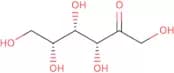
CAS:D-Sorbose is a monosaccharide that belongs to the group of sugar alcohols. It is a reducing sugar that can be used as an alternative for sugar in food and pharmaceutical industries. D-Sorbose has been shown to have potential industrial applications due to its high solubility, low melting point, and resistance to crystallization. The enzyme ribitol dehydrogenase from Escherichia coli was found to be active with D-sorbitol, but not with l-sorbitol. This indicates that D-sorbitol is a better substrate for this enzyme than L-sorbitol.Fórmula:C6H12O6Pureza:Min. 95%Cor e Forma:White PowderPeso molecular:180.16 g/mol1,2,3,5,6-Penta-O-benzoyl-D-galactofuranose
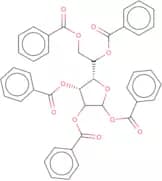
CAS:1,2,3,5,6-Penta-O-benzoyl-D-galactofuranose is a sugar that is custom synthesized and can be modified with fluorination. This product has a CAS number of 138811-45-7 and is high purity. It can be used in glycosylation, oligosaccharide synthesis, methylation, monosaccharide synthesis and polysaccharide synthesis. It is an important building block for the modification of complex carbohydrates.Fórmula:C41H32O11Pureza:Min. 95%Cor e Forma:White PowderPeso molecular:700.69 g/mol(2R,3R,4R)-N-Benzyloxycarbonyl-2-hydroxymethyl-3,4-pyrrolidinediol
(2R,3R,4R)-N-Benzyloxycarbonyl-2-hydroxymethyl-3,4-pyrrolidinediol is a custom synthesis of polysaccharide that is modified with methylation and glycosylation. It is a complex carbohydrate that has been synthesized using Click chemistry. The product is fluorinated and has high purity.Pureza:Min. 95%6-Deoxy-6-thio-b-cyclodextrin
CAS:This beta-cyclodextrin (β-CD) derivative is a functionalized cyclic oligosaccharide composed of seven glucose units, characterized by a hydrophilic exterior and a lipophilic cavity (bigger than α-CD and smaller than γ-CDs), which allows it to encapsulate various guest molecules. This structural feature facilitates its use in multiple applications, including pharmaceuticals, food enhancement, and cosmetics. In the pharmaceutical industry, it enhances the solubility and stability of poorly water-soluble drugs, improving their bioavailability and efficacy while also masking unpleasant tastes. The food sector utilizes it as a stabilizer for flavors, colors, and nutrients, extending shelf life by protecting sensitive ingredients from degradation. In cosmetics, it serves as a complexing agent for fragrances and active components, ensuring their stability and controlled release. Its use expands to many other fields, including nanotechnology for drug delivery systems, environmental remediation for extracting organic pollutants, textiles for slow-release fragrances, and analytical chemistry for chiral separation.
Fórmula:C42H70O28S7Pureza:Min. 95%Cor e Forma:PowderPeso molecular:1,247.45 g/mol(2S, 3S, 4S, 5R) -3,4-Dihydroxy-2, 5- pyrrolidinedimethano l hydrochloride
CAS:Glycosylation is a process that attaches a sugar molecule to an amino acid or protein in the form of a glycosidic linkage. The attachment of the sugar molecule can be accomplished by either an enzymatic or chemical process. The type of glycosylation determines the type of linkage, which can be alpha-N-glycosidic (α-N), beta-N-glycosidic (β-N), or N-acetyl--galactosamine (NAG). Methylation is a process that changes one or more hydroxyl groups on a compound into methyl groups. It is usually performed with compounds containing alcohol groups (-OH) on their molecules. Click modification is a chemical reaction used to attach two chemical compounds together. It usually involves the use of copper(I) chloride, copper(II) chloride, and other reagents such as tetrabutylammonium bromide and potassium bromide. Click modification has beenPureza:Min. 95%Gypsogenin-3-O-glucuronide
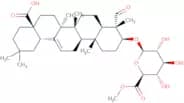
CAS:Gypsogenin-3-O-glucuronide is a saponin found in the roots of Gypsophila paniculata, a plant native to China. It has been shown to have anti-inflammatory and anti-tumor activities. Gypsogenin-3-O-glucuronide has been shown to inhibit tumor growth in mice by inhibiting protein synthesis. The pentasaccharides that make up gypsogenin are present in different proportions, which leads to differences in the biological activity of this compound. This is one of the reasons why saponins have not yet been fully explored for potential use in medicine.Fórmula:C37H56O10Pureza:Min. 95%Cor e Forma:PowderPeso molecular:660.83 g/molTetra-guluronic acid sodium
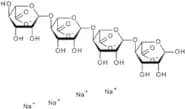
CAS:Tetra-guluronic acid sodium salt (1,4-linked α-L-sodium guluronotetraose) is one of a number of oligosaccharides obtained from alginate, a polysaccharide from brown seaweeds. It contains blocks of: repeating mannuronic acid sequences (M-M-M-M etc), repeating guluronic acid sequences (G-G-G-G etc), and alternating M-G-M-G sequences. This oligosaccharide can be released by acid hydrolysis and a number of biological activities have been discussed in a recent review.Fórmula:C24H30O25Na4Pureza:Min. 98 Area-%Cor e Forma:White PowderPeso molecular:810.44 g/molMethyl 2,3-anhydro-4,6-O-benzylidene-α-D-allopyranose
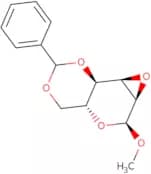
CAS:The device is a leafed, solid-state, responsive device that connects with the user's skin. It measures the user's skin conductance and then produces a signal corresponding to the degree of deliquescence based on a theory that links biophilia to evolutionary circuitry. The device has been shown to be effective in combination with other devices.Fórmula:C14H16O5Pureza:Min. 95%Cor e Forma:PowderPeso molecular:264.27 g/molD-Gulose
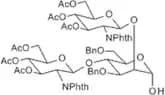
CAS:D-Gulose is a sugar that has been shown to have inhibitory properties on blood glucose levels. It also has insulin-like effects and can be used as an alternative to insulin injections in patients with Type 1 diabetes. D-Gulose is metabolized by the liver into 5-deoxy-D-gluconic acid and then into glucose, which can then be used for cellular energy production. The rate constant for this process was determined in experiments using rat liver slices. D-Gulose may also have potent angiogenic effects, as it increased the proliferation of pluripotent cells and caused significant increases in growth factor β1 expression. D-Gulose may also have potential anti-cancer effects, as it inhibited nitrate reductase activity in tumor cells and decreased xanthine oxidase activity.Fórmula:C6H12O6Pureza:Min. 99 Area-%Cor e Forma:White PowderPeso molecular:180.16 g/mol4,6-Di-O-(3,4,6-tri-O-acetyl-2-deoxy-2-phthalimido β-D-glucopyranosyl)-3-6-di-O-benzyl-α-D-mannopyranose
This is a custom synthesis of a complex carbohydrate. The CAS number is not available and the polysaccharide has been modified. It has been glycosylated, methylated, and fluorinated. It is high purity and the sugar sequence is a custom synthesis.
Fórmula:C60H62N2O24Pureza:Min. 95%Peso molecular:1,195.13 g/molLacto-N-tetraose - mixture with Lacto-N-neotetraose
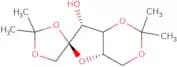
CAS:Neutral tetrasaccharide naturally present in human breast milkFórmula:C26H45NO21Pureza:Min. 95 Area-%Cor e Forma:White PowderPeso molecular:707.63 g/mol1,2:4,6-Di-O-isopropylidene-L-sorbofuranose
CAS:1,2:4,6-Di-O-isopropylidene-L-sorbofuranose is a synthetic carbohydrate with a fluorinated methyl group at the C6 position. It is a monosaccharide that can be used to produce oligosaccharides and saccharides through glycosylation and methylation. The product is available in high purity and custom synthesis. This product has been modified by the click chemistry reaction.Fórmula:C12H20O6Pureza:Min. 95%Peso molecular:260.28 g/mol2-O-Benzoyl-3,4-O-benzylidene-D-ribono-1,5-lactone
2-O-Benzoyl-3,4-O-benzylidene-D-ribono-1,5-lactone (2BBL) is a glycosylation agent that can be used for the synthesis of complex carbohydrates. It is also an effective methylating agent for glycosides and saccharides. 2BBL is fluorinated to yield 2FBL, which has been shown to be a powerful click reagent. The CAS number for 2BBL is 53478-55-0. This product is custom synthesized in high purity and can also be used as a monosaccharide in oligosaccharide synthesis.Pureza:Min. 95%Methyl 4,6-O-benzylidene-α-D-glucopyranoside
CAS:Methyl 4,6-O-benzylidene-α-D-glucopyranoside is a custom synthesis that can be used in the modification of complex carbohydrates. It is a high purity oligosaccharide with click modification and fluorination. The product is a monosaccharide sugar that has been synthesized by the process of glycosylation and hydrolysis. Methyl 4,6-O-benzylidene-α-D-glucopyranoside also has an Oligosaccharide, Polysaccharide, saccharide, Carbohydrate, Fluorination, complex carbohydrate, High purity, Modification, Monosaccharide, sugar, Synthetic.Fórmula:C14H18O6Pureza:Min. 95%Cor e Forma:White Off-White PowderPeso molecular:282.29 g/mol2-Azidomethyl-2-deoxy-3,4-O-isopropylidene-6-O-tert.butyldimethylsilyl-D-talono-1.5-lactone
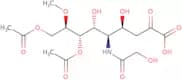
2-Azidomethyl-2-deoxy-3,4-O-isopropylidene-6-O-tert.butyldimethylsilyl-D-talono-1.5-lactone is a synthetic compound that can be customized for your specific needs. It has been shown to have high purity and the ability to undergo a variety of modifications, such as fluorination, glycosylation, methylation, and modification. It is also available in a range of sizes and types of carbohydrate, including saccharides and oligosaccharides.Pureza:Min. 95%7,9-Di-O-acetyl-N-glycolyl-8-O-methylneuraminic acid
CAS:7,9-Di-O-acetyl-N-glycolyl-8-O-methylneuraminic acid is a synthetic glycolylneuraminic acid analogue that can be used in the treatment of bacterial infections. It is a prodrug that is converted to glycolylneuraminic acid by monoclonal antibody and other enzymes. 7,9-Di-O-acetyl-N-glycolyl-8-O-methylneuraminic acid inhibits the activity of necrosis factor (TNF) by binding to its receptor, thereby preventing TNF from binding to cells and stimulating inflammation. This compound has been shown to be effective against many bacteria including methicillin resistant Staphylococcus aureus (MRSA). Techniques used for the synthesis include high performance liquid chromatography with mass spectrometry detection and cavity ring down spectroscopy.Fórmula:C16H25NO12Pureza:Min. 95%Peso molecular:423.37 g/mol(-)-isolariciresinol-2a-O-b-D-xylopyranoside
(-)-isolariciresinol-2a-O-b-D-xylopyranoside is a methylated saccharide that is used in the synthesis of complex carbohydrates. It is synthesized by reacting an aldehyde with an alcohol, and it has been modified using click chemistry. The product is purified to be at least 98% pure, and it can be custom synthesized to order. (-)-isolariciresinol-2a-O-b-D-xylopyranoside can be fluorinated for use as a fluorescent probe for various applications. It has a CAS number of 564964-92-1.
Pureza:Min. 95%N- [[(2S, 3S, 4R) - 4- [(Acetyloxy) methyl] - 3- (phenylmethoxy) - 1-acetamide
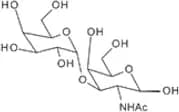
N- [[(2S, 3S, 4R) - 4- [(Acetyloxy) methyl] - 3- (phenylmethoxy) - 1-acetamide is a synthetic glycoside. It has been modified for fluorination and methylation. The complex carbohydrate has been synthesized with high purity and it has a CAS No..Pureza:Min. 95%2-Acetamido-2-deoxy-3-O-(a-D-galactopyranosyl)-D-galactopyranose
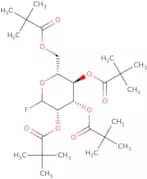
CAS:2-Acetamido-2-deoxy-3-O-(a-D-galactopyranosyl)-D-galactopyranose is a high purity, custom synthesis sugar that is modified with fluorination, glycosylation, and methylation. It has the CAS number 60283-31-0 and can be used in the modification of oligosaccharides and monosaccharides. This carbohydrate can be found in complex carbohydrates.Fórmula:C14H25NO11Pureza:Min. 95%Cor e Forma:White PowderPeso molecular:383.35 g/mol2,3,4,6-Tetra-O-pivaloyl-D-mannopyranosyl fluoride
CAS:2,3,4,6-Tetra-O-pivaloyl-D-mannopyranosyl fluoride is a carbohydrate that is synthesized by the modification of D-mannose with 4,6-dichlorohexanoic acid. It is a white powder with a melting point of 170°C. 2,3,4,6-Tetra-O-pivaloyl-D-mannopyranosyl fluoride can be used as a monosaccharide for glycosylation reactions or as an intermediate for custom synthesis. This product has been methylated and glycosylated before the final purification process. It has a high purity level and can be used in Click chemistry reactions.
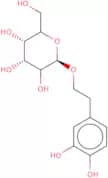
Fórmula:C26H43FO9Pureza:Min. 95%Cor e Forma:White PowderPeso molecular:518.61 g/mol2-(3,4-Dihydroxyphenyl)ethyl b-D-glucopyranoside
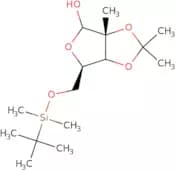
CAS:2-(3,4-Dihydroxyphenyl)ethyl b-D-glucopyranoside (2,3,4-DHPEB) is a naturally occurring phenolic acid. It has been shown to have antidepressant activity in mice and rats. 2,3,4-DHPEB inhibits the growth of Streptococcus faecalis by inhibiting fatty acid biosynthesis. This compound also has anti-inflammatory properties that may be due to its ability to inhibit prostaglandin synthesis. 2,3,4-DHPEB is a ligand for PPAR receptors and activates their transcriptional activity in cells. It has been shown to have chemopreventive effects against colon cancer cell lines and is able to induce apoptosis in tumor cells.Fórmula:C14H20O8Pureza:Min. 95%Cor e Forma:PowderPeso molecular:316.3 g/mol5-O-tert-Butyldimethylsilyl-2,3-O-isopropylidene-2-C-methyl-D-ribofuranose
5-O-tert-Butyldimethylsilyl-2,3-O-isopropylidene-2-C-methyl-D-ribofuranose is a 2'C methyl ribose derivative.Fórmula:C15H30O5SiPureza:Min. 95%Peso molecular:318.49 g/mol1-Amino-1-deoxy-D-galactitol hydrochloride
CAS:1-Amino-1-deoxy-D-galactitol hydrochloride is a natural polymer that is found in many organisms, including bacteria and fungi. It can be obtained by enzymatic conversion of galactose, which is an epimer of glucose. 1-Amino-1-deoxy-D-galactitol hydrochloride has been shown to have viscosity properties that are similar to those of natural polymers. This compound also has the ability to form hydrogen bonds with other molecules. 1-Amino-1-deoxy-D-galactitol hydrochloride is produced by chemoenzymatic reactions and can be used as a substitute for natural polymers in certain applications (e.g., food industry).
Fórmula:C6H15NO5·HClPureza:Min. 95%Cor e Forma:PowderPeso molecular:217.65 g/molMethyl 4,6-O-benzylidene-3-deoxy-α-D-glucopyranoside
CAS:Methyl 4,6-O-benzylidene-3-deoxy-a-D-glucopyranoside is a synthetically modified high purity carbohydrate. It is an oligosaccharide that can be custom synthesized to meet your requirements. This product can be used as a complex carbohydrate in the food industry.Fórmula:C14H18O5Pureza:Min. 95%Cor e Forma:PowderPeso molecular:266.29 g/mol2,3,4,6-Tetra-O-benzyl-1-deoxynojirimycin hydrochloric acid salt
CAS:2,3,4,6-Tetra-O-benzyl-1-deoxynojirimycin hydrochloric acid salt is a synthetic monosaccharide. It was originally synthesized by the methylation of a native oligosaccharide before being subjected to click chemistry. The resulting product is a complex carbohydrate with an aromatic ring in place of the sugar alcohol moiety. 2,3,4,6-Tetra-O-benzyl-1-deoxynojirimycin hydrochloric acid salt has CAS number 72983-76-7 and is soluble in water. This product is also available as a custom synthesis service and can be modified to meet your needs.Fórmula:C34H38ClNO4Pureza:Min. 95 Area-%Cor e Forma:PowderPeso molecular:560.12 g/molBenzyl-2-acetamido-2-deoxy-3,4,6-tri-O-acetyl-a-D-glucopyranoside
CAS:Benzyl-2-acetamido-2-deoxy-3,4,6-tri-O-acetyl-a-D-glucopyranoside is an acetamido sugar molecule that has been synthesized by the reaction of benzyl alcohol with a glucoside. This compound has been shown to have potential antihistamine and anticancer activities, as well as being a potential building block for the synthesis of nucleosides. The benzyl group in this sugar molecule is vicinal and the hydroxyl groups are anilines. The conformation of this molecule is determined by lysine and arginine residues on the 3' end of the sugar chain. In order to synthesize this compound, anhydrous DMSO was used as a solvent. This chemical's properties were measured using NMR spectroscopy.Pureza:Min. 95%N-Acetyl-D-glucosamine-6-phosphate disodium
CAS:Intracellular form of GlcNAc; substrate for GlcNAc-phosphate deacetylaseFórmula:C8H16NO9P•Na2Pureza:Min. 98 Area-%Cor e Forma:White Off-White PowderPeso molecular:347.17 g/molMethyl 2,4-di-O-methyl-α-D-glucopyranoside
CAS:Methyl 2,4-di-O-methyl-α-D-glucopyranoside is a selectively protected glucose glycosideFórmula:C9H18O6Pureza:Min. 95%Cor e Forma:PowderPeso molecular:224.24 g/molMan-9 N-Glycan
CAS:Man-9 N-glycan is a glycoprotein that is found on the surface of many viruses. It has an oligosaccharide structure, which consists of a mannose and a glucose molecule linked by an alpha-1,3-glycosidic bond. The Man-9 N-glycan can be found in human serum and is involved in lectin binding to cells. It also has antiviral activity and may be used as a model system for studying glycosidic bonds. This glycan can be broken down into smaller components by methyl glycosides or titration calorimetry, which is a technique for determining the molecular weight of substances. The Man-9 N-Glycan binds to toll-like receptor 2 (TLR2) on the surface of human cells, which activates an antibody response.Fórmula:C70H118N2O56Pureza:Min. 95%Cor e Forma:PowderPeso molecular:1,883.67 g/molMethyl 2,3,4-tri-O-pivaloyl-6-O-triisopropylsilyl-a-D-glucopyranoside
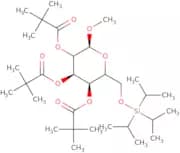
Methyl 2,3,4-tri-O-pivaloyl-6-O-triisopropylsilyl-a-D-glucopyranoside is a synthetic, fluorinated monosaccharide that belongs to the group of oligosaccharides. It is used in the synthesis of complex carbohydrates. Methyl 2,3,4-tri-O-pivaloyl-6-O-triisopropylsilyl-a-D-glucopyranoside is a custom synthesis and can be modified with methylation or click chemistry. Methyl 2,3,4 - tri - O - pivaloyl - 6 - O - triisopropylsilyl - a - D - glucopyranoside has CAS number Methyl 2,3,4 – tri – O – pivaloyl – 6 – O – triisopropylsilyFórmula:C31H58O9SiPureza:Min. 95%Peso molecular:602.89 g/mol1,3,4,6-Tetra-O-benzyl-b-D-galactopyranoside
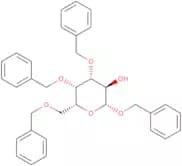
CAS:1,3,4,6-Tetra-O-benzyl-b-D-galactopyranoside is a custom synthesis that has been modified with methylation and fluorination. It is an oligosaccharide composed of saccharides linked by glycosidic bonds. Carbohydrates are polymers of monosaccharides, which can be classified as either simple sugars or complex carbohydrates. This product is a high purity, synthetic sugar that is suitable for use in the synthesis of complex carbohydrate polymers.Fórmula:C34H36O6Pureza:Min. 95%Cor e Forma:PowderPeso molecular:540.65 g/mol


![2,3,4-Tri-O-acetyl-6-deoxy-6,6-difluoro-a-D-mannopyranosyl-1-bis[2-(acetylthio)ethyl]phosphate](/_next/image/?url=https%3A%2Fstatic.cymitquimica.com%2Fproducts%2F3D%2Fthumb-webp%2FMT96598.webp&w=3840&q=75)
![(1S) -1- [(2S, 3R) - 3-Hydroxy- 1- (phenylmethyl) - 2- azetidinyl] -1, 2- Ethanediol](/_next/image/?url=https%3A%2Fstatic.cymitquimica.com%2Fproducts%2F3D%2Fthumb-webp%2FMH163419.webp&w=3840&q=75)


![(1S) -1- [(2S, 3R) - N-Butyl-3- hydroxy- 1- azetidinyl] -1, 2- ethanediol](/_next/image/?url=https%3A%2Fstatic.cymitquimica.com%2Fproducts%2F3D%2Fthumb-webp%2FMB163416.webp&w=3840&q=75)















![N- [[(2S, 3S, 4R) - 4- [(Acetyloxy) methyl] - 3- (phenylmethoxy) - 1-acetamide](/_next/image/?url=https%3A%2Fstatic.cymitquimica.com%2Fproducts%2F3D%2Fthumb-webp%2FMA163434.webp&w=3840&q=75)