Glicociência
A glicociência é o estudo dos carboidratos e seus derivados, bem como das interações e funções biológicas em que participam. Este campo de pesquisa é crucial para compreender uma ampla variedade de processos biológicos, incluindo o reconhecimento celular, a sinalização, a resposta imune e o desenvolvimento de doenças. A glicociência tem aplicações importantes na biotecnologia, na medicina e no desenvolvimento de novos medicamentos e terapias. Na CymitQuimica, oferecemos uma ampla seleção de produtos de alta qualidade e pureza para pesquisa em glicociência. Nosso catálogo inclui monossacarídeos, oligossacarídeos, polissacarídeos, glicoconjugados e reagentes específicos, projetados para apoiar os pesquisadores em seus estudos sobre a estrutura, função e aplicações dos carboidratos em sistemas biológicos. Esses recursos são destinados a facilitar descobertas científicas e aplicações práticas em diversas áreas das biociências e da medicina.
Subcategorias de "Glicociência"
- Amino açúcares(108 produtos)
- Anticorpos Glico-Relacionados(282 produtos)
- Glicolípidos(46 produtos)
- Glicosaminoglicanos (GAGs)(55 produtos)
- Glicosídeos(419 produtos)
- Monossacáridos(6.624 produtos)
- Oligossacarídeos(3.682 produtos)
- Polissacáridos(503 produtos)
Foram encontrados 11046 produtos de "Glicociência"
Ordenar por
Pureza (%)
0
100
|
0
|
50
|
90
|
95
|
100
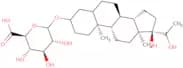
Pregnanetriol 3a-O-b-D-glucuronide
CAS:Pregnanetriol 3a-O-b-D-glucuronide (PG3G) is a metabolite of progesterone that is excreted in the urine during the luteal phase. It is used as a marker for ovulation in women, and can be measured using immunoanalytical techniques. A multicentre study was conducted to measure PG3G levels and found that it is higher during ovulation than at other times of the menstrual cycle. This steroid hormone has been shown to inhibit follicular growth in rats, but its role in humans is less clear.Fórmula:C27H44O9Pureza:Min. 95%Peso molecular:512.63 g/mol2,3,4-Tri-O-benzyl-D-xylopyranose
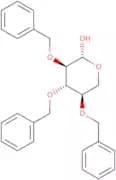
CAS:<p>Calystegine is a benzyl ester of D-xylose. It is the reaction product of D-xylose with benzaldehyde and hydrochloric acid. The condensation product of calystegine with chondroitin sulfate is calystegine B2, which has been shown to be an inhibitor of protein glycosylation in human erythrocytes. This compound inhibits the oxygenated form of D-xylose, which may be useful in inhibiting the growth of certain cancer cells. Calystegine also has anti-inflammatory properties that may be due to its ability to inhibit prostaglandin synthesis.</p>Pureza:Min. 95%2,5-Dideoxy-2,5-imino-D-mannitol HCl
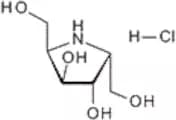
CAS:<p>Methylation is a chemical reaction that adds a methyl group to the substrate. The Methylation of saccharide is achieved by the addition of an alkyl group to the oxygen atom adjacent to the carbonyl group in the saccharide. The saccharide becomes a methylated saccharide. Click chemistry is a form of chemoselective reactions, which are reactions that involve only one reactant and produce one product. The most common example of click chemistry is a reaction between an azide and an alkynyl, which will give rise to 1,3-dipolar cycloaddition products. Carbohydrate modification includes modifications such as glycosylation, fluorination, and complex carbohydrate synthesis. Glycosylation refers to the process by which sugars are attached to other molecules, such as proteins or lipids. Fluorination refers to adding fluorine atoms (F) onto molecules using various methods. Complex carbohydrates can be synthesized from simple sugars with carbon</p>Fórmula:C6H13NO4·HClPureza:Min. 95%Peso molecular:199.63 g/molQuercetin 7-O-b-D-glucuronide
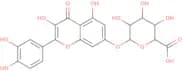
CAS:<p>Quercetin 7-O-b-D-glucuronide is a methylated glycoside of quercetin. Quercetin 7-O-b-D-glucuronide has been shown to inhibit the activity of Saccharomyces cerevisiae alpha amylase, alpha and beta amylases, and alpha glucosidase, which are enzymes that hydrolyze starch. This product also inhibits the growth of Candida albicans and Saccharomyces cerevisiae. Quercetin 7-O-b-D-glucuronide is available for custom synthesis in order to meet customers' specific needs.</p>Fórmula:C21H18O13Pureza:Min. 95%Peso molecular:478.36 g/mol3'-Sialyl-3-fucosyllactose-BSA
3'-Sialyl-3-fucosyllactose-BSA is a glycosylation that has been modified with fluorination and methylation. This product can be custom synthesized to order, in any quantity, using high purity reagents. 3'-Sialyl-3-fucosyllactose-BSA is a complex carbohydrate that is found on the surface of many human cells, including erythrocytes and B cells. It is also an important component of the oligosaccharide chains of glycoproteins and glycolipids. The modification of 3'-sialyl-3-fucosyllactose with fluorine or other halogens can be used as a fluorescent probe for carbohydrate binding proteins.Pureza:Min. 95%3'-Sialyl Lewis x-HSA
3'-Sialyl Lewis x-HSA is a custom synthesis of a high purity, complex carbohydrate that has been modified to include fluorination. This product is synthesized from a monosaccharide and an oligosaccharide. It has been shown to have anti-inflammatory properties and is useful in the treatment of type II diabetes.Pureza:Min. 95%Cor e Forma:Powder1,2,3-Tri-O-benzyl-4,6-O-(4-methoxybenzylidene)-b-D-glucopyranoside
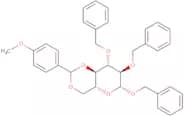
CAS:1,2,3-Tri-O-benzyl-4,6-O-(4-methoxybenzylidene)-b-D-glucopyranoside is a synthetic compound that has been fluorinated and methylated. It is used as a glycosylation reagent for oligosaccharides, sugar and polysaccharides. The product is soluble in organic solvents such as acetone and chloroform. 1,2,3-Tri-O-benzyl-4,6-O-(4-methoxybenzylidene)-b-D-glucopyranoside is also a custom synthesis that can be modified to meet the specific needs of the customer.Fórmula:C35H36O7Pureza:Min. 95%Peso molecular:568.66 g/molLewis Y tetrasaccharide-APE-HSA
<p>Lewis Y tetrasaccharide-APE-HSA is a synthetic, high purity glycosylated oligosaccharide. It is composed of a Lewis Y tetrasaccharide linked to an APE peptide and HSA. The Lewis Y tetrasaccharide has been custom synthesized with click modification and fluorination. The APE peptide has been modified with glycosylation and methylation. The HSA has been modified with glycosylation, methylation, and acetylation. The oligosaccharide was synthesized using the solid phase method on a CEM Liberty Star Column. This glycoconjugate is CAS No., which can be found at Pubchem CID: 10609300.</p>Pureza:Min. 95%D-Cellohexaose
CAS:Substrate for β-glucosidaseFórmula:C36H62O31Pureza:Min. 95%Cor e Forma:White Off-White PowderPeso molecular:990.86 g/molEthyl 3-O-benzyl-b-D-thioglucopyranoside
<p>Ethyl 3-O-benzyl-b-D-thioglucopyranoside is a modification of the sugar D-thioglucose. It is synthesized by the methylation of D-thioglucose with ethyl iodide in aqueous sulfuric acid, followed by glycosylation with benzaldehyde and sodium hydroxide. This product has been used for polymerization reactions, as well as for synthesis of oligosaccharides and polysaccharides. The molecular weight of this product is 434.2 g/mol.</p>Pureza:Min. 95%D-[UL-13C6]Glucosamine HCl
D-[UL-13C6]Glucosamine HCl is a custom synthesis of an oligosaccharide. This compound has been modified by methylation, glycosylation, and click modification. D-[UL-13C6]Glucosamine HCl is an Oligosaccharide with a CAS No. of 515-95-5. It is a complex carbohydrate that has the chemical name of Polysaccharide. D-[UL-13C6]Glucosamine HCl is Modification of saccharides, which are Carbohydrates or sugars that are composed of Carbon, Hydrogen, and Oxygen. The sugar in this compound is Glucose. D-[UL-13C6]Glucosamine HCl is a high purity product with a purity level greater than 99%. The Fluorination on this molecule increases the solubility of the compound and can be used to synthesize other compounds with similarFórmula:C6H14NO5ClPureza:(%) Min. 98%Cor e Forma:PowderPeso molecular:221.59 g/molCyclobenzaprine b-D-glucuronide
CAS:Cyclobenzaprine b-D-glucuronide is a synthetic compound that has been modified to increase its solubility in water. The modification of the sugar moiety with glycosylation and fluorination increases the bioavailability of cyclobenzaprine, which is an important factor for drugs that are intended for oral administration. Cyclobenzaprine b-D-glucuronide is a complex carbohydrate that has been modified with methylation and monosaccharide. This modification helps to protect the drug from degradation by enzymes in the stomach and intestines, increasing its half-life in the body.Fórmula:C26H31NO6Pureza:Min. 95%Peso molecular:453.53 g/mol1,2,4,6-Tetra-O-acetyl-3-azido-3-deoxy-D-glucopyranose
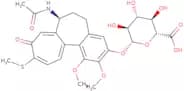
<p>1,2,4,6-Tetra-O-acetyl-3-azido-3-deoxy-D-glucopyranose is a custom synthesis that has been fluorinated and modified with methyl groups. It is used to synthesize complex carbohydrates and it can be used as a raw material for the production of oligosaccharides. 1,2,4,6-Tetra-O-acetyl-3-azido-3-deoxy--D--glucopyranose is soluble in water and ethanol and has a CAS number.</p>Fórmula:C14H19N3O9Pureza:Min. 95%Peso molecular:373.32 g/mol3-Desmethylthiocolchicine-3-O-D-glucuronide
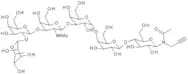
CAS:<p>3-Desmethylthiocolchicine-3-O-D-glucuronide is a compound that has been custom synthesized, with a purity of >95%. The compound is an oligosaccharide and polysaccharide containing saccharides and carbohydrates.</p>Fórmula:C27H31NO11SPureza:Min. 95%Peso molecular:577.6 g/molGlobo-H-b-N-acetyl propargyl
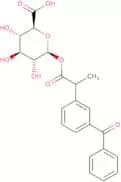
Intermediate in the development of anti-cancer vaccinesFórmula:C43H70N2O30Pureza:Min. 95%Peso molecular:1,095.01 g/molKetoprofen acyl-β-D-glucuronide
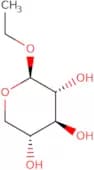
CAS:Ketoprofen acyl-β-D-glucuronide is a nonsteroidal anti-inflammatory drug that inhibits prostaglandin synthesis. It binds to the enzyme cyclooxygenase, which prevents the formation of prostaglandins and thromboxanes. The binding constants have been measured using radiolabeled ketoprofen acyl-β-D-glucuronide in urine samples from patients taking ketoprofen. Ketoprofen acyl-β-D-glucuronide has also been shown to be stereoselective for liver cells and fatty acid metabolism in humans. This drug has not been shown to produce covalent adducts with DNA or RNA.Fórmula:C22H22O9Pureza:Min. 97 Area-%Cor e Forma:White Off-White PowderPeso molecular:430.4 g/molEthyl β-D-xylopyranoside
CAS:<p>Ethyl b-D-xylopyranoside is a sugar that is synthesized from the reaction of b-D-xylopyranoside with ethyl bromoacetate. The product of this reaction is a glycoside, which can be modified in many ways. It can be fluorinated, glycosylated, methylated, and/or modified in order to produce desired properties. Ethyl b-D-xylopyranoside has a molecular weight of 294.24 g/mol and a CAS number of 6743-62-0. This compound is used as an intermediate for the synthesis of complex carbohydrates or saccharides and it contains an oligosaccharide chain at its end.</p>Fórmula:C7H14O5Pureza:Min. 95%Cor e Forma:White PowderPeso molecular:178.19 g/molN-Formyl varenicline
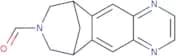
CAS:<p>N-Formyl varenicline is a drug substance that is used as a pharmaceutical preparation. It has the regulatory status of an investigational new drug (IND). N-Formyl varenicline is supplied in the form of a white to off-white powder and is incompatible with iron oxides, so care must be taken when handling this product. This material has been shown to have fluorescence properties and can be detected using a fluorimetric detector. The drug substance has not been evaluated for excipients or diode compatibility.</p>Fórmula:C14H13N3OPureza:Min. 95%Peso molecular:239.27 g/mol2-Chloro-2-deoxy-D-mannose
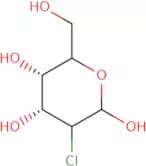
CAS:2-Chloro-2-deoxy-D-mannose is a synthetic sugar that can be used as a fluoride substrate. It has been shown to bind to the active site of bacterial enzymes and inhibit them. 2-Chloro-2-deoxy-D-mannose is a conformationally constrained analogue of 3-deoxyglucose, which binds to the same active site on bacterial enzymes. This sugar also inhibits nitrate reductase, an enzyme involved in the reductive dehalogenation of nitrates. 2-Chloro-2-deoxy-D-mannose has been shown to inhibit the growth of Mycobacterium tuberculosis and Mycobacterium avium complex by binding with high affinity to the ligand binding site on these bacteria's glycolytic enzymes.Fórmula:C6H11ClO5Pureza:Min. 95%Cor e Forma:White PowderPeso molecular:198.6 g/mol1,2:5,6-Di-O-isopropylidene-D-chiro-inositol
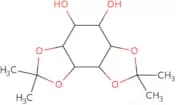
CAS:<p>1,2:5,6-Di-O-isopropylidene-D-chiro-inositol is a complex carbohydrate that is obtained by methylation of D-chiro-inositol. It is an important component of a number of glycosidic linkages in glycoconjugates and polysaccharides. The compound has been modified with fluorination to increase its stability in organic solvents and to facilitate the attachment of other atoms or molecules. 1,2:5,6-Di-O-isopropylidene-D-chiro-inositol can be used for the synthesis of oligosaccharides and monosaccharides for custom purposes.</p>Fórmula:C12H20O6Pureza:Min. 95%Peso molecular:260.28 g/mol1,2,3,4,6-Penta-O-pivaloyl-b-D-galactopyranoside
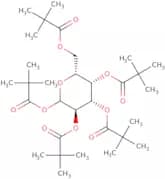
CAS:1,2,3,4,6-Penta-O-pivaloyl-b-D-galactopyranoside is a high purity custom synthesis sugar. It is the product of a click modification, fluorination, glycosylation and carbamylation. This compound is also methylated and modified with an oligosaccharide and monosaccharide. The CAS number for 1,2,3,4,6-Penta-O-pivaloyl-b-D-galactopyranoside is 108342-85-4.Fórmula:C31H52O11Pureza:Min. 95%Peso molecular:600.74 g/mol4-Isothiocyanatophenyl-b-D-glucopyranoside
CAS:4-Isothiocyanatophenyl-b-D-glucopyranoside is an electrophilic compound that can be used as a reagent in organic synthesis. It reacts with nucleophiles and is used for nitro reduction, sulfoxide formation, and phenoxy formation. The structure of the molecule is characterized by two chiral centers. The reactivity of this molecule depends on the orientation of the substituents on the two chiral centers. 4-Isothiocyanatophenyl-b-D-glucopyranoside can also be used to form esters. The ethoxycarbonyl group (C=O) on one end of the molecule reacts with carboxylic acids to form esters, while at the other end of the molecule, hydroxy groups (OH) react with alcohols to form ethers.Fórmula:C13H15NO6SPureza:Min. 95%Peso molecular:313.33 g/molMan-8 N-Glycan
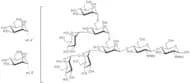
CAS:<p>Man-8 N-glycan is a modification of the carbohydrate Man-8. It is a complex carbohydrate that is synthesized from monosaccharides and polysaccharides. This product has been custom synthesized for high purity and high quality. It has been fluorinated to increase its stability, and it can be used in glycosylation reactions.</p>Fórmula:C64H108N2O51Pureza:Min. 90%Cor e Forma:PowderPeso molecular:1,721.53 g/molPhenyl 2,3,4,6-tetra-O-acetyl-a-L-thioglucopyranoside
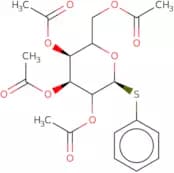
CAS:<p>Please enquire for more information about Phenyl 2,3,4,6-tetra-O-acetyl-a-L-thioglucopyranoside including the price, delivery time and more detailed product information at the technical inquiry form on this page</p>Fórmula:C20H24O9SPureza:Min. 95%Peso molecular:440.46 g/molAsenapine N-b-D-glucuronide
Asenapine N-b-D-glucuronide is a modification of asenapine, which is an antipsychotic drug. It is a complex carbohydrate that contains an oligosaccharide and a monosaccharide. The oligosaccharide has two methyl groups, one of which is located at the 6th position and the other at the 8th position. This modification also contains two glycosylation sites and one fluorination site.Fórmula:C23H24ClNO7Pureza:Min. 95%Peso molecular:461.89 g/molMethyl 2,4-di-O-acetyl-b-D-xylopyranoside
CAS:Methyl 2,4-di-O-acetyl-b-D-xylopyranoside (MDX) is an epoxide that has been found to stimulate the growth of Schizophyllum commune and other fungi. It is structurally related to vicinal diols, which are known to inhibit esterases and hydrolyze acetyl groups. The acetyl groups on MDX can be reduced by hydride reduction or by hydrolysis with acetylated esters. MDX inhibits bacterial growth by inhibiting protein synthesis through its structural similarity to deoxyribose phosphate, a component of DNA.Fórmula:C10H16O7Pureza:Min. 95%Peso molecular:248.2 g/mol8-Methoxycarbonyloctyl-3-O-benzyl-2,2'-dideoxy-2,2'-diphthalimido-3',4',6-tri-O-acetyl-b-cellobiose
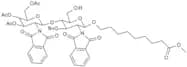
CAS:8-Methoxycarbonyloctyl-3-O-benzyl-2,2'-dideoxy-2,2'-diphthalimido-3',4',6-tri-O-acetyl-b -cellobiose is a cellobiose with an 8 methoxycarbonyl group at the C8 position. It can be used in the synthesis of oligosaccharides and polysaccharides. The compound has been synthesized by methylation, click modification, and fluorination. The CAS number is 106445-30-1. 8MCOBBIOSE has a purity of > 98% and may have a white to off white powder appearance.Fórmula:C51H58N2O18Pureza:Min. 95%Peso molecular:987.01 g/mol4-Methoxyphenyl 3-O-benzyl-β-D-glucopyranoside
CAS:4-Methoxyphenyl 3-O-benzyl-b-D-glucopyranoside is a plant extract that is used for its ability to inhibit the activity of phosphatases. It has been shown to activate extracellular phosphatase, an enzyme that plays a role in the regulation of the body's immune system and the activation of phagocytic cells. 4MPBG also inhibits the expression of inflammatory genes and therefore may be useful in treating HIV infection. This compound has also been shown to be effective against cancer by preventing cell proliferation and causing cell death. In addition, it has been shown to have anti-coagulation properties by inhibiting coagulation factor Xa, which prevents blood from clotting.Fórmula:C20H24O7Pureza:Min. 95%Peso molecular:376.4 g/molb-Lactosyl ureide dihydrate
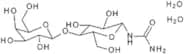
b-Lactosyl ureide dihydrate is a white crystalline powder that is soluble in water. It has a molecular weight of 598.7 and was synthesized by the reaction of b-lactosyl chloride with urea. The compound has been used as a fluoro-protecting group for nucleophilic substitution reactions, and glycosylation reactions.Fórmula:C13H24N2O11·2H2OPureza:Min. 95%Cor e Forma:White/Off-White SolidPeso molecular:420.37 g/molN-Acetyl-D-galactopyranosylthiosemicarbazide
N-Acetyl-D-galactopyranosylthiosemicarbazide is a glycosylation reagent that is used in the synthesis of saccharides, oligosaccharides, and polysaccharides. N-Acetyl-D-galactopyranosylthiosemicarbazide is synthesized by reacting acetamidoacetonitrile with D-galactose and sodium thiosulfate. The reaction product can be easily purified by crystallization or recrystallization. N-Acetyl-D-galactopyranosylthiosemicarbazide has been shown to be a high purity compound, as it does not contain any residual solvents or impurities. The CAS number for this compound is 58437-66-7.Pureza:Min. 95%4-Aminophenyl 2-acetamido-2-deoxy-a-D-galactopyranoside HCl
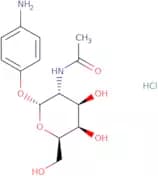
CAS:<p>4-Aminophenyl 2-acetamido-2-deoxy-a-D-galactopyranoside HCl is an oligosaccharide that is composed of glucose, galactose, and two amino acids. It has a molecular weight of 496.34 g/mol and a chemical formula of C14H20N2O8. This compound is synthesized by the click modification of 2,5-diaminopyridine with D -galactopyranosyl chloride. The methylation and glycosylation reactions are also performed to produce this compound.</p>Fórmula:C14H20N2O6·HClPureza:Min. 95%Peso molecular:348.78 g/molGlobo-H hexasaccharide-sp-biotin
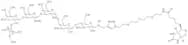
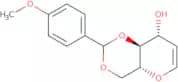
<p>Globo-H is a high purity, custom-synthesized hexasaccharide with a spacer arm and biotin at the non-reducing end. Globo-H is synthesized by reacting glycosylation reagents with an oligosaccharide on a solid support. The reaction generates an activated glycosylant, which is then reacted with the spacer arm and biotin to form the desired product. Globo-H has been modified for use in click chemistry reactions.</p>Fórmula:C61H102N8O35SPureza:Min. 90 Area-%Cor e Forma:PowderPeso molecular:1,539.56 g/mol4,6-O-p-Methoxylbenzylidene-D-glucal
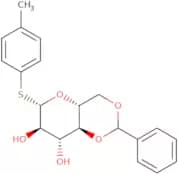
CAS:4,6-O-p-Methoxylbenzylidene-D-glucal is a custom synthesis that can be modified to meet your needs. It is an oligosaccharide and polysaccharide which belongs to the group of carbohydrates. Carbohydrates are important in many biochemical processes. They are found in plants, animals, and bacteria and are the most abundant organic molecules in living things. Carbohydrates are composed of carbon (C), hydrogen (H), and oxygen (O). The general formula for carbohydrates is Cx(H2O)y where x represents the number of carbon atoms and y represents the number of water molecules. This product has high purity and can be used in a variety of applications including methylation, click modification, oligosaccharides, polysaccharides, saccharides, complex carbohydrate synthesis, monosaccharides, sugar synthesis, or synthetic modifications.Pureza:Min. 95%4-Methylphenyl 4,6-O-benzylidene-b-D-thioglucopyranoside
CAS:4-Methylphenyl 4,6-O-benzylidene-b-D-thioglucopyranoside is a synthetic carbohydrate that is an intermediate in the synthesis of saccharides. It is also used to modify saccharides and oligosaccharides. This product is a white solid that can be used as a building block for the preparation of various carbohydrates, including monosaccharides, disaccharides, and polysaccharides. The compound has been shown to react with other compounds through methylation, glycosylation, and click chemistry modifications.Fórmula:C20H22O5SPureza:Min. 95%Cor e Forma:PowderPeso molecular:374.45 g/molGM1-Ganglioside labelled by biotin
GM1-biotin ganglioside (sodium salt) has a core tetrasaccharide structure (Galβ1,3GalNAcβ1,4Galβ1,4Glc) with sialic acid linked α2,3 to the inner galactose residue, ceramide linked β to position 1 on the reducing terminal glucose residue, and biotin to position 5 on sialic acid (Ledeen, 2009). GM1 ganglioside is abundant in all mammalian brains where it covers 10%-20% of the total ganglioside mixture. It is found in epithelial membranes and is a key element for bacterial toxicity and viral infection as it is the intestinal receptor for the cholera toxin, the B-subunits of heat-labile toxin, rotavirus, and simian virus 40. GM1 ganglioside functions as a neurotrophic and neuroprotective compound, and has been used therapeutically for diabetic and peripheral neuropathies. GM1 ganglioside also has the ability to bind amyloid-β proteins and is involved in Alzheimerâs pathogenesis (Chiricozzi, 2020).Fórmula:C71H122N6O33SPureza:Min. 95%Peso molecular:1,619.82 g/mol6-O-tert-Butyldimethylsilyl-D-galactal
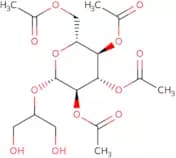
CAS:<p>6-O-tert-Butyldimethylsilyl-D-galactal has been used as a methylating agent in the synthesis of complex carbohydrates. It is a synthetic modification of D-galactal, which is an oligosaccharide and polysaccharide consisting of galactose residues. The chemical name for 6-O-tert-Butyldimethylsilyl-D-galactal is 6-(tert-butyldimethylsilyloxy)-1,2,3,4,6,7,-hexahydrobenzo[a]pyrene. This compound is soluble in organic solvents and can be used to modify other carbohydrates. It has a molecular weight of 578.9 g/mol and CAS number 124751-19-5.</p>Pureza:Min. 95%b-Glucosylglycerol 2,3,4,6-tetraacetate
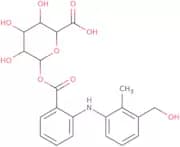
CAS:b-Glucosylglycerol 2,3,4,6-tetraacetate is a fluorinated and modified carbohydrate. It is a complex carbohydrate that is synthesized from monosaccharide glucose. The product can be custom synthesized to meet the requirements of the customer. b-Glucosylglycerol 2,3,4,6-tetraacetate can be methylated to produce b-glucosylglycerol 3-(2H)fluoro-2-methylbutanoate (CAS No. 157024-68-5). This product has been shown to be useful in glycosylation reactions and click chemistry reactions.Fórmula:C17H26O12Pureza:Min. 95%Peso molecular:422.38 g/mol3-Hydroxymethyl mefenamic acid acyl b-D-glucuronide
CAS:<p>3-Hydroxymethyl mefenamic acid acyl b-D-glucuronide is a Carbohydrate, Modification, saccharide, Oligosaccharide with CAS No. 152832-29-6. This compound has the following structure:</p>Fórmula:C21H23NO9Pureza:Min. 95%Peso molecular:433.41 g/molBlood Group H type I trisaccharide, spacer-biotin conjugate
This is a custom-synthesized oligosaccharide that was modified to include a spacer and biotin. It has been synthesized by methylation and click modification, which are chemical reactions that produce monomeric units with high purity. The oligosaccharide was then fluorinated to give it a desired property. The oligosaccharide is composed of three sugar units: glucose, galactose, and mannose. This product is intended for use in research purposes only.Pureza:Min. 95%4-Methylphenyl 2,3,4,6-tetra-O-benzyl-b-D-thiogalactopyranoside
CAS:4-Methylphenyl 2,3,4,6-tetra-O-benzyl-b-D-thiogalactopyranoside is a synthetic saccharide set up to be an oligo-saccharide building block.Fórmula:C41H42O5SPureza:Min. 95%Peso molecular:646.84 g/molDi[3-deoxy-D-manno-octulosonyl]-lipid A sodium salt - 0.5mg/ml aqueous solution
CAS:Essential component of lipopolysaccharide in most Gram-negative bacteria and the minimal structural component to sustain bacterial viability. It serves as the active component of lipopolysaccharide to stimulate potent host immune responses through the complex of Toll-like-receptor 4 and myeloid differentiation protein 2.Fórmula:C110H198N2Na4O39P2Pureza:Min. 95%Cor e Forma:PowderPeso molecular:2,326.65 g/molRosuvastatin-D6 acyl-b-D-glucuronide
Produto ControladoRosuvastatin-D6 acyl-b-D-glucuronide is a modification of rosuvastatin that is synthesized by the removal of the hydroxyl group on carbon 6 of rosuvastatin, followed by an acylation with b-D-glucuronic acid. It is a complex carbohydrate. The synthesis of this product is custom and requires synthetic chemistry. This product has high purity and CAS number. It is a monosaccharide that can be methylated or glycosylated. In addition to being a sugar, it can also be fluorinated or saccharided.Fórmula:C28H30D6FN3O12SPureza:Min. 95%Peso molecular:663.7 g/molD-Galacto-D-mannan - From aspergillus fumigatus
CAS:<p>The Galactomannan from Aspergillus fumigatus consistists of a mannose backbone with galactose side groups, more specifically, a (1-4)-linked b-D-mannopyranose backbone with branchpoints from their 6-positions linked to a-D-galactose, (i.e. 1-6-linked a-D-galactopyranose). This polysaccharide is a component of the cell wall of the mold Aspergillus and is released during growth. Detection of galactomannan in blood is used to diagnose invasive aspergillosis infections in humans. This is performed with monoclonal antibodies in a double-sandwich ELISA; the assay was approved by the FDA in 2003 and is of moderate accuracy.</p>Pureza:Min. 95%Cor e Forma:PowderD-Mannose- 1, 2- 13C2
CAS:<p>D-Mannose- 1, 2- 13C2 is a synthetic sugar that has been modified with a fluorination reaction. D-Mannose-1,2- 13C2 is used for the synthesis of glycosylations and oligosaccharides. This product is available in high purity and custom synthesis. CAS No. 141789-26-6</p>Pureza:Min. 95%Peso molecular:182.14 g/molNojirimycin 1-sulfonic acid
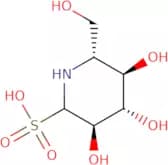
CAS:<p>Nojirimycin 1-sulfonic acid is a synthetic compound that has been shown to be an inhibitor of glycosylation. It is a modification of nojirimycin, which is a natural product that has been used as an anti-inflammatory agent for years. Nojirimycin 1-sulfonic acid (NJA) binds to the active site of the glycosyltransferase enzyme and prevents the transfer of sugar from the donor substrate to the acceptor substrate. This inhibits the synthesis of complex carbohydrates, oligosaccharides, and polysaccharides. The fluorination on NJA's sulfonate group also makes it more soluble in water, which increases its activity.</p>Fórmula:C6H13NO7SPureza:Min. 95%Cor e Forma:White PowderPeso molecular:243.24 g/mol1,3-O-Benzylidene-L-erythritol
CAS:<p>1,3-O-Benzylidene-L-erythritol is a potent inhibitor of the intestinal maltase. It has two diastereomers, one of which is more potent than the other. The more potent diastereomer inhibits both the maltase and L-arabinose isomerase enzymes in the intestine. This inhibition prevents digestion of complex carbohydrates such as starch and sucrose into simple sugars that can be absorbed by the body. 1,3-O-Benzylidene-L-erythritol also inhibits salacinol synthase and thiosugar synthetases from bacteria and plants, preventing synthesis of these important compounds.</p>Pureza:Min. 95%Lacto-N-fucopentaose II-APD-KLH
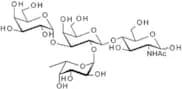
CAS:Lacto-N-fucopentaose II-APD-KLH is a fluorinated, monosaccharide, synthetic, oligosaccharide, complex carbohydrate. It has CAS No. 21973-23-9 and a custom synthesis. Lacto-N-fucopentaose II-APD-KLH can be used as a glycosylation or polysaccharide with click modification or methylation. The high purity of this product is 99%.Pureza:Min. 95%Emodin-1-O-b-D-glucopyranoside
Emodin-1-O-b-D-glucopyranoside is a synthetic, fluorinated, glycosylated oligosaccharide. It can be used as a high purity, non-fluorinated carbohydrate for research purposes. Emodin-1-O-b-D-glucopyranoside has been modified via Click chemistry to provide the desired functional group and is available in various sizes.Pureza:Min. 95%Fosinoprilat acyl-b-D-glucuronide
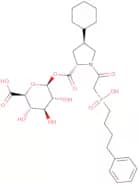
CAS:<p>Fosinoprilat acyl-b-D-glucuronide is a modified fosinoprilat which is an orally active, potent and long lasting inhibitor of angiotensin-converting enzyme (ACE) with a high degree of selectivity for ACE. It has been shown to be effective in the treatment of hypertension, congestive heart failure, and diabetic nephropathy. Fosinoprilat acyl-b-D-glucuronide has been synthesized by click modification from L-fosinoprilat. The carbohydrate moiety is attached to the methyl group of the amine group on the saccharide backbone. This drug exhibits low toxicity and good stability in vivo.</p>Fórmula:C29H42NO11PPureza:Min. 95%Peso molecular:611.62 g/mol5-Amino-5-deoxy-1,2-O-isopropylidene-6-O-trityl-a-D-galactofuranose
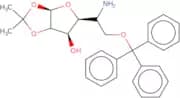
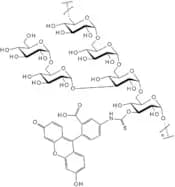
CAS:5-Amino-5-deoxy-1,2-O-isopropylidene-6-O-trityl-a-D-galactofuranose is a fluorinated analog of the natural sugar galactose. This compound has been used as a substrate for the synthesis of modified oligosaccharides and polysaccharides. It is also used in research for its ability to act as a methylation reagent. 5ADOGF has been modified with click chemistry to form 5-(2,3,4,5,6,7,8,9,10) -aminopropylidene-[beta]-D-[alpha]-D-[beta]-D-[alpha]-D-[beta]-D-[alpha] -galactofuranose (APGDF). The CAS number for this compound is 109681-00-7.Fórmula:C18H31NO5Pureza:Min. 95%Peso molecular:461.55 g/molFluorescein isothiocyanate-dextran - Average MW 10,000
CAS:<p>Fluorescein dextran (FD) is widely used as both an anterograde and retrograde tracer in neurons and for numerous other applications. It is biologically rather inert having α-1,6-linked glucose residues resistant to cleavage by most endogenous cellular glycosidases. It has low immunogenicity and makes an ideal long-term tracer for live cells. FD also serves as a valuable marker for cell loading of macromolecules by micro-injection, vesicular fusion, and electroporation, as well as for the uptake and internal processing of exogenous materials by phagocytotic and endocytic pathways.</p>Pureza:Min. 95%a-D-Glucopyranoside-b-D-fructofuranosyl octadecanoate
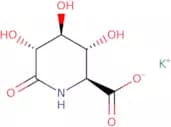
CAS:<p>Quantification of a-D-glucopyranoside-b-D-fructofuranosyl octadecanoate is possible by real-time PCR. The polymerase chain reaction (PCR) technique is used to detect the presence or absence of DNA or RNA. This process starts with the enzyme DNA polymerase and deoxyribonucleotide triphosphates, which use a primer sequence to synthesize complementary strands of DNA from the template. The resulting double stranded DNA molecule is then heated to separate the two strands, and one strand is used as a template for the next cycle of synthesis. Real-time PCR is an analytical technique that permits quantification in real time because it includes an internal control; this technique can also be used to measure gene expression levels in developmental processes. Quantitative results were obtained using real time PCR analysis on conidia and mycelium of pathogenic fungi.</p>Fórmula:C30H56O12Pureza:Min. 95%Peso molecular:608.76 g/molD-Glucaro-1,5-lactam potassium salt
CAS:<p>D-Glucaro-1,5-lactam potassium salt is a synthetic compound that can be used as a building block for the synthesis of glycosylated carbohydrates. It is fluorinated to prevent hydrolysis and methylated to protect against oxidation. This product is also suitable for click modification, polysaccharide synthesis, and glycosylation reactions. D-Glucaro-1,5-lactam potassium salt has CAS No. 53834-55-2 and can be custom synthesized in high purity.</p>Fórmula:C6H9NO6·xKPureza:Min. 95%Cor e Forma:PowderPeso molecular:191.14 g/mol3-O-Acetyl-1,2-O-isopropylidene-6-O-trityl-b-L-arabino-hexofuranos-5-ulose
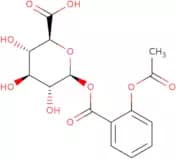
CAS:3-O-Acetyl-1,2-O-isopropylidene-6-O-trityl-b-L-arabino hexofuranos 5 Urolose is a custom synthesis of a complex carbohydrate that is not found in nature. This molecule has a number of modifications, including methylation and glycosylation. 3-O-Acetyl b L arabinoxylan can be used as a substitute for other complex carbohydrates, such as starch or glycogen. It can be manufactured by the click modification of D-xylose and D maltotriose with nitrous acid to form an acetal linkage. The methyl groups are then added to the sugar molecule with phosphorous pentoxide to form this product.Fórmula:C30H30O7Pureza:Min. 95%Peso molecular:502.56 g/molAcetylsalicylic acid-acyl-β-D-glucuronide
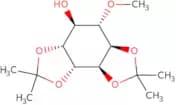
CAS:Acetylsalicylic acid-acyl-b-D-glucuronide is a glycosylation product of acetylsalicylic acid. It is a complex carbohydrate that can be methylated, fluorinated, or modified by click chemistry. Acetylsalicylic acid-acyl-b-D-glucuronide has been shown to be an effective inhibitor of the MMPs metalloproteinases and collagenase in vitro. It also inhibits the growth of Staphylococcus aureus, Streptococcus agalactiae, and Group A Streptococcus. Acetylsalicylic acid-acyl-b-D-glucuronide can be synthesized using monosaccharides, oligosaccharides, or custom synthesis. This product is available in high purity (99%) and CAS No. 24719-72-0.Fórmula:C15H16O10Pureza:Min. 95%Cor e Forma:White PowderPeso molecular:356.28 g/molDicyclohexylidene pinitol
CAS:<p>Dicyclohexylidene pinitol is a synthetic, cyclic oligosaccharide with an interesting structure. It is produced by the Click modification of a sugar, followed by a fluorination step and glycosylation. The methylation of the sugar can also be performed to produce this product. Its CAS number is 1037-92-1. Dicyclohexylidene pinitol has been used as an intermediate in the synthesis of saccharides, polysaccharides and other carbohydrates.</p>Fórmula:C19H30O6Pureza:Min. 95%Peso molecular:354.44 g/molUDP-D-galactosamine disodium salt
CAS:<p>UDP-D-galactosamine disodium salt is a type of sugar that is a substrate for UDP-glucuronosyltransferase (UGT), which catalyzes the transfer of galactose from UDP-D-galactose to other molecules. The product of this reaction is UDP-D-galacturonic acid. It is produced in the liver, where it participates in the synthesis of glycoproteins, glycolipids, and glycosaminoglycans. In addition, it can be found in the distal tubule of the kidney and in leukemia cells. The histological analysis of rat liver tissue showed that UDP-D-galactosamine disodium salt is present in hepatocytes. This sugar also helps with protein synthesis and activates uridine, which can be used as a carbon source. Histological analysis also revealed that UDP-D-galactosamine disodium salt plays an important role in glucose metabolism, as well as</p>Fórmula:C15H23N3O16P2Na2Pureza:Min. 95%Cor e Forma:PowderPeso molecular:609.28 g/molm-Topolin-9-glucoside
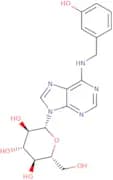
CAS:<p>M-topolin-9-glucoside is a synthetic sugar that has been modified by the introduction of fluorine atoms at C-2, C-3, and C-4. This sugar is used to study the interactions between carbohydrates and proteins. It is also used for the synthesis of oligosaccharides as well as for glycosylation and methylation reactions. M-topolin-9-glucoside is a monosaccharide that has been glycosylated and methylated. It can be used as a replacement for glucose in some reactions due to its stability and low cost.</p>Fórmula:C18H21N5O6Pureza:Min. 95%Cor e Forma:PowderPeso molecular:403.39 g/molIsofagomine hydrochloride
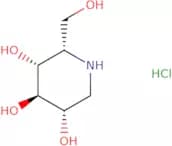
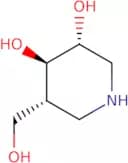
CAS:<p>Inhibitor of lysosomal acid β-glucosidase (GlcCerase/glucocerebrosidase) with IC50 in nanomolar range for wildtype and mutant enzyme. It behaves as pharmacological chaperon by binding to instable GlcCerase active site at neutral pH values and facilitating the protein folding. In acidic lysosomes, isofagomine gets release from the enzyme active site. This results in increased levels of functional glucocerebrosidase and brings therapeutic benefits to patients with Gaucher disease.</p>Fórmula:C6H13NO3·HClPureza:Min. 95%Cor e Forma:PowderPeso molecular:183.63 g/molLactose-sp-biotin
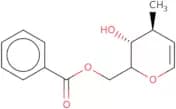
<p>Lactose-sp-biotin is a complex carbohydrate that has been modified with biotin. It is synthesized by the click modification of lactose and spacer arm, followed by glycosylation with biotin. Lactose-sp-biotin is soluble in water, which makes it suitable for use as a food additive. This product can also be used for labeling and identification of biomolecules in various fields such as fluorescence, immunoassay, or immunohistochemistry.</p>Fórmula:C31H54N4O14SPureza:Min. 95%Cor e Forma:PowderPeso molecular:738.85 g/mol6-O-Benzoyl-3-O-triisopropylsilyl-D-galactal
This is a synthetic sugar that can be custom synthesized based on the customer's specifications. 6-O-Benzoyl-3-O-triisopropylsilyl-D-galactal is a monosaccharide and an oligosaccharide that can be modified with a click modification, methylation, and glycosylation. It is a complex carbohydrate that has been shown to have anti-inflammatory properties. The glycosylation of this sugar can also be customized for specific purposes. This product has CAS number 132702-24-2 and is available at 95% purity or higher.Fórmula:C22H34O5SiPureza:Min. 95%Peso molecular:406.59 g/molCarboxymethyl cellulose sodium - Viscosity 300-600 mPa·s
CAS:Food additive; soil suspension polymer in detergents; thickening agentPureza:Min. 95%4-O-(2-O-Methyl-b-D-galactopyranosyl)-D-glucopyranose
CAS:4-O-(2-O-Methyl-b-D-galactopyranosyl)-D-glucopyranose is a disaccharide. The lacto-n-biose unit is a nonreducing sugar that contains an alpha, beta unsaturated 1,6 glycosidic bond and a lactose molecule. 4-O-(2-O-Methyl-b-D-galactopyranosyl)-D-glucopyranose has been found to stimulate the synthesis of galectin in vitro, which may be due to its ability to bind to lectins. This disaccharide can also cause denaturation at high temperatures.Fórmula:C13H24O11Pureza:Min. 95%Peso molecular:356.32 g/molAnthrose
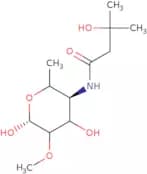
CAS:<p>Anthrose is a natural product that has been isolated from the larvae of Galleria mellonella, an insect. It has been shown to have antiviral activity against anthracis, a bacterium that causes anthrax. Anthrose treatment leads to cell lysis and DNA degradation in both prokaryotic and eukaryotic cells. The mechanism of action of this compound is not yet known, but it may be due to its ability to act as a competitive inhibitor for the enzyme aminotransferase activity. It also has antimicrobial properties and has been shown to inhibit Mycobacterium tuberculosis growth.</p>Fórmula:C12H23NO6Pureza:Min. 95%Cor e Forma:PowderPeso molecular:277.31 g/molLewis A trisaccharide methyl glycoside tetrabenzylether
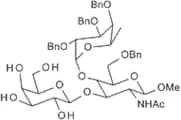
CAS:<p>Lewis A trisaccharide methyl glycoside tetrabenzylether is a synthetic glycosylated oligosaccharide. It is a custom synthesis product that can be modified to the customer's specifications. The modification reaction yields a high-purity, complex carbohydrate with a saccharide content of 95%. This product is soluble in DMSO and DMF and is stable at pH 3-11.</p>Fórmula:C49H61NO15Pureza:Min. 95%Peso molecular:904.01 g/mol(2-Hydroxypropyl)-a-cyclodextrin
CAS:<p>Alpha-cyclodextrin (α-CD) derivative with a hydrophilic exterior and lipophilic cavity (smaller than β-CDs and γ-CDs) to allocate certain guest molecules. This structural characteristic enables applications in molecular encapsulation, solubility enhancement, and stabilization across multiple industries. In pharmaceuticals, it serves as a drug delivery vehicle, enhancing the bioavailability and stability of active ingredients. The food industry utilizes it as a stabilizer for flavors, colors, and nutrients, as well as a functional ingredient for its effects on lipid metabolism. In cosmetics, it acts as a complex agent for fragrances and active components. Its applications extend to analytical chemistry for chiral separation and to materials science for developing smart materials and nanosystems.2-hydroxypropyl-alpha-cyclodextrin (HPCD) forms a stable inclusion complex with iodine. It also serves as a co-polymer for gene delivery vectors.</p>Cor e Forma:PowderPeso molecular:1.0b-D-Lactosyltrichloroacetimidate heptaacetate
CAS:<p>b-D-Lactosyltrichloroacetimidate heptaacetate is a glycosylation product of the b-D-lactose and trichloroacetic anhydride. This compound is used in the synthesis of oligosaccharides and polysaccharides. It has been shown to be a fluorinated, methylated, or click modified monosaccharide or disaccharide which can be prepared through custom synthesis, or by modification of existing saccharides. This compound has been found to have high purity with a CAS number of 1142022-76-1.</p>Fórmula:C28H36Cl3NO18Pureza:Min. 95%Peso molecular:780.94 g/molParicalcitol 25-b-D-glucuronide
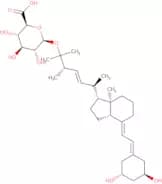
CAS:<p>Paricalcitol 25-b-D-glucuronide is a synthetic analogue of calcitriol, which is the active form of vitamin D. It is a high-purity glycosylate with an average molecular weight of 522.5 Da and a purity of >98%. Paricalcitol 25-b-D-glucuronide has been shown to be effective in prevention or treatment of secondary hyperparathyroidism in patients with chronic kidney disease (CKD). This compound has shown to inhibit calcium absorption in the gut and increase urinary excretion of calcium. It also increases serum phosphate levels, which may lead to increased calcium phosphate deposition in bone. Paricalcitol 25-b-D-glucuronide is methylated at the 25 position, which prevents it from being metabolized by the liver. This modification allows for higher concentrations to be administered without causing toxicity.</p>Fórmula:C33H52O9Pureza:Min. 95%Peso molecular:592.76 g/mol5-Deoxy-L-ribose phenylhydrazone
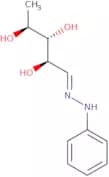
CAS:Intermediate in the synthesis of L-PrimapterinFórmula:C11H16N2O3Pureza:Min. 95%Peso molecular:224.26 g/molMethyl b-D-xylofuranoside
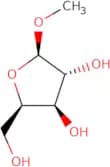
CAS:<p>Methyl b-D-xylofuranoside is a fluorinated monosaccharide that is synthesized by the replacement of hydroxyl groups with fluorine. Methyl b-D-xylofuranoside is used for the synthesis of oligosaccharides and polysaccharides, as well as for glycosylation and methylation reactions. The product has a CAS number of 1824-97-1 and can be custom synthesized to meet specific customer specifications.</p>Pureza:Min. 95%1,2-13C-D-Mannose
<p>1,2-13C-D-Mannose is a synthetic monosaccharide that is used as a building block for oligosaccharides and polysaccharides. It has been modified with fluorination, methylation, and click chemistry to yield a complex carbohydrate with high purity. The 13C isotope can be labeled in the 2 position of the mannose ring or at the C1 position of the glucose moiety.</p>Fórmula:C2C4H12O6Pureza:Min. 95%Cor e Forma:White PowderPeso molecular:182.14 g/molBlood Group B type III/IV tetrasaccharide
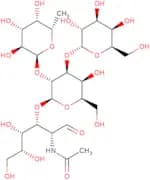
CAS:<p>The blood group B type III/IV tetrasaccharide is a synthetic, fluorinated carbohydrate that has been custom synthesized for glycosylation and methylation. The monosaccharide of the tetrasaccharide is a hexose, which can be modified with fluorine and click chemistry. The product is a complex carbohydrate with high purity and can be used in pharmaceuticals as an antigen for immunoglobulin G (IgG) production.</p>Fórmula:C26H45NO20Pureza:Min. 95%Peso molecular:691.63 g/molBlood Group B type II tetrasaccharide
CAS:<p>Blood Group B type II tetrasaccharide is a carbohydrate that is synthesized by custom synthesis. It is a complex carbohydrate with a molecular weight of 909890-21-7. It has the chemical formula C6H14O6 and CAS No. 909890-21-7. Blood group B type II tetrasaccharide can be modified, methylated, glycosylated, and fluorinated. It is an oligosaccharide with a monosaccharide repeating unit that can be found in the blood group B type II antigen on erythrocytes. This saccharide has six sugar units (three glucose and three galactose) connected in a chain by alpha 1-3 glycosidic linkages. The sugar units are attached to each other by beta 1-4 glycosidic linkages.</p>Fórmula:C26H45NO20Pureza:Min. 95%Peso molecular:691.63 g/mol2-Imino-2-methoxyethyl-1-deoxy-1-thio-a-D-mannopyranoside
CAS:2-Imino-2-methoxyethyl-1-deoxy-1-thio-a-D-mannopyranoside is a carbohydrate that belongs to the group of sugar. It can be custom synthesized and is available in high purity. This compound has been fluorinated and methylated, which means it has been modified with fluorine and methyl groups respectively. Click modification refers to a type of chemical modification to a molecule that occurs through the addition of a thiol group at the alpha carbon of an alcohol or amine group. 2-Imino-2-methoxyethyl-1-deoxy-1-thio-a-Dmannopyranoside can be glycosylated, which means it is able to undergo the process of glycosylation by transferring its saccharide unit onto another saccharide.Fórmula:C9H17NO6SPureza:Min. 95%Peso molecular:267.3 g/mol2-Acetamido-1,3,4,6-tetra-O-acetyl-2-deoxy-D-gluconhydroximo-1,5-lactone
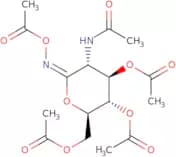
CAS:<p>2-Acetamido-1,3,4,6-tetra-O-acetyl-2-deoxy-D-gluconhydroximo-1,5-lactone is a custom synthesis. It is a modification of natural sugars. It has fluorination and methylation to make the product more stable. The product is an oligosaccharide that is a saccharide with two monosaccharides attached together. It is made up of complex carbohydrates.</p>Fórmula:C16H22N2O10Pureza:Min. 95%Peso molecular:402.35 g/molChitotetraose tetradecaacetate
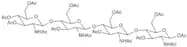
CAS:Chitotetraose tetradecaacetate is a condensation product of chitin and sephadex, which is synthesized from chitin and sodium chloride. It is an acetolysis substrate that has a sensitivity of 3.2 ug/ml in the fluorometric assay. Chitotetraose tetradecaacetate also exhibits high sensitivity to micrococcus, with a minimum inhibitory concentration (MIC) of 0.3 ug/ml.Fórmula:C52H74N4O31Pureza:Min. 95%Peso molecular:1,251.18 g/mol2-Acetamido-2-deoxy-D-galactopyranose diphospho undecapyrenyl
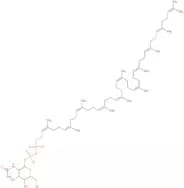
This is a gene product that belongs to the family of histone proteins. It is a bacterial enzyme that participates in the biosynthesis of glycan, which plays an important role in bacterial pathogenicity and antigen expression. The 2-acetamido-2-deoxy-D-galactopyranose diphospho undecaprenyl (AGDP) has been shown to inhibit cancer cells by inhibiting histone protein acetylation. This inhibits DNA methylation, which may lead to tumorigenesis. Structural studies have also shown that AGDP binds to bacterial enzyme with high affinity and specificity, suggesting that it could be used as a potential antibacterial agent.Fórmula:C63H103NO12P2Pureza:Min. 95%Peso molecular:1,128.44 g/mola-L-Fucose-1-phosphate
<p>a-L-Fucose-1-phosphate is a Glycosylation, complex carbohydrate, Methylation, Click modification, Polysaccharide, Fluorination, saccharide, Modification, sugar, Oligosaccharide and Synthetic product. a-L-Fucose-1-phosphate is available for custom synthesis and can be ordered with high purity.</p>Pureza:Min. 95%D-Arabinose-2-D
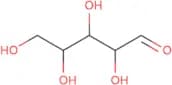
CAS:<p>Please enquire for more information about D-Arabinose-2-D including the price, delivery time and more detailed product information at the technical inquiry form on this page</p>Fórmula:C5H10O5Pureza:Min. 95%Peso molecular:151.14 g/mol4-Aminophenyl 1-thio-b-D-xylopyranoside
CAS:4-Aminophenyl 1-thio-b-D-xylopyranoside is a custom synthesis of an oligosaccharide that is used as a model compound for the study of glycosylation. The saccharide is modified with methyl groups and fluorinated at the C4 position. This product has CAS No. 62205-43-0 and has high purity, making it ideal for research purposes.Fórmula:C11H15NO4SPureza:Min. 95%Peso molecular:257.31 g/mol2,3,4,6-Tetra-O-benzoyl-a-D-galactopyranosyl trichloroacetimidate
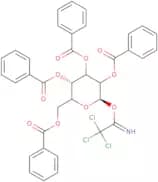
CAS:This is a custom synthesized compound. The chemical structure is a modification of 2,3,4-tri-O-benzoyl-a-D-galactopyranosyl trichloroacetimidate. The synthesis of this compound involves the fluorination of the 2,3,4-tri-O-benzoyl-a-D-galactopyranosyl trichloroacetimidate followed by methylation to yield the 2,3,4,6-tetra-O-benzoyl a D galactopyranosyl trichloroacetimidate. This compound can be used to modify sugars in order to create oligosaccharides and polysaccharides for research purposes.Fórmula:C36H28Cl3NO10Pureza:Min. 95%Peso molecular:740.97 g/molHeparin disaccharide IV-H
CAS:<p>A modified heparin disaccharide</p>Fórmula:C12H19NO10Pureza:Min. 95%Peso molecular:337.28 g/molEthyl D-thioglucuronide
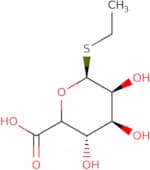
CAS:<p>Ethyl D-thioglucuronide is a modification of an oligosaccharide, carbohydrate, complex carbohydrate or sugar. It can be synthesized by custom synthesis or by synthetic methods. The product is highly pure and monosaccharide methylated. The product can be glycosylated, polysaccharide, sugar fluorinated and saccharides click modified.</p>Fórmula:C8H14O6SPureza:Min. 95%Cor e Forma:Off-White PowderPeso molecular:238.26 g/mol1-Deoxy-1-nitro-L-galactitol
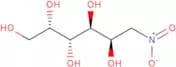
CAS:<p>1-Deoxy-1-nitro-L-galactitol is a compound that has been shown to inhibit serine protease and glutaminyl cyclase activity. It is commonly used in laboratory settings as a potassium substitute in media formulations. This compound belongs to the class of monosaccharides known as glutaminyl derivatives. It has been studied for its potential as an inhibitor of nafamostat, a serine protease inhibitor used in the treatment of pancreatitis and disseminated intravascular coagulation (DIC). Additionally, 1-Deoxy-1-nitro-L-galactitol has been investigated for its potential as a disinfectant and as an adrenergic receptor agonist. Preliminary studies have also suggested antiviral properties against certain viruses. Further research is needed to fully understand the potential applications of this compound.</p>Fórmula:C6H13NO7Pureza:Min. 95%Peso molecular:211.17 g/molSodium pectate
CAS:The characteristic structure of pectin is a linear chain of α-(1,4)-linked D-galacturonic acid that forms the pectin-backbone, a homogalacturonan (pectic acid). The polygalacturonic acid is partly esterified with methyl groups and the free acid groups may be partly or fully neutralized with sodium, potassium or ammonium ions. The ratio of esterified galacturonic acid groups to total galacturonic acid groups - termed the degree of esterification (DE) - has vital influence on the properties of pectin, especially the solubility and the gel forming characteristics. The mechanism for gel formation with calcium ions is known as ‘The egg box’. Into this backbone, there are regions where galacturonic acid is replaced by (1,2)-linked L-rhamnose. From the rhamnose residues, sidechains of various neutral sugars branch off. This type of pectin is called rhamnogalacturonan-I (RG-I). Up to every 25th galacturonic acid in the main chain is replaced with rhamnose. Some stretches consist of alternating galacturonic acid and rhamnose – “hairy regions”, others with lower density of rhamnose – “smooth regions”. The neutral sugars are mainly D-galactose, L-arabinose and D-xylose, the types and proportions of neutral sugars varying with the origin of pectin. Another structural type of pectin is rhamnogalacturonan II (RG-II), which is a less frequent complex, highly branched polysaccharide.Pureza:Min. 95%Cor e Forma:Powder1,6:3,4-Bis-[O-(2,3-dimethoxybutane-2,3-diyl)]-2-O-trifluoromethanesulphonyl-5-O-benzolyl-myo-inositol
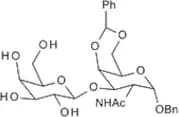
CAS:<p>1,6:3,4-Bis-[O-(2,3-dimethoxybutane-2,3-diyl)]-2-O-trifluoromethanesulphonyl-5-O-benzolyl-myo-inositol is a Glycosylation product with CAS No. 1068089-34-8. It is a synthetic oligosaccharide that contains an Oligosaccharide sugar and a Polysaccharide saccharide. The product has been Fluorinated and Custom synthesized for Methylation. Click modification has been performed on the complex carbohydrate to produce the desired Modification in High purity.</p>Fórmula:C26H35F3O13SPureza:Min. 95%Peso molecular:644.61 g/molBenzyl 2-acetamido-4,6-O-benzylidene-2-deoxy-3-O-(b-D-galactopyranosyl)-a-D-galactopyranoside
<p>Benzyl 2-acetamido-4,6-O-benzylidene-2-deoxy-3-O-(b-D-galactopyranosyl)-a-D-galactopyranoside is a methylated and fluorinated monosaccharide. It is used in the synthesis of complex carbohydrates and oligosaccharides. The modification of this compound can be done with click chemistry, which is a process that allows for the rapid assembly of molecules on surfaces. This product has been shown to have high purity, making it suitable for use in research or production.</p>Fórmula:C28H35NO11Pureza:Min. 95%Peso molecular:561.58 g/mol1,4-β-D-Glucosyl-D-mannobiose
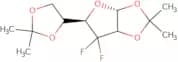
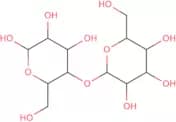
CAS:<p>1,4-β-D-Glucosyl-D-mannobiose is a specialized carbohydrate substrate, which is derived from complex polysaccharides typically found in plant cell walls. It acts as a substrate for endo-1,4-β-mannanase, an enzyme that cleaves specific glycosidic bonds within mannans. This substrate facilitates the investigation of enzymatic activity by allowing the measurement of endo-1,4-β-mannanase efficiency and specificity under controlled conditions.In biochemical enzyme assays, 1,4-β-D-Glucosyl-D-mannobiose serves as a critical component for quantifying mannanase activity. It enables researchers to study the enzyme's role in various biological processes, including polysaccharide degradation. Additionally, this product is invaluable in in vitro diagnostic analyses where precise enzyme activity assessment is crucial for understanding pathological states or the functionality of industrial enzyme preparations. Its applications extend to biotechnology research, where it aids in the formulation of enzyme-based solutions and optimization of enzymatic reactions in diverse biological and industrial contexts.</p>Fórmula:C18H32O16Pureza:Min. 95%Peso molecular:504.4 g/mol3-Deoxy-3,3-difluoro-1,2:5,6-di-O-isopropylidene-a-D-glucofuranose
3-Deoxy-3,3-difluoro-1,2:5,6-di-O-isopropylidene-a-D-glucofuranose is a sugar. It is a glycosylation product of the natural amino acid lysine with glucose. This modification increases the solubility and stability of lysine in biological systems. 3DG can be methylated to form 3DG monomethyl ether and 3DG dimethyl ether. Both these derivatives are also used as a fluorescent probe for detecting saccharides at low concentrations. 3DG can be fluorinated to form 3DG difluoromethyl ether, which has been shown to have anti-inflammatory properties. These properties may be due to its ability to inhibit prostaglandin synthesis by inhibiting prostaglandin synthase activity.Fórmula:C12H18F2O5Pureza:Min. 95%Peso molecular:280.27 g/mol1-Deoxy-L-idonojirimycin hydrochloride
CAS:<p>1-Deoxy-L-idonojirimycin hydrochloride is a chaperone that is structurally related to the natural substrate, L-idonojirimycin. It has been found to interact with recombinant human Hsp70 and Hsp90. 1-Deoxy-L-idonojirimycin hydrochloride enhances the kinetic and thermodynamic parameters of these chaperones in vitro. The structural analysis of this compound revealed that it binds to both Hsp70 and Hsp90, which may be due to its ability to mimic the natural substrate's binding site on these chaperones.</p>Fórmula:C6H14ClNO4Pureza:Min. 95%Peso molecular:199.63 g/molMaltose solution
CAS:<p>The maltose solution we offer is a 20% solution in water and of high purity and can be customized to meet your needs.</p>Fórmula:C12H22O11Pureza:Min. 95%Peso molecular:342.3 g/mol1,3-a-1,6-a-D-Mannotriosyl trichloroacetimidate
<p>1,3-α-D-mannopyranosyl trichloroacetimidate (1,3-α-DMTCA) is a fluorinated monosaccharide that is used as a building block for the synthesis of oligosaccharides and polysaccharides. The synthesis of 1,3-α-DMTCA involves the reaction of α,β-unsaturated chloral hydrate with mannose in aqueous solution. This produces an intermediate product that undergoes glycosylation with glycosylation reagents like glycosyl chloride to yield 1,3-α-DMTCA. The chemical structure of 1,3-α-DMTCA can be modified by various reactions including methylation or click modification. 1,3 DMTCA is also available as a high purity material.<br>1,3 α - D - mannosyltetrahydrochlorofonuimidoksyl</p>Pureza:Min. 95%1,6-Anhydro-2,4-di-O-p-toluenesulfonyl-β-D-glucopyranose
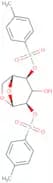
CAS:1,6-Anhydro-2,4-di-O-p-toluenesulfonyl-b-D-glucopyranose is a fluorinated sugar that is synthesized by the reaction of 1,6 anhydro-2,4 di O p toluenesulfonyl b D glucopyranose and osmium tetroxide. The synthesis of this compound involves the use of high purity reagents and solvents. This product can be custom synthesized to order with a minimum quantity of 500 grams.Fórmula:C20H22O9S2Pureza:Min. 95%Peso molecular:470.52 g/molForosamine
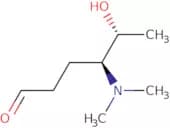
CAS:<p>Forosamine is a spinosyn analog that has been shown to be an effective control agent against bacterial strains. It is a β-amino acid and has a chemical structure similar to the natural spinosyns. Forosamine has been shown to have a broad spectrum of activity against animal health-related bacteria, including those resistant to other antibiotics. Forosamine’s mode of action is not well understood, but it may involve the inhibition of protein synthesis. Forosamine's molecular modeling suggests that the molecule contains a hydroxyl group, which may be responsible for its antibacterial activity.</p>Pureza:Min. 95%Methyl D-galactopyranoside
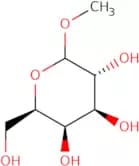
CAS:Methyl D-galactopyranoside is a lectin that binds to galactose residues in the glycosidic linkage of oligosaccharides. Methyl D-galactopyranoside is used in functional theory to determine the number of lysine residues on the dodecyl chain. This lectin has been shown to bind to anomeric linkages, which are different types of sugar molecules that have a carbon atom at the same position. The binding of this lectin to oligosaccharides can be detected by matrix-assisted laser desorption ionization mass spectrometry (MALDI MS). Methyl D-galactopyranoside has also been shown to have high salt and carbohydrate binding properties, as well as binding with galactose, trimethyl, and hydroxymethyl groups.Fórmula:C7H14O6Pureza:Min. 95%Cor e Forma:PowderPeso molecular:194.18 g/molEthynyl estradiol 3-b-D-glucuronide
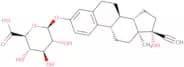
CAS:<p>Ethynyl estradiol 3-b-D-glucuronide is a synthetic derivative of the endogenous estrogen, 17β-estradiol. It is a glycosylated, complex carbohydrate with a methylation and fluorination modification. Ethynyl estradiol 3-b-D-glucuronide is synthesized by reacting ethynyl estradiol with β-D-glucuronic acid to form an ester linkage between the sugar and steroid molecules. This process also produces an Oligosaccharide as well as Monosaccharides. The synthesis of this compound can be customized for specific needs and is available in high purity.</p>Fórmula:C26H32O8Pureza:Min. 95%Cor e Forma:PowderPeso molecular:472.53 g/molMethyl 2,3-di-O-acetyl-b-D-xylopyranoside
CAS:Methyl 2,3-di-O-acetyl-b-D-xylopyranoside is a high purity synthetic product with custom synthesis and fluorination. This product is a sugar that has been modified by glycosylation and methylation. Methyl 2,3-di-O-acetyl-b-D-xylopyranoside is a complex carbohydrate that contains saccharides, such as monosaccharides and oligosaccharides.Fórmula:C10H16O7Pureza:Min. 95%Peso molecular:248.2 g/mol2-Azidoethyl β-lactopyranoside
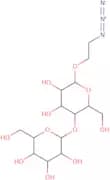
CAS:2-Azidoethyl β-lactopyranoside is a modification of a carbohydrate that can be used for the synthesis of oligosaccharides, glycoconjugates and polysaccharides. The 2-azidoethyl group can be used to introduce fluorine atoms into complex carbohydrates, which can improve their physical properties. It can also be used as a protecting group for glycosylation reactions in the synthesis of saccharides. This product has been shown to have high purity, monosaccharide content, and methylated sugar moieties. It is also readily available in large quantities due to its custom synthesis. 2-Azidoethyl β-lactopyranoside has been shown to have high purity and monosaccharide content, making it an ideal product for use in glycosylation reactions in the synthesis of saccharides.Fórmula:C14H25N3O11Pureza:Min. 95%Peso molecular:411.36 g/molHeparin derived dp22 saccharide ammonium salt
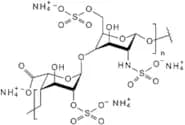
Heparin derived dp22 saccharide ammonium salt is a complex carbohydrate that is synthesized with the click chemistry. It is a high purity, fluorinated compound. This modified heparin has an average molecular weight of approximately 5,400 Da and contains an average of 15 saccharide units. Heparin derived dp22 saccharide ammonium salt has been modified by methylation and glycosylation to produce a heparin-like compound that can be used as a drug delivery system for anticancer drugs.Pureza:Min. 95%Cor e Forma:White to off-white solid.Peso molecular:~6300 (Average)Methyl 2,3,4-tri-O-benzyl-b-L-thiofucopyranoside
CAS:<p>Methyl 2,3,4-tri-O-benzyl-b-L-thiofucopyranoside is a glycosyl acceptor that can be used in the synthesis of oligosaccharides. It is also an intermediate for the production of antifungal drugs such as fluconazole.</p>Fórmula:C28H32O4SPureza:Min. 95%Peso molecular:464.62 g/mol




![D-[UL-13C6]Glucosamine HCl](/_next/image/?url=https%3A%2Fstatic.cymitquimica.com%2Fproducts%2F3D%2Fthumb-webp%2FMG45066.webp&w=3840&q=75)






![Di[3-deoxy-D-manno-octulosonyl]-lipid A sodium salt - 0.5mg/ml aqueous solution](/_next/image/?url=https%3A%2Fstatic.cymitquimica.com%2Fproducts%2F3D%2Fthumb-webp%2FOD29173.webp&w=3840&q=75)













![1,6:3,4-Bis-[O-(2,3-dimethoxybutane-2,3-diyl)]-2-O-trifluoromethanesulphonyl-5-O-benzolyl-myo-inos…](/_next/image/?url=https%3A%2Fstatic.cymitquimica.com%2Fproducts%2F3D%2Fthumb-webp%2FMB16636.webp&w=3840&q=75)