Glicociência
Subcategorias de "Glicociência"
- Amino açúcares(108 produtos)
- Anticorpos Glico-Relacionados(283 produtos)
- Glicolípidos(46 produtos)
- Glicosaminoglicanos (GAGs)(55 produtos)
- Glicosídeos(419 produtos)
- Monossacáridos(6.617 produtos)
- Oligossacarídeos(3.718 produtos)
- Polissacáridos(505 produtos)
Foram encontrados 11021 produtos de "Glicociência"
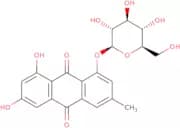
Emodin 1-glucoside
CAS:Emodin 1-glucoside is a natural anthraquinone glycoside that is produced by plants and has been shown to have cytotoxic effects against human cells. Emodin 1-glucoside inhibits the function of enzymes, such as glycosidases, phosphatases, and proteases. This compound is activated by calcium ions and has been shown to disrupt mitochondrial membrane potential. Emodin 1-glucoside also inhibits sugar residues and has shown significant cytotoxicity against cultured human cells at higher concentrations. It may be used as a medicine for the treatment of inflammation or cancer.Fórmula:C21H20O10Pureza:Min. 95%Cor e Forma:PowderPeso molecular:432.38 g/mola,a-D-Trehalose dihydrate
CAS:Please enquire for more information about a,a-D-Trehalose dihydrate including the price, delivery time and more detailed product information at the technical inquiry form on this page
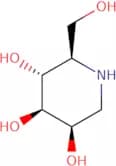
Fórmula:C12H26O13Pureza:Min. 98 Area-%Peso molecular:378.33 g/mol1-Deoxymannojirimycin HCl
CAS:Potent and specific inhibitor of α-mannosidase I. It is active against the Golgi isoform (GMI) of the enzyme and blocks carbohydrate branch elongation from immature to complex and hybrid N-glycans. Its anti-viral activity against HIV-1 is characterized by the alteration of N-glycan pattern and shift to high-mannose glycans on viral glycoprotein gp120, resulting in decreased infectivity of newly synthesized virions.
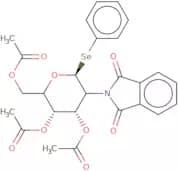
Fórmula:C6H13NO4·HClPureza:Min. 98 Area-%Cor e Forma:White Off-White PowderPeso molecular:199.63 g/molPhenyl 3,4,6-tri-O-acetyl-2-deoxy-2-phthalimido-b-D-selenoglucopyranoside
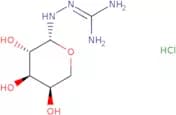
CAS:Phenyl 3,4,6-tri-O-acetyl-2-deoxy-2-phthalimido b-D-selenoglucopyranoside is a chemical compound that is used in the synthesis of saccharides and oligosaccharides. It has been modified with the Click reaction to give it a reactive group. This modification can be used for glycosylation or for incorporation into polysaccharides such as starch. Phenyl 3,4,6-tri-O-acetyl-2-deoxy b -D selenoglucopyranoside is a high purity synthetic compound that is available in custom synthesis quantities.Fórmula:C26H25NO9SePureza:Min. 95%Peso molecular:574.44 g/molN1-β-D-Arabinopyranosylamino-guanidine hydrochloride
CAS:N1-b-D-arabinopyranosylamino-guanidine HCl is a modified carbohydrate. It is a synthetic monosaccharide that is custom synthesized by methylation and glycosylation. This product has high purity and can be used for modification of saccharides or oligosaccharides to create new carbohydrates with desired properties.Fórmula:C6H14N4O4•HClPureza:Min. 95%Cor e Forma:White to light beige solid.Peso molecular:242.66 g/molMethyl a-L-fucopyranoside
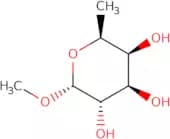
CAS:Methyl a-L-fucopyranoside is a natural product that has been shown to have many biological effects, including antioxidant and anti-inflammatory properties. It has been shown to inhibit the growth of bacteria by binding to the ribosome, preventing protein synthesis and cell division. The compound has also been shown to have anti-inflammatory effects in mice with inflammatory bowel disease. Methyl a-L-fucopyranoside inhibits the production of pro-inflammatory cytokines, such as interferon alfa-2b (IFNα2β), which is induced by IFNγ. This inhibition of IFNα2β activity may be due to methyl a-L-fucopyranoside's ability to bind to cytosolic calcium and inhibit its transport into the nucleus. Methyl a-L-fucopyranoside also blocks the production of antimicrobial peptides, such as defensins or cathelicidins.Fórmula:C7H14O5Pureza:Min. 98 Area-%Cor e Forma:White PowderPeso molecular:178.18 g/molCarboxymethyl-β-cyclodextrin
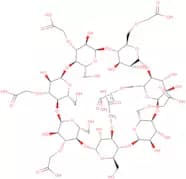
CAS:This beta-cyclodextrin (β-CD) derivative is a functionalized cyclic oligosaccharide composed of seven glucose units, characterized by a hydrophilic exterior and a lipophilic cavity (bigger than α-CD and smaller than γ-CDs), which allows it to encapsulate various guest molecules. This structural feature facilitates its use in multiple applications, including pharmaceuticals, food enhancement, and cosmetics. In the pharmaceutical industry, it enhances the solubility and stability of poorly water-soluble drugs, improving their bioavailability and efficacy while also masking unpleasant tastes. The food sector utilizes it as a stabilizer for flavors, colors, and nutrients, extending shelf life by protecting sensitive ingredients from degradation. In cosmetics, it serves as a complexing agent for fragrances and active components, ensuring their stability and controlled release. Its use expands to many other fields, including nanotechnology for drug delivery systems, environmental remediation for extracting organic pollutants, textiles for slow-release fragrances, and analytical chemistry for chiral separation.Fórmula:C56H84O49Pureza:Min. 95%Peso molecular:1,541.24 g/molLactosylsphingosine
CAS:Intermediate degradation product of lyso-GM3Fórmula:C30H57NO12Pureza:Min. 95%Cor e Forma:PowderPeso molecular:623.77 g/mol1-Amino-2,4-O-benzylidene-D-butane-2,3,4-triol
1-Amino-2,4-O-benzylidene-D-butane-2,3,4-triol is a custom synthesis. This compound is an oligosaccharide that has been modified with methylation, glycosylation, and click modification. Carbohydrate molecules are saccharides that have a sugar as their backbone. Saccharides can be classified as monosaccharides (simple sugars) or polysaccharides (complex carbohydrates). This compound is a high purity synthetic that has been fluorinated and has undergone glycose chemistry to produce a desired product.Pureza:Min. 95%3,6-Di-O-acetyl-γ-cyclodextrin
This gamma-cyclodextrin (γ-CD) derivative is a modified cyclic oligosaccharide composed of eight glucose units, featuring a larger cavity size than α- and β-cyclodextrins. This structural characteristic allows γ-CDs to form inclusion complexes with a wider range of guest molecules, making it particularly versatile in various industries. In the food sector, it is used as a carrier and stabilizer for flavors, fat-soluble vitamins, and polyunsaturated fatty acids, protecting volatile compounds from evaporation. In pharmaceuticals, it enhances the solubility and bioavailability of poorly water-soluble drugs and, thanks to its larger ring size, allows for the encapsulation of larger molecules or even entire drug molecules. γ-CDs and derivatives are also used for environmental remediation and, in analytical chemistry, for the extraction and concentration of target substances.Fórmula:C80H112O56Pureza:Min. 95%Peso molecular:1,969.71 g/mol4-O-(β-D-Mannopyranosyl)-D-mannose
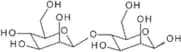
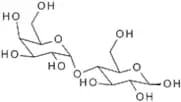
CAS:One of the disaccharides produced during the acid reversion of D-mannose. This mannobiose is the major repeating unit in the mannose chains of plant mannans, galacto- and gluco-mannans. It has been isolated from partial acid hydrolysates of ivory-nut (Phytelephas, macrocarpa) mannan, guaran (Cyamopsis sp.), palmyra palm (Borassus flabelliferer), fenugreek (Trigonella foenum-graecum) and lucerne (Medicago saliva) galactomannans.Fórmula:C12H22O11Pureza:Min. 95%Cor e Forma:White PowderPeso molecular:342.3 g/mol4-O-(a-D-Galactopyranosyl)-D-glucopyranose
CAS:Disaccharide is a carbohydrate with two simple sugars. It is soluble in water and has a density of 1.621 g/ml. Disaccharides are found in the tissues of many plants and animals, where they can be hydrolyzed by various enzymes to release monosaccharides. Disaccharides are also found in certain types of lichen and algae, where they are produced through photosynthesis. The most common disaccharides are sucrose, lactose, maltose, trehalose, and cellobiose. The simplest type of disaccharide is called a monosaccharide or sugar molecule. Monosaccarides have the same chemical formula but different physical forms that depend on their molecular mass (i.e., they may be a solid or liquid). Disaccharides can be classified as either sulfuric or organic solvent-soluble depending on whether they dissolve in sulfuric acid or an organic solvent such as ethanol orFórmula:C12H22O11Pureza:Min. 95%Cor e Forma:PowderPeso molecular:342.3 g/mol5-Deoxy-L-arabinose
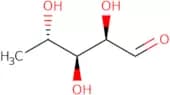
CAS:5-Deoxy-L-arabinose is a tetramethylurea derivative that has been synthesized for the treatment of hyperphenylalaninemia, an atypical form of phenylketonuria. It is an analog of 5-deoxy-l-ribose and can be used to generate molybdate from ammonium molybdate. This product also has antiviral activity and can be used to inhibit the growth of filamentous fungi, such as Verticillium dahliae. 5-Deoxy-L-arabinose can be used as a phase separator in chromatography. It is stereoselective and does not react with acid catalysts.Fórmula:C5H10O4Pureza:Min. 95%Cor e Forma:Slightly Yellow Clear Viscous LiquidPeso molecular:134.13 g/molD-ido-Heptono-1,4-lactone
D-ido-Heptono-1,4-lactone is a glycosylation product of heptose with d-ido-D-glucofuranose and is a synthetic sugar. It has an Oligosaccharide, sugar, Synthetic, Fluorination, Custom synthesis, Methylation, Monosaccharide, Polysaccharide, saccharide Click modification. It has CAS No., Modification.
Pureza:Min. 95%4-Methylphenyl 2,3,4,6-tetra-O-acetyl-β-D-thioglucopyranoside
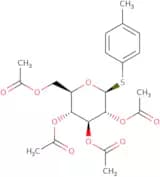
CAS:4-Methylphenyl 2,3,4,6-tetra-O-acetyl-b-D-thioglucopyranoside is an antibiotic that is used to treat infections caused by a wide range of pathogens. This drug is active against Gram-negative and Gram-positive bacteria, including some resistant strains. 4MPTGA inhibits the growth of bacteria by binding to their ribosomes and preventing protein synthesis. It has been shown to have antimicrobial activity against E. coli and other Enterobacteriaceae species as well as other Gram negative bacteria such as Salmonella typhi and Proteus mirabilis. 4MPTGA has also been shown to be effective against the common animal health pathogen Staphylococcus aureus
Fórmula:C21H26O9SPureza:Min. 95%Cor e Forma:White PowderPeso molecular:454.49 g/mol1,2,3,4,5-Penta-O-acetyl-β-D-fructose
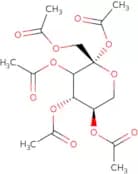
CAS:1,2,3,4,5-Penta-O-acetyl-β-D-fructose is a synthetic oligosaccharide that is modified with fluorine to produce a variety of products. This product is used in the synthesis of complex carbohydrates and has been shown to have high purity. It is used for methylation reactions and can be found in saccharides and polysaccharides. The CAS number for this compound is 20764-61-8.Fórmula:C16H22O11Pureza:Min. 95%Cor e Forma:White PowderPeso molecular:390.34 g/moltrans-Zeatin-7-glucoside
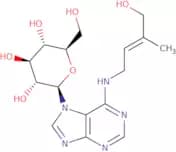
CAS:Trans-zeatin-7-glucoside is an abscisic acid (ABA) metabolite that can be found in plant tissue. It is used as a natural product to regulate growth and development. Trans-zeatin-7-glucoside has been shown to inhibit the biosynthesis of gibberellins, which are plant hormones that promote cell elongation. This compound is purified from plant tissues by chromatographic methods, such as reversed phase HPLC or ion exchange chromatography. The sample preparation involves extraction with a solvent such as methanol or chloroform followed by purification on an analytical column. Immunoaffinity chromatography is also used for sample preparation, which involves binding to antibody molecules on the surface of a solid support material. Trans-zeatin-7-glucoside can be detected using analytical methods such as gas chromatography or liquid chromatography coupled with mass spectrometry. Trans-zeatin-7-Fórmula:C16H23N5O6Pureza:Min. 95 Area-%Cor e Forma:PowderPeso molecular:381.38 g/molSialylglycopeptide
CAS:Starting material for semi-synthesis of N-glycansFórmula:C112H189N15O70Pureza:(Hplc) Min. 95%Cor e Forma:White PowderPeso molecular:2,865.76 g/molD-Apiose - Aqueous solution
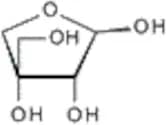
CAS:D-Apiose is a triterpenoid saponin that is isolated from the bark of the Quillaja saponaria tree. It has been shown to inhibit tumor growth and induce cell death in animal models. D-Apiose is also known to be an inhibitor of sugar transport, hydroxylation, and ribitol dehydrogenase, which are all important cellular processes. This compound induces cell lysis by binding to cellular organelles such as the mitochondria and endoplasmic reticulum. Cell lysis leads to the release of intracellular contents into the extracellular environment, which can have potent antitumor activity. The hydroxyl group on D-Apiose allows it to react with ribitol dehydrogenase, which catalyzes a reaction involving the conversion of ribitol into 2-deoxyribose 5-phosphate. The ultimate product of this reaction is galacturonic acid, which may have anti-Fórmula:C5H10O5Pureza:Min. 95%Cor e Forma:Clear LiquidPeso molecular:150.13 g/molD-Allose
CAS:Anti-proliferative in cancer cellsFórmula:C6H12O6Pureza:Min. 95%Cor e Forma:White PowderPeso molecular:180.16 g/mol