Glicociência
A glicociência é o estudo dos carboidratos e seus derivados, bem como das interações e funções biológicas em que participam. Este campo de pesquisa é crucial para compreender uma ampla variedade de processos biológicos, incluindo o reconhecimento celular, a sinalização, a resposta imune e o desenvolvimento de doenças. A glicociência tem aplicações importantes na biotecnologia, na medicina e no desenvolvimento de novos medicamentos e terapias. Na CymitQuimica, oferecemos uma ampla seleção de produtos de alta qualidade e pureza para pesquisa em glicociência. Nosso catálogo inclui monossacarídeos, oligossacarídeos, polissacarídeos, glicoconjugados e reagentes específicos, projetados para apoiar os pesquisadores em seus estudos sobre a estrutura, função e aplicações dos carboidratos em sistemas biológicos. Esses recursos são destinados a facilitar descobertas científicas e aplicações práticas em diversas áreas das biociências e da medicina.
Subcategorias de "Glicociência"
- Amino açúcares(108 produtos)
- Anticorpos Glico-Relacionados(282 produtos)
- Glicolípidos(46 produtos)
- Glicosaminoglicanos (GAGs)(55 produtos)
- Glicosídeos(419 produtos)
- Monossacáridos(6.621 produtos)
- Oligossacarídeos(3.681 produtos)
- Polissacáridos(503 produtos)
Foram encontrados 11041 produtos de "Glicociência"
Ordenar por
Pureza (%)
0
100
|
0
|
50
|
90
|
95
|
100
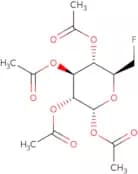
3,4,6-Tri-O-acetyl-2-azido-2-deoxy-a-D-galactopyranosyl fluoride
<p>3,4,6-Tri-O-acetyl-2-azido-2-deoxy-a-D-galactopyranosyl fluoride is a custom synthesis that has been modified. It has fluorination and methylation at the 6 position and a click modification at the 2 position. The monosaccharide is a galactose with an acetyl group at the 3 position, while the oligosaccharide is a triantennary saccharide. This compound is used in glycosylation reactions to create complex carbohydrates.</p>Pureza:Min. 95%Secoxyloganin
CAS:<p>Secoxyloganin is a 4-hydroxycinnamic acid that belongs to the group of caffeic acids. It is an iridoid, which is a type of monoterpene indole alkaloid that has been found in various plants. Secoxyloganin can be found in the roots, stems, and leaves of plants such as Securigera varia and Digitalis purpurea. Secoxyloganin has shown antimicrobial activity against Gram-positive bacteria such as Staphylococcus aureus and Gram-negative bacteria such as Pseudomonas aeruginosa. It also has antiviral properties, which may be due to its ability to inhibit RNA synthesis and protein synthesis.<br>Secoxyloganin has been shown to have physiological effects in vitro assays, including an increase in glucose uptake by cells after injection of glucose into the cell culture medium.</p>Fórmula:C17H24O11Pureza:Min. 95%Peso molecular:404.37 g/molAcarbose tridecaacetate
CAS:<p>Acarbose tridecaacetate is a bacterial extract that has been shown to inhibit the growth of various strains of bacteria. This extract was extracted from the fields and contains aluminum oxide impurities. Acarbose tridecaacetate has shown efficacy in seed culture and actinomyces, which are two types of bacteria. The sequence of this extract has been determined using aluminum oxide. Acarbose tridecaacetate is soluble in a variety of solvents, including organic solvents and solvents. It can be purified by chromatography to remove any bulk drug or organic solvent that may be present.</p>Fórmula:C51H69NO31Pureza:Min. 95%Cor e Forma:White PowderPeso molecular:1,192.08 g/molN-Methyl-b-D-glucopyranosylamine (hydrochloride or other salt)
CAS:<p>Methylation of saccharides is a chemical process that adds methyl groups to the hydroxyl groups of sugars. The most common form of this reaction is the conversion of glucose to mannose. Methylation can be achieved by reacting the sugar with sodium cyanoborohydride, which converts the sugar into a reactive form that can be used in other reactions. This product is a synthetic compound and an intermediate for various glycosylations or modifications. It is a high-purity, white powder with molecular formula C6H17NO5 and molecular weight 191.22 g/mol and CAS Number 114761-39-6 (hydrochloride).</p>Fórmula:C7H15NO5·HClPureza:Min. 95%Peso molecular:229.7 g/molMethyl 4-O-methyl-D-glucopyranosyluronate
<p>Methyl 4-O-methyl-D-glucopyranosyluronate is a fungal metabolite that is produced by the reaction of armillaria with methyl 4-O-methyl-D-glucopyranoside. Methyl 4-O-methylglucuronyluronate has been shown to have an esterase activity, which can hydrolyze esters and linkages in the cell wall of fungi. This enzyme has been shown to have kinetic parameters that are different for different substrates. The catalytic site of this enzyme has also been found to be glutamic acid, which plays a role in the synthesis and degradation of proteins. Methyl 4-O-methylglucuronyluronate has been found to be insoluble in water and is not active against bacteria.</p>Fórmula:C8H14O7Pureza:Min. 95%Peso molecular:222.2 g/molBromo-2-tetraacetyl galactose
<p>Bromo-2-tetraacetyl galactose is a glycosylation agent that is used for the post-translational modification of proteins. It can be applied to many types of polysaccharides such as saccharide, oligosaccharide, and glycoconjugates. Bromo-2-tetraacetyl galactose has been shown to be an effective methylation agent and can be used in click chemistry. This product has a CAS number and is custom synthesized for high purity.</p>Pureza:Min. 95%D-Arabinose-1-D
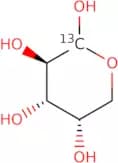
CAS:<p>D-Arabinose-1-D is a potent inhibitor of human kinases, which are enzymes that play a crucial role in the regulation of cell growth and division. This analog has been shown to be effective in inhibiting tumor growth and inducing apoptosis in cancer cells. D-Arabinose-1-D is commonly used as a medicinal compound for its anticancer properties. It has also been found in human urine and Chinese medicinal herbs. As an inhibitor of protein kinases, D-Arabinose-1-D can block the activity of these enzymes, which are often overexpressed in cancer cells. The inhibition of these kinases can lead to the suppression of tumor growth and increase the efficacy of other anticancer drugs.</p>Fórmula:C5H10O5Pureza:Min. 95%Peso molecular:151.14 g/molD(+)-Lactose monohydrate
CAS:<p>D(+)-Lactose monohydrate is a crystalline, water-soluble sugar that is used as a pharmaceutical excipient. It is the most soluble of the lactose forms and has an optimum concentration of 1.0%. D(+)-Lactose monohydrate can be used in solid dosage forms such as tablets, capsules, or powders. It is also used in liquid dosage forms such as suspensions, syrups, or elixirs. D(+)-Lactose monohydrate has been shown to have anti-carcinogenic effects and may inhibit growth factor activity. It is not known to be an allergen or cause any infectious diseases.</p>Fórmula:C12H24O12Pureza:Min. 95%Peso molecular:360.31 g/mol2-C-Methyl-D-mannopyranose
CAS:<p>2-C-Methyl-D-mannopyranose is a low molecular weight sugar that is found in the cell walls of bacteria and some plants. It has been shown to have an immunostimulating effect when administered to mice with murine sarcoma. 2-C-Methyl-D-mannopyranose has also been shown to be cytotoxic against murine leukemia cells. This compound has a glycosidic structure and can be hydrolyzed by acid or alkali to form mannose. 2-C-Methyl-D-mannopyranose can be synthesized using ion exchange chromatography, which separates compounds according to their molecular weight. The molecular weights of this compound range from low to high, with a monomeric unit of 160 Da. The nmr spectra of this compound show peaks at 1.5 ppm corresponding to the C=O stretching vibration and at 7 ppm corresponding to the C=N stretching</p>Fórmula:C7H14O6Pureza:Min. 95%Peso molecular:194.18 g/molN-Acetyl-2-O-methyl-a-neuraminic acid methyl ester 4,7,8,9-tetraacetate
CAS:<p>N-Acetyl-2-O-methyl-a-neuraminic acid methyl ester 4,7,8,9-tetraacetate is a synthetic monosaccharide that is the methyl ester of 2-O-Methyl alpha-neuraminic acid. It is an important reagent in the synthesis of oligosaccharides and polysaccharides. Methylation of the hydroxyl group on the C4' atom of NAMNAA (4,7,8,9 tetraacetate) with methyl iodide followed by acetylation with acetic anhydride produces the desired product. The resulting product has a purity level of >98% and CAS No. 73208-80-7.</p>Fórmula:C21H31NO13Pureza:Min. 95%Peso molecular:505.47 g/mol2,3,4,6-Tetra-O-acetyl-a-D-galactopyranosyl chloride
CAS:<p>2,3,4,6-Tetra-O-acetyl-a-D-galactopyranosyl chloride is a synthetic carbohydrate that can be used for glycosylation and modification. It is a sugar with a molecular weight of 434.58 and an empirical formula of C12H24O14. It has been shown to have a high purity of over 98%.</p>Fórmula:C14H19ClO9Pureza:Min. 95%Peso molecular:366.75 g/molAllyl β-D-lactose
CAS:<p>Allyl β-D-lactose is a disaccharide with an aliphatic alkene functional handle. This can be used as a functionalised monomer in the synthesis of glycopolymers.</p>Fórmula:C15H26O11Pureza:Min. 95%Cor e Forma:PowderPeso molecular:382.36 g/mol2,3,4,6-Tetra-O-acetyl-a-D-galactopyranose
CAS:<p>2,3,4,6-Tetra-O-acetyl-a-D-galactopyranose (2,3,4,6-TA) is a sugar that has four acetyl groups and two galactose molecules. This compound is used as a substrate in glycosylation reactions and can be modified with fluorination or methylation. 2,3,4,6-TA is also a synthetic carbohydrate that can be used for the synthesis of oligosaccharides and monosaccharides. This compound is CAS No. 22554-70-7.</p>Fórmula:C14H20O10Pureza:Min. 95%Peso molecular:348.3 g/molN-{[4-(Hydroxyamino)phenyl]sulfonyl}-N-[2-(2-naphthyloxy)ethyl]-b-D-glucopyranosylamine
CAS:<p>N-{[4-(Hydroxyamino)phenyl]sulfonyl}-N-[2-(2-naphthyloxy)ethyl]-b-D-glucopyranosylamine is a small molecule that inhibits the activity of oncoproteins by binding to lysine residues. It has been shown to inhibit the growth of tumor cells in vitro and in vivo, suggesting that it may be useful for anti-cancer therapy. The binding of this compound to lysine residues is specific and does not interfere with protein synthesis or other cellular processes.</p>Fórmula:C24H28N2O9SPureza:Min. 95%Peso molecular:520.55 g/mol1,3:1,4-b-Glucotetraose (A)
CAS:<p>1,3:1,4-B-glucotetraose (A) is a high purity and custom synthesis of Oligosaccharide. It is an oligosaccharide sugar derived from glucose. The chemical structure contains an alpha-(1,4)-linked 1,4-alpha-D-glucopyranosyl residue with a glycosylation at the 3 position. 1,3:1,4-B-glucotetraose (A) is synthesized by methylation of 1,3:1,4-B-glucotetraose (B), followed by fluorination and then click modification. This compound has CAS No. 58484-04-1 and can be used in applications such as Fluorination or Click Modification.</p>Fórmula:C24H42O21Pureza:Min. 95%Peso molecular:666.58 g/mol4-Methoxyphenyl 2,4-di-O-benzoyl-3-O-benzyl-6-O-[methyl 5-(acetoxyacetamido)-4,7,8,9-tetra-O-acetyl-3,5-dideoxy-D-glycero-α-D-ga lacto-2-nonulopyranosylonate]-β-D-galactopyranoside
<p>The methylation of a glycosylation is an organic chemistry technique that can be used to modify the chemical structure of a carbohydrate. A glycosylation is the reaction between an alcohol and a sugar, which produces a glycoside. The addition of methyl groups at specific positions on the sugar molecule can lead to improved properties such as increased stability, increased solubility, or increased uptake by cells. This process has been shown to produce compounds with more desirable pharmacological properties than their parent compounds. Click chemistry is a versatile and powerful method for modifying carbohydrates. It involves the use of copper-catalyzed azide-alkyne cycloaddition reactions to form carbon-nitrogen bonds in place of conventional amide linkages in peptides and proteins. Carbohydrates are modified using this method by attaching small molecules such as fluorine atoms onto one or more carbons in the carbohydrate structure. This process can be used to create novel sugars with improved properties including high purity, high stability</p>Fórmula:C56H61NO23Pureza:Min. 95%Peso molecular:1,116.08 g/mol1,2,3,4-Tetra-O-benzyl-L-rhamnopyranoside
CAS:<p>Tetra-O-benzyl-L-rhamnopyranoside is a modification of L-rhamnopyranoside, an oligosaccharide with the formula CHO. It is a complex carbohydrate that can be synthesized from monosaccharides and polysaccharides. Tetra-O-benzyl-L-rhamnopyranoside is a high purity, custom synthesis, and synthetic product. The product is soluble in water and has a sweet taste. Tetra-O-benzyl-L-rhamnopyranoside is used in the synthesis of saccharides, glycosylation, methylation, fluorination, and click chemistry reactions.</p>Fórmula:C34H36O5Pureza:Min. 95%Peso molecular:524.65 g/molMan-2b N-Glycan
CAS:<p>Man-2b N-glycan is an acidic glycoprotein that is synthesized in the endoplasmic reticulum of mammalian cells. It is a precursor to the oligosaccharide terminal sugar, which connects the glycan to protein. Man-2b N-glycan plays an important role in metabolic disorders such as renal proximal tubule dysfunction and metabolic acidosis by regulating protein synthesis. The Man-2b N-glycan mutation has been shown to lead to changes in cell surface proteins and metabolism, which can be modeled using a glycosylation mutant strain of yeast.</p>Fórmula:C28H48N2O21Pureza:Min. 95%Peso molecular:748.68 g/molGM1-Lysoganglioside sodium
CAS:<p>GM1-Lysoganglioside (sodium salt) has the core tetrasaccharide structure (Galβ1,3GalNAcβ1,4Galβ1,4Glc) with sialic acid linked α2,3 to the inner galactose residue and sphingosine linked β to position 1 on the reducing terminal glucose residue (Ledeen, 2009). GM1 lysoganglioside has been shown that it is capable of binding amyloid-β proteins and can act as a seed for amyloid fibril formation, in early stages of Alzheimerâs disease (Chiricozzi, 2020).</p>Fórmula:C55H97N3O30·xNaPureza:Min. 95%Cor e Forma:White PowderPeso molecular:1,280.36 g/mol1,2,4,6-Tetra-O-acetyl-3-O-(2,3,4,6-tetra-O-acetyl-b-D-glucopyranosyl)-D-glucopyranose
CAS:<p>Tetra-O-acetyl-3-O-(2,3,4,6-tetra-O-acetyl-b-D-glucopyranosyl)-D-glucopyranose is a covalently bound glycoside of benzoic acid and glucose. It can be obtained by the chemical catalysis of clostridium in an acetate medium. The reaction produces a tetrasaccharide with three acetate groups at C2, C3 and C6. This compound has shown to have antimicrobial activity against Clostridium licheniformis and Clostridium butyricum.</p>Fórmula:C28H38O19Pureza:Min. 95%Peso molecular:678.59 g/molL-Galactose-1-phosphate
CAS:<p>L-Galactose-1-phosphate is a modification of the monosaccharide galactose. This product can be synthesized by methylation and glycosylation of L-galactose, as well as by fluorination and saccharide synthesis. This product has a CAS number of 210100-25-7. It is also a complex carbohydrate that contains many sugars. The molecular weight of this product is 541.37 g/mol, with an empirical formula of C6H14O6P2. This product is soluble in water, methanol, ethanol, acetone and chloroform. It has a melting point of 162 °C and a boiling point of 320 °F at atmospheric pressure. This product is not stable in alkaline conditions, but stable in acidic conditions.</p>Pureza:Min. 95%Benzyl 3'-sulfo-b-D-lactoside sodium salt
CAS:<p>Synthetic building block for oligosaccharide synthesis</p>Fórmula:C19H28O14S·xNaPureza:Min. 95%Cor e Forma:PowderPeso molecular:512.48 g/mol1,3,4,5,6-Penta-O-acetyl-2-keto-D-fructose
CAS:<p>1,3,4,5,6-Penta-O-acetyl-2-keto-D-fructose is a custom synthesis of monosaccharide. It has been modified by fluorination and methylation. The CAS number for 1,3,4,5,6-Penta-O-acetyl-2-keto-D-fructose is 494828–55–6. This product is a saccharide that is a sugar with a complex carbohydrate structure.</p>Fórmula:C16H22O11Pureza:Min. 95%Peso molecular:390.34 g/molBenzyl 2,3:4,6-di-O-benzylidene-a-D-mannopyranoside
CAS:<p>The benzyl 2,3:4,6-di-O-benzylidene-a-D-mannopyranoside is a synthetic fluorinated carbohydrate. It is a complex carbohydrate that is synthesized by glycosylation and methylation of the sugar. The CAS number for this compound is 58650-53-6. This product can be custom synthesized to meet your specifications.</p>Fórmula:C27H26O6Pureza:Min. 95%Peso molecular:446.49 g/molMethyl 4,6-O-benzylidene-2-deoxy-2-phthalimido-b-D-glucopyranoside
CAS:<p>Methyl 4,6-O-benzylidene-2-deoxy-2-phthalimido-b-D-glucopyranoside is a custom synthesis that is fluorinated, methylated and monosaccharided. This compound has a CAS number of 97276-95-4, which indicates that this is an oligosaccharide. Methyl 4,6-O-benzylidene-2-deoxy-2-phthalimido (4,6) b D glucopyranoside is polysaccharide that is glycosylated and sugar. It is also complex carbohydrate with saccharide and carbonyl groups.</p>Fórmula:C22H21NO7Pureza:Min. 95%Peso molecular:411.42 g/mol2,4-Di-O-Benzyl-D-mannopyranose
<p>2,4-Di-O-Benzyl-D-mannopyranose is a custom synthesis of a carbohydrate. It is a fluorinated derivative of D-mannopyranose that has been modified with methylation and glycosylation.</p>Pureza:Min. 95%L-Galactose-6-O-sulphate sodium salt
<p>L-Galactose-6-O-sulphate sodium salt is a modified carbohydrate that is synthesized by modifying the chemical structure of L-galactose. This modification can be accomplished using chemical reactions such as methylation, saccharide, polysaccharide, and click modification. The CAS number for this product is 68891-70-8.</p>Fórmula:C6H11O9SNaPureza:Min. 95%Peso molecular:282.2 g/molGlobo-N-tetraose-APD-HSA
<p>Globo-N-tetraose conjugated to HSA with acetyl-phenylenediamine spacer</p>Pureza:Min. 95%Blood group B trisaccharide-GEL
<p>Gala1-3(Fuca1-2)Gal Conjugated to BSA on Fractogel with glycosylamine formation</p>Pureza:Min. 95%Caffeoyl L-arabinofuranoside
<p>Caffeoyl L-arabinofuranoside is a methylated saccharide that has been modified with fluorine and is used as a synthetic sugar. It can be used in the synthesis of complex carbohydrates. Caffeoyl L-arabinofuranoside has CAS No. 748-04-6 and can be custom synthesized to your specifications. It is available in high purity at 98% or higher and can be synthesized with a variety of modifications, including Click modification, Modification, Oligosaccharide, Glycosylation, Carbohydrate, Synthetic, and Fluorination.</p>Pureza:Min. 95%NA4 N-Glycan
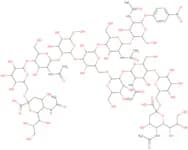
CAS:<p>NA4 is a n-glycan with an average molecular weight of about 3.5 kDa. NA4 is found in the blood and urine of human beings and other mammals, as well as in the milk from cows. It is a major component of mucus secreted by the respiratory tract, and it can be found in the outer layer of the skin. NA4 contains a single N-acetylglucosamine (NAG) residue at its reducing end.</p>Fórmula:C90H150N6O66Pureza:Min. 95%Cor e Forma:PowderPeso molecular:2,372.15 g/molN-D-Glucopyranosyl-5-aminosalicylic acid
CAS:<p>5-Aminosalicylic acid (5-ASA) is an anti-inflammatory drug that belongs to the class of drugs called nonsteroidal anti-inflammatory drugs (NSAIDs). 5-ASA is an acidic compound that is a metabolite of salicylic acid. It is used in the treatment of rheumatoid arthritis, osteoarthritis, and other inflammatory diseases. The preparation of 5-ASA involves homogenizing liver tissue and then extracting it with water. This extract can be chromatographed using preparative high performance liquid chromatography (HPLC) or spectroscopically analyzed by mass spectrometry. 5-ASA has been shown to have hepatoprotective effects in rats when given at a dose of 400 mg/kg body weight by intraperitoneal injection.</p>Fórmula:C13H17NO8Pureza:Min. 95%Peso molecular:315.28 g/molPhenyl 2,3,4,6-tetra-O-benzyl-a-L-thioglucopyranoside
<p>Phenyl 2,3,4,6-tetra-O-benzyl-a-L-thioglucopyranoside is a complex carbohydrate that can be modified with methylation, glycosylation, or click modification. It has a CAS number of 62790-21-8 and is a member of the Polysaccharides class. The main function of this compound is as an Oligosaccharide. This compound is Fluorinated and Synthetic.</p>Fórmula:C40H40O5SPureza:Min. 95%Peso molecular:632.81 g/molPhenyl 6-azido-6-deoxy-2,3,4-tri-O-benzyl-b-D-thioglucopyranoside
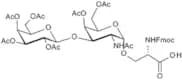
CAS:<p>Phenyl 6-azido-6-deoxy-2,3,4-tri-O-benzyl-b-D-thioglucopyranoside is a methylated saccharide that can be modified with click chemistry. It is a synthetic compound that is used in the synthesis of oligosaccharides and glycosylations. The chemical formula for this compound is C12H19N5O7.</p>Fórmula:C33H36N3O4SPureza:Min. 95%Peso molecular:570.72 g/mol3-O-(2,3,4,6-Tetra-O-acetyl-b-D-galactopyranosyl)-2-azido-4,6-O-benzylidene-2-deoxy-a-D-galactopyranosyl-Fmoc serine tert-butyl este r
CAS:<p>Methylation of polysaccharides is the process of adding methyl groups to chemical compounds. This process can be achieved by using a variety of reagents. One type of reagent is a methyl donor, which is capable of transferring a methyl group to another molecule. The Methylation Kit contains various reagents that allow for the efficient and specific modification of polysaccharides, including carbohydrates, oligosaccharides, and saccharides. The kit includes two types of reagents: Methyl donors and Methyl acceptors. The kit also contains other additives such as solvents, buffers, and pH indicators. The 3-O-(2,3,4,6-Tetra-O-acetyl-b-D-galactopyranosyl)-2-azido-4,6-O-benzylidene-2-deoxy-a-D-galactopyranosyl Fmoc serine tert but</p>Fórmula:C49H56N4O18Pureza:Min. 95%Peso molecular:988.99 g/molOlmesartan N2-glucuronide
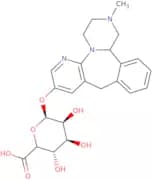
CAS:<p>Olmesartan N2-glucuronide is a methylated metabolite of olmesartan, which is an angiotensin II receptor blocker. Olmesartan glucuronide is a high purity chemical compound with CAS No. 369395-57-3. It can be custom synthesized to order and has been used in glycosylation reactions as a sugar donor or acceptor. This product is also useful for the Click modification of oligosaccharides and polysaccharides, as well as for the modification of saccharides with fluorination and other chemical reactions.</p>Fórmula:C30H34N6O9Pureza:Min. 95%Peso molecular:622.63 g/mol1,2:3,4:5,6-Tri-O-isopropylidene-D-mannitol
CAS:<p>1,2:3,4:5,6-Tri-O-isopropylidene-D-mannitol is a dietary fiber that is made up of <br>inulin and oligosaccharides. It can be found in various plants and vegetables. This dietary fiber has been shown to have cancer preventive properties. 1,2:3,4:5,6-Tri-O-isopropylidene-D-mannitol has also been shown to decrease the risk of colon cancer by reducing the production of diacylglycerol which is an important signaling molecule in carcinogenesis.</p>Fórmula:C15H26O6Pureza:Min. 95%Peso molecular:302.4 g/molN-(Dithiocarboxy)-N-methyl-D-glucamine sodium salt
CAS:<p>N-(Dithiocarboxy)-N-methyl-D-glucamine sodium salt is a carbohydrate that can be synthesized by the reaction of D-glucamine with 2,4,6-trichlorobenzene dicarboxylic acid. This product is often used as a modifying agent for saccharides and oligosaccharides. N-(Dithiocarboxy)-N-methyl-D-glucamine sodium salt has CAS No. 91840-27-6 and the molecular formula C12H14Cl3NO5S2Na. The molecular weight is 503.95 g/mol.</p>Fórmula:C8H16NO5S2NaPureza:Min. 95 Area-%Cor e Forma:PowderPeso molecular:293.34 g/molMethyl 6-azido-6-deoxy-a-D-glucopyranoside
CAS:<p>Methyl 6-azido-6-deoxy-a-D-glucopyranoside is a synthetic, fluorinated, complex carbohydrate that can be used as a building block for the synthesis of saccharides and oligosaccharides. It has been shown to inhibit the glycosylation of proteins and is a useful reagent in click chemistry. Methyl 6-azido-6-deoxy-a-D-glucopyranoside is a nonionic monosaccharide that has been modified with an azido group at C2 and a deoxy group at C3. The compound has been shown to have antiviral activity against HIV and influenza A virus.<br>Methyl 6-azido-6-deoxy--a--D--glucopyranoside is not soluble in water and is best stored at -20°C.</p>Fórmula:C7H13N3O5Pureza:Min. 95%Peso molecular:219.2 g/molNBD-Fructose
CAS:<p>Fluorescent substrate used to monitor fructose uptake</p>Fórmula:C12H14N4O8Pureza:Min. 95%Peso molecular:342.26 g/mol3-O-Acetyl-1,2:5,6-di-O-isopropylidene-a-D-galactofuranose
CAS:<p>3-O-Acetyl-1,2:5,6-di-O-isopropylidene-a-D-galactofuranose is a synthetic modified oligosaccharide with a molecular weight of 591.3 g/mol. It has been shown to inhibit the growth of various bacterial strains in the lab and can be used as an antibiotic for bacterial infections. 3-O-Acetyl-1,2:5,6-di-O-isopropylidene galactofuranose is a monosaccharide composed of two acetyl groups and one isopropylidene group. Its glycosylation and methylation patterns are also known.</p>Fórmula:C14H22O7Pureza:Min. 95%Peso molecular:302.32 g/mol2,5-Anhydro-3-deoxy-6-O-DMT-D-ribo-hexonic acid methyl ester
CAS:<p>2,5-Anhydro-3-deoxy-6-O-DMT-D-ribo-hexonic acid methyl ester is a modification of the sugar ribose. It is an oligosaccharide that has been synthesized and modified with methylation, glycosylation, and fluorination. This modification resulted in its CAS number 184296-62-6. The chemical formula for this compound is C10H13NO4F2NaO8. 2,5-Anhydro-3,6 DMT -D ribo hexonic acid methyl ester is soluble in water and ethanol at pH 7.0 to 8.0 and shows no solubility at pH below 6 or above 10. The molecular weight of this compound is 586. The purity level of this compound is 99% or greater by HPLC analysis.</p>Fórmula:C28H30O7Pureza:Min. 95%Peso molecular:478.53 g/molAllyl 2,3,4-tri-O-benzyl a-D-galactopyranoside
CAS:<p>Allyl 2,3,4-tri-O-benzyl a-D-galactopyranoside is an Oligosaccharide with a CAS No. of 56083-16-0. It is a complex carbohydrate that has been modified by methylation and glycosylation. This product is also fluorinated and synthesized. It has high purity and can be custom synthesized.</p>Pureza:Min. 95%1-O-Propargyl 2, 3, 4, 6- tetra-O-acetyl- D- fructofuranose
<p>1-O-Propargyl 2, 3, 4, 6- tetra-O-acetyl-D-fructofuranose is a monosaccharide that is modified with an acetyl, propargyl and fluorine. It can be used as a glycosylation agent, as well as a methylating and click modification agent. 1-O-Propargyl 2, 3, 4, 6- tetra-O-acetyl -D -fructofuranose has been shown to have antiinflammatory properties in addition to its ability to inhibit the growth of bacteria and fungi. This compound can also be used for the synthesis of polysaccharides and oligosaccharides.</p>Pureza:Min. 95%Erigeside C
CAS:<p>Erigeside C is a flavonoid derivative that has been shown to be effective in treating allergic symptoms. Erigeside C inhibits the production of various pro-inflammatory cytokines, such as IL-6 and TNF-α, by inhibiting the activity of protein kinase C (PKC). The compound also inhibits the production of prostaglandin E2 by inhibiting cyclooxygenase-2. In addition, Erigeside C is able to inhibit the release of histamine from mast cells. This antihistamine effect is due to its ability to inhibit oxidation reactions in the cell membrane and block cellular calcium channels.</p>Pureza:Min. 95%2,5-Anhydro-D-glucitol-1,6-bis-(dibenzylphosphate)
CAS:<p>2,5-Anhydro-D-glucitol-1,6-bis-(dibenzylphosphate) is a synthetic carbohydrate with a complex structure. It can be used in the synthesis of glycosides and saccharides. This product has a molecular weight of 486.83 g/mol, a melting point of 169 oC, and an octanol/water partition coefficient of 3.00.</p>Fórmula:C34H38O11P2Pureza:Min. 95%Peso molecular:684.61 g/mol6,1',6'-Tri-O-tertbutyldiphenylsilyl-sucrose
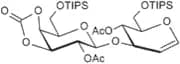
CAS:<p>6,1',6'-Tri-O-tertbutyldiphenylsilyl-sucrose is a high purity, custom synthesis chemical. It is an oligosaccharide and complex carbohydrate that is a Click modification of sucrose. This chemical has been fluorinated, glycosylated, and methylated.</p>Pureza:Min. 95%Iso-lactosamine HCl
CAS:<p>Iso-lactosamine HCl is a synthetic monosaccharide, glycosylation product of galactose and lactic acid. It is used in the production of oligosaccharides and complex carbohydrates. Iso-lactosamine HCl is a white powder that can be dissolved in water or ethanol.</p>Fórmula:C12H23NO10·HClPureza:Min. 95%Peso molecular:377.77 g/molL-Xylose-BSA
<p>L-Xylose-BSA is a glycosylation product that has been modified with methylation, click modification, and fluorination. The compound is a complex carbohydrate that is classified as a polysaccharide. L-Xylose-BSA is a monosaccharide that has been synthesized using the Custom synthesis and high purity techniques. This saccharide is used in various types of research including glycosylation, methylation, click modification, and fluorination. L-Xylose-BSA can also be found under CAS No. 6525-83-8 or EC No. E 1451/1.</p>Pureza:Min. 95%1-Bromo-2,4,6-tri-O-acetyl-3-O-(2,3,4,6-tetra-O-acetyl-b-D-glucopyranosyl)-a-D-glucopyranoside
CAS:<p>This is a Glycosylation, Oligosaccharide, sugar, Synthetic, Fluorination, Custom synthesis, Methylation, Monosaccharide, Polysaccharide, saccharide. This product is custom synthesized for your needs. It is a complex carbohydrate with high purity and modification. There are no CAS numbers on this product.</p>Fórmula:C26H35BrO17Pureza:Min. 95%Peso molecular:699.45 g/molD-Fructose-6-phosphate sodium hydrate
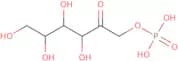
CAS:<p>D-Fructose-6-phosphate sodium hydrate is a polyvalent bioactive compound that can be found in plants, fungi, and bacteria. It has been used as a sealant for wounds and to treat damaged skin. D-Fructose-6-phosphate sodium hydrate is also used to activate the hydrophobic or dextran molecules in some drug delivery systems. This compound can be found in many products such as polyester fabrics, thermoplastic materials, and hydrophilic plastics. D-Fructose-6-phosphate sodium hydrate is an important intermediate in the metabolic pathways of glucose and sucrose.</p>Fórmula:C6H13O9P·2NaH2O)Pureza:Min. 95%Peso molecular:342.1 g/mol5-Aldo-1,2-O-isopropylidene-a-D-xylofuranose
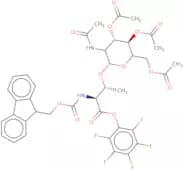
CAS:<p>5-Aldo-1,2-O-isopropylidene-a-D-xylofuranose is a synthetic monosaccharide with the chemical formula C5H6O4. It can be used to synthesize oligosaccharides and polysaccharides. This compound is a fluorinated sugar with a methyl group at the 5 position and an isopropylidene group at the 2 position. 5-Aldo-1,2-O-isopropylidene-a-D-xylofuranose can be modified by click chemistry reactions, which are reactions that use copper catalysts to form carbon–carbon bonds in a single step. This modification can be done on either the sugar or its glycosylation partner. The CAS number for this compound is 531671166.</p>Fórmula:C8H12O5Pureza:Min. 95%Peso molecular:188.18 g/mol2,3,4,6-Tetra-O-acetyl-b-D-galactopyranosyl-N-Fmoc-L-threonine pentafluorophenyl ester
CAS:<p>2,3,4,6-Tetra-O-acetyl-b-D-galactopyranosyl-N-Fmoc-L-threonine pentafluorophenyl ester (2,3,4,6TAP) is a sugar that has been modified by methylation and glycosylation. It is a custom synthesis with CAS No. 182369-92-2. 2,3,4,6TAP can be used for the preparation of oligosaccharides and polysaccharides with different structures. It has high purity and is fluorinated. This compound can be used in click chemistry reactions to modify carbohydrates on a peptide or protein.</p>Fórmula:C39F5H36NO14Pureza:Min. 95%Peso molecular:837.71 g/mol1,2,3,4-Tetra-O-benzyl-6-O-trityl-b-D-galactopyranose
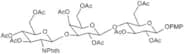
CAS:<p>1,2,3,4-Tetra-O-benzyl-6-O-trityl-β-D-galactopyranose is a synthetic sugar that has been modified with methylation and glycosylation. It is an oligosaccharide that is composed of glucose units linked by β(1→4) glycosidic bonds. 1,2,3,4-Tetra-O-benzyl-6-O-trityl-β-D-galactopyranose is soluble in water and can be used as a fluorescence probe for the detection of sugars in solution.</p>Fórmula:C53H50O6Pureza:Min. 95%Peso molecular:782.96 g/mol4-Methoxyphenyl 2,4,6-tri-O-acetyl-3-O-benzyl-b-D-glucopyranoside
CAS:<p>4-Methoxyphenyl 2,4,6-tri-O-acetyl-3-O-benzyl-b-D-glucopyranoside is a water soluble glycosaminoglycan. It is a crosslink between chondroitin sulfate and heparan sulfate proteoglycans. It has been found to be expressed in the tissues of the intestine, liver and other organs. 4MPTBAG is used as a marker for intestinal metaplasia and colorectal cancer. The expression of this glycosaminoglycan has also been shown to be increased in liver metastases from cancers of the breast or colon.</p>Fórmula:C26H30O10Pureza:Min. 95%Peso molecular:502.51 g/mol6-O-Sulphated Lewisa-BSA
<p>Lewisa-BSA is a modified form of BSA that contains 6-O sulfated sugars. This carbohydrate is used in the treatment of diabetes and other metabolic disorders. Lewisa-BSA is synthesized by the modification of BSA with a series of oligosaccharide residues. The carbohydrate chains are then methylated, glycosylated, and finally sulfated. This process provides Lewisa-BSA with high purity and high stability.</p>Pureza:Min. 95%2-Methoxycarbonylphenyl 2-acetamido-3,4,6-tri-O-acetyl-2-deoxy-b-D-glucopyranoside
CAS:<p>2-Methoxycarbonylphenyl 2-acetamido-3,4,6-tri-O-acetyl-2-deoxy-b-D-glucopyranoside is a synthetic sugar with a fluorinated anomeric carbon. It is a saccharide with the molecular formula C14H13F3NO8. This compound can be used for the synthesis of oligosaccharides and polysaccharides. It is also useful in click chemistry and as a reagent for glycosylation reactions.</p>Fórmula:C16H21NO8Pureza:Min. 95%Peso molecular:355.34 g/molBenzyl 4-O-(2,3,4,6-tetra-O-benzyl-a-D-galactopyranosyl)-2,3-di-O-benzyl-b-D-galactopyranoside
<p>Benzyl 4-O-(2,3,4,6-tetra-O-benzyl-a-D-galactopyranosyl)-2,3-di-O-benzylb -D-galactopyranoside is a Fluorination and Glycosylation product. It is a Custom Synthesis of Monosaccharide and Oligosaccharide. The CAS number for this product is 106835-99-8.</p>Fórmula:C61H64O11Pureza:Min. 95%Peso molecular:973.15 g/molPinitol diacetonide
CAS:<p>Pinitol diacetonide is an acceptor substrate for β-galactosidase, a glycosyl hydrolase that catalyzes the hydrolysis of terminal galactose residues from the non-reducing end of certain glycolipids. Pinitol diacetonide has been shown to be enzymatically active in both aerobic and anaerobic conditions. This product can also be used as a substrate for 1,4-β-D-galactosyltransferase, which catalyzes the transfer of D-galactose from 1,4-β-D-glucose to the nonreducing end of certain glycolipids. Pinitol diacetonide is not a suitable substrate for p-nitrophenyl galactosyltransferase, an enzyme that catalyzes the transfer of p-nitrophenol from L -pyranosides to the nonreducing end of certain glycolipids.<br>Pin</p>Fórmula:C13H22O6Pureza:Min. 95%Peso molecular:274.31 g/molGT1c-Oligosaccharide
<p>GT1c oligosaccharide (free acid) has a core tetrasaccharide structure (Galβ1,3GalNAcβ1,4Galβ1,4Glc) with three sialic acid residues (NeuAc) linked α2,8/α2,8/α2,3 to the inner galactose residue (Ledeen, 2009). A monoclonal antibody, established against the chick neural tube, was shown to recognize the trisialosyl residue, NeuAca2-8NeuAca2-8NeuAca2-3-R GT1c ganglioside in the cerebral cortex of fetal rats (Hirabayashi, 1989). This unusual multisialo ganglioside was recognised in chicken optic lobes and cerebrum, during embryonic development (Rosner, 1980) and in fish brains (Yu, 1980).</p>Fórmula:C59H93N4O45Na3Pureza:Min. 95%Peso molecular:1,647.34 g/molMethyl 3-O-(2,3,4,6-tetra-O-acetyl-b-D-glucopyranosyl)-4,6-O-benzylidene-2-O-benzoyl-a-D-glucopyranoside
CAS:<p>Methyl 3-O-(2,3,4,6-tetra-O-acetyl-b-D-glucopyranosyl)-4,6-O-benzylidene-2-O-benzoyl-a-D-glucopyranoside is a custom synthesis that has been fluorinated and methylated. This product is a monosaccharide with a CAS No. 7123893 2. It is an oligosaccharide that can be used in the synthesis of saccharides and polysaccharides. Methyl 3 O (2 3 4 6 tetra O acetyl b D glucopyranosyl) 4 6 O benzylidene 2 O benzoyl a D glucopyranoside has been synthesized by glycosylation of sugar. This product can also be used to modify and functionalize complex carbohydrates.</p>Fórmula:C35H40O16Pureza:Min. 95%Peso molecular:716.68 g/molMaltohexaose
CAS:<p>Maltohexaose is a polysaccharide formed by 6 units of glucose and can be metabolised inside the cell to a substrate-based inhibitor of fucosyltransferases. It can also be converted to GDP-2-deoxy-2-fluoro-L-fucose, a competitive inhibitor of α-1,3-fucosyltransferase. Matohexaose is used as acceptor for measuring the activity of 4-Alpha-Glucanotransferase.</p>Fórmula:C36H62O31Pureza:Min. 95.0 Area-%Peso molecular:990.86 g/mol3-Deoxy-1,2:5,6-di-O-isopropylidene-a-D-gulofuranose
<p>3-Deoxy-1,2:5,6-di-O-isopropylidene-a-D-gulofuranose is a synthetic sugar that is used in the production of glycoproteins. It is an important component of glycosaminoglycans, which are complex carbohydrates that are responsible for the formation and maintenance of connective tissue. 3DG has been modified by fluorination, glycosylation, methylation, and modification. It can be used to synthesize oligosaccharides and monosaccharides. It can also be used as a raw material for the synthesis of saccharides. 3DG has been shown to inhibit tumor growth in animal models because it decreases protein synthesis in cancer cells.</p>Fórmula:C12H20O5Pureza:Min. 95%Peso molecular:244.28 g/molRhamnolipids C12
CAS:<p>Rhamnose based 'green' surfactant</p>Fórmula:C18H34O7Pureza:Min. 95%Peso molecular:362.46 g/molAllyl 2,3,4,-tri-O-benzyl-b-L-fucopyranoside
CAS:<p>Please enquire for more information about Allyl 2,3,4,-tri-O-benzyl-b-L-fucopyranoside including the price, delivery time and more detailed product information at the technical inquiry form on this page</p>Fórmula:C30H34O5Pureza:Min. 95%Peso molecular:474.59 g/mol4,6-O-(p-Methoxybenzylidene)-D-glucal
<p>4,6-O-(p-Methoxybenzylidene)-D-glucal is a methylated sugar with the CAS number of 51444-87-7. It is a modified sugar that has been chemically synthesized and is available for custom synthesis. This chemical is used to modify saccharides and polysaccharides in order to produce a glycosylation. 4,6-O-(p-Methoxybenzylidene)-D-glucal can also be fluorinated in order to create complex carbohydrates. This chemical has high purity and can be synthesized at a low cost.</p>Pureza:Min. 95%6-Azido-2,3,4-tri-O-benzyl-6-deoxy-a-D-mannopyranosyl trichloroacetimidate
<p>6-Azido-2,3,4-tri-O-benzyl-6-deoxy-a-D-mannopyranosyl trichloroacetimidate (6A2TB) is a synthetic glycosylation reagent that is used in the synthesis of complex carbohydrates. It can be used in Click chemistry to introduce an azide group onto an alpha carbon. This reaction requires the presence of a copper catalyst and is very selective. 6A2TB is also useful for modification of saccharides with fluorination or methylation reactions.<br>This product has been demonstrated to have high purity and can be custom synthesized to meet customer specifications.</p>Fórmula:C29H29Cl3N4O5Pureza:Min. 95%Peso molecular:619.92 g/mol1,4,6-Tri-O-acetyl-2,3-O-carbonyl-a-D-mannopyranose
CAS:<p>1,4,6-Tri-O-acetyl-2,3-O-carbonyl-a-D-mannopyranose is a synthetic carbohydrate that can be modified with fluorine to produce its active form. This molecule has been shown to inhibit bacterial growth by inhibiting cell wall synthesis and protein synthesis. 1,4,6-Tri-O-acetyl-2,3-O-carbonyl-a-D-mannopyranose has been shown to have high purity and custom synthesis, as well as methylation and glycosylation.</p>Fórmula:C13H16O10Pureza:Min. 95%Peso molecular:332.26 g/molCelecoxib carboxylic acid acyl-b-D-glucuronide
CAS:<p>Celecoxib is a nonsteroidal anti-inflammatory drug (NSAID) that has been used to treat pain and inflammation. Celecoxib carboxylic acid acyl-b-D-glucuronide is an active metabolite of celecoxib that is formed by the conjugation of celecoxib with glucuronic acid. It has been shown to inhibit the synthesis of prostaglandins, which are inflammatory mediators.</p>Fórmula:C23H20F3N3O10SPureza:Min. 95%Peso molecular:587.48 g/molDihydroresveratrol 3-O-glucoside
CAS:<p>Dihydroresveratrol 3-O-glucoside is a synthetic, monosaccharide, oligosaccharide, complex carbohydrate with the molecular formula C6H10O5. It has CAS No. 100432-87-9 and is custom synthesized. Dihydroresveratrol 3-O-glucoside is glycosylated and polysaccharided with a high purity.</p>Pureza:Min. 95%2,3,4,3',4'-Penta-O-isovaleryl-sucrose
CAS:<p>2,3,4,3',4'-Penta-O-isovaleryl-sucrose is a custom synthesis that has been modified by fluorination and methylation. It is a monosaccharide with a molecular weight of 596.84 g/mol. This compound is synthesized from sucrose through a click modification reaction and then further modified by glycosylation reactions to form an oligosaccharide or polysaccharide. 2,3,4,3',4'-Penta-O-isovaleryl-sucrose can be used in the production of complex carbohydrates such as Sucralose and Stevia.</p>Pureza:Min. 95%Cor e Forma:Powder2,3-Dideoxy-2-methylene-D-glycero-D-galacto-nononic acid γ-lactone
CAS:<p>Methyl 2,3-dideoxy-2-methylene-D-glycero-D-galacto-nononic acid gamma-lactone is a fluorinated derivative of 2,3-dideoxygalactonojirimycin. It is an analog of the natural product 2,3-dideoxygalactonojirimycin and has been shown to inhibit the synthesis of glycolipids in Mycobacterium tuberculosis. Methyl 2,3-dideoxy-2-methylene-D-glycero-D-galacto nononic acid gamma lactone was synthesized by modification of the galactonojirimycin core with methylation at C2 and C3 followed by fluorination at C1.</p>Fórmula:C10H16O7Pureza:Min. 95%Peso molecular:248.23 g/mol2-(L-Rhamno-tetrahydroxypentyl)-4(R)-1,3-thiazolidine-4-carboxylic acid
CAS:<p>2-(L-Rhamno-tetrahydroxypentyl)-4(R)-1,3-thiazolidine-4-carboxylic acid is a synthetic sugar. It has been modified with fluorination, glycosylation, and methylation. It can be used as a saccharide for a complex carbohydrate.</p>Fórmula:C10H19NO6SPureza:Min. 95%Peso molecular:281.33 g/mol4-O-Acetyl-3,6-di-O-(2,3,4,6-tetra-O-acetyl-a-D-mannopyranosyl)-1,2-ethyledine-b-D-mannopyranose
CAS:<p>4-O-Acetyl-3,6-di-O-(2,3,4,6-tetra-O-acetyl-a-D-mannopyranosyl)-1,2-ethyledine (CAS No. 230953-17) is a carbohydrate that has been modified with acetyl groups at the 3 and 6 positions of the monosaccharide unit. This modification is a complex carbohydrate that is made up of oligosaccharides and polysaccharides. The modification causes changes in the chemical properties of the carbohydrate compared to natural saccharides. 4-O-(2,3,4,6) tetra O acetyl a D mannopyranosyl 1 2 ethyledine b D mannopyranose has been used in synthesis of custom sugars for medical applications. It has also shown anti inflammatory activities against Mycobacterium tuberculosis and Mycobacterium avium complex</p>Fórmula:C38H52O25Pureza:Min. 95%Peso molecular:908.8 g/molPropargyl 2,3,4,6-tetra-O-acetyl-a-D-galactopyranoside
CAS:<p>Propargyl 2,3,4,6-tetra-O-acetyl-a-D-galactopyranoside is a modification of the carbohydrate that is a complex carbohydrate. It is a synthetic oligosaccharide with glycosylation and methylation. This compound has been found to have many potential applications in medicine and biotechnology. The fluorination of this saccharide may be used to create an antiangiogenic drug for cancer treatment.</p>Pureza:Min. 95%D-Ribose-2-D
CAS:<p>D-Ribose-2-D is a modified D-ribose sugar. It is an oligosaccharide that is a component of polysaccharides and glycosaminoglycans. The modification of this sugar includes methylation, glycosylation, and fluorination. This product has CAS No. 202480-69-1 and is synthesized in high purity with 98% purity.</p>Fórmula:C5H10O5Pureza:Min. 95%Peso molecular:151.14 g/mol1-Bromo-2,3,4-tri-O-benzoyl-a-D-glucuronide methyl ester
CAS:<p>1-Bromo-2,3,4-tri-O-benzoyl-a-D-glucuronide methyl ester is a custom synthesis. It is a high purity product with a custom synthesis. The CAS No. for this compound is 103674-69-7. This product undergoes Click modification and has high purity. The sugar in this compound is an oligosaccharide with glycosylation.</p>Fórmula:C28H23BrO9Pureza:Min. 95%Peso molecular:583.39 g/mol3,4,2',3',4'-Penta-O-acetylsucrose
CAS:<p>3,4,2',3',4'-Penta-O-acetylsucrose (PAS) is a carbohydrate that has been found to be a potent inhibitor of the enzyme glycogen phosphorylase. The reductive elimination of the acetyl groups from PAS produces 2,3,4'-tri-O-acetylsucrose (TAS), which is also an inhibitor of glycogen phosphorylase. TAS inhibits this enzyme by binding to the active site and blocking access to the substrate. TAS also inhibits gluconeogenesis in liver cells by competing with glucose for uptake into the cell. In vitro studies have shown that TAS binds to boron trifluoride and lithium aluminum hydride more effectively than it does to diazomethane or detritylation.</p>Fórmula:C22H32O16Pureza:Min. 95%Peso molecular:552.49 g/molRhamnogalacturonan - from potato
CAS:<p>Pectin is a highly complex polysaccharide matrix that is found in the primary walls of dicotyledenous and monocotyledenous plants and gymnosperms, including potato. A key fragment of this complex is rhamnogalacturonan I, containing a backbone of the repeating disaccharide [-4)-α-D-GalpA-(1,2)-α-L-Rhap-(1,]. Several applications for RG1 have been described including drug targeting to the colon via the oral administration route for local treatment of e.g. inflammatory bowel disease and colon cancer. This has several advantages such as needle-free administration and low infection risk. In the gastro-intestinal tract RG-I is only degraded by the action of the colonic microflora. High purity rhamnogalacturonan I is also used in research, biochemical enzyme assays and in vitro diagnostic analysis.</p>Pureza:Min. 95%Paricalcitol 25-b-D-glucuronide
CAS:<p>Paricalcitol 25-b-D-glucuronide is a synthetic analogue of calcitriol, which is the active form of vitamin D. It is a high-purity glycosylate with an average molecular weight of 522.5 Da and a purity of >98%. Paricalcitol 25-b-D-glucuronide has been shown to be effective in prevention or treatment of secondary hyperparathyroidism in patients with chronic kidney disease (CKD). This compound has shown to inhibit calcium absorption in the gut and increase urinary excretion of calcium. It also increases serum phosphate levels, which may lead to increased calcium phosphate deposition in bone. Paricalcitol 25-b-D-glucuronide is methylated at the 25 position, which prevents it from being metabolized by the liver. This modification allows for higher concentrations to be administered without causing toxicity.</p>Fórmula:C33H52O9Pureza:Min. 95%Peso molecular:592.76 g/molD-Arabinose diethyldithioacetal
CAS:<p>D-Arabinose diethyldithioacetal is a nitro compound that is used as an anticoagulant. It has a high degree of water solubility and can be administered intravenously. D-Arabinose diethyldithioacetal is formed from d-arabinose and diethyl dithiocarbamate by reaction with boron trifluoride etherate in the presence of hydrochloric acid. This produces the nitro group, which can then react with a hydroxymethyl group to form the final product. The reaction proceeds through two steps: first, the hydroxy methyl group converts to a trifluoroacetic acid derivative, followed by addition of nitric acid to produce the desired product. The final product contains two benzyl groups and two functional groups, which are responsible for its anticoagulant properties.</p>Fórmula:C9H20O4S2Pureza:Min. 95%Cor e Forma:Off-white solid.Peso molecular:256.38 g/molOctyl a-L-rhamnopyranoside
CAS:<p>Octyl a-L-rhamnopyranoside is a custom-synthesized, fluorinated, methylated, monosaccharide with saccharide and polysaccharide modifications. It is used for the modification of glycoproteins in the synthesis of complex carbohydrates and as an intermediate in the preparation of monosaccharides and their derivatives. <br>Octyl a-L-rhamnopyranoside is synthesized by condensing 1,2:3,4-di-O-isopropylidene D-mannitol with 5-(bromomethyl)benzene sulfonyl chloride to give 5-(Bromomethyl)benzene sulfonic acid. The acid is then reacted with octanoyl chloride to form octyl a-L-rhamnopyranoside. Octyl a-L-rhamnopyranoside has been shown to inhibit protein</p>Fórmula:C14H28O5Pureza:Min. 95 Area-%Cor e Forma:PowderPeso molecular:276.37 g/molEthyl 2,3,4-tri-O-benzyl-b-D-thioglucopyranoside
CAS:<p>Ethyl 2,3,4-tri-O-benzyl-b-D-thioglucopyranoside is a sugar that has been modified with three benzyl groups at the 3-, 4-, and 5-positions. It is used as a building block for oligosaccharides and polysaccharides. This compound can be synthesized using a click reaction between an acetylated benzaldehyde derivative and a protected thiogalactose. Ethyl 2,3,4-tri-O-benzyl-b-D-thioglucopyranoside is also known by its CAS number 126461-54-9 and has a molecular weight of 360.</p>Fórmula:C29H34O5SPureza:Min. 95%Peso molecular:494.64 g/mol3-O-Benzyl-5,6-di-O-acetyl-1,2-O-isoproylidene-a-D-glucofuranose
CAS:<p>3-O-Benzyl-5,6-di-O-acetyl-1,2-O-isoproylidene-a-D-glucofuranose is a synthetic compound that can be used as a building block for the synthesis of saccharides and oligosaccharides. The molecule is an alpha D glucose derivative with an acetyl group at C3 and an isopropylidene group at C5. It has great potential in glycosylation reactions due to its high purity and low price.</p>Fórmula:C20H26NO8Pureza:Min. 95%Peso molecular:394.43 g/molDexibuprofen-acyl-b-D-glucuronide
CAS:<p>Dexibuprofen-acyl-b-D-glucuronide is a complex carbohydrate that is synthesized by the acylation of dexibuprofen with b-D-glucuronic acid. The complex is then modified to increase its water solubility and stability. Dexibuprofen-acyl-b-D-glucuronide has been shown to have antiinflammatory activity in mice, which may be due to its ability to inhibit prostaglandin synthesis.</p>Fórmula:C19H26O8Pureza:Min. 95%Peso molecular:382.4 g/molAgarononaose
CAS:<p>Agarose is a polysaccharide found in red algae, typically Gelidium and Gracilaria. It is a strictly alternating polysaccharide of α-1,3 linked D-galactose and β-1,4 linked L-3,6 anhydrogalactose with occasional sulfation at position 6 of the anhydrogalactose residue. Agaro-oligosaccharides result from cleavage at galactose residues and neoagaro-oligosaccharides from cleavage at 3,6-anhydro residues. A number of publications have suggested that agaroheptaose has properties that include: anti-microbial, antiviral, prebiotic, anti-tumoral, immunomodulatory, anti-inflammatory, glucosidase inhibitory, and hepatoprotective properties.</p>Fórmula:C54H84O42Pureza:Min. 95%Cor e Forma:SolidPeso molecular:1,405.22 g/molb-D-Lactosyltrichloroacetimidate heptaacetate
CAS:<p>b-D-Lactosyltrichloroacetimidate heptaacetate is a glycosylation product of the b-D-lactose and trichloroacetic anhydride. This compound is used in the synthesis of oligosaccharides and polysaccharides. It has been shown to be a fluorinated, methylated, or click modified monosaccharide or disaccharide which can be prepared through custom synthesis, or by modification of existing saccharides. This compound has been found to have high purity with a CAS number of 1142022-76-1.</p>Fórmula:C28H36Cl3NO18Pureza:Min. 95%Peso molecular:780.94 g/mol2,3,4,6-Tetra-O-benzoyl-b-D-galactopyranosyl cyanide
CAS:<p>2,3,4,6-Tetra-O-benzoyl-b-D-galactopyranosyl cyanide is a saccharide that can be custom synthesized. It is a modified form of galactose and contains a benzoyl group. The sugar is used in research on glycosylation and modification reactions.</p>Fórmula:C25H27NO9Pureza:Min. 95%Peso molecular:485.48 g/molOctanoyl-N-hydroxyethylglucamide
CAS:<p>Octanoyl-N-hydroxyethylglucamide is a high purity custom synthesis that is a fluorinated, glycosylated, and methylated modification of glycine. It is an oligosaccharide that contains a saccharide and carbohydrate. Octanoyl-N-hydroxyethylglucamide has been shown to inhibit the growth of bacteria that are resistant to penicillin, ampicillin, erythromycin, and tetracycline.</p>Fórmula:C16H33NO7Pureza:Min. 95%Peso molecular:351.44 g/mol2,3-Di-O-benzyl-5-O-tert-butyldimethylsilyl-D-xylofuranose
<p>2,3-Di-O-benzyl-5-O-tert-butyldimethylsilyl-D-xylofuranose is a custom synthesis of an oligosaccharide. The modification of this product is fluorination. The product has a purity of 99% and the CAS number is 125548-81-1. This product is soluble in water and ethanol. It has a molecular weight of 600. The monosaccharides found in this product are xylose, glucose, and galactose in the ratio 2:2:1. This product can be used as a sugar substitute or as a reagent for the structural analysis of complex carbohydrates.</p>Fórmula:C25H36O5SiPureza:Min. 95%Peso molecular:444.65 g/mol1,2,4,6-Tetra-O-acetyl-3-deoxy-D-glucopyranose
CAS:<p>1,2,4,6-Tetra-O-acetyl-3-deoxy-D-glucopyranose is a compound that can inhibit the activity of the NOD1 and NOD2 receptors. It has been shown to be active against bone marrow macrophages and can be used as a potential treatment for inflammatory disorders. 1,2,4,6-Tetra-O-acetyl-3-deoxy-D-glucopyranose binds to the conformation of the NOD1 and NOD2 receptors in an uncompetitive manner. This binding prevents phosphorylation of the receptor and results in reduced NFkappaB activation.</p>Fórmula:C14H20O9Pureza:Min. 95%Peso molecular:332.3 g/mol3,4,6-Tri-O-acetyl-1,2-O-ethylidene-b-D-mannopyranoside
CAS:<p>3,4,6-Tri-O-acetyl-1,2-O-ethylidene-b-D-mannopyranoside is a synthetic glycosylation product of maltose and 1,2-O-ethylidene b-D mannopyranoside. This compound is a high purity product with custom synthesis. 3,4,6Tri acetyl 1,2 O ethylene b D mannopyranoside has the CAS number 630102 81 7.</p>Fórmula:C14H20O9Pureza:Min. 95%Peso molecular:332.3 g/mol2-Formylphenyl 2-acetamido-3,4,6-tri-O-acetyl-2-deoxy-b-D-glucopyranoside
CAS:<p>2-Formylphenyl 2-acetamido-3,4,6-tri-O-acetyl-2-deoxy-b-D-glucopyranoside is a complex carbohydrate with the molecular formula C21H26F3NO9. It is a synthetic compound that can be used as an intermediate in the synthesis of saccharides and glycosides. Custom synthesis of this product is available on request. 2-Formylphenyl 2-acetamido 3,4,6 tri O acetyl 2 deoxy b D glucopyranoside has a purity of > 98% (HPLC). This product is also fluorinated to provide excellent solubility and resistance to hydrolysis by acids or bases.</p>Fórmula:C21H25NO10Pureza:Min. 95%Peso molecular:451.42 g/mol3,5-Di-O-p-chlorobenzoyl-2-deoxy-2-fluoro-2-C-methyl-D-ribofurano-1,4-lactone
CAS:<p>3,5-Di-O-p-chlorobenzoyl-2-deoxy-2-fluoro-2-C-methyl-D-ribofurano-1,4-lactone is a synthetic sugar molecule that has been modified with fluorination. This sugar is a monosaccharide and its synthesis has been customised to your requirements. 3,5-Di-O-p-chlorobenzoyl--2 deoxy 2 fluoro 2 C methyl D ribofurano 1 4 lactone is available in high purity and can be synthesized with the click modification. It can also be modified with methylation or glycosylation.</p>Fórmula:C20H17Cl2FO6Pureza:Min. 95%Peso molecular:443.25 g/molPhenyl 2,3-di-O-benzoyl-b-D-thiogalactopyranoside
CAS:<p>Phenyl 2,3-di-O-benzoyl-b-D-thiogalactopyranoside is a custom synthesis that is an Oligosaccharide, Polysaccharide and Modification of saccharide. It has been modified with Methylation and Glycosylation, Click modification and Carbohydrate. This product is offered in high purity and is Fluorinated, Synthetic.</p>Pureza:Min. 95%Methyl 3,4-isopropylidene-b-L-arabinopyranoside
CAS:<p>Methyl 3,4-isopropylidene-b-L-arabinopyranoside is a synthetic saccharide that has been modified by the Click chemistry. Click modification is a method of modifying a complex carbohydrate with a reactive group (e.g., an azide) at one end of the molecule and an electrophile at the other end of the molecule. The resulting product can be used in glycosylation reactions to form complex carbohydrates with various properties. Methyl 3,4-isopropylidene-b-L-arabinopyranoside is used as a precursor for the synthesis of oligosaccharides and polysaccharides. It also has been shown to be effective as an inhibitor of bacterial growth in vitro by inhibiting protein synthesis.</p>Fórmula:C9H16O5Pureza:Min. 95%Peso molecular:204.22 g/mol(4R)-Benzyl-4-deoxy-4-C-nitromethyl-b-D-arabinopyranoside
CAS:<p>(4R)-Benzyl-4-deoxy-4-C-nitromethyl-b-D-arabinopyranoside is a custom synthesis of an oligosaccharide. It is a polysaccharide, which are complex carbohydrates that consist of many sugar molecules linked together. The saccharide in this compound has been modified with methylation and glycosylation, which are important modifications for the structure and function of saccharides. This compound also contains a carbohydrate modification called click chemistry, where two molecules are connected by a copper ion. There is high purity in this compound and it has been fluorinated to increase its biological stability.<br>Molecular Formula: C11H14O6N2O3<br>Molecular Weight: 282.25<br>CAS Number: 383173-71-5<br>Purity: >99%</p>Fórmula:C13H17NO6Pureza:Min. 95%Peso molecular:283.28 g/mol1,2:4,5-Di-O-isopropylidene-D,L-myo-inositol
CAS:<p>1,2:4,5-Di-O-isopropylidene-D,L-myo-inositol is a custom synthesized product that has been modified to contain a fluorine atom. It is an oligosaccharide and polysaccharide. This product is used as a synthetic precursor to other products such as saccharides, carbohydrates and monosaccharides.</p>Fórmula:C12H20O6Pureza:Min. 95%Peso molecular:260.28 g/mol2-(2,3,4,6-Tetra-O-acetyl-b-D-galactopyranosyl)thiopseudourea hydrobromide
CAS:<p>2-(2,3,4,6-Tetra-O-acetyl-b-D-galactopyranosyl)thiopseudourea hydrobromide is a custom synthesis that can be modified with fluorination, methylation, monosaccharide and/or oligosaccharide. It can be synthesized by Click modification of saccharides with glycosylation or sugar. This product has a CAS No. 51224-13-6 and is a Carbohydrate complex carbohydrate.</p>Fórmula:C15H22N2O9S·HBrPureza:Min. 95%Peso molecular:487.32 g/mol1,2-O-Cyclohexylidene-a-D-xylopentodi-aldo-1,4-fructose
<p>1,2-O-Cyclohexylidene-a-D-xylopentodi-aldo-1,4-fructose is a custom synthesis of an oligosaccharide. It has a CAS number and is a polysaccharide. This product is modified by methylation and glycosylation. It also has a Click modification. 1,2-O-Cyclohexylidene-a-D-xylopentodi-aldo-1,4-fructose is manufactured with high purity and fluorination. The product is both synthetic and complex carbohydrate.</p>Pureza:Min. 95%Heparin derived dp16 saccharide ammonium salt
<p>Heparin derived dp16 saccharide ammonium salt is a synthetic oligosaccharide with a molecular weight of approximately 16,000 Da. The compound is an amine-modified heparin sulfate fragment containing 16 saccharides linked in a linear fashion. It has been used for the click modification of proteins, and as a carbohydrate receptor in glycosylation studies. Heparin derived dp16 saccharide ammonium salt can also be custom synthesized to meet specific needs. Click modification and fluorination are two modifications that have been applied to the compound for various purposes.</p>Pureza:Min. 95%Cor e Forma:PowderTri-b-GalNAc-b-alanine-PEG3-azide
<p>This molecule leverages three terminal beta-GalNAc (N-acetylgalactosamine) sugars for efficient binding to asialoglycoprotein receptors (ASGPR) expressed on liver cells (hepatocytes). The presence of the linker (beta-alanine) and the spacer (PEG3) influences the pharmacokinetics of the conjugate. The key functional group is the terminal azide, which allows for conjugation to various payloads containing alkyne groups and facilitates the development of targeted conjugates for hepatocyte delivery. Upon binding to ASGPR, tri-b-GalNAc-b-alanine-PEG3-azide conjugates are rapidly taken up by hepatocytes via endocytosis, enabling researchers to deliver therapeutic cargo (drugs, siRNA) specifically to the liver.</p>Fórmula:C73H130N14O32Pureza:Min. 95%Peso molecular:1,715.9 g/molTri-b-GalNAc-b-alanine-PEG3-maleimide
<p>Tri-b-GalNAc-b-Ala-PEG3-MAL contains three terminal beta-N-acetylgalactosamine (GalNAc) sugars arranged in a trivalent configuration, facilitating high-affinity binding to the asialoglycoprotein receptor (ASGPR) expressed on hepatocyte surfaces. The crucial functional group is a terminal maleimide (MAL) moiety, enabling chemoselective bioconjugation with biomolecules harboring thiol (-SH) groups. This strategy allows for site-specific conjugation under mild conditions, valuable for developing targeted conjugates in disciplines like targeted drug delivery and antibody-drug conjugate (ADC) development for hepatocellular carcinoma.</p>Fórmula:C80H137N13O35Pureza:Min. 95%Peso molecular:1,841.01 g/molGanglioside-Total
CAS:<p>Please enquire for more information about Ganglioside-Total including the price, delivery time and more detailed product information at the technical inquiry form on this page</p>Pureza:Min. 95%1-Acetamido-2,3,4,6-tetra-O-acetyl-1-deoxy-b-D-galactopyranosyl cyanide
CAS:<p>1-Acetamido-2,3,4,6-tetra-O-acetyl-1-deoxy-b-D-galactopyranosyl cyanide is a fluorinated carbohydrate that is synthesized through the Click reaction. The product has a high degree of purity and can be used in pharmaceuticals and as a research tool. It can also be used to modify saccharides or oligosaccharides.</p>Fórmula:C17H22N2O10Pureza:Min. 95%Peso molecular:414.36 g/mol2,3:5,6-Di-O-isopropylidene-D-talonoic acid-1,4-lactone
CAS:<p>2,3:5,6-Di-O-isopropylidene-D-talonoic acid-1,4-lactone is a glycosylation product of D-talonic acid. It is a synthetic compound that is fluorinated and methylated. 2,3:5,6-Di-O-isopropylidene-D-talonoic acid-1,4-lactone is soluble in water and has low toxicity. The structure of this compound is complex carbohydrate consisting of saccharide units linked by glycosidic bonds. It can be used to modify proteins or other biomolecules by click chemistry. This compound has CAS number 23262-80-8 and should be stored at -20°C.</p>Fórmula:C12H18O6Pureza:Min. 95%Cor e Forma:PowderPeso molecular:258.27 g/molL-Idaric acid 1,4-lactone
CAS:<p>L-Idaric acid 1,4-lactone is a synthetic glycosylidic sugar that can be modified with fluorine compounds to create a variety of derivatives. It is used as a monomer in the synthesis of oligosaccharides, polysaccharides, and complex carbohydrates. L-Idaric acid 1,4-lactone can also be synthesized from methyl erythritol tetraacetate and glycerol in the presence of acetic anhydride.</p>Fórmula:C6H8O7Pureza:Min. 98%Cor e Forma:White PowderPeso molecular:192.12 g/molValienamine HCl
CAS:<p>Glucosidase Inhibitor</p>Fórmula:C7H13NO4Pureza:Min. 95%Cor e Forma:White to off-white solid.Peso molecular:175.18 g/mol4,6-O-(2-Naphthylidene)-D-glucal
<p>4,6-O-(2-Naphthylidene)-D-glucal is a complex carbohydrate that is synthesized by the modification of a polysaccharide. It has been modified by a methylation reaction, glycosylation, and click chemistry. It is an Oligosaccharide with CAS No., and has a high purity. 4,6-O-(2-Naphthylidene)-D-glucal has been fluorinated to increase its stability in the presence of water as well as to prevent it from reacting with other molecules.</p>Pureza:Min. 95%Disialylated pentaose type I
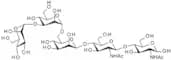
<p>Disialylated pentaose type I (DSI-1) is a disaccharide sugar that is synthesized in high purity by custom synthesis. It is a complex carbohydrate that consists of five monosaccharides: glucose, galactose, mannose, fucose and N-acetylneuraminic acid. DSI-1 has been shown to have glycosylation and methylation activity. This product has been modified with fluorination and saccharide modification, as well as Click chemistry. Disialylated pentaose type I is used in the pharmaceutical industry as an intermediate for the production of glycoconjugates and in the food industry to produce artificial sweeteners.</p>Fórmula:C42H67N3O32Na2Pureza:Min. 95%Peso molecular:1,171.96 g/mol2-Acetamido-2-deoxy-4-O-(b-D-galactofuranosyl)-D-glucopyranose
<p>2-Acetamido-2-deoxy-4-O-(b-D-galactofuranosyl)-D-glucopyranose is a carbohydrate that belongs to the class of disaccharides. It is a member of the family of b-D-galactofuranosides, which are derived from the hydrolysis of glycosidic linkages in b-D-galactopyranose. 2A2DDG has been shown to interact with sulfate groups and nonreducing sugars. The interaction between 2A2DDG and sulfate groups may be due to the presence of hydroxyl group on the molecule's side chain. The disaccharide can be used as an analogue for glycosylation experiments, such as those involving glycosyltransferases or glycosidases.</p>Fórmula:C14H25NO11Pureza:Min. 95%Cor e Forma:White PowderPeso molecular:383.35 g/molN-(2-Deoxy-D-glucopyranosyl)-S-nitroso-N-acetyl-D,L-pencillamine
CAS:<p>N-(2-Deoxy-D-glucopyranosyl)-S-nitroso-N-acetyl-D,L-pencillamine is a custom synthesis of an Oligosaccharide. It is an unmodified saccharide with a CAS No. 188849-82-3. The chemical formula for this compound is C12H14N2O9 and its molecular weight is 368.24 g/mol. This compound has been synthesized using the Click modification, methylation, and fluorination techniques. N-(2-Deoxy-D-glucopyranosyl)-S-nitroso-N acetyl D,L pencillamine has a purity level of 95% or greater. This product has not been glycosylated or carbamoylated and does not contain any sugar moieties.</p>Fórmula:C13H23N3O8SPureza:Min. 95%Peso molecular:381.4 g/molDipyridamole mono-O-b-D-glucuronide
CAS:<p>Dipyridamole is a synthetic fluorinated sugar that is used in research as a model for natural oligosaccharides. It has been shown to be useful for investigating the glycosylation reactions of polysaccharides and proteins, as well as for studying carbohydrate-protein interactions. Dipyridamole mono-O-b-D-glucuronide is an example of a product that can be custom synthesized by our laboratory. The product has purity of >99% and CAS No. 63912-02-7.</p>Fórmula:C30H48N8O10Pureza:Min. 95%Cor e Forma:Yellow solid.Peso molecular:680.75 g/mol1,4-Dideoxy-1,4-imino-D-xylitol HCl
CAS:<p>1,4-Dideoxy-1,4-imino-D-xylitol HCl (DDX) is a potent inhibitor of the enzyme carboxypeptidase A2. DDX has been shown to inhibit the growth of HIV in vitro and in vivo. DDX also inhibits the production of proinflammatory cytokines and neurotrophic factors from HL60 cells. It has been shown to be a potential drug target for the treatment of infectious diseases such as alphaviruses, which produce a severe neuroinvasive disease in humans. DDX binds to dna with high affinity and specificity, but does not bind to RNA or proteins. DDX inhibits mitochondrial membrane potential by binding to ATP synthase and blocking the synthesis of ATP. DDX has also been shown to have an anti-oxidative injury effect on mitochondria, which may contribute to its inhibition of viral replication.</p>Fórmula:C5H11NO3·HClPureza:Min. 95%Peso molecular:169.61 g/molEntecavir 3''-O-b-D-glucuronide
<p>Entecavir 3''-O-b-D-glucuronide is a synthetic compound that is a methylated, fluorinated, and modified oligosaccharide. It has CAS number 68655-87-8 and it is a high purity, complex carbohydrate with a saccharide unit. Entecavir 3''-O-b-D-glucuronide can be used in the synthesis of monosaccharides and polysaccharides.</p>Fórmula:C18H23N5O9Pureza:Min. 95%Cor e Forma:SolidPeso molecular:453.4 g/molUDP-β-D-glucose sodium
CAS:<p>UDP-β-D-glucose sodium is an oligosaccharide that can be used to synthesize glycoproteins and glycolipids. UDP-β-D-glucose sodium is a synthetic compound that contains one β-D-glucose moiety, which is attached to the molecule via a β-(1→4) linkage. This product can be custom synthesized and modified to suit customer needs. It has been shown to have high purity, chemical stability, and good solubility in water. The synthesis of UDP-β-D-glucose sodium has been modified by click chemistry to produce a variety of different products with new properties.</p>Fórmula:C15H22N2Na2O17P2Pureza:Min. 95%Cor e Forma:PowderPeso molecular:610.27 g/mol1,4,5,6-Tetra-O-benzyl-myo-inositol
CAS:<p>1,4,5,6-Tetra-O-benzyl-myo-inositol is a benzylated derivative of myo-inositol. It is a pharmacological agent that has been shown to inhibit the growth of human colon adenocarcinoma cells and human glioblastoma cells in vitro. 1,4,5,6-Tetra-O-benzyl-myo-inositol also binds to cell membrane receptors and inhibits the activity of enzymes involved in the synthesis of phosphatidylcholine. The compound has been shown to be selective for axial glioblastoma tumors in animal models. The compound can be conjugated with different molecules and used as an assay for cytotoxicity studies on tumor cells. 1,4,5,6-Tetra-O-benzyl-myo-inositol has hydroxyl groups that are easily oxidized</p>Fórmula:C34H36O6Pureza:Min. 95%Peso molecular:540.65 g/mol4-Amino-2,6-anhydro-3,4-dideoxy-D-glycero-D-galacto-non-2-enoic acid
CAS:<p>4-Amino-2,6-anhydro-3,4-dideoxy-D-glycero-D-galacto-non-2-enoic acid is a modified oligosaccharide that is used in biochemical and medicinal research. This product can be custom synthesized to order and may be available as an off the shelf product. It has high purity and is available with a monosaccharide or methylated glycosylated saccharide. The CAS number for this product is 263155-12-0.</p>Fórmula:C9H15NO7Pureza:Min. 95%Peso molecular:249.22 g/molTrimethylsilyl-2,3,4,6-tetra-O-benzyl-b-D-glucopyranoside
CAS:<p>Trimethylsilyl-2,3,4,6-tetra-O-benzyl-b-D-glucopyranoside is a modified carbohydrate that has been fluorinated and silylated. It is used as an intermediate in the synthesis of glycosylated compounds. Trimethylsilyl-2,3,4,6-tetra-O-benzyl-b-D-glucopyranoside can be custom synthesized to meet your needs. It is a white powder that is soluble in water and alcohols. The CAS number for this compound is 89825-08-1.</p>Fórmula:C37H42O8Pureza:Min. 95%Peso molecular:614.72 g/mol2-Amino-1-methyl-6-phenylimidazo[4,5-b]pyridine N-b-D-glucuronide
CAS:<p>2-Amino-1-methyl-6-phenylimidazo[4,5-b]pyridine N-b-D-glucuronide is a synthetic glycosylate that contains an aminomethyl group at the C2 position. It is used as a precursor to generate saccharides bearing the 1,5-anhydro sugar moiety. 2-Amino-1-methyl-6-phenylimidazo[4,5-b]pyridine N-b-D-glucuronide has been shown to react with glucose and other sugars in vivo to form oligosaccharides and polysaccharides respectively. This modified sugar can be used for click chemistry reactions such as labeling proteins, detecting protein modifications, or studying protein interactions. 2AMPI has been shown to have high purity (>99%) and is available for custom synthesis. CAS No.: 133084 - 70 - 5</p>Fórmula:C19H20N4O6Pureza:Min. 95%Peso molecular:400.39 g/molMonosialyl, difucosyllacto-N-neohexaose
<p>Monosialyl, difucosyllacto-N-neohexaose is a high purity, custom synthesis sugar that can be modified with fluorination and glycosylation. It has CAS No. and has the following properties: oligosaccharide, monosaccharide, saccharide, complex carbohydrate. Monosialyl, difucosyllacto-N-neohexaose is a synthetic carbohydrate that is used in click modification and methylation. This product can also be used for glycosylation and modification.</p>Fórmula:C63H105N3O47Pureza:Min. 95%Peso molecular:1,656.5 g/molL-Fucose-BSA
<p>L-fucose conjugated to BSA. Molecular weight of Glycoconjugate (MALDI) is approx 70Da.Average sugar residues per protein molecule is > 7.</p>Pureza:Min. 95%Cor e Forma:Powder1,6-Anhydro-2,3-dideoxy-b-D-threo-hex-2-enopyranose
CAS:<p>1,6-Anhydro-2,3-dideoxy-b-D-threo-hex-2-enopyranose is a carbohydrate that is synthesized from the sugar D-ribose. It can be used as a fluoroquinolone antibiotic. 1,6-Anhydro-2,3-dideoxy-b-D-threohexenopyranose has been modified with fluorine in order to increase its antibacterial activity. This modification makes the compound resistant to bacterial enzymes and allows it to bind to bacterial DNA. 1,6-Anhydro 2,3dideoxy bDthreo hexenopyranose also reacts with sugars and proteins to form glycosides and oligosaccharides that have high purity.</p>Fórmula:C6H8O3Pureza:Min. 95%Peso molecular:128.13 g/molHydroxy pioglitazone (M-IV) b-D-glucuronide
CAS:<p>Hydroxy pioglitazone (M-IV) b-D-glucuronide is a synthetic sugar that can be modified to produce a variety of derivatives. It is also known as M-IV, which stands for methylated IV, and has the following chemical structure:</p>Fórmula:C25H28N2O10SPureza:Min. 95%Peso molecular:548.56 g/molDidesmethylsibutamine D-glucuronide
<p>Didesmethylsibutamine D-glucuronide is a custom synthesis, complex carbohydrate, Oligosaccharide, CAS No. that is modified with saccharide and Methylation. It is synthesized with Carbohydrate and sugar to produce a high purity product. It also has the following modifications: Fluorination, Synthetic.</p>Pureza:Min. 95%4-Methoxyphenyl 2,4-di-O-benzoyl-3-O-benzyl-6-O-(methyl 5-acetamido-4,7,8,9-tetra-O-acetyl-3,5-dideoxy-D-glycero-α-D-galacto-2-n onulopyranosylonate)-β-D-galactopyranoside
<p>4-Methoxyphenyl 2,4-di-O-benzoyl-3-O-benzyl-6-O-(methyl 5-acetamido-4,7,8,9-tetra-O-acetyl)-3,5-dideoxy--D glycero--alpha--D galacto--2 nonulopyranosylonate) -beta D galactopyranoside is a carbohydrate that is custom synthesized for the modification of saccharides. It has a molecular weight of 1066.81 g/mol and is soluble in water. 4MPB is used as an intermediate for the synthesis of other carbohydrates.</p>Fórmula:C54H59NO21Pureza:Min. 95%Peso molecular:1,058.04 g/molHuman urine oligosaccharides
<p>This mixture contains some of the neutral and sialylated oligosaccharides found in human urine.</p>Pureza:Min. 95%(2S, 4S, 4'R) [4,4'-bi-1,3-dioxolane]-2-methanol-2,2'-dimethyl
CAS:<p>2,4-Dioxolane is a synthetic compound with the molecular formula (2S, 4S, 4'R) [4,4'-bi-1,3-dioxolane]-2-methanol-2,2'-dimethyl. It was first synthesized in 1963 by C. L. Hedrick and coworkers at Eli Lilly and Company as a potential drug for the treatment of schizophrenia. The chemical structure of 2,4-dioxolane consists of two oxetanes linked together with an ether bond. In this molecule both hydroxyl groups are on the same side of the carbon chain.</p>Fórmula:C9H16O5Pureza:Min. 95%Peso molecular:204.22 g/molMethyl 2,3,4,6-tetra-O-benzyl-b-D-galactopyranoside
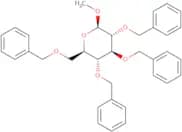
CAS:<p>Methyl 2,3,4,6-tetra-O-benzyl-b-D-galactopyranoside is a modification of the sugar galactose. It is a complex carbohydrate and an oligosaccharide that is synthesized from monosaccharides by glycosylation or polysaccharide synthesis. This product has been custom synthesized and can be modified to your specifications. It has high purity and is synthetic. Methyl 2,3,4,6-tetra-O-benzyl-b-D-galactopyranoside is used in various applications such as pharmaceuticals, agrochemicals, cosmetics and food additives.</p>Pureza:Min. 95%α-D-Mannose-1-phosphate bis(cyclohexylammonium)
CAS:<p>a-D-Mannose-1-phosphate bis(cyclohexylammonium) salt is a sugar that has the CAS number 51306-17-3 and is listed as a synthetic compound. It is a white to off-white powder that can be used in many different applications, including as an enzyme inhibitor, protein modifier, and prodrug. The modification of this sugar can include fluorination, glycosylation, methylation, or modification with other sugars. This product also has a high purity and custom synthesis.</p>Fórmula:C6H13O9P•C12H26N2Pureza:Min. 95%Cor e Forma:PowderPeso molecular:458.48 g/mol6-o-Benzyl D-mannose
CAS:<p>Please enquire for more information about 6-o-Benzyl D-mannose including the price, delivery time and more detailed product information at the technical inquiry form on this page</p>Fórmula:C12H16O6Pureza:Min. 95%Peso molecular:256.25 g/molPitavastatin 3-O-glucuronide
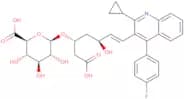
CAS:<p>Pitavastatin 3-O-glucuronide is a synthetic, water soluble glycosylate prodrug of pitavastatin, a third generation HMG-CoA reductase inhibitor. Pitavastatin 3-O-glucuronide has been shown to be effective in lowering serum cholesterol and triglycerides in humans. This drug is metabolized by hydrolysis of the glucuronide moiety and cleavage of the sugar moiety to form active pitavastatin. Pitavastatin 3-O-glucuronide also has an increased stability against oxidation compared to pitavastatin.</p>Fórmula:C31H31FNO10Pureza:Min. 95%Peso molecular:596.58 g/molo-Topolin-9-glucoside
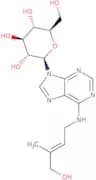
CAS:<p>O-topolin-9-glucoside is a custom synthesis of a sugar. It can be modified with fluorination, methylation, and click modification. O-topolin-9-glucoside is an oligosaccharide sugar that can be glycosylated or polysaccharided.</p>Fórmula:C18H21N5O6Pureza:Min. 95%Peso molecular:403.39 g/mol1,3,4,6-Tetra-O-acetyl-2-deoxy-D-glucopyranose
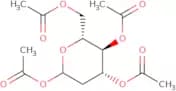
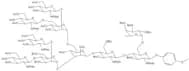
CAS:<p>1,3,4,6-Tetra-O-acetyl-2-deoxy-D-glucopyranose is a custom synthesis that has been modified with fluorination and methylation. The product is a monosaccharide that is synthetic and click modification. It is an oligosaccharide or complex carbohydrate that contains saccharide units. 1,3,4,6-Tetra-O-acetyl-2-deoxy-D-glucopyranose is a sugar that has the CAS number 6951591. It can be used in glycosylation reactions to produce polysaccharides.</p>Fórmula:C14H20O9Pureza:Min. 95%Cor e Forma:White To Off-White SolidPeso molecular:332.3 g/mol4-Methoxyphenyl 4-O-{4-O-[[2,4-di-O-Ac-3-O-[2,4-di-O-(3,4,6-tri-O-Ac-2-PhthN -b-D-Glc)-3,6-di-O-Bn-a-D-Man]-6-O-[3,4-di-O-Ac-2,6-di- O-(3,4,6-tri-O-Ac-2-PhthN -b-D-Glc)-a-D-Man]-b-D-Man]]-3,6-di-O-Bn-2-PhthN-b-D-Glc}-3-O-Bn-6-O-(tri-O-Bn-a-L-Fuc)-2-Ph
CAS:<p>4-Methoxyphenyl 4-O-{4-O-[2,4-di-O-(3,4,6-tri-O-Ac-2-PhthN -bDGlc)-3,6-di-O-(3,4,6,-tri-OAc)aDMan]-bDMan} 3,6 di O-(3,4,6,-tri Ac) a D Man] 2 PhthN b D Glc} 6 O (tri Ac) a L Fuc} 2 PhthN b D Glc} 3 O Bn 6 O (tri Ac) a L Fuc} 2 PhthN b D Glc} is an oligosaccharide. It is custom synthesized to include methylation and glycosylation modifications. This product is for use in research only and should not be used in humans.</p>Fórmula:C203H206N6O73Pureza:Min. 95%Peso molecular:3,897.8 g/molIsopropyl 2,3,4,6-tetra-O-benzyl-b-D-glucopyranoside
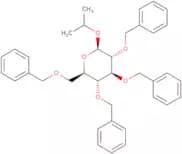
CAS:<p>Isopropyl 2,3,4,6-tetra-O-benzyl-b-D-glucopyranoside is a synthetic glycosylation product. It can be used as a building block for the synthesis of oligosaccharides and sugar derivatives. The product is available in custom synthesis and can be fluorinated to create new compounds. Isopropyl 2,3,4,6-tetra-O-benzyl-b-D-glucopyranoside can also be methylated to create new compounds. This product is mainly used in the preparation of saccharides and polysaccharides. It has a purity level of more than 99% and is not modified with any other functional groups.</p>Fórmula:C37H42O6Pureza:Min. 95%Peso molecular:582.73 g/molHM Pectin
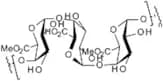
CAS:<p>Pectins are regarded as linear chains of α-1,4-linked D-galacturonic acid, a homogalacturonan (pectic acid). In the products of commerce, the degree of methylation has a vital influence on the properties of pectin, especially the solubility and gel forming characteristics. Commercial high methoxy (HM) pectin has > 70% of hydroxyl groups methyl esterified. HM pectin forms gels in the presence of sucrose and for this reason it is used in jams often in combination with other fruits.</p>Pureza:(%) Min. 85%Cor e Forma:PowderMethyl 2-O-benzoyl-4,6-O-benzylidene-a-D-glucopyranoside
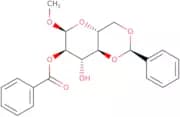
CAS:<p>Methyl 2-O-benzoyl-4,6-O-benzylidene-a-D-glucopyranoside is a sugar that is used in the synthesis of complex carbohydrates. This product is custom synthesized and has a purity of greater than 98%. It can be used for Click modifications, fluorination, glycosylation, and synthetic purposes. Methyl 2-O-benzoyl-4,6-O-benzylidene-a-D-glucopyranoside also has CAS No. 28642-64-0.</p>Fórmula:C21H22O7Pureza:Min. 95%Peso molecular:386.4 g/mol2-Keto-D-galactonic acid
CAS:<p>2-Keto-D-galactonic acid is a chemical compound that is used as an intermediate in the synthesis of antibiotics. It has been found to inhibit the growth of bacteria, such as Erwinia carotovora and Escherichia coli. The 2-keto-d-galactonic acid can be crystallized in two forms: an amorphous form or a crystalline form.</p>Pureza:Min. 95%Methyl 2,3,6-tri-O-benzoyl-4-O-trifluoromethanesulfonyl-a-D-galactopyranoside
CAS:<p>Methyl 2,3,6-tri-O-benzoyl-4-O-trifluoromethanesulfonyl-a-D-galactopyranoside is a glycosylation product that is synthesized by the reaction of methyl 4,6-dichlorohexanoate and D-galactose. The compound has been modified with a trifluoromethanesulfonyl group at the 6 position on the benzene ring. This modification allows for an increased stability in acidic conditions.</p>Fórmula:C29H25F3O11SPureza:Min. 95%Peso molecular:638.56 g/molMethyl-4-deoxy-a-L-threo-hex-4-enopyranosiduronic acid
CAS:<p>Methyl-4-deoxy-a-L-threo-hex-4-enopyranosiduronic acid is a sugar that belongs to the group of complex carbohydrates. This compound is made up of a saccharide and a monosaccharide, which are glycosylated with other saccharides. Methylation and glycosylation of this molecule create an oligosaccharide. The structure of this molecule has been modified by fluorination, methylation, and glycosylation. This product is synthesized from raw materials, such as sugar.<br>Methyl - 4 - deoxy - a - L - threo - hex - 4 - enopyranosiduronic acid is used in Click modification reactions to modify the carbohydrate chain. This product is also used in the synthesis of various compounds with different functions, such as fluoroquinolones or antibiotics.</p>Fórmula:C7H10O6Pureza:Min. 95%Peso molecular:190.15 g/molDextran 70 - MW 64,000 to 76,000, EP
CAS:<p>Complex glucan (a 1-6) from Leuconostoc spp.; extender in blood transfusions.</p>Pureza:Min. 95%Methyl D-glucofuranoside
CAS:<p>Methyl D-glucofuranoside is a model compound of a sugar that has been modified with an acyl group. The hydroxy group in this molecule is the site of attachment for other molecules that can modify the sugar. In impure samples, methyl glycosides are frequently observed due to their high solubility in water. Methyl glycosides have been used as a synthetic intermediate in the production of empagliflozin, an anti-diabetic drug. Protocatechuic acid and nucleophilic reagents are often used during synthesis to convert the hydroxyl group into an ether or ester linkage. This modification makes methyl D-glucofuranoside more soluble in organic solvents. Methyl D-glucofuranoside has two stereoisomers: (S) and (R). The erythro form is most common, but there are also traces of the threo form present in some samples.</p>Fórmula:C7H14O6Pureza:Min. 95%Cor e Forma:SolidPeso molecular:194.18 g/molThiosophorose
CAS:<p>Thiosophorose is a nutrient that is found in microalgae. It is also known as d-arabinose and has been shown to be an inactivating agent for viruses, such as HIV-1. Thiosophorose has been used in skin care products due to its ability to produce fatty acids, which are important for healthy skin. It is also useful for the production of biofuels from microalgae. This molecule can be used to catalyze the reaction between amines and triflates and it is insoluble in water. The viscosity of this compound will increase with increasing temperature.</p>Fórmula:C12H22O10SPureza:Min. 95%Peso molecular:358.4 g/molDisialylnonasaccharide-β-PNP
CAS:<p>Disialylnonasaccharide-β-PNP is a synthetic glycosylated oligosaccharide. It has a disialic acid residue at the reducing end and β-linked nonasaccharide residues at the nonreducing end. Disialylnonasaccharide-β-PNP is used as a monomer for the synthesis of polysaccharides, which are complex carbohydrates. Click modification of the saccharide unit can be carried out with an azido or nitro group. Disialylnonasaccharide-β-PNP is typically found in high purity and can be modified to suit your needs.</p>Fórmula:C90H141N7O64Pureza:Min. 95%Peso molecular:2,345.1 g/mol2-Ethylhexyl-D-xylopyranoside
CAS:<p>2-Ethylhexyl-D-xylopyranoside is a monosaccharide that has been modified with fluorine. This compound is typically used in the synthesis of complex carbohydrates and oligosaccharides. 2-Ethylhexyl-D-xylopyranoside has a number of chemical properties, including Methylation, Click modification, and Fluorination. It is soluble in water and ethanol, but insoluble in ether.</p>Fórmula:C13H26O5Pureza:Min. 95%Cor e Forma:Colourless solid.Peso molecular:262.34 g/mol1,4:3,6-Dianhydro- 2- O- methyl-D- glucitol
CAS:<p>1,4:3,6-Dianhydro-2-O-methyl-D-glucitol is a modified sugar that belongs to the group of carbohydrates. It is synthesized by the modification of 1,4:3,6-dianhydro-2,5-diO-methyl D glucitol with methyl iodide and sodium methoxide. The compound is used in pharmaceuticals as an excipient and in cosmetics as a moisturizer. It has been shown to be effective against influenza A virus.</p>Fórmula:C7H12O4Pureza:Min. 95%Peso molecular:160.17 g/mol4-Methoxyphenyl 2,3,6-tri-O-acetyl-4-O-[2,4,6-tri-O-acetyl-3-O-(3,4,6-tri-O-acetyl-2-deoxy-2-phthalimido-b-D-glucopyranosyl)-b-D-gal actopyranosyl]-b-D-glucopyranose
<p>4-Methoxyphenyl 2,3,6-tri-O-acetyl-4-O-[2,4,6-tri-O-acetyl-3-O-(3,4,6-tri-O-acetyl-2-deoxy-2 -phthalimido)-bDglucopyranosyl]-bDgalactopyranoside is a high purity methylated glycoside of 4 methoxyphenol. The product has been modified by fluorination and Click chemistry to produce a complex carbohydrate. This modification can be used for the synthesis of oligosaccharides and polysaccharides.</p>Fórmula:C51H59NO27Pureza:Min. 95%Peso molecular:1,118 g/mol8-Hydroxymirtazapine b-D-glucuronide
CAS:<p>8-Hydroxymirtazapine b-D-glucuronide is a fluorinated, monosaccharide, synthetic oligosaccharide. It is a complex carbohydrate that has been custom synthesized with glycosylation and polysaccharides. The sugar structure has been modified by methylation and click modification in order to produce a high purity product. CAS No. 155239-47-7</p>Fórmula:C23H27N3O7Pureza:Min. 95%Peso molecular:457.49 g/mol1,2:3,4-Di-O-isopropylidene-a-D-galacturonic acid hydrazide
CAS:<p>This is a custom synthesis of a 1,2:3,4-di-O-isopropylidene-a-D-galacturonic acid hydrazide. This product has been modified with fluorination. The molecular weight of this compound is 498.88 g/mol and the purity is greater than 99%. It also has a CAS number: 262856-80-4.</p>Fórmula:C12H20N2O6Pureza:Min. 95%Peso molecular:288.3 g/molA2 N-Glycan
CAS:<p>A2 N-glycan is a complex carbohydrate that is found in invertebrates and mammals. The A2 N-glycan was found to be the most abundant of all glycoproteins in invertebrates, with a relative abundance of over 50%. It has been shown that the A2 N-glycan can be modified by covalent linking to proteins, differentiating it from other glycans. These modifications may have an effect on the structural stability of the molecule and its susceptibility to environmental degradation. The A2 N-glycan also plays an important role in immunity, as it is immunogenic and can stimulate antibody production. This carbohydrate is uniquely found in humans, which suggests that it may have some importance in human physiology.</p>Fórmula:C84H138N6O62Pureza:Min. 95%Cor e Forma:SolidPeso molecular:2,224 g/molPseudoginsenoside Rh2
CAS:<p>Pseudoginsenoside Rh2 is a bioactive compound, which is a derivative of ginsenosides found in Panax ginseng. It is specifically extracted from the plant's root, known for its rich saponin content. Pseudoginsenoside Rh2 functions by interacting with various cellular pathways, influencing apoptosis, and cell cycle regulation. The mechanism of action involves modulation of signaling pathways, including PI3K/Akt and MAPK, which are crucial in controlling cell growth and survival.</p>Fórmula:C36H62O8Pureza:Min. 95%Peso molecular:622.87 g/molBenzyl 2,3-O-isopropylidene-6-O-trityl-5-keto-a-D-mannofuranoside 5-oxime
CAS:<p>The synthesis of benzyl 2,3-O-isopropylidene-6-O-trityl-5-keto-a-D-mannofuranoside 5-oxime is accomplished by the reaction of a D-mannose with phloroglucinol in the presence of sodium methoxide. The product is purified by column chromatography.</p>Fórmula:C35H35NO6Pureza:Min. 95%Peso molecular:565.66 g/mol1,2:5,6-Di-O-isopropylidene-D-glucofuranosulose enolacetate
<p>1,2:5,6-Di-O-isopropylidene-D-glucofuranosulose enolacetate is a synthetic sugar that is used as a click modification to carbohydrates. It has been shown to have activity against methicillin resistant Staphylococcus aureus (MRSA) and Mycobacterium tuberculosis. This compound has been synthesized for the first time in 2018 by using a new approach of glycosylation. In this process, 1,2:5,6-Di-O-isopropylidene-D-glucofuranosulose enolacetate is modified with methyl groups at the C1 position and then fluorinated. The final product was obtained by reacting this sugar with glycine ethyl ester hydrochloride in the presence of sodium azide in refluxing ethanol.</p>Pureza:Min. 95%b-Cellobiosyl azide
CAS:<p>b-Cellobiosyl azide is a carbohydrate that has been modified with fluorine. It has not been characterized by X-Ray diffraction and therefore has no known crystalline form. The chemical formula for b-Cellobiosyl azide is C6H9NO2F3. This product is available for custom synthesis to your specifications, please contact us for more information.</p>Fórmula:C12H21N3O10Pureza:Min. 95%Peso molecular:367.3 g/molBenzyl 2-acetamido-3,6-di-O-benzoyl-2-deoxy-a-D-galactopyranoside
CAS:<p>Benzyl 2-acetamido-3,6-di-O-benzoyl-2-deoxy-a-D-galactopyranoside is a water soluble white solid. It is the monosaccharide of an oligosaccharide made up of D-galactose and benzoyl groups that are attached to each other with a glycosidic bond. The chemical name for this compound is 3,6'-diacetyloxybenzoic acid, O-(2,3,4,5,6,-pentaacetyl)-D-galactopyranose. This compound has been custom synthesized in our lab and its final purification was done by high performance liquid chromatography (HPLC) on a Chiralpak AD column. The purity of this compound was determined by HPLC analysis to be 98%, as well as by high resolution mass spectrometry (HRMS).</p>Fórmula:C29H29NO8Pureza:Min. 95%Peso molecular:519.54 g/molHybrid N-Glycan
CAS:<p>Hybrid N-glycans are glycan structures that contain both a high mannose and complex type oligosaccharide. Hybrid N-glycans are expressed on the surface of mammalian cells, and they can be found in human serum. Hybrid N-glycans have been shown to activate caspase 3 and induce apoptosis in some mouse models. They also have biological functions such as growth factor binding or antibody binding. Hybrid N-glycans may be involved in the activation of the immune system or in the development of cancerous tumors.</p>Fórmula:C62H104N4O46Pureza:Min. 95%Cor e Forma:PowderPeso molecular:1,641.49 g/mol3-O-Acetyl-1,2:5,6-di-O-isopropylidene-a-D-gulofur-3-enose
CAS:<p>3-O-Acetyl-1,2:5,6-di-O-isopropylidene-a-D-gulofur-3-enose is a carbohydrate that belongs to the group of saccharides. It is a synthetic sugar that has been modified with fluorination and methylation. This compound has high purity and can be custom synthesized to meet your requirements. 3-O-Acetyl-1,2:5,6-di-O--isopropylidene--a--D--gulofur--3--enose is an important sugar in glycosylation reactions. It can react with proteins or peptides to form glycosidic bonds in a process called click chemistry.</p>Fórmula:C14H20O7Pureza:Min. 95%Peso molecular:300.31 g/molGQ1b-Ganglioside ammonium
CAS:<p>GQ1b ganglioside (ammonium salt) has a core tetrasaccharide structure (Galβ1,3GalNAcβ1,4Galβ1,4Glc) with two sialic acids (NeuAc) linked α2,3/α2,8 to the inner galactose residue, two sialic acids (NeuAc) linked α2,3/α2,8 to the terminal galactose residue, and ceramide linked β to position 1 on the reducing terminal glucose residue (Ledeen, 2009). Anti-GQ1b ganglioside antibody is associated with Miller Fisher syndrome and is also found in patients with related conditions that may share the same pathogenic mechanism, such as, Bickerstaff brainstem encephalitis. Thus, the measurement of anti-GQ1b antibody in suspected cases of Miller Fisher syndrome is a useful diagnostic marker (Paparounas, 2004). It has been found that GQ1b ganglioside contributes to synaptic transmissions and synapse formation. Low concentrations of GQ1b ganglioside, evoked dopamine (DA) release from laboratory tissues (Chen, 2018).</p>Fórmula:C106H182N6O56·xNH4Pureza:Min. 95%2,3,4-Tri-O-acetyl-1,6-anhydro-b-D-glucopyranose
CAS:<p>2,3,4-Tri-O-acetyl-1,6-anhydro-b-D-glucopyranose is a high purity monosaccharide that is custom synthesized to meet your needs. This product is a sugar with a click modification, fluorination, glycosylation and methylation. It can be used as a synthetic oligosaccharide or monosaccharide in the synthesis of complex carbohydrates. It has CAS No. 13242-55-2 and can be used in saccharides.</p>Fórmula:C12H16O8Pureza:Min. 95%Cor e Forma:White PowderPeso molecular:288.25 g/mol1-O-Methyl-β-D-galactopyranoside
CAS:<p>1-O-Methyl-beta-D-galactopyranoside is a monosaccharide sugar, which is a natural product of the degradation of plant cell walls. It is found in the blood of humans and other animals. 1-O-Methyl-beta-D-galactopyranoside has been shown to be an important reactive oxygen species (ROS) scavenger, which can protect cells from oxidative damage by reacting with ROS and converting them into less harmful molecules. 1-O-Methyl-beta-D-galactopyranoside binds to lectins and oligosaccharides, which are carbohydrate structures on the surface of cells that are involved in cellular recognition. This binding process may lead to uptake of 1OmBG by cells, which may be due to its ability to form hydrogen bonds with the hydroxyl group on polysaccharides such as polysaccharides in the plasma membrane or glycoproteins</p>Fórmula:C7H14O6Pureza:Min. 98.0 Area-%Peso molecular:194.19 g/molRef: 3D-M-3591
1kgA consultar100gA consultar250gA consultar500gA consultar2500gA consultar-Unit-kgkgA consultar8-Methoxycarbonyloctanoyl 2,3,4,6-tetra-O-acetyl-b-D-galactopyranoside
CAS:<p>8-Methoxycarbonyloctanoyl 2,3,4,6-tetra-O-acetyl-b-D-galactopyranoside is a carbohydrate which is synthesized by the reaction of 8-methoxycarbonyloctanoic acid and D-galactose. It is an oligosaccharide that has been modified with fluorine on the C2 position of the sugar ring. This product can be used as an analytical reagent for saccharides and carbohydrates.</p>Fórmula:C23H36O12Pureza:Min. 95%Peso molecular:504.52 g/mol6-O-tert-Butyldiphenylsilyl-D-galactal
CAS:<p>6-O-tert-Butyldiphenylsilyl-D-galactal is a glycosylated compound that is used as a starting material for the synthesis of various natural products. It is prepared by glycosylation of 6-bromo-1,2,3,4,5,6-hexahydroxydiphenylsulfide with D-galactose in the presence of potassium carbonate and triethylamine. The product was purified by recrystallization from ethyl acetate and n-butanol.</p>Pureza:Min. 95%3,6-Di-O-Carboxymethyl-D-glucose
CAS:<p>3,6-Di-O-Carboxymethyl-D-glucose is a methylated sugar that is synthesized from D-glucose. It is a white powder that is soluble in water and has a molecular weight of 586.06 g/mol. 3,6-Di-O-Carboxymethyl-D-glucose can be used for the synthesis of oligosaccharides and glycosylations. It can also be used as an intermediate for the production of fluorinated saccharides, which are useful for click chemistry modifications. 3,6-Di-O-Carboxymethyl-D-glucose can be custom synthesized to meet specific requirements.</p>Fórmula:C10H16O10Pureza:Min. 95%Peso molecular:296.23 g/mol4,5,7-Tri-O-acetyl-2,6-anhydro-3-deoxy-D-arabino-hept-2-enononitrile
CAS:<p>4,5,7-Tri-O-acetyl-2,6-anhydro-3-deoxy-D-arabino-hept-2-enononitrile is a high purity synthetic compound that is used as a fluorination reagent. It has been shown to be an efficient click modification reagent for complex carbohydrates. 4,5,7-Tri-O-acetyl--2,6--anhydro--3--deoxy--D--arabino--hept--2--enononitrile can produce glycosylation products with high yield and purity. This product is CAS No. 120085-62-3.</p>Pureza:Min. 95%1,6-Anhydro-3,4-O-isopropylidene-2-O-p-toluenesulfonyl-b-D-galactopyranose
CAS:<p>1,6-Anhydro-3,4-O-isopropylidene-2-O-p-toluenesulfonyl-b-D-galactopyranose is a custom synthesis, complex carbohydrate that has been modified by methylation and glycosylation. It is an Oligosaccharide with CAS No. 81028-98-0. This compound is also a Polysaccharide with Modification and saccharide, which can be found in Methylation and Glycosylation. The compound is a Carbohydrate with Click modification, sugar, High purity and Fluorination.</p>Fórmula:C16H20O7SPureza:Min. 95%Cor e Forma:Off-White SolidPeso molecular:356.39 g/mol2,3,4,6-Tetra-O-acetyl-b-D-galactopyranosyl formamide
CAS:<p>2,3,4,6-Tetra-O-acetyl-b-D-galactopyranosyl formamide is a modification of the galactose sugar. It is an oligosaccharide and a complex carbohydrate that can be custom synthesized. This modification has a high purity and can be used to create monosaccharides, methylation and glycosylation. 2,3,4,6-Tetra-O-acetyl-b-D-galactopyranosyl formamide can also be used for polysaccharide synthesis with CAS No. 108739-88-4.</p>Fórmula:C15H21NO10Pureza:Min. 95%Peso molecular:375.33 g/molEthyl 2,3,4-tri-O-benzoyl-b-D-thioglucopyranosiduronic acid methyl ester
CAS:<p>Ethyl 2,3,4-tri-O-benzoyl-b-D-thioglucopyranosiduronic acid methyl ester is a modification to the sugar molecule. It is an oligosaccharide that has been synthesized and modified by methylation, glycosylation, and fluorination. The CAS number for this compound is 302965-09-9. This compound has a high purity and can be used in various types of research including the synthesis of complex carbohydrates.</p>Fórmula:C30H28O9SPureza:Min. 95%Peso molecular:564.6 g/mol1-Deoxy-1-nitro-L-galactitol
CAS:<p>1-Deoxy-1-nitro-L-galactitol is a compound that has been shown to inhibit serine protease and glutaminyl cyclase activity. It is commonly used in laboratory settings as a potassium substitute in media formulations. This compound belongs to the class of monosaccharides known as glutaminyl derivatives. It has been studied for its potential as an inhibitor of nafamostat, a serine protease inhibitor used in the treatment of pancreatitis and disseminated intravascular coagulation (DIC). Additionally, 1-Deoxy-1-nitro-L-galactitol has been investigated for its potential as a disinfectant and as an adrenergic receptor agonist. Preliminary studies have also suggested antiviral properties against certain viruses. Further research is needed to fully understand the potential applications of this compound.</p>Fórmula:C6H13NO7Pureza:Min. 95%Peso molecular:211.17 g/molT-antigen-HSA
<p>T-antigen-HSA is a synthetic, high-purity, custom synthesis glycoprotein with click modification. It is a complex carbohydrate that contains an oligosaccharide and a saccharide, which are attached to the protein backbone through an amide linkage. T-antigen-HSA is synthesized using recombinant DNA technology and can be modified by fluorination, methylation, or other modifications. This product has CAS No.</p>Pureza:Min. 95%Cor e Forma:White Powder3,2'-Di-O-acetyl-3',4'-O-carbonyl-6,6'-di-O-tert-butyldiphenylsilyl lactal
CAS:<p>3,2'-Di-O-acetyl-3',4'-O-carbonyl-6,6'-di-O-tert-butyldiphenylsilyl lactal is a custom synthesis of a fluorinated carbohydrate. It is a modification of an oligosaccharide and can be used in the synthesis of saccharides and polysaccharides. The CAS number for this compound is 163228-35-1. This compound has been modified with click chemistry to add methyl groups to the hydroxyl group on the sugar ring. This compound has been used as a monosaccharide or as a part of complex carbohydrates.</p>Fórmula:C35H62O12Si2Pureza:Min. 95%Peso molecular:731.03 g/mol1-a-Methylaminotrityl-2-deoxy-3,5-di-O-toluoyl-D-ribose
<p>1-a-Methylaminotrityl-2-deoxy-3,5-di-O-toluoyl-D-ribose is a custom synthesis of an oligosaccharide. The compound has a CAS number and is a polysaccharide with glycosylation and methylation. It is fluorinated at the 1 position on the ribose ring and modified with a click chemistry reaction to link two sugars together. This modification allows for high purity of this compound.</p>Pureza:Min. 95%D-Tagatose 1-phosphate
CAS:<p>D-tagatose 1-phosphate is a cytosolic intermediate of tagatose, which is found in many dietary sources. It has been shown to have regulatory effects on mitochondrial membrane potential and peroxisome proliferation in human cells. D-tagatose 1-phosphate also has been shown to have clinical relevance for humans with liver disease, as it enhances aerobic glycolysis and increases adenine nucleotide levels.</p>Fórmula:C6H13O9PPureza:Min. 95%Peso molecular:260.14 g/molPhenyl 2-O-benzyl-a-L-thiorhamnopyranoside
CAS:<p>Phenyl 2-O-benzyl-a-L-thiorhamnopyranoside (PTBP) is a synthetic glycosylation product. It is used as a monosaccharide building block for oligosaccharides and polysaccharides. PTBP exhibits high purity, custom synthesis capability, and is available in bulk quantities.</p>Fórmula:C19H22O4SPureza:Min. 95%Peso molecular:346.44 g/molLipid A (E. Coli) triethylammonium salt
CAS:<p>The Lipid A moiety of lipopolysaccharide forms the outer monolayer of the outer membrane in most Gram-negative bacteria. Escherichia coli lipid A is synthesized on the cytoplasmic side of the inner membrane by a conserved pathway of nine constitutive enzymes. Following attachment of the core oligosaccharide, nascent core-lipid A is flipped to the outer surface of the inner membrane by the ABC transporter MsbA, where the O-antigen polymer is attached. These complex glycoforms protect bacteria from antibiotics and complement-mediated lysis. The core and O-antigen domains are required for virulence and consequently are present in most clinical and environmental isolates (Raetz, 2007).</p>Fórmula:C94H178N2O25P2Pureza:Min. 95%Peso molecular:1,798.37 g/mol6-O-Acetyl-2,3,4-tri-O-benzoyl-b-D-mannopyranose
<p>6-O-Acetyl-2,3,4-tri-O-benzoyl-b-D-mannopyranose is a synthetic oligosaccharide that is used as an inhibitor of glycosylation. It is synthesized by the reaction of 6-O-acetylmannopyranosyl fluoride with 2,3,4,6-tetraacetylbromo benzaldehyde and hydrochloric acid in acetic acid. The product can be used for the synthesis of complex carbohydrates such as glycoconjugates or polysaccharides. 6-O-Acetyl -2,3,4 -tri -O -benzoyl -b -D mannopyranose has a purity of > 98% and a CAS number of 118916–00–5.</p>Fórmula:C29H26O10Pureza:Min. 95%Peso molecular:534.51 g/mol3-O-(2-Acetamido-2-deoxy-a-D-glucopyranosyl)-D-galactose
CAS:<p>3-O-(2-Acetamido-2-deoxy-a-D-glucopyranosyl)-D-galactose is a synthetic compound that is synthesized by the reaction of 3,4,6-trihydroxypyranose with trifluoroacetic anhydride. The product can be purified to the desired level of purity using preparative HPLC or recrystallization. The CAS number for this compound is 97096-73-6.END></p>Fórmula:C14H25NO11Pureza:Min. 95%Cor e Forma:PowderPeso molecular:383.35 g/molMan-7D3 N-Glycan
<p>Man-7D3 N-glycan is a high purity, custom synthesis, sugar, Click modification, fluorination, glycosylation and synthetic oligosaccharide. It has CAS No. and molecular weight of 538.9 Da. Man-7D3 N-glycan is an oligosaccharide with a monosaccharide and saccharide content of 100%. The sugar composition is 10% mannose, 10% galactose, 7% glucose and 3% fucose. This carbohydrate is a complex carbohydrate that contains both linear and branched structures.</p>Pureza:Min. 95%Hyaluronate biotin - Molecular Weight - 20kDa
<p>Hyaluronate biotin is a high purity, complex carbohydrate that has been modified with methylation and glycosylation. It has a molecular weight of 20kDa and is supplied as a powder. It is a white to off-white solid that can be dissolved in water or buffer solutions. This product can be used as an excipient in the manufacture of biologics such as vaccines, antibodies, enzymes, or other therapeutic proteins.</p>Pureza:Min. 95%Pomolic acid 28-O-b-D-glucopyranosyl ester
CAS:<p>Pomolic acid is a saponin isolated from the ethanol extract of Astragalus membranaceus. Pomolic acid has a nitrite reductase inhibitory effect and inhibits cell proliferation in certain cells, such as those found in the pancreas. The chemical structure of pomolic acid and its derivatives are similar to those of steroid glycosides and steroid alkaloids. It also has the ability to disrupt DNA replication and reduce insulin resistance. The use of pomolic acid in Chinese medicine formulas is reported to be effective for treating diabetes mellitus type 2, hyperlipidemia, and obesity.</p>Pureza:Min. 95%Methyl 3,5-di-O-acetyl-2-deoxy-2-(trifluoromethyl)-a-D-ribofuranoside
CAS:<p>Methyl 3,5-di-O-acetyl-2-deoxy-2-(trifluoromethyl)-a-D-ribofuranoside is a methylated sugar that can be custom synthesized. It is a monosaccharide with the molecular formula C4H8F3O7. Methyl 3,5-di-O-acetyl-2-deoxy-2-(trifluoromethyl)-a-D-ribofuranoside has been modified by fluorination and is used to study carbohydrate structures and functions. This chemical has an average purity of 98%.</p>Pureza:Min. 95%Ouabain - anhydrous
CAS:<p>Ouabain is a potent inhibitor of the Na+/K+-ATPase pump in cardiac and skeletal muscles. It has been shown to inhibit signal pathways that are involved in the regulation of cellular membrane potentials, such as the michaelis–menten kinetics. Ouabain has also been found to be effective against syncytial virus infection. Ouabain inhibits viral replication by inhibiting cellular protein synthesis and reducing cell number due to its cytotoxic effects on myocardial cells. Ouabain has also been found to inhibit neuronal death induced by α1-adrenergic receptor agonists, such as p2y receptors.</p>Fórmula:C29H44O12Pureza:Min. 95%Cor e Forma:PowderPeso molecular:584.65 g/mol2,3,4,6-Tetra-O-benzyl-1,5-di-O-mesyl-D-glucitol
<p>2,3,4,6-Tetra-O-benzyl-1,5-di-O-mesyl-D-glucitol is a substituted sugar alcohol that can exist as either an intramolecular or an intermolecular isomer. The intramolecular isomer has a carboxylate group in the 6 position and the intermolecular isomer has a propionate group in the 6 position. 2,3,4,6-Tetra-O-benzyl-1,5-di-O-mesyl-D-glucitol has conformational properties that depend on which substituent occupies the 4 position. Benzene rings are more flexible than benzyloxy groups. The geometry of 2,3,4,6 - Tetra - O - benzyl - 1 , 5 - di - O - mesyl - D - glucitol changes from chair to boat with substitution at position</p>Fórmula:C36H42O10S2Pureza:Min. 95%Peso molecular:698.84 g/molMan-3b N-Glycan
CAS:<p>Man-3b N-Glycan is a glycan with a mannose backbone and an N-acetylglucosamine branch. This glycan can be customized to the user’s specification, including the desired sugar sequence and the length of the oligosaccharide. Man-3b N-Glycans are synthesized by modification of commercially available saccharides or by custom synthesis.</p>Fórmula:C34H58N2O26Pureza:Min. 95%Peso molecular:910.82 g/mol6,6'-Di-O-tert-butyldimethylsilyl-lactal
CAS:<p>6,6'-Di-O-tert-butyldimethylsilyl-lactal is a synthetic glycosylation reagent that has been used in the synthesis of oligosaccharides and sugar derivatives. This compound is known to have a high purity and can be custom synthesized to meet your specifications. The fluorination reaction of this compound yields 6,6'-di-O-tert-butyldimethylsilyl-lactal, which can be methylated to yield 6,6'-di-O-methyl-lactal. The methylation reaction can be used to introduce a click modification onto the molecule. A complex carbohydrate is formed by the reaction of 6,6'-di-O-methyl lactal with other monosaccharide or polysaccharide. The saccharide group can also be modified with a click modification.</p>Pureza:Min. 95%trans-Zeatin-9-glucoside
CAS:<p>Trans-zeatin-9-glucoside is a natural product that is produced by plants and is known to have a variety of biological activities. Trans-zeatin-9-glucoside has been shown to affect plant growth and development, as well as the immune system. It has also been shown to exhibit antioxidant activity and inhibit cancer cell proliferation. Trans-zeatin-9-glucoside has been found in barley, wheat, rye, oat straw, corn stover, soybean leaves, potato tubers, and composts. The biosynthesis of this compound begins with the conversion of zeatin into zeaxanthin via a series of enzymatic reactions. Zeaxanthin is then converted into trans-zeatin-9-glucoside through the action of an enzyme called β--cyclodextrin glucanotransferase.</p>Fórmula:C16H23N5O6Pureza:Min. 98 Area-%Cor e Forma:Colorless PowderPeso molecular:381.38 g/mol1-13C-L-Arabinose
CAS:<p>1-13C-L-Arabinose is a metabolite of the sugar, L-arabinose. This compound is formed by escherichia bacteria and can be found in the urine of mice. 1-13C-L-Arabinose has been shown to inhibit the growth of escherichia coli and has a six membered ring structure.</p>Fórmula:CC4H10O5Pureza:Min. 95%Cor e Forma:White PowderPeso molecular:151.13 g/molMethyl (methyl 3-deoxy-D-arabino-hept-2-ulopyranosid)onate
CAS:<p>Methyl 3-deoxy-D-arabino-hept-2-ulopyranosid)onate is a custom synthesis of methylation, click modification, and oligosaccharide. It is an oligosaccharide that contains a saccharide linked to a monosaccharide. Methyl 3-deoxy-D-arabino-hept-2-ulopyranosid)onate is used in the synthesis of polysaccharides and complex carbohydrates. This product is characterized by high purity and low cost, making it ideal for research purposes.</p>Fórmula:C9H16O7Pureza:Min. 95%Peso molecular:236.22 g/molXylosyl-cellobiose
CAS:<p>Xylosyl-cellobiose is a monosaccharide that was synthesized and modified by methylation, click modification, and fluorination. The compound has been shown to be complex carbohydrate and an oligosaccharide with a polysaccharide. It is a high-purity substance that can be used for the synthesis of saccharides, carbohydrates, or sugars. CAS No. 129865-02-7</p>Pureza:Min. 95%Peso molecular:476.43 g/mol2-Acetamido-3,4,6-tri-O-acetyl-2-deoxy-a-D-galactopyranosyl-L-threonine pentafluorophenyl ester
CAS:<p>This product is a modification of a complex carbohydrate that has been synthesized from D-galactose and L-threonine. It is an Oligosaccharide, Carbohydrate, Custom synthesis, Synthetic, High purity, Monosaccharide, Methylation, Glycosylation, Polysaccharide with a CAS No. 182369-94-4.<br>This product is fluorinated at the 2 position of the acetamido group. The saccharide unit has been methylated at the 2 position of the acetamido group. This product is also glycosylated at the 6 position of the acetamido group and it is an alpha-linked sugar.</p>Fórmula:C39H37F5N2O13Pureza:Min. 95%Peso molecular:836.71 g/mol2-Acetamido-3-O-(2,3,4,6-tetra-O-acetyl-b-D-galactopyranosyl)-4,6-di-O-acetyl-2-deoxy-a-D-galactopyranosyl-Fmoc-L- serine
CAS:<p>2-Acetamido-3-O-(2,3,4,6-tetra-O-acetyl-b-D-galactopyranosyl)-4,6-di-O-acetyl-2-deoxy-a-D-galactopyranosyl is an Oligosaccharide. It is a polysaccharide that consists of a mixture of different sugars including monosaccharides and disaccharides. 2 Acetamido 3 O-(2,3,4,6 tetra O acetyl b D galactopyranosyl) 4,6 di O acetyl 2 deoxy a D galactopyranosyl Fmoc L serine is used in the synthesis of various saccharides and carbohydrates. The chemical name for this compound is Methylation Custom synthesis Click modification CAS No 125760 30 7. The molecular weight for this compound is 548. The</p>Fórmula:C44H52N2O21Pureza:Min. 95%Peso molecular:944.88 g/molDifucosyl-para-lacto-N-neohexaose
<p>Difucosyl-para-lacto-N-neohexaose is an extracellular, acidic oligosaccharide with a lactose backbone and two fucoses attached to the 2' position. Difucosyl-para-lacto-N-neohexaose is found in human milk and has been shown to be a potent inhibitor of the lectin anagyroides. Difucosyl-para-lacto-N-neohexaose is composed of tetraoses linked by α(1→4) glycosidic bonds. The linkage between the first two sugars of each tetraose can be either α(1→6) or β(1→3). The linkage between the second two sugars in each tetraose can be either β(1→4) or α(1→6). This linkage pattern restricts the possible structures to six different types,</p>Fórmula:C53H91N2O38Pureza:Min. 95%Peso molecular:1,364.28 g/molMuraglitazar acyl-b-D-glucuronide
CAS:<p>Muraglitazar acyl-b-D-glucuronide is a complex carbohydrate that has been modified with fluorination. The compound is synthesized from methylation, glycosylation, and carbamylation reactions with saccharides. The saccharide modification includes the attachment of various sugars such as glucose, galactose, and mannose. Muraglitazar acyl-b-D-glucuronide can be used in the synthesis of oligosaccharides and polysaccharides. It is also used for Click modification of sugar molecules.</p>Fórmula:C36H38N2O12Pureza:Min. 95%Peso molecular:690.71 g/molHyaluronate fluorescein - Molecular Weight - 20kDa
<p>Hyaluronate fluorescein is a fluorinated carbohydrate that has been modified for use in the detection of methylation. It contains an oligosaccharide and polysaccharide that are attached to a 20kDa fluorinated saccharide. This product is available in high purity and is custom synthesized for your specific needs.</p>Pureza:Min. 95%Sulindac sulfone acyl-b-D-glucuronide
CAS:<p>Sulindac sulfone acyl-b-D-glucuronide is a modification of sulindac sulfone, which is an Oligosaccharide. The complex carbohydrate is synthesized from a custom synthesis and has a high purity. It has the CAS No. 60018-37-3 and Methylation, Glycosylation, Polysaccharide, sugar, Fluorination, saccharide.</p>Fórmula:C26H25FO10SPureza:Min. 95%Peso molecular:548.54 g/mol4-Methoxyphenyl 4-O-Acetyl-3,6-di-O-benzyl-2-deoxy-2-phthalimido-b-D-glucopyranoside
CAS:<p>4-Methoxyphenyl 4-O-acetyl-3,6-di-O-benzyl-2-deoxy-2-phthalimido--b-D--glucopyranoside is a synthetic carbohydrate that has been modified with fluorine. It has the chemical formula of C24H21F7NO8P and a molecular weight of 592.56. This compound is used for the synthesis of glycosides and as an intermediate for the synthesis of saccharides and oligosaccharides.</p>Fórmula:C37H35NO9Pureza:Min. 95%Peso molecular:637.68 g/molPhenyl 4-azido-2,3,6-tri-O-benzyl-4-deoxy-b-D-thioglucopyranoside
CAS:<p>Phenyl 4-azido-2,3,6-tri-O-benzyl-4-deoxy-b-D-thioglucopyranoside is a fluorinated monosaccharide that can be synthesized from commercially available starting materials. The compound has been shown to inhibit the glycosylation of proteins and is used in the synthesis of complex carbohydrates such as oligosaccharides and polysaccharides. Phenyl 4-azido-2,3,6-tri-O-benzyl -4 deoxy -b D thioglucopyranoside is a white crystalline solid that has a melting point of 155 ˚C and an assay of 99% purity.</p>Fórmula:C33H36N3O4SPureza:Min. 95%Peso molecular:570.72 g/mol1,2,3,4-Tetra-O-acetyl-6-deoxy-6-fluoro-a-D-glucopyranose
CAS:<p>1,2,3,4-Tetra-O-acetyl-6-deoxy-6-fluoro-a-D-glucopyranose is a synthetic sugar that contains four acetyl groups and one fluorine atom. It can be used for the synthesis of oligosaccharides and glycosylations. This product is custom synthesized according to customers' requirements, with high purity and good quality.</p>Fórmula:C14H19FO9Pureza:Min. 95%Peso molecular:350.29 g/molFructononasaccharide
<p>Fructononasaccharide is a modification of oligosaccharides that is synthesized from sucrose. It is a complex carbohydrate that has been modified with methylation and glycosylation. Fructononasaccharide is used in the synthesis of polysaccharides, as well as for the production of high-purity, custom-synthesized monosaccharides and disaccharides. Fructononasaccharide can be fluorinated or saccharified to produce different compounds.</p>Fórmula:C54H92O46Pureza:Min. 95%Cor e Forma:PowderPeso molecular:1,477.28 g/molHyaluronate rhodamine - Molecular Weight - 2500kDa
<p>Hyaluronate rhodamine is a modified, fluorinated, methylated, and monosaccharide-containing polysaccharide. It is synthesized by the addition of a click modification to an oligosaccharide. The saccharide is used in glycosylation reactions to produce complex carbohydrates. Hyaluronate rhodamine has a molecular weight of 2500kDa.</p>Pureza:Min. 95%

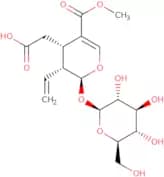
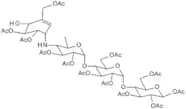


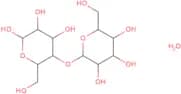
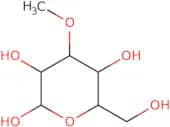
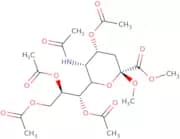
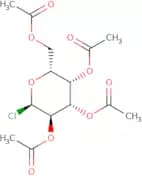
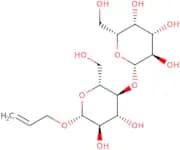
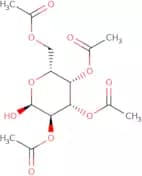
![N-{[4-(Hydroxyamino)phenyl]sulfonyl}-N-[2-(2-naphthyloxy)ethyl]-b-D-glucopyranosylamine](/_next/image/?url=https%3A%2Fstatic.cymitquimica.com%2Fproducts%2F3D%2Fthumb-webp%2FMN176336.webp&w=3840&q=75)

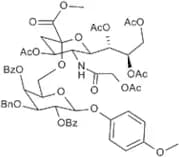
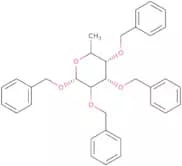
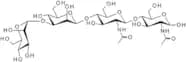
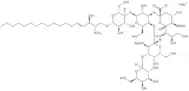
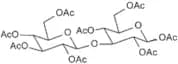
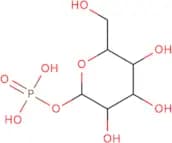
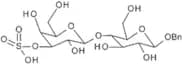

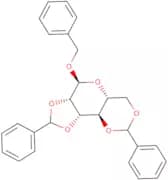
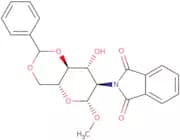

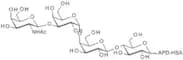

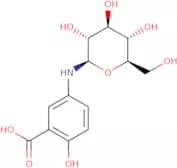

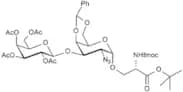
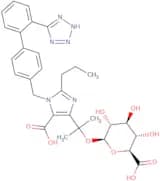


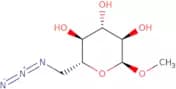
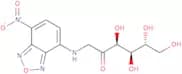
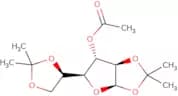
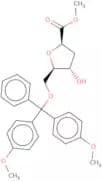



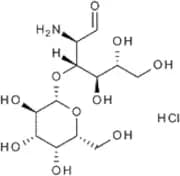
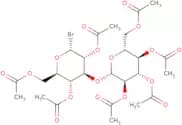
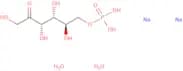
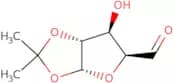

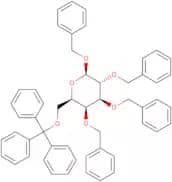
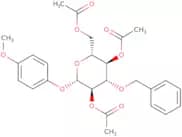

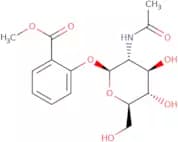
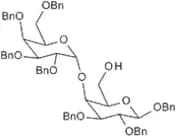
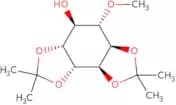
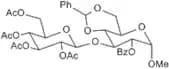

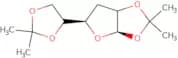

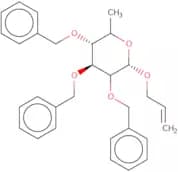
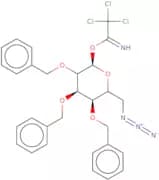
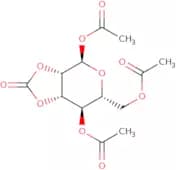


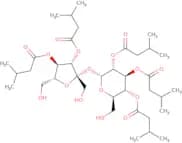

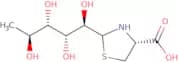
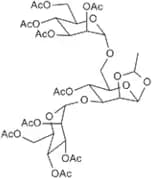
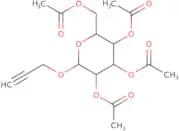
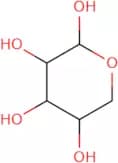
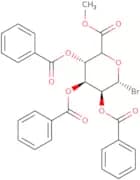
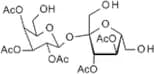
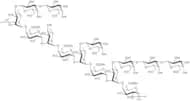
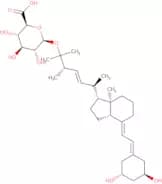
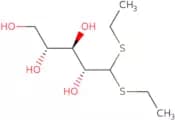

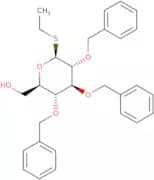
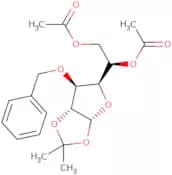
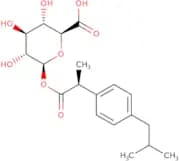


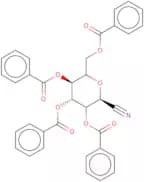
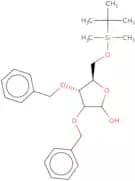


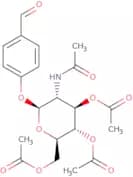
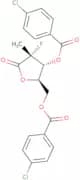

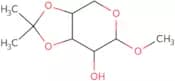
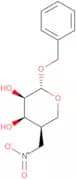
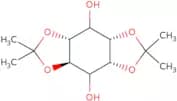

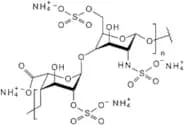
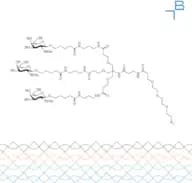
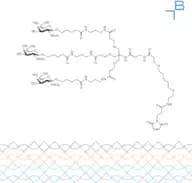
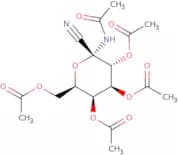
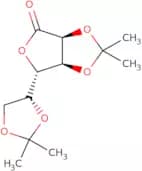

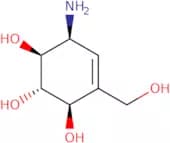
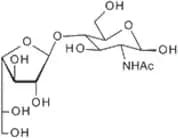

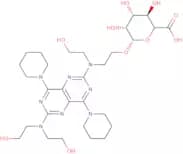
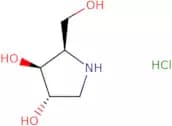

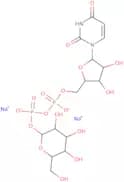
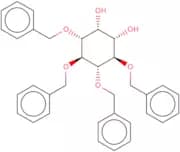
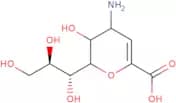

![2-Amino-1-methyl-6-phenylimidazo[4,5-b]pyridine N-b-D-glucuronide](/_next/image/?url=https%3A%2Fstatic.cymitquimica.com%2Fproducts%2F3D%2Fthumb-webp%2FMA16593.webp&w=3840&q=75)
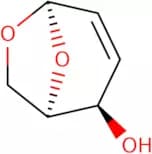

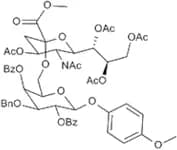
![(2S, 4S, 4'R) [4,4'-bi-1,3-dioxolane]-2-methanol-2,2'-dimethyl](/_next/image/?url=https%3A%2Fstatic.cymitquimica.com%2Fproducts%2F3D%2Fthumb-webp%2FMM44925.webp&w=3840&q=75)