Glicociência
Subcategorias de "Glicociência"
- Amino açúcares(108 produtos)
- Anticorpos Glico-Relacionados(284 produtos)
- Glicolípidos(46 produtos)
- Glicosaminoglicanos (GAGs)(55 produtos)
- Glicosídeos(419 produtos)
- Monossacáridos(6.622 produtos)
- Oligossacarídeos(3.696 produtos)
- Polissacáridos(506 produtos)
Foram encontrados 11035 produtos de "Glicociência"
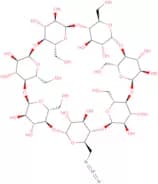
6-Azido-6-deoxy-b-cyclodextrin
CAS:This beta-cyclodextrin (β-CD) derivative is a functionalized cyclic oligosaccharide composed of seven glucose units, characterized by a hydrophilic exterior and a lipophilic cavity (bigger than α-CD and smaller than γ-CDs), which allows it to encapsulate various guest molecules. This structural feature facilitates its use in multiple applications, including pharmaceuticals, food enhancement, and cosmetics. In the pharmaceutical industry, it enhances the solubility and stability of poorly water-soluble drugs, improving their bioavailability and efficacy while also masking unpleasant tastes. The food sector utilizes it as a stabilizer for flavors, colors, and nutrients, extending shelf life by protecting sensitive ingredients from degradation. In cosmetics, it serves as a complexing agent for fragrances and active components, ensuring their stability and controlled release. Its use expands to many other fields, including nanotechnology for drug delivery systems, environmental remediation for extracting organic pollutants, textiles for slow-release fragrances, and analytical chemistry for chiral separation.
Fórmula:C42H69N3O34Pureza:Min. 98 Area-%Cor e Forma:PowderPeso molecular:1,160 g/molRef: 3D-OA44686
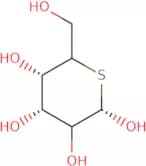
Produto descontinuado5-Thio-a-D-mannose
CAS:5-Thio-a-D-mannose is a disaccharide that contains a sulfhydryl group. It has been shown to be a cellular and trackable molecule, which can be acetylated by mercuric chloride. The glycosidases of this molecule are mannosidases, which cleave the 5th carbon from the glycosidic linkage of the sugar. This is an important process for a variety of biological functions, such as the synthesis of DNA and proteins. In addition, this disaccharide is involved in various metabolic pathways, including glycolysis and gluconeogenesis.
Fórmula:C6H12O5SPureza:Min. 95%Peso molecular:196.22 g/molN-Acetylmuramyl-L-alanyl-D-isoglutamine hydrate
CAS:Muramyl dipeptide is a component of the bacterial cell wall and is found in mycobacteria, mycoplasmas, spirochetes, and gram-positive bacteria. Muramyl dipeptide has been shown to induce the activation of macrophages and other cells by stimulating toll-like receptor 4. It also has significant cytotoxicity against various cancer cells, as well as potent inducers of ubiquitin ligases. The use of muramyl dipeptide in vitro was shown to inhibit replication of HIV-1 virus in human lymphocytes. This agent has also been used for the treatment of bowel disease.Fórmula:C19H32N4O11·xH2OPureza:Min. 96 Area-%Cor e Forma:PowderPeso molecular:492.48 g/molRef: 3D-MA58738
Produto descontinuado1-Deoxy-L-allitol
CAS:1-Deoxy-L-allitol is a naturally occurring compound found in human urine. It has been shown to have a role in the regulation of glucose metabolism, as it is catalysed by liver enzymes and can affect the synthesis of glycogen. 1-Deoxy-L-allitol also has been found to be an activator of t-cells, which are immune cells that help regulate the body's response to infection.
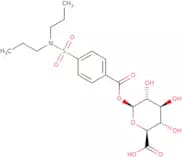
Fórmula:C6H14O5Pureza:Min. 95%Peso molecular:166.17 g/molProbenecid acyl b-D-glucuronide
CAS:Probenecid is a weak acid that is rapidly converted to an active metabolite in the body. It is used as an analgesic, antipyretic, and anti-inflammatory drug. Probenecid has been shown to inhibit the formation of biliary acids in animals and humans and has been used in the treatment of chronic inflammatory conditions such as rheumatoid arthritis. The most common route of administration for this drug is orally, although it can also be given intravenously or intramuscularly. Probenecid also acts as a nonsteroidal anti-inflammatory drug (NSAID). This means that it inhibits prostaglandin synthesis by blocking cyclooxygenase enzymes. This reduces inflammation, pain, and fever by inhibiting the production of prostaglandins that play a role in these processes.
Fórmula:C19H27NO10SPureza:Min. 95%Cor e Forma:White To Off-White SolidPeso molecular:461.48 g/molRef: 3D-MP16838
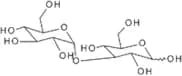
Produto descontinuadoNigerose
CAS:Nigerose is a chemical compound that belongs to the group of oligosaccharides. It is a glycan with a basic structure and has inhibitory properties. Nigerose is an important intermediate in the synthesis of high-mannose-type oligosaccharides, which are used as vaccines against infectious diseases. Nigerose has been shown to be an inhibitor of glycosyltransferases and can be used for wastewater treatment. This compound reacts with water to produce hydrogen gas, which can be harnessed for energy production. Nigerose also reacts with base solution in a titration calorimetry experiment to produce heat, indicating that it has a basic structure.
Fórmula:C12H22O11Pureza:Min. 93 Area-%Cor e Forma:White PowderPeso molecular:342.3 g/molL-Fucose
CAS:L-Fucose is a monosaccharide that is an important component of glycoproteins and glycolipids. L-Fucose is also found in the cell wall of bacteria. The most abundant sources of L-fucose are from the hydrolysis of lactose or sucrose by bacteria, or as a result of intestinal microbial fermentation. L-Fucose has been shown to be involved in the regulation of many metabolic processes, including the glomerular filtration rate and sephadex g-100 binding capacity in the kidney. It has also been shown to improve growth in infant rats with protein malnutrition. The enzyme that catalyzes the conversion of D-arabinose to L-fucose is known as fucokinase.
Fórmula:C6H12O5Pureza:Min. 98.0 Area-%Peso molecular:164.16 g/molb-D-Glucose - 95%
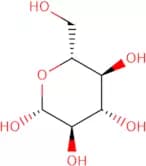
CAS:B-D-glucose is a monosaccharide with the molecular formula C6H12O6. It is the major form of glucose in plants, and is one of the simplest carbohydrates. B-D-glucose is synthesized by photosynthesis in plants and used as an energy source for cellular respiration. The hydroxyl group of b-D-glucose reacts with p-hydroxybenzoic acid to form a new compound called glucopyranosiduronic acid. The hydroxyl group also reacts with sodium citrate to form sodium hydrogen citrate. This reaction can be used to measure the concentration of b-D-glucose in an unknown solution using high performance liquid chromatography (HPLC). B-D-glucose has been shown to have antidiabetic activity, as it improves insulin sensitivity, reduces blood glucose levels, and decrease body mass index (BMI) in animal models. A model system
Fórmula:C6H12O6Pureza:Min. 95 Area-%Cor e Forma:PowderPeso molecular:180.16 g/molGDP-L-galactose sodium salt
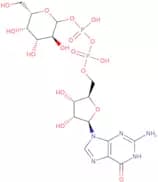
CAS:GDP-L-galactose is a sugar molecule that is an intermediate in the biosynthesis of ascorbate. GDP-L-galactose is synthesized from GDP-D-mannose and GDP-L-glucose by the enzyme GDP-mannose 4,6 dehydratase. The enzyme GDP-L-galactose dehydrogenase then converts GDP-L-galactose to ascorbic acid (vitamin C). Ascorbate is essential for many biological functions such as synthesis of collagen and neurotransmitters, regulation of gene expression, and protection against oxidative stress. The biosynthesis of ascorbate occurs in a light dependent reaction involving L -galactono 1,4 diphosphate synthase and UDP glucose 6 phosphate uridylyl transferase. This process is regulated by transcriptional factors such as MYB and NAC2/NAC4.
Fórmula:C16H23N5O16P2Na2Pureza:(Hplc-Ms) Min. 95 Area-%Cor e Forma:White Off-White PowderPeso molecular:649.3 g/molRef: 3D-MG01735
Produto descontinuado2-Azido-2-deoxy-3,5-di-O-tert-butyldiphenylsilyl-D-ribono-1,4-lactone
2-Azido-2-deoxy-3,5-di-O-tert-butyldiphenylsilyl-D-ribono-1,4-lactone is a high purity custom synthesis sugar with a click modification. The chemical formula for this compound is C20H28N4O14 and its molecular weight is 524.329 g/mol. 2A2D3BTSL has been fluorinated, glycosylated, and methylated. It is an oligosaccharide with 6 monosaccharides and a complex carbohydrate that has a saccharide in the center of it.
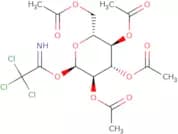
Pureza:Min. 95%2,3,4,6-Tetra-O-acetyl-a-D-glucopyranosyl trichloroacetimidate
CAS:2,3,4,6-Tetra-O-acetyl-a-D-glucopyranosyl trichloroacetimidate (2TG) is a mannose targeting agent that can be used to target specific cells in the body. This compound has been shown to inhibit the growth of cancer cells and induce photodynamic therapy. 2TG is a conjugate that consists of a 6-phosphate group attached to an acetylated mannose molecule. The 6-phosphate group is an important feature for tumor targeting, as it allows for the attachment of other molecules such as monoclonal antibodies and drugs. 2TG functions by binding with high affinity to glycoproteins on the surface of cancer cells and animal tissues. These glycoproteins are found in large quantities on the surface of cancer cells and animal tissue, which makes them good targets for anti-cancer drug development.Fórmula:C16H20Cl3NO10Pureza:Min. 95%Cor e Forma:PowderPeso molecular:492.69 g/molRef: 3D-MT04863
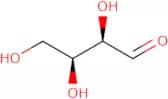
Produto descontinuadoL-Threose - aqueous solution
CAS:L-Threose is a sugar molecule that is used as a structural component of DNA and RNA. It is also an important part of the energy metabolism in cells. L-Threose can be enzymatically inactivated by glycosidases, which are enzymes that hydrolyze glycosidic bonds. The inhibition of glycosidases by L-threose may be useful for the prevention or treatment of diseases associated with enzyme activity, such as diabetes mellitus type II. L-Threose has been shown to have inhibitory properties against sephadex G-100, a membrane protein found in bacteria. L-Threose may be useful as a control agent for research into the response element of polymerase chain reaction (PCR).
Fórmula:C4H8O4Pureza:Min. 60 Area-%Cor e Forma:Clear LiquidPeso molecular:120.1 g/molN-Glycolylneuraminic acid dimer sodium salt
N-Glycolylneuraminic acid dimer sodium salt is a synthetic sugar that is a glycosylat of N-glycolylneuraminic acid. It is soluble in water and has a CAS number of 1114-12-3. The product has been modified with methyl groups and is available for custom synthesis. It can be used as an intermediate for the synthesis of oligosaccharides, or it can be modified to form complex carbohydrates. This product has been fluorinated and is high purity, making it ideal for use in Click chemistry applications.
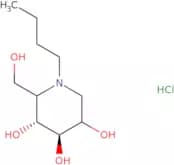
Pureza:Min. 95%N-Butyldeoxymannojirimycin HCl
CAS:N-Butyldeoxymannojirimycin HCl is a custom synthesis, complex carbohydrate that is synthesized from Oligosaccharides and Polysaccharides. This product is modified with Methylation, Glycosylation, and Carbohydrate. It has the CAS No. 155501-85-2 and it is high purity and fluorinated. The product can be used in Synthetic applications such as Click modification, sugar, or Fluorination.
Fórmula:C10H21NO4·HClPureza:Min. 95%Cor e Forma:SolidPeso molecular:255.74 g/molRef: 3D-MB04672
Produto descontinuadoFucogalactan - from Undaria pinnatifida
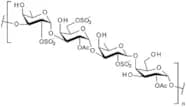
CAS:Fucogalactan (GFS) is a polysaccharide isolated and purified from the brown seaweed Undaria pinnatifida. The polysaccharide is a sulphated galactose containing fucan. Fucogalactan is currently under investigation for possible therapeutic indications including anti-inflammatory properties, immuno- modulating activities, inhibition of tumor growth, stem cell replentishment, antiviral activity, dementia and ulcer healing.Fucoidan ≥ 75 %
The image was kindly provided by Prof Mike Guiry from Cork who runs ‘The Seaweed Site’.Pureza:(%) Min. 75%Cor e Forma:Off-White PowderMethyl 2-acetamido-2-deoxy-3-O-(b-D-galactopyranosyl)-b-D-galactopyranoside
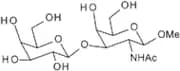
CAS:Methyl 2-acetamido-2-deoxy-3-O-(b-D-galactopyranosyl)-b-D-galactopyranoside is a carbohydrate that is modified by the addition of fluorine at the 3 position. It has CAS number 88274-25-3 and belongs to the group of oligosaccharides. Methyl 2-acetamido-2-deoxy-3-(b, b'-D, galactopyranosyl)-b, D galactopyranoside is a synthetic polymer that is glycosylated with methyl groups. This product can be custom synthesized for your needs.
Fórmula:C15H27NO11Pureza:Min. 95%Cor e Forma:PowderPeso molecular:397.38 g/molPolysorbate 20
CAS:Polysorbate 20 is a sodium salt of polyoxyethylene sorbitan monolaurate, which is a biocompatible polymer. It is used as an emulsifier in pharmaceuticals, foods, cosmetics, and other personal care products. Polysorbate 20 has been shown to be effective against the production of proprotein convertase subtilisin/kexin type 9 (PCSK9), a protein that regulates the levels of low-density lipoprotein cholesterol (LDL-C) in the blood. This drug has also been shown to enhance the production of monoclonal antibodies by human serum cells. Polysorbate 20 can be used for cell lysis and biological sample handling due to its ability to dissolve proteins, including biological samples such as tissue sections or blood smears.
Cor e Forma:Slightly Yellow Slightly Brown Clear LiquidRef: 3D-FP44979
Produto descontinuadoCandesartan N2-glucuronide
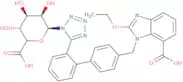
CAS:Candesartan N-glucuronide is a metabolite of candesartan. It is produced by human UDP-glucuronosyltransferase, which belongs to the subfamily of uridine diphosphate (UDP)-glucuronosyltransferases. Candesartan N-glucuronide inhibits angiotensin II receptor type 1 (AT1) and has minimal effects on angiotensin II receptor type 2 (AT2). Candesartan N-glucuronide binds to the AT1 receptor and blocks its activation by angiotensin II. This binding inhibits the uptake of sodium ions into cells and causes an increase in potassium ion secretion, leading to vasodilation. Candesartan N-glucuronide also induces the expression of cytochrome P450 3A5, which results in increased metabolism of drugs such as paclitaxel.
Fórmula:C30H28N6O9Pureza:Min. 95%Peso molecular:616.58 g/molSisomicin Sulfate
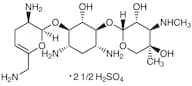
CAS:Fórmula:C19H37N5O7H2SO4Pureza:>98.0%(HPLC)Cor e Forma:White to Almost white powder to crystalPeso molecular:692.71Succinyl-(2-hydroxypropyl)-a-cyclodextrin
Alpha-cyclodextrin (α-CD) derivative with a hydrophilic exterior and lipophilic cavity (smaller than β-CDs and γ-CDs) to allocate certain guest molecules. This structural characteristic enables applications in molecular encapsulation, solubility enhancement, and stabilization across multiple industries. In pharmaceuticals, it serves as a drug delivery vehicle, enhancing the bioavailability and stability of active ingredients. The food industry utilizes it as a stabilizer for flavors, colors, and nutrients, as well as a functional ingredient for its effects on lipid metabolism. In cosmetics, it acts as a complex agent for fragrances and active components. Its applications extend to analytical chemistry for chiral separation and to materials science for developing smart materials and nanosystems.
Pureza:Min. 95%Ref: 3D-OS34956
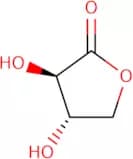
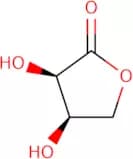
Produto descontinuadoL-Threonic acid-1,4-lactone
CAS:L-Threonic acid-1,4-lactone is a nutrient solution for mammalian tissue. It is a coenzyme that acts as an intermediate in the conversion of dehydroascorbic acid to erythronate and participates in the synthesis of 4-hydroxycinnamic acid from 4-hydroxyphenylpyruvic acid. L-Threonic acid-1,4-lactone has been shown to inhibit the replication of human immunodeficiency virus (HIV) in vitro. The physiological levels of L-Threonic acid-1,4-lactone are not yet known, but it has been shown to have inhibitory properties on HIV infection at concentrations that do not affect cellular metabolism or induce reactive oxygen species production. L-Threonic acid-1,4-lactone also has been shown to prevent hepatic steatosis and fatty liver disease by inhibiting lipid accumulation via its ability to
Fórmula:C4H6O4Pureza:Min. 95%Cor e Forma:PowderPeso molecular:118.09 g/molRef: 3D-MT08297
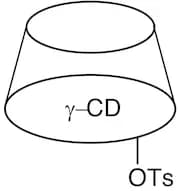
Produto descontinuadoMono-2-O-(p-toluenesulfonyl)-γ-cyclodextrin
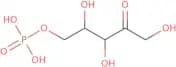
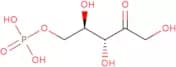
CAS:Fórmula:C55H86O42SPureza:>95.0%(HPLC)Cor e Forma:White to Almost white powder to crystalPeso molecular:1,451.31D-Ribulose 5-phosphate sodium
CAS:Ribulose 5-phosphate sodium is a chemical that can be used to inhibit the enzyme ribulose phosphate reductase. Ribulose 5-phosphate sodium has been shown to inhibit glycolaldehyde production in the chloroplasts of plants, effectively reducing the amount of carbon dioxide produced. This chemical has also been shown to have an inhibitory effect on other enzymes involved in carbon fixation and assimilation. The effectiveness of this chemical is dependent on the specific plant species and environmental conditions.
Fórmula:C5H11O8P•NaxPureza:Min. 95%Cor e Forma:PowderPeso molecular:230.11 g/molRef: 3D-AAA09387
Produto descontinuadoSilodosin O-beta-D-glucuronide
CAS:Silodosin O-beta-D-glucuronide is a metabolite of silodosin, a drug used to treat benign prostatic hyperplasia. It is the glucuronide conjugate of silodosin and its presence in plasma can be quantified by high performance liquid chromatography (HPLC). The solvents used in HPLC are acetonitrile and ammonium formate. The chromatographic separation is achieved with a mobile phase consisting of an organic solvent (acetonitrile) and an ion pairing agent (ammonium formate) that interacts with the analyte and forms an ion pair. The sensitivity of HPLC for this analyte can be improved by using deuterated solvents.
Fórmula:C31H40F3N3O10Pureza:Min. 95 Area-%Cor e Forma:PowderPeso molecular:671.7 g/molRef: 3D-MS180506
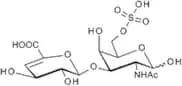
Produto descontinuadoChondroitin disaccharide 6S sodium salt
CAS:Chondroitin disaccharide 6S sodium salt is a synthetic, fluorinated, oligosaccharide that has been custom synthesized and glycosylated. It is a sugar-based compound with a high purity and excellent solubility in water. It was synthesized by click modification of the sugar monomer with an amine group at the reducing end. The chondroitin disaccharide 6S sodium salt was further modified with methylation to yield a product with a higher purity.
Fórmula:C14H21NO15S·2NaPureza:Min. 90 Area-%Cor e Forma:PowderPeso molecular:521.36 g/molRef: 3D-OC01702
Produto descontinuadoD-Ribulose 5-phosphate sodium salt
CAS:Reference compound for metabolites of the pentosephosphate pathway
Fórmula:C5H11O8P·xNaPureza:Min. 96 Area-%Cor e Forma:White Yellow PowderPeso molecular:230.11 g/molRef: 3D-MR45852
Produto descontinuadoFructodecasaccharide
Fructodecasaccharide is a methylated, custom-synthesized oligosaccharide that is a polysaccharide with the molecular formula C10H17O11. Fructodecasaccharide is a complex carbohydrate that consists of a monosaccharide and two disaccharides. It has been modified to include fluorine atoms in the glycosidic linkages between the sugar residues. This modification can alter the physical properties of fructodecasaccharide, such as increasing its solubility and stabilizing its structure. Fructodecasaccharide is used in many industries as a high-purity, synthetic product for use in medical applications, including pharmaceuticals and cosmetics.
Fórmula:C60H102O51Pureza:Min. 95%Cor e Forma:PowderPeso molecular:1,639.42 g/molRef: 3D-OF59778
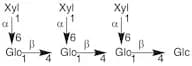
Produto descontinuadoHeptasaccharide Glc4Xyl3
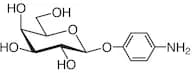
CAS:Fórmula:C39H66O33Pureza:>80.0%(HPLC)Cor e Forma:White to Almost white powder to crystalPeso molecular:1,062.924-Aminophenyl β-D-Galactopyranoside
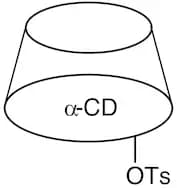
CAS:Fórmula:C12H17NO6Pureza:>98.0%(HPLC)Cor e Forma:White to Almost white powder to crystalPeso molecular:271.27Mono-2-O-(p-toluenesulfonyl)-α-cyclodextrin
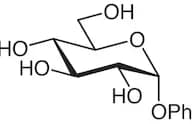
CAS:Fórmula:C43H66O32SPureza:>98.0%(HPLC)Cor e Forma:White to Almost white powder to crystalPeso molecular:1,127.03Phenyl α-D-Glucopyranoside
CAS:Fórmula:C12H16O6Pureza:>97.0%(GC)Cor e Forma:White to Light yellow powder to crystalPeso molecular:256.25D-Erythrono-1,4-lactone
CAS:Chiral synthon; used to synthesise analgoues of natural products
Fórmula:C4H6O4Pureza:Min. 98 Area-%Cor e Forma:White PowderPeso molecular:118.09 g/molLM Pectin
CAS:Pectins are regarded as linear chains of α-1,4-linked D-galacturonic acid, a homogalacturonan (pectic acid). In the products of commerce, the degree of methylation has a vital influence on the properties of pectin, especially the solubility and gel forming characteristics.
Cor e Forma:PowderRef: 3D-YL158537
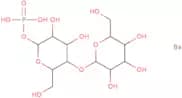
Produto descontinuadoα-D-Lactose 1-phosphate barium salt
CAS:a-D-Lactose 1-phosphate barium salt is a modification of a D-lactose monosaccharide. It is a complex carbohydrate that has been synthesized using the polyol method. The CAS number for this product is 103404-65-5. This product is available in high purity and the molecular weight of this compound is 576. a-D-Lactose 1-phosphate barium salt can be used as an ingredient in pharmaceuticals, food products, and cosmetics. It has been shown to have anticariogenic activities and may be used as a substitute for sucrose in food products.
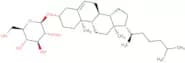
Fórmula:C12H21O14P·BaPureza:Min. 95%Cor e Forma:PowderPeso molecular:557.59 g/molCholesterol b-D-glucoside
CAS:Cholesterol b-D-glucoside is a modified cholesterol that has been fluorinated and methylated. It is a complex carbohydrate that can be used in the synthesis of oligosaccharides and monosaccharides. Cholesterol b-D-glucoside is soluble in water, alcohols, and ethers and is insoluble in chloroform. The CAS number for Cholesterol b-D-glucoside 7073-61-2. This product is available for custom synthesis, which means it can be made to order with the specifications you need.
Pureza:Min. 95%Ref: 3D-MC167931
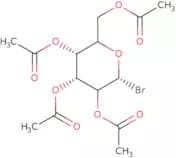
Produto descontinuadoAcetobromo-D-glucose
CAS:Intermediate for β-glucosides; potential PET surface modification reagent
Fórmula:C14H19BrO9Pureza:Min. 95%Cor e Forma:White Off-White PowderPeso molecular:411.2 g/molRef: 3D-MT03359
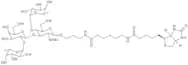
Produto descontinuado3'-Sialyl Lewis X-sp-biotin
3'-Sialyl Lewis X-sp-biotin is a Custom synthesis, Modification, Fluorination, Methylation, Monosaccharide, Synthetic, Click modification, Oligosaccharide, saccharide that can be modified to have a variety of different functions. It can be used as a building block for the synthesis of complex carbohydrates and glycoconjugates. 3'-sialyl Lewis X-sp-biotin is also used in the production of oligosaccharides and glycoproteins.
Fórmula:C50H84N6O26SPureza:Min. 95%Cor e Forma:White PowderPeso molecular:1,217.29 g/mol6-Deoxy-6-iodo-a-cyclodextrin
CAS:6-Deoxy-6-iodo-a-cyclodextrin is a cavity-forming agent that is used in the treatment of dental cavities. It has been shown to be effective against Streptococcus mutans and is less toxic than other cavity treatments. 6-Deoxy-6-iodo-a-cyclodextrin also has phosphorescence and can be used as a fluorescent tracer. This molecule has been shown to form complexes with 3-bromoquinoline, which are good substrates for cyclodextrin synthesis. In addition, it reacts with 6-bromo2 naphthol to form a complex that includes an electron donor and an electron acceptor. The complex absorbs light at wavelengths of 400 nm or more and emits light at wavelengths of 500 nm or less, making it useful for luminescent imaging systems.
Fórmula:C36H54I6O24Pureza:Min. 95%Peso molecular:1,632.23 g/molRef: 3D-OD44653
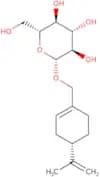
Produto descontinuadoS-(-)-Perillyl alcohol glucoside
CAS:S-(-)-Perillyl alcohol glucoside is a glycoconjugate that has been shown to inhibit β-glucosidase and pancreatic lipase. It is used in the treatment of cancers, such as colorectal cancer, by inhibiting glucose uptake into cells. S-(-)-Perillyl alcohol glucoside may also have anticancer effects by inhibiting glucose transporters and caspases.
Fórmula:C16H26O6Pureza:Min. 95%Cor e Forma:PowderPeso molecular:314.37 g/molRef: 3D-MP182736
Produto descontinuadoLewis B tetrasaccharide-sp-biotin
CAS:Lewis B tetrasaccharide-sp-biotin is a high purity, custom synthesis of saccharides. The saccharide is modified with a Click modification and fluorination. Glycosylation, methylation, and other modifications are also present in this product. Lewis B tetrasaccharide-sp-biotin is used in research for the glycosylation of proteins and to study carbohydrate binding proteins.
Fórmula:C45H77N5O22SPureza:Min. 95%Cor e Forma:White PowderPeso molecular:1,072.18 g/molDigalactosyl diglyceride
CAS:Digalactosyl diglyceride is a lipid that is found in the wax of plants. It has been shown to have anti-inflammatory properties and can be used as a nonsteroidal anti-inflammatory drug. Digalactosyl diglyceride binds to nuclear DNA and inhibits fatty acid synthesis, which leads to membrane destabilization.
Fórmula:C18H34O13Pureza:Min. 95%Cor e Forma:SolidPeso molecular:458.45 g/molN,N-[Iminobis(trimethylene)]bis-D-gluconamide
CAS:Produto ControladoApplications N,N-[Iminobis(trimethylene)]bis-D-gluconamide (cas# 86303-20-0) is a compound useful in organic synthesis.
Fórmula:C18H37N3O12Cor e Forma:NeatPeso molecular:487.504'-(Azidomethyl)-[1,1'-biphenyl]-2-carboxamide
CAS:Produto ControladoFórmula:C14H12N4OCor e Forma:NeatPeso molecular:252.28α,β-D-Glucose pentaacetate
CAS:Glucose pentaacetate is a form of glucose that reacts with boron trifluoride etherate to produce anomers. This process can be used to synthesize the anomeric form of glucose, which is important for the biosynthesis of glycosides. Glucose pentaacetate has been shown to react with nitrate and trifluoride, forming conjugates with aluminum and chloride. The catalytic stereocontrol of this reaction allows for the production of disaccharides without hydrogen chloride or formylation.
Fórmula:C16H22O11Peso molecular:390.35 g/molRef: 3D-G-2990
Produto descontinuado4-O-(α-L-Fucopyranosyl)-D-galactopyranose
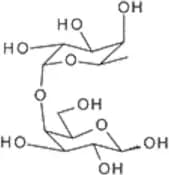
CAS:4-O-(a-L-Fucopyranosyl)-D-galactopyranose is a glycosidic sugar that has an alpha-1,3 linkage and a galactose residue. The sequence of this sugar is the same as that of D-galactose. 4-O-(a-L-Fucopyranosyl)-D-galactopyranose belongs to the group of carbohydrates. It is found in plants, animals, or fungi and can be used as a precursor for the synthesis of many other compounds.
Fórmula:C12H22O10Pureza:Min. 95%Cor e Forma:PowderPeso molecular:326.3 g/mol1,3-o-Dibenzyl-N-acetyl-β-D-glucosamine 4,6-diacetate
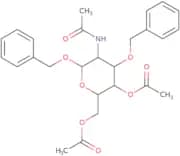
CAS:Please enquire for more information about 1,3-o-Dibenzyl-N-acetyl-β-D-glucosamine 4,6-diacetate including the price, delivery time and more detailed product information at the technical inquiry form on this page
Fórmula:C26H31NO8Pureza:Min. 95%Peso molecular:485.5 g/molRef: 3D-QCA49323
Produto descontinuadoMannioside A
CAS:Mannioside A is a postulated antigen that may be found in the Dracaena genus of plants. This compound has been shown to have an affinity for membranes, which could possibly be used as a strategy for vaccines and other pharmaceutical products. Mannioside A also has hemolytic activity, which may be useful in developing new treatments for autoimmune disorders such as multiple sclerosis.
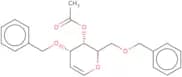
Pureza:Min. 95%4-O-Acetyl-3,6-di-O-benzyl-D-glucal
CAS:4-O-Acetyl-3,6-di-O-benzyl-D-glucal is a custom synthesized compound with high purity. This product is a complex carbohydrate that can be used as a monosaccharide or sugar. It has been modified with fluorination and methylation to produce a compound that is resistant to degradation by enzymes and oxidation. The CAS number for this product is 165524-87-8.
Fórmula:C22H24O5Pureza:Min. 95%Peso molecular:368.43 g/mol












![N,N-[Iminobis(trimethylene)]bis-D-gluconamide](/_next/image/?url=https%3A%2Fstatic.cymitquimica.com%2Fproducts%2FTR%2Fthumb-webp%2FI400500.webp&w=3840&q=75)

![4'-(Azidomethyl)-[1,1'-biphenyl]-2-carboxamide](/_next/image/?url=https%3A%2Fstatic.cymitquimica.com%2Fproducts%2FTR%2Fthumb-webp%2FA815580.webp&w=3840&q=75)