Glicociência
Subcategorias de "Glicociência"
- Amino açúcares(108 produtos)
- Anticorpos Glico-Relacionados(282 produtos)
- Glicolípidos(46 produtos)
- Glicosaminoglicanos (GAGs)(55 produtos)
- Glicosídeos(419 produtos)
- Monossacáridos(6.616 produtos)
- Oligossacarídeos(3.718 produtos)
- Polissacáridos(502 produtos)
Foram encontrados 11010 produtos de "Glicociência"
alpha-D-Galactose 1-phosphate, dipotassium salt pentahydrate
CAS:Alpha-D-galactose 1-phosphate, dipotassium salt pentahydrate is a carbon source that can be used in biochemical and chemical ionization methods. It has been shown to inhibit the growth of lung fibroblasts. This compound is an inhibitor of glycolysis and inhibits the biosynthesis of galactose residues. Alpha-D-galactose 1-phosphate, dipotassium salt pentahydrate also inhibits the formation of glycogen and glucose from galactose residues as well as inhibiting the activity of enzymes involved in galactose metabolism. The inhibition of these enzymes leads to decreased galactose levels in diabetic patients.Fórmula:C6H21K2O14PPeso molecular:426.40 g/mol2-Acetamido-2-deoxy-4-O-(β-D-mannopyranosyl)-D-glucopyranose
CAS:2-Acetamido-2-deoxy-4-O-(b-D-mannopyranosyl)-D-glucopyranose (MDP) is a complex carbohydrate that has been modified by methylation, glycosylation, and carbocation. MDP is a saccharide that can be used in the synthesis of polysaccharides or as an intermediate for other chemical syntheses. It is also possible to modify MDP with fluorination, which may be useful in the synthesis of new types of pharmaceuticals.Fórmula:C14H25NO11Pureza:Min. 95 Area-%Cor e Forma:PowderPeso molecular:383.35 g/mola-D-Mannose-1-phosphate ammonium salt
CAS:a-D-Mannose-1-phosphate ammonium salt is a modification of an oligosaccharide, a carbohydrate that is complex in structure. It is a custom synthesis and has high purity. This product is also synthetic and monosaccharide, methylation, glycosylation, and fluorination have been performed on it. The CAS No. for this compound is 1388225-12-4.Fórmula:C6H19O9PN2Pureza:Min. 95%Cor e Forma:PowderPeso molecular:294.2 g/mol1-Chloro-2-deoxy-3,5-di-O-(p-chlorobenzoyl)-L-ribofuranose
1-Chloro-2-deoxy-3,5-di-O-(p-chlorobenzoyl)-L-ribofuranose is a fluorinated sugar that is synthesized by the glycosylation of 1,2:3,4:6-dianhydrohexitol (1) with chloroacetone followed by selective protection of the anomeric position. The compound can be used to study the effects of fluorination on carbohydrate chemistry and biology. 1,2:3,4:6-Dianhydrohexitol (1) was first prepared by methylation of 5-(p-chlorobenzoyl)-L-ribofuranose (2). The 2'-position was then protected as a trityl ether in order to prevent further glycosylation. The final product was obtained after removal of the protecting group from the anomeric position.Pureza:Min. 95%D-Glucose 6-phosphate, barium salt
CAS:D-Glucose 6-phosphate is a high purity, custom synthesis sugar. It is a synthetic glycoside that is used in the production of fluorinated saccharides and oligosaccharides. D-Glucose 6-phosphate can be modified with methyl groups, fluorine atoms, and/or glycosylation. This compound has been shown to have properties as an antiviral agent against herpes simplex virus type 1 (HSV1) and cytomegalovirus (CMV).Fórmula:C6H11BaO9PPeso molecular:395.46 g/molRef: 3D-G-3300
25gA consultar50gA consultar100gA consultar250gA consultar500gA consultar-Unit-ggA consultarIxoroside
CAS:Ixoroside is a coumarin derivative that has been shown to inhibit the activity of an enzyme called epidermal growth factor receptor. The chemical diversity of this compound has made it difficult to study its biological properties and mechanisms. Ixoroside has been studied in vitro for its effects on eye disorders and for its potential to be used as a monoclonal antibody. It has also been shown to have toxicological studies with no significant adverse effects observed. Ixoroside is found in the genus Nepeta, where it is mainly found in Nepeta cataria and Fructus ixorii species plants, which are used in traditional Chinese medicine. It can also be found in other plants such as Eucalyptus globulus, which is commonly used in cough suppressants.Fórmula:C16H24O9Pureza:Min. 95%Peso molecular:360.36 g/molGangliotetraose
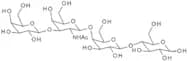
CAS:Gangliotetraose (Galβ1,3GalNAcβ1,4Galβ1,4Glc) is the core tetrasaccharide found in many gangliosides, such as, GM1 (Ledeen, 2009). Gangliosides containing gangliotetraose are abundant in mammalian brains, where they can cover 10%â20% of the total ganglioside mixture. They are found in epithelial membranes and are key elements for bacterial toxicity and viral infection, for example, it is the intestinal receptor for cholera toxin, the B-subunits of heat-labile toxin, rotavirus, and simian virus 40. They can function as neurotrophic and neuroprotective compounds, and have been used therapeutically for diabetic and peripheral neuropathies. They bind amyloid-β proteins and are involved in Alzheimerâs pathogenesis (Chiricozzi, 2020).
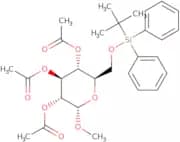
Fórmula:C26H45NO21Pureza:Min. 95%Cor e Forma:PowderPeso molecular:707.64 g/molMethyl 2,3,4-tri-O-acetyl-6-O-tert-butyldiphenylsilyl-a-D-glucopyranoside
CAS:Methyl 2,3,4-tri-O-acetyl-6-O-tert-butyldiphenylsilyl-a-D-glucopyranoside is a custom synthesis of a carbohydrate with the CAS No. 790685-09-5. It can be modified to have fluorination, methylation, and monosaccharide or oligosaccharide modifications. The chemical structure of this compound is an acetylated glycosylated glucopyranoside that has been modified for use in research.Fórmula:C29H38O9SiPureza:Min. 95%Peso molecular:558.71 g/molGalactinol hydrate
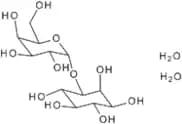
CAS:Galactinol is a diterpene that belongs to the group of phytochemicals. It is synthesized in plants and bacteria from raffinose, an oligosaccharide that is present in high concentrations in beans. Galactinol has been shown to be involved in plant physiology, with its optimum concentration at a pH of 5-7. Galactinol reacts with ascorbic acid to form galactono-1,4-lactone in a reaction mechanism similar to the one for the synthesis of raffinose. It also regulates transcriptional activity by binding to DNA and altering its conformation. This compound has been used as an experimental model for biochemical studies on polymerase chain reactions (PCR).Fórmula:C12H22O11•H2OxPureza:Min. 98 Area-%Cor e Forma:PowderPeso molecular:342.3 g/molMethyl 5-O-Benzoyl-4-C-hydroxymethyl-2,3-O-isopropylidene-b-D-ribofuranoside
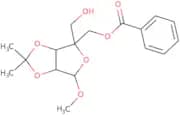
CAS:Methyl 5-O-benzoyl-4-C-hydroxymethyl-2,3-O-isopropylidene-β-D-ribofuranoside is a monosaccharide. The methyl group is attached to the 5th carbon atom on the furan ring. This modification can be used in glycosylation reactions to produce complex carbohydrates, such as oligosaccharides and polysaccharides. Methyl 5-O-benzoyl4C hydroxymethyl2,3O isopropylideneb D ribofuranoside has a molecular formula of C6H8O6 and a molecular weight of 180.1 daltons. It is soluble in water and alcohols.Pureza:Min. 95%D-Glucosamine HCl - sea shell origin
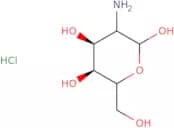
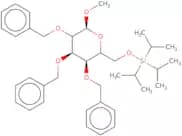
CAS:D-Glucosamine (GlcN) is an aldohexose (2-Amino-2-deoxyglucose) in which the hydroxyl group at position 2 is replaced by an amino group (Collins, 2006). D-Glucosamine is found in chitosan as the N-Acetylated derivative in chitin (Rudrapatnam, 2003), glycoproteins, glycolipids and the glycosaminoglycan hyaluronic acid (Fallacara, 2018). Glucosamine, as its sulfate salt, often in combination with the polydisaccharide chondroitin, is marketed over-the-counter as a treatment for osteoarthritis inflammation and its accompanying pain. Only the D-enantiomer of glucosamine exists in nature.Fórmula:C6H13NO5·HClPureza:(Titration) Min. 98%Cor e Forma:White PowderPeso molecular:215.63 g/molMethyl 2,3,4-tri-O-benzyl-6-O-triisopropylsilyl-a-D-mannopyranoside
CAS:Methyl 2,3,4-tri-O-benzyl-6-O-triisopropylsilyl-a-D-mannopyranoside is a glycosylation agent that can be used in the synthesis of oligosaccharides and polysaccharides. The compound is fluorinated at the C2 position and methylated at the C3 position. The final product is a white solid with a purity level of >99%. The molecular formula is CHO and the molecular weight is 522.9 g/mol. Methyl 2,3,4-tri-O-benzyl-6-O-(1,1'-biphenyl)-aD manno pyranoside can be synthesized through click chemistry by reacting an alkyne (1) with trimethylsilylacetylene (2). This reaction yields an α,β unsaturated carbonyl (3), which undergoes pallFórmula:C37H52O6SiPureza:Min. 95%Peso molecular:620.91 g/molMonosialyl, monofucosyl-(1-2)-lacto-N-hexaose
Monosialyl, monofucosyl-(1-2)-lacto-N-hexaose is a synthetic, fluorinated monosaccharide that is used to modify complex carbohydrates. It can be used for the synthesis of oligosaccharides and polysaccharides with a variety of sugar modifications. Monosialyl, monofucosyl-(1-2)-lacto-N-hexaose has the CAS Registry Number 111832-43-9.
Pureza:Min. 95%3-Deoxy-1,2-O-isopropylidene-5-p-toluoyl-a-D-glycero-pent-3-enofuranose
CAS:3-Deoxy-1,2-O-isopropylidene-5-p-toluoyl-a-D-glycero-pent-3-enofuranose is a modified sugar that is synthesized by click chemistry. The chemical modification of this sugar consists of fluorination and glycosylation. This compound has been used in the synthesis of complex carbohydrates. 3 Deoxy 1,2 O isopropylidene 5 p toluoyl a D glycero pent 3 enofuranose has CAS No. 75096 63 8. This product can be used as a replacement for fluorescein in many applications because it fluoresces under UV light.Pureza:Min. 95%6-Deoxy-a-cyclodextrin
Alpha-cyclodextrin (α-CD) derivative with a hydrophilic exterior and lipophilic cavity (smaller than β-CDs and γ-CDs) to allocate certain guest molecules. This structural characteristic enables applications in molecular encapsulation, solubility enhancement, and stabilization across multiple industries. In pharmaceuticals, it serves as a drug delivery vehicle, enhancing the bioavailability and stability of active ingredients. The food industry utilizes it as a stabilizer for flavors, colors, and nutrients, as well as a functional ingredient for its effects on lipid metabolism. In cosmetics, it acts as a complex agent for fragrances and active components. Its applications extend to analytical chemistry for chiral separation and to materials science for developing smart materials and nanosystems.Fórmula:C36H60O24Pureza:Min. 95%Peso molecular:876.85 g/molD-Altro-Amide
D-Altro-Amide is a custom synthesis that has been modified by fluorination, methylation, and monosaccharide. The synthesis of D-Altro-Amide is done through modification, click modification, and oligosaccharides. It's CAS number is 69092-57-5. D-Altro-Amide is a polysaccharide made from glycosylation and sugar. Carbohydrates are complex carbohydrates with many saccharides connected together in an ordered manner.
Pureza:Min. 95%1,2,3,4-Tetra-O-benzoyl-6-O-triisopropylsilyl-a-D-mannopyranose
The 1,2,3,4-Tetra-O-benzoyl-6-O-triisopropylsilyl-a-D-mannopyranose is a high purity custom synthesis sugar. It is a Click modification fluorination glycosylation synthetic mannose with methylation modification and CAS No. Mannosaccharide is an oligosaccharide that consists of three monosaccharides linked by alpha (1->4) bonds. Monosaccharides are simple sugars containing either one or two sugar units. Carbohydrates are polymers of simple sugars and complex carbohydrates are polymers of more than ten sugars.Fórmula:C43H48O10SiPureza:Min. 95%Peso molecular:752.92 g/mol3,5-Dideoxy-3,5-imino-1,2-O-isopropylidene-N-(4-methoxyphenyl)methyl-6-O-tert.butyldimethylsilyl-a-D-glucofuranose
3,5-Dideoxy-3,5-imino-1,2-O-isopropylidene-N-(4-methoxyphenyl)methyl-6-O-tert.butyldimethylsilyl-a-D-glucofuranose is a methylation product of 3,5 dihydroxy -3,5 imino -1,2 O isopropylidene -N (4 methoxyphenyl) methyl -6 O tert. butyldimethylsilyl A D glucofuranose which is an oligosaccharide. It has been synthesized for the purpose of Click modification and modified with a fluorine atom on the carbonyl group. This product has high purity and is custom synthesized according to customer specifications.Pureza:Min. 95%4,6-O-(4-Methoxybenzylidene)-1,2,3-tri-O-pivaloyl-a-D-mannopyranose
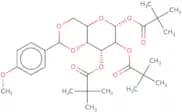
4,6-O-(4-Methoxybenzylidene)-1,2,3-tri-O-pivaloyl-a-D-mannopyranose is a sugar with the following characteristics: Glycosylation, complex carbohydrate, Methylation, Click modification, Polysaccharide, Fluorination and saccharide. The CAS No. of this compound is 44915-12-2. This compound can be synthesized to custom specifications or ordered as a stock chemical.Fórmula:C29H42O10Pureza:Min. 95%Peso molecular:550.65 g/mol1,2,3,4-Tetra-O-acetyl-6-O-triphenylmethyl-b-D-glucopyranose
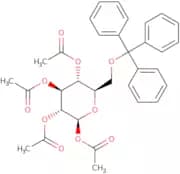
CAS:1,2,3,4-Tetra-O-acetyl-6-O-triphenylmethyl-b-D-glucopyranose (TATPG) is a carbohydrate that belongs to the family of saccharides. It is a synthetic sugar with a modified glycosidic linkage between the hexoses 1 and 2. The preparation of TATPG is through the modification of sugar with fluorination and glycosylation. TATPG has been used in Click chemistry to attach polymers and proteins to oligosaccharides or monosaccharides. This modification can be achieved through methylation or substitution reactions with other chemical groups such as acetate, phosphates, and thiols. This molecule has also been used in the synthesis of complex carbohydrates by modifying the glucose unit with glucose oxidase, which leads to the formation of D-arabinitol 1,5-.Fórmula:C33H34O10Pureza:Min. 95%Cor e Forma:PowderPeso molecular:590.62 g/mol6-O-(2-Acetamido-2-deoxy-β-D-glucopyranosyl)-D-galactopyranose
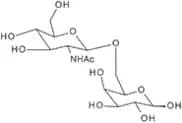
CAS:6-O-(2-Acetamido-2-deoxy-b-D-glucopyranosyl)-D-galactopyranose is a disaccharide that has been shown to have anti-inflammatory activities. It contains an acetamide group and a hydroxy group. The acetamide group is substituted by a hydroxy group, which may be responsible for its anti-inflammatory activity. 6-O-(2-Acetamido-2-deoxy-b-D-glucopyranosyl)-D-galactopyranose has also been shown to inhibit the production of proinflammatory cytokines such as tumor necrosis factor alpha (TNFα) and interleukin beta (ILβ).Fórmula:C14H25NO11Pureza:Min. 95%Cor e Forma:White PowderPeso molecular:383.36 g/mol1,3-α-1,6-α-D-Mannotetraose
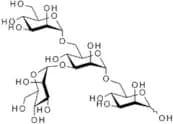
CAS:Intermediate for synthesis of N-acetyllactosaminic glycansFórmula:C24H42O21Pureza:Min. 95 Area-%Cor e Forma:White Off-White PowderPeso molecular:666.58 g/molGalactooligosaccharides
Galactooligosaccharides (GOS) have a sweetness of 30–60 % relative to sucrose. They have applications in a wide range of food products such as sweeteners, bulking agents, and sugar substitutes and are found in a range of product types including bread, ‘sports’ drinks, jams, fermented milk, confectionary and desserts. In Europe they are incorporated into infant formula foods.Cor e Forma:Powder2- C- (Hydroxymethyl) - 2, 3:5, 6- di- O- isopropylidene-D- mannose
2-C- (Hydroxymethyl) -2, 3:5, 6-di-O-isopropylidene-D-mannose is an Oligosaccharide. It is a water soluble polysaccharide that is found in the cell walls of certain bacteria. The synthesis of this compound can be achieved through Click modification and fluorination. This product has a CAS number and can be custom synthesized to meet your needs.Pureza:Min. 95%Methyl 6-O-(a-D-mannopyranosyl)-b-D-mannopyranoside
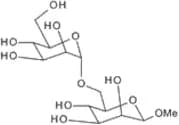
CAS:Methyl 6-O-(a-D-mannopyranosyl)-b-D-mannopyranoside is a carbohydrate that has been modified with fluorination. It is synthesized by the methylation of glucose and mannose residues, followed by glycosylation. Methyl 6-O-(a-D-mannopyranosyl)-b-D-mannopyranoside is a custom synthesis and can be ordered in high purity.Fórmula:C13H24O11Pureza:Min. 95%Cor e Forma:White To Off-White SolidPeso molecular:356.32 g/molPhenyl 3-O-benzyl-b-D-thioglucopyranoside
CAS:Phenyl 3-O-benzyl-b-D-thioglucopyranoside is a synthetic, fluorinated monosaccharide that has been used as a glycosylation and polysaccharide for various applications. It can be used as a reagent in Click chemistry due to its ability to undergo facile and selective methylation. Phenyl 3-O-benzyl-b-D-thioglucopyranoside is also used in the synthesis of complex carbohydrates and sugar modification.Pureza:Min. 95%Glycyl-lacto-N-fucopentaose VI
Glycyl-lacto-N-fucopentaose VI is a polysaccharide that is synthesized by the enzymatic activity of glycosylase, methylase, and fluorinase. It can be modified with click chemistry to introduce a fluorine atom at the C4 position of the glucose molecule. This modification can be used for the synthesis of oligosaccharides. Glycyl-lacto-N-fucopentaose VI has CAS number 108897-96-5 and is available in high purity and custom synthesis.Fórmula:C34H59N3O25Pureza:Min. 95%Peso molecular:909.84 g/molFuc-a-1-2-Gal-b-1-3-GalNAc-b-1-4-Gal-b-1-4-Glc-b-ethylazide
Fuc-a-1-2-Gal-b-1-3-GalNAc-b-1-4-Gal-b is a methylated oligosaccharide that binds to the C3 position of NANA (N acetylneuraminic acid) residues. It has been shown to be an effective inhibitor of tumor growth and angiogenesis, which may be due to its ability to inhibit the synthesis of glycoproteins and glycolipids in tumors. Fucogalactose can also be modified with different fluorinated groups, such as 4F or 18F, for use in positron emission tomography imaging. This product is available for custom synthesis and modification.Pureza:Min. 95%Furcellaran
CAS:Furcellaran (Danish agar) is similar to κ-carrageenan but is less sulphated (50%). It has been extracted from Furcellaria lumbricalis, which is mainly harvested off the coast of Denmark. This species, which is common to most parts of Europe, occurs as a loose form and only reproduces vegetatively. The image was kindly provided by Prof Mike Guiry from Cork who runs ‘The Seaweed Site’.Cor e Forma:PowderPhenyl 2,3,4,6-tetra-O-acetyl-b-D-thiogalactopyranoside
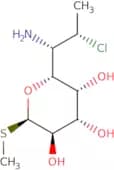
CAS:Phenyl 2,3,4,6-tetra-O-acetyl-b-D-thiogalactopyranoside is a sugar that belongs to the class of glycosides. It is a white crystalline powder and has a molecular weight of 459.8. The chemical formula for this compound is C 12 H 18 O 9 . Phenyl 2,3,4,6-tetra-O-acetyl-b-D-thiogalactopyranoside is used in the synthesis of oligosaccharides and polysaccharides. It can be used to modify the structure of saccharides and sugar molecules by methylation or fluorination. This product also has CAS No. 24404-53-3 and can be custom synthesized according to your specifications.Fórmula:C20H24O9SPureza:Min. 95%Cor e Forma:PowderPeso molecular:440.47 g/molMethyl 7-chloro-7-deoxy-1-thiolincosaminide
CAS:Methyl 7-chloro-7-deoxy-1-thiolincosaminide is a modification of the monosaccharide D-glucose. It has a CAS number of 22965-79-3 and is a white powder. Methyl 7-chloro-7-deoxy-1-thiolincosaminide can be used in the production of various carbohydrates, such as oligosaccharides and polysaccharides. This compound is also useful for the synthesis of sugar related products, including saccharides, glycosylation, and fluorination. Methyl 7-chloro-7-deoxy 1 -thiolincosaminide has been shown to be highly pure and synthetic, making it suitable for use in research or industrial settings.Fórmula:C9H18ClNO4SPureza:Min. 95%Cor e Forma:PowderPeso molecular:271.76 g/molGT1b-Ganglioside ammonium
CAS:GT1b ganglioside (ammonium salt) has a core tetrasaccharide structure (Galβ1,3GalNAcβ1,4Galβ1,4Glc) with two sialic acids (NeuAc) linked α2,3/α2,8 to the inner galactose residue, sialic acid (NeuAc) linked α2,3 to the terminal galactose residue, and ceramide linked β to position 1 on the reducing terminal glucose residue (Ledeen, 2009). GT1b ganglioside is one of the major gangliosides in neuronal and glial membranes. It interacts with myelin-associated glycoprotein (MAG) and is essential for long-term axon-myelin stability. GT1b ganglioside also acts as a receptor for bacterial toxins, such as, tetanus and botulinum toxins (Nishiki, 1996), as well as for viruses. A few examples of which include: Merkel cell polyomavirus, JC virus, BK virus, norovirus, and others (Low, 2006).Fórmula:C95H165N5O48·xNH4Pureza:Min. 95%Cor e Forma:PowderPeso molecular:2,145.33 g/mol2-O-Acetamido-1,6-di-O-acetyl-2-deoxy-4-O-(2-acetamido-3,4,6-tri-O-acetyl-2-deoxy-D-glucopyranosyl)muramic acid
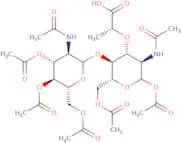
CAS:2-O-Acetamido-1,6-di-O-acetyl-2-deoxy-4-O-(2-acetamido-3,4,6-tri-O-acetyl)muramic acid is a synthetic oligosaccharide. This compound is used in research for the synthesis of glycosylides and glycosidase inhibitors. It can be modified to include fluorine atoms and click chemistry modifications. 2OAAmDDA is soluble in DMSO and acetone. It has a CAS number of 4891465.Fórmula:C29H42N2O18Pureza:Min. 90 Area-%Cor e Forma:PowderPeso molecular:706.65 g/mol2,3,4-Tri-O-benzyl-D-glucuronide methyl ester
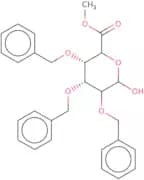
2,3,4-Tri-O-benzyl-D-glucuronide methyl ester is an organic compound that is structurally classified as a saccharide. It can be used as an intermediate in the synthesis of oligosaccharides and glycosylated proteins. This product has been modified with Click chemistry, which is a method for modifying chemical structures with a simple reaction between two groups. The modification is stable in acidic conditions and can be removed by treatment with base. 2,3,4-Tri-O-benzyl-D-glucuronide methyl ester also contains fluorine atoms that have been introduced during the synthetic process.Fórmula:C28H30O7Pureza:Min. 95%Cor e Forma:White PowderPeso molecular:478.53 g/mol1,2,3,4-Tetra-O-acetyl-6-O-(tert-butyldimethylsilyl)-b-D-glucopyranose
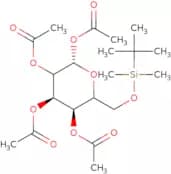
CAS:1,2,3,4-Tetra-O-acetyl-6-O-(tert-butyldimethylsilyl)-b-D-glucopyranose is a custom synthesis of an Oligosaccharide. It is a complex carbohydrate that has been modified with Methylation and Glycosylation. Carbohydrate Click chemistry has been used to modify the sugar molecule with Fluorination. This product is manufactured in high purity and can be used for pharmaceutical purposes.Fórmula:C20H34O10SiPureza:Min. 95%Peso molecular:462.57 g/molN-Acetyl-D-[1,2,3-¹³C3]neuraminic acid
CAS:N-Acetyl-D-[1,2,3-¹³C3]neuraminic acid is a modification of the natural sugar N-acetylneuraminic acid. It can be synthesized by reacting 1,2,3-¹³C3]cytidine with sodium hydroxide and acetic anhydride in methanol. It is a carbohydrate that can be found in many plants and animals. This compound has been shown to inhibit glycosylation and methylation reactions. N-Acetyl-D-[1,2,3-¹³C3]neuraminic acid is also a monosaccharide that belongs to the group of sugars. Due to its high purity and availability, this substance can be used as a substitute for sialic acid in research experiments.Fórmula:C3C8H19NO9Pureza:Min. 95%Cor e Forma:PowderPeso molecular:312.25 g/molD-Cellobial
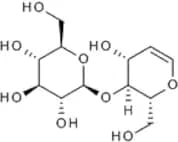
CAS:This compound has been used in the study of cellulase kineticsFórmula:C12H20O9Pureza:Min. 95%Cor e Forma:PowderPeso molecular:308.28 g/molLS-tetrasaccharide c ammonium salt
CAS:Sialylated tetrasaccharide found in human milk, possible health benefits for the neonate by supporting resistance to pathogens, gut maturation, immune function, and cognitive development.Fórmula:C37H62N2O29•NH3Pureza:Min. 95 Area-%Cor e Forma:White PowderPeso molecular:1,015.88 g/molBlood Group H type I trisaccharide
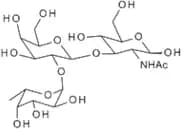
CAS:Core antigen fragment in ABO blood group systemFórmula:C20H35NO15Pureza:Min. 90%Cor e Forma:PowderPeso molecular:529.49 g/mol4-Aminophenyl a-D-mannopyranoside
CAS:4-Aminophenyl a-D-mannopyranoside is a compound that has been shown to have anti-inflammatory properties. It is also used as a starting material in the synthesis of other drugs. Rats with chronic kidney disease were given 4-aminophenyl a-D-mannopyranoside daily for three weeks, and it was found that this compound prevented the development of kidney injury markers. This drug has also been shown to be effective against mouse strains with nervous system diseases. 4-Aminophenyl a-D-mannopyranoside binds to lysine residues on proteins and prevents the interactions between these residues and the amino acid glutathione, which is required for glut1 uptake in brain cells. This uptake is essential for cellular function, and therefore 4-aminophenyl a-D-mannopyranoside may be useful as chemotherapeutic treatment for brain cancer.
Fórmula:C12H17NO6Pureza:Min. 95%Cor e Forma:Off-White PowderPeso molecular:271.27 g/mol3-Aminopropyl α-D-glucopyranoside
CAS:3-Aminopropyl α-D-glucopyranoside is a monomer that can be used to produce polymers. It has been shown to be effective in methylation, saccharide and oligosaccharide modifications. 3-Aminopropyl α-D-glucopyranoside is an alpha glucosidase inhibitor. The compound also inhibits the action of other enzymes, such as glycosidases, which are responsible for breaking down glycogen and starch. 3-Aminopropyl α-D-glucopyranoside is a white powder with a melting point of about 150°C and boiling point of about 300°C.Fórmula:C9H19NO6Pureza:Min. 95%Cor e Forma:PowderPeso molecular:237.35 g/mol4-Aminophenyl-α-D-glucopyranoside
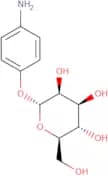
CAS:4-Aminophenyl-alpha-D-glucopyranoside is a natural product that has been found to be an antigen. The compound has been shown to have anticancer activity, which may be due to its ability to inhibit the growth of cells and induce apoptosis. 4-Aminophenyl-alpha-D-glucopyranoside also possesses magnetic properties. The chemical structure of this compound is characterized by an acrylate group, which is a small organic molecule with two carbon atoms and one oxygen atom. This compound is synthesized in a preparative manner using methoxy, ethyl bromoacetate, and mesitylene in the presence of irradiation. NMR spectroscopy can be used for the characterization of this compound as well as other compounds with similar structures that are catalytic in nature.Fórmula:C12H17NO6Pureza:Min. 98.0 Area-%Peso molecular:271.27 g/mol5-Azido-5-deoxy-1,2-O-isopropylidene-a-D-galactofuranose
5-Azido-5-deoxy-1,2-O-isopropylidene-a-D-galactofuranose is a synthetic sugar that can be modified to create oligosaccharide and polysaccharides. It has been used in click chemistry to modify proteins and other biomolecules. This product is used for fluorination of sugars, methylation of monosaccharides, and modification of saccharides with a variety of functional groups. 5-Azido-5-deoxy-1,2-O-isopropylidene-a-D galactofuranose is also used for the synthesis of complex carbohydrates. This product can be purchased in large quantities for custom synthesis orders.Pureza:Min. 95%D-Glucal
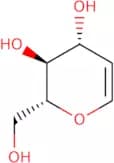
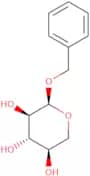
CAS:D-Glucal is a protonated d-glucal, which is a simple sugar. It reacts with the electron acceptor oxygen to form an oxidized product. This product can be reduced back to the original molecule by using a reducing agent, such as sodium borohydride or sodium dithionite. D-Glucal has been shown to inhibit the growth of tumor cells in mice that are resistant to other anticancer drugs. D-Glucal inhibits transcription and replication of DNA by binding to the DNA-dependent RNA polymerase and blocking its ability to transcribe messenger RNA (mRNA). The enzyme is also inhibited by glycosidic bond architectures that prevent it from binding to the DNA template strand. D-Glucal also has an effect on protein synthesis because it binds to proteins and prevents them from performing their normal functions. D-Glucal has been used as a model system for studying cellular processes in mammalian cells, such as oxidationFórmula:C6H10O4Pureza:Min. 98 Area-%Cor e Forma:White Off-White PowderPeso molecular:146.14 g/molBenzyl a-D-xylopyranoside
CAS:Benzyl a-D-xylopyranoside is a benzyl galactofuranose that is synthesized from the condensation of benzaldehyde and D-xylose. This compound has been shown to be an excellent target molecule for the detection of Mycobacterium tuberculosis, as it constitutes about 10% of the mycolic acid in this organism. Benzyl a-D-xylopyranoside can also be used to detect other bacteria such as Actinomyces, Streptomyces, and Corynebacterium. The yield of this compound is high and its regiospecificity is complete.
Fórmula:C12H16O5Pureza:Min. 95%Cor e Forma:PowderPeso molecular:240.25 g/mol1-O-Benzyl-2N, 3-O-carbonyl-α-L-sorbofuranosylamine
CAS:Apigenin is a flavone, which is a type of phenolic compound. It is one of the most widely distributed plant flavonoids found in nature. Apigenin has been shown to inhibit glucose uptake and intestinal transport in mice. Apigenin also has been shown to have anti-inflammatory properties, as well as the ability to suppress the growth of cancer cells in vitro. The expression of apigenin was observed after incubation with caco-2 cells and was upregulated when maltose was added to the media. Apigenin can be used as an additive for food products that are high in sugar content, such as cakes and cookies.Fórmula:C14H17NO6Pureza:Min. 95%Cor e Forma:Colourless LiquidPeso molecular:295.29 g/mol(1S) -1- [(2S, 3R,4R) -4-Hydroxymethyl-3- hydroxy- 1- azetidinyl] -1, 2- ethanediol
(1S) -1- [(2S, 3R,4R) -4-Hydroxymethyl-3- hydroxy- 1- azetidinyl] -1, 2- ethanediol is a synthetic sugar that can be used as a glycosylation or click modification agent. It is also used in the synthesis of complex carbohydrates. This product has been shown to have high purity and is available for custom synthesis.Pureza:Min. 95%9-O-Acetyl-N-acetyl-neuraminic acid
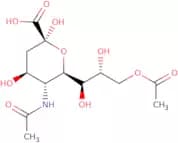
CAS:9-O-Acetyl-N-acetyl-neuraminic acid is a sialic acid produced by the human body. It can be found in human serum and has been shown to have inhibitory properties against viruses, such as hepatitis B and C viruses. 9-O-Acetyl-N-acetylneuraminic acid binds to the α1-acid glycoprotein in the blood, which can reduce its ability to bind to other molecules. This leads to a lower concentration of 9-O-acetylneuraminic acid in the blood. This molecule also has chemical biology properties that are being studied for their effects on biological processes such as histological analysis, receptor molecule binding, polymerase chain reaction (PCR), and mucin gene transcription. 9-O-Acetylneuraminic acid also has antihistamine activities that may be due to its ability to block histamine receptors or inhibit histamine release.Fórmula:C13H21NO10Pureza:Min. 75 Area-%Cor e Forma:White Off-White PowderPeso molecular:351.31 g/mol2-Acetamido-2-deoxy-D-lyxojirimycin
CAS:2-Acetamido-2-deoxy-D-lyxojirimycin is a carbohydrate that is modified by fluorination, methylation, glycosylation, and click modification. The compound is a synthetic monosaccharide that is used in the synthesis of complex carbohydrates. 2-Acetamido-2-deoxy-D-lyxojirimycin has CAS number 1207673-74-2 and can be custom synthesized to meet your requirements for purity and quality.Fórmula:C7H14N2O3Pureza:Min. 95%Peso molecular:174.2 g/mol2-Azido-2-deoxy-3,5-O-isopropylidene-D-xylono-1.4-lactone
2-Azido-2-deoxy-3,5-O-isopropylidene-D-xylono-1.4-lactone is a glycosylation agent that can be used in the synthesis of complex carbohydrates and saccharides. This compound is fluorinated at the 3 position and then modified with a click chemistry reaction to introduce an azide group. The azide group can be used for subsequent modifications such as Polysaccharide, Fluorination, or Click modification. 2-Azido-2-deoxy-3,5-O-isopropylidene -D-xylono--1.4--lactone has CAS number 79840–01–8 and is custom synthesized to high purity for research purposes only.Pureza:Min. 95%











![N-Acetyl-D-[1,2,3-¹³C3]neuraminic acid](/_next/image/?url=https%3A%2Fstatic.cymitquimica.com%2Fproducts%2F3D%2Fthumb-webp%2FMA182016.webp&w=3840&q=75)

![(1S) -1- [(2S, 3R,4R) -4-Hydroxymethyl-3- hydroxy- 1- azetidinyl] -1, 2- ethanediol](/_next/image/?url=https%3A%2Fstatic.cymitquimica.com%2Fproducts%2F3D%2Fthumb-webp%2FMH163401.webp&w=3840&q=75)