Glicociência
Subcategorias de "Glicociência"
- Amino açúcares(108 produtos)
- Anticorpos Glico-Relacionados(282 produtos)
- Glicolípidos(46 produtos)
- Glicosaminoglicanos (GAGs)(55 produtos)
- Glicosídeos(419 produtos)
- Monossacáridos(6.616 produtos)
- Oligossacarídeos(3.718 produtos)
- Polissacáridos(502 produtos)
Foram encontrados 11010 produtos de "Glicociência"
Isopropyl 2,3,4,6-tetra-O-acetyl-b-D-thiogalactopyranoside
CAS:Isopropyl 2,3,4,6-tetra-O-acetyl-b-D-thiogalactopyranoside is a carbohydrate that is a modification of the sugar galactose. It is a synthetic monosaccharide with a high purity and custom synthesis. The chemical modification includes fluorination and methylation. This compound has been shown to be effective in inhibiting bacterial growth and is used in the treatment of tuberculosis.Pureza:Min. 95%Benzyl 2-acetamido-2-deoxy-3-O-(b-D-galactopyranosyl)-a-D-glucopyranoside
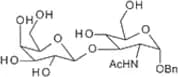
CAS:Benzyl 2-acetamido-2-deoxy-3-O-(b-D-galactopyranosyl)-a-D-glucopyranoside is a synthetic substrate that is used in the synthesis of disaccharides. It is catalytic and has an efficient method for the preparation of acetonitrile, which can be eluted with acetic acid. It is a reagent that reacts with halides to form equimolar acetates. Acetylated benzyl 2-acetamido-2 deoxy 3 O-(b D galactopyranosyl) a D glucopyranoside can be obtained by reacting benzyl 2 acetamido 2 deoxy 3 O-(b D galactopyranosyl) a D glucopyranoside with acetic anhydride.Fórmula:C21H31NO11Pureza:Min. 95%Cor e Forma:PowderPeso molecular:473.47 g/molDisialyllacto-N-tetraose
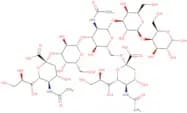
CAS:Disialyllacto-N-tetraose is a medicinal compound that has shown promising anticancer properties. It is an analog of a human urinary glycoprotein and has been found to induce apoptosis in cancer cells. Disialyllacto-N-tetraose acts as a tumor inhibitor by blocking the activity of certain protein kinases, which are enzymes that play a role in cell growth and division. This compound has been studied extensively in Chinese medicine and has shown potential as an effective anticancer agent. Its unique structure and mechanism of action make it a promising candidate for further research into cancer treatment.Fórmula:C48H79N3O37Pureza:Min. 85%Peso molecular:1,290.16 g/molMethyl 2,3-di-O-benzoyl-4,6-O-(4-methoxybenzylidene)-a-D-galactopyranoside
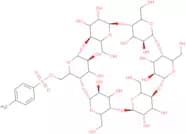
Methyl 2,3-di-O-benzoyl-4,6-O-(4-methoxybenzylidene)-a-D-galactopyranoside is a fluorinated and methylated synthetic carbohydrate. It is an oligosaccharide that is synthesized from galactose and glucose by glycosylation and click modification. Methyl 2,3-di-O-benzoyl-4,6-O-(4-methoxybenzylidene)-a-D-galactopyranoside has CAS number: 6079410.Fórmula:C29H28O9Pureza:Min. 95%Peso molecular:520.54 g/molMono-6-O-(p-toluenesulfonyl)-a-cyclodextrin
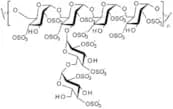
CAS:Alpha-cyclodextrin (α-CD) derivative with a hydrophilic exterior and lipophilic cavity (smaller than β-CDs and γ-CDs) to allocate certain guest molecules. This structural characteristic enables applications in molecular encapsulation, solubility enhancement, and stabilization across multiple industries. In pharmaceuticals, it serves as a drug delivery vehicle, enhancing the bioavailability and stability of active ingredients. The food industry utilizes it as a stabilizer for flavors, colors, and nutrients, as well as a functional ingredient for its effects on lipid metabolism. In cosmetics, it acts as a complex agent for fragrances and active components. Its applications extend to analytical chemistry for chiral separation and to materials science for developing smart materials and nanosystems.Fórmula:C43H66O32SPureza:Min. 95%Cor e Forma:White PowderPeso molecular:1,127.03 g/molDextran sulfate sodium, MW 20,000
CAS:Sodium carboxymethyl dextran (CM-dextran) is a white, odourless and tasteless powder, which is freely soluble in water or electrolyte solutions. The product has a pronounced polyanionic character, due to the high degree of carboxyl substitution. Applications that have been described for CM-dextran include carriers of paramagnetic contrast agents, preparation of conjugates of pharmacologically active compounds and CM-dextrans in biosensors. A number of other uses in cosmetics, agriculture, foods, paints and textiles have been the subject of patent applications.Cor e Forma:PowderFructosazine
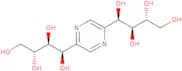
CAS:Fructosazine is a natural compound that is found in the bark of the fructus quinquefoliae tree. It has been shown to have antimicrobial properties when it reacts with hydrochloric acid. Fructosazine inhibits the growth of bacteria by reacting with their cell walls and interfering with their metabolism. Fructosazine may also have physiological effects, such as reducing blood pressure and body weight gain, which are not fully understood. The reaction mechanism for fructosazine is not yet known, but it may be due to its reactive nature. More research needs to be done on this compound before we can understand its full potential.
Fórmula:C12H20N2O8Pureza:Min. 96 Area-%Cor e Forma:PowderPeso molecular:320.3 g/mol3,5-Dideoxy-3,5-imino-1,2-O-isopropylidene-N-butyl-6-O-tert.butyldimethylsilyl-b-L-galactofuranose
3,5-Dideoxy-3,5-imino-1,2-O-isopropylidene-N-butyl-6-O-tert.butyldimethylsilyl-b-L-galactofuranose is a synthetic sugar that can be used as an intermediate for the synthesis of glycosides. This compound has been fluorinated with trifluoromethanesulfonic acid to increase its stability and resistance to hydrolysis. The carbonyl group of the 3,5 position has been converted into an isopropylidene group by reacting with tert.butyldimethylsilyl chloride (TBSCl) in order to increase the reactivity of this functional group. This sugar can be modified at any position on its carbohydrate chain in order to produce desired products. It can also be methylated or acetylated at any position on the carbohydrate chain using reagents such asPureza:Min. 95%Cellobionic acid ammonium salt
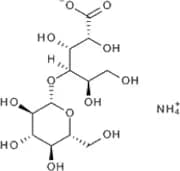
CAS:Cellobionic acid is produced by oxidative enzymes working on cellulose. These compounds have found application in cosmetic antiaging formulations, moisturizers, and peels, and in treatment products to improve hyperpigmentation and acne. The bionic acids such as cellobionic acid offer the benefits of α-hydroxyacids without irritation. They also provide additional antioxidant/chelation, barrier strengthening, and moisturizing effects.
Fórmula:C12H25NO12Pureza:Min. 95%Cor e Forma:Off-White PowderPeso molecular:375.33 g/molN-[2-(4'-Methylphenylacetonitrile)]-2,3,4,6-tetra-O-pivaloyl-D-glucopyranoside
CAS:Ramipril is a drug used for the treatment of high blood pressure and congestive heart failure. It belongs to the group of ACE inhibitors, which inhibit the enzyme angiotensin-converting enzyme (ACE). Ramipril is not active in its prodrug form, but is converted in vivo to enalaprilat, its active metabolite. This conversion takes place mainly in the liver. Enalaprilat prevents the conversion of angiotensin I to angiotensin II, reducing vasoconstriction. Ramipril also improves mental function by enhancing memory and cognition and may have an effect on improving learning ability. The effective dose for ramipril is 5-20 mg/kg per day, with captopril being an alternative medication that has similar effects.Fórmula:C35H52N2O9Pureza:Min. 95%Peso molecular:644.8 g/molFucoidan, fucus vesiculosus
CAS:A fucan sulphate found in brown marine algae (Phaeophyta-typically fucus vesiculosus (illustrated), Ascophyllum nodosum, Alaria and Macrocystis pyrifyra and has been shown to have anticoagulant activity. The main constituents are α-1,4 and α-1,2 linked L-fucose sulphates although galactose also occurs and there are many variations of the basic structure found in different species of Phaeophyta. The image was kindly provided by Prof Mike Guiry from Cork who runs ‘The Seaweed Site’.Pureza:Min. 95%Cor e Forma:White Powder4,5-Di-O-acetyl-2,6-anhydro-3-deoxy-D-erythro-hex-2-enononitrile
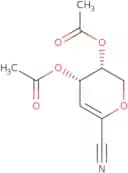
CAS:4,5-Di-O-acetyl-2,6-anhydro-3-deoxy-D-erythro-hex-2-enononitrile is a custom synthesis carbohydrate. It has been modified with methyl and glycosylation groups. This product can be used as an intermediate in the synthesis of other compounds. 4,5 Di O acetyl -2,6 anhydro 3 deoxy D erythro hex 2 enononitrile is a white crystalline solid that is soluble in water and ethanol. It has a melting point of 74°C and it is stable up to 168°C.Fórmula:C10H11NO5Pureza:Min. 95%Peso molecular:225.2 g/molA2F N-Glycan
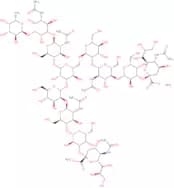
CAS:A2F N-Glycan is an oligosaccharide that is found in the human body. It is a glycan that has been shown to be involved in a number of biological processes, including effector functions, site specific recognition, diagnosis, and biopharmaceutical production. A2F N-glycan has also been shown to have potential as a biomarker for autoimmune diseases and cancer. The A2F N-glycan profile may differ between patients with different cancers or autoimmune disorders. This difference in the A2F N-glycan profile may contribute to the development of personalized medicine by helping to diagnose these conditions and predict their prognosis.
Fórmula:C90H148N6O66Pureza:Min. 90 Area-%Cor e Forma:PowderPeso molecular:2,370.14 g/mol2,3,5-Tri-O-benzyl-b-D-ribofuranose
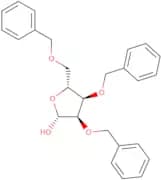
CAS:2,3,5-Tri-O-benzyl-b-D-ribofuranose is a synthetic monosaccharide that is used in the synthesis of complex carbohydrates such as glycosylation and polysaccharides. One use for this chemical is to modify the sugar moiety with methyl groups, yielding 2,3,5-tri-O-methyl b-D-ribofuranose. This modification helps prevent the sugar from being metabolized by enzymes in the body. The chemical can also be fluorinated to yield 2,3,5-trifluoro b-D-ribofuranose.
Fórmula:C26H28O5Pureza:Min. 95%Cor e Forma:White PowderPeso molecular:420.5 g/molMethyl 2,3,4-tri-O-benzyl-6-O-trityl-a-D-galactopyranoside
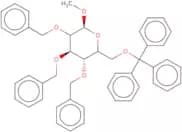
CAS:Methyl 2,3,4-tri-O-benzyl-6-O-trityl-a-D-galactopyranoside is a synthetic modified oligosaccharide. It has been shown to have potent antiplaque activity in animal models of dental caries and has been demonstrated to be an effective inhibitor of the glycosylation reaction. Methyl 2,3,4-tri-O-benzyl-6-O-trityl galactopyranoside is soluble in water and can be used as a fluorinated monosaccharide. The compound can also be used as a click modification with other sugars or saccharides.Fórmula:C47H46O6Pureza:Min. 95%Peso molecular:706.89 g/mol2-Acetamido-2-deoxy-L-mannopyranose
CAS:2-Acetamido-2-deoxy-L-mannopyranose is a sugar that is synthesized by the enzyme arabinofuranosidase. This enzyme catalyzes the hydrolysis of arabinose to form 2-acetamido-2-deoxy-l-mannopyranose. The enzyme has been shown to be thermostable and can be used as an acceptor for other enzymes, such as glycosyltransferases and glucosidases. The biosynthesis of 2-acetamido-2-deoxymannopyranose starts with l -arabinose, which is converted into d -arabinose by the action of aldaribinofuranosidase, followed by conversion into 2 acetamido--2 deoxymannopyranose by the action of arabinofuranosidase. Mutations in these enzymes have been found to affect the stereospecificFórmula:C8H15NO6Pureza:Min. 95%Cor e Forma:PowderPeso molecular:221.2 g/mol(2S,3S,4S)-N-Ethyl-2-hydroxymethyl-3,4-pyrrolidinediol
(2S,3S,4S)-N-Ethyl-2-hydroxymethyl-3,4-pyrrolidinediol is a synthetic sugar that is commonly used in the synthesis of polysaccharides. It can also be used as a reagent for methylation and glycosylation reactions. This compound is available as a pure white powder with a melting point of 130°C to 135°C. (2S,3S,4S)-N-Ethyl-2-hydroxymethyl-3,4-pyrrolidinediol has been shown to be reactive with saccharide and polysaccharide substrates. Click modification can be performed on this product to make it reactive with other molecules or compounds. The purity of this compound exceeds 99%.Pureza:Min. 95%1,3,5-Tri-O-benzoyl-a-D-ribofuranose
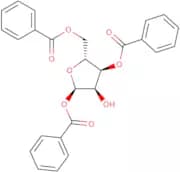
CAS:1,3,5-Tri-O-benzoyl-a-D-ribofuranose is a modified carbohydrate. It is synthesized by the methylation of 1,3,5-tri-O-benzoyl-a-D-arabinopyranose followed by glycosylation with 3,6-dideoxyhexose. This compound has been used as a substrate in enzymatic studies to investigate the modification of carbohydrates by glycosylation and methylation and can be used for the synthesis of other saccharides.
Fórmula:C26H22O8Pureza:Min. 95%Cor e Forma:White PowderPeso molecular:462.45 g/mol3-O-Benzyl-1,2-O-isopropylidene-a-D-xylofuranose
3-O-Benzyl-1,2-O-isopropylidene-a-D-xylofuranose is a monosaccharide that is synthesized by methylation of the corresponding aldose. It has been used in the synthesis of oligosaccharides and polysaccharides. 3-O-Benzyl-1,2-O-isopropylidene-a-D-xylofuranose has also been shown to be useful in the fluorination of saccharide chains.Pureza:Min. 95%Arabinonic acid potassium salt
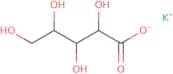
CAS:Arabinonic acid potassium salt is a fluorinated monosaccharide that is used as a building block for the synthesis of oligosaccharides and polysaccharides. Arabinonic acid potassium salt is chemically synthesized by the glycosylation of 2-deoxy-D-ribose with arabinonitrile followed by hydrolysis to form arabinonic acid. This chemical can also be modified with methyl groups, nitro groups, or other functional groups. It has CAS number 36232-89-0 and molecular weight of 176.17 g/mol. Arabinonic acid potassium salt is a high purity product with 98% minimum purity and no detectable impurities.Fórmula:C5H9KO6Pureza:Min. 95%Cor e Forma:PowderPeso molecular:204.22 g/mol1-D-3-Deoxy-myo-inositol
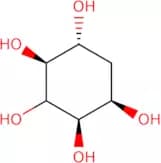
CAS:Myoinositol is a cyclitol and a member of the group of hexahydroxycyclohexanes. It is found in many plants and animals, especially in brain tissue, and plays an important role as a component of cell membranes. Myoinositol has been shown to inhibit cellular glycosidases, which are enzymes that break down complex sugars. In addition, myoinositol has been shown to have anti-cancer properties. Myoinositol is used as an analytical reagent in phase chromatography to separate molecules based on their hydrophobicities. 1-D-3-Deoxy-myo-inositol also has corrosion inhibition properties and can be used as a pesticide or agrochemical.Fórmula:C6H12O5Pureza:Min. 95 Area-%Cor e Forma:White PowderPeso molecular:164.16 g/mol1,2,3,4,6-Penta-O-galloyl-β-D-glucopyranose
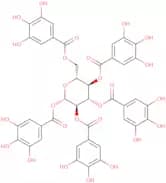
CAS:A gallotannin found in plants, with various biological activities. Its anti-cancer effect has been demonstrated in several cancer cell lines, mediated by inhibition of DNA replication, proliferation and angiogenesis. Elicits anti-inflammatory, antioxidative and anti-diabetic effects. Recently, it has been identified as an inhibitor of c-Myc in hepatocellular carcinoma and multiple myeloma cells.Fórmula:C41H32O26Pureza:Min. 96 Area-%Cor e Forma:PowderPeso molecular:940.68 g/mol2-Acetamido-3-O-acetyl-4,6-benzylidene-N-Boc-1,2,5-trideoxy-1,5-imino-D-glucitol
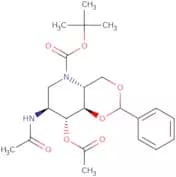
CAS:2-Acetamido-3-O-acetyl-4,6-benzylidene-N-Boc-1,2,5-trideoxy-1,5-imino-D-glucitol is a carbohydrate that is synthesized by a click modification of 4,6 benzylidene N Boc glucitol. The synthesis of this compound was accomplished by the use of a two step process to convert the starting material into 2 acetamido 3 O acetyl 4,6 benzylidene 1,2 5 trideoxy 1 5 imino D glucitol. The first step involved the conversion of 4 6 benzylidene 1 2 5 trideoxy 1 5 imino D glucitol to 2 acetamido 3 O acetyl 4 6 benzylidene 1 2 5 trideoxy 1 5 imino D glucitol. In the second step, this compound was converted to 2 acetamido 3 O acetylFórmula:C22H30N2O7Pureza:Min. 95%Peso molecular:434.48 g/molSuberoylanilide-D5 hydroxamic acid b-D-glucuronide
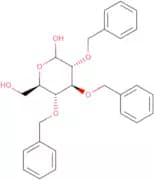
Produto ControladoSuberoylanilide-D5 hydroxamic acid b-D-glucuronide is a modification of sucrose. It is a complex carbohydrate that has been modified with an Oligosaccharide and Carbohydrate. This compound is synthesized with Custom synthesis, Synthetic, High purity, CAS No., Monosaccharide, Methylation, Glycosylation, Polysaccharide, sugar and Fluorination. Suberoylanilide-D5 hydroxamic acid b-D-glucuronide is a fluorinated saccharide that can be used as a sugar for glycosylation or methylation.Fórmula:C20H23N2O9D5Pureza:Min. 95%Cor e Forma:White to off-white solid.Peso molecular:445.47 g/mol2,3,4-Tri-O-benzyl-D-glucopyranose
CAS:2,3,4-Tri-O-benzyl-D-glucopyranose is a thioglucoside that can be synthesized from D-glucose and benzyl bromide. This compound is a protonated nucleophile with a hydroxyl group that can interact with the sulfur of a thiol or disulfide group. The interaction between 2,3,4-tri-O-benzyl-D-glucopyranose and S. aureus has been shown to be dependent on the concentration of 2,3,4 tri O benzyl glucopyranose. The reaction between this compound and oligosaccharides led to the formation of dioxane ring structures that were hydrophobic.Fórmula:C27H30O6Pureza:Min. 95%Cor e Forma:PowderPeso molecular:450.52 g/mol1,2:5,6-Di-O-isopropylidene-a-D-allofuranose
CAS:Synthetic building blockFórmula:C12H20O6Pureza:Min. 95%Cor e Forma:White PowderPeso molecular:260.28 g/mol2,4,7,8-Tetra-O-acetyl-9-azido-9-deoxy-N-acetylneuraminic acid methyl ester
CAS:2,4,7,8-Tetra-O-acetyl-9-azido-9-deoxy-N-acetylneuraminic acid methyl ester is a high purity synthetic compound that has been modified for use in Click chemistry. It is a monosaccharide with an acetyl group on the 2' position and an azido group on the 9' position of the sugar. This compound is used in fluoroination reactions to modify sugars and oligosaccharides. It can also be used in glycosylation reactions to attach monosaccharides and saccharides to proteins or other molecules.Fórmula:C20H28N4O12Pureza:One SpotCor e Forma:White PowderPeso molecular:516.46 g/molD-Panose
CAS:Used to determine composition and sequence of glucan-containing mixed linkages
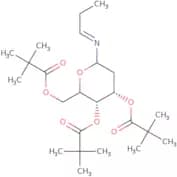
Fórmula:C18H32O16Pureza:(%) Min. 95%Cor e Forma:White PowderPeso molecular:504.44 g/molN-(Propylidenimino)-2-deoxy-3,4,6-tri-O-pivaloyl-D-glucopyranoside
CAS:N-(Propylidenimino)-2-deoxy-3,4,6-tri-O-pivaloyl-D-glucopyranoside is a custom synthesis that is modified with fluorine and methyl groups. It has been shown to be an effective inhibitor of glycosylation in the synthesis of oligosaccharides and polysaccharides. N-(Propylidenimino)-2-deoxy-3,4,6-tri-O-pivaloyl-D-glucopyranoside also has the ability to prevent glycosylation by binding to carbohydrate substrates.Fórmula:C24H41NO7Pureza:Min. 95%Peso molecular:455.58 g/moliota-Carrageenan
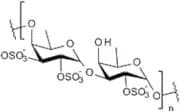
CAS:Iota-Carageenan is a gelling sulphated galactan extracted from red seaweed (typically Euchuma cottonii and Euchuma spinosum). The structure of all carrageenans consists of a strictly alternating masked repeating unit of (1,3) linked α-D-galactose and (1,4) linked β-D-galactose. The α-linked galactose occurs as a 3,6-anhydro-2-sulphate unit and the β-linked sugar occurs as the 4-sulphate.
The image was kindly provided by Prof Mike Guiry from Cork who runs ‘The Seaweed Site’.Cor e Forma:Powder2-Acetamido-2,6-dideoxy-D-galactose
CAS:2-Acetamido-2,6-dideoxy-D-galactose (2ADG) is a structural analogue of the natural monosaccharide 2,6-dideoxy-D-galactose. It has been shown to have an antimicrobial effect against aerobacter aerogenes in vitro. 2ADG is metabolized by glycosidases and methyl glycosides to form 1,4-anhydro-2,3,4,6 tetraacetamido-2,4,6 dideoxy D galactose. This compound inhibits the growth of bacterial strains that are resistant to polymyxin b., such as Pseudomonas aeruginosa. The inhibition of these bacteria is due to the inhibition of the synthesis of their outer membrane lipopolysaccharides by 2ADG. The antibacterial activity is also attributed to its ability to inhibit the metabolism of glycan molecules in some bacteria
Fórmula:C8H15NO5Pureza:Min. 95%Cor e Forma:White PowderPeso molecular:205.21 g/mol3,6-Dideoxy-3,6-imino-4,5-O-isopropylidene-D-mannitol
3,6-Dideoxy-3,6-imino-4,5-O-isopropylidene-D-mannitol is a complex carbohydrate that is a sugar. It is an oligosaccharide and has CAS No. 123725-27-8. 3,6-Dideoxy-3,6-imino-4,5-O-isopropylidene D mannitol is a saccharide and it can be modified with methylation or glycosylation. 3,6-Dideoxy D mannitol can be fluorinated in the presence of elemental fluorine to produce 3,6 difluoro 2,5 dihydroxyhexanoic acid. 3,6 Dideoxy D mannitol is synthesized from 2 acetylacetone and tetrachloroethanol as starting materials.Pureza:Min. 95%1,2:3,4-Di-O-isopropylidene-a-L-galactopyranose
CAS:1,2:3,4-Di-O-isopropylidene-a-L-galactopyranose is a synthetic sugar that is used for the saccharide modification of proteins. It has been shown to be an efficient and cost effective way to synthetically modify proteins with oligosaccharides or polysaccharides. 1,2:3,4-Di-O-isopropylidene-a-L-galactopyranose can be modified with fluorine atoms using a click chemistry reaction. This reaction is catalyzed by copper ions and generates a reactive thiol group on the sugar molecule that can then react with amino groups on protein molecules. The resulting product is a glycosylation site on the protein that can be further modified with other sugars or molecules. The fluorination step eliminates any possibility of adverse reactions being caused by the presence of reactive hydroxyl groups.Fórmula:C12H20O6Pureza:Min. 95%Cor e Forma:Colorless Clear LiquidPeso molecular:260.28 g/mol2-C-Azidomethyl-2,3-di-O-benzhydryloxybis(trimethylsilyloxy)silyl-1-O-tert-butyldimethylsilyl-D-erythritol
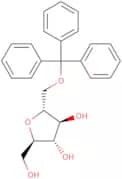
2-C-Azidomethyl-2,3-di-O-benzhydryloxybis(trimethylsilyloxy)silyl-1-O-tert-butyldimethylsilyl-D-erythritol is a synthetic compound that can be used as a methylating agent and sugar donor in the glycosylation of oligosaccharides. This compound has been shown to methylate saccharides with high purity and can be used for the preparation of complex carbohydrates.Pureza:Min. 95%2,5-Anhydro-1-O-trityl-D-mannitol
CAS:2,5-Anhydro-1-O-trityl-D-mannitol is a complex carbohydrate with the molecular formula C6H14O6 that has been modified for use in glycosylation reactions. It is a type of sugar that can be modified to create desired properties and can be used as an alternative to other sugars such as glucose. 2,5-Anhydro-1-O-trityl-D-mannitol can be used in the synthesis of oligosaccharides and monosaccharides. This product is available in high purity and has a CAS number of 68774-48-1.
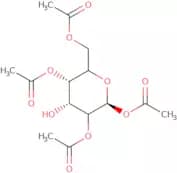
Fórmula:C25H26O5Pureza:Min. 95%Peso molecular:406.48 g/mol1,2,4,6-Tetra-O-acetyl-β-D-glucopyranose
CAS:1,2,4,6-Tetra-O-acetyl-b-D-glucopyranose is a synthetic sugar that can be used in the synthesis of oligosaccharides and polysaccharides. It is a high purity product with a purity of >99% by weight. This product is also available as a custom synthesis.Fórmula:C14H20O10Pureza:Min. 95%Cor e Forma:White PowderPeso molecular:348.3 g/mol1-Methyl-2,3-O-isopropylidene-1,4-dideoxy-1,4-imino-1-N-dehydro-D-ribitol
CAS:1-Methyl-2,3-O-isopropylidene-1,4-dideoxy-1,4-imino-1-N-dehydroDribitol (LMDDR) is an oligosaccharide that can be synthesized by the modification of dideoxyribitol. LMDDR is a complex carbohydrate with a sugar chain and has a CAS number of 909703-52-2. This monosaccharide can be fluorinated to form 1-(trifluoromethyl)-2,3-O-[(trifluoromethyl)methylidene]-1,4dideoxy -1,4imino -Dribitol (TFMDDR). TFMDDR has been shown to have higher purity and better stability than LMDDR.Fórmula:C9H15NO3Pureza:Min. 95%Peso molecular:185.22 g/molβ-Cyclodextrin
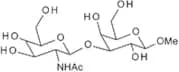
CAS:Beta-Cyclodextrin is a cyclic oligosaccharide with 7 D-glucose residues which are alpha-1,4-linked. beta-cyclodextrin is used in the food industry to encapsulate flavours and fragrances. Beta-cyclodextrin can increase the water solubility of compounds, such as curcumin; further, the cyclodextrin-curcumin complex also allows for a controlled, sustainable release in a wound healing study.Fórmula:C42H70O35Pureza:Min. 98.0 Area-%Peso molecular:1,134.99 g/molMethyl 3-O-(2-acetamido-2-deoxy-b-D-glucopyranosyl)-b-D-galactopyranoside
CAS:Substrate for b-6-GlcNAc-transferaseFórmula:C15H27NO11Pureza:Min. 97 Area-%Cor e Forma:White PowderPeso molecular:397.38 g/molGalacturonan DP5 sodium salt
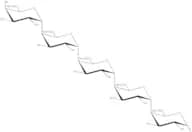
Sodium Pentagalacturonate, (β-1,4 sodium Pentagalacturonate) is derived from pectin or pectic acid, by enzymatic or partial acid hydrolysis (Combo, 2012). It is used inâ¯galacturonic acidâ¯metabolism research as a substrate to identify, differentiate, and characterize endo- and exopolygalacturonase(s), and gluconase(s) (Jayani, 2005). The addition of very short fragments of homogalacturonan, tri-galacturonate, tetra-galacturonate, and penta-galacturonate oligosaccharides, restore development in dark-grown, de-etiolated seedling mutants, suggesting that they are unable to generate de-methylesterified pectin fragments. A model of spatiotemporally separated photoreceptive and signal-responsive cell types has been proposed, that contains overlapping subsets of the regulatory network of light-dependent seedling development (Sinclair, 2017).Pureza:(Hpaec-Pad) Min. 65%Cor e Forma:Powder4-Methoxyphenyl 2,3,6-tri-O-acetyl-4-O-(2,4,6-tri-O-acetyl-3-O-allyl-β-D-galactopyranosyl)-β-D-glucopyranoside
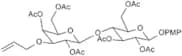
4-Methoxyphenyl 2,3,6-tri-O-acetyl-4-O-(2,4,6-tri-O-acetyl-3-O-allyl bDgalactopyranosyl)-bDglucopyranoside is a modification of an oligosaccharide. It is a high purity and custom synthesis. This product can be found under CAS No. 807827-28-0.Fórmula:C34H44O18Pureza:Min. 95%Peso molecular:740.7 g/mol2,3,6-Tri-O-benzoyl-γ-cyclodextrin
This gamma-cyclodextrin (γ-CD) derivative is a modified cyclic oligosaccharide composed of eight glucose units, featuring a larger cavity size than α- and β-cyclodextrins. This structural characteristic allows γ-CDs to form inclusion complexes with a wider range of guest molecules, making it particularly versatile in various industries. In the food sector, it is used as a carrier and stabilizer for flavors, fat-soluble vitamins, and polyunsaturated fatty acids, protecting volatile compounds from evaporation. In pharmaceuticals, it enhances the solubility and bioavailability of poorly water-soluble drugs and, thanks to its larger ring size, allows for the encapsulation of larger molecules or even entire drug molecules. γ-CDs and derivatives are also used for environmental remediation and, in analytical chemistry, for the extraction and concentration of target substances.
Fórmula:C216H176O64Pureza:Min. 95%Peso molecular:3,795.67 g/molMedicagenic acid 3,28-di-O-glucoside
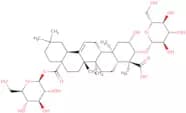
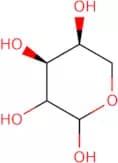
CAS:Medicagenic acid 3,28-di-O-glucoside is a synthetic compound that is the product of a custom synthesis. It is a sugar with 1,2-linked glucose units. Medicagenic acid 3,28-di-O-glucoside is an intermediate in the synthesis of glycoconjugates. Medicagenic acid 3,28-di-O-glucoside can be modified to produce saccharides with various properties and functions. This compound has been modified by fluorination, methylation and click chemistry to produce medicagenic acid 3,28-di-O-[(2-(4′-[N′-(3′,5′'-dimethoxytrityl)-3H]thiophenyl)carbonyl]-6′-(4′-[N′-(3',5'-dimethoxytrityl)-3H]thiophenyl)methyl] glucopyranoside.Fórmula:C42H66O16Pureza:Min. 95%Peso molecular:826.96 g/molL-Xylose
CAS:Chiral-pool resource for organic synthesisFórmula:C5H10O5Pureza:Min. 99 Area-%Cor e Forma:White PowderPeso molecular:150.13 g/mol2-Deoxy-D-ribonic acid-1,4-lactone
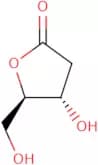
CAS:2-Deoxy-D-ribonic acid-1,4-lactone (2DRA) is a chemical compound with physiological effects. 2DRA is an irreversible inhibitor of DNA polymerase that has been shown to be a potent inhibitor of nuclear DNA synthesis in vitro and in vivo. The 2DRA inhibits the transfer reactions that are required for the replication of DNA. 2DRA binds to the nuclease domain of the enzyme and prevents it from cutting the phosphodiester bonds, leading to inhibition of DNA synthesis. This compound also has genotoxic effects and can cause mutation in cells through radiation or chemical treatment.Fórmula:C5H8O4Pureza:Min. 95%Cor e Forma:Colorless Yellow PowderPeso molecular:132.12 g/molMethyl 2,3,4-tri-O-methyl-β-D-galactopyranoside
CAS:A methyl protected galactosideFórmula:C10H20O6Pureza:Min. 95%Cor e Forma:PowderPeso molecular:236.26 g/molMaltodextrin oligosaccharides - DP10 to DP40
Produced from starch; white hygroscopic spray-dried powder; easily digestibleCor e Forma:Powder3-O-(a-L-Fucopyranosyl)-4-O-(3-sialyl-b-D-galactopyranosyl)-D-glucose
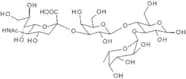
3-O-(a-L-Fucopyranosyl)-4-O-(3-sialyl-b-D-galactopyranosyl)-D-glucose is a modification of the complex carbohydrate, oligosaccharide, monosaccharide, and polysaccharide. It is synthesized by methylation of glucose and glycosylation with sialic acid. The product has a CAS number and a high purity level. This product is an example of a synthetic oligosaccharide that has been fluorinated. The product can be used as an additive or preservative in food products.Fórmula:C29H49NO23Pureza:Min. 95%Peso molecular:779.71 g/molMaltosan
CAS:Anhydro maltose found in the pyrolysis products of celluloseFórmula:C12H20O10Pureza:Min. 95%Cor e Forma:PowderPeso molecular:324.28 g/molLarch arabinogalactan
CAS:Larch arabinogalactan is extracted from the heartwood of the western larch Larix occidentalis. This compound has a backbone of 1,3-linked β-D-galactopyranosyl units each of which contains a side chain at position C-6. Arabinogalactans are used as emulsifiers, stabilizers and binders in the food, pharmaceutical and cosmetic industries, as low viscosity dietary fibres and as a prebiotic fibres.
Pureza:Min. 95%Cor e Forma:Off-White Powder


![N-[2-(4'-Methylphenylacetonitrile)]-2,3,4,6-tetra-O-pivaloyl-D-glucopyranoside](/_next/image/?url=https%3A%2Fstatic.cymitquimica.com%2Fproducts%2F3D%2Fthumb-webp%2FMM08499.webp&w=3840&q=75)