Glicociência
A glicociência é o estudo dos carboidratos e seus derivados, bem como das interações e funções biológicas em que participam. Este campo de pesquisa é crucial para compreender uma ampla variedade de processos biológicos, incluindo o reconhecimento celular, a sinalização, a resposta imune e o desenvolvimento de doenças. A glicociência tem aplicações importantes na biotecnologia, na medicina e no desenvolvimento de novos medicamentos e terapias. Na CymitQuimica, oferecemos uma ampla seleção de produtos de alta qualidade e pureza para pesquisa em glicociência. Nosso catálogo inclui monossacarídeos, oligossacarídeos, polissacarídeos, glicoconjugados e reagentes específicos, projetados para apoiar os pesquisadores em seus estudos sobre a estrutura, função e aplicações dos carboidratos em sistemas biológicos. Esses recursos são destinados a facilitar descobertas científicas e aplicações práticas em diversas áreas das biociências e da medicina.
Subcategorias de "Glicociência"
- Amino açúcares(108 produtos)
- Anticorpos Glico-Relacionados(282 produtos)
- Glicolípidos(46 produtos)
- Glicosaminoglicanos (GAGs)(55 produtos)
- Glicosídeos(419 produtos)
- Monossacáridos(6.624 produtos)
- Oligossacarídeos(3.682 produtos)
- Polissacáridos(503 produtos)
Foram encontrados 11046 produtos de "Glicociência"
Ordenar por
Pureza (%)
0
100
|
0
|
50
|
90
|
95
|
100
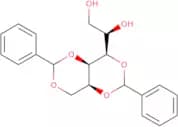
1,3:2,4-Bis(O-benzylidene)-D-sorbitol
CAS:1,3:2,4-Bis(O-benzylidene)-D-sorbitol is a hydrogenated derivative of sorbitol. It is used in fatty acid devices and as a surfactant in hydrogenation reactions. 1,3:2,4-Bis(O-benzylidene)-D-sorbitol is an acidic compound that has a low molecular mass and is soluble in water. It reacts with magnesium oxide to form the corresponding magnesium salt. This derivative is also used in silicone residue removal and as an activated organic base.Fórmula:C20H22O6Cor e Forma:White PowderPeso molecular:358.39 g/mol3-Deoxy-1,2-O-isopropylidene-5-p-toluoyl-b-L-threo pentofuranose
3-Deoxy-1,2-O-isopropylidene-5-p-toluoyl-b-L-threo pentofuranose is an Oligosaccharide with a molecular weight of 1094.00 Da. It is a synthetic sugar that is fluorinated at the 1' position and methylated at the 5' position. 3DOTF can be used as a substrate for glycosylation to produce glycans with desired terminal functionality. This product can also be modified using click chemistry to generate saccharides with novel functional groups.Pureza:Min. 95%Methyl 2,3,4-tri-O-benzyl-6-O-tert-butyldimethylsilyl-a-D-glucopyranoside
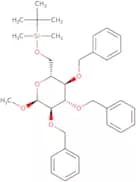
CAS:<p>Methyl 2,3,4-tri-O-benzyl-6-O-tert-butyldimethylsilyl-a-D-glucopyranoside is a glycosylation product of the glucopyranoside. It is a highly pure compound that is custom synthesized to suit the specific needs of customers. The synthesis includes fluorination, methylation and monosaccharide modification. This product has been shown to be useful in click chemistry and protein glycosylation studies.</p>Fórmula:C34H46O6SiPureza:Min. 95%Peso molecular:578.83 g/molMaltulose monohydrate
CAS:Occurs by epimerisation of maltose and transglucosylationFórmula:C12H22O11·H2OPureza:Min. 95%Cor e Forma:White PowderPeso molecular:360.32 g/molPeonidin-3-O-galactoside chloride
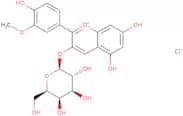
CAS:Peonidin-3-O-galactoside chloride is a natural product that can be found in many plants, such as the genus Peonia, and is also commonly found in wine. It has been shown to inhibit pancreatic lipase in vitro and may have potential as a dietary supplement. The surface methodology used to study the interaction of protocatechuic acid with caco-2 cells was efficient and showed the ability of this compound to interact with fatty acids. This interaction could be related to its health effects, which have been studied using cell culture methods. The dietary intake of protocatechuic acid has been shown to reduce blood pressure in rats, but it is unclear if this effect would occur in humans because of the lack of a suitable animal model for human studies.Fórmula:C22H23O11·ClPureza:Min. 95%Cor e Forma:PowderPeso molecular:498.86 g/molp-Lacto-N-hexaose
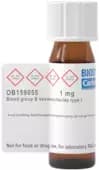
CAS:Neutral hexasasaccharide naturally present in human breast milkFórmula:C40H68N2O31Pureza:Min. 95%Cor e Forma:PowderPeso molecular:1,072.96 g/molBlood group B hexasaccharide type I
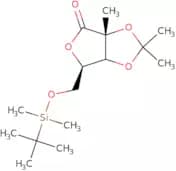
<p>Gala1-3(Fuca1-2)Galb1-3GlcNAcb1-3Galb1-4Glc (B antigen hexasaccharide Type I)</p>Fórmula:C38H65NO30Pureza:Min. 90 Area-%Cor e Forma:PowderPeso molecular:1,015.91 g/mol5-O-tert-Butyldimethylsilyl-2,3-O-isopropylidene-2-C-methyl-D-ribono-1,4-lactone
CAS:<p>5-O-tert-Butyldimethylsilyl-2,3-O-isopropylidene-2-C-methyl-D-ribono-1,4-lactone is a synthetic glycoside with a fluorinated methyl group. The compound is used for the modification of complex carbohydrates. This product is characterized by its high purity, custom synthesis and click modification.</p>Fórmula:C15H28O5SiPureza:Min. 95%Peso molecular:316.47 g/molEthyl b-D-galactopyranoside
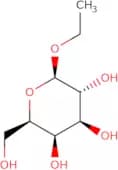
CAS:<p>Ethyl b-D-galactopyranoside is a galactosylated glycoside that can be synthesized by the transfer of an acetyl group from ethyl alcohol to a sugar. It has antibacterial activity and is used in solvents as a stabilizer. The chemical structure of this compound consists of two benzene rings with an -OH group on one end, which are linked together by a covalent bond. The spacing between these two benzene rings is important for the stability of this compound, and it will break down when there is not enough space for the electron clouds to interact with each other. Ethyl b-D-galactopyranoside has been shown to be effective against tuberculosis bacteria, Mycobacterium tuberculosis, and Mycobacterium avium complex.</p>Fórmula:C8H16O6Cor e Forma:White PowderPeso molecular:208.21 g/molD-Altrose
CAS:<p>D-Altrose is an alpha-hydroxy acid that is synthesized from D-arabinose and trifluoroacetic acid. It has been shown to be a substrate for the synthesis of oligosaccharides, which are important in carbohydrate chemistry. This molecule can also be used as a reagent in the preparation of carbohydrates with a specific configuration at C2. One use of this product is in generating analytical methods that can distinguish between D-altrose and D-arabinose by monitoring the ratio of hydrogen fluoride to carbonyl group signals. D-Altrose may also be used in asymmetric synthesis, where it is a useful chiral building block for the construction of galacturonic acid derivatives.</p>Fórmula:C6H12O6Pureza:Min. 98 Area-%Cor e Forma:White PowderPeso molecular:180.16 g/molChloramphenicol glucuronide
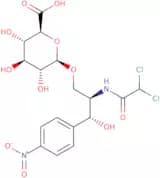
CAS:<p>Chloramphenicol glucuronide is an active metabolite of chloramphenicol. It can be detected in human serum and urine, as well as rat liver microsomes. Chloramphenicol glucuronide binds to the cytosolic protein, cytochrome b5 reductase, which inhibits protein synthesis and cell growth. This compound has been shown to be effective for treating infectious diseases such as typhoid fever, pelvic inflammatory disease, and pneumonia. The chloramphenicol glucuronide group also includes a number of other metabolites that are formed from chloramphenicol by conjugation with glucuronic acid.</p>Fórmula:C17H20Cl2N2O11Pureza:Min. 95 Area-%Cor e Forma:PowderPeso molecular:499.26 g/molD-Fructose 1-phosphate disodium salt
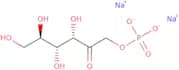
CAS:<p>D-Fructose 1-phosphate disodium salt is a high purity, custom synthesis sugar compound. It has CAS No. 71662-09-4 and Click modification. Fluorination and glycosylation are the two modifications that can be done on this product. This product is an oligosaccharide and it is a monosaccharide with saccharide as its complex carbohydrate.</p>Fórmula:C6H11Na2O9PPureza:Min. 90 Area-%Cor e Forma:White PowderPeso molecular:304.1 g/molEthyl 2-acetamido-2-deoxy-b-D-galactopyranoside
<p>Ethyl 2-acetamido-2-deoxy-b-D-galactopyranoside is a custom synthesis, fluorinated, modified with methyl and acetamido groups, monosaccharide with a CAS number. It is synthesized by the modification of galactose with an acetamido group and then reacting it with ethyl bromoacetate. It is a saccharide that can be used to modify glycoproteins. This compound has been used in the synthesis of oligosaccharides and polysaccharides. Ethyl 2-acetamido-2-deoxy-b-D-galactopyranoside is also known as a sugar or carbohydrate.</p>Fórmula:C10H19NO6Pureza:Min. 95%Cor e Forma:SolidPeso molecular:249.26 g/molNigeran
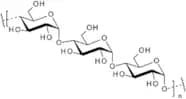
CAS:<p>Nigeran is a polysaccharide found in the cell wall of lower fungi. In certain Aspergillus and Penicillium spp., nigeran was first isolated from Penicillium expansum and Aspergillus niger (illustrated). The polysaccharide contains unbranched α-D- glucopyranose residues linked 1,3 and 1,4. Nigeran is part of the hyphal cell wall, where it can contribute up to 40 % of the cell dry weight. The polysaccharide occupies several domains or location on the hyphal wall and is highly crystalline in vivo. Deposition of nigeran is primarily at the outer surface of the hyphal wall.</p>Pureza:Min. 95%Cor e Forma:Powder6-Azido-6-deoxy-b-cyclodextrin
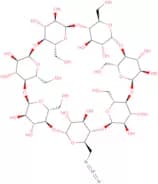
CAS:<p>This beta-cyclodextrin (β-CD) derivative is a functionalized cyclic oligosaccharide composed of seven glucose units, characterized by a hydrophilic exterior and a lipophilic cavity (bigger than α-CD and smaller than γ-CDs), which allows it to encapsulate various guest molecules. This structural feature facilitates its use in multiple applications, including pharmaceuticals, food enhancement, and cosmetics. In the pharmaceutical industry, it enhances the solubility and stability of poorly water-soluble drugs, improving their bioavailability and efficacy while also masking unpleasant tastes. The food sector utilizes it as a stabilizer for flavors, colors, and nutrients, extending shelf life by protecting sensitive ingredients from degradation. In cosmetics, it serves as a complexing agent for fragrances and active components, ensuring their stability and controlled release. Its use expands to many other fields, including nanotechnology for drug delivery systems, environmental remediation for extracting organic pollutants, textiles for slow-release fragrances, and analytical chemistry for chiral separation.</p>Fórmula:C42H69N3O34Pureza:Min. 98 Area-%Cor e Forma:PowderPeso molecular:1,160 g/molHyaluronic acid from Bacteria
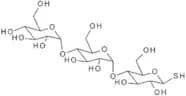
CAS:<p>Hyaluronic acid is a polysaccharide composed of repeating units of the disaccharide N-acetylglucosamine and D-glucuronic acid. It is found in many connective tissues, including the skin, where it binds water and maintains elasticity. This product is custom synthesized by modifying the structure to include fluorine atoms, methyl groups, and monosaccharides. It is synthesized from synthetic building blocks that are modified with click chemistry to form oligosaccharides. The saccharide units are then glycosylated with sugar molecules, creating a complex carbohydrate with an average molecular weight between 50,000 and 100,000 Daltons.</p>Pureza:(%) Min. 90%4-O-(4-O-(α-D-Glucopyranosyl)-α-D-glucopyranosyl)-β-D-thioglucopyranose
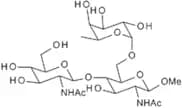
4-O-(4-O-(a-D-Glucopyranosyl)-a-D-glucopyranosyl)-b-D-thioglucopyranose is a glycosylation product of the sugar 4-O-(4-O-(a-D-glucopyranosyl)-a-D-glucopyranosyl) b -D -thioglucopyranose. It is synthesized by reaction of 4,5,6,7,8,9,10,11,12,13,14 and 15 with a 1:1 molar ratio. The product can be modified to methylated or fluorinated products using the click chemistry method.Fórmula:C18H32O15SPureza:Min. 95%Peso molecular:520.5 g/molMethyl 2-acetamido-4-O-(2-acetamido-2-deoxy-b-D-glucopyranosyl)-2-deoxy-6-O-(a-L-fucopyranosyl)-b-D-glucopyranoside
CAS:Methyl 2-acetamido-4-O-(2-acetamido-2,3-dideoxy-b-D-glucopyranosyl)-2,6O-(a,L-fucopyranosyl)-b-D-glucopyranoside is a synthetic carbohydrate. It is a high purity and custom synthesis product with CAS No. 97242-84-7. This product has been fluorinated and methylated as well as glycosylated and click modified to increase its stability.Fórmula:C23H40N2O15Pureza:Min. 95 Area-%Cor e Forma:White Off-White PowderPeso molecular:584.57 g/mol4'-O-(a-D-Galactopyranosyl)-D-lactose
<p>4'-O-(a-D-Galactopyranosyl)-D-lactose is a synthetic and fluorinated glycoside that belongs to the class of oligosaccharides. It has a molecular weight of 474.07 Da and a chemical formula of C12H23NO8. This product is available in custom synthesis in order to meet the needs of customers. It also has been modified with methylation, monosaccharide, polysaccharide, saccharide, click modification, and complex carbohydrate modifications. This product is available at high purity with CAS No. 834-02-4 and can be ordered from our website.</p>Pureza:Min. 95%Lacto-N-neooctaose
Neutral octasaccharide naturally present in human breast milkFórmula:C54H91N3O41Pureza:Min. 90%Cor e Forma:PowderPeso molecular:1,438.3 g/mol5-Thio-a-D-mannose
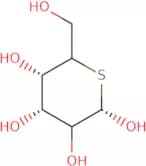
CAS:<p>5-Thio-a-D-mannose is a disaccharide that contains a sulfhydryl group. It has been shown to be a cellular and trackable molecule, which can be acetylated by mercuric chloride. The glycosidases of this molecule are mannosidases, which cleave the 5th carbon from the glycosidic linkage of the sugar. This is an important process for a variety of biological functions, such as the synthesis of DNA and proteins. In addition, this disaccharide is involved in various metabolic pathways, including glycolysis and gluconeogenesis.</p>Fórmula:C6H12O5SPureza:Min. 95%Peso molecular:196.22 g/molAmidated Pectin
CAS:<p>Pectins are derived from citrus fruits such as lemons and limes. Amidated pectin is a modified form of pectin in which some of the galacturonic acid residues are converted with ammonia to amides. These pectins are more tolerant to varying calcium concentrations that occur in use and behave like low-ester pectins, need less of and are more tolerant to excess calcium. In addition, these gels are thermoreversible.</p>Fórmula:C5H10O5Pureza:Min. 95%Cor e Forma:PowderPeso molecular:150.13 g/molD-Erythrose - min 50% purity as a 70% aq. solution
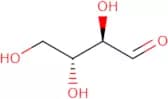
CAS:<p>Erythrose is a sugar that is used in the biosynthesis of other sugars, such as ribose and D-erythrose. It is also an intermediate in the pentose phosphate pathway for the production of NADPH. Erythrose can be converted to erythritol by reductase enzymes, which are necessary for the synthesis of DNA. The enzyme erythrose reductase has been shown to act on wild-type strains. Erythrose reduces d-erythrose to erythritol, which inhibits polymerase chain reactions by blocking transcription and replication of DNA. Erythrose has also been shown to have inhibitory properties against Toll-like receptor signaling pathways, which may be due to its ability to reduce reactive oxygen species (ROS) and hydrogen peroxide levels in cells.</p>Fórmula:C4H8O4Pureza:Min. 50 Area-%Cor e Forma:Clear LiquidPeso molecular:120.1 g/molProbenecid acyl b-D-glucuronide
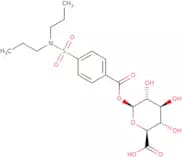
CAS:<p>Probenecid is a weak acid that is rapidly converted to an active metabolite in the body. It is used as an analgesic, antipyretic, and anti-inflammatory drug. Probenecid has been shown to inhibit the formation of biliary acids in animals and humans and has been used in the treatment of chronic inflammatory conditions such as rheumatoid arthritis. The most common route of administration for this drug is orally, although it can also be given intravenously or intramuscularly. Probenecid also acts as a nonsteroidal anti-inflammatory drug (NSAID). This means that it inhibits prostaglandin synthesis by blocking cyclooxygenase enzymes. This reduces inflammation, pain, and fever by inhibiting the production of prostaglandins that play a role in these processes.</p>Fórmula:C19H27NO10SPureza:Min. 95%Cor e Forma:White To Off-White SolidPeso molecular:461.48 g/mol2,4,6-Tri-O-(3,4,6-tri-O-benzyl-2-deoxy-2-phthalimido-β-D-glucopyranosyl)-3-O-benzyl-α-D-mannopyranose
2,4,6-Tri-O-(3,4,6-tri-O-benzyl-2-deoxy-2-phthalimido-b-D-glucopyranosyl)-3-O-benzyl a -D -mannopyranose is a synthetic oligosaccharide that is synthesized by the click chemistry reaction. It is an example of a glycosylation reaction, in which the sugar is conjugated to an amine group on the triphosphate moiety of uridine diphosphate glucose. The product has been modified with fluorination and methylation to improve its stability.Fórmula:C118H111N3O24Pureza:Min. 95%Peso molecular:1,955.15 g/mol2-Acetamido-2-deoxy-4-O-(b-D-galactopyranosyl)-6-sulfo-D-glucopyranose sodium salt
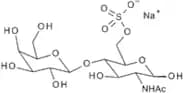
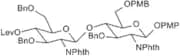
CAS:<p>2-Acetamido-2-deoxy-4-O-(b-D-galactopyranosyl)-6-sulfo-D-glucopyranose sodium salt is a synthetic compound that is used in glycosylation reactions. It can be used for the production of oligosaccharides and complex carbohydrates, as well as for the modification of natural products. 2 Acetamido -2 deoxy -4 O-(b-D galactopyranosyl) -6 sulfo D glucopyranose sodium salt has a purity of 98% and was synthesized by fluorination. The CAS number is 145447 78 5.</p>Fórmula:C14H24NO14S·NaPureza:90%Cor e Forma:White PowderPeso molecular:485.39 g/mol4-Methoxyphenyl 4-O-(3,6-di-O-benzyl-2-deoxy-4-O-levulinoyl-2-phthalimido-b-D-glucopyranosyl)-3-O-benzyl-2-deoxy-6-O-(4-methoxybenzy l)-2-phthalimido-b-D-glucopyranoside
4-Methoxyphenyl 4-O-(3,6-di-O-benzyl-2-deoxy-4-O-levulinoyl-2-phthalimido-b-D-glucopyranosyl)-3-O-(4 methoxybenzyl)-2 deoxy 6 - O-(4 methoxybenzyl) - 2 phthalimido b D glucopyranoside is a complex carbohydrate that can be custom synthesized. It has been fluorinated. The modification of methyl groups on the saccharide moiety and its glycosylation make it a highly purified carbohydrate. This product has CAS No. 71181, Click modification, and Modification.Fórmula:C69H66N2O17Pureza:Min. 95%Peso molecular:1,195.27 g/molMethyl β-xylobioside penta-O-acetate
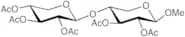
CAS:<p>Methyl β-xylobioside penta-O-acetate is a methyl glycoside of xylobiose</p>Fórmula:C21H30O14Pureza:Min. 95%Cor e Forma:PowderPeso molecular:506.45 g/molD-Xylonic acid ammonium
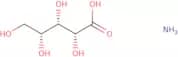
CAS:<p>D-Xylonic acid ammonium salt is a synthetic glycosylation agent that is used in the synthesis of oligosaccharides, polysaccharides, and monosaccharides. D-Xylonic acid ammonium salt is also used to modify glycoproteins and proteoglycans for use in the treatment of various diseases. D-Xylonic acid ammonium salt can be synthesized by the fluorination of D-xylose followed by methylation. This agent can be modified through click chemistry or complex carbohydrate modification. It has a high purity and is readily available for purchase.</p>Fórmula:C5H10O6•H3NPureza:Min. 95%Peso molecular:183.16 g/molFlurbiprofen sorbitol ester
<p>Flurbiprofen is an anti-inflammatory drug that belongs to the group of non-steroidal anti-inflammatory drugs. It is a prodrug that is converted to the active form, flurbiprofen acid, in the liver. Flurbiprofen is used to reduce inflammation and relieve pain. The synthesis of this compound starts with the fluorination of 2,3-dihydroxybenzoic acid using N-fluorobenzenesulfonimide as a reagent. This reaction produces an alkylating agent, which reacts with sucrose in the presence of sodium methoxide to produce methylated sucrose ester. This is then oxidized with potassium permanganate to produce methylated sucrose ester oxide, which undergoes a click modification reaction with tetramethyl orthosilicate and triethylamine to produce flurbiprofen sorbitol ester (FSE).</p>Fórmula:C21H25FO7Pureza:Min. 95%Cor e Forma:PowderPeso molecular:408.42 g/molMethyl 5-acetamido-2,5-(tert.butoxycarbonyl)imino-2,5,6-trideoxy-b-D-mannofuranoside
<p>Methyl 5-acetamido-2,5-(tert.butoxycarbonyl)imino-2,5,6-trideoxy-b-D-mannofuranoside is a synthetically modified sugar that has been modified with both fluorination and glycosylation. This compound is used to synthesize oligosaccharides and monosaccharides through a click modification reaction.</p>Pureza:Min. 95%5-O-Tert.butyldimethylsilyl - 2- C- methyl- 2, 3- O- isopropylidene - D- ribonic acid γ-lactone
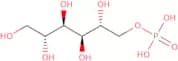
5-O-Tert.butyldimethylsilyl - 2- C- methyl- 2, 3- O- isopropylidene - D- ribonic acid gamma-lactone is a fluorinated glycoside that can be used in the synthesis of complex carbohydrates. The compound has been shown to inhibit bacterial growth by inhibiting protein synthesis and cell division. It binds to bacteria 16S ribosomal RNA and inhibits protein synthesis, leading to cell death by inhibiting the production of proteins vital for cell division. 5-O-Tert.butyldimethylsilyl - 2- C- methyl- 2, 3- O- isopropylidene - D- ribonic acid gamma lactone also has antiinflammatory properties, which may be due to its inhibition of prostaglandin synthesis.Pureza:Min. 95%D-Mannitol 1-phosphate lithium salt
CAS:<p>D-Mannitol 1-phosphate lithium salt (DMPL) is a bacterial growth-inhibiting agent that inhibits the ribitol dehydrogenase enzyme that converts mannitol to ribitol. The wild-type strain of bacteria is more sensitive to DMPL than the mutant strains, which lack this enzyme. This compound has been shown to be active against Aerobacter aerogenes, and it can be used as an antimicrobial agent in plant physiology, where it prevents cell lysis. DMPL is also effective against wild-type strains of E. coli K-12 and has a broad range of pH optima with a maximum at pH 6.0 to 7.0. The reaction mechanism for this drug is not well understood, but it may involve inhibition of the polymerase chain reaction or other enzyme activities.</p>Fórmula:C6H15O9P·xLiPureza:Min. 95 Area-%Cor e Forma:White Off-White PowderPeso molecular:262.15 g/molApiogalacturonan polysaccharides sodium
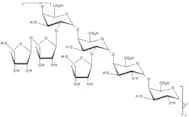
CAS:An apiose-rich pectic polysaccharide zosterin is found in the sea grass Zostera marina and is typical of similar structures occurring in higher plants. The structure consists of an α-1,4-D-galactopyranosyluronan backbone substituted by 1,2-linked apiofuranose oligosaccharides and single apiose residues. The average molecular mass of the polysaccharide has been shown to be about 4100 Da with a low polydispersity.Pureza:Min. 60%Cor e Forma:PowderGDP-L-galactose sodium salt
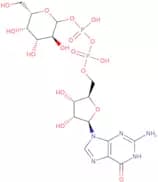
CAS:<p>GDP-L-galactose is a sugar molecule that is an intermediate in the biosynthesis of ascorbate. GDP-L-galactose is synthesized from GDP-D-mannose and GDP-L-glucose by the enzyme GDP-mannose 4,6 dehydratase. The enzyme GDP-L-galactose dehydrogenase then converts GDP-L-galactose to ascorbic acid (vitamin C). Ascorbate is essential for many biological functions such as synthesis of collagen and neurotransmitters, regulation of gene expression, and protection against oxidative stress. The biosynthesis of ascorbate occurs in a light dependent reaction involving L -galactono 1,4 diphosphate synthase and UDP glucose 6 phosphate uridylyl transferase. This process is regulated by transcriptional factors such as MYB and NAC2/NAC4.</p>Fórmula:C16H23N5O16P2Na2Pureza:(Hplc-Ms) Min. 95 Area-%Cor e Forma:White Off-White PowderPeso molecular:649.3 g/mol1,2,3,6-Tetra-O-benzyl-β-D-glucopyranoside
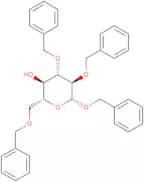
CAS:1,2,3,6-Tetra-O-benzyl-β-D-glucopyranoside is a synthetic compound that is produced by the modification of natural sugars. It was first synthesized by a team of chemists led by Professor Robert Burns Woodward. This molecule has been modified with methyl groups and fluorine atoms to improve its stability and to provide a more convenient method for its analysis. 1,2,3,6-Tetra-O-benzyl-β-D-glucopyranoside can be used in the synthesis of oligosaccharides and polysaccharides.Fórmula:C34H36O6Pureza:Min. 95%Cor e Forma:PowderPeso molecular:540.65 g/molDextran 500 - MW 450,000 to 550,000
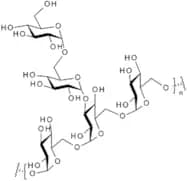
CAS:Dextran is α-(1,6)-linked α-D-glucan with α-(1,3)-linked glucose branch points produced by fermentation of Leuconostoc mesenteroides via the action of the enzyme dextransucrase on sucrose. The main use for native dextran is as an extender in blood transfusions and products having a range of sharp cut-off molecular weights are produced commercially for this and other applications. A complex of iron with dextran, known as iron dextran, is used as a source of iron for baby piglets which are often anaemic at birth.Cor e Forma:White Powder2-Azido-2-deoxy-3,4-O-isopropylidene-L-idonic acid methyl ester
<p>2-Azido-2-deoxy-3,4-O-isopropylidene-L-idonic acid methyl ester is a custom synthesis that is available in high purity. It is a complex carbohydrate that has been modified with methylation and glycosylation. This product has CAS number 16078-04-1 and is a monosaccharide synthesized from similar compounds.</p>Pureza:Min. 95%2,3,4,6-Tetra-O-acetyl-b-D-galactopyranosyl cyanide
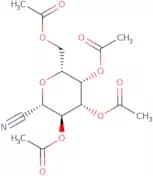
CAS:2,3,4,6-Tetra-O-acetyl-b-D-galactopyranosyl cyanide is a carbohydrate that is used in the synthesis of conjugates for use as immunogens. It has been modified to create a high purity product. Click chemistry is used to attach a fluorine atom to the sugar. The glycosylation reaction with the monosaccharides and disaccharides is then performed followed by methylation of the saccharide with methanol to produce 2,3,4,6-Tetra-O-acetyl-b-D-galactopyranosyl cyanide.Fórmula:C15H19NO9Pureza:Min. 95 Area-%Cor e Forma:White Off-White PowderPeso molecular:357.31 g/molGalNAcb(1-3)Gala(1-3)Galb(1-4)Glc-b-pNP
<p>GalNAcb(1-3)Gala(1-3)Galb(1-4)Glc-b-pNP is a synthetic glycoconjugate that is a glycosylated complex carbohydrate. It has been modified by Click chemistry and fluorination, and contains the monosaccharides galactose, galactosamine, glucose, and glucuronic acid. GalNAcb(1-3)Gala(1-3)Galb(1-4)Glc-b-pNP is used as a substrate for enzyme assays to study the activity of glycosyltransferases such as galactosyltransferase. This product can be used for research purposes in immunology, molecular biology, biochemistry and other fields.</p>Fórmula:C32H48N20O23Pureza:Min. 95%Peso molecular:1,080.84 g/mol6-o-a-D-Glucosyl-maltose
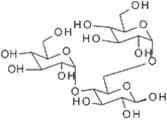
CAS:<p>Minor trisaccharide component of honey</p>Fórmula:C18H32O16Pureza:Min. 95%Cor e Forma:White Off-White PowderPeso molecular:504.44 g/mol1,2:3,4-Di-O-isopropylidene-α-D-fucopyranose
CAS:<p>1,2:3,4-Di-O-isopropylidene-a-D-fucopyranose is a tailored drug that was developed to have the same chemical structure as endogenous natural fucopyranosides. It has been shown to be a potent inhibitor of bacterial growth in vitro. The drug has been shown to have anti-inflammatory effects in vivo and may be useful for the treatment of autoimmune diseases. 1,2:3,4-Di-O-isopropylidene-a-D-fucopyranose has been observed to inhibit the production of inflammatory cytokines such as IL1β and TNFα by macrophages at concentrations of 10 μM or less. It has also been shown to inhibit NFκB activation by inhibiting IκB kinase activity.</p>Fórmula:C12H20O5Pureza:Min. 95%Cor e Forma:Clear colourless to yellow oil.Peso molecular:244.28 g/molL-Ribonic acid-1,4-lactone
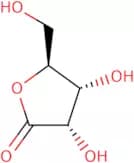
CAS:<p>L-Ribonic acid-1,4-lactone is a synthetic process that is used as an antiviral agent. It is a sugar reactant in the production of riboflavin. L-Ribonic acid-1,4-lactone has been shown to inhibit the synthesis of viral RNA and DNA, which prevents replication of the virus. The mechanism of L-ribonic acid lactone's antiviral activity is not currently known.</p>Fórmula:C5H8O5Pureza:(%) Min. 90%Cor e Forma:PowderPeso molecular:148.12 g/mol2,3,4,6-Tetra-O-acetyl-D-glucopyranose
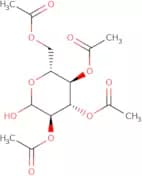
CAS:<p>2,3,4,6-Tetra-O-acetyl-D-glucopyranose is a carbohydrate that is used in the synthesis of besifloxacin. This compound has been studied as an analog for many other natural compounds and its derivatives have shown to be effective against bacteria such as Staphylococcus aureus and Clostridium perfringens. The acetyl groups on this molecule allow it to be easily converted into other compounds with desired properties. This compound has been found to be acidic and can be used as a medicinal preparation or analytical chemistry reagent. The hydroxyl group on the 2 carbon atom allows the molecule to form glycoside derivatives. The halides on this molecule are also important for making new molecules by replacing one of the hydrogen atoms with another halogen atom. The phenylpropanoid glycosides are found in plants and may contain an enantiomeric form of 2,3,4</p>Fórmula:C14H20O10Pureza:Min. 95%Cor e Forma:White PowderPeso molecular:348.3 g/mol4-Methoxyphenyl 4-O-[2-O-acetyl-3,4-di-O-(2,3,4,6-tetra-O-acetyl-α-D-mannopyranosyl)-6-O-benzyl-β-D-mannopyrannosyl]-3,6-di-O-acetyl -2-deoxy-2-phthalimido-β-D-glucopyranoside
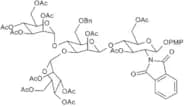
<p>This compound is a glycosylation product of 4-methoxyphenol, 4-O-[2-O-acetyl-3,4-di-O-(2,3,4,6-tetra-O-acetyl-aD-mannopyranosyl)-6-O-benzyl -bD -mannopyrannoside]-, 3,6 -di -O -acetyl-. It has been custom synthesized for your order. This product is offered at high purity and with low background fluorescence.</p>Fórmula:C68H79NO34Pureza:Min. 95%Peso molecular:1,454.34 g/molMethyl 4,6-O-isopropylidene-a-D-glucopyranoside
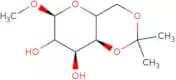
<p>Methyl 4,6-O-isopropylidene-a-D-glucopyranoside is a glycosylation reagent that is used in the synthesis of oligosaccharides and polysaccharides. It is used as an intermediate for the production of active pharmaceutical ingredients and in the production of modified sugars. Methyl 4,6-O-isopropylidene-a-D-glucopyranoside can be custom synthesized to meet specific requirements such as purity, fluorination, and complex carbohydrate. This product is available with high purity and has been shown to be stable under a wide range of conditions.<br>Methyl 4,6-O-isopropylidene-a-D-glucopyranoside is not compatible with strong acids or bases.</p>Fórmula:C10H18O6Pureza:Min. 95%Peso molecular:234.25 g/mol2-O-β-D-Galactopyranosyl-D-galactose
CAS:Please enquire for more information about 2-O-β-D-Galactopyranosyl-D-galactose including the price, delivery time and more detailed product information at the technical inquiry form on this pageFórmula:C12H22O11Pureza:Min. 95%Peso molecular:342.30 g/mol2-Aminoethyl 3-O-(α-D-galactopyranosyl)-β-D-galactopyranoside
CAS:<p>Ai Product Descriptions 50 Creative</p>Fórmula:C14H27NO11Pureza:Min. 95%Peso molecular:385.36 g/molD-Glucose-6-phosphate barium
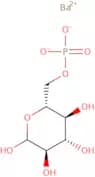
CAS:<p>D-Glucose-6-phosphate barium salt is a custom synthesis of the saccharide, which is a component of the carbohydrates. It has been modified by fluorination, methylation, and monosaccharide modification. The synthesis of this compound can be done in a single reaction, and it is an example of glycosylation. This product has been shown to have high purity.</p>Fórmula:C6H13O9P•BaxPureza:Min. 95%Cor e Forma:PowderPeso molecular:395.45Methyl 2,3,4-tri-O-benzyl-6-O-tert-butyldiphenylsilyl-a-D-glucopyranoside
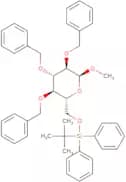
CAS:Methyl 2,3,4-tri-O-benzyl-6-O-tert-butyldiphenylsilyl-a-D-glucopyranoside is a synthetic oligosaccharide that is used as an intermediate in the synthesis of complex carbohydrates. It has a high purity and is custom synthesized to meet the needs of the customer. This product can be fluorinated, glycosylated, and methylated to produce desired modifications. It may also be used for Click chemistry modifications. Methyl 2,3,4-tri-O-benzyl-6-O-tert-butyldiphenylsilyl-a -D -glucopyranoside is an important sugar building block for complex carbohydrate synthesis.Fórmula:C44H50O6SiPureza:Min. 95%Peso molecular:702.97 g/mol