Antimicrobianos
Os antimicrobianos são agentes que destroem ou inibem o crescimento de microrganismos, incluindo bactérias, vírus, fungos e parasitas. Esses compostos são essenciais na prevenção e tratamento de infecções, desempenhando um papel crucial na medicina, agricultura e indústria alimentícia. Na CymitQuimica, oferecemos uma ampla gama de antimicrobianos de alta qualidade e pureza, adequados para diversas aplicações científicas e industriais. Nosso catálogo inclui antibióticos, antifúngicos, antivirais e desinfetantes, todos projetados para atender às necessidades de pesquisa e desenvolvimento, bem como para aplicações clínicas e de produção. Com nossos produtos, os profissionais podem garantir a eficácia e a segurança no controle de infecções e na proteção da saúde pública.
Subcategorias de "Antimicrobianos"
- Antibióticos(4.130 produtos)
- Antifúngicos(909 produtos)
- Antiparasitários(703 produtos)
- Antivíricos(766 produtos)
Foram encontrados 2424 produtos de "Antimicrobianos"
Ordenar por
Pureza (%)
0
100
|
0
|
50
|
90
|
95
|
100
Ceftizoxime alapivoxil
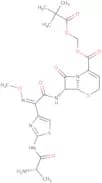
CAS:Ceftizoxime alapivoxil is a prodrug antibiotic, which is derived from ceftizoxime, a third-generation cephalosporin. This semi-synthetic source enables the compound to effectively combat a wide range of bacterial infections by improving oral bioavailability compared to its parent compound. Once administered, ceftizoxime alapivoxil is metabolized in the body to release ceftizoxime, which exerts its antibacterial activity by binding to penicillin-binding proteins (PBPs) on bacterial cell walls. This binding action inhibits the transpeptidation step critical for cell wall synthesis, leading to cell lysis and bacterial death.Pureza:Min. 95%Macrosphelide A
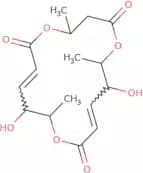
CAS:<p>Macrosphelide A is a bioactive macrocyclic lactone, which is a secondary metabolite derived from the culture of certain fungal species. It functions primarily through the disruption of cell adhesion processes, which is facilitated by its ability to interfere with the function of specific cell surface receptors. This mode of action underlies its potential as an immunosuppressive agent, where it can inhibit the activities of immune cells by altering cellular communication and adhesion.</p>Fórmula:C16H22O8Pureza:Min. 95%Peso molecular:342.34 g/molIkarugamycin
CAS:<p>Ikarugamycin is a polycyclic nitrogenous antibiotic, which is derived from the fermentation of Streptomyces species, a genus of gram-positive bacteria. It acts primarily by inhibiting clathrin-mediated endocytosis, a cellular process involving the internalization of various macromolecules. This inhibition disrupts cellular uptake mechanisms, which has significant implications for its utility in biological research and therapeutic applications.</p>Fórmula:C29H38N2O4Pureza:Min. 95%Peso molecular:478.62 g/molFenaminostrobin
CAS:<p>Fenaminostrobin is a broad-spectrum fungicide, which is synthesized chemically. It operates primarily through inhibition of mitochondrial respiration in fungal cells, targeting the bc1 complex, which disrupts ATP production and leads to the inhibition of spore germination and fungal growth. This mode of action makes Fenaminostrobin effective against a wide range of pathogenic fungi that affect various crops.</p>Fórmula:C21H21Cl2N3O3Pureza:Min. 95%Peso molecular:434.3 g/mol28-Epirapamycin
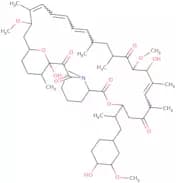
CAS:28-Epirapamycin is a semisynthetic derivative of the macrolide antibiotic rapamycin, which is derived from the bacterium *Streptomyces hygroscopicus*. This compound functions primarily as an mTOR (mechanistic target of rapamycin) inhibitor. The mTOR pathway is crucial for regulating cell growth, proliferation, and survival by integrating signals from nutrients, growth factors, and cellular energy status.Fórmula:C51H79NO13Pureza:Min. 95%Peso molecular:914.2 g/molGramicidin
CAS:<p>Gramicidin is an antibiotic, which is derived from soil bacteria of the genus Bacillus, specifically Bacillus brevis. This polypeptide antibiotic exerts its antibacterial effects by disrupting the cell membranes of susceptible bacteria. Gramicidin forms channels in the phospholipid bilayers of bacterial cell membranes, leading to uncontrolled cation fluxes, which ultimately results in cell death. This mechanism is particularly effective against Gram-positive bacteria due to their specific cell wall structure.</p>Fórmula:C99H140N20O17Pureza:A1.A2.B1.C1 And C2) 95%Cor e Forma:PowderPeso molecular:1,882.3 g/molZelkovamycin
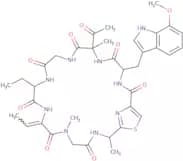
CAS:Zelkovamycin is a novel antibacterial compound isolated from endophytic microorganisms, specifically Streptomyces sp. Endophytes are bacteria or fungi that reside within plant tissues, forming symbiotic relationships and often producing bioactive metabolites. The mode of action of Zelkovamycin involves the inhibition of bacterial cell wall synthesis, interfering with the biosynthesis pathways essential for maintaining the structural integrity and function of bacterial cell walls, particularly in Gram-positive strains.Fórmula:C36H45N9O9SPureza:Min. 95%Cor e Forma:PowderPeso molecular:779.86 g/molClindamycin
CAS:<p>Inhibitor of protein synthesis; lincosamide class</p>Fórmula:C18H33ClN2O5SPureza:Min. 95%Peso molecular:424.98 g/molPicoxystrobin metabolite M8
CAS:<p>Picoxystrobin metabolite M8 is a chemical metabolite, which is a derivative specifically originating from the degradation of the fungicide Picoxystrobin. It is generated through the metabolic pathways that occur after the application of Picoxystrobin on crops. As a strobilurin derivative, its mode of action is primarily related to its ability to disrupt mitochondrial respiration in fungi by inhibiting the electron transport chain at the cytochrome bc1 complex. This interruption leads to energy depletion and subsequent cell death in pathogenic fungi.</p>Fórmula:C14H10F3NO3Pureza:Min. 95%Peso molecular:297.23 g/mol1-Naphthol-o-sulfate potassium
CAS:<p>1-Naphthol-o-sulfate potassium is a sulfate ester, which is a derivative of naphthol. It is synthesized from 1-naphthol, a phenolic compound, through sulfation, typically using chlorosulfonic acid or oleum, followed by neutralization with potassium hydroxide to produce the potassium salt form. This particular compound is involved in various biochemical pathways, especially as a conjugated metabolite in phase II metabolism.</p>Fórmula:C10H8KO4SPureza:Min. 95%Peso molecular:263.33 g/molAscomycin
CAS:<p>Ascomycin is an immunosuppressant macrolide lactone, which is derived from the soil bacterium *Streptomyces hygroscopicus*. It functions primarily by inhibiting the T-cell activation pathway. The mechanism involves binding to the immunophilin FKBP-12, forming a complex that inhibits the calcium-dependent phosphatase, calcineurin. This inhibition prevents the dephosphorylation and subsequent translocation of nuclear factor of activated T cells (NFAT), which is crucial for the transcription of interleukin-2 and other cytokines. Consequently, this suppresses the activation and proliferation of T-cells, which are essential components of the adaptive immune response.</p>Fórmula:C43H69NO12Pureza:Min. 95%Peso molecular:792.01 g/molDimidazon
CAS:Dimidazon is a synthetic herbicide, which is derived from chemical synthesis processes involving aromatic and heterocyclic compounds. It possesses a mode of action that primarily inhibits specific enzymatic pathways required for plant growth, targeting essential biosynthesis mechanisms within the plant's cellular structure. This disruption leads to the cessation of vital processes, eventually causing plant death.Fórmula:C12H12N2O3Pureza:Min. 95%Peso molecular:232.23 g/molPolymyxin B nonapeptide hydrochloride
CAS:<p>Polymyxin B nonapeptide hydrochloride is a potent antibiotic compound derived from the bacterium *Bacillus polymyxa*. As a cationic polypeptide, it exhibits its antibacterial activity by interacting with the lipopolysaccharides and phospholipids in the bacterial cell membrane, leading to increased permeability and ultimately causing cell lysis. The compound is specifically effective against a broad range of Gram-negative bacteria, making it crucial in studying antibiotic resistance mechanisms.</p>Fórmula:C43H74N14O11•(HCl)xPureza:Min. 95%Peso molecular:963.14 g/molBixlozone
CAS:<p>Bixlozone is a pharmaceutical compound that serves as an antimicrobial agent, developed from synthetic origins. It operates by targeting specific microbial pathways, effectively disrupting the synthesis of essential cellular components within pathogenic organisms. The active mechanisms of Bixlozone involve inhibiting enzymatic functions that are crucial for the survival and replication of these pathogens.</p>Fórmula:C12H13Cl2NO2Pureza:Min. 95%Peso molecular:274.14 g/mol3,4-Dihydro-2H,6H-pyrimido[1,2-c][1,3]benzothiazin-6-imine
CAS:3,4-Dihydro-2H,6H-pyrimido[1,2-c][1,3]benzothiazin-6-imine is a chemical compound classified as a heterocyclic organic compound, which is synthesized through chemical processes in the laboratory. This compound belongs to a novel class of molecules with potential pharmacological applications, particularly in the realm of infectious diseases. Its mode of action involves the inhibition of specific enzymatic pathways essential for the survival of certain pathogenic organisms, such as Plasmodium species responsible for malaria.Fórmula:C11H11N3SPureza:Min. 95%Peso molecular:217.29 g/molRPW-24
CAS:<p>RPW-24 is a microbial inoculant, which is derived from specifically cultivated microbial strains with known capabilities of enhancing soil fertility. Utilizing a proprietary selection of Bacillus and Pseudomonas species, this product functions by facilitating the solubilization of inorganic phosphate compounds in the soil. These microbes secrete organic acids and enzymes that convert insoluble forms of phosphorus into forms that are more readily available to plants, thereby enhancing nutrient uptake and promoting plant growth.</p>Fórmula:C15H13ClN4Pureza:Min. 95%Peso molecular:284.74 g/molButirosin disulfate
CAS:<p>Butirosin disulfate is an aminoglycoside antibiotic, which is derived from a strain of *Bacillus circulans*. Its primary mode of action involves binding to the 30S subunit of the bacterial ribosome, leading to the inhibition of protein synthesis. This interaction results in the misreading of mRNA, ultimately causing bactericidal effects.</p>Fórmula:C21H45N5O20S2Pureza:Min. 95%Peso molecular:751.7 g/molBecliconazole
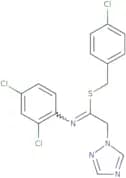
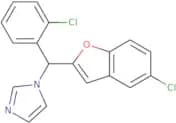
CAS:Please enquire for more information about Becliconazole including the price, delivery time and more detailed product information at the technical inquiry form on this pageFórmula:C18H12Cl2N2OPureza:Min. 95%Peso molecular:343.2 g/molPiperacillin oxalylamide
CAS:<p>Piperacillin oxalylamide is an investigational antibiotic, which is a synthetic derivative of the widely used β-lactam antibiotic, piperacillin. Its development is rooted in the quest to combat β-lactamase-producing resistant bacterial strains, which are a growing threat in clinical settings. It operates by inhibiting bacterial cell wall synthesis, similar to other β-lactam antibiotics, but possesses a modified structure that enhances its resistance to enzymatic degradation by β-lactamases.</p>Fórmula:C23H29N5O8SPureza:Min. 95%Peso molecular:535.57 g/molENOblock
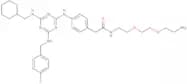
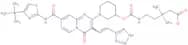
CAS:<p>ENOblock is a biochemical inhibitor, which is synthesized from specific small molecules with the capability to modulate metabolic pathways. This product is derived from a high-throughput screening aimed at identifying novel regulators of enzymatic processes and exhibits unique properties influencing nicotinamide adenine dinucleotide (NAD) metabolism.</p>Fórmula:C31H43FN8O3Pureza:Min. 95%Peso molecular:594.74 g/mol8-Methylpyrido[2,3-d]pyridazin-5(6H)-one
CAS:<p>8-Methylpyrido[2,3-d]pyridazin-5(6H)-one is a heterocyclic compound used in the field of medicinal chemistry. This compound is synthesized through complex organic reactions involving pyridazine and pyridine derivatives. As a molecule, its primary mode of action involves interactions with specific biochemical pathways, potentially influencing enzymatic activity or receptor bindings, leading to modulation of biological activities.</p>Fórmula:C8H7N3OPureza:Min. 95%Peso molecular:161.16 g/molCefonicid
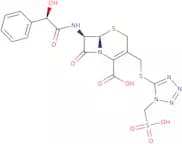
CAS:Cefonicid is a semisynthetic cephalosporin antibiotic, which is derived from the naturally occurring compound cephalosporin C, obtained from the mold *Cephalosporium acremonium*. Its mode of action involves inhibiting bacterial cell wall synthesis by binding to penicillin-binding proteins, leading to cell lysis and death, thereby exhibiting bactericidal activity.Fórmula:C18H16N6O8S3Pureza:Min. 95%Peso molecular:540.55 g/molIndinavir monohydrate
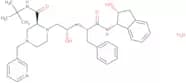
CAS:Indinavir monohydrate is an antiretroviral medication, which is a synthetic pharmaceutical compound, specifically a protease inhibitor, used in the treatment of HIV infection. It is derived from chemical synthesis processes that follow rigorous standards to produce a pharmacologically active compound. Indinavir functions by selectively inhibiting the HIV-1 protease enzyme, which is crucial for the viral replication cycle. By binding to the active site of the enzyme, indinavir prevents the cleavage of viral polypeptides, leading to the production of immature and non-infectious viral particles.Pureza:Min. 95%Erythromycylamine
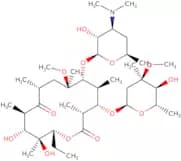
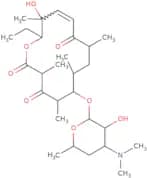
CAS:<p>Erythromycylamine is a semisynthetic antibiotic, which is derived from the parent compound erythromycin. This compound is sourced from the fermentation product of the bacterium *Saccharopolyspora erythraea*. Erythromycylamine acts by inhibiting bacterial protein synthesis, specifically targeting the 50S ribosomal subunit, which ultimately leads to the disruption of bacterial cell growth and replication.</p>Fórmula:C37H70N2O12Pureza:Min. 95%Peso molecular:734.96 g/molArtefenomel
CAS:<p>Artefenomel is an antimalarial agent, which is a synthetic derivative originally based on artemisinin, primarily sourced from the Artemisia annua plant. It exhibits its mode of action by targeting and disrupting the Plasmodium parasite's life cycle within the human host. Specifically, artefenomel interferes with the parasite's ability to degrade hemoglobin, leading to the accumulation of toxic levels of heme, ultimately causing the parasite's death.</p>Fórmula:C28H39NO5Pureza:Min. 95%Peso molecular:469.6 g/molBromophos-methyl-oxon
CAS:<p>Bromophos-methyl-oxon is an organophosphate insecticide and acaricide, which is a synthetic chemical derived from organophosphate compounds. It functions by inhibiting the activity of the enzyme acetylcholinesterase in target organisms. This inhibition leads to the accumulation of acetylcholine at nerve synapses, disrupting normal nerve function and ultimately resulting in the paralysis and death of pests.</p>Fórmula:C8H8BrCl2O4PPureza:Min. 95%Peso molecular:349.93 g/molPikromycin
CAS:<p>Pikromycin is an antibiotic, which is derived from the bacterium *Streptomyces venezuelae*. It functions by specifically binding to the 50S ribosomal subunit, thereby inhibiting bacterial protein synthesis. This action effectively blocks peptide chain elongation, leading to the cessation of bacterial growth and proliferation. Pikromycin serves as an important model compound in antibiotic research, particularly in the study of macrolides and polyketides, due to its unique structure and biosynthetic pathway.</p>Fórmula:C28H47NO8Pureza:Min. 95%Peso molecular:525.7 g/mol(E)-Ceftriaxone disodium
CAS:<p>(E)-Ceftriaxone disodium is a broad-spectrum cephalosporin antibiotic, which is derived from the fermentation of the fungus Acremonium. This semi-synthetic antibiotic works by inhibiting bacterial cell wall synthesis. It achieves this by binding to the penicillin-binding proteins (PBPs) in the bacterial cell membrane, which ultimately interferes with peptidoglycan cross-linking, leading to cell lysis and death.</p>Fórmula:C18H16N8Na2O7S3Pureza:Min. 95 Area-%Peso molecular:598.54 g/mol1H-Indene-2-carboxylic acid
CAS:<p>1H-Indene-2-carboxylic acid is an organic compound, which is primarily utilized in synthetic organic chemistry. This compound is a derivative of indene, a bicyclic hydrocarbon derived from the fusion of benzene and cyclopentene rings. It is most commonly sourced from petrochemical processes involving the polymerization or catalytic conversion of hydrocarbons.</p>Fórmula:C21H17ClF3N3O7Pureza:Min. 95%Peso molecular:515.8 g/molD 13-9001
CAS:Please enquire for more information about D 13-9001 including the price, delivery time and more detailed product information at the technical inquiry form on this pageFórmula:C31H39N11O6SPureza:Min. 95%Peso molecular:693.8 g/molDiclobutrazol
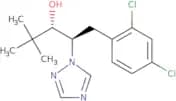
CAS:<p>Diclobutrazol is a plant growth regulator, a synthetic compound primarily derived from chemical synthesis methods. This compound acts by inhibiting the biosynthesis of gibberellins, which are plant hormones that regulate various aspects of growth and development. The inhibition of gibberellin biosynthesis results in reduced plant elongation, leading to more compact growth forms.</p>Fórmula:C15H19Cl2N3OPureza:Min. 95%Peso molecular:328.24 g/molAqabamycin D
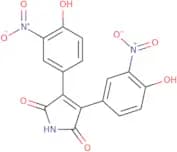
CAS:Aqabamycin D is a novel antibiotic compound, which is derived from marine bacteria, particularly from the genus Streptomyces collected from unique marine environments. This compound functions by interfering with bacterial cell wall synthesis, leading to the disruption of essential cellular processes. Aqabamycin D exhibits a broad spectrum of antibacterial activity, particularly against gram-positive bacteria, making it a valuable tool for tackling resistant bacterial strains.Fórmula:C16H9N3O8Pureza:Min. 95%Peso molecular:371.26 g/molPantoprazole-d3
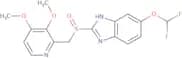
CAS:<p>Pantoprazole-d3 is a stable isotope-labeled version of the proton pump inhibitor pantoprazole, which is derived synthetically for scientific research and analytical applications. Isotope labeling involves substituting hydrogen atoms with deuterium, resulting in Pantoprazole-d3 containing three deuterium atoms. This modification preserves the pharmacological profile of the parent compound while enabling precise tracking in biological studies through advanced spectroscopic techniques.</p>Fórmula:C16H15F2N3O4SPureza:Min. 95%Peso molecular:386.4 g/mol26-Oxofusidic acid
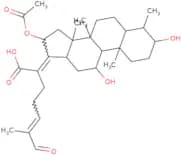
CAS:<p>26-Oxofusidic acid is a derivative of fusidic acid, which is a potent antibacterial compound originally isolated from the fungus Fusidium coccineum. This compound exhibits a unique mode of action by inhibiting bacterial protein synthesis through interference with the elongation factor G (EF-G), a critical component in the translocation step of translation. By targeting this specific aspect of bacterial metabolism, 26-Oxofusidic acid effectively disrupts the growth of gram-positive bacteria, making it an invaluable tool in combating resistant bacterial strains.</p>Fórmula:C31H46O7Pureza:Min. 95%Peso molecular:530.69 g/molChlorhexidine acetate hydrate(1:2:X)
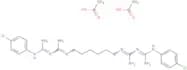
CAS:Produto Controlado<p>Chlorhexidine acetate hydrate (1:2:X) is a chemical compound used as a disinfectant and antiseptic. It is derived from chlorhexidine, a well-known antimicrobial agent frequently used in both medical and laboratory settings. The compound functions by disrupting microbial cell membranes, resulting in leakage of cellular components and subsequent cell death. This action makes it particularly effective against a wide range of bacteria, fungi, and some viruses.</p>Fórmula:C26H38Cl2N10O4Pureza:Min. 95%Peso molecular:625.5 g/mol(2RS,4S)-2-[[(phenylacetyl)amino]methyl]-5,5-dimethylthiazolidine-4-carboxylic acid (penilloic acids of benzylpenicillin)
CAS:<p>(2RS,4S)-2-[[(Phenylacetyl)amino]methyl]-5,5-dimethylthiazolidine-4-carboxylic acid, commonly referred to as penilloic acids, is a hydrolytic degradation product of benzylpenicillin. It is derived through the enzymatic or chemical cleavage of the β-lactam ring of benzylpenicillin, which is a classic β-lactam antibiotic.</p>Fórmula:C15H20N2O3SPureza:Min. 95%Peso molecular:308.4 g/molCAP 3
CAS:<p>CAP 3 is an enzymatic product, derived from genetically engineered microorganisms, known for its specificity and efficiency in catalyzing biochemical reactions. This enzyme functions via the hydrolysis of specific chemical bonds, promoting reaction pathways that enhance productivity in various industrial and laboratory settings.</p>Fórmula:C52H82N6O11Pureza:Min. 95%Peso molecular:967.20 g/mol(E)-Coniferin
CAS:(E)-Coniferin is a plant-derived glucoside, which is primarily associated with the lignification process in gymnosperms and angiosperms. It is biosynthesized from the phenylpropanoid pathway, specifically from coniferyl alcohol conjugated with glucose. This conjugation serves as a storage form and transport mechanism for coniferyl alcohol in plants.Fórmula:C16H22O8Pureza:Min. 95%Peso molecular:342.34 g/molBenastatin A
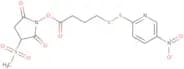
CAS:<p>Benastatin A is an antifungal compound, which is derived from marine-derived Streptomyces species. This bacterial genus, known for its prolific production of bioactive secondary metabolites, serves as a rich source for drug discovery and biosynthesis of unique compounds like Benastatin A. The mode of action of Benastatin A involves the disruption of fungal cell membranes, leading to leakage of vital cellular components and subsequent cell death. This interaction is crucial for understanding its efficacy and specificity against fungal pathogens.</p>Fórmula:C30H28O7Pureza:Min. 95%Peso molecular:500.50 g/mol3-(Methylsulfonyl)-2,5-dioxopyrrolidin-1-yl 4-((5-nitropyridin-2-yl)disulfanyl)butanoate
CAS:3-(Methylsulfonyl)-2,5-dioxopyrrolidin-1-yl 4-((5-nitropyridin-2-yl)disulfanyl)butanoate is a sophisticated biochemical compound used primarily in research settings. This compound, derived from synthetic sources, functions through its reactive disulfide linkage, enabling the modification of thiol groups in proteins or other biomolecules. This reactivity is crucial for applications involving targeted chemical modifications, serving as a useful tool in the investigation of biochemical pathways and interactions.Fórmula:C14H15N3O8S3Pureza:Min. 95%Peso molecular:449.5 g/mol(2S)-2-[N-(Furan-2-carbonyl)-2,6-dimethylanilino]propanoic acid
CAS:(2S)-2-[N-(Furan-2-carbonyl)-2,6-dimethylanilino]propanoic acid is a synthetic compound classified as a potentially bioactive molecule. It is derived through a series of organic synthesis steps that involve the coupling of furan-2-carbonyl chloride with 2,6-dimethylaniline, followed by modification with a chiral propanoic acid moiety.Fórmula:C16H17NO4Pureza:Min. 95%Peso molecular:287.31 g/molImibenconazole
CAS:<p>Imibenconazole is a systemic fungicide, which is a synthetic chemical compound known for its efficacy in controlling a wide spectrum of fungal pathogens. This fungicide operates by inhibiting the biosynthesis of ergosterol, a crucial component of fungal cell membranes, effectively disrupting the growth and spread of fungi. Its action involves the inhibition of the demethylation process in sterol biosynthesis, specifically targeting the cytochrome P450 14α-demethylase enzyme.</p>Fórmula:C17H13Cl3N4SPureza:Min. 95%Peso molecular:411.7 g/molTobramycin, Antibiotic for Culture Media Use Only
CAS:Produto ControladoTobramycin is used to treat severe infections with gram-negative bacteria and it is often applied in combination with beta-lactams. It has similar antimicrobial effects to gentamicin and is effective against all Enterobacteriacae, but more effective than gentamicin against P. aeruginosa, which is why it is often used for gentamicin-resistant strains, especially in the case of cystic fibrosis.Fórmula:C18H37N5O9Pureza:Min. 97 Area-%Peso molecular:467.51 g/molRef: 3D-Q-201837
10gA consultar25gA consultar50gA consultar100gA consultar250gA consultar-Unit-ggA consultarTebufenozide-hydroxymethyl
CAS:<p>Tebufenozide-hydroxymethyl is an insect growth regulator, which is synthesized chemically to function as an agonist of the molting hormone, ecdysone, in target pest species. It operates by mimicking the effects of ecdysone, leading to premature and lethal molting in lepidopteran larvae. This disruption in the developmental cycle of the insects effectively suppresses their population by preventing them from reaching maturity and reproducing.</p>Fórmula:C22H28N2O3Pureza:Min. 95%Peso molecular:368.5 g/molAmoscanate
CAS:Amoscanate is an antischistosomal agent, which is a synthetic compound with a broad spectrum of activity against parasitic infections. Its mode of action involves the disruption of parasite metabolism and structure, ultimately leading to the elimination of schistosomes. Schistosomes are trematode worms responsible for schistosomiasis, a significant parasitic disease affecting millions of people worldwide.Fórmula:C13H9N3O2SPureza:Min. 95%Peso molecular:271.3 g/molBromobutide-desbromo
CAS:<p>Bromobutide-desbromo is a chemical compound that functions as a selective herbicide. It is derived from synthetic sources and is specifically formulated to interfere with photosynthesis in target plants. The mode of action of bromobutide-desbromo involves inhibiting photosystem II, a crucial component of the photosynthetic electron transport chain in plants. This inhibition disrupts the energy conversion process, leading to a decrease in ATP and NADPH production, which are essential for plant growth.</p>Fórmula:C15H23NOPureza:Min. 95%Peso molecular:233.35 g/molClarithromycin-13CD3
CAS:<p>Clarithromycin-13CD3 is an isotopically labeled macrolide antibiotic, which is synthesized to include deuterium (D) and carbon-13 (^13C) in its molecular structure. This modified compound serves as a stable isotope-labeled standard, primarily sourced from chemical synthesis. The incorporation of these isotopes differentiates it from the naturally occurring antibiotic, enabling its use in precise analytical studies.</p>Fórmula:C37CH66D3NO13Pureza:Min. 95%Peso molecular:751.97 g/molIclaprim
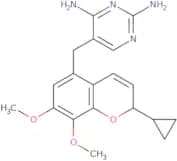
CAS:Iclaprim is an antibiotic, which is a synthetic diaminopyrimidine antimicrobial agent with a specific mechanism of action. It works by selectively inhibiting bacterial dihydrofolate reductase, a crucial enzyme in the bacterial folate synthesis pathway. This inhibition prevents the production of tetrahydrofolate, ultimately disrupting DNA, RNA, and protein synthesis in susceptible bacterial cells.Fórmula:C19H22N4O3Pureza:Min. 95%Peso molecular:354.4 g/molStreptidine
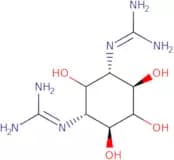
CAS:Streptidine is an amino cyclitol, which is a component of certain aminoglycoside antibiotics. This compound originates from the actinomycete *Streptomyces griseus*, a soil bacterium known for its ability to produce a variety of antibiotics. Streptidine plays a crucial role in the mechanism of aminoglycosides by contributing to the binding affinity of these antibiotics to the bacterial ribosome.Fórmula:C8H18N6O4Pureza:Min. 95%Peso molecular:262.13895S-Ethyl (3-hydroxypropyl)propylthiocarbamate
CAS:S-Ethyl (3-hydroxypropyl)propylthiocarbamate is a selective herbicide used primarily in the agricultural sector. Derived from synthetic organic chemistry, it belongs to the thiocarbamate class of herbicides. These compounds are known for their ability to inhibit the growth of undesirable plant species by interfering with lipid synthesis.Fórmula:C9H19NO2SPureza:Min. 95%Peso molecular:205.32 g/mol



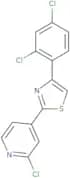
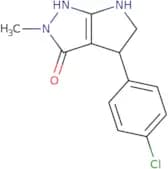
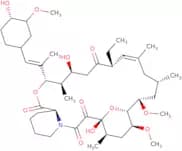


![3,4-Dihydro-2H,6H-pyrimido[1,2-c][1,3]benzothiazin-6-imine](/_next/image/?url=https%3A%2Fstatic.cymitquimica.com%2Fproducts%2F3D%2Fthumb-webp%2FXCA59674.webp&w=3840&q=75)

![8-Methylpyrido[2,3-d]pyridazin-5(6H)-one](/_next/image/?url=https%3A%2Fstatic.cymitquimica.com%2Fproducts%2F3D%2Fthumb-webp%2FQDA00407.webp&w=3840&q=75)



![(2RS,4S)-2-[[(phenylacetyl)amino]methyl]-5,5-dimethylthiazolidine-4-carboxylic acid (penilloic aci…](/_next/image/?url=https%3A%2Fstatic.cymitquimica.com%2Fproducts%2F3D%2Fthumb-webp%2FAAA50134.webp&w=3840&q=75)


![(2S)-2-[N-(Furan-2-carbonyl)-2,6-dimethylanilino]propanoic acid](/_next/image/?url=https%3A%2Fstatic.cymitquimica.com%2Fproducts%2F3D%2Fthumb-webp%2FTEA59719.webp&w=3840&q=75)