Esteróis
Foram encontrados 198 produtos de "Esteróis"
Zuclomiphene
CAS:Produto ControladoZuclomiphene is a selective estrogen receptor modulator (SERM), which is derived from clomiphene citrate, a mixture containing two isomers, zuclomiphene and enclomiphene. Zuclomiphene acts by binding to estrogen receptors, exhibiting both estrogenic and anti-estrogenic effects depending on the target tissue. This dual action makes it a valuable tool in modulating estrogen receptor activity for scientific research.
Fórmula:C26H28ClNOPureza:Min. 95%Peso molecular:405.96 g/mol2'-Hydroxyformononetin
CAS:2'-Hydroxyformononetin is a naturally occurring isoflavone, which is predominantly found in certain plants such as red clover and soy. It is a type of phytoestrogen, which exhibits estrogen-like activity due to its ability to bind estrogen receptors. The mode of action involves modulating estrogen receptor pathways, which in turn can affect various physiological processes related to hormone balance and cell proliferation.Fórmula:C16H12O5Pureza:Min. 95%Cor e Forma:PowderPeso molecular:284.26 g/molBetamethasone 21-phosphate disodium
CAS:Betamethasone 21-phosphate disodium is a synthetic glucocorticoid, which is a man-made analog of naturally occurring steroid hormones produced in the adrenal cortex. Its molecular structure allows for enhanced potency and solubility, making it highly effective for use in various clinical settings. As a glucocorticoid, Betamethasone 21-phosphate disodium functions by binding to glucocorticoid receptors, regulating the expression of anti-inflammatory proteins, and inhibiting the production of pro-inflammatory cytokines. This mechanism of action reduces inflammation and suppresses the immune response, making it valuable in the treatment of conditions that involve excessive inflammation. It is commonly used in the management of conditions such as allergic reactions, certain types of arthritis, and skin diseases. Its ability to rapidly modulate inflammatory pathways also makes it useful in emergency settings for conditions like acute asthma exacerbations and severe allergic reactions. As a water-soluble ester, it allows for diverse administration routes, including oral, intravenous, and topical applications, depending on the clinical requirement.Fórmula:C22H28FNa2O8PPureza:Min. 95%Cor e Forma:White PowderPeso molecular:516.4 g/molPregnenolone
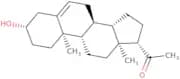
CAS:Produto ControladoPregnenolone is a steroidal hormone precursor, which is synthesized from cholesterol in the mitochondria of adrenal glands and other tissues. Its mode of action involves serving as a precursor for other critical steroid hormones, including progesterone, mineralocorticoids, glucocorticoids, androgens, and estrogens. As a neurosteroid, it plays a significant role in modulating synaptic function and neurogenesis.Fórmula:C21H32O2Pureza:Min. 98 Area-%Cor e Forma:PowderPeso molecular:316.48 g/molCortisone acetate
CAS:Produto ControladoCortisone acetate is a synthetic corticosteroid, which is a derivative of cortisone, a naturally occurring hormone produced by the adrenal cortex. As a pharmaceutical compound, cortisone acetate acts primarily as an anti-inflammatory and immunosuppressive agent. Its mode of action involves the conversion into cortisol, a glucocorticoid, which then interacts with glucocorticoid receptors to modulate the transcription of responsive genes. This process reduces the production of pro-inflammatory cytokines and inhibits the function of immune cells, thereby producing an anti-inflammatory effect.Fórmula:C23H30O6Pureza:95%MinCor e Forma:PowderPeso molecular:402.48 g/mol7-Dehydrostigmasterol
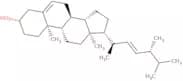
CAS:Produto Controlado7-Dehydrostigmasterol is a phytosterol, which is a type of steroid alcohol derived from plant sources, particularly within the metabolic pathway of various sterols. This compound acts as an intermediate in the biosynthesis of other phytosterols, functioning within key enzymatic conversion processes that are part of the larger sterol metabolic network.Pureza:Min. 95%Brassicasterol
CAS:Produto ControladoBrassicasterol is a phytosterol, which is synthesized by various plant sources, particularly found in the seeds of plants such as rapeseed, mustard, and some algae. As a sterol, it is structurally similar to cholesterol but differs by having a methyl group at C24. This characteristic structure plays a vital role in its mode of action, modulating membrane fluidity and cell signaling pathways in organisms. In mammalian systems, brassicasterol may contribute to the reduction of cholesterol absorption by competing for incorporation into micelles, thus influencing metabolic pathways related to lipid processing and absorption.
Fórmula:C28H46OPureza:Min. 95 Area-%Cor e Forma:Off-White PowderPeso molecular:398.66 g/molErizimoside
CAS:Please enquire for more information about Erizimoside including the price, delivery time and more detailed product information at the technical inquiry form on this pageFórmula:C35H52O14Pureza:Min. 95%Cor e Forma:PowderPeso molecular:696.78 g/molLanosterol (Isocholesterol) - Lanosterol 60%
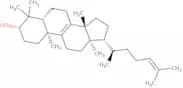
CAS:Produto ControladoComposed of Lanosterol (~65%), dihydrolanosterol, agnosterol,dihydroagnosterol.Extracted from wool.Fórmula:C30H50OPureza:Min. 60 Area-%Cor e Forma:White Off-White PowderPeso molecular:426.72 g/molPolyphyllin B (Formosanin C)
CAS:Polyphyllin B (Formosanin C) is a natural saponin compound, which is derived from the rhizomes of plants in the genus Paris, particularly Paris polyphylla. Known for its biological activity, Polyphyllin B functions primarily by disrupting cellular membranes and inducing apoptosis in cancer cells through various signaling pathways, including the mitochondrial pathway. This mechanism is attributed to its ability to interfere with cancer cell proliferation and promote cell death, making it a compound of interest in oncological research.
Fórmula:C51H82O20Pureza:Min. 95%Cor e Forma:PowderPeso molecular:1,015.19 g/molMestranol
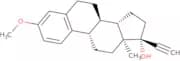
CAS:Mestranol is a synthetic estrogen, which is derived from chemical synthesis. Its mode of action involves being a prodrug of ethinylestradiol, meaning it is metabolized in the liver to its active form, which then binds to estrogen receptors in target tissues. This binding alters the expression of genes, influencing the reproductive system to prevent ovulation. By inhibiting the release of gonadotropins (LH and FSH) from the pituitary, it effectively halts the maturation of ovarian follicles.Fórmula:C21H26O2Pureza:Min. 95%Cor e Forma:White PowderPeso molecular:310.43 g/molEpibrassinolide
CAS:Epibrassinolide is a plant growth regulator, which is a synthetic analog of brassinosteroids derived from natural plant steroids. It exerts its effects through modulating gene expression and activating signaling pathways that enhance cell elongation, division, and differentiation. Additionally, Epibrassinolide plays a crucial role in improving a plant's tolerance to environmental stresses such as drought, salinity, and temperature extremes. It is widely used in agricultural research and practices to boost crop yield and quality. Researchers apply Epibrassinolide to study its potential in promoting growth, increasing resistance to pathogens, and enhancing overall plant vitality. Its applications extend to various plant species, where it is utilized to explore genetic expressions and physiological adaptations in response to its regulatory effects.Fórmula:C28H48O6Pureza:(%) Min. 85%Cor e Forma:White PowderPeso molecular:480.68 g/molTeasterone
CAS:Produto ControladoPlease enquire for more information about Teasterone including the price, delivery time and more detailed product information at the technical inquiry form on this pageFórmula:C28H48O4Pureza:Min. 95%Peso molecular:448.35526Cholesterol
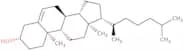
CAS:Produto ControladoCholesterol is a complex lipid molecule, which is an essential component of cell membranes in animals. It is primarily synthesized in the liver, though it can also be obtained from dietary sources such as meat, dairy, and eggs. Cholesterol's mode of action involves its incorporation into the phospholipid bilayer of cell membranes, where it modulates fluidity and structural integrity, impacting membrane protein function and cellular signaling pathways.Fórmula:C27H46OPureza:Min. 95 Area-%Cor e Forma:White Clear LiquidPeso molecular:386.65 g/molEquilenin
CAS:Equilenin is a steroidal estrogen, which is a type of naturally occurring hormone. It is derived primarily from the urine of pregnant mares and belongs to the class of conjugated equine estrogens. In terms of its mode of action, equilenin functions by binding to estrogen receptors in various tissues, thereby modulating gene expression and influencing cellular activity. This interaction supports the management of estrogen deficiencies in postmenopausal women and can influence the regulation of certain metabolic processes.Fórmula:C18H18O2Pureza:Min. 95%Cor e Forma:PowderPeso molecular:266.33 g/molCoumestrol-9-methyl ether
CAS:Coumestrol-9-methyl ether is a synthetic estrogen analogue, which is derived from coumestrol, a naturally occurring phytoestrogen found in various plant sources such as soybeans and clover. This compound is synthesized through chemical modification to enhance its stability and bioactivity, differing from its naturally occurring counterpart by the addition of a methyl group.Fórmula:C16H10O5Pureza:Min. 95%Peso molecular:282.25 g/molBufalin
CAS:Bufalin is a bufadienolide compound, which is a type of steroid derived primarily from toad venom, specifically from the skin and parotid venom glands of the toad species Bufo gargarizans. Its mode of action involves the inhibition of Na+/K+-ATPase, an enzyme critical for maintaining the electrochemical gradient across cell membranes. By disrupting this gradient, Bufalin affects cellular ion homeostasis and induces apoptosis in various cancer cell lines.Fórmula:C24H34O4Pureza:Min. 95%Cor e Forma:White PowderPeso molecular:386.52 g/molUzarigenin
CAS:Uzarigenin is a steroidal sapogenin, which is a naturally derived chemical compound typically extracted from plants belonging to the Apocynaceae family. It is primarily sourced from species like *Cynanchum* and *Xysmalobium*, where it exists as part of glycosidic complexes. The mode of action of uzarigenin involves its interaction with cellular steroid pathways, providing insights into various biological processes involving steroidal regulation and interaction. Such properties make it valuable in the study of steroid biosynthesis and the pharmacodynamics of cardiotonic steroids.Fórmula:C23H34O4Pureza:Min. 97 Area-%Cor e Forma:PowderPeso molecular:374.52 g/molProtodioscin
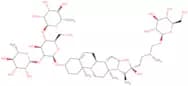
CAS:Protodioscin is a steroidal saponin, which is a naturally occurring glycoside. It is predominantly sourced from the plant Tribulus terrestris but can also be found in other medicinal plants such as Dioscorea species. The mode of action of protodioscin involves its ability to influence the levels of dehydroepiandrosterone (DHEA) and other hormones, potentially affecting physiological functions related to vitality and performance.Fórmula:C51H84O22Pureza:Min. 95%Cor e Forma:PowderPeso molecular:1,049.22 g/molDioscin
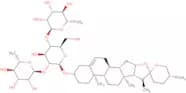
CAS:Dioscin is a steroidal saponin, which is a naturally occurring compound found in various plants, notably in species such as Dioscorea nipponica and Dioscorea zingiberensis. These plants belong to the yam family, which are well-regarded for their medicinal properties. The mode of action of dioscin involves modulation of various biochemical pathways, including the suppression of inflammatory cytokines and inhibition of cancer cell proliferation. Additionally, dioscin has been shown to promote apoptosis in cancer cells through the activation of caspases and disruption of mitochondrial function.
Fórmula:C45H72O16Pureza:Min. 95%Cor e Forma:PowderPeso molecular:869.05 g/mol