Esteróis
Foram encontrados 198 produtos de "Esteróis"
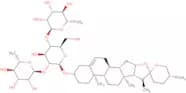
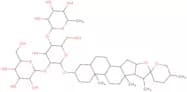
Dioscin
CAS:Dioscin is a steroidal saponin, which is a naturally occurring compound found in various plants, notably in species such as Dioscorea nipponica and Dioscorea zingiberensis. These plants belong to the yam family, which are well-regarded for their medicinal properties. The mode of action of dioscin involves modulation of various biochemical pathways, including the suppression of inflammatory cytokines and inhibition of cancer cell proliferation. Additionally, dioscin has been shown to promote apoptosis in cancer cells through the activation of caspases and disruption of mitochondrial function.
Fórmula:C45H72O16Pureza:Min. 95%Cor e Forma:PowderPeso molecular:869.05 g/molPolyphyllin D
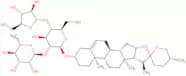
CAS:Polyphyllin D is a natural compound, which is a steroidal saponin extracted from the rhizome of Paris polyphylla, a traditional Chinese medicinal plant. It exhibits significant biological activities and has garnered interest for its potential therapeutic applications. Polyphyllin D exerts its effects primarily through the disruption of cellular processes, including the induction of apoptosis, modulation of the cell cycle, and inhibition of angiogenesis. It achieves these actions by influencing multiple molecular pathways, such as the mitochondrial apoptotic pathway and autophagy regulation.Fórmula:C44H70O16Pureza:Min. 95%Cor e Forma:PowderPeso molecular:855.02 g/molBrassinolide
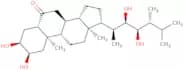
CAS:Plant hormoneFórmula:C28H48O6Pureza:Min. 95 Area-%Cor e Forma:White PowderPeso molecular:480.68 g/molLanosterol - 90%
CAS:Produto ControladoLanosterol - 90% is a sterol compound, which is a biochemical precursor to steroids. It is derived from various animal and plant sources, typically synthesized through the enzymatic conversion of squalene. Lanosterol functions through a significant role in the biosynthetic pathway of cholesterol and other essential sterols. This involves the cyclization process, where lanosterol is metabolized into cholesterol through a series of reactions catalyzed by specific enzymes.Fórmula:C30H50OPureza:Min. 95%Cor e Forma:White Off-White PowderPeso molecular:426.72 g/molHalcinonide
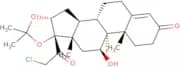
CAS:Halcinonide is a potent topical corticosteroid, which is a synthetically derived compound from hydrocortisone. It operates by penetrating the cell membranes and binding to cytoplasmic receptors, leading to a subsequent translocation to the nucleus where it modulates genetic expression. This action results in diminished synthesis of pro-inflammatory cytokines, thereby exerting strong anti-inflammatory, antipruritic, and vasoconstrictive effects.
Fórmula:C24H32ClFO5Pureza:Min. 95%Cor e Forma:PowderPeso molecular:454.96 g/mol8'-Hydroxyformononetin
CAS:8'-Hydroxyformononetin is a phytoestrogen compound, which is derived from plant sources, particularly from legumes, including red clover and soy. As a naturally occurring isoflavone, it falls within the class of flavonoids, a group of polyphenolic compounds with varied biological activities. Its mode of action primarily involves binding to estrogen receptors, where it can mimic or modulate the action of estrogen in the body. This interaction can result in either estrogenic or anti-estrogenic effects, depending on the presence of endogenous estrogen and other factors within the target tissues.Fórmula:C16H12O5Pureza:Min. 95%Peso molecular:284.26 g/mol24-epi-castasterone
CAS:Produto Controlado24-epi-Castasterone is a brassinosteroid, which is a class of plant steroids, often extracted from various plant tissues synthesized in small quantities. This compound is primarily derived from plant sources such as seeds, pollen, and young vegetative tissues. It functions by binding to specific receptor kinases on plant cell membranes, thereby initiating a cascade of intracellular signaling that regulates gene expression. These pathways are crucial for the modulation of plant growth and development processes.Fórmula:C28H48O5Pureza:Min. 95%Peso molecular:464.68 g/molEstetrol
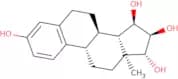
CAS:Estetrol (E4) is a naturally occurring estrogen, which is synthesized by the human fetal liver. It acts as a selective estrogen receptor modulator with a unique mode of action differentially impacting various tissues. Estetrol selectively binds to estrogen receptors, thereby facilitating a range of estrogenic activities. Interestingly, it exhibits modest estrogenic effects on both the endometrium and breast tissue, reducing potential risks typically associated with hormone therapies.
Fórmula:C18H24O4Pureza:Min. 95%Cor e Forma:PowderPeso molecular:304.38 g/molBetamethasone valerate EP Impurity D
Produto ControladoBetamethasone valerate EP Impurity D is a synthetic steroid compound, specifically an impurity of betamethasone valerate. This impurity is typically derived from the chemical synthesis processes associated with the production of betamethasone valerate. It serves as a reference standard in the analytical and pharmaceutical research fields.Fórmula:C27H37BrO6Pureza:Min. 95%Peso molecular:537.49 g/molFormononetin-7-acetate
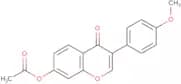
CAS:Formononetin-7-acetate is a naturally-derived isoflavonoid, which is a product of acetylation of formononetin, predominantly sourced from red clover and other leguminous plants. Its mode of action involves mimicking the effects of estrogens by binding to estrogen receptors, though with less potency than endogenous estrogens. This interaction may lead to modulation of various estrogen-mediated physiological processes.
Fórmula:C18H14O5Pureza:Min. 95%Peso molecular:310.3 g/molGanoderenic acid B
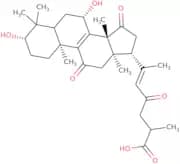
CAS:Produto ControladoPlease enquire for more information about Ganoderenic acid B including the price, delivery time and more detailed product information at the technical inquiry form on this pagePureza:Min. 95%Dioscin
CAS:Dioscin is a type of steroidal saponin, which is a naturally occurring glycoside. It is primarily derived from various plant sources, including members of the Dioscorea family, such as wild yam species. Dioscin exhibits its biological activity through modulation of multiple molecular pathways, notably exhibiting anti-inflammatory, antioxidative, and antiproliferative effects.Fórmula:C45H72O16Pureza:Min. 98.0 Area-%Peso molecular:869.04 g/molRef: 3D-Q-100228
5gA consultar10gA consultar25gA consultar50gA consultar2500mgA consultar-Unit-ggA consultarDeoxy Miroestrol
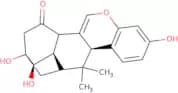
CAS:Deoxy miroestrol is a phytoestrogen compound, which is primarily sourced from the root of the Pueraria mirifica plant, indigenous to Thailand. Its mode of action involves mimicking the biological activity of estrogen by binding to estrogen receptors in the body. This estrogenic activity is due to its structural similarity to estrogens naturally produced in the body, allowing it to interact with estrogen receptors and modulate their activity.Fórmula:C20H22O5Pureza:Min. 95%Cor e Forma:PowderPeso molecular:342.39 g/molMarinobufagenin
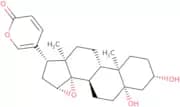
CAS:Marinobufagenin is a bufadienolide compound, which is isolated from the skin and parotid glands of toads, primarily those belonging to the Bufo genus. This compound is characterized by its ability to inhibit Na⁺/K⁺-ATPase, an enzyme crucial for maintaining the electrochemical gradients of sodium and potassium ions across the cell membrane. By inhibiting this enzyme, Marinobufagenin disrupts ion homeostasis, which can lead to increased intracellular calcium concentrations in cardiac muscle cells. This action enhances the force of cardiac contraction, conferring potent cardiotonic effects.Fórmula:C24H32O5Pureza:Min. 95%Peso molecular:400.51 g/molOtophylloside B
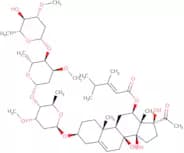
CAS:Otophylloside B is a naturally occurring triterpenoid saponin, which is a secondary metabolite derived from the roots of the plant **Ophiorrhiza pumila**. This compound is characterized by its complex glycosidic structure, featuring a unique arrangement of sugar moieties attached to its aglycone core. The mode of action of Otophylloside B involves modulation of cellular pathways, particularly influencing apoptosis and cell cycle regulation. Its structure allows interaction with specific cellular receptors, leading to potential inhibition of tumor growth and metastasis.
Fórmula:C49H78O16Pureza:Min. 95%Peso molecular:923.13 g/molTestosterone-impurity K
Produto ControladoTestosterone-impurity K is a chemical compound that belongs to the category of impurities identified during the synthesis and formulation of testosterone-related pharmaceuticals. It is typically sourced from the by-products of testosterone synthesis and is crucial for ensuring the purity and efficacy of the final testosterone product. The mode of action of Testosterone-impurity K primarily involves serving as a reference standard or analytical benchmark to identify and quantify impurities present in testosterone preparations.Fórmula:C19H26O2Pureza:Min. 95%Peso molecular:286.41 g/molOphiopogonin B
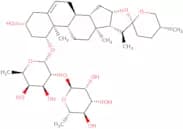
CAS:Ophiopogonin B is a steroidal saponin compound, which is primarily derived from the root tubers of the plant Ophiopogon japonicus. This plant source, commonly used in traditional Chinese medicine, contributes to the compound's extraction. Ophiopogonin B exhibits a multifaceted mode of action, primarily recognized for its biological activities, including antioxidant, anti-inflammatory, and cardioprotective effects.Pureza:Min. 95%Estradiol 17-propionate
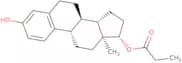
CAS:Estradiol 17-propionate is a synthetic estrogenic compound, which is derived from the natural estrogen hormone, estradiol. It is produced through chemical modification to enhance its stability and efficacy, allowing it to be studied as a model of estrogenic action in scientific research. The compound exerts its effects by interacting with estrogen receptors, initiating a cascade of transcriptional events that influence gene expression and cellular function.Fórmula:C21H28O3Pureza:Min. 95%Cor e Forma:PowderPeso molecular:328.45 g/molγ-Bufotalin
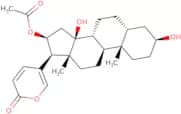
CAS:gamma-Bufotalin is a bufadienolide compound, which is a type of steroid. It is sourced from toad venom, specifically from the parotoid glands of toads belonging to the Bufonidae family. This compound exhibits its mode of action primarily through inhibition of cellular ion pumps, particularly the Na⁺/K⁺-ATPase, leading to an increase in intracellular calcium levels. This mechanism induces apoptosis in certain cancer cell lines, providing a potential pathway for therapeutic intervention.Fórmula:C26H36O6Pureza:Min. 95%Peso molecular:444.56 g/molAsparanin B
CAS:Asparanin B is a natural compound, which is a specialized saponin derived from the roots of asparagus plants, specifically from Asparagus officinalis. It exerts its effects through the modulation of cellular pathways, including the inhibition of cell proliferation, induction of apoptosis, and disruption of key signaling mechanisms involved in cancer development and progression. As a result, Asparanin B is being studied for its potential anticancer properties.
Fórmula:C45H74O17Pureza:75%MinPeso molecular:887.1 g/mol