Terpenóides
Os terpenoides, também conhecidos como isoprenoides, são a maior classe de compostos orgânicos naturais, derivados de unidades de isopreno de cinco carbonos. Eles são encontrados em diversas plantas e são conhecidos por suas propriedades aromáticas, bem como por seu papel na defesa e sinalização das plantas. Os terpenoides têm sido amplamente estudados por seus efeitos terapêuticos, incluindo propriedades anti-inflamatórias, antimicrobianas e anticancerígenas. Eles são usados nas indústrias farmacêutica, cosmética e alimentícia devido aos seus benefícios para a saúde e qualidades aromáticas. Na CymitQuimica, você encontrará uma ampla seleção de terpenoides, essenciais para a pesquisa em biologia vegetal, farmacologia e síntese de produtos naturais.
Subcategorias de "Terpenóides"
- Diterpenos (C₂₀)(671 produtos)
- Hemiterpenos (C₅)(21 produtos)
- Monoterpenos (C₁₀)(709 produtos)
- Sesquiterpenos (C₂₅)(452 produtos)
- Tetraterpenos (C₄₀)(63 produtos)
- Triterpenos (C₃₀)(1.130 produtos)
Foram encontrados 1423 produtos de "Terpenóides"
Ordenar por
Pureza (%)
0
100
|
0
|
50
|
90
|
95
|
100
Momordin 1c
CAS:<p>Momordin 1c is a triterpenoid saponin, a type of secondary metabolite, extracted primarily from species of the plant genus *Momordica*, such as *Momordica charantia*—commonly known as bitter melon. This compound is characterized by its unique structure, which contributes to its biological activities.</p>Fórmula:C41H64O13Pureza:Min. 95%Cor e Forma:PowderPeso molecular:764.94 g/molPseudolaric acid B
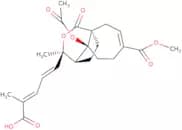
CAS:<p>Pseudolaric acid B is a diterpenoid acid, which is isolated from the roots and bark of the Pseudolarix amabilis, a tree native to China. This compound exhibits a complex mode of action, primarily disrupting microtubule dynamics, which interferes with cell division. Pseudolaric acid B targets the polymerization of tubulin, thereby inhibiting mitotic spindle formation and leading to cell cycle arrest. Its bioactivity has been extensively studied for its potential applications in both anti-fungal and anti-cancer therapies. In the context of cancer research, pseudolaric acid B is of particular interest due to its ability to selectively induce apoptosis in tumor cells. As an anti-fungal agent, it has been shown to possess efficacy against various pathogenic fungi, offering potential utility in agricultural contexts as well. The multi-faceted mechanisms of action and broad application possibilities make Pseudolaric acid B a subject of ongoing research in pharmacology and biotechnology.</p>Fórmula:C23H28O8Pureza:Min. 98 Area-%Cor e Forma:White PowderPeso molecular:432.46 g/molCiwujianoside E
CAS:Ciwujianoside E is a natural compound, which is a saponin derived from the roots of *Eleutherococcus senticosus*, commonly known as Siberian ginseng. This plant is native to regions in Northeast Asia, and it belongs to the Araliaceae family. Ciwujianoside E is one of several bioactive constituents found in the root extracts, which are traditionally used in herbal medicine.Fórmula:C40H62O11Pureza:Min. 95%Cor e Forma:Beige PowderPeso molecular:718.91 g/molDihydroartemisinic acid
CAS:<p>Artemisinin precursor</p>Fórmula:C15H24O2Pureza:Min. 95%Cor e Forma:PowderPeso molecular:236.35 g/molGinsenoside Rg1
CAS:Ginsenoside Rg1 is a bioactive compound, which is primarily derived from the roots of Panax ginseng, a traditional medicinal herb. It belongs to the family of ginsenosides, which are glycosylated triterpenoid saponins known for their diverse pharmacological activities. The mechanism of action of Ginsenoside Rg1 involves modulation of various cellular signaling pathways, including the regulation of reactive oxygen species, apoptosis, and inflammation. It also exhibits neuroprotective effects by promoting neuronal growth and differentiation.Fórmula:C42H72O14Pureza:Min. 95%Cor e Forma:White PowderPeso molecular:801.03 g/molBayogenin
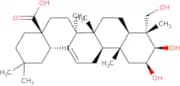
CAS:Produto ControladoBayogenin is a steroidal sapogenin, which is a bioactive compound originating from plant sources such as certain species of the Dioscorea genus (wild yams). It is primarily extracted through processes that involve saponin hydrolysis to yield the sapogenin itself. Bayogenin, like other sapogenins, serves as a precursor in the synthesis of steroidal compounds. Its mode of action involves serving as a substrate in organic synthesis, where it facilitates the production of various steroidal drugs and hormones.Fórmula:C30H48O5Pureza:Min. 98 Area-%Cor e Forma:PowderPeso molecular:488.7 g/molDeoxygedunin
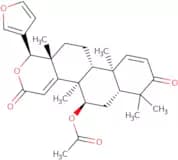
CAS:<p>Deoxygedunin is a natural limonoid, which is a type of chemical compound often derived from plant sources, particularly in the Meliaceae family. This compound is primarily isolated from the seeds of the Indian neem tree (Azadirachta indica) and the African mahogany tree (Khaya senegalensis). It exhibits its biological effects through activation of the Nrf2 pathway, an essential cellular defense mechanism against oxidative stress. By promoting the expression of antioxidant proteins, deoxygedunin enhances cellular resilience to oxidative damage.</p>Fórmula:C28H34O6Pureza:Min. 95%Peso molecular:466.57 g/molMomilactone A
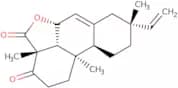
CAS:Produto Controlado<p>Secondary plant metabolite with antimicrobial properties produced in response to plant infection and exposure to UV light. This diterpenoid phytoalexin is found only in rice (Oryza sativa) and moss (Hypnum plumaeforme).</p>Fórmula:C20H26O3Pureza:Min. 95 Area-%Peso molecular:314.42 g/molGinkgolide M
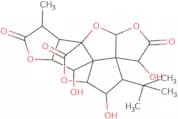
CAS:<p>Ginkgolide M is a diterpenoid trilactone, which is a natural compound derived from the leaves of the Ginkgo biloba tree. Ginkgo biloba is an ancient plant species known for its resilient nature and traditional medicinal use. The mode of action of Ginkgolide M involves antagonism of platelet-activating factor (PAF) receptors. By this mechanism, it influences various biological processes such as platelet aggregation and inflammation, which are critical pathways in numerous physiological and pathological states.</p>Fórmula:C20H24O10Pureza:Min. 95%Peso molecular:424.4 g/mol(+/-)-Geosmin
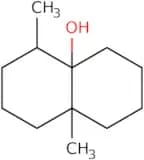
CAS:Geosmin is an "earth" smelling aromatic compound that is produced by soil bacteria. Together with other substances, geosmin is a key constituent of petrichor, the pleasant scent released into the air following rainfall, after impact of water droplets with soil.Fórmula:C12H22OPureza:Min. 95%Cor e Forma:Clear LiquidPeso molecular:182.3 g/molAsiaticoside A
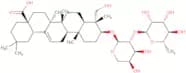
CAS:Pentacyclic triterpene; anti-inflammatory, anti-oxidant & anti-ageingFórmula:C48H78O20Pureza:Min. 95%Cor e Forma:White PowderPeso molecular:975.12 g/molDigoxin
CAS:Digoxin and its derivatives are the most widely used as cardiac glycosides. Digoxin is isolated from the foxglove plant, Digitalis lanata, and has pharmacokinetic properties that are intermediate between digitoxin and the short acting strophanthus glycosides. Digoxin is regarded as the drug of choice for the treatment of congestive heart failure as its main assets are the rapid onset of action, good absorption ratio and the medium half-life which makes toxic reactions easier to manage (Albrecht, 1999).Fórmula:C41H64O14Pureza:Min. 95%Cor e Forma:PowderPeso molecular:780.94 g/molα-Hederin
CAS:Antispasmodic, moliscicidic, anthelmithic and inhibitor of cell proliferationFórmula:C41H66O12Pureza:Min. 98 Area-%Cor e Forma:White PowderPeso molecular:750.96 g/molDehydrocostus lactone
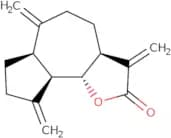
CAS:Dehydrocostus lactone is a sesquiterpene lactone, which is a natural compound extracted from plants, notably from the roots of Saussurea lappa, a plant known for its therapeutic properties. This compound exerts its mode of action primarily through the inhibition of key inflammatory pathways, including the NF-κB pathway. By interfering with these pathways, dehydrocostus lactone can modulate the expression of pro-inflammatory cytokines, thereby exhibiting anti-inflammatory effects.Fórmula:C15H18O2Pureza:Min. 95%Peso molecular:230.3 g/molCimigenoside
CAS:Cimigenoside is a naturally occurring triterpene saponin, which is a phytochemical compound extracted primarily from the roots of the Cimicifuga species, such as Cimicifuga racemosa, commonly known as black cohosh. The source of this compound is rooted in traditional medicinal practices, where these plants have been used for their therapeutic benefits.Fórmula:C35H56O9Pureza:Min. 95%Cor e Forma:Off-White PowderPeso molecular:620.81 g/molCycloastragenol
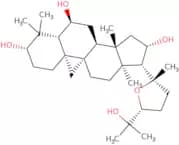
CAS:<p>Triterpenoid saponin with many suggested pharmacological properties</p>Fórmula:C30H50O5Pureza:Min. 98 Area-%Cor e Forma:White PowderPeso molecular:490.72 g/molAbsinthin
CAS:Absinthin is a sesquiterpene lactone, which is a naturally occurring chemical compound derived from the Artemisia absinthium plant, commonly known as wormwood. It is primarily extracted from the aerial parts of this perennial herb. Absinthin's mode of action involves its interaction with cell membrane components and enzyme systems, potentially influencing various biochemical pathways. Its structure allows it to engage in specific binding interactions that can impact cellular processes.Fórmula:C30H40O6Pureza:Min. 95 Area-%Cor e Forma:PowderPeso molecular:496.64 g/molanti-(1R)-(+)-Camphorquinone 3-Oxime
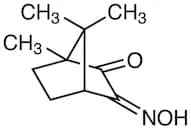
CAS:Fórmula:C10H15NO2Pureza:>95.0%(GC)(N)Cor e Forma:White to Orange to Green powder to crystalPeso molecular:181.24Monoammonium Glycyrrhizinate
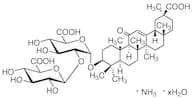
CAS:Fórmula:C42H65NO16Pureza:>75.0%(HPLC)Cor e Forma:White to Light yellow powder to crystalPeso molecular:839.97Ginsenoside Rk2
CAS:Ginsenoside Rk2 is a bioactive compound, specifically a saponin, which is extracted from the root of Panax ginseng, a plant traditionally used in Asian medicine. The mode of action of Ginsenoside Rk2 involves modulating various cellular pathways, including influencing gene expression and enzyme activity, which contribute to its diverse physiological effects. It has been studied for its potential to impact cell signaling mechanisms, including those involved in inflammation, oxidative stress, and apoptosis.Fórmula:C36H60O7Pureza:Min. 95%Cor e Forma:PowderPeso molecular:604.86 g/mol