Terpenóides
Os terpenoides, também conhecidos como isoprenoides, são a maior classe de compostos orgânicos naturais, derivados de unidades de isopreno de cinco carbonos. Eles são encontrados em diversas plantas e são conhecidos por suas propriedades aromáticas, bem como por seu papel na defesa e sinalização das plantas. Os terpenoides têm sido amplamente estudados por seus efeitos terapêuticos, incluindo propriedades anti-inflamatórias, antimicrobianas e anticancerígenas. Eles são usados nas indústrias farmacêutica, cosmética e alimentícia devido aos seus benefícios para a saúde e qualidades aromáticas. Na CymitQuimica, você encontrará uma ampla seleção de terpenoides, essenciais para a pesquisa em biologia vegetal, farmacologia e síntese de produtos naturais.
Subcategorias de "Terpenóides"
- Diterpenos (C₂₀)(671 produtos)
- Hemiterpenos (C₅)(21 produtos)
- Monoterpenos (C₁₀)(709 produtos)
- Sesquiterpenos (C₂₅)(452 produtos)
- Tetraterpenos (C₄₀)(63 produtos)
- Triterpenos (C₃₀)(1.130 produtos)
Foram encontrados 1423 produtos de "Terpenóides"
Ordenar por
Pureza (%)
0
100
|
0
|
50
|
90
|
95
|
100
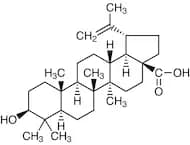
Betulinic Acid
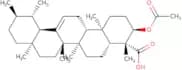
CAS:Fórmula:C30H48O3Pureza:>97.0%(GC)(T)Cor e Forma:White to Light yellow to Light orange powder to crystalPeso molecular:456.713-Acetyl-beta-boswellic acid
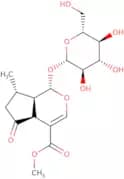
CAS:<p>3-Acetyl-beta-boswellic acid is a pentacyclic triterpenoid compound, which is derived from the resin of the Boswellia serrata tree. It exhibits significant biological activity, mainly due to its anti-inflammatory properties. The mode of action primarily involves the inhibition of 5-lipoxygenase, an enzyme crucial in the biosynthesis of leukotrienes, which are mediators in inflammatory and allergic responses. Additionally, it has been shown to modulate various signaling pathways and transcription factors involved in inflammation.</p>Fórmula:C32H50O4Pureza:Min. 95%Peso molecular:498.74 g/molVerbenalin
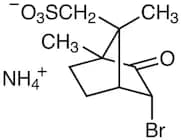
CAS:<p>Verbenalin is an iridoid glycoside, which is a naturally occurring compound sourced from the plant genus Verbena, notably from Verbena officinalis. It is characterized by its cyclic monoterpene structure linked to a sugar moiety. This compound is known for its biological activity, primarily influencing the nervous system.</p>Fórmula:C17H24O10Pureza:Min. 95%Peso molecular:388.37 g/mol(-)-3-Bromocamphor-8-sulfonic Acid Ammonium Salt
CAS:Fórmula:C10H18BrNO4SPureza:>97.0%(T)Cor e Forma:White to Light yellow to Light orange powder to crystalPeso molecular:328.22Melanin, from Sepia officinalis
CAS:Melanin is a natural pigment, which is derived from Sepia officinalis, commonly known as the common cuttlefish. This pigment is a complex biopolymer sourced from the ink sac of the cuttlefish, a cephalopod that produces ink as a defense mechanism. The mode of action of melanin involves its unique ability to absorb a broad range of the electromagnetic spectrum, providing effective protection against ultraviolet radiation. Additionally, it exhibits remarkable antioxidant properties due to its free radical scavenging abilities.Fórmula:C18H10N2O4Peso molecular:318.28 g/molAbsinthin
CAS:Absinthin is a sesquiterpene lactone, which is a naturally occurring chemical compound derived from the Artemisia absinthium plant, commonly known as wormwood. It is primarily extracted from the aerial parts of this perennial herb. Absinthin's mode of action involves its interaction with cell membrane components and enzyme systems, potentially influencing various biochemical pathways. Its structure allows it to engage in specific binding interactions that can impact cellular processes.Fórmula:C30H40O6Pureza:Min. 95 Area-%Cor e Forma:PowderPeso molecular:496.64 g/molIpsenol
CAS:<p>Pheromone of Ips bark beetles</p>Fórmula:C10H18OPureza:Min. 95 Area-%Cor e Forma:Colorless Clear LiquidPeso molecular:154.25 g/molCantharidin
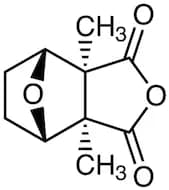
CAS:Fórmula:C10H12O4Pureza:>98.0%(GC)Cor e Forma:White to Almost white powder to crystalPeso molecular:196.20Triptophenolide methyl ether
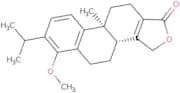
CAS:<p>Triptophenolide methyl ether is a bioactive compound, classified as a terpene, derived from natural plant sources. It is primarily isolated from the roots of species within the *Tripterygium* genus. Terpenes are a large and varied class of organic compounds produced by a variety of plants, known for their aromatic qualities and biological activity.</p>Fórmula:C21H26O3Pureza:Min. 95%Peso molecular:326.43 g/molGinsenoside Rd
CAS:Fórmula:C48H82O18Pureza:>98.0%(HPLC)Cor e Forma:White to Almost white powder to crystalPeso molecular:947.17Chrysanthellin A
CAS:<p>Chrysanthellin A is a sesquiterpene lactone, which is a type of natural bioactive compound. It is isolated from Chrysanthellum americanum, a flowering plant belonging to the Asteraceae family. The mode of action of Chrysanthellin A involves modulating inflammatory pathways and potentially inhibiting certain enzymes involved in metabolic processes.</p>Fórmula:C58H94O25Pureza:Min. 95%Cor e Forma:PowderPeso molecular:1,191.35 g/mol1-(1,5-Dimethyl-5-hexen-1-yl)-4-methyl-1,4-cyclohexadiene
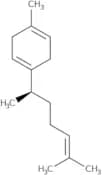
CAS:1-(1,5-Dimethyl-5-hexen-1-yl)-4-methyl-1,4-cyclohexadiene is a sesquiterpene compound, which is biosynthetically derived from plant sources. These compounds are typically synthesized through the mevalonate pathway in plants and have a wide range of functionalities due to their diverse structural framework. The mode of action of this compound is often linked to its interaction with cellular receptors, membrane permeability, and its ability to interfere with various biochemical pathways. Terpene compounds like this one can have bioactive properties, influencing processes such as inflammation, oxidative stress, or microbial growth.Fórmula:C15H24Pureza:Min. 95%Cor e Forma:Colorless PowderPeso molecular:204.35 g/molGinsenoside Rk2
CAS:<p>Ginsenoside Rk2 is a bioactive compound, specifically a saponin, which is extracted from the root of Panax ginseng, a plant traditionally used in Asian medicine. The mode of action of Ginsenoside Rk2 involves modulating various cellular pathways, including influencing gene expression and enzyme activity, which contribute to its diverse physiological effects. It has been studied for its potential to impact cell signaling mechanisms, including those involved in inflammation, oxidative stress, and apoptosis.</p>Fórmula:C36H60O7Pureza:Min. 95%Cor e Forma:PowderPeso molecular:604.86 g/molMonoammonium Glycyrrhizinate
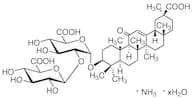
CAS:Fórmula:C42H65NO16Pureza:>75.0%(HPLC)Cor e Forma:White to Light yellow powder to crystalPeso molecular:839.97Ginsenoside Rb1 - 94%
CAS:<p>Ginsenoside Rb1 - 94% is a bioactive compound, which is a major ginsenoside found in Panax ginseng, a plant species with a long history of medicinal use. It is extracted through meticulous processes to ensure high purity, focusing on the retention of its bioactive properties.</p>Fórmula:C54H92O23Pureza:Min. 95%Cor e Forma:PowderPeso molecular:1,109.29 g/molLinalool - synthetic grade
CAS:<p>Linalool - synthetic grade is a versatile terpene alcohol, which is synthetically produced from petrochemicals. Its mode of action involves interacting with olfactory receptors, which contributes to its characteristic floral aroma. Additionally, linalool is involved in various biochemical transformations, often acting as an intermediate in chemical reactions due to its reactive functional groups.</p>Fórmula:C10H18OPureza:Min. 95%Cor e Forma:Colorless Clear LiquidPeso molecular:154.25 g/molBakuchiol
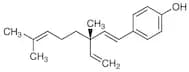
CAS:Fórmula:C18H24OPureza:>98.0%(HPLC)Cor e Forma:Colorless to Yellow clear liquidPeso molecular:256.39Soyasaponin Aa
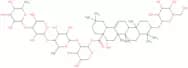
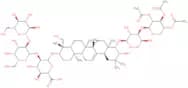
CAS:<p>Soyasaponin Aa is a bioactive compound, specifically a type of saponin, which is derived from soybeans. As a secondary metabolite produced by plants, Soyasaponin Aa is characterized by its amphipathic structure, which allows it to interact with both lipid and aqueous environments. Its mode of action involves disrupting lipid membranes, which can lead to various biological effects, including cytotoxicity to certain cancer cells, cholesterol-lowering properties, and the modulation of immune responses.</p>Fórmula:C64H100O31Pureza:Min. 95 Area-%Cor e Forma:PowderPeso molecular:1,365.46 g/molanti-(1R)-(+)-Camphorquinone 3-Oxime
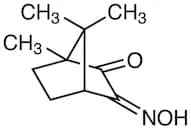
CAS:Fórmula:C10H15NO2Pureza:>95.0%(GC)(N)Cor e Forma:White to Orange to Green powder to crystalPeso molecular:181.24