Flavonóides
Subcategorias de "Flavonóides"
- Antocianidinas(46 produtos)
- Antocianinas(46 produtos)
- Catequinas(88 produtos)
- Chalconas(237 produtos)
- Pterocarpanos(28 produtos)
Foram encontrados 2408 produtos de "Flavonóides"
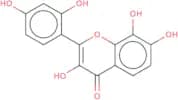
3,7,8,2',4'-Pentahydroxyflavone
3,7,8,2',4'-Pentahydroxyflavone is a flavonoid compound, which is a type of polyphenolic secondary metabolite found in various plants. This compound is typically isolated from natural sources, including vegetables, fruits, and certain herbs. Its chemical structure, characterized by multiple hydroxyl groups, contributes to its potent antioxidant activity, allowing it to scavenge free radicals effectively.Fórmula:C15H10O7Pureza:90%Cor e Forma:PowderPeso molecular:302.24 g/molAmpelopsin-3'-O-glucoside
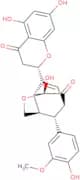
CAS:Ampelopsin-3'-O-glucoside is a flavonoid glycoside, which is a compound derived from various plant sources, including members of the Vitaceae family. This compound is characterized by the attachment of a glucose molecule to the flavonoid ampelopsin, altering its solubility and bioavailability properties. Its mode of action is primarily through its antioxidant activity, involving the scavenging of free radicals and inhibition of oxidative stress pathways. These properties are of significant interest due to their potential in modulating the oxidative status in biological systems.
Fórmula:C21H22O13Pureza:Min. 95%Cor e Forma:PowderPeso molecular:482.39 g/molPodocarpusflavone A
CAS:Podocarpusflavone A is a flavonoid compound, which is a type of polyphenolic molecule. It is isolated from the Podocarpus genus, a source known for yielding bioactive phytochemicals. The mode of action of Podocarpusflavone A involves modulation of various cellular signaling pathways, including antioxidative and anti-inflammatory mechanisms, which can influence cell proliferation and apoptosis.
Fórmula:C31H20O10Pureza:Min. 95%Cor e Forma:PowderPeso molecular:552.48 g/mol3,6,2',4',5'-Pentamethoxyflavone
CAS:3,6,2',4',5'-Pentamethoxyflavone is a flavonoid compound, which is a type of polyphenolic secondary metabolite found in various plants. It is isolated from certain plant species known for their medicinal properties, such as Orthosiphon stamineus. This compound is characterized by the presence of five methoxy groups attached to the flavone backbone, which is thought to significantly influence its biological activity.
Fórmula:C20H20O7Pureza:Min. 95%Peso molecular:372.37 g/molAlfalone
CAS:Please enquire for more information about Alfalone including the price, delivery time and more detailed product information at the technical inquiry form on this pageFórmula:C17H14O5Pureza:Min. 95%Cor e Forma:PowderPeso molecular:298.29 g/molSilymonin
CAS:Silymonin is a herbal supplement, which is derived from the seeds of the milk thistle plant, Silybum marianum. The active components of Silymonin are flavonolignans, collectively known as silymarin. These compounds exhibit potent antioxidant activity by scavenging free radicals and interfering with lipid peroxidation, thereby protecting cellular membranes from oxidative damage. Additionally, Silymonin modulates the expression of genes associated with inflammation and apoptosis, contributing further to its hepatoprotective effects.
Fórmula:C25H22O9Pureza:Min. 95%Cor e Forma:PowderPeso molecular:466.44 g/molDiosmin - 90%
CAS:Phlebotropic drug used in the treatment of venous diseaseFórmula:C28H32O15Pureza:Min. 95%Cor e Forma:Yellow PowderPeso molecular:608.54 g/molDaidzein
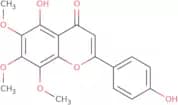
CAS:Daidzein is an isoflavone compound, which is a type of phytoestrogen primarily sourced from soybeans and other legumes. It exhibits estrogenic activity through its ability to bind to estrogen receptors, albeit with less potency than endogenous estrogens. This selective estrogen receptor modulator (SERM) can mimic or modulate natural estrogen effects in the body, depending on the physiological context.Fórmula:C15H12O4Pureza:Min. 95%Cor e Forma:White PowderPeso molecular:256.25 g/mol5,4'-Dihydroxy-6,7,8-trimethoxyflavone
CAS:5,4'-Dihydroxy-6,7,8-trimethoxyflavone is a flavonoid compound, which is derived from various plant sources known for their bioactive properties. This compound is a type of polyphenolic molecule typically found in certain medicinal herbs and plants. Its mode of action involves the modulation of cellular signaling pathways due to its antioxidant properties. It exhibits the ability to scavenge free radicals, thereby protecting cells from oxidative stress. Additionally, it may influence enzyme activity that is crucial for maintaining cellular homeostasis.
Fórmula:C18H16O7Pureza:Min. 95%Peso molecular:344.32 g/molLupinisoflavone D
CAS:Lupinisoflavone D is a bioactive isoflavone compound, which is derived from natural plant sources, specifically belonging to the lupin species. This compound is meticulously extracted and characterized through advanced chromatographic and spectroscopic techniques, commonly sourced from Lupinus albus or other related legumes, where it is naturally present in small quantities.
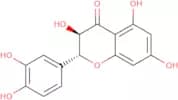
Fórmula:C20H18O7Pureza:Min. 95%Peso molecular:370.35 g/mol(+/-)-Taxifolin
CAS:(+/-)-Taxifolin is a flavonoid compound, which is a type of polyphenolic antioxidant. It is derived primarily from natural sources such as the Siberian larch tree (Larix sibirica), among other plant species. Its mode of action involves the scavenging of free radicals and inhibition of oxidative stress pathways, contributing to reduced cellular damage caused by reactive oxygen species (ROS). Furthermore, taxifolin modulates the activity of various enzymes and receptors involved in inflammatory pathways, thereby exerting anti-inflammatory effects.Fórmula:C15H12O7Pureza:Min. 95%Cor e Forma:PowderPeso molecular:304.25 g/molEquol-7,4'-dimethyl ether
CAS:Equol-7,4'-dimethyl ether is a bioactive compound, which is an isoflavone derivative. It is primarily sourced from certain plant-based materials through natural biosynthesis or fermentation processes. Its mode of action involves mimicking estrogenic activity, where it exhibits selective affinity for estrogen receptors, particularly ER-beta. This interaction can modulate various biological responses linked to estrogen, which are crucial for understanding its potential therapeutic effects.Fórmula:C17H18O3Pureza:Min. 95%Peso molecular:270.32 g/mol3,6,2'-Trimethoxyflavone
CAS:3,6,2'-Trimethoxyflavone is a synthetic flavonoid compound, which is derived from structural modifications of naturally occurring flavones found in various plants. Flavonoids are a class of polyphenolic compounds known for their diverse biological activities. The synthetic derivation of this compound allows researchers to explore modifications that can enhance or diversify its biological properties.Fórmula:C18H16O5Pureza:Min. 95%Cor e Forma:PowderPeso molecular:312.32 g/molKaempferol
CAS:Kaempferol is a naturally occurring flavonoid, which is a type of plant secondary metabolite, prevalent in a variety of fruits, vegetables, and plants such as kale, beans, tea, broccoli, apples, and grapes. It belongs to the class of flavonols, which are compounds that contribute to the pigments of plants. Kaempferol is typically sourced through plant extraction processes and is often found in significant amounts in dietary sources.Fórmula:C15H10O6Pureza:Min. 95%Cor e Forma:Yellow PowderPeso molecular:286.24 g/molIsoglabrone
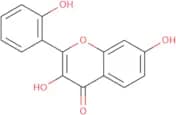
CAS:Isoglabrone is a flavonoid compound, which is derived primarily from certain plant species known for their medicinal properties. As a plant-derived compound, isoglabrone is part of a broader class of natural products that are the focus of extensive research due to their diverse biological activities. The mode of action of isoglabrone involves the modulation of various signaling pathways, which may include antioxidant, anti-inflammatory, and anticancer activities. These actions are mediated through interactions with cellular receptors and enzyme systems, altering gene expression and cellular responses.Fórmula:C20H16O5Pureza:Min. 95%Peso molecular:336.34 g/mol3,7,2'-Trihydroxyflavone
CAS:3,7,2'-Trihydroxyflavone is a naturally occurring flavonoid, which is derived from various plant sources, including fruits, vegetables, and certain herbs. This compound exhibits a significant bioactive profile attributed to its structural characteristics, which include multiple hydroxyl groups. The mode of action of 3,7,2'-Trihydroxyflavone primarily involves its ability to act as a potent antioxidant. This activity is due to its capacity to neutralize free radicals, thereby reducing oxidative stress and contributing to cellular protection.Fórmula:C15H10O5Pureza:Min. 95%Cor e Forma:PowderPeso molecular:270.24 g/molPicoxystrobin
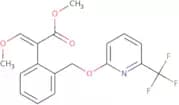
CAS:Picoxystrobin is a strobilurin fungicide, which is derived from natural fungal compounds. This compound is synthesized to mimic the mode of action found in fungi of the Strobilurus species. Picoxystrobin acts by inhibiting mitochondrial respiration in fungal cells. Specifically, it disrupts the electron transport chain by competitively binding to the Qo site of cytochrome b, effectively halting ATP production and leading to cell death.
Fórmula:C18H16F3NO4Pureza:Min. 95%Cor e Forma:PowderPeso molecular:367.32 g/molMyricetin methylether
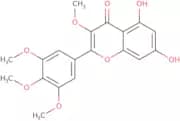
CAS:Myricetin methylether is a flavonoid derivative, which is a naturally occurring compound structurally related to the primary flavonoid, myricetin. This compound is typically derived from plant sources, where myricetin and its derivatives are commonly found in various fruits, vegetables, and herbs. The primary mode of action of myricetin methylether involves its interaction with cellular oxidative processes and enzyme modulation, which can lead to a variety of biological effects, including antioxidant properties and enzyme inhibition.
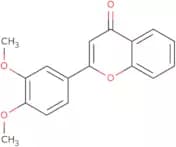
Fórmula:C19H18O8Pureza:Min. 95%Cor e Forma:Yellow PowderPeso molecular:374.34 g/mol3',4'-Dimethoxyflavone
CAS:3',4'-Dimethoxyflavone is a synthetic flavone derivative, which is a type of polyphenolic compound structurally characterized by two methoxy groups attached to the flavone core. This compound is typically sourced through chemical synthesis, as flavones are widespread in nature but often require modification for specific scientific uses. The mode of action of 3',4'-Dimethoxyflavone involves modulation of various biochemical pathways, including potential interactions with cellular enzymes and receptors. This modulation can influence antioxidant and inflammatory responses, among other effects.
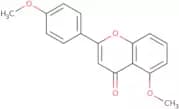
Fórmula:C17H14O4Pureza:Min. 95%Cor e Forma:PowderPeso molecular:282.29 g/mol5,4'-Dimethoxyflavone
CAS:5,4'-Dimethoxyflavone is a synthetic flavone, which is derived from modifications to the natural flavonoid backbone found in various plant sources, particularly within the family of citrus fruits. This compound acts primarily by modulating multiple cellular pathways, including those involved in oxidative stress and signal transduction, thereby influencing apoptotic and cell proliferation processes.Fórmula:C17H14O4Pureza:Min. 95%Cor e Forma:PowderPeso molecular:282.29 g/mol