Flavonóides
Os flavonoides são um grupo de metabólitos vegetais com propriedades antioxidantes que contribuem para a cor de frutas e flores. Eles desempenham um papel importante na proteção das plantas contra radiação UV e patógenos. Os flavonoides são estudados por seus potenciais benefícios à saúde, incluindo propriedades anti-inflamatórias, antivirais e anticancerígenas. Eles são amplamente pesquisados nos campos da farmacologia, nutrição e biologia molecular.
Subcategorias de "Flavonóides"
- Antocianidinas(46 produtos)
- Antocianinas(46 produtos)
- Catequinas(88 produtos)
- Chalconas(237 produtos)
- Pterocarpanos(28 produtos)
Foram encontrados 2408 produtos de "Flavonóides"
Ordenar por
Pureza (%)
0
100
|
0
|
50
|
90
|
95
|
100
Herbacetin
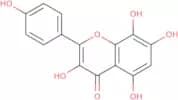
CAS:Herbacetin is a naturally occurring flavonoid, which is a type of polyphenolic compound extracted from plants, particularly from the leaves of the flax plant. It functions primarily by inhibiting the activity of various enzymes and signaling pathways that are involved in oxidative stress and inflammatory responses. The inhibition of these pathways can modulate cellular processes, making it a subject of interest in the study of disease mechanisms and potential treatments.Fórmula:C15H10O7Pureza:Min. 95%Cor e Forma:Off-White PowderPeso molecular:302.24 g/molKaempferol 7-O-neohesperidoside
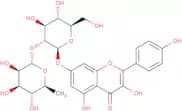
CAS:<p>Kaempferol 7-O-neohesperidoside is a flavonoid glycoside, which is commonly derived from various plant sources, including fruits, vegetables, and certain herbs. This compound is part of the broader flavonoid family, known for their bioactive properties, and can be extracted using advanced chromatographic techniques.</p>Fórmula:C27H30O15Pureza:Min. 95 Area-%Cor e Forma:PowderPeso molecular:594.52 g/mol5,7,8-Trihydroxyflavone
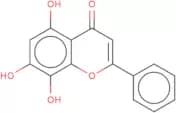
CAS:<p>5,7,8-Trihydroxyflavone is a flavonoid compound, which is a type of phytochemical derived from the structural class of polyphenols commonly found in various plants. This specific flavonoid is naturally occurring in certain botanicals and can be isolated through extraction processes. The mode of action of 5,7,8-Trihydroxyflavone involves its interaction with cellular pathways, primarily acting as an antioxidant. It mitigates oxidative stress by scavenging free radicals and upregulating the expression of antioxidant enzymes.</p>Fórmula:C15H10O5Pureza:Min. 95%Cor e Forma:Yellow PowderPeso molecular:270.24 g/mol3,3',4',5,7-Pentamethoxyflavone
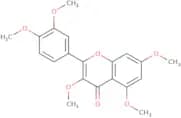
CAS:<p>3,3',4',5,7-Pentamethoxyflavone is a naturally occurring flavonoid compound, which is often extracted from specific plant sources. As a member of the flavonoid family, it is typically found in various plant extracts and contributes to the chemical diversity observed in phytochemistry.</p>Fórmula:C20H20O7Pureza:Min. 98 Area-%Cor e Forma:Slightly Yellow PowderPeso molecular:372.37 g/molNeohesperidin
CAS:<p>Neohesperidin is a flavonoid-based natural sweetener, which is derived from the bitter orange and other citrus fruits. The mode of action of neohesperidin involves its conversion into neohesperidin dihydrochalcone (NHDC), which is an intensely sweet compound. This transformation occurs through hydrogenation, enhancing its sweetening properties. As a sweetener, NHDC exhibits around 1,500 to 1,800 times the sweetness of sucrose depending on the concentration and pH of the medium.</p>Fórmula:C28H34O15Pureza:Min. 95 Area-%Cor e Forma:White PowderPeso molecular:610.56 g/mol7,2',4'-Trimethoxyisoflavone
CAS:<p>7,2',4'-Trimethoxyisoflavone is a naturally occurring isoflavone, which is primarily found in certain plant species. As a derivative of the isoflavone family, it is sourced from botanical origins known for their rich content of phytoestrogens. The mode of action of 7,2',4'-Trimethoxyisoflavone is linked to its potential antioxidant properties, where it may interact with cellular mechanisms to mitigate oxidative stress by neutralizing free radicals.</p>Fórmula:C18H16O5Pureza:Min. 95%Peso molecular:312.32 g/mol5,6,7-Trihydroxyflavone
CAS:Baicalein is a natural compound found in Scutellaria baicalensis, a medicinal plant used in the Chinese traditional medicine. Baicalein has anti-tumoral properties as it was shown to interact with several molecular targets involved in tumour biology, such as Erk, ROS, MMP-2/-9, p53 and MAPK. Baicalein was also reported as a non-covalent, non-peptidomimetic inhibitors of the main protease Mpro (3CLpro) from SARS-CoV-2 with IC50 of 0.94 μM and EC50 of 1.69 μM.Fórmula:C15H10O5Pureza:Min. 95%Cor e Forma:Yellow PowderPeso molecular:270.24 g/molRhamnetin 3-rhamnoside
CAS:<p>Rhamnetin 3-rhamnoside is a flavonoid glycoside, which is a type of polyphenolic compound typically found in plants. It is primarily derived from natural sources such as fruits, vegetables, and certain medicinal plants, where it often contributes to the plant's natural defense mechanisms. The compound acts as a potent antioxidant due to its capability to scavenge free radicals, thereby protecting cells from oxidative stress and potential damage.</p>Fórmula:C22H22O11Pureza:Min. 95%Peso molecular:462.4 g/mol5,3',4'-Trihydroxyflavone
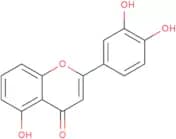
CAS:5,3',4'-Trihydroxyflavone is a natural flavonoid compound often found in a variety of plants. This compound is derived from numerous botanical sources, including fruits and vegetables known to contain flavonoids, which are secondary metabolites widely distributed in the plant kingdom. The mode of action of 5,3',4'-Trihydroxyflavone involves its ability to interact with diverse biological pathways, often exhibiting antioxidant, anti-inflammatory, and potential anti-cancer effects. This interaction occurs through the modulation of enzyme activity and signaling pathways, as well as the scavenging of free radicals, thereby protecting cells from oxidative stress and damage.Fórmula:C15H10O5Pureza:Min. 95%Cor e Forma:Slightly Yellow PowderPeso molecular:270.24 g/mol7,3',4',5'-Tetramethoxyflavanone
CAS:7,3',4',5'-Tetramethoxyflavanone is a flavanone derivative, which is a type of polyphenolic compound. These compounds are prevalent in various plant sources, particularly in citrus fruits and other flavonoid-rich botanicals. Flavanones, such as this compound, are synthesized through the methylation of hydroxy flavanones, which alters their solubility and bioactivity profiles.Fórmula:C19H20O6Pureza:Min. 95%Cor e Forma:SolidPeso molecular:344.36 g/molDiosmetin
CAS:Diosmetin is a flavonoid compound, which is derived from natural sources such as citrus fruits and certain herbs. As an aglycone of the flavonoid glycoside diosmin, it is primarily sourced through the metabolic transformation of diosmin in the body. Diosmetin functions through modulation of oxidative stress pathways and inhibition of pro-inflammatory enzymes. Its biochemical activity includes scavenging free radicals and reducing the activity of certain inflammatory mediators, which contributes to its potential therapeutic effects.Fórmula:C16H12O6Pureza:Min. 95%Cor e Forma:Yellow PowderPeso molecular:300.26 g/molDaidzein 7,4'-di-O-glucoside
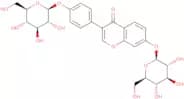
CAS:Daidzein 7,4'-di-O-glucoside is a naturally occurring isoflavone glycoside, which is a type of phytochemical commonly found in soybeans and other legumes. It derives from the plant family Fabaceae and is a derivative of daidzein, conjugated with glucose units. Isoflavones like daidzein 7,4'-di-O-glucoside are known for their potential estrogenic and antioxidant activities due to their structural similarity to estradiol, an estrogen hormone.Fórmula:C27H30O14Pureza:Min. 95%Peso molecular:578.52 g/mol7,2',4'-Tribenzyloxy-8-methoxyisoflavone
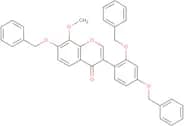
CAS:7,2',4'-Tribenzyloxy-8-methoxyisoflavone is a synthetic isoflavone derivative, which is structurally modified for research purposes. It is typically derived from chemical manipulation of naturally occurring flavonoid compounds found in various plants. The compound is noted for its ability to modulate biochemical pathways due to its interaction with estrogen receptors and other cellular targets. This mode of action makes it particularly useful in the study of estrogenic activities and their implications in various biological processes.Fórmula:C37H30O6Pureza:Min. 95%Peso molecular:570.63 g/molPratol
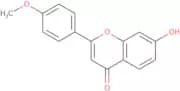
CAS:<p>Pratol is a synthetic antiparasitic agent, which is chemically synthesized from readily available organic precursors. It functions by disrupting the vital metabolic pathways of the targeted parasites, specifically inhibiting certain enzymes vital for parasite survival. Pratol's mode of action involves binding to the active site of these enzymes, effectively halting the necessary biochemical transformations and leading to the death of the parasite.</p>Fórmula:C16H12O4Pureza:Min. 95%Cor e Forma:PowderPeso molecular:268.26 g/mol6-Hydroxygenistein
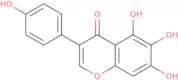
CAS:<p>6-Hydroxygenistein is a phytoestrogen, which is derived from soy-based isoflavones. Its source, primarily found in soybeans, is rich in naturally occurring compounds that exhibit estrogen-like activity. 6-Hydroxygenistein operates through various mechanisms, including acting as an antioxidant and interacting with estrogen receptors to modulate biological processes.</p>Fórmula:C15H10O6Pureza:Min. 95%Cor e Forma:PowderPeso molecular:286.24 g/molAcacetin
CAS:Anti-peroxidative; anti-inflammatory; anti-proliferative; induces apoptosisFórmula:C16H12O5Pureza:Min. 97 Area-%Cor e Forma:Yellow PowderPeso molecular:284.26 g/mol7,3'-Dimethoxy-3-methylflavone
7,3'-Dimethoxy-3-methylflavone is a synthetic flavonoid compound, which is based on the structural class of flavones known for their diverse biological activities. Flavonoids are primarily found in plants, where they contribute to pigmentation, UV filtration, symbiotic nitrogen fixation, and plant growth regulation. This particular compound, however, is synthesized in laboratory settings to replicate and modify these natural attributes for specific research purposes.Fórmula:C18H16O4Pureza:Min. 95%Peso molecular:296.32 g/molConrauinone A
CAS:Conrauinone A is a naturally derived compound, which is a specialized natural product extracted from a specific plant source. This compound is known for its unique structural properties and potential biological activities. Conrauinone A functions primarily through a mode of action that involves interaction with specific cellular targets, leading to modulation of biochemical pathways that are crucial for certain cellular processes.Fórmula:C24H22O8Pureza:Min. 95%Peso molecular:438.43 g/molFlavone
CAS:Flavone is a type of flavonoid, which is a naturally occurring compound found in various plant sources. As a subgroup of polyphenolic compounds, flavones are primarily derived from the leaves, stems, and seeds of plants like parsley, thyme, and celery. The mode of action of flavones involves their ability to act as antioxidant agents, scavenging free radicals and reducing oxidative stress in biological systems. This mechanism plays a crucial role in protecting cells from damage and maintaining cellular integrity.Fórmula:C15H10O2Pureza:Min. 98 Area-%Cor e Forma:PowderPeso molecular:222.24 g/mol7,2'-Dibenzyloxy-4',5'-methylenedioxyisoflavone
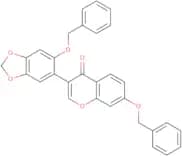
CAS:7,2'-Dibenzyloxy-4',5'-methylenedioxyisoflavone is a synthetic compound derived from isoflavones, a class of naturally occurring organic compounds related to flavonoids. Isoflavones are typically found in plants, especially in legumes, and are known for their diverse biological activities. This particular derivative has been designed to explore advanced pharmacological properties through structural modification aimed at improving bioactivity and specificity.Fórmula:C30H22O6Pureza:Min. 95%Peso molecular:478.49 g/mol