Flavonóides
Os flavonoides são um grupo de metabólitos vegetais com propriedades antioxidantes que contribuem para a cor de frutas e flores. Eles desempenham um papel importante na proteção das plantas contra radiação UV e patógenos. Os flavonoides são estudados por seus potenciais benefícios à saúde, incluindo propriedades anti-inflamatórias, antivirais e anticancerígenas. Eles são amplamente pesquisados nos campos da farmacologia, nutrição e biologia molecular.
Subcategorias de "Flavonóides"
- Antocianidinas(46 produtos)
- Antocianinas(46 produtos)
- Catequinas(88 produtos)
- Chalconas(237 produtos)
- Pterocarpanos(28 produtos)
Foram encontrados 2408 produtos de "Flavonóides"
Ordenar por
Pureza (%)
0
100
|
0
|
50
|
90
|
95
|
100
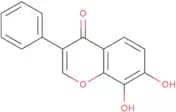
7,8-Dihydroxyisoflavone
CAS:<p>7,8-Dihydroxyisoflavone is an isoflavone compound, which is a naturally derived product found predominantly in plants like Trifolium pratense, also known as red clover. It is classified as a selective tyrosine receptor kinase B (TrkB) agonist, which means it can mimic the action of brain-derived neurotrophic factor (BDNF), a protein crucial for neuronal survival, growth, and differentiation in the central nervous system.</p>Fórmula:C15H10O4Pureza:Min. 95%Peso molecular:254.24 g/molEupafolin
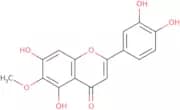
CAS:<p>Eupafolin is a naturally occurring flavonoid compound, specifically a flavone, which is derived from certain medicinal plants, primarily in the genus *Artemisia*. It is a secondary metabolite found in various parts of these plants, including the leaves and stems. As a bioactive substance, eupafolin exerts its effects through several biochemical pathways, most notably by scavenging free radicals and modulating inflammatory responses. Its mode of action involves the inhibition of key enzymes and molecules in the inflammatory cascade, as well as the upregulation of antioxidant defenses.</p>Fórmula:C16H12O7Pureza:Min. 95%Cor e Forma:PowderPeso molecular:316.26 g/molHesperetin
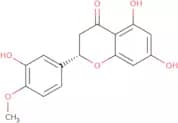
CAS:<p>Hesperetin is a flavonoid compound, which is naturally derived from citrus fruits such as oranges and lemons. As a notable bioactive molecule, its mode of action primarily involves the modulation of oxidative stress and inflammatory pathways. Hesperetin exerts its effects by scavenging free radicals and inhibiting the activation of inflammatory cytokines, making it a compound of significant interest in the biochemical and pharmacological sectors.</p>Fórmula:C16H14O6Pureza:Min. 98.5 Area-%Cor e Forma:White PowderPeso molecular:302.28 g/molTangeretin
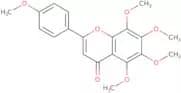
CAS:Tangeretin is a polymethoxylated flavonoid, which is derived primarily from the peels of citrus fruits, particularly oranges and tangerines. As a naturally occurring compound, it exerts its effects through several biochemical pathways. Tangeretin has been shown to modulate cellular signaling pathways, inhibit inflammatory mediators, and scavenge free radicals, highlighting its antioxidant and anti-inflammatory potential.Fórmula:C20H20O7Pureza:Min. 97 Area-%Cor e Forma:PowderPeso molecular:372.37 g/mol3,7,3'-Trihydroxyflavone
CAS:3,7,3'-Trihydroxyflavone is a flavonoid derivative, which is a type of polyphenolic compound commonly found in various plants and is derived from natural sources like fruits, vegetables, and herbal plants. It is characterized by its polyphenolic structure, which contributes to its ability to scavenge free radicals and reduce oxidative stress.Fórmula:C14O5H10Pureza:Min. 98%Cor e Forma:PowderPeso molecular:258.23 g/molEucomol
CAS:<p>Eucomol is a synthetic compound derived from plant-based sources, designed as an antioxidant agent. It functions by scavenging reactive oxygen species (ROS), thereby reducing oxidative stress in biological systems. Eucomol's mode of action involves donating electrons to neutralize free radicals, which prevents cellular damage and maintains cellular homeostasis.</p>Fórmula:C17H16O6Pureza:Min. 95%Peso molecular:316.31 g/molPratensein
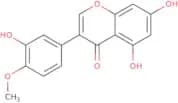
CAS:Pratensein is an isoflavone compound that is derived primarily from plants such as red clover (Trifolium pratense). This natural product belongs to the class of phytochemicals known for their diverse biological activities. Pratensein is sourced through the extraction and purification processes that involve isolating the bioactive components from plant materials rich in flavonoids.Fórmula:C16H12O6Pureza:Min. 95%Cor e Forma:PowderPeso molecular:300.26 g/molHinokiflavone-7,7”,4”’-trimethyl ether
CAS:Hinokiflavone-7,7”,4”’-trimethyl ether is a specialized biflavonoid compound, which is a type of plant secondary metabolite. Derived primarily from certain species of the Cupressaceae family, it showcases the diverse capabilities of flavonoids in biochemical pathways. This compound functions by modulating enzyme activities, interacting with cellular receptors, and exhibiting antioxidant properties. It acts through mechanisms involving inhibition of specific kinases and other enzymes, thereby influencing cell signaling pathways and inflammatory responses.Fórmula:C33H24O10Pureza:Min. 95%Peso molecular:580.54 g/molSilandrin hplc
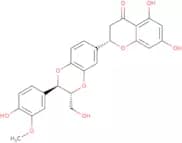
CAS:<p>Please enquire for more information about Silandrin hplc including the price, delivery time and more detailed product information at the technical inquiry form on this page</p>Pureza:Min. 95%6,7-Dimethoxy-3',4',5-trihydroxyflavone
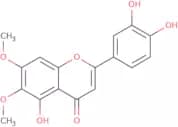
CAS:<p>6,7-Dimethoxy-3',4',5-trihydroxyflavone is a specialized flavonoid compound, which is commonly isolated from plant sources known for their rich polyphenolic content. These compounds are typically synthesized by plants as secondary metabolites, playing critical roles in plant defense and pigmentation. The mode of action of 6,7-Dimethoxy-3',4',5-trihydroxyflavone primarily involves its potent antioxidant activity, where it effectively scavenges free radicals and inhibits oxidative stress at the cellular level. This antioxidant property is attributed to its ability to donate hydrogen atoms or electrons, thereby neutralizing potentially damaging reactive oxygen species (ROS).</p>Fórmula:C17H14O7Pureza:Min. 95%Cor e Forma:White PowderPeso molecular:330.29 g/mol7-Hydroxyflavanone
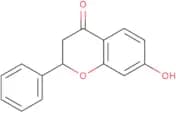
CAS:7-Hydroxyflavanone is a naturally occurring flavonoid compound, which is predominantly isolated from plants, particularly citrus fruits. Its biochemical significance stems from its ability to exert various physiological effects, likely due to its structural characteristics. As a flavonoid, it possesses a range of hydroxyl groups, which contribute to its antioxidant properties. This compound interacts with biological molecules, influencing cellular pathways and modulating enzyme activities.Fórmula:C15H12O3Pureza:Min. 95%Cor e Forma:PowderPeso molecular:240.25 g/molPinocembrin dimethylether
CAS:<p>Pinocembrin dimethylether is a flavonoid derivative, which is synthesized from natural sources such as honey, propolis, and certain plants. It retains the core flavonoid structure while being modified to enhance its bioavailability and stability. This compound acts primarily as a neuroprotective agent through its antioxidative and anti-inflammatory properties. It interacts with various molecular pathways to mitigate oxidative stress and reduce neuroinflammation, contributing to cellular protection.</p>Fórmula:C17H16O4Pureza:Min. 95%Cor e Forma:PowderPeso molecular:284.31 g/mol5,7,4'-Trimethoxyisoflavone
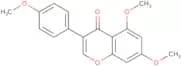
CAS:<p>5,7,4'-Trimethoxyisoflavone is a naturally occurring isoflavone compound, which is a type of phytochemical typically extracted from various plant sources, including legumes and certain medicinal herbs. Isoflavones are a class of phytoestrogens – plant-derived compounds with estrogenic activity – found predominantly in soy products.</p>Fórmula:C18H16O5Pureza:Min. 98 Area-%Cor e Forma:PowderPeso molecular:312.32 g/mol3,7,8,2'-Tetrahydroxyflavone
CAS:3,7,8,2'-Tetrahydroxyflavone is a polyphenolic compound, which is a type of flavonoid. These compounds are known for their presence in various plants as secondary metabolites. This particular flavone is naturally sourced from specific plant species, contributing to the plant's defense mechanisms against environmental stressors.Fórmula:C15H10O6Pureza:Min. 95%Peso molecular:286.24 g/molTaxifolin 3-O-rhamnoside
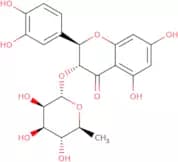
CAS:<p>Taxifolin 3-O-rhamnoside is a natural flavonoid glycoside, which is primarily sourced from certain plant species, including members of the Pinaceae family. This compound is recognized for its unique chemical structure, comprising taxifolin attached to a rhamnose sugar moiety. Its mode of action predominantly involves the scavenging of free radicals, thanks to its potent antioxidant properties. Taxifolin 3-O-rhamnoside exhibits the ability to neutralize reactive oxygen species, thereby contributing to the protection of cellular components from oxidative stress.</p>Fórmula:C21H22O11Pureza:Min. 95%Cor e Forma:PowderPeso molecular:450.39 g/mol5,7,8,4'-Tetramethoxyflavone
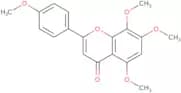
CAS:<p>5,7,8,4'-Tetramethoxyflavone is a naturally occurring flavone, which is a type of plant-derived polyphenolic compound. It is found in various plants, particularly those belonging to the genus Scutellaria. The compound acts primarily by modulating various cellular signaling pathways, including those involved in inflammation, apoptosis, and oxidative stress. Through its interaction with these pathways, it exhibits potential anti-inflammatory, antioxidant, and anti-cancer properties.</p>Fórmula:C19H18O6Pureza:Min. 95%Cor e Forma:White PowderPeso molecular:342.34 g/mol3,7,8,2',3'-Pentamethoxyflavone
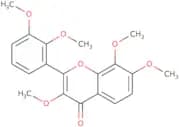
CAS:3,7,8,2',3'-Pentamethoxyflavone is a synthetic flavone derivative, which is primarily isolated from certain plant species known for their rich flavonoid content. This compound is notable for its potential biological and pharmaceutical applications, resulting from its molecular structure that allows it to interact with various cellular pathways.Fórmula:C20H20O7Pureza:Min. 95%Peso molecular:372.37 g/mol2'-Hydroxy-β-naphthoflavone
CAS:<p>2'-Hydroxy-β-naphthoflavone is a synthetic flavonoid, which is derived from structural modifications of natural flavonoids. It functions as a potent aryl hydrocarbon receptor (AhR) agonist and enzyme inducer. The structure is based on a naphthoflavone framework, allowing it to efficiently interact with cellular proteins related to xenobiotic metabolism.</p>Fórmula:C19H12O3Pureza:Min. 95%Cor e Forma:PowderPeso molecular:288.3 g/mol3-Methoxyflavone
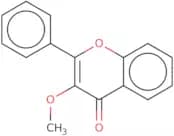
CAS:<p>3-Methoxyflavone is a synthetic flavonoid, which is a type of product known for its biological activities and potential therapeutic applications. It is derived from flavones, naturally occurring compounds found in various plants, known for their role in plant pigmentation and UV protection. The compound's mode of action is primarily through interaction with various biological targets, including modulation of enzyme activity and regulation of signal transduction pathways.</p>Fórmula:C16H12O3Pureza:Min. 95%Cor e Forma:White PowderPeso molecular:252.26 g/molCirsimaritin
CAS:<p>Cirsimaritin is a natural product that is classified as a flavonoid, which is derived from various plants, particularly those belonging to the Asteraceae family. As a plant metabolite, Cirsimaritin plays a significant role in the plant’s own defense mechanisms against microbial infections and environmental stressors.</p>Fórmula:C17H14O6Pureza:Min. 98 Area-%Cor e Forma:Yellow PowderPeso molecular:314.29 g/mol