Flavonóides
Subcategorias de "Flavonóides"
- Antocianidinas(46 produtos)
- Antocianinas(46 produtos)
- Catequinas(88 produtos)
- Chalconas(237 produtos)
- Pterocarpanos(28 produtos)
Foram encontrados 2408 produtos de "Flavonóides"
Sigmoidin A
CAS:Sigmoidin A is a diterpenoid compound, which is a plant-derived natural product. It originates from the Alpinia genus, a group of plants known for their diverse bioactive compounds. With its intricate molecular structure, Sigmoidin A is identified primarily for its potential anti-inflammatory properties. The mode of action involves modulation of signaling pathways and inhibition of pro-inflammatory mediators, which suggests its potential utility in therapeutic contexts.Fórmula:C25H28O6Pureza:Min. 95%Peso molecular:424.49 g/molKaempferol-3,4'-diglucoside
CAS:Kaempferol-3,4'-diglucoside is a glycosylated flavonoid, which is a type of chemical compound found abundantly in various plants. This product is derived from natural sources, particularly from several edible and medicinal plants known for their health benefits. Kaempferol-3,4'-diglucoside functions through mechanisms related to its antioxidant properties, scavenging free radicals and reducing oxidative stress within biological systems.Fórmula:C27H30O16Pureza:Min. 95%Peso molecular:610.52 g/molHesperidin methylchalcone
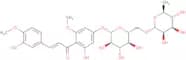
CAS:Hesperidin methylchalcone is a specialized flavonoid product, which is derived from citrus fruits, predominantly oranges. It is chemically modified from its natural form to enhance its solubility and bioavailability, making it more effective in biological systems. The mode of action of hesperidin methylchalcone involves the modulation of oxidative stress and inflammation within the body, primarily by acting as an antioxidant and anti-inflammatory agent. It achieves these effects by scavenging free radicals and inhibiting pro-inflammatory enzymes, which contributes to cellular protection and stabilization of connective tissues.
Fórmula:C29H36O15Pureza:Min. 98.0%Cor e Forma:PowderPeso molecular:624.59 g/mol7,3',4',5'-Tetrahydroxyflavone
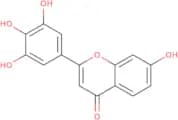
CAS:7,3',4',5'-Tetrahydroxyflavone is a bioactive flavonoid, which is a type of polyphenolic compound. It is derived from natural sources such as plants, where flavonoids are abundant and play crucial roles in plant physiology, including pigmentation and UV filtration. The mode of action of 7,3',4',5'-Tetrahydroxyflavone involves scavenging free radicals and inhibiting pathways that lead to oxidative stress and inflammation. This compound can modulate cellular signaling pathways and gene expression, contributing to its potential therapeutic effects.Fórmula:C15H10O6Pureza:Min. 95%Cor e Forma:PowderPeso molecular:286.24 g/molSilicristin
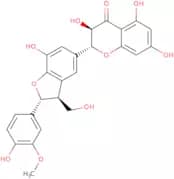
CAS:Silicristin is a flavonolignan compound, which is derived from the seeds of the milk thistle plant, Silybum marianum. This compound is one of the key constituents of silymarin, a complex group of flavonolignans used extensively in herbal medicine. Silicristin is isolated through advanced chromatographic techniques, ensuring high purity and specificity for research applications.
Fórmula:C25H22O10Pureza:Min. 95%Cor e Forma:White PowderPeso molecular:482.44 g/mol3',4',5'-Trimethoxyflavanone
3',4',5'-Trimethoxyflavanone is a specialized flavonoid compound, which is synthesized from natural sources, such as plants belonging to the flavonoid family. This compound is characterized by its distinctive methoxy group modifications on the flavanone backbone, enhancing its bioactive potential. Its mode of action involves modulation of various biochemical pathways, including antioxidant systems and inflammatory mediators. By stabilizing free radicals and inhibiting pro-inflammatory enzymes, 3',4',5'-Trimethoxyflavanone plays a crucial role in cellular protection and homeostasis.
Fórmula:C18H16O5Pureza:Min. 95%Peso molecular:312.3 g/mol3,5,6,2'-Tetrahydroxyflavone
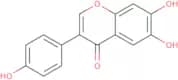
CAS:3,5,6,2'-Tetrahydroxyflavone is a hydroxylated flavone compound, which is a type of polyphenolic compound widely recognized for its potential antioxidant properties. Naturally occurring in various plant sources, it can be isolated from species commonly known for their medicinal or nutritional benefits.Fórmula:C15H10O6Pureza:Min. 95%Peso molecular:286.24 g/mol4',6,7-Trihydroxyisoflavone
CAS:4',6,7-Trihydroxyisoflavone is a naturally occurring isoflavone, which is a type of phytochemical commonly found in plants. It is primarily derived from legumes and soy products and is known for its presence in various plant-based foods. Isoflavones like 4',6,7-Trihydroxyisoflavone possess a polyphenolic structure, endowing them with significant biological activity, such as antioxidant properties.Fórmula:C15H10O5Pureza:Min. 95%Cor e Forma:PowderPeso molecular:270.24 g/molQuercetin-7,3',4'-trimethyl ether-3-rhamnoside
CAS:Quercetin-7,3',4'-trimethyl ether-3-rhamnoside is a methylated flavonoid glycoside, which is a specialized compound found in certain plant species. This compound is derived from natural plant sources, particularly various herbs and fruits that are known to produce bioactive flavonoids. The mode of action of quercetin-7,3',4'-trimethyl ether-3-rhamnoside involves its ability to interact with various cellular signaling pathways, potentially modulating oxidative stress, inflammation, and other cellular processes.Fórmula:C24H26O11Pureza:Min. 95%Peso molecular:490.46 g/mol3-Hydroxy-7,2'-dimethoxyflavone
CAS:3-Hydroxy-7,2'-dimethoxyflavone is a specialized flavonoid, which is a type of polyphenolic compound commonly found in various plants. Flavonoids are known for their diverse roles in plant defense and pigmentation. This compound is sourced from natural plant materials, where it's synthesized as a secondary metabolite. Its mode of action involves acting as an antioxidant, offering protection against oxidative stress by neutralizing free radicals. Such activity is essential in preserving cellular integrity and preventing damage to biomolecules such as DNA, lipids, and proteins.Fórmula:C17H14O5Pureza:Min. 95%Peso molecular:298.29 g/molKaranjin
CAS:From seeds of Karanja tree; insecticidal, acaricidal & fungicidal propertiesFórmula:C18H12O4Pureza:Min. 95%Cor e Forma:White PowderPeso molecular:292.29 g/molFisetin
CAS:Fisetin is a flavonoid compound, which is a type of polyphenol found in various fruits and vegetables. It is primarily sourced from strawberries, apples, persimmons, onions, and cucumbers. This flavonoid exhibits a range of biological activities due to its involvement in modulating cellular processes.
Fórmula:C15H10O6·xH2OPureza:Min. 90 Area-%Cor e Forma:Yellow PowderPeso molecular:286.24 g/mol7,8-Dimethoxy-4'-hydroxyisoflavone
CAS:7,8-Dimethoxy-4'-hydroxyisoflavone is an isoflavone compound, which is a type of phytoestrogen commonly found in various plants. Isoflavones like this one are often derived from legumes and other plant sources. These compounds are characterized by their chemical structure, which is similar to that of estrogen, allowing them to exert estrogen-like effects in biological systems.
Fórmula:C17H14O5Pureza:Min. 95%Peso molecular:298.29 g/mol(-)-Epiafzelechin 3-O-gallate(4b-6)
CAS:(-)-Epiafzelechin 3-O-gallate(4b-6) is a catechin derivative, which is a type of flavonoid known for its potential bioactive properties. It is sourced primarily from plant materials, particularly those belonging to the family Theaceae, which includes tea plants. This compound is a part of the polyphenolic group, often extracted from natural sources using solvent extraction methods followed by chromatographic techniques for purification.Fórmula:C44H34O20Pureza:Min. 95%Peso molecular:882.73 g/molOrobol 7,4'-dimethyl ether
CAS:Orobol 7,4'-dimethyl ether is a methylated flavonoid compound, which is synthesized from natural flavonoid precursors derived from plant sources such as legumes and soy. This compound acts primarily through its antioxidant properties, where it can scavenge free radicals and stabilize reactive oxygen species, thus protecting cellular components from oxidative damage.
Fórmula:C17H14O6Pureza:Min. 95%Cor e Forma:White/Off-White SolidPeso molecular:314.29 g/mol5,7,3'-Trimethoxyflavone
CAS:5,7,3'-Trimethoxyflavone is a naturally occurring flavonoid compound, which is primarily sourced from certain plant species. As a member of the flavone category, this compound is characterized by its distinctive chemical structure featuring multiple methoxy groups. It is extracted from plants known for their medicinal properties, where it exists as a minor component contributing to the plant’s bioactive profile.Fórmula:C18H16O5Pureza:Min. 95%Peso molecular:312.32 g/mol3-Hydroxy-6,2'-dimethoxyflavone
CAS:3-Hydroxy-6,2'-dimethoxyflavone is a flavonoid compound, which is a type of polyphenolic secondary metabolite. It is found in certain plants and is derived from natural sources known for their diverse pharmacological profiles. Flavonoids like 3-Hydroxy-6,2'-dimethoxyflavone often play crucial roles in plant defense mechanisms and pigmentation.
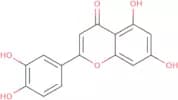
Fórmula:C17H14O5Pureza:Min. 95%Peso molecular:298.29 g/molLuteolin
CAS:Luteolin is a flavonoid compound, which is a naturally occurring substance found predominantly in various fruits, vegetables, and medicinal herbs. Its sources are diverse, including parsley, artichokes, celery, and chamomile tea, where it is accumulated as a secondary metabolite. The mode of action of luteolin primarily involves the inhibition of key enzymes and pathways that lead to oxidative stress and inflammation, including but not limited to the cyclooxygenase and lipoxygenase pathways. This inhibition results in its strong antioxidant and anti-inflammatory properties.Fórmula:C15H10O6Pureza:Min. 95 Area-%Cor e Forma:White Yellow Green PowderPeso molecular:286.24 g/molChrysoeriol-7-diglucoside
CAS:Chrysoeriol-7-diglucoside is a flavonoid glycoside, which is commonly found in various plants. As a naturally occurring compound, it is typically derived from botanical sources such as flowers, leaves, or seeds of specific plant species. Its structure consists of a chrysoeriol molecule bonded to two glucose units. The mode of action of Chrysoeriol-7-diglucoside involves its interaction with biological pathways associated with oxidative stress and inflammation. It exhibits antioxidant properties by scavenging free radicals and potentially modulating enzymatic activity related to these processes.
Fórmula:C28H32O16Pureza:Min. 95%Peso molecular:624.54 g/molCalycosin-7-O-β-D-glucoside
CAS:Calycosin-7-O-β-D-glucoside is a flavonoid glycoside, which is primarily derived from the root of Astragalus membranaceus, a plant widely used in traditional Chinese medicine. This compound is characterized by its antioxidative and anti-inflammatory activities, mediated through modulation of various signaling pathways in the body, such as the MAPK and NF-κB pathways. It plays a significant role in scavenging free radicals and inhibiting inflammatory mediators, thus contributing to cellular protection and reducing oxidative stress.
Fórmula:C22H22O10Pureza:Min. 95%Cor e Forma:White PowderPeso molecular:446.4 g/mol