Flavonóides
Os flavonoides são um grupo de metabólitos vegetais com propriedades antioxidantes que contribuem para a cor de frutas e flores. Eles desempenham um papel importante na proteção das plantas contra radiação UV e patógenos. Os flavonoides são estudados por seus potenciais benefícios à saúde, incluindo propriedades anti-inflamatórias, antivirais e anticancerígenas. Eles são amplamente pesquisados nos campos da farmacologia, nutrição e biologia molecular.
Subcategorias de "Flavonóides"
- Antocianidinas(46 produtos)
- Antocianinas(46 produtos)
- Catequinas(88 produtos)
- Chalconas(237 produtos)
- Pterocarpanos(28 produtos)
Foram encontrados 2408 produtos de "Flavonóides"
Ordenar por
Pureza (%)
0
100
|
0
|
50
|
90
|
95
|
100
Quercetagetin
CAS:Quercetagetin is a flavonoid compound, which is naturally sourced from the marigold plant, *Tagetes* species. This flavonoid is structurally related to other polyphenols and is synthesized in plants through the phenylpropanoid pathway. Quercetagetin primarily exerts its biological effects through the scavenging of reactive oxygen species (ROS) and modulating various signaling pathways associated with oxidative stress.Fórmula:C15H10O8Pureza:Min. 95 Area-%Cor e Forma:PowderPeso molecular:318.24 g/mol6-O-Acetyldaidzin
CAS:<p>6-O-Acetyldaidzin is a chemical compound that serves as an isoflavone derivative, primarily obtained from the acetylation of daidzin. This compound is a naturally occurring glycoside found in soy products and other leguminous plants, acting as a bioactive constituent with diverse pharmacological properties.</p>Fórmula:C23H22O10Pureza:Min. 95 Area-%Cor e Forma:White PowderPeso molecular:458.41 g/mol5-Hydroxy-3',4'-dimethoxyflavone
CAS:<p>5-Hydroxy-3',4'-dimethoxyflavone is a naturally occurring flavone, which is a type of polyphenolic compound found in various plants. It is derived from plant sources, specifically from certain species that are known for their rich phenolic content. The mode of action of this compound involves antioxidant activity, where it scavenges free radicals and reduces oxidative stress, which may contribute to its health-related properties.</p>Fórmula:C17H14O5Pureza:Min. 95%Peso molecular:298.29 g/mol7,2'-Dimethoxyflavone
CAS:<p>7,2'-Dimethoxyflavone is a naturally occurring flavone compound, which is a type of phytochemical widely distributed in the plant kingdom. It is derived from various plant sources, particularly within species known for traditional medicinal uses. The compound exhibits multiple modes of action, primarily interacting with cellular pathways related to oxidative stress and enzyme modulation. It acts as an inhibitor of specific enzymatic processes, contributing to its potential therapeutic effects.</p>Fórmula:C17H14O4Pureza:Min. 95%Cor e Forma:PowderPeso molecular:282.29 g/mol7,2',4'-Tribenzyloxy-8-methoxyisoflavone
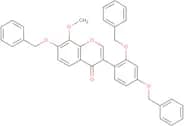
CAS:7,2',4'-Tribenzyloxy-8-methoxyisoflavone is a synthetic isoflavone derivative, which is structurally modified for research purposes. It is typically derived from chemical manipulation of naturally occurring flavonoid compounds found in various plants. The compound is noted for its ability to modulate biochemical pathways due to its interaction with estrogen receptors and other cellular targets. This mode of action makes it particularly useful in the study of estrogenic activities and their implications in various biological processes.Fórmula:C37H30O6Pureza:Min. 95%Peso molecular:570.63 g/mol2'-Benzyloxy-7,4'-dimethoxyisoflavone
CAS:<p>2'-Benzyloxy-7,4'-dimethoxyisoflavone is a synthetic isoflavone, which is primarily derived from the benzyl ether of naturally occurring flavones. Isoflavones are typically sourced from plants, such as soybeans, and are known for their estrogenic activity and various biological effects. The modification to produce 2'-Benzyloxy-7,4'-dimethoxyisoflavone involves chemical synthesis that retains the core isoflavone structure while introducing specific substituents to enhance its biological properties.</p>Fórmula:C24H20O5Pureza:Min. 95%Peso molecular:388.41 g/mol7,3-Dihydroxyflavone
CAS:<p>7,3-Dihydroxyflavone is a potent small-molecule flavonoid, which is a naturally occurring compound sourced primarily from plants. This compound functions as a selective agonist for the TrkB receptor, which is the high-affinity receptor for brain-derived neurotrophic factor (BDNF). By mimicking BDNF, 7,3-Dihydroxyflavone activates intracellular signaling pathways that are crucial for neuronal survival, differentiation, and synaptic plasticity.</p>Fórmula:C15H10O4Pureza:Min. 95%Cor e Forma:PowderPeso molecular:254.24 g/molGossypetin-7-glucoside
CAS:<p>Gossypetin-7-glucoside is a flavonoid glycoside, which is a naturally occurring compound found primarily in plants. This substance is derived from the flavonoid gossypetin, which is a member of the flavonoid class of polyphenolic secondary metabolites in plants, predominantly sourced from cotton plants. The mode of action of gossypetin-7-glucoside is largely attributed to its antioxidant properties. It acts by scavenging free radicals, thereby reducing oxidative stress and potentially mitigating cellular damage.</p>Fórmula:C21H20O13Pureza:(%) Min. 95%Cor e Forma:PowderPeso molecular:480.38 g/molIsorhamnetin
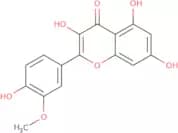
CAS:<p>Isorhamnetin is a naturally occurring flavonoid, which is isolated from various plant sources such as fruits, vegetables, and medicinal herbs like Ginkgo biloba. As a member of the flavonoid family, it is primarily derived from the glycosylation and methylation of quercetin. The mode of action of isorhamnetin is mainly attributed to its potent antioxidant capabilities. It scavenges reactive oxygen species and inhibits oxidative stress, which may lead to beneficial effects in preventing cellular damage.</p>Fórmula:C16H12O7Pureza:Min. 95%Cor e Forma:Yellow PowderPeso molecular:316.26 g/molAcacetin
CAS:Anti-peroxidative; anti-inflammatory; anti-proliferative; induces apoptosisFórmula:C16H12O5Pureza:Min. 97 Area-%Cor e Forma:Yellow PowderPeso molecular:284.26 g/molPinocembrin
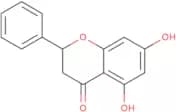
CAS:Pinocembrin is a flavonoid compound, which is a type of polyphenolic molecule, extracted primarily from honey, propolis, and various plants. It is characterized by its unique structure allowing it to function effectively as an antioxidant. The mode of action of Pinocembrin involves scavenging free radicals and reducing oxidative stress, which contributes to its protective effects on cells and tissues.Fórmula:C15H12O4Pureza:Min. 98 Area-%Cor e Forma:White PowderPeso molecular:256.25 g/mol7,3'-Dimethoxy-3-methylflavone
7,3'-Dimethoxy-3-methylflavone is a synthetic flavonoid compound, which is based on the structural class of flavones known for their diverse biological activities. Flavonoids are primarily found in plants, where they contribute to pigmentation, UV filtration, symbiotic nitrogen fixation, and plant growth regulation. This particular compound, however, is synthesized in laboratory settings to replicate and modify these natural attributes for specific research purposes.Fórmula:C18H16O4Pureza:Min. 95%Peso molecular:296.32 g/molConrauinone A
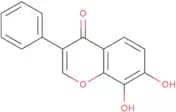
CAS:Conrauinone A is a naturally derived compound, which is a specialized natural product extracted from a specific plant source. This compound is known for its unique structural properties and potential biological activities. Conrauinone A functions primarily through a mode of action that involves interaction with specific cellular targets, leading to modulation of biochemical pathways that are crucial for certain cellular processes.Fórmula:C24H22O8Pureza:Min. 95%Peso molecular:438.43 g/mol7,8-Dihydroxyisoflavone
CAS:<p>7,8-Dihydroxyisoflavone is an isoflavone compound, which is a naturally derived product found predominantly in plants like Trifolium pratense, also known as red clover. It is classified as a selective tyrosine receptor kinase B (TrkB) agonist, which means it can mimic the action of brain-derived neurotrophic factor (BDNF), a protein crucial for neuronal survival, growth, and differentiation in the central nervous system.</p>Fórmula:C15H10O4Pureza:Min. 95%Peso molecular:254.24 g/molEucomol
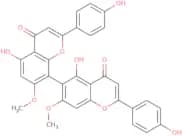
CAS:<p>Eucomol is a synthetic compound derived from plant-based sources, designed as an antioxidant agent. It functions by scavenging reactive oxygen species (ROS), thereby reducing oxidative stress in biological systems. Eucomol's mode of action involves donating electrons to neutralize free radicals, which prevents cellular damage and maintains cellular homeostasis.</p>Fórmula:C17H16O6Pureza:Min. 95%Peso molecular:316.31 g/molHinokiflavone-7,7”,4”’-trimethyl ether
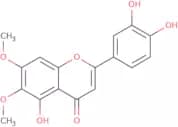
CAS:Hinokiflavone-7,7”,4”’-trimethyl ether is a specialized biflavonoid compound, which is a type of plant secondary metabolite. Derived primarily from certain species of the Cupressaceae family, it showcases the diverse capabilities of flavonoids in biochemical pathways. This compound functions by modulating enzyme activities, interacting with cellular receptors, and exhibiting antioxidant properties. It acts through mechanisms involving inhibition of specific kinases and other enzymes, thereby influencing cell signaling pathways and inflammatory responses.Fórmula:C33H24O10Pureza:Min. 95%Peso molecular:580.54 g/mol6,7-Dimethoxy-3',4',5-trihydroxyflavone
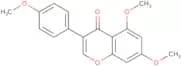
CAS:<p>6,7-Dimethoxy-3',4',5-trihydroxyflavone is a specialized flavonoid compound, which is commonly isolated from plant sources known for their rich polyphenolic content. These compounds are typically synthesized by plants as secondary metabolites, playing critical roles in plant defense and pigmentation. The mode of action of 6,7-Dimethoxy-3',4',5-trihydroxyflavone primarily involves its potent antioxidant activity, where it effectively scavenges free radicals and inhibits oxidative stress at the cellular level. This antioxidant property is attributed to its ability to donate hydrogen atoms or electrons, thereby neutralizing potentially damaging reactive oxygen species (ROS).</p>Fórmula:C17H14O7Pureza:Min. 95%Cor e Forma:White PowderPeso molecular:330.29 g/mol5,7,4'-Trimethoxyisoflavone
CAS:5,7,4'-Trimethoxyisoflavone is a naturally occurring isoflavone compound, which is a type of phytochemical typically extracted from various plant sources, including legumes and certain medicinal herbs. Isoflavones are a class of phytoestrogens – plant-derived compounds with estrogenic activity – found predominantly in soy products.Fórmula:C18H16O5Pureza:Min. 98 Area-%Cor e Forma:PowderPeso molecular:312.32 g/molFicifolinol
CAS:<p>Ficifolinol is a bioactive compound, which is a naturally occurring phenolic compound derived from the plant genus *Eucalyptus*, particularly from the species known for their rich bioactive profiles. Ficifolinol acts primarily through its antioxidant mechanisms, scavenging free radicals and inhibiting oxidative stress, thereby contributing to cellular protection and stability.</p>Fórmula:C25H28O4Pureza:Min. 95%Peso molecular:392.49 g/molAgathisflavone-7,7”-dimethyl ether
CAS:Agathisflavone-7,7”-dimethyl ether is a methylated flavonoid, a type of natural compound belonging to the biflavonoid family. This compound is primarily derived from plant sources, particularly from the leaves and seeds of certain leguminous plants. It presents unique biochemical properties due to the dimethyl ether groups attached to its flavonoid structure.Fórmula:C32H22O10Pureza:Min. 95%Cor e Forma:solid.Peso molecular:566.51 g/mol