Flavonóides
Os flavonoides são um grupo de metabólitos vegetais com propriedades antioxidantes que contribuem para a cor de frutas e flores. Eles desempenham um papel importante na proteção das plantas contra radiação UV e patógenos. Os flavonoides são estudados por seus potenciais benefícios à saúde, incluindo propriedades anti-inflamatórias, antivirais e anticancerígenas. Eles são amplamente pesquisados nos campos da farmacologia, nutrição e biologia molecular.
Subcategorias de "Flavonóides"
- Antocianidinas(46 produtos)
- Antocianinas(46 produtos)
- Catequinas(88 produtos)
- Chalconas(237 produtos)
- Pterocarpanos(28 produtos)
Foram encontrados 2408 produtos de "Flavonóides"
Ordenar por
Pureza (%)
0
100
|
0
|
50
|
90
|
95
|
100
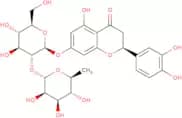
Eriodictyol-7-neohesperidoside
CAS:<p>Eriodictyol-7-neohesperidoside is a flavonoid glycoside, a type of compound that naturally occurs in certain plant species, notably within the genus Eriodictyon. This compound is a derivative of eriodictyol, which is found widely in citrus fruits. Its mode of action is primarily linked to its ability to interact with taste receptors, making it notable for its potential to modulate taste perceptions, specifically in the context of bitterness. This makes it of significant interest in the field of food science and technology.</p>Fórmula:C27H32O15Pureza:Min. 95%Cor e Forma:PowderPeso molecular:596.53 g/mol3-Hydroxy-6,3',4',5'-tetramethoxyflavone
CAS:3-Hydroxy-6,3',4',5'-tetramethoxyflavone is a naturally occurring flavonoid, which is derived from various plant sources, including certain species of the genus Chromolaena. It belongs to a class of polyphenolic compounds known for their potential biological activities. This flavonoid acts primarily through antioxidant mechanisms, where it scavenges free radicals and inhibits oxidative stress pathways. Additionally, it can modulate various signaling pathways, implicating roles in anti-inflammatory processes and cellular protection.Fórmula:C19H18O7Pureza:Min. 95%Peso molecular:358.34 g/molSwertiajaponin
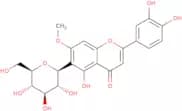
CAS:Swertiajaponin is a natural bioactive compound, classified as a flavonoid glycoside, which is derived from the plant Swertia japonica. Swertia japonica, a member of the Gentianaceae family, is predominantly found in East Asia, where it has been traditionally used in herbal medicine. As with many bioactive compounds, swertiajaponin exhibits its pharmacological effects through various biochemical interactions, including antioxidant, anti-inflammatory, and hepatoprotective activities. It is known to modulate cellular pathways and free radical scavenging, contributing to its therapeutic potential.Fórmula:C22H22O11Pureza:Min. 98 Area-%Cor e Forma:PowderPeso molecular:462.4 g/mol3-Hydroxy-6,2',4'-trimethoxyflavone
CAS:3-Hydroxy-6,2',4'-trimethoxyflavone is a naturally occurring flavonoid derivative, which is a type of secondary metabolite primarily found in various plant species. This compound is derived from the flavonoid family, known for their diverse biological activities and health-related benefits. The mode of action of 3-Hydroxy-6,2',4'-trimethoxyflavone involves its interaction with molecular pathways associated with antioxidant, anti-inflammatory, and potentially anti-cancer activities. It is thought to modulate signaling pathways that play crucial roles in cellular homeostasis, making it a compound of interest in pharmacological research.Fórmula:C18H16O6Pureza:Min. 95%Cor e Forma:PowderPeso molecular:328.32 g/molErythrisenegalone
CAS:<p>Please enquire for more information about Erythrisenegalone including the price, delivery time and more detailed product information at the technical inquiry form on this page</p>Fórmula:C25H26O5Pureza:Min. 95%Peso molecular:406.47 g/molQuercetin 3-O-xyloside
CAS:Quercetin 3-O-xyloside is a flavonoid glycoside, which is typically isolated from various plant sources, such as fruits, vegetables, and herbs. This compound is characterized by the presence of a quercetin molecule attached to a xylose sugar moiety, influencing its solubility and biological activity.Fórmula:C20H18O11Pureza:Min. 95%Cor e Forma:Off-White PowderPeso molecular:434.35 g/mol7-Hydroxy-2',4',5'-trimethoxyisoflavone
CAS:<p>7-Hydroxy-2',4',5'-trimethoxyisoflavone is a naturally occurring flavonoid, which is commonly isolated from various plant sources, including legumes and other flavonoid-rich botanical species. This compound exhibits a unique structural configuration characterized by hydroxyl and methoxy functional groups, contributing to its notable bioactivity.</p>Fórmula:C18H16O6Pureza:Min. 95%Cor e Forma:PowderPeso molecular:328.32 g/molIsoliquiritin
CAS:Isoliquiritin is a bioactive compound, specifically a flavonoid, which is derived from the roots of Glycyrrhiza glabra, commonly known as licorice. It possesses diverse pharmacological properties with multiple modes of action, notably influencing pathways involved in oxidative stress and inflammation. Isoliquiritin acts as an antioxidant, scavenging free radicals and reducing oxidative damage at the cellular level. Additionally, it exhibits anti-inflammatory effects by modulating the expression of inflammatory cytokines and inhibiting specific signaling pathways like NF-κB.Fórmula:C21H22O9Pureza:Min. 95%Cor e Forma:PowderPeso molecular:418.39 g/mol3,5,7,8,3',4'-Hexahydroxyflavone
CAS:<p>3,5,7,8,3',4'-Hexahydroxyflavone is a specialized flavonoid, which is a type of polyphenolic compound found naturally in plants. This compound is derived from various botanical sources, particularly in leaves and peels where flavonoids are abundant. The presence of multiple hydroxyl groups contributes to its potent antioxidant activity, allowing it to scavenge free radicals effectively.</p>Fórmula:C15H10O8Pureza:Min. 98 Area-%Cor e Forma:Yellow PowderPeso molecular:318.24 g/molScutellarein 7-O-rutinoside
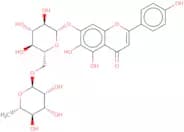
CAS:<p>Scutellarein 7-O-rutinoside is a flavonoid glycoside, which is a type of organic compound found predominantly in various plant species. This compound is mainly extracted from plants such as Scutellaria and Verbena, known for their rich flavonoid content. Its mode of action involves modulating various cellular pathways due to its antioxidant properties, which can scavenge free radicals and reduce oxidative stress in biological systems.</p>Fórmula:C27H30O15Pureza:Min. 95%Peso molecular:594.52 g/molR,S-Equol
CAS:R,S-Equol is a racemic mixture, classified as an isoflavandiol compound, which is synthesized from the metabolism of soy isoflavones, specifically daidzein, by gut microbiota. It acts as a selective estrogen receptor modulator (SERM) with a preference for estrogen receptor beta (ERβ). This compound demonstrates the ability to bind these receptors, mimicking the action of estrogen, but with selective modulation and lower activity than natural estrogen.Fórmula:C15H14O3Pureza:Min. 95%Cor e Forma:PowderPeso molecular:242.27 g/molVitexin
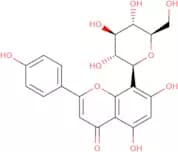
CAS:<p>Vitexin is a naturally occurring flavonoid, which is primarily extracted from plants such as the passionflower (Passiflora) and hawthorn (Crataegus). This bioactive compound is classified under the category of C-glycosyl flavones and is characterized by its unique structural features, including a glycosidic linkage that contributes to its stability and bioavailability.</p>Fórmula:C21H20O10Pureza:Min. 95%Cor e Forma:PowderPeso molecular:432.38 g/molApigenin-7-diglucuronide
CAS:Apigenin-7-diglucuronide is a naturally occurring flavonoid derivative compound, which is primarily derived from various plant sources such as parsley, chamomile, and celery. It represents a glucuronidation product of apigenin, a process involving enzymatic attachment of glucuronic acid to the molecule, enhancing its water solubility and bioavailability.Fórmula:C27H26O17Pureza:Min. 95 Area-%Cor e Forma:PowderPeso molecular:622.49 g/molLiquiritin apioside
CAS:<p>Liquiritin apioside is a flavonoid glycoside, which is predominantly derived from the root of Glycyrrhiza uralensis, commonly known as licorice. This compound acts primarily through its anti-inflammatory and antioxidant properties, which involve the modulation of various cellular pathways. Specifically, it influences the activity of inflammatory cytokines and oxidative stress markers, potentially inhibiting pathways such as nuclear factor-kappa B (NF-κB).</p>Fórmula:C26H30O13Pureza:Min. 95%Cor e Forma:White PowderPeso molecular:550.51 g/mol2',3'-Dimethoxy-3-hydroxyflavone
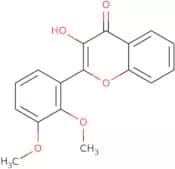
CAS:<p>2',3'-Dimethoxy-3-hydroxyflavone is a specialized flavonoid compound, which is synthesized and not typically found in natural sources. As a flavonoid derivative, this compound is formed through chemical modification of naturally occurring flavones, a class of polyphenolic compounds recognized for their diverse biological activities. With a structure characterized by methoxy and hydroxyl groups, this compound exhibits unique interactions at the molecular level.</p>Fórmula:C17H14O5Pureza:Min. 95%Cor e Forma:PowderPeso molecular:298.29 g/molOnonin
CAS:<p>Ononin is an isoflavonoid glycoside, which is derived from various plant sources, including species of the genus Ononis. It is primarily sourced from the roots and aerial parts of these plants, where it occurs as a natural constituent. The mode of action of Ononin involves its hydrolysis to form its aglycone, formononetin, which is known to exhibit estrogenic activity due to its structural similarity to estrogenic compounds.</p>Fórmula:C22H22O9Pureza:Min. 95%Cor e Forma:White PowderPeso molecular:430.4 g/molAcicerone
CAS:Please enquire for more information about Acicerone including the price, delivery time and more detailed product information at the technical inquiry form on this pageFórmula:C17H12O6Pureza:Min. 95%Peso molecular:312.27 g/molWogonoside
CAS:<p>Wogonoside is a naturally occurring flavonoid glycoside, which is derived primarily from Scutellaria baicalensis, a traditional Chinese medicinal herb. It functions through its ability to modulate various biochemical pathways, demonstrating significant anti-inflammatory and anticancer properties. Wogonoside exerts its effects by inhibiting key enzymes and signaling pathways involved in inflammation, such as nuclear factor-kappa B (NF-κB), and inducing apoptosis in cancer cells through the activation of caspases and modulation of apoptosis-related proteins.</p>Fórmula:C22H20O11Pureza:Min. 95%Cor e Forma:PowderPeso molecular:460.39 g/molQuercetin 3-O-b-D-glucuronide
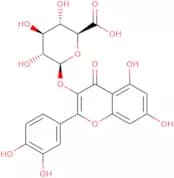
CAS:Quercetin 3-O-b-D-glucuronide is a flavonoid compound, which is a metabolite of quercetin, found in various fruits and vegetables. This compound, specifically a glucuronide conjugate of quercetin, is derived from plant sources such as apples, onions, and berries. It is formed through phase II metabolism where quercetin is glucuronidated by the enzyme UDP-glucuronosyltransferase.Fórmula:C21H18O13Pureza:Min. 95%Cor e Forma:PowderPeso molecular:478.37 g/molNeoliquiritin
CAS:Neoliquiritin is a flavonoid compound, which is derived from the root of the licorice plant, Glycyrrhiza glabra. This compound exhibits significant antioxidant properties through its ability to scavenge free radicals, thereby reducing oxidative stress within biological systems. Neoliquiritin is primarily utilized in scientific research to explore its potential therapeutic effects, particularly its anti-inflammatory and antioxidant activities. Its mode of action involves modulation of various cellular signaling pathways associated with inflammation and oxidative damage, making it a subject of interest in studies related to chronic diseases and skin conditions. Researchers investigate its potential in mitigating oxidative stress-related cellular damage, offering insights into its possible applications in pharmacology and dermatology.Fórmula:C21H22O9Pureza:Min. 95%Cor e Forma:PowderPeso molecular:418.39 g/mol